

Environment
How we approach materials, energy and lifespan — and which parts of it are audited by somebody other than us.
A practical approach to materials, longevity, and responsibility
Enigwatch designs products intended for long-term use rather than frequent replacement. Environmental considerations are approached through durability, material choices and operational decisions that support longevity and reduce unnecessary waste over time.
Rather than lead with broad claims, this page sets out how products are made, packaged and maintained — and separates what a third party has certified from what is simply how we work.
- Built to orderNothing is produced speculatively. Every winder, cabinet and vault is built after it is ordered — which is why the lead time is six to eight weeks, and why there is no unsold stock to clear.
- FSC-certified veneerMacassar Ebony by Alpi® S.p.A., under FSC® chain of custody FSC-C004666.
- LWG-certified leatherNappa and Alcantara® from Gruppo Mastrotto, audited by the Leather Working Group on water use and chemical management.
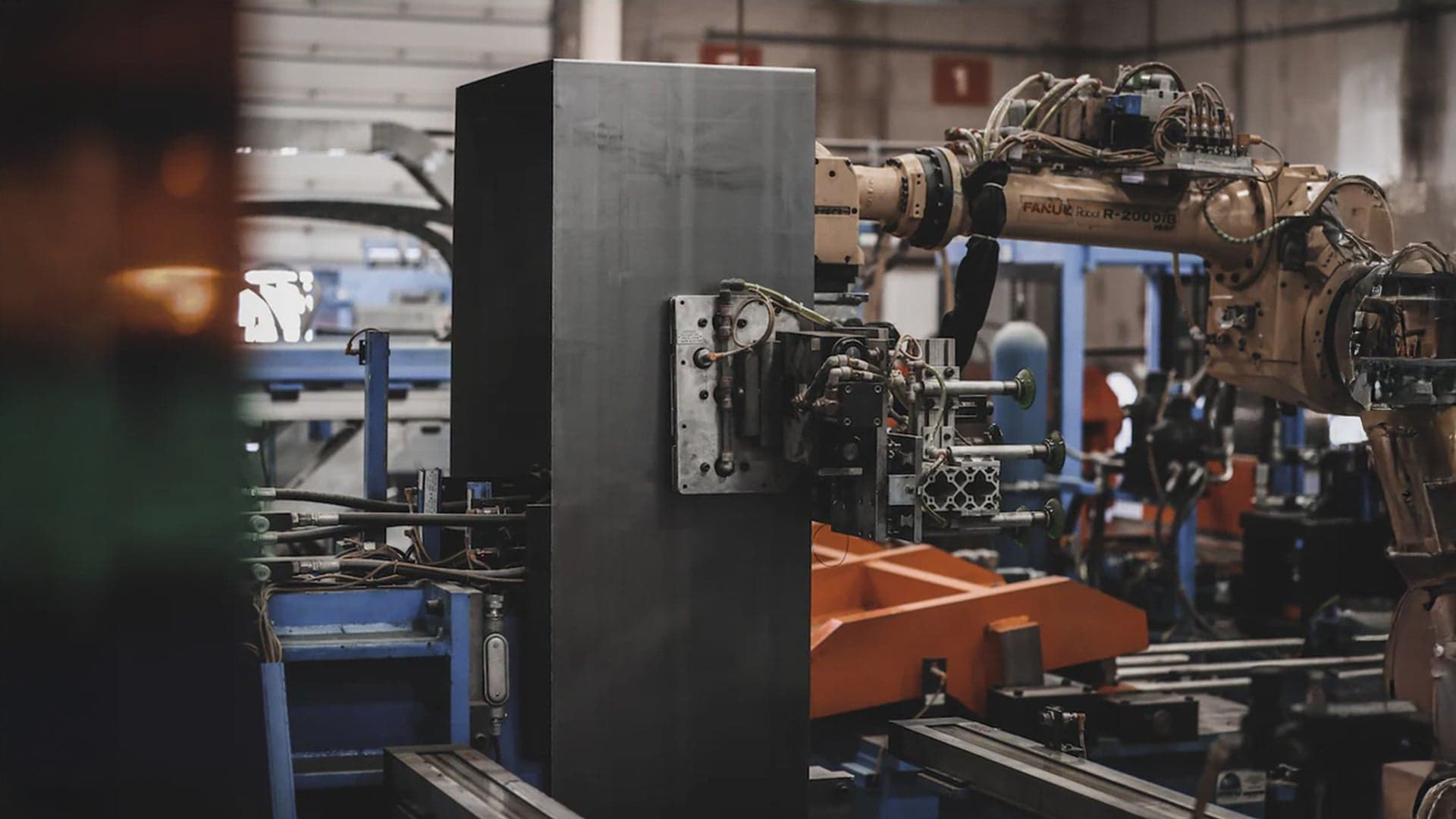
- ISO 14001 manufacturingProduction partners work to the ISO 14001 environmental management standard.
- Under one wattEach winding module averages under a watt in normal operation — below 9 kWh over a full year of running. Rotation is intermittent rather than continuous, and Mabuchi® units are rated beyond 10,000 hours.
- Lifetime coverLifetime motor and lifetime structural warranty, with components specified to be serviced or replaced rather than the piece discarded.
Designed For Longevity
One of the most direct ways to reduce environmental impact is to make something that does not need replacing.
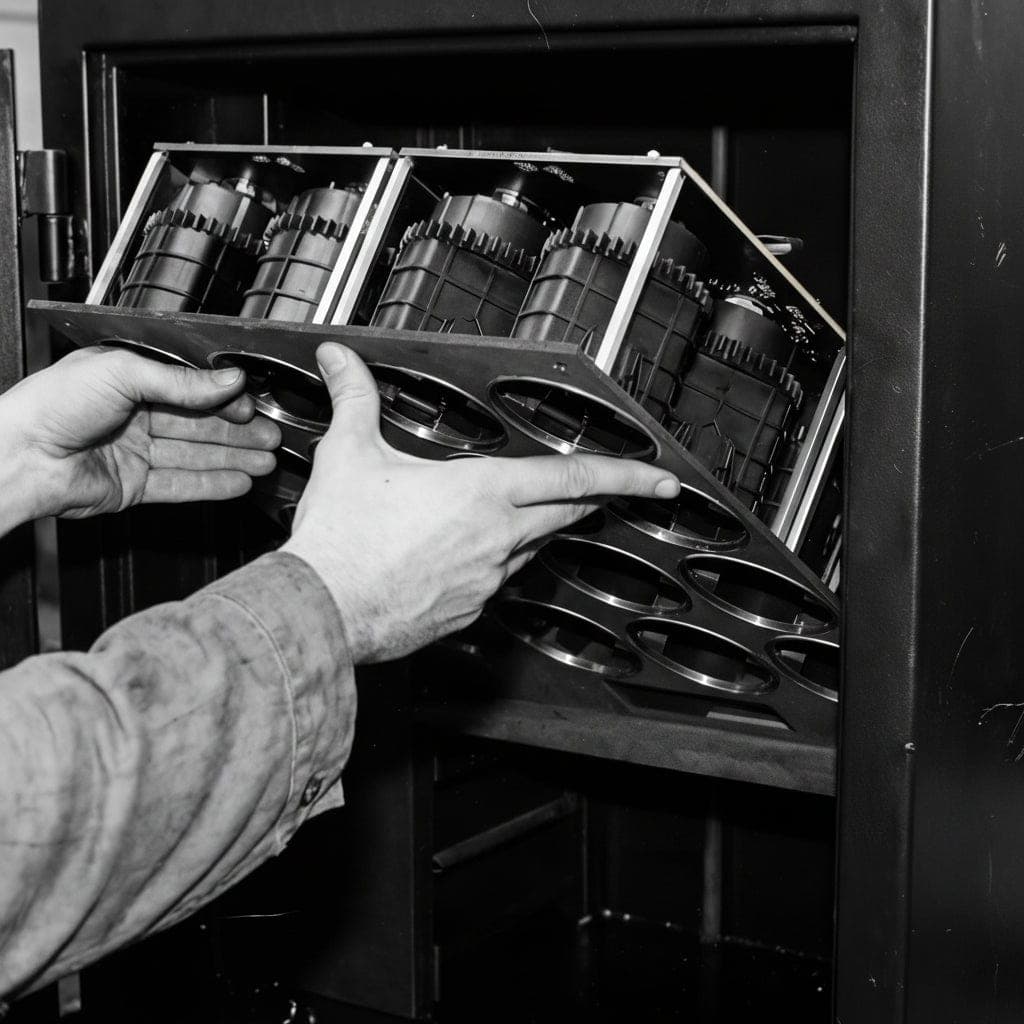
Winders and safes are built from structural components and finishes chosen for durability, mechanical stability and serviceability. Internal components are specified to be replaceable rather than disposable — Austrian hinges tested to 200,000 full-extension cycles, Mabuchi® motors rated beyond 10,000 hours.
The cover matches the intent. Every motor carries a lifetime warranty and every structure carries lifetime cover, so a fault is a repair rather than a reason to buy again. The terms are set out in full under Limited Warranty.
Materials and Construction
Material selection prioritises durability, stability and suitability for long-term indoor use — and, where a supply chain can be audited, suppliers who submit to that audit.
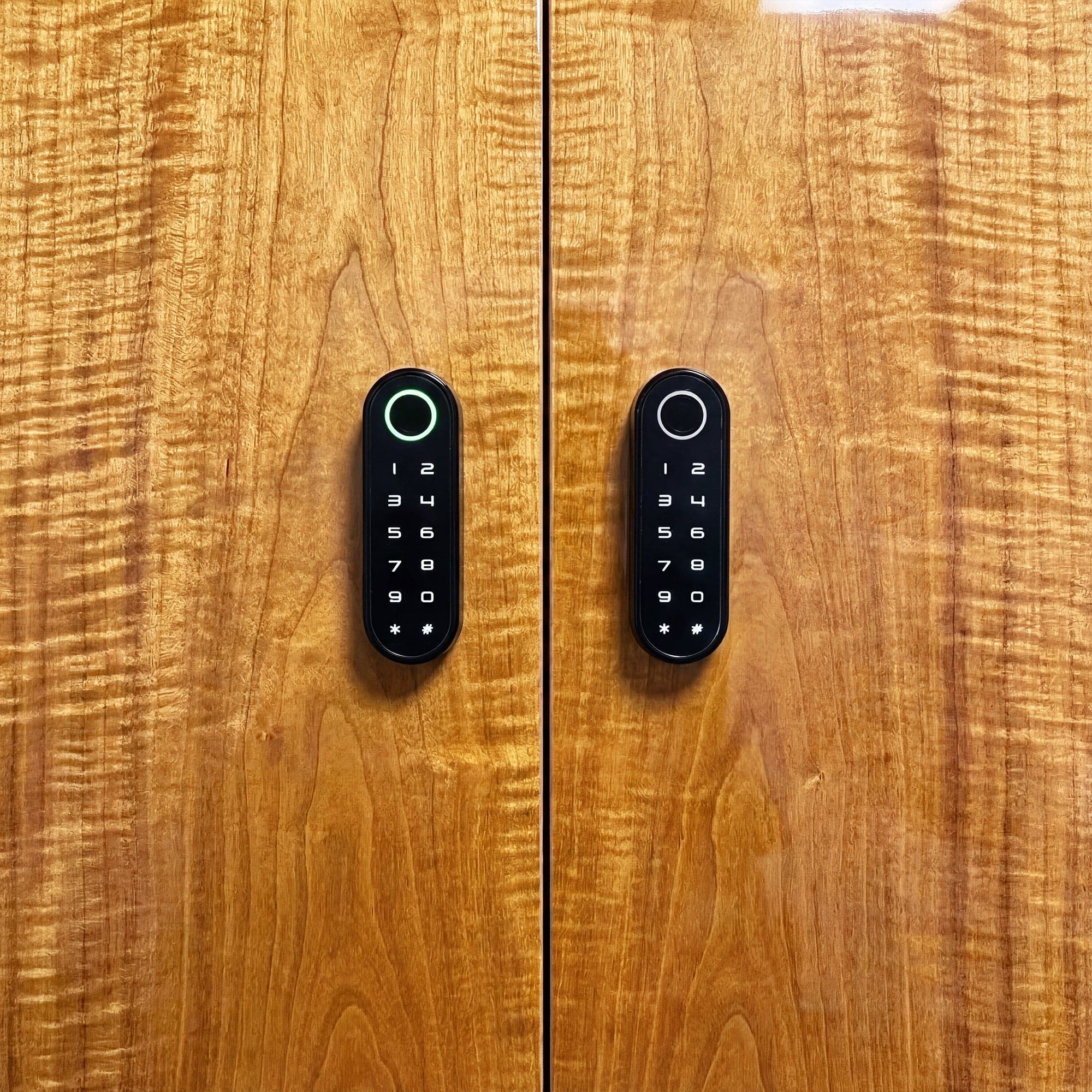
The Macassar Ebony veneer is made by Alpi® S.p.A. under FSC® chain of custody FSC-C004666, which traces the wood back to responsibly managed forest rather than asserting it. Leather is Nappa or Alcantara® from Gruppo Mastrotto, a Leather Working Group–approved tannery, where the audit covers water use and chemical management.
Both were chosen first because they age predictably and perform consistently. That they can be traced is what makes it possible to say so here.
Full specifications are on Materials & Construction.
Energy Efficiency
Enigwatch rotation systems are engineered for controlled, intermittent motion rather than continuous spinning.
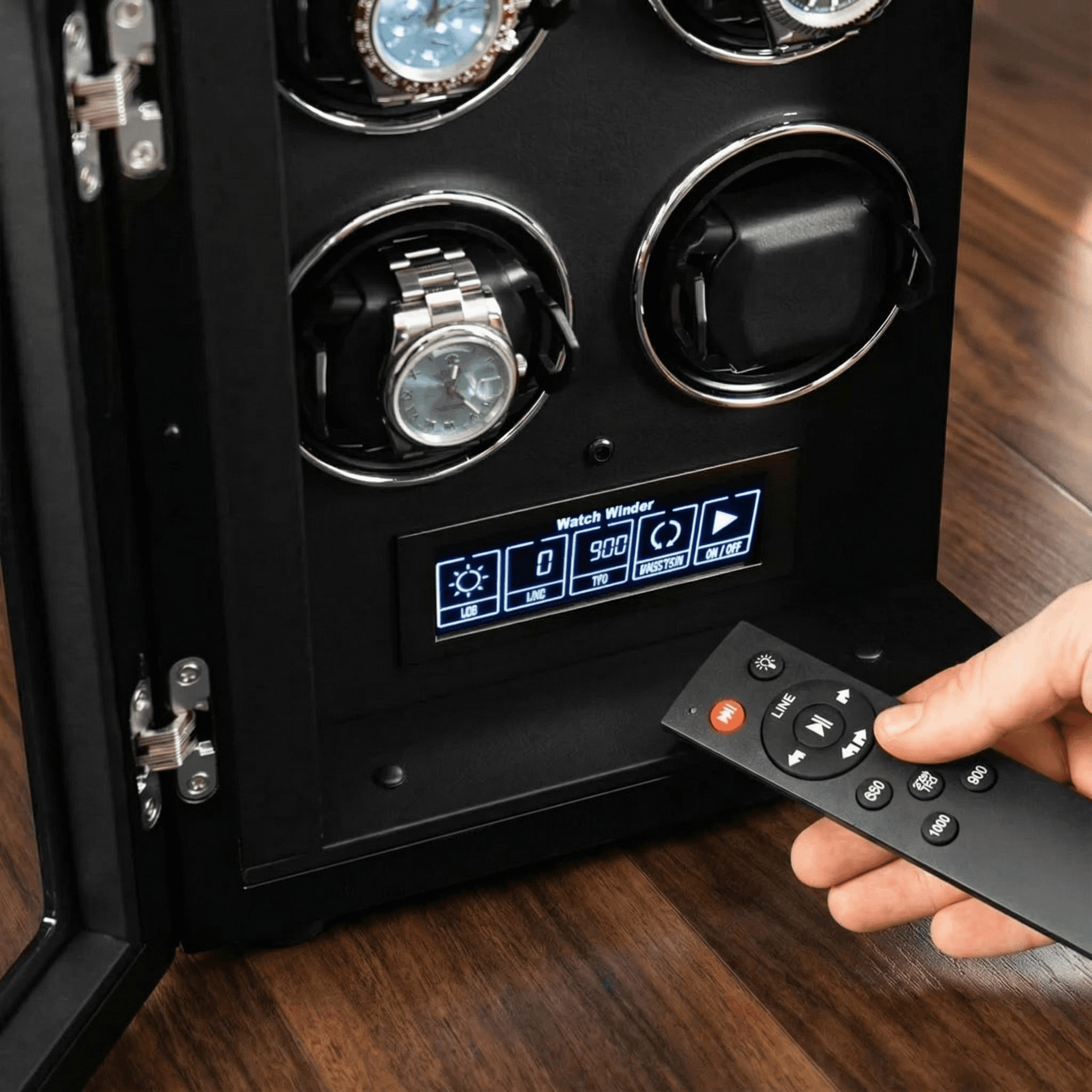
A movement needs a set number of turns per day, not perpetual motion. Cycles deliver that count and then rest, which is both what the watch wants and the reason the motor spends most of the day idle. Less runtime is less power drawn, and less wear on the motor that has to last the life of the cabinet.
In normal operation each winding module averages under one watt. Run continuously for a year that is below 9 kWh — a figure worth keeping in proportion when the cabinet it sits in is expected to last decades.
Turns-per-day figures for 767 movements across seven makers are listed on the TPD reference.

Thoughtful Production and Packaging
Because every piece is built to order, none is built on a forecast. There is no speculative production run and no unsold inventory to move on at a discount or write off.
Manufacturing partners operate to the ISO 14001 environmental management standard, which sets requirements for how waste and energy use are tracked and reduced in production.
Packaging protects the product in transit without padding the box out. Protective material is used where it is structurally necessary — which, for a safe weighing several hundred kilos, is not a small amount — while filler and decorative layers are avoided where they are not.
Where the Tradeoffs Are
The parts that do not resolve neatly, stated as they are.
- Shipping is the hard oneMoving a several-hundred-kilo vault across the world has a cost that no material choice offsets. Enigwatch works inside existing global freight, seeking efficiencies that cut unnecessary handling, and delivers with its own team rather than a third-party carrier — which reduces re-handling but does not pretend to solve the underlying arithmetic.
- Conditions vary, so the claims do not generaliseDelivery routes and product types differ enough that a single figure covering all of them would be a marketing number rather than a measurement. Where something is true only for certain destinations or certain products, it is stated that way or not at all.
- This is a process, not a statusAs materials, logistics and production methods change, so does what is possible. Changes are made when they hold up against long-term product performance and real operational constraints, rather than because they read well.
- What is not claimed hereThere is no carbon-neutral claim, no offset programme and no recycled-content percentage, because none has been measured to a standard worth publishing. The certifications on this page are third-party audited; everything else is described as intent.
Transparency Over Claims
Sustainability is not a fixed achievement but an ongoing process. Rather than making absolute or broad sustainability statements, Enigwatch focuses on clear communication about design intent and practical decision-making.
Enigwatch periodically evaluates:
- Material Sourcing
- Packaging Efficiency
- Energy Usage Patterns
- Manufacturing Processes
Adjustments are implemented when they align with long-term product integrity and operational feasibility.
This approach reflects an emphasis on measurable actions and realistic tradeoffs rather than generalized labels.
Manufacturing standards and quality oversight are explained on Materials & Construction.
Our Certifications
FSC® (FSC-C004666)
Our Alpi veneer meets FSC standards, ensuring it’s sourced from responsibly managed forests. It’s sustainable, traceable, and crafted with respect for nature.
ISO 14001
Our manufacturing partners follow ISO 14001 environmental standards, minimizing waste and energy use while maintaining precision and quality in every piece.
LWG
Our leather is sourced from Leather Working Group–approved tanneries, ensuring responsible water use, reduced chemical impact, and ethical craftsmanship at every stage.


Frequently Asked Questions
Are luxury watch winders eco-friendly?
A winder is environmentally reasonable when it is built to last, draws little power and can be repaired. Lifespan and energy use decide that far more than any finish or feature does. A cabinet that runs for twenty years on intermittent cycles and can have its motor replaced compares well against a cheaper unit that is discarded when one position fails.
Do watch winders consume a lot of electricity?
No. An Enigwatch winding module averages under one watt in normal operation, which is below 9 kWh across a full year of running. The reason is that a winder turns a watch a set number of times per day and then rests, so the motor is idle for most of any 24-hour period. Continuous-rotation designs run the motor far harder for no benefit to the movement.
Is the wood in an Enigwatch cabinet sustainably sourced?
The Macassar Ebony veneer is produced by Alpi® S.p.A. under FSC® chain of custody certificate FSC-C004666. Chain of custody means the timber is traceable through each step from forest to finished panel, which is a verifiable claim rather than a description.
Where does the leather come from?
Nappa leather is supplied by Gruppo Mastrotto, a tannery approved by the Leather Working Group. LWG audits tanneries on water consumption, chemical management, waste and traceability, and publishes the ratings.
How does Enigwatch reduce waste?
Mostly by not producing on a forecast — every piece is built after it is ordered, so there is no unsold stock. Beyond that: packaging is protective rather than decorative, manufacturing partners work to ISO 14001, and components are specified to be replaced individually rather than requiring a whole unit to be scrapped.
If a motor fails, do I have to replace the whole winder?
No. Motors and other internal components are specified as serviceable parts, and both the motor and the structure carry a lifetime warranty. Certified technicians are dispatched rather than the unit being returned for replacement.