

Our History
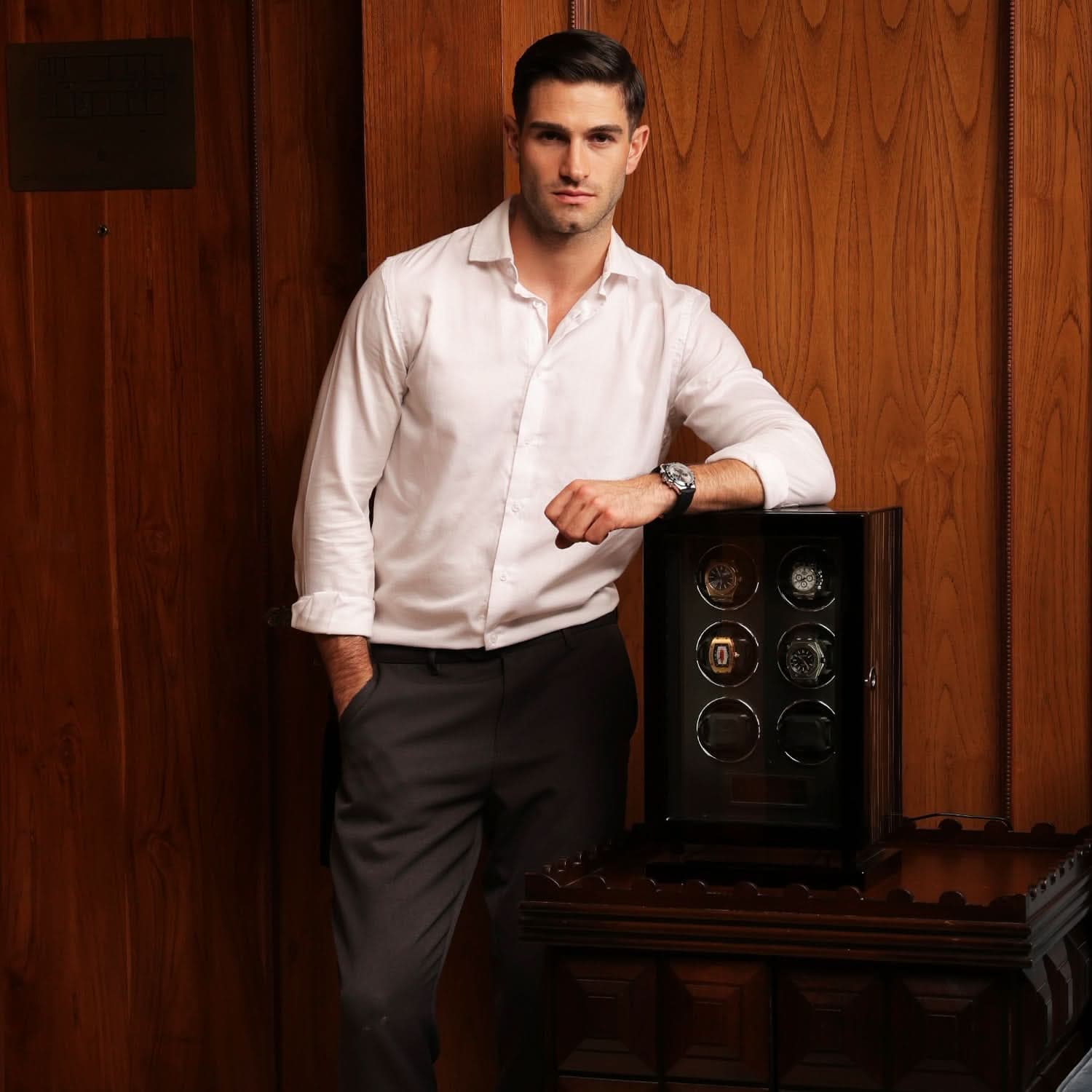
How Enigwatch developed a system-based approach to watch winding and storage
Enigwatch was formed in response to a practical challenge many automatic watch owners encounter as their collections grow. While automatic watches are designed to be worn regularly, real-world ownership often looks different. Watches are rotated, stored for extended periods, or reserved for specific occasions rather than daily wear.
As collections expand, many owners find that existing solutions focus too narrowly on individual functions. Some products emphasize rotation mechanics without addressing storage context, while others prioritize display without considering how watches are actually used over time. This gap created unnecessary complexity for collectors trying to manage readiness, organization, and long-term care together.
Enigwatch emerged from the need to approach watch winders and storage as part of a single, coherent system rather than separate decisions.

A Timeline Journey
Origins
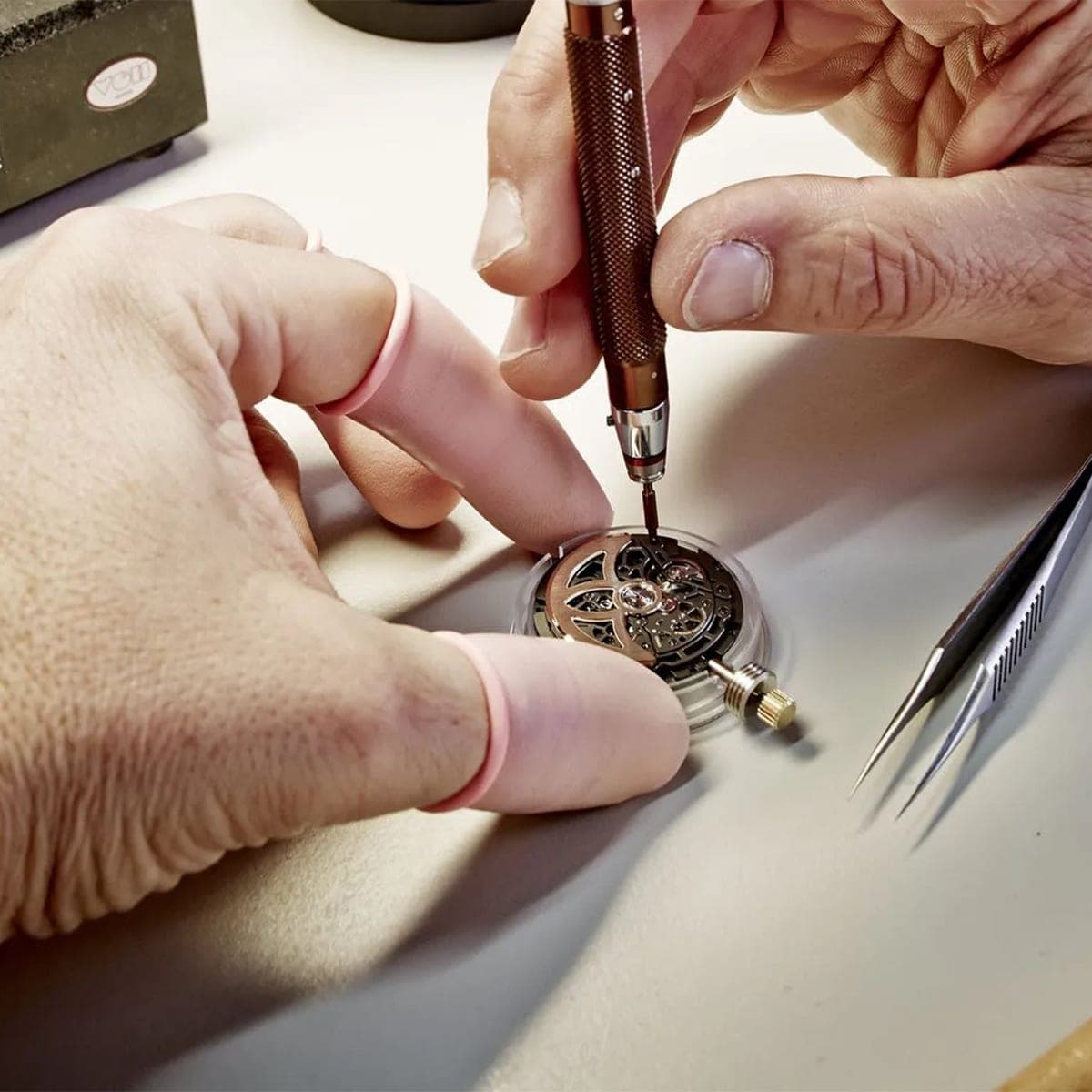
Early focus on rotation and non-wear behavior
From its early development, Enigwatch concentrated on understanding how automatic watches behave during periods of non-wear. This included examining how rotation supports power reserve, how storage conditions influence long-term condition, and where confusion most commonly arises when owners attempt to configure winders correctly.
Rather than treating watch winders as technical novelties, the focus was placed on predictable behavior and practical use. Rotation programs were designed to be controlled rather than constant, and storage formats emphasized stability, organization, and accessibility instead of decorative presentation alone.
This emphasis helped establish a foundation centered on reliability and clarity rather than feature accumulation. The perfect blend of beauty and technology.
Foundation
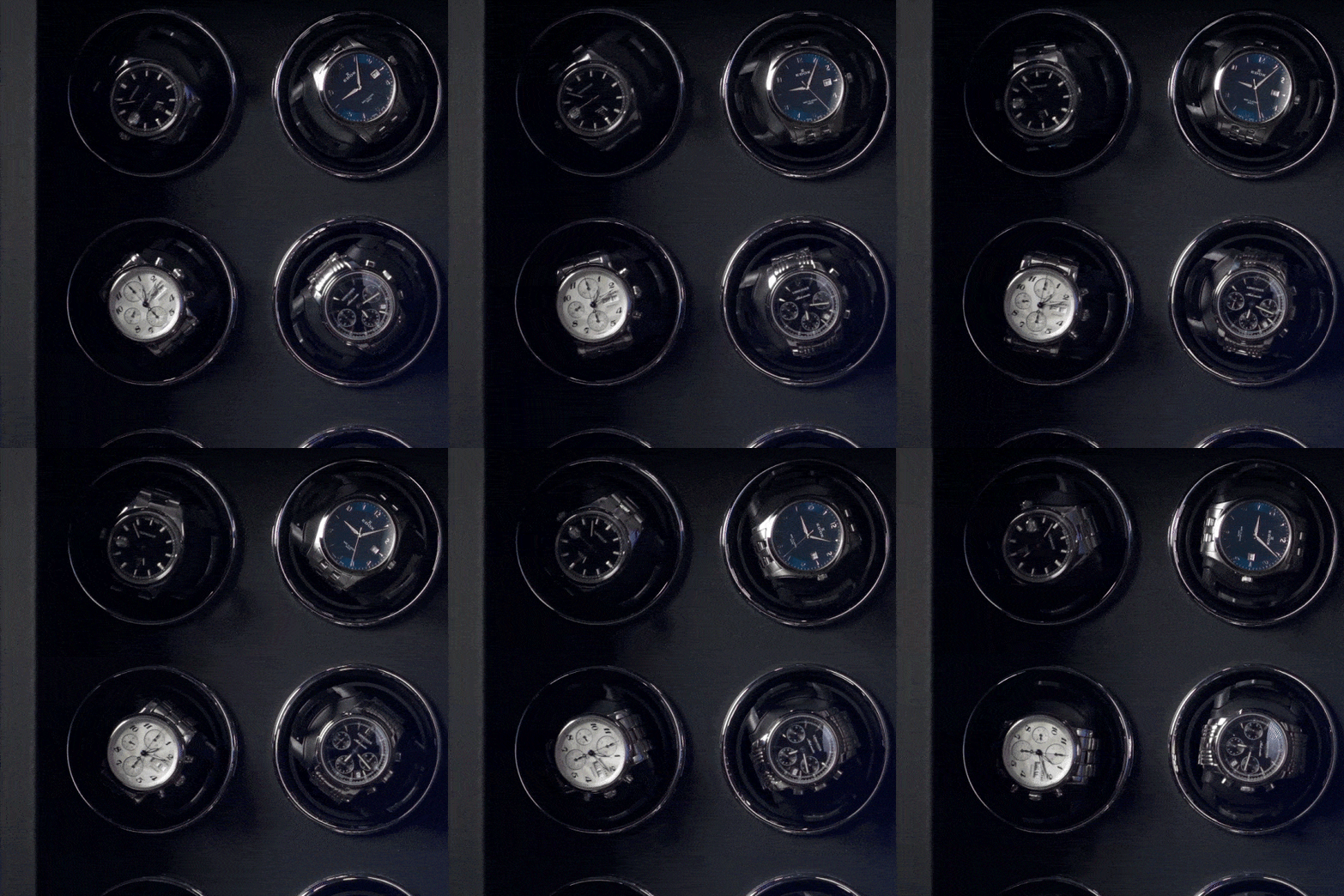
Building standards before scaling products
As understanding of rotation and storage deepened, Enigwatch began formalizing its approach into defined standards. Concepts such as Turns Per Day, directional rotation, and mixed storage setups were documented and explained in plain terms, allowing owners to make informed decisions without specialized technical knowledge. Here’s how we chose our Material & Construction, along with our processes behind the scene.
Educational reference pages were developed alongside products to clarify these concepts and reduce reliance on trial-and-error configuration. This reinforced the idea that effective rotation works best when it aligns naturally with broader storage and ownership habits.
By prioritizing explanation and structure early, Enigwatch established a system-based framework before expanding its product range.
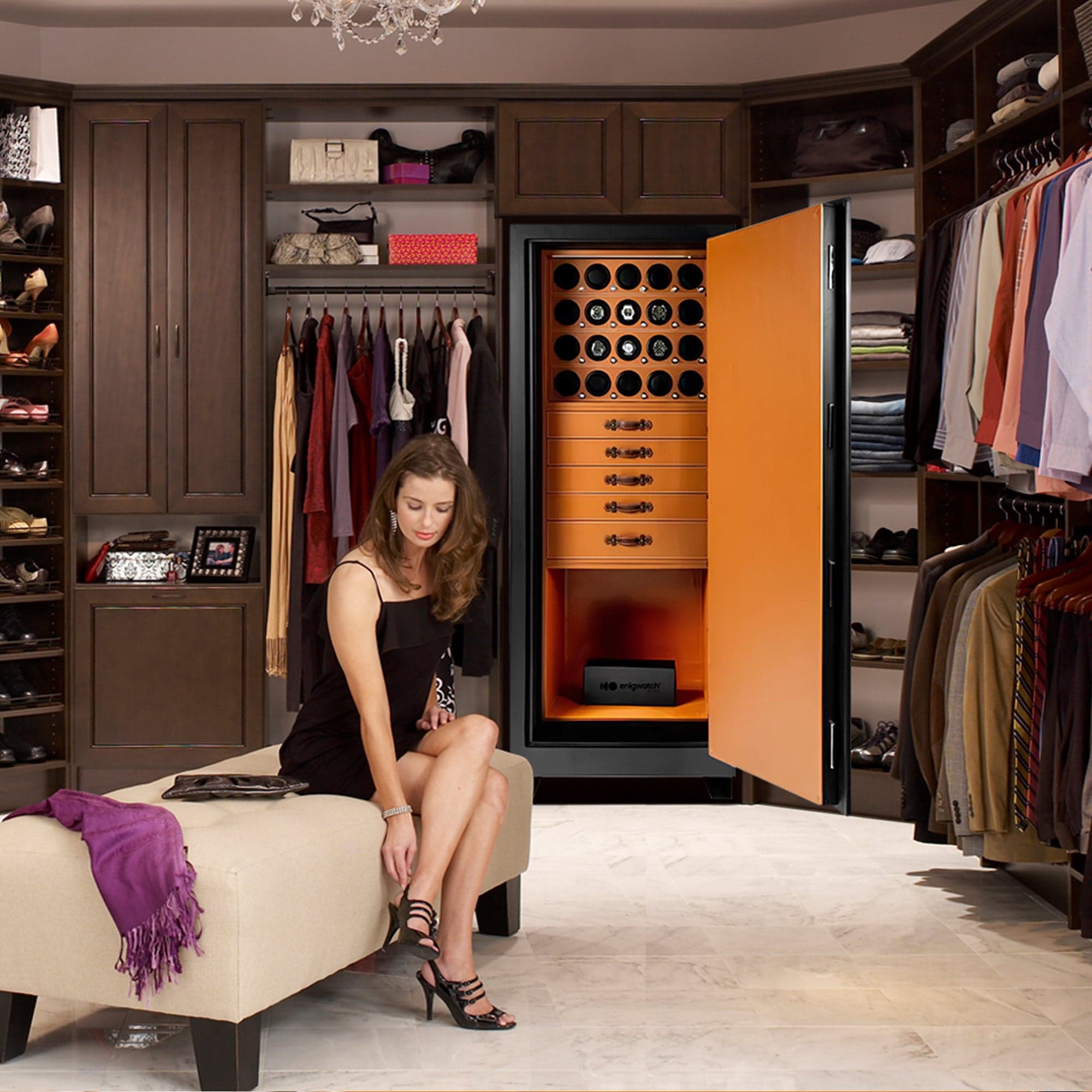
Expansion
Expanding into structured storage and safes
As collections grow, storage needs often evolve beyond standalone winders. In response, Enigwatch expanded its offerings to include structured storage systems and watch winder safes that support both rotation and non-rotation storage within a single environment.
This expansion reflected the same system-driven logic that guided early development. Products were organized around capacity, access, and adaptability, allowing collectors to configure setups based on real-world constraints such as space, security, and collection growth rather than isolated specifications.
Custom safe solutions were later introduced to address specialized requirements that standard formats could not accommodate.
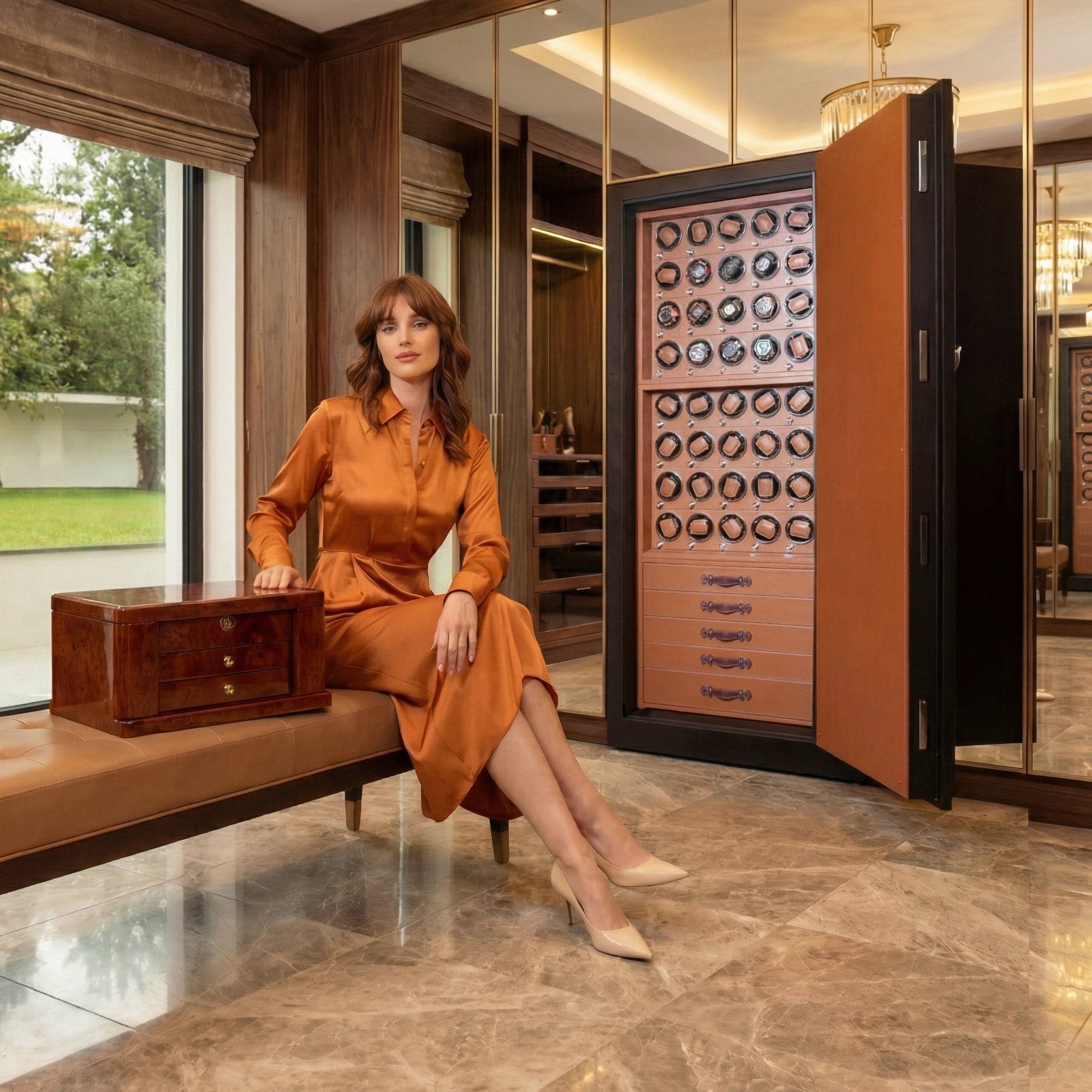
Present
Enigwatch Today
Today, Enigwatch focuses on watch winders and watch safes designed to support long-term ownership rather than short-term convenience. The brand maintains its emphasis on controlled rotation, structured storage, and practical adaptability as collections change over time.
While the watch storage category continues to expand, Enigwatch’s approach remains consistent. The goal is not to complicate ownership with unnecessary options, but to make rotation and storage feel like a considered and integrated part of owning automatic watches.
Discover more About us.