

Behind The Engineering
A winder is a system, not a gadget.
01 / The System
An automatic movement winds from a rotor that spins as you move. Your wrist is irregular and your day is unpredictable, so the watch winds in fits and starts. A winder replaces that randomness with a set rhythm: a fixed number of turns per day, in the direction your movement needs, then rest. More motion is not better motion. The right number is.
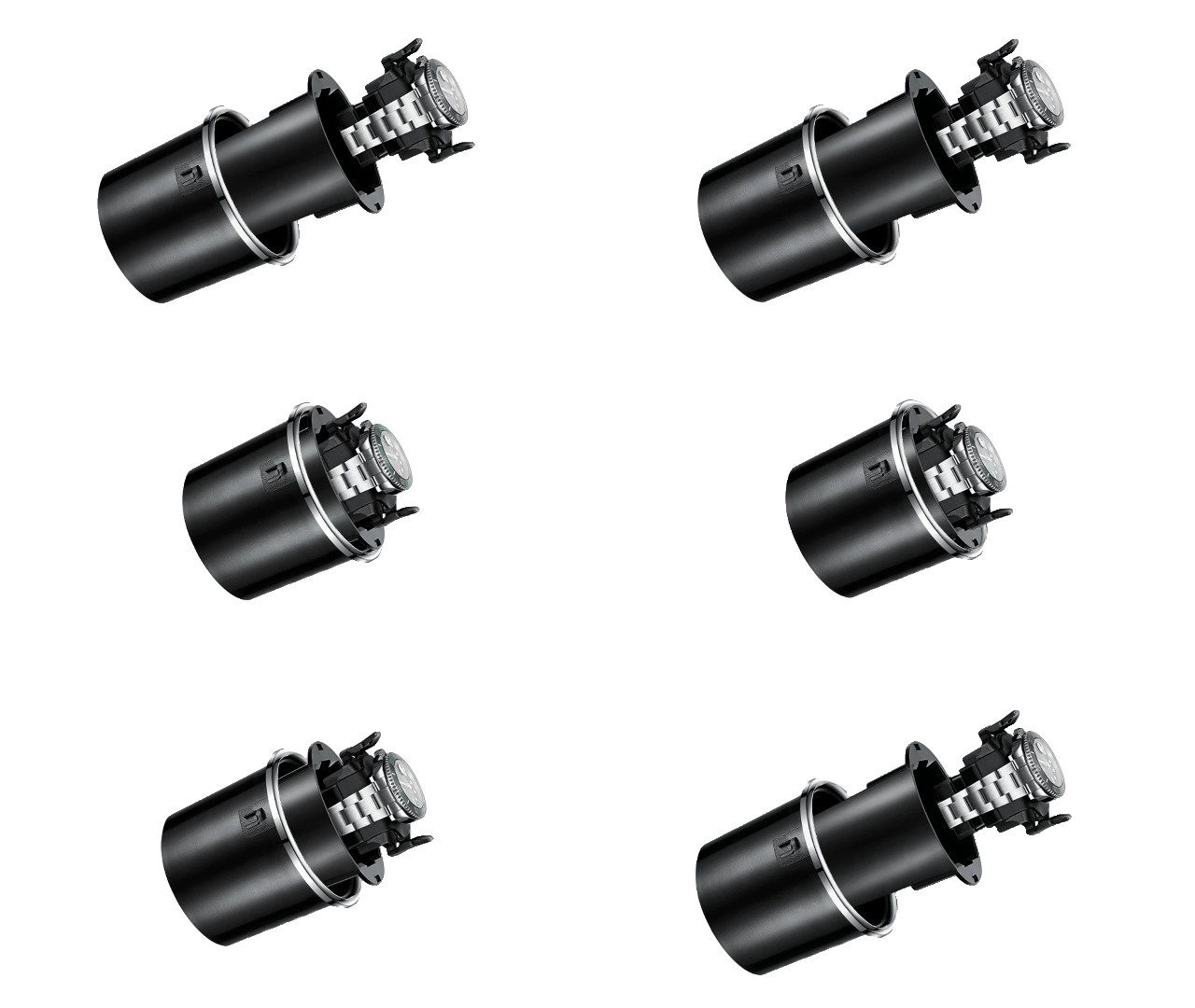
- A · CoreThe structural body. Everything mounts to it, so it has to stay dead still while your watch moves.
- B · MotorSets the rhythm. It turns only when your watch needs it to, then stops and waits.
- C · TransmissionCarries motion without carrying noise. Isolated and damped, so the energy never reaches the case.
- D · HolderCradles your watch and holds it at the angle the movement prefers. It returns to true vertical when the cycle ends.
Stability, Vibration, Noise, and Damping
Mechanical watches are sensitive to inconsistent motion and outside disturbance. The way a watch is stored and turned raises its own engineering questions. Four factors decide how well a winder handles them.
Stability
Stability is how consistently a winder holds balanced, predictable motion through a rotation. Uneven weight, imprecise mounting, or an inconsistent motor introduce irregularities in how the watch receives that motion. The answer is precise alignment of the motor, transmission, and holder, so every cycle behaves like the last.
Vibration
Vibration comes from uneven load, imprecise transmission parts, or an inconsistent motor. A well-built system balances the holder, isolates the drive, and controls how it speeds up and slows down. Motion stays smooth and predictable across the whole cycle.
Noise
Noise tracks vibration, and it's a tell for mechanical quality. Excess noise usually means friction, misalignment, or an irregular motor. Because winders live in bedrooms and offices, the work goes into low acoustic output through careful parts and structural isolation, not just heavier enclosures.
Structural Damping
Damping is how a system absorbs and disperses mechanical energy instead of passing it on. Materials and mounting isolate the movement from the surrounding structure, cutting the vibration that reaches the watch and the room. Good damping doesn't kill motion. It controls it, staying smooth and quiet over years of daily use.
Motion Control Systems
Controlled, repeatable movement
Motion control is what separates a winder from a thing that just spins. Instead of constant rotation, a winder applies motion in measured cycles, turning, then resting.
Cycle Design
Motion comes in bursts, not a constant spin. The movement winds when it needs to and rests the rest of the time. Those rest periods are deliberate. They limit mechanical stress while keeping the watch ready to wear.
Directional Control
Automatic movements wind differently depending on their rotor. Some need clockwise, some counter-clockwise, some both. You set the direction so it matches whatever sits on the holder, across brands and calibers.
Speed and Consistency
Consistency beats intensity. More speed or non-stop rotation doesn't wind better, it just adds vibration and wear. A winder is built around turns per day, the total rotation over time, so the watch stays wound without working harder than it has to.
Split into controlled cycles instead of constant motion, a winder works like a regulated environment, effective and stable over the long run.
Integration With Storage and Safe Systems
Safe-ready integration
When watch winders are incorporated into cabinets, cases, or safes, engineering considerations extend beyond the rotation mechanism itself. Integration requires that motion systems function independently without compromising the stability, structure, or purpose of the surrounding enclosure.
Motion Isolation
Rotation modules are designed to operate as self-contained units so that mechanical motion does not transfer into the larger storage structure. This separation helps prevent vibration from affecting adjacent compartments or stored watches that are not intended to be rotated.
Environmental Control
Storage enclosures may be designed to limit exposure to dust, light, or fluctuations in temperature and humidity. Engineering integration ensures that rotation mechanisms operate reliably within these controlled environments without generating excess heat or disrupting internal conditions.
Access Mechanisms
In combined systems, opening and closing doors or drawers should not introduce shock or sudden movement to the rotation module. Soft-close hardware, damped hinges, and stable mounting points are used to protect both the watch and the mechanical components during routine interaction.
Learn more about Our Materials & Construction
Engineering Constraints and Tradeoffs
Design within mechanical limits
No mechanical system can perfectly replicate the conditions of daily wear, and watch winders are no exception. Winders are designed to approximate the cumulative effect of wrist movement, not to mirror its complexity or variability. Recognizing these limits is an important part of understanding how winders function in practice.
Motion Variability
One constraint involves motion variability. Human movement is irregular and influenced by countless factors, while mechanical systems rely on predefined cycles. Engineers must balance predictability with flexibility, accepting that controlled motion will always be a simplified representation of real-world wear.
Size, Noise, and Durability
Compact systems may limit space for damping and isolation, while larger systems can better manage vibration but require more structural support. Design decisions often involve choosing which factors to prioritize based on intended use rather than attempting to maximize every characteristic simultaneously.
Energy Efficiency
Systems designed to minimize power consumption may favor slower motion and longer rest periods, while more active systems may introduce additional mechanical wear. Engineering decisions aim to maintain reliability over time rather than pursue constant activity.
Understanding these constraints reinforces an important principle: more motion, greater complexity, or higher intensity does not automatically result in better outcomes. Effective engineering focuses on balance, predictability, and long-term stability within realistic operating limits.
Here's How Enigwatch Does It
Behind every winder is a system: precision motors, consistent torque, and motion control built around rotation and rest. See how Enigwatch designs for low vibration, low noise, and dependable rotation support over time.
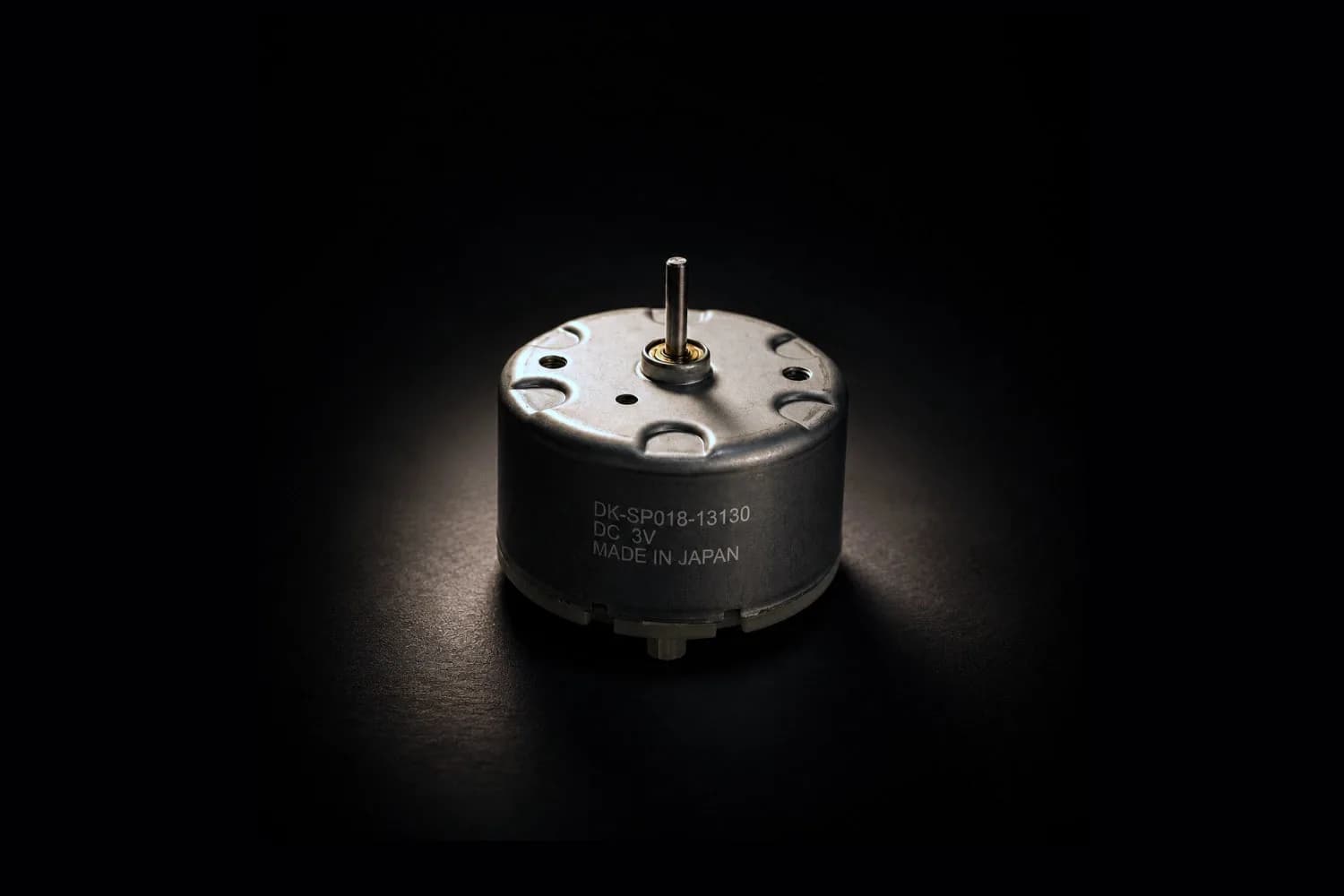
Our proprietary motor
- Brushless driveNo brushes means no friction wear, so rotation stays smooth and consistent across years of start-stop cycles, with tighter control when paired with sensor feedback.
- True rotation countingAn optical sensor counts real turns instead of guessing from runtime. If resistance changes, it still stops at the exact target turns-per-day.
- Anti-magnetic shieldingMu-metal reroutes stray magnetic fields away from the watch, the real risk in device-heavy homes. Protects vintage and modern calibers alike.
- 12 o'clock stopThe winder returns the watch to an upright 12 o'clock position at the end of each cycle, for clean display alignment and a finished look.
- Ceramic bearingsLower friction and corrosion resistance keep rotation smooth and quiet over the long haul, where friction consistency drives smoothness and noise.
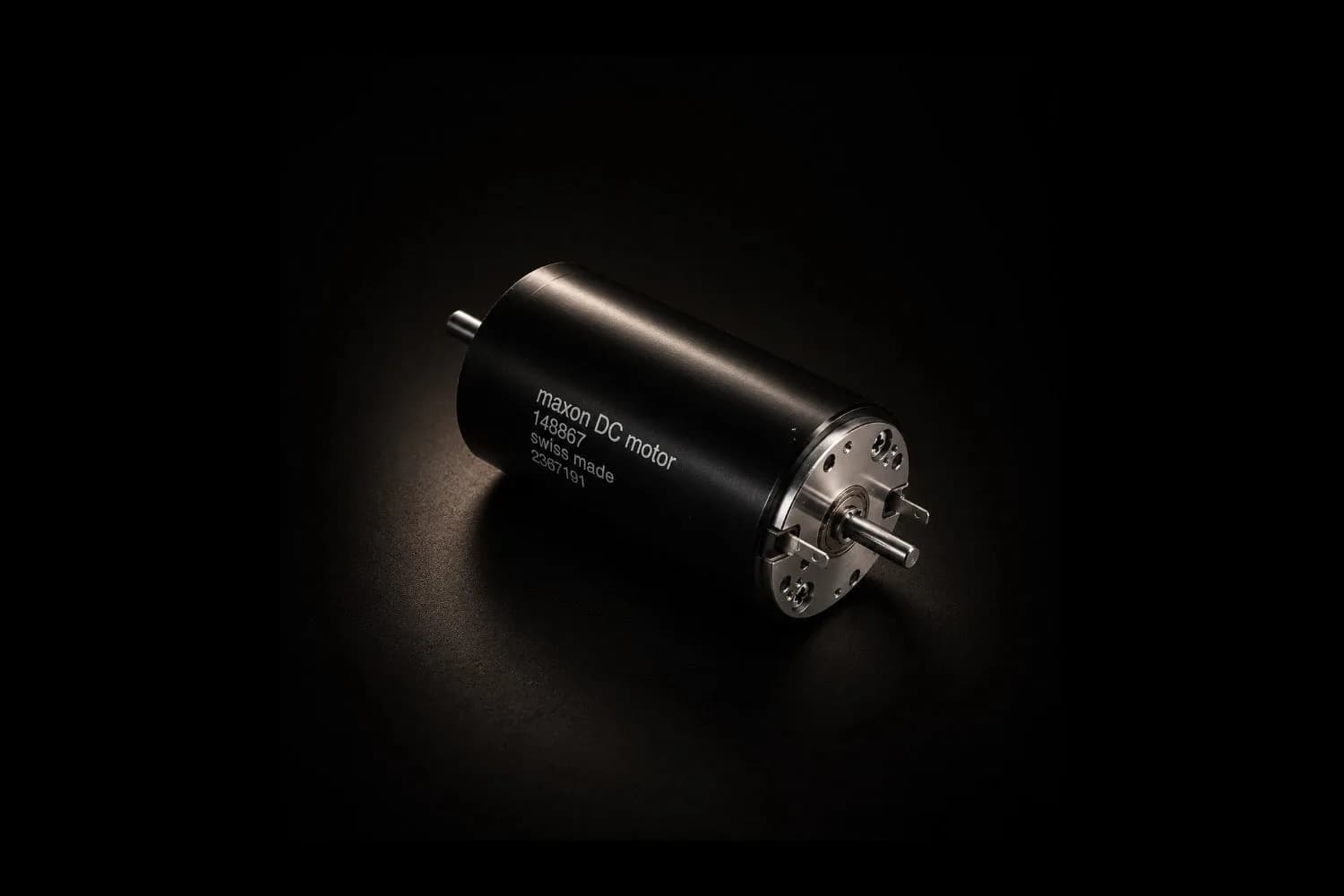
The Maxon™ motor
- Ironless rotorMaxon’s coreless winding drops the iron core, so there’s no magnetic cogging as it turns. Motion stays smooth across the whole cycle, with no micro-vibration reaching the watch.
- Closed-loop feedbackAn integrated encoder reads real rotor position, not a runtime estimate. It stops at the true target regardless of load, so turns-per-day stays accurate across watch weights.
- Planetary gearheadDistributes load evenly as more rotors run, with tight tolerances that resist play and friction buildup. Consistent torque across a full cabinet, built for sustained multi-rotor use.
- Industrial service lifeRated for tens of thousands of hours under sustained load, the same Maxon platform used in surgical robotics, aerospace positioning, and NASA Mars rovers. Built to outlast the cabinet.
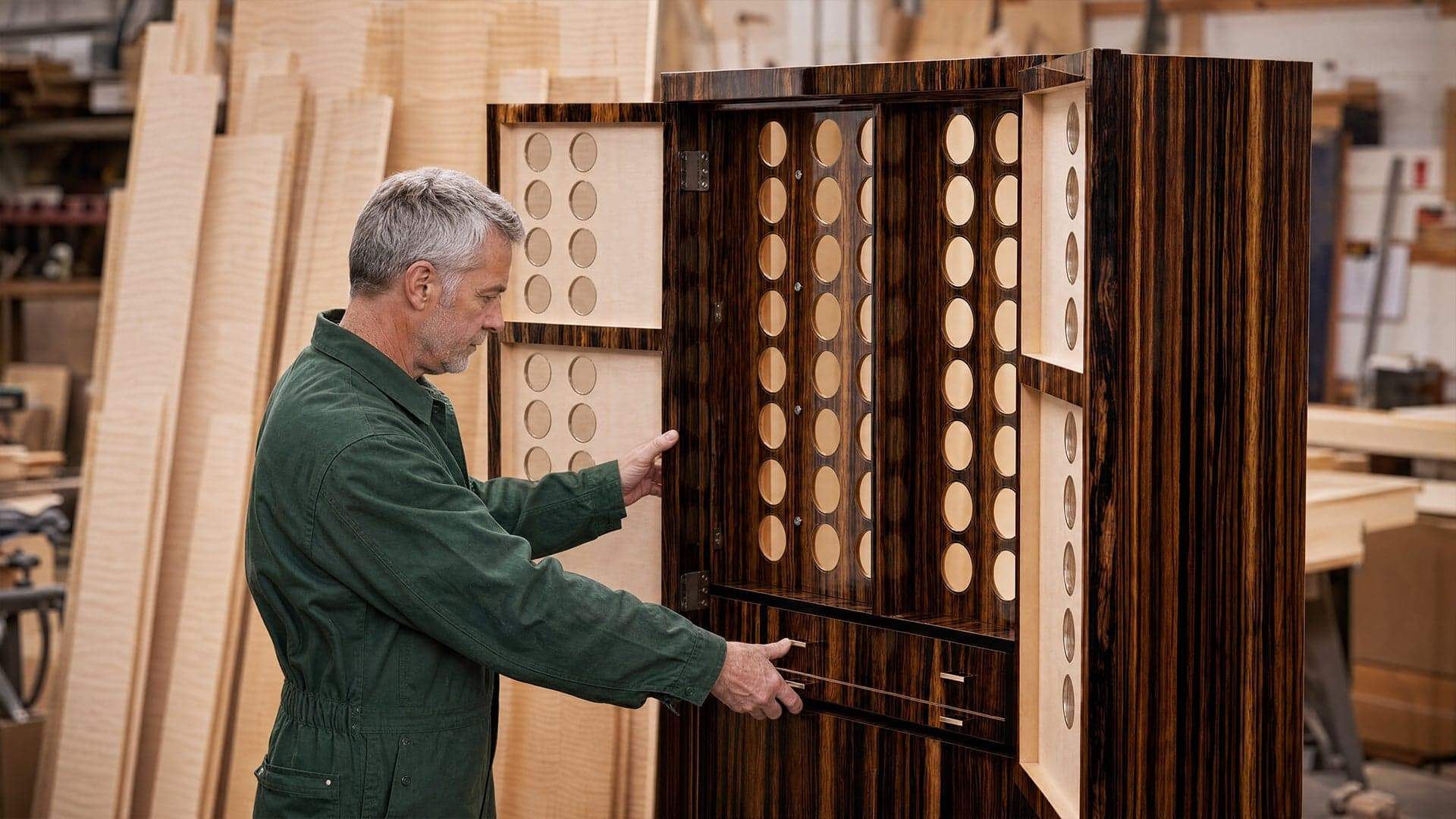
Available on our watch cabinets, the Enclave™ 64 and Eterna™.
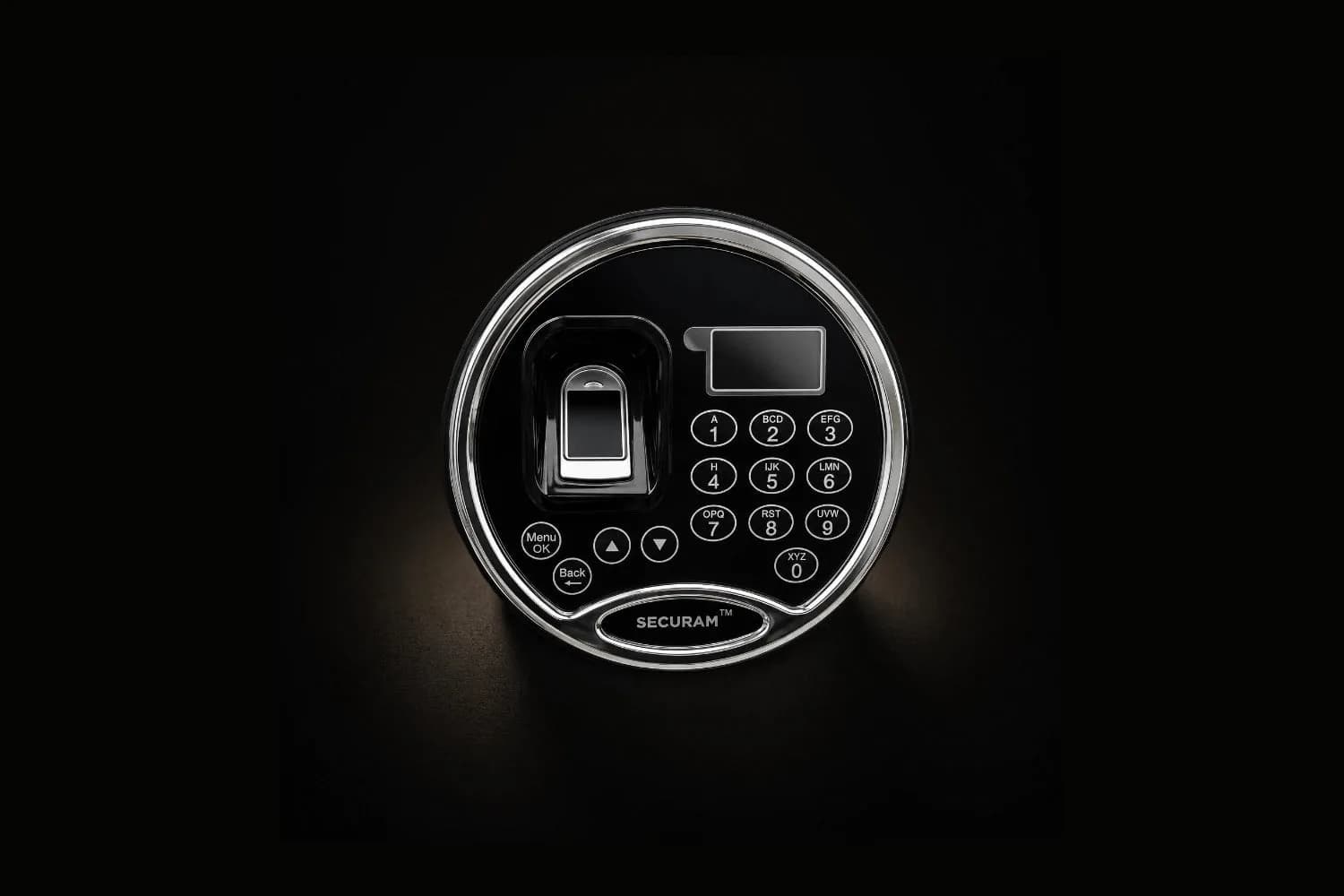
Inside the ScanLogic lock
- Fingerprint entrySecuRam® American-engineered sensor turns your fingerprint ridge detail into an encrypted template, not a stored image. Fast daily access, with enrollment limited to approved users.
- Multi-user profilesEnroll more than one approved user and manage access through the lock’s admin flow, no shared keys. Practical for households or shared collections, model-dependent.
- Hardware-backed lockElectronic verification handles entry, but internal mechanical bolts do the real holding. A lock should be hardware-backed, not just smart at the keypad.
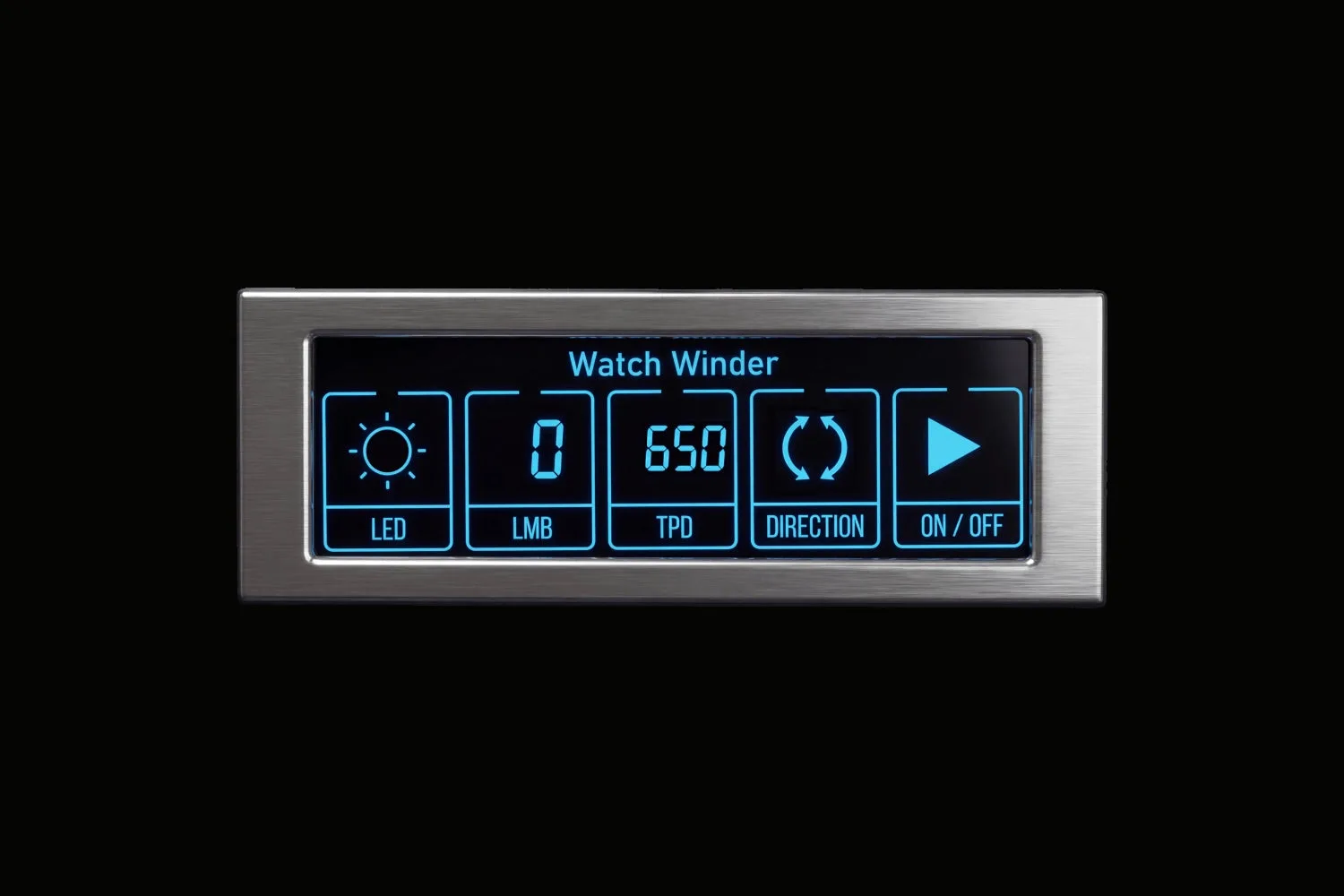
Inside the ChronoSync™ panel
- Preset programsSet turns-per-day and rotation direction from clear, repeatable presets, so daily settings carry across different watches and slots without guesswork.
- Run-and-rest schedulingTimed intervals alternate rotation and rest instead of constant motion, cutting unnecessary runtime while keeping the watch ready to wear.
- Touch controlChange settings right on the panel, no app or extra hardware, with TPD, direction, and operating mode shown at a glance.