
Why Materials Matter in Watch Winder and Safe Construction?
It is important to distinguish between cosmetic materials and structural materials. Exterior surfaces may contribute to visual appeal or tactile experience, but internal frames, mounts, and contact surfaces are responsible for maintaining mechanical stability. Engineering-focused material choices prioritize predictable behavior, dimensional stability, and durability rather than aesthetics alone.
For a closer look at how these materials support the mechanical systems they house, see our Technology & Engineering page.
Materials influence how vibration is absorbed or controlled, how internal components remain precisely aligned, and how motion systems perform under continuous rotation. Structural integrity and damping quality directly affect long-term accuracy and stability.
Materials determine structural rigidity, resistance to impact, and protection against dust, humidity, and environmental fluctuation. Surface treatments and internal construction influence durability, longevity, and how well contents are preserved over time.
It is important to distinguish between cosmetic materials and structural materials. Exterior surfaces may contribute to visual appeal or tactile experience, but internal frames, mounts, and contact surfaces are responsible for maintaining mechanical stability. Engineering-focused material choices prioritize predictable behavior, dimensional stability, and durability rather than aesthetics alone.
For a closer look at how these materials support the mechanical systems they house, see our Technology & Engineering page.


Structural Frames and Load-Bearing Components
The internal frame of a watch winder or watch safe serves as the foundation that supports all mechanical and protective functions. From an engineering perspective, this structure is responsible for maintaining alignment, managing load, and preserving dimensional stability over time. Regardless of exterior appearance, the internal frame determines how reliably the system performs under repeated use.
Watch Winder
Structural Frames and Load-Bearing Components
In watch winders, load-bearing components must support the combined weight of the motor, transmission system, and mounted watches while maintaining balance during rotation. Even small imbalances can introduce vibration or uneven stress, which is why rigidity and precise alignment are critical. A stable frame helps ensure that motion remains smooth and consistent throughout each operating cycle.
Safes & Cabinet
Structural Frames and Load-Bearing Components
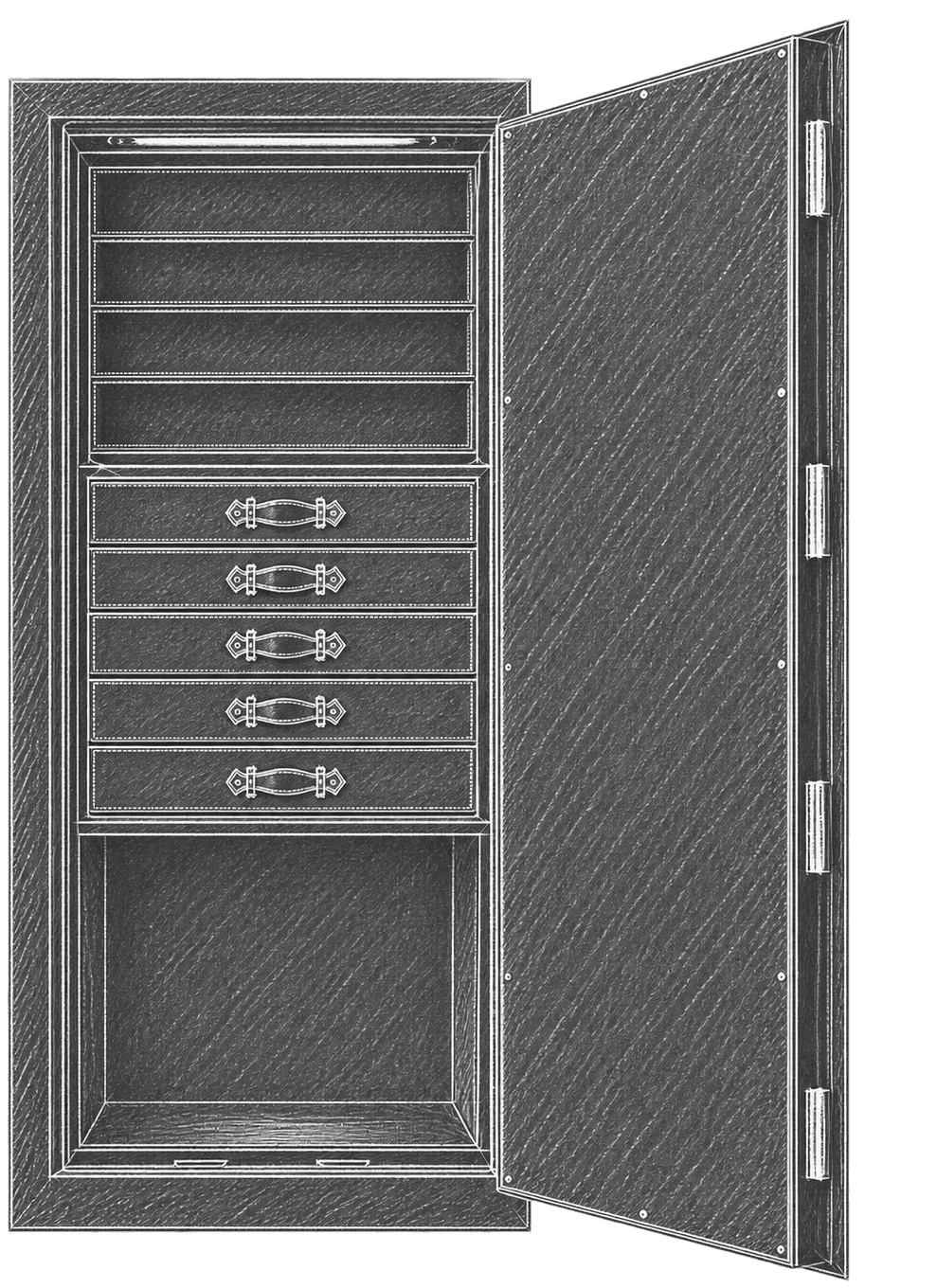
For safes and integrated storage systems, structural frames play a different but equally important role. They must resist external forces, maintain door and hinge alignment, and support locking mechanisms without flexing or distortion. Material rigidity and joint integrity are essential to prevent gradual deformation that could affect both security and usability.
Structure Over Thickness
Engineering-focused construction emphasizes internal structure over surface thickness. A well-designed frame distributes load evenly across key stress points rather than relying on exterior panels alone for strength. This approach improves long-term reliability and reduces the likelihood of mechanical drift caused by repeated motion or environmental change.
By prioritizing stable, load-bearing structures, manufacturers create systems that retain alignment, minimize vibration, and preserve mechanical consistency. These internal frameworks form the backbone of both motion-based and storage-focused designs.
Exterior Materials and Surface Finishes
Exterior materials and surface finishes define how a watch winder or watch safe performs within its environment. Beyond appearance, they contribute directly to protection, structural stability, and long-term durability. The exterior acts as the first barrier against wear, impact, and environmental exposure.
Materials are selected for rigidity, dimensional stability, and resistance to surface damage. Panels and housings must maintain alignment over time, especially in products containing moving mechanical systems. A stable outer structure preserves internal positioning and shields motion components from external stress.
Surface finishes enhance protection and maintenance. They may resist scratches, limit moisture absorption, and reduce the accumulation of dust or oils from handling. When finishes are engineered for predictable performance rather than decoration alone, they age consistently and support long-term structural integrity.


Wood Veneer
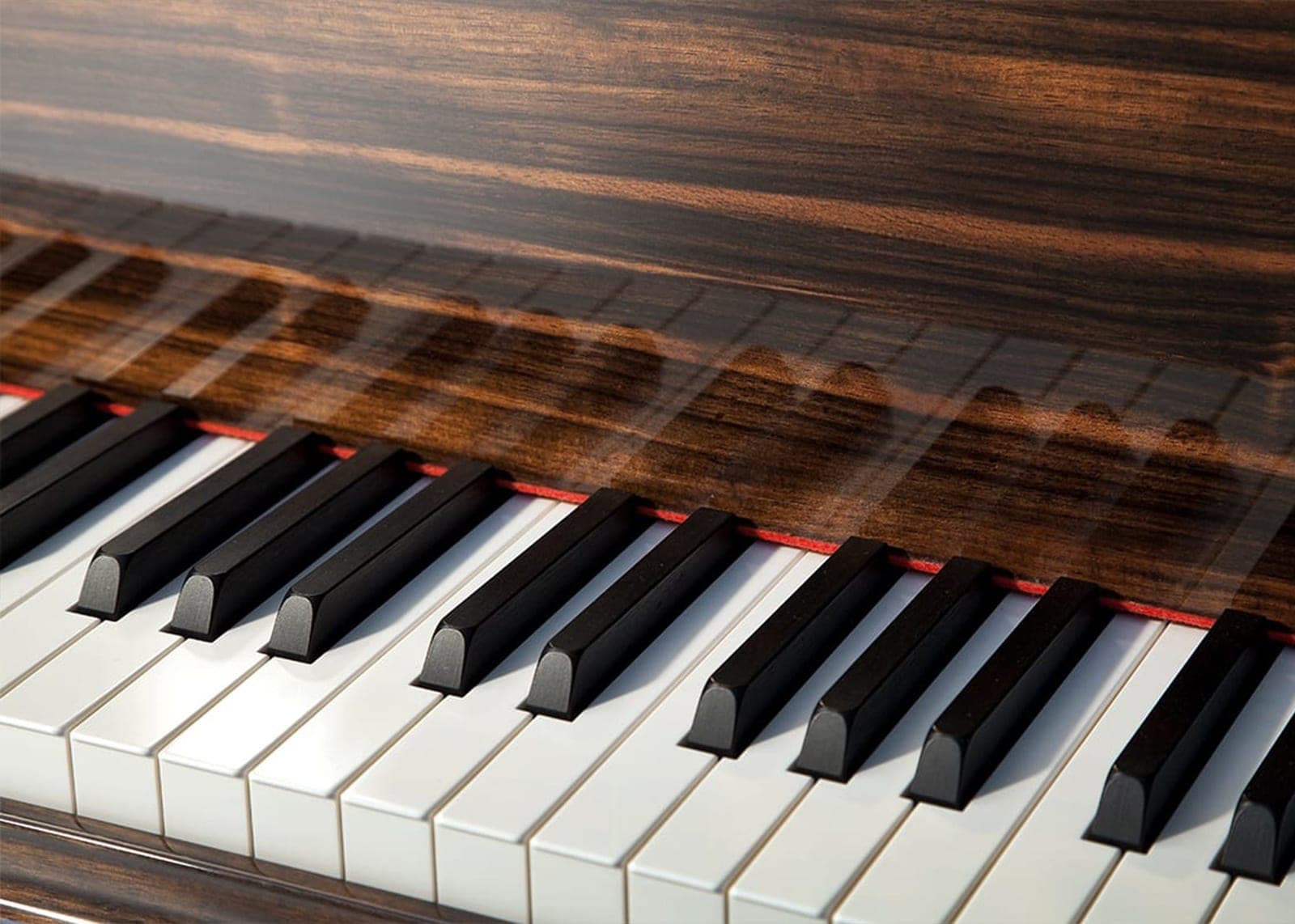
Macassar Ebony Wood Veneer by Alpi® Italy
Crafted in Italy with Macassar Ebony veneer by Alpi®, known for its dramatic brown-black striations and gallery-level depth. The look is inspired by one of nature’s most coveted wood figures, but what makes it feel personal is the variation. No two veneer sheets resolve the grain the same way, so each vault carries its own fingerprint of contrast and movement.
Wood Veneer
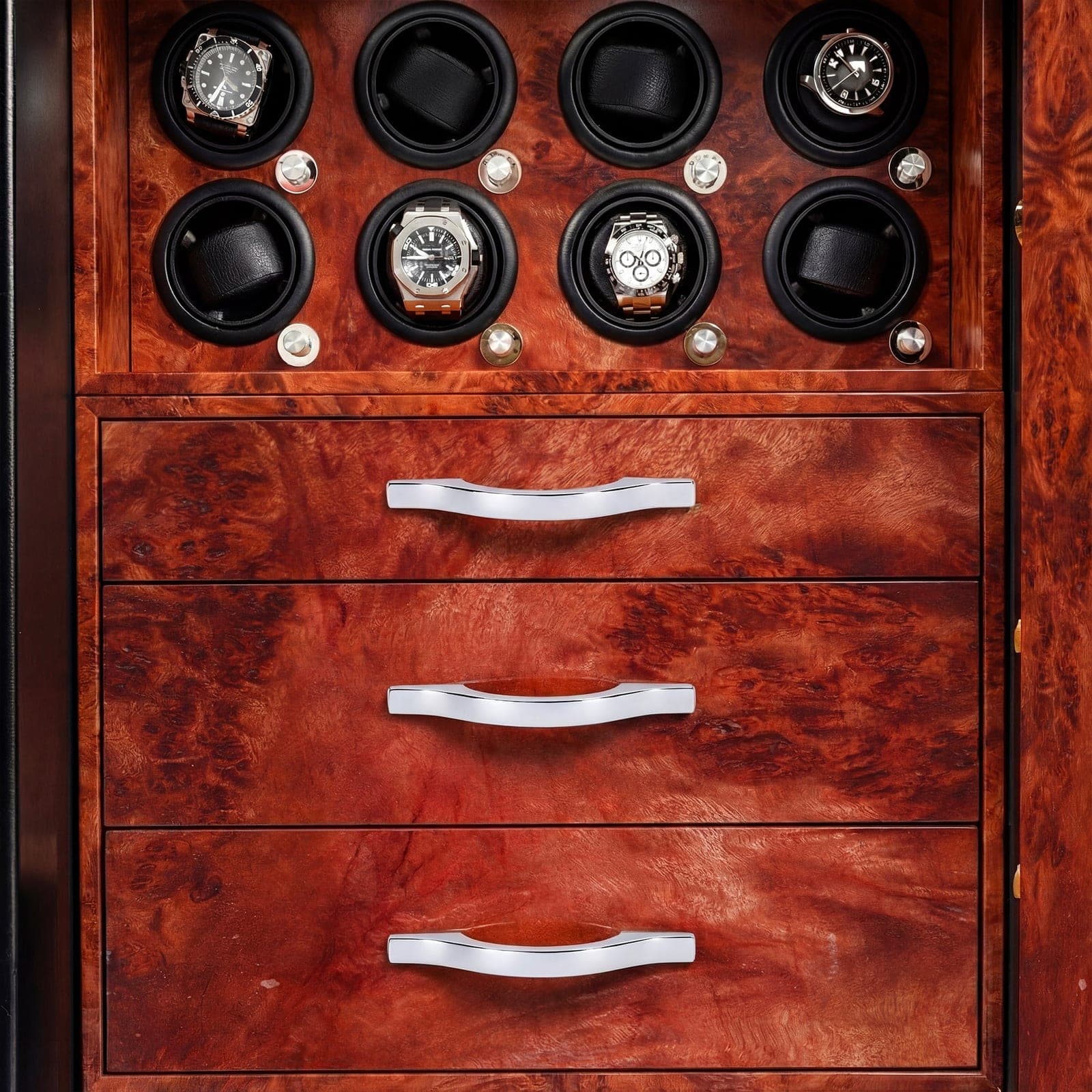
Walnut Burl Wood Veneer
Crafted from Romanian walnut burl, an uncommon natural formation where the grain grows in tight, irregular swirls instead of straight lines. Because usable burl yields are limited, we source and finish it in small lots of 25–50 pieces per run, so the figuring stays distinctive rather than mass-repeated. Each cut reveals its own “map” of eyes, curls, and depth, giving every vault a finish that looks unmistakably individual.
Wood Veneer
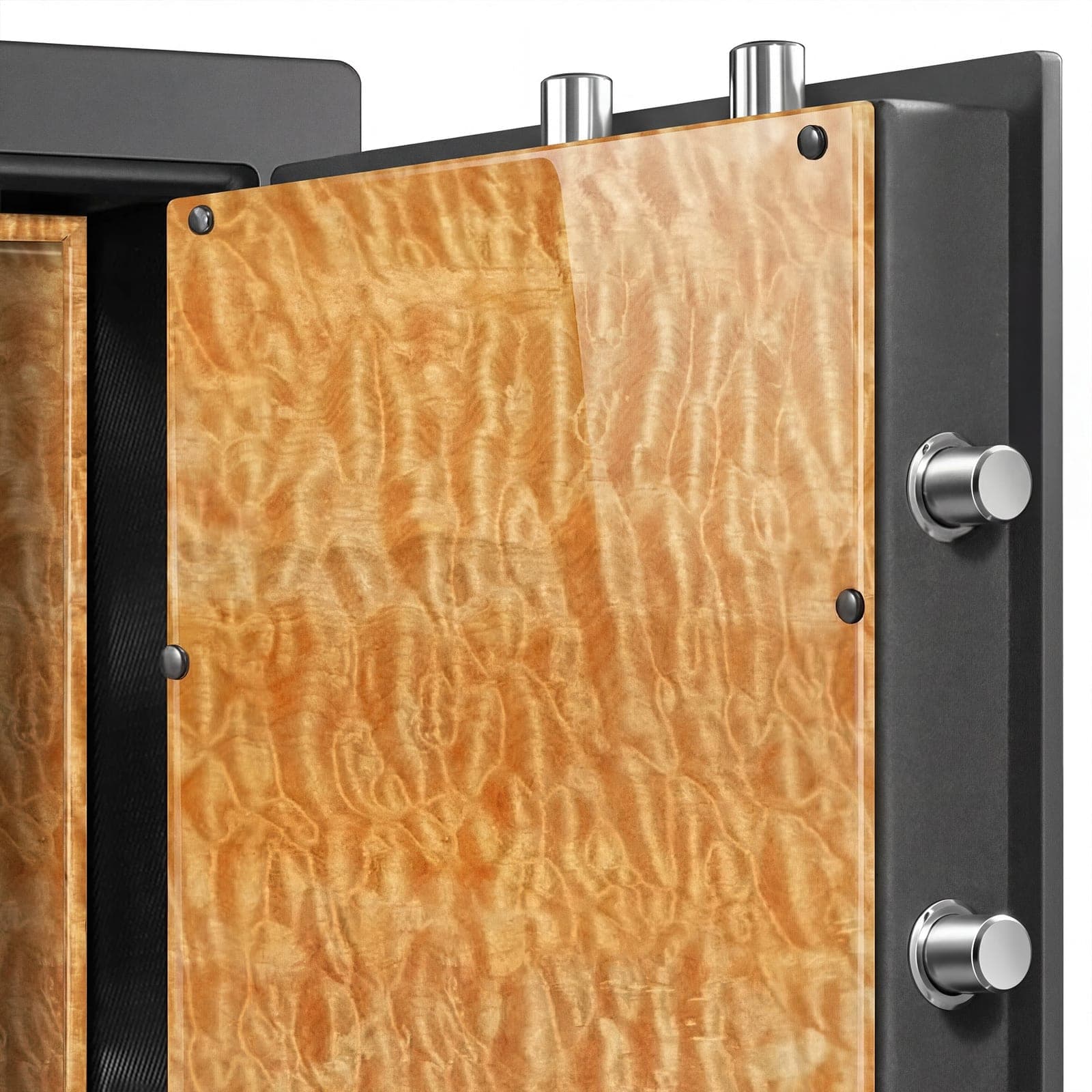
Fiddleback Maple Wood Veneer
Crafted from fiddleback maple, a sought-after figure where tight, rhythmic “ripples” run through the grain and shift with the light as you move past it. We select veneer in sequence-matched sets of 6–10 leaves so the pattern flows naturally instead of looking patched together. The result is a finish that reads clean and controlled at first glance, then keeps revealing depth up close, with no two pieces ever landing the same.
Interior Materials and Contact Surfaces
Interior materials determine how a watch winder or watch safe interacts directly with the watches it holds. These materials protect finishes, maintain stable positioning, and reduce wear during storage or rotation. Interior construction must balance softness with structural consistency.
Materials are chosen for dimensional stability and controlled compression. Cushions and holders must retain their shape over time, preventing uneven pressure that could affect balance or fit. This is particularly critical in watch winders, where stable support ensures smooth and consistent rotation.
Surface texture and lining materials further influence performance. Interior finishes provide controlled friction to prevent unwanted movement while avoiding abrasion. Chemical stability and low off-gassing help protect delicate components, ensuring long-term preservation and reliable operation.


INTERIOR
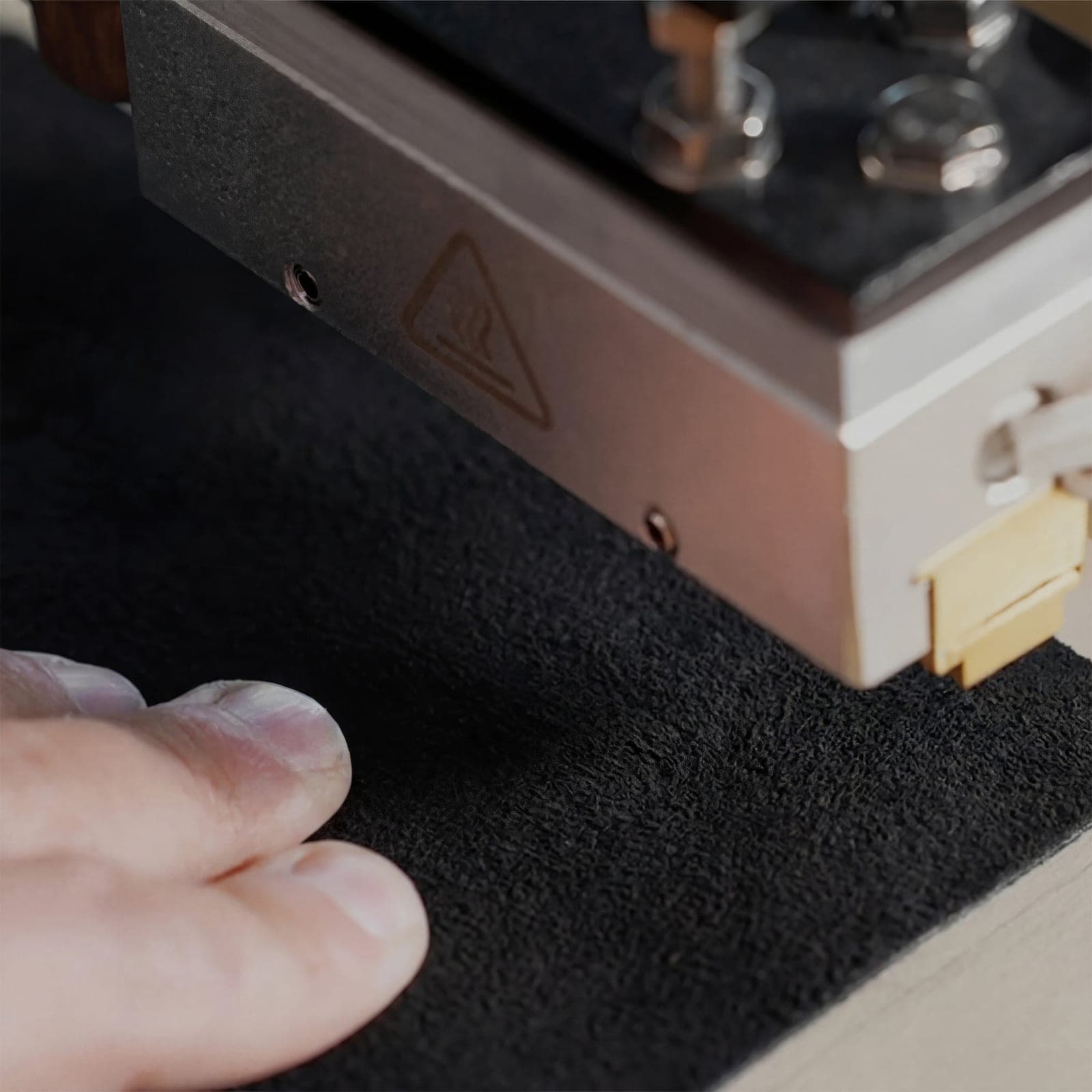
Alcantara
Lining every Enigwatch winder and drawer is Alcantara®, a performance suede material engineered in Italy and featured in Ferrari and Rolls-Royce interiors, as well as Gulfstream private jets and bespoke furniture. Composed of ultra-microfiber with high tensile strength, it resists UV fading, scratching, and compression fatigue.
Unlike traditional suede, Alcantara® maintains its softness and color over time, even in high-contact areas. This is more than lining. It’s a statement of elevated craftsmanship for every touchpoint
INTERIOR
Italian Nappa Leather
Every visible surface of an Enigwatch vault is hand-wrapped in full-grain Nappa leather from Gruppo Mastrotto®, one of Italy’s most prestigious tanneries. Known for its velvety texture and rich matte finish, this leather is the same quality used in bespoke automotive interiors and couture-grade fashion. Naturally resistant to wear and patinas beautifully over time, it transforms each vault into a tactile experience that only improves with age.


Structural Materials
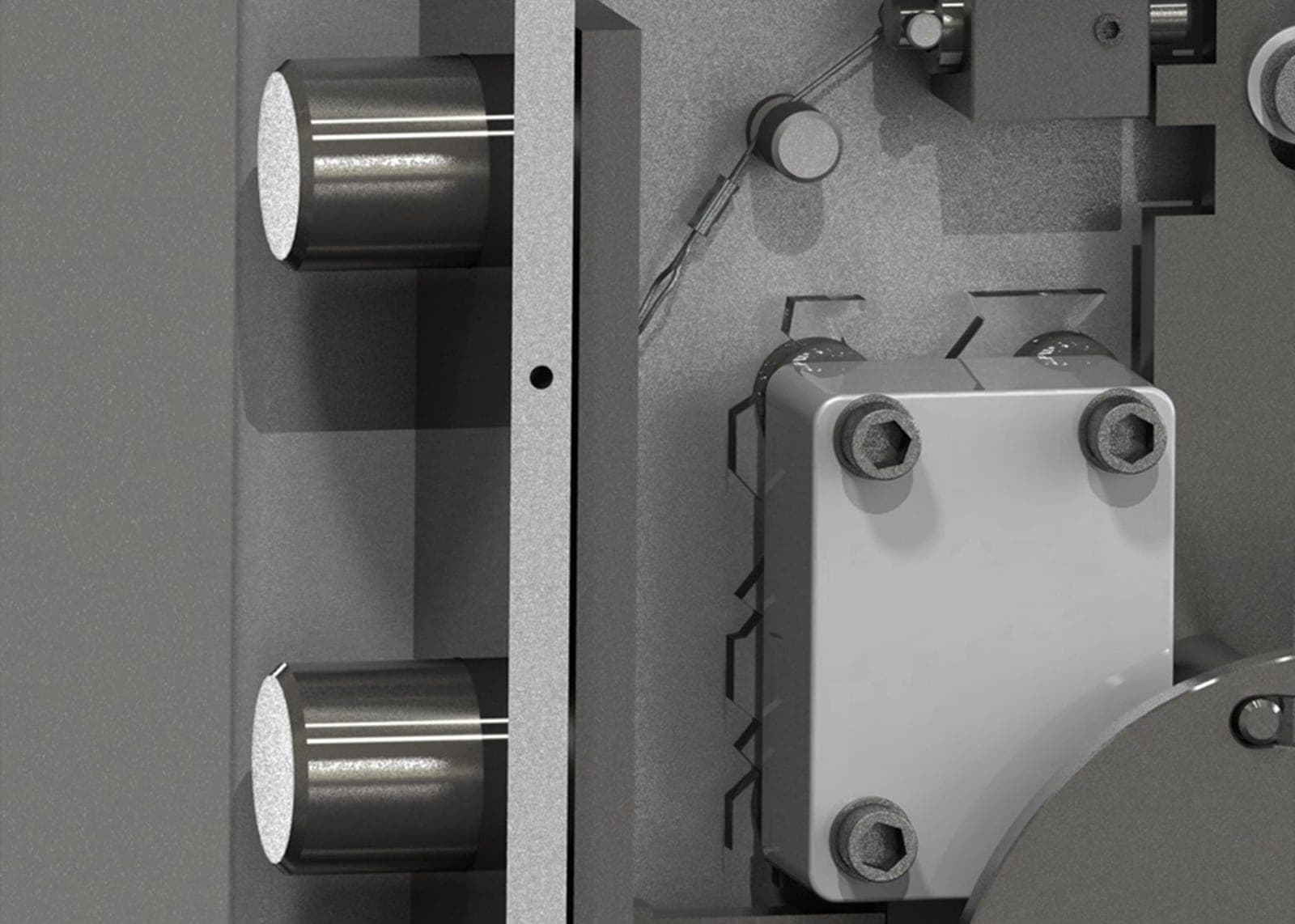
Stainless Steel 304
Enigwatch vaults are constructed using 304-grade stainless steel, a high-performance austenitic alloy renowned for its strength, corrosion resistance, and thermal stability.
Composed of 18% chromium and 8% nickel, this material is engineered to withstand temperatures up to 870°C (1600°F) and resist warping, rust, and fatigue even under long-term stress. Trusted in aerospace housings, surgical enclosures, and precision industrial infrastructure, 304 stainless offers enduring structural integrity without compromise.
In every Enigwatch vault, it forms the rigid, resilient core that protects your most valuable assets with quiet, permanent strength.
Structural Materials
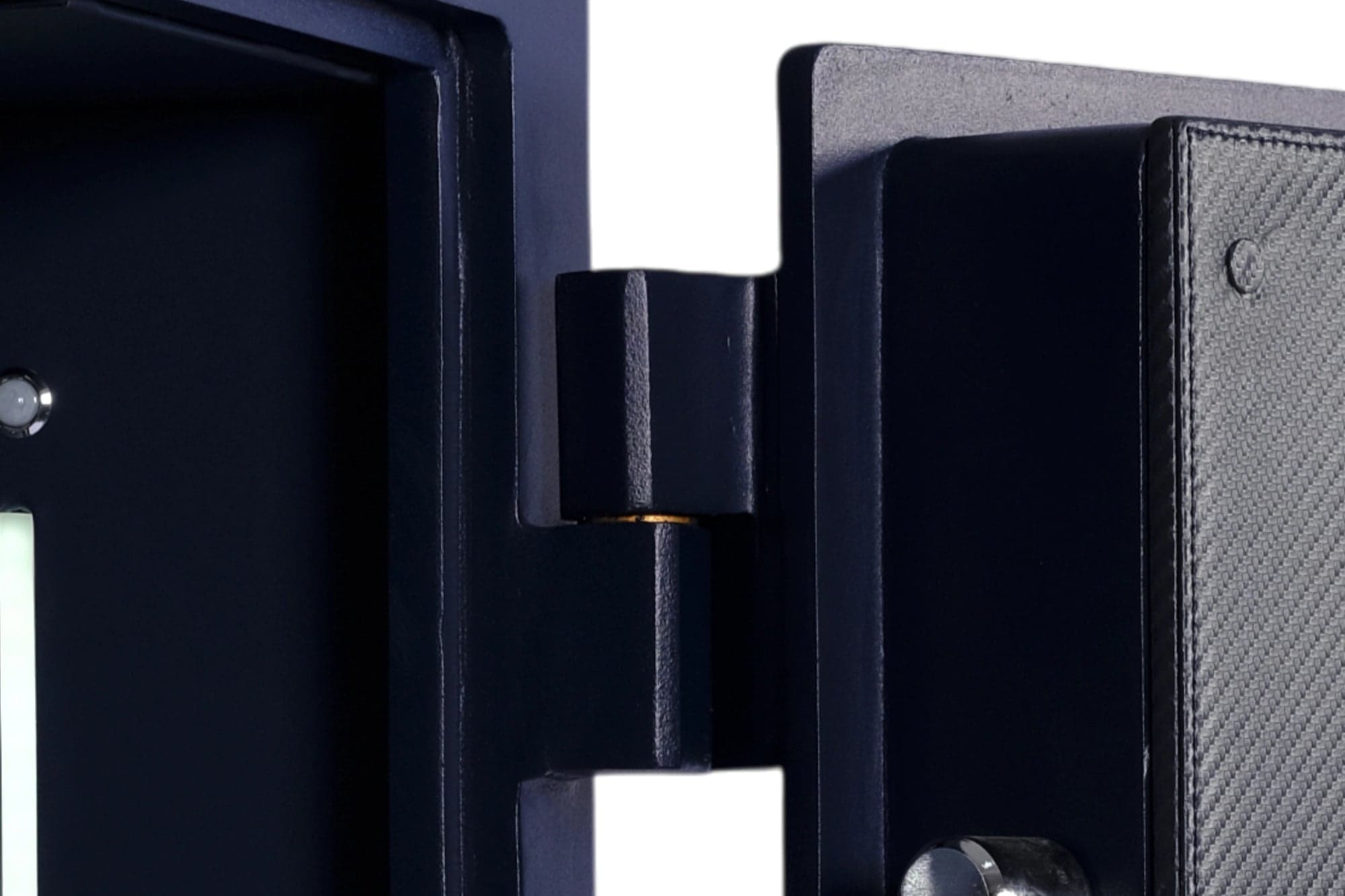
Austrian Soft-Close Hinges
Engineered in Austria with ±0.01mm precision, our concealed soft-close hinges integrate self-aligning dampers and are tested to withstand over 200,000 full-extension cycles, offering up to 300% longer lifespan than typical cabinet mechanisms.
Designed for vault-grade cabinetry and high-security environments, they eliminate vibration, rebound, and wear, ensuring smooth, silent, and flawless motion that holds its alignment for decades.
Structural Materials
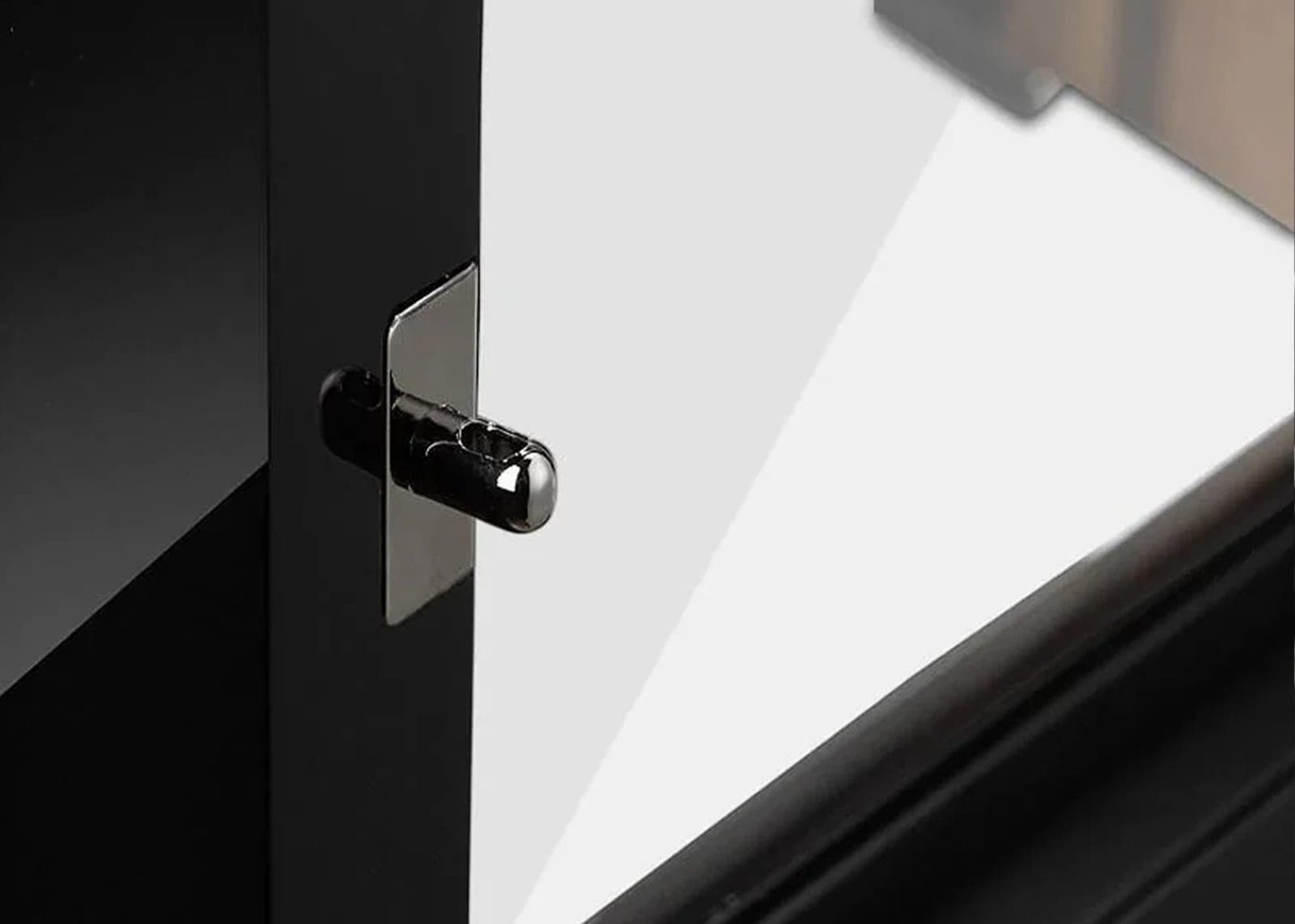
Tempered Glass Display
Select configurations include a tempered glass viewing panel engineered for clear visibility and cabinet-grade durability. Tempered glass is typically up to 4x stronger than standard annealed glass, helping it handle everyday knocks while keeping the view crisp.
It keeps your collection visible at a glance, while the reinforced build supports a cleaner, more confident presentation that feels built to last.

Standards and Certifications
Fire Protection: EN 15659 (LFS 30P)
Some vault configurations reference EN 15659 classifications for light fire storage units. Under EN 15659, LFS 30 denotes a 30-minute fire exposure period (with LFS 60 indicating 60 minutes in that same standard family). If a specific vault is configured and certified as LFS 30P, that corresponds to the 30-minute class.
Standards and Certifications
Burglary Protection: EN 1143-1 (Grade I)
Some vault configurations reference burglary resistance testing under EN 1143-1, which is a European standard used to classify safes by resistance grade under controlled attack testing. Grade levels indicate tested resistance categories rather than marketing descriptors.
(As with most certified systems, certification depends on the specific model and configuration.)
Standards and Certifications
GA 165-2016 Certified Ballistic Glass (Grade 3A)
Our bulletproof safe features Ballistic Glass, certified under GA 165-2016 Grade 3A, a stringent industry standard for impact resistance. This certification ensures the glass can withstand high-velocity impacts, including small arms fire, offering superior protection compared to standard materials.
Engineered for durability, this glass maintains both clarity and strength over time, providing reliable security for your collection.
Environmental material stability
Environmental Considerations and Material Stability
Watch winders and watch safes are designed to operate in indoor environments over extended periods, which makes material stability under environmental conditions an important engineering consideration. Factors such as temperature variation, humidity, and air quality can influence how materials behave over time, particularly when mechanical components are involved.
Material Response
Different materials respond differently to environmental change. Some may expand or contract with temperature shifts, while others may absorb or release moisture. Material selection aims to minimize these effects so that dimensional changes remain within acceptable tolerances. Stable materials help preserve alignment, reduce stress on fasteners, and maintain consistent mechanical behavior.
Humidity
Humidity control is especially relevant in storage systems. Materials used in interiors and structural components must resist moisture-related degradation such as warping, corrosion, or softening. In combined systems that include both storage and rotation, material stability ensures that motion systems continue to operate smoothly without interference from environmental factors.
Exposure
Long-term exposure is also a consideration. Materials that perform well initially may degrade if they are not suited for prolonged use in enclosed environments. Engineering-focused construction favors materials with predictable aging characteristics, allowing performance to remain consistent over years rather than months.
How Enigwatch Products Are Made
The quality of a watch winder or storage system is determined long before a product reaches a customer. It begins with how materials are selected, how components are prepared, and how assembly and testing are controlled throughout production.
Enigwatch oversees the design, specification, and quality standards of its watch winders and watch safes, working with specialized manufacturing partners to ensure consistency across every stage of production. Rather than relying on generic, off-the-shelf construction, each product is built according to defined performance and durability requirements.
Manufacturing Responsibility
Enigwatch maintains ownership of product design, engineering criteria, and quality benchmarks. Manufacturing is carried out through dedicated production partners that operate under Enigwatch-defined specifications, tolerances, and inspection standards. This approach allows production to scale while ensuring that every watch winder and safe meets the same functional and structural expectations.
Material Preparation and Handling
Material selection is guided by long-term stability rather than short-term appearance. Wood veneers, structural components, internal frames, and electronic elements are evaluated for consistency and suitability for indoor use over extended periods. Before assembly begins, materials are prepared to ensure dimensional stability and predictable behavior, reducing the risk of warping, misalignment, or premature wear once components are integrated into finished units.
Wood Veneer Processing and Finishing
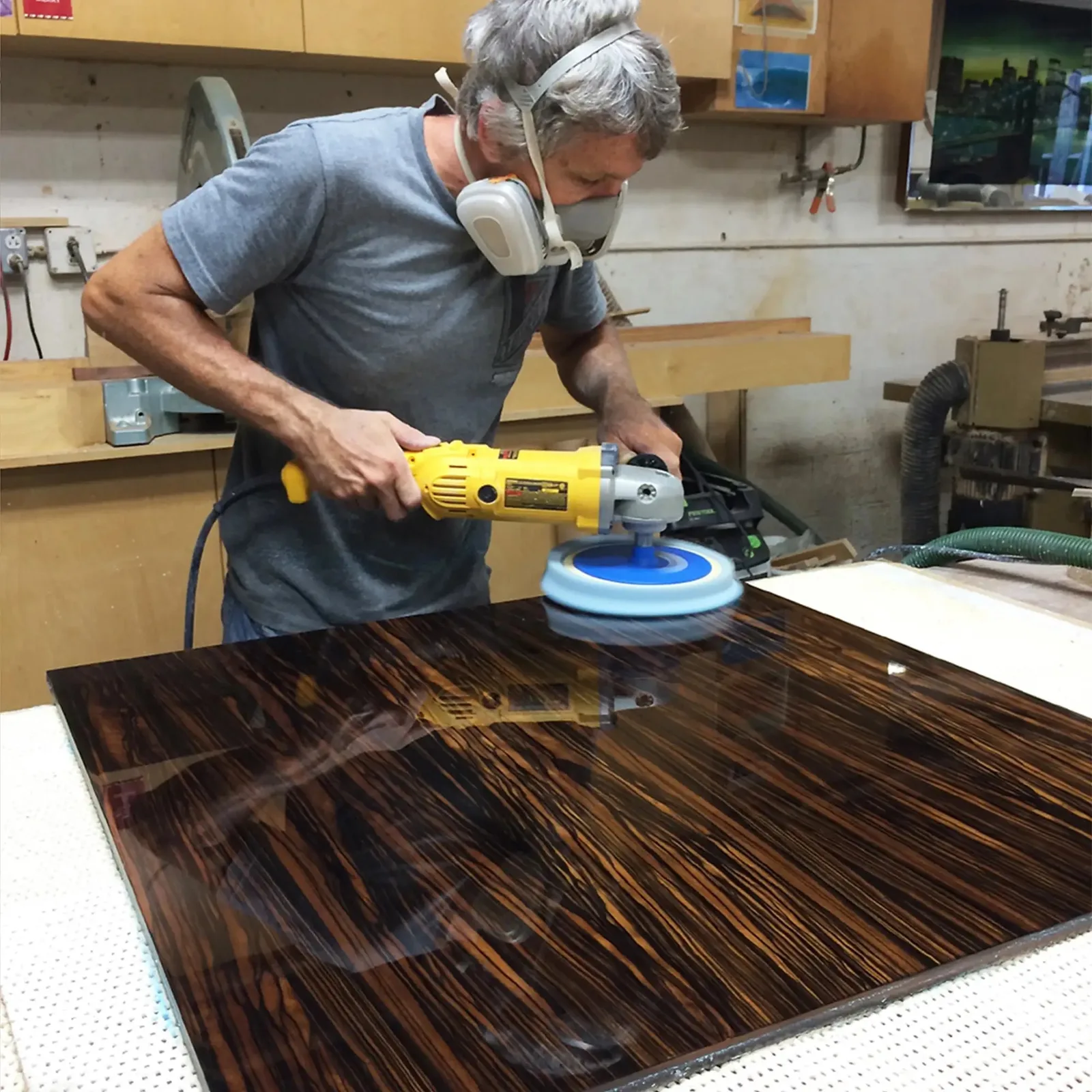
Real wood veneers, including finishes such as Macassar ebony, are processed to balance visual depth with long-term performance. Veneers are applied using controlled methods that prioritize uniform adhesion and surface consistency. Protective finishes are applied to safeguard the surface while allowing the material to age gradually rather than degrade.
Internal Structure and Component Assembly
Beneath the exterior, internal construction focuses on rigidity, alignment, and mechanical stability. Structural components are assembled to support both static storage and rotating mechanisms without introducing vibration or uneven loading. Assembly follows defined sequences to ensure that load-bearing elements, mounting points, and internal supports function together as a system.
Motor Integration and Rotation Testing
Watch winder motors are integrated according to performance requirements defined by Enigwatch. Motor placement, alignment, and mounting are designed to support smooth, controlled rotation. Rotation behavior is tested to confirm consistency, direction control, and cycle stability under real-world use conditions. For more on the motor systems used, see our Technology & Engineering page.
Quality Control and Inspection
Quality control is applied throughout production rather than only at the final stage. Components and assemblies are evaluated against predefined criteria before progressing to the next step. Finished products undergo inspection to verify functional operation, structural integrity, alignment and fit, and surface condition. Units that do not meet standards are reworked or rejected before packaging.
Final Assembly and Packaging
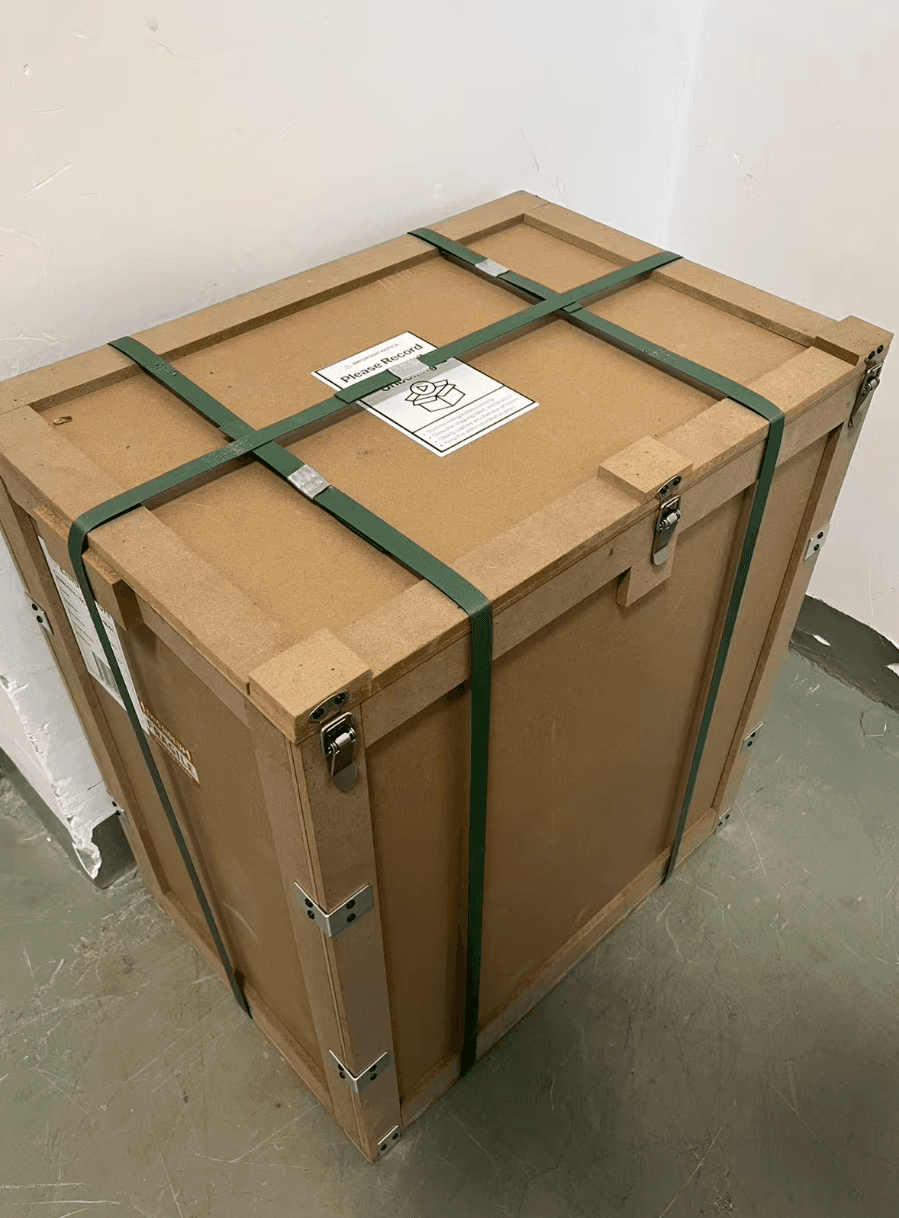
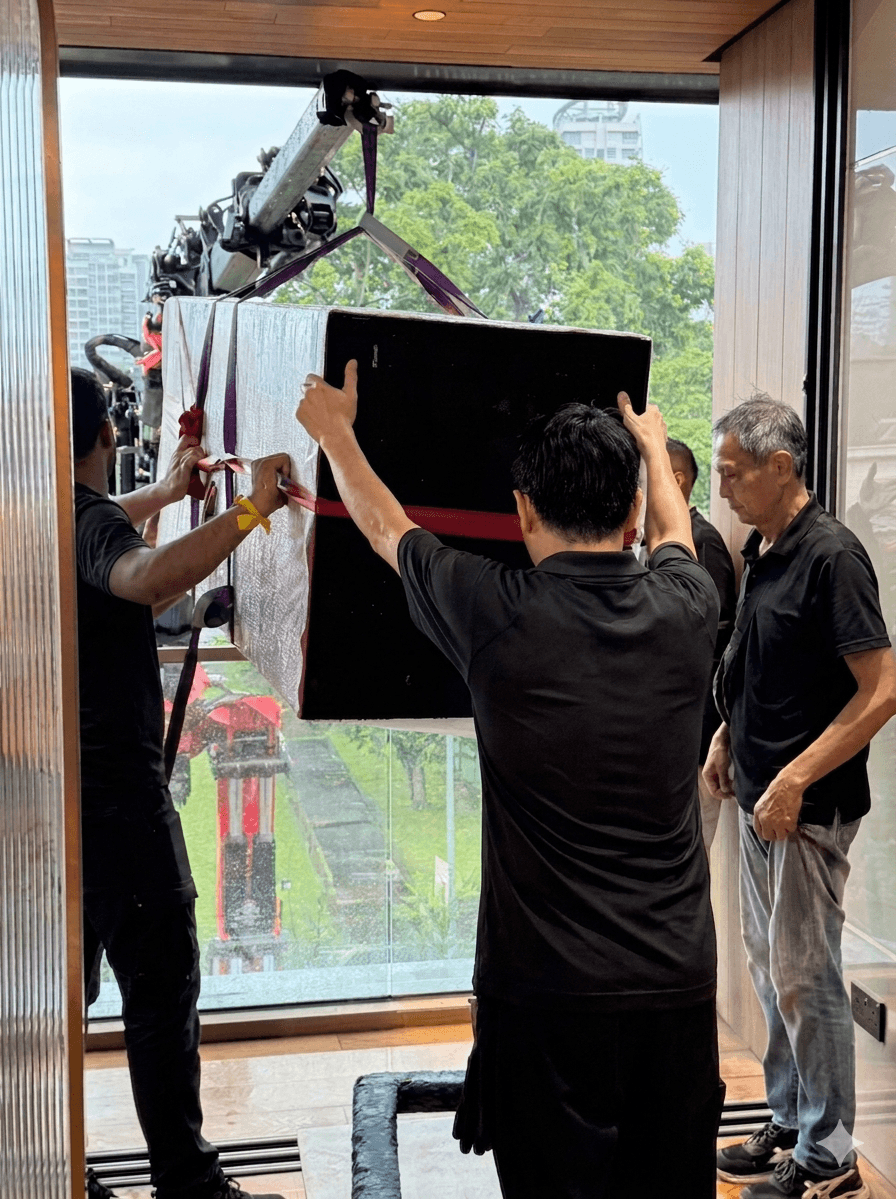
Once inspection is complete, products are prepared for shipment using packaging designed to protect both structure and finish during transport. Packaging materials are selected to balance protection with efficiency, particularly for larger or heavier storage systems.
Design for Manufacturability
Manufacturing Constraints and Tradeoffs
Material and construction decisions are shaped by practical constraints and unavoidable tradeoffs. No single material or construction method optimizes every aspect of performance simultaneously. Choices must balance durability, stability, manufacturability, serviceability, and long-term consistency.
These tradeoffs are inherent to manufacturing rather than indicators of quality in isolation. Understanding that construction choices reflect balanced decisions helps clarify why materials and build methods vary across different systems while still meeting functional requirements.

Where These Construction Standards Are Applied
These construction standards influence enclosure alignment, hinge consistency, internal module support, and long-term surface durability. Material integration is evaluated not only for appearance but for mechanical interaction and sustained structural performance.