
Renters lose the two easiest security options the day they sign a lease: no wall anchors, no floor bolts, no drilling into anything the landlord will charge a deposit to patch. That leaves weight, lock quality, and placement as the only variables that matter for a watch safe for renters no drilling into walls or floors.
- A weighted freestanding safe beats a bolted wall unit for renters — no anchor points required. Buy.
- Enigwatch safes run $5,000 to over $21,000, with biometric and combination lock options that need zero installation. Consider.
- Skip any safe pitched as landlord-installed; it stays with the unit, not with your collection.
- UL TL-15 rated doors resist tool attacks for 15 minutes regardless of whether the safe is bolted down.
Why this matters
A lease agreement is a legal document, and most of them ban structural modifications outright. Drilling a lag bolt into a stud to anchor a safe is exactly the kind of modification that voids a security deposit, sometimes the whole lease.
That forces a different question than the one owners ask. Instead of "how do I anchor this safe," the watch safe vs wall safe comparison renters need is really about which unit stays secure through mass alone. Weight, lock type, and portability do the job anchoring would otherwise handle.
How this list was built
Every entry below is ranked on three factors that matter specifically to a leased unit: whether the safe requires any wall or floor penetration, whether the lock mechanism survives a move without a locksmith, and whether the unit's footprint fits a standard closet or bedroom corner without professional installation. Price and finish matter too, but they're secondary to the no-drilling constraint that defines this list. Anything requiring a stud finder or a masonry bit got dropped before it made the cut.
The ranked list
1. The weighted freestanding safe — the safe pick
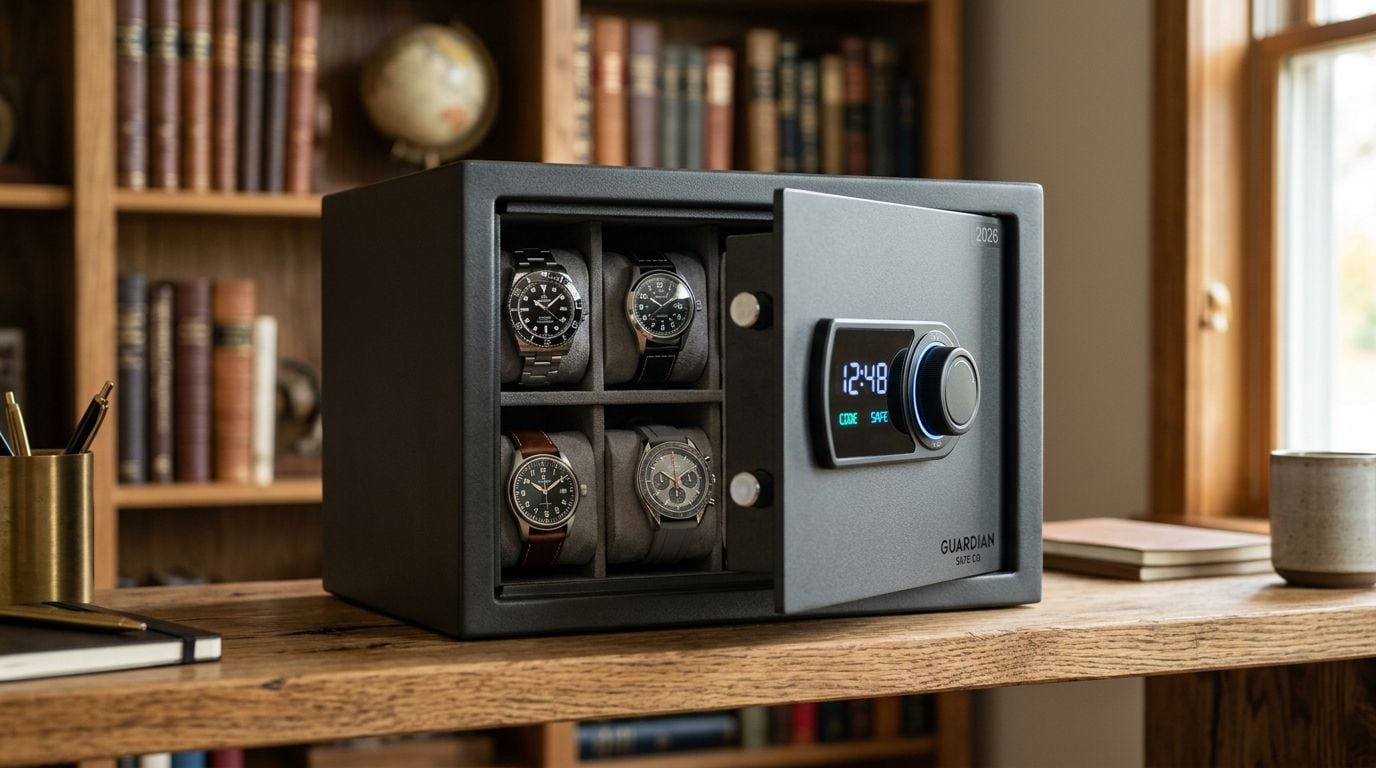
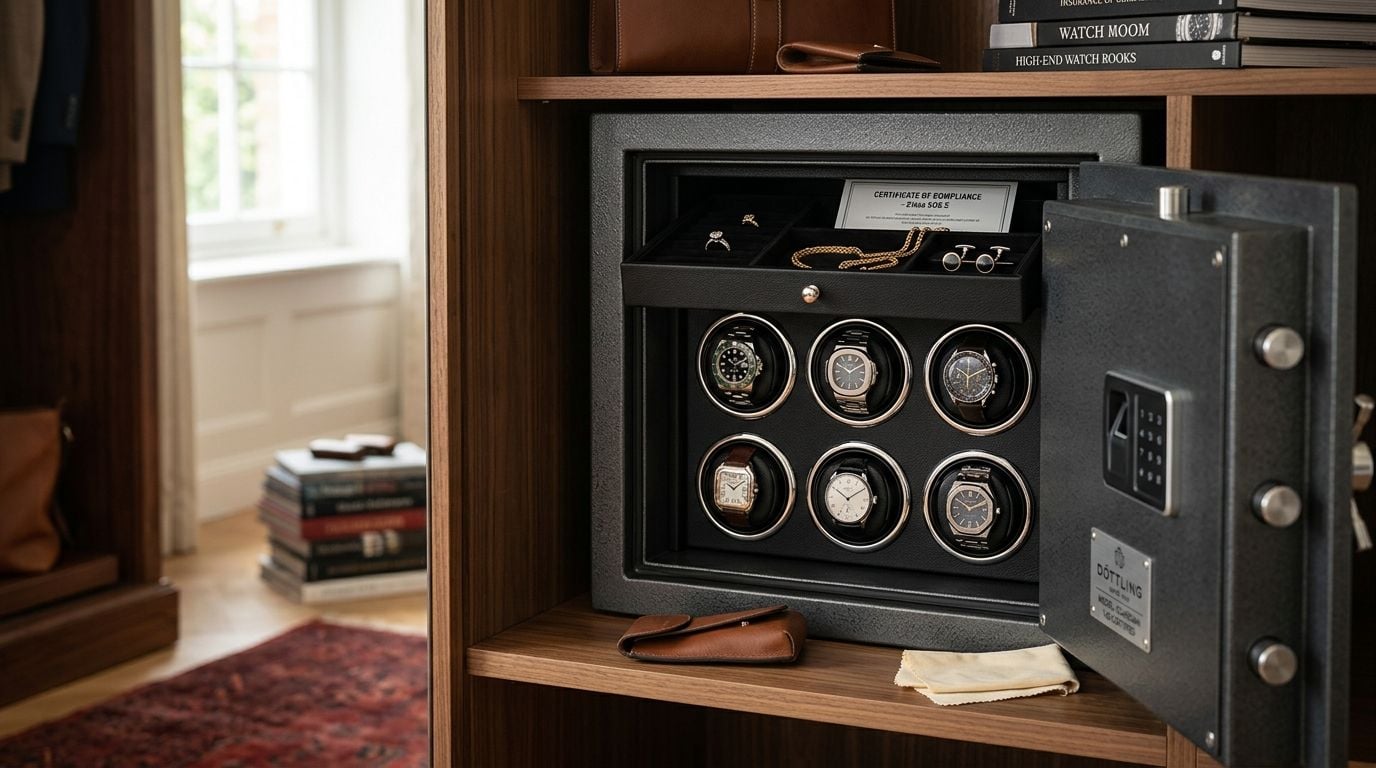
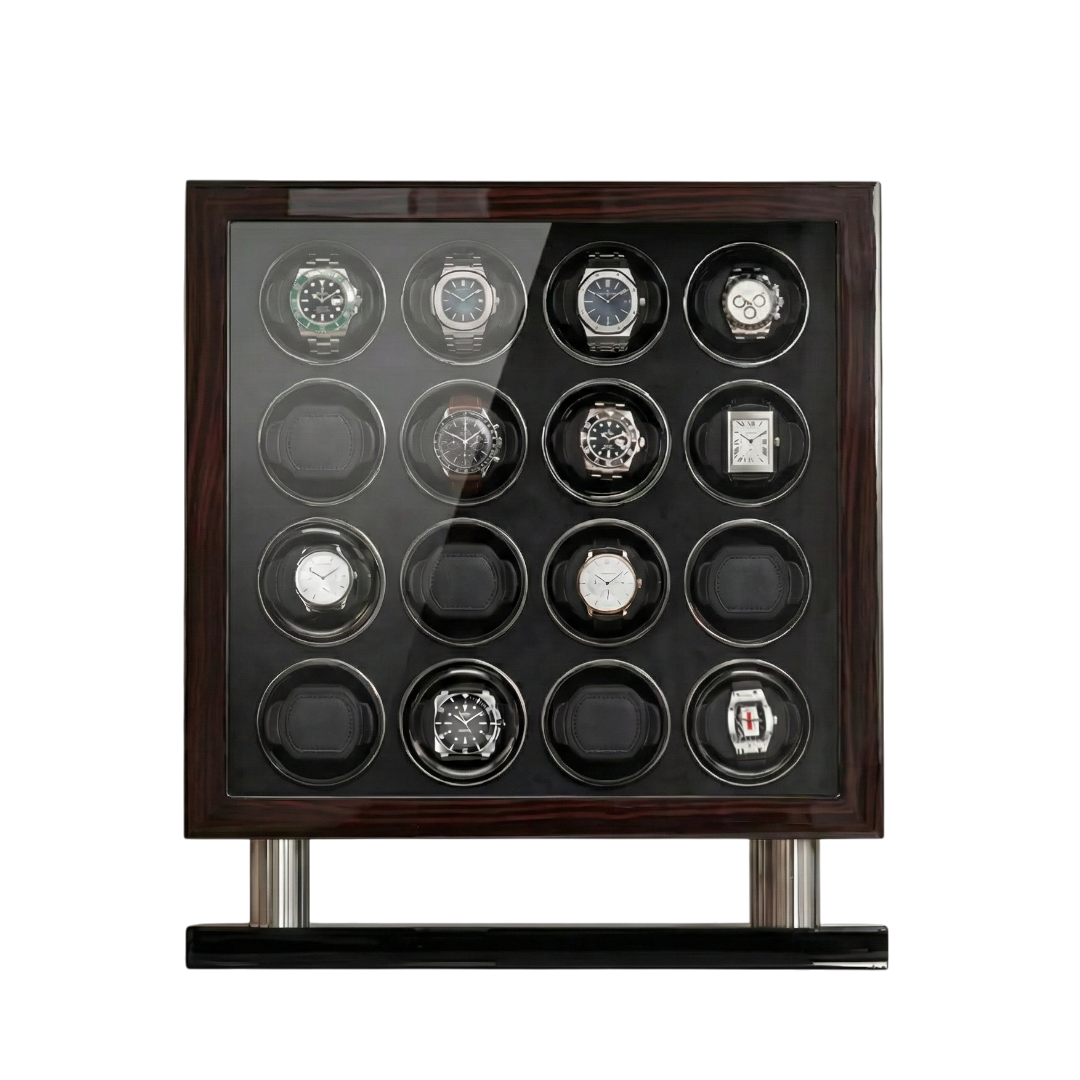
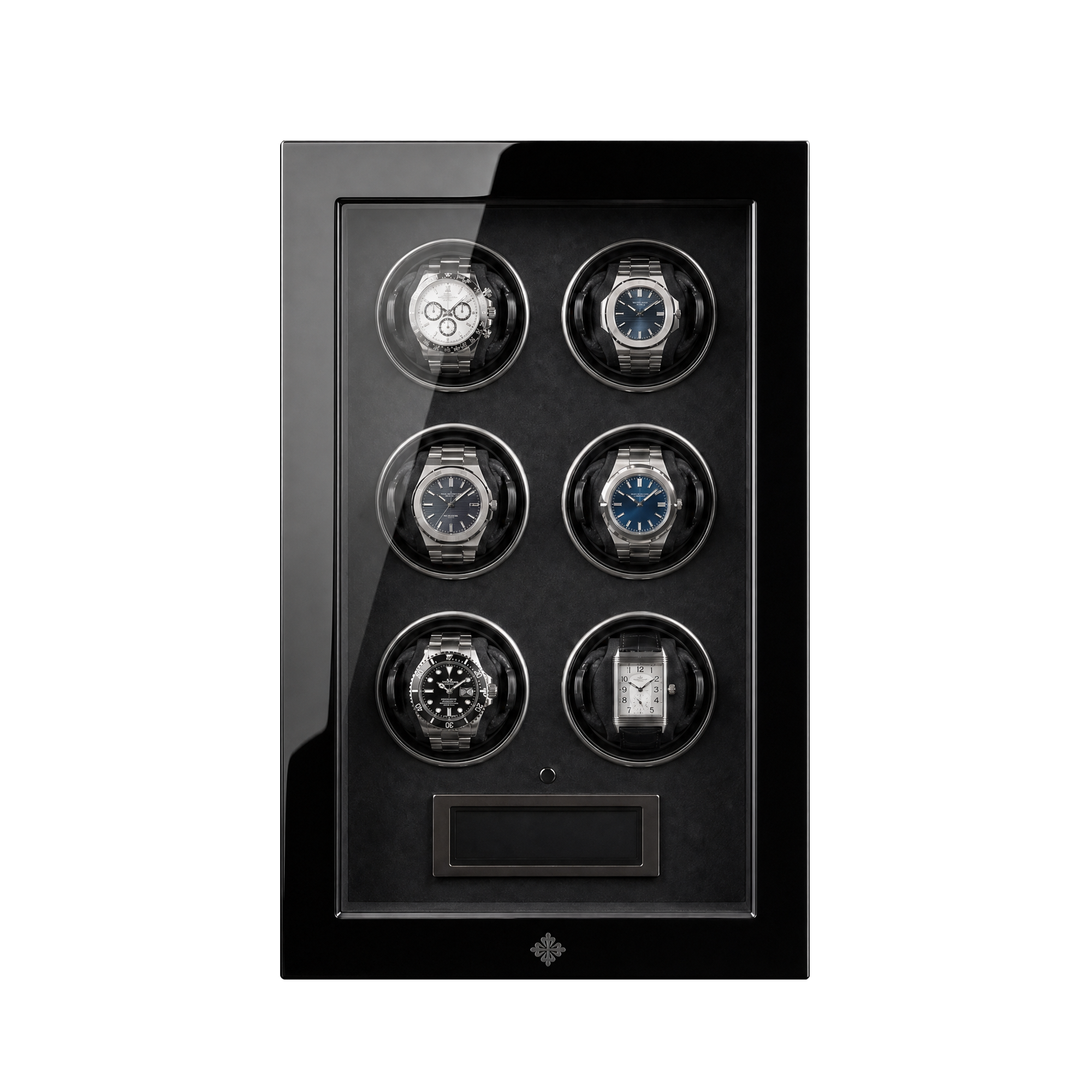
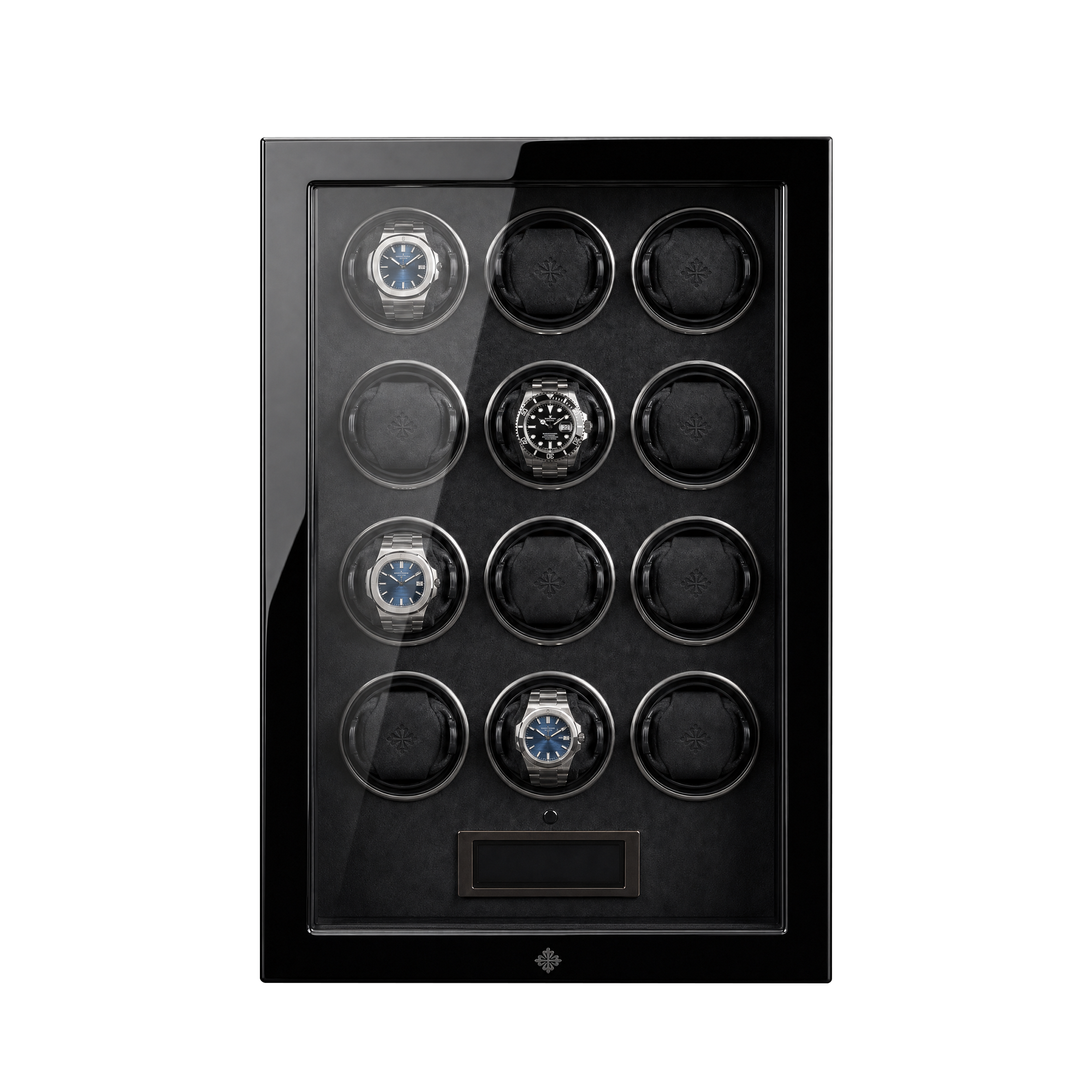
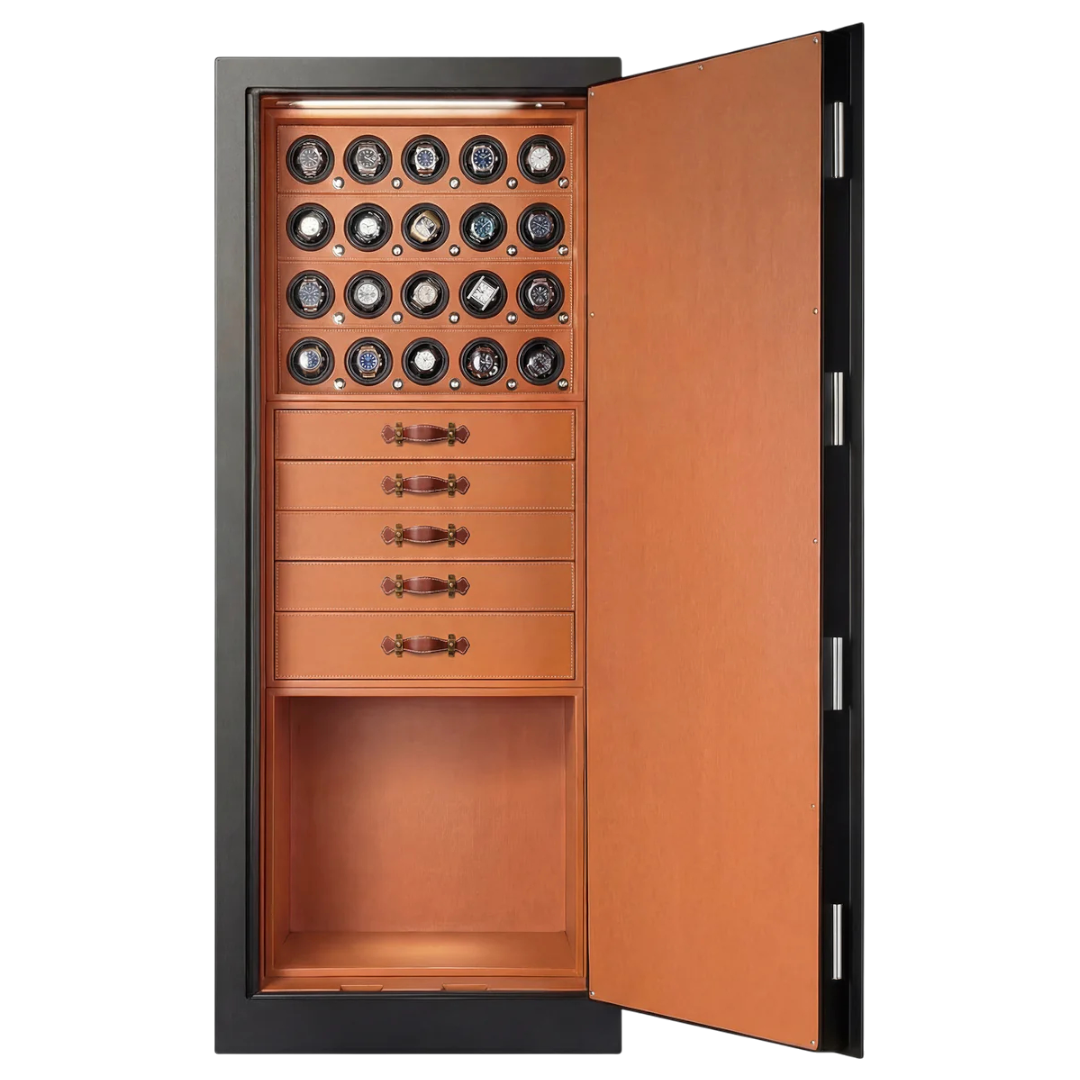
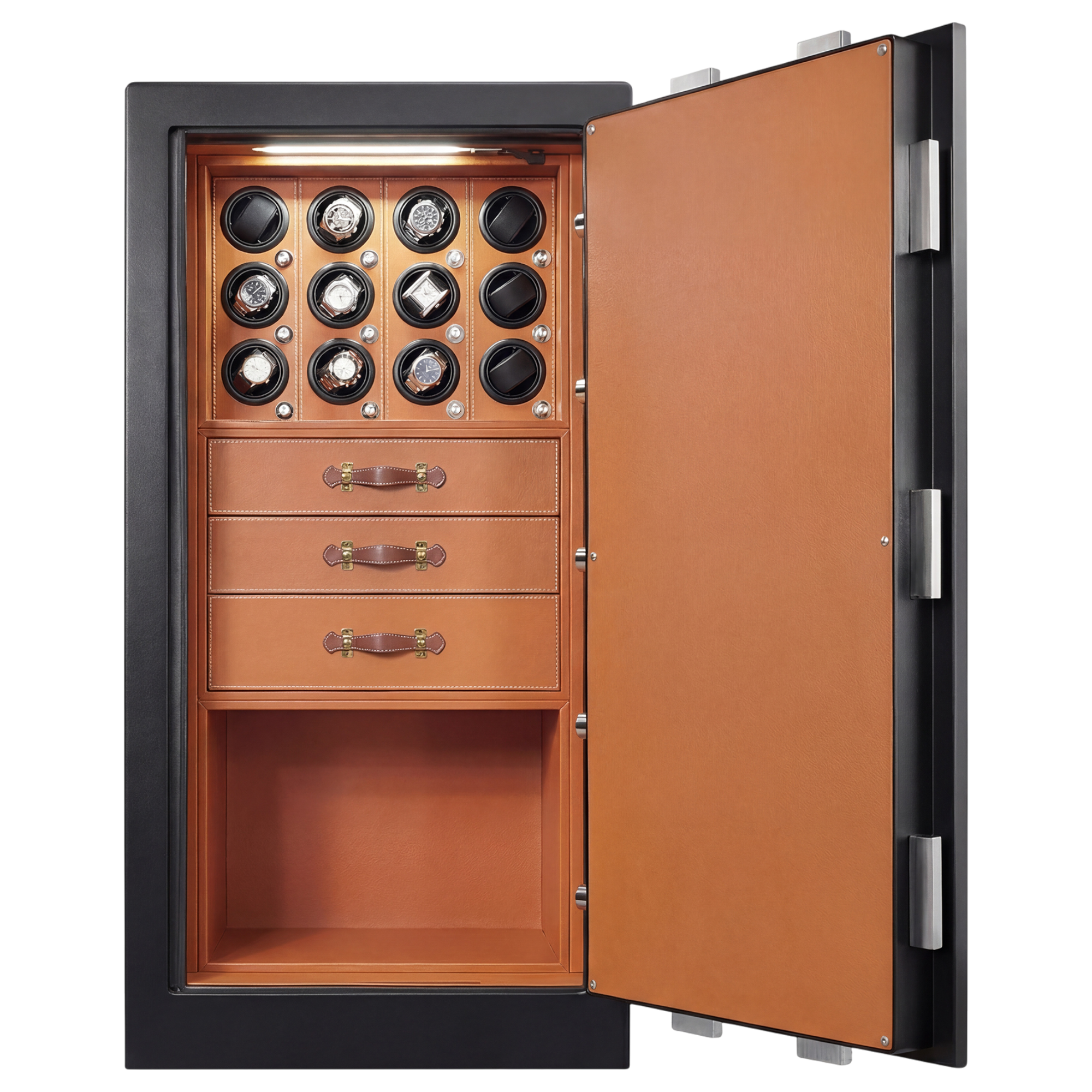
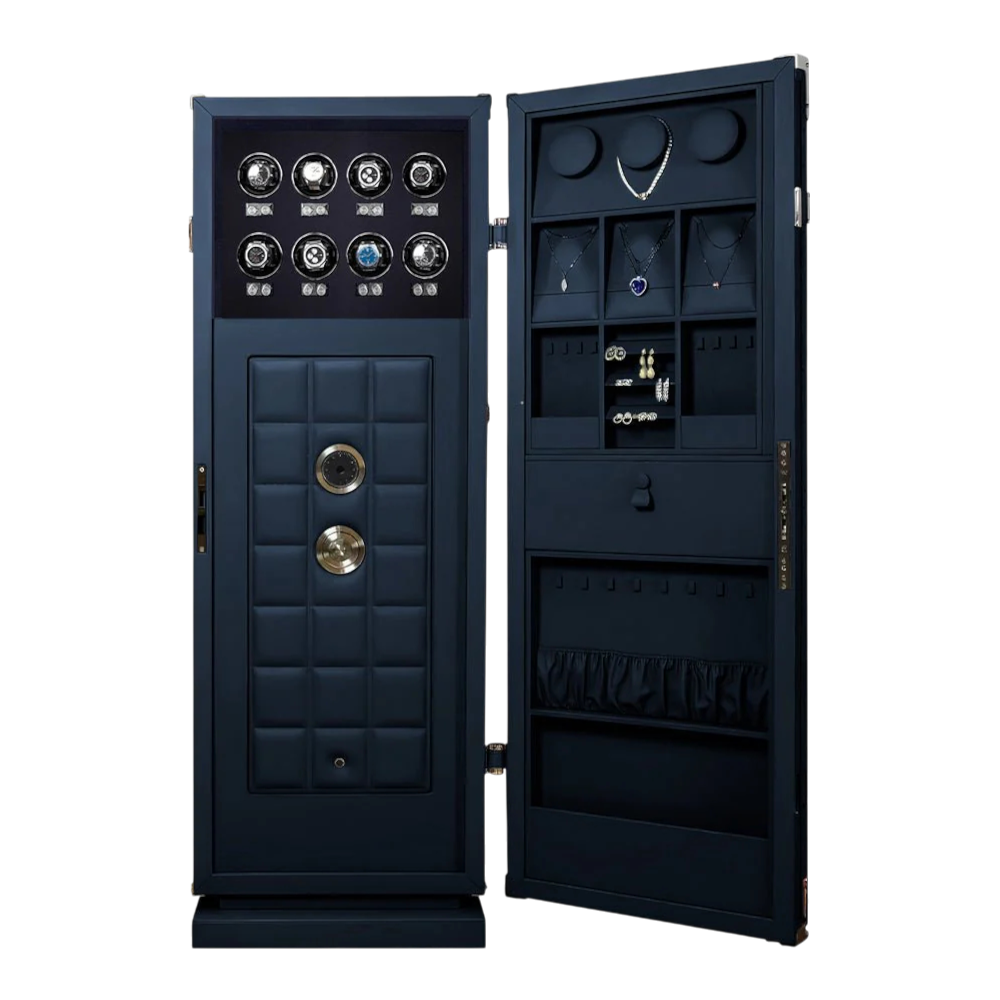
A freestanding safe in the 300-plus-pound class does the job an anchor bolt would otherwise do: it can't be carried out the door by one person, and moving it requires equipment most burglars aren't bringing to a residential unit. Enigwatch builds these with steel bodies under exotic wood veneer or Alcantara-lined interiors, so the security doesn't come at the cost of looking like a filing cabinet.
The security comes from mass and door construction, not from bolts into someone else's drywall. For a renter, that's the entire appeal. Buy — this is the category that solves the no-drilling problem without compromising on protection.
2. The closet-floor compact unit — the practical pick
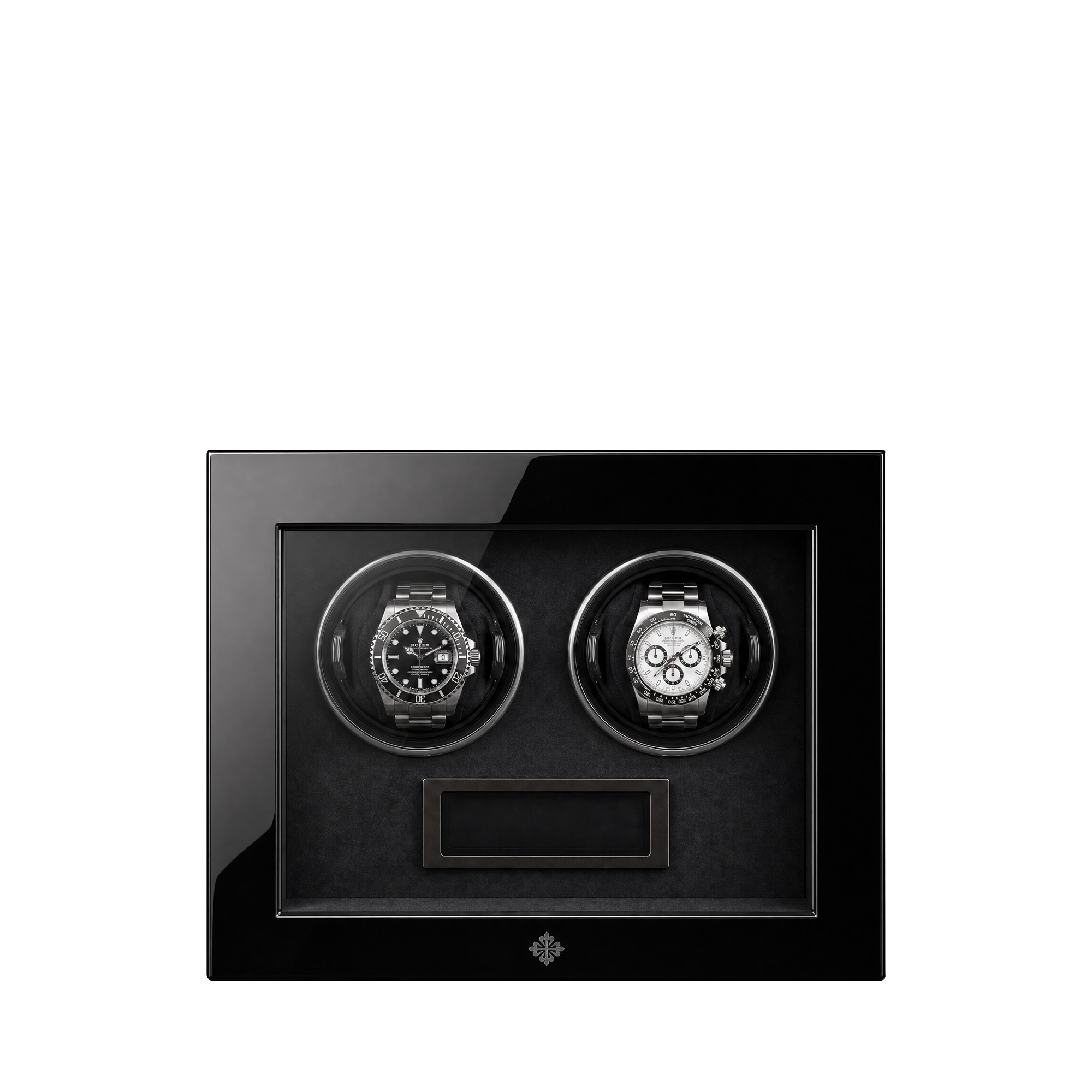
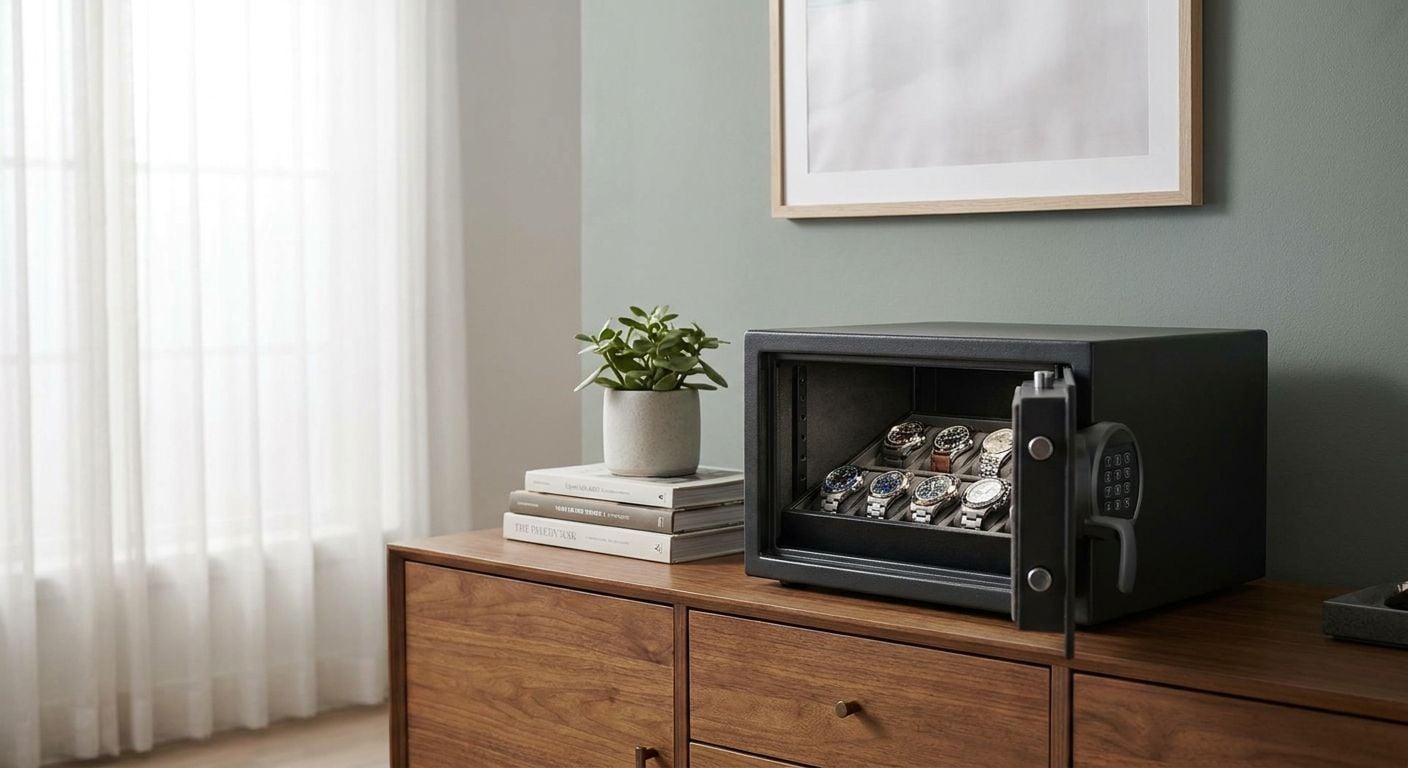
Smaller footprint units built for apartment dwellers slide into a closet corner and stay there through mass and low profile rather than fasteners. They're built for exactly this constraint: limited square footage, no permission to modify the structure, and a landlord who wants the unit returned exactly as it was handed over.
These trade some capacity for placement flexibility, which matters when a lease runs 12 months and the next apartment has a different closet layout entirely. Buy for collections under a dozen pieces where portability outweighs raw capacity.
3. The landlord-installed unit — the trap
Some rental buildings advertise a built-in safe as an amenity. It sounds like a shortcut past the no-drilling problem, but it isn't yours — it's fixtures, and fixtures stay with the property when the lease ends.
Worse, the access credentials often route through building management, which defeats the point of a watch safe in the first place. Skip. A safe you don't fully control isn't a safe for your collection; it's storage you're borrowing.
4. The biometric lock, no-rekey option
Lock type matters more for renters than for owners, because owners rarely move. A combination or fingerprint lock avoids the rekeying cost and hassle a traditional key lock creates every time a lease changes hands, and it eliminates the risk of a landlord holding a spare key from a prior tenant.
Biometric access adds a second layer without adding a single screw to the wall. Consider — the upgrade cost buys convenience across multiple moves, not just security at one address.
5. The storage-unit workaround — the fallback
Some renters solve the drilling problem by moving the safe entirely off-site, into a rented storage unit. It sidesteps the lease restriction, but it also creates a new set of access and climate control problems that a bedroom closet never had.
Storage facilities vary wildly in security and humidity control, and a watch collection sitting in an uncontrolled unit for months faces its own risks. Wait on this option unless the alternative is having no safe at all.
“A safe that isn’t anchored is just a heavy box with good manners about staying put.”
Comparison at a glance
| Option | Drilling required | Portable at move-out | Best for | Verdict |
|---|---|---|---|---|
| Weighted freestanding safe | No | Yes, with help | Renters with 8+ pieces | Buy |
| Compact closet-floor unit | No | Yes, easily | Small apartments, 1-8 pieces | Buy |
| Landlord-installed unit | N/A | No, stays with unit | Nobody who wants to keep the safe | Skip |
| Biometric/combination lock upgrade | No | Yes | Frequent movers | Consider |
| Off-site storage unit | No | Depends on facility | Last resort only | Wait |
Compare no-drilling watch safes
See freestanding and compact models built for leased apartments and condos.
Where to buy
- Buy from a maker that publishes the actual UL rating on the door, not a marketing term like "burglar-resistant." TL-15 means the door resisted a tool attack for 15 minutes in testing; anything less specific is a guess.
- Confirm shipping includes a delivery crew that can place the unit without wall-mounting hardware — a 300-pound safe still needs two people to move it into a closet.
- Ask about lock rekeying or reset procedures before buying if the lock is combination-based; a renter who moves twice in three years needs to reset that code without calling a locksmith each time.
What renters get wrong
- Assuming a fireproof rating covers burglary too. Fire rating and burglary rating are separate tests; a safe can be excellent at one and mediocre at the other. Check both numbers, not just one.
- Buying based on capacity alone. A 20-slot safe that's too heavy to move without a crew defeats the point if the lease is month-to-month and the next address is unknown.
- Trusting a landlord's spare key policy. If building management holds a master key or override code, the safe's security is only as good as that policy, not the lock itself.
FAQ
What’s the best watch safe for renters who can’t drill into walls?
A weighted freestanding safe in the 300-pound-plus class is the best watch safe for renters no drilling into walls, since mass replaces the anchor bolt a leased unit won’t allow. Compact closet-floor units work well too for smaller collections.
Is a freestanding watch safe as secure as a bolted one?
A heavy enough freestanding safe is comparably secure for residential burglary risk, since most break-ins don’t involve moving equipment to remove a safe. Bolting adds a layer mainly against a burglar who plans ahead with tools to remove the unit.
How much does a watch safe cost in 2026?
Luxury watch safes from makers like Enigwatch run roughly $5,000 to over $21,000 in 2026, depending on size, lock type, and interior finish. Compact single-collection units sit at the lower end of that range.
Can a landlord require a specific type of safe?
Landlords can restrict wall or floor modifications through the lease but generally cannot dictate what freestanding safe a tenant keeps in their unit. Check the lease’s alterations clause before assuming either way.
Does a biometric lock work better than a combination lock for renters?
Biometric locks avoid the rekeying hassle of traditional key locks across multiple moves, which makes them a strong fit for renters who relocate every year or two. Combination locks offer similar move-friendly convenience at a lower price point.
What UL rating should a watch safe carry?
Look for a TL-15 rating at minimum, which means the door resisted a tool attack for 15 minutes during UL testing. Higher ratings like TL-30 exist but add cost and weight that most residential renters don’t need.
How heavy should a watch safe be if it can’t be anchored?
Heavy enough that two people cannot carry it out of the unit without equipment is the practical bar for an unanchored safe. Freestanding safes in the 300-pound-plus range generally clear that bar.
Can I take my watch safe when I move out of a rental?
Yes, a freestanding or compact safe purchased by the tenant moves with the tenant, unlike a landlord-installed built-in unit. Confirm the safe wasn’t bolted or wired into the unit before move-out to avoid deposit disputes.
One last thing
The detail most renters miss isn't the safe at all — it's the floor underneath it. A 300-pound safe on a second-floor apartment concentrates weight into a small footprint, and older buildings weren't always framed with that in mind. Ask about floor load before buying the heaviest unit on the list, not after it's delivered.
Related guides
- Watch safe for a rental property: what landlords buy
- Watch safe weight and why it matters for home installation
Protect Your Watch Collection
Designed for collectors who demand the best. Explore our premium watch winders and luxury safes.