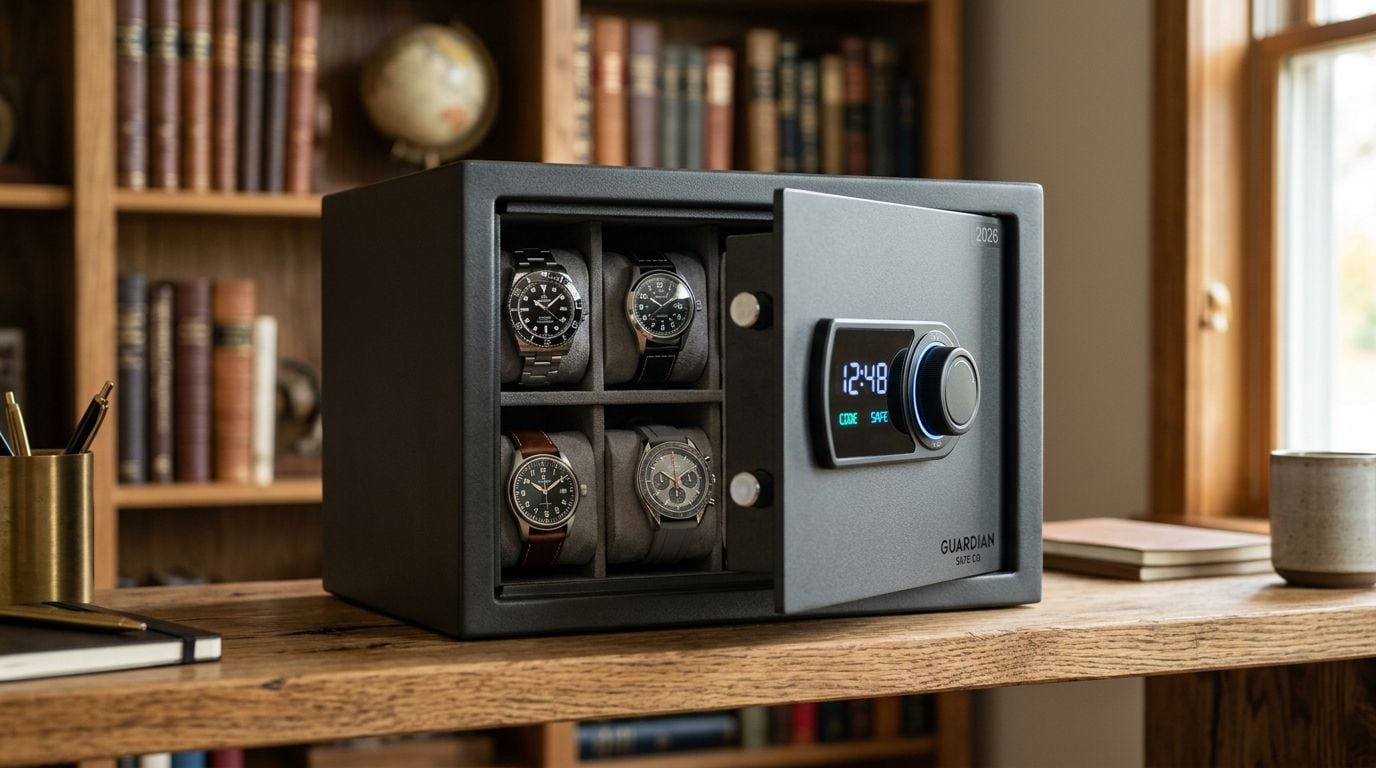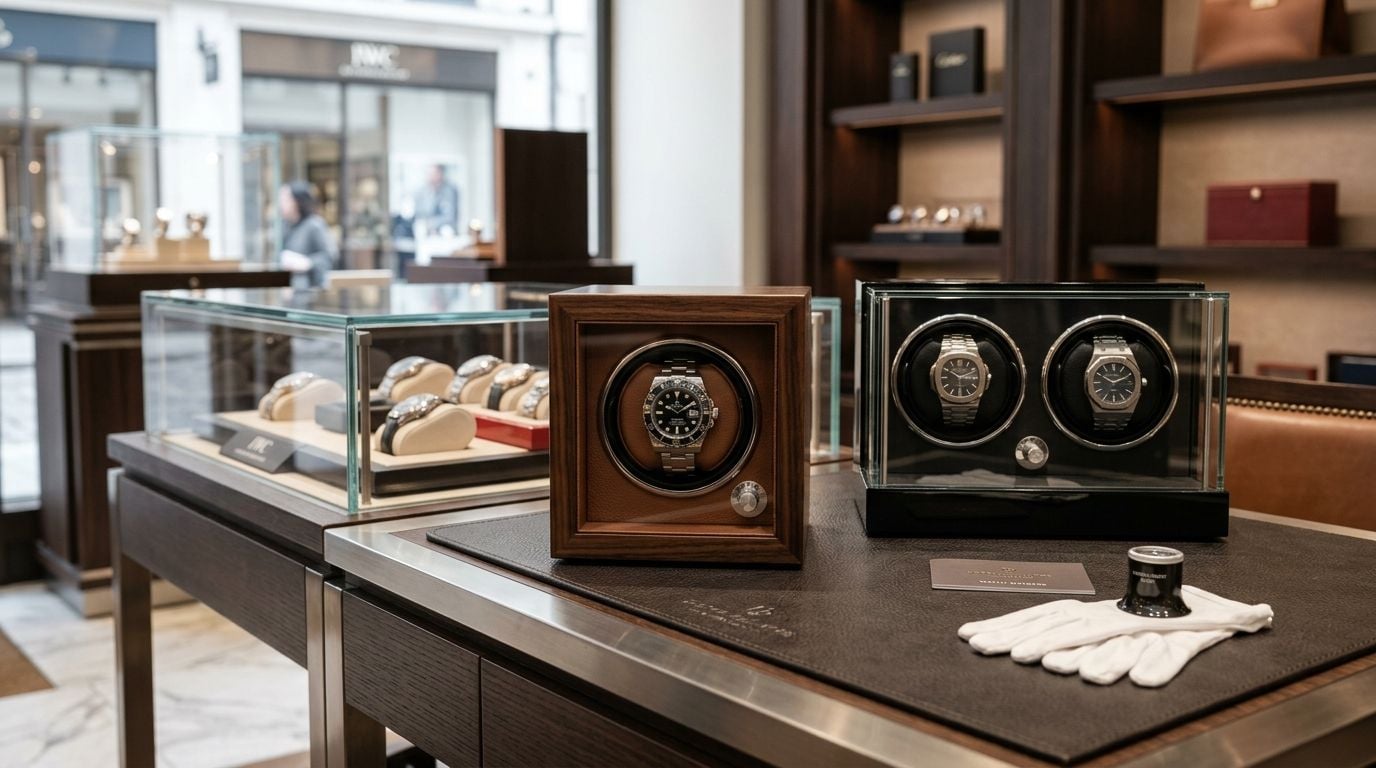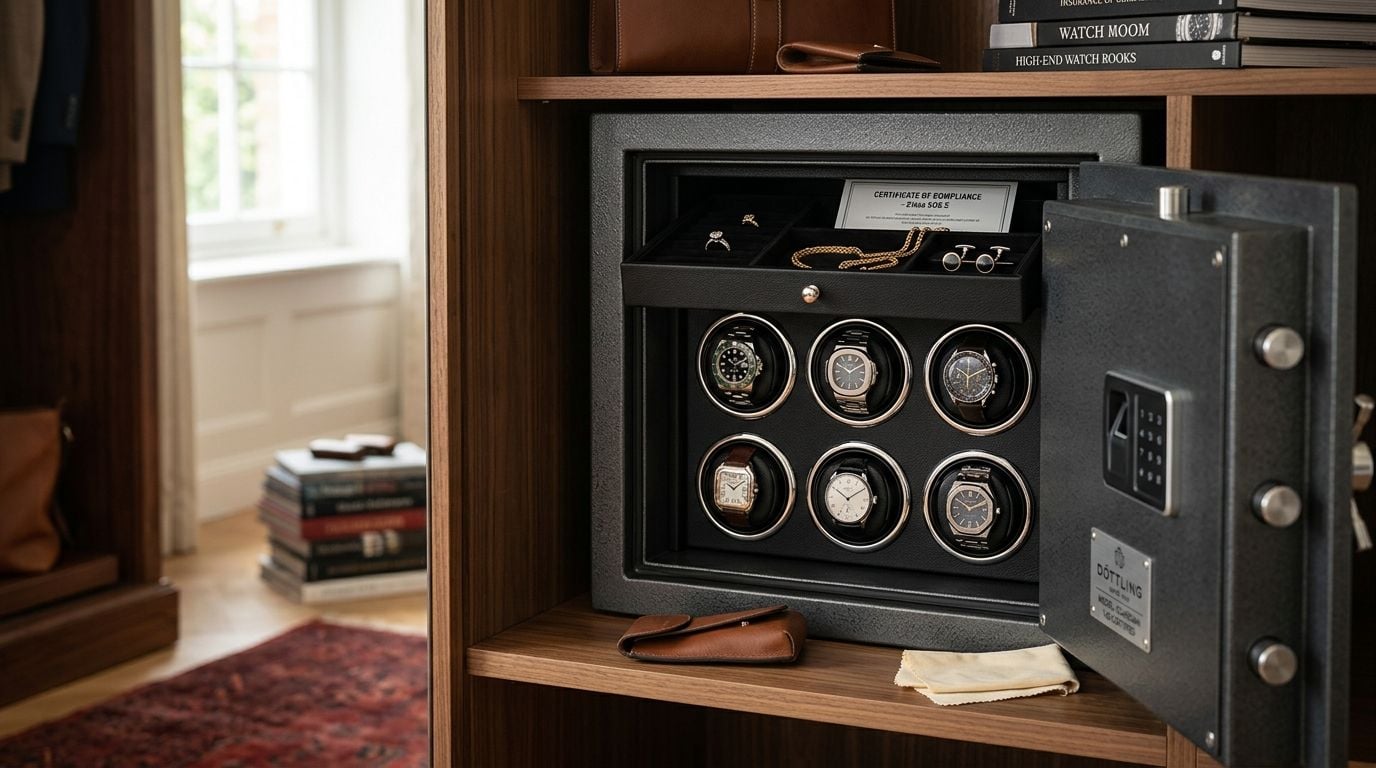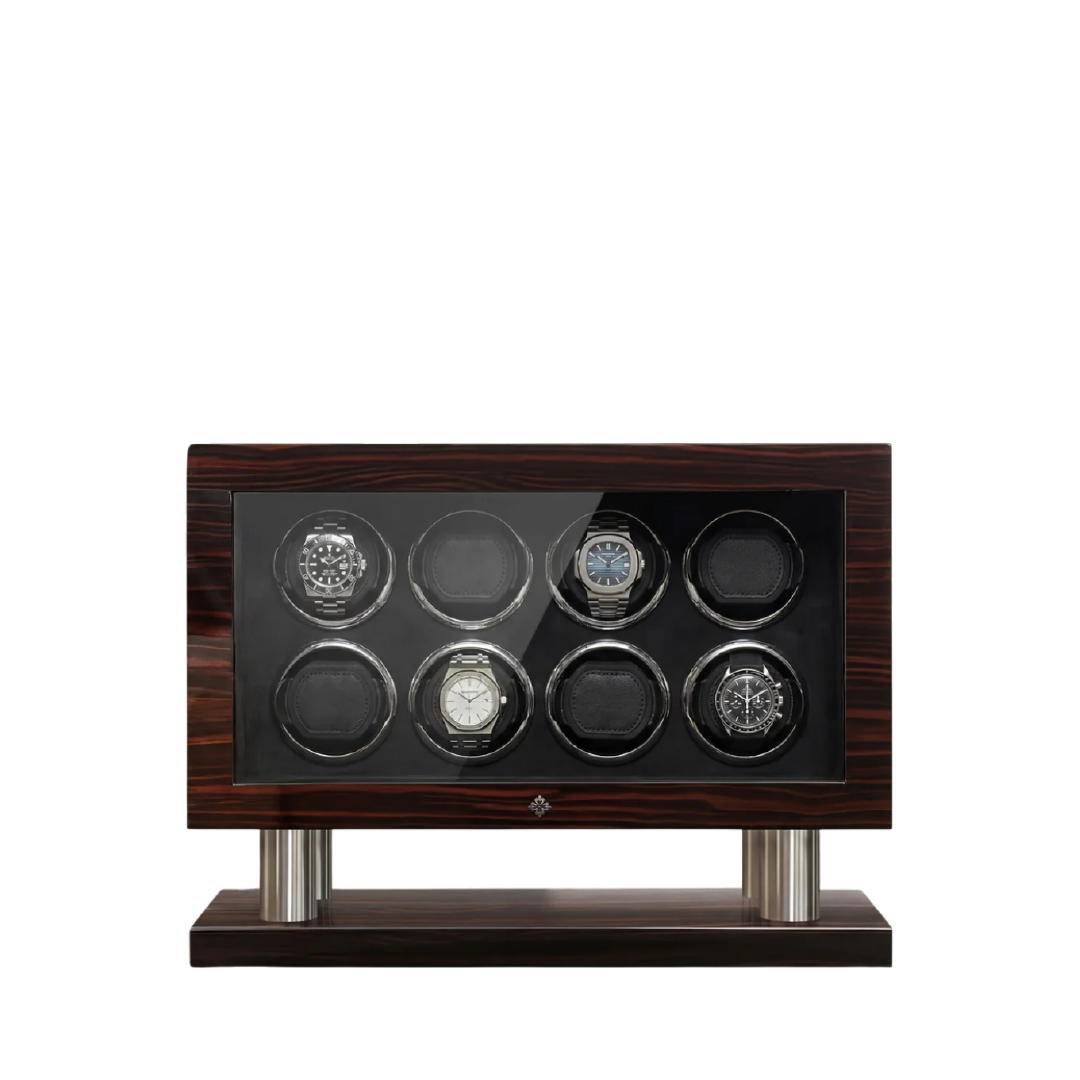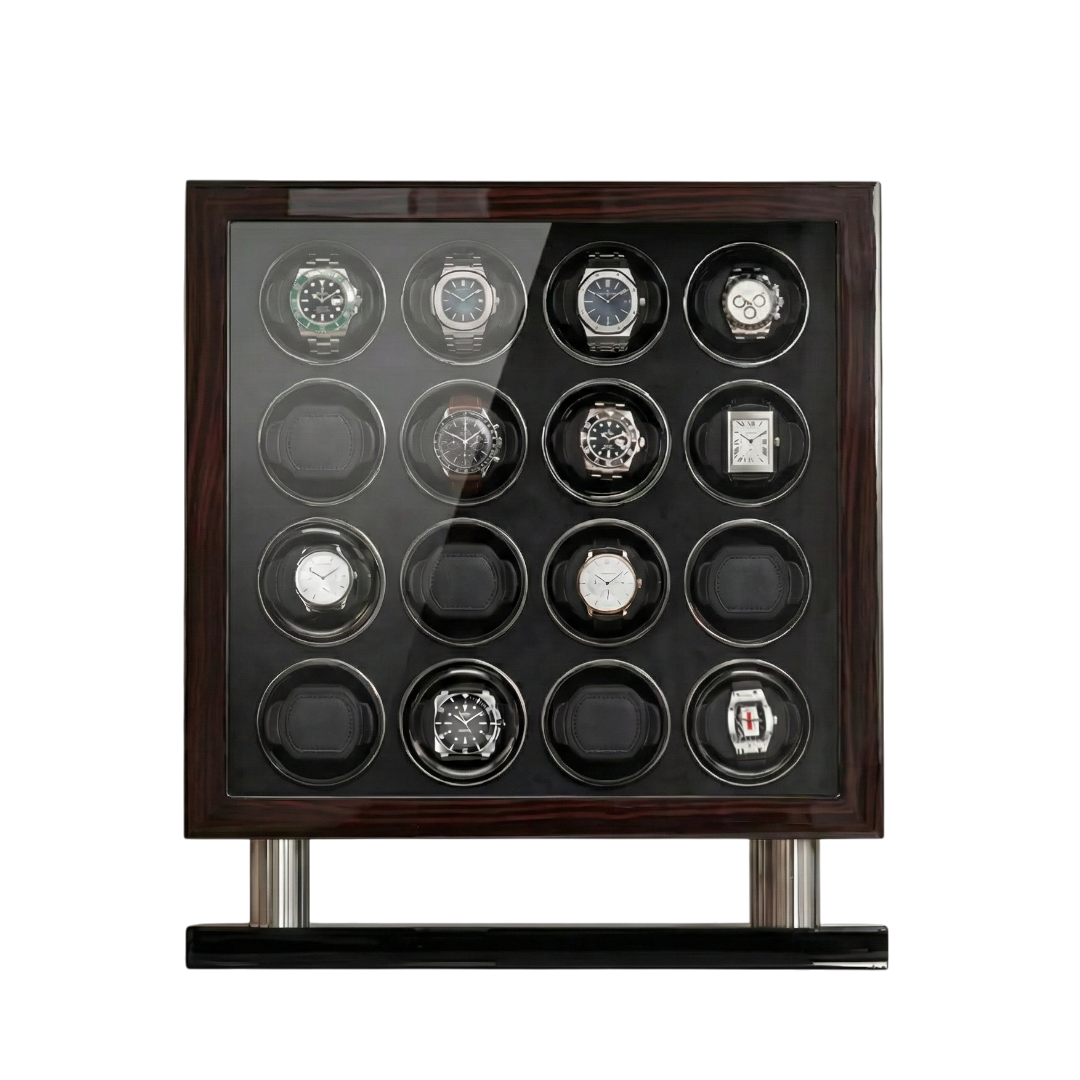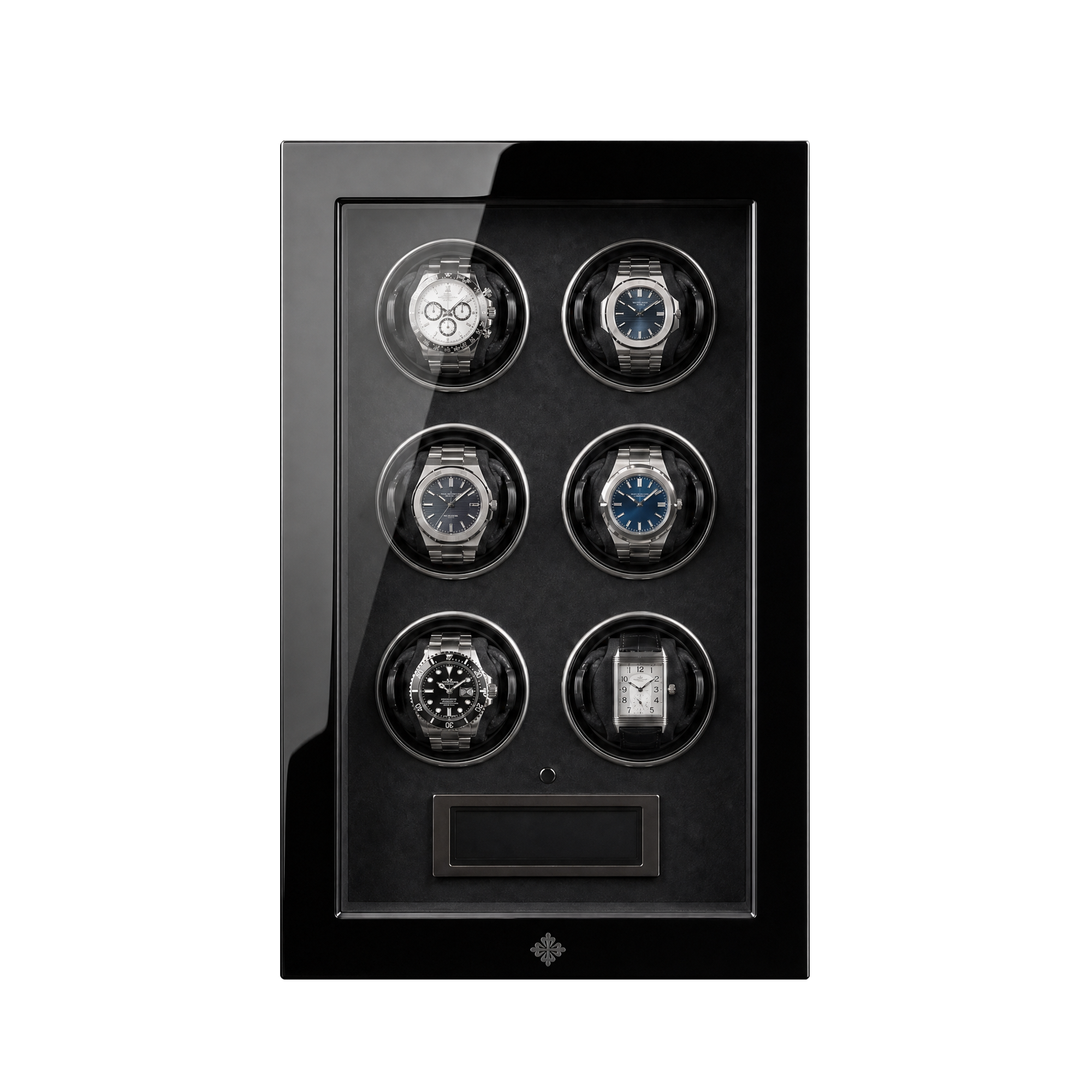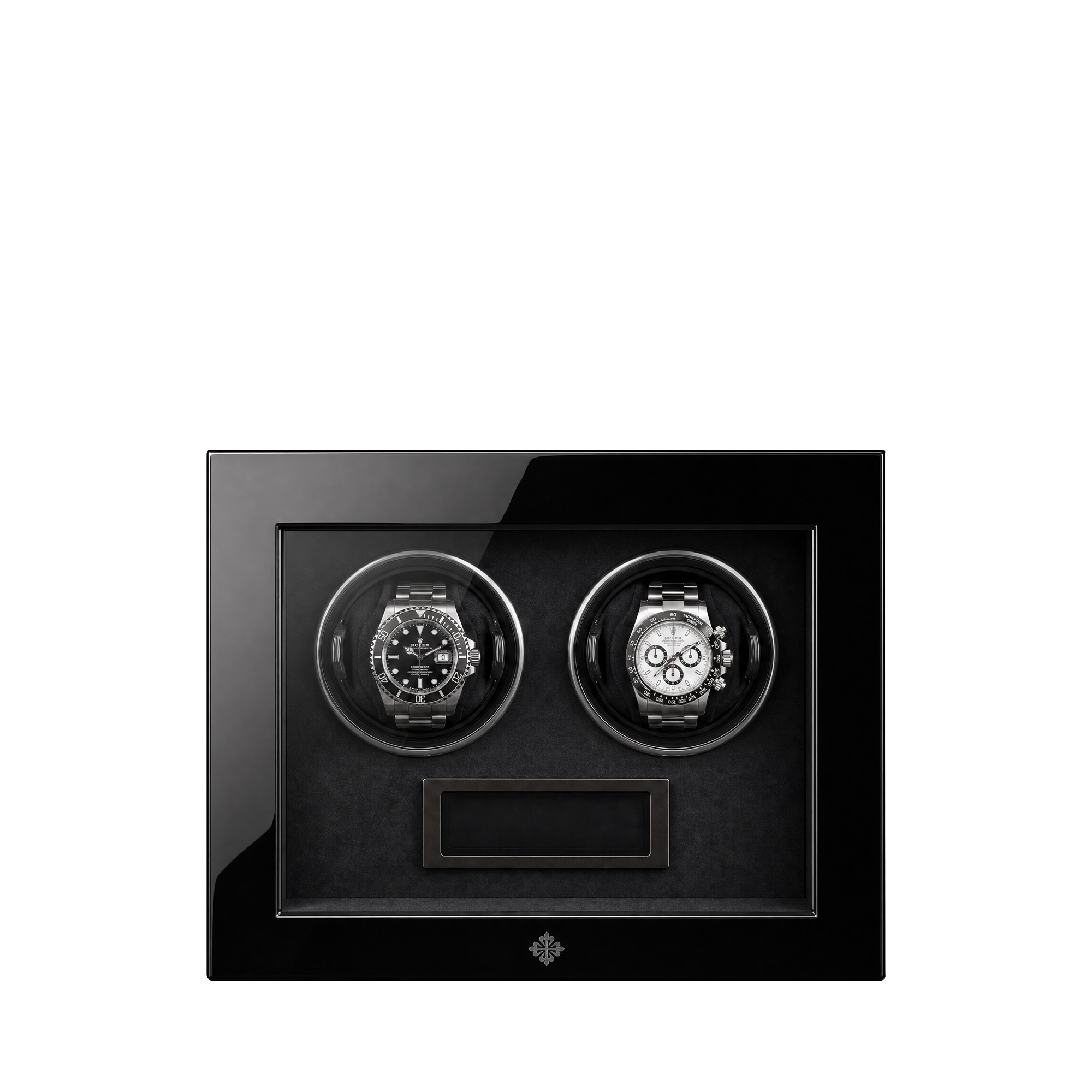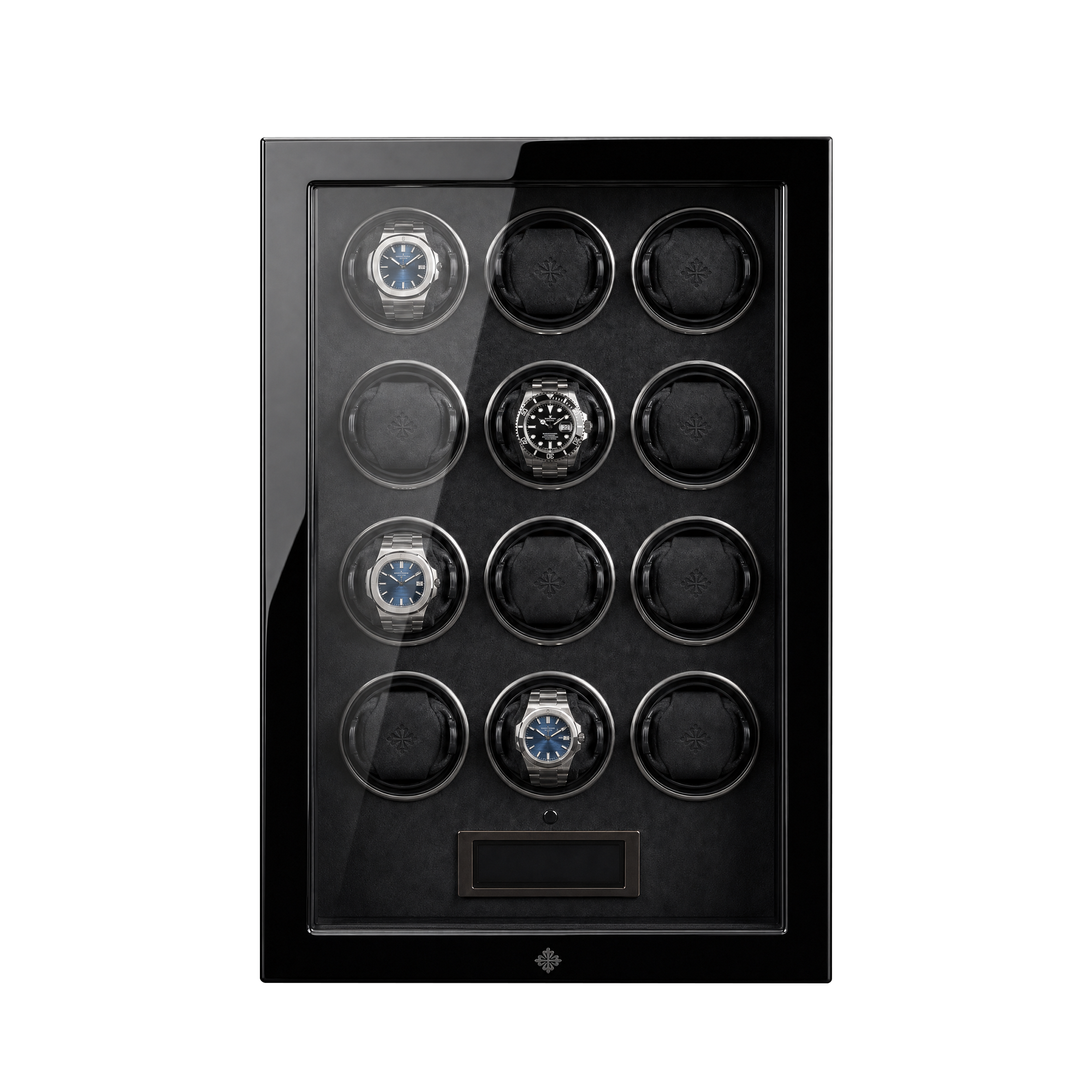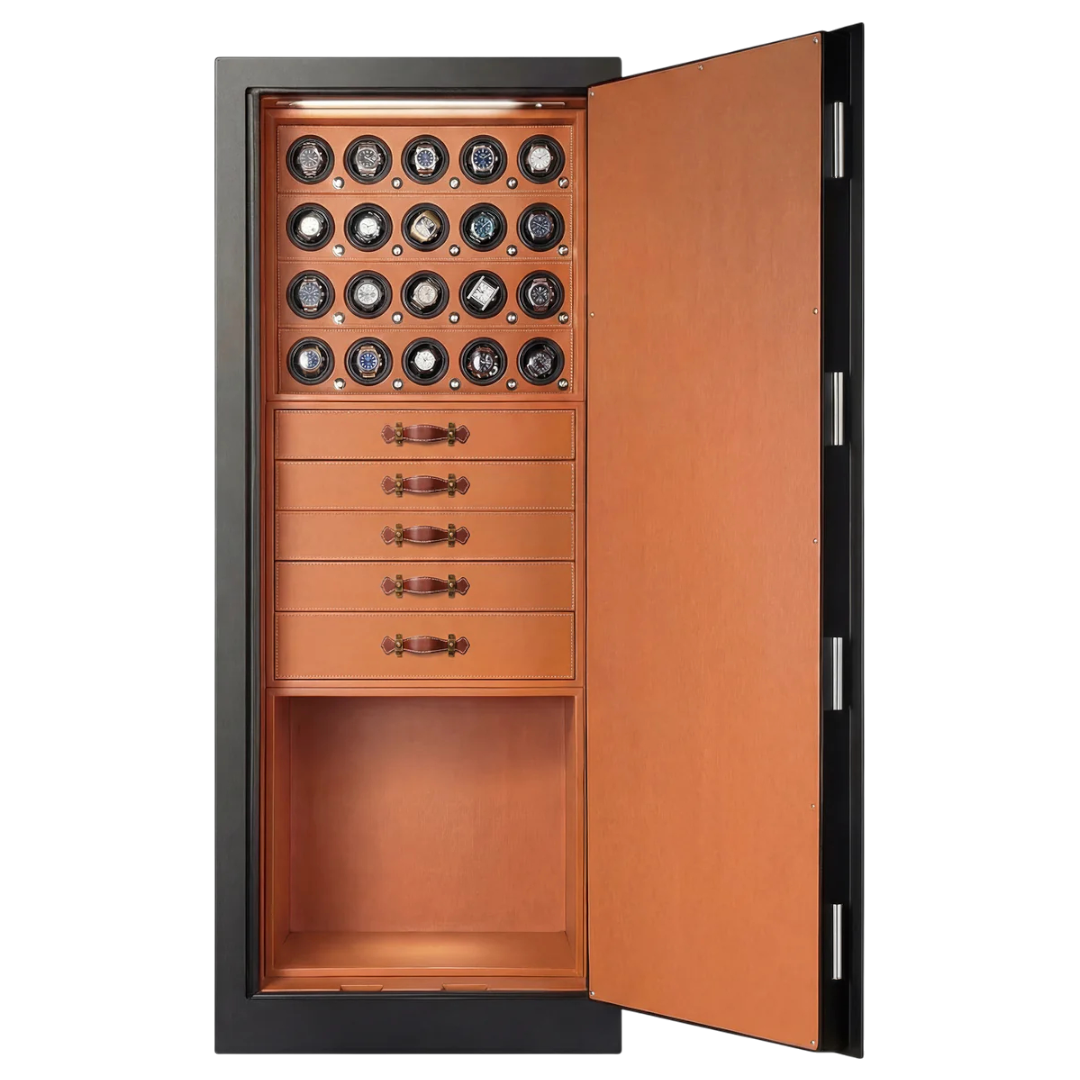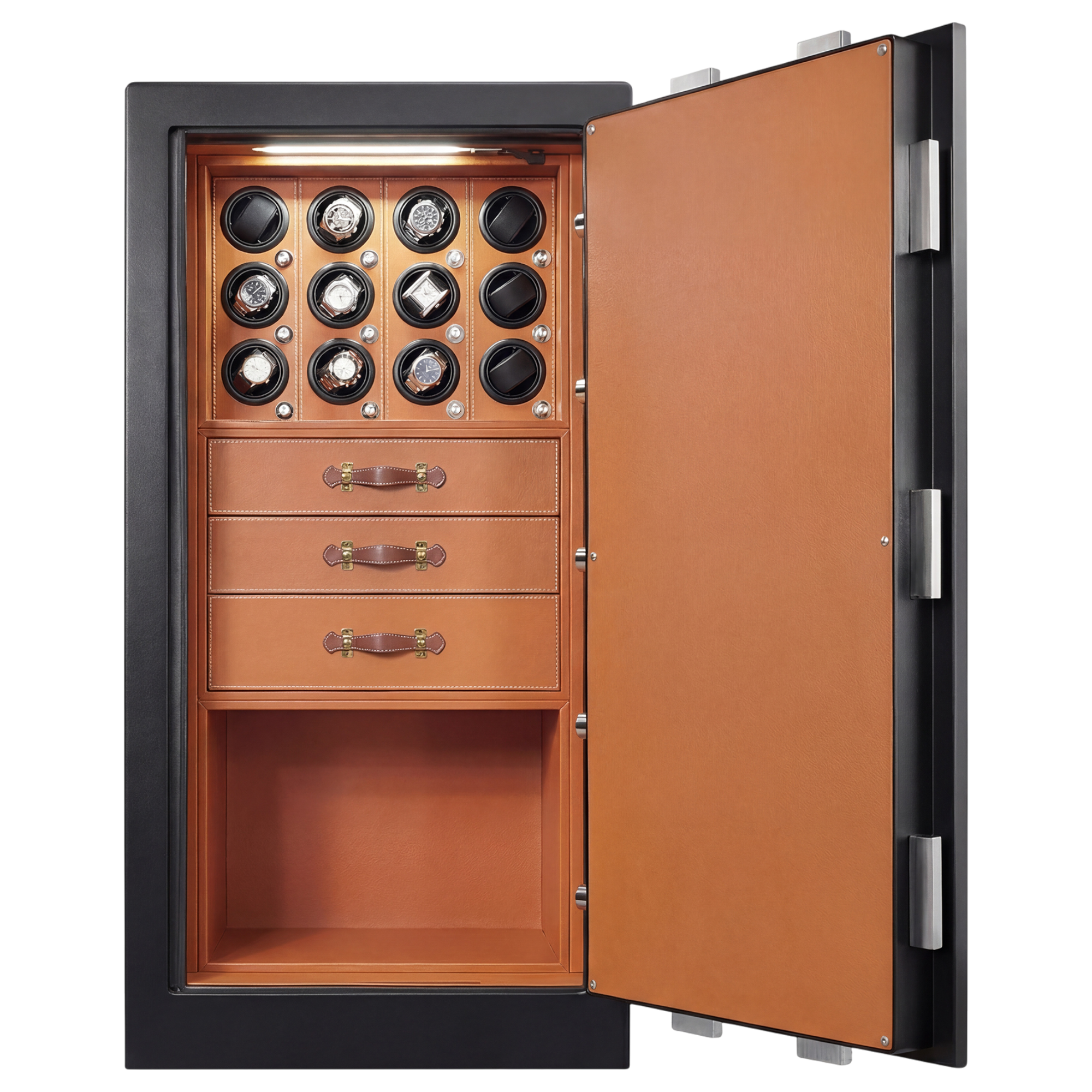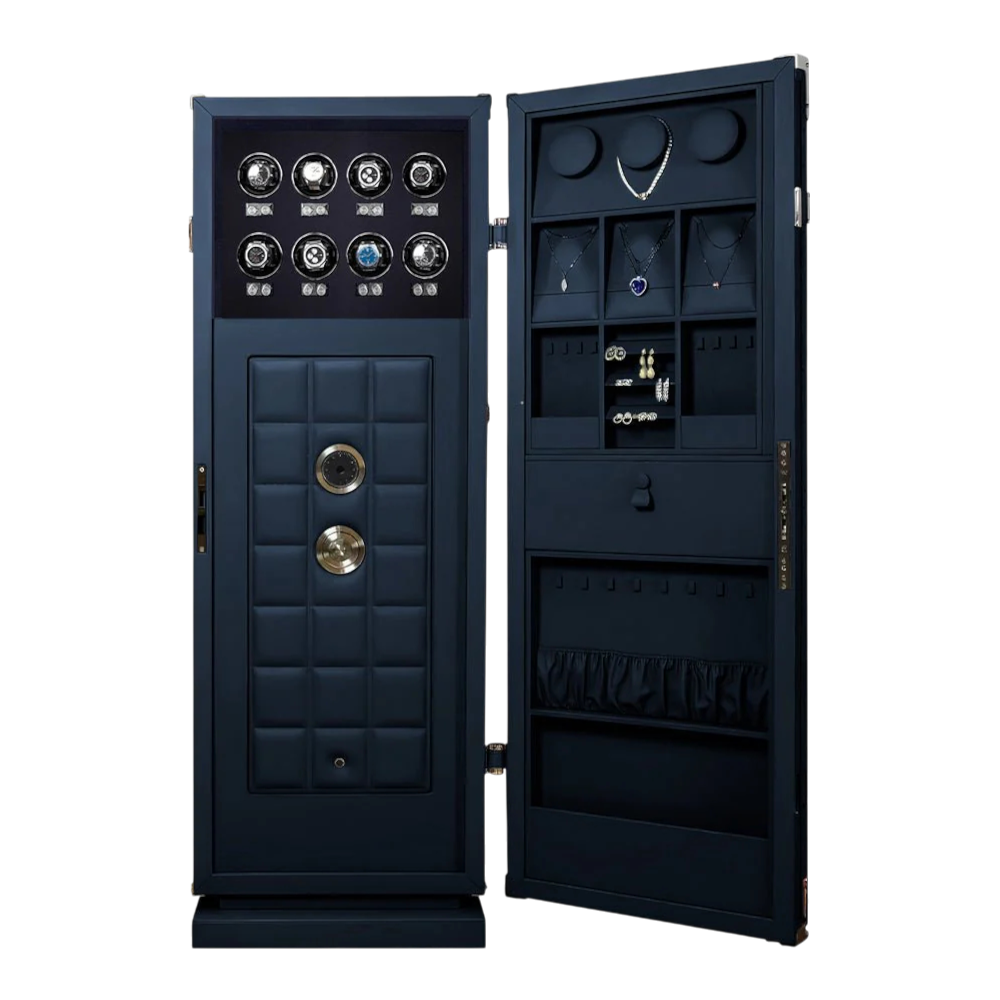

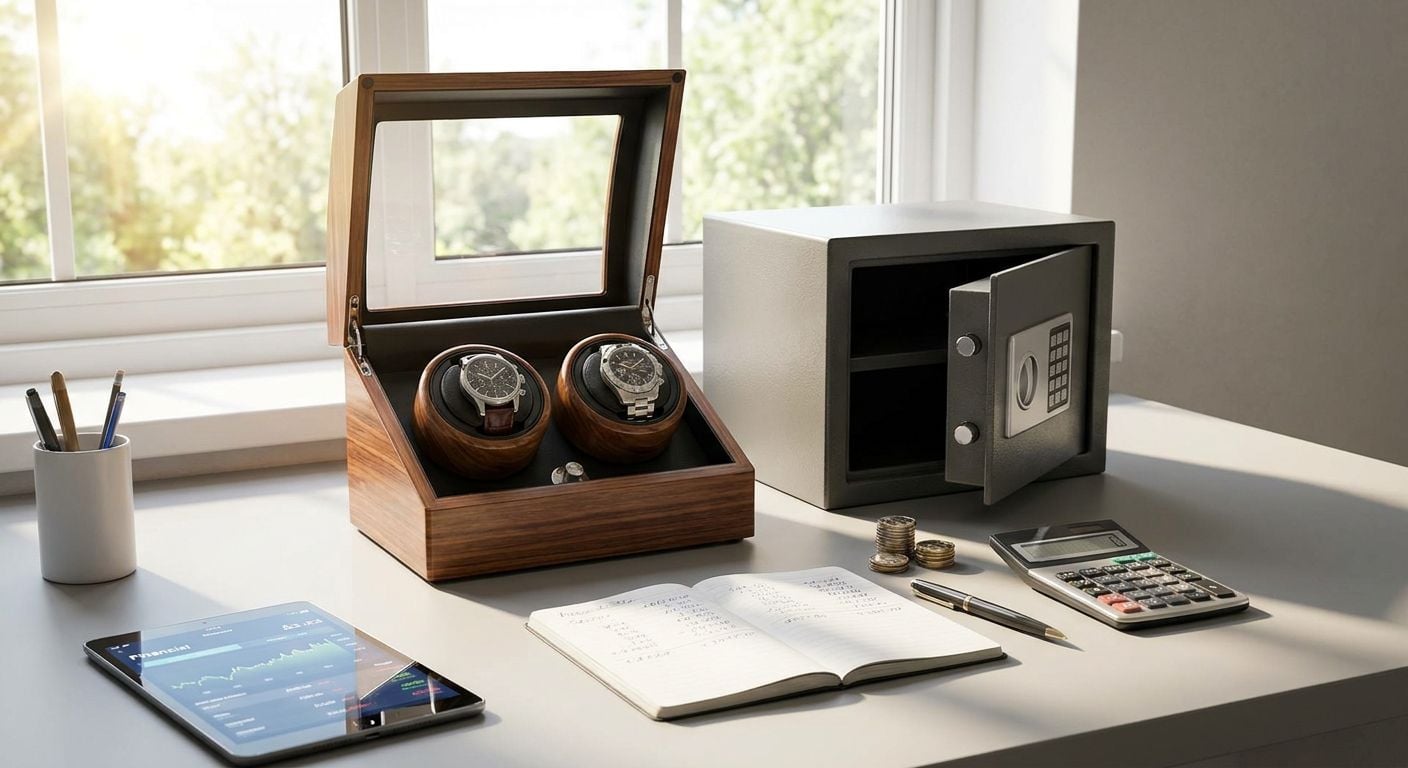
Budgeting for a watch winder and safe setup starts with your collection's real value and rotation needs, not a random price tag. Enigwatch buyers moving from a single automatic to a coordinated winder-and-safe system in 2026 typically spend between $5,000 and more than $21,000, and where you land depends on choices you can control before you order.
- Budget $5,000 to $21,000-plus for a watch winder and safe setup in 2026, scaled to collection size.
- A single-watch winder with a Japanese Mabuchi motor starts near $5,000; biometric safes with Alcantara interiors reach the top of that range.
- Buy the safe first if security is the actual gap in your setup — a winder does nothing to stop theft.
- Professional installation and a lifetime warranty are part of the total cost, not optional extras added later.
- Get watches appraised before the safe ships — insurers need current documentation, not the original receipt.
Why this matters
A watch winder keeps automatic movements running and correctly set when you're not wearing them. A safe keeps the collection from walking out the door. Treat them as one line item, not two separate impulse buys, and the math gets easier fast.
Most first-time buyers price the winder, then get surprised by the safe — or price the safe, then realize a multi-slot cabinet does nothing for a Rolex sitting in a sock drawer without a rotation program running. Working the order backward, from collection size to hardware spec, keeps a starter setup closer to $5,000 than to $21,000.
Run through a watch winder buying checklist before you request a quote for your watch winder and safe budget — it forces the collection-size and feature questions that actually set the number, instead of letting a showroom upsell set it for you.
What you'll need
- Current watch count, and which pieces are automatic — only those need a rotation program
- A target value range per watch, since safe-grade and lock type scale with that number
- A sense of your closet, office, or bedroom footprint, since cabinet and safe dimensions vary
- A rough timeline, since professional installation is usually scheduled separately from delivery
- A finish preference — wood veneer, Alcantara, or Nappa leather change the invoice before any add-ons
- Willingness to book an appraisal before the safe ships, not after it arrives
The steps
1. Inventory your collection and set a slot count
Count only the automatic watches that actually need a rotation program — quartz and kinetic pieces don't belong in the winder budget at all. A four-watch rotation and a twelve-watch rotation are different products at different price points, and buying slot capacity you won't fill for years just inflates the number for no reason. Common mistake: sizing the winder for the collection you want in 2030 instead of the one sitting in front of you right now.
2. Price the winder against motor quality, not slot count alone
A single-watch winder built on a Japanese Mabuchi motor sits near the $5,000 entry point. The number climbs as programs multiply, since a Rolex-and-Patek mixed collection needs independent turns-per-day settings rather than one shared program running for every slot. Pay for the motor and program logic first, and treat extra slots as the smaller line item on top. Common mistake: choosing slot count on price alone and ending up with a cabinet that can't run two TPD profiles at once.
3. Price the safe by security level, not size
Fire rating, lock type, and burglary rating drive cost more than the number of watches the safe holds. A first collection under a modest total value can be well served by an entry-level configuration — see entry-level watch safe picks for what that tier actually includes — while biometric access and a heavier steel body push toward the top of the $21,000 range. Common mistake: buying safe capacity for future growth while skipping the lock upgrade that actually protects what's inside today.
4. Add professional installation as its own line
Mounting a safe to a wall stud, bolting it to a closet floor, or wiring a built-in cabinet all take labor that isn't included in the hardware's sticker price. Enigwatch schedules installation separately from delivery, so build a week or two of lead time into the plan along with the labor cost itself. Common mistake: budgeting the winder and safe to the dollar, then discovering installation was never priced in at all.
5. Set aside money for appraisal and insurance before the safe arrives
Insurers want current documentation on each piece, not the original purchase receipt from years ago — get that done before the safe ships so coverage is active the day the collection moves in. Insuring a watch collection walks through exactly what an appraiser needs and how the process typically runs. Common mistake: treating appraisal as a task for later, which leaves the collection uninsured during the transition.
6. Build in a contingency line for finish choices
Exotic wood veneer, Alcantara interiors, and Nappa leather are chosen at order time, not swapped in later, and each finish tier changes the total more than most first-time buyers expect. Common mistake: locking in a base configuration, then adding finish upgrades one at a time until the number no longer resembles the original budget.
7. Decide which piece ships first
If the collection already sits somewhere reasonably secure, a winder solves the more urgent problem — keeping automatics wound and accurate. If security is the actual gap, the safe goes first and the winder follows once the vault is installed. Enigwatch ships worldwide, so sequencing is a budgeting decision, not a logistics constraint. Common mistake: ordering both at once to save a shipping fee, then treating the combined invoice as fixed when either piece could have waited a billing cycle.
Build your winder and safe budget
See current Enigwatch configurations before you request a quote.
Troubleshooting
- Total is creeping past $21,000 before a safe is even added. Cut slot count first, not motor quality — a four-slot winder with a strong Mabuchi motor beats an eight-slot unit that can't hold TPD settings for a mixed collection.
- The safe quote didn't include installation. Ask for the installation line separately before comparing it to a DIY wall safe — the comparison isn't fair without it.
- Appraisal is taking longer than expected. Schedule it the same week you place the order, not after the safe arrives — insurers need documentation before coverage starts.
- Finish upgrades keep getting added one at a time. Pick Alcantara, Nappa leather, or wood veneer before requesting the quote, not during the ordering call.
- Winder and safe budgets were planned separately and don't add up. Combine them into one line item from step 1 — treating them as two purchases is what causes most first-time overruns.
Tools and resources
- A tape measure for the closet, office, or bedroom footprint the cabinet or safe will occupy
- A written inventory of automatic watches with an approximate value per piece
- The watch winder buying checklist referenced above, to confirm motor type and program needs before ordering
- A scheduled appraisal appointment, ideally booked before the safe ships
- An installation window blocked on your calendar, separate from delivery day
Once the numbers are set, the actual order is a smaller decision than most first-time buyers expect — the budgeting work above is the hard part.
FAQ
How much should I budget for my first watch winder and safe in 2026?
Plan for $5,000 to $21,000 or more, depending on slot count, lock type, and finish. A single-watch winder with a Japanese Mabuchi motor sits at the low end; a biometric safe with an Alcantara interior sits at the top.
Is it better to buy the safe or the winder first?
Buy the safe first if security is the actual gap in your setup, since a winder does nothing to stop theft. Buy the winder first if your watches are already reasonably secure and power reserve is the more urgent problem.
Does a watch winder need professional installation?
A standalone winder usually doesn’t, but a built-in cabinet or wall-mounted safe typically does. Enigwatch schedules installation separately from delivery, so budget the labor as its own line item.
How much does a luxury watch safe cost in 2026?
Pricing scales with fire rating, lock type, and finish rather than watch count alone. Entry-level configurations sit well under the $21,000-plus ceiling that biometric, Alcantara-lined safes reach.
Does owning a watch winder or safe affect insurance costs?
The hardware itself doesn’t set your premium — current appraisal documentation does. Get watches appraised before the safe ships so the insurer has the numbers it needs.
What’s the difference between a watch safe and a watch cabinet?
A safe is built around locking and fire or burglary protection; a cabinet is built around display and finish, often with a safe or winder built in. Budget them separately even when they ship as one piece of furniture.
How many watches justify a multi-slot safe?
There’s no fixed number — it comes down to total collection value and how much you want stored at once. A collector with four high-value pieces can justify more security than someone with twelve modest ones.
Does Enigwatch ship watch winders and safes worldwide?
Yes, Enigwatch ships worldwide and pairs each order with professional installation and a lifetime warranty. Factor installation timing into your budget alongside the invoice.
One last thing
Every Enigwatch winder and safe carries a lifetime warranty, so a separate service-contract line in your budget is money you don't need to spend. Put that saved line toward the appraisal instead — it's the one cost first-time buyers skip that actually protects the collection once it's locked away in 2026.
Related guides
Protect Your Watch Collection
Designed for collectors who demand the best. Explore our premium watch winders and luxury safes.