
Preparing a watch collection for consignment means authenticating every piece, gathering papers and service records, photographing each watch under consistent light, and keeping movements running until the drop-off date. The step most collectors skip is the one that costs them the most at sale: letting a watch sit unwound for weeks before the appointment, which turns a five-minute condition check into a service delay that stalls the entire consignment.
- How to prepare a watch collection for consignment starts with authentication, papers, and service records, not photos.
- A running movement at drop-off signals a well-maintained watch; a stopped one invites extra scrutiny in 2026.
- Consignment value swings on documentation completeness and condition grading more than brand name alone.
- Secure storage between appraisal day and drop-off day protects value the consignor can’t restore later.
Why this matters
A consignor grades a watch on what they can prove, not what you remember. Missing papers, an undocumented service, or a caseback that's never been opened by an authorized center all turn into questions during intake, and questions during intake turn into a lower opening offer.
The fix isn't complicated, but it takes sequencing. Get the appraisal and insurance paperwork in order before you touch a camera or a shipping box, because everything downstream depends on having an accurate, dated valuation on file. Collectors who skip straight to photos in 2026 often end up re-shooting once the appraiser flags a condition issue the lens missed.
How do you prepare a watch collection for consignment
Work through these steps in order. Skipping ahead to photography or shipping before authentication is the single most common mistake that slows a consignment down.
- Authenticate and appraise each watch first. A written appraisal with serial numbers, reference numbers, and condition notes is what the consignor will compare their own inspection against — discrepancies here get flagged immediately.
- Gather papers, boxes, and service history. Original warranty cards, purchase receipts, and service invoices move a piece from "unverified" to "documented" in a consignor's system, which is the single biggest lever on opening offer.
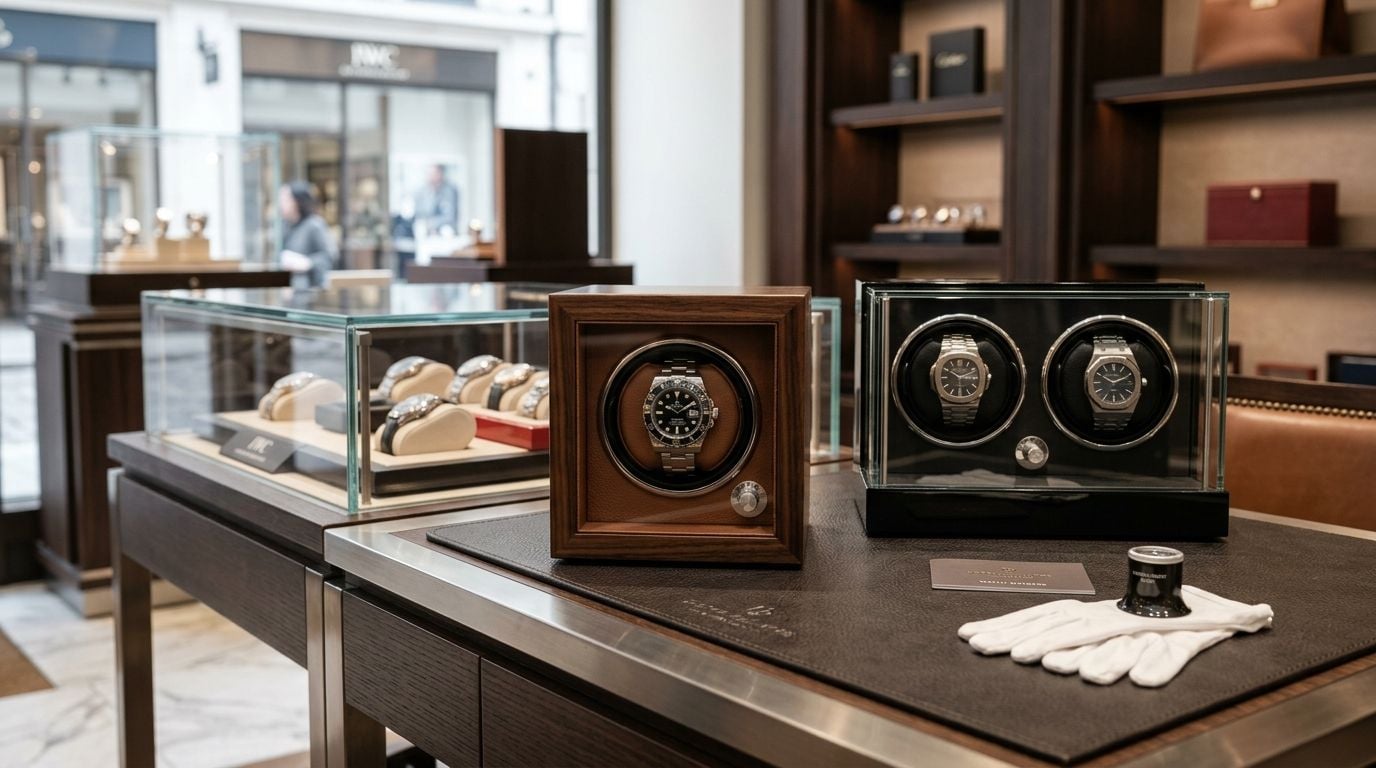
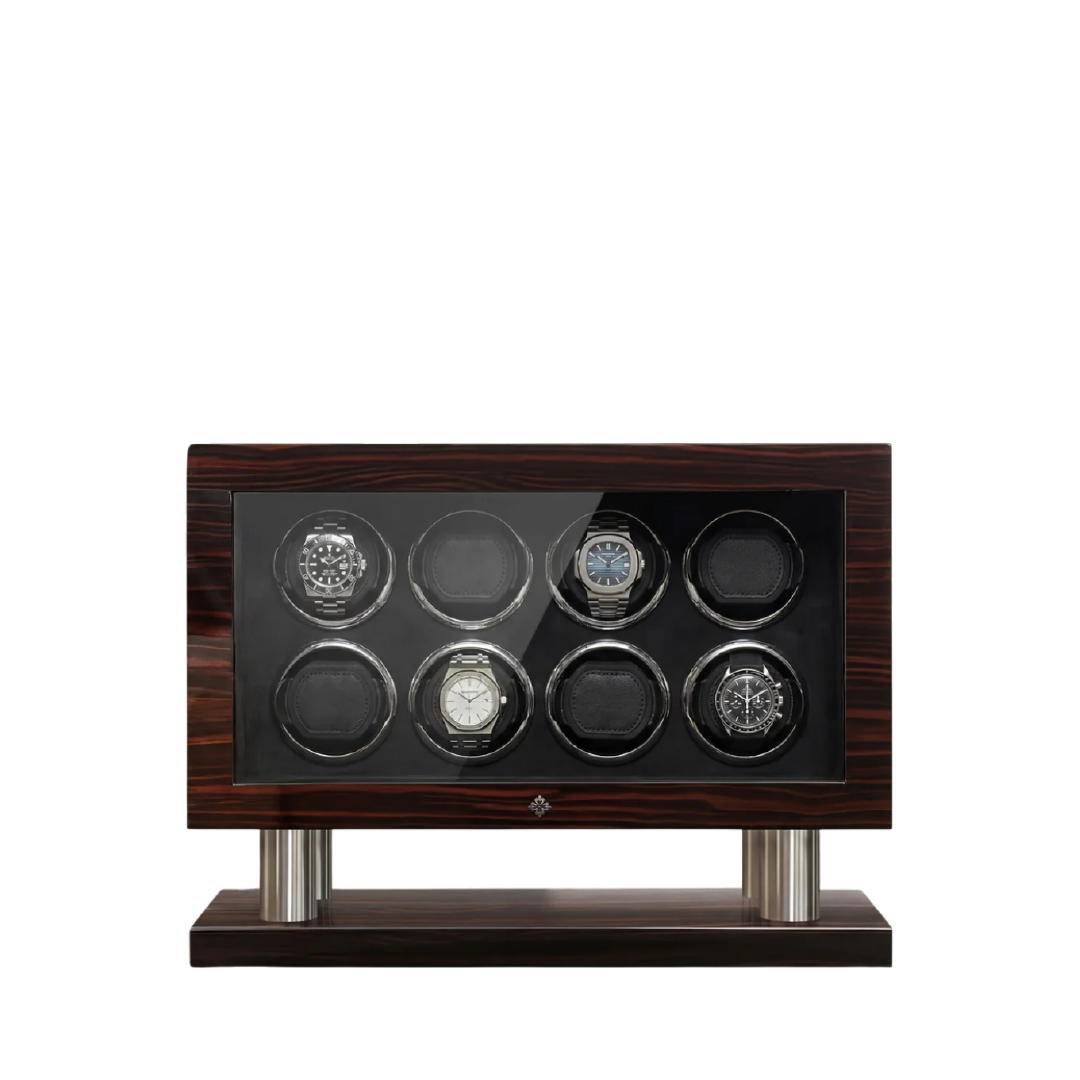
- Wind or run each movement before drop-off. An automatic that's been sitting dead for months needs days to settle into an accurate rate; a consignor testing timekeeping on a freshly restarted movement won't see the watch's true performance.
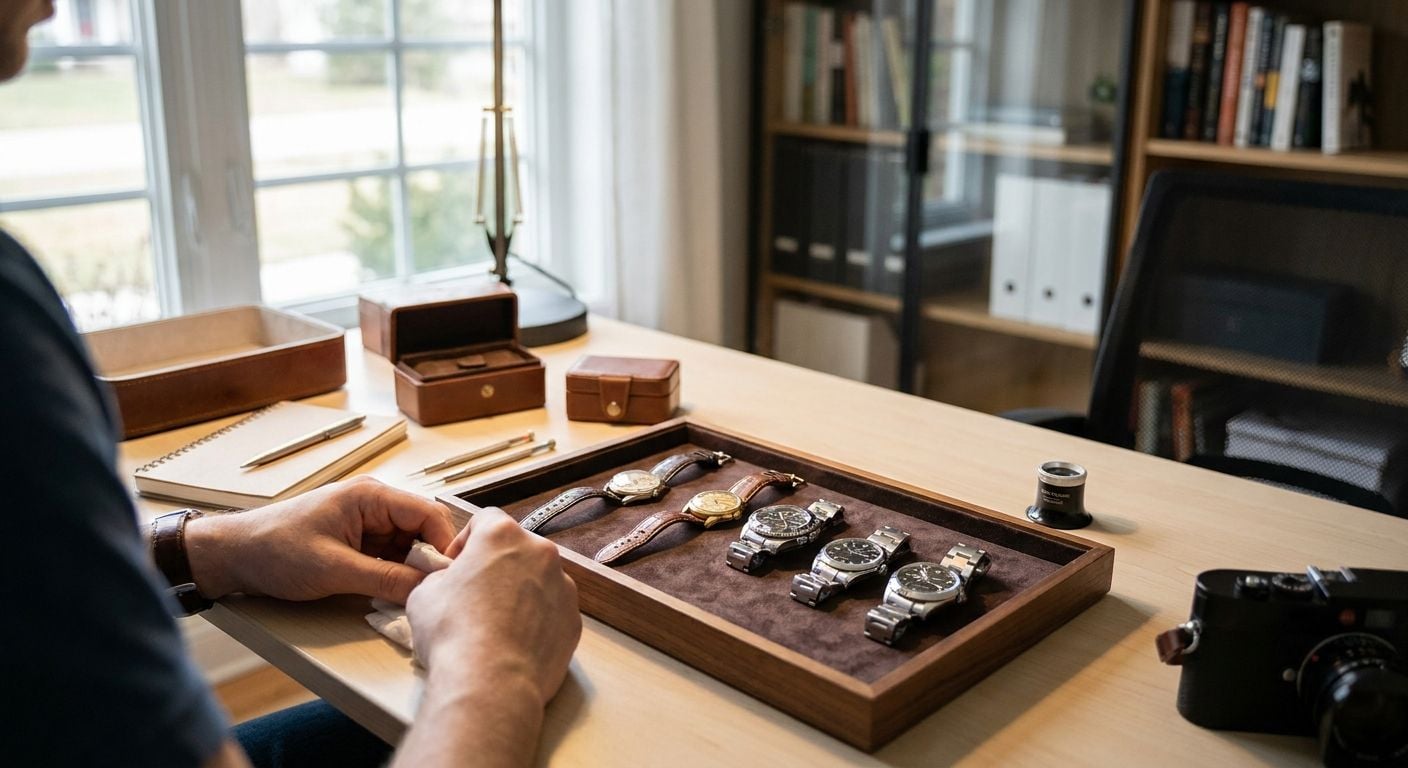
- Photograph every watch under consistent, even light. Shoot the dial, caseback, clasp, and any box or papers separately — this doubles as the record you'll want on file if an insurance claim ever comes up before the sale closes.
- Note condition issues honestly before the consignor does. Hairline scratches, a stretched bracelet, or a replaced crystal are easier to disclose upfront than to have discovered during inspection.
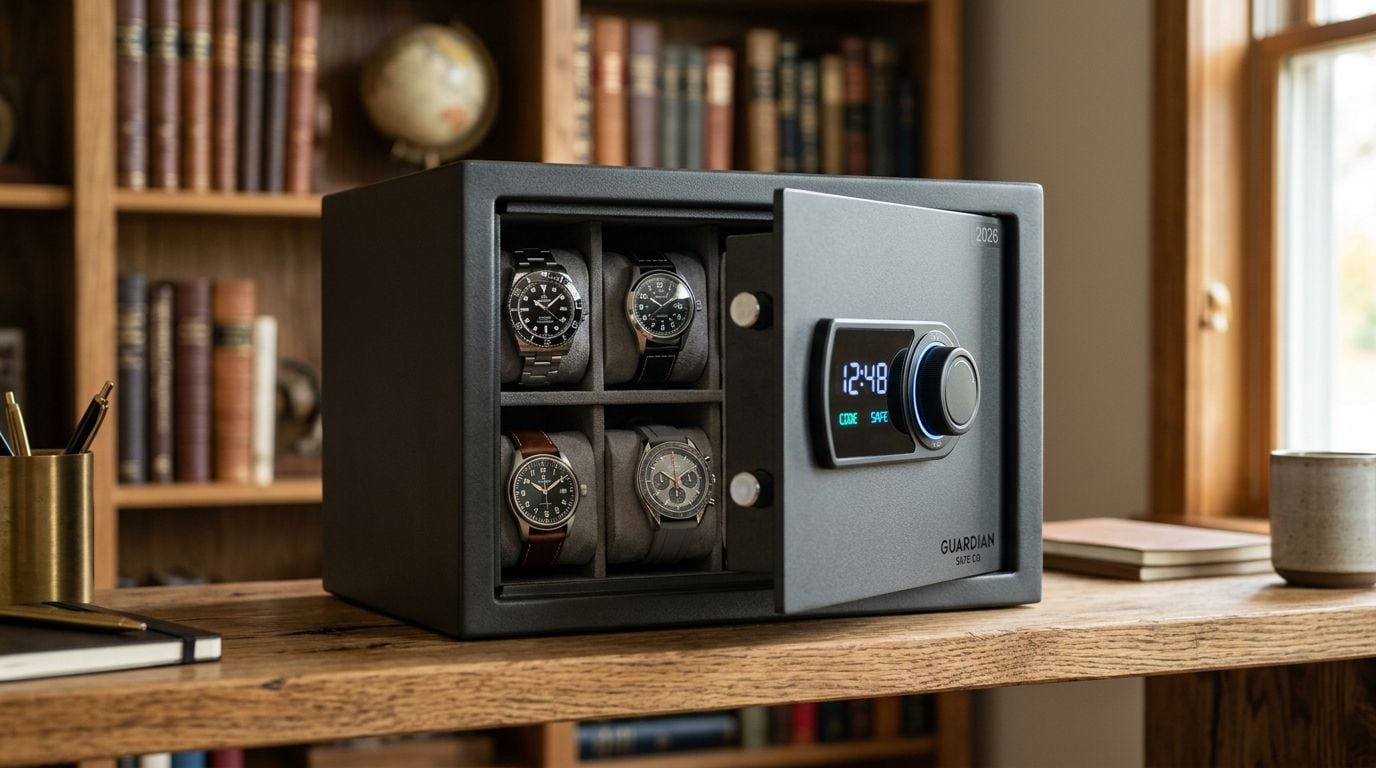
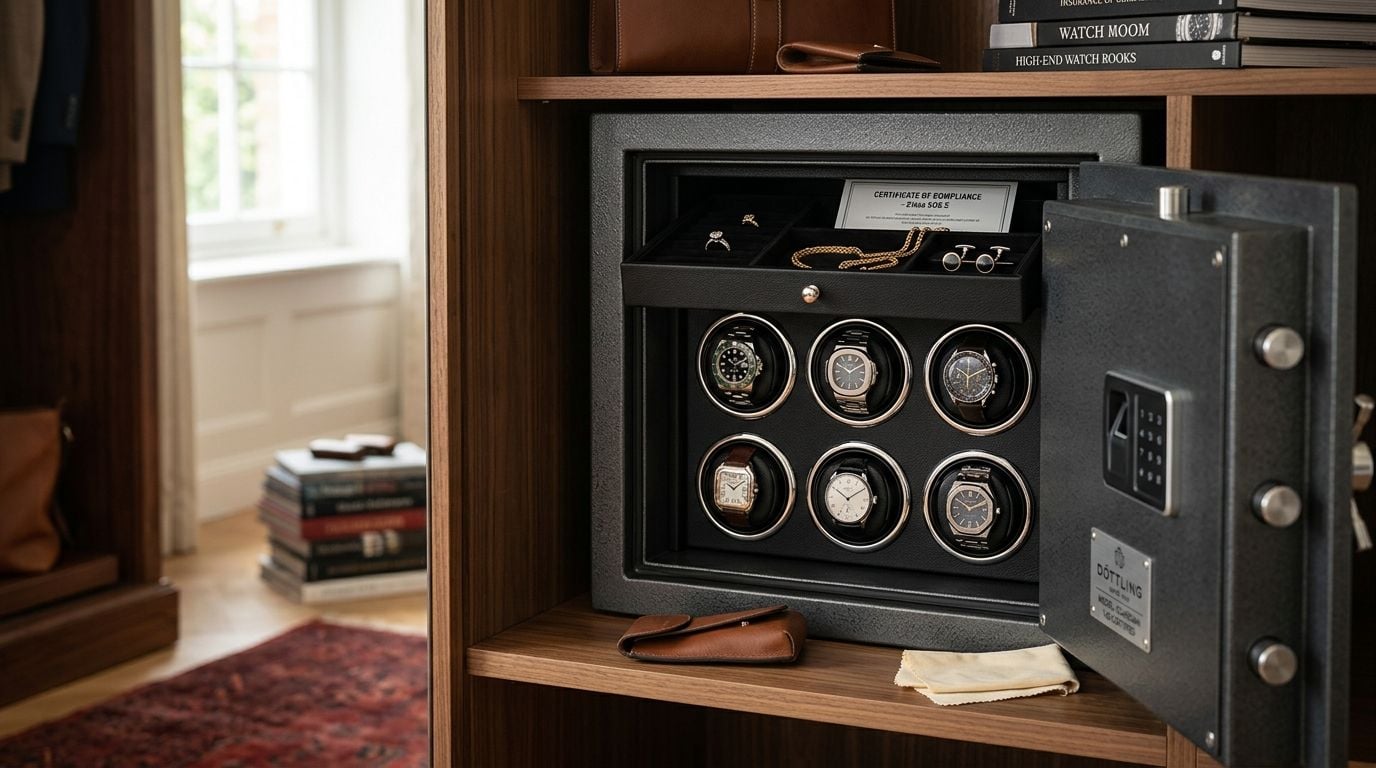
- Store the collection securely until the appointment. A watch that sits in a drawer for two weeks pre-consignment is a watch exposed to dust, humidity swings, and theft risk with zero upside.
- Set a reserve range based on comparable sold prices, not asking prices — comparables from actual closed sales are what a consignor will use to set your opening terms.
Why consignment value varies
Two identical references from the same year can land wildly different offers. The variables that move the number:
- Documentation completeness — full set (box, papers, service history) versus watch-only
- Movement condition — running accurately versus needing service before sale
- Reference and configuration demand — some dial colors and bracelet combinations simply sell faster
- Original versus replaced parts — an aftermarket crystal or bezel insert gets flagged during inspection
- Comparable sold prices in the current market, which shift throughout 2026 as supply and demand move
- Consignor commission structure, which varies by platform and affects your net, not the sale price itself
“A watch with a dead movement and missing papers sells on authentication risk, not on craftsmanship.”
Does a watch winder affect resale value?
A properly calibrated watch winder does not reduce resale value on its own — the mechanics of overwinding are largely a myth with modern automatic movements that use a slipping mainspring clutch. What does matter is rotor bearing wear from years of continuous operation without rest, which is a reason to check settings rather than a reason to avoid winding before consignment.
Should you insure a watch collection before sending it to consignment?
Yes — a collection in transit or sitting with a third party for evaluation is exposed in ways it isn't at home, and a current appraisal is also the document most consignors ask for anyway. Handle the insurance step alongside authentication, not after it, so the paperwork does double duty.
How long does consignment prep take?
Consignment prep takes as long as the authentication and paperwork step allows — that stage moves at the pace of appraisers and service centers, not the collector. Photography and secure storage are the fast parts; documentation is where timelines actually stretch in 2026.
Secure your collection before consignment
Store pieces safely while appraisals and paperwork come together.
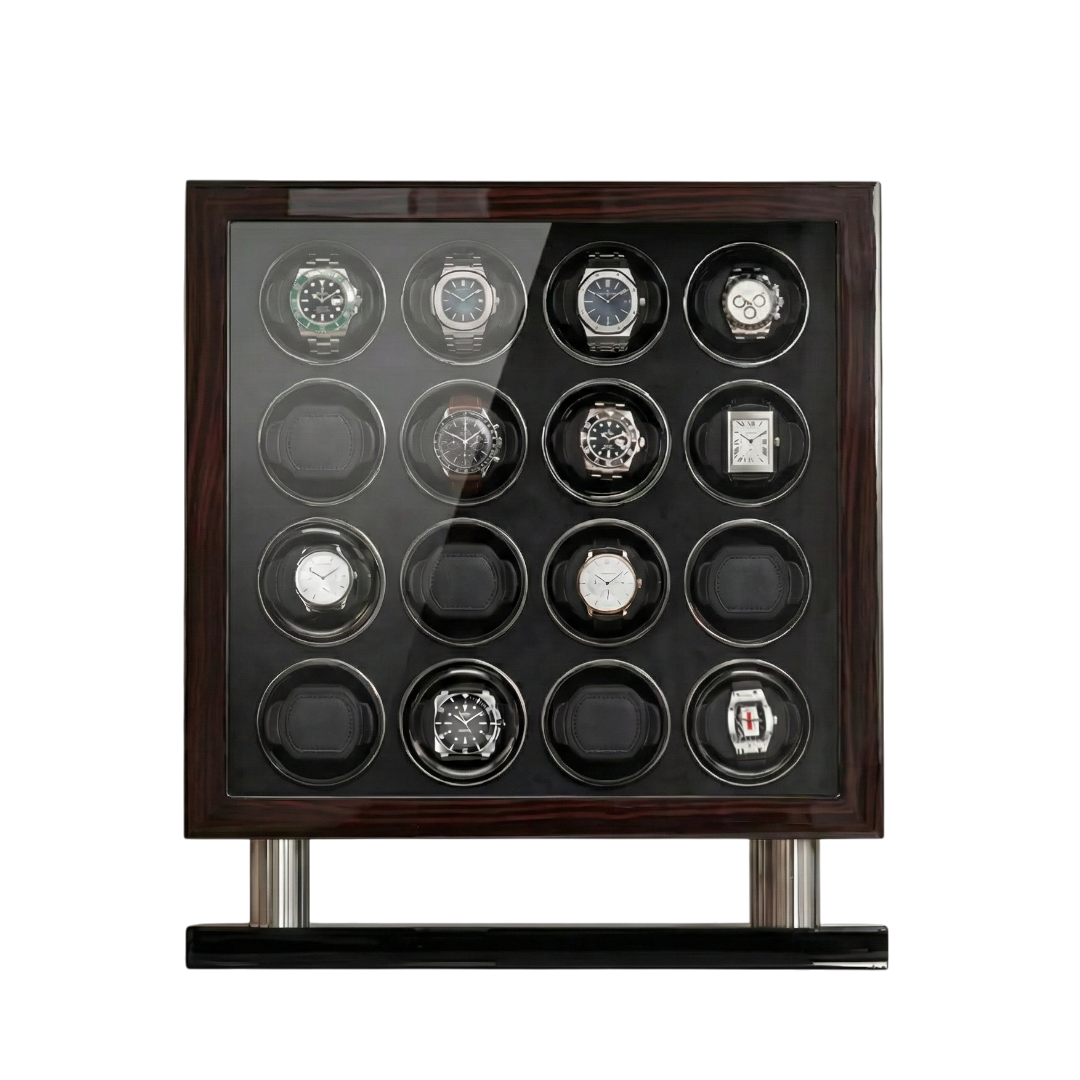
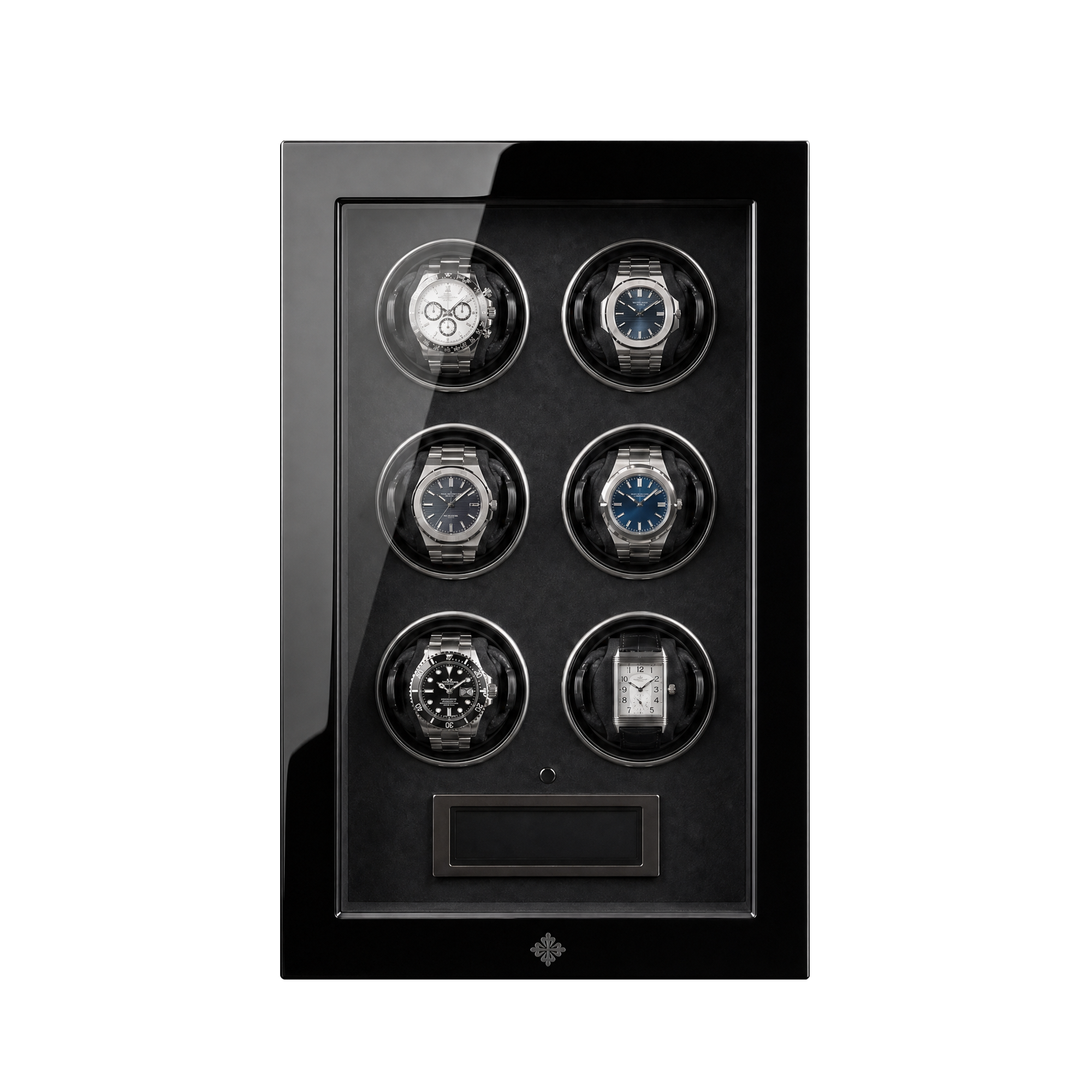
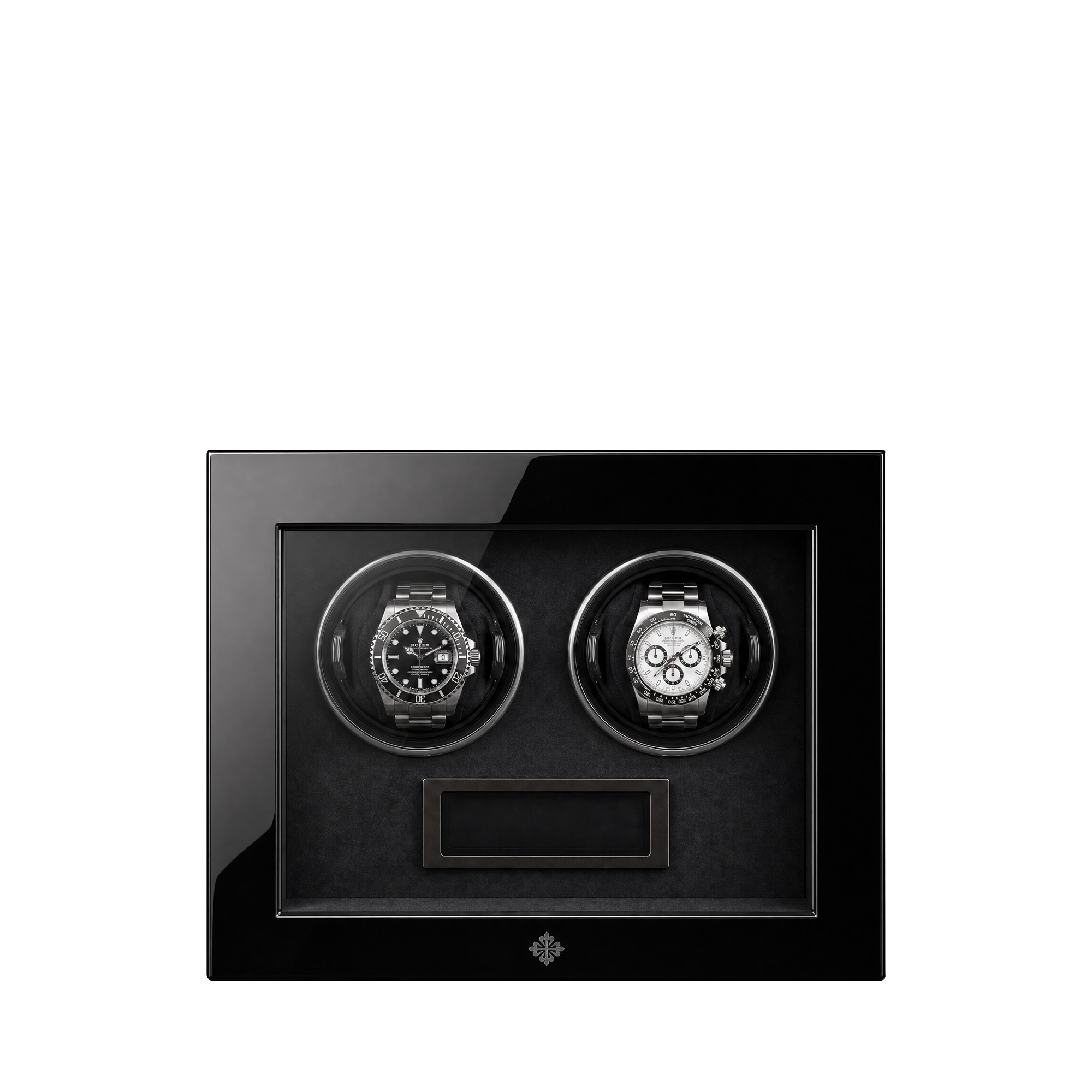
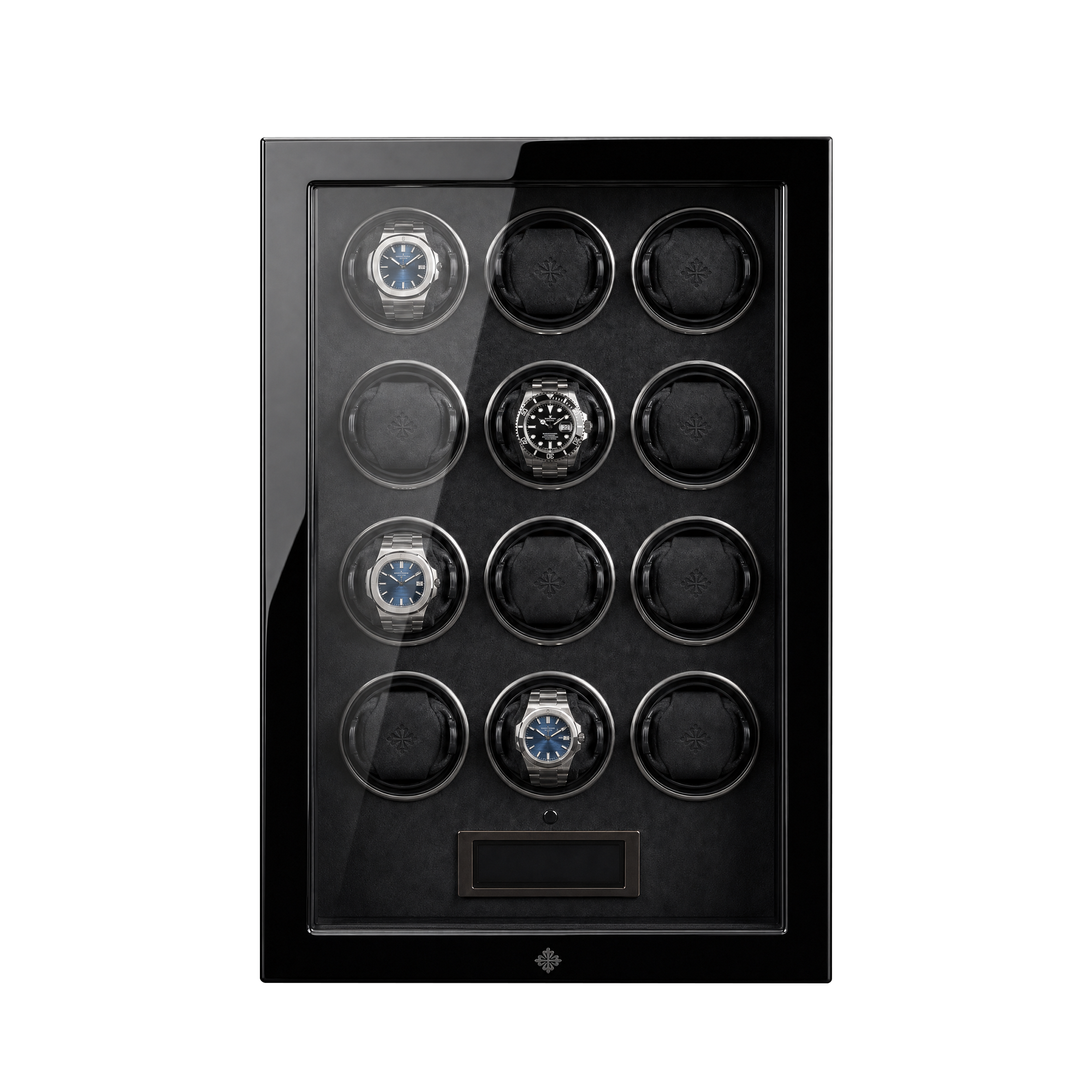
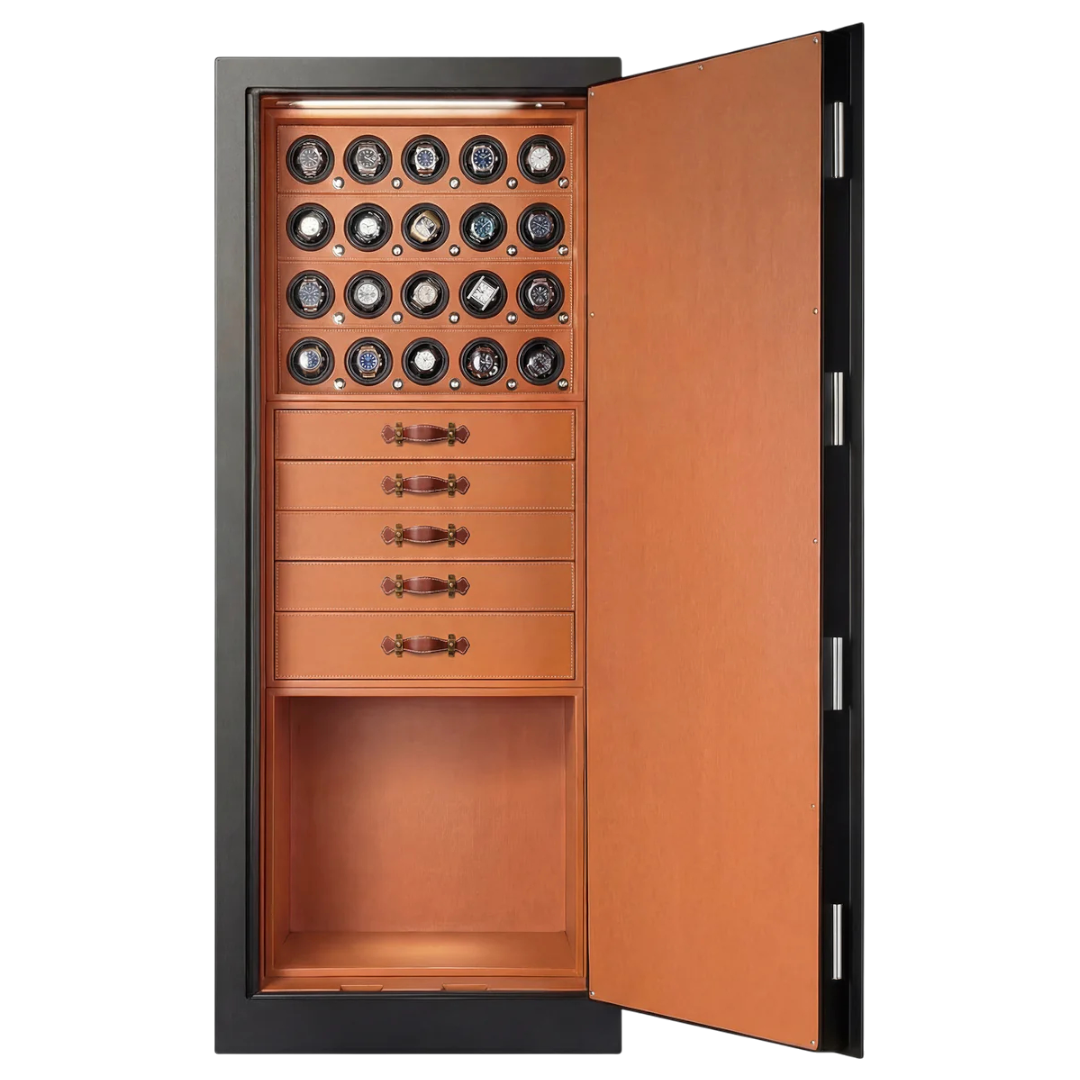
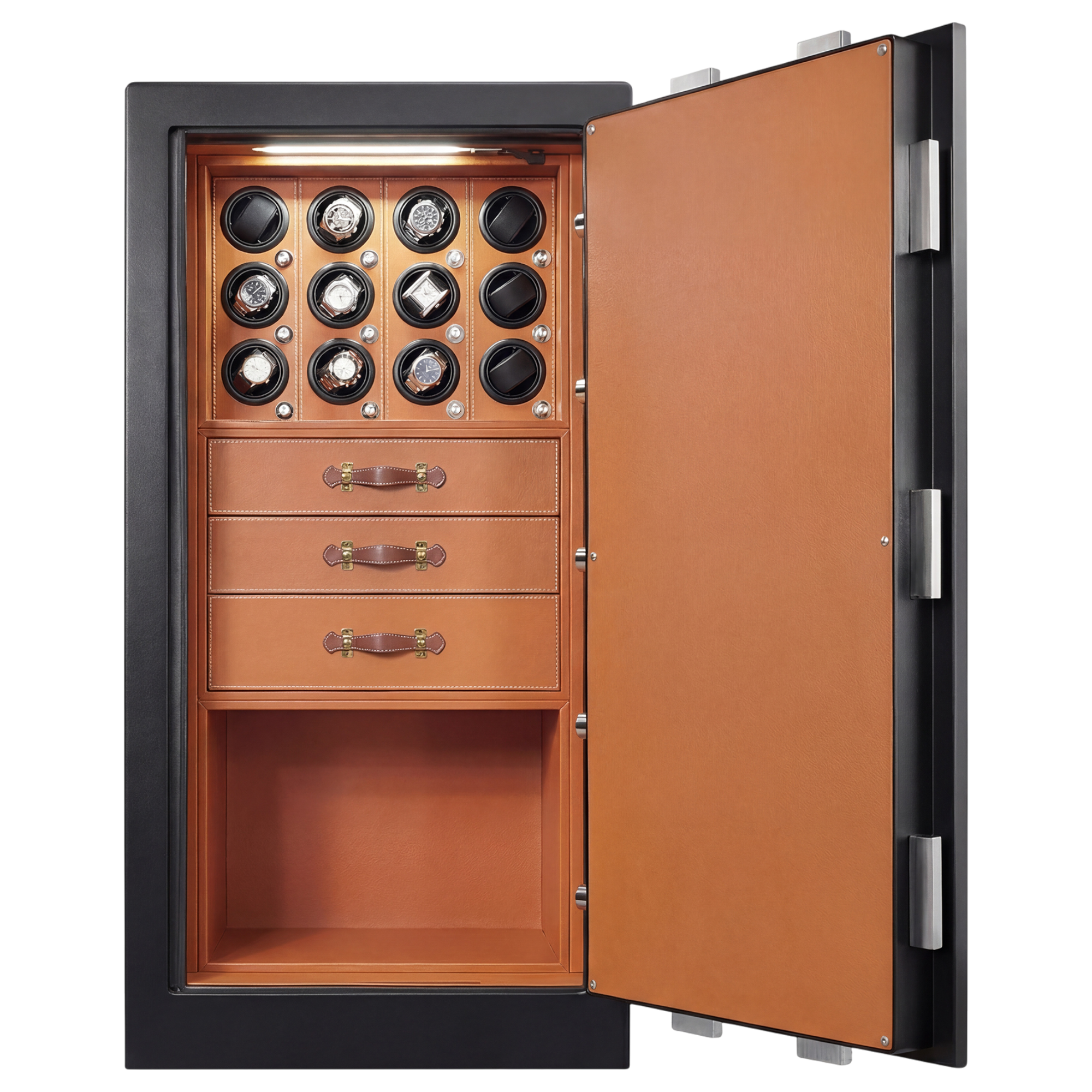
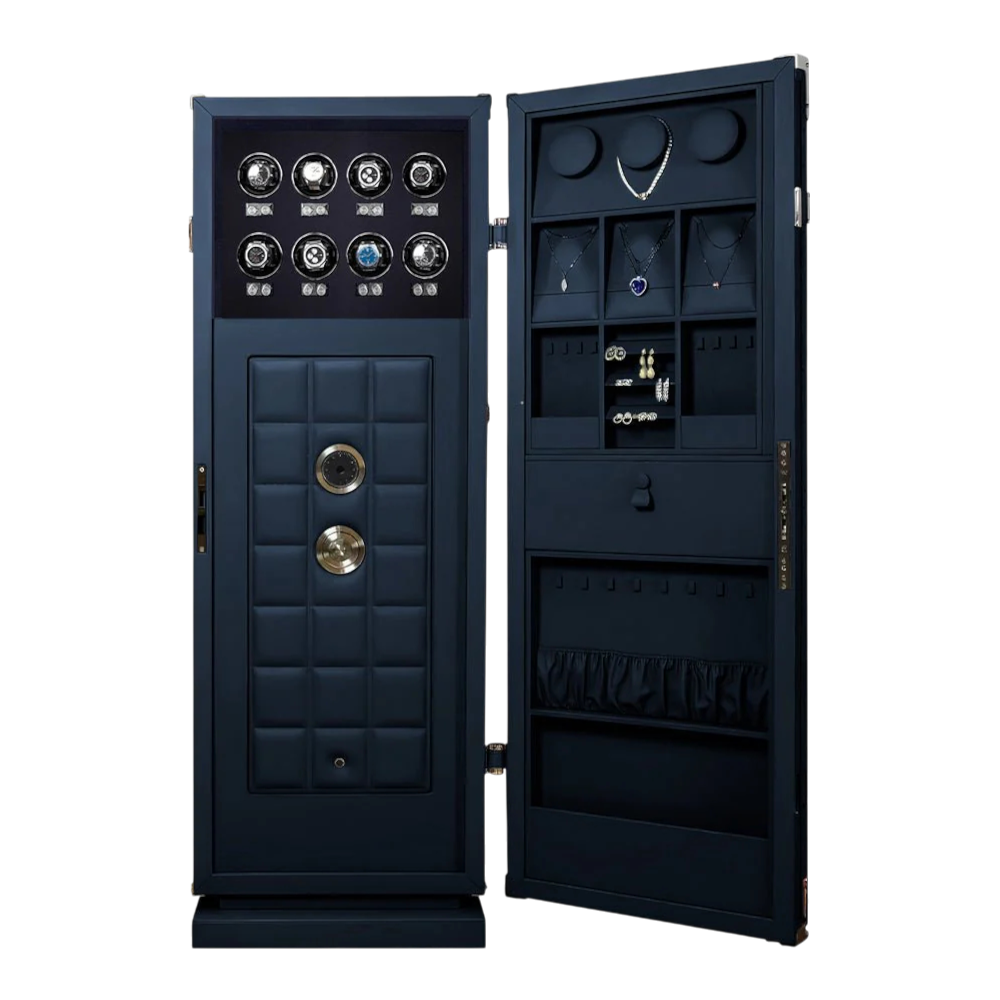
A collector actively cycling pieces in and out of consignment has different storage needs than someone selling a handful of watches once. Enigwatch builds safes and winder cabinets around that distinction — a watch safe designed for frequent buying and selling holds inventory securely between appraisal, photography, and pickup, without turning the process into a logistics problem every time a piece moves.
FAQ
How do you prepare a watch collection for consignment in 2026?
Authenticate and appraise each watch first, then gather papers and service history, run the movements, photograph everything under consistent light, and store the collection securely until drop-off. Skipping the documentation step is what slows consignments down the most.
What documents does a consignor need for a watch?
A written appraisal, original box and papers if available, and any service invoices. Watches with a full documented history typically clear intake inspection faster than watch-only pieces.
Does a watch need to be running before consignment?
Yes — a running, accurately timed movement lets a consignor verify performance on the spot instead of scheduling a return visit. A watch that’s been dead for weeks needs days to settle into rate once restarted.
Does using a watch winder before consignment hurt resale value?
No, a correctly set watch winder does not hurt resale value. Overwinding fears don’t apply to modern automatic movements with a slipping mainspring clutch.
Should you get a watch appraised before consignment?
Yes, appraisal comes before photography or shipping in the prep sequence. The appraisal document is what the consignor’s own inspection gets checked against.
How should you store a watch collection while waiting for consignment?
Keep the collection in a locked, secure location rather than a drawer or open shelf during the prep window. Exposure to dust, humidity, and theft risk climbs the longer watches sit out unprotected.
What lowers a watch’s consignment offer the most?
Missing papers and undocumented service history lower offers more than minor cosmetic wear. A consignor prices around what they can verify, not what a collector claims.
One last thing
The detail most collectors miss isn't the photos or the paperwork — it's letting a restarted movement run for a few days before the appointment so the consignor sees a settled rate, not a watch still adjusting after weeks of sitting still. That one habit, done consistently through 2026, separates a smooth intake from a follow-up appointment.
Related guides
- Watch safe for a collector who buys and sells frequently
- Watch safe for a collector downsizing a collection
Protect Your Watch Collection
Designed for collectors who demand the best. Explore our premium watch winders and luxury safes.