
Relocating overseas turns a watch collection into cargo, and airlines, movers, and customs agents each apply different rules to what counts as high-value cargo. Get the paperwork, packing, or destination storage wrong and you're looking at a customs hold, a denied insurance claim, or a five-figure chronograph rattling loose in a moving crate somewhere over the Atlantic.
- Moving a watch collection overseas means hand-carrying every piece — never checked baggage, never a moving container.
- Appraise and photograph each watch before departure; customs forms and insurance riders both require dated documentation.
- 110V winders need a step-down transformer or dual-voltage motor before they touch a 220V outlet in 2026.
- Undeclared watches above roughly $10,000 risk seizure at customs; declare the full collection value, not an estimate.
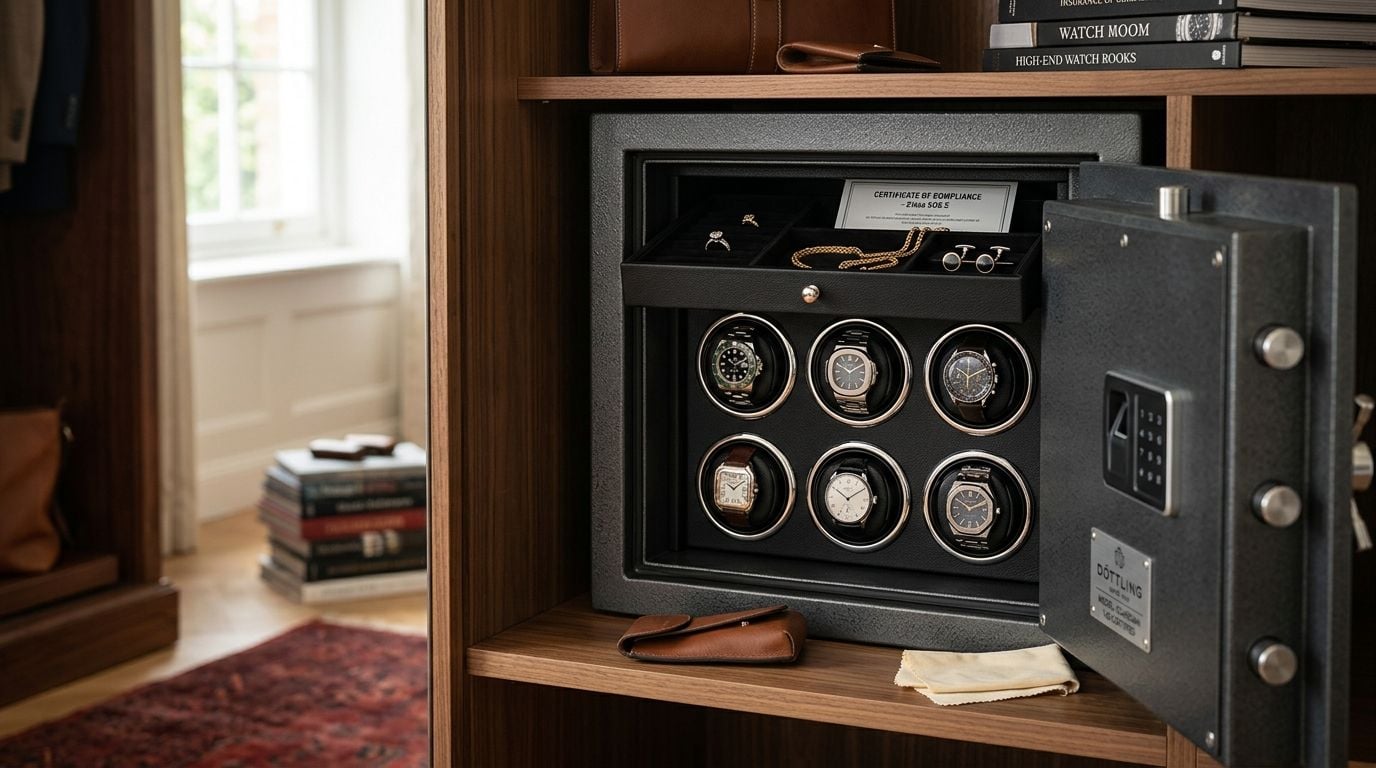
- Have a rated safe installed at the destination address before the watches land, not after.
Why this matters
Movers insure furniture by weight, not by provenance. A shipping container that loses a sofa cushion in transit is a minor claim; a container that loses a Patek Philippe Nautilus is a different conversation entirely, and most standard moving policies exclude watches, jewelry, and other small high-value items outright. Before anything else moves, you need documentation an insurer and a customs officer will both accept — insure a watch collection properly and the appraisal paperwork does double duty at the border.
Humidity, altitude pressure changes in a cargo hold, and temperature swings inside an unheated container all stress a movement in ways a watch sitting on a nightstand never experiences. None of that shows up until months later, when a collector notices a Rolex running fast or an automatic movement that won't hold a charge.
What you'll need
- A dated appraisal or original purchase receipt for every watch in the collection
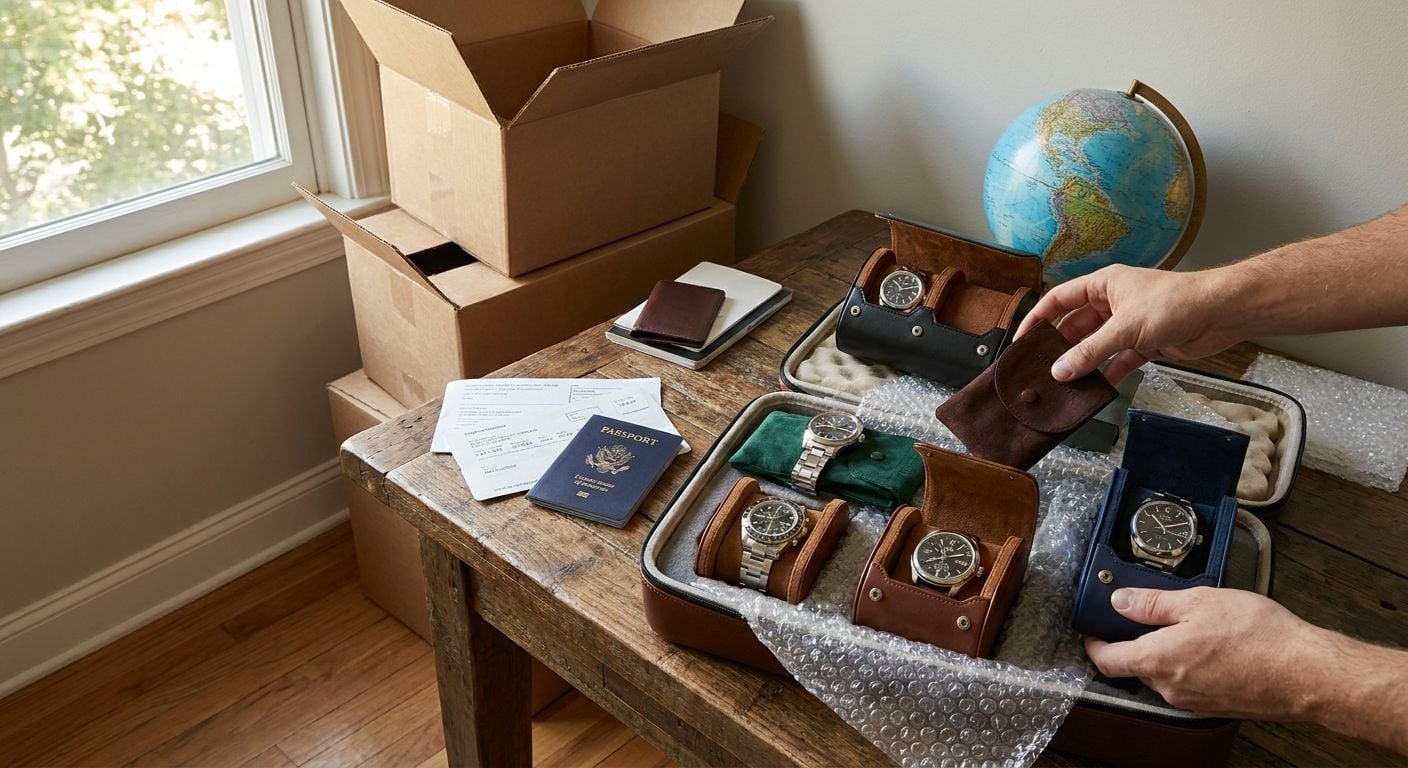
- A hard-sided travel case, or the original manufacturer box, for cabin transport
- Dial and caseback photographs of each piece, taken within 30 days of departure
- A copy of your current insurance policy plus the international or in-transit rider
- A step-down transformer, or a dual-voltage winder, if your current unit is rated for 110V only
- A safe or vault already installed at the destination before the watches arrive
The steps
1. Appraise and insure before you book the movers
A fresh appraisal accomplishes two things at once: it sets the insured value for the move, and it gives customs a paper trail that matches your declaration. Insurers typically want an appraisal dated within the last 12 to 24 months, so a five-year-old document from the original purchase usually isn't enough on its own.
Common mistake: relying on the original retail receipt alone. Retail prices from 2019 or 2021 rarely reflect current market value, and an insurer will pay out at the lower figure if that's the only document on file.
2. Photograph every watch, dial and caseback
Dated photographs of the dial, movement (if the caseback is exhibition style), and any engraving or serial number close the gap between an appraisal document and a claim. This step takes under an hour for a collection of 12 to 20 pieces and costs nothing.
Common mistake: photographing the watch on the wrist instead of flat, against a plain background, with the reference and serial numbers legible.
3. Declare the full value on customs paperwork
Every country sets its own threshold for what must be declared, but the safer rule is to declare everything and let the customs officer tell you what's exempt, not the reverse. Undeclared luxury items discovered during an inspection can be seized on the spot, and in several jurisdictions the fine exceeds the value of a single watch.
Common mistake: listing the collection as "personal jewelry, value unknown." Vague declarations trigger manual inspection far more often than a specific, itemized list with values attached.
4. Pack for cabin transport, not cargo
Watches travel in a carry-on, full stop. No mover, freight forwarder, or checked-baggage system carries insurance that covers a $20,000 loss, and cargo holds see temperature swings that a pressurized cabin never will. A padded travel case with individual slots keeps pieces from knocking against each other during turbulence — see travel with a watch winder for packing specifics if a winder is making the trip too.
Common mistake: packing watches in the same case as jewelry or electronics, which adds bulk and scratch risk without adding protection.
5. Check voltage before you plug anything in at the destination
A winder built for 110V current will burn out on a 220V circuit in under a minute, and the reverse mismatch simply won't spin the motor at all. Confirm the destination country's standard voltage before departure, and buy or pack a step-down transformer if your unit isn't dual-voltage rated — the specifics are covered in 110V and 220V compatibility.
Common mistake: assuming a universal plug adapter handles voltage conversion. An adapter changes the plug shape only; it does nothing to step the voltage up or down.
6. Confirm destination storage before the watches land
A safe or winder cabinet ordered after arrival can take weeks to clear customs and get installed, which leaves a six-figure collection sitting in a suitcase in an unfamiliar apartment. Order and, where possible, install destination storage before the move date, not after.
Common mistake: treating the safe as a lower priority than furniture delivery. The safe should arrive first.
7. Re-verify accuracy and running condition on arrival
Altitude and temperature changes during transit can shift an automatic movement's rate by several seconds a day, and a watch that sat still in a travel case for 20+ hours will need winding regardless of how careful the packing was. Check each piece against a reference time within the first week and note anything running more than 10 seconds a day fast or slow.
Common mistake: assuming a watch that's still ticking is running accurately. Ticking and keeping correct time are two different things.
Set up storage before the move
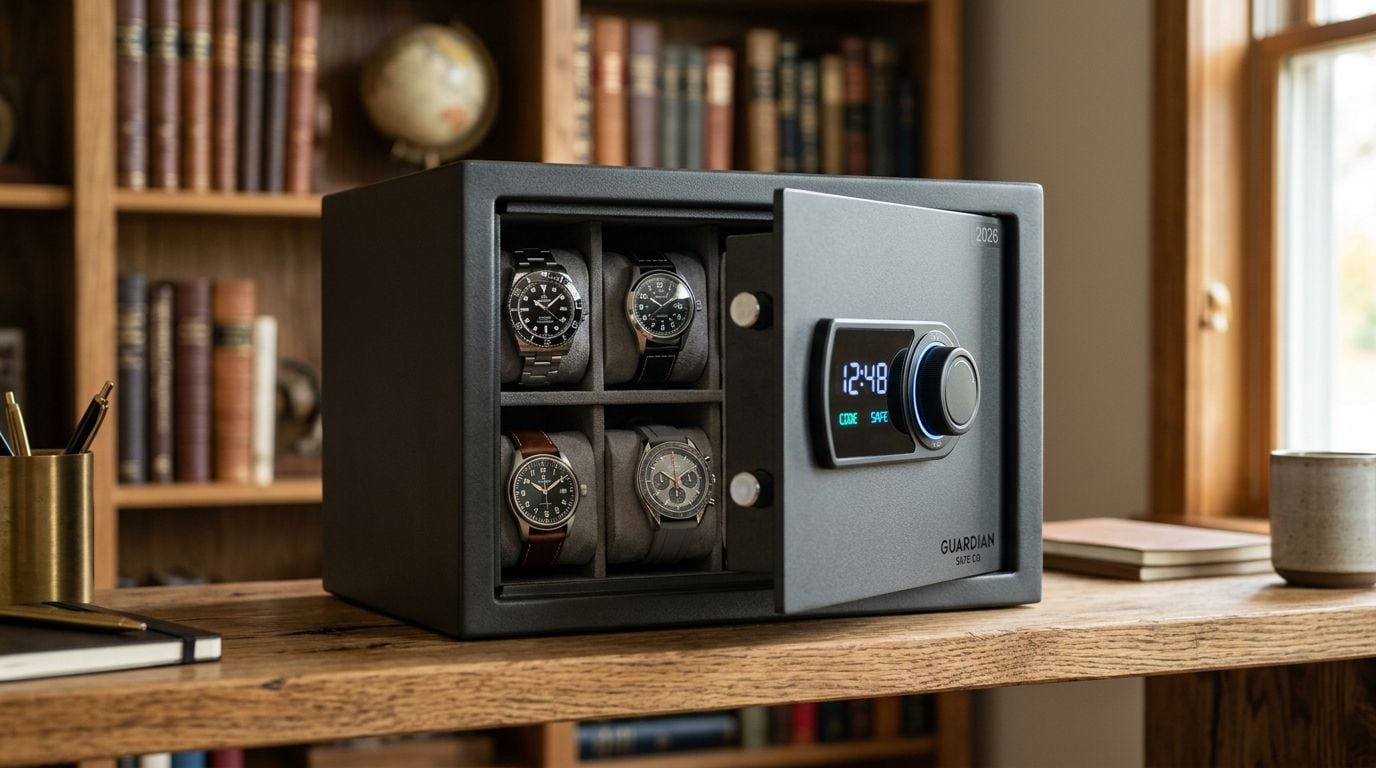
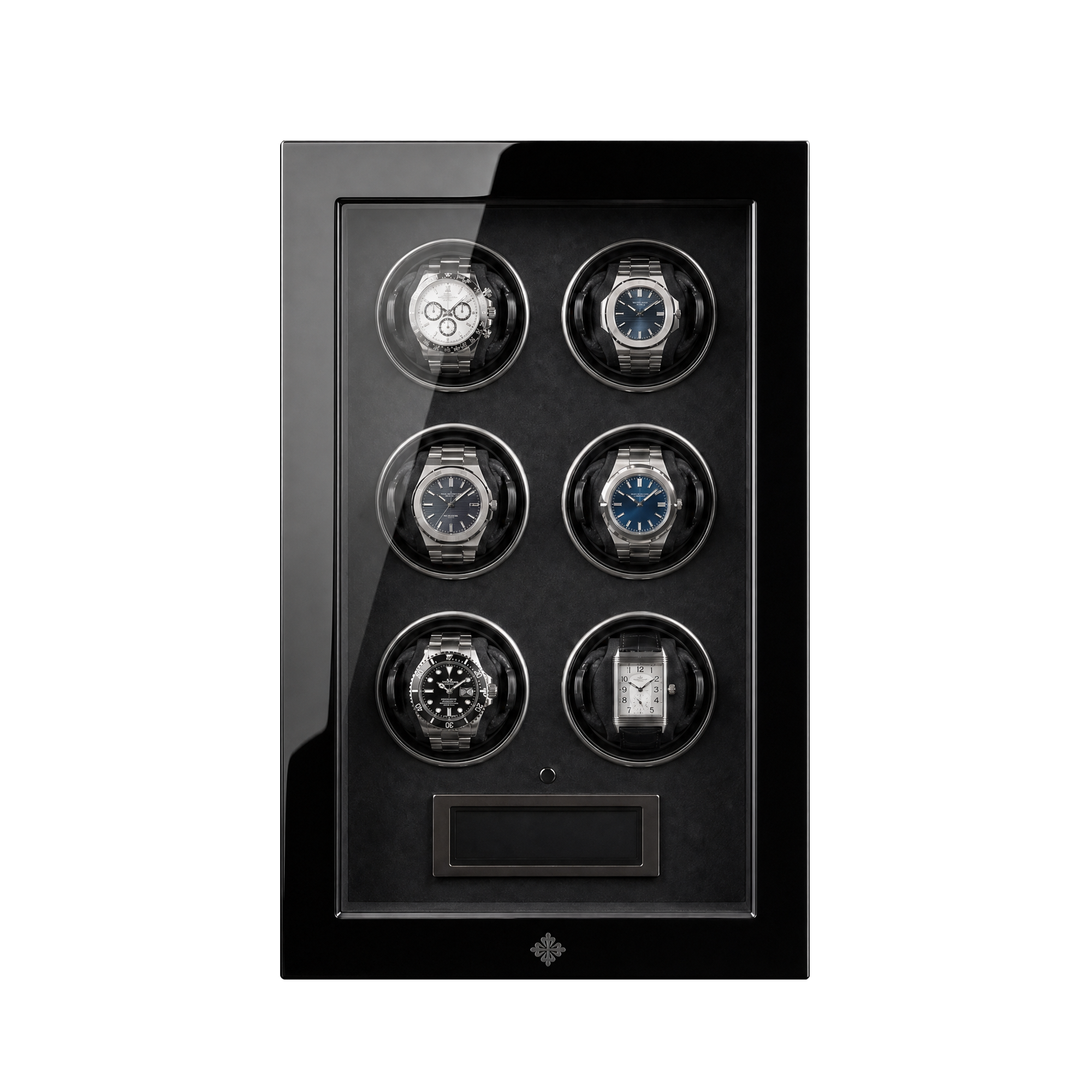
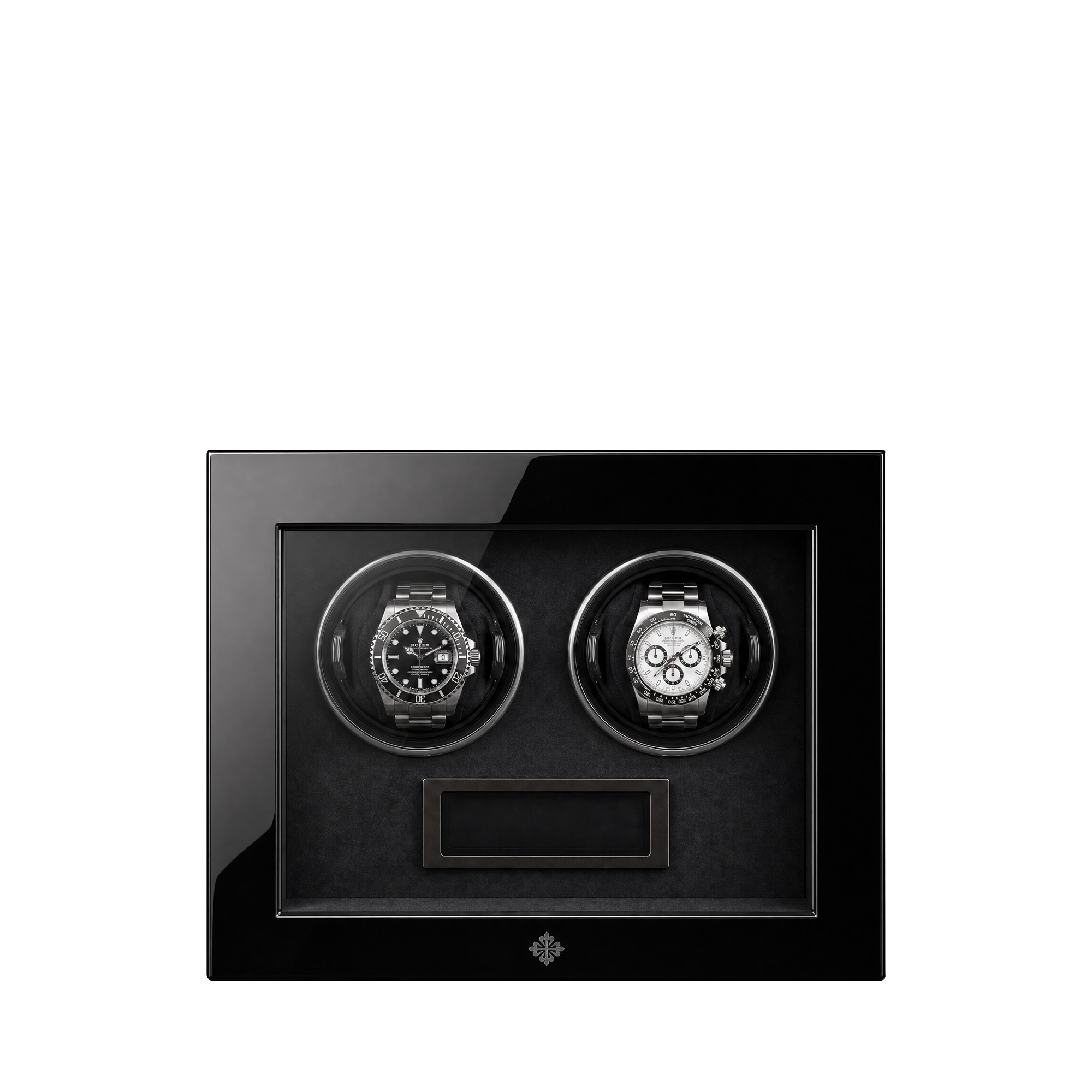
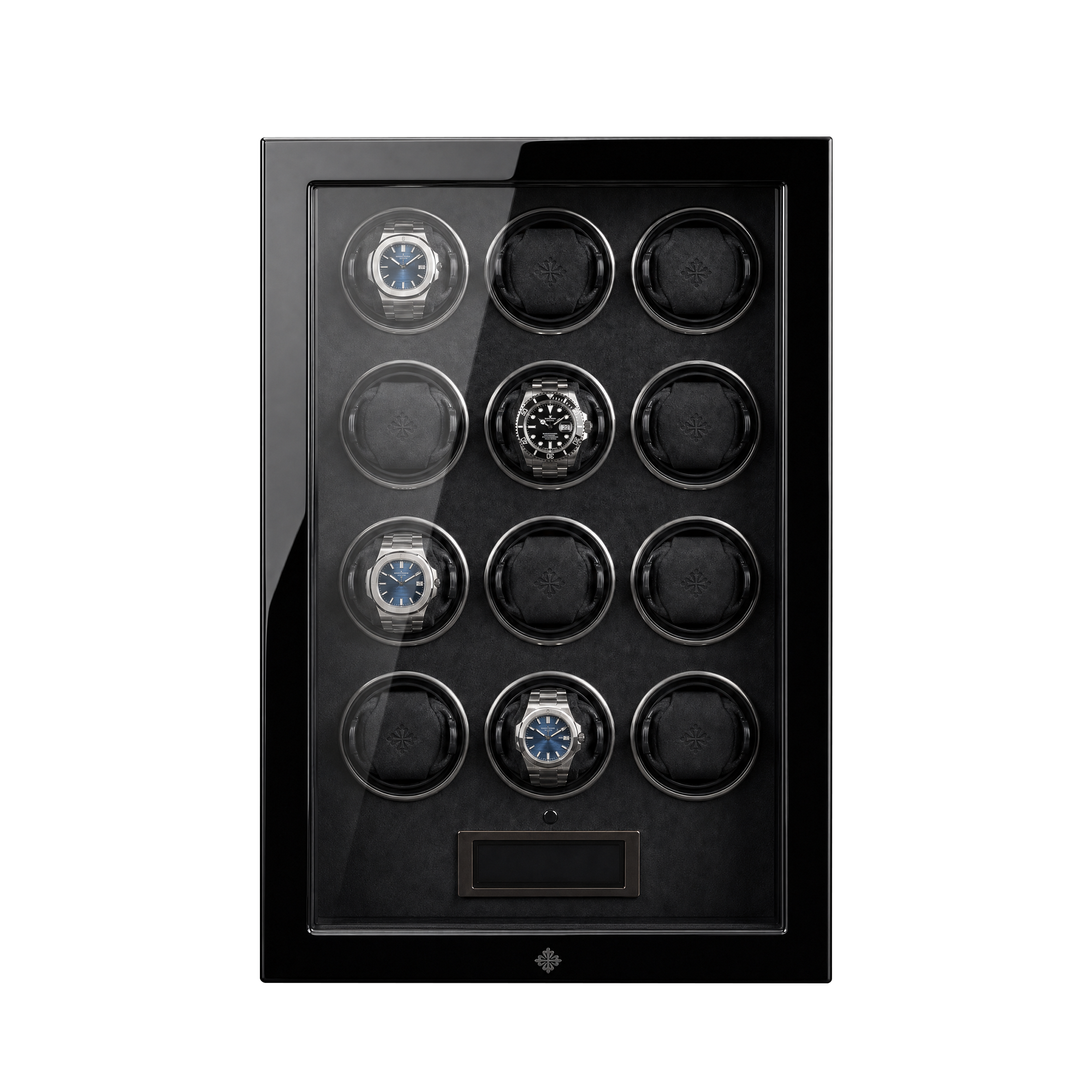
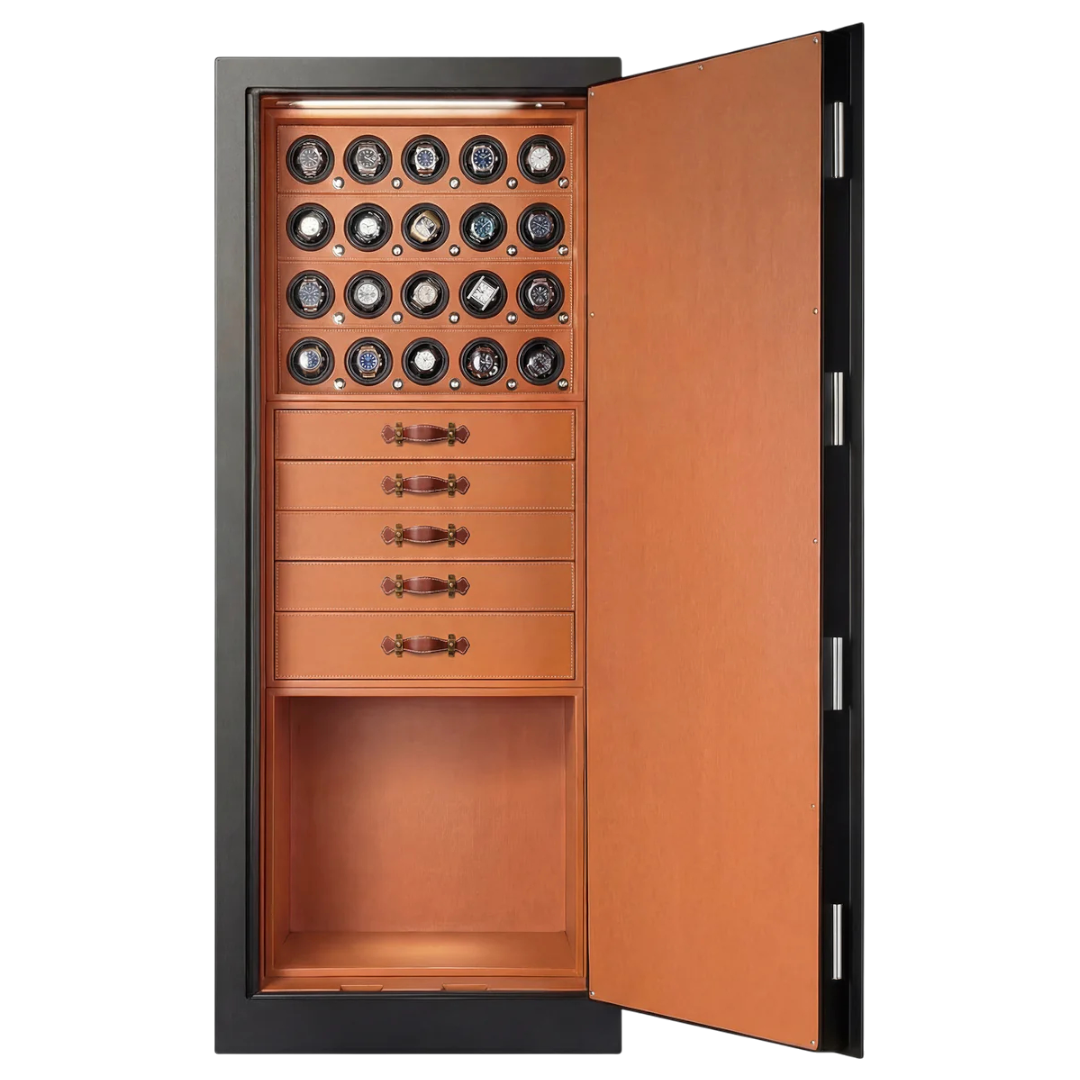
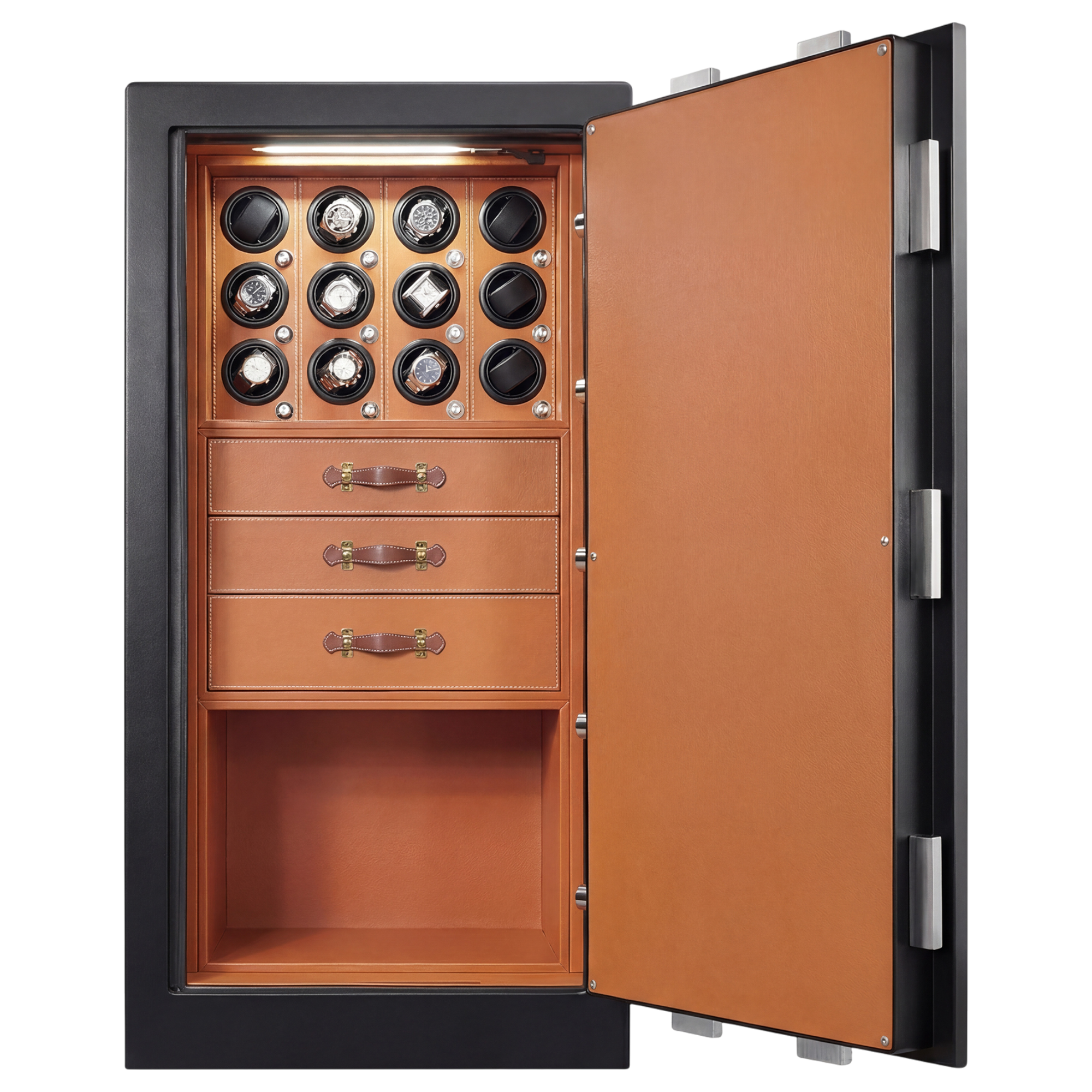
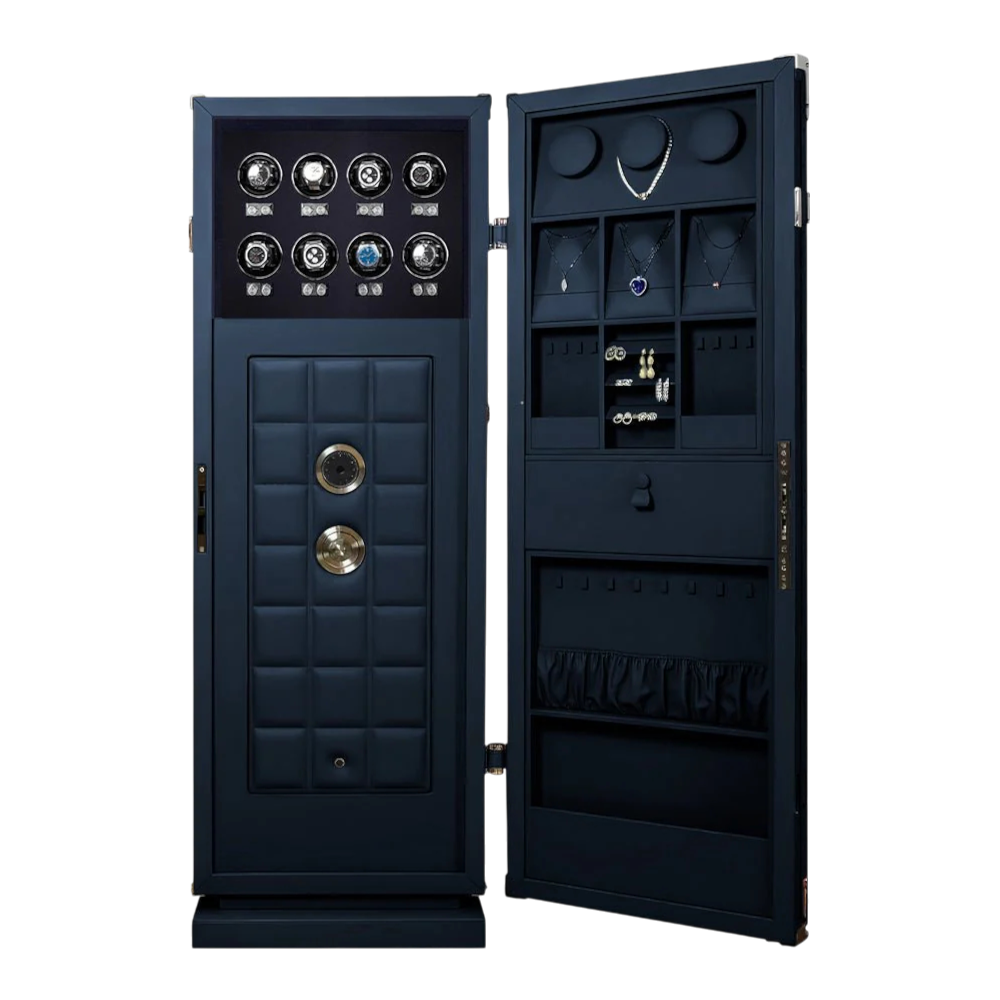
Compare humidity-controlled safes and winders sized for the collection you’re relocating.
Troubleshooting
A watch is running fast or slow after arrival. Give it 48 hours to settle after the temperature and altitude change before assuming a service issue; if the rate is still off by more than 10-15 seconds a day after that, it needs a movement check.
Customs flagged the shipment for inspection. Have the appraisal, photographs, and itemized declaration ready in hard copy — a digital file on a phone that's died or is locked in a checked bag doesn't help at the counter.
The winder won't power on at the destination. Confirm voltage compatibility first; a dual-voltage unit set to the wrong range, or a transformer rated too low for the motor's draw, are the two most common causes.
The insurance rider didn't transfer to the new country. Some policies are region-specific and lapse the moment the collection crosses a border. Confirm international coverage in writing before the move, not after a claim.
A case or crystal shows a hairline scratch that wasn't there before. Cross-reference the pre-move photographs immediately; this is exactly what dated documentation is for, and most claims filed within 30 days of a documented move process faster.
Tools and resources
- A dated appraisal from a certified watch appraiser, not a generalized jewelry appraiser
- A padded, individually-slotted travel case rated for cabin carry
- A voltage tester or the manufacturer's spec sheet for any winder making the trip
- A rated safe or vault installed and tested at the destination before arrival
- Digital and printed copies of every appraisal, photo, and customs form
What to do next
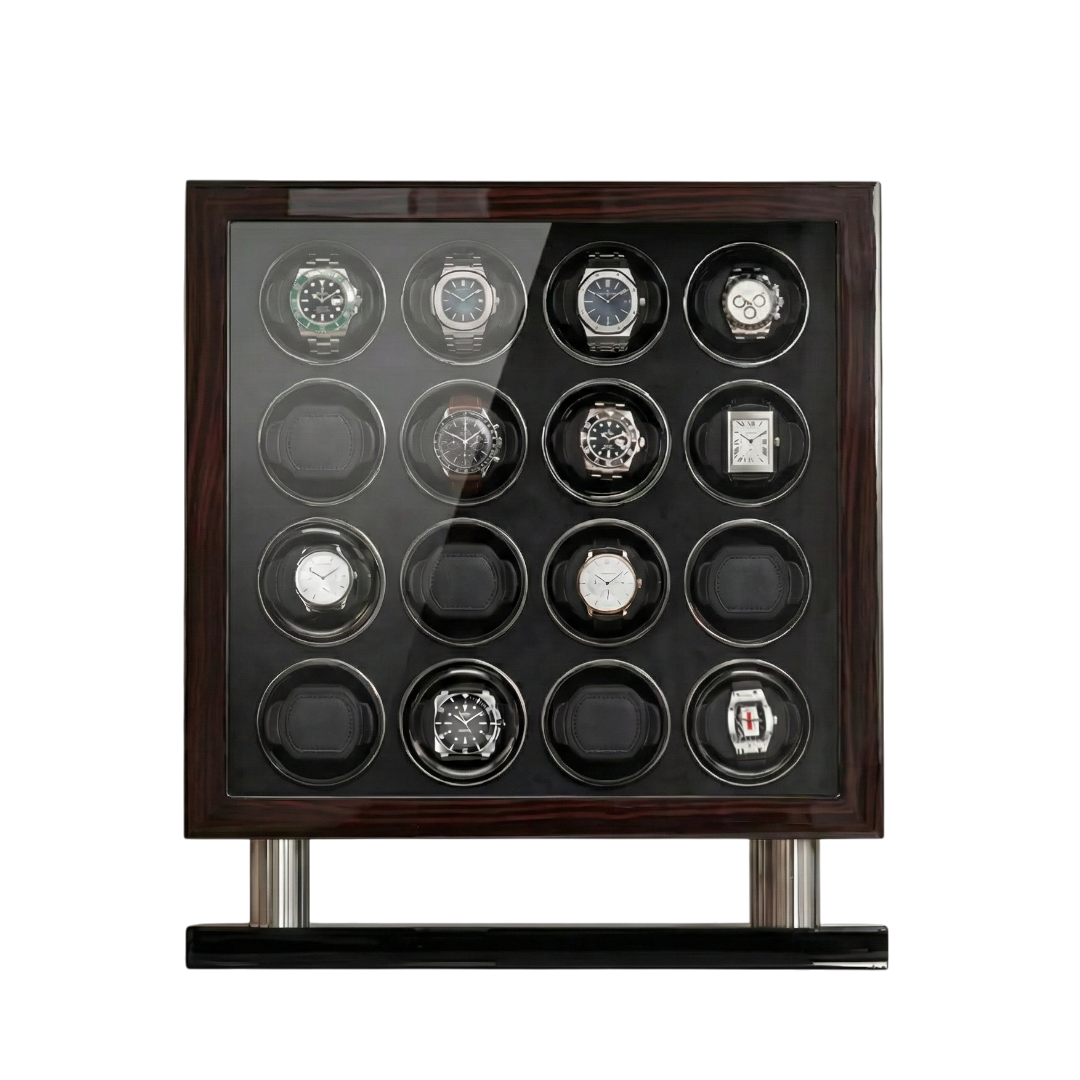
Once the collection has cleared customs and settled into the new address, the next decision is long-term storage: a winder cabinet, a dedicated safe, or both. The right call depends on collection size, closet space, and whether the pieces need daily winding — the related guides below cover sizing and lock-type decisions for exactly that stage.
FAQ
Can I check a watch collection as luggage when moving overseas?
No — checked baggage isn’t covered by standard airline liability limits for high-value items and cargo holds see temperature swings a cabin doesn’t. Carry the collection on board in a padded travel case every time.
Do I need to declare watches at customs when moving countries?
Yes, most countries require declaring personal items above a set value threshold, and that threshold varies by jurisdiction. Declaring the full itemized value with appraisal paperwork attached avoids inspection delays and potential seizure.
Will my homeowner’s insurance cover a watch collection during an international move?
Usually not without a separate rider — standard homeowner’s and renters’ policies typically exclude high-value jewelry and watches above a low per-item cap. Confirm an international in-transit rider with your insurer before the move date, in 2026 rates and terms vary widely by carrier.
How much does it cost to insure a watch collection for an overseas move?
Cost depends on total appraised value, destination country, and transit method, so there’s no flat figure — request a quote based on your dated appraisal rather than the original retail price. Appraisals older than 24 months usually need updating first.
Does a 110V watch winder work in a 220V country?
Not without a step-down transformer or a dual-voltage winder — plugging a 110V-only motor directly into 220V current can burn out the motor within a minute. Check the winder’s spec label before traveling, not after.
How long can an automatic watch sit unworn during a move?
Most automatic movements hold a power reserve of 38 to 70 hours depending on the caliber, so a watch that sits in a travel case for a multi-day move will stop and need resetting. This isn’t damage — it just needs winding and time-setting on arrival.
Should I photograph my watches before an international move?
Yes — dated photographs of each dial, caseback, and serial number close the gap between an appraisal document and an insurance claim. This takes under an hour for a full collection and costs nothing.
What’s the safest way to store watches immediately after an overseas move?
A rated safe installed and tested at the new address before the watches arrive is safer than temporary storage in a suitcase or closet shelf. Order destination storage ahead of the move date, not after unpacking begins.
One last thing
The detail most collectors skip isn't insurance or customs — it's re-checking accuracy in the first week after arrival. Altitude and temperature shifts during a long-haul move can knock an automatic movement's rate off by more than the 10-15 seconds a day most manufacturers consider normal, and catching that early is far cheaper than catching it at the next service interval.
Related guides
Protect Your Watch Collection
Designed for collectors who demand the best. Explore our premium watch winders and luxury safes.