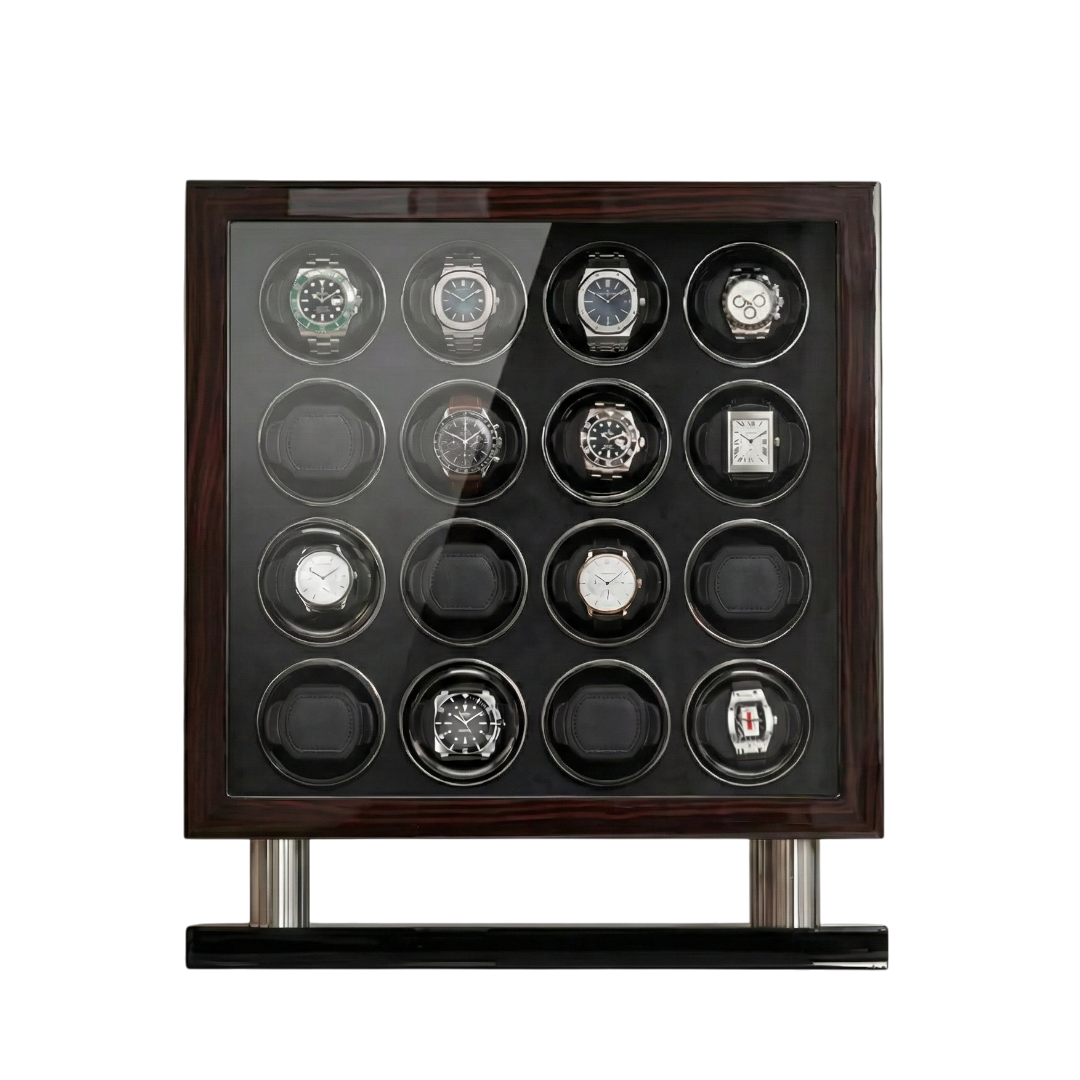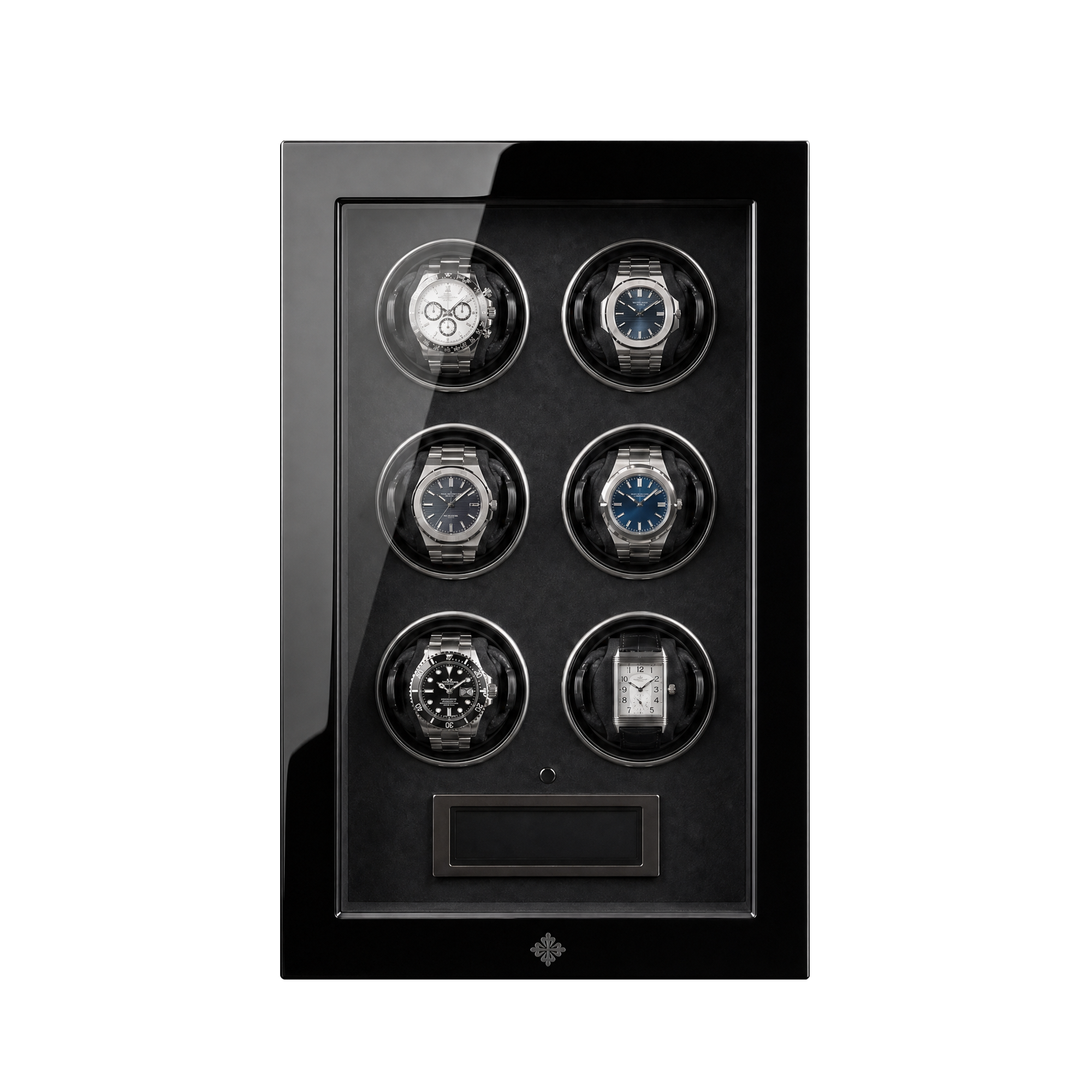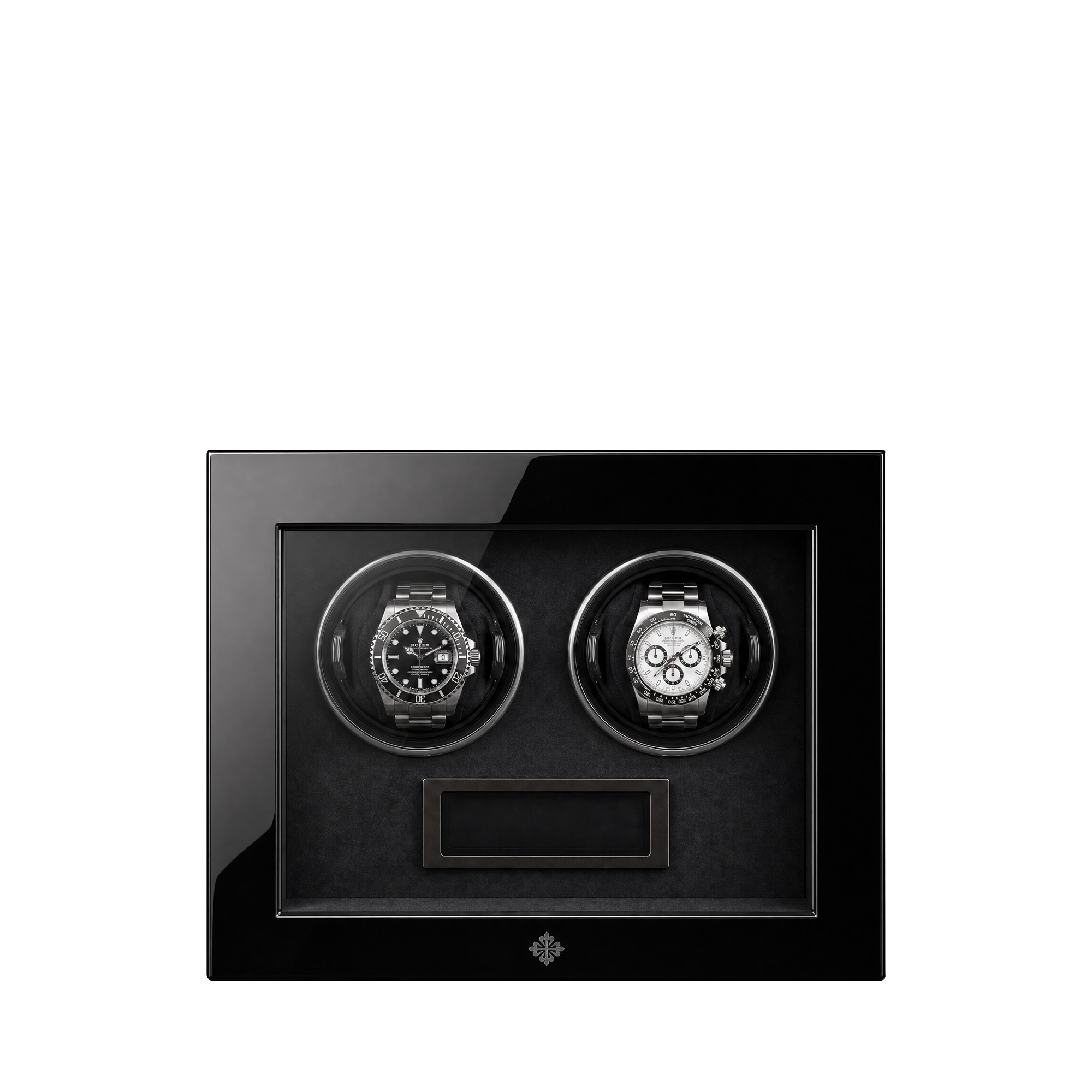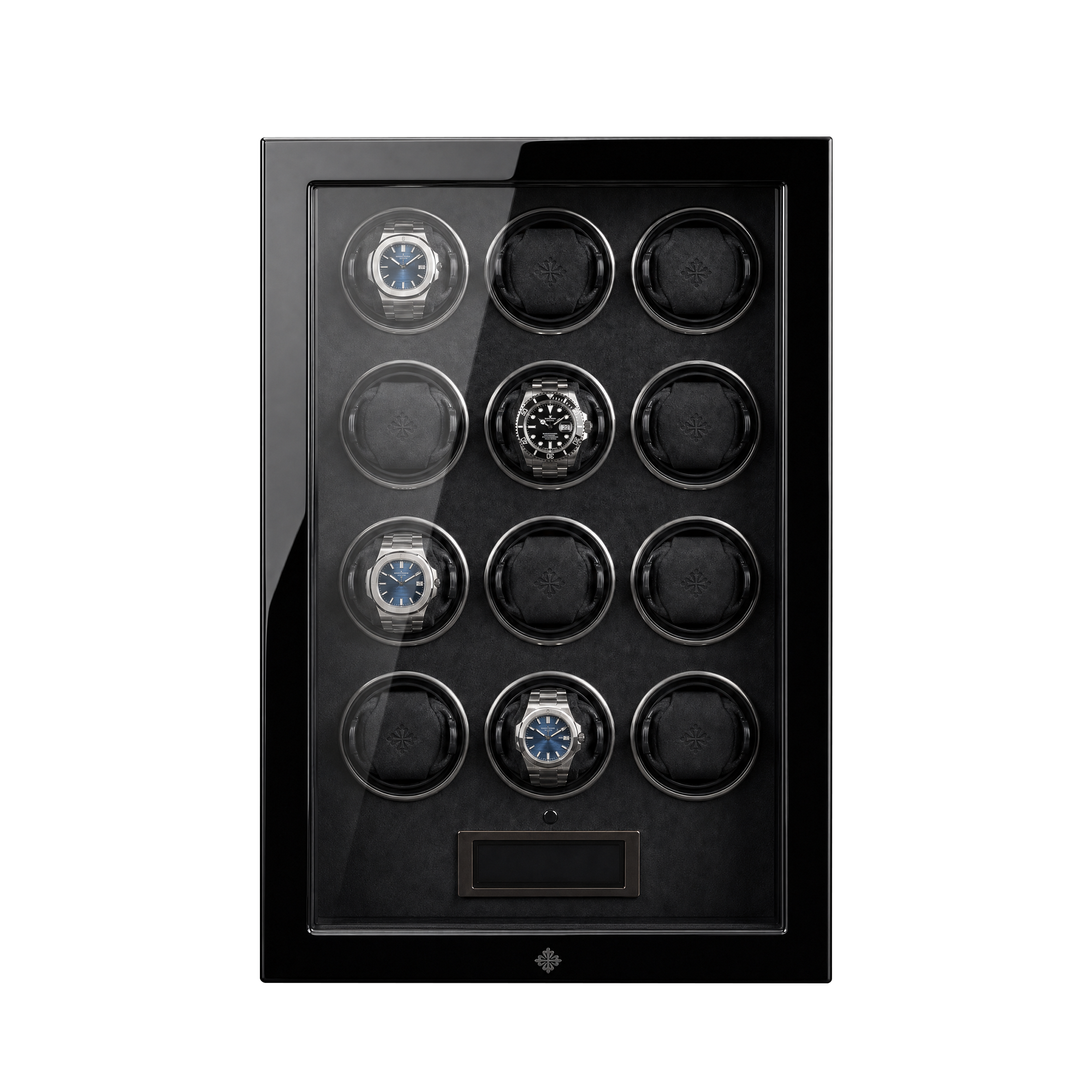

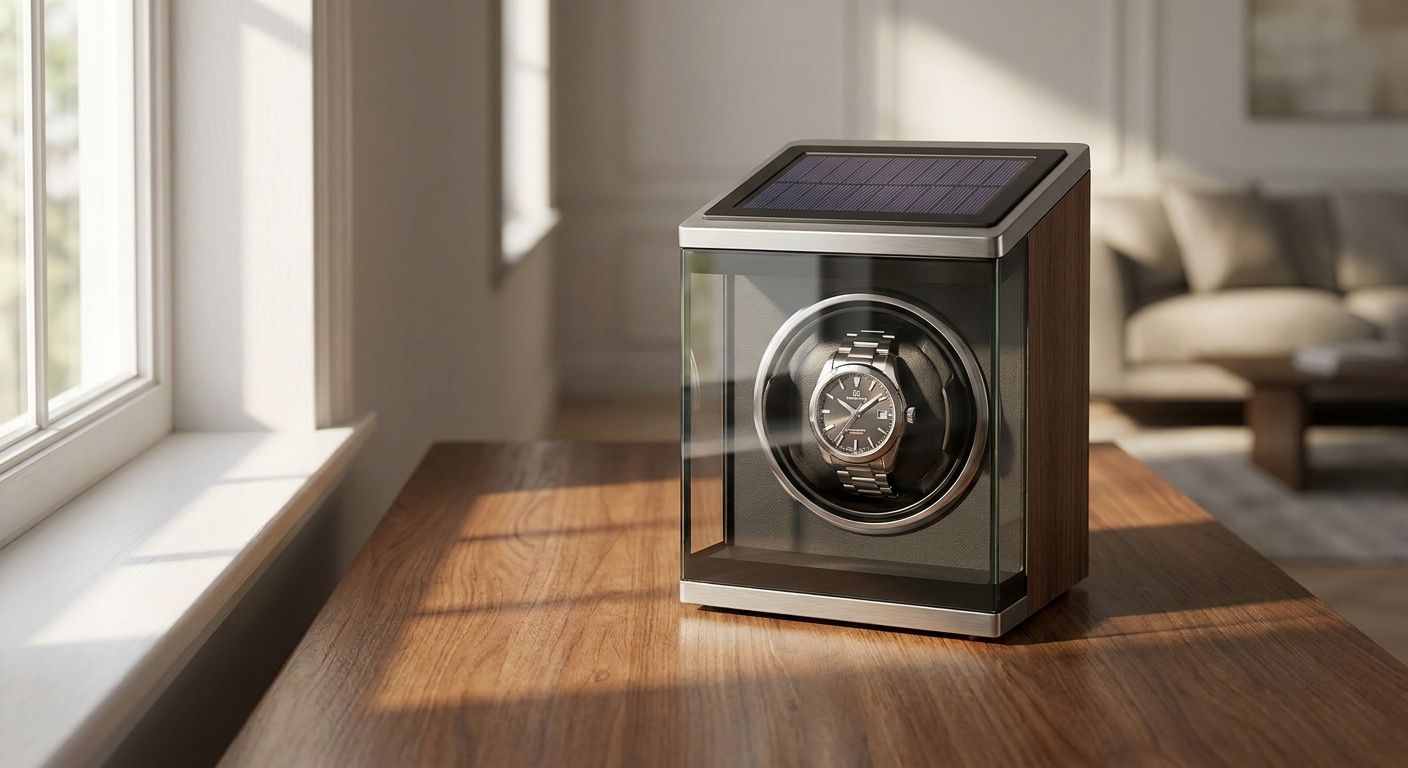
A solar-powered watch winder earns its price in exactly one situation: a single automatic watch worn a few times a week, sitting somewhere it actually catches light — an open shelf, a windowsill, a dresser top. Move that same watch into a safe, a closet, or a multi-watch collection, and the format turns into a liability: no light, no programmable turns-per-day (TPD), and usually no direction control. The gap between those two scenarios is the whole answer to whether a solar powered watch winder is worth buying in 2026.
- A solar powered watch winder only works where light reaches it — safes and closets defeat the design.
- Fixed TPD and no direction control make solar units a poor fit for Rolex, Patek Philippe, or mixed collections.
- Motorized winders with Japanese Mabuchi motors give programmable TPD and bidirectional rotation year-round.
- Skip a solar winder for anything stored in a vault, cabinet, or safe in 2026 — buy a plug-in motor instead.
Why this matters
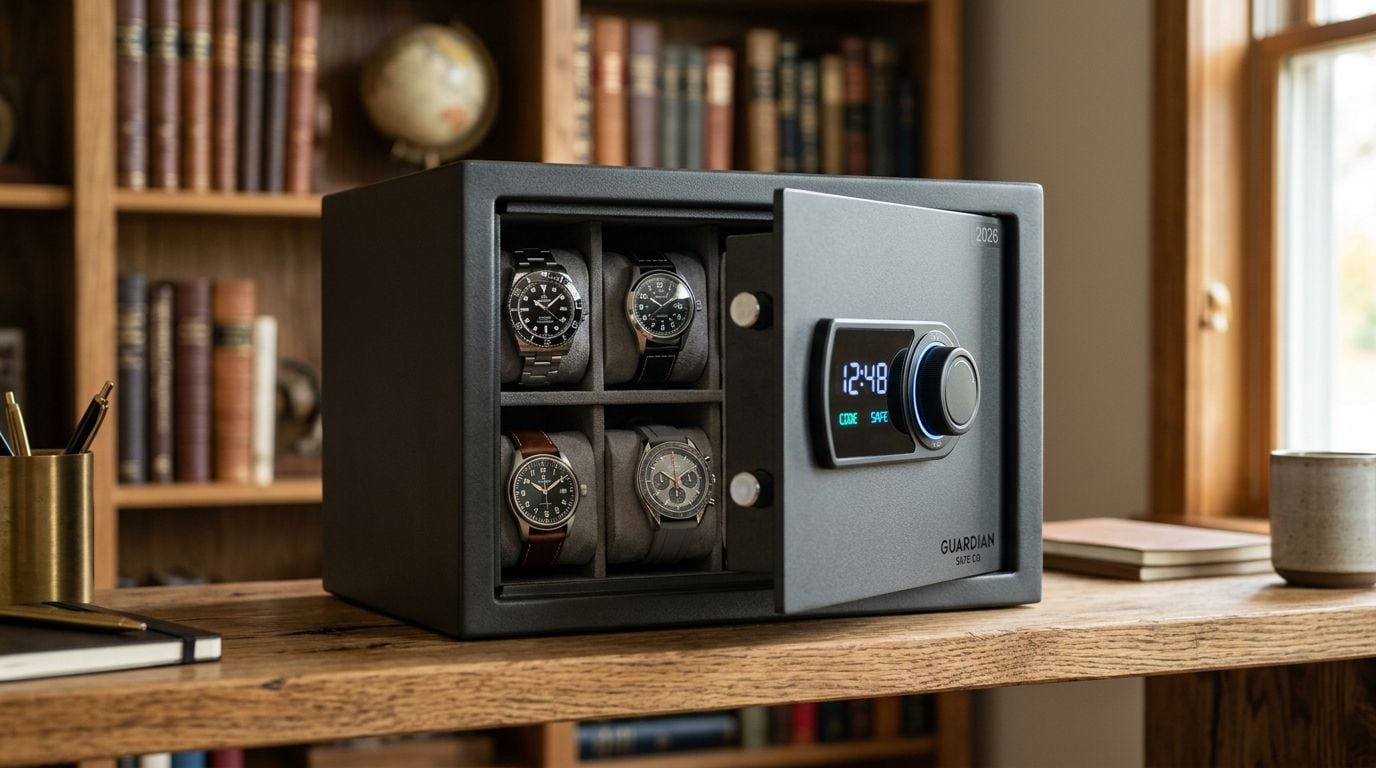
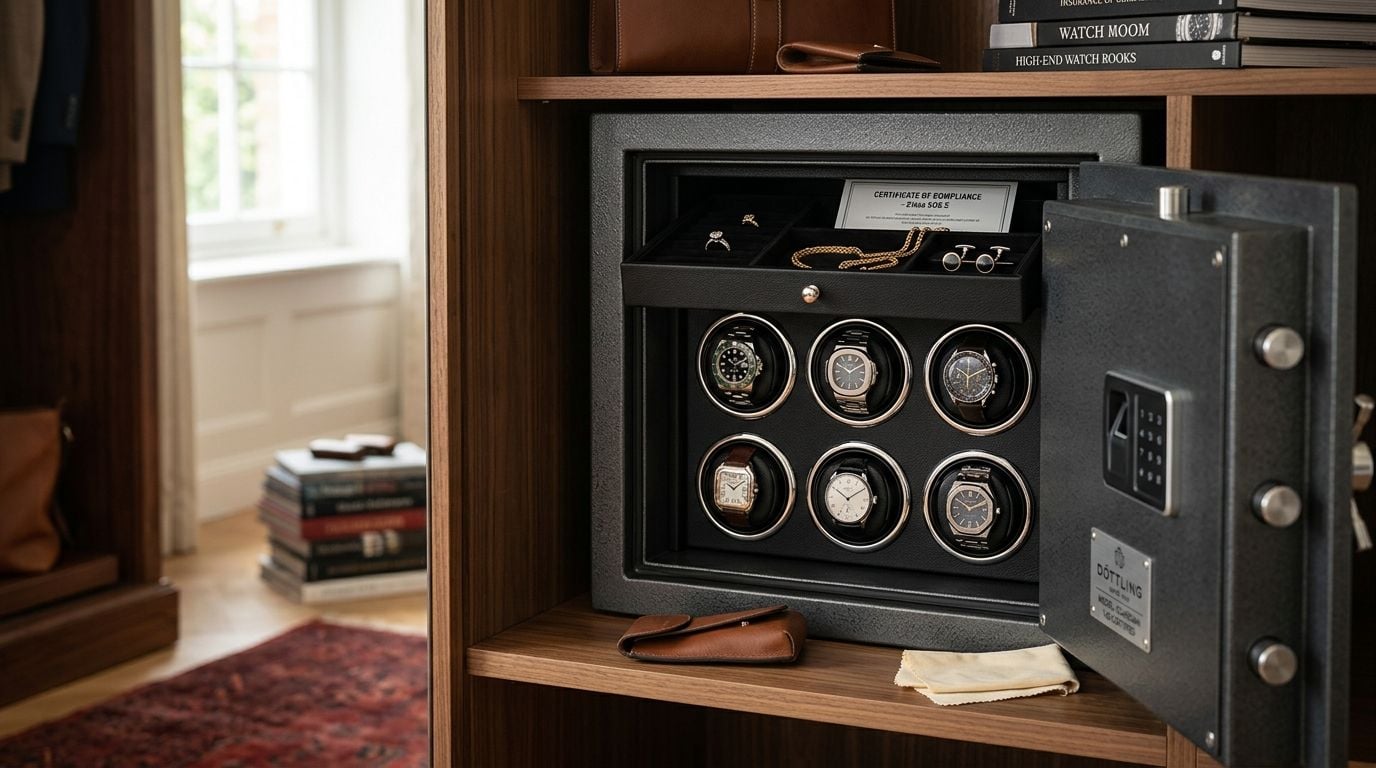
Collectors ask this question after seeing a solar-powered winder marketed as a low-maintenance, no-plug alternative to a traditional motorized box. The pitch sounds reasonable until the watch goes where most valuable pieces actually live: a closet, a drawer, or a locked safe with no window nearby. At that point the "solar" feature stops functioning entirely, and the watch either stalls or gets hand-wound anyway — which defeats the entire reason for buying a winder in the first place.
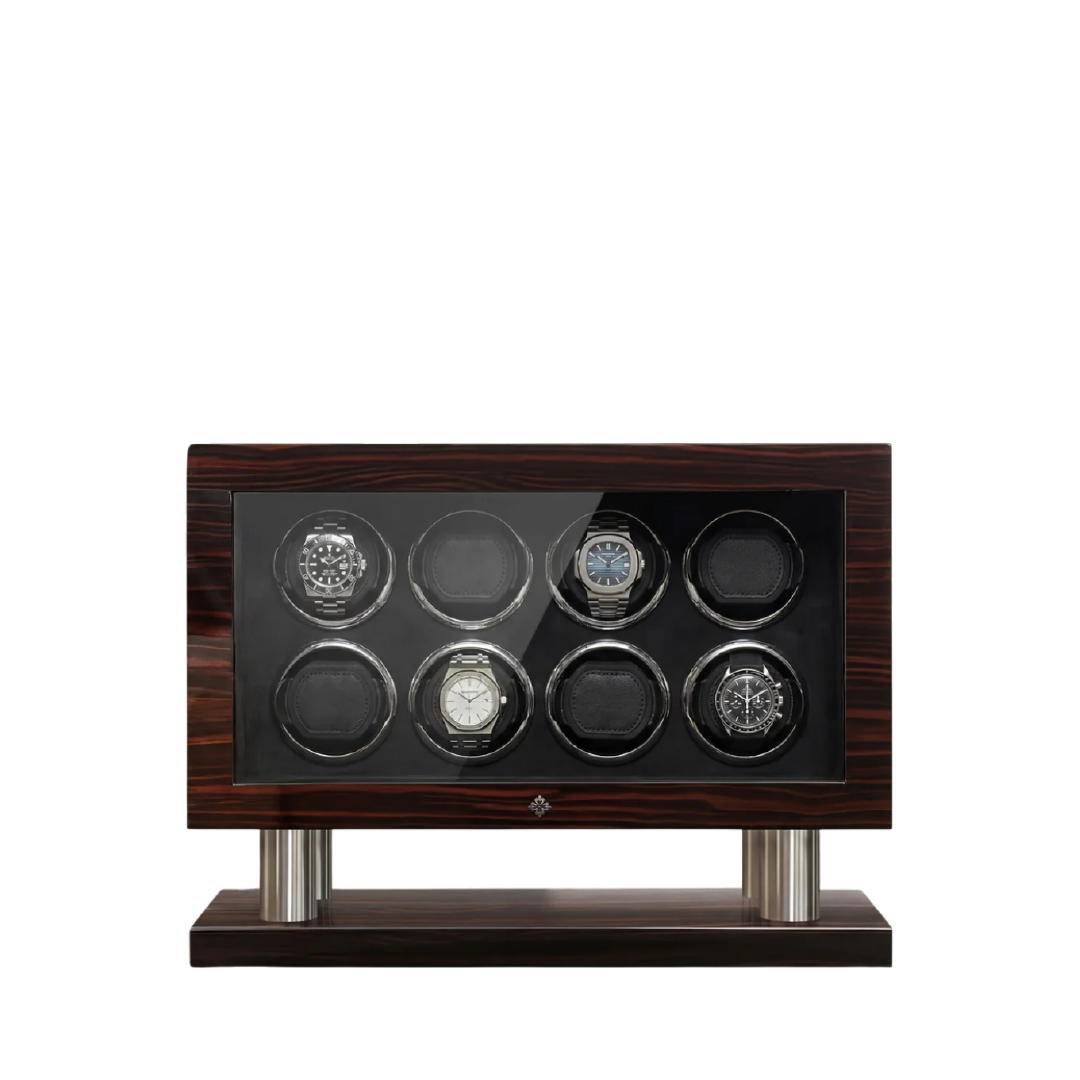
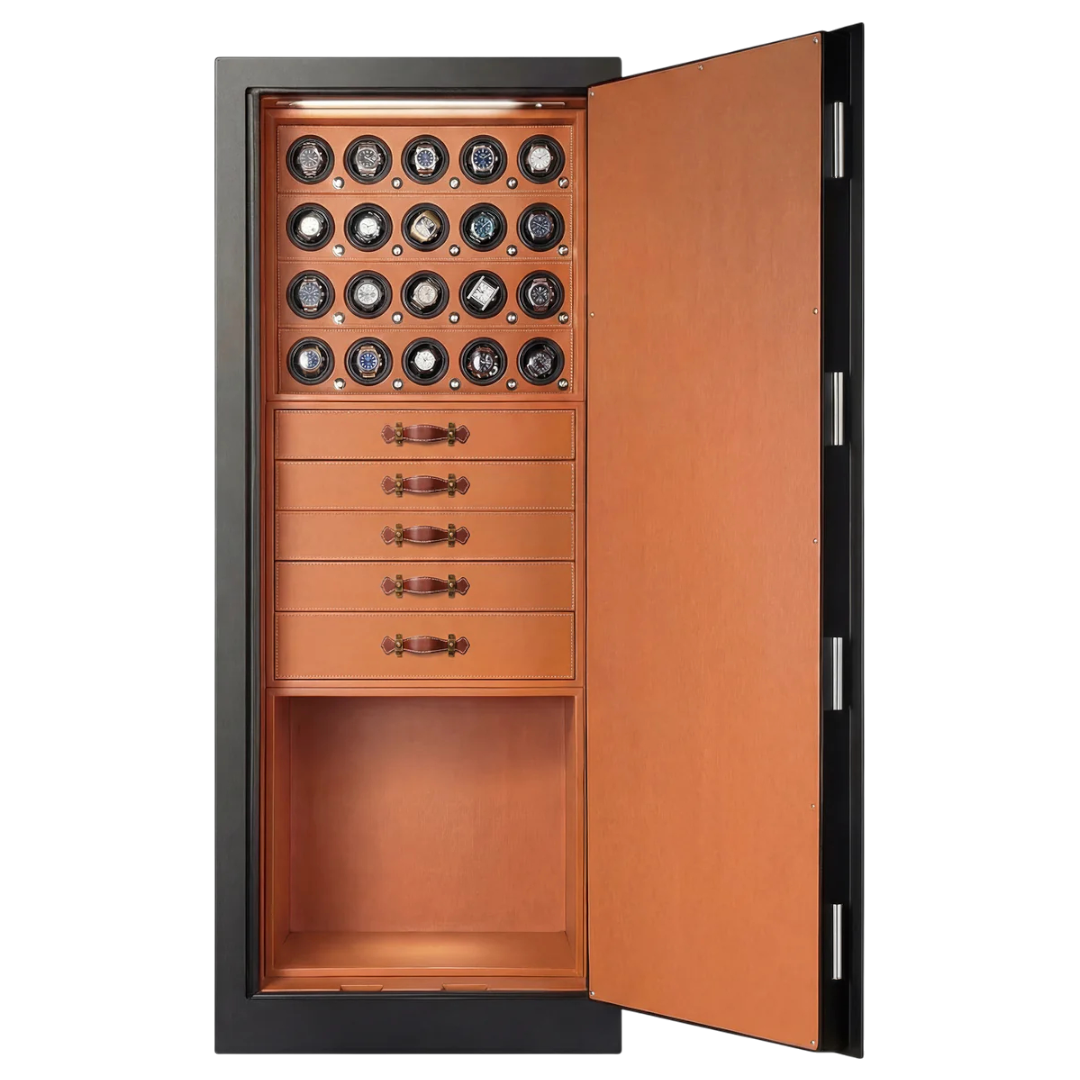
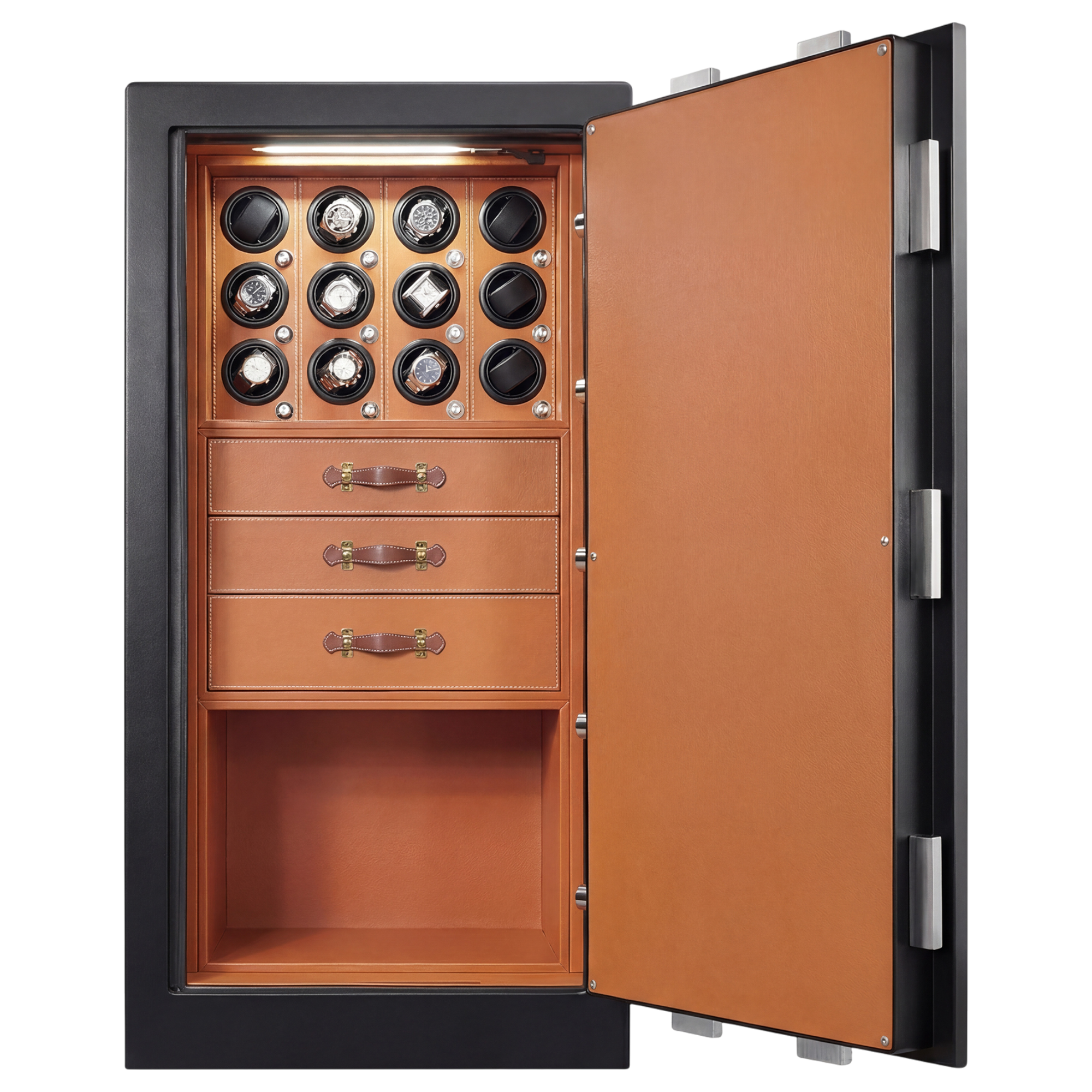
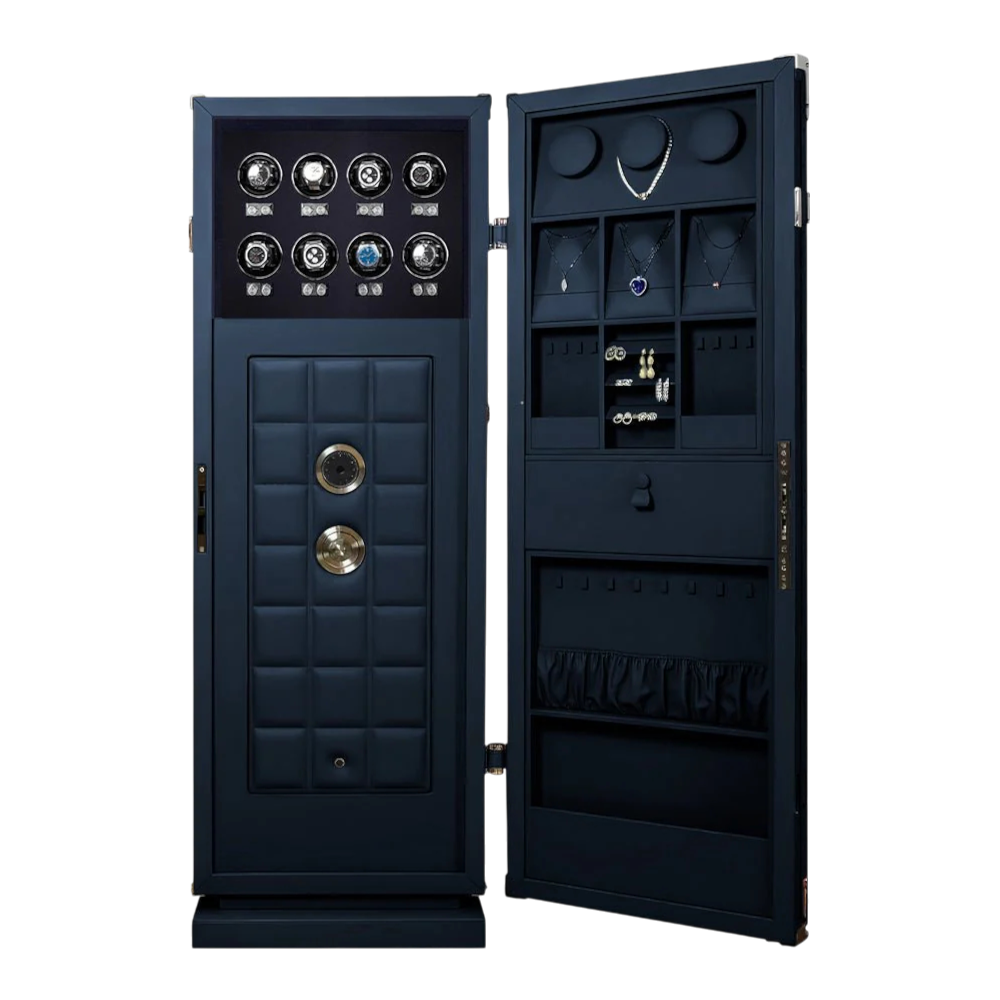
The buyers who get burned are usually gifting a winder, replacing a dead novelty unit, or shopping on price alone without checking where the watch actually lives day to day. Enigwatch builds motorized winders for the opposite scenario — cabinets and safes where sunlight never enters, running on Japanese Mabuchi motors that don't care what the room looks like or how much daylight it gets.
How to tell if a solar-powered watch winder is worth it
Run the watch and its storage location through this comparison before buying anything:
| Factor | Solar-Powered Winder | Motorized Winder |
|---|---|---|
| Power source | Ambient light or trickle-charged battery | Direct AC power, dedicated motor |
| TPD control | Fixed or absent | Programmable per watch, brand-specific |
| Direction control | Rarely adjustable | Clockwise, counterclockwise, or bidirectional |
| Works in a closed safe or cabinet | No | Yes |
| Typical construction | Molded plastic housing | Wood veneer, leather, steel |
| Best fit | One low-reserve automatic, worn occasionally | Multi-watch collections, high-value pieces |
If the watch lives anywhere a safe, drawer, or closet blocks light, the solar format fails before it starts — there's no fallback charge source once the door closes. The distinction between Japanese vs Swiss motor types matters here too: motorized units built around Mabuchi motors run on schedule regardless of the room's light exposure, while a solar cell loses charge the moment a watch goes into storage and stays there.
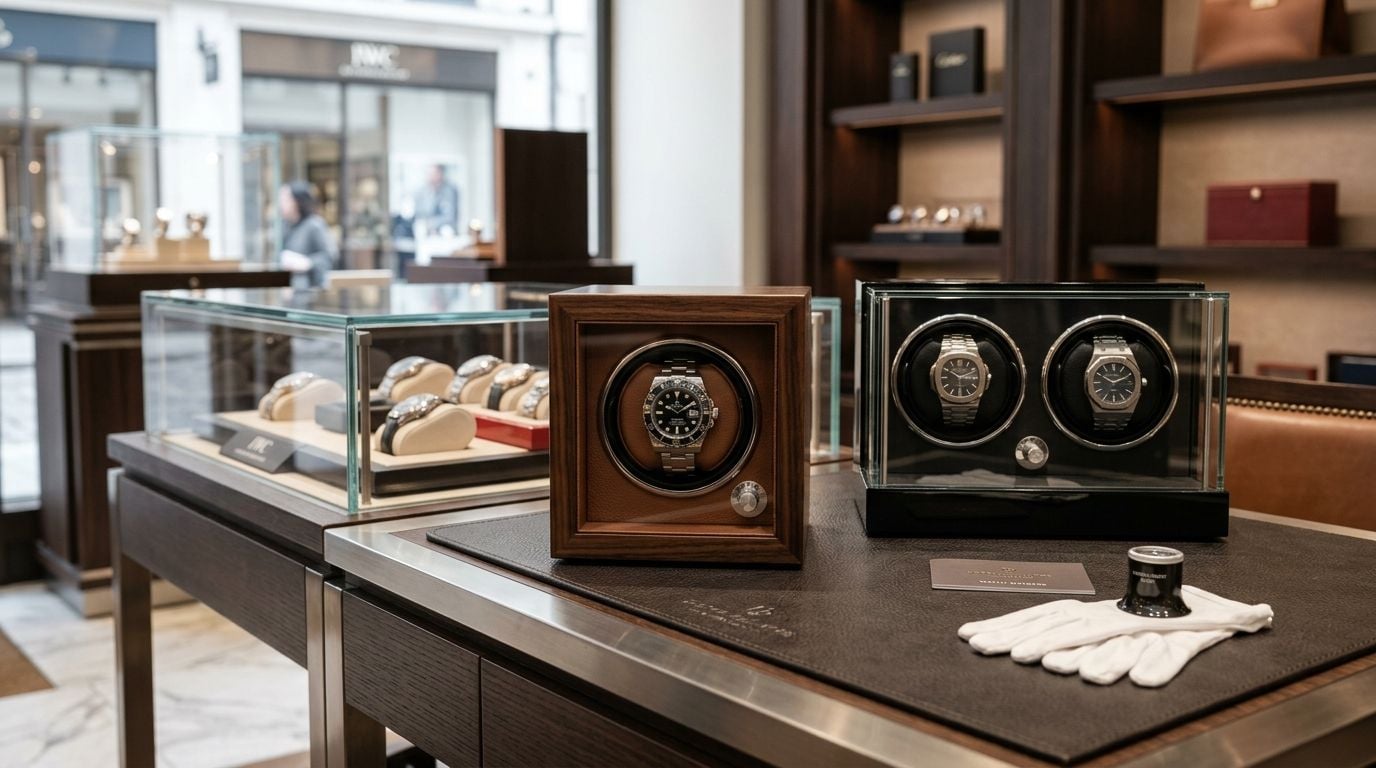
Price tier is the other tell. Enigwatch's motorized winder cabinets run from roughly $5,000 to over $21,000 in 2026, built with Alcantara and Nappa leather interiors and exotic wood veneers — a different category entirely from a novelty solar box. That gap isn't about luxury for its own sake; it reflects what it takes to run a precise, programmable motor inside a sealed, light-blocking cabinet.
Why solar winders fall short once a watch goes into a safe or cabinet
- No light source once locked away. Safes, winder cabinets, and closets are built to block outside light — the opposite of what a solar cell needs to recharge.
- Fixed or absent TPD settings. Most solar units run one preset rotation count instead of letting you match the rotor requirement of a specific caliber.
- No bidirectional rotation on most models. Automatics that need alternating rotation to wind evenly don't get it from a single-direction solar rotor.
- Battery degradation over time. Rechargeable cells in solar units lose capacity faster without consistent light, so the winder can run down mid-week even under normal use.
- Housing built for cost, not protection. Solar winders are typically molded plastic, not the wood veneer, leather, or steel construction used in vault-grade winder cabinets.
“A solar winder charges from light it will never get once you lock it inside a safe.”
When a solar-powered watch winder actually makes sense
Buy a solar-powered winder only if the watch sits somewhere genuinely lit — an open dresser, a display shelf near a window — and it's a single automatic with modest power reserve that you wear a few times a week. It's a reasonable stopgap for a travel case or a starter piece, nothing more.
Skip it for anything going into a safe, a closet, or a cabinet, and skip it outright once the collection grows past one watch. Collectors managing more than one automatic, or anything stored behind a lock, are better served by a motorized winder with adjustable TPD and direction settings. The electricity cost of a watch winder running on standard AC power is minor next to the cost of resetting a perpetual calendar after a solar unit dies mid-week.
Compare winders before you buy
Walk through the full buying checklist before choosing a winder.
Do solar watch winders damage automatic watches?
No — a solar-powered winder doesn't damage an automatic watch any more than a motorized one does, since automatic movements can't be over-wound by continuous rotation. The real risk isn't the sun or the motor; it's a fixed TPD setting that doesn't match the watch's caliber, which can leave the mainspring under- or over-tensioned relative to what the movement expects.
Is a motorized watch winder better than a solar one for a Rolex or Patek Philippe?
Yes — a motorized watch winder is the better choice for a Rolex, Patek Philippe, or any high-value automatic, because it lets you set the specific TPD and rotation direction that caliber calls for. A solar unit's fixed rotation count and single-direction rotor can't match that precision, and it stops working the moment the watch is stored somewhere without light, which describes most safes and cabinets built for pieces at this price point.
How many turns per day does a solar-powered winder provide?
Most solar-powered winders run a single fixed turns-per-day count that isn't adjustable, rather than the brand-specific range a motorized winder lets you dial in. That fixed count rarely matches every caliber in a mixed collection, which is why collectors moving beyond one watch check a TPD reference guide before choosing a winder instead of relying on whatever a solar unit ships with out of the box.
FAQ
What is a solar-powered watch winder?
A solar-powered watch winder is a rotor box that charges its rotation motor from ambient light instead of a direct AC plug. It works best for a single automatic watch kept somewhere genuinely lit, not inside a safe or closet.
Is a solar-powered watch winder worth it in 2026?
It’s worth it in 2026 only for one low-reserve automatic worn occasionally and stored somewhere with real light exposure. For anything locked in a safe, cabinet, or drawer, a motorized winder is the better buy.
Do solar watch winders work inside a closet or safe?
No, solar watch winders don’t work reliably inside a closet or safe because both are built to block outside light, which is exactly what the solar cell needs to recharge.
How long does the battery in a solar watch winder last?
Battery life varies by unit, but the rechargeable cells in most solar winders lose capacity faster without consistent light exposure, so the winder can run down mid-week even under normal use.
Can a solar-powered winder handle a Rolex or Patek Philippe?
A solar-powered winder can technically rotate a Rolex or Patek Philippe, but it can’t match the specific turns-per-day and direction settings those calibers need. A motorized winder with programmable TPD is the better fit for either brand.
What’s the real difference between a solar and a motorized watch winder?
The real difference is power source and control: a solar winder depends on light and usually runs one fixed rotation setting, while a motorized winder runs on AC power with adjustable TPD and direction control regardless of the room.
Is a solar winder better than no winder at all?
A solar winder is better than nothing for a single automatic worn a few times a week in a lit room, since it keeps the mainspring wound between wears. For a locked safe or a multi-watch collection, it’s not a substitute for a motorized winder.
One last thing
The failure point almost nobody checks before buying: solar winders are photographed and sold sitting in bright rooms, but they end up stored exactly where collectors keep anything valuable — a closet, a cabinet, or a safe with a solid door. That's the one place a solar cell can't recharge. Serious collections in 2026 still run on plug-in motors for that exact reason — they don't care what the room looks like or whether the door has been closed for a week.
Related guides
Protect Your Watch Collection
Designed for collectors who demand the best. Explore our premium watch winders and luxury safes.