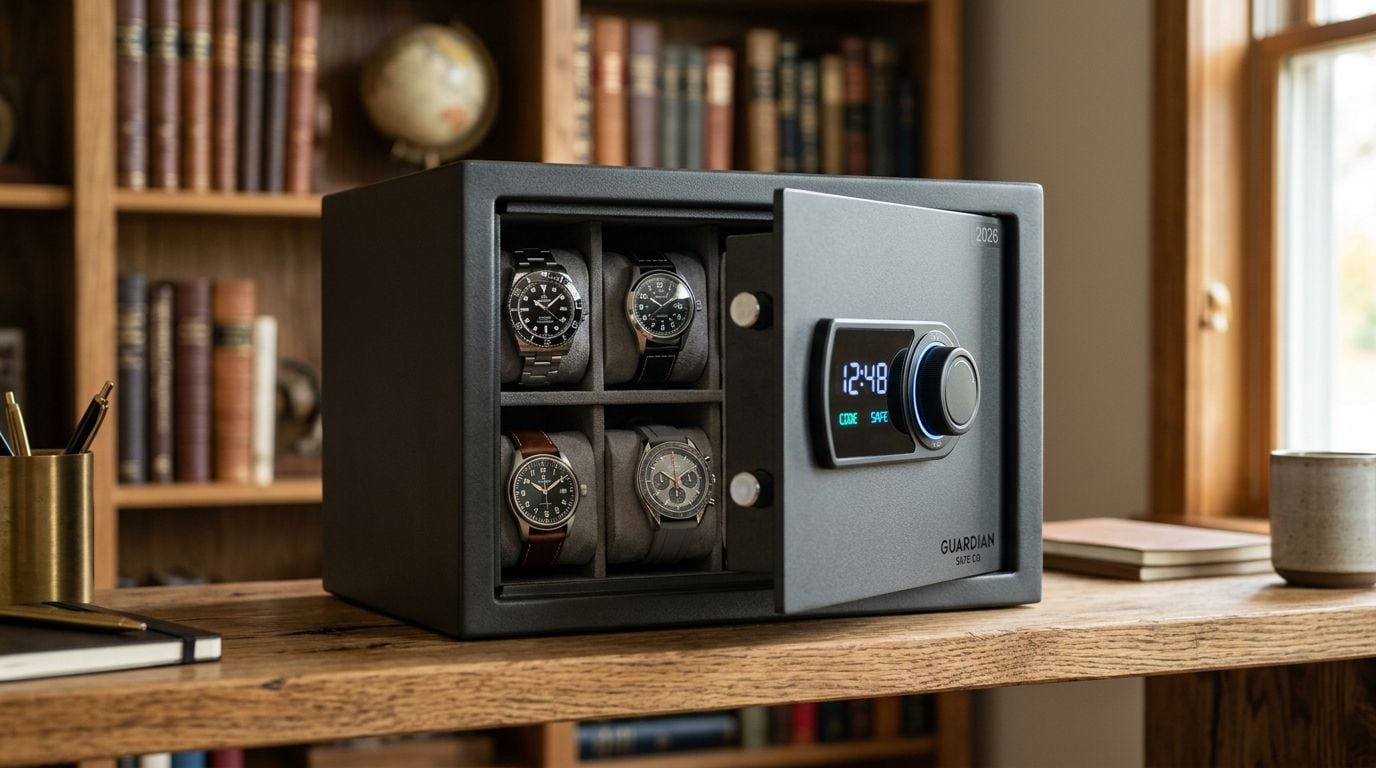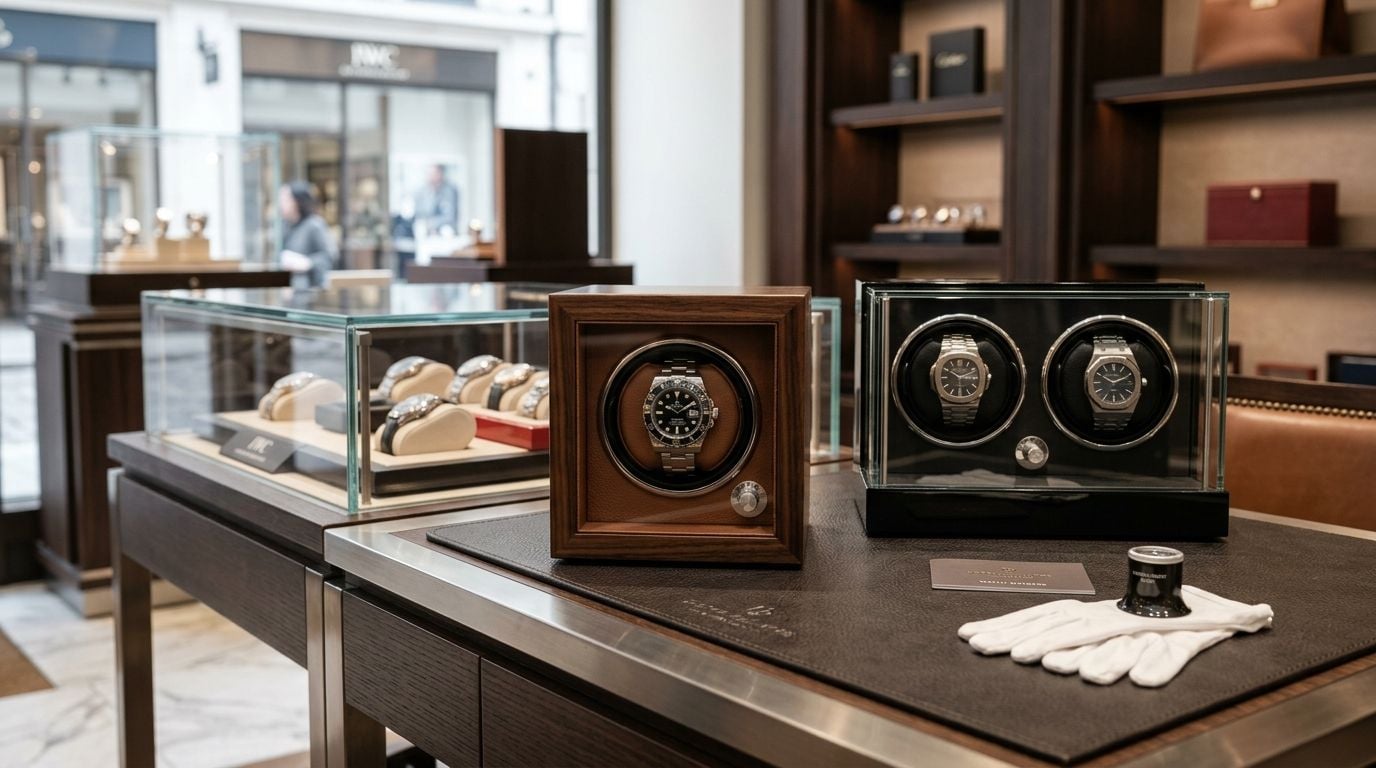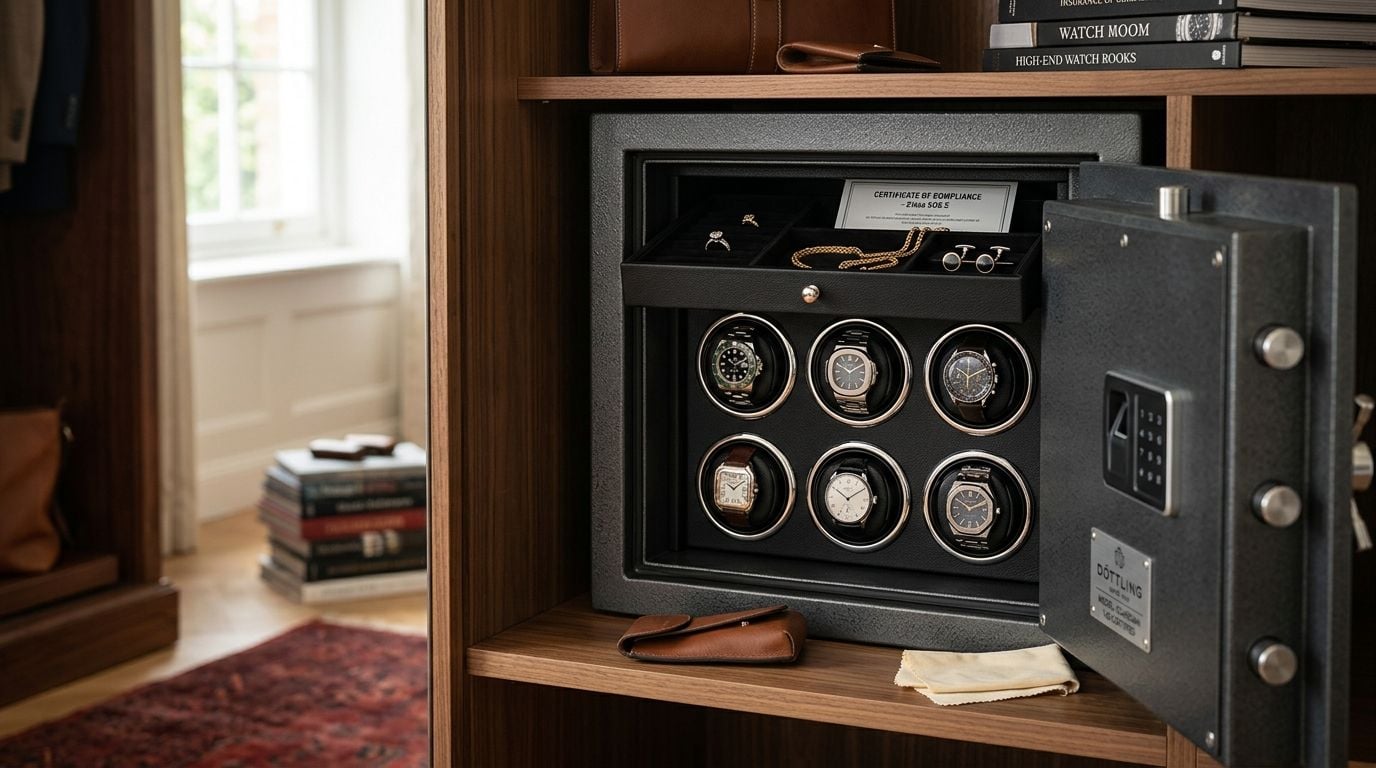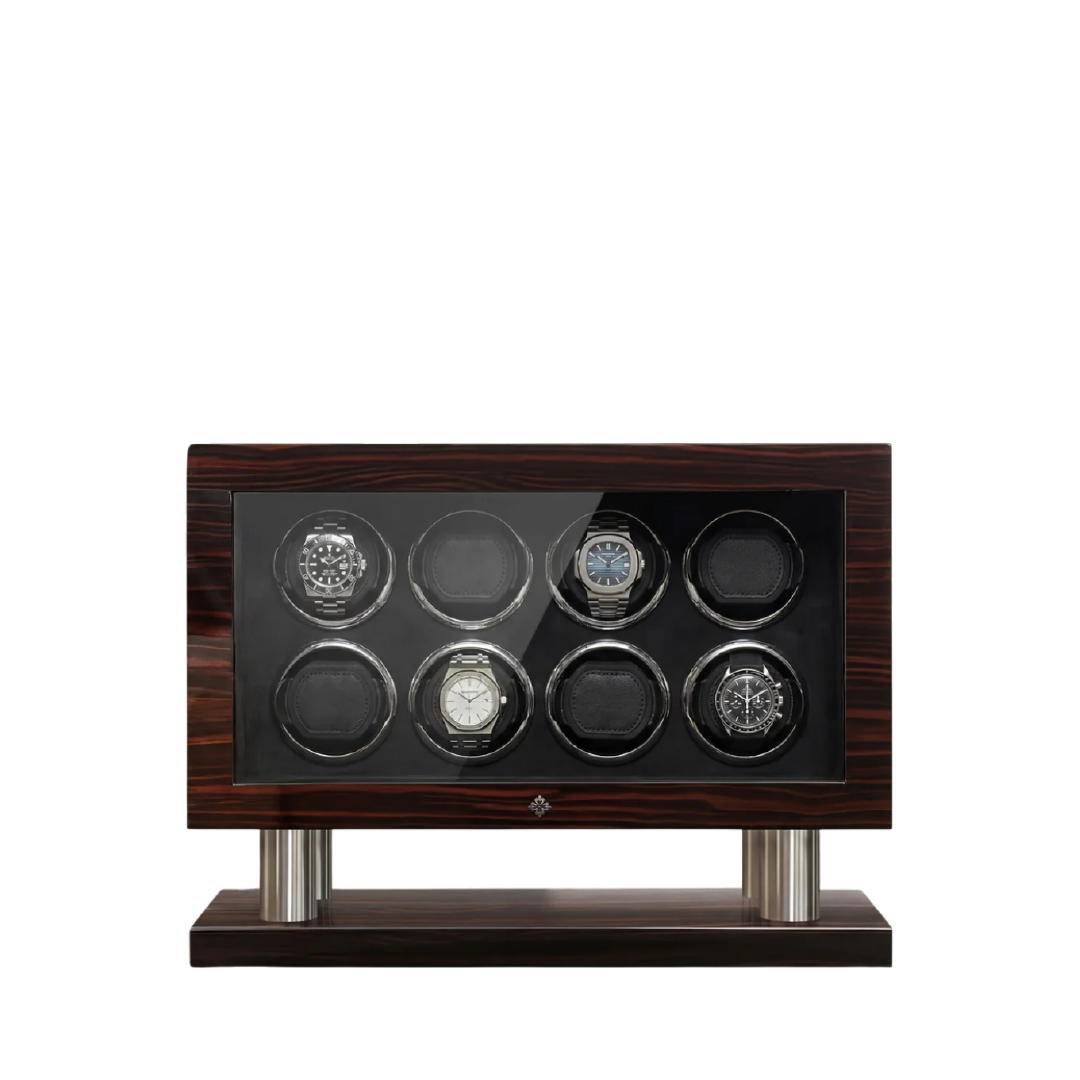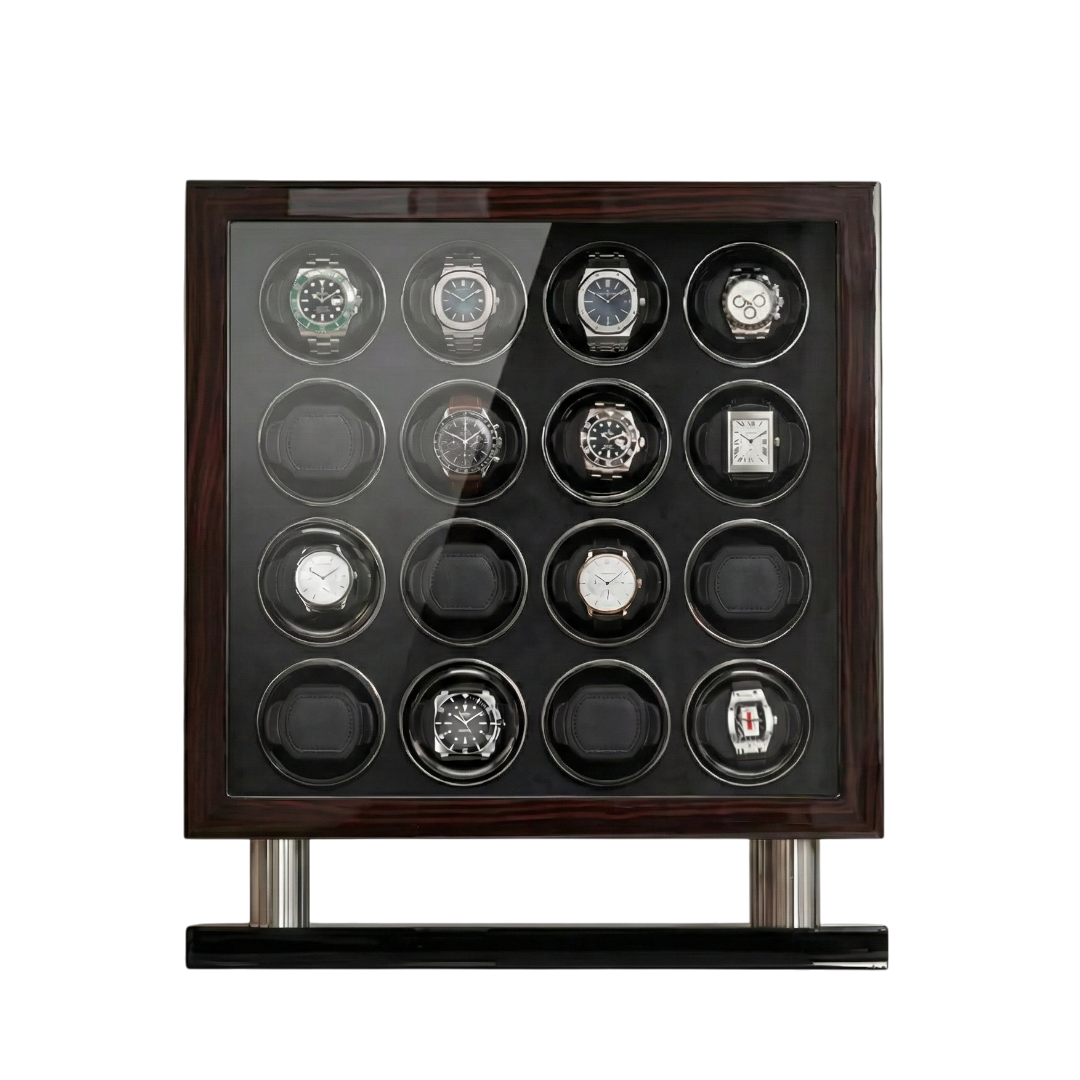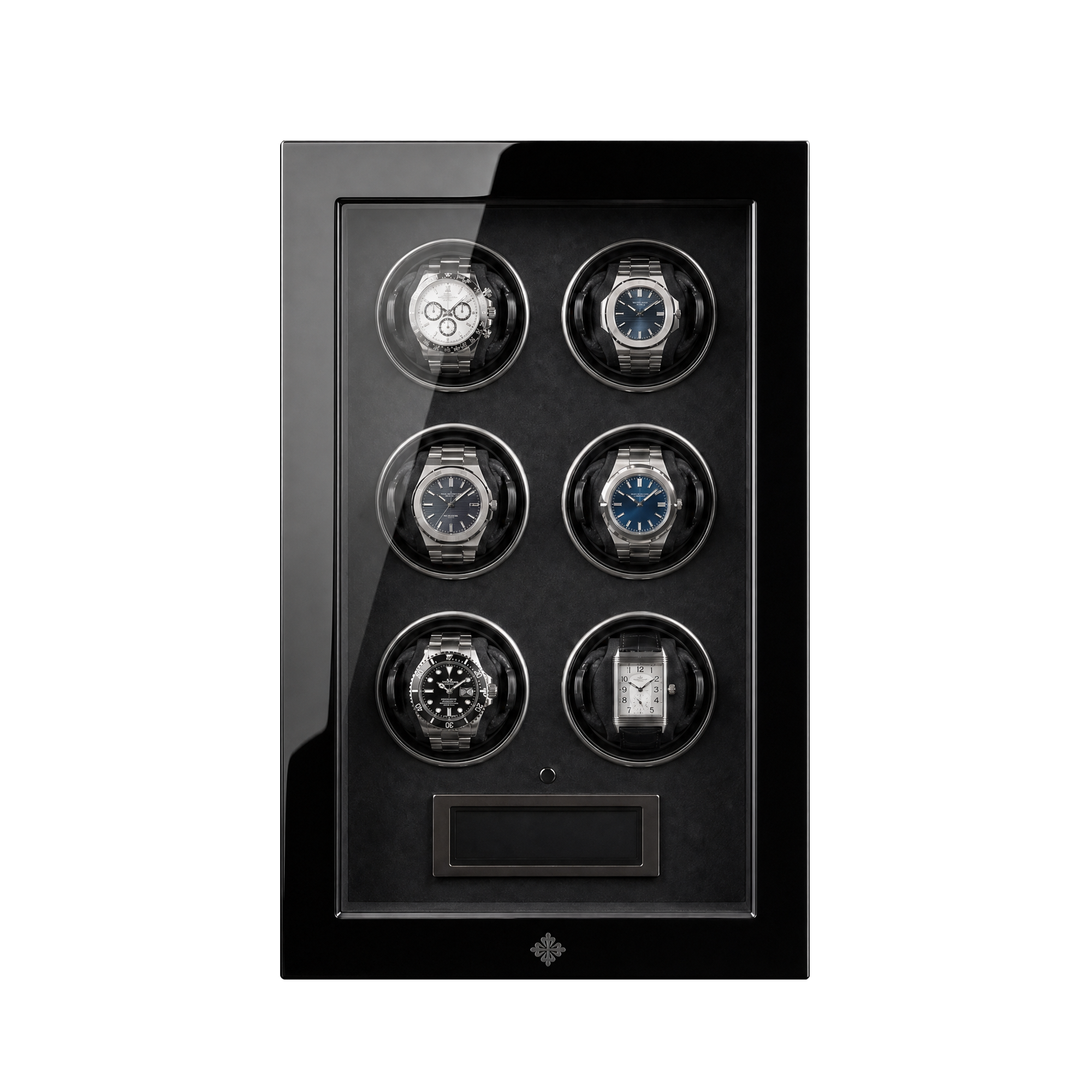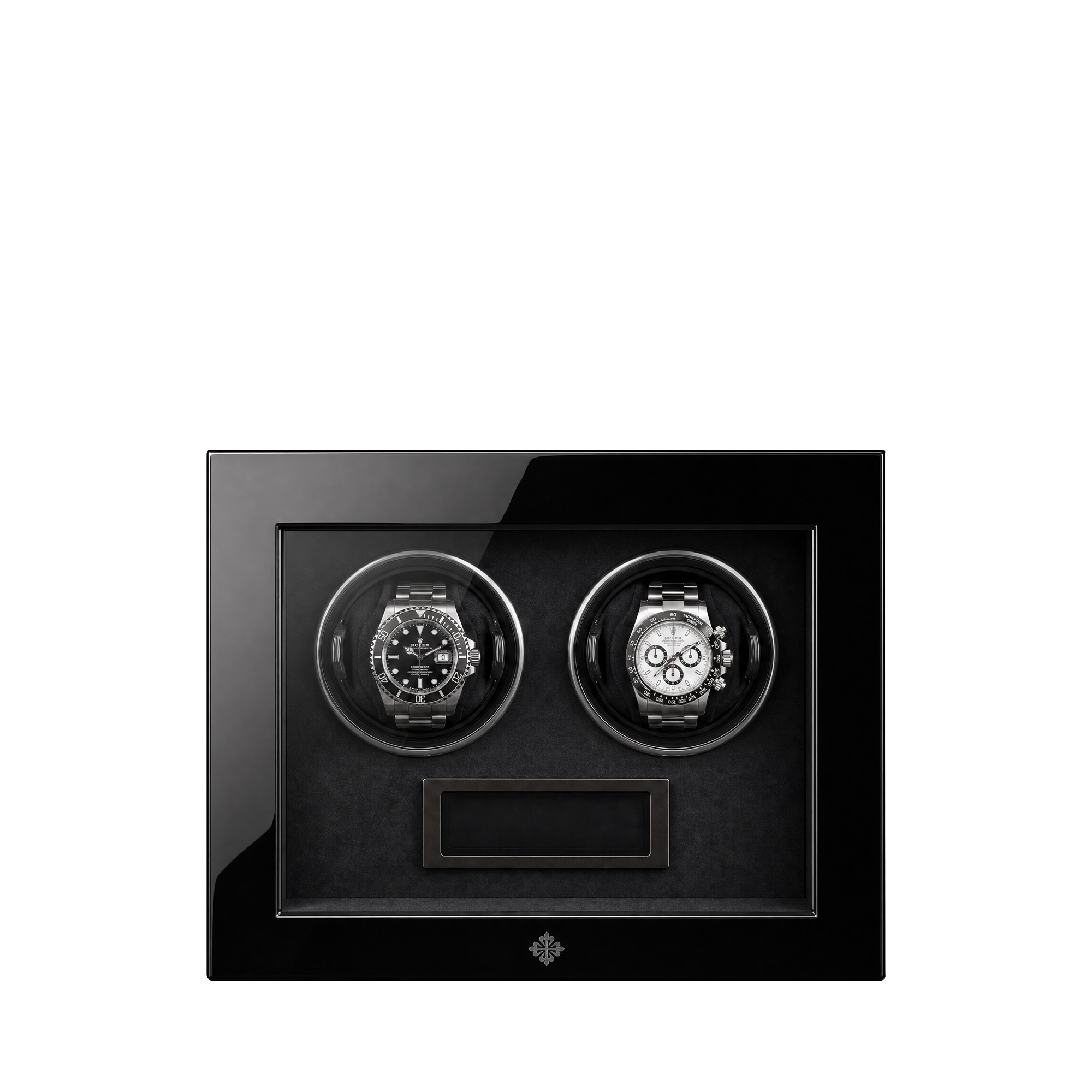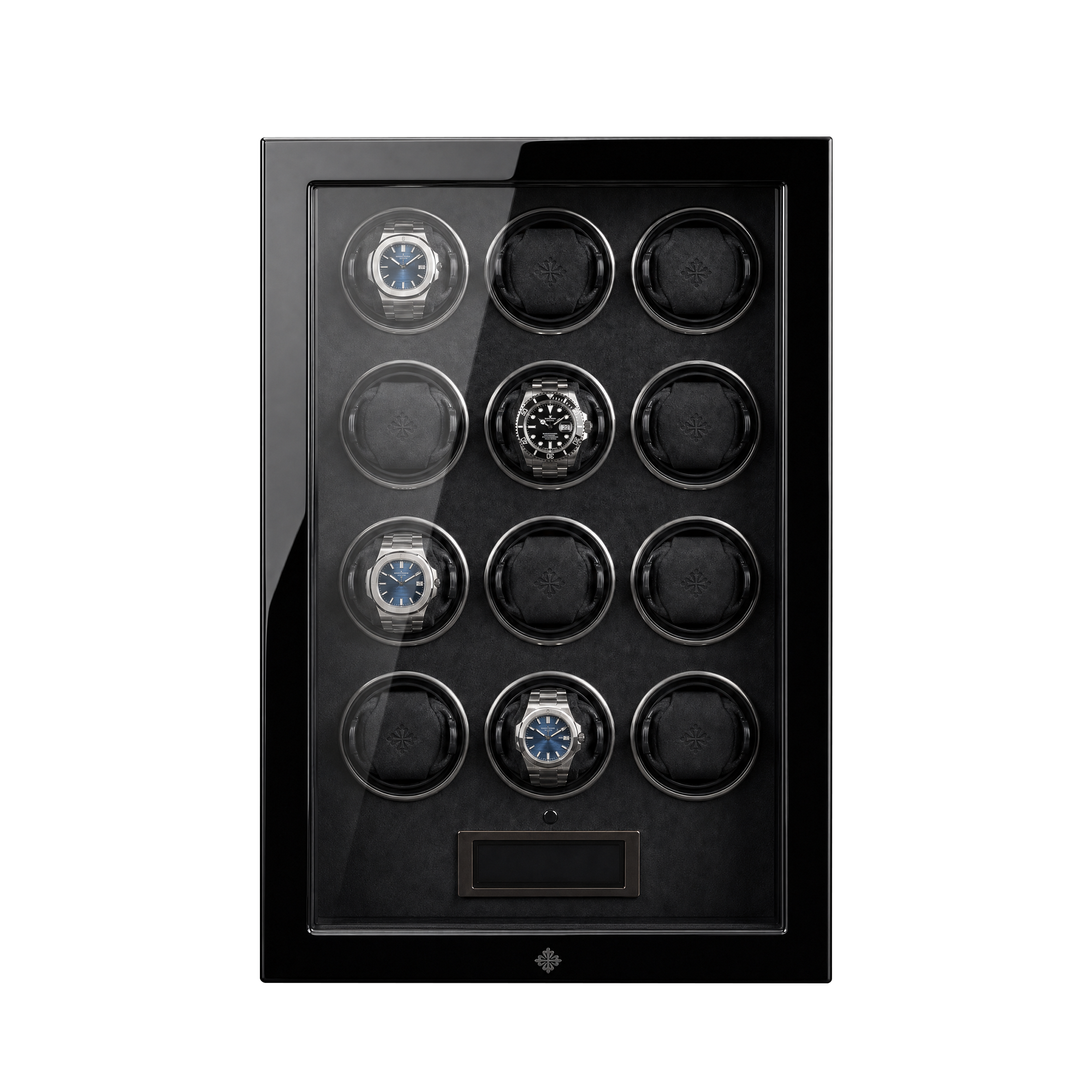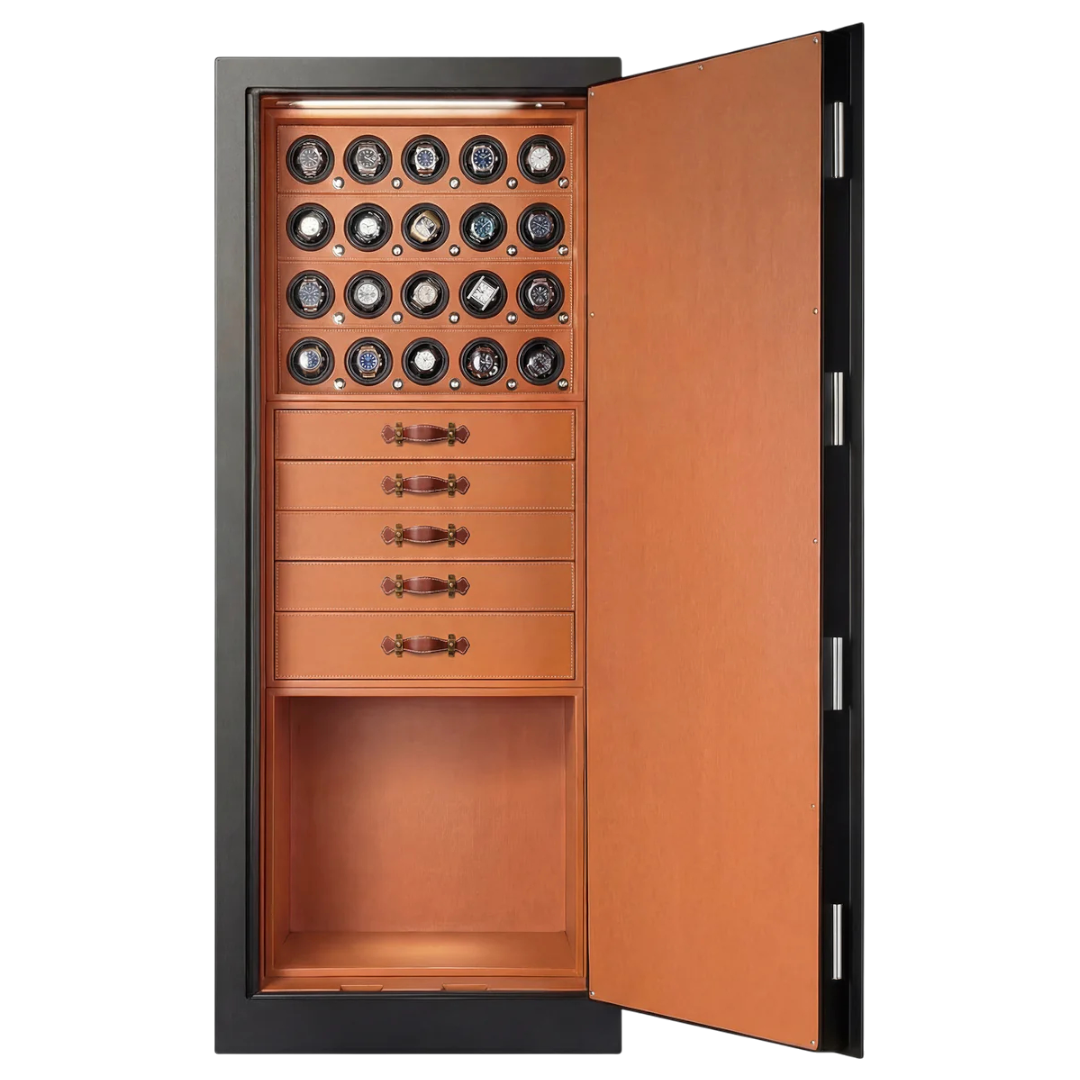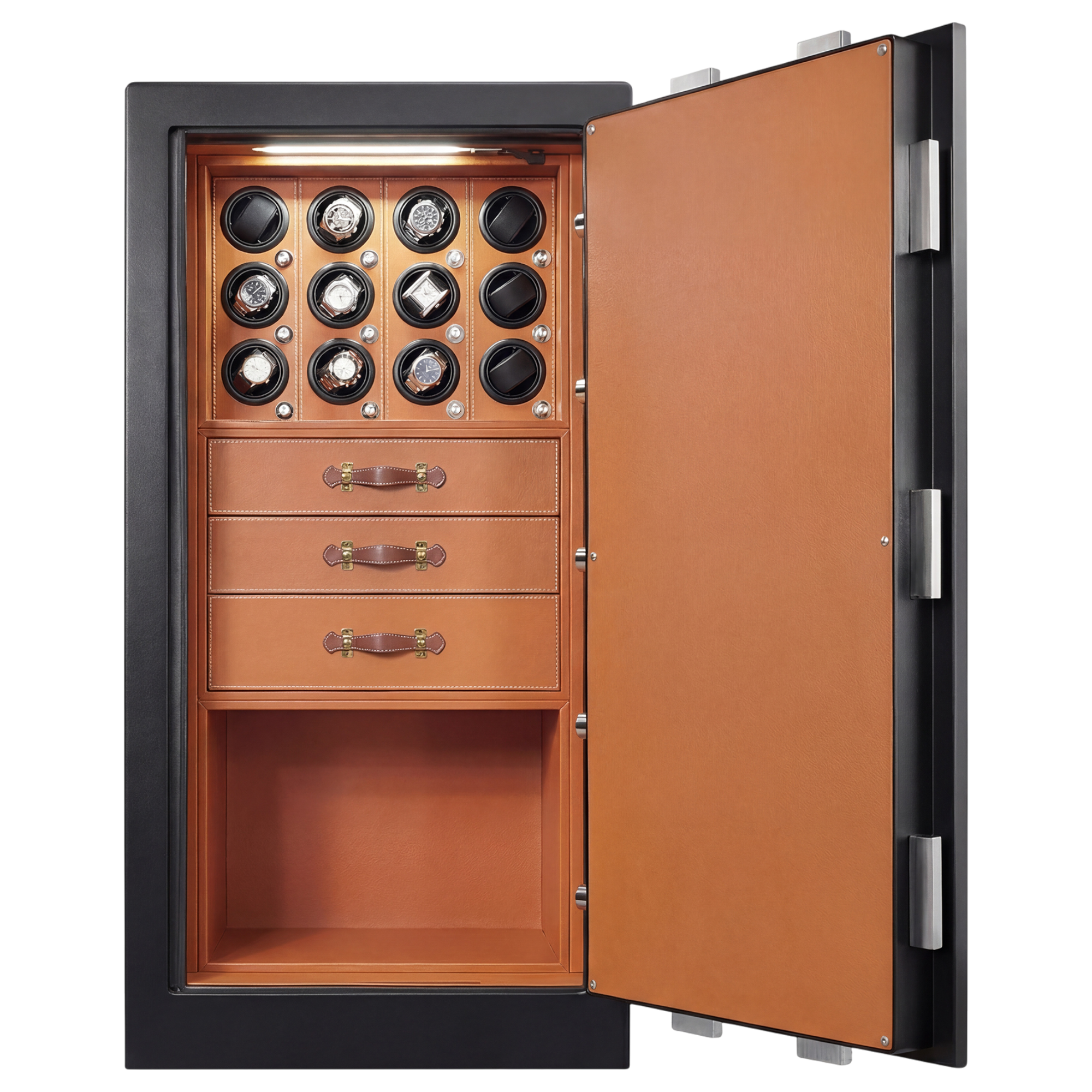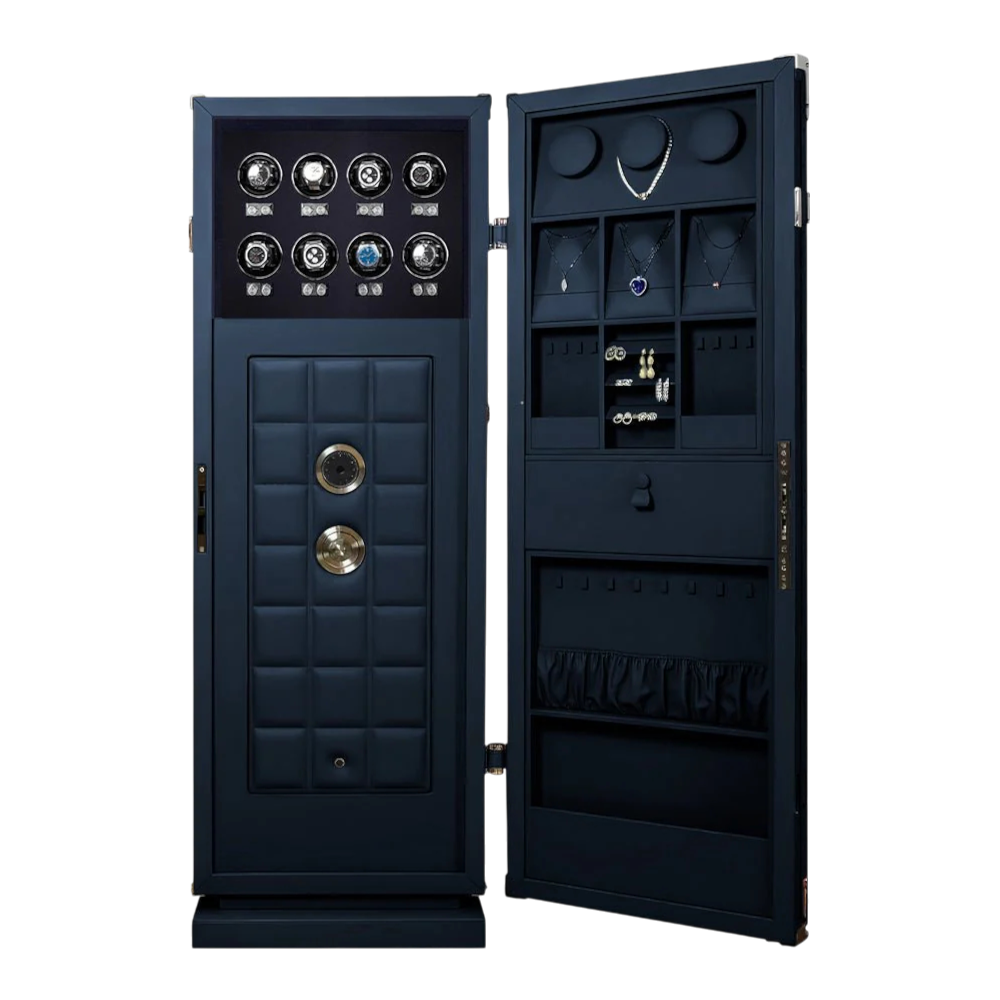

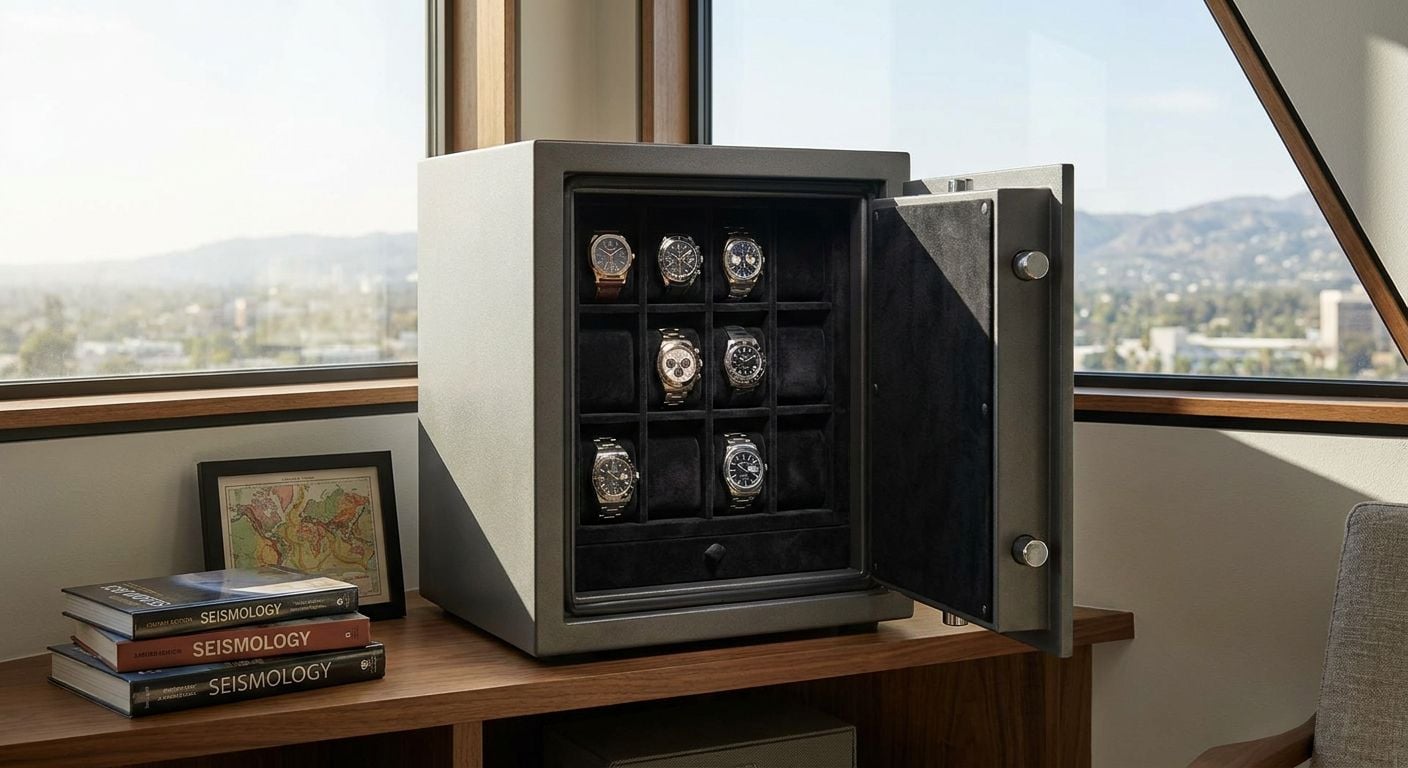
A watch safe for an earthquake-prone area is built to stay anchored, closed, and level when the floor moves under it — a different engineering problem than a safe sized only for fire or burglary. Collectors in seismic zones need bolt-down hardware and a low center of gravity first; interior finish and winding features come second.
- A watch safe for an earthquake-prone area needs stud or slab anchoring, not just mass — weight alone doesn’t stop a slide.
- Enigwatch’s anchored watch safe line starts around $5,000 and ships with pre-drilled mounting points.
- Floor placement beats shelf placement: a toppled safe can jam its own lock on impact.
- Biometric or keypad locks need a mechanical key override for post-quake power outages.
Why watch safe security matters in earthquake-prone areas
Collectors in California, the Pacific Northwest, and other active seismic zones face a storage problem flat-ground buyers never think about: lateral force. A safe rated for burglary resistance assumes someone is trying to pry it open while it sits still. An earthquake moves the floor underneath it, and a freestanding unit can slide, tip, or slam its own door open on impact.
Weight alone doesn't fix this. A 400-pound safe can still walk across tile or drywall if it isn't bolted down, and a toppled unit with an electronic lock sometimes needs the door realigned by hand before it opens again. The distinction that matters here is anchoring versus mass, which is also the core difference explained in watch safe vs. wall safe: which suits watch collectors. A watch safe for an earthquake-prone area is only as good as what it's bolted to.
Confirm the safe has anchor points before you buy
Check this before you spend anything on hardware or installation.
- Look for pre-drilled anchor holes in the base or back panel, not just rubber feet
- Ask whether the manufacturer supplies a lag-bolt kit or sells it as an accessory
- Measure the safe's footprint against your closet or office wall's stud spacing
- Treat anchoring hardware as a structural spec, not a design detail — a safe sold purely on its Alcantara interior may skip it entirely
Anchor the safe to a stud or the slab, not the drywall
Drywall alone holds almost nothing under lateral shock; the anchor point is what actually resists movement.
- Locate at least two studs with a stud finder before drilling anything
- Use lag bolts rated for the safe's loaded weight, not standard drywall anchors
- On a concrete slab, use sleeve anchors sized to the safe's mounting holes
- For units over roughly 300 pounds, have a professional torque the bolts — Enigwatch offers professional installation on its anchored watch safe models
- Recheck bolt tension once a year; thermal cycling loosens hardware over time even without a quake
See the mounting specifics in how to mount a watch safe to a wall stud.
Place the safe on the floor, not a shelf or closet ledge
Ground-level placement lowers the center of gravity and shortens the fall if anchoring ever fails.
- Choose closet floors near an exterior wall — they typically sit on solid framing
- Avoid mounting into interior partition walls with no backing behind the drywall
- Confirm the floor itself can carry the load; see why safe weight matters for home installation
- Skip elevated closet shelving entirely for any safe over 100 pounds
Verify the door latch holds under lateral shock
A safe that stays anchored but pops its door open on impact hasn't solved the problem.
- Look for multi-point locking bolts on at least two sides of the door, not just the hinge side
- Test the latch by rocking the unbolted safe by hand before installation — it shouldn't spring open
- Avoid single-point friction latches on anything over 200 pounds
- Confirm hinge pins sit internally, not exposed where they could be pried or sheared
Plan for power loss on electronic and biometric locks
Aftershocks often knock out power for days, and a lock that only works with electricity is a liability during that window.
- Confirm every biometric or keypad lock ships with a mechanical key override
- Store the override key off-site or with a trusted family member, never taped to the safe itself
- Check the stated battery backup runtime before buying
- Test the manual override once a year so an actual emergency isn't the first time you use it
Document the collection before an earthquake, not after
Insurance claims move faster with records that already exist.
- Photograph every piece, movement number included, and store images off-site or in the cloud
- Keep a written appraisal current rather than waiting for a claim to request one
- Log the safe's serial number and anchor installation date in the same file
- Store paperwork and boxes separately from the watches themselves, in case only one location is accessible after a quake
“If you can rock the safe by hand before it’s bolted down, an earthquake will move it too.”
Storage options for earthquake-prone collectors
| Option | Best for | Starting price | Key limitation |
|---|---|---|---|
| Bank safe-deposit box | Collectors who access pieces rarely | Not disclosed here — check with your bank | No control over the box's own anchoring or vault construction |
| Repurposed gun safe | Budget-conscious buyers with an existing unit | Varies by brand | Rarely built for movements — no winding, cushioned slots, or climate control |
| Wall-mounted jewelry safe | Small collections, limited floor space | Varies by brand | Wall cavity depth caps size; most skip winder capacity entirely |
| Enigwatch anchored watch safe | Collectors combining winding, biometric access, and anchored security | Roughly $5,000 and up | Professional installation is recommended for full anchor performance, an extra step some buyers skip |
Verdict: for an earthquake-prone area, the anchor kit decides the purchase, not the finish. A watch safe with Italian Nappa leather trim and no pre-drilled mounting points is a display case, not a seismic-ready storage solution.
Find an anchor-ready watch safe
Browse Enigwatch safes built with pre-drilled mounting points and professional installation.
Common mistakes earthquake-prone collectors make
- Buying by weight alone and skipping the anchor kit entirely
- Mounting into drywall instead of a stud or the slab
- Storing the safe on a closet shelf instead of the floor
- Leaving a biometric lock without a mechanical key override for power outages
- Never testing the door latch under load before the first real shake
FAQ
What’s the best watch safe for an earthquake-prone area?
The best option is a bolted-down safe with pre-drilled anchor points, multi-point door bolts, and a mechanical key override for its lock. Enigwatch’s anchored models are built with these features, starting around $5,000.
Is a bolted-down watch safe better than a heavy freestanding one?
Yes — anchoring stops lateral movement that pure weight cannot. A freestanding safe over 400 pounds can still slide or tip during a strong quake if it isn’t bolted to a stud or slab.
How much does an anchored watch safe cost in 2026?
Enigwatch’s anchored watch safe line starts at roughly $5,000 in 2026, with higher-capacity and higher-finish models running past $21,000. Pricing scales with slot count, materials, and lock type.
Can a watch safe survive a magnitude 7 earthquake?
No consumer watch safe carries an independent seismic magnitude rating. Its performance in a real quake depends almost entirely on the anchor hardware and the wall or floor it’s bolted into, not the safe’s construction alone.
Should I mount a watch safe to a stud or the concrete slab?
Mount to whichever is available and structurally solid — wall studs for wall-adjacent placement, sleeve anchors into a concrete slab for floor placement. Drywall alone should never be the anchor point.
Does a biometric lock work if the power goes out during an earthquake?
Most biometric and keypad locks hold their programming through a multi-day outage on battery backup, but every unit should also ship with a mechanical key override. Test the override annually so it works when you need it.
Is a wall safe safer than a floor safe in seismic zones?
Neither is inherently safer; anchoring quality decides the outcome for both. A wall safe set into solid framing can outperform a poorly anchored floor safe, and vice versa.
How often should I recheck the anchor bolts on a watch safe?
Check bolt tension once a year. Thermal cycling and minor building settlement loosen lag bolts over time even without any seismic activity.
One last thing
The step most collectors skip isn't the purchase — it's the annual bolt recheck. A safe anchored correctly in year one can still work loose within a few years from ordinary thermal cycling, long before any quake tests it, so put a five-minute bolt check on the calendar every year, not just at installation.
Related guides
Protect Your Watch Collection
Designed for collectors who demand the best. Explore our premium watch winders and luxury safes.