
A firefighter's watch collection survives 24-hour shifts, apparatus-bay vibration, and a shared locker room — the winder or safe protecting it needs to survive the same conditions, not just look good on a nightstand.
- A watch winder for a firefighter needs vibration-damped motors and a real fire rating, not just Nappa leather.
- The Apollo Watch Safe’s 12-slot biometric model beats a key lock for shared locker rooms. Buy.
- Skip decorative safes with no UL burglary rating — station lockers see more foot traffic than home closets.
- Bolt any safe into a stud or floor anchor; apparatus-floor vibration loosens unmounted units within months.
Why this matters
Most watch winder marketing is written for a quiet bedroom shelf. A firefighter's storage sits closer to a diesel engine bay, a gear extractor, and three other crews rotating through the same room across a 24/48 schedule. Before buying a watch winder for a firefighter, it helps to know what the fire rating numbers on a safe box actually mean, because "fireproof" on a hangtag and a documented UL class are two different claims.
Every decision below comes down to one question: does this piece hold up to a station environment, or only to a living room.
Who this is for
This guide is for firefighters storing automatic watches in a station locker, a bunk room, or a home that gets visited by the same schedule of 24-hour shifts and gear-heavy days. It assumes shared access, real vibration, and a preference for gear that works without fuss between calls — not a collector optimizing for display glass and interior lighting.
What to look for in a watch winder for a firefighter
A fire rating you can actually verify
Firefighters know fire ratings from the job, not from marketing copy — a "fireproof" label with no third-party class number means nothing when it's protecting a piece worth five figures. A documented 30-minute or 60-minute class tells you what the safe survives; a sticker that just says "fire resistant" tells you nothing. Treat this the same way you'd treat an unverified rating on any piece of station equipment: assume it fails until proven otherwise.
Vibration isolation and motor durability
Apparatus bay floors, idling diesel engines, and gear washers running mid-shift put steady low-frequency vibration into a locker room. A watch winder built around a lightweight Japanese Mabuchi motor is engineered for a still shelf, not a substation that shakes every time an engine pulls out, and unmounted units wear their gear trains faster under that load. Reducing winder vibration on a shelf usually comes down to rubber-isolated feet or relocating the unit away from the apparatus floor entirely.
A burglary rating that fits a shared space
A station locker isn't a private closet. Multiple crews rotate through the same room across a shift cycle, and a safe with only a decorative lock invites curiosity a home closet never would. Understanding what UL burglary numbers mean before buying tells you whether a safe resists prying and drilling, or just a bored coworker with ten minutes between calls.
Magnetic and RF interference from station equipment
Radios, chargers, and diagnostic equipment on an apparatus floor throw off magnetic fields that affect an automatic movement's timekeeping over months of exposure. A steel-bodied safe adds a shielding layer a wood-veneer cabinet doesn't, and keeping any winder or safe a few feet from charging racks is a simple habit that costs nothing.
Humidity and soot resistance
Turnout gear gets washed on-site, and locker rooms run humid after a shift heavy on live fires and extractor use. Soot residue and moisture work against exposed Alcantara or unsealed wood veneer faster than they would in a climate-controlled bedroom, so a sealed interior and a gasketed door earn their keep here in ways they wouldn't in a typical home installation.
See fire-rated safes for station duty
Browse winders and safes built for real-world conditions, not display cases.
Top picks for firefighters
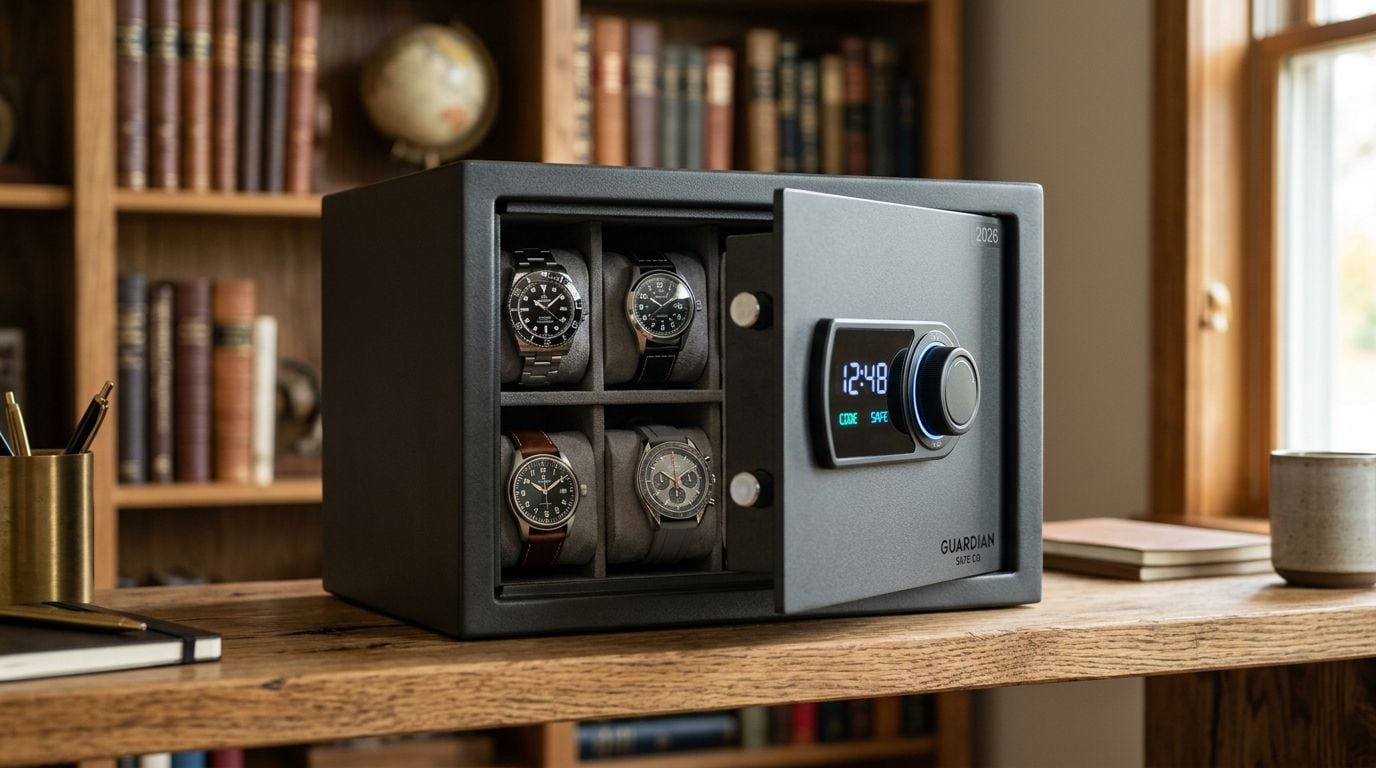
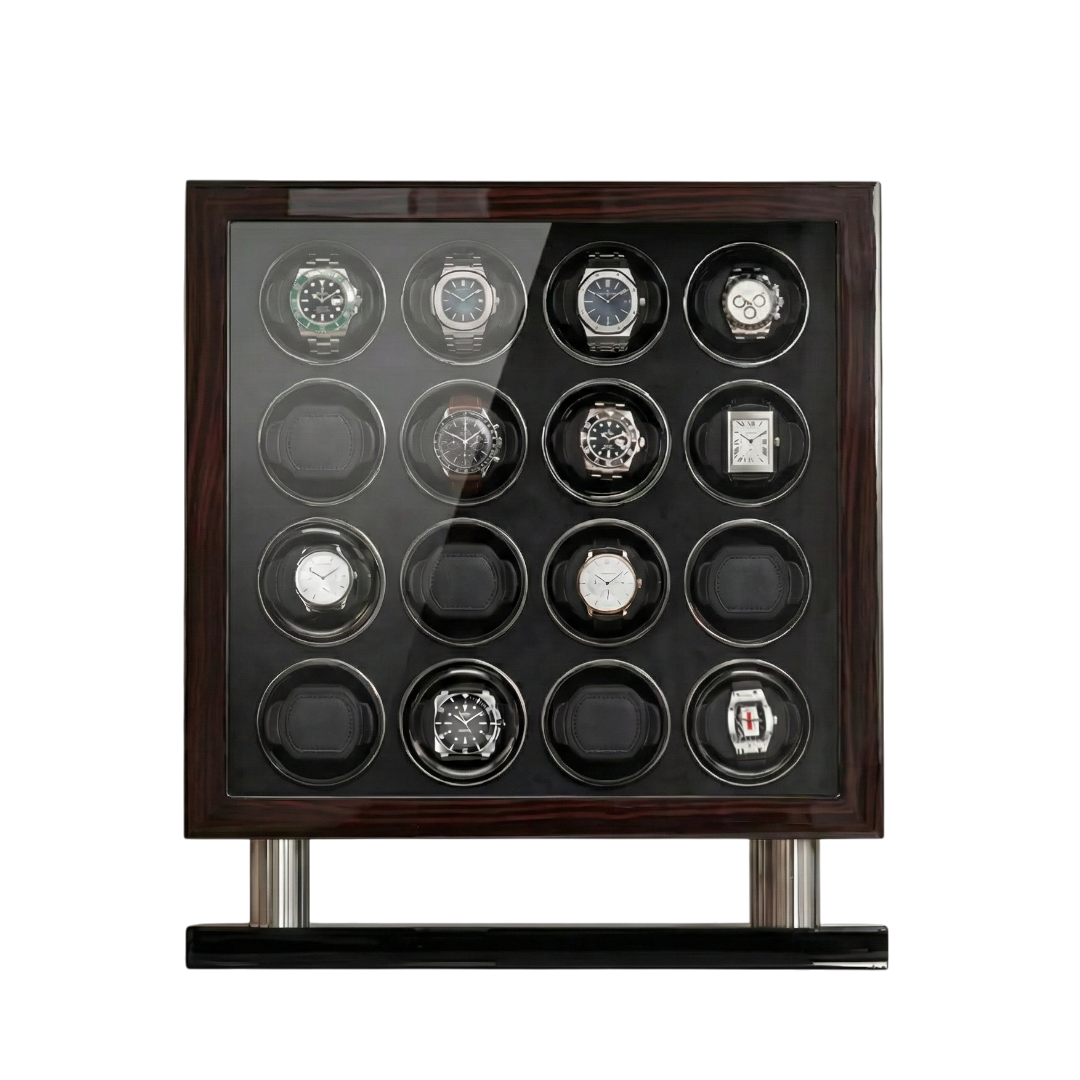
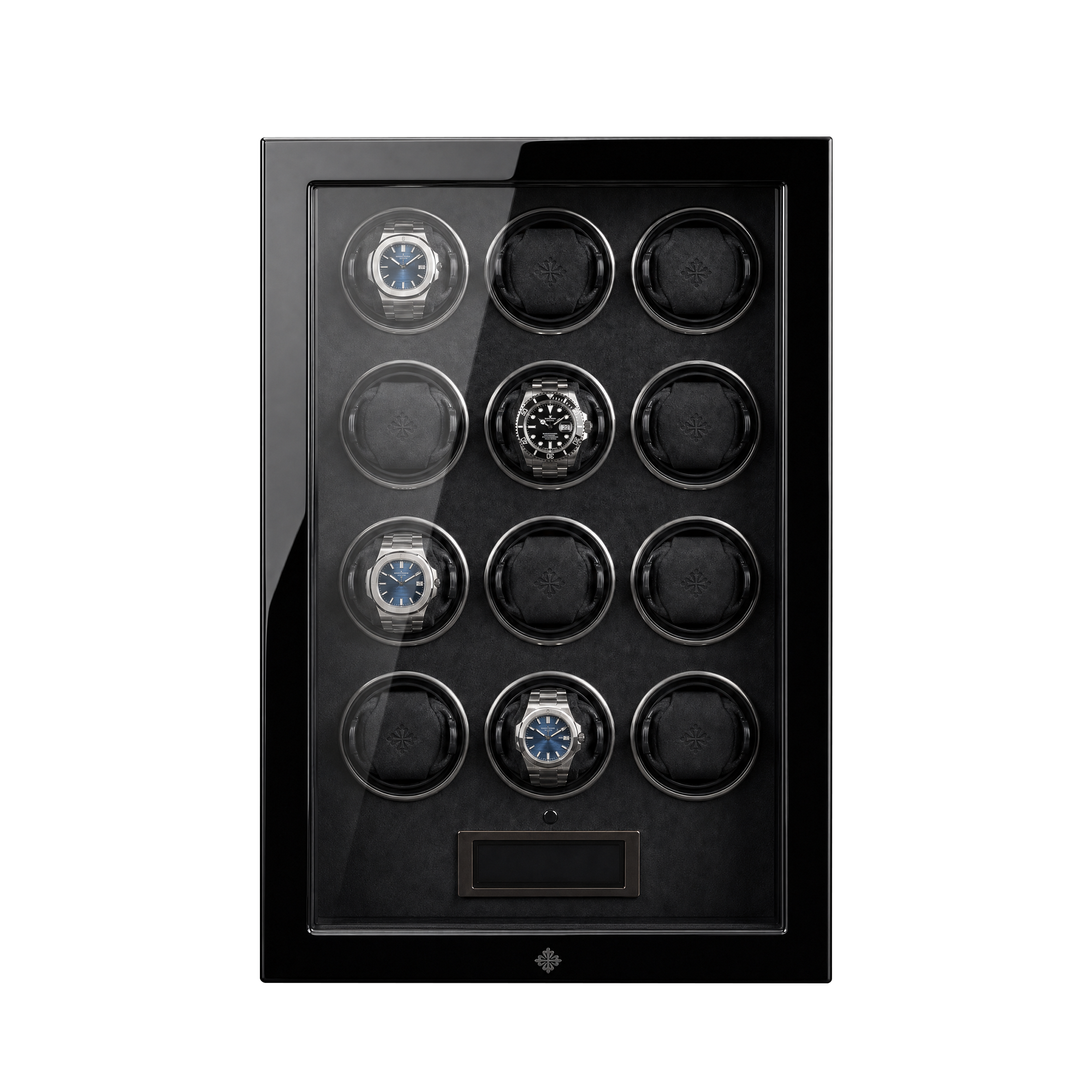
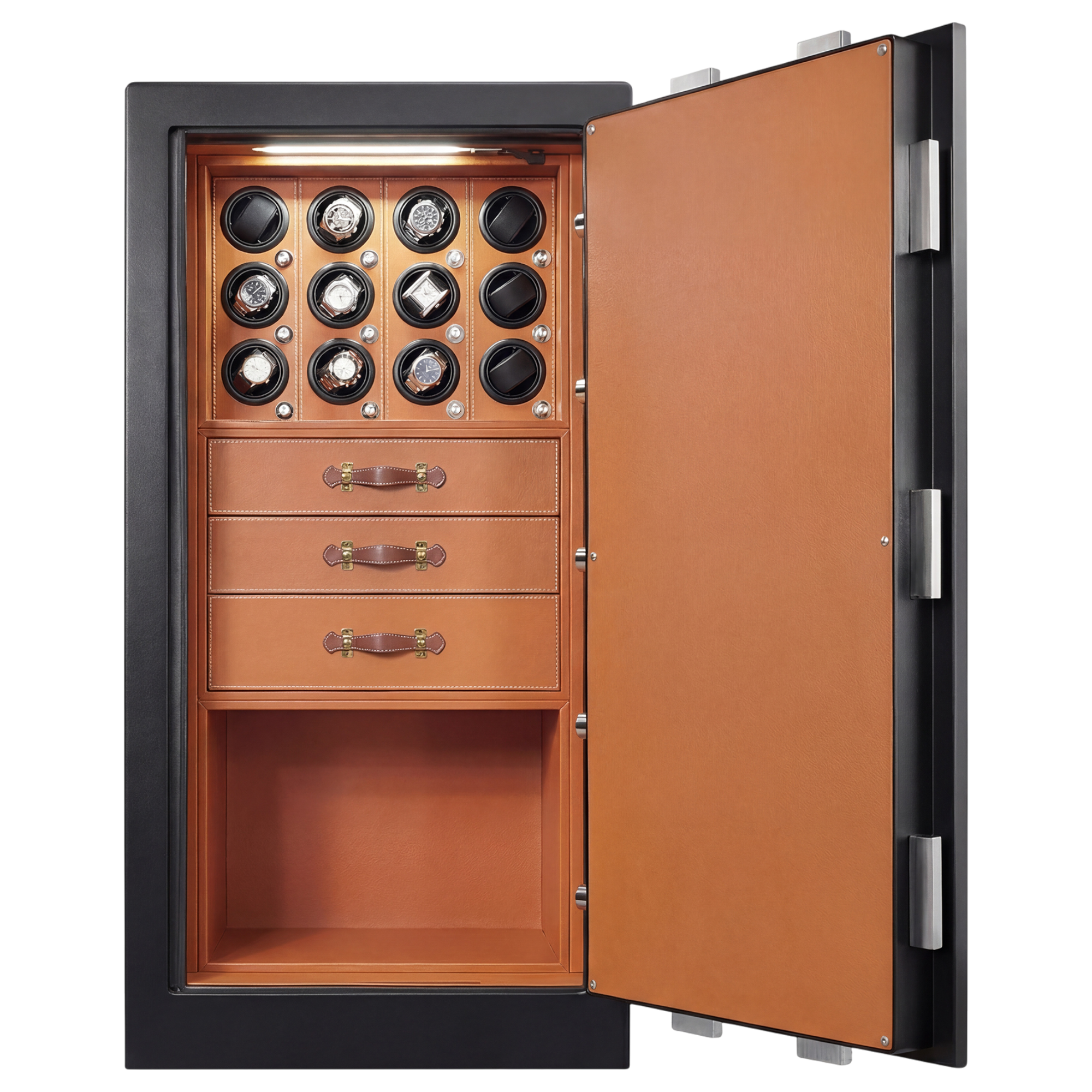
The station-locker pick: Apollo Watch Safe, 12-slot model
Biometric access on the Apollo Watch Safe's 12-slot layout replaces a key that gets lost in a turnout coat pocket with a fingerprint scan that reads even with a gloved hand nearby. Twelve winding positions cover a full rotation of duty-day watches without forcing a trade-off between a dress piece and a field watch. Buy — it's the easiest handoff between shift changes.
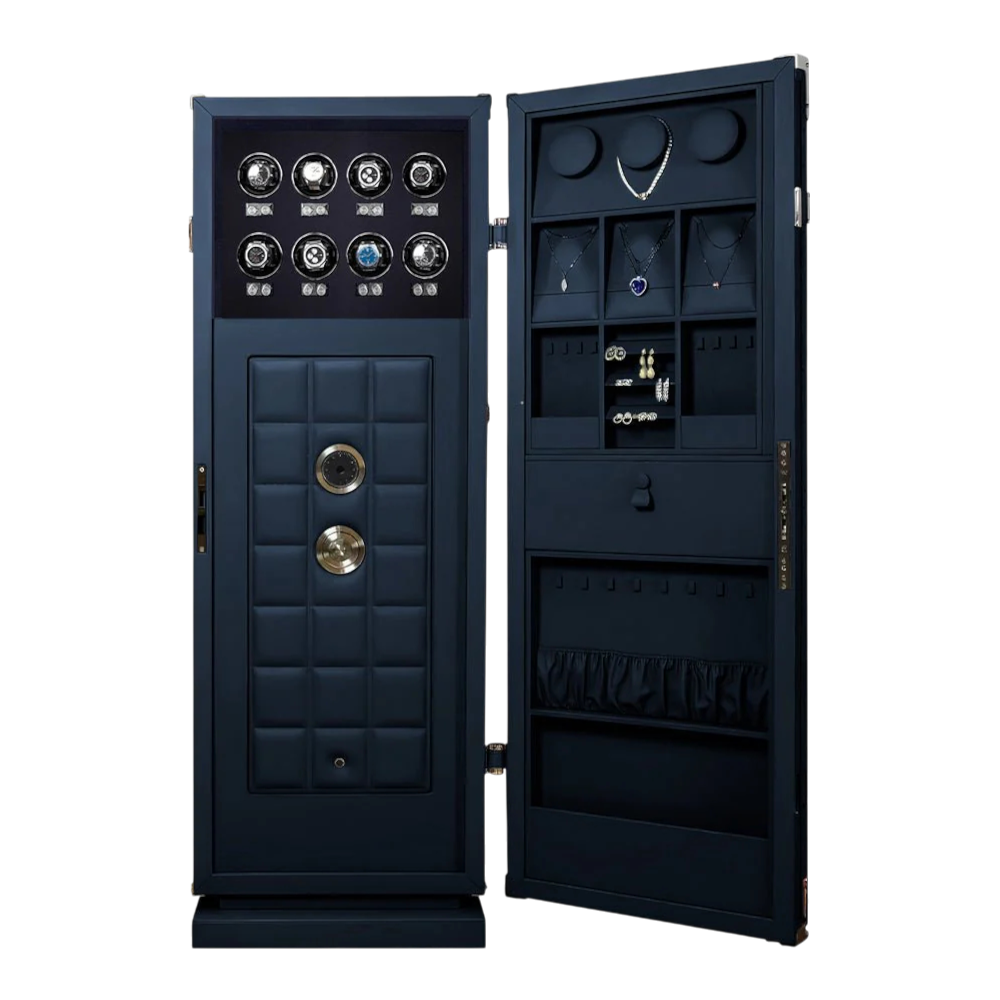
The insurance-grade pick: a fire-rated safe body
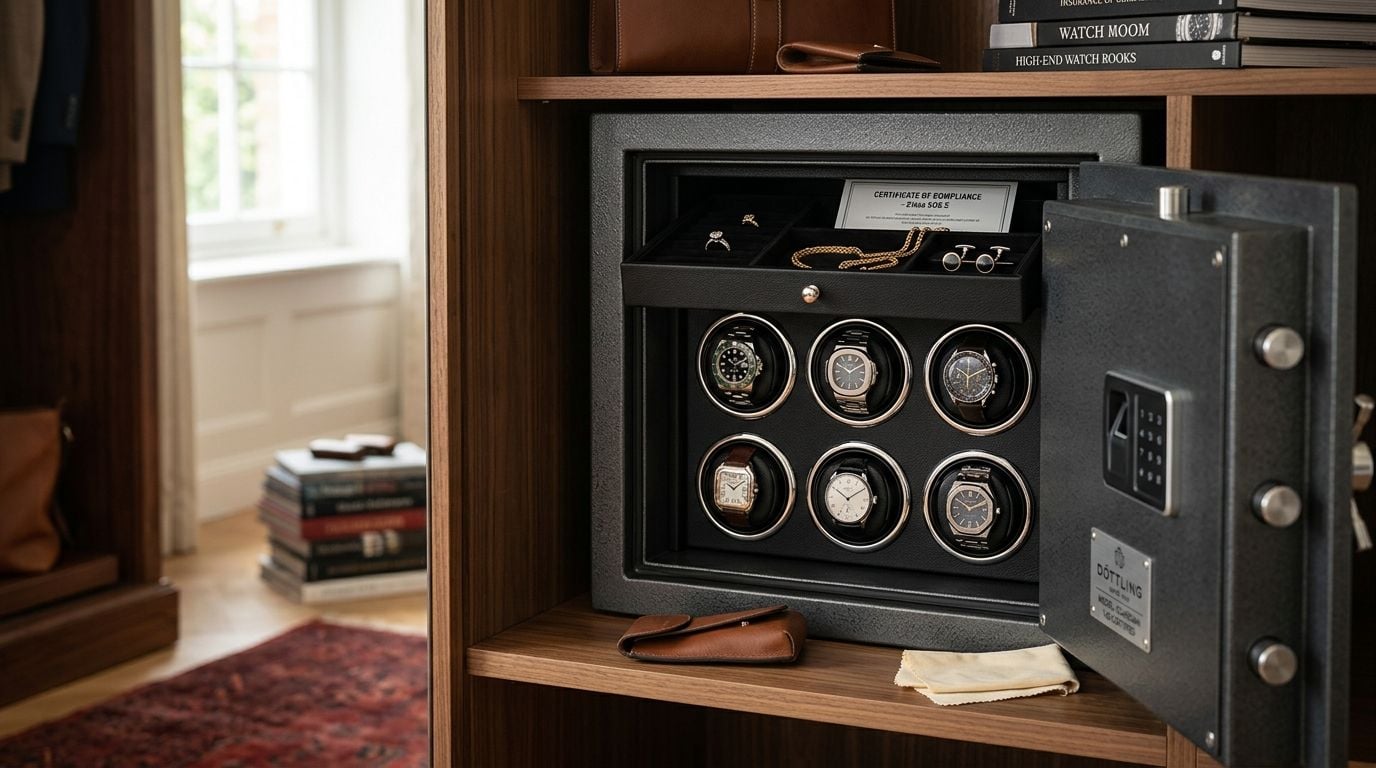
A safe built around a genuine, documented fire class holds up if a locker room takes smoke or heat exposure during an incident nearby, which is a real scenario in a firehouse in a way it isn't in most homes. Confirm the class rating in minutes before treating "fireproof" as settled fact. Consider — worth the premium if the safe sits anywhere near an apparatus bay or a charging station.
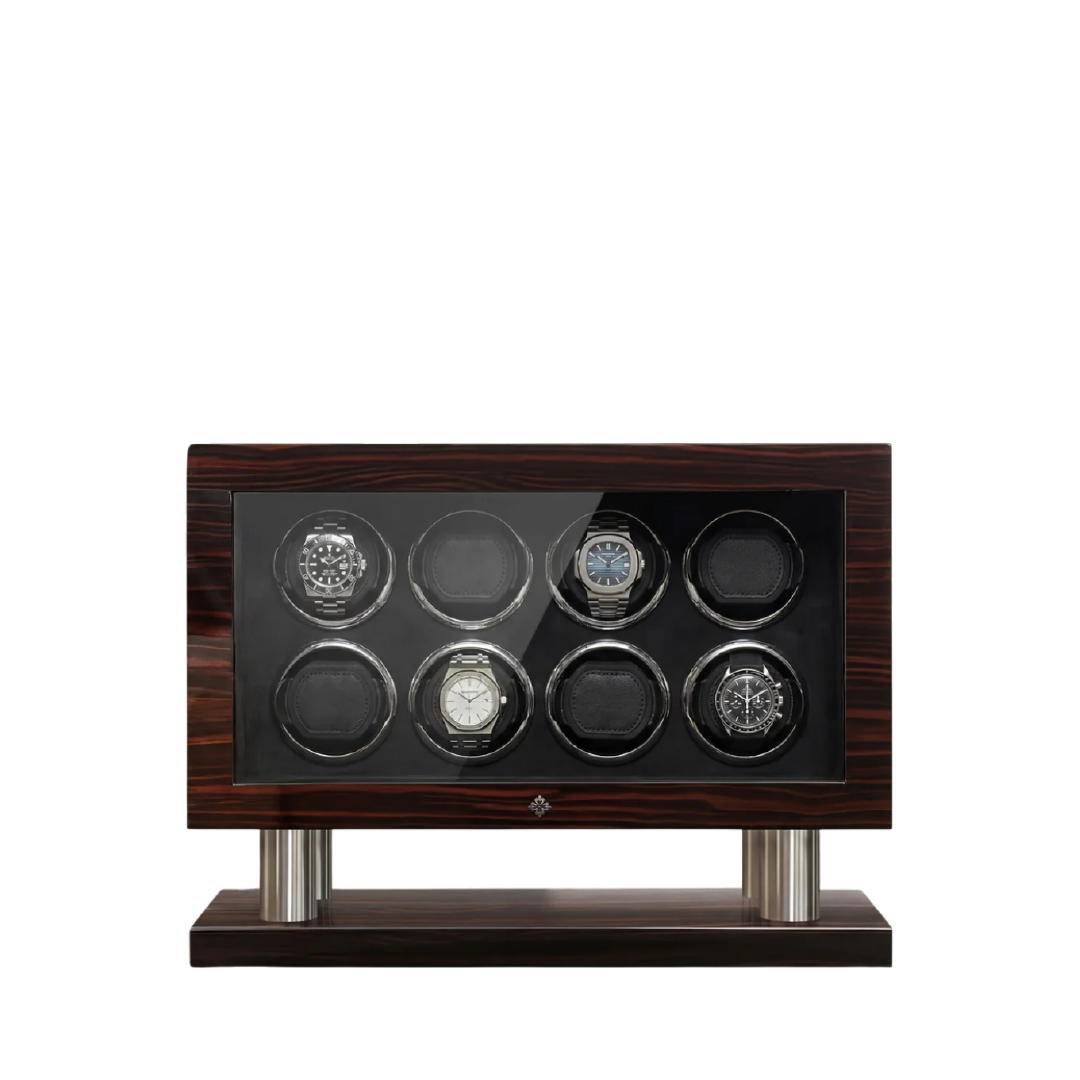
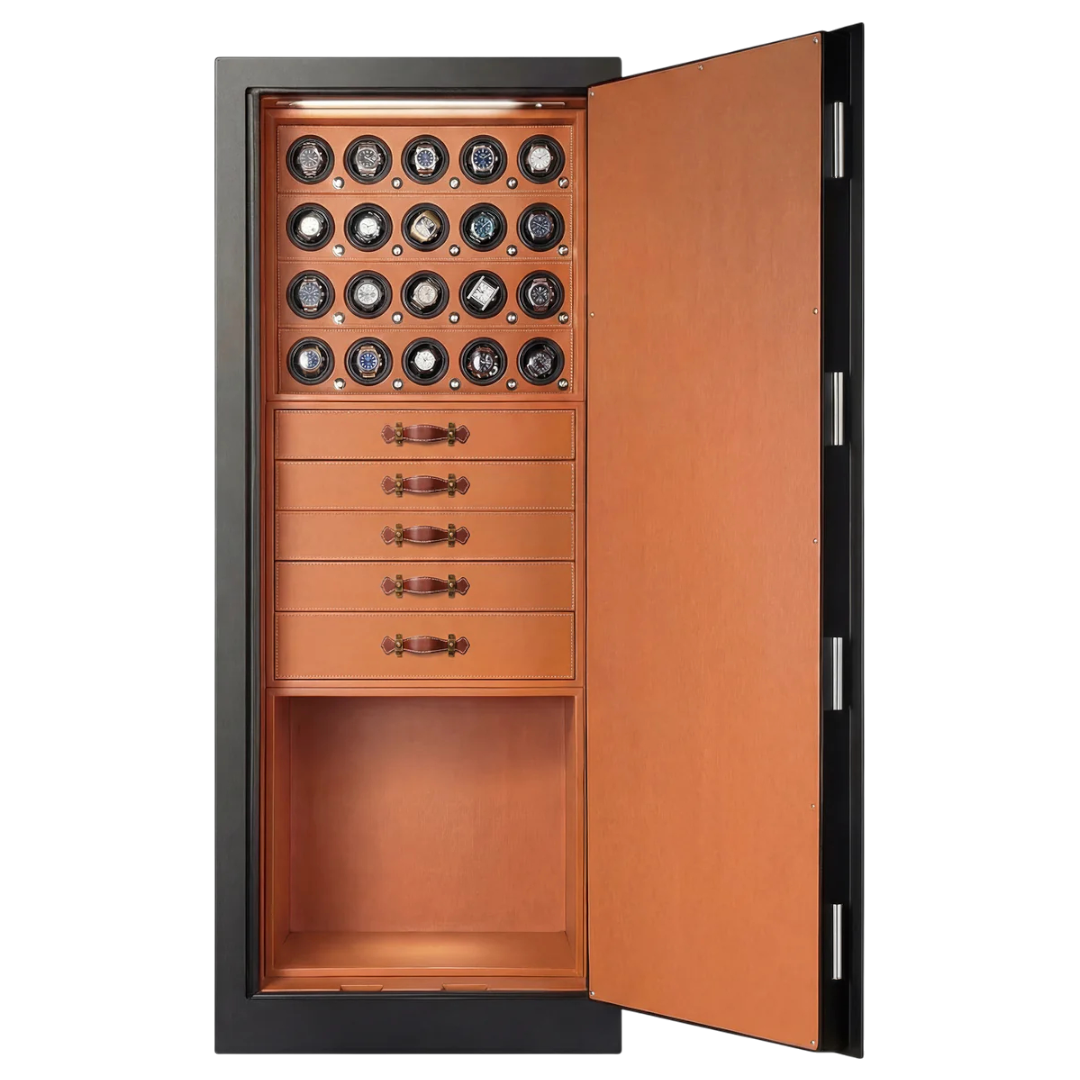
The overkill pick: Veron Elite, 20-watch capacity
The Veron Elite's 20-slot body suits a firefighter with a second residence or a home vault, not a single station shelf. It's oversized for a locker room and heavy enough to need floor bracing before it goes anywhere. Skip for station use, Consider for the home half of a two-location collection.
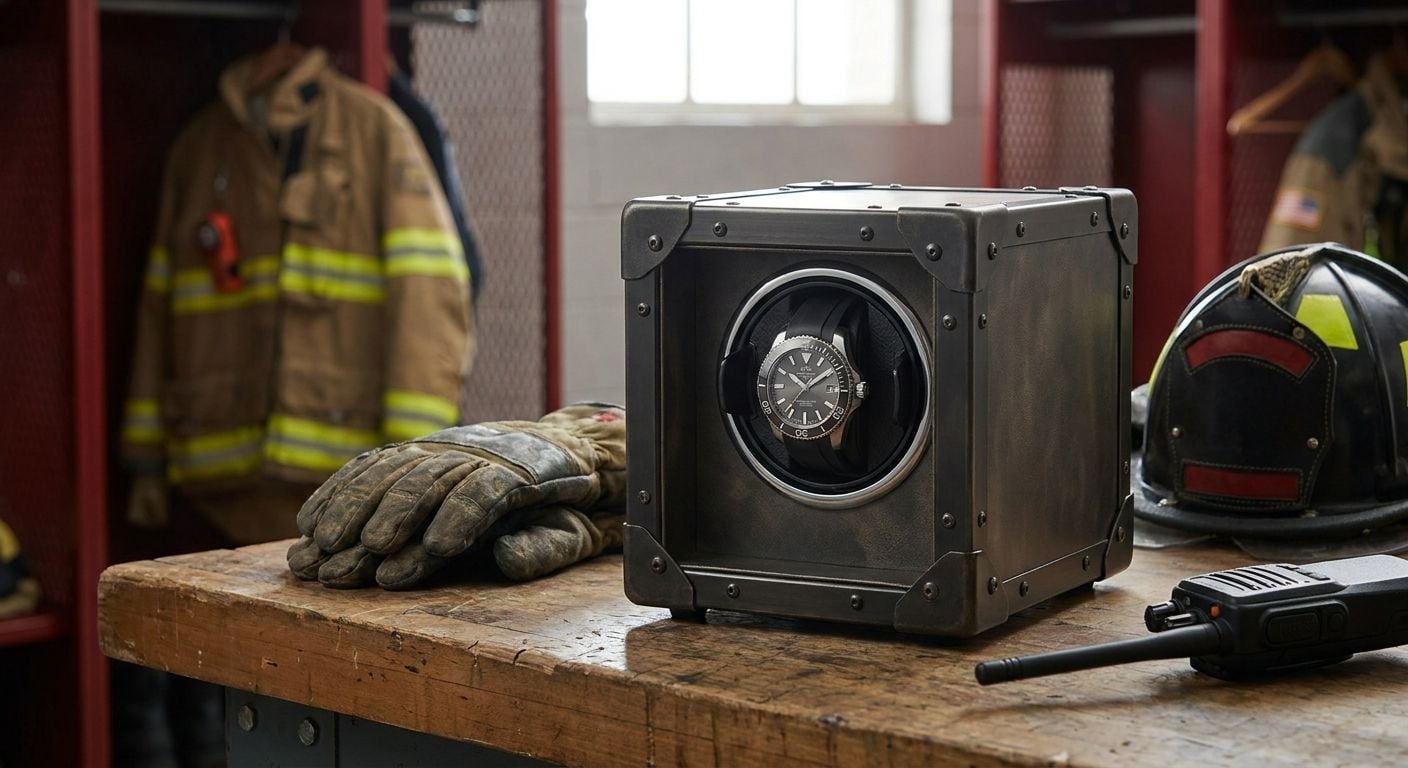
The wildcard: Virtuoso winder series
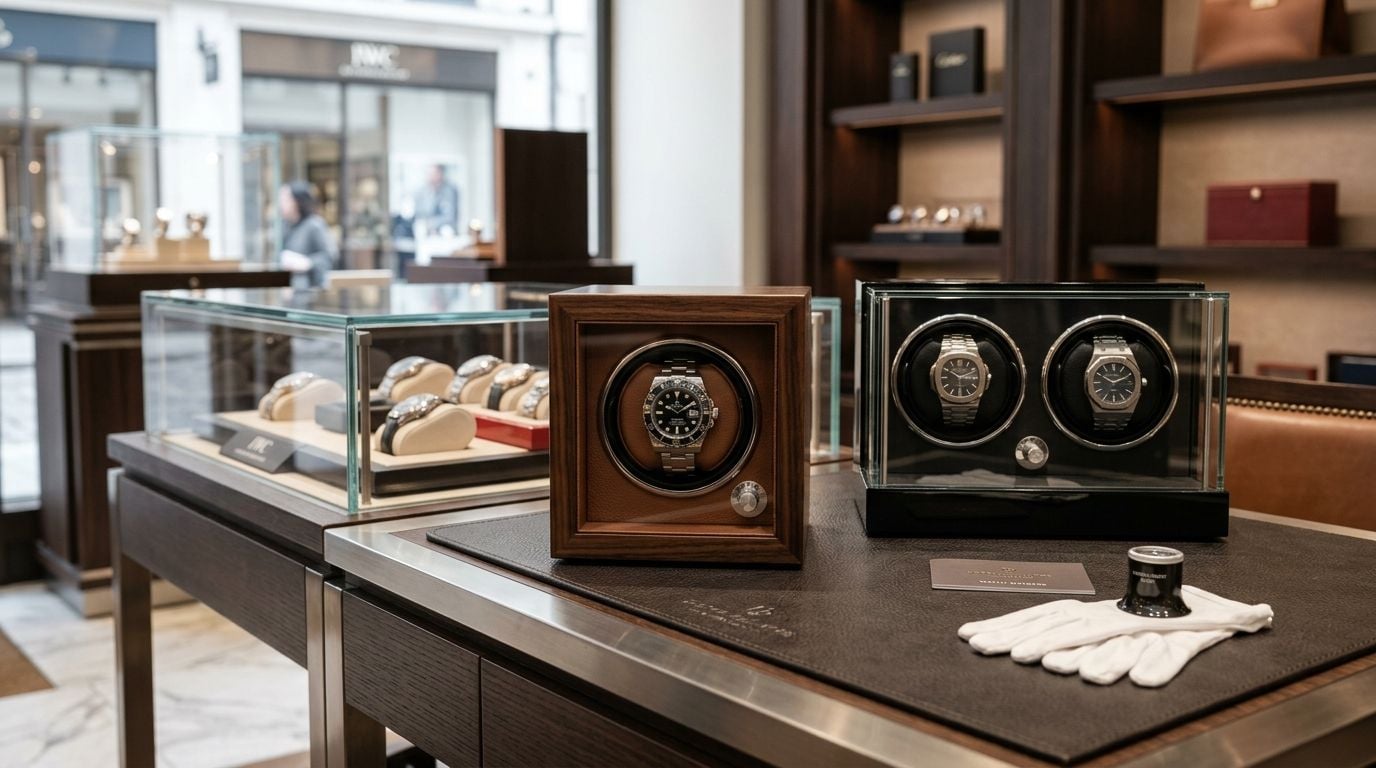
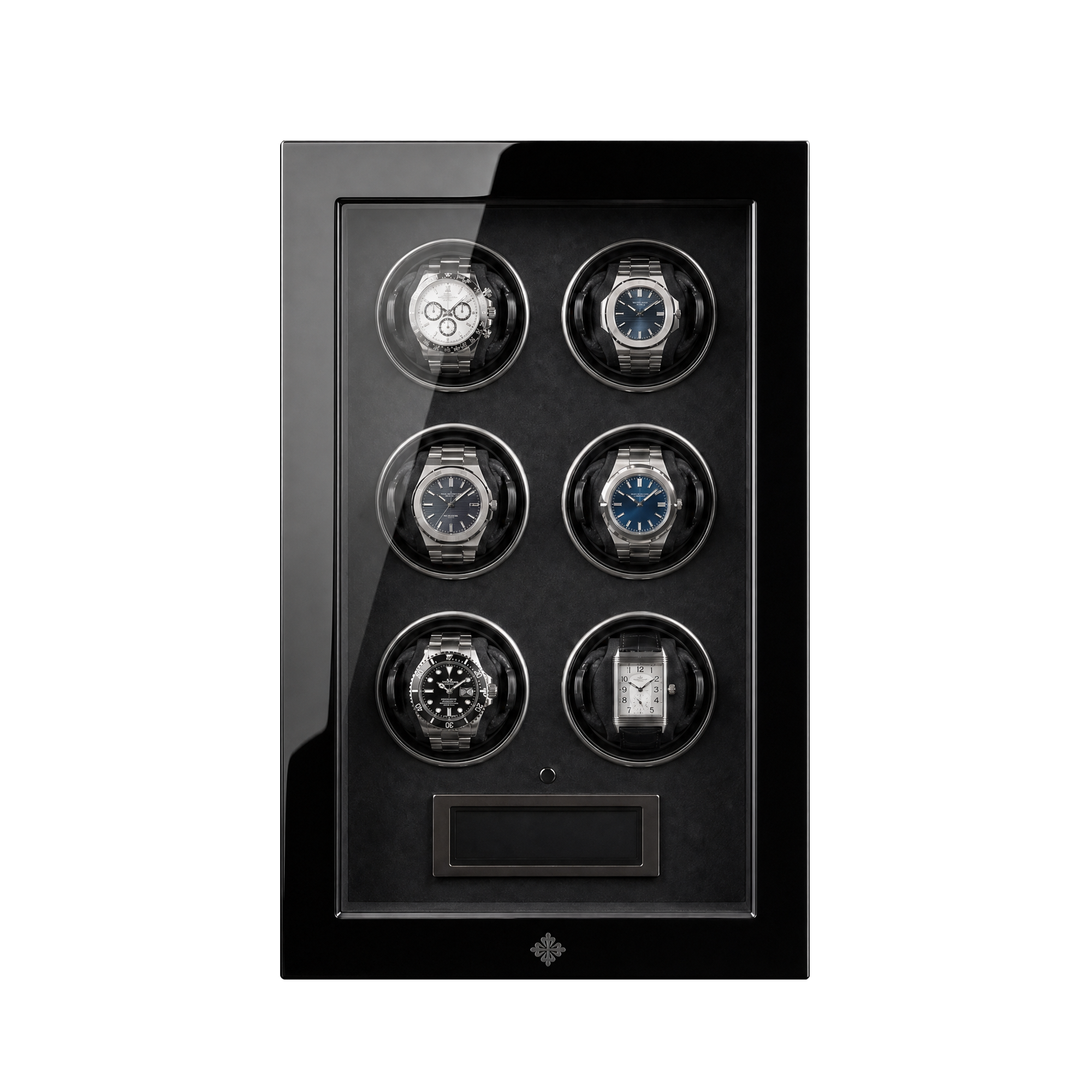
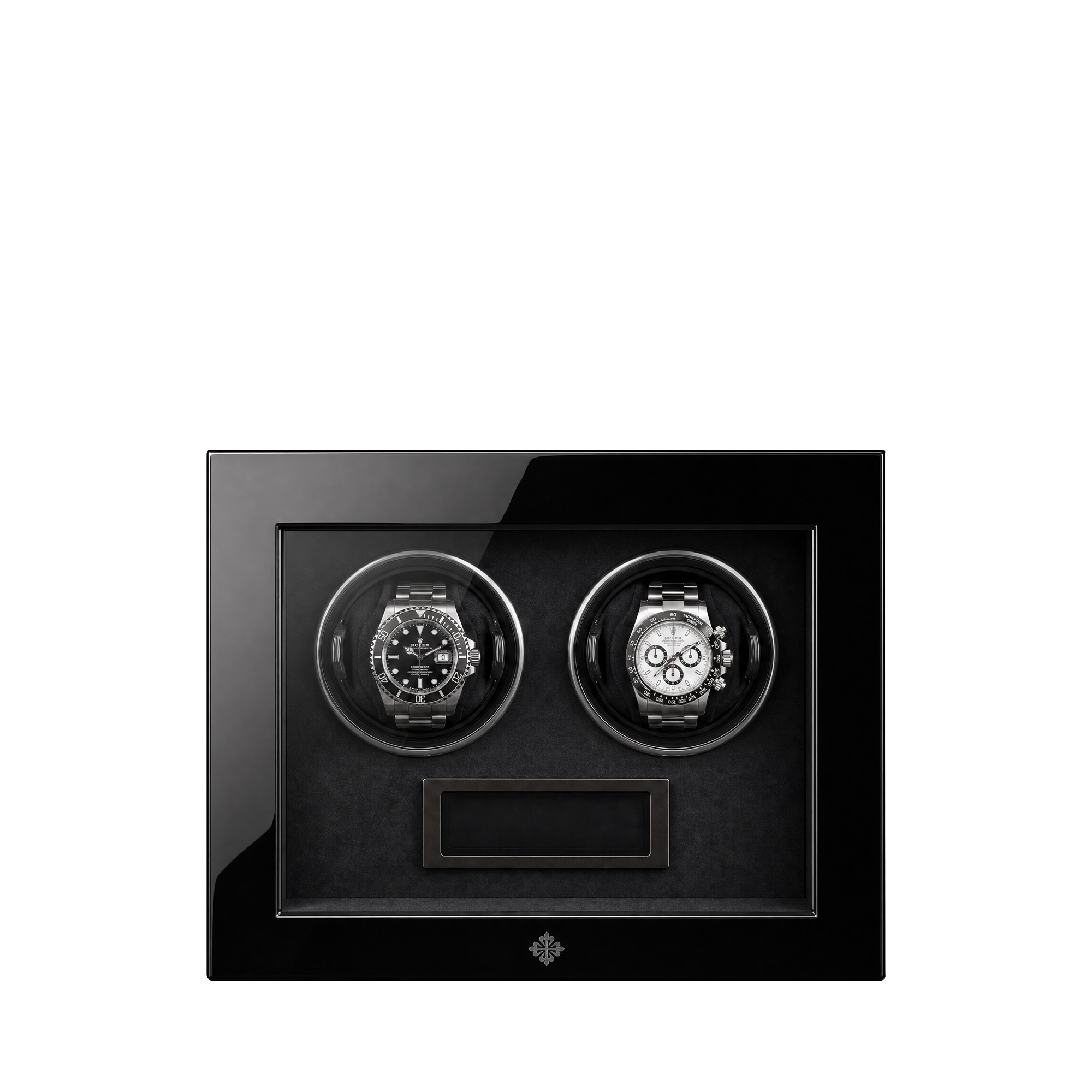
The Virtuoso winder series trades slot count for a compact footprint that fits a narrow locker shelf without crowding gear, and it runs quieter than bulkier cabinet winders — a real factor in a shared bunk room where three other crew members are trying to sleep. Buy for anyone storing two or three watches in a tight station space.
“If a safe rattles on an engine-bay shelf, it will rattle in a bedroom too.”
What to avoid
- Decorative wood-veneer safes with no fire class. They photograph well and mean nothing if a locker room takes heat or smoke exposure.
- Ultra-light travel winders as a permanent station solution. The same portability that makes them easy to pack makes them easy to shake loose on a vibrating shelf.
- Combination-only locks with no biometric or backup option. A shared four-digit code across a rotating crew schedule is a security gap, not a convenience.
Verdict comparison
| Pick | Best for | Key spec | Verdict |
|---|---|---|---|
| Apollo Watch Safe (12-slot) | Shared locker access | Biometric lock | Buy |
| Fire-rated safe body | Apparatus-bay proximity | Documented fire class | Consider |
| Veron Elite (20-watch) | Home vault, not station | 20-slot capacity | Skip for lockers |
| Virtuoso winder series | Tight bunk-room shelves | Compact footprint | Buy |
FAQ
What’s the best watch winder for a firefighter’s schedule?
A compact winder with a vibration-isolated motor, like the Virtuoso series, handles a locker shelf and a 24/48 rotation better than a bulky cabinet unit. Look for quiet operation so it doesn’t disturb a shared bunk room.
Is a fire-rated safe worth it for a station locker?
Yes, if the locker sits anywhere near an apparatus bay or charging equipment, because a documented fire class actually protects the contents during heat or smoke exposure. A decorative safe with no class number offers no real protection despite the label.
How much vibration can a watch winder handle before it’s a problem?
Sustained low-frequency vibration from engines or gear washers accelerates wear on a winder’s gear train over months, not hours. Rubber-isolated feet or relocating the unit away from the apparatus floor solves most of it.
Does station equipment near a safe affect the watch inside?
Radios and chargers generate magnetic fields that can affect an automatic movement’s accuracy over time. Keeping the safe a few feet from charging racks, or choosing a steel-bodied unit, reduces that risk.
What’s the difference between a fireproof label and a UL fire rating?
A fireproof label is a marketing claim with no third-party verification, while a UL or equivalent fire rating comes with a documented class in minutes of protection. Always ask for the class number before assuming a safe is rated at all.
Can a biometric watch safe work with gloves on?
Most fingerprint scanners on watch safes need bare skin contact to read accurately, so gloves should come off before accessing the safe. This is a minor step compared to fumbling for a key in a turnout coat pocket.
How much does a fire-rated watch safe cost in 2026?
Fire-rated safes from Enigwatch run roughly $5,000 to over $21,000 in 2026 depending on slot count, lock type, and interior finish. The fire rating and lock mechanism drive most of that range, not the exterior finish.
Should firefighters use a winder or just hand-wind between shifts?
A winder keeps a watch running and its complications set correctly across days off-shift, which matters more for a perpetual calendar than a simple three-hander. Hand-winding works fine for a basic automatic worn daily, but it’s inconvenient across a rotating schedule.
One last thing
The detail most firefighters overlook isn't price, it's placement — a fire-rated safe bolted six feet from a radio charging rack loses most of the shielding benefit its steel body was supposed to provide in 2026's tighter station layouts. Distance from equipment costs nothing and matters more than the interior finish.
Related guides
Protect Your Watch Collection
Designed for collectors who demand the best. Explore our premium watch winders and luxury safes.