
You bought yourself the watch. Now the box it sits in matters almost as much as the movement inside it — and picking a watch winder for a self-gift means solving for one piece today while leaving room for what comes next.
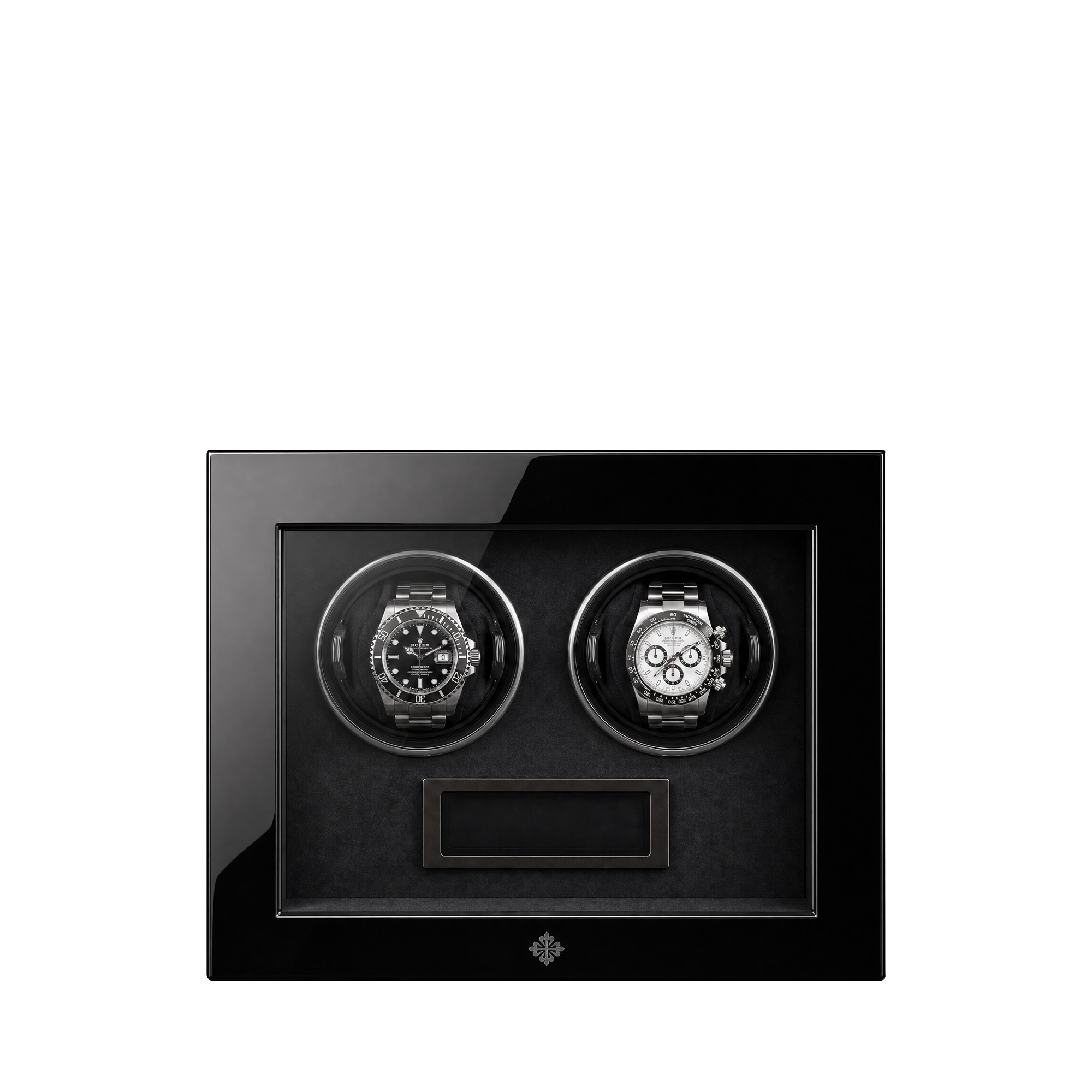
- A single watch winder for a self-gift suits one new automatic best — buy the simplest unit that matches its turns-per-day spec.
- Most automatic movements need 650 to 950 turns per day; check the published spec before setting anything.
- Skip multi-slot cabinets until the collection actually grows past one watch — you’re paying for capacity you don’t use yet.
- Japanese Mabuchi motors run quieter on a nightstand than most budget alternatives; ask about motor sourcing before buying.
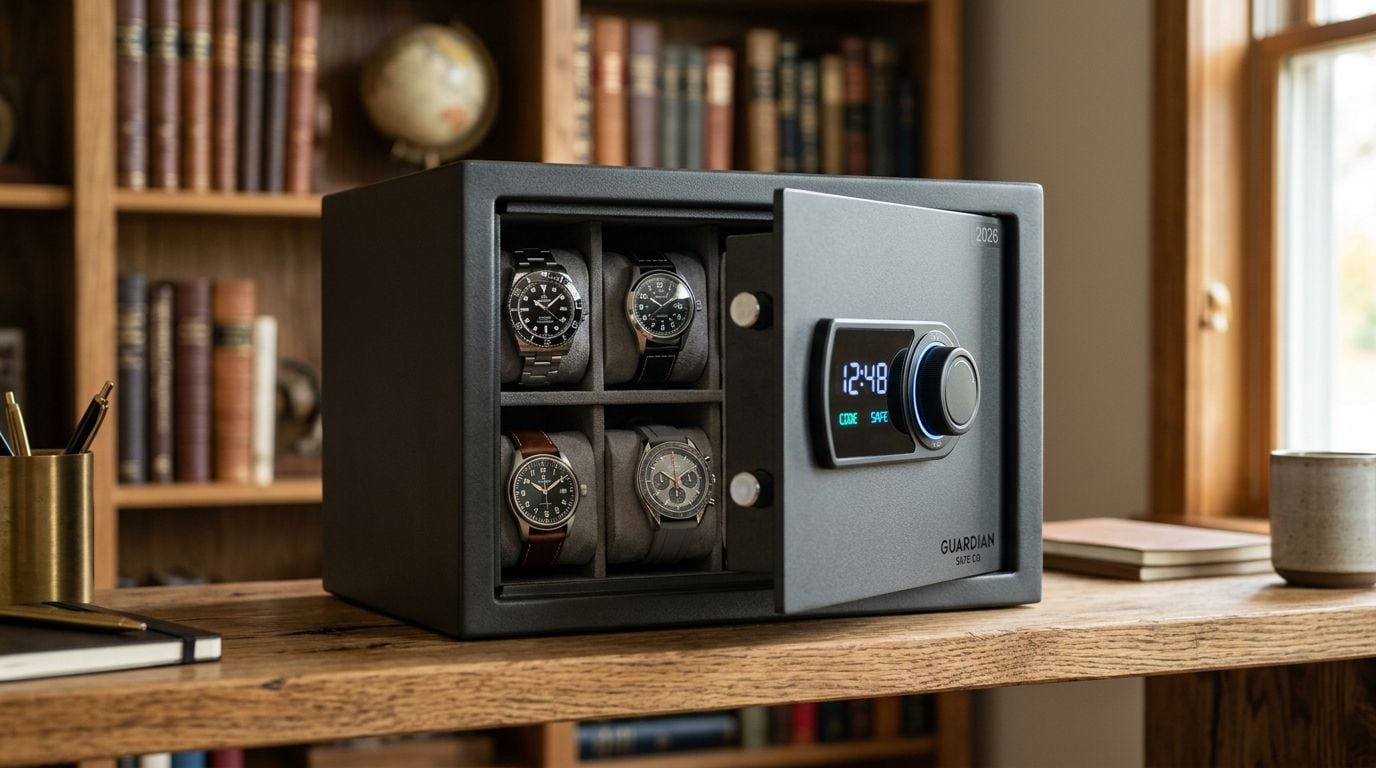
- A watch safe matters more than a winder once the watch’s value passes the $10,000 mark and security becomes the real concern.
Why This Matters
A self-purchased luxury watch doesn't come with the ceremony of a gift box handed over by someone else, so the storage decision falls entirely on you. Get the winder wrong and an automatic movement sits dead in a drawer, needing a manual reset every time you pick it up. Get it right, and the watch is on your wrist the moment you reach for it, in 2026 and every year after.
Who This Is For
This guide is for the buyer who just closed on their first serious automatic — a Rolex, an Omega, a Tudor, or similar — and wants one thing: the watch running when they want to wear it, without spending on capacity for a collection that doesn't exist yet. If you're weighing what to buy first, the reasoning in watch winder for a new collector: what to buy first covers the same decision from the collector's side of the counter.
This isn't the guide for someone managing eight pieces across three brands. That buyer needs slot count and rotation programs, not a single-watch starter case.
What to Look For in a Watch Winder for a Self-Gift
Motor Quality and Noise
A winder sits within arm's reach of your bed or desk for years, so motor noise is not a minor spec. Japanese Mabuchi motors are quieter and more consistent over long runtimes than the generic motors found in budget units, which matters when the winder runs continuously through 2026 and beyond.
Turns Per Day Matched to the Movement
Most automatic movements need between 650 and 950 turns per day (TPD) to stay wound without overwinding risk — this is standard published movement data, not a guess. A winder with fixed or poorly labeled TPD settings forces you to approximate, and approximation is how a first luxury watch ends up either underwound or grinding against its own rotor stop.
Single-Slot vs. Multi-Slot Capacity
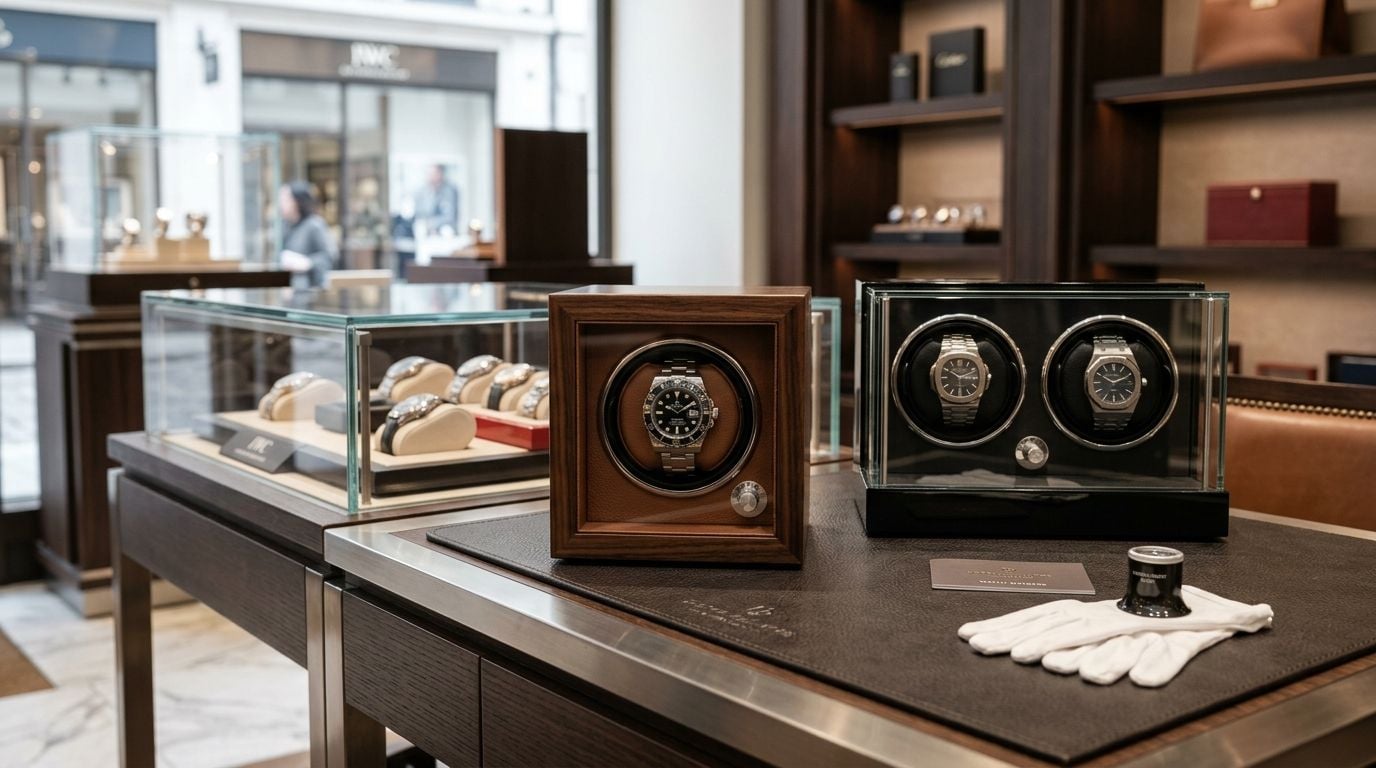
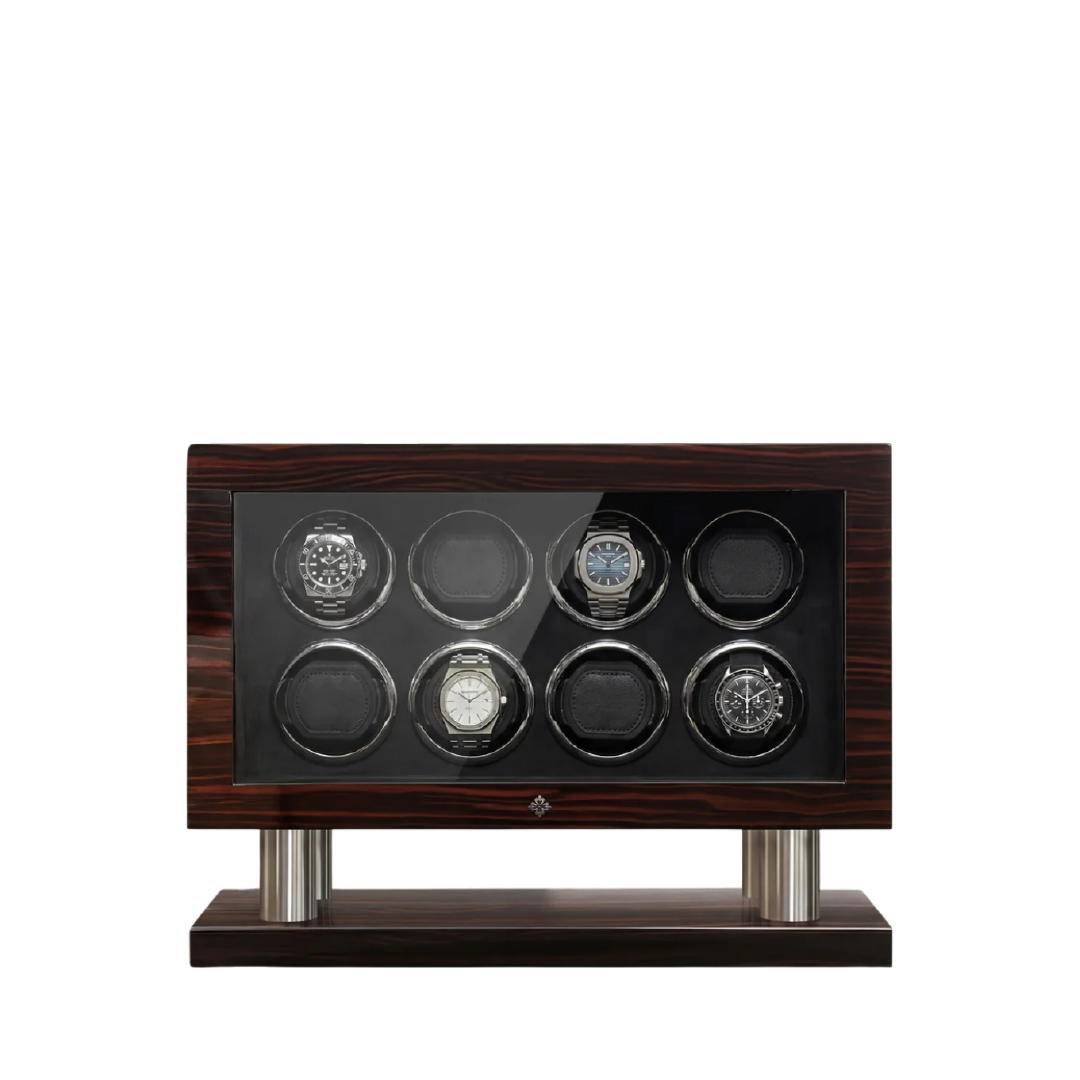
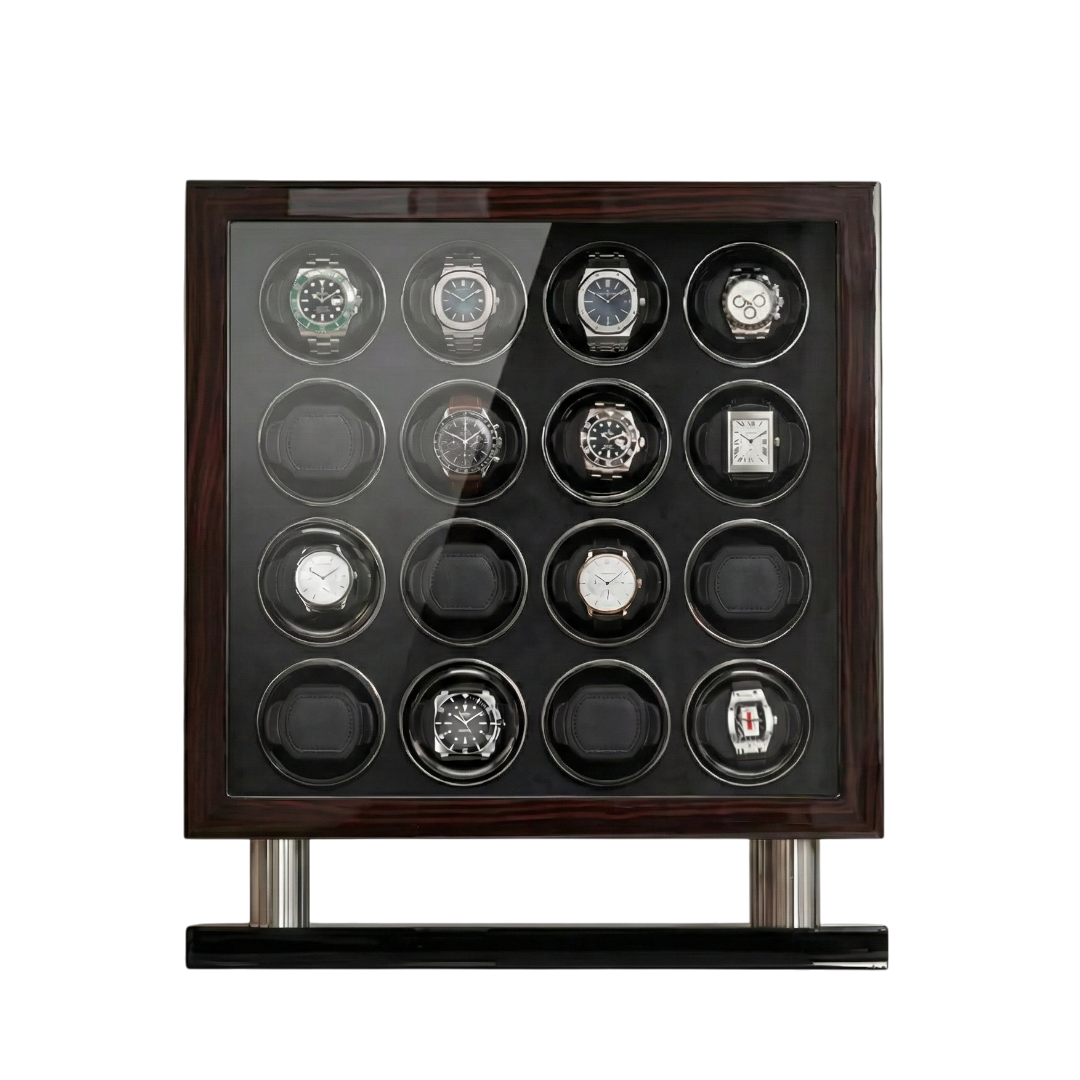
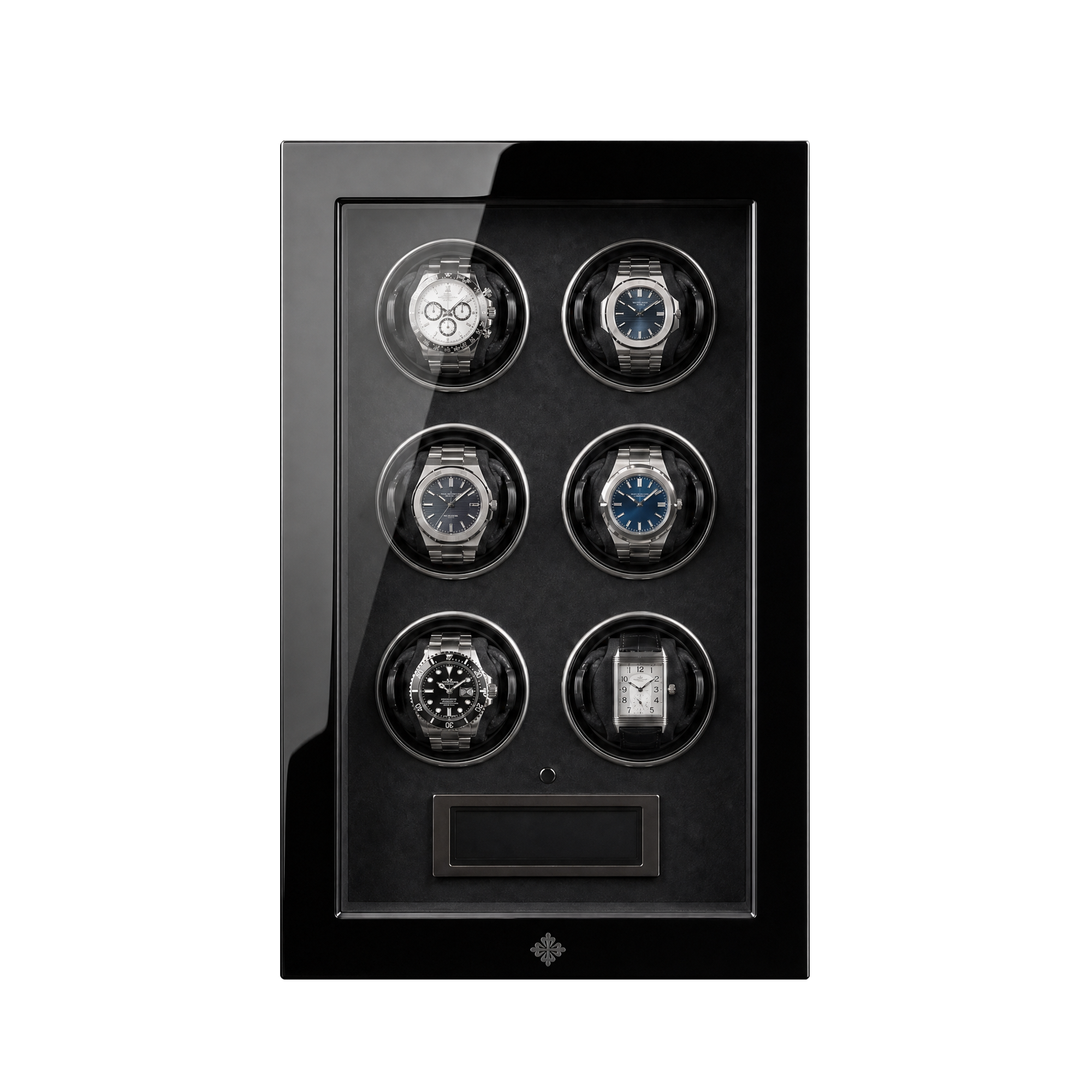
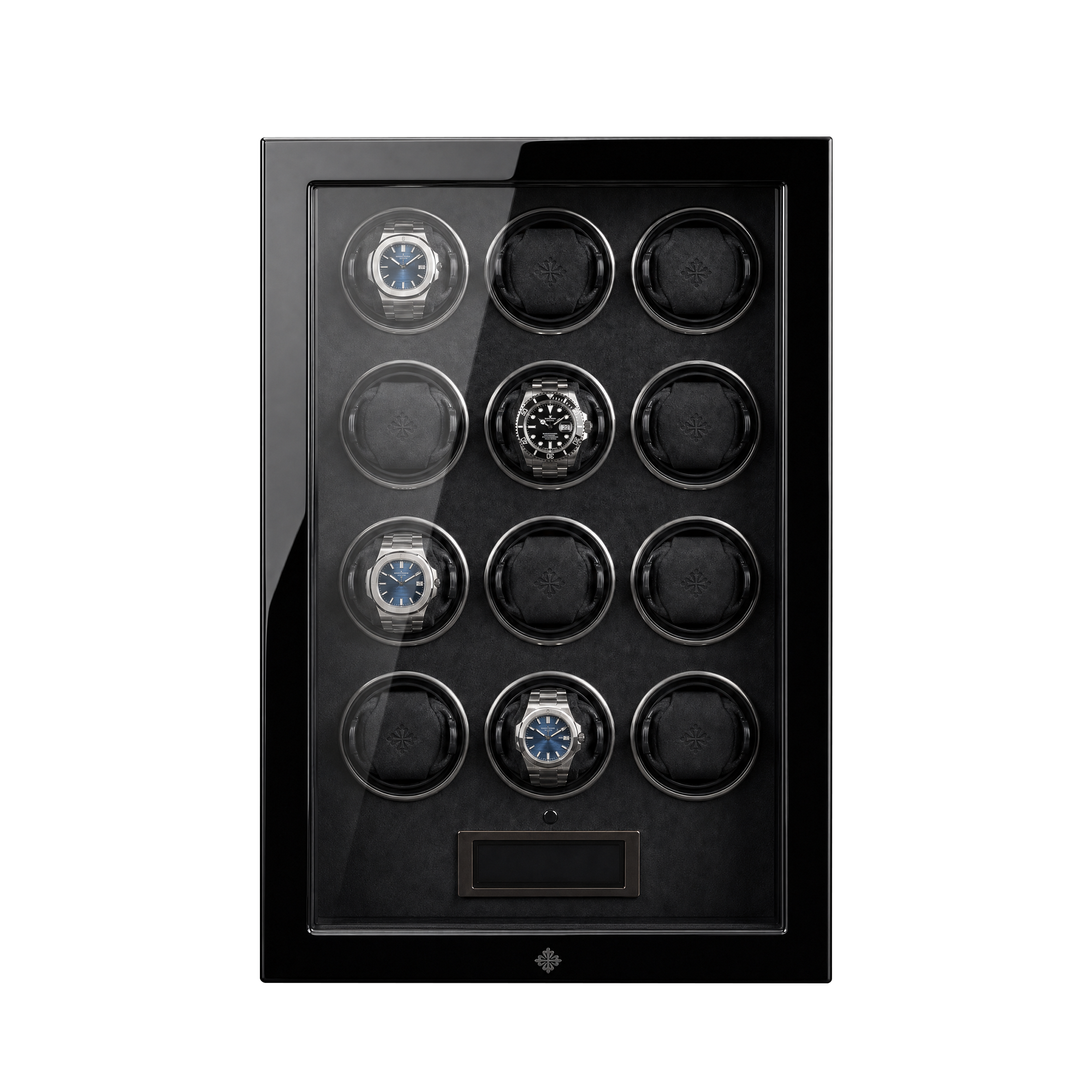
Buying six slots for one watch means paying for capacity that sits empty. A single watch winder for a self-gift keeps the spend proportional to the collection you actually have today, with the option to add a second unit later rather than a second empty slot now.
Materials That Belong in a Bedroom or Study
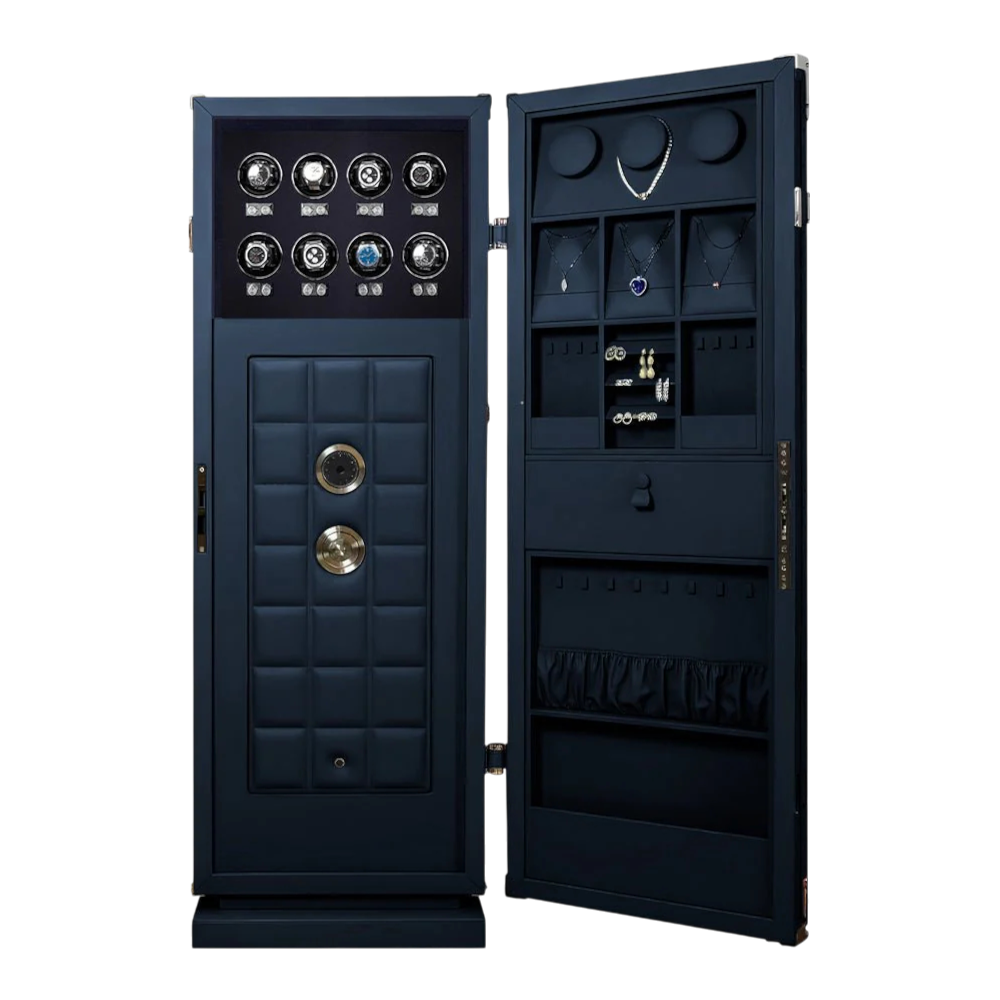
A winder that looks like a gadget doesn't belong on a nightstand next to a $10,000 watch. Alcantara and Nappa leather interiors and exotic wood veneer exteriors read as furniture, not electronics, which matters more than most first-time buyers expect until the box actually arrives.
Security, If the Watch Justifies It
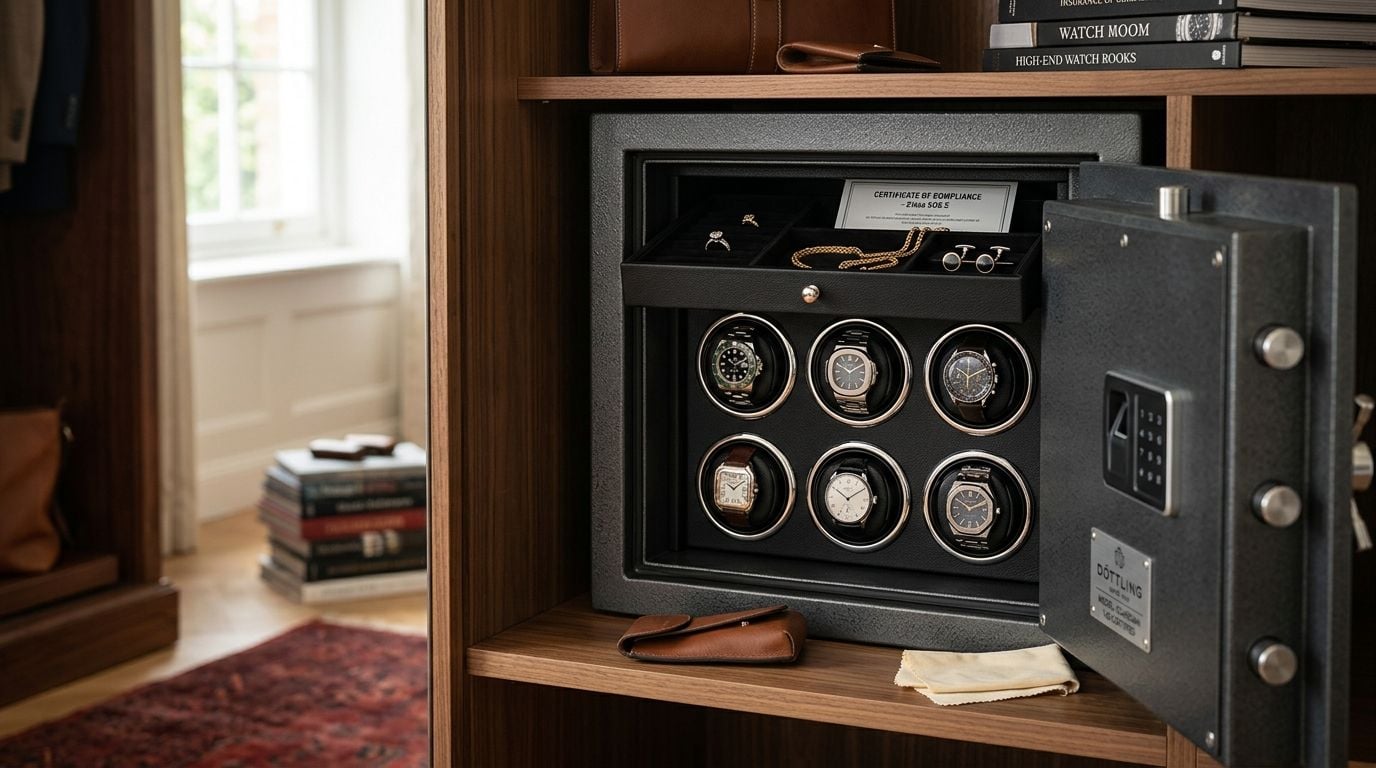
Once a watch's value climbs past the $10,000-$15,000 range, a winder alone stops being enough — a safe with a real lock becomes the more relevant purchase. Best watch safe for a first-time collector breaks down when that shift happens and what a first safe should actually include.
Warranty and Installation Support
A winder is a motor running continuously for years, so warranty terms tell you how the maker feels about their own longevity claims. A lifetime warranty backed by professional installation removes the guesswork on both the mechanical and the setup side.
Where to Start: Three Paths for a First-Time Buyer
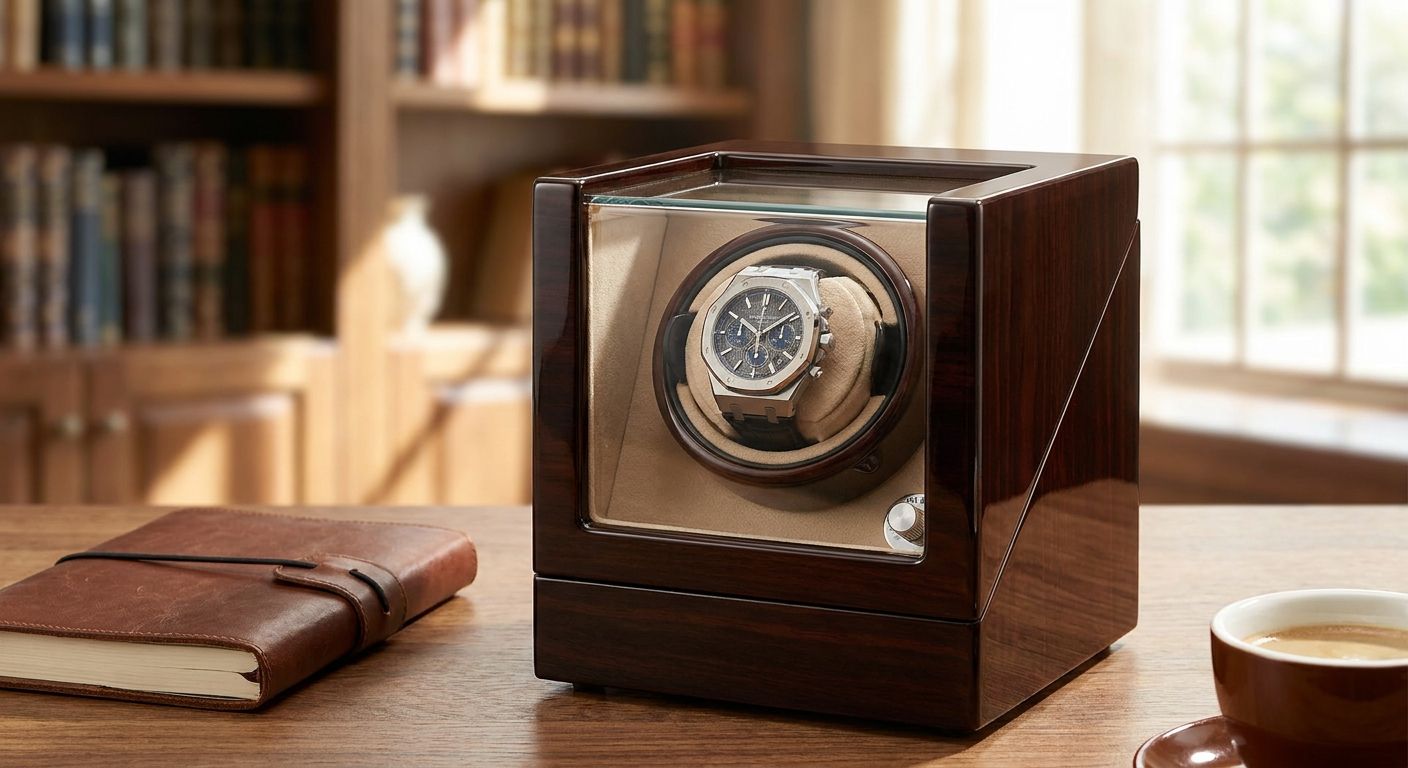
Path one: the single winder — the sensible default. One slot, one motor, TPD set to the specific movement's published spec. This is the correct answer for a solo first purchase, and the reasoning holds whether the watch is a three-hand automatic or a GMT. Detailed setup guidance lives in single watch winder for a first automatic watch. Verdict: Buy — this is the starting point for almost every solo self-gift buyer.
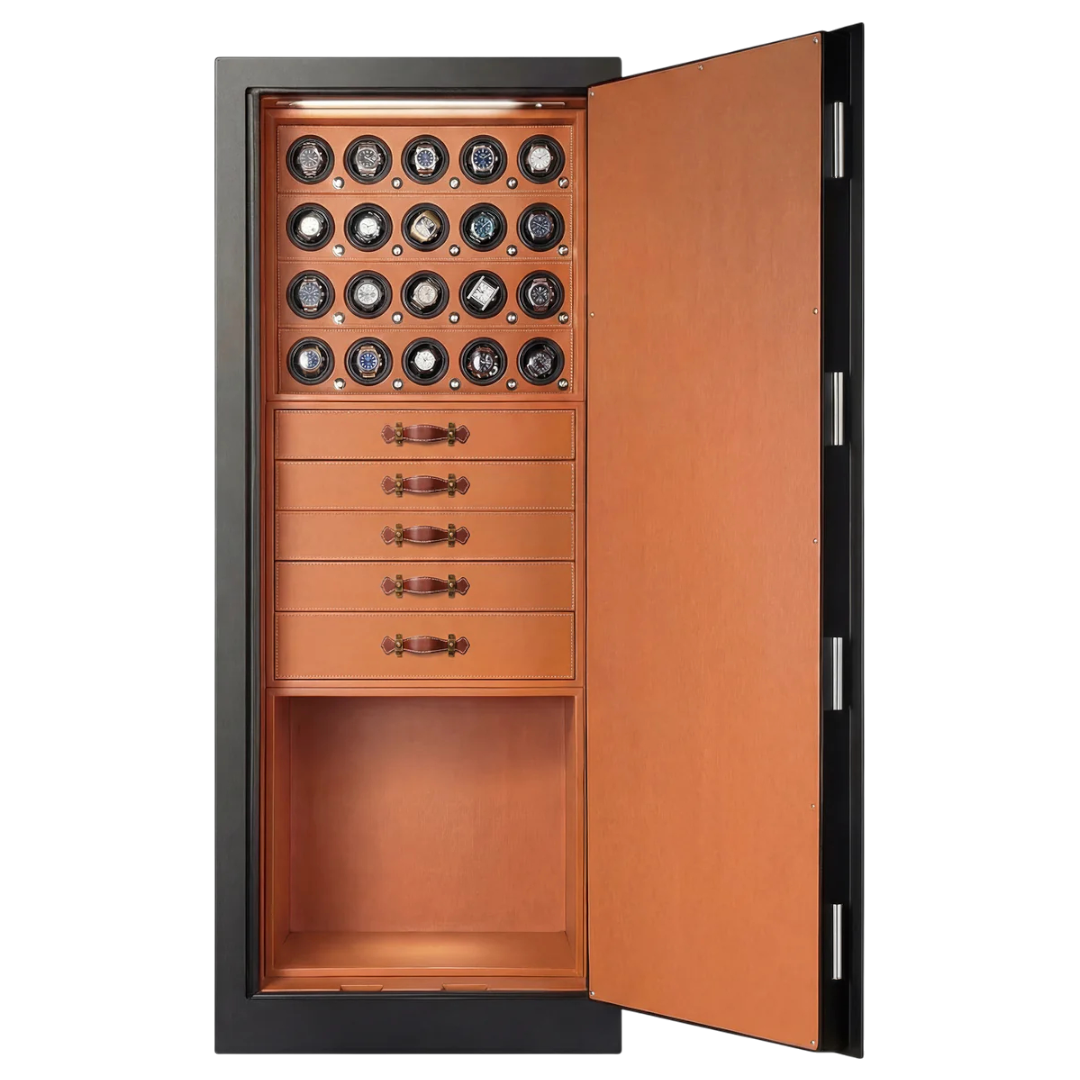
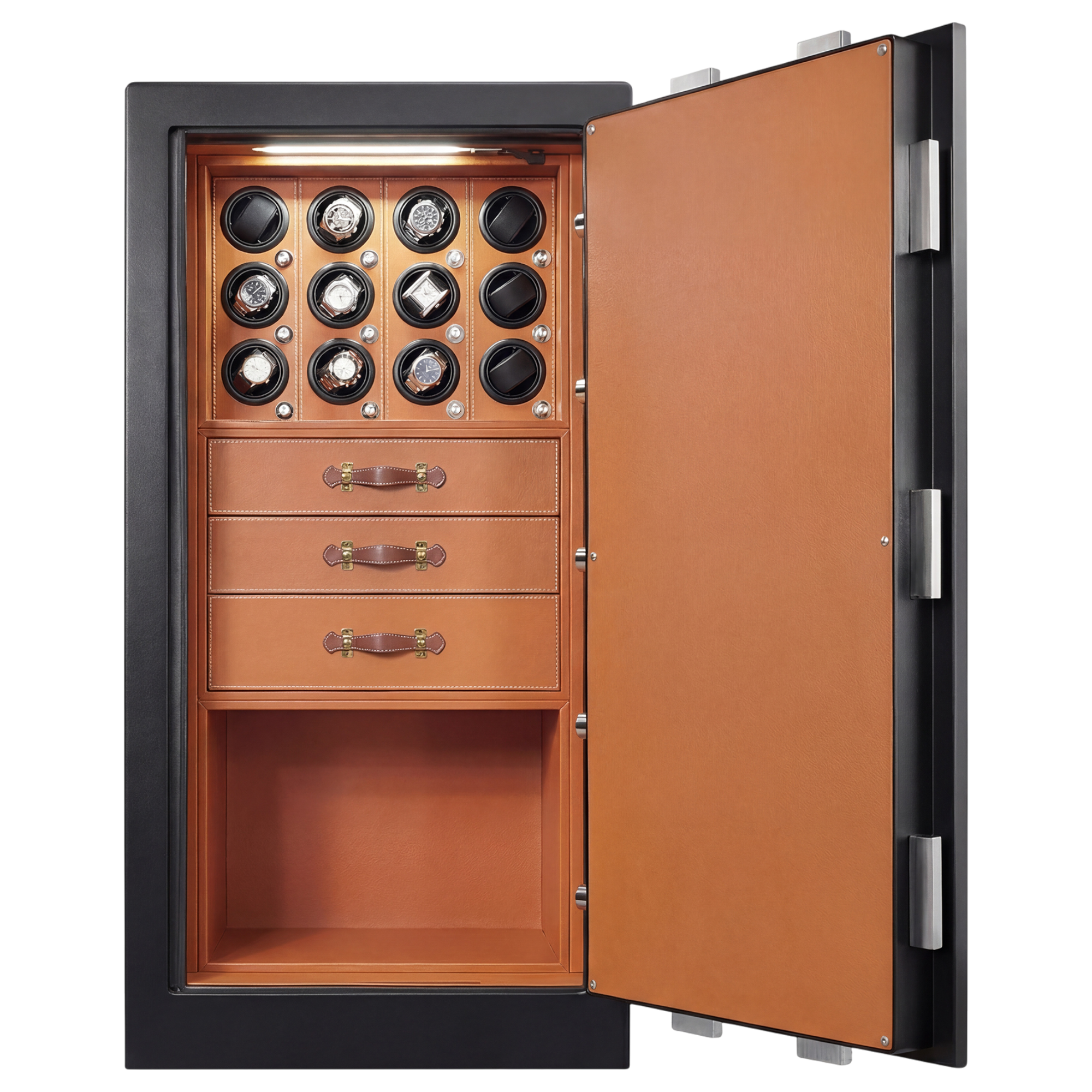
Path two: the safe-first route — when security outweighs motion. If the watch's value is the bigger concern than keeping it wound (say it's worn daily and rarely sits idle), a compact safe does more real work than a winder. Best watch safe for a first-time collector walks through sizing and lock types for exactly this scenario. Verdict: Consider — right call if daily wear means the watch is almost never actually resting.
Path three: research before you spend — the checklist route. If you're still deciding between winder types, motor specs, and TPD ranges, working through a structured checklist before buying beats guessing at a showroom counter. How to buy a watch winder: complete checklist lays out every spec worth checking before money changes hands. Verdict: Buy — the research itself costs nothing and prevents an expensive mismatch.
What to Avoid
- Generic multi-slot cabinets marketed as "starter" units. A 6-slot cabinet priced for capacity you don't need is not a starter product — it's an upsell wearing a beginner label.
- Fixed-TPD winders with no brand-specific guidance. A winder that can't be set to match your specific movement's published TPD range risks stalling the watch or leaving it slightly underwound.
- Unlabeled or unbranded motors sold on noise claims alone. "Silent" without a motor spec is marketing language, not a spec — ask what's actually driving the rotor.
“A single watch winder for a self-gift only needs to solve one problem: keep one watch running until you’re ready to wear it.”
Comparison at a Glance
| Path | Best for | Slot count | Key spec to check | Verdict |
|---|---|---|---|---|
| Single winder | Solo first-watch buyer | 1 | TPD matched to movement | Buy |
| Safe-first | High-value watch worn daily | N/A | Lock type, fire rating | Consider |
| Checklist research | Undecided buyers | N/A | Motor, materials, warranty | Buy |
Talk through the right first setup
Compare winder and safe options built for a single luxury watch.
FAQ
What’s the best watch winder for a self-gift purchase?
A single-slot winder matched to your watch’s published TPD range is the best watch winder for a self-gift in 2026. Multi-slot cabinets only make sense once the collection grows past one piece.
How many turns per day does a first automatic watch need?
Most automatic movements need 650 to 950 turns per day to stay wound without risk of overwinding. Check the specific movement’s published spec rather than using a default setting.
Is a watch safe better than a winder for a first luxury watch?
A safe matters more once the watch’s value passes roughly $10,000-$15,000 and security becomes the bigger concern than keeping it wound. For daily wearers, a safe often does more real work than a winder.
Do Japanese Mabuchi motors matter in a watch winder?
Yes — Mabuchi motors run quieter and more consistently over long runtimes than generic alternatives, which matters for a unit sitting on a nightstand for years.
How much does a luxury watch winder cost in 2026?
Luxury watch winders and safes with Alcantara interiors and biometric locking range roughly $5,000 to $21,000 and up in 2026, depending on materials and slot count.
Can a single watch winder handle a second watch later?
No — a single-slot winder only runs one movement at a time. Plan on a second unit or a multi-slot upgrade once the collection actually expands.
Does using a watch winder void the manufacturer’s warranty?
It depends on the watch brand’s own terms, not the winder. Check the watch’s warranty documentation directly before assuming either way.
What materials should a watch winder for a bedroom use?
Alcantara or Nappa leather interiors with exotic wood veneer exteriors read as furniture rather than electronics, which fits bedroom and study placement better than plastic or acrylic cases.
One Last Thing
Most first-time buyers fixate on slot count when the number that actually matters is TPD accuracy — a winder set 200 turns off the published spec does more harm over a year than no winder at all. Check the movement's real number before you check the price tag.
Related Guides
Protect Your Watch Collection
Designed for collectors who demand the best. Explore our premium watch winders and luxury safes.