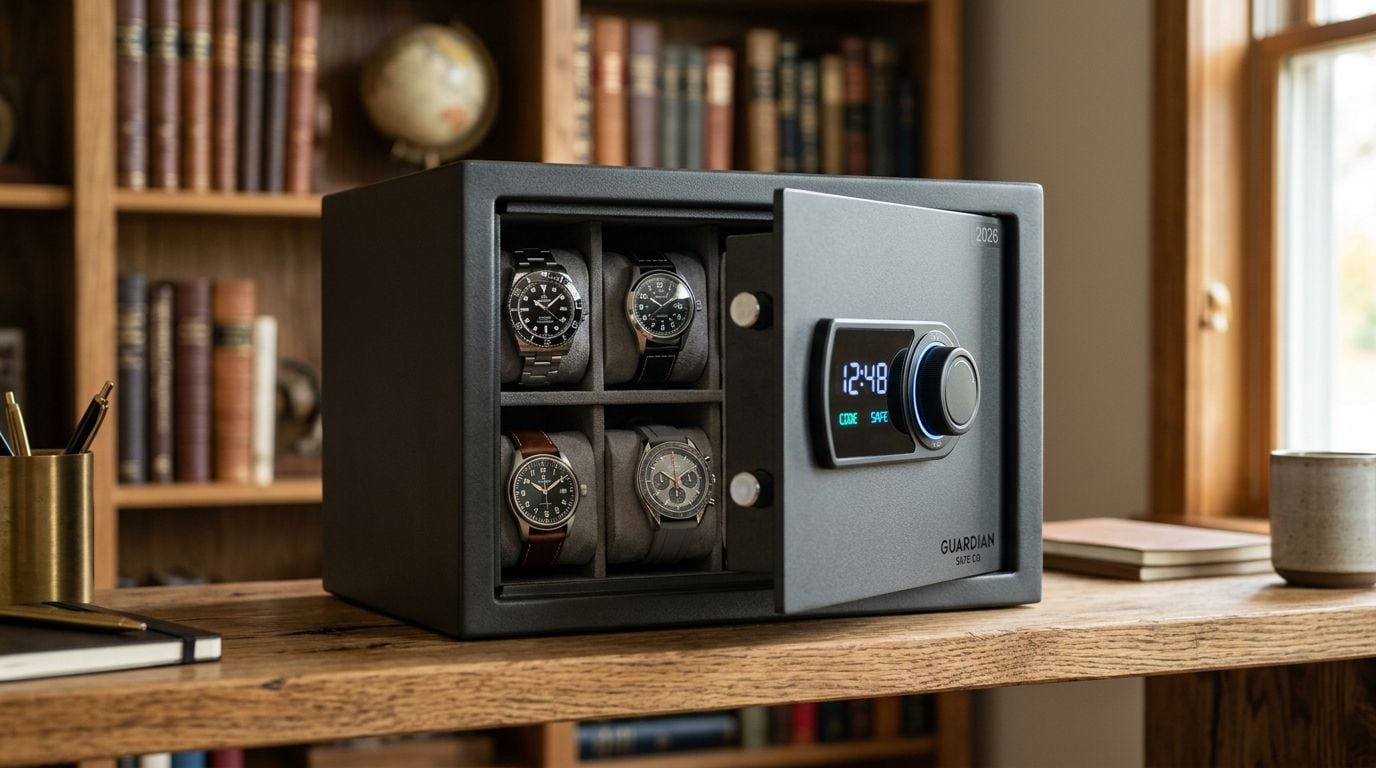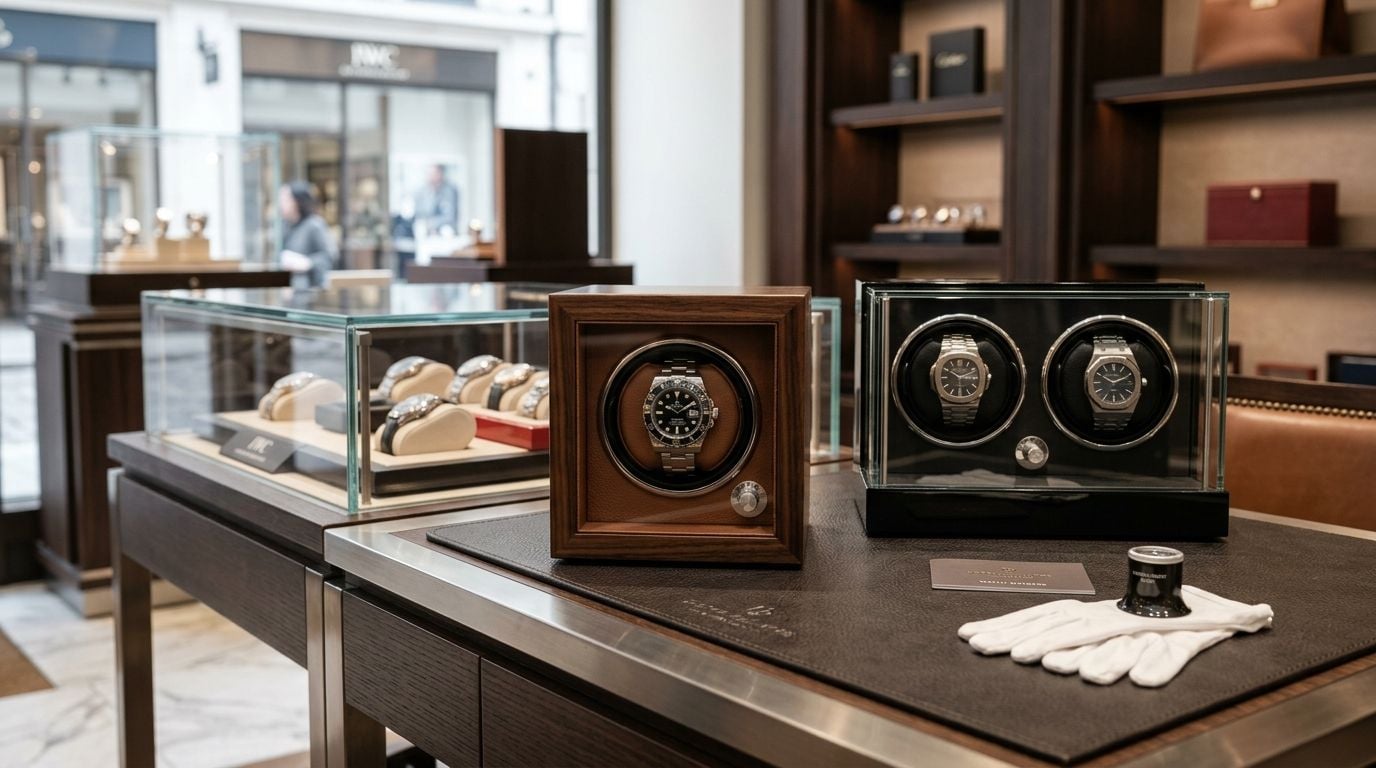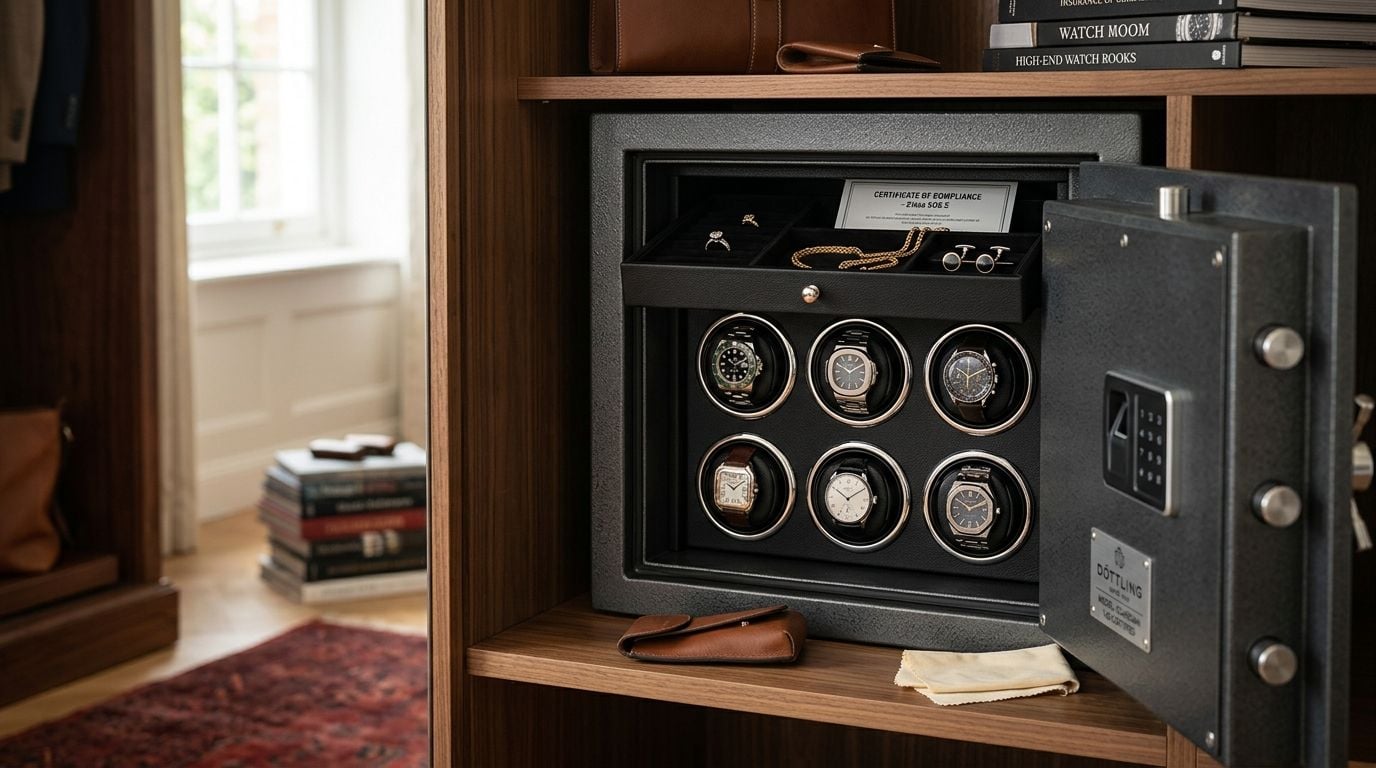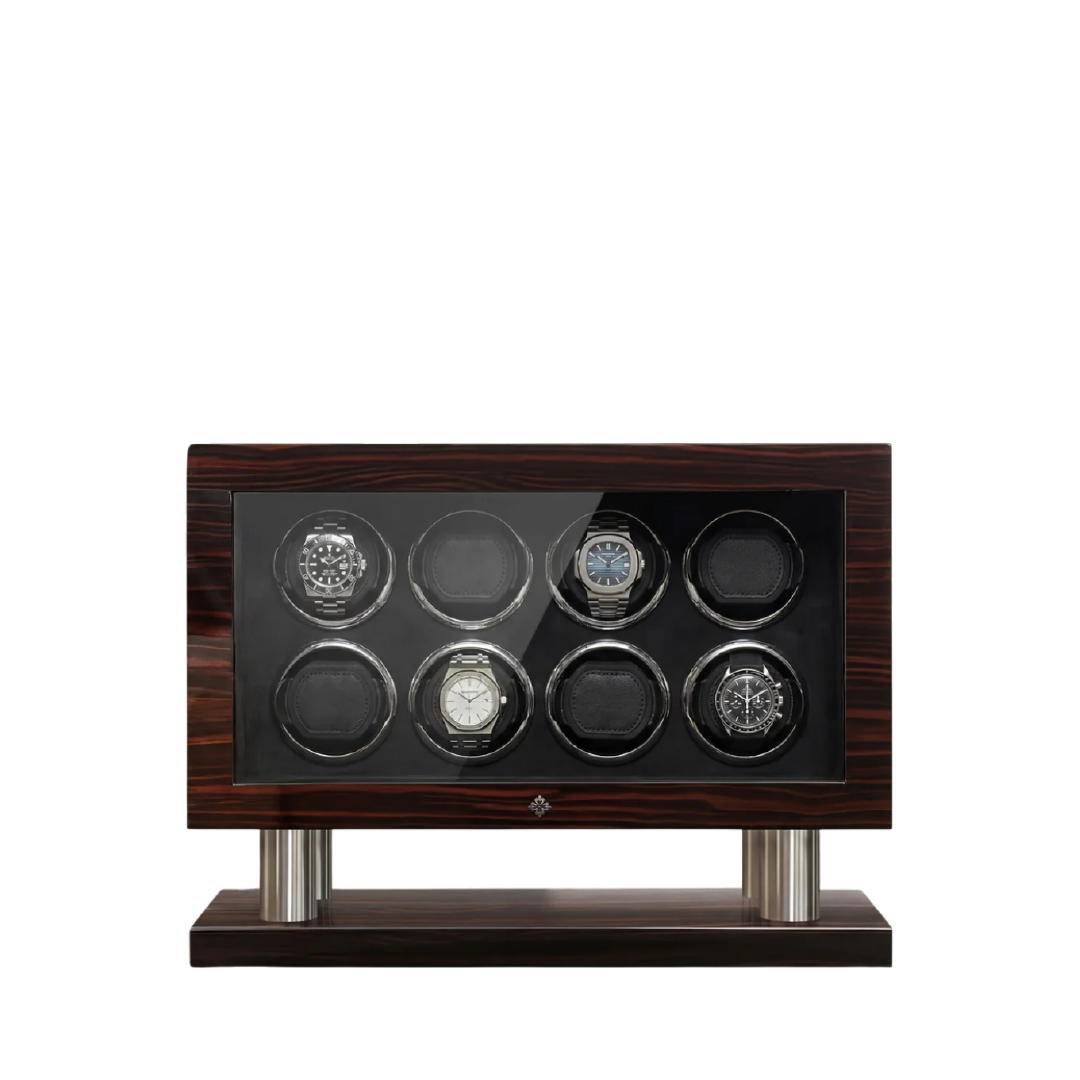

Breguet Tradition references split cleanly into hand-wound and automatic calibers, and that split decides whether a watch winder for Breguet Tradition does anything useful for your piece in 2026.
- The Tradition Fusée Tourbillon runs hand-wound — a watch winder for Breguet Tradition does nothing for it. Skip.
- Automatic references like the Tradition 7057 with the exposed micro-rotor hold accuracy on 650-750 TPD, bidirectional. Buy a single winder built for micro-rotor calibers.
- A single-slot winder covers one Tradition on rotation; a multi-slot cabinet only earns its price once a second or third automatic joins the safe.
- Japanese Mabuchi motors run low enough torque to protect the exposed rotor bridge, a detail budget winders skip entirely.
Why this matters
Breguet built the Tradition line around visible mechanics — an off-centered dial, an exposed barrel, sometimes a fusée-chain — and that design choice changes how you store the watch. A winder built for a sealed-caseback automatic can still work, but it ignores the specific torque tolerance the visible rotor bridge needs.
Get the setting wrong and the watch either stops between wears or the rotor spins longer than the movement requires, adding needless wear to the keyless works. The criteria below apply the same logic collectors use for any watch winder for Breguet automatic watches — check movement type first, TPD second, everything else after.
Who this is for
This guide is for owners of an automatic Breguet Tradition reference who wear the watch on rotation rather than daily, and for anyone about to buy a Tradition and deciding whether a winder belongs in the same order. If your reference is hand-wound, read the movement-type section below before you spend anything on a winder.
What to look for in a watch winder for Breguet Tradition
Confirm the movement type first
Not every Tradition needs winding assistance. The Tradition Fusée Tourbillon and several early manual references are hand-wound with no rotor at all — a winder sits idle on these. Automatic references, including the Tradition 7057 and the Quantieme Retrograde, do benefit from consistent motion. Check the caliber before anything else.
TPD calibration for a micro-rotor caliber
Turns per day (TPD) settings on most winders run from 600 to 1,500. Breguet's micro-rotor automatics typically sit comfortably in the 650-750 TPD range — enough to maintain power reserve without over-driving a smaller rotor mass than a full-size Rolex or Omega rotor carries. Setting TPD too high wastes motor life for zero accuracy gain.
Bidirectional rotation support
The Tradition's micro-rotor winds in both directions on the wrist, so a winder locked to one direction misses half the natural winding behavior. Bidirectional programs cycle clockwise, counterclockwise, and rest intervals, matching how the caliber actually charges on your wrist.
Motor quality and noise near the rotor bridge
The exposed architecture on a Tradition sits close to the winder's clamp and motor housing. A rough or high-torque motor risks contact with the bridge over months of rotation. Enigwatch builds its winders on Japanese Mabuchi motors specifically for this kind of low-vibration, consistent torque delivery — the same reason a watch winder for Breguet Tradition needs a quieter motor than a mass-market winder aimed at a sturdier sports automatic.
Interior material and clamp fit
A visible dial and open caseback show scuffs immediately. Alcantara or Nappa leather cushions inside the winder slot matter more here than on a closed-caseback watch, since any clamp marks or fabric residue are visible through the display back. Enigwatch fits its interiors in Italian Alcantara and Nappa leather for this reason.
Capacity planning if the collection is growing
A single Tradition needs one slot. A Tradition paired with a Marine or a Classique needs at least two, and collectors building toward a full Breguet capsule should plan for a cabinet, not another single winder purchase every time a new piece arrives.
Find the right Enigwatch winder
Match motor type, TPD range, and slot count to your Breguet collection.
Top picks by collection size
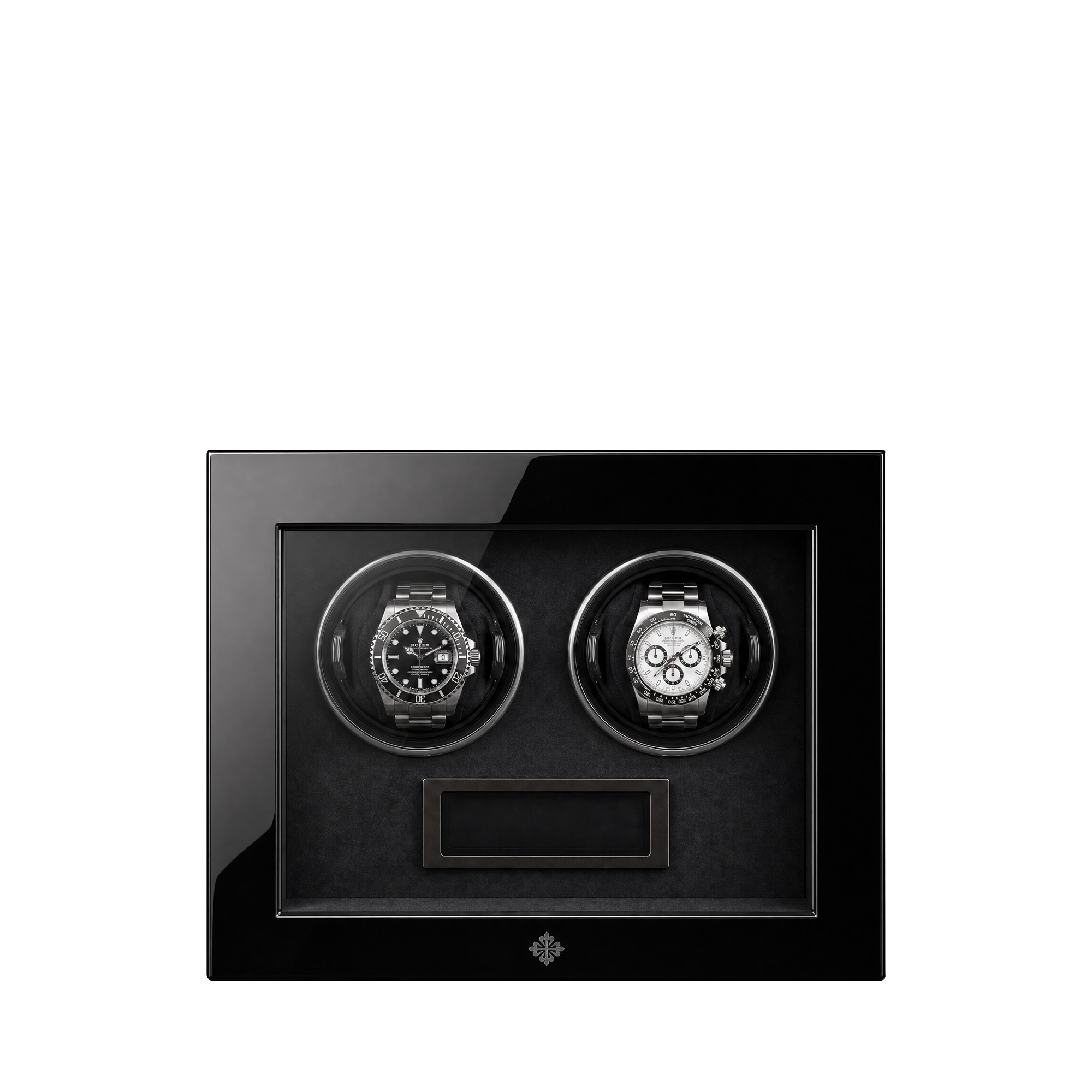
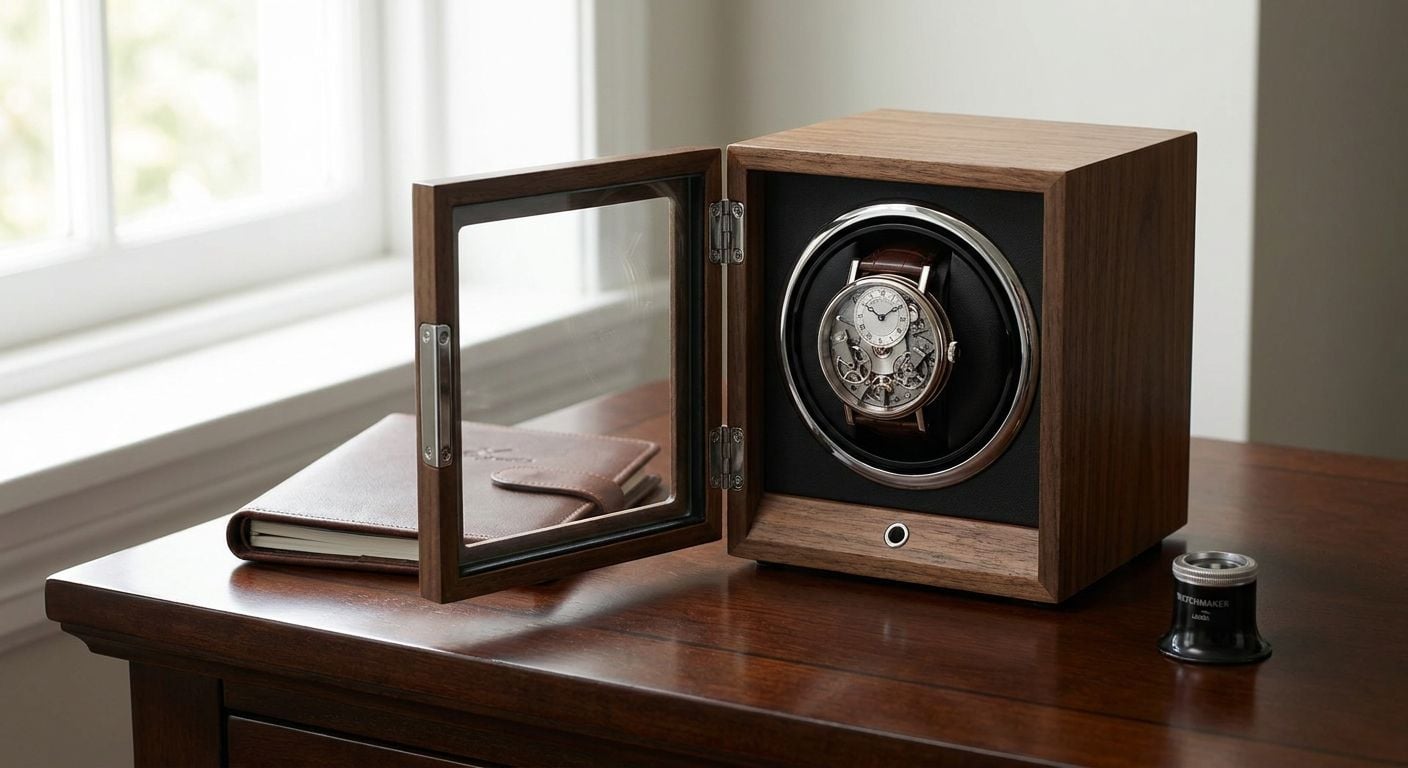
The single-watch pick. A single-slot winder set to 650-750 TPD, bidirectional, covers one automatic Tradition worn every third or fourth day. Look for a Mabuchi-motor unit with an Alcantara-lined cradle. Buy if you own one automatic Tradition and nothing else on rotation.
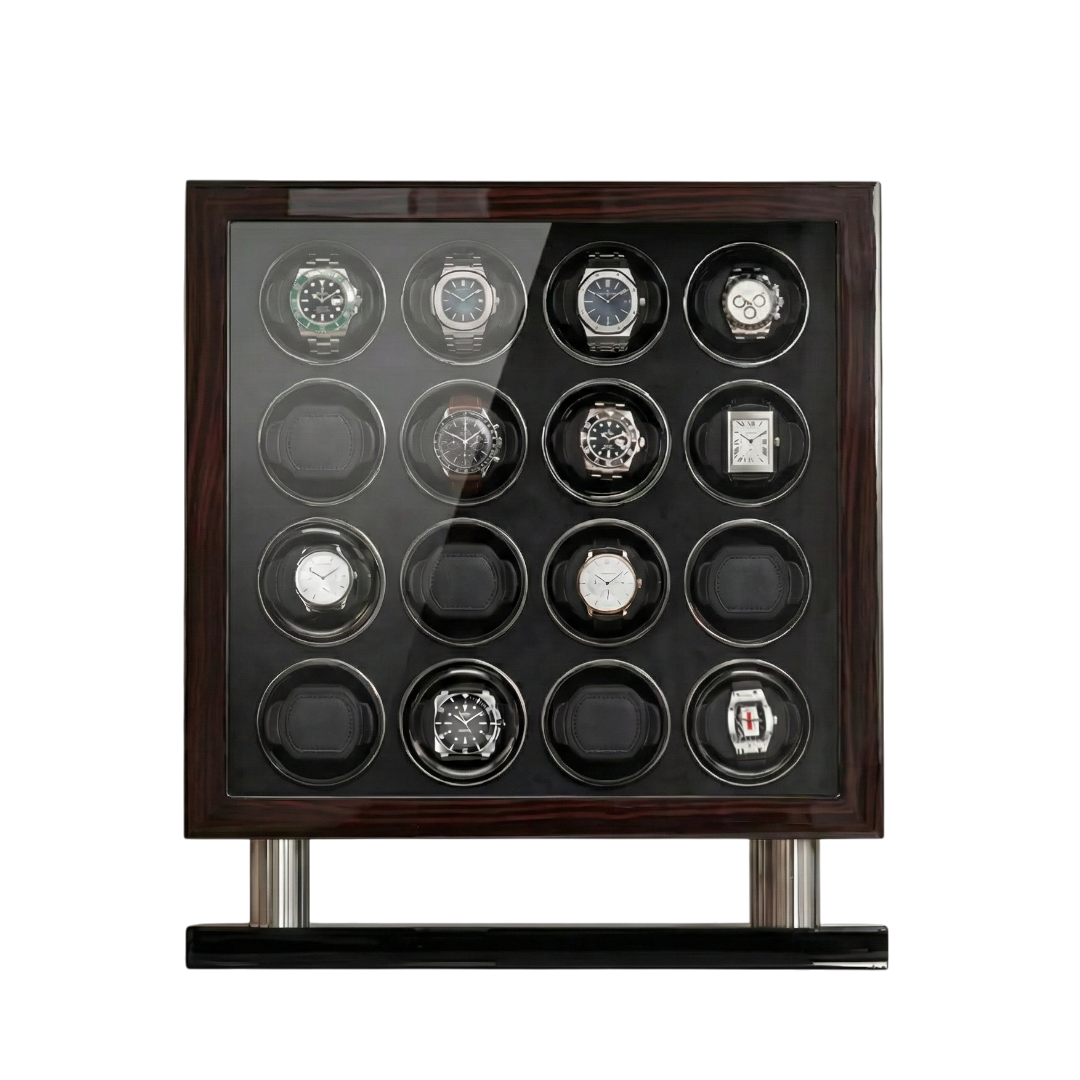
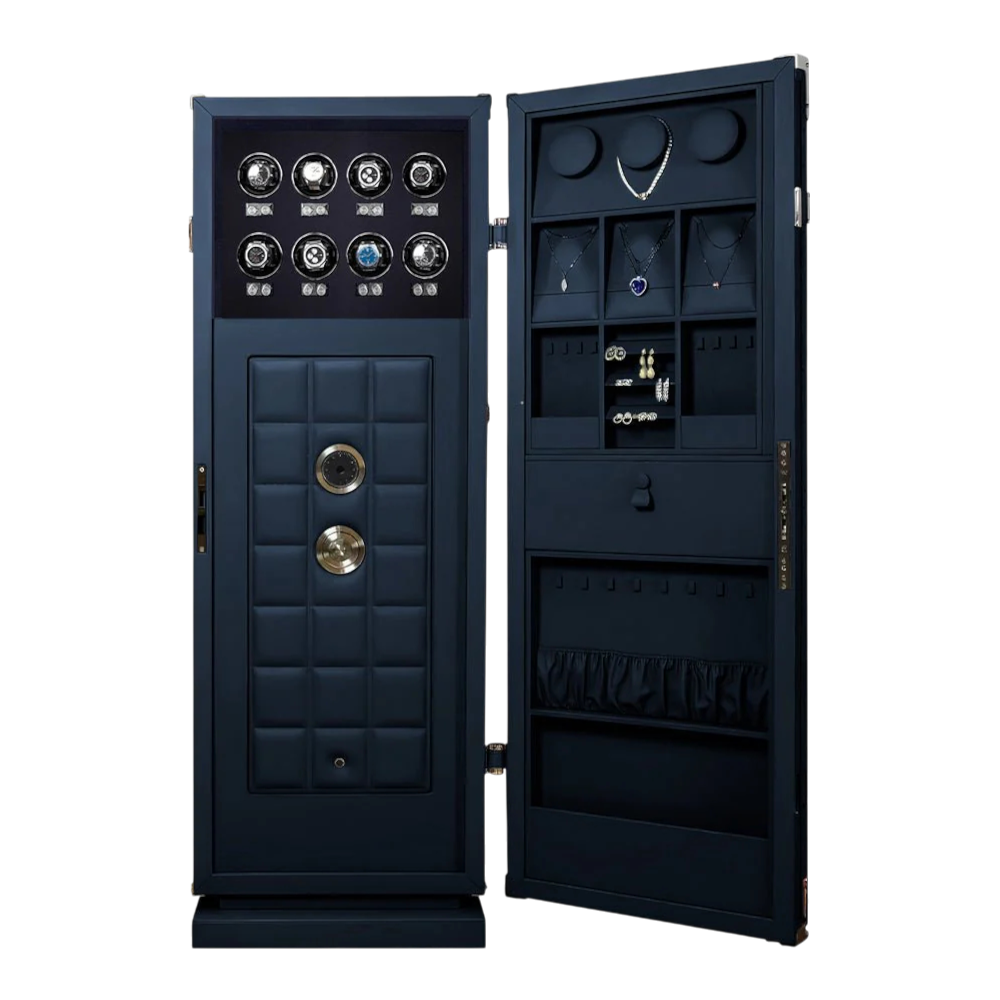
The pairing pick. Owners with a Tradition plus one more Breguet — a Marine or Classique on the same rotation schedule — outgrow a single winder fast. A 2- to 4-slot cabinet in the Impresario range covers both without daily reprogramming between pieces. Consider once a second automatic joins the safe.
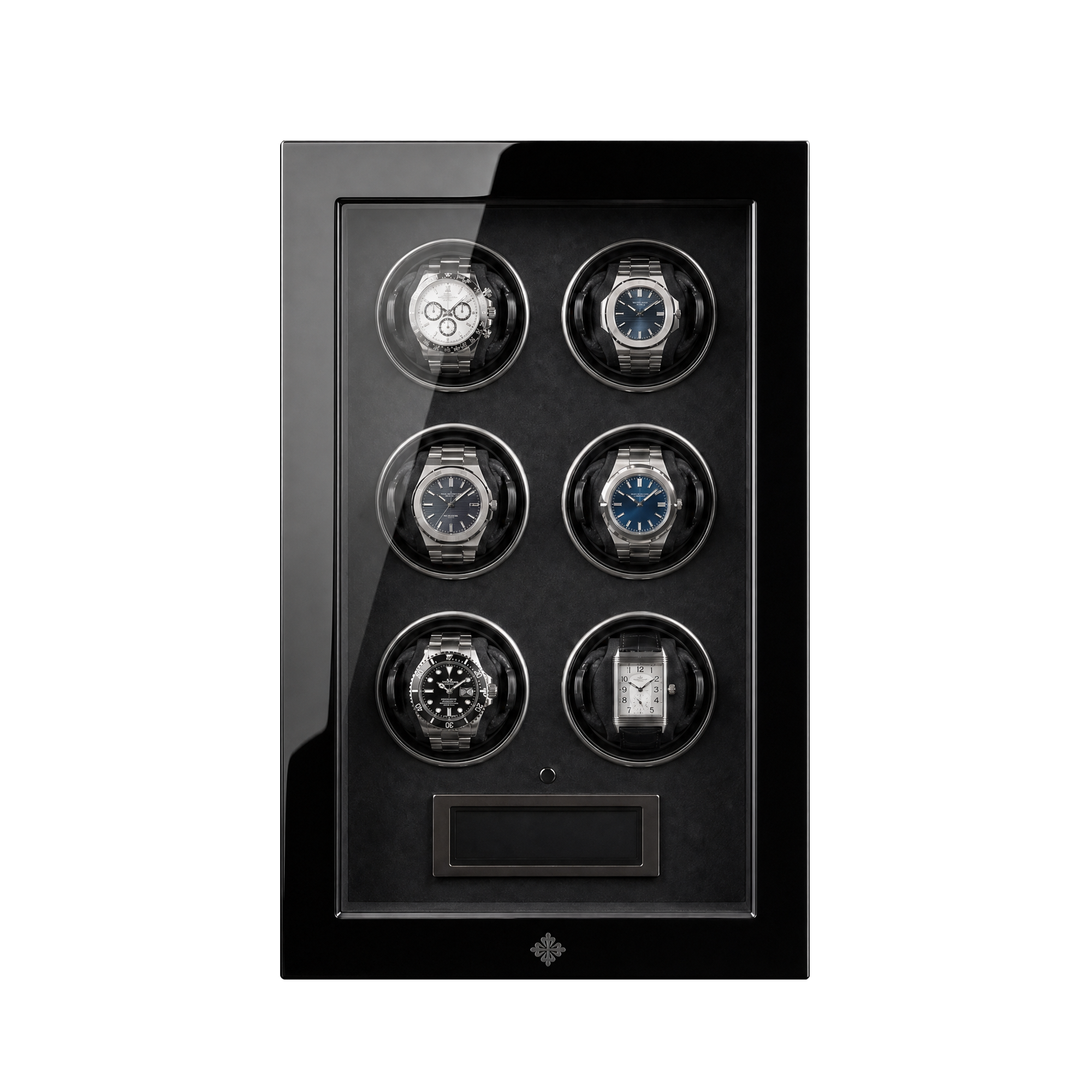
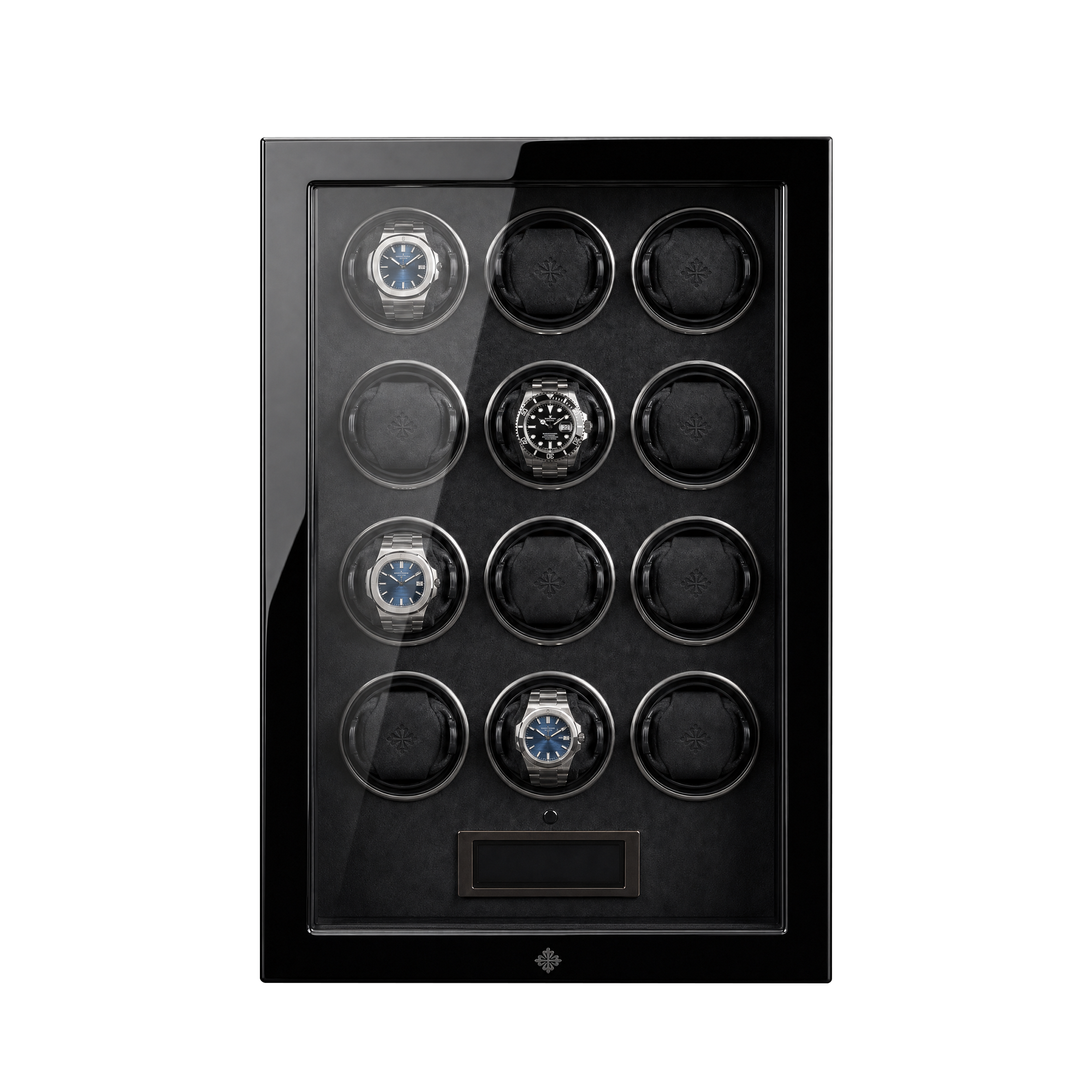
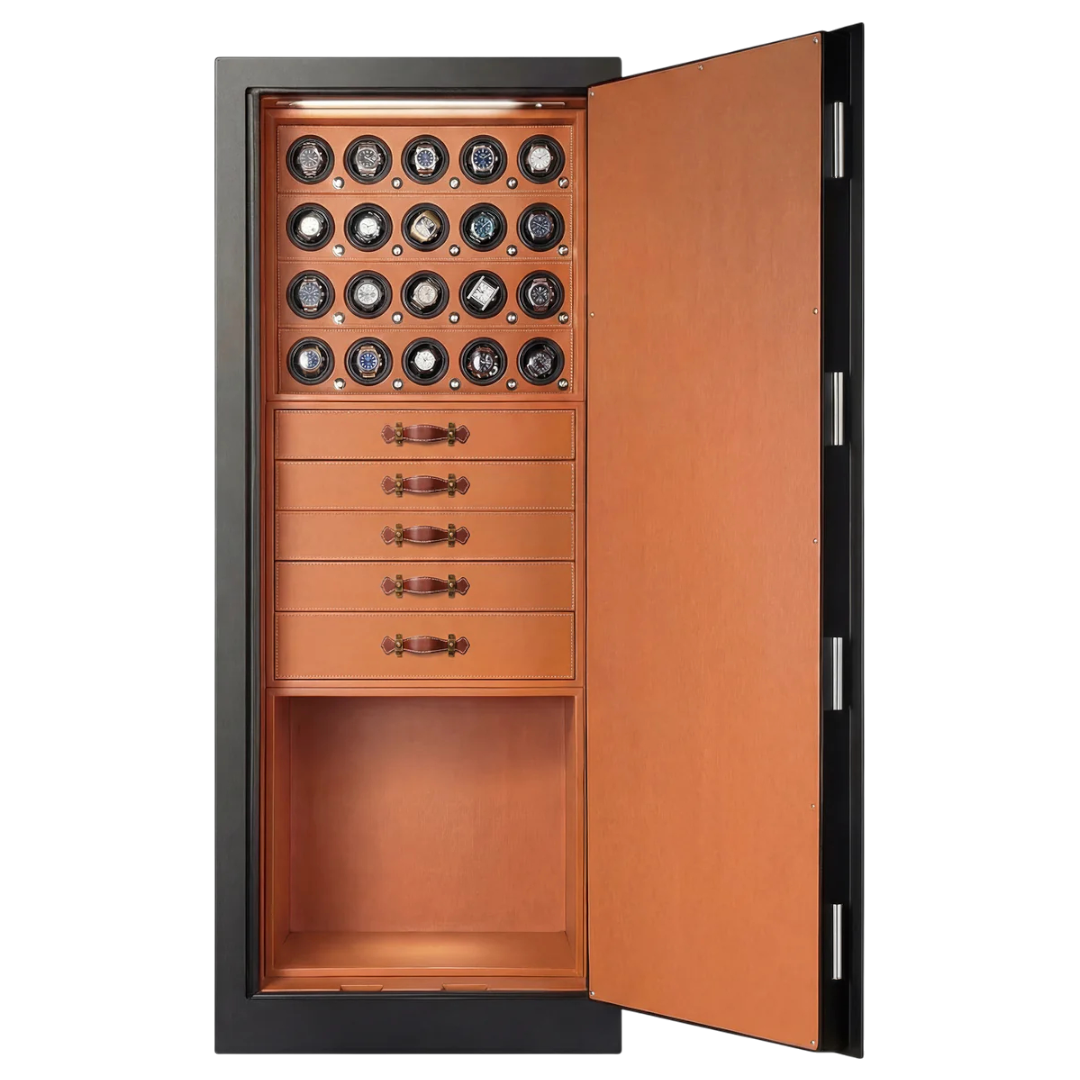
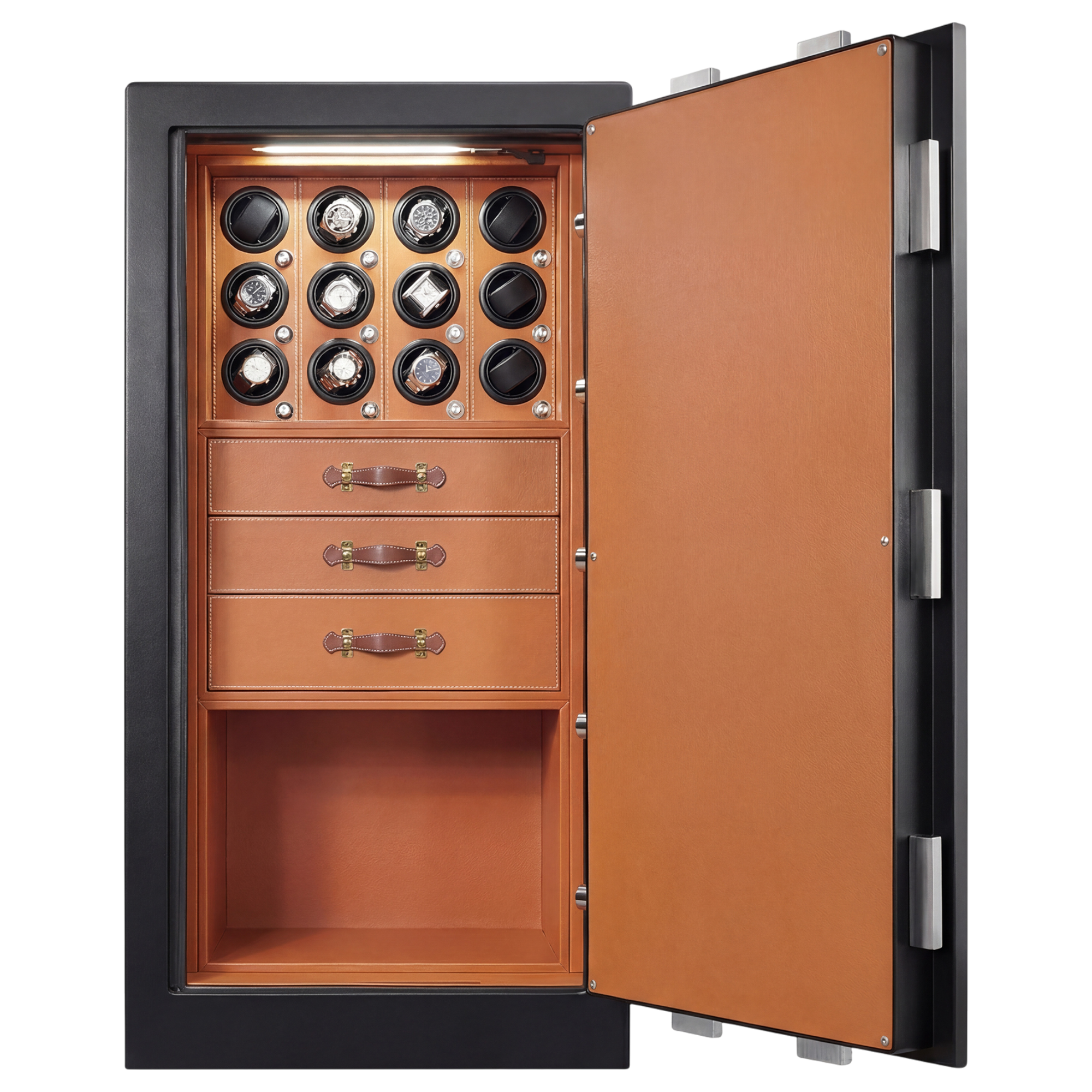
The collection pick. Collectors storing six or more automatics alongside a Tradition need independent TPD zones per slot, not one setting for the whole cabinet. A larger cabinet with biometric access and wood veneer, in the Virtuoso range, fits this use case. Consider once slot count outpaces a compact cabinet.
What to avoid
- Skip winders with fixed unidirectional programs. The Tradition's micro-rotor winds both ways naturally; a one-direction winder undercuts the design instead of supporting it.
- Skip mass-market plastic clamps near an open caseback. The clamp sits close to the exposed rotor bridge on a Tradition — a stiff plastic clamp risks contact marks that a leather-lined slot avoids.
- Skip a winder for a hand-wound Tradition reference. The Fusée Tourbillon and other manual calibers have no rotor to turn. A winder does nothing but occupy a slot.
Verdict comparison
| Tier | Best for | TPD control | Capacity | Verdict |
|---|---|---|---|---|
| Single-slot | One automatic Tradition | Fixed 650-750 TPD, bidirectional | 1 watch | Buy |
| Impresario-range cabinet | Tradition + one more automatic | Per-slot programs | 2-4 watches | Consider |
| Virtuoso-range cabinet | Full Breguet collection | Independent per-slot zones | 6+ watches | Consider |
| Fixed unidirectional winder | Nobody with a Tradition | One direction only | Varies | Skip |
FAQ
Does every Breguet Tradition need a watch winder?
No. The Tradition Fusée Tourbillon and other hand-wound references have no rotor, so a winder does nothing for them in 2026. Only the automatic references, like the Tradition 7057, benefit.
What TPD should a watch winder for Breguet Tradition use?
650 to 750 TPD, bidirectional, suits the micro-rotor automatics in the Tradition line. Going higher wastes motor cycles without improving power reserve.
Does the Breguet Tradition need bidirectional winding?
Yes. The micro-rotor winds in both directions on the wrist, so a unidirectional winder only replicates half its natural charging behavior.
How much does a luxury watch winder for a Breguet cost in 2026?
Enigwatch’s winders and cabinets run from roughly $5,000 to over $21,000 depending on slot count, lock type, and interior finish. Single-slot units sit at the lower end of that range.
Can a watch winder damage an exposed rotor bridge?
A rough or high-torque motor can, over months of contact, mark the bridge on an open-caseback design. Motors built for lower, consistent torque, like Japanese Mabuchi motors, reduce that risk.
Is a multi-slot cabinet worth it for one Tradition watch?
Not yet. A single-slot winder covers one automatic Tradition; a cabinet only earns its cost once a second or third automatic joins the rotation.
Do Alcantara or leather interiors matter for a Breguet Tradition?
More than usual. The visible dial and open caseback show clamp marks and fabric residue immediately, so a cushioned Alcantara or Nappa leather slot protects the finish better than a bare plastic cradle.
One last thing
Check the caliber reference before buying anything. Collectors regularly buy a winder for a Tradition Fusée Tourbillon assuming every Breguet automatic-looking watch needs one — it's a hand-wound movement with a visible fusée-chain, and a winder sits on the shelf next to it doing nothing in 2026.
Related guides
Protect Your Watch Collection
Designed for collectors who demand the best. Explore our premium watch winders and luxury safes.