
Enigwatch collectors ask the same question about the Omega Seamaster Diver 300M: what turns-per-day setting keeps the Co-Axial Master Chronometer movement running without stressing the mainspring, and which winder actually delivers it.
- A watch winder for the Omega Seamaster Diver 300M needs 650-900 TPD with bidirectional rotation to match the caliber 8800/8804 movement.
- Unidirectional winders under 600 TPD stall the Seamaster’s amplitude — skip them.
- A single-slot Japanese Mabuchi motor winder is the right buy for one 300M; multi-slot cabinets make sense once a second Omega diver joins the collection.
- Price for a properly built winder in this category runs from roughly $5,000 to over $21,000 in 2026 depending on materials and slot count.
Why this matters
The Seamaster Diver 300M ships with Omega's Co-Axial Master Chronometer caliber, either the 8800 or the date-equipped 8804, both rated for a 55-hour power reserve and both winding in both directions off a free-sprung balance. Feed that rotor the wrong TPD and you either under-wind the mainspring between wearings or run the movement harder than it needs. The Omega TPD reference for this caliber family puts the sweet spot at 650 to 900 turns per day, and getting that number wrong is the single most common mistake collectors make when they buy their first winder for this watch.
2026 has been a strong year for the Seamaster 300M on the secondary market, and more of these watches are landing in home safes than on wrists day to day. That shift is exactly why the TPD question keeps coming up.
Who this is for
This guide is for an owner of one or more Omega Seamaster Diver 300M references — the 210.30.42.20.01.001 stainless case, the Bond-dial variants, or the newer 300M models with the Master Chronometer update — who wants the watch running and accurate the moment it comes off the winder, not three days later after a manual reset.
What to look for in a winder for this watch
TPD range and precision
The Seamaster 300M's caliber 8800/8804 tolerates a narrower band than older Omega automatics. A winder that only offers fixed presets at 650 or 900 forces you to round; one with adjustable increments between those numbers lets you dial in closer to the 800 TPD mark most collectors settle on for daily standby.
Bidirectional rotation
Omega's Co-Axial movements wind in both directions through the free-sprung balance and barrel, so a unidirectional-only winder leaves half the rotor's work undone. Confirm the winder direction settings support clockwise, counterclockwise, and alternating cycles before you buy.
Motor quality
A cheap stepper motor whines audibly and drifts off its programmed TPD within a year of daily use. Japanese Mabuchi motors versus lower-grade alternatives hold rotation counts within single-digit percentage variance over years of continuous cycling, which matters when the watch inside costs more than the winder.
Cushion fit for a dive case
The 300M's 42mm case and unidirectional bezel sit thicker than a dress watch. A cushion sized for slim automatics leaves the crown guard pressing against the pillow wall on every rotation, which scuffs the case over months of contact.
Security versus display
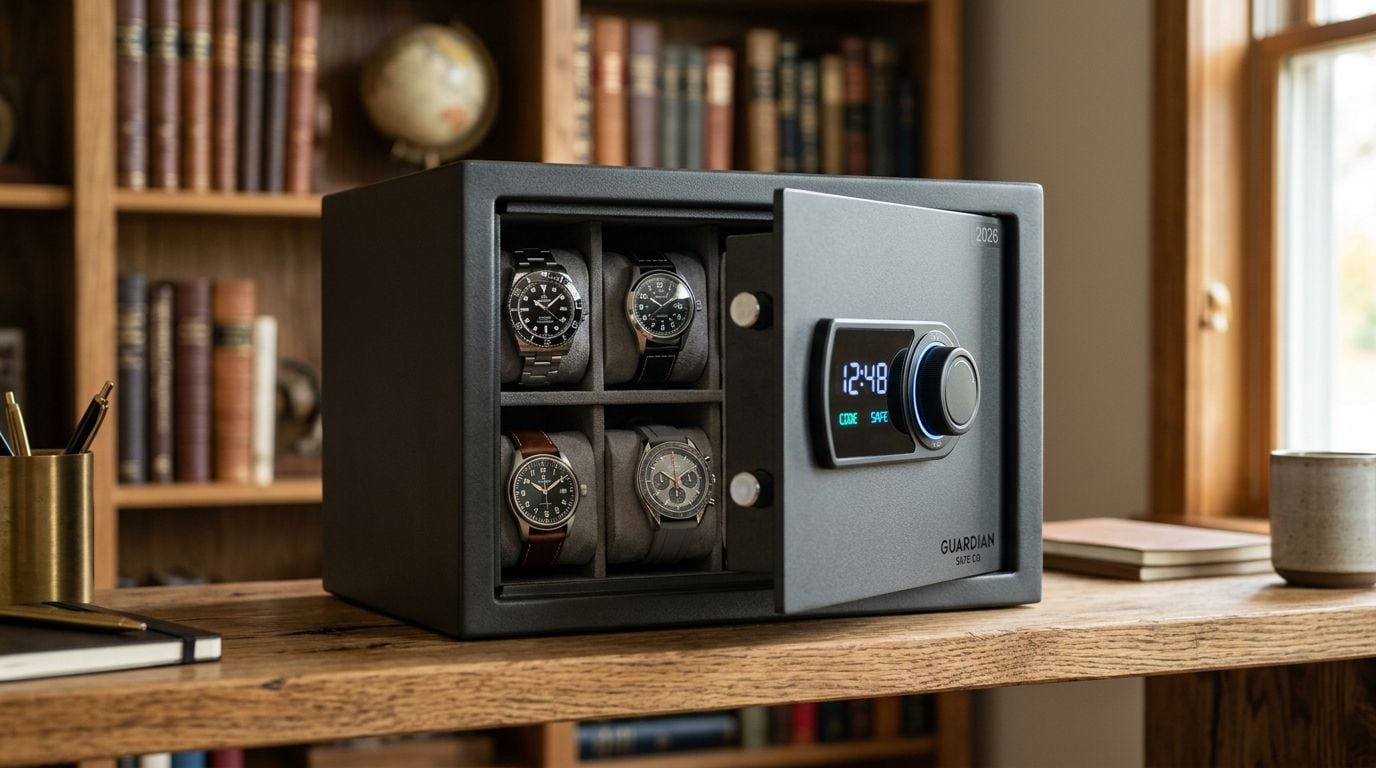
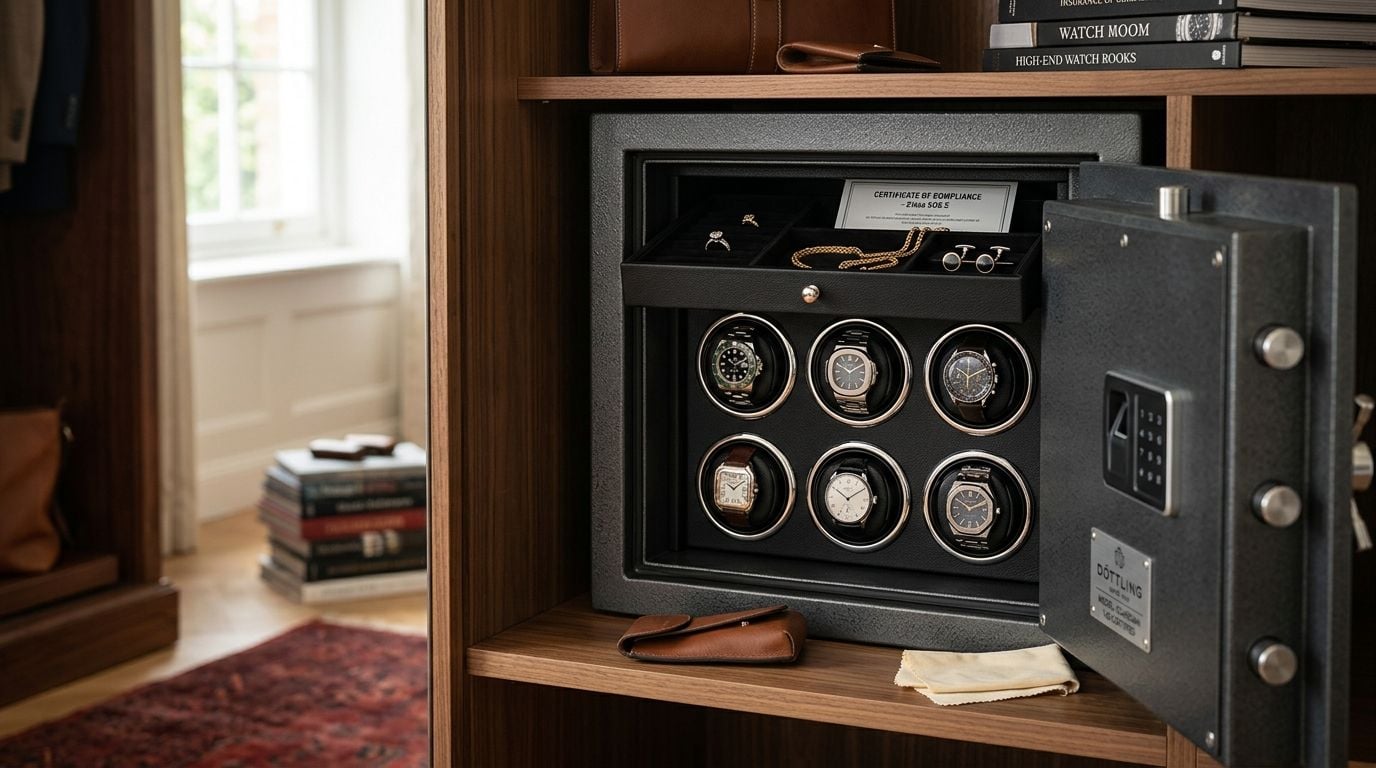
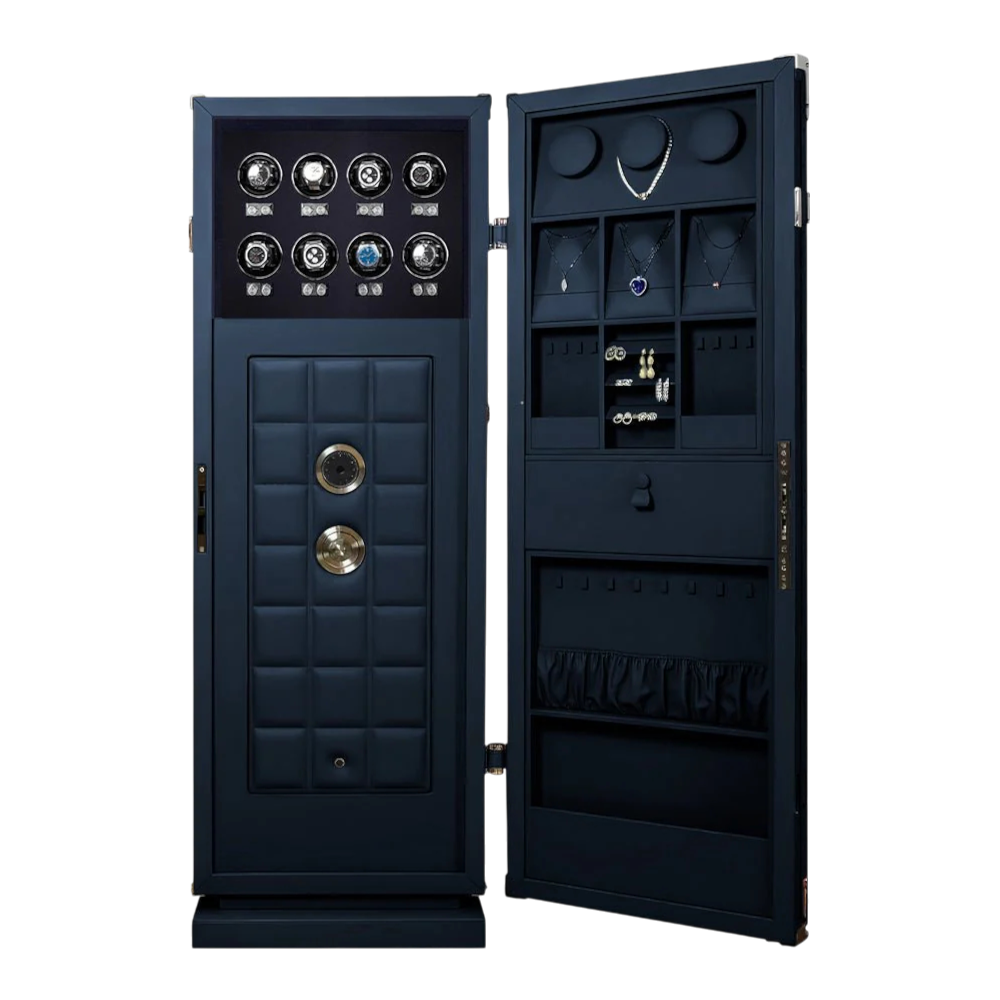
A single Seamaster kept on a nightstand winder is a different security calculus than a collection stored behind biometric access. Decide upfront whether the winder needs to double as protection or simply as maintenance.
Top picks by collection size
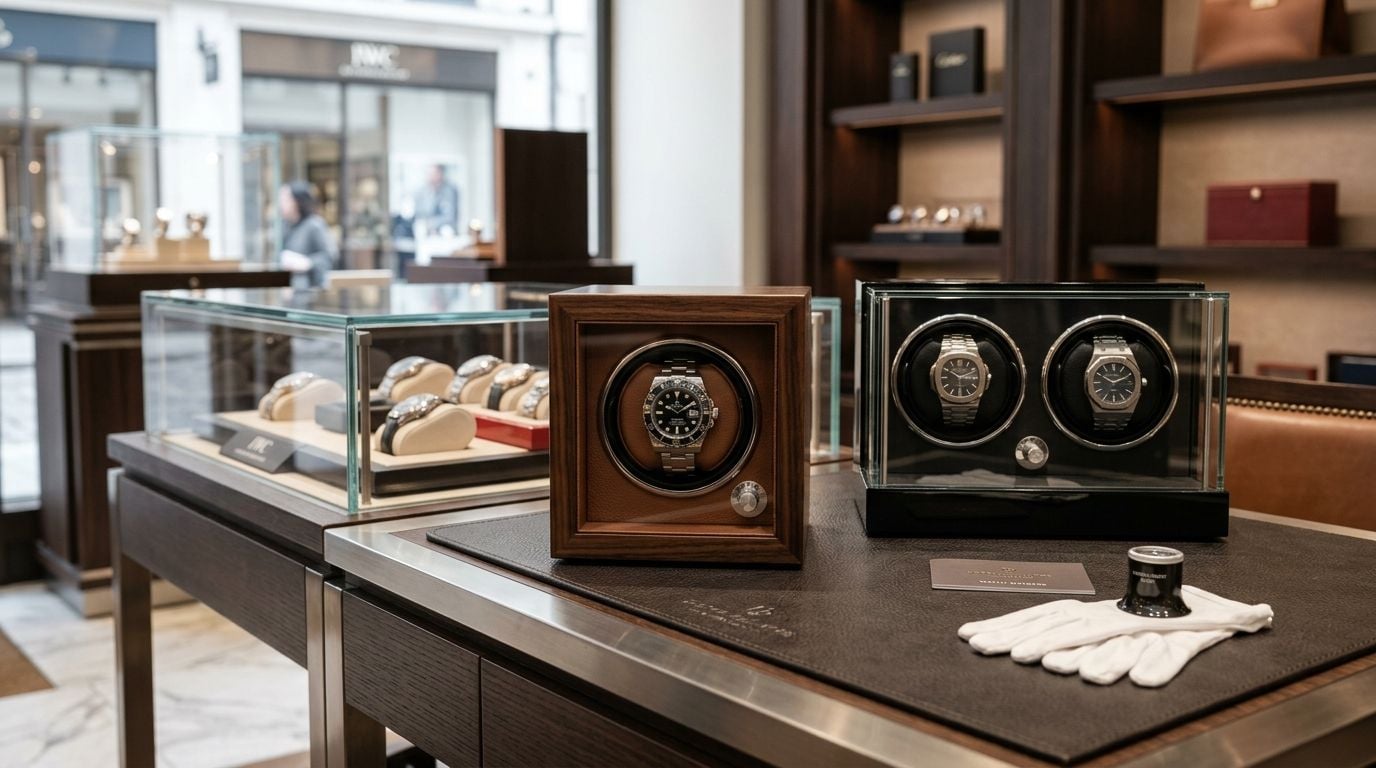
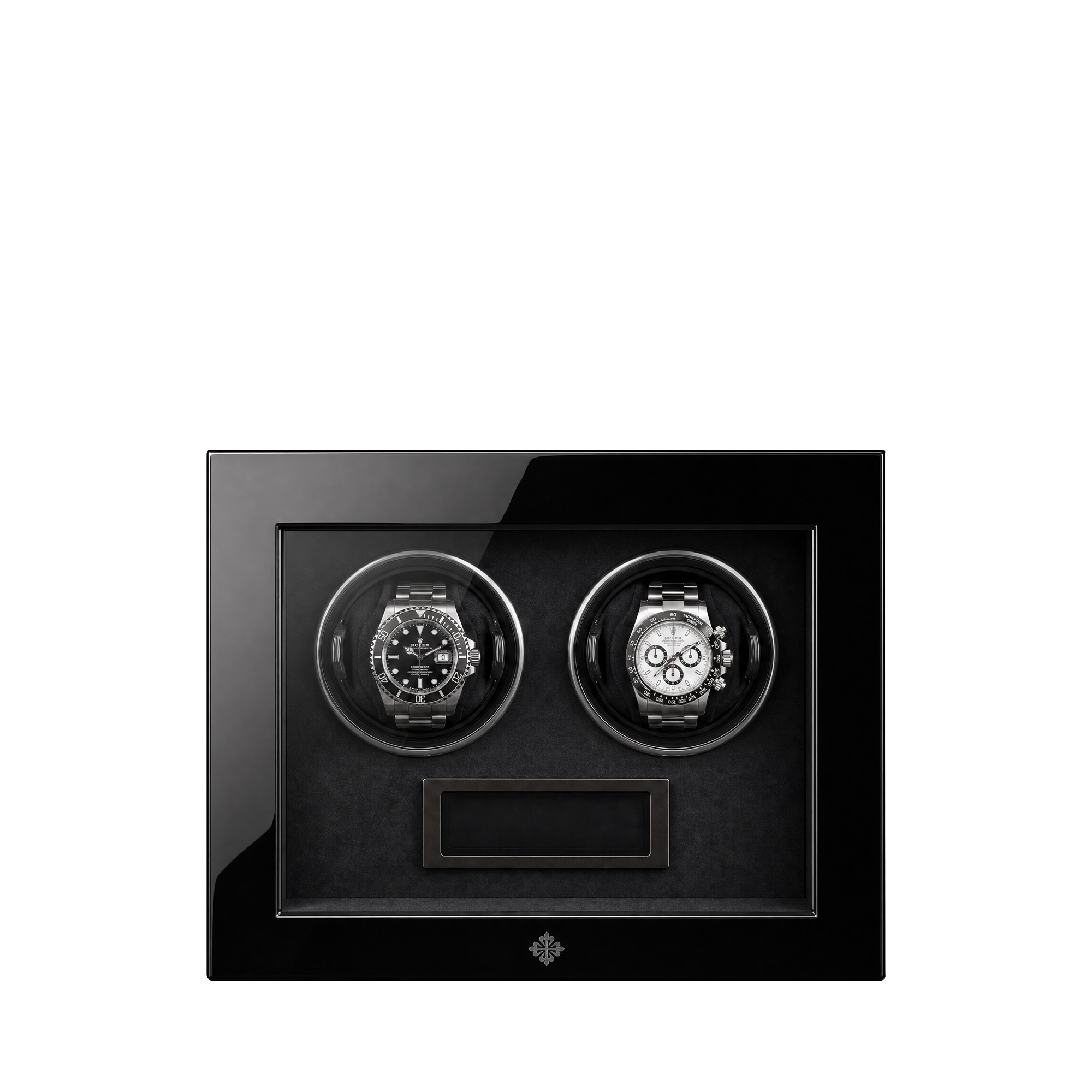
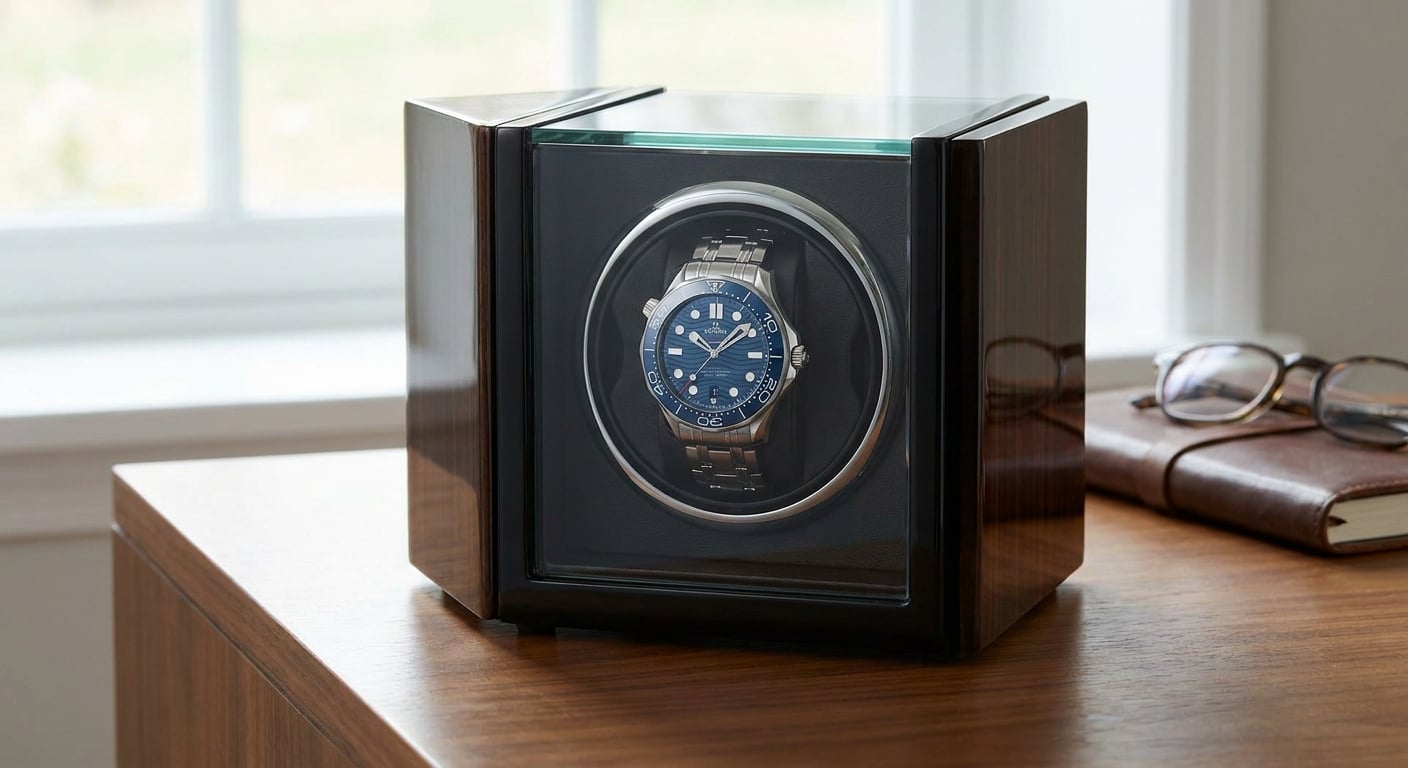
The one-watch owner — a single-slot winder built around a Japanese Mabuchi motor with an adjustable 600-900 TPD dial covers the Seamaster 300M's full range without paying for slots you don't use. Enigwatch's approach to this exact scenario is covered in the single Omega watch winder guide. Buy if the 300M is your only automatic in rotation.
The two-diver collector — if a Seamaster 300M sits next to a Planet Ocean, both calibers share a similar 650-900 TPD window but Planet Ocean references sometimes call for a slightly different direction cycle. Cross-check settings against the Omega Seamaster Planet Ocean TPD guide before locking in one shared program. Consider a dual-program winder here rather than one preset for both.
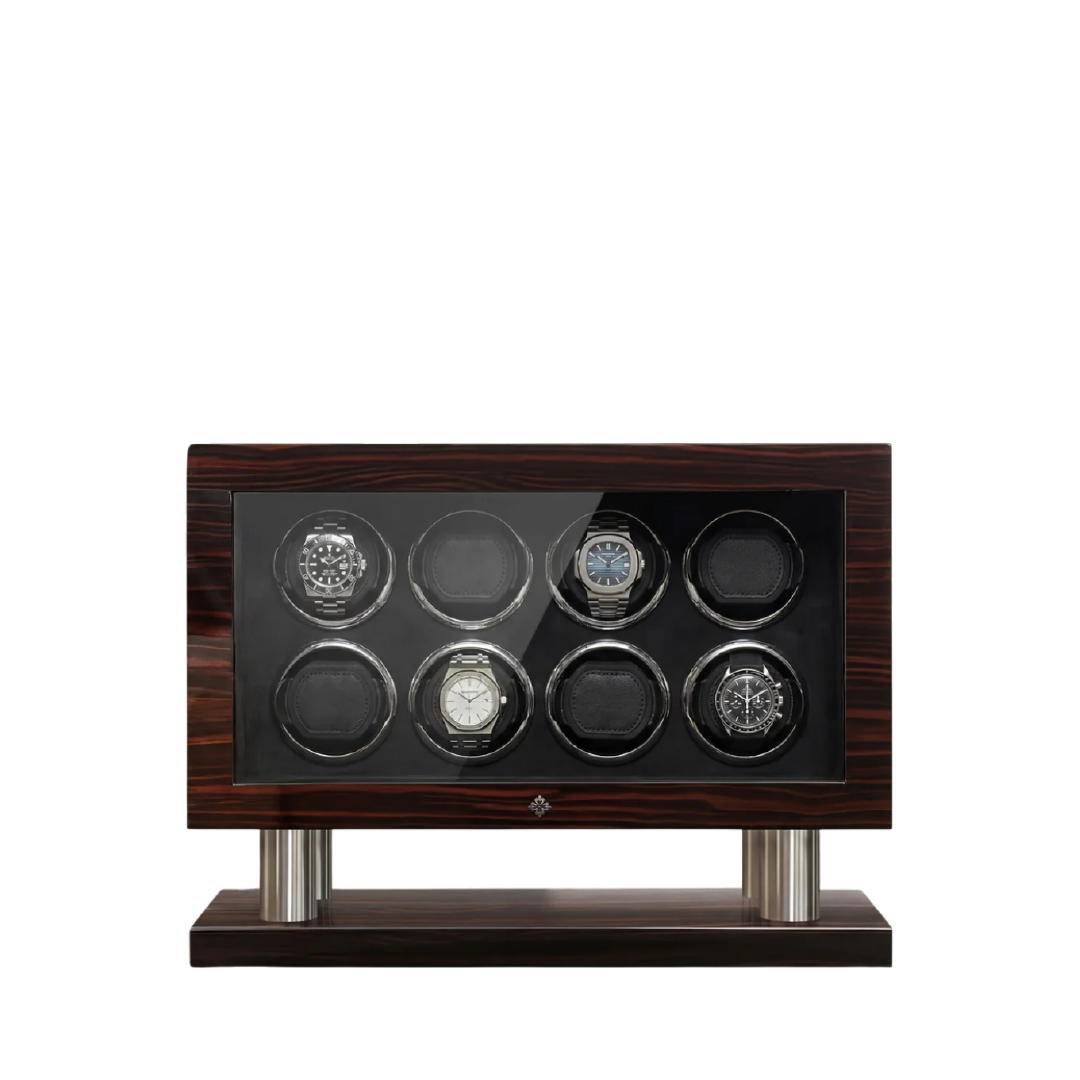
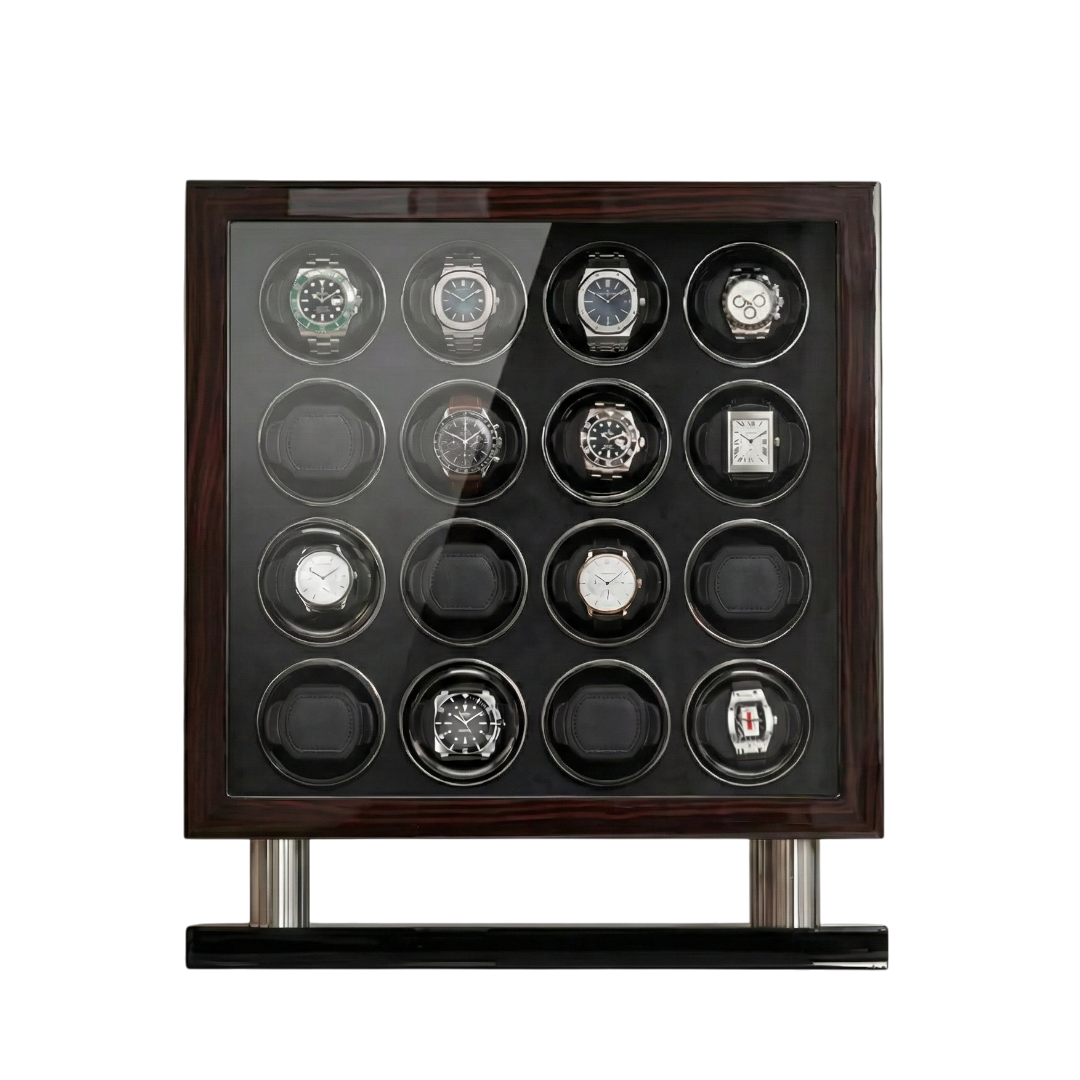
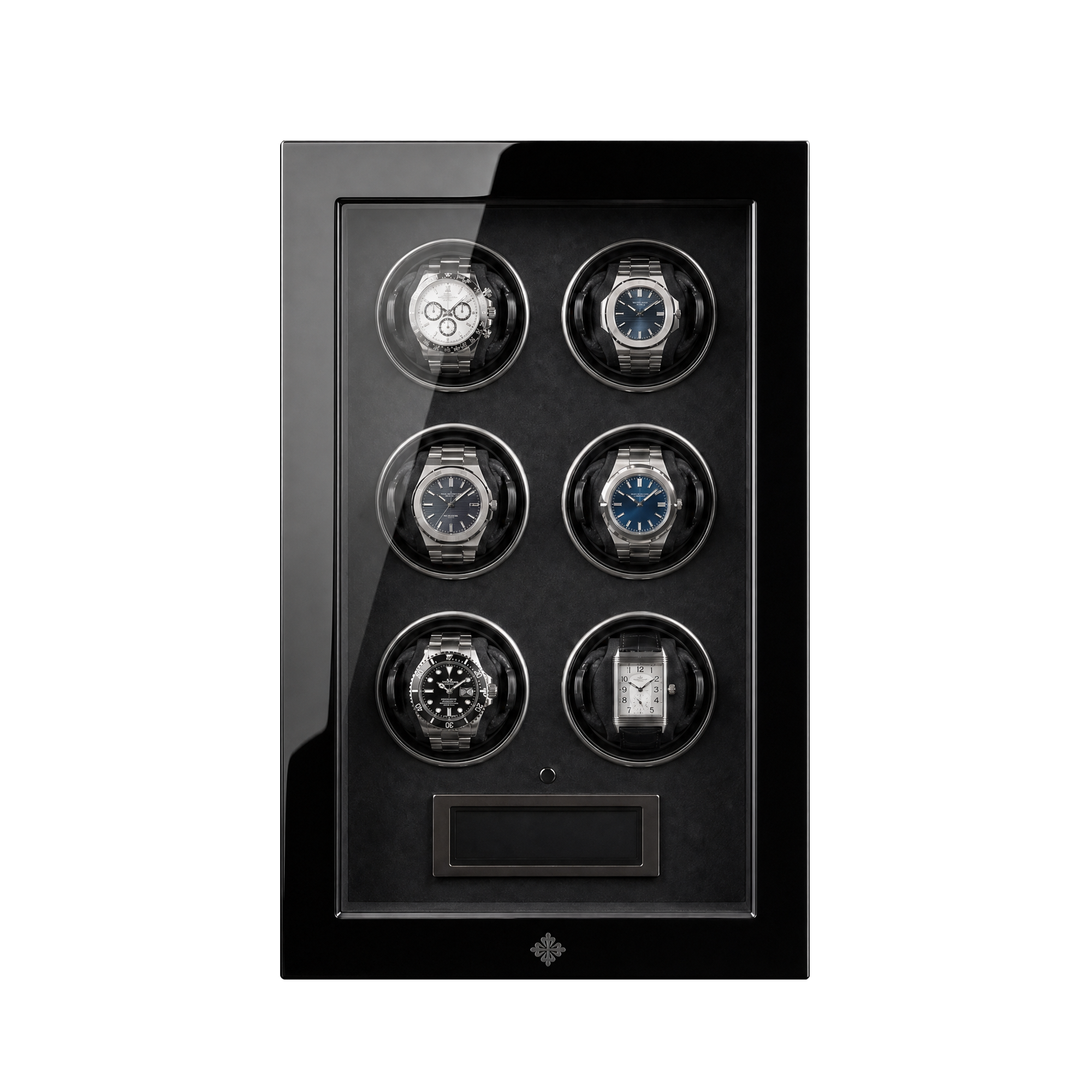
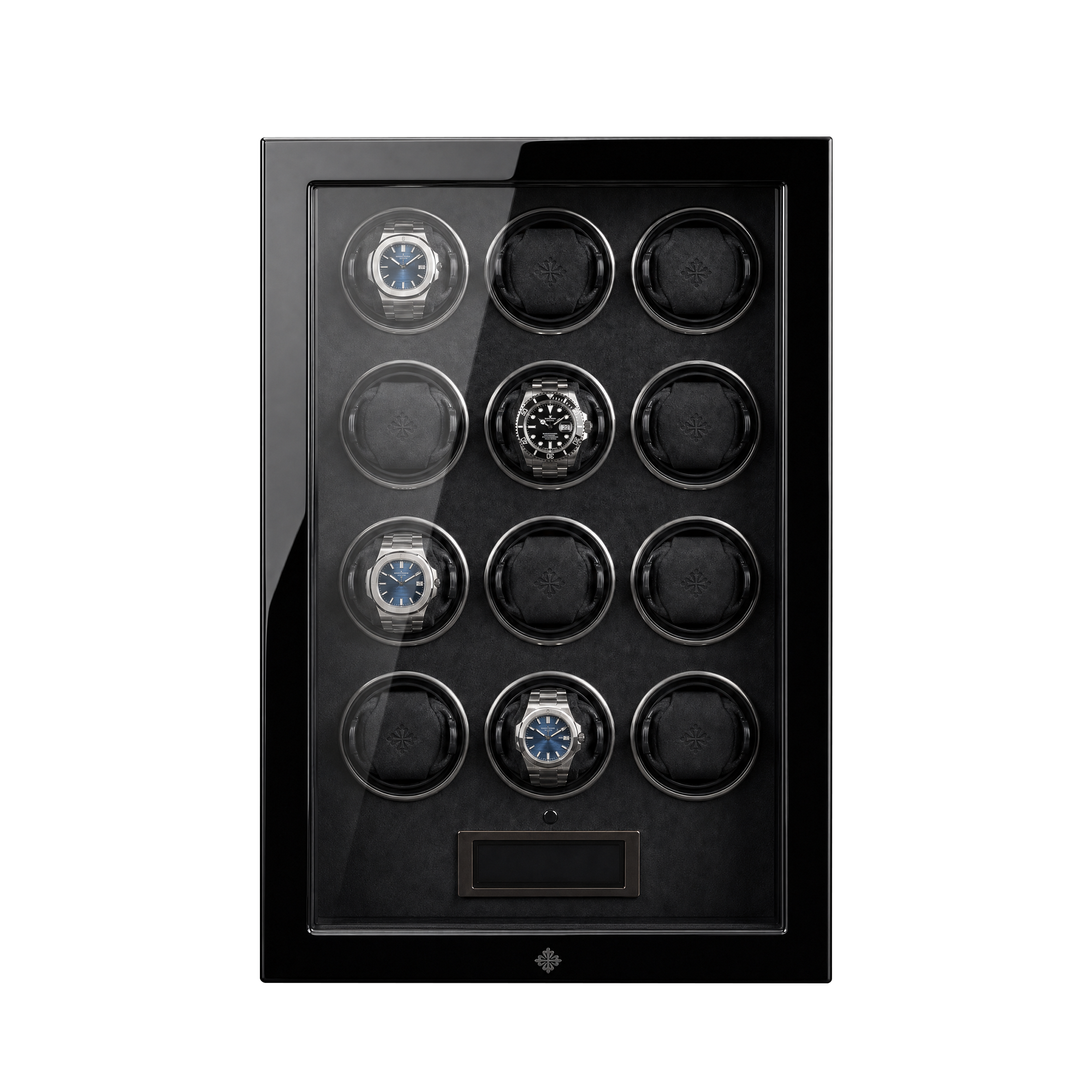
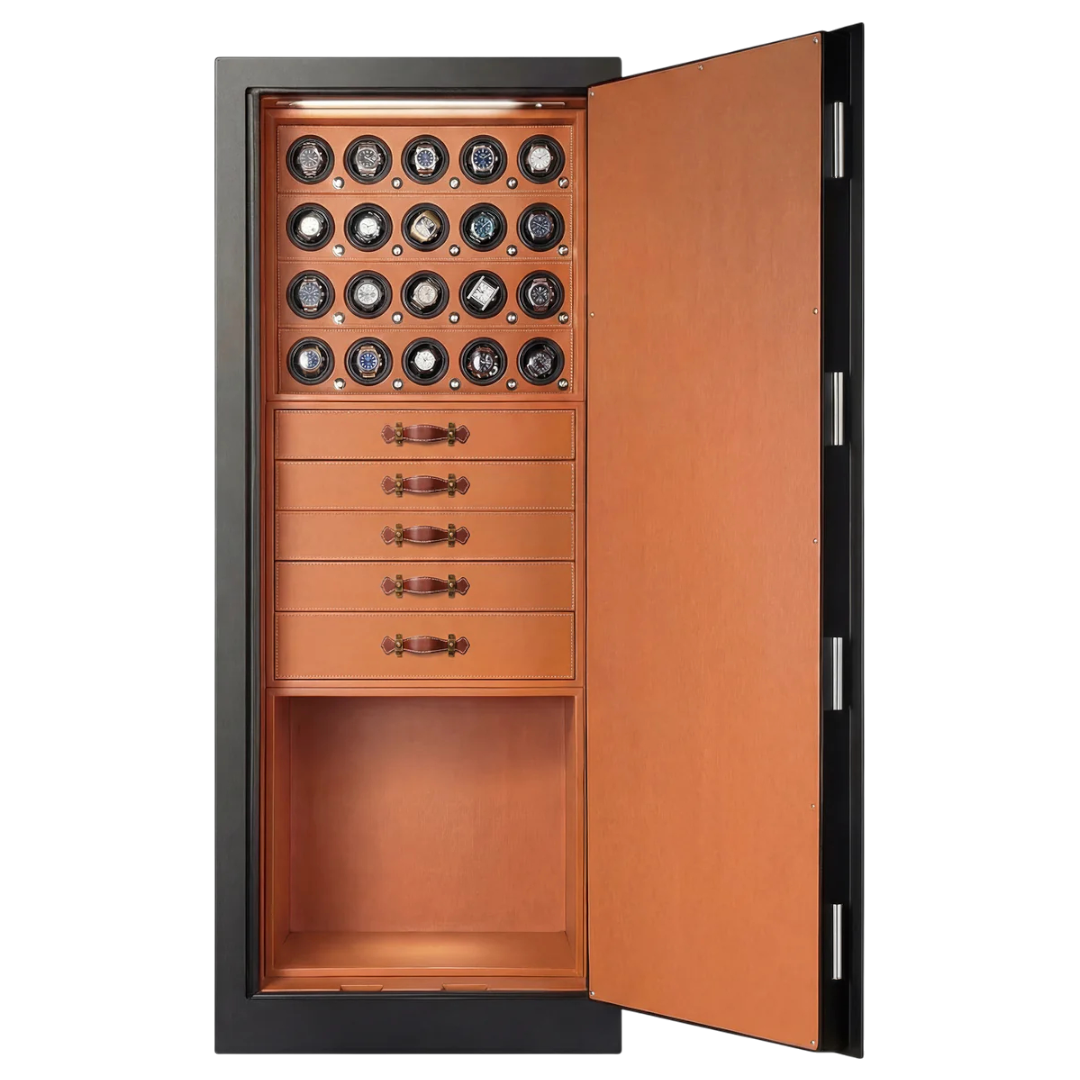
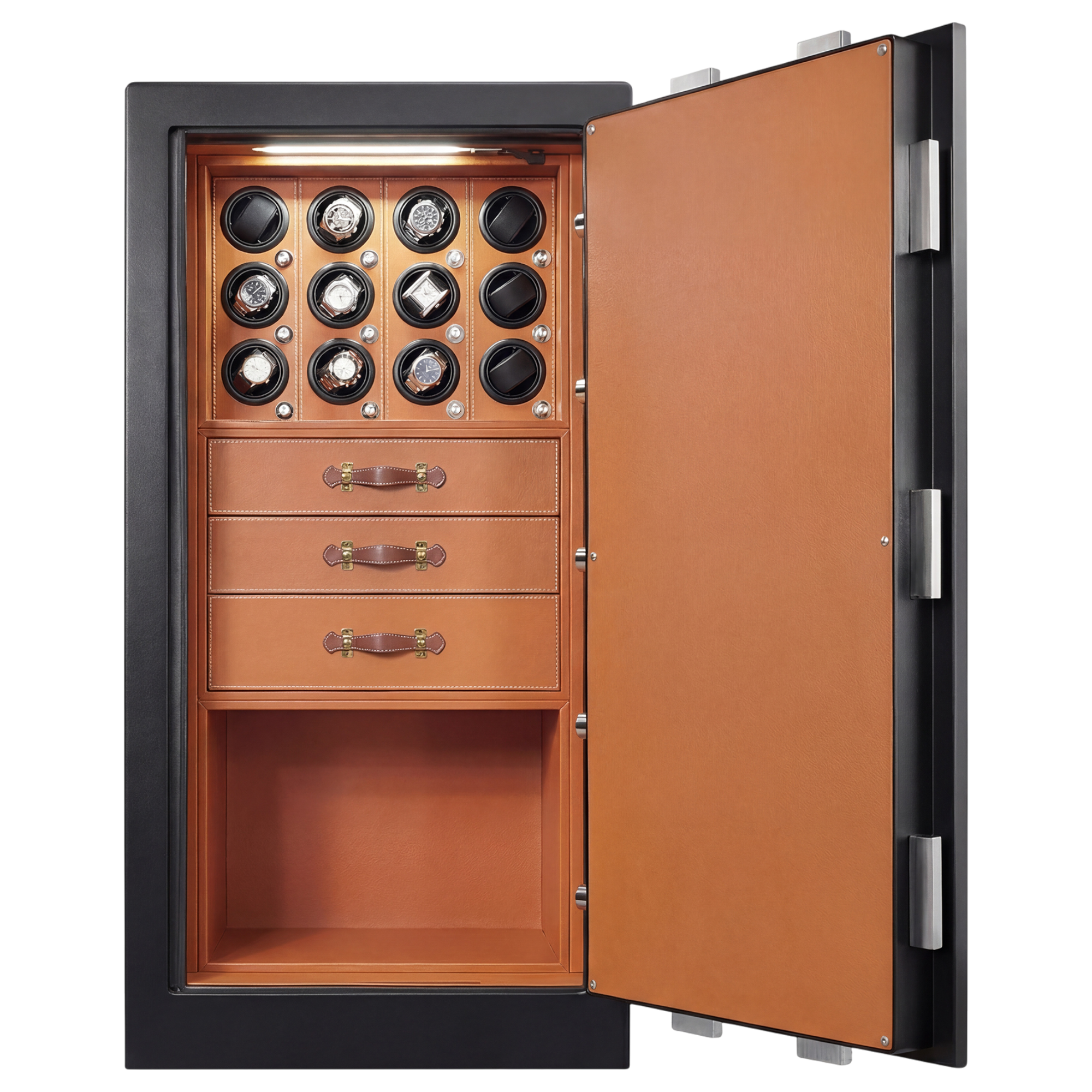
The growing Omega collection — once a third or fourth Omega joins the safe, a multi-slot cabinet with individually programmable TPD per slot, built with Alcantara or Nappa leather cushions and exotic wood veneer paneling, avoids the compromise of a shared rotation program across mismatched calibers. Buy if you're actively adding Omega references year over year.
The bargain multi-brand box — a mass-market winder that promises to fit any automatic with one fixed 650 TPD setting and no direction control. It technically turns the rotor, but it ignores the Seamaster's bidirectional requirement entirely. Skip this category for a watch in this price bracket.
What to avoid
- Fixed unidirectional programs — they look identical to a proper winder in a listing photo but only turn the rotor one way, leaving half the Co-Axial winding mechanism idle.
- Undersized cushions marketed as universal fit — the 300M's dive case is thicker than the dress-watch cushions these winders ship with, and repeated crown-guard contact leaves marks within a year.
- No-name stepper motors sold on TPD count alone — a number on a spec sheet means nothing if the motor drifts or burns out within 18 months of daily cycling.
Verdict comparison
| Configuration | TPD range | Direction | Motor | 2026 Verdict |
|---|---|---|---|---|
| Single-slot Omega winder | 600-900, adjustable | Bidirectional | Japanese Mabuchi | Buy for one 300M |
| Dual-program winder | 650-900 per slot | Bidirectional | Japanese Mabuchi | Buy for 300M plus Planet Ocean |
| Multi-slot cabinet | Independently set per slot | Bidirectional | Japanese Mabuchi | Buy for 3+ Omega pieces |
| Fixed-preset multi-brand box | 650 fixed | Unidirectional only | Generic stepper | Skip |
Find the right Omega winder setup
Browse Enigwatch’s full winder range built for Master Chronometer movements.
FAQ
What TPD should I use for an Omega Seamaster Diver 300M?
Set 650 to 900 TPD with bidirectional rotation for the caliber 8800/8804 movement in the Seamaster Diver 300M. Most collectors land close to 800 TPD for daily standby use in 2026.
Does the Seamaster 300M need bidirectional winding?
Yes, the Co-Axial Master Chronometer movement winds in both directions through a free-sprung balance and barrel. A unidirectional-only winder leaves part of the winding mechanism unused.
Is a watch winder necessary for the Omega Seamaster 300M?
It’s necessary only if the watch sits unworn for more than a day or two at a time, since the caliber 8800/8804 carries a 55-hour power reserve. Daily wearers don’t need one, but rotating collectors do.
What happens if I use the wrong TPD on an Omega?
Too low a TPD lets the mainspring run down between wearings, so the watch needs manual resetting. Too high a TPD adds unnecessary wear cycles to the rotor bearing over years of continuous use.
Can one winder handle both a Seamaster 300M and a Planet Ocean?
Yes, if the winder offers independently programmable slots, since both calibers sit in the same 650-900 TPD window. A single shared preset across both watches is the compromise to avoid.
How much does a luxury watch winder for an Omega cost in 2026?
A properly built winder with a Japanese Mabuchi motor and leather or wood-veneer construction runs from roughly $5,000 to over $21,000 in 2026, depending on slot count and materials.
Do Japanese Mabuchi motors last longer than cheaper motors?
Yes, Mabuchi motors hold their programmed TPD within a narrow variance over years of continuous cycling, while generic steppers drift or fail well inside the same timeframe.
Should I use a single winder or a multi-slot cabinet for one Omega?
A single-slot winder is the right buy for one Seamaster 300M. A multi-slot cabinet only earns its cost once a third or fourth Omega reference joins the collection.
One last thing
The detail most owners miss: the 300M's unidirectional dive bezel has nothing to do with the movement's winding direction — the caliber inside winds both ways regardless of what the bezel does on the outside, and confusing the two is how collectors end up buying a unidirectional-only winder for a bidirectional movement.
Related guides
- How many TPD does an Omega need in a winder
- Watch winder direction: clockwise vs counterclockwise
- Single watch winder for Omega automatic watches
- Watch winder for Omega Seamaster Planet Ocean TPD
- Japanese vs Swiss motor types in watch winders
Protect Your Watch Collection
Designed for collectors who demand the best. Explore our premium watch winders and luxury safes.