

There is no single right answer to watch storage. The right answer depends on how many watches you own, how valuable they are, whether any are automatic, and whether you need them wound. Get those four variables wrong and you’ll either over-spend or wake up to a stopped Patek Philippe.
This guide covers every tier of watch storage—from $30 watch rolls to $60,000 custom vault cabinets—and shows you exactly when to move up.
The 4-Tier Watch Storage Framework
After reviewing hundreds of collector setups, watch storage breaks cleanly into four tiers:
Tier 1: Drawer Trays and Watch Rolls ($20–$300)
Best for: 1–5 watches, no automatics, apartment living with low theft risk.
What you get: Scratch protection, portability, zero cost. What you don’t get: Security, fire protection, humidity control, or winding. The moment you own a watch worth more than $2,000, Tier 1 becomes inadequate.
Tier 2: Single-Unit Watch Winders ($150–$600)
Best for: 1–2 automatic watches you wear less than 4 days per week.
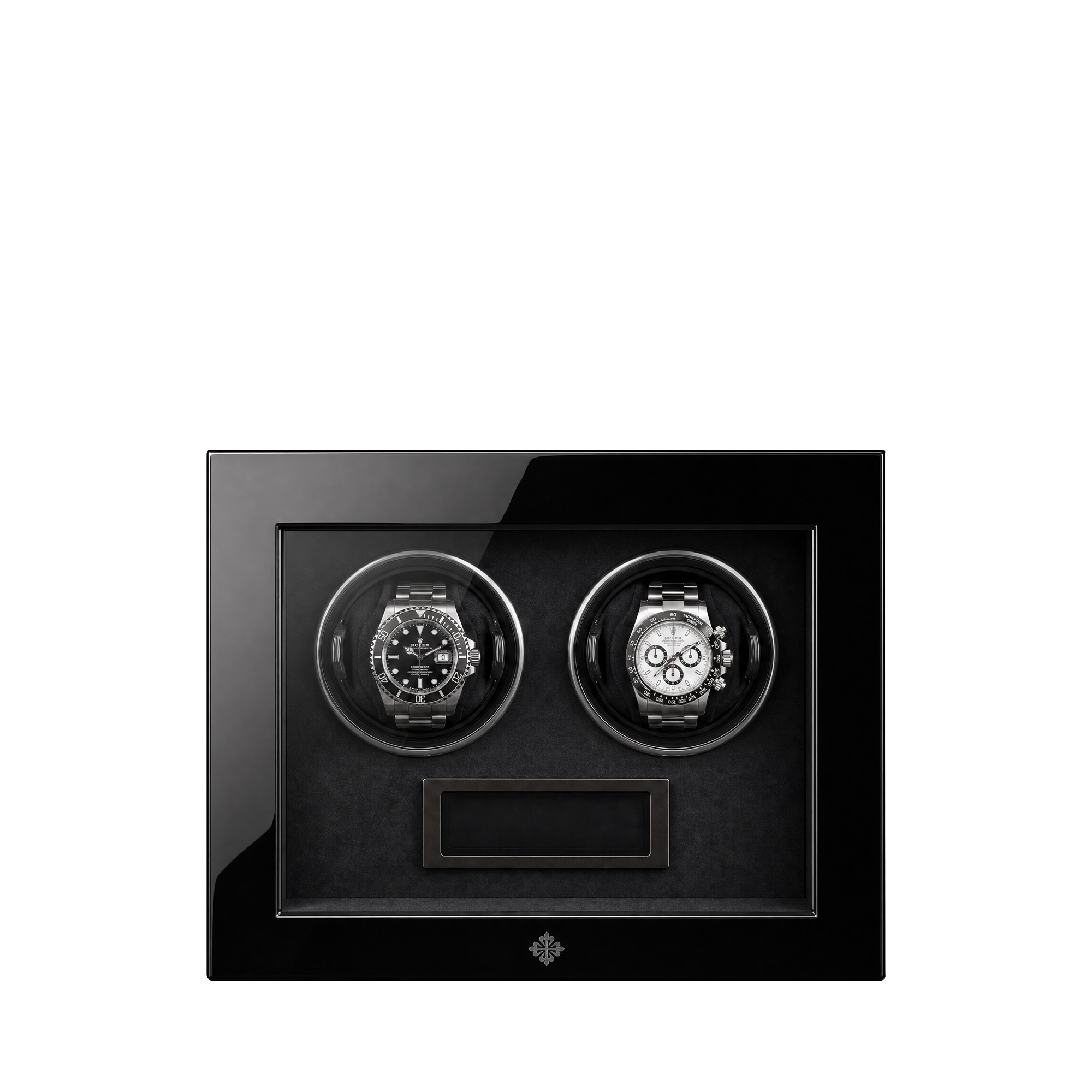
What you get: TPD-accurate winding, display storage, minimal footprint. What you don’t get: Fire protection, humidity control, or meaningful security. These sit on desks—not in safes.
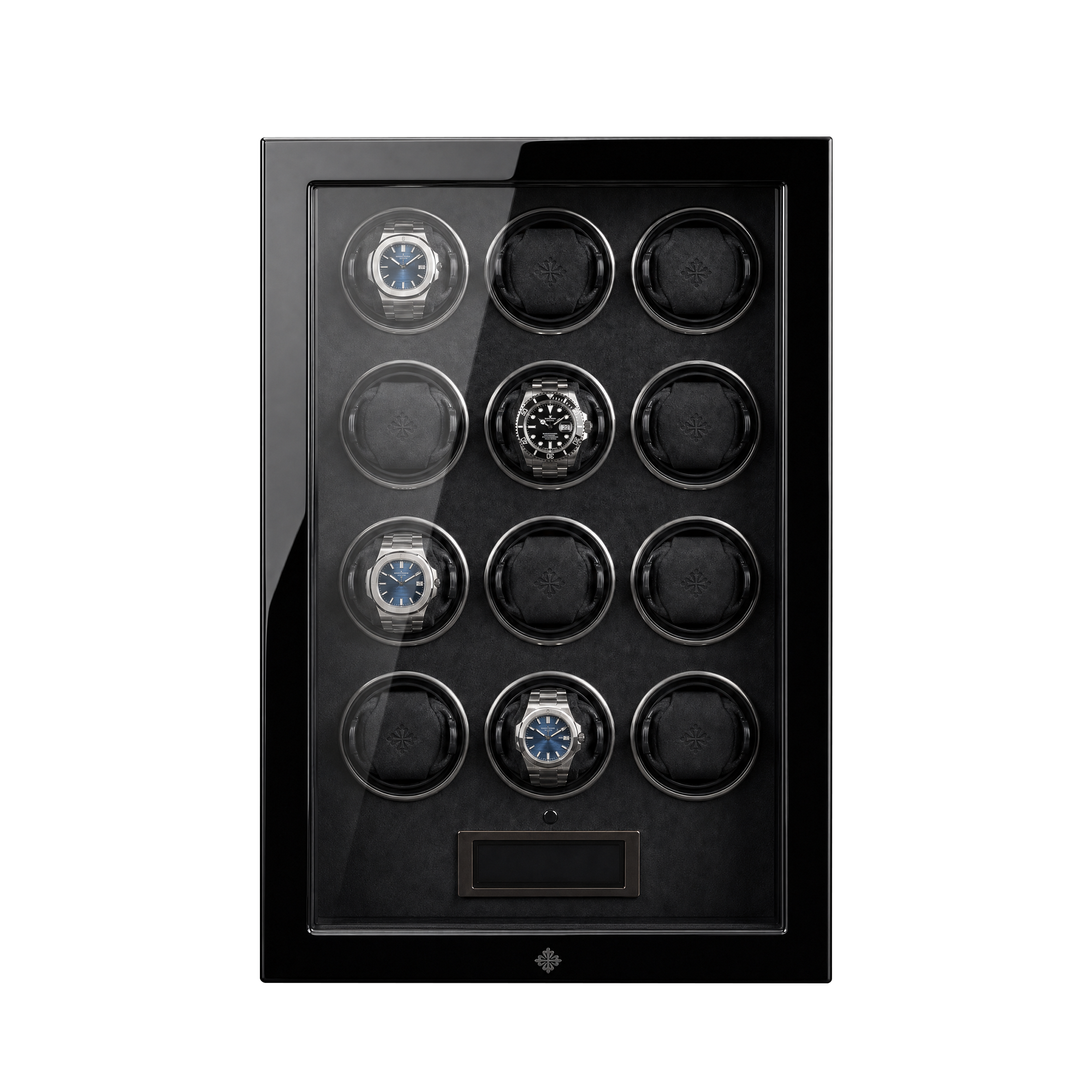
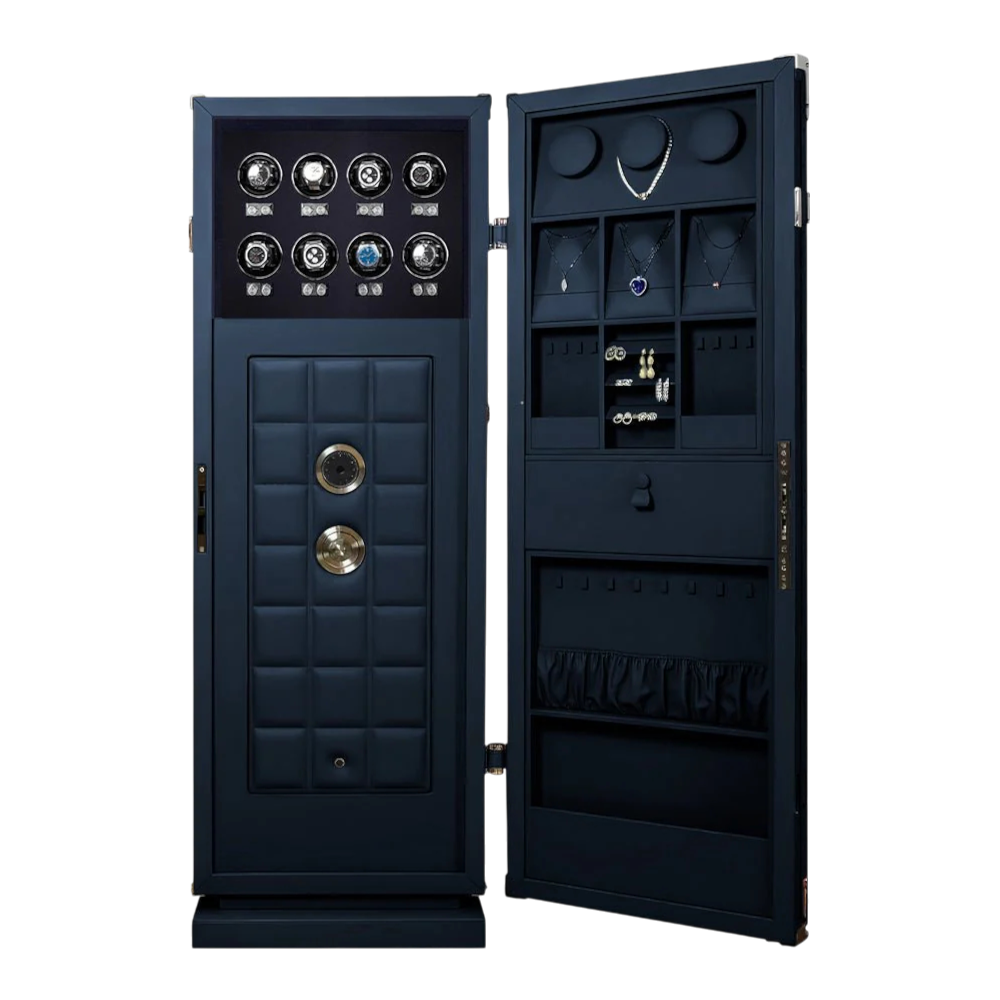
Tier 3: Watch Winder Safe Boxes ($1,200–$8,000)
Best for: 2–8 watches, at least one automatic, total watch value $5,000–$40,000.
What you get: Integrated winding (no need for a separate winder), UL-listed lock, fire resistance in most models, humidity-regulated interior, biometric access on premium units.
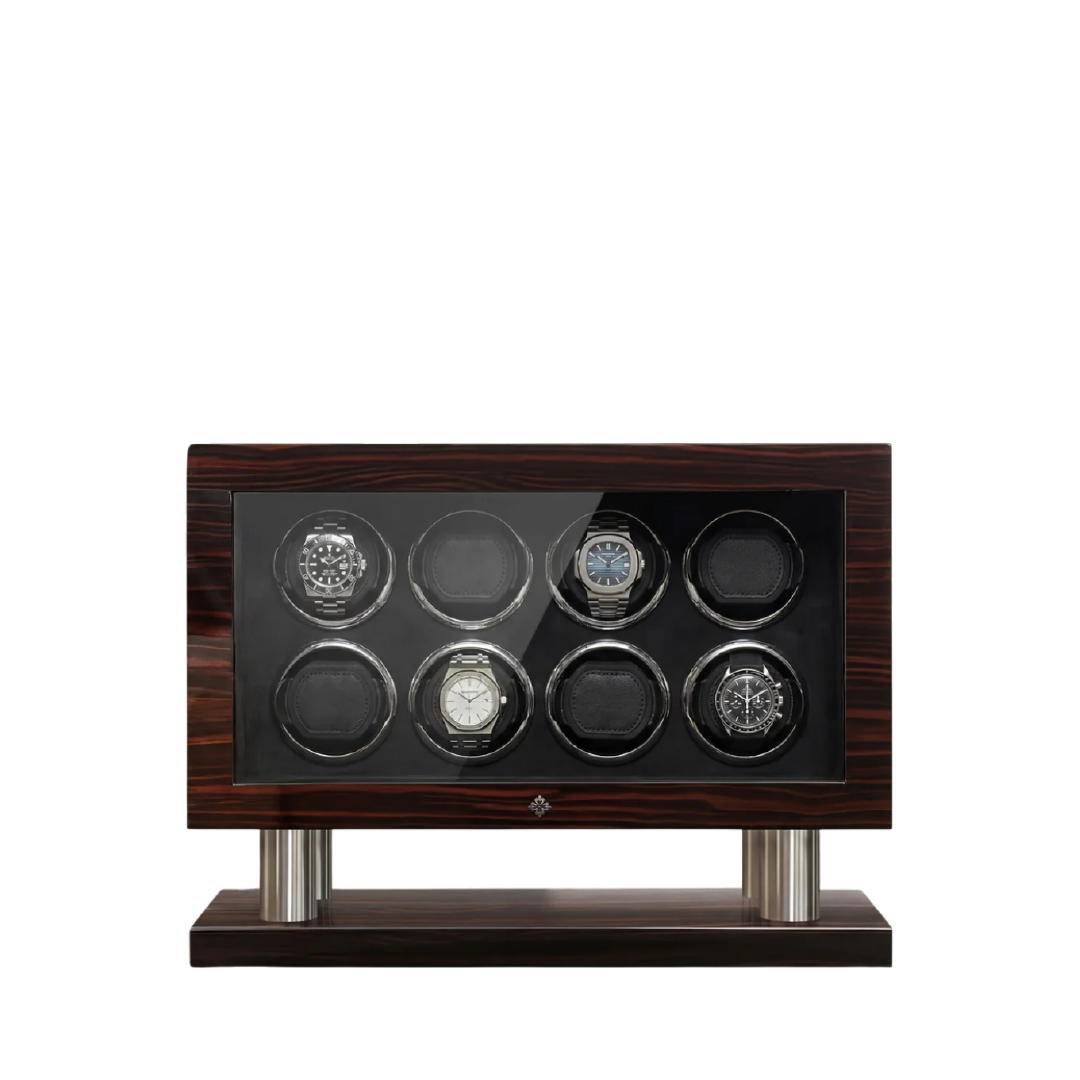
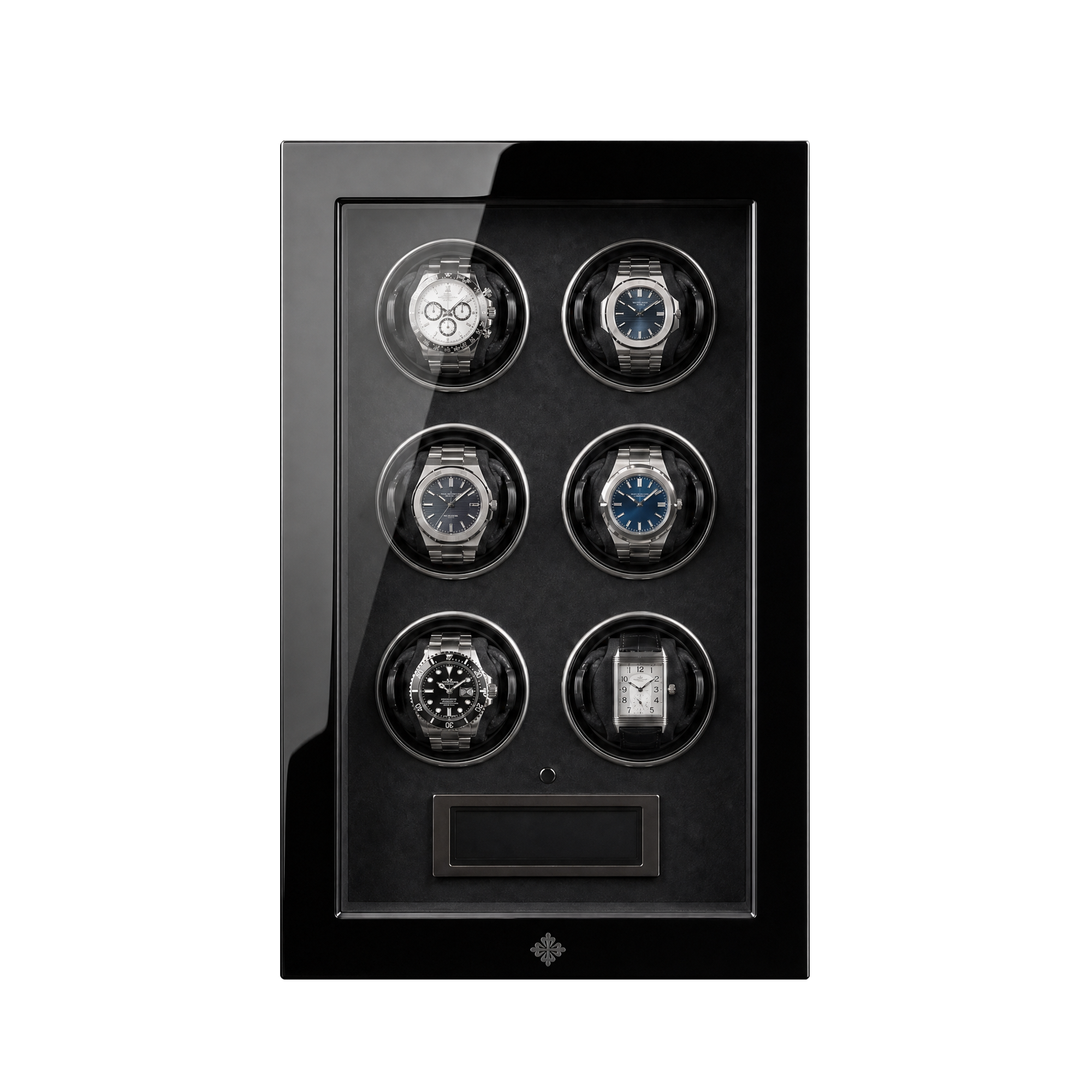
This is where most serious collectors land. An Enigwatch 2–8 watch winder safe sits at this tier and combines secure storage with calibrated winding in one cabinet.
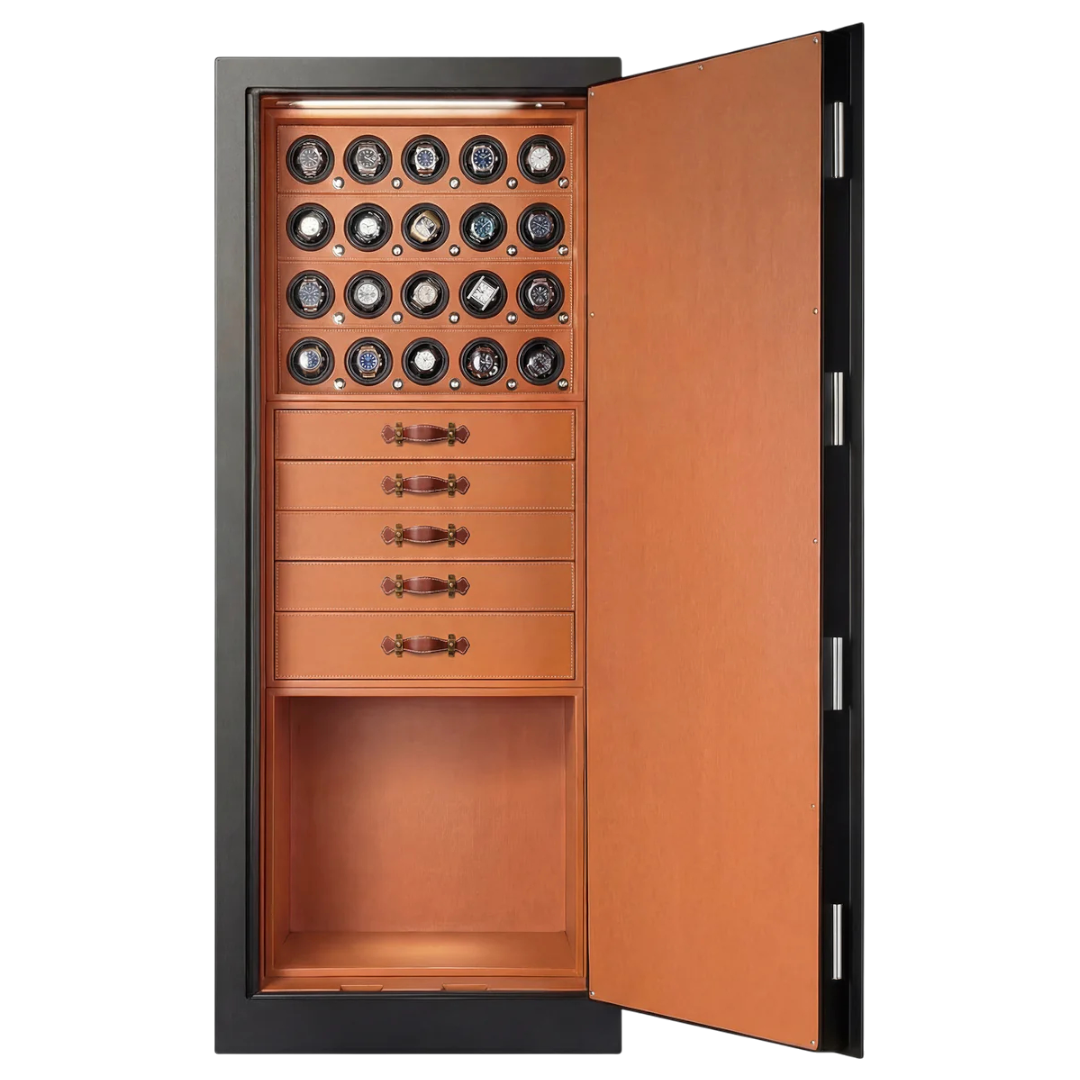
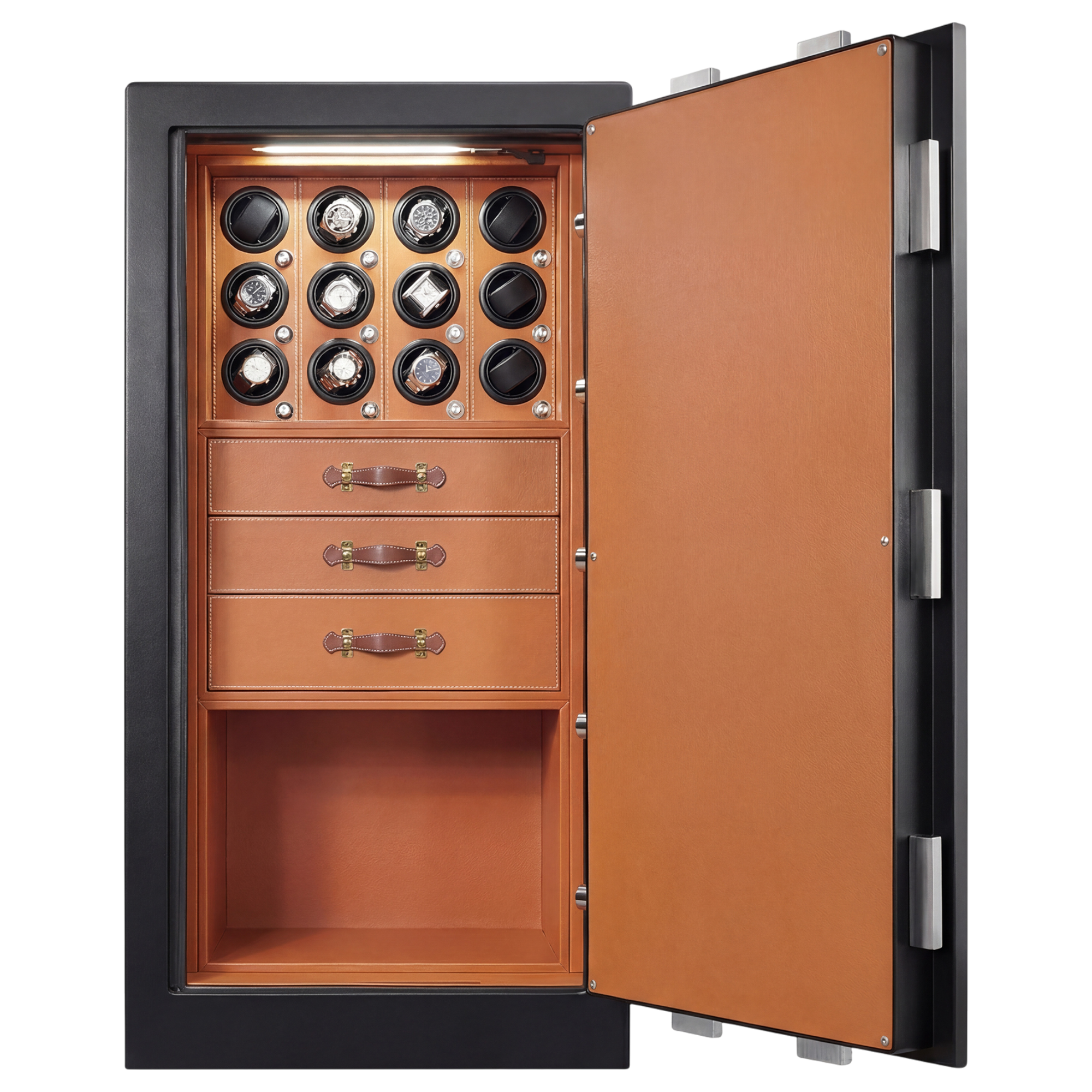
Tier 4: Multi-Watch Vault Cabinets ($8,000–$60,000+)
Best for: 10+ watches, collection value $50,000+, or any collection containing pieces worth $10,000+ individually.
What you get: Everything in Tier 3, plus custom cabinetry integration, white-glove installation, theft-rated construction (pry-resistant steel, relocker bolts), and capacity for a full collection.
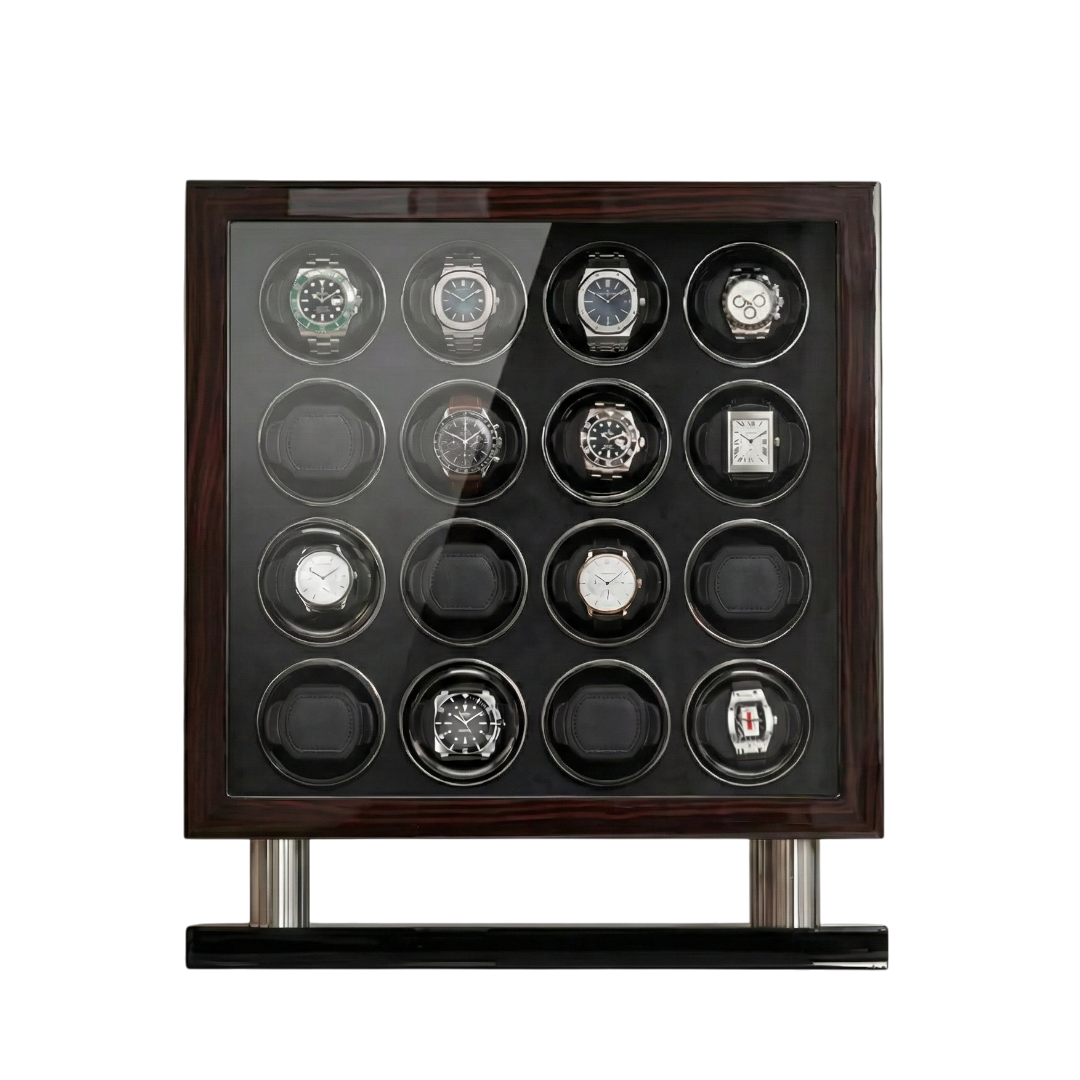
Brands competing at this tier: Enigwatch, Wolf, Orbita, Buben & Zörweg, Scatola del Tempo. Our watch winder vault collection covers 2 to 64 watches depending on the model.
The 3 Most Common Watch Storage Mistakes
Mistake 1: Winding the wrong way
Automatic watches wind via rotor rotation—either clockwise (CW), counter-clockwise (CCW), or both (bi-directional). Most consumer winders default to bi-directional at 650 TPD. That works for most movements. The mistake: putting an ETA 2824-2 (which prefers CW + 800 TPD) in a fixed-rotation winder. Result: the mainspring doesn’t reach full tension and the watch gains 8–12 seconds per day. Solution: use a winder with individually programmable TPD and rotation direction.
Mistake 2: Using a jewelry safe for watches
A jewelry safe (designed for rings, bracelets, documents) is built for anti-theft. A watch storage safe needs anti-theft PLUS an active winding mechanism PLUS humidity control (45–55% RH). A jewelry safe has none of the last two. Using one for automatics is fine for short-term storage; long-term, the oils in the movement dry faster without the movement being run regularly.
Mistake 3: Upgrading the watch before upgrading the storage
A common pattern: collector buys a $12,000 Rolex Datejust, leaves it in the same $40 tray that holds the $400 Tissot. The math doesn’t work. When your watch value crosses $5,000 total, the insurance cost differential between a locked fire-rated safe and no safe is often larger than the safe payment itself.
What to Look for in a Watch Winder Safe
Six specifications that differentiate mid-market from premium:
- UL RSC certification (Residential Security Container) — minimum entry standard for anti-theft
- Fire rating — ETL or UL-listed for minimum 30 minutes at 1,200°F; premium units hit 60 minutes
- Individual rotor programs — per-slot TPD and direction settings, not one setting for all slots
- Silent motor — measured in dB at 1 meter; anything above 35dB is audible in a quiet room
- Humidity control — passive cedar lining vs. active electronic humidifier (active preferred for collections above $20K)
- Biometric vs. key lock — fingerprint readers in luxury units are faster and can’t be lost; less common below $3,000
How Many Slots Do You Actually Need?
Rule of thumb: buy for your collection in 3 years, not today. If you own 4 automatics now and average 1–2 new acquisitions per year, an Enigwatch 12–20 slot vault is the right buy even if half the slots sit empty at first.
Upgrading safes is painful—you have to move watches, re-enroll biometrics, and potentially re-anchor the unit. Buy forward.
The Watch Storage Decision Tree
Start here:
- Do you own any automatic watches? → YES: you need active winding storage. NO: Tier 1 or 2 is fine.
- Is your total watch value above $5,000? → YES: fire and theft protection required. NO: Tier 2 winder is adequate.
- Do you own more than 8 watches? → YES: Tier 4 vault. NO: Tier 3 winder safe.
- Is any individual piece worth $15,000+? → YES: look at luxury watch safe options with premium construction ratings.
Bottom Line
Watch storage is infrastructure. The right setup protects watches that are worth 10–100x more than the safe. Tier 1 and 2 are temporary. Most collectors building a serious collection should plan for Tier 3 or 4 within the first two years of collecting.
Protect Your Watch Collection
Designed for collectors who demand the best. Explore our premium watch winders and luxury safes.
Protect Your Watch Collection
Designed for collectors who demand the best. Explore our premium watch winders and luxury safes.