
Seiko automatic movements — from the workhorse NH35 to the high-beat 9SA5 — need specific turns-per-day (TPD) and direction settings to stay fully wound without over-stressing the mainspring. Get those two numbers wrong in 2026 and you’re either wearing a watch that keeps stopping or slowly wearing down a rotor that didn’t need to move.
TL;DR: Most Seiko automatic watches need 650–800 TPD in clockwise (CW) or bidirectional (CW+CCW) rotation. The NH35/NH36 runs best at 650–750 TPD bidirectional. The 9SA5 wants 800–900 TPD bidirectional. Set your winder too high — anything above 1,200 TPD — and the mainspring stays fully wound against the slipping bridle all day, generating unnecessary wear. Set it too low and the watch stops overnight. This guide gives exact settings for 11 Seiko movements so you stop guessing in 2026.
Why Watch Winder Settings Matter for Seiko
Seiko uses a wide range of in-house calibers, and each one has a different rotor design and mainspring capacity. The NH35 is a full-rotor bidirectional winder built for modest TPD. The 4R36 is also bidirectional but has a tighter power reserve — 41 hours — so it runs dry faster when settings are too conservative. The high-beat 9SA5 inside the Grand Seiko Sport Collection uses a dual-impulse escapement that responds better to higher TPD and tolerates bidirectional rotation cleanly.
Running a winder at 1,800 TPD on an NH35 does not “charge it faster” — the mainspring reaches full capacity early and the rotor just keeps spinning against a fully loaded spring. That extra friction over months is not catastrophic, but it is pointless mechanical stress. The right setting keeps the watch wound to 80–90% capacity and lets the rotor rest the remaining hours of the day.
What You’ll Need
- A programmable watch winder with adjustable TPD (turns per day) and selectable rotation direction
- Your Seiko’s caliber number (printed on the caseback or in the manual)
- 5 minutes to program the settings once
- Optional: a timegrapher to verify the watch is running within spec after 48 hours on the winder
Step-by-Step: Programming Your Winder for Seiko
Step 1 — Identify the Caliber
Flip the watch over. Most Seiko and Grand Seiko models print the caliber on the exhibition caseback (e.g., “Cal. NH35A” or “Cal. 9SA5”). If the caseback is solid, check the original box papers or look up the model number on Seiko’s support site. The caliber number is the only thing that determines the correct TPD — the dial color, bracelet, or collection name tells you nothing useful here.
Common mistake: Assuming all Seiko automatics share one setting. They don’t. The 6R35 has a 70-hour power reserve; the 4R36 has only 41 hours. The same 650 TPD that keeps a 6R35 fully wound will let a 4R36 run down by morning.
Step 2 — Match the Caliber to the Settings Table
Use the table below. TPD ranges represent the recommended operating window for 2026, based on published Seiko specifications and aggregated winder data across the caliber category.
| Caliber | Power Reserve | Recommended TPD | Direction |
|---|---|---|---|
| NH35 / NH35A | 41 hrs | 650–750 | Bidirectional |
| NH36 / NH36A | 41 hrs | 650–750 | Bidirectional |
| NH38 | 41 hrs | 650–750 | Clockwise |
| 4R35 | 41 hrs | 650–800 | Bidirectional |
| 4R36 | 41 hrs | 700–800 | Bidirectional |
| 6R15 | 45 hrs | 650–750 | Bidirectional |
| 6R35 | 70 hrs | 500–650 | Bidirectional |
| 6R54 / 6R55 | 72 hrs | 500–650 | Bidirectional |
| 8L35 (Grand Seiko) | 72 hrs | 500–700 | Bidirectional |
| 9SA5 (Grand Seiko) | 80 hrs | 800–900 | Bidirectional |
| 9SA3 (Grand Seiko) | 55 hrs | 700–800 | Bidirectional |
Note on the NH38: This caliber uses a unidirectional rotor that only winds on clockwise rotation. Setting a bidirectional winder on the NH38 cuts effective winding roughly in half. Use clockwise-only mode.
Common mistake: Leaving the winder on bidirectional for an NH38. The counterclockwise rotations do zero work — the rotor just clicks backward. You’ll need to double your effective TPD or switch to CW-only.
Step 3 — Set the TPD on Your Winder
On most programmable winders, TPD is set in increments of 100 or 150. For an NH35, dial in 700 TPD bidirectional — that’s the midpoint of the 650–750 window and the setting most NH35 owners run without issue. For a 6R35 with its 70-hour reserve, start at 600 TPD bidirectional and test for a week before adjusting.
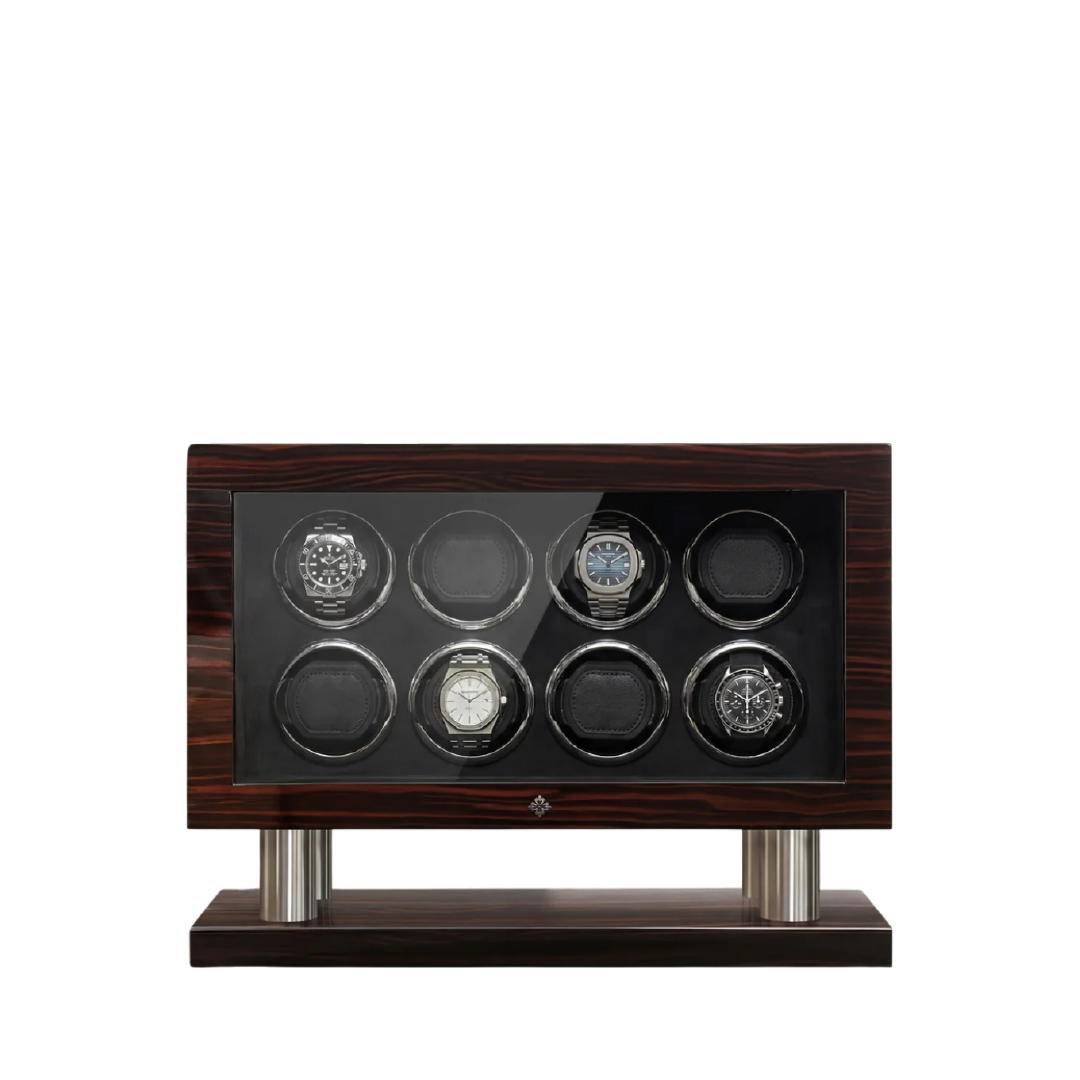
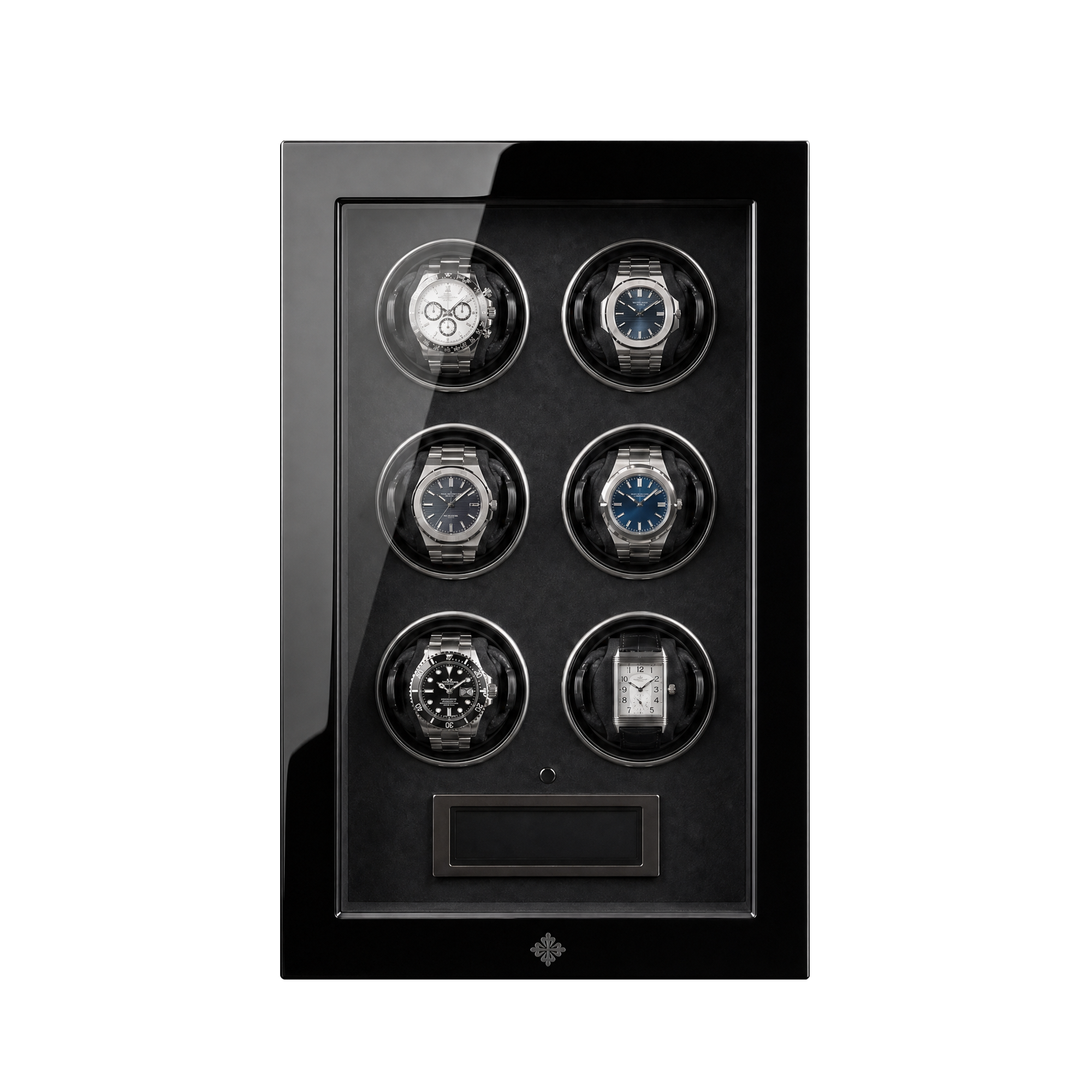
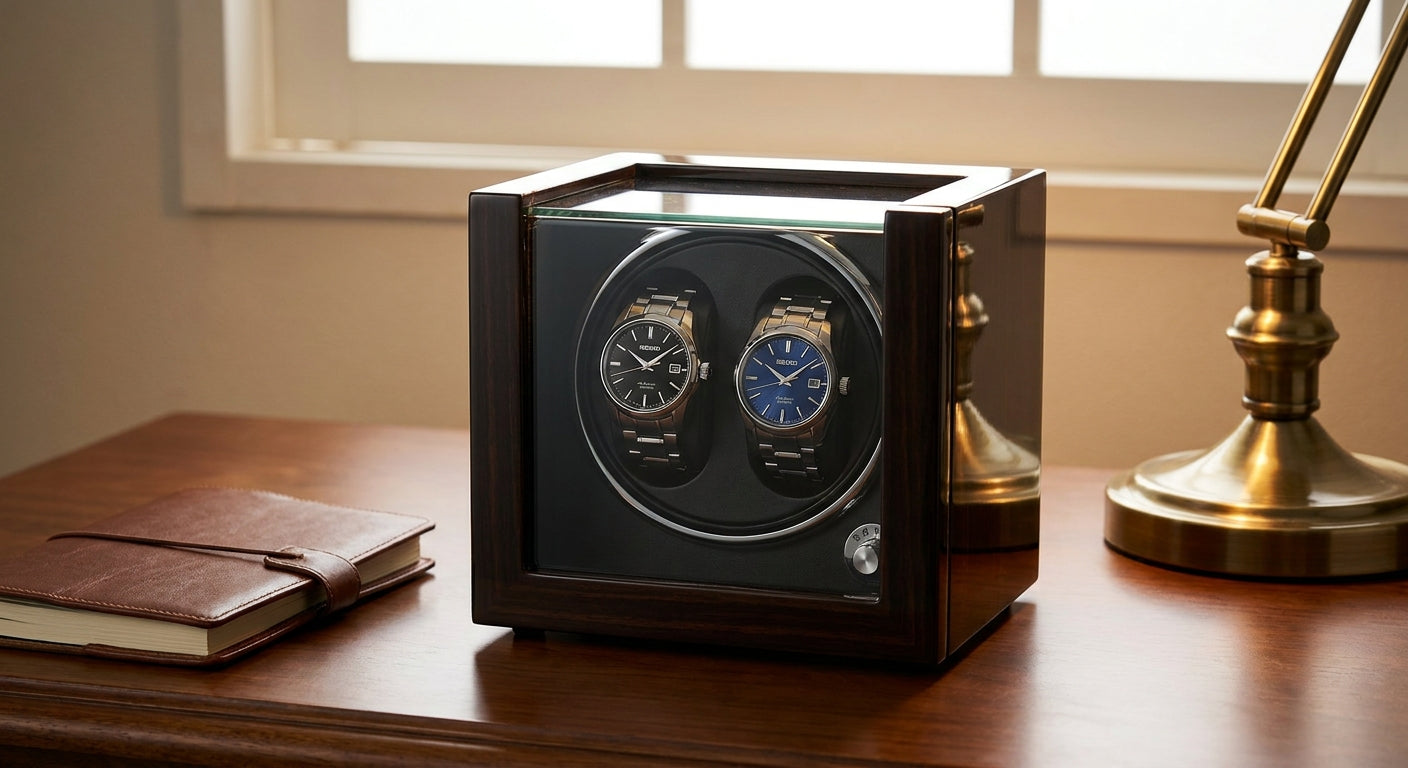
If your winder offers a rest-cycle timer (e.g., 30 minutes on, 30 minutes off), use it. Rest cycles keep total TPD in range without forcing the motor to run continuously, and they slightly extend motor life. Most Enigwatch winders — including the Impresario Series 6 watch winder — support programmable rest cycles alongside adjustable TPD, which means you can match any Seiko caliber in the table above without compromise.
Common mistake: Setting the highest available TPD “just to be safe.” A winder delivering 1,800 TPD to a 6R35 runs the mainspring against its slipping bridle for 10+ hours a day. The watch stays wound, but the bridle wears faster than it should.
Step 4 — Place the Watch Correctly
Seiko bracelets and cases vary in diameter from 38 mm to 45 mm. Make sure the winder’s watch holder fits the lug width without forcing the spring bar. Most winder holders accommodate cases up to 52 mm diameter, which covers every production Seiko. The watch face should not touch the winder’s inner shell at any point during rotation — check by hand before powering on.
For Grand Seiko models with case diameters at 40 mm and above, verify the watch holder clamps the cushion against the caseback securely. Loose mounting causes micro-vibration that disrupts the watch while winding, showing up as amplitude loss on a timegrapher.
Common mistake: Over-tightening the winder holder to prevent slipping. Crushing the spring bar with the holder clamp can bow the bracelet or deform the lug slightly over time. Snug is enough.
Step 5 — Run a 48-Hour Calibration
After programming, let the watch run on the winder for 48 hours, then check it against a reference time source. If it’s running more than +/- 15 seconds per day, the setting is likely wrong in one of two directions:
- Running fast and gaining more than +15 sec/day: TPD is too high. Drop by 100 and recheck after 24 hours.
- Stopping or losing more than 20 sec/day: TPD is too low or direction is wrong. Increase by 100 or switch to bidirectional.
A standard Seiko NH35 is rated at +/- 35 seconds per day ex-factory, so don’t expect chronometer performance — but consistent deviation outside that range often traces back to winder settings, not the movement itself.
Common mistake: Blaming the movement when the winder is actually the variable. Before sending a Seiko in for service, run it fully wound by hand for 3 days. If it performs normally off the winder but poorly on it, the settings are the problem.
Step 6 — Set a 12-Month Review
Calibrate settings once, then set a calendar reminder for 12 months out. Rotor bushings wear slightly over time, changing actual TPD even if the winder’s program stays the same. An annual 48-hour check costs 5 minutes and catches drift before the watch starts losing time.
Troubleshooting
Watch stops overnight despite winder running — Direction is probably wrong (NH38 on bidirectional) or TPD is below 500. Verify caliber, check direction setting, increase TPD by 150.
Watch gains 30+ seconds per day on the winder but runs fine off it — TPD is too high. The mainspring is over-tensioned. Drop to the low end of the recommended range.
Winder motor is louder than usual after adding a Seiko diver — Diver cases are heavier (some Seiko Prospex cases top 180 g with bracelet). If the winder is near its rated weight limit, the motor works harder. Move to a winder rated for heavier cases.
Crown slips out of position during winding — The watch is not fully pushed into position 0. Pull the crown all the way in before mounting. Winder rotation on a crown left in position 1 or 2 risks damaging the stem.
Watch runs correctly for 3 days then loses time on day 4 — Power reserve is draining because TPD is marginal. Increase by 100 TPD and recheck. This pattern is most common on the 4R36 with its 41-hour reserve.
Winder direction defaults to CW-only after power interruption — Some winders reset to a default on power loss. Check your winder’s manual for a “settings lock” or memory function. Enigwatch programmable winders retain settings through power interruptions by default.
Tools and Resources
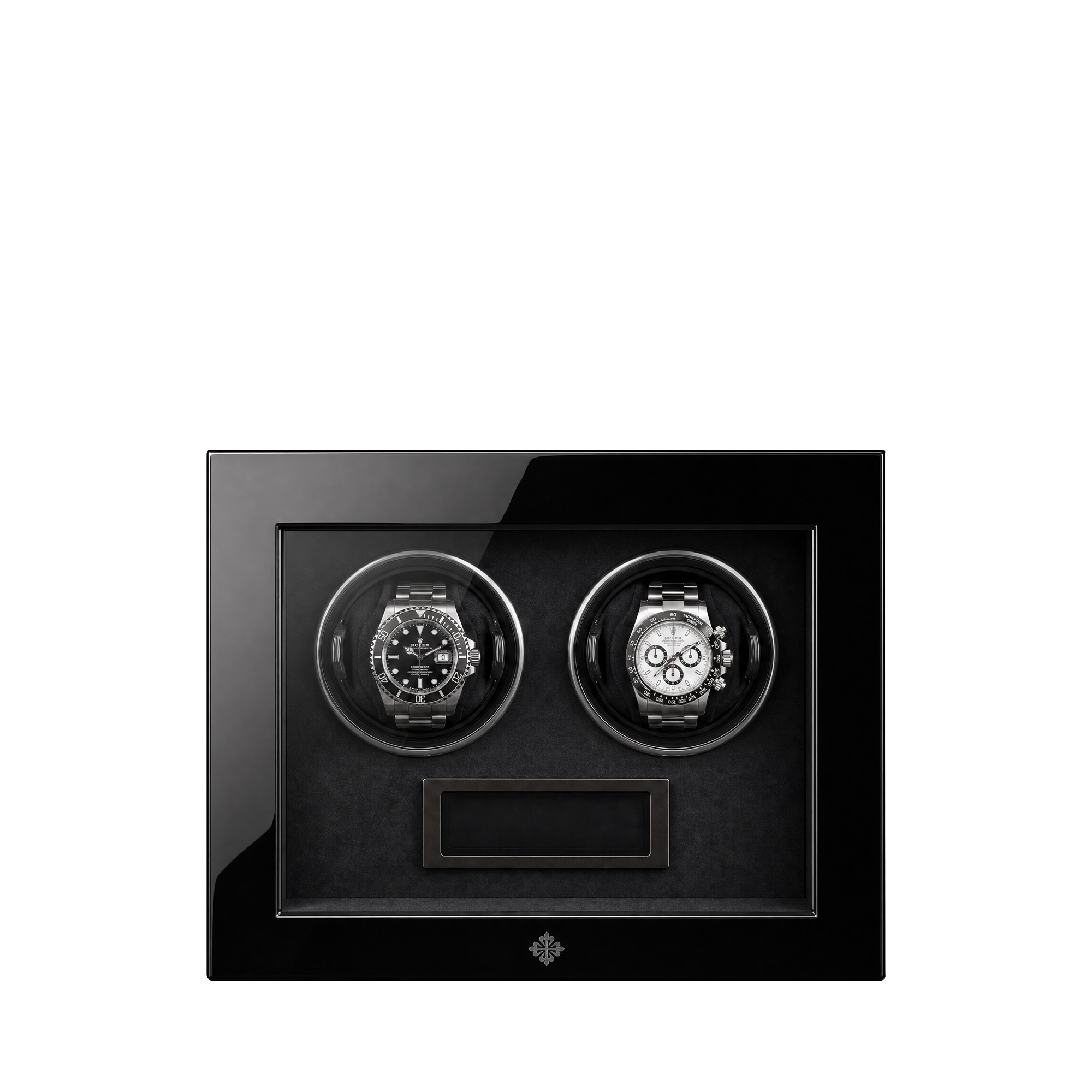
- Programmable watch winder with adjustable TPD and direction: Impresario Series 2 watch winder for a single Seiko; scale to the Virtuoso Series 6 watch winder if you’re managing multiple calibers simultaneously
- Seiko caliber lookup: Seiko’s official support site lists every caliber by model number
- Timegrapher: any consumer-grade timegrapher (Weishi 1000 or similar) lets you verify amplitude and rate after changing settings
- Caliber settings table above: bookmark this page — in 2026 it covers every mainstream Seiko automatic currently in production
What to Do Next
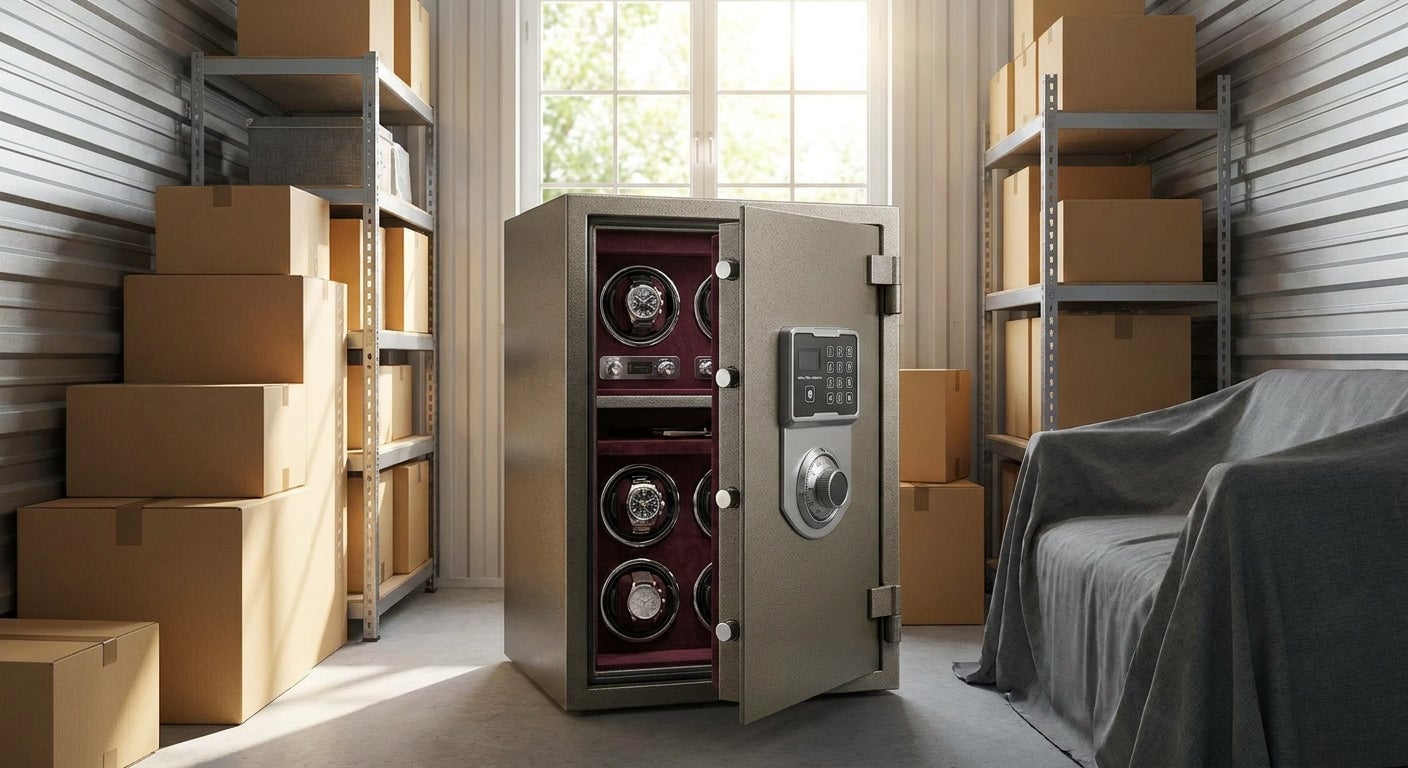
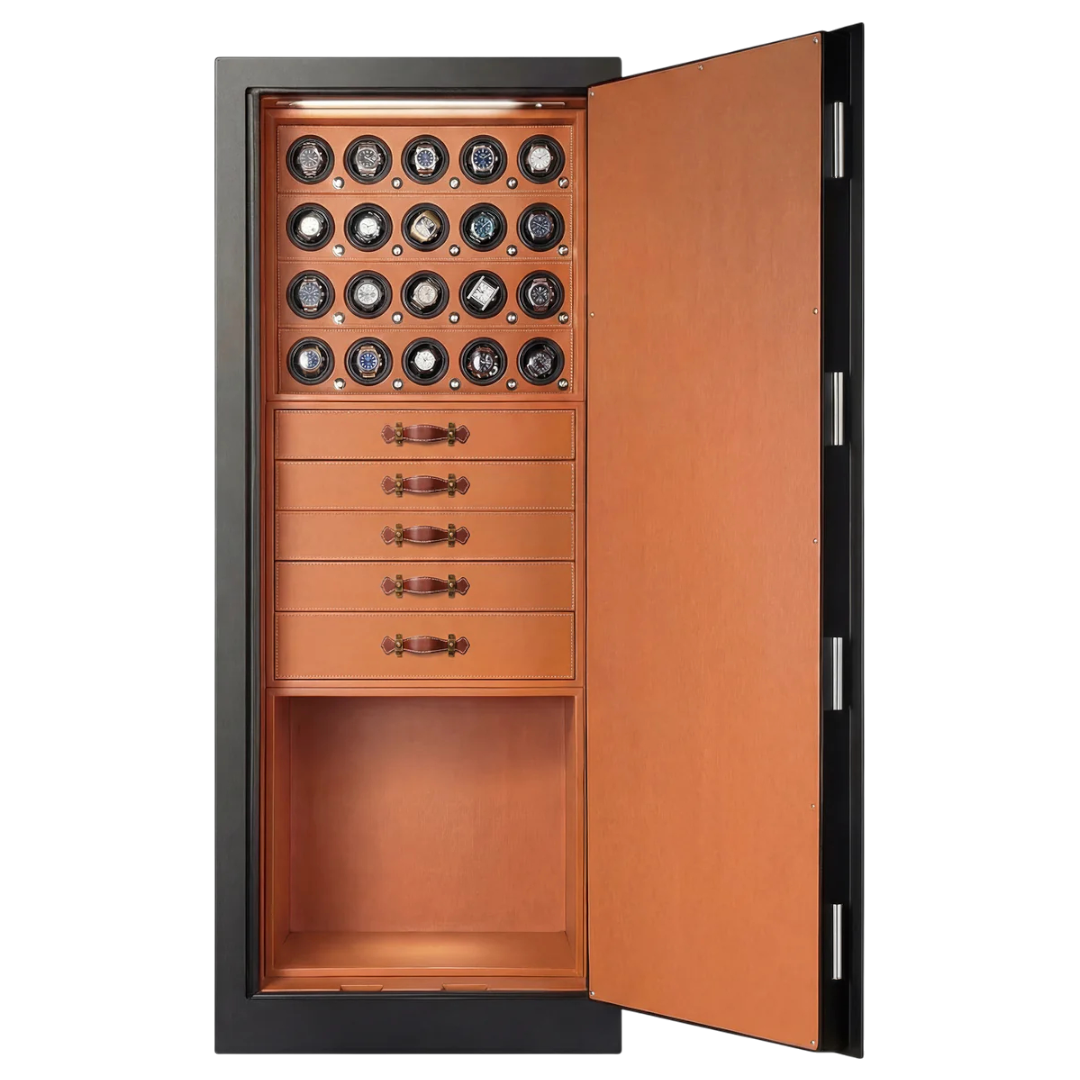
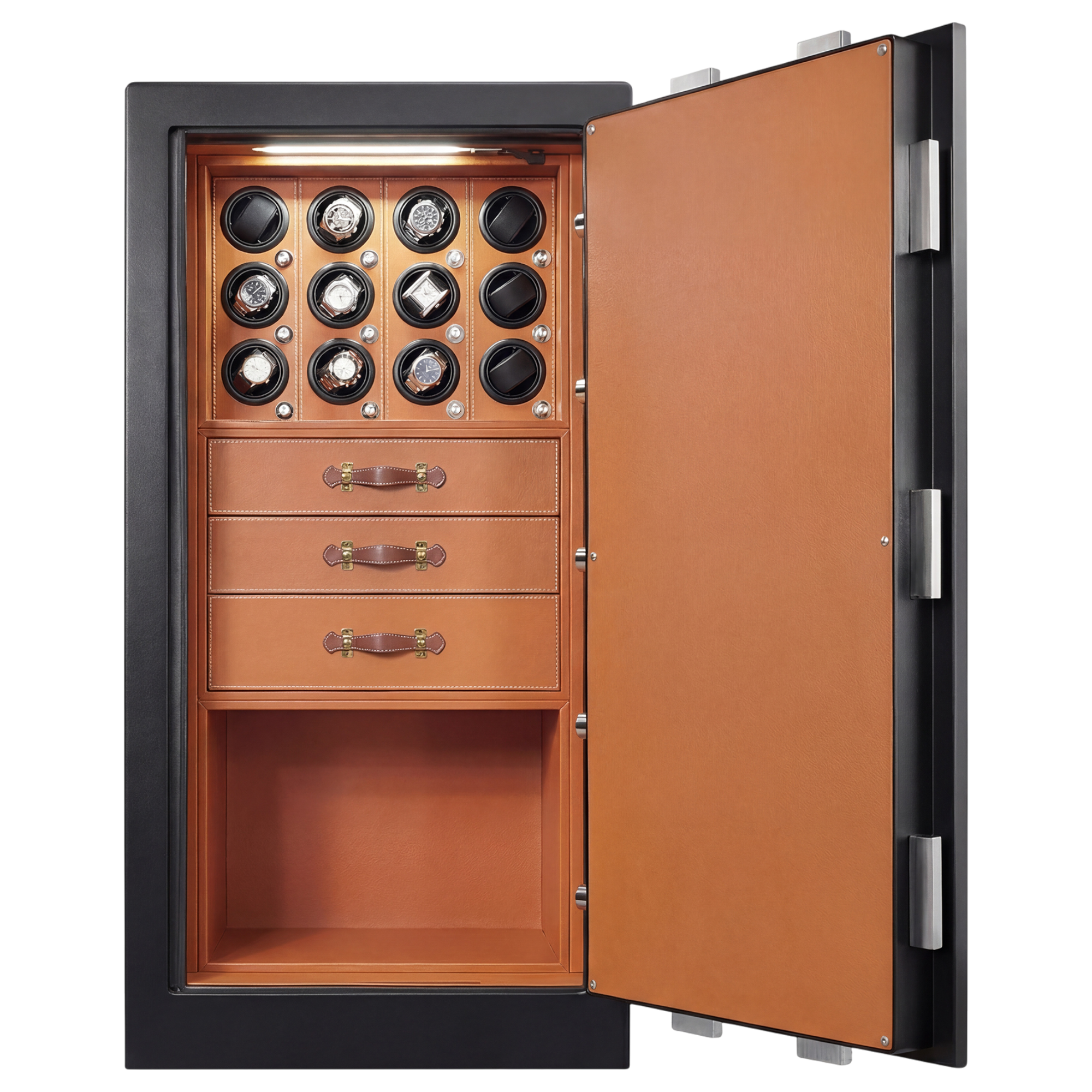
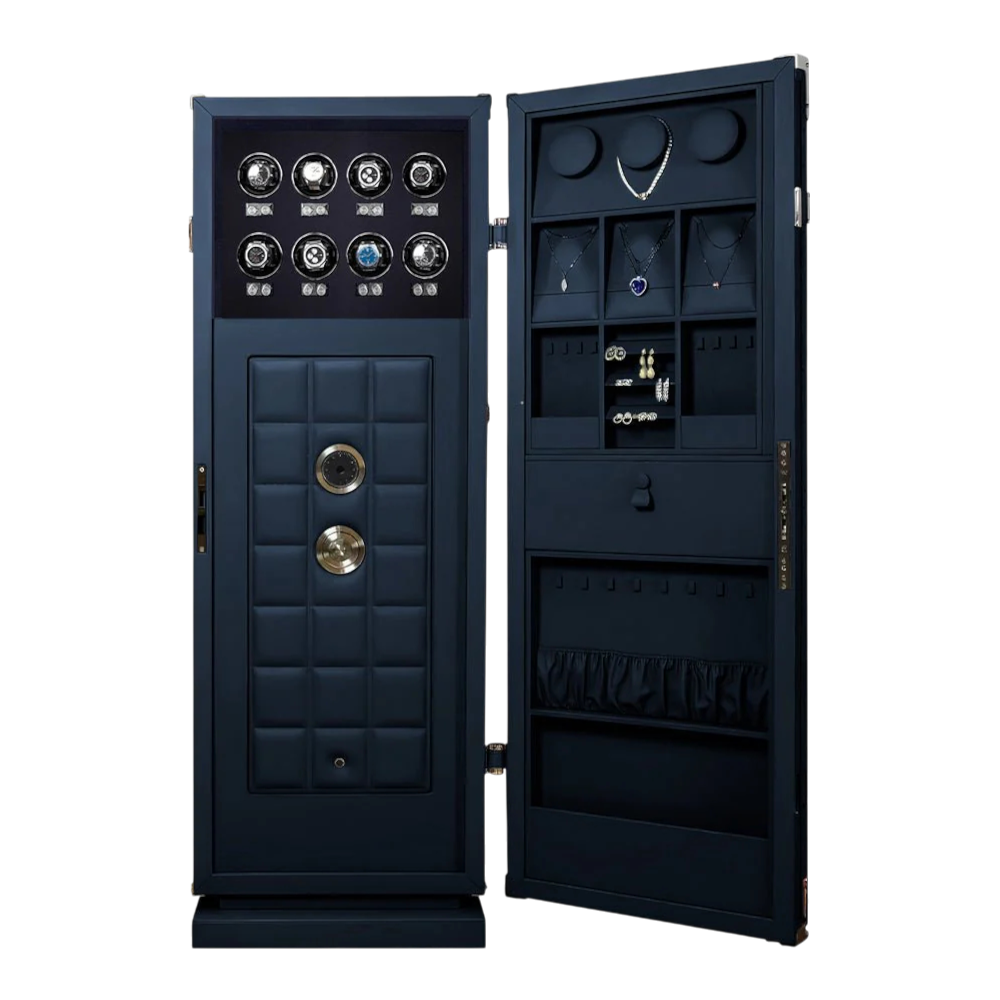
Once your winder settings are locked in, the next variable is storage. A winder sitting on a nightstand exposes a running movement to temperature swings and light. If your Seiko is part of a larger collection, pairing the winder with a proper watch safe eliminates both risks. The guide on how to store 6 automatic watches safely covers combined winder-and-safe setups that work for collections of any size.
FAQ
What TPD should I set for a Seiko NH35?
Set 650–750 TPD bidirectional. The midpoint — 700 TPD — is the most reliable starting point for the NH35 and NH35A in 2026.
Can I use a bidirectional winder for all Seiko automatics?
Not the NH38. That caliber uses a unidirectional rotor and only winds on clockwise rotation. Every other mainstream Seiko automatic winds bidirectionally.
Is 1,000 TPD too high for a Seiko?
For most Seiko calibers, yes. Anything above 900 TPD keeps the mainspring fully loaded for extended periods, which adds unnecessary wear to the slipping bridle. Stay within the caliber-specific range in the table above.
What happens if my watch winder TPD is too low for a Seiko?
The mainspring drains to zero during the winder’s rest period and the watch stops. You’ll notice it reading the wrong time in the morning. The fix is raising TPD by 100–150 and testing again.
Does winder direction matter for Grand Seiko movements?
All current Grand Seiko automatic calibers — including the 9SA5 and 8L35 — wind bidirectionally. Use bidirectional mode for all of them.
How often should I change watch winder settings for Seiko?
Once set correctly, settings rarely need changing. Review every 12 months to account for rotor bushing wear that can slightly alter effective TPD over time.
Will the wrong winder settings damage my Seiko?
Extremely high TPD (above 1,800) accelerates wear on the mainspring’s slipping bridle. It won’t destroy the watch in a week, but it shortens the service interval. Correct settings eliminate that risk entirely.
What’s the difference between winder settings for a budget Seiko and a Grand Seiko?
Grand Seiko movements — especially the 9SA5 — have higher power reserves (72–80 hours) and tolerate, and in fact need, higher TPD (800–900) to stay fully wound. Budget Seiko calibers like the NH35 need only 650–750 TPD. Using Grand Seiko settings on an NH35 is the most common over-winding mistake in 2026.
One Last Thing
The 9SA5 inside Grand Seiko’s Sport collection uses a dual-impulse escapement that Seiko developed specifically to reduce positional error — it achieves +5/-3 seconds per day in ideal conditions. That level of precision is only reproducible if the mainspring stays consistently tensioned, which means winder settings matter more for this movement than for almost any other Seiko caliber. If you own a 9SA5 and aren’t running 800–900 TPD bidirectional, you’re leaving accuracy on the table every single day.
Related Guides
Protect Your Watch Collection
Designed for collectors who demand the best. Explore our premium watch winders and luxury safes.