
A reseller's inventory turns over every few weeks, which changes the math on a watch safe for watch reseller inventory: capacity has to flex, access has to log who touched what, and the fire and burglary rating has to satisfy an insurer instead of just looking good in a showroom.
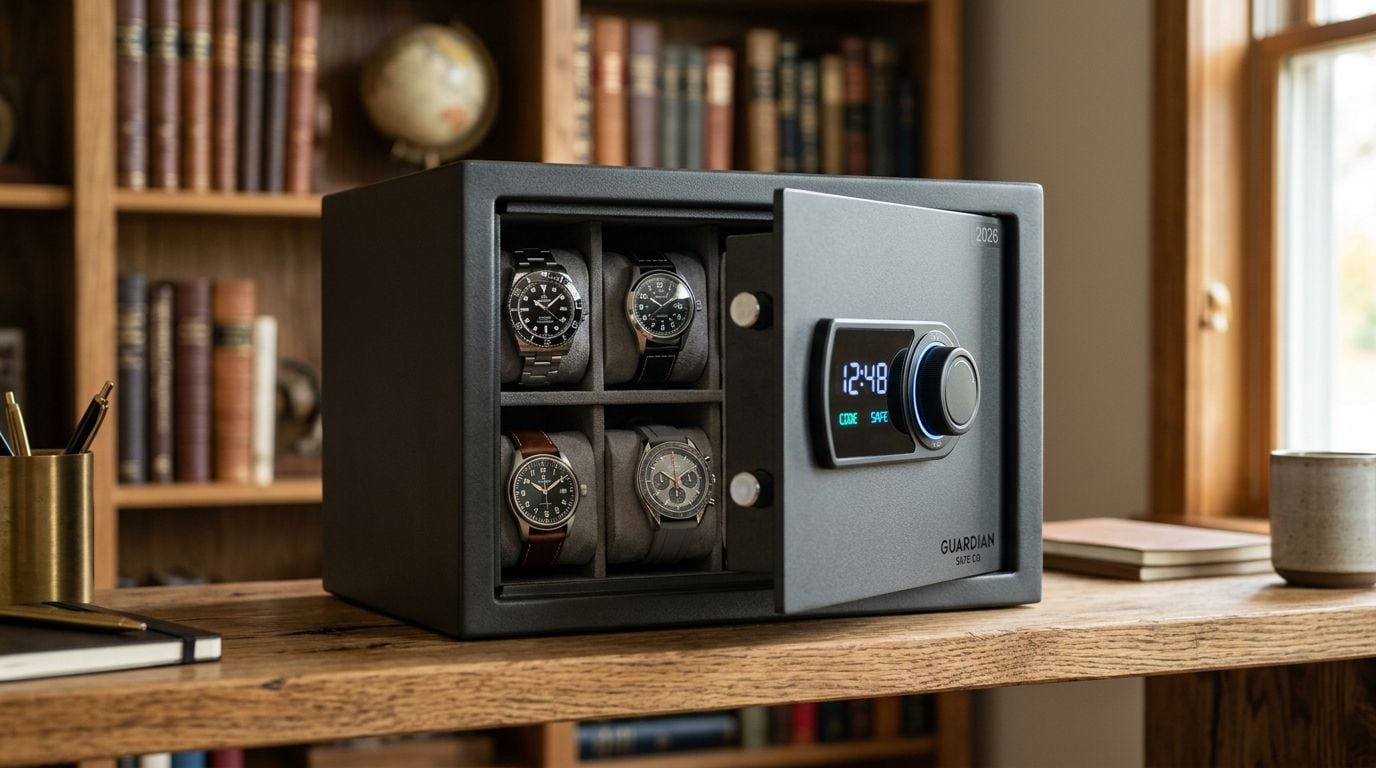
- The Apollo 12-slot watch safe fits a reseller carrying 8 to 12 pieces at a time — Buy for daily turnover.
- The Veron Elite 20-slot watch safe scales with a growing inventory but raises the insured value fast — Consider once volume justifies it.
- A watch safe with a biometric lock replaces shared keys or codes with a per-user access log — Buy for any team of two or more.
- A watch safe for watch reseller inventory needs a UL burglary rating your insurer actually recognizes, not a marketing claim.
- Bolt-down anchoring matters more than door thickness for a safe that sits in a back office in 2026.
Why this matters
A collector buys a watch safe once and keeps the combination in their head. A reseller buys inventory storage, and inventory has three problems a collector never deals with: it changes weekly, more than one person needs access, and an insurer wants proof of the rating before writing a policy.
That last point trips up more resellers than theft ever does. A safe with no documented UL burglary rating or fire rating gets flagged during underwriting, and claims on unrated storage get contested. In 2026, with resale margins already thin, a denied claim on a six-figure consignment load is the kind of loss that ends a small operation.
Capacity is the second trap. Buy for your average inventory and you're improvising storage the week a bulk lot comes in. Buy for your peak and you're paying to insure empty slots most months. The picks below are ranked with that tension in mind, not with a collector's sentimental attachment to a single watch.
How we ranked
Each entry below is scored on four things that matter to a reseller rather than a hobbyist: how fast the safe scales with a changing count of watches, whether the lock type produces a usable access record, whether the fire and burglary rating is documented rather than implied, and whether the unit can be anchored to a floor or stud instead of sitting as a target on wheels.
Pricing context comes from Enigwatch's published range, which runs from roughly $5,000 to more than $21,000 depending on slot count, lock type, and interior finish. A reseller's pick sits toward the working end of that range, not the display end.
The ranked list
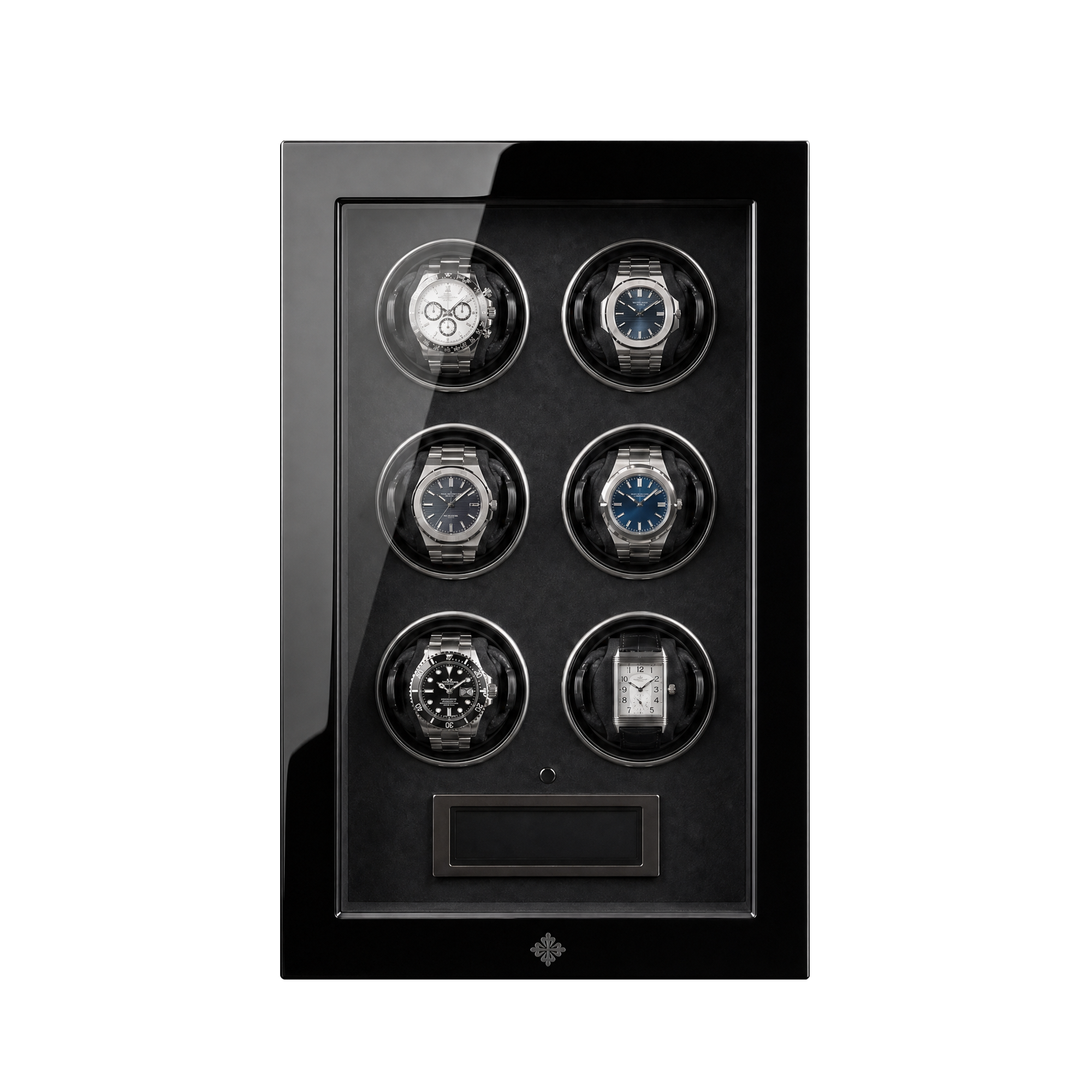
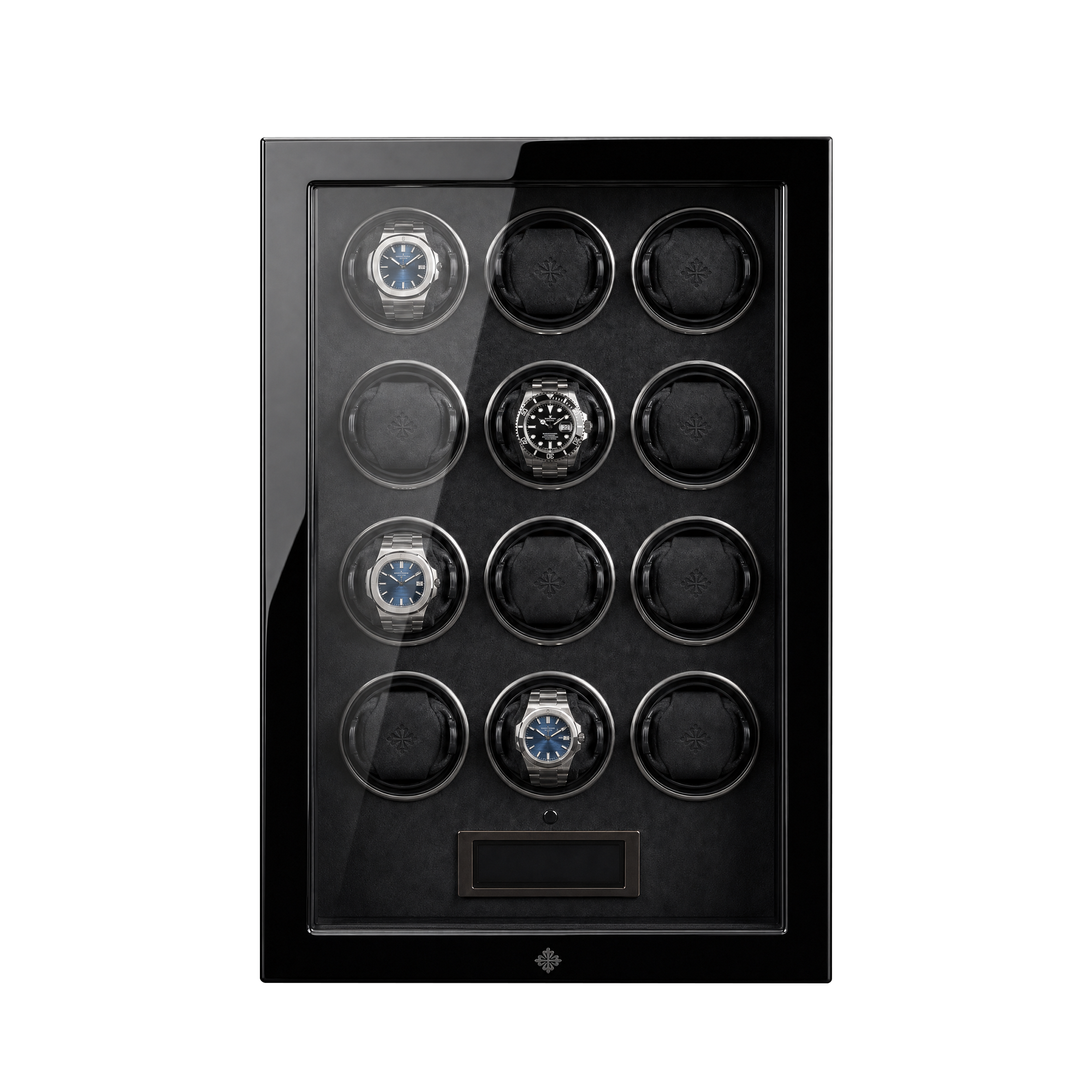
1. Apollo 12-slot watch safe \u2014 the daily-turnover workhorse
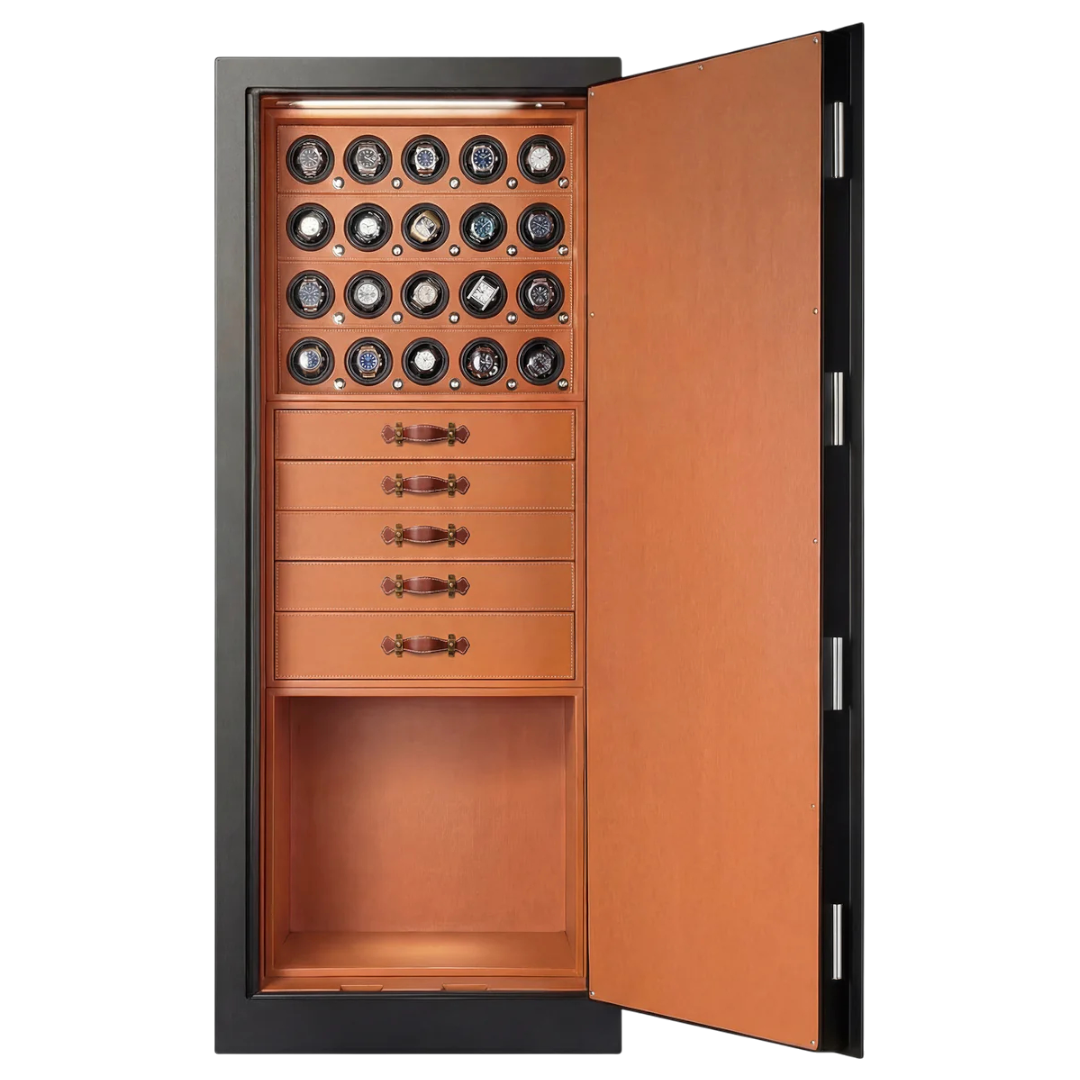
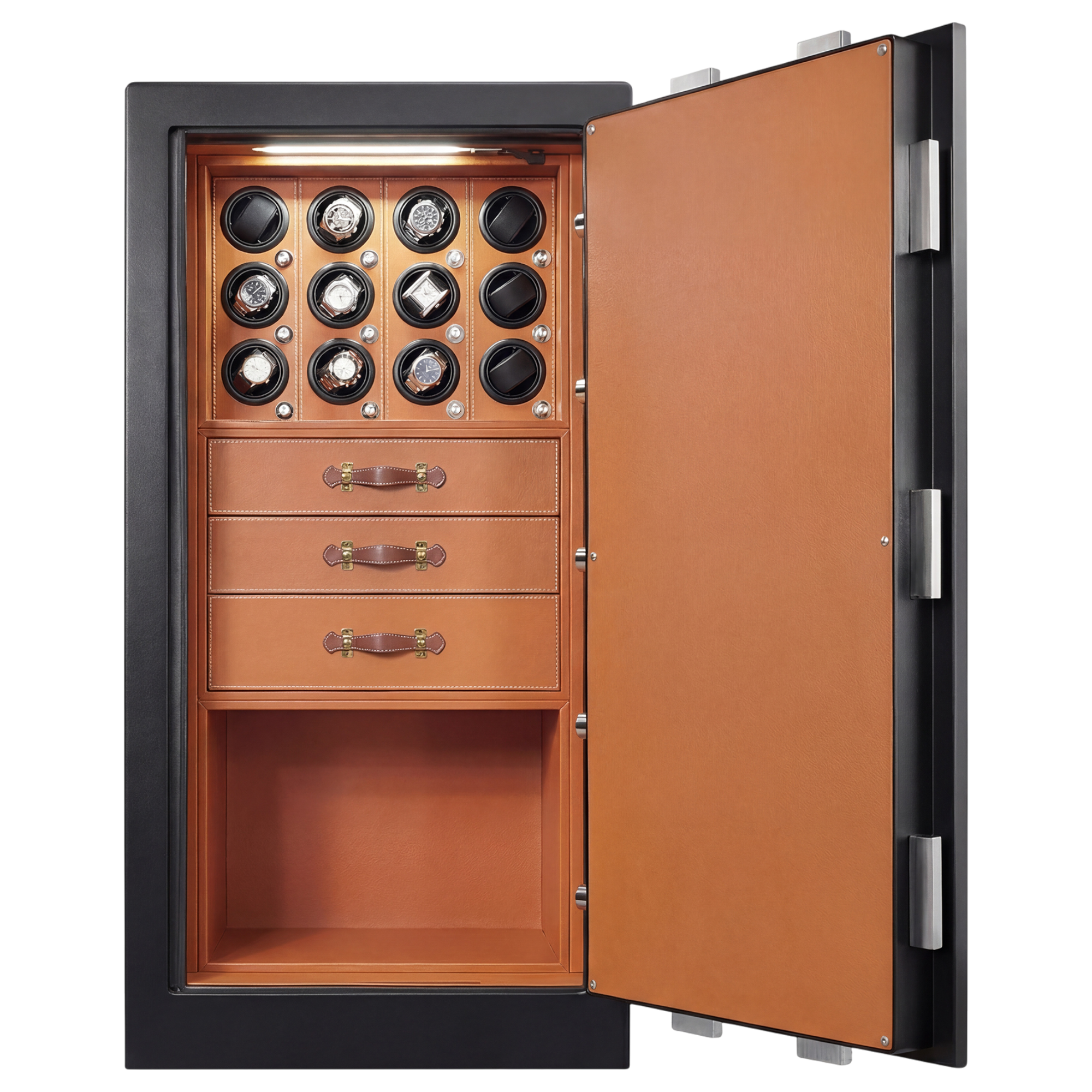
Twelve slots is the number that matches how most small resellers actually operate: enough room for a full week of consignment stock without paying to insure capacity that sits empty. The Apollo watch safe is built around that middle ground rather than either extreme.
For a reseller moving 8 to 12 pieces at a time, this is the safe that doesn't force a choice between under-buying and over-paying. Verdict: Buy for anyone running a single-location, single-operator resale business in 2026.
2. Veron Elite 20-slot watch safe \u2014 the overflow vault
Once volume grows past what a 12-slot unit handles comfortably, the Veron Elite 20-slot watch safe is the next logical step rather than a second small safe bolted in next to the first.
The tradeoff is insured value: 20 slots filled at resale-grade prices pushes the total insured contents well past what a 12-slot unit carries, so this pick only pays off once turnover justifies the jump. Verdict: Consider once monthly volume regularly exceeds 12 pieces, otherwise it's capacity you're financing and not using.
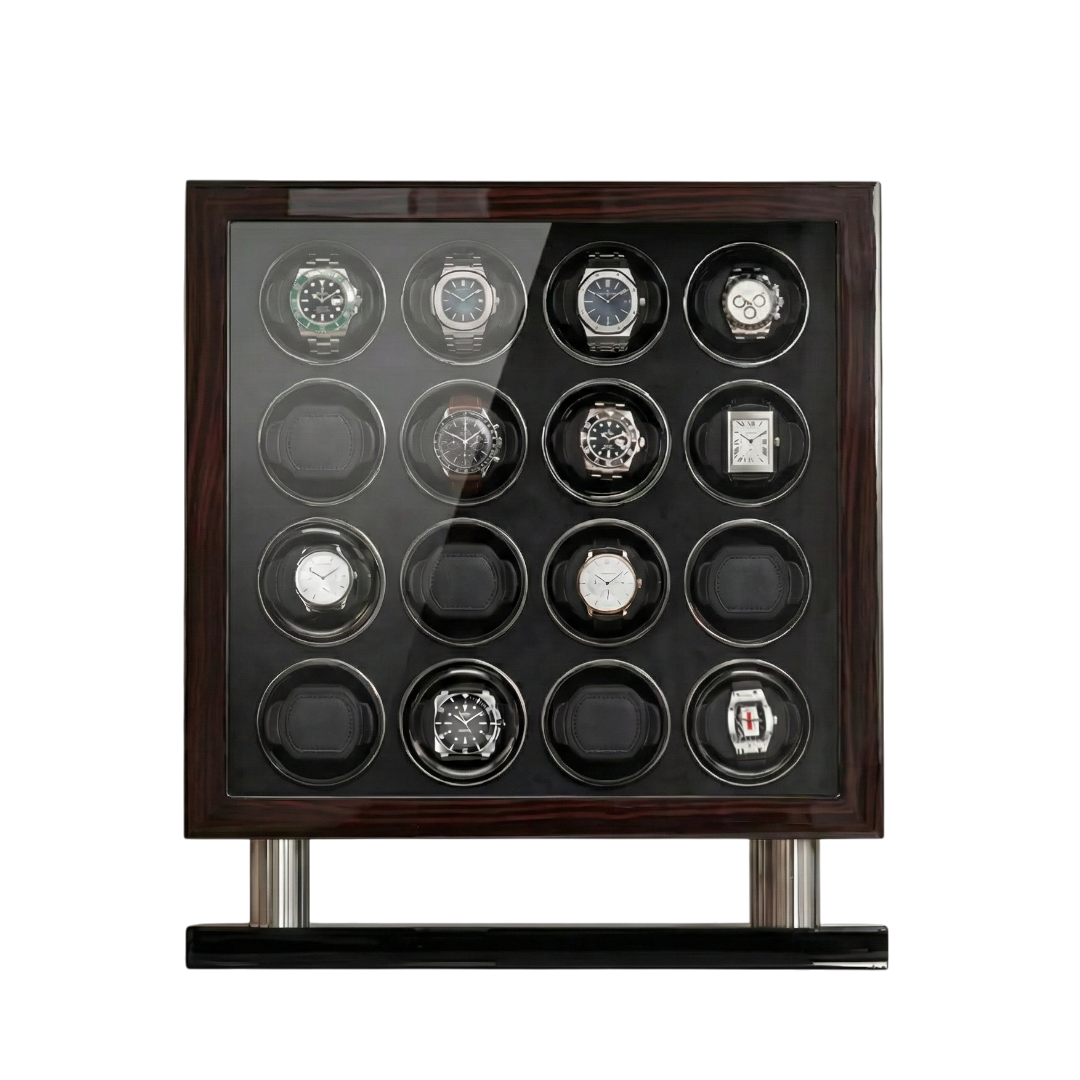
3. Watch safe with biometric lock \u2014 the access-log fix
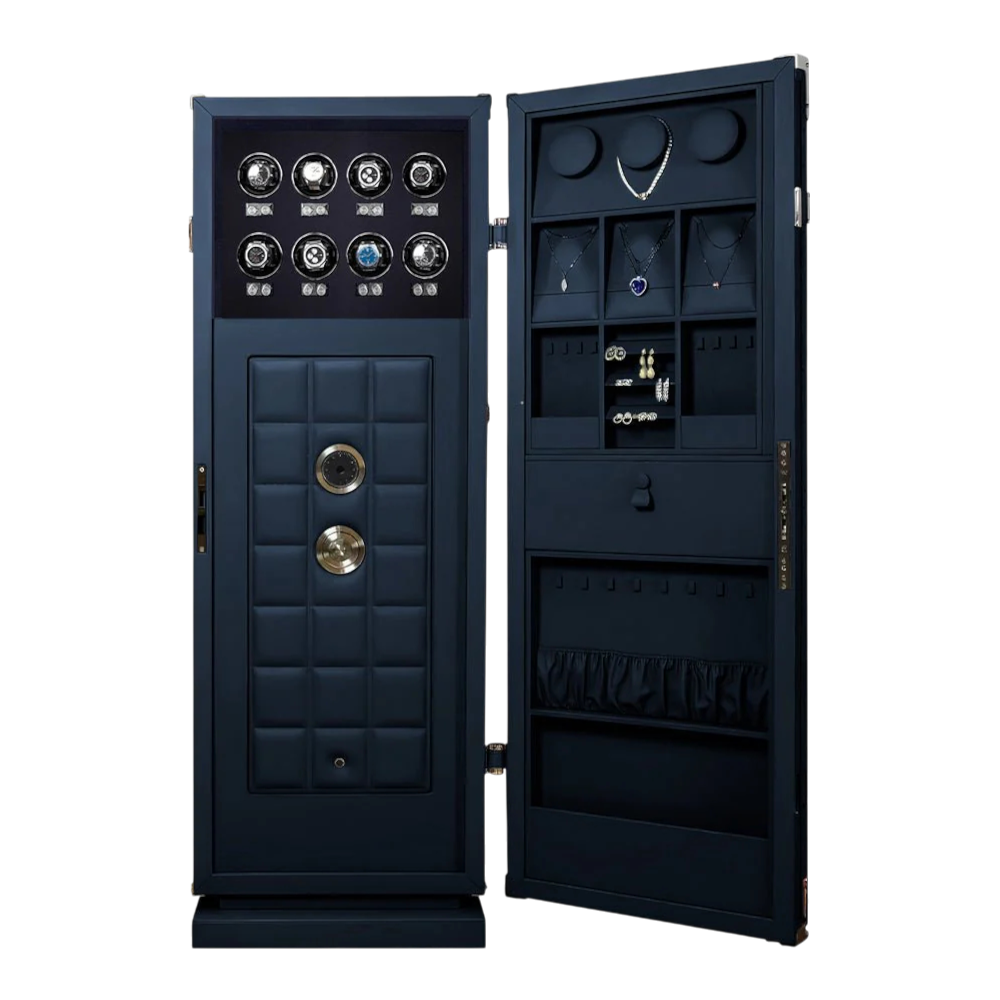
A shared combination or a spare key defeats the point of a safe the moment a second person needs access. A watch safe with a biometric lock logs which fingerprint opened the door and when, which is the difference between an internal loss you can trace and one you can only guess at.
For any reseller running with an employee, a consignment partner, or a rotating photographer for listings, this is not optional equipment. Verdict: Buy for multi-user operations; a single-operator business can defer it.
4. Fireproof-rated watch safe \u2014 the insurance line item
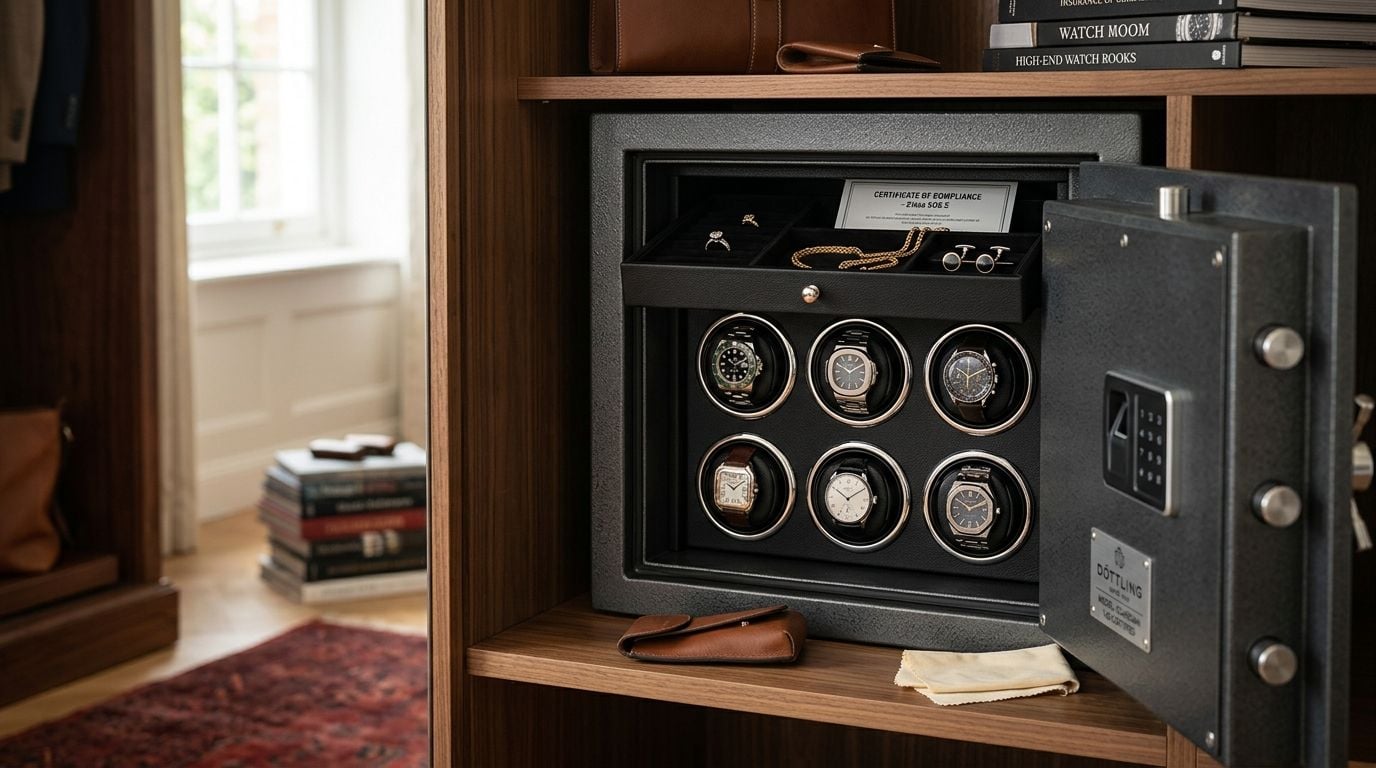
A documented fire rating is what turns "we had a safe" into a paid claim after a fire. Underwriters ask for the rating number on the policy application, not a description of the exterior finish, and a rated unit is priced accordingly by insurers writing coverage on inventory rather than a personal collection. Verdict: Buy \u2014 skip this and you're carrying uninsurable risk on paper even if the safe is physically sound.
5. Watch safe burglary rating \u2014 the number underwriters actually check
UL burglary ratings describe resistance in minutes against specific tools, not a vague "heavy-duty" claim on a listing page. Before buying anything on this list, confirm the rating against what your insurer requires for the inventory value you're carrying \u2014 a mismatch here is the single most common reason a claim gets contested. Verdict: Consider this research step mandatory before any purchase, not a nice-to-have.
6. 30-watch safe for large inventory \u2014 the high-volume bet
A 30-slot unit exists for resellers running near-wholesale volume, and it's overkill for anyone else. The insured value at full capacity is substantial, and the footprint needs a dedicated room rather than a closet corner. Verdict: Consider only once your typical carried inventory regularly runs past 20 pieces; below that, you're paying for space you'll rarely fill.
7. Corporate office display safe \u2014 the showroom trap
A display-style safe with a glass front looks right for a storefront but works against a reseller's actual need, which is discretion, not visibility. Glass fronts advertise contents to anyone who walks past, which is the opposite of what inventory storage should do. Verdict: Skip for back-office inventory; reserve display-style storage for a genuine retail showroom, if you have one.
Comparison table
| Pick | Capacity | Security feature | Best for | Verdict |
|---|---|---|---|---|
| Apollo 12-slot | 12 watches | Standard lock options | Weekly turnover, 8-12 pieces | Buy |
| Veron Elite 20-slot | 20 watches | Higher-capacity vault build | Growing inventory | Consider |
| Biometric lock unit | Varies by model | Fingerprint access log | Multi-user teams | Buy |
| Fireproof-rated safe | Varies by model | Documented fire rating | Any insured inventory | Buy |
| 30-watch safe | 30 watches | High-capacity vault | Near-wholesale volume | Consider |
| Corporate display safe | Varies by model | Glass front, low discretion | Retail showroom only | Skip |
Where to buy
- Buy from a source that documents the UL rating and fire rating on the spec sheet, not just in marketing copy \u2014 you'll need that documentation for underwriting.
- Match slot count to your typical carried inventory in 2026, not your best month or your worst one.
- Confirm anchoring and installation are handled professionally; a safe that isn't bolted to a subfloor or stud is a safe a two-person crew can carry out, rating or not.
Enigwatch ships worldwide and includes professional installation and a lifetime warranty on its watch safe and winder lines, which matters for a reseller who needs the unit anchored correctly the first time rather than troubleshooting mounting hardware mid-week.
Compare Enigwatch watch safe options
Browse the full lineup before you size a safe for reseller inventory.
FAQ
What’s the best watch safe for a small watch reseller’s inventory?
A 12-slot safe like the Apollo fits most small resellers carrying 8 to 12 pieces at a time in 2026. Scale to a 20-slot or 30-slot unit only once volume consistently exceeds that range.
Is a biometric lock better than a combination lock for reseller storage?
Yes, for any operation with more than one person accessing inventory. A biometric lock logs which user opened the safe and when, which a shared combination or key cannot do.
How much does a watch safe for reseller inventory cost?
Enigwatch’s lineup runs roughly $5,000 to over $21,000 depending on slot count, lock type, and interior finish. Reseller-grade picks tend toward the lower-to-middle end of that range rather than the display-focused top tier.
Does a watch safe need a fire rating for insurance purposes?
Most insurers require a documented fire rating before writing coverage on inventory-level value, not just a personal collection. Confirm the rating on the spec sheet before you buy, not after a claim.
What does a UL burglary rating actually mean?
It describes resistance in minutes against specific tools under a standardized test, not a general durability claim. Insurers check this number directly when setting or contesting coverage.
How many slots does a reseller actually need?
Size to your typical carried inventory, not your peak month. Most small resellers land between 12 and 20 slots; above that, you’re usually running near-wholesale volume.
Is a display-style watch safe a good fit for back-office storage?
No. Glass-front display safes are built for showroom visibility, which works against the discretion a reseller needs for inventory that isn’t meant to be seen from the hallway.
One last thing
The rating stamped on the door matters less than most resellers assume \u2014 a top-tier burglary rating on a safe that isn't bolted to the subfloor is still a safe two people can wheel out the back door in under a minute. Anchoring is the cheap, unglamorous fix that actually stops that scenario, and it's the detail most buyers skip while comparing lock types and slot counts.
Related guides
- Best fireproof watch safe for luxury timepieces
- Watch safe burglary rating, what the UL numbers mean
Protect Your Watch Collection
Designed for collectors who demand the best. Explore our premium watch winders and luxury safes.