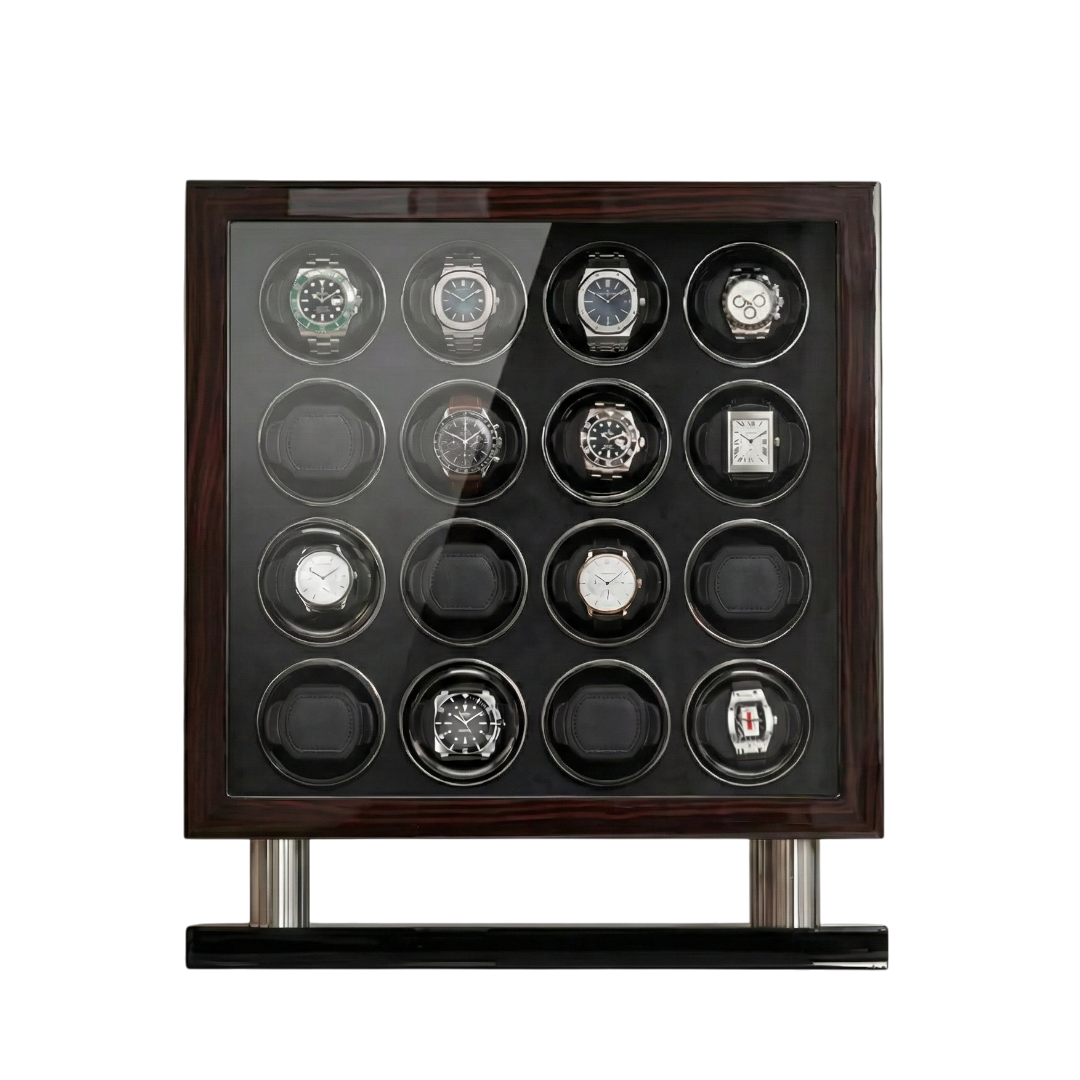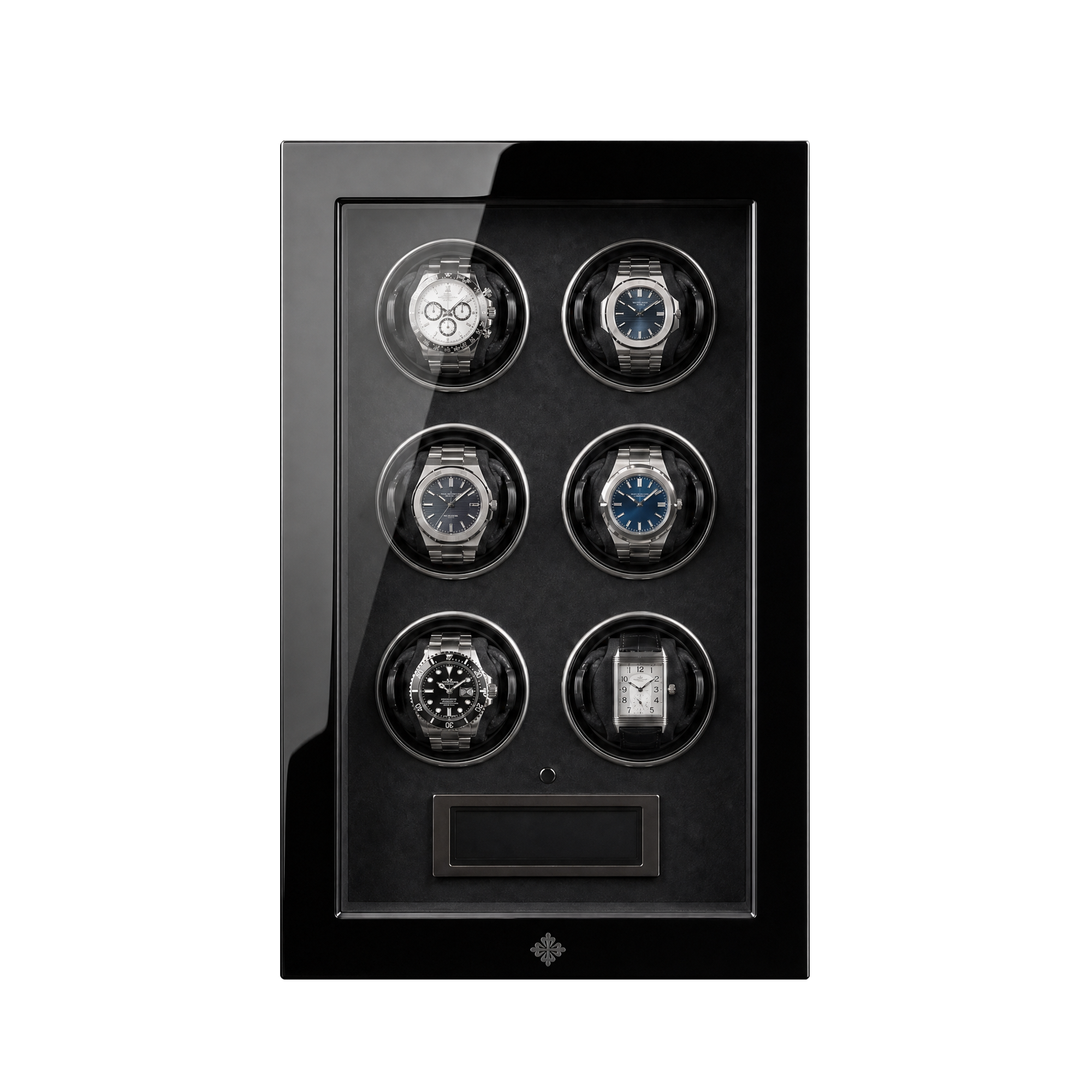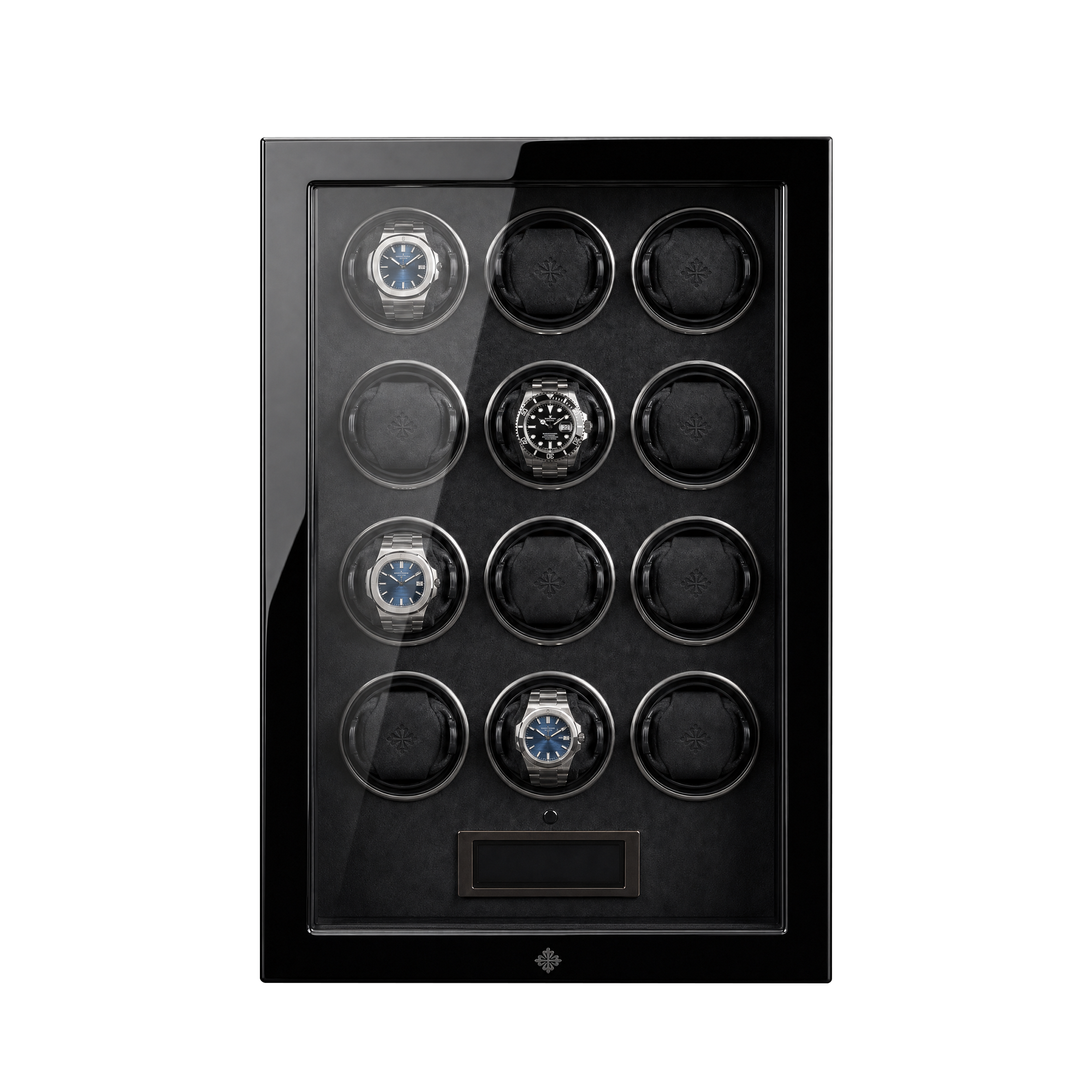

Buying a biometric watch safe for a serious watch collection is one decision you do not want to get wrong — the wrong box leaves a six-figure Patek on a shelf with a flimsy pin pad and a $30 lock cylinder.
TL;DR: A biometric watch safe combines fingerprint or multi-modal access control with physical storage rated to protect luxury timepieces from theft, fire, and humidity. For collectors with five or more watches, the combination of sub-2-second access, no memorized code, and tamper-alert logging makes biometric authentication the most practical upgrade in 2026. The Titan Sanctum 20 is Enigwatch’s purpose-built answer for collections that have outgrown a single drawer insert.
Why this matters
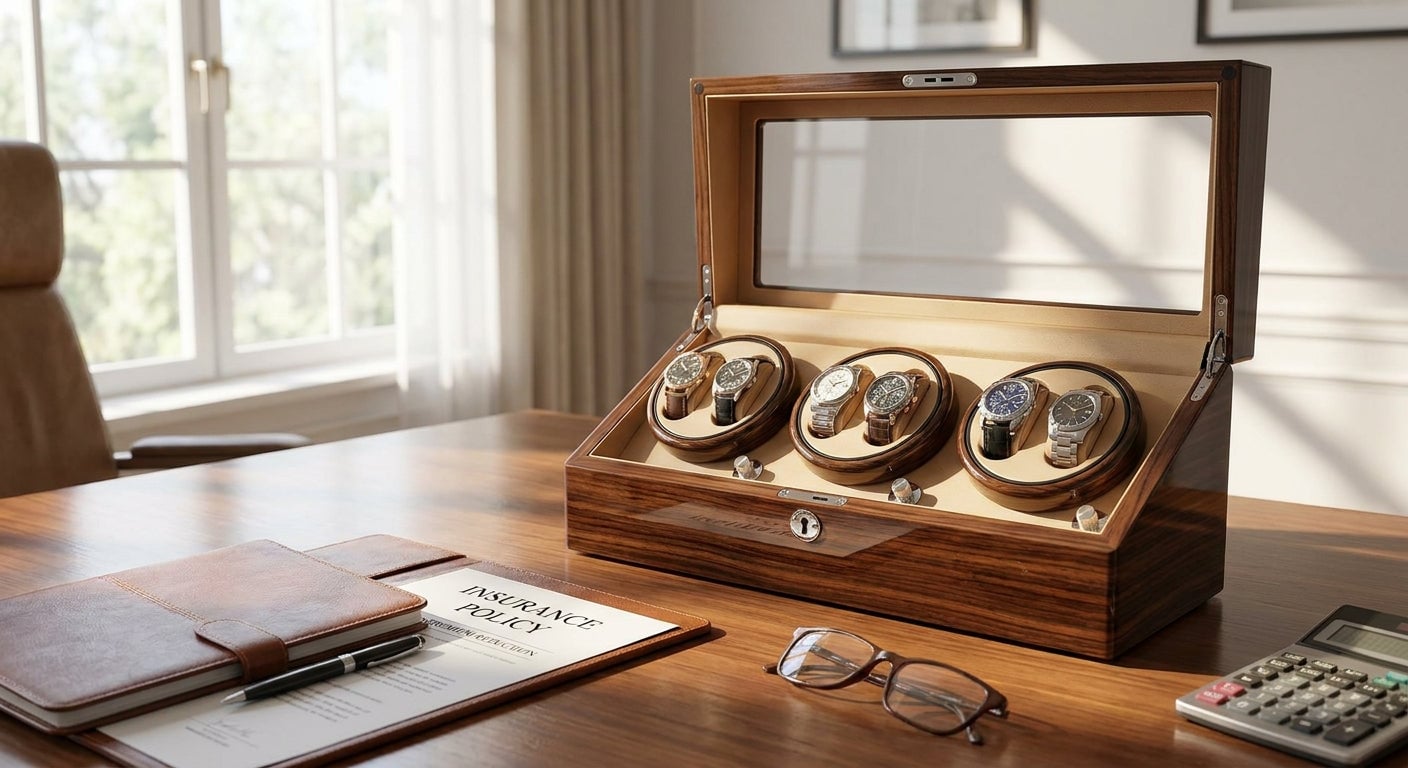
Watch theft is not a hypothetical. In 2026, high-value personal property crimes — including luxury watch theft — continue to rise in urban markets, and insurers increasingly require documented secure storage as a condition of full coverage. A fingerprint safe eliminates the two most common access failures: forgotten PINs during a power-cycle and copied keys. For a collection worth $20,000 or more, the cost of a quality biometric safe is rounding-error insurance.
Who this is for
This guide is written for the collector who owns five to twenty luxury watches — think entry Rolex, mid-tier Omega or TAG Heuer, and at least one high-complication piece — and needs daily-accessible storage that does not require a dedicated walk-in vault. If you rotate watches regularly, work from home, or share a residence where household staff have physical access, biometric authentication is the right tier. You are not the person buying a $79 Amazon jewelry box, and this guide does not cover that product category.
What to look for in a biometric watch safe for luxury watches
Fingerprint reader quality and speed
Capacitive fingerprint sensors rated for 100,000+ reads and sub-1.5-second recognition are the baseline in 2026 — anything slower interrupts your morning routine. Look for sensors that store at least 20 fingerprint profiles, so you can enroll both hands and a trusted household member without degrading response time. Optical sensors common in budget safes drift with humidity and direct light; semiconductor capacitive sensors do not.
Lock body and pry resistance
The biometric unit is meaningless if the door can be pried open in under 60 seconds. A safe protecting watches should carry a minimum 3/16-inch solid steel door, anti-pry bolt work with at least four locking bolts (12mm diameter or larger), and a tamper-alarm triggered by incorrect reads — typically three failed prints trigger a 60-second lockout plus an audible alert. Relocker bolts that engage on forced entry are a secondary standard worth checking.
Interior watch-specific fitment
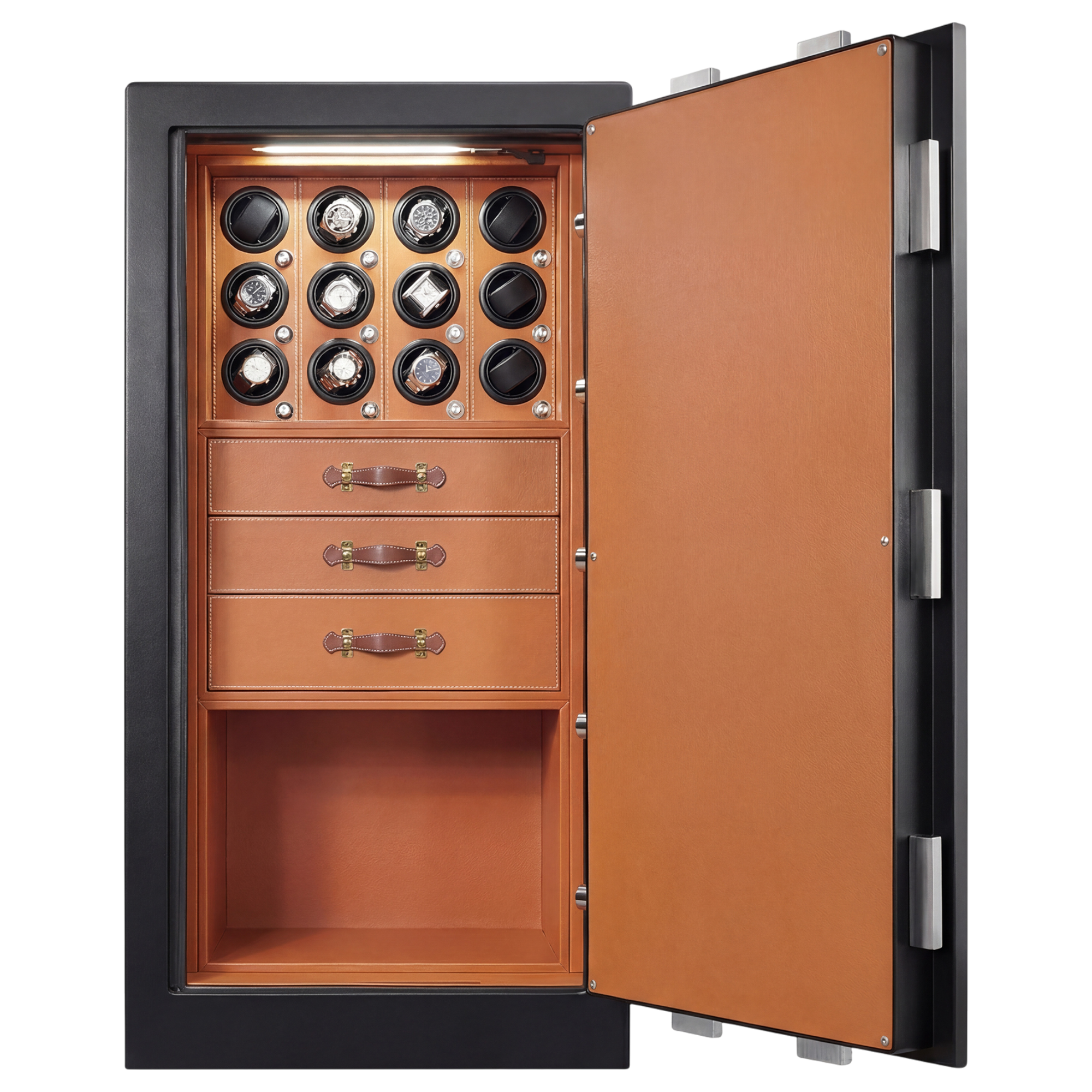
General-purpose gun safes have flat foam-lined shelves that scratch case edges and crowd crowns. A purpose-built watch safe includes individual watch pillows, removable watch roll trays, or integrated watch winder modules. Pillow density matters: watches stored crown-down on hard foam develop dial pressure over months. The storage capacity should match your current collection plus a 30–40% growth buffer.
Environmental controls
Humidity and temperature fluctuations degrade rubber gaskets, strap leather, and lubricant viscosity in mechanical movements. A watch safe with a built-in humidity control layer — either a silica-gel bay or an active dehumidifier port — keeps interior RH between 40–55%, the accepted range for mechanical watch storage. Some units add LED interior lighting on a motion-triggered circuit, which matters when you are dressing in dim conditions.
Anchor and mounting options
A 20-watch biometric safe is not light, but a thief with 10 minutes can still carry a 60-pound box. Pre-drilled floor and wall anchor points with bolt-down hardware included is a non-negotiable feature. Confirm the anchor holes allow 3/8-inch or larger hardware into concrete or structural wood — anything smaller is decorative.
Backup access and power
Biometric systems run on power. When the battery dies at 11 PM before an event, you need a tested fallback. A hidden external 9V battery terminal (the most reliable method), a keyed backup cylinder using a high-security key profile (not a standard tubular key), and an internal battery indicator with a 30-day low-battery warning are the three features that prevent lockouts.
Top picks
The purpose-built collection safe
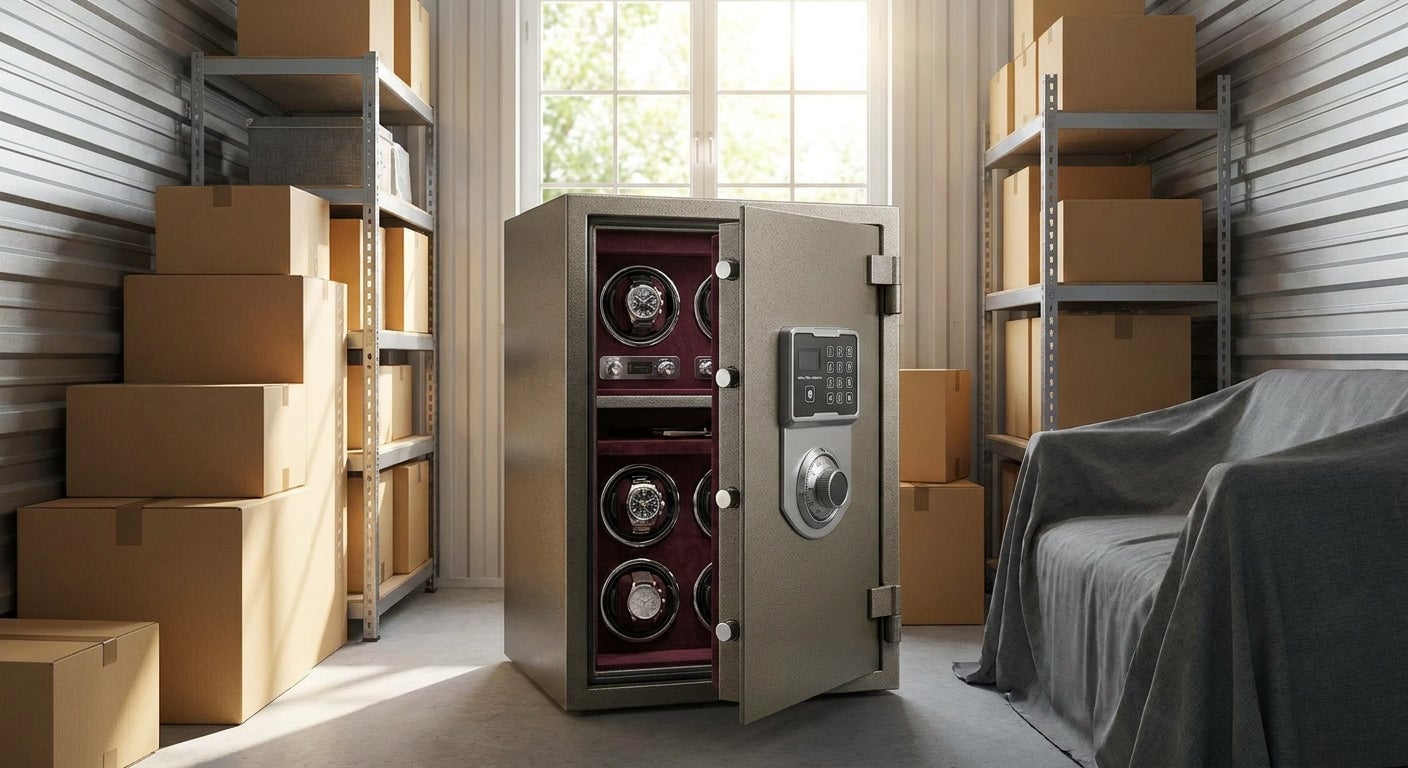
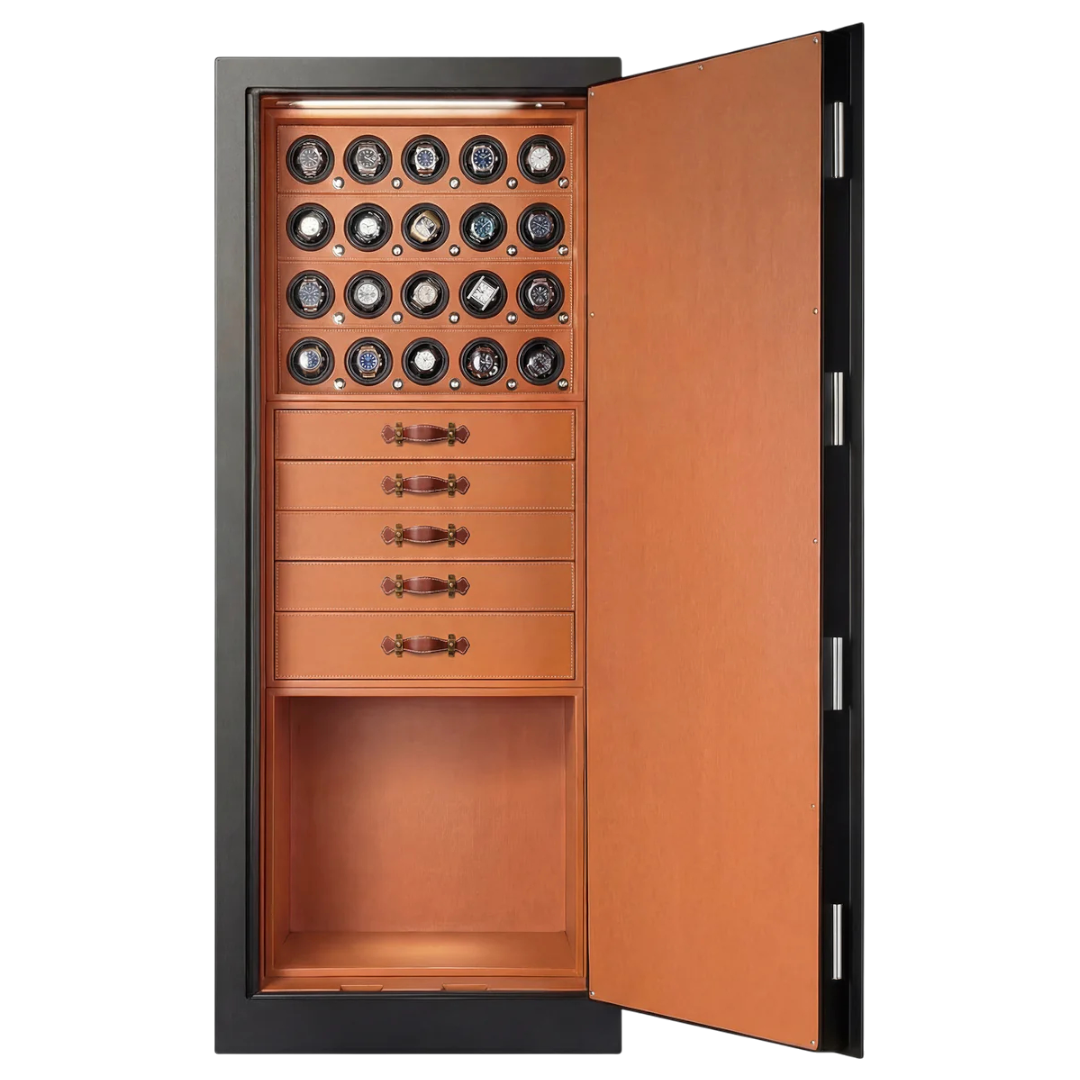
Enigwatch Titan Sanctum 20 — built specifically for the luxury watch segment, the Titan Sanctum 20 holds 20 watches with dedicated watch pillow fitment, a capacitive fingerprint reader, and bolt-down anchor hardware included. This is the pick for a collector in the 8–20 watch range who wants a single storage solution rather than a stack of smaller boxes. Verdict: Buy.
The winder-integrated option
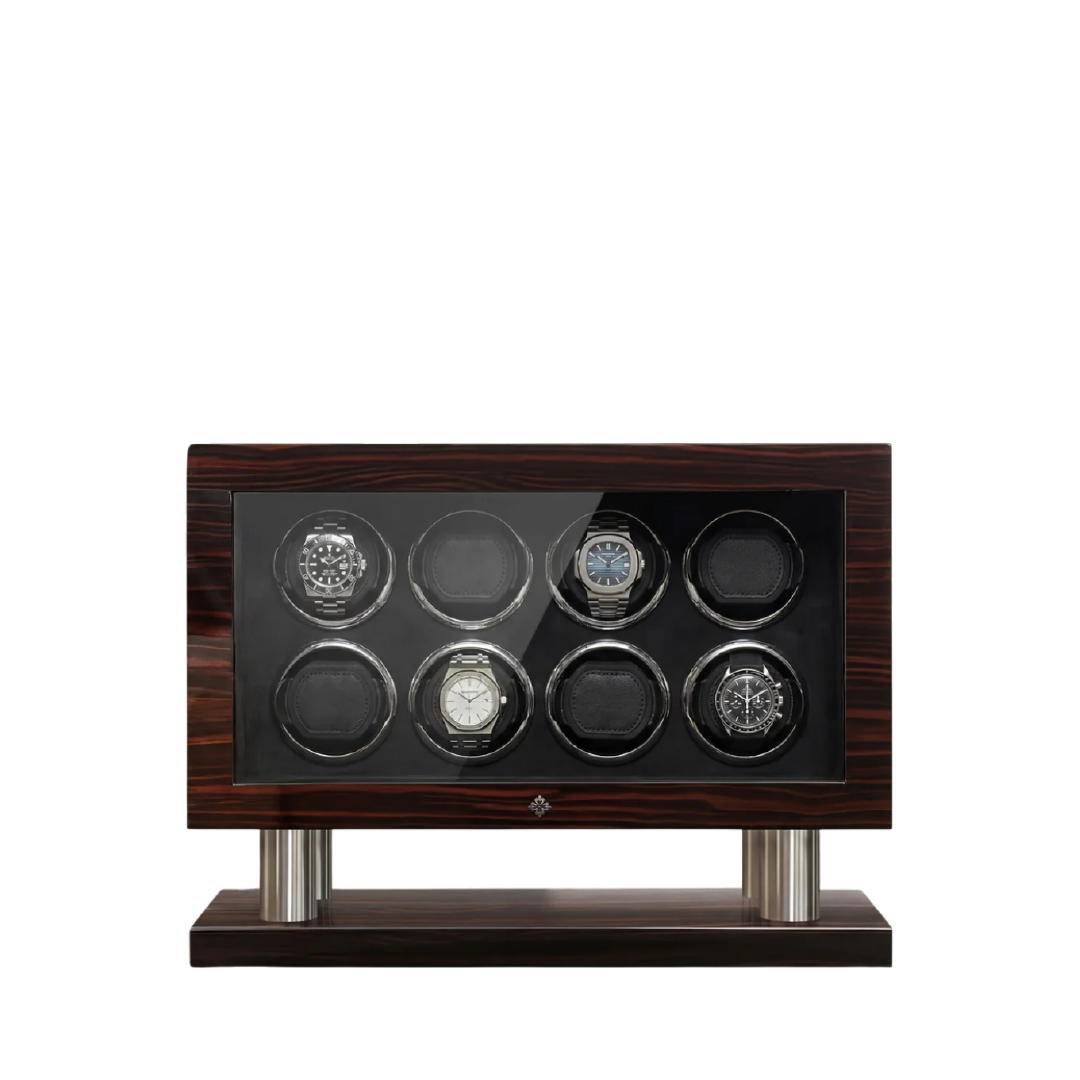
If a portion of your collection is automatic, pairing secure storage with active winding eliminates the ritual of manually winding down before re-wearing. Enigwatch’s Yachtline Series 16 watch winder combines watch winding for up to 16 automatics with secure cabinet construction — relevant for collectors where 50% or more of the collection is automatic. Verdict: Consider if your automatics outnumber your quartz and manual-wind pieces.
The compact entry point
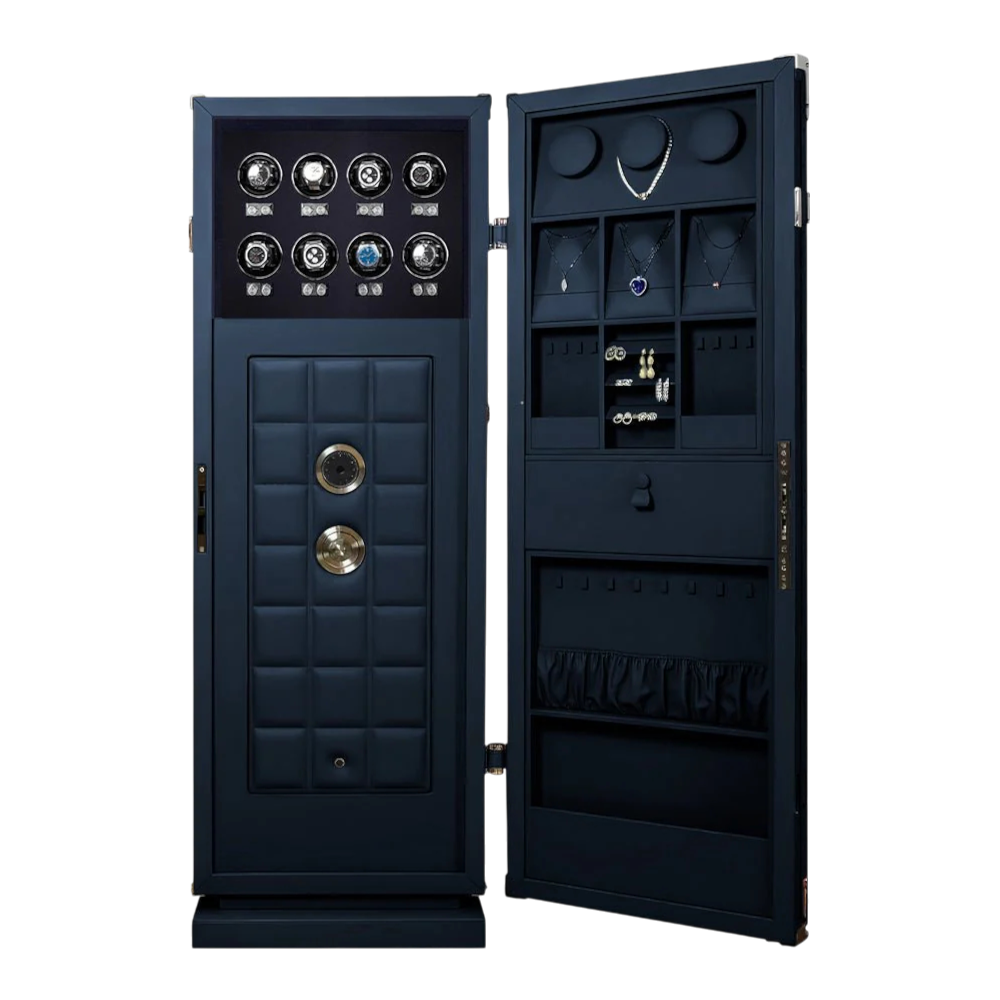
For a collector at 6–8 watches who is not ready for a floor-standing unit, the Yachtline Series 8 offers a countertop-footprint winder safe with locked cabinet access — a practical step up from an unsecured display case. Biometric access at this size tier is a differentiator that most competitors skip to keep costs down. Verdict: Consider for smaller collections.
The desk-format daily driver
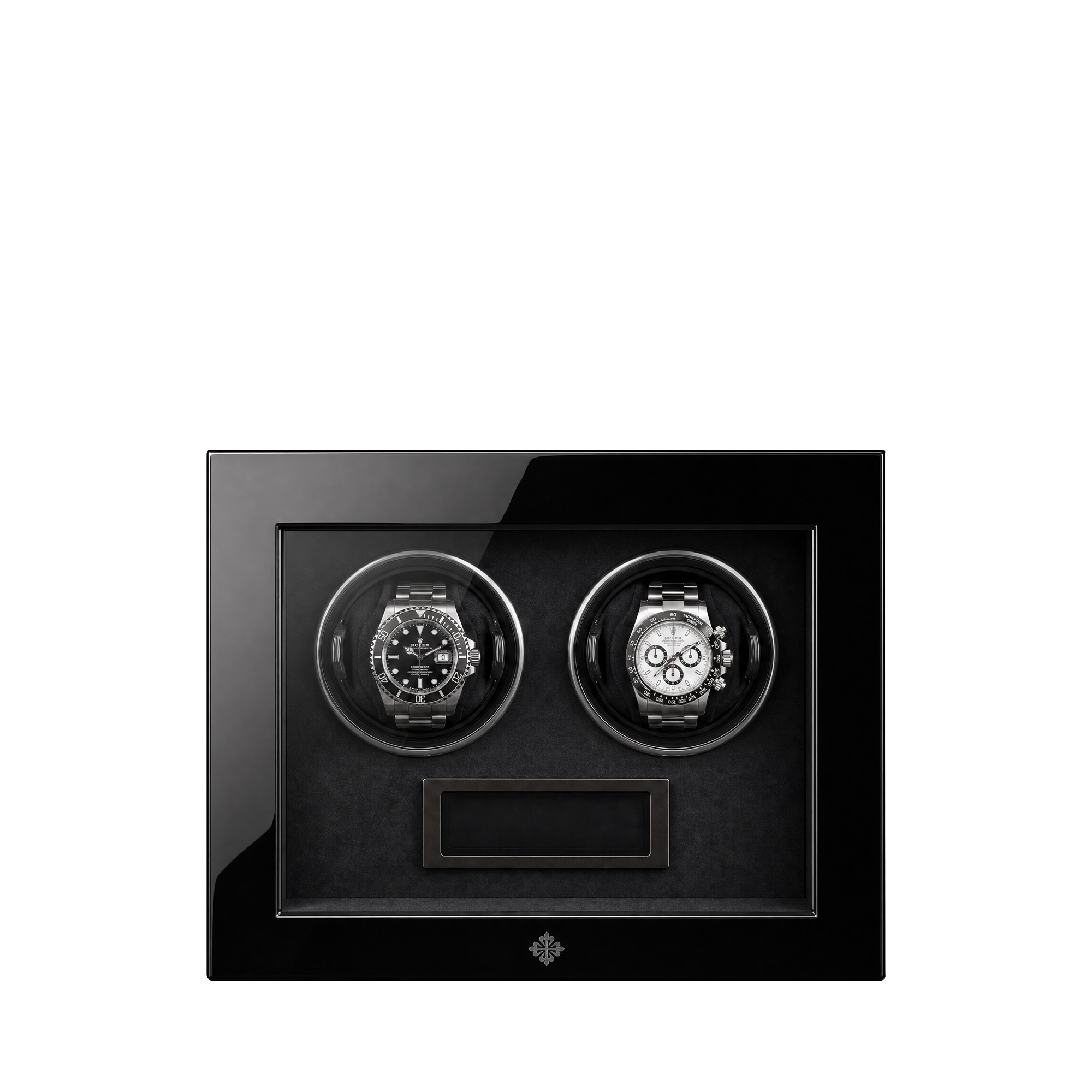
The Impresario Series 2 is the single-watch winder built for the piece you wear 80% of the time. It is not a primary security storage solution, but it keeps your daily rotation watch wound, displayed, and accessible without opening the main safe repeatedly. Pair it with the Titan Sanctum for full coverage. Verdict: Buy as a complement, not a replacement.
What to avoid
- Safes with tubular key backup locks. Tubular keys can be copied in under 2 minutes with a $20 tool available online. Any biometric safe with a tubular key fallback has effectively no secondary access security.
- Convertible gun safes marketed as watch safes. Flat rifle-rack interiors and foam-only shelving were not designed for sub-50mm watch diameters or protruding crowns. A watch stored on a gun rack shelf will rotate on the crown and scratch within weeks.
- Sub-20mm door steel regardless of brand. A door thinner than 3/16 inch (roughly 4.8mm) can be forced in under 90 seconds with a pry bar — the fingerprint reader becomes theater. Confirmed door thickness from the manufacturer spec sheet, not the listing description, is the only reliable source.
Comparison table
| Titan Sanctum 20 | Yachtline 16 | Yachtline 8 | Impresario 2 | |
|---|---|---|---|---|
| Capacity | 20 watches | 16 automatics | 8 watches | 1 watch |
| Winding included | No | Yes | Yes | Yes |
| Best for | Pure storage, large collection | Mixed/automatic collection | Small collection | Daily rotation |
| Anchor hardware | Included | Cabinet mount | Countertop | Desk |
| 2026 verdict | Buy | Consider | Consider | Complement |
FAQ
What is a biometric watch safe?
A biometric watch safe is a locked storage unit that uses fingerprint or multi-modal biometric authentication — instead of a PIN or key — to grant access. It is purpose-built to store luxury watches with individual fitment, theft resistance, and often environmental controls.
Is a biometric safe safer than a combination safe for watches?
For daily-access collectors, yes. Combination codes can be shoulder-surfed, shared accidentally, or forgotten. A fingerprint reader tied to your enrolled profiles cannot be guessed, and most units log failed attempts with an audible alarm after three failures.
How many watches fit in a biometric watch safe?
Capacity ranges from 2-watch desktop units up to 20-watch floor models. The Titan Sanctum 20 holds 20 watches with dedicated watch pillows. Choose a unit with at least 30% headroom above your current count — collections grow.
What happens if the biometric sensor fails or the battery dies?
A well-designed unit provides a backup external 9V battery terminal and a high-security keyed cylinder. Always test both backup methods before mounting the safe. Avoid units where the only fallback is a tubular key.
Do I need a watch winder inside the safe?
Only if a meaningful portion of your collection is automatic watches. Automatics stored without winding for more than 48 hours lose their power reserve and require manual crown-winding or a watchmaker’s timegrapher reset. If you rotate 4 or more automatics, a winder-integrated cabinet saves time and reduces wear from repeated manual winding.
How much does a biometric watch safe cost?
Entry-level biometric watch safes start around $200 for 2–4 watch desktop units. Purpose-built luxury-grade units with solid-steel construction and proper watch fitment for 10–20 watches typically range from $800 to $3,000 in 2026, depending on capacity, interior finish, and winder integration.
Can I bolt a watch safe to the floor?
Yes, and you should. Most quality units — including the Titan Sanctum 20 — include pre-drilled anchor points and bolt-down hardware. Anchor into concrete or structural framing with 3/8-inch hardware minimum. An unanchored safe above 60 lbs can still be removed by two people in under 5 minutes.
Are watch safes covered by homeowners insurance?
Many homeowners and renters policies have a sublimit on jewelry and watches — commonly $1,000–$2,500 — that applies regardless of secure storage. A biometric safe does not increase the sublimit, but some insurers offer scheduled personal property riders that require documented secure storage as a condition. Verify your policy before assuming coverage on a five-figure collection.
One last thing
In 2026, the majority of residential watch thefts are opportunistic — a thief with 3–8 minutes, not a professional with cutting tools. That window is exactly what a properly anchored biometric safe closes. The fingerprint reader is not the security; the steel, the bolt work, and the anchor hardware are. The fingerprint reader is just what makes you actually use it every day instead of leaving the door cracked for convenience.
Related guides
Protect Your Watch Collection
Designed for collectors who demand the best. Explore our premium watch winders and luxury safes.