
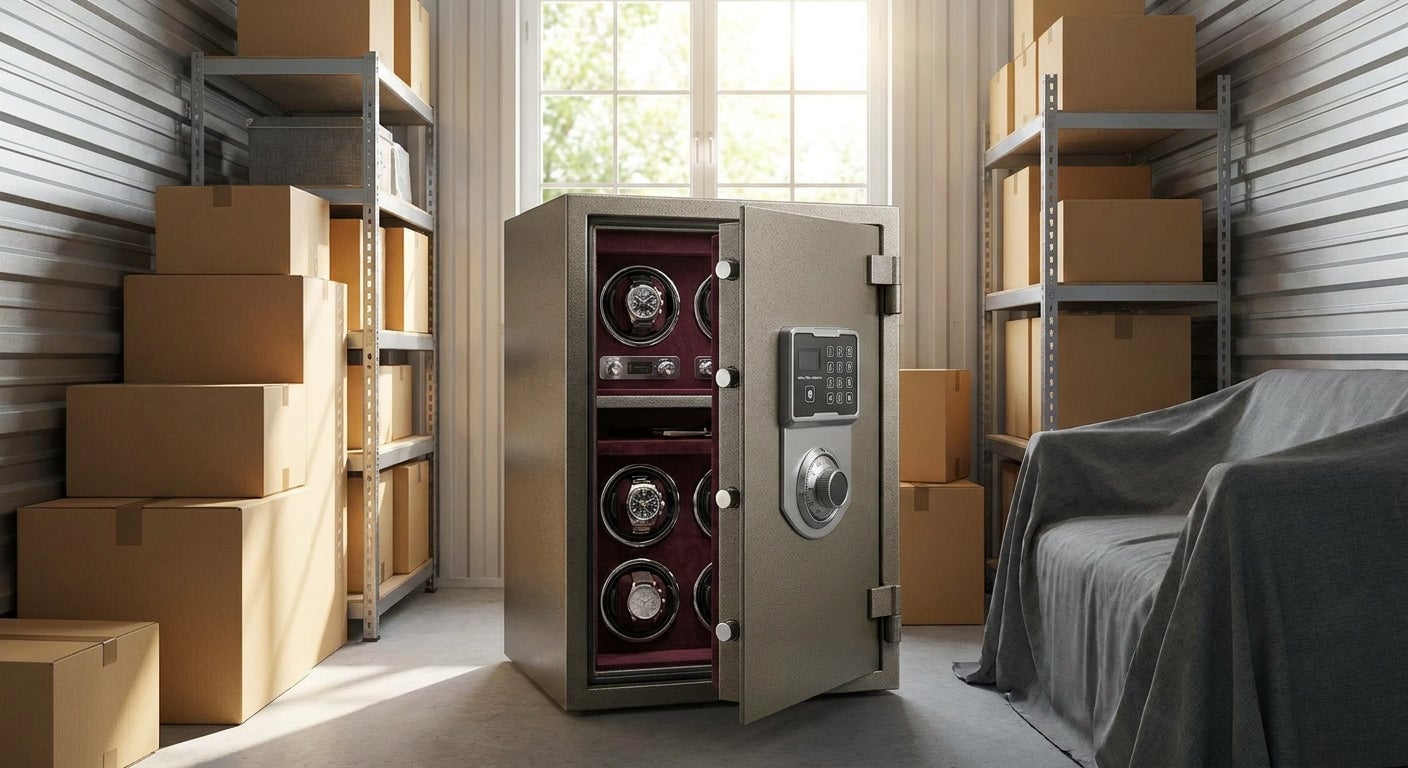
A watch safe headed for a rented storage unit answers to different rules than one bolted into a home closet — no structural studs to anchor into, no climate control running through the night, and often no outlet within reach of the unit door.
- The Centennial Bulletproof Watch Safe fits a watch safe for storage unit use at $5,299 with a two-hour, 695°C fire rating — Buy.
- A watch safe for storage unit placement needs a UL TL-30 burglary rating; a padlock on the roll-up door doesn’t count as security.
- Skip wood-veneer cabinet safes for a unit — most facilities won’t let you bolt into a stud wall.
- The Apollo 12 Watch Safe balances biometric access and vault steel for a 12-piece overflow collection at $7,499 — Buy.
Why this matters
A home safe gets the benefit of a locked front door, an alarm system, and someone who notices if a stranger is loitering by the closet. A rented storage unit gets a shared roll-up door, a facility padlock, and a gate code that dozens of other renters also know. The safe itself has to do the work a house normally does for free.
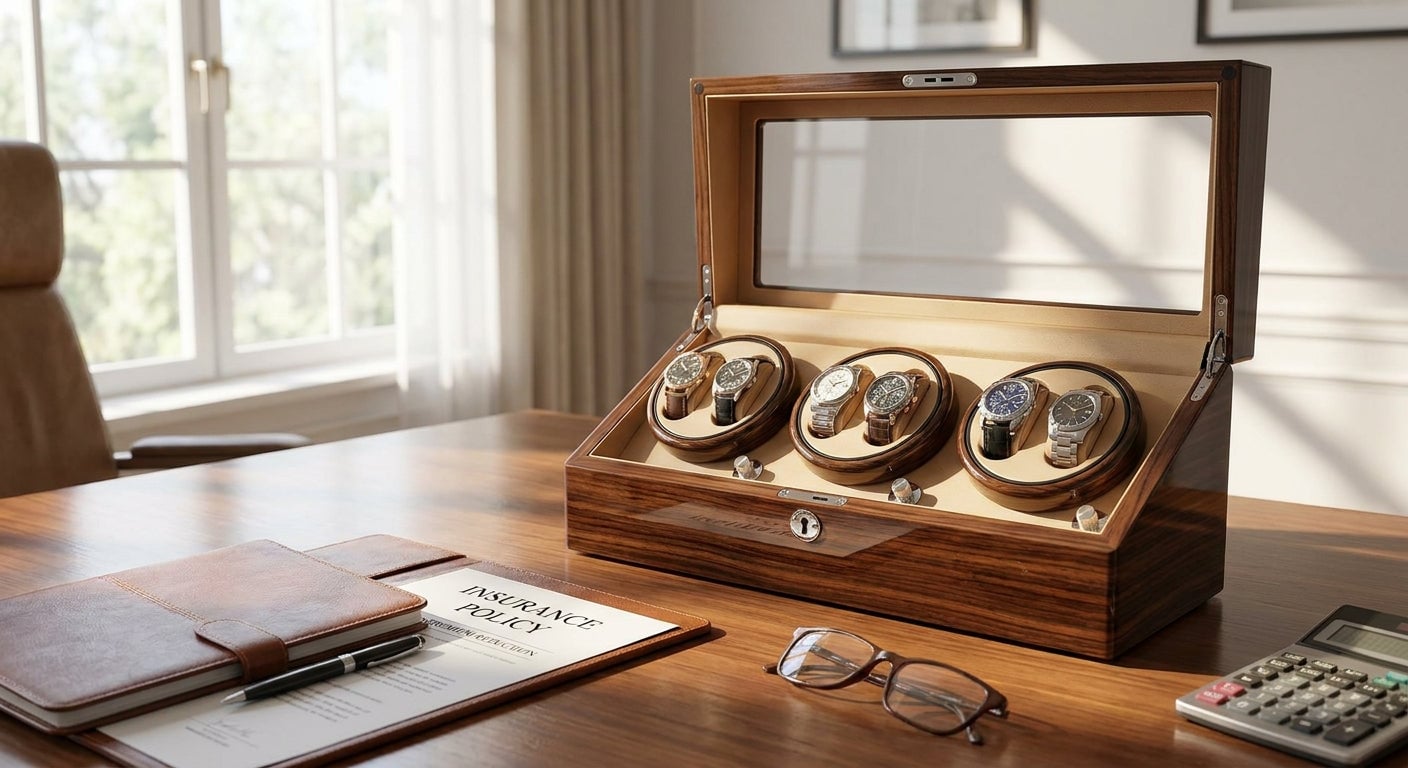
Insurance underwriters treat off-site storage differently too. A UL burglary rating on the safe is often the difference between a claim that pays out in full and one that gets adjusted down because the storage method didn’t meet policy terms. In 2026, that distinction matters more than it did five years ago, as more collectors split inventory between a primary residence and a unit.
Who this is for
This is for collectors carrying an overflow collection past what a home safe holds, people mid-move between two properties, and anyone storing an inherited or estate collection they’re not ready to bring into daily rotation. It is not for someone storing a single watch they wear twice a year — a bank deposit box or a home safe handles that with less friction.
What to look for in a watch safe for storage unit use
Burglary rating that beats a padlock
The facility’s security is generic — a shared gate code, a camera at the entrance, maybe a night guard. The safe has to assume none of that helps. Look for a UL TL-30 rating or higher; anything without an independent burglary certification is a locked box, not a safe.
Fire rating built for an unmonitored building
Storage facilities don’t have someone on-site at 2am to catch a fire in the unit next door. A safe rated for at least a two-hour burn at 600°C or higher buys real margin before movements and dials take heat damage. Fire rating numbers on spec sheets vary more than buyers expect — read them in context rather than taking a single number at face value.
Weight as the anchor, since studs aren’t an option
Most facilities won’t let you drill into a concrete floor or a corrugated metal wall, which rules out the bolt-down installation a home safe gets. Weight becomes the primary deterrent against a safe simply being carried out — 300 to 500+ lbs is the range that stops casual theft without a forklift.
A door gasket built for humidity swings
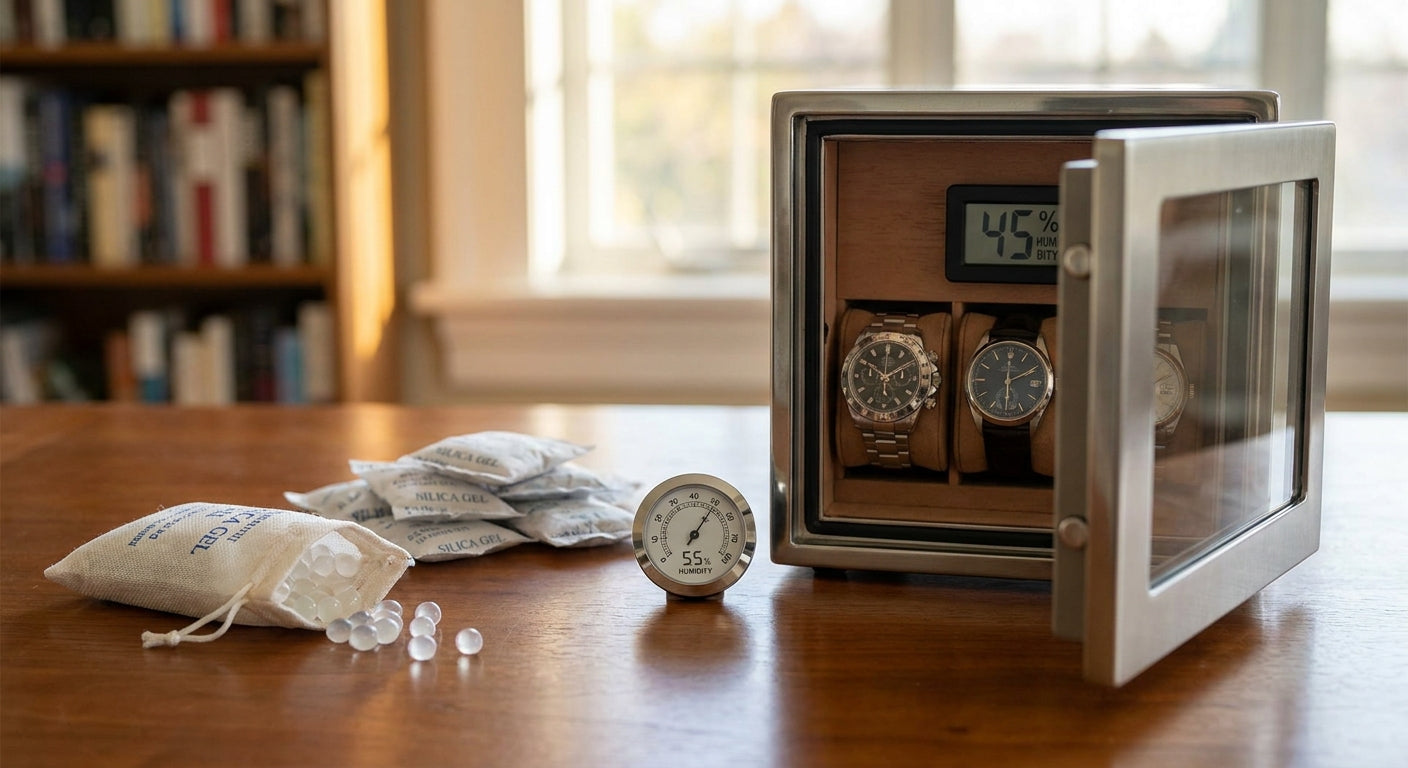
Storage units aren’t climate controlled in most facilities, and temperature swings between seasons push humidity higher than a closet ever sees. A gasketed door and sealed interior slow that exchange enough to protect lubricants and dials over a multi-year stay.
Power access — or the decision to skip winding altogether
Most units don’t have an outlet within reach of where a safe sits, and running an extension cord through a shared corridor isn’t something facilities allow. If winding matters, that means either negotiating power access with the facility directly or accepting that watches in this safe sit stopped until you retrieve them — plan storage around that reality rather than assuming a winder will just work.
Top picks for a storage unit
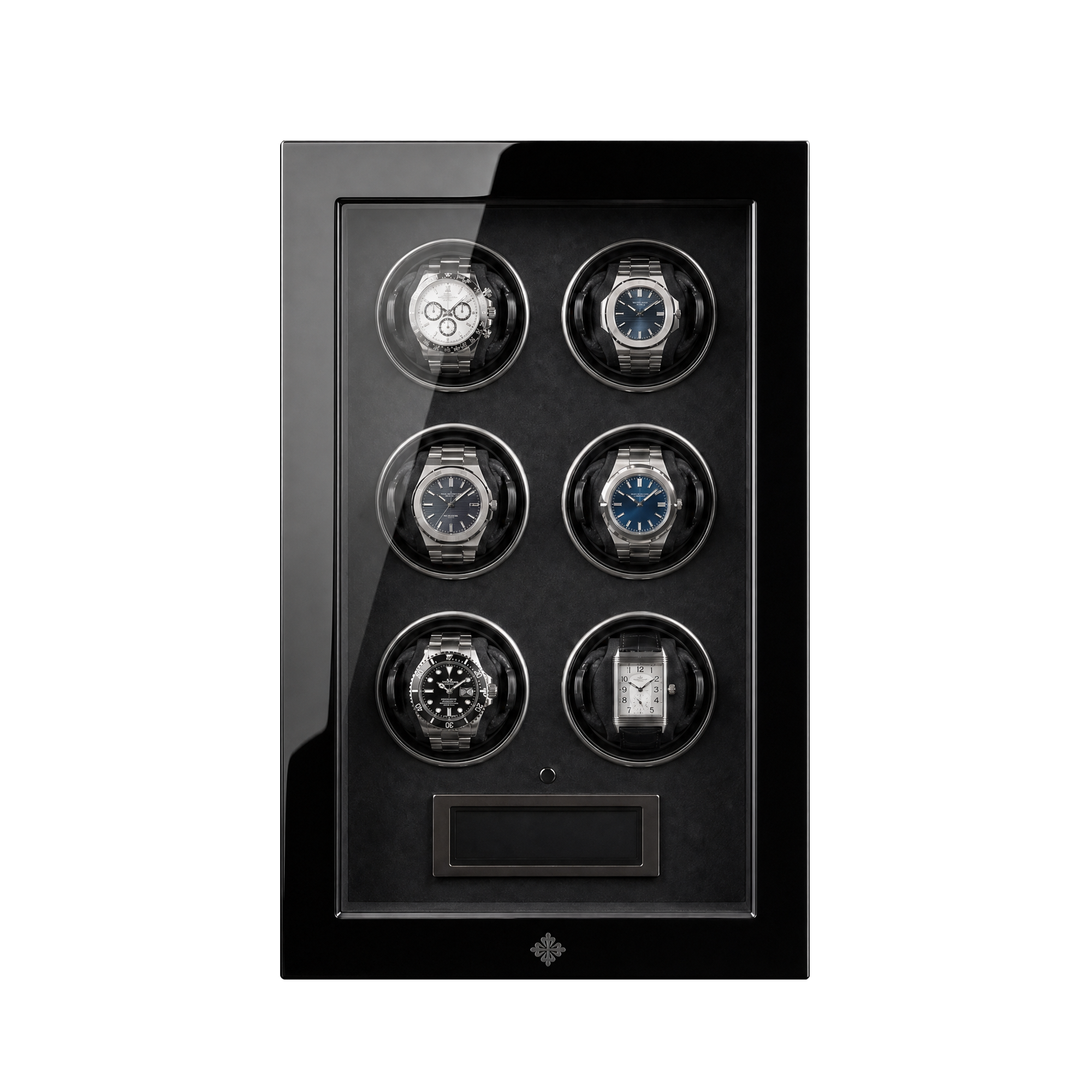
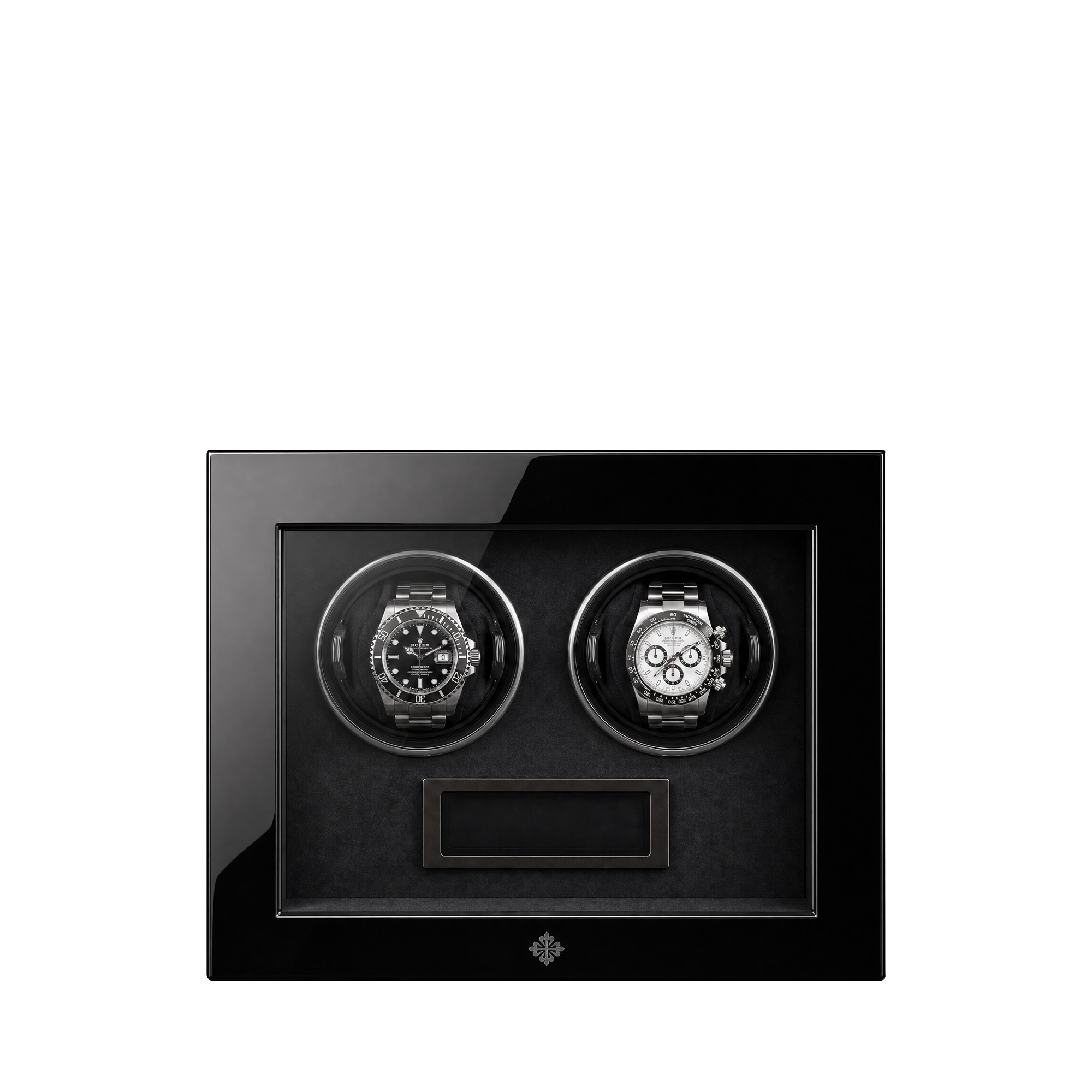
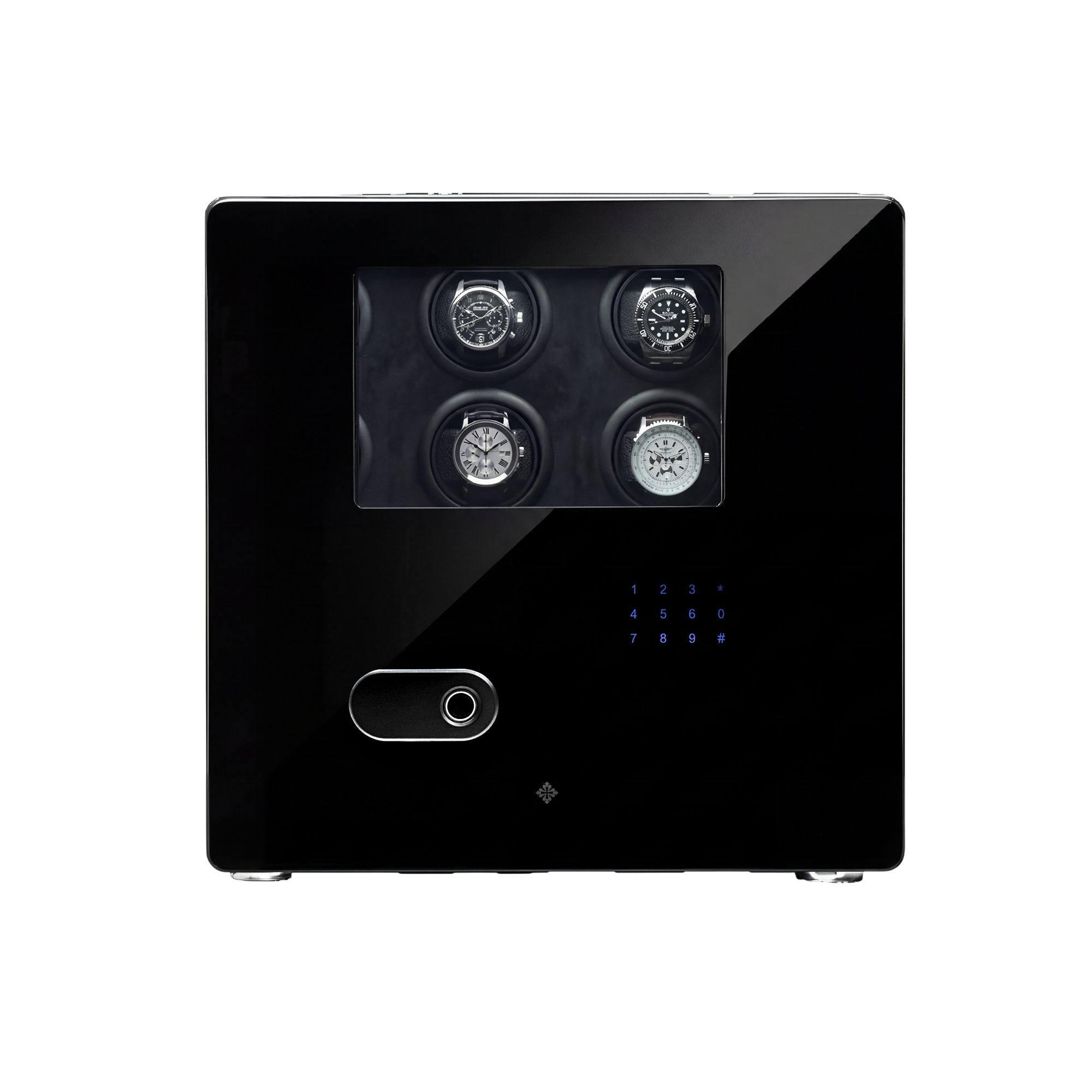
Centennial Bulletproof Watch Safe — the safe pick. Kevlar-reinforced steel with a two-hour fire rating at 695°C and Grade 3A bulletproof construction, at $5,299. It’s built for a compact overflow load rather than a full collection, and the fire number alone outperforms most safes at this price point. Buy for a 1-4 watch overflow you’re not accessing often.
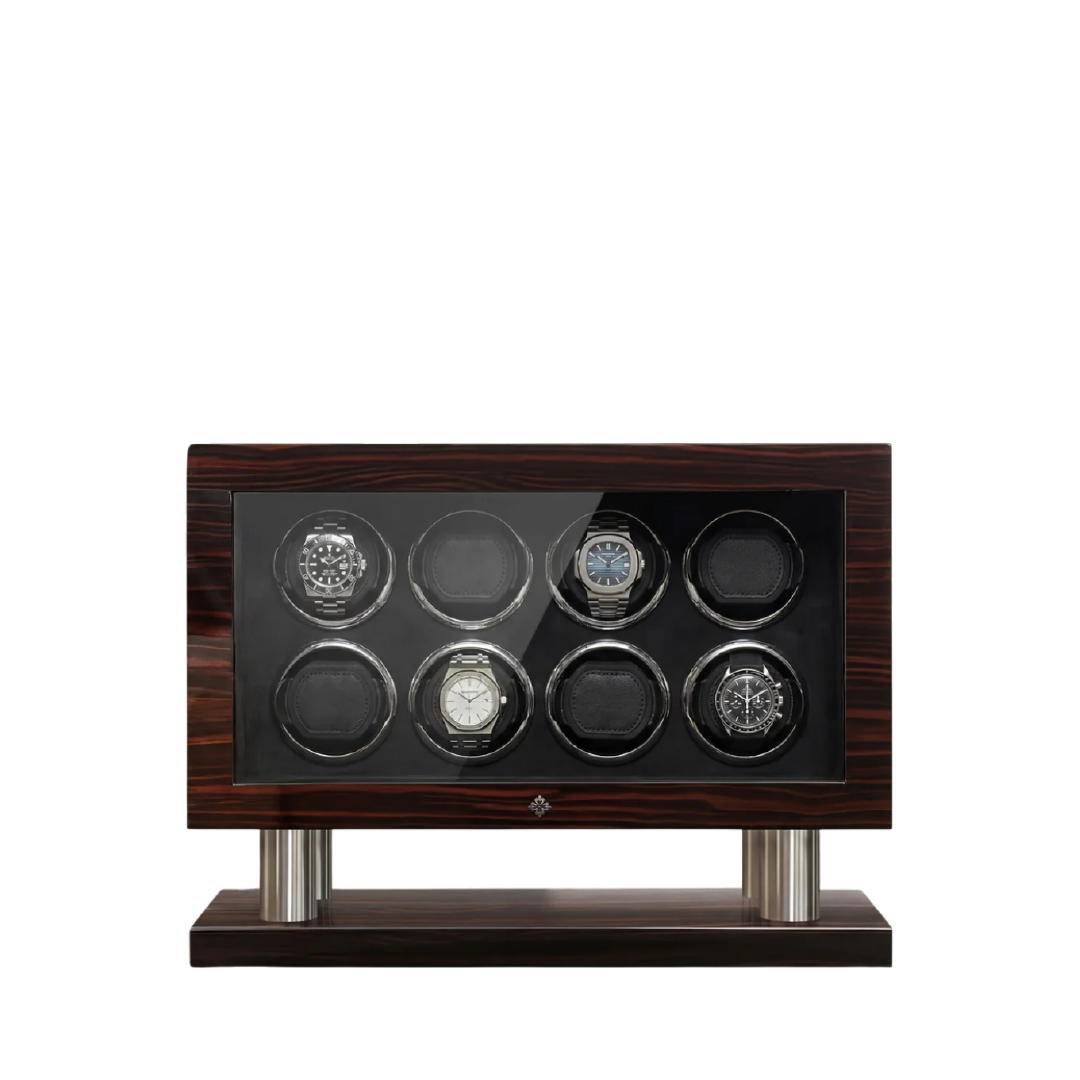
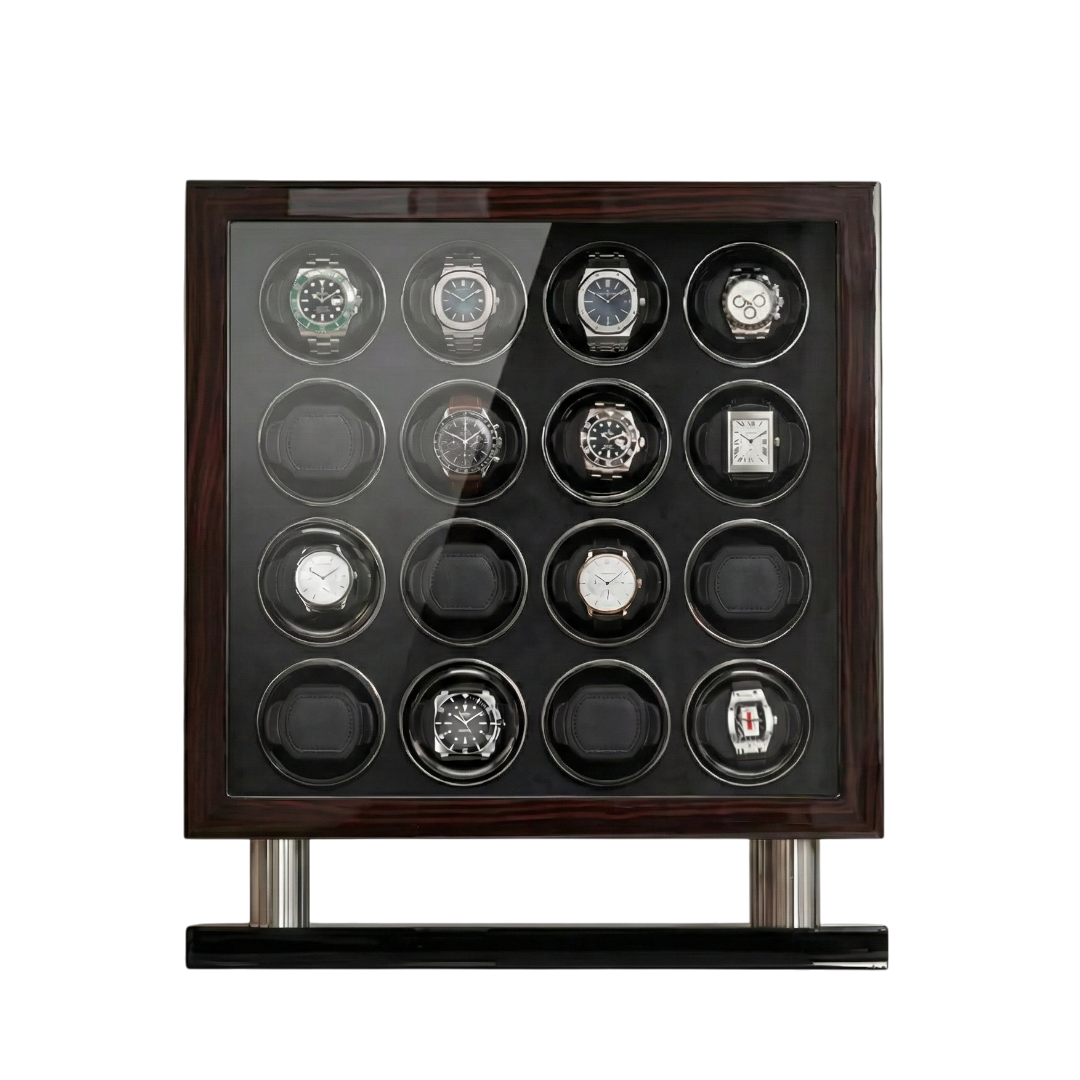
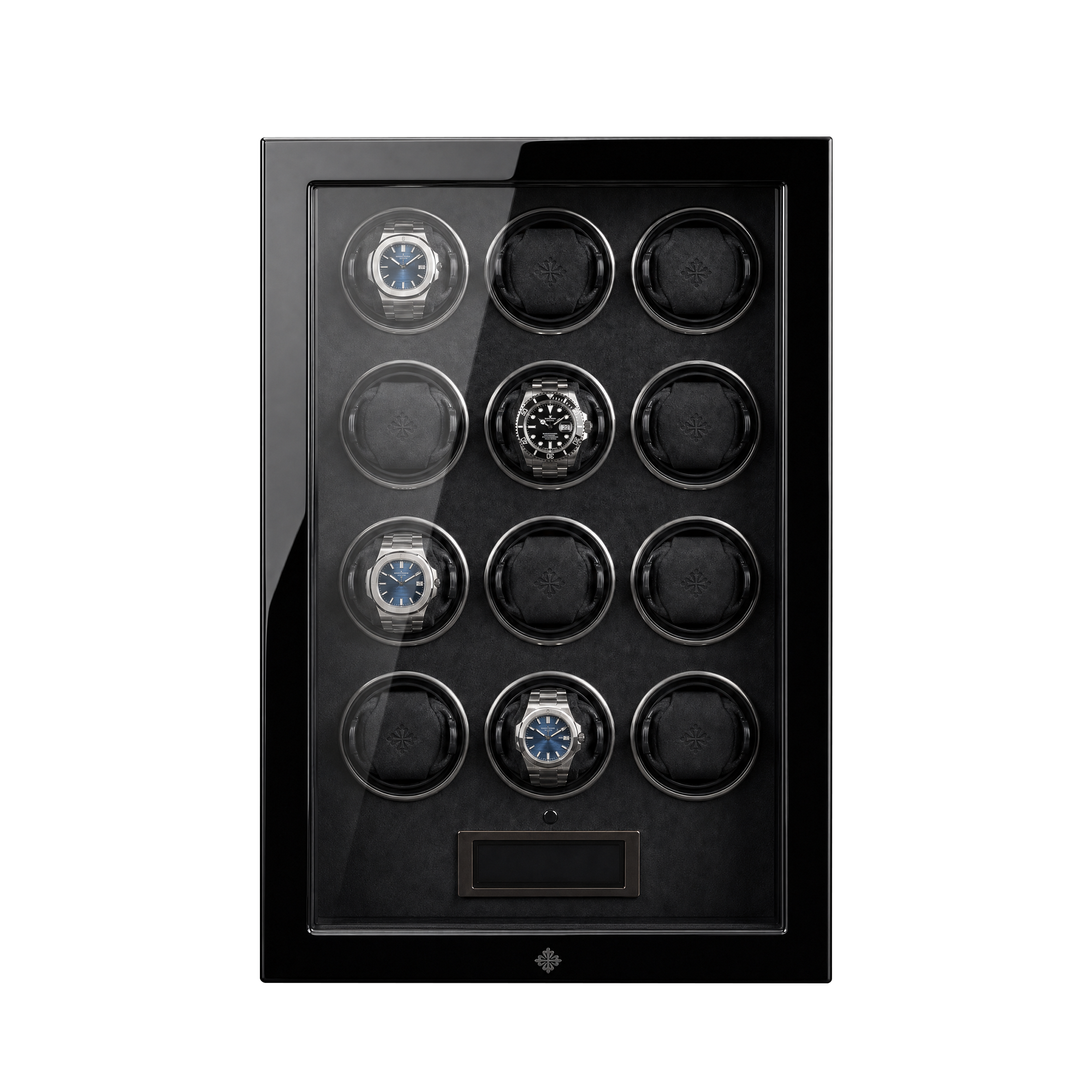
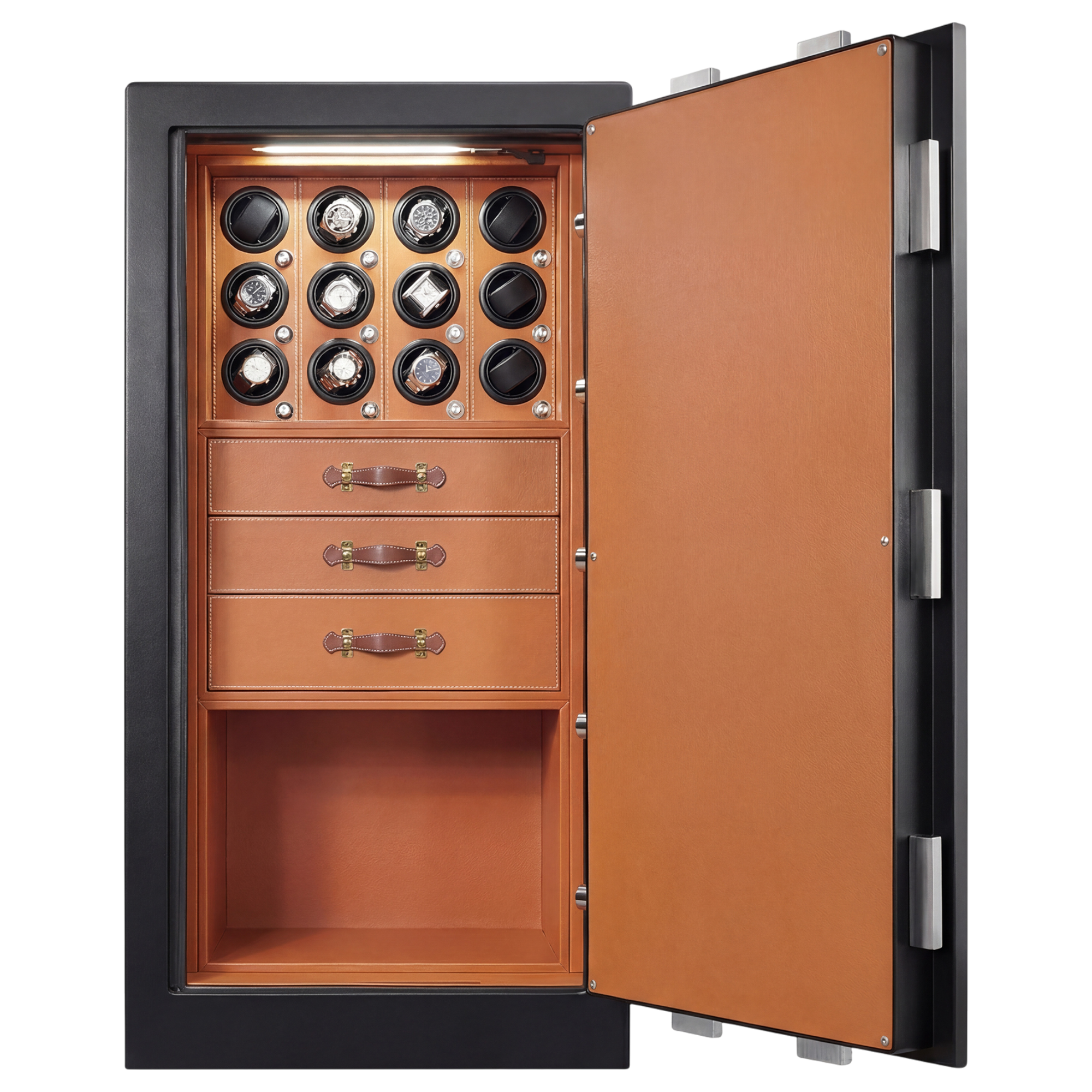
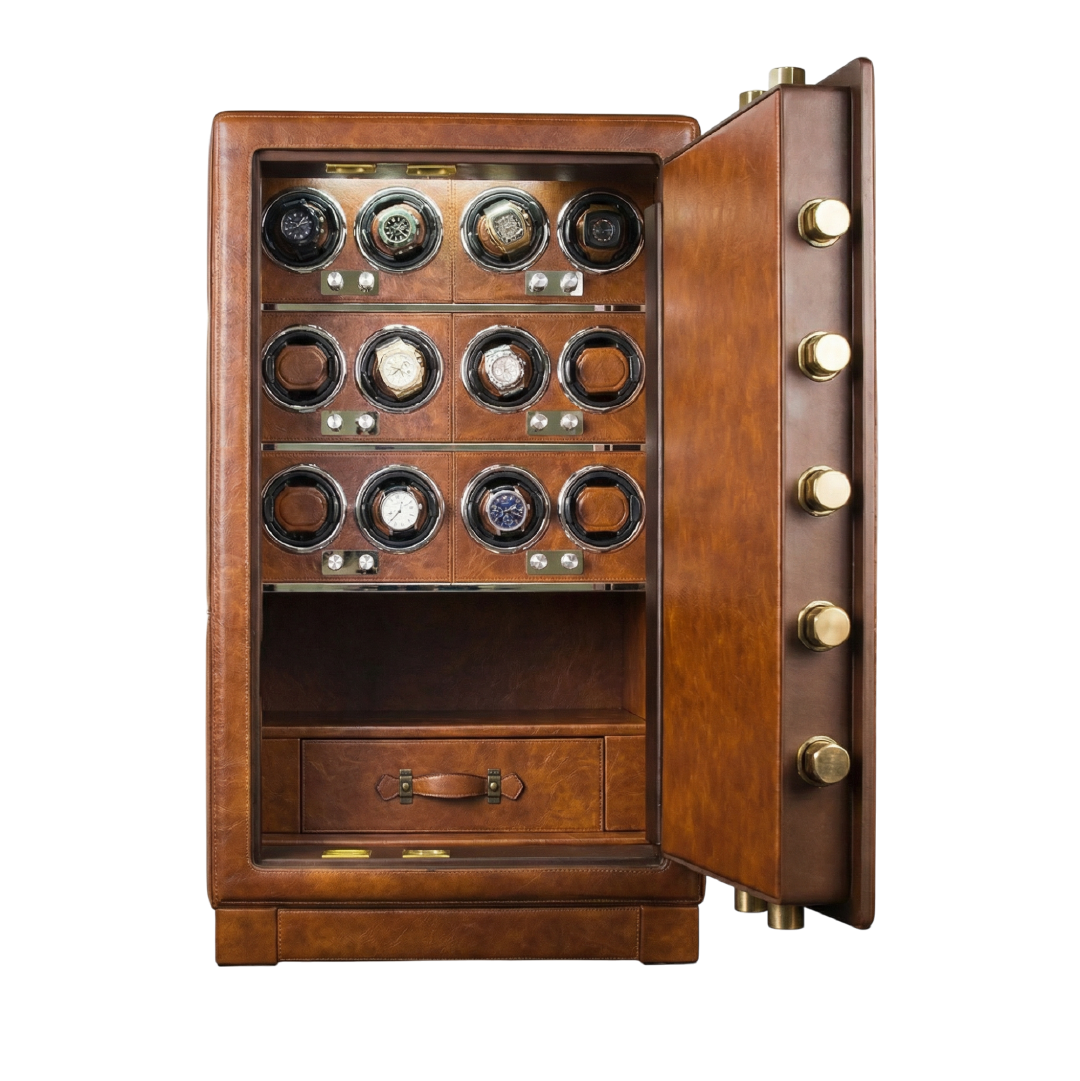
Apollo 12 Watch Safe — the middle ground. UL TL-30 Grade II burglary rating, biometric access, integrated proprietary Japanese winding, at $7,499. Twelve watches is enough capacity to justify the step up from the Centennial without pushing into the weight and price territory of a full vault. Buy for a 12-piece overflow rotation.
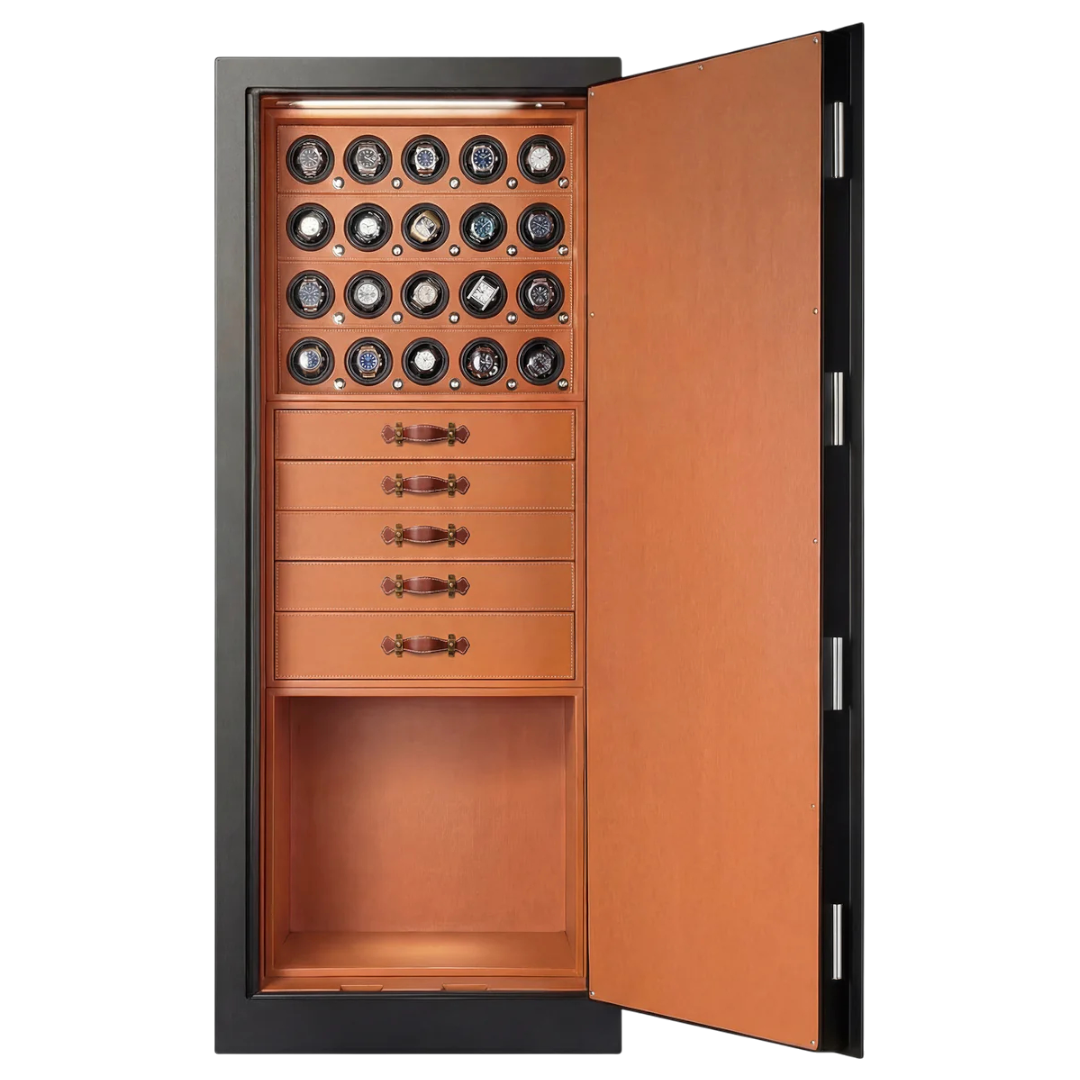
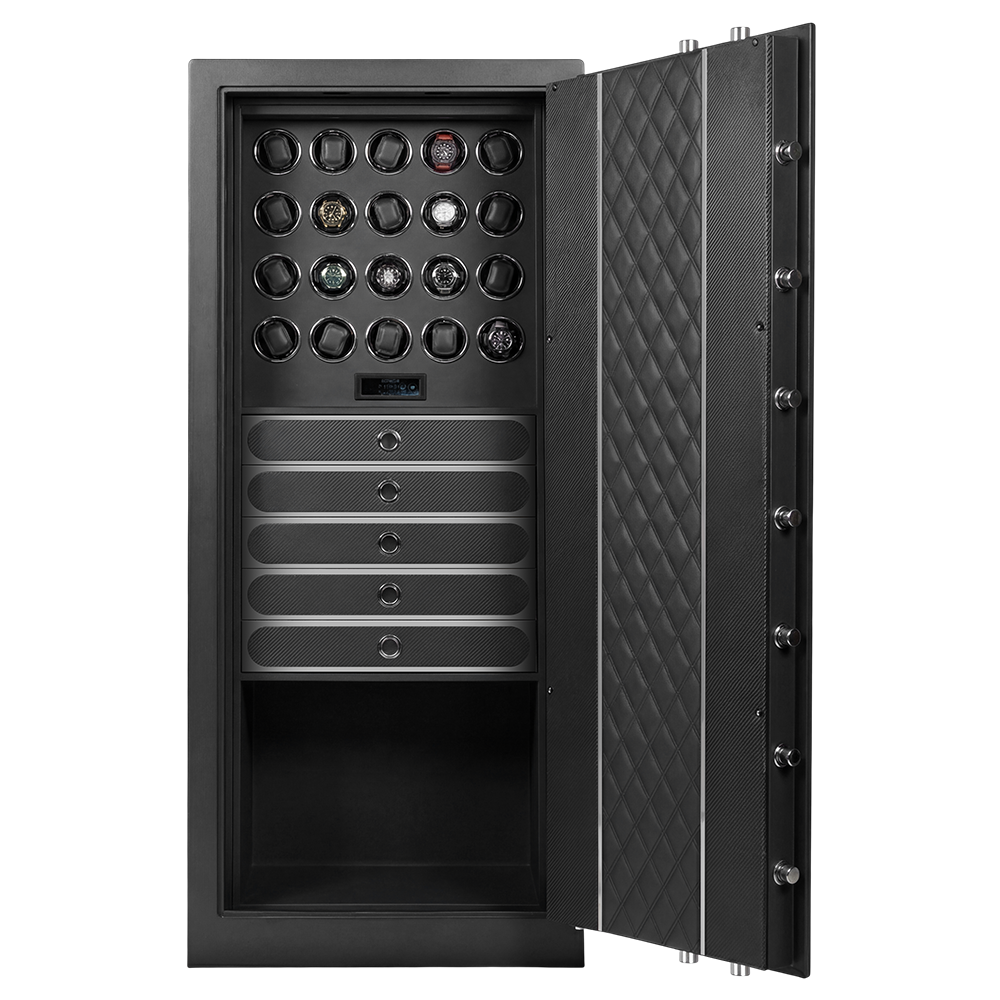
Titan Sanctum 20 Watch Safe — the vault-grade pick. AR500 ballistic-rated steel frame, UL TL-30 certification, at $17,999. This is the pick for a genuinely large overflow collection where the security tier matters more than convenience, but its weight and footprint make facility logistics — loading dock access, freight elevator limits — worth confirming before you buy. Consider only if the facility can physically accommodate it.
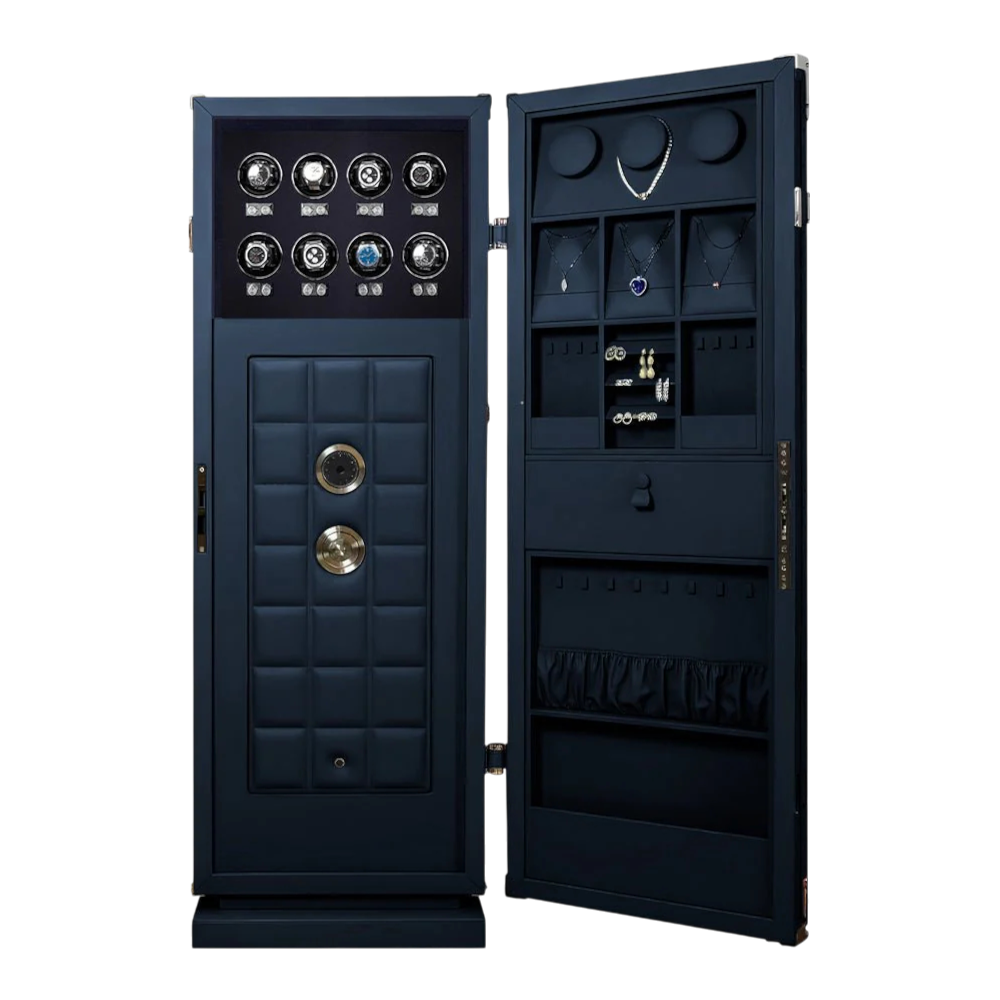
Veron Elite 12 Watch Safe — the wildcard. Grade 304 stainless steel with Gruppo Mastrotto Nappa leather interior and UL TL-30 Grade III certification, at $9,999. The craftsmanship is real, but that leather interior is built to be seen and touched — value nobody in a storage unit will ever experience. Skip for storage-unit use specifically; buy it instead for a safe you keep at home.
What to avoid
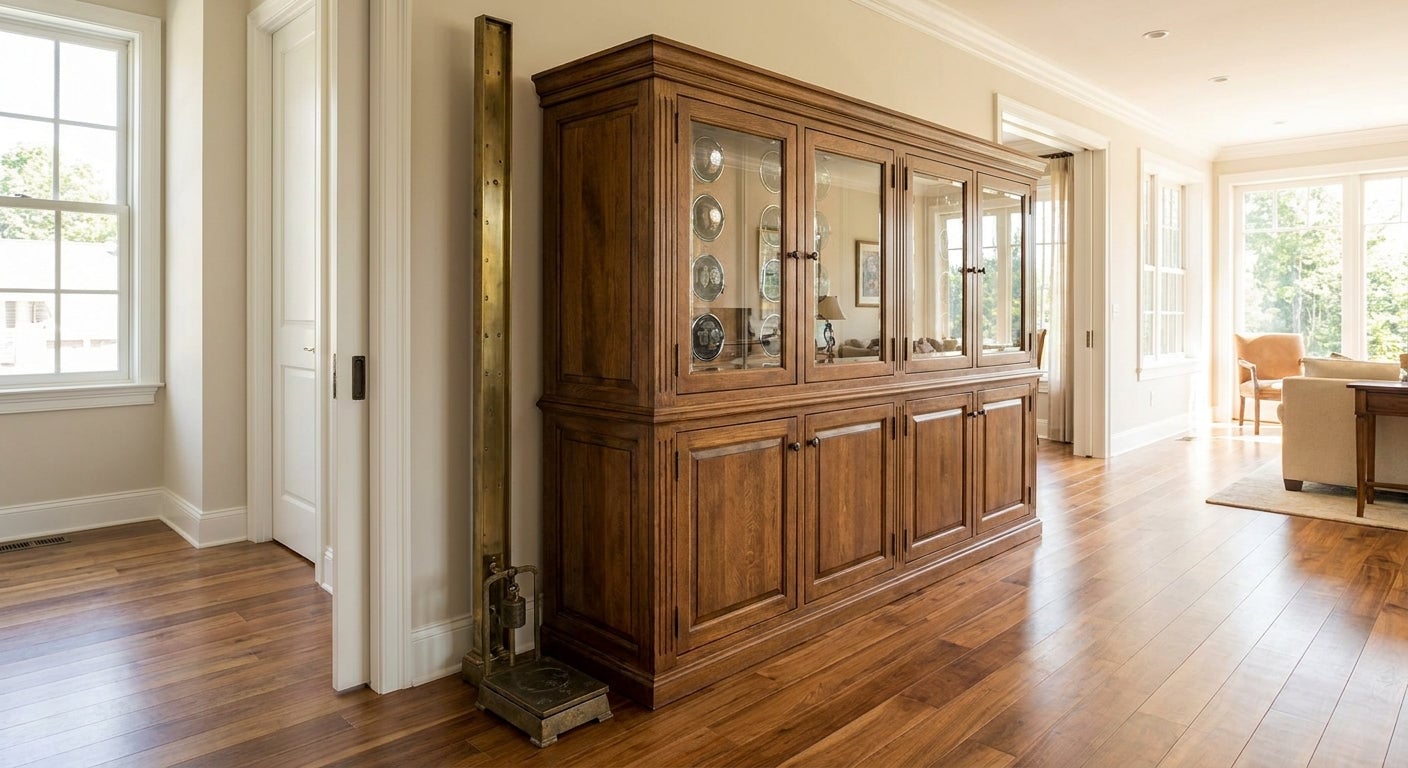
- Wood-veneer cabinet safes. Pieces built for a study or closet installation assume a stud wall to bolt into — a storage unit almost never offers that, so the safe’s entire security rests on its own weight instead of anchoring.
- Ultra-heavy vault safes without checking facility logistics. A safe in the 800+ lb range needs a loading dock and often a freight elevator; confirm the facility can actually get it into the unit before you order.
- Combination-only locks with no physical override. If you visit the unit twice a year, a forgotten code means calling a locksmith to get back into your own safe. Biometric or dual-authentication locks solve this better for infrequent access.
Verdict comparison
| Model | Burglary Rating | Fire Rating | Price | Verdict |
|---|---|---|---|---|
| Centennial Bulletproof Watch Safe | Grade 3A bulletproof | 2 hrs at 695°C | $5,299 | Buy |
| Apollo 12 Watch Safe | UL TL-30 Grade II | Not primary spec | $7,499 | Buy |
| Titan Sanctum 20 Watch Safe | UL TL-30, AR500 ballistic | Not primary spec | $17,999 | Consider |
| Veron Elite 12 Watch Safe | UL TL-30 Grade III | Not primary spec | $9,999 | Skip (for unit use) |
FAQ
What’s the best watch safe for a storage unit?
The Centennial Bulletproof Watch Safe is the best fit for most overflow collections at $5,299, with a two-hour fire rating at 695°C. Larger collections should step up to the Apollo 12 Watch Safe at $7,499 for added capacity and biometric access.
Do storage units provide power for a watch winder?
Most self-storage units do not have an accessible outlet, which rules out running a winder unless you arrange power access directly with the facility. Plan on watches sitting stopped between visits rather than assuming a winder will work.
What burglary rating should a storage-unit safe carry?
UL TL-30 or higher is the baseline for off-site storage in 2026, since the facility itself offers minimal individual security beyond a shared gate and padlock. Anything without an independent burglary certification is a locked box, not a rated safe.
How much does a fireproof watch safe cost in 2026?
Fireproof watch safes with a genuine burglary and fire rating start around $5,299 for a compact model and run past $17,999 for larger, vault-grade capacity. Price tracks steel gauge, fire rating duration, and lock type more than cosmetic finish.
Can you bolt a safe to the floor of a rented storage unit?
Most facilities do not allow drilling into the concrete floor or metal walls of a rented unit. That makes the safe’s own weight, typically 300 lbs or more, the primary theft deterrent instead of anchoring.
Does humidity in a storage unit damage watch movements?
Unclimate-controlled units see wider seasonal humidity swings than a home closet, which can affect lubrication over a multi-year stay. A safe with a gasketed door and sealed interior slows that exchange significantly.
Is a safe with a built-in winder worth it for storage-unit use?
Only if the facility provides accessible power, which most do not. Without power, a winder-equipped safe adds cost with no functional benefit in a storage unit.
Is a UL TL-30 rating enough for off-site storage?
UL TL-30 is the practical baseline for a watch safe for storage unit use in 2026, and it satisfies most insurance policy requirements for off-site storage. Collections above 15-20 pieces often justify the higher TL-30 tiers found in vault-grade safes.
One last thing
Photograph the interior of the safe before you close the door on each visit. A storage unit has no camera inside it and no witness to what was there — the only documentation an insurer will accept after a break-in is whatever you created yourself before it happened.
Related guides
Protect Your Watch Collection
Designed for collectors who demand the best. Explore our premium watch winders and luxury safes.
Protect Your Watch Collection
Designed for collectors who demand the best. Explore our premium watch winders and luxury safes.