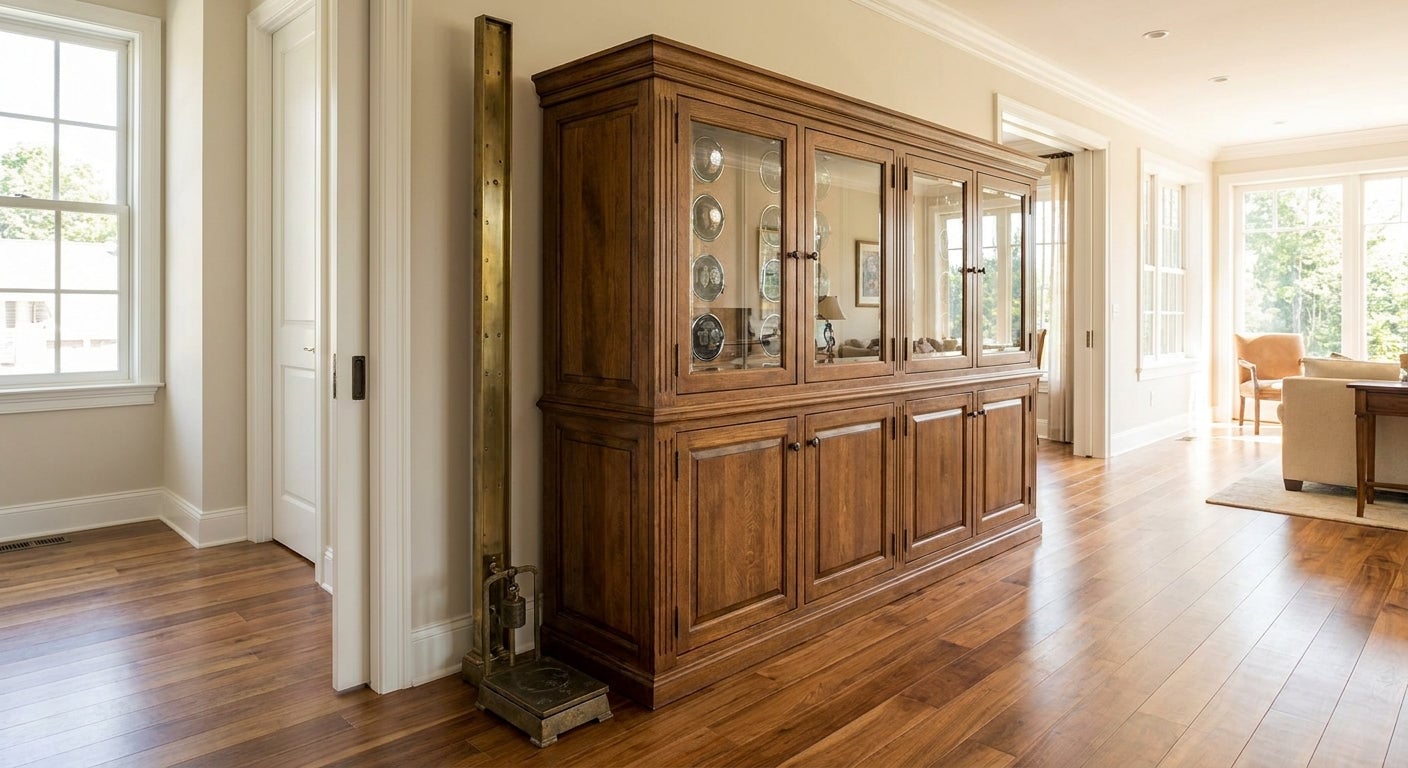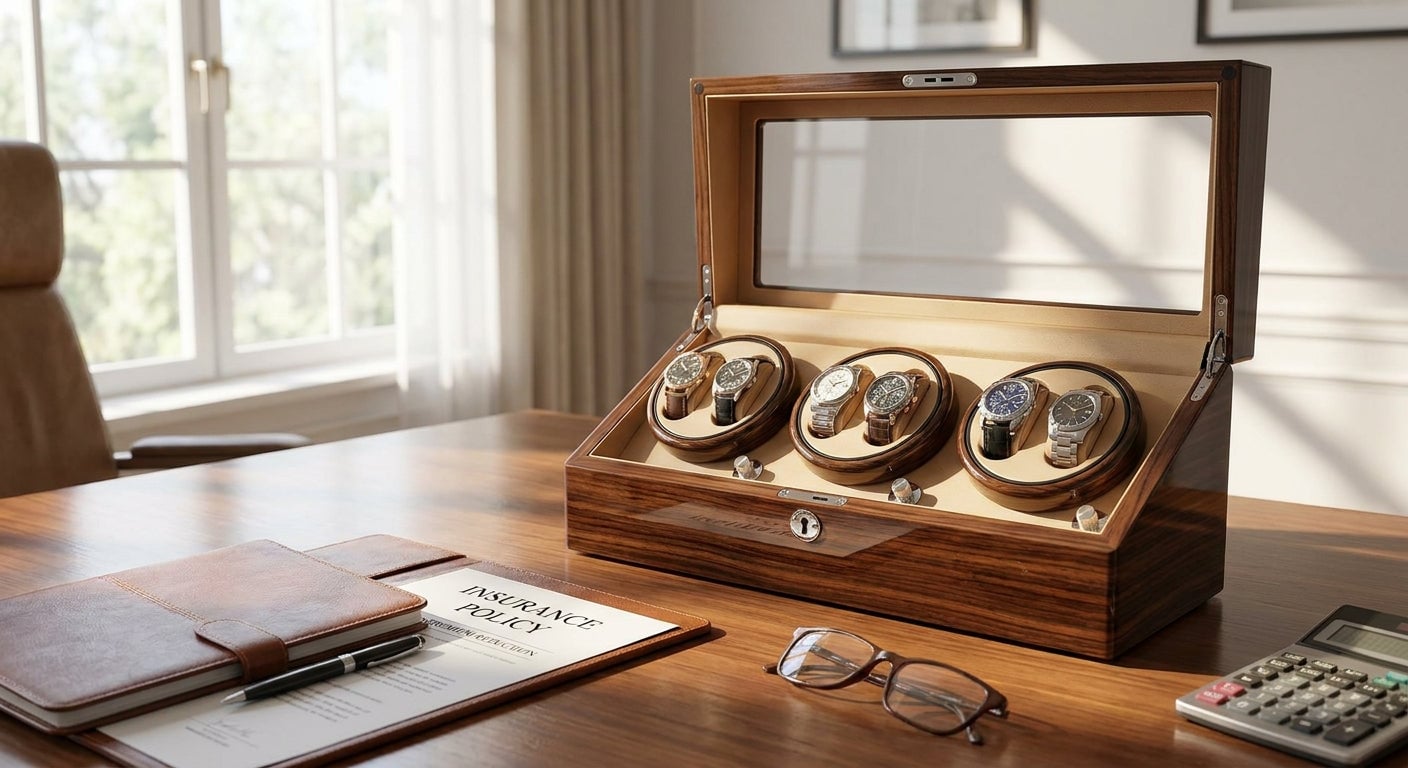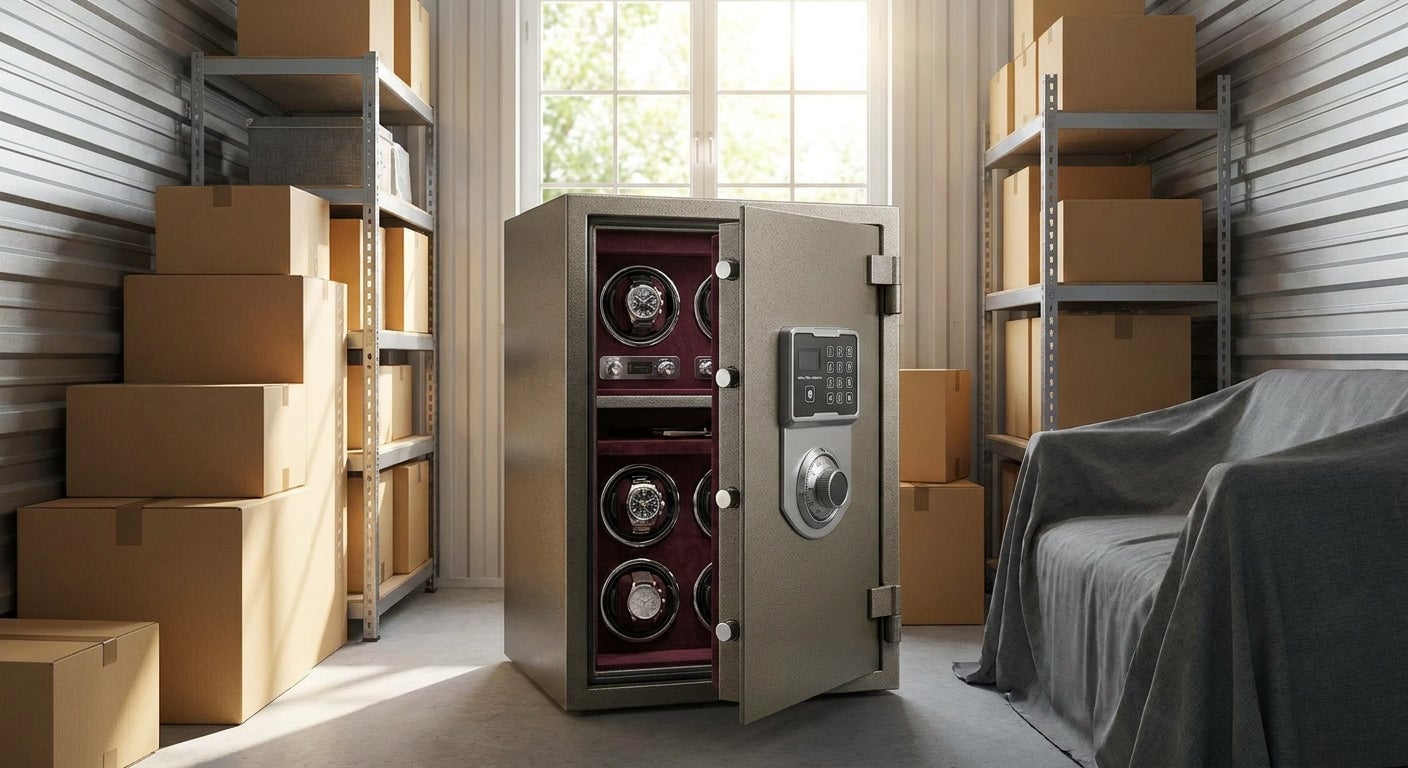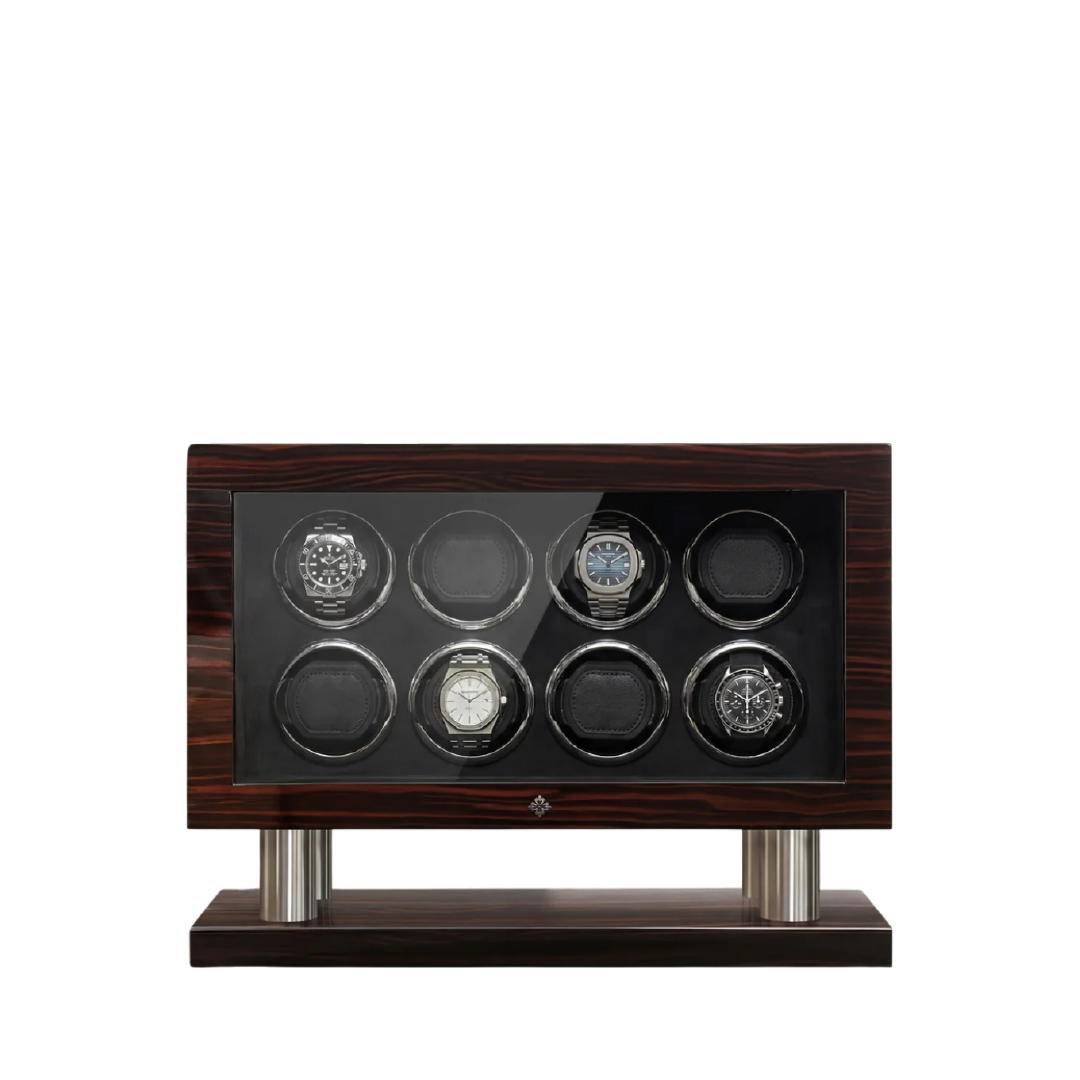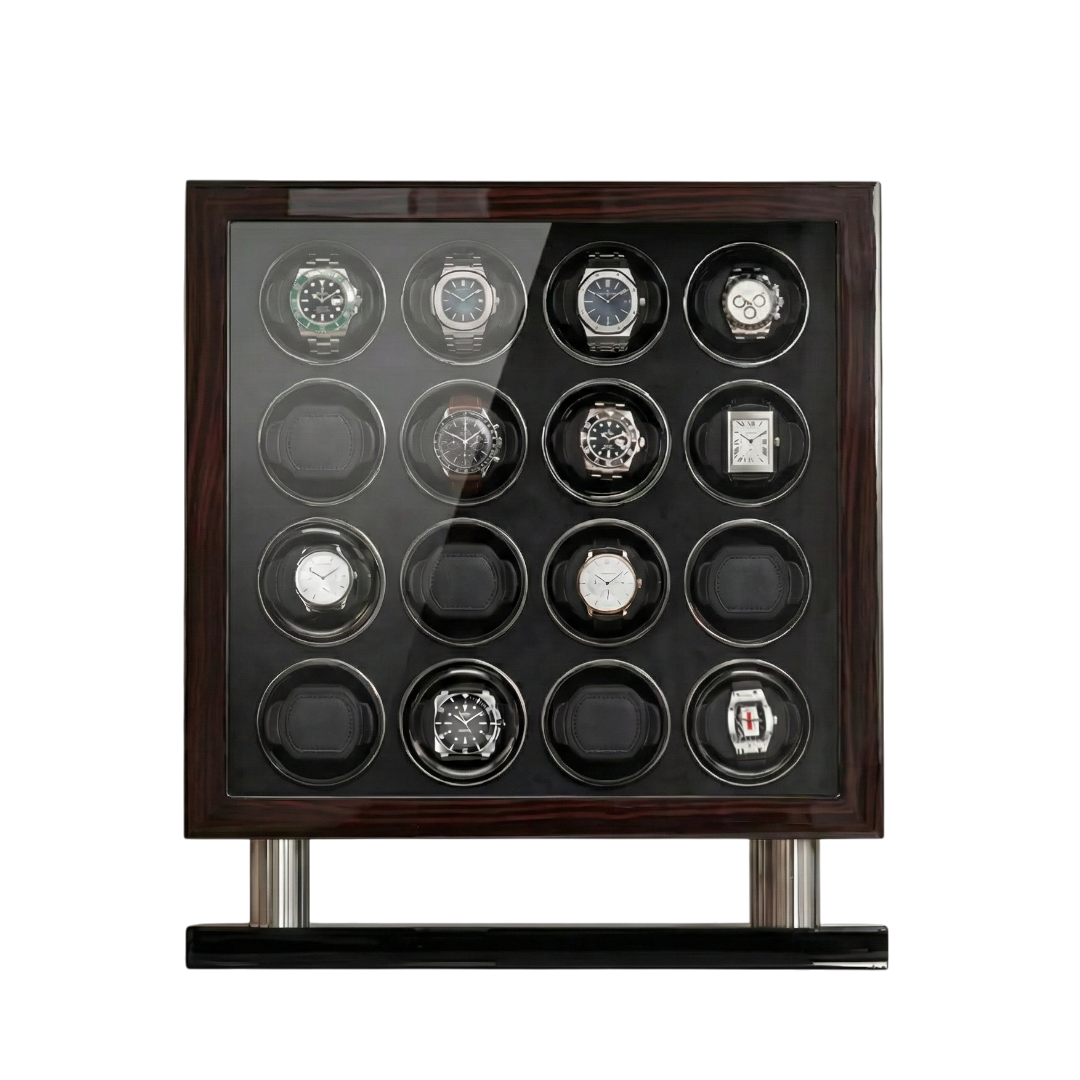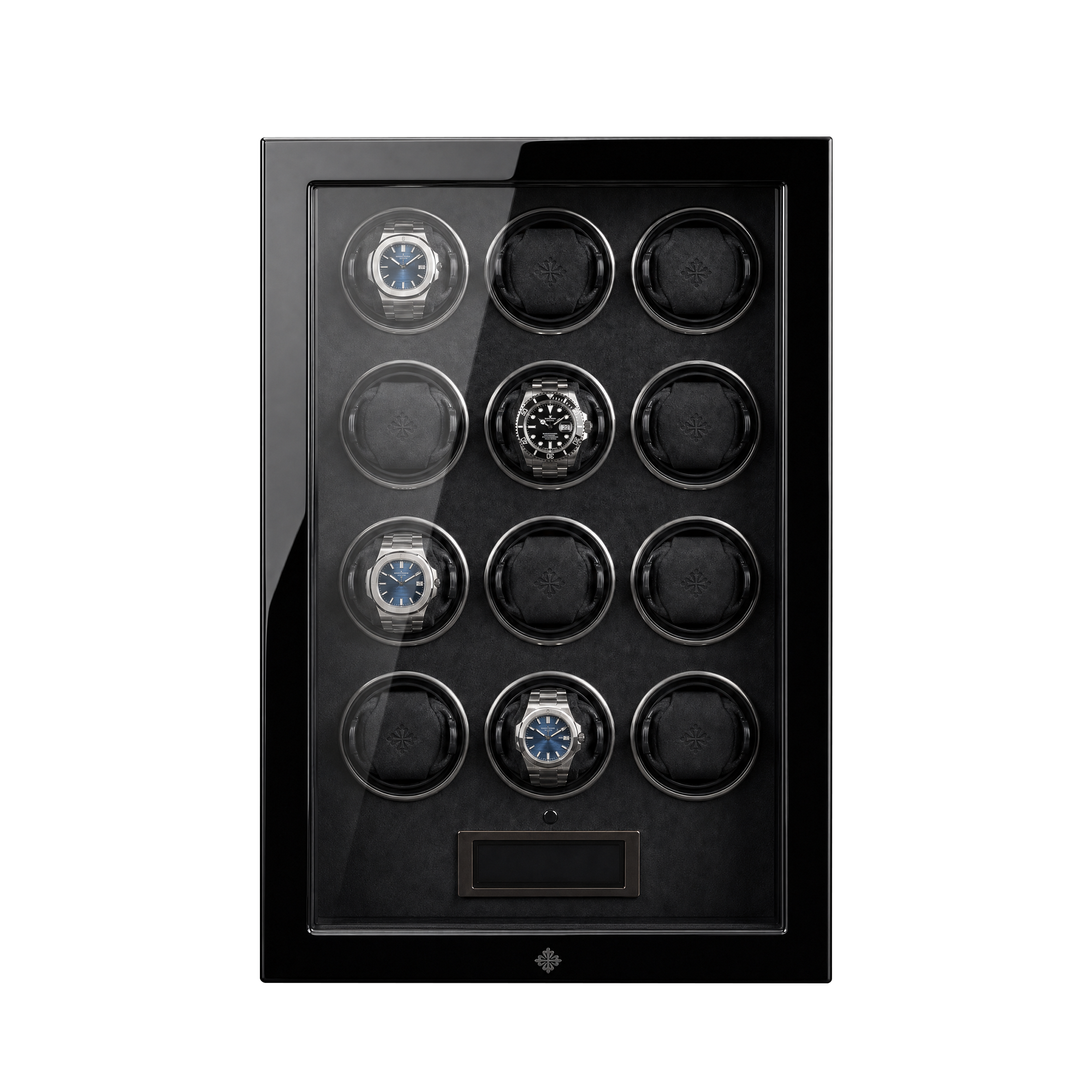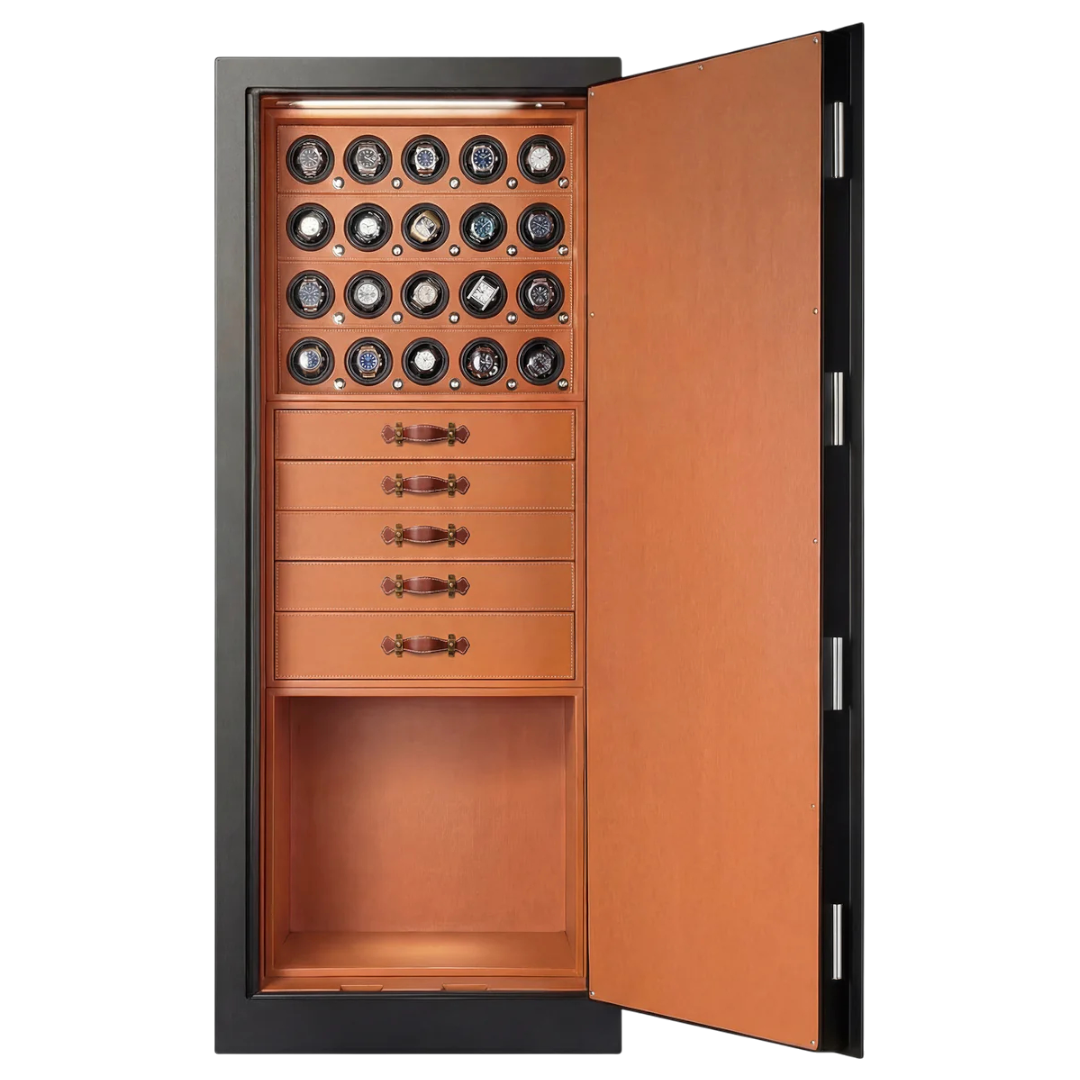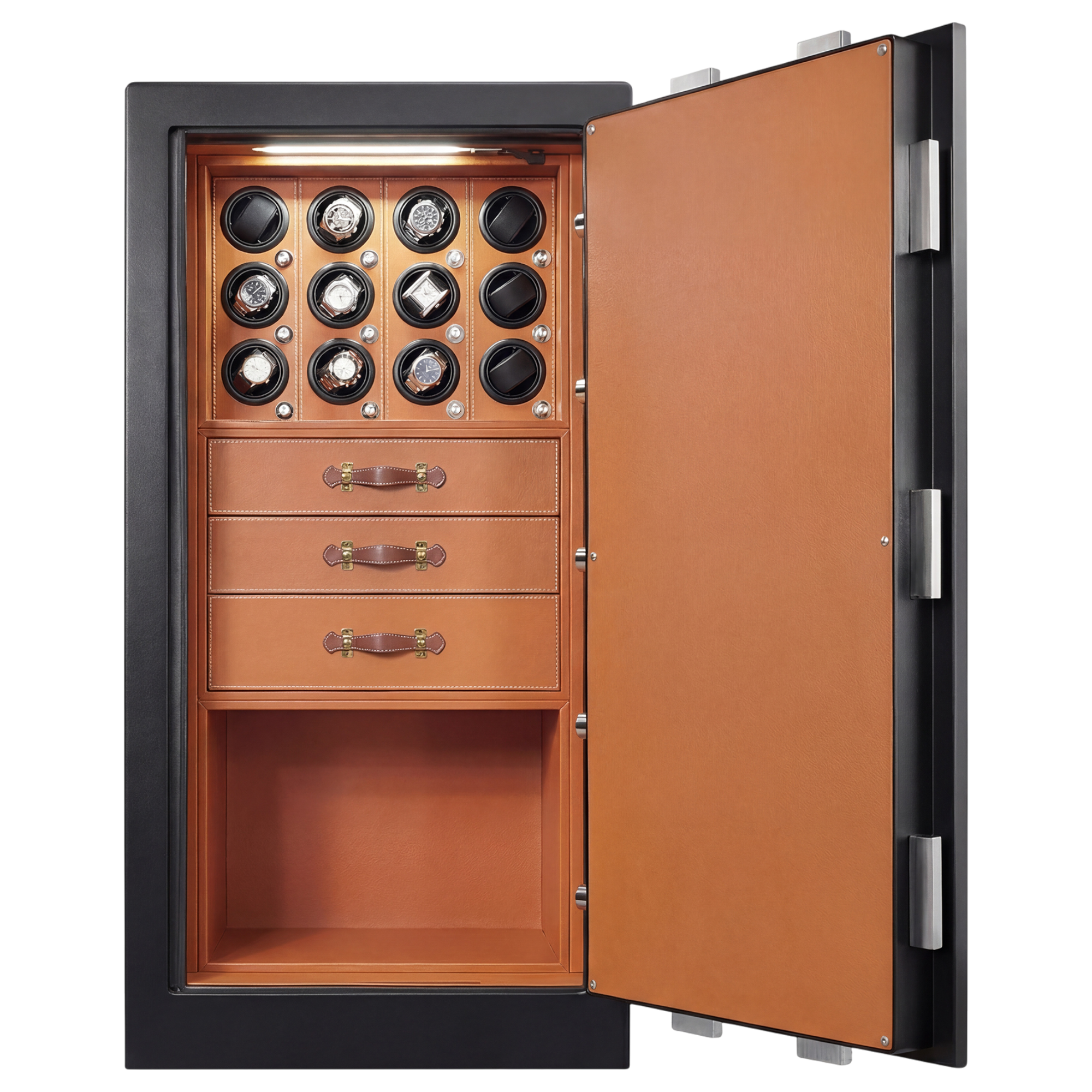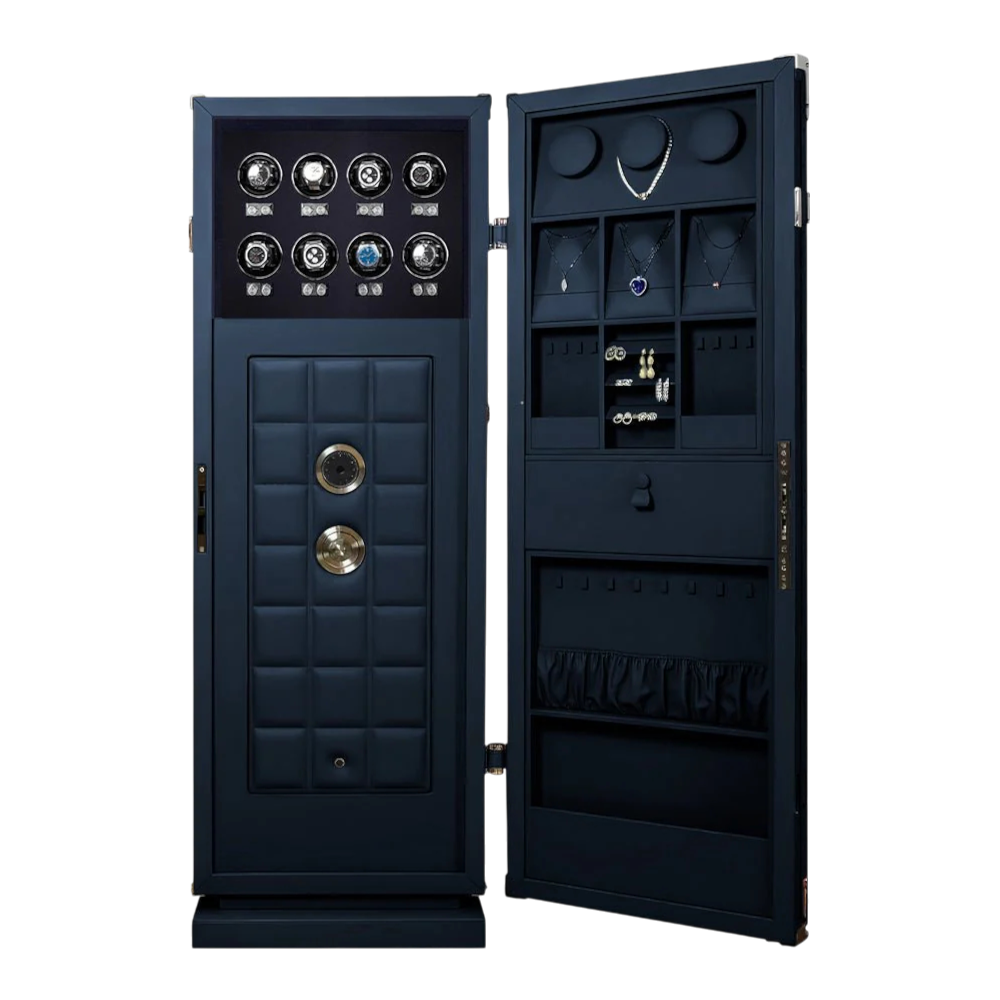

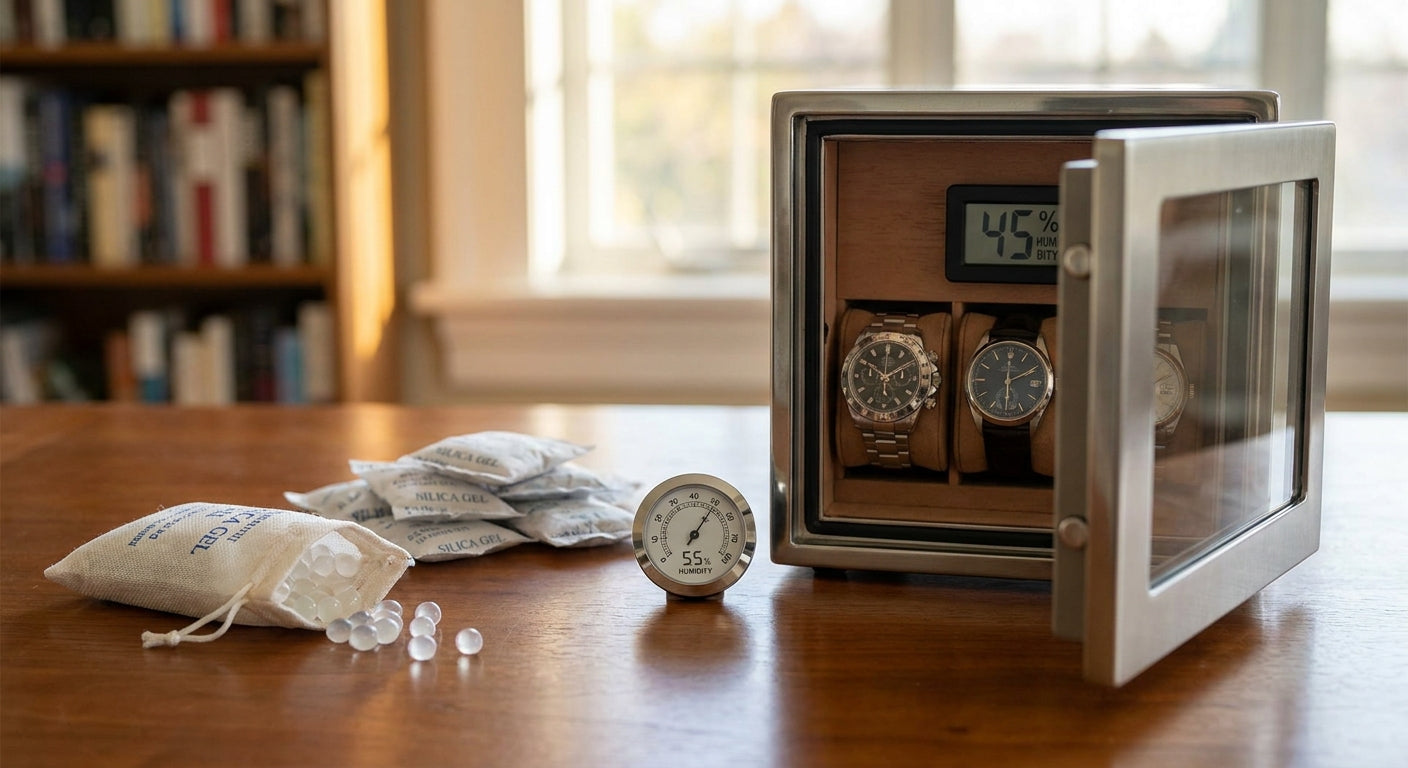
Silica packets slow humidity swings for a few weeks at a time; a humidity-controlled watch safe holds a stable range indefinitely without you doing anything. That difference matters more than most collectors think until a movement starts showing condensation under the crystal.
- Silica packets vs watch safe humidity: gel packs work short-term but need recharging every 30-60 days to stay effective.
- A sealed watch safe holds 40-50% RH passively — the range most automatic movements tolerate long-term.
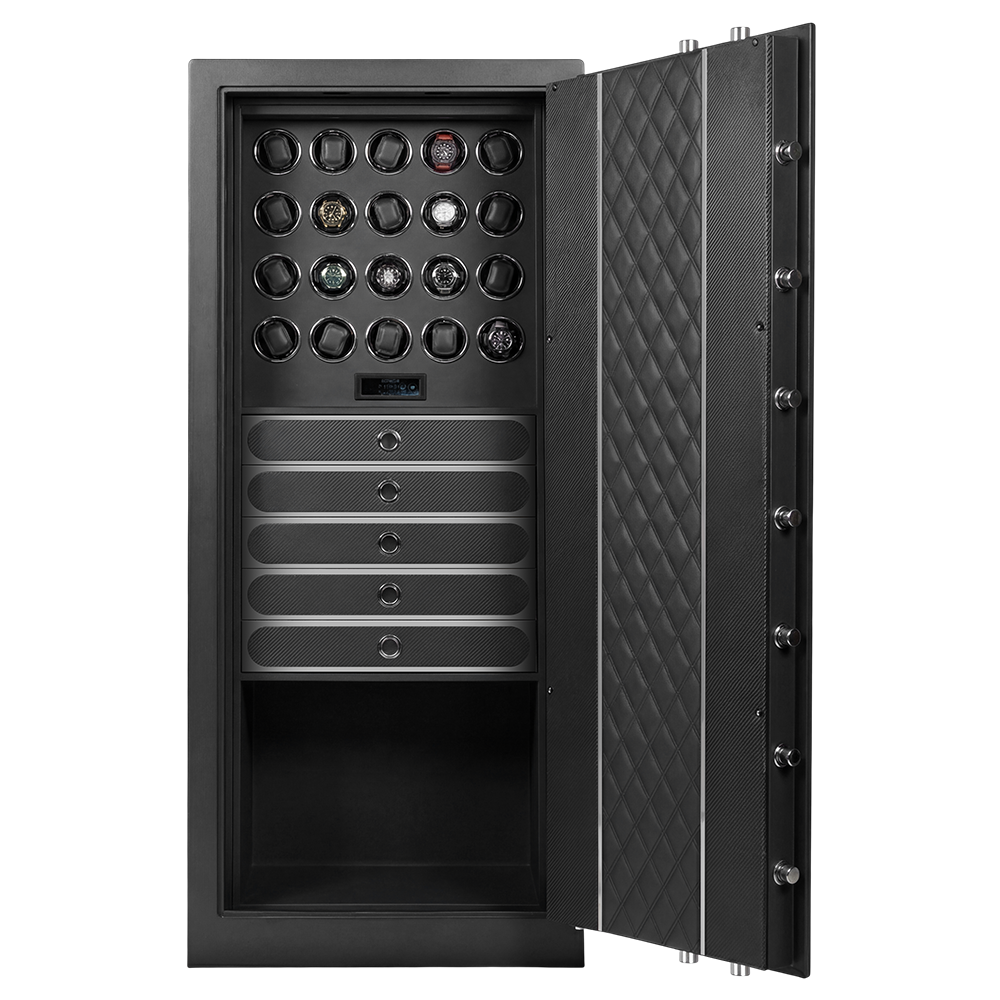
- Centennial Bulletproof Watch Safe starts at $5,299 and removes the recharge cycle entirely — Buy for anyone storing more than two pieces.
- Silica alone is fine for short trips or a single spare watch, not for a permanent home collection.
Why this matters
Automatic movements are built with steel components, brass plates, and lubricants that break down when moisture gets into the case. Relative humidity above 60% invites condensation on the case back; below 30% and leather straps, gaskets, and wood veneer interiors start to crack.
Most collectors reach for a jar of silica gel because it’s cheap and it’s what jewelry stores hand out with every purchase. It works, for a while. The question is whether “for a while” is good enough for a $15,000 Patek Philippe sitting on a shelf for six months. That’s the real comparison behind watch safe humidity levels: not silica versus safe as products, but active versus passive protection.
What you’ll need
- A digital hygrometer with a memory function (not the analog dial kind — they drift by 5-10% over a year)
- Silica gel packets, rated in grams, if you’re testing the low-cost route
- A sealed storage container or safe interior — open shelving defeats both methods
- A log or spreadsheet to track RH readings for at least 30 days
- A humidity-controlled watch safe, if you’re comparing the two approaches directly
The steps
1. Test your current humidity baseline
Place a digital hygrometer inside your existing storage — a drawer, a display case, a closet shelf — and read it daily for a week before changing anything. Most homes swing between 35% and 65% RH depending on season, heating, and whether there’s a basement below.
This step accomplishes one thing: it tells you whether you have a problem at all. If your reading never leaves 40-50%, you may not need either solution as urgently as you think.
Common mistake: checking the hygrometer once and assuming the number holds. RH swings 10-15 points between morning and evening in most climates.
2. Calculate how many silica packets you actually need
Silica gel needs volume-to-surface-area math, not guesswork. A standard 5-gram packet handles roughly one cubic foot of sealed space for 30 days in moderate climates — a drawer holding six watches typically needs 3-4 packets, not one.
Undersizing is the single most common failure mode. Collectors drop one packet into a large safe drawer and assume it’s covering the whole interior.
3. Recharge silica gel on a fixed calendar, not by feel
Silica gel saturates quietly — there’s no alarm, no color change on the cheap unindicating kind, just a slow rise in ambient RH. Set a recurring reminder every 30 days to swap or oven-dry (200°F for two hours) every packet in rotation.
Miss this step twice in a row and you’ve effectively removed your humidity protection while believing it’s still active. That’s the gap silica can’t close on its own.
4. Compare that cycle against a sealed, humidity-controlled safe
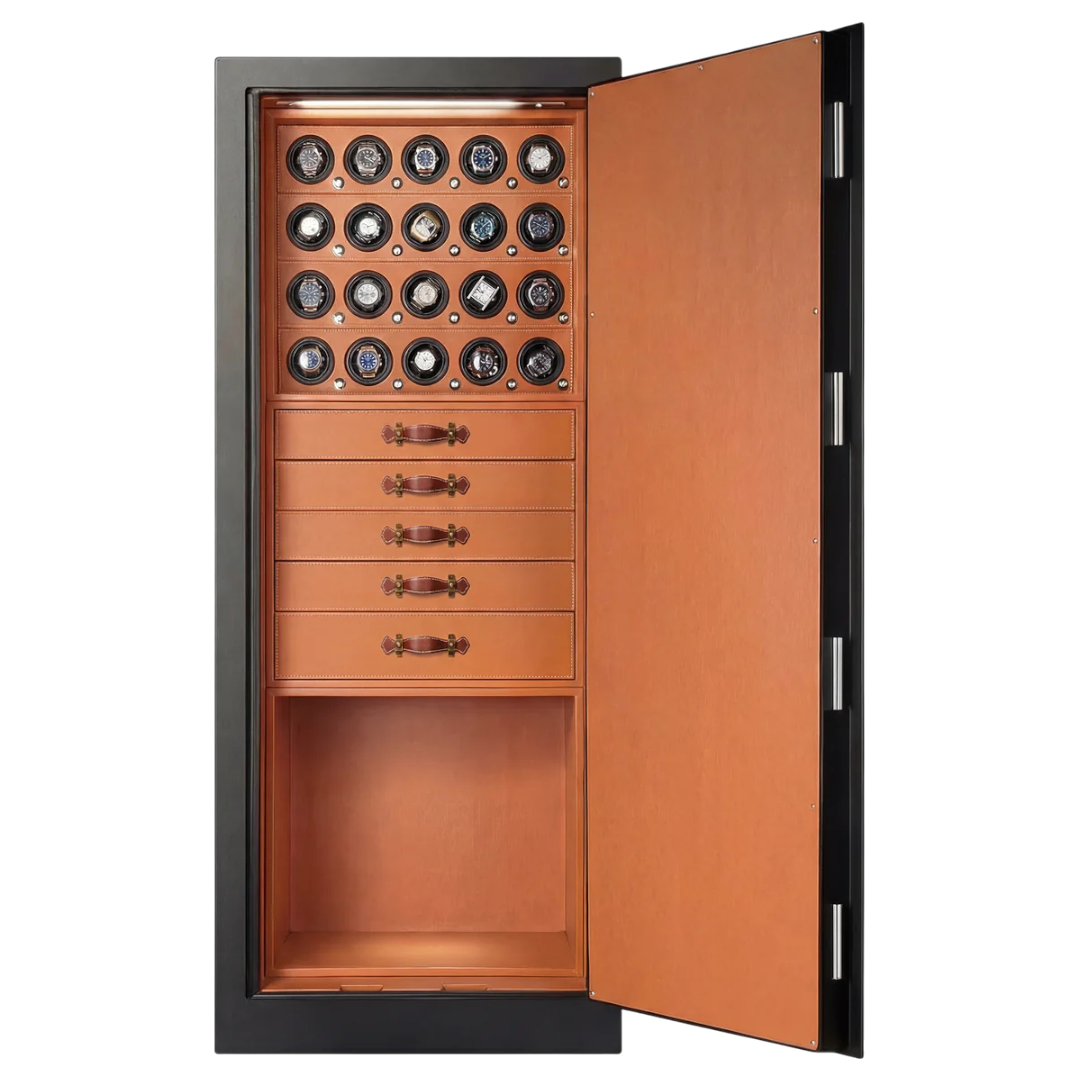
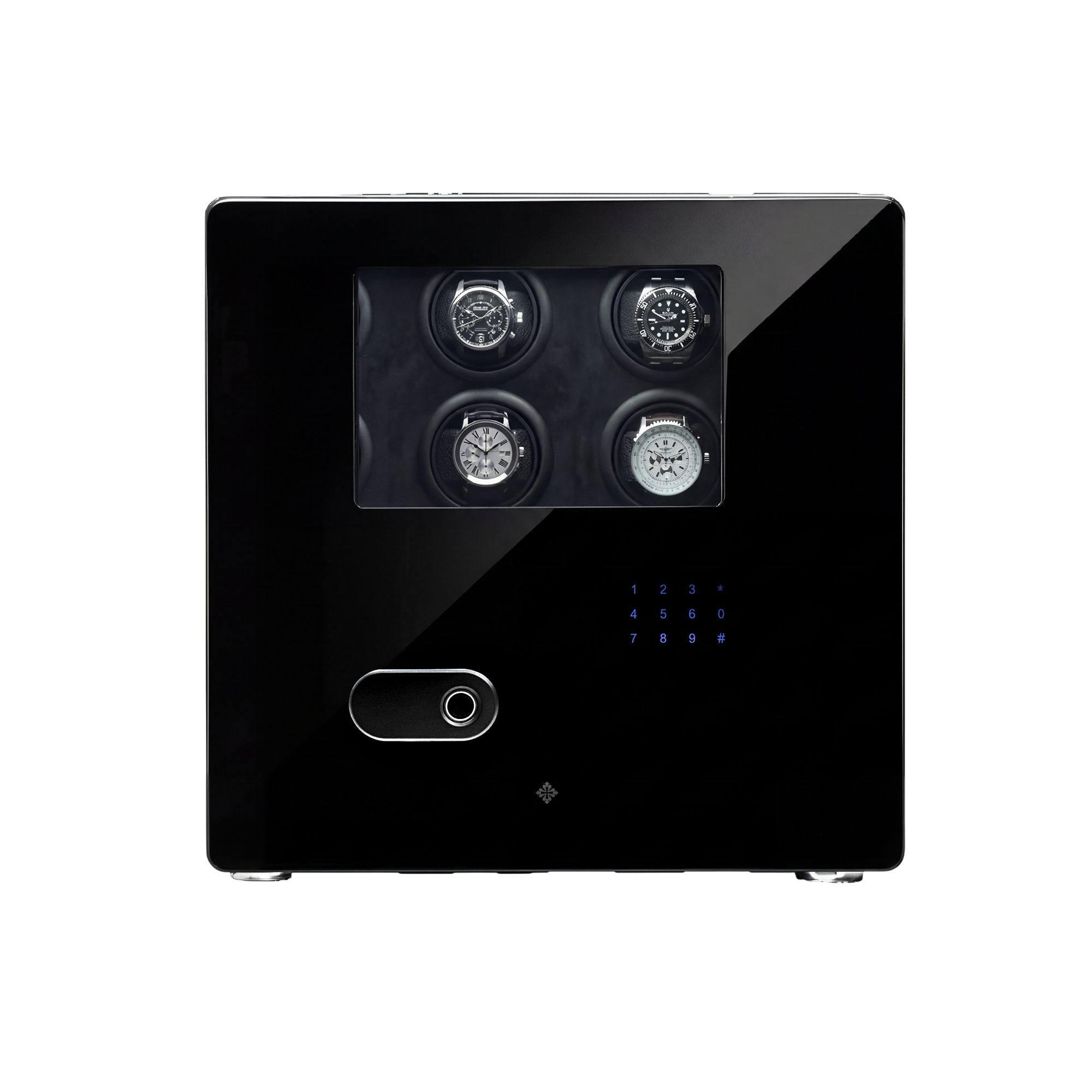
A safe built with a gasketed door and interior humidity buffering holds a range passively — no recharge, no monitoring required beyond an occasional spot check. The Veron Elite 20 Watch Safe uses a Gruppo Mastrotto Nappa-lined interior inside Grade 304 stainless steel, which resists the moisture transfer that a plain wood cabinet doesn’t.
The tradeoff is upfront cost. Silica costs a few dollars a month in replacement packets; a sealed safe is a one-time purchase starting around $5,299 for an entry model in 2026.
5. Weigh the failure mode, not just the average case
Silica’s failure mode is gradual and invisible — RH creeps up over weeks. A safe’s failure mode, if it has one, is usually a door seal issue that’s obvious the first time you open it and feel warm, damp air.
For a two-watch rotation you check weekly, silica’s failure mode is manageable. For a twelve-piece collection you open twice a year, it isn’t — you won’t notice the drift until a dial shows spotting.
6. Match the method to collection value and check frequency
Run the decision through two filters: how much is at risk, and how often do you physically check on it? A single automatic worn in rotation and checked weekly tolerates silica fine. A static collection worth six figures, opened monthly at best, is where a humidity-controlled watch safe stops being a luxury and starts being risk management.
Troubleshooting
- Silica packets feel damp but no color indicator changed: cheap unindicating gel gives no visual warning — weigh a fresh packet against a used one; a 10% weight gain means it’s saturated and needs a recharge.
- Hygrometer reads fine but the watch still shows fogging under the crystal: the leak is in the case seal, not the room — that’s a service issue, not a storage issue.
- Wood veneer on a display cabinet is cracking: RH has likely dropped below 30% for an extended stretch — silica pulls moisture out but doesn’t add it back when a room runs dry in winter.
- Safe interior smells musty after months closed: a door seal isn’t fully engaging — test the gasket contact with a strip of paper; if it slides out freely with the door shut, the seal needs adjustment.
- You forgot to recharge silica for two months and RH crept to 65%: pull every watch, inspect for spotting on the dial or case back, and let the room air out for 48 hours before restocking storage.
- Basement storage room runs cold and damp year-round: silica alone won’t keep pace with a chronic damp environment — a sealed watch safe with humidity control is the fix, not more packets.
Tools and resources
- Digital hygrometer with data logging
- Silica gel packets sized to enclosed volume, replaced every 30-60 days
- A sealed, gasketed watch safe for collections checked less than weekly
- Watch safe temperature control guide for the companion variable most collectors ignore
What to do next
Once humidity is under control, temperature swings are the next variable that affects lubricant viscosity in the movement — read the temperature control breakdown linked above before deciding on a storage setup for 2026.
FAQ
Do silica packets work as well as a humidity-controlled watch safe?
Silica packets work for short-term or low-value storage but require recharging every 30-60 days, while a sealed watch safe holds 40-50% RH passively without maintenance. For a permanent collection, a humidity-controlled safe is the more reliable option in 2026.
What humidity level is best for automatic watches?
Automatic watches do best between 40% and 50% relative humidity. Above 60% invites condensation; below 30% dries out leather straps and gaskets.
How often do silica gel packets need replacing?
Silica gel typically saturates within 30 to 60 days depending on enclosed volume and ambient conditions. Oven-drying at 200°F for two hours recharges most packets for reuse.
Is a watch safe with humidity control worth the cost?
For a collection worth more than a few thousand dollars or checked less than weekly, yes — the passive protection removes the recharge cycle that silica requires. Entry-level sealed safes start around $5,299 in 2026.
Can silica packets damage a watch?
Silica gel itself doesn’t damage watches, but oversaturated packets stop absorbing moisture and can give a false sense of protection. Direct contact with loose gel beads over months can also leave residue on metal surfaces.
What’s the difference between a watch safe and a jewelry box for humidity control?
A jewelry box is rarely sealed and offers no RH buffering, while a purpose-built watch safe uses gasketed doors and moisture-resistant interiors to hold a stable range. That’s the core distinction covered in the humidity levels guide.
How do I know if my watch has humidity damage?
Look for fogging or spotting under the crystal, a musty smell from the case, or a dial showing water spots. Any of these means the movement needs a service inspection, not just a storage change.
One last thing
The detail collectors miss: silica gel doesn’t just stop working when it saturates, it can start releasing moisture back into a sealed drawer once ambient conditions shift, briefly making the enclosed RH worse than having no desiccant at all. A safe’s sealed interior doesn’t have that reversal risk, which is the quiet argument for stepping up once a collection passes a handful of pieces.
Related guides
Protect Your Watch Collection
Designed for collectors who demand the best. Explore our premium watch winders and luxury safes.
Protect Your Watch Collection
Designed for collectors who demand the best. Explore our premium watch winders and luxury safes.