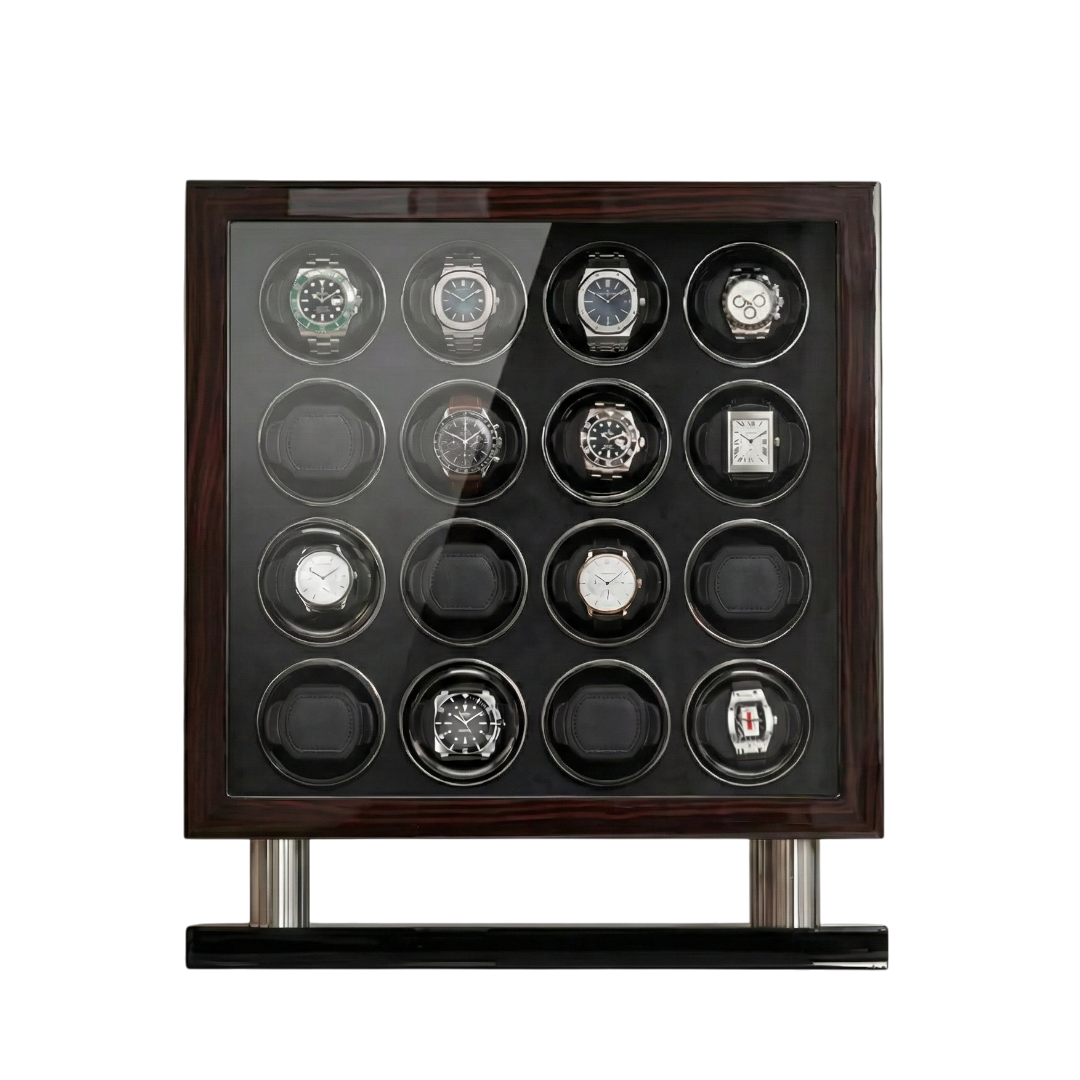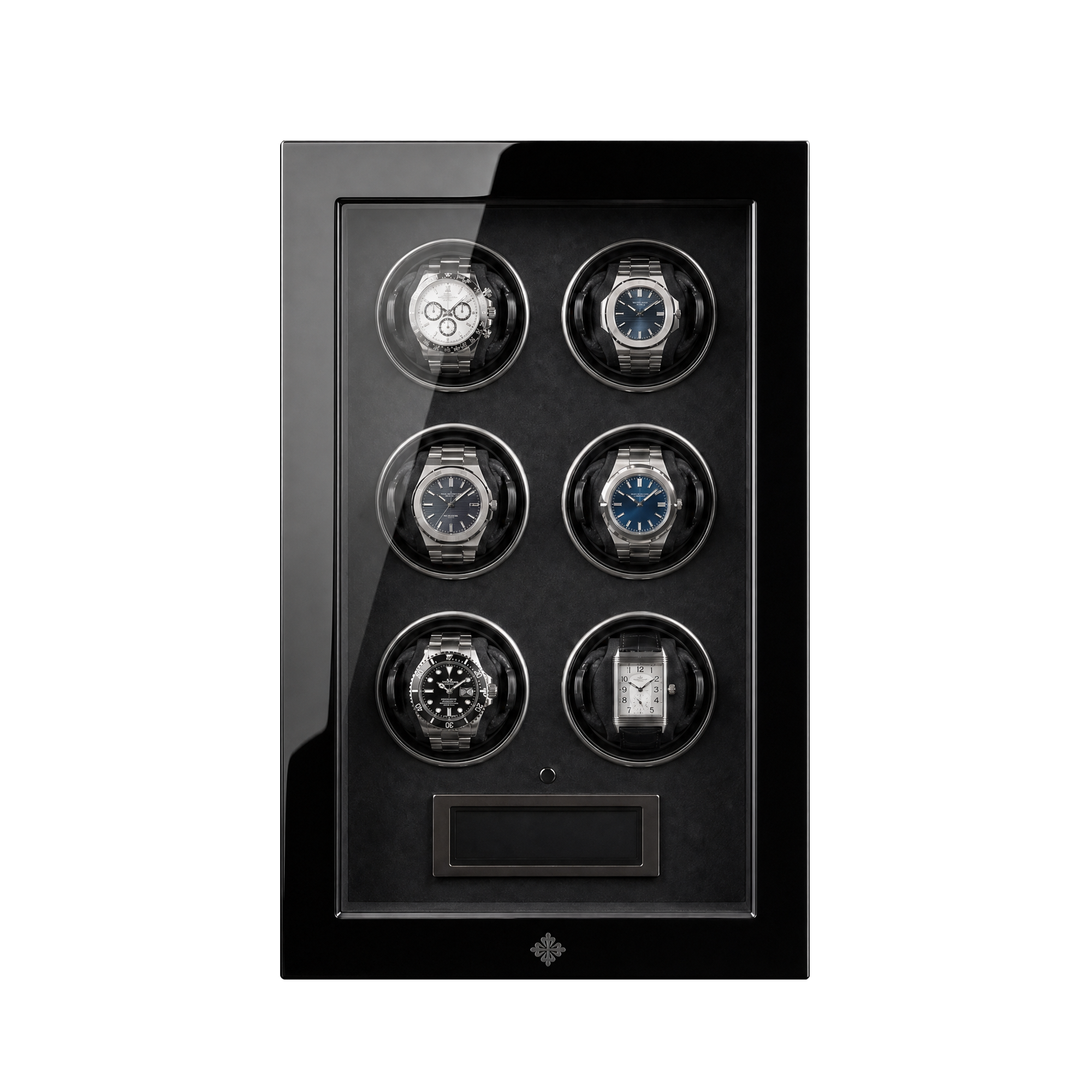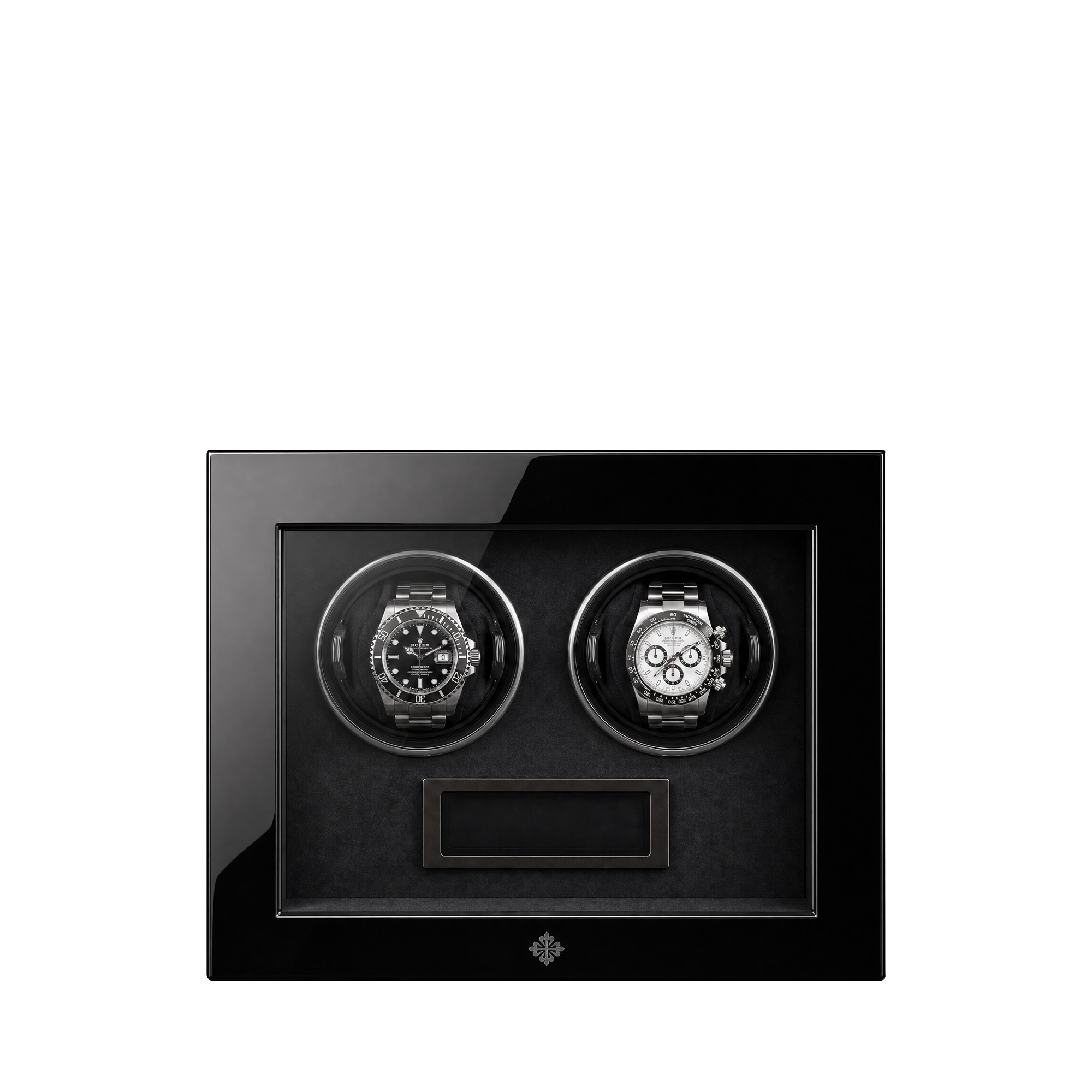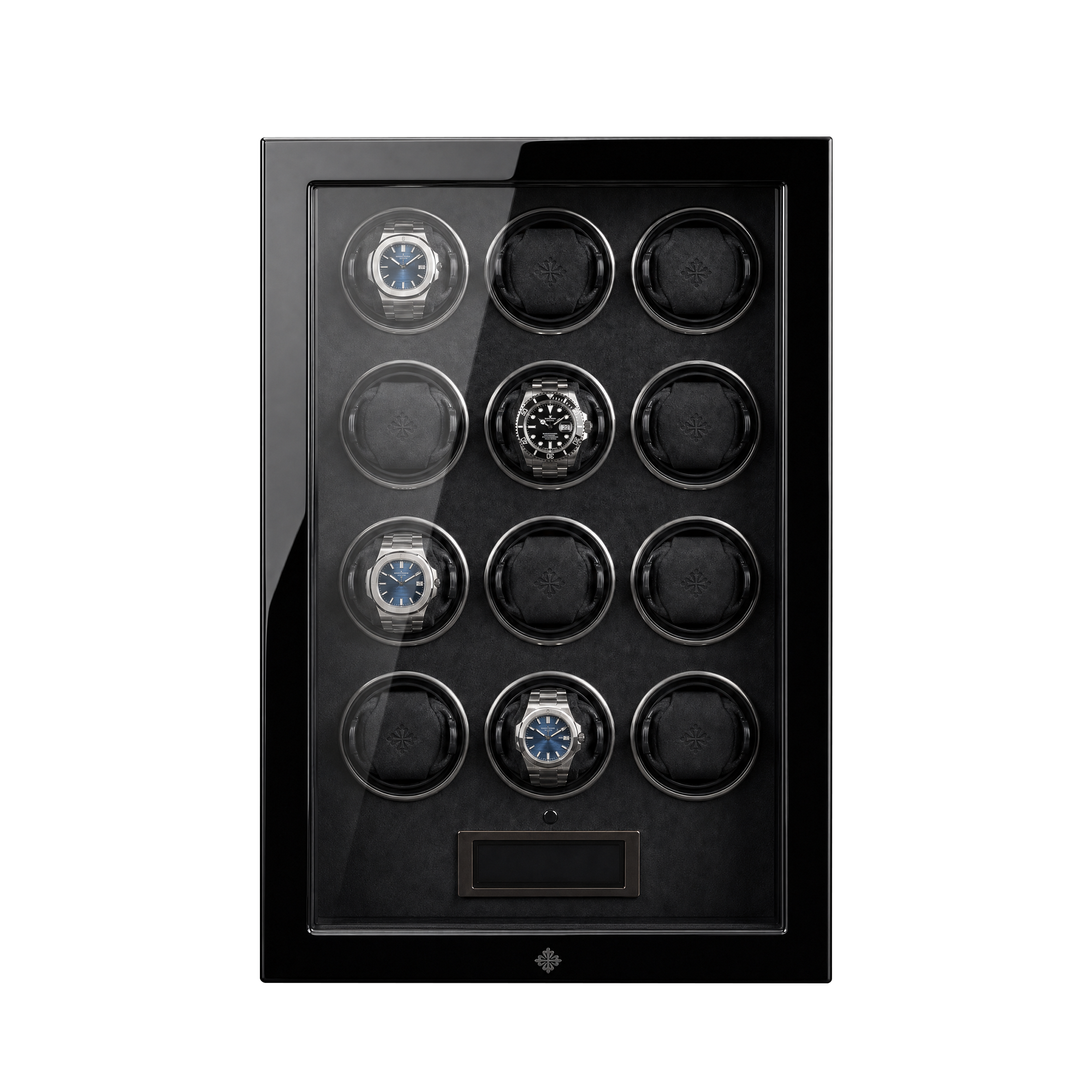

Whether a watch safe lowers your insurance premium depends less on the safe itself and more on how you document it — the rating, the installation, and the paperwork your carrier actually sees.
- A watch safe insurance premium discount depends on UL rating and bolt-down installation, not just owning a safe.
- UL TL-30 Grade II or III safes like the Apollo 12 and Veron Elite 12 are the ratings most carriers recognize in 2026.
- An outdated appraisal cancels out any safe discount you’d otherwise get — refresh it every 12 to 24 months.
- Unanchored safes often void the discount entirely; bolting to a stud or slab is non-negotiable.
- Ask your carrier for the exact discount line item in writing, not a verbal yes.
Why this matters
Insurers price a scheduled watch collection on risk, and a safe changes the risk profile only when it’s rated, installed correctly, and on file. Two collectors with identical Rolex and Patek Philippe holdings can get different premiums purely because one has a dated appraisal and photographed installation and the other has a receipt in a drawer.
Carriers vary widely on what they’ll credit. Some treat a UL-rated safe as a straightforward discount line on the rider. Others fold it into an overall risk assessment and never itemize it. Either way, the paperwork you hand them in 2026 determines the outcome more than the safe’s price tag.
What you’ll need
- A current written appraisal with replacement values, dated within the last 12 to 24 months
- A safe carrying a recognized independent security rating (UL TL-30 or higher is the benchmark most US carriers ask about)
- Written fire-rating documentation — minutes at a stated temperature, not a vague “fireproof” claim
- Photos of the collection inside the safe, plus the installation itself
- Proof of anchoring: contractor invoice, bolt spec, or install photos showing the safe fixed to a stud or slab
- Your current policy schedule or rider paperwork to compare against
The steps
1. Get the collection appraised before you talk premiums
An appraisal sets the replacement value your rider is priced against, and it’s the document your carrier asks for first. Use an appraiser who lists each reference by model and serial, not a lump sum. Common mistake: submitting an appraisal older than two years — most carriers flag it and price the rider on assumed depreciation instead of your actual holdings.
2. Match the safe’s rating to what your carrier recognizes
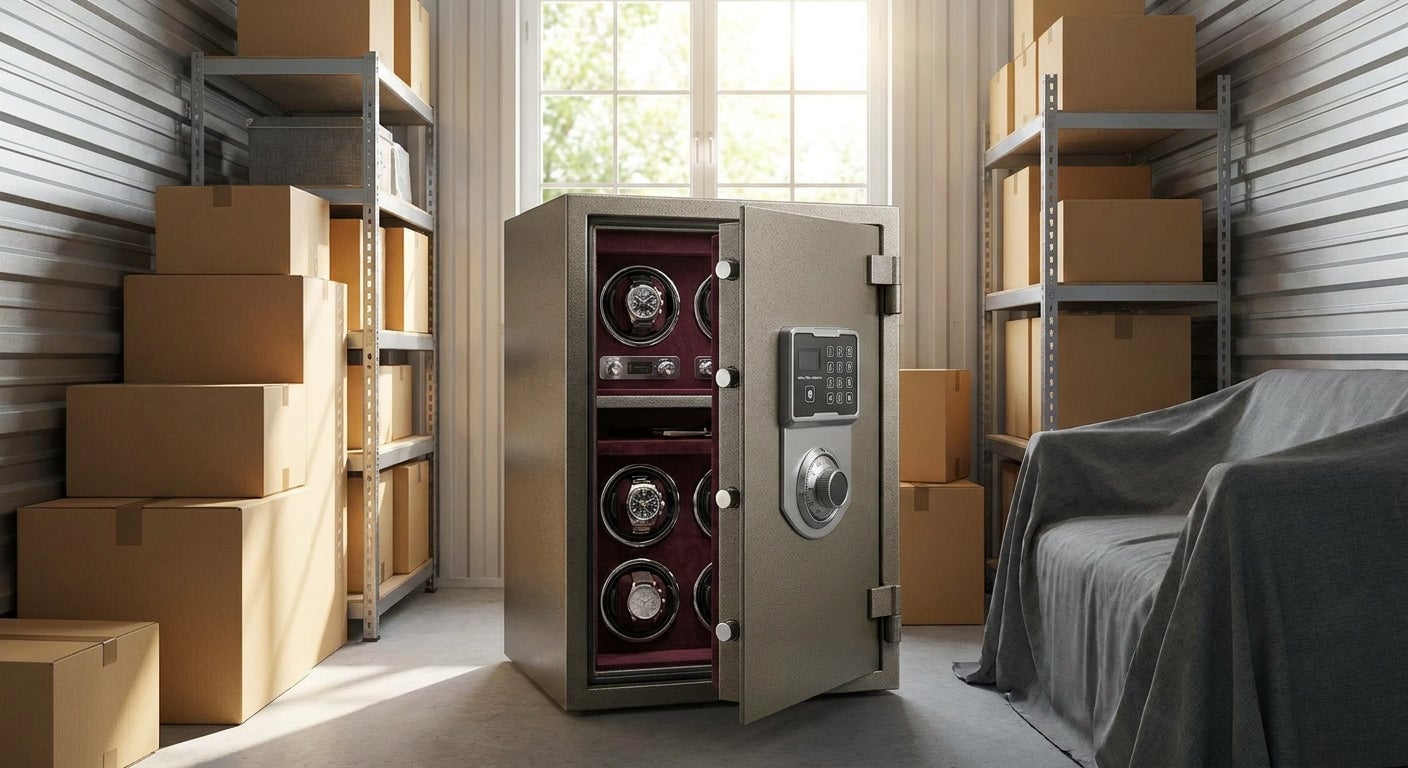
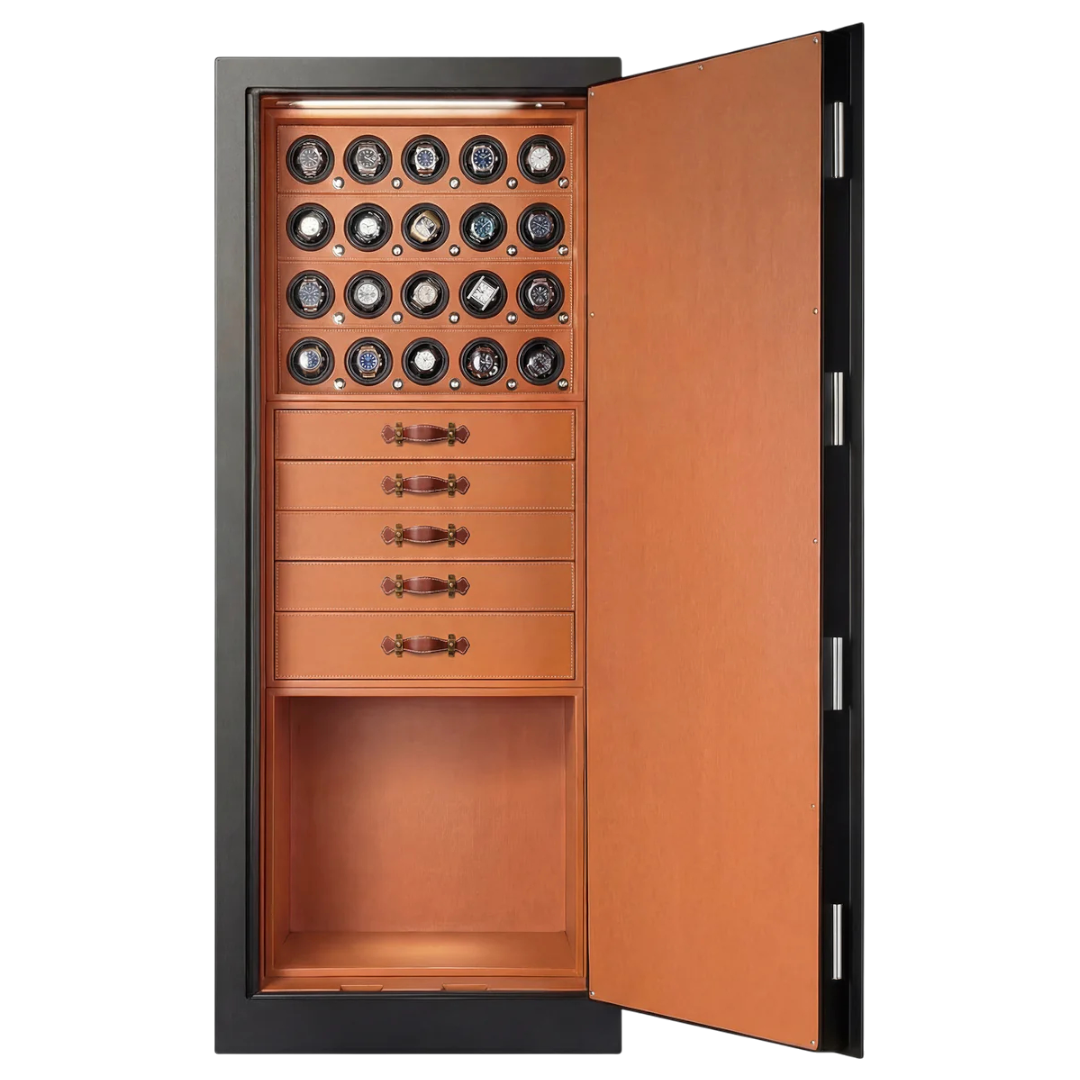
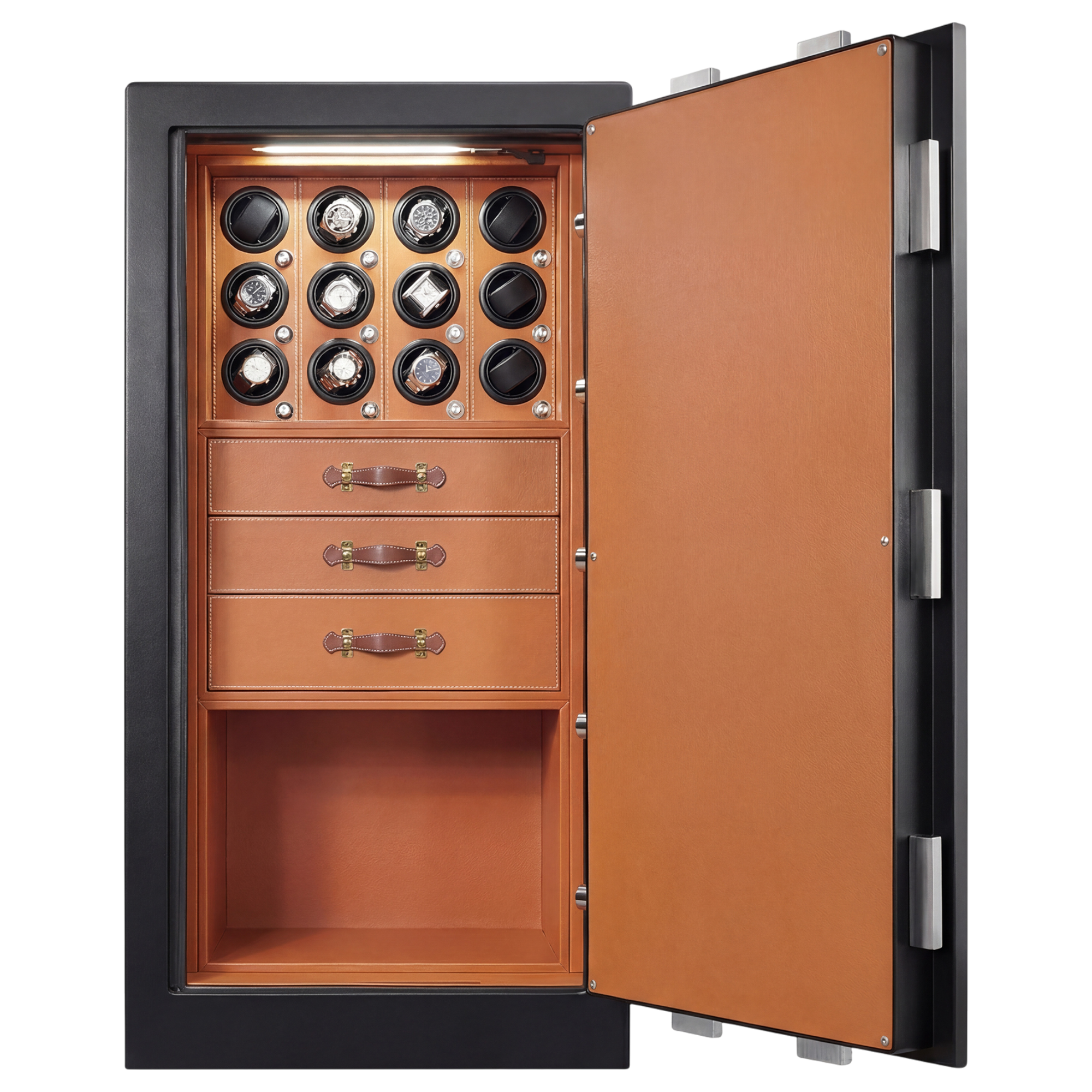
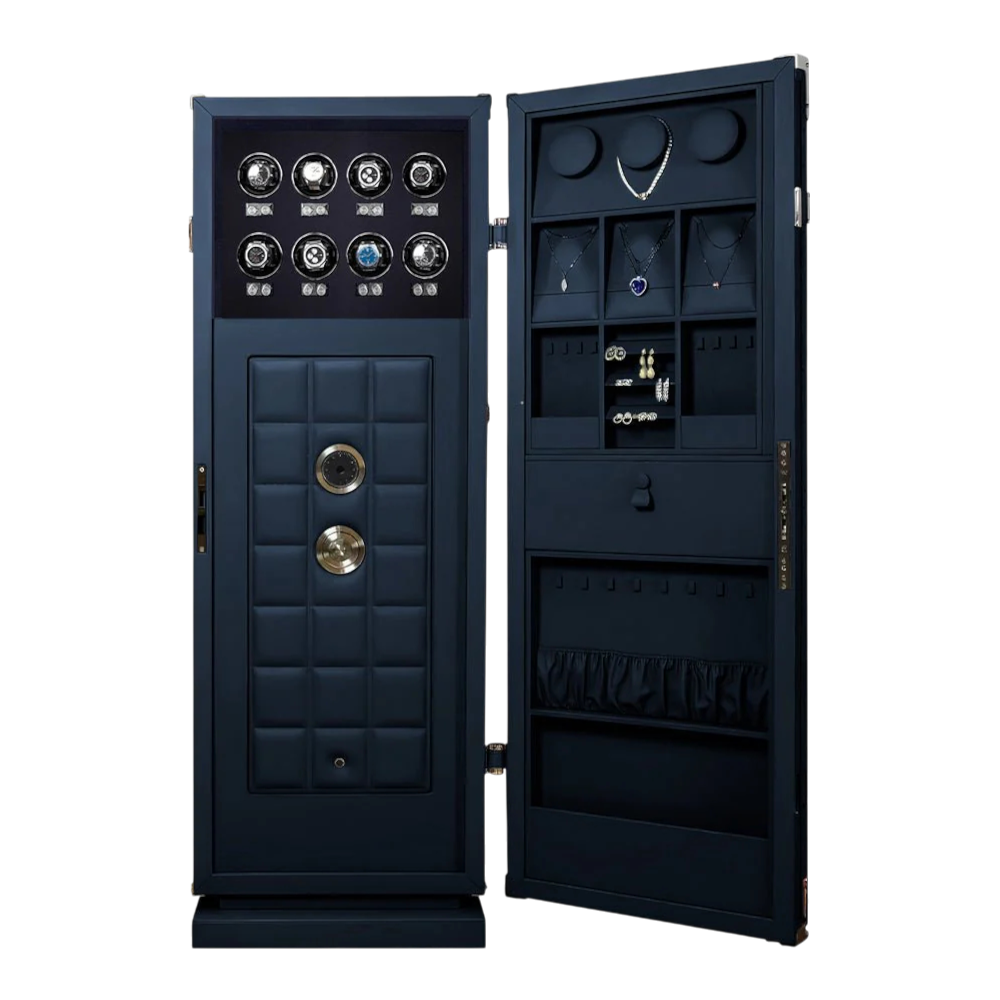
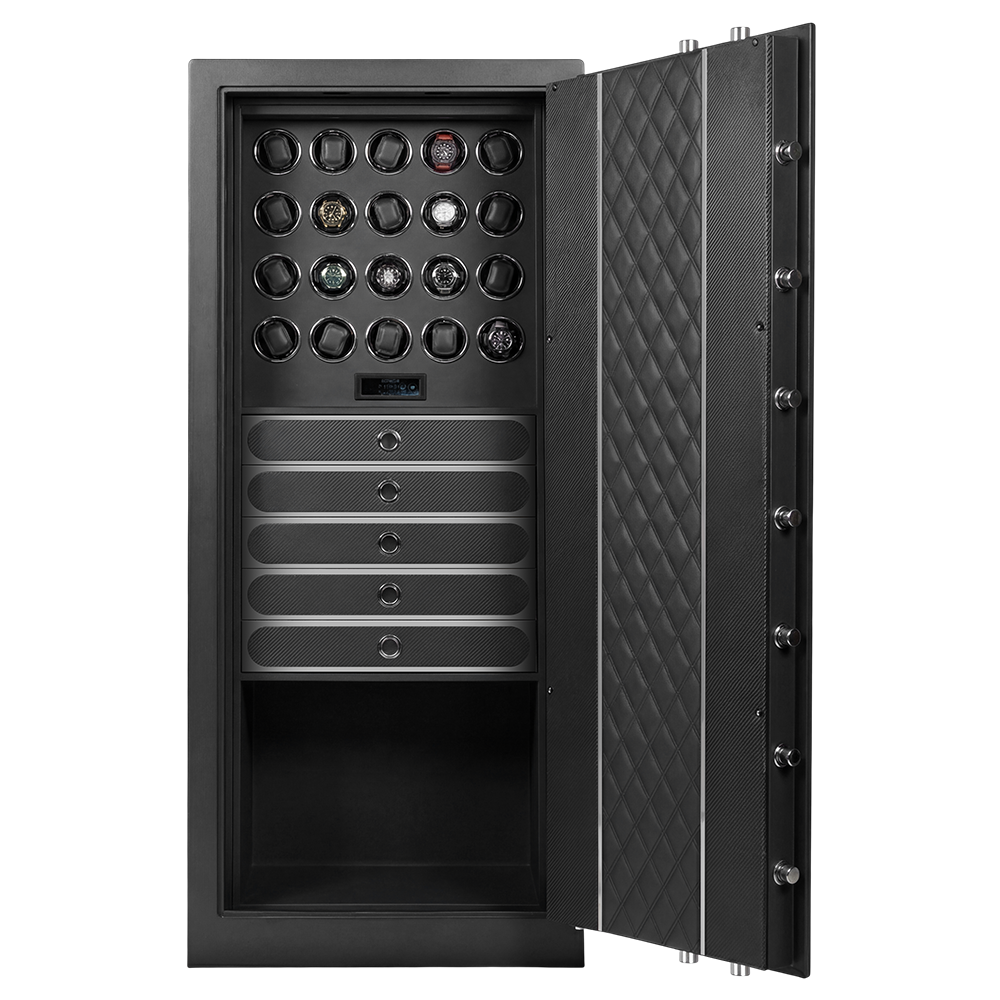
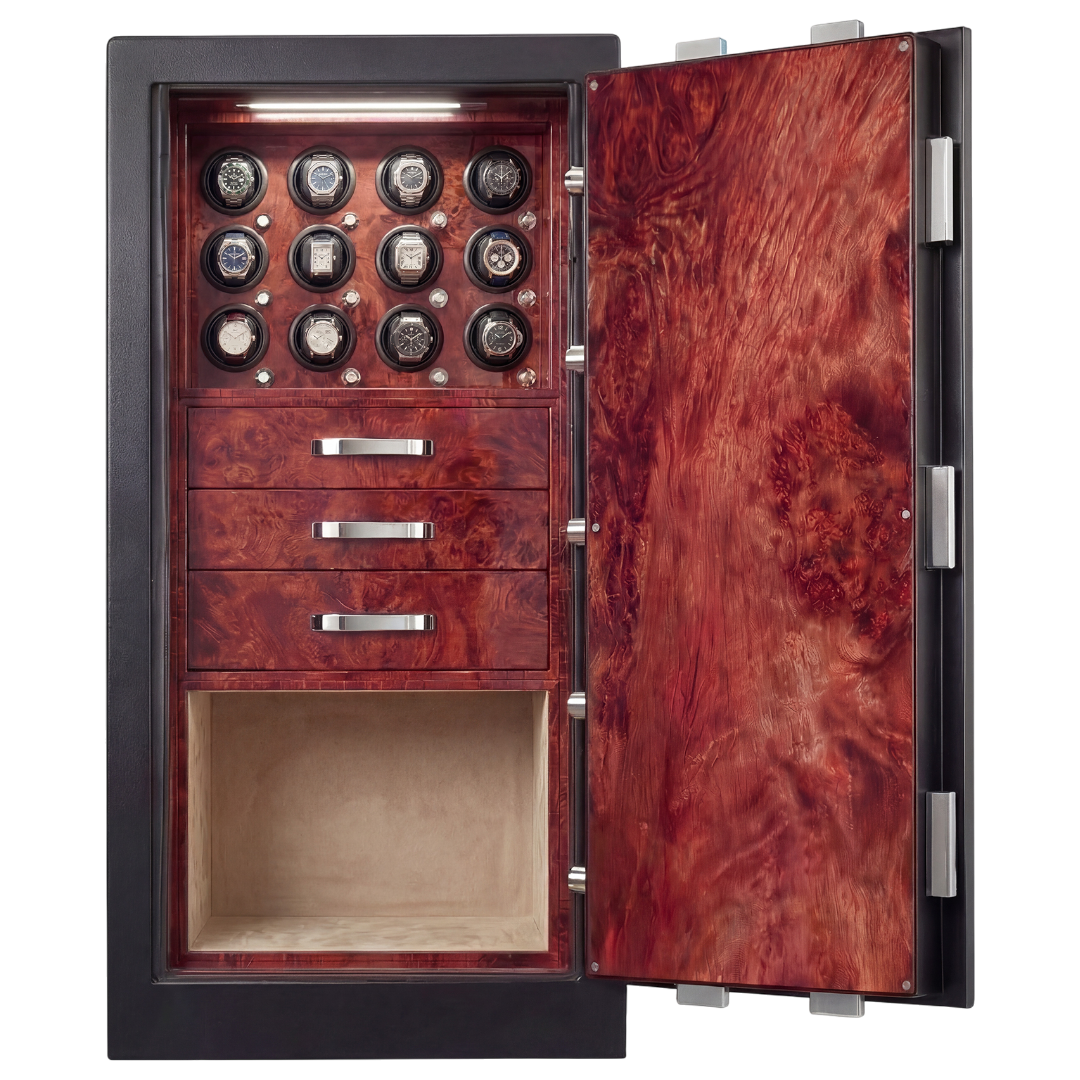
Not every safe rating carries weight with every insurer. The Veron Elite 12 carries a certified UL TL-30 Grade III rating; the Apollo 12 carries UL TL-30 Grade II. Both are ratings underwriters are trained to recognize, which matters more than the safe’s list price. Common mistake: assuming any locked box counts — a cabinet lock and a UL TL-30 vault door are treated as entirely different risk categories.
3. Bolt the safe to the structure, not just place it
An unbolted safe can be carried out whole, and several carriers will not apply a safe discount without proof of anchoring. Bolt into a concrete slab or a doubled stud, following the manufacturer’s hardware spec exactly. Common mistake: anchoring into drywall alone, which fails inspection and voids the discount even with a correctly rated safe.
4. Put the rating and installation in writing to your insurer
Verbal mentions don’t get filed. Send the model name, the UL rating, the fire rating in minutes and temperature, and photos of the completed anchor job as a single packet attached to your policy. Common mistake: relying on your broker to relay specs from memory instead of sending documentation directly.
5. Ask for the discount as a specific line item
A vague “yes, that should help” from an agent isn’t a discount — it’s a maybe. Ask the underwriter to confirm, in writing, the percentage or flat adjustment tied to the safe. Common mistake: accepting a bundled quote without asking what changed and why.
6. Photograph the interior with the collection in place
Claims move faster with dated photos showing each piece inside the safe, matched against the appraisal. This step also supports what a burglary rating actually proves if the rating itself is ever questioned. Common mistake: photographing the safe empty, which proves nothing about what’s inside it.
7. Revisit the schedule every renewal
Collections change — a piece added, a piece sold, a new appraisal value. Renewal is the moment to update the rider and re-confirm the safe discount is still applied correctly. Common mistake: letting the policy auto-renew for three or four years without touching the schedule.
Troubleshooting
- Insurer doesn’t recognize the UL rating on file — request the manufacturer’s certification document directly; a photo of a rating plate isn’t enough for underwriting.
- The discount offered is smaller than expected — ask whether raising the rider limit instead of chasing a bigger discount gets you more coverage for the same premium.
- Appraisal is more than two years old — schedule a refresh before renewal; carriers price stale appraisals conservatively, which erases any safe credit.
- Safe isn’t bolted down — several carriers treat an unanchored safe as unrated regardless of its TL-30 certification; get it anchored before your next review.
- No proof of installation on file — keep the contractor invoice and dated install photos in the same folder as your appraisal.
- Claim denied over storage terms — review what an insurance claim actually requires before a loss happens, not after.
Tools and resources
- Written appraisal from a certified gemologist or watch specialist, updated every 12 to 24 months
- A UL TL-30-rated safe such as the Veron Elite 12 or Apollo 12
- Bolt-down hardware matched to the safe manufacturer’s spec
- A dated photo log of the collection inside the safe
- Your policy’s current schedule for side-by-side comparison at renewal
What to do next
If a claim is ever filed, the appraisal, the rating documentation, and the installation photos are exactly what an adjuster asks for first — get that folder built before you need it, not during a loss.
FAQ
Does owning a watch safe lower your insurance premium?
It can, but only when the safe carries a recognized rating like UL TL-30 and the installation is documented. A safe without paperwork on file rarely changes the premium at all.
What UL rating do insurers look for on a watch safe?
UL TL-30 or higher is the benchmark most US carriers recognize in 2026. Ratings below that are often treated as a locked cabinet rather than a security safe.
Do I need to bolt down a watch safe for insurance credit?
Yes, in most cases. An unanchored safe can be removed intact, and several carriers won’t apply a safe discount without proof of anchoring.
How often should I update my watch collection appraisal?
Every 12 to 24 months, or immediately after adding a significant piece. Stale appraisals get priced conservatively and can cancel out any safe discount.
What’s the difference between a fire rating and a burglary rating?
A fire rating states minutes of protection at a specific temperature, such as a two-hour rating at 695°C. A burglary rating, like UL TL-30, measures resistance to forced entry — insurers weigh them separately.
Will a biometric lock affect my premium?
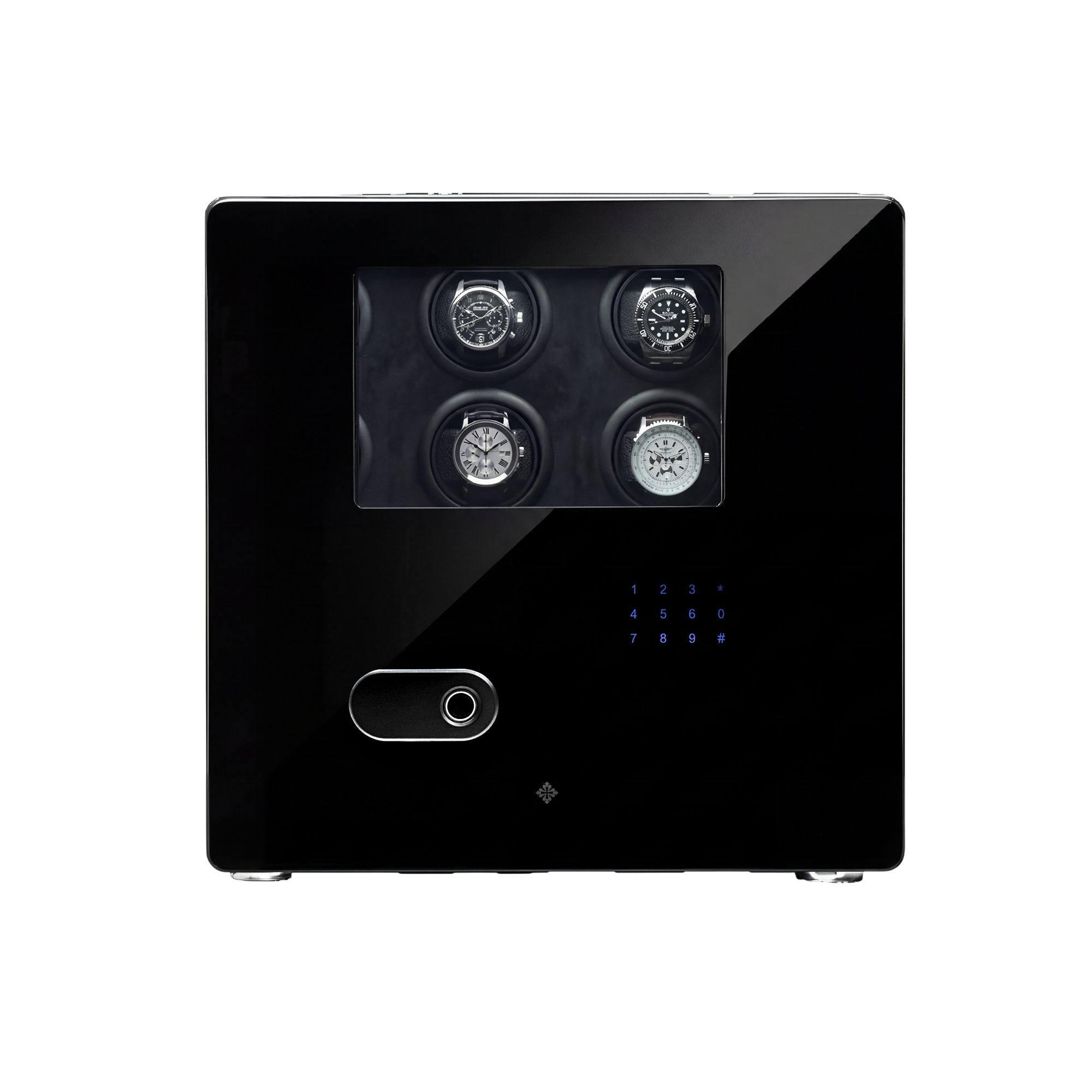
Some carriers view biometric access as an added control layer worth noting, but the underlying UL rating still carries more weight in most underwriting decisions.
Should I ask my broker or my underwriter about a safe discount?
Ask the underwriter directly, in writing. Brokers relay information, but the underwriter is the one who confirms the actual discount applied to your policy.
Does a watch safe replace the need for a scheduled rider?
No. A safe can lower risk and potentially the premium, but a scheduled rider with itemized values is still what pays out on a covered loss.
One last thing
The single biggest premium mistake collectors make in 2026 isn’t skipping the safe — it’s skipping the paperwork trail behind it. A $17,999 safe with no appraisal on file and a $7,499 safe with a complete documentation packet get treated very differently by the same underwriter.
Related guides
Protect Your Watch Collection
Designed for collectors who demand the best. Explore our premium watch winders and luxury safes.
Protect Your Watch Collection
Designed for collectors who demand the best. Explore our premium watch winders and luxury safes.