
Quartz watches don't wind down and automatics do — which means the right watch winder for quartz and automatic watches has to solve two different storage problems, not one. Get the configuration wrong and you're either paying for slots your quartz pieces will never use, or leaving your automatics dead in a drawer.
- A watch winder for quartz and automatic watches only needs to run the automatics — quartz pieces belong in a static slot or safe, not a winding module.
- Single and 2-slot winders cover one to two automatics in daily rotation; verdict is Buy for most mixed collections under six pieces.
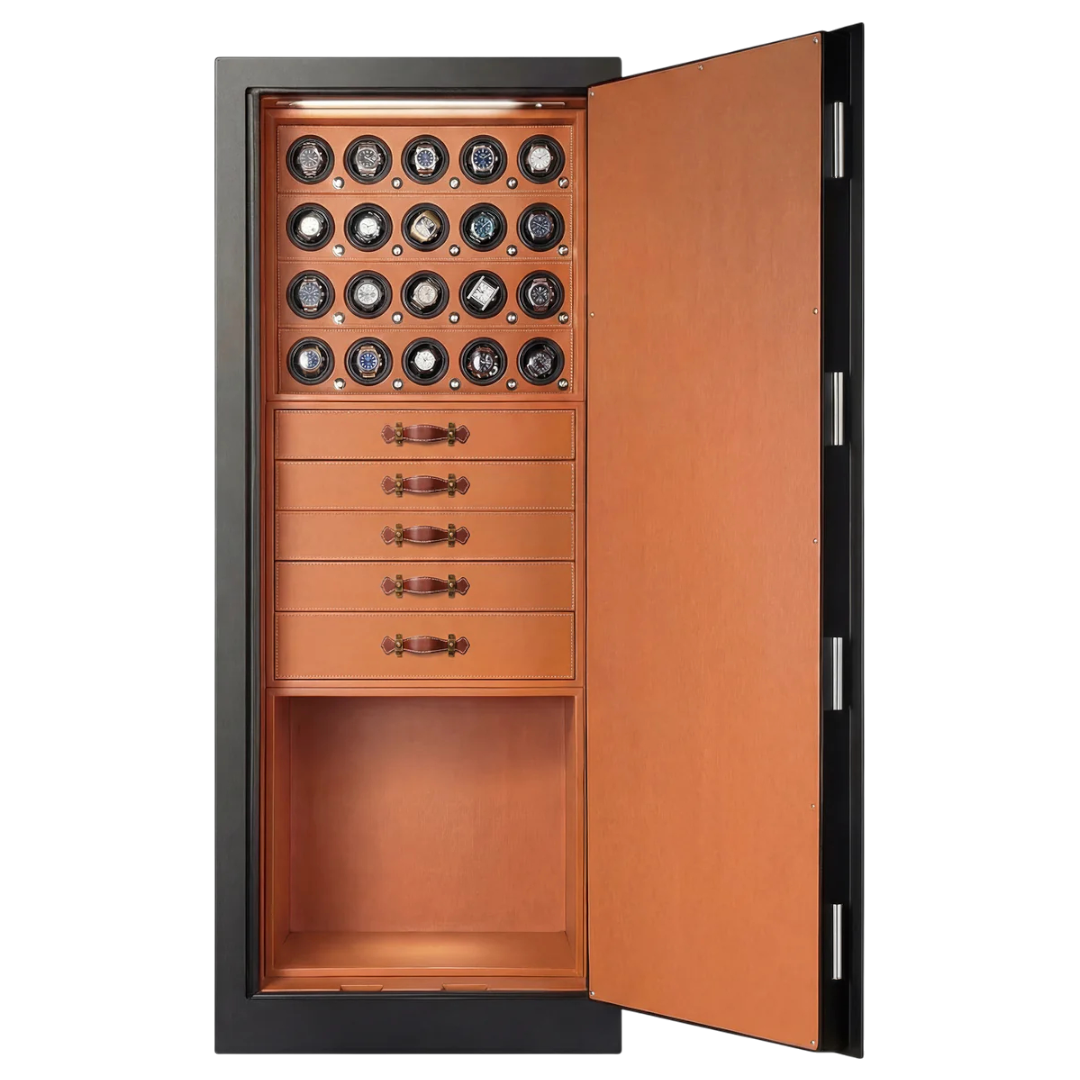
- 8-slot and 12-slot cabinets fit collectors mixing several automatic brands with a quartz backup rotation; Consider once automatics alone exceed six.
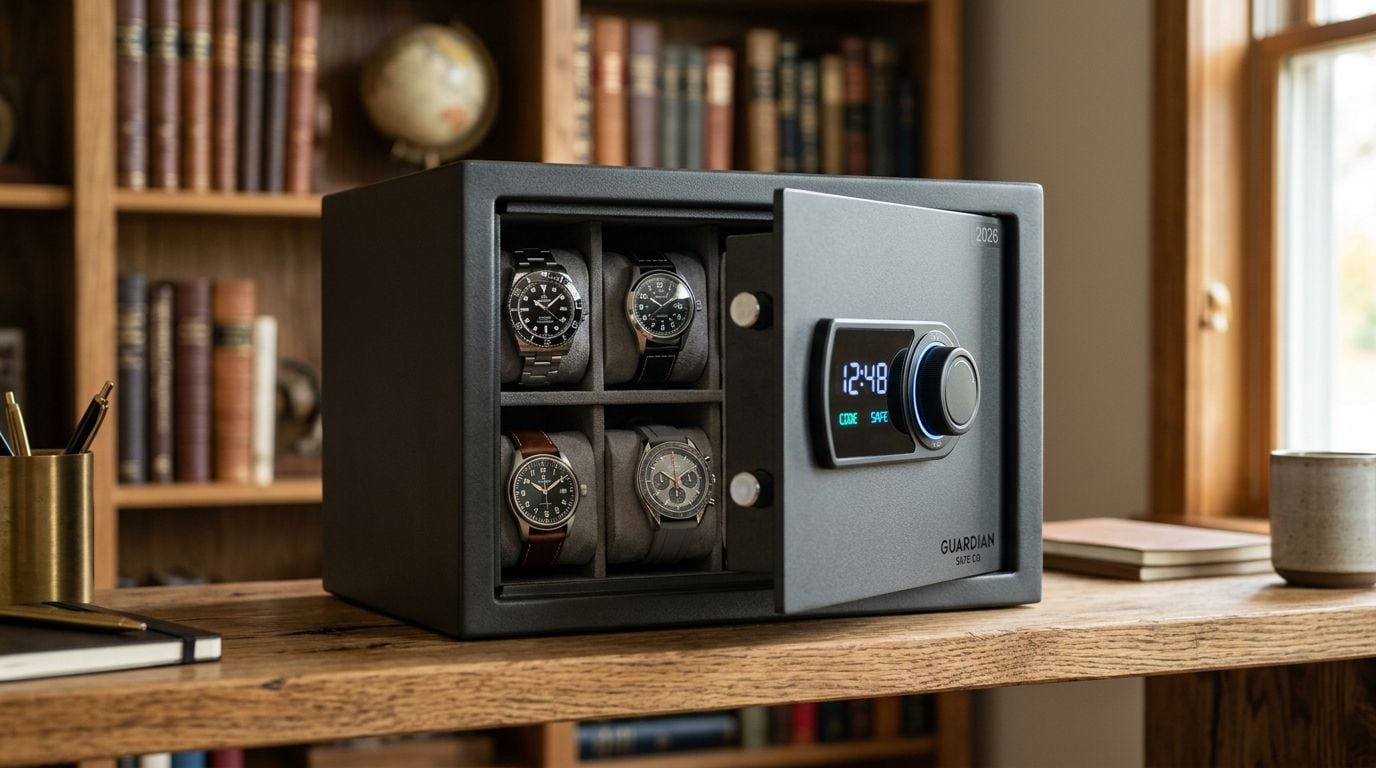
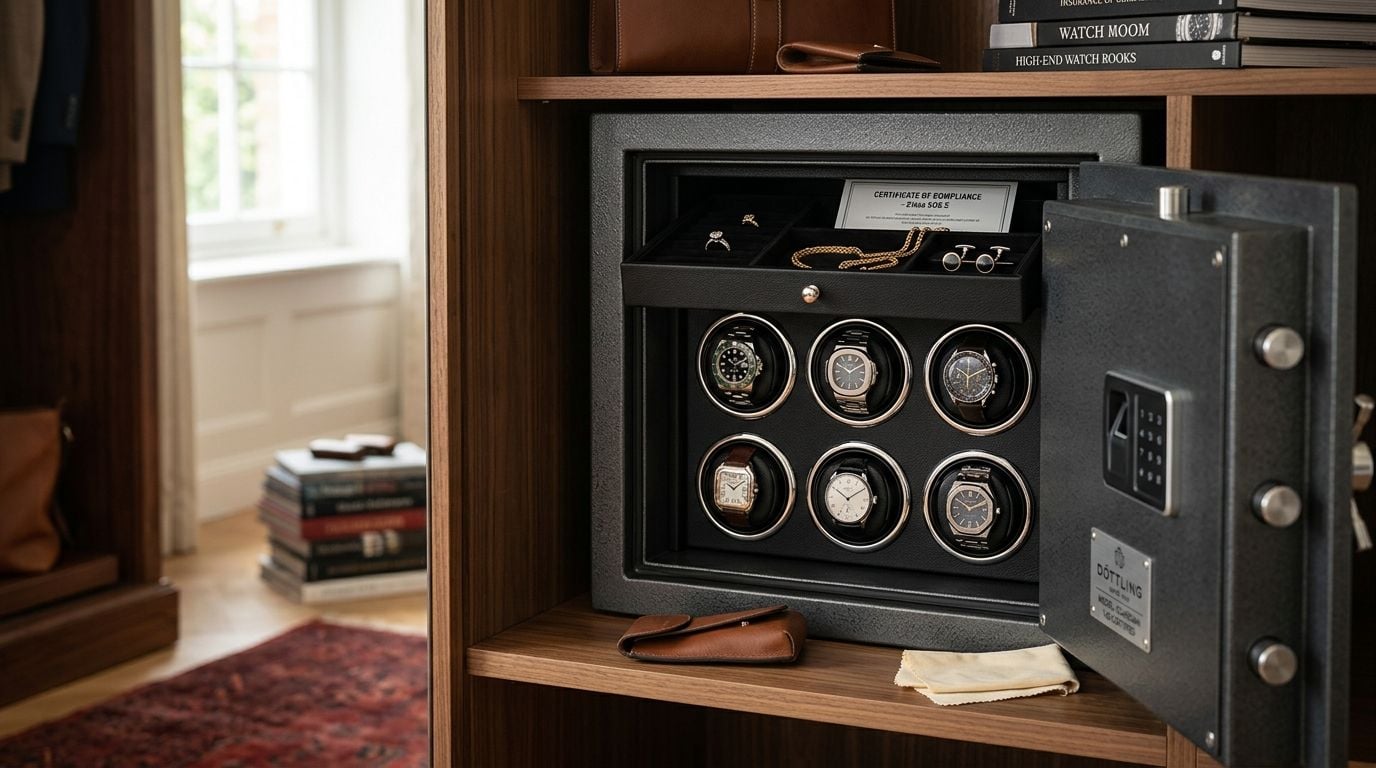
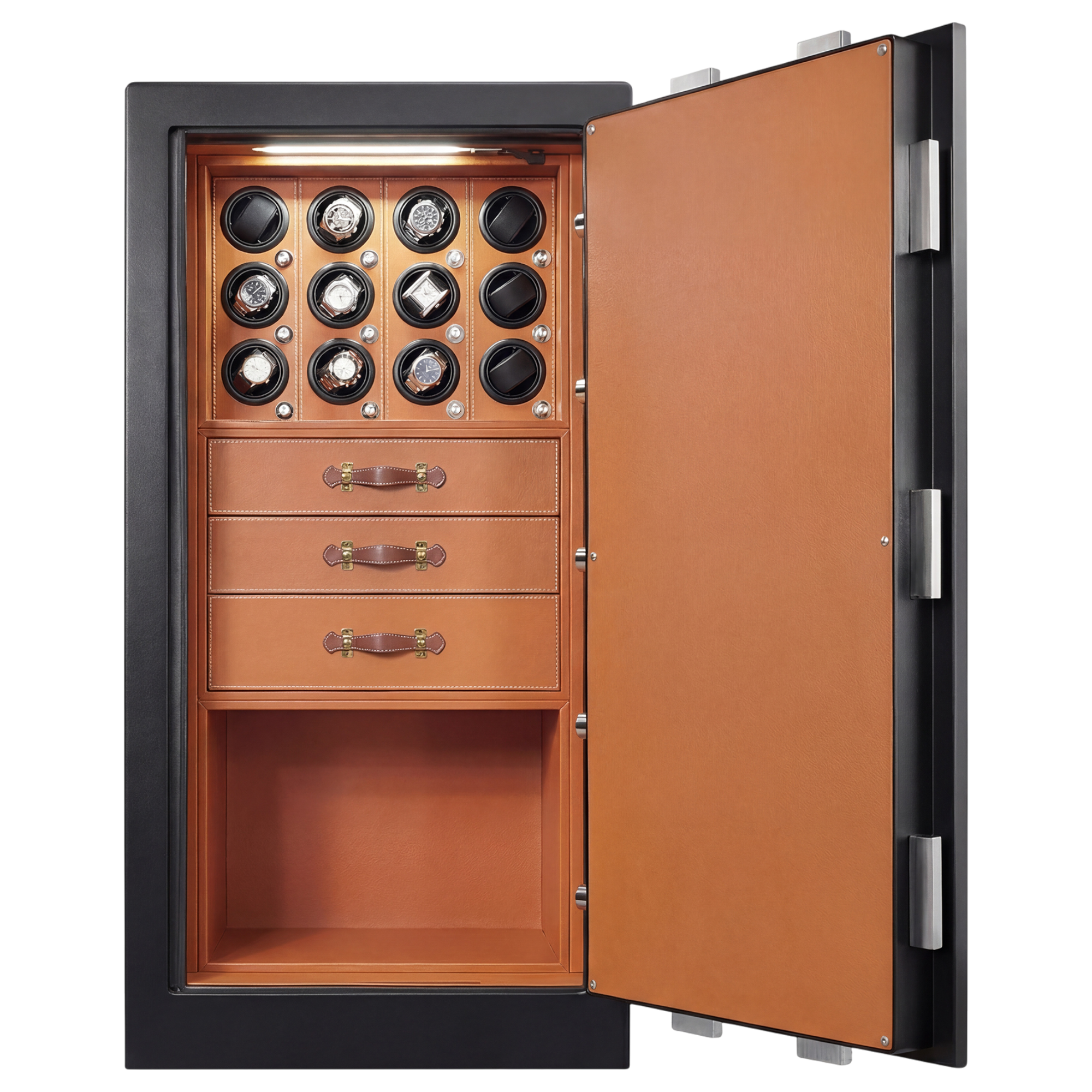
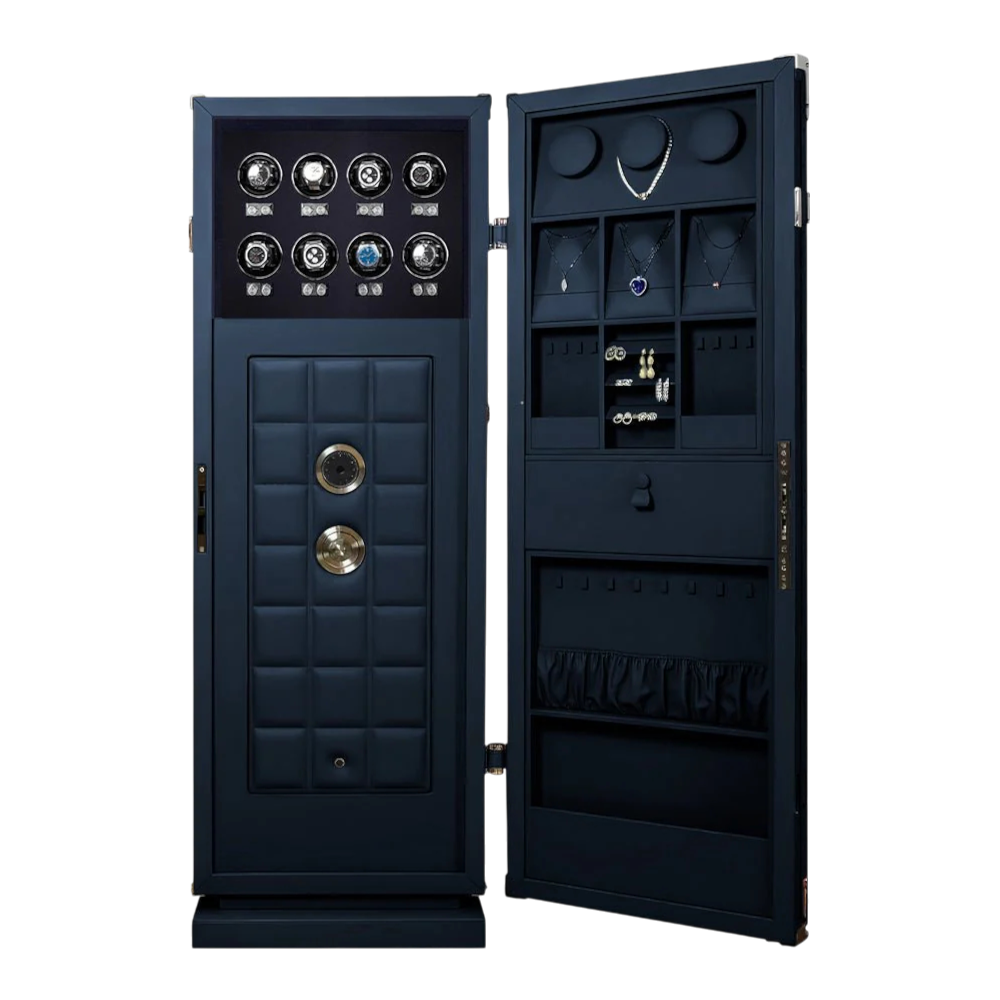
- A watch safe with a built-in winder combines storage and security for collections that mix pieces above $5,000 in value.
- Running a winder continuously does nothing to a quartz movement — it has no rotor, so a winding slot is wasted on it either way.
Why this matters
A quartz watch runs on a battery-driven stepper motor. It has no rotor, no mainspring to keep tensioned, and nothing a winder can do for it. An automatic runs on a mainspring wound by a rotor that swings with wrist motion — leave it in a drawer for a few days and it stops, then needs resetting, and on a perpetual calendar that reset can cost you the date function until the next cycle.
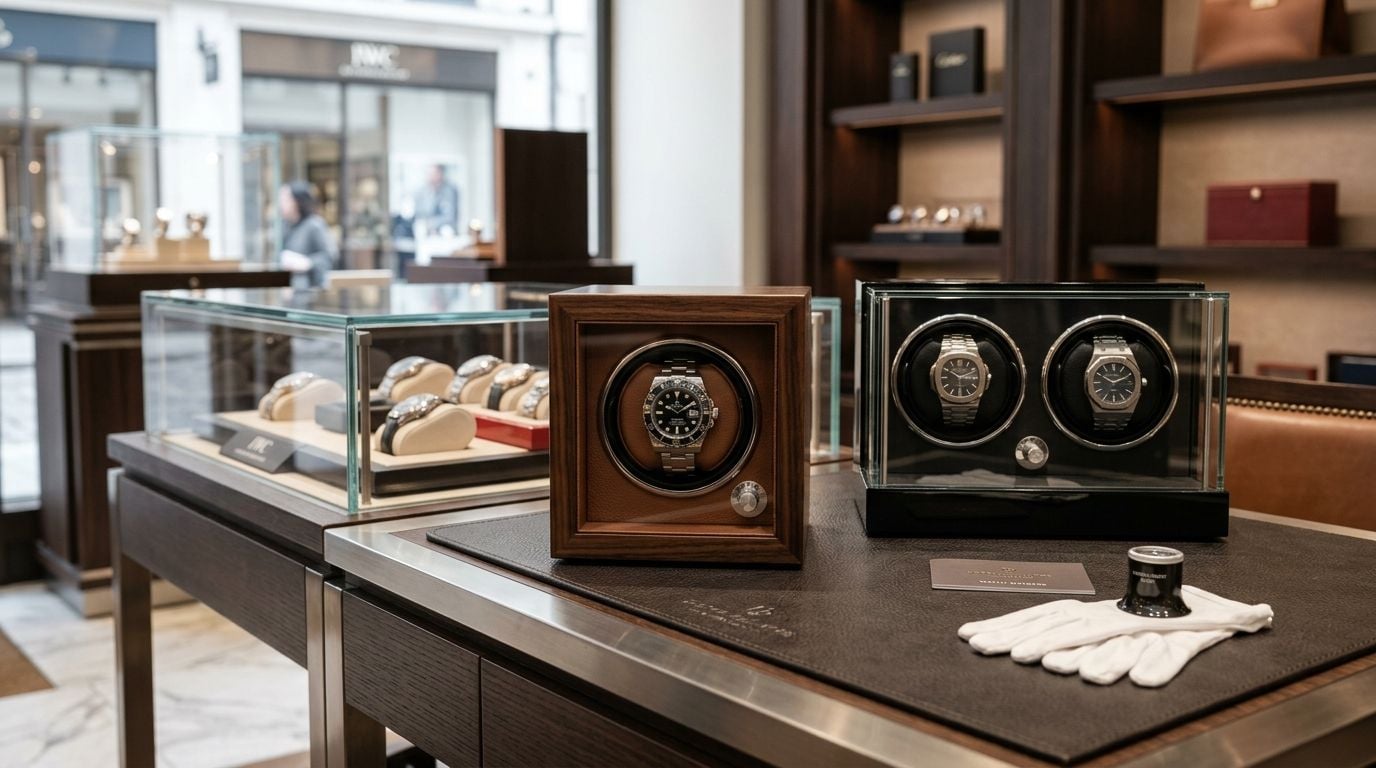
Mix the two in one collection and the buying question changes. You're not shopping for a winder that fits your whole collection — you're shopping for one that fits the automatics inside it, with a plan for where the quartz pieces sit. Enigwatch builds across that range, from a single watch winder up through multi-slot cabinets, and the right pick in 2026 comes down to counting your automatics, not your total watch count.
How we ranked
The configurations below are ranked by how well they match the real split most mixed collections have: a handful of automatics that need a rotation, and quartz pieces that need protection but not motion. Ranking weighs slot efficiency (not paying for winding capacity your quartz watches can't use), turns-per-day flexibility across mixed automatic brands, and whether a safe function is bundled in. Enigwatch's winders use Japanese Mabuchi motors across the line, which matters here because mixed-brand automatics call for different TPD settings on the same unit — a detail covered in the rotation program breakdown.
The configurations, ranked
1. The single-slot winder — the minimalist pick
For a collector with one automatic anchor piece and the rest quartz, a single watch winder solves the entire problem. It runs one caliber at its correct TPD and does nothing else, because nothing else is needed.
The honest case for this pick: paying for an 8-slot cabinet when you own one automatic is money spent on empty slots. Buy if your mixed collection has exactly one or two automatics.
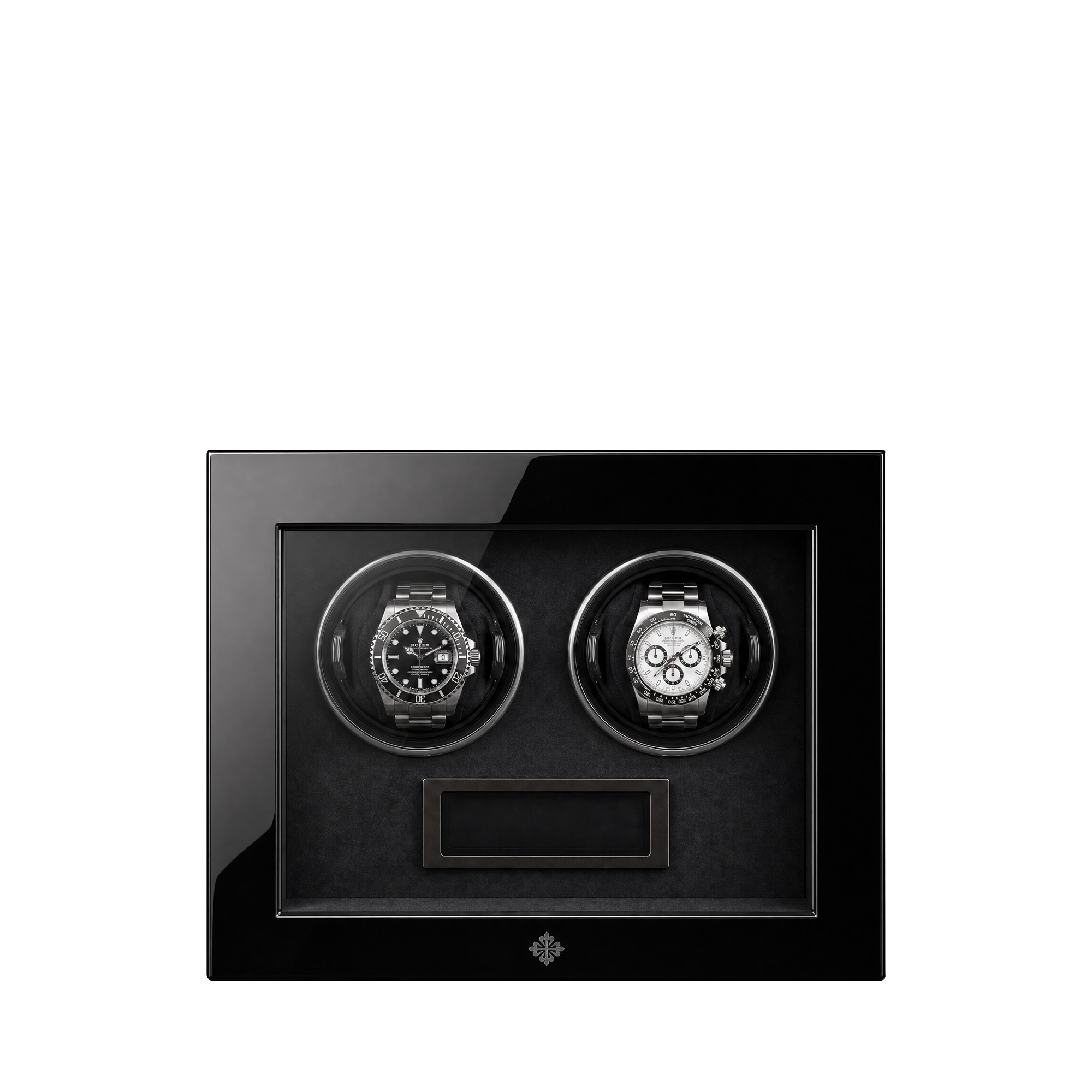
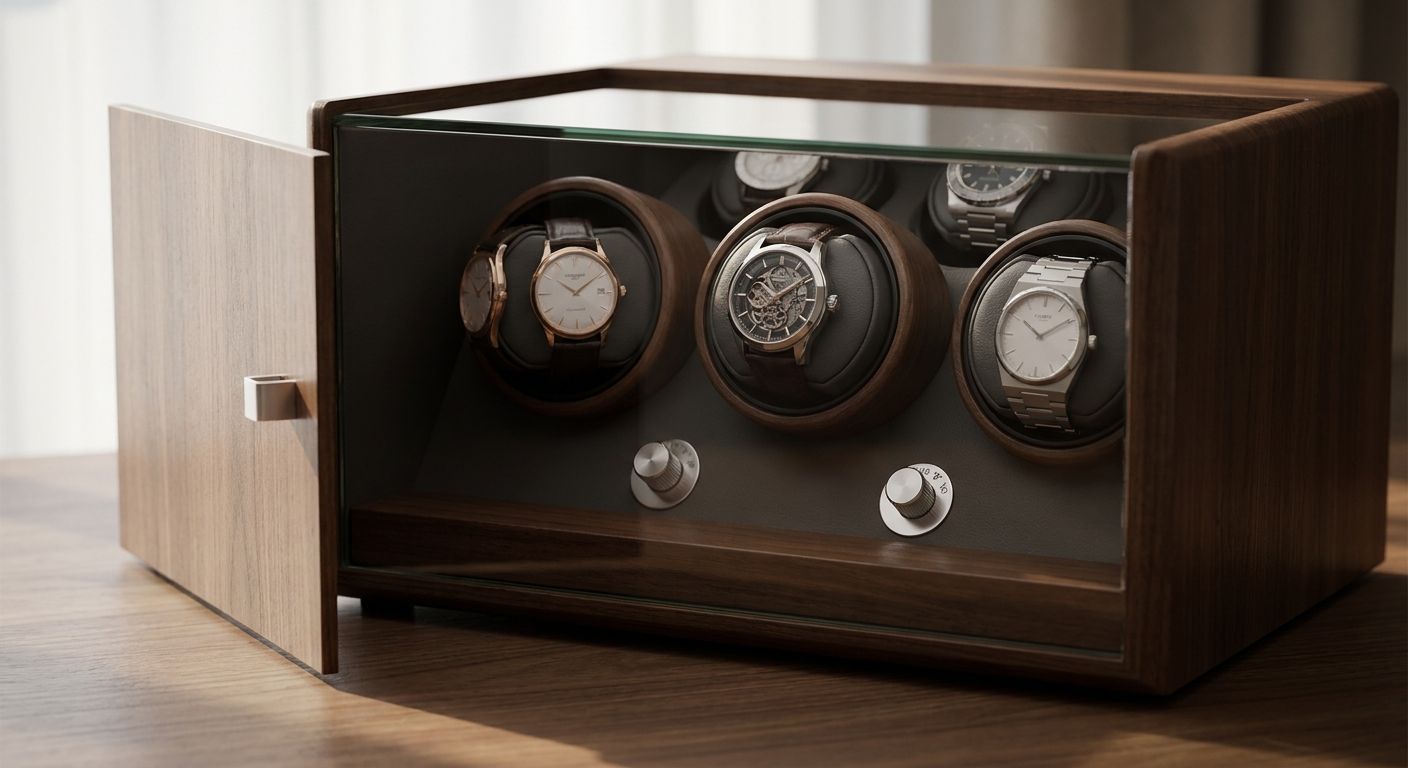
2. The 2-slot winder — the daily rotation pick
Two automatics in regular wear, with quartz pieces stored separately, is the most common mixed-collection profile Enigwatch sees. A 2-slot unit lets you set independent TPD and direction per watch, which matters when one automatic calls for 650 TPD and the other calls for 800.
This is the pick that avoids both underspending and overspending. Buy for two automatics in active rotation.
3. The 8-slot mixed-brand cabinet — the growing collection pick
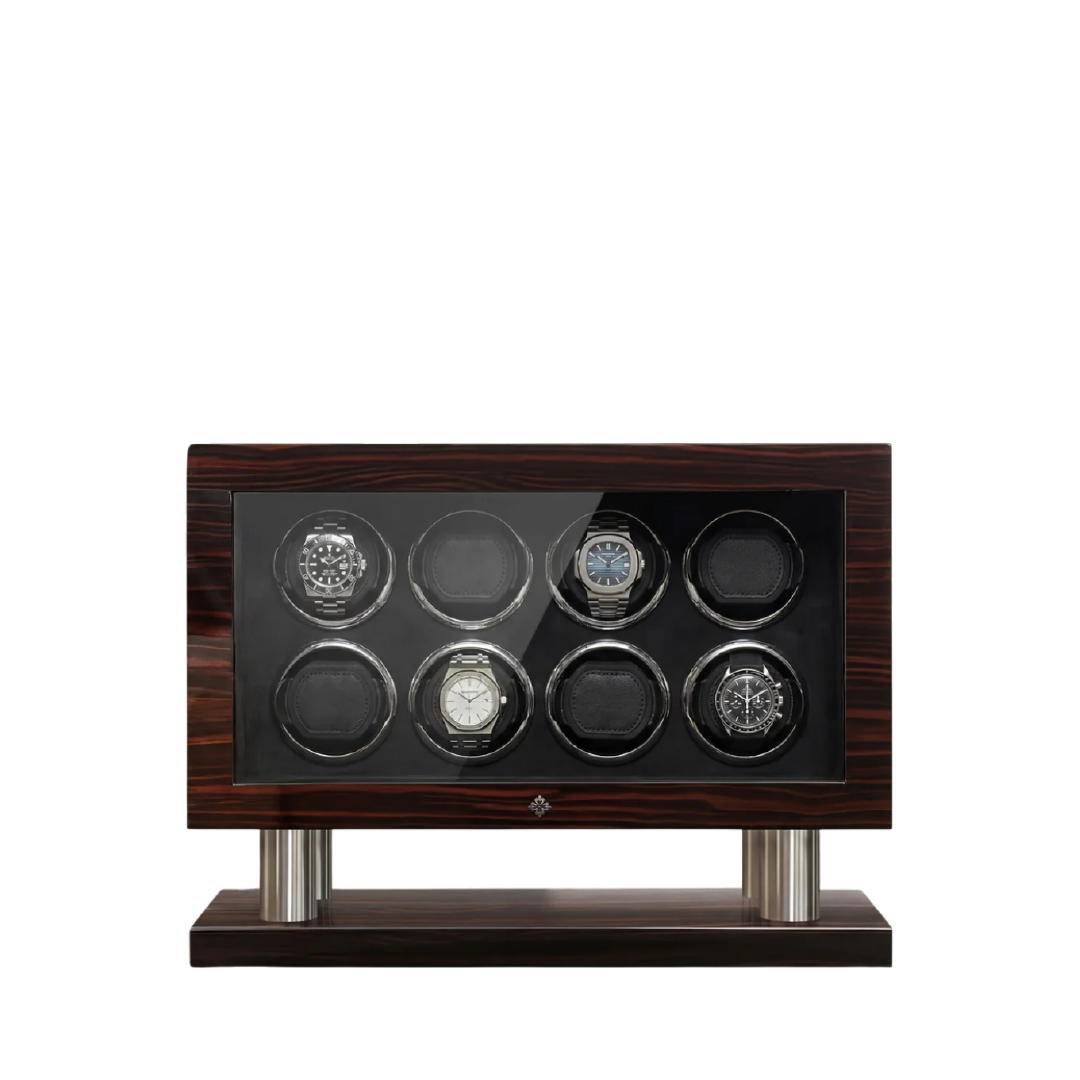
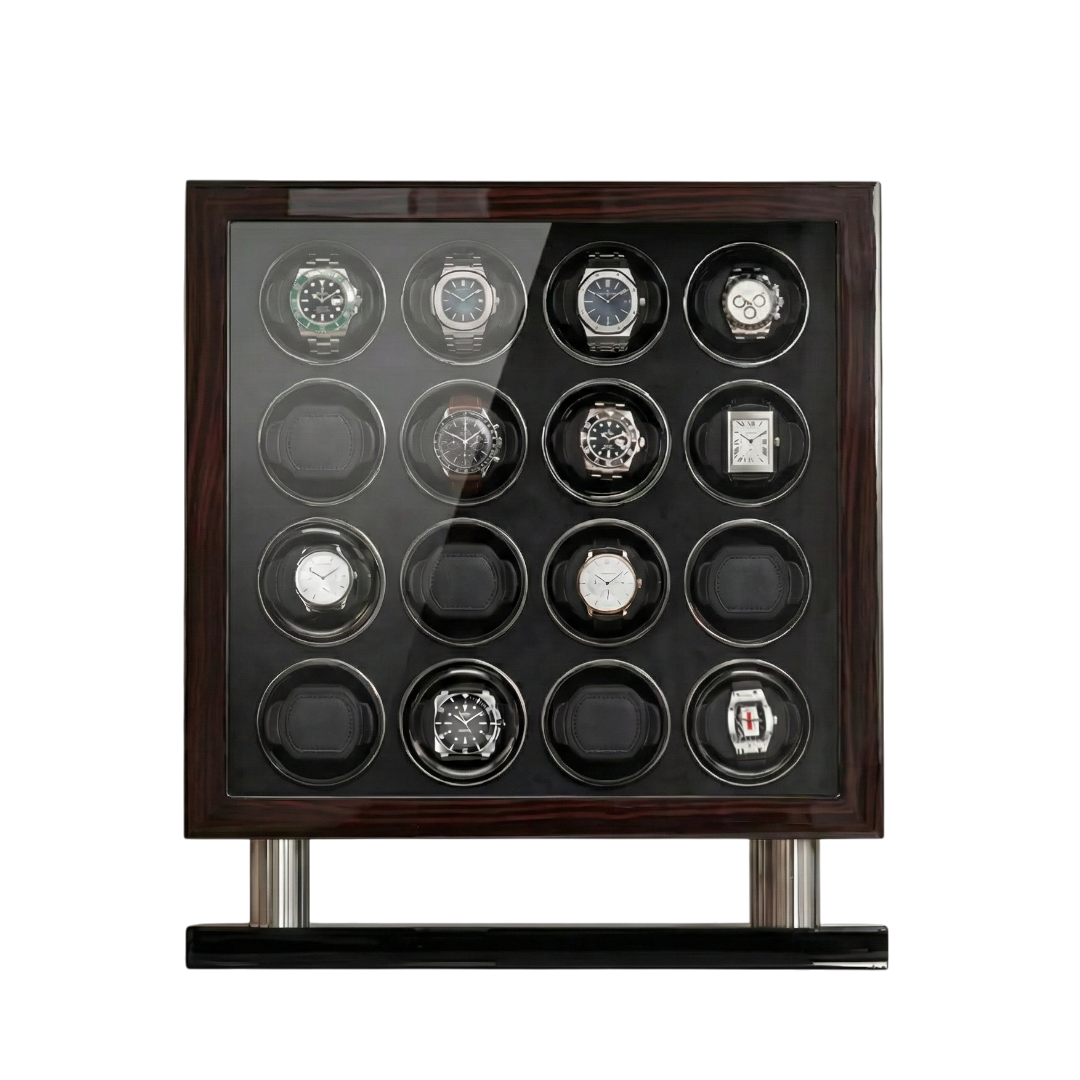
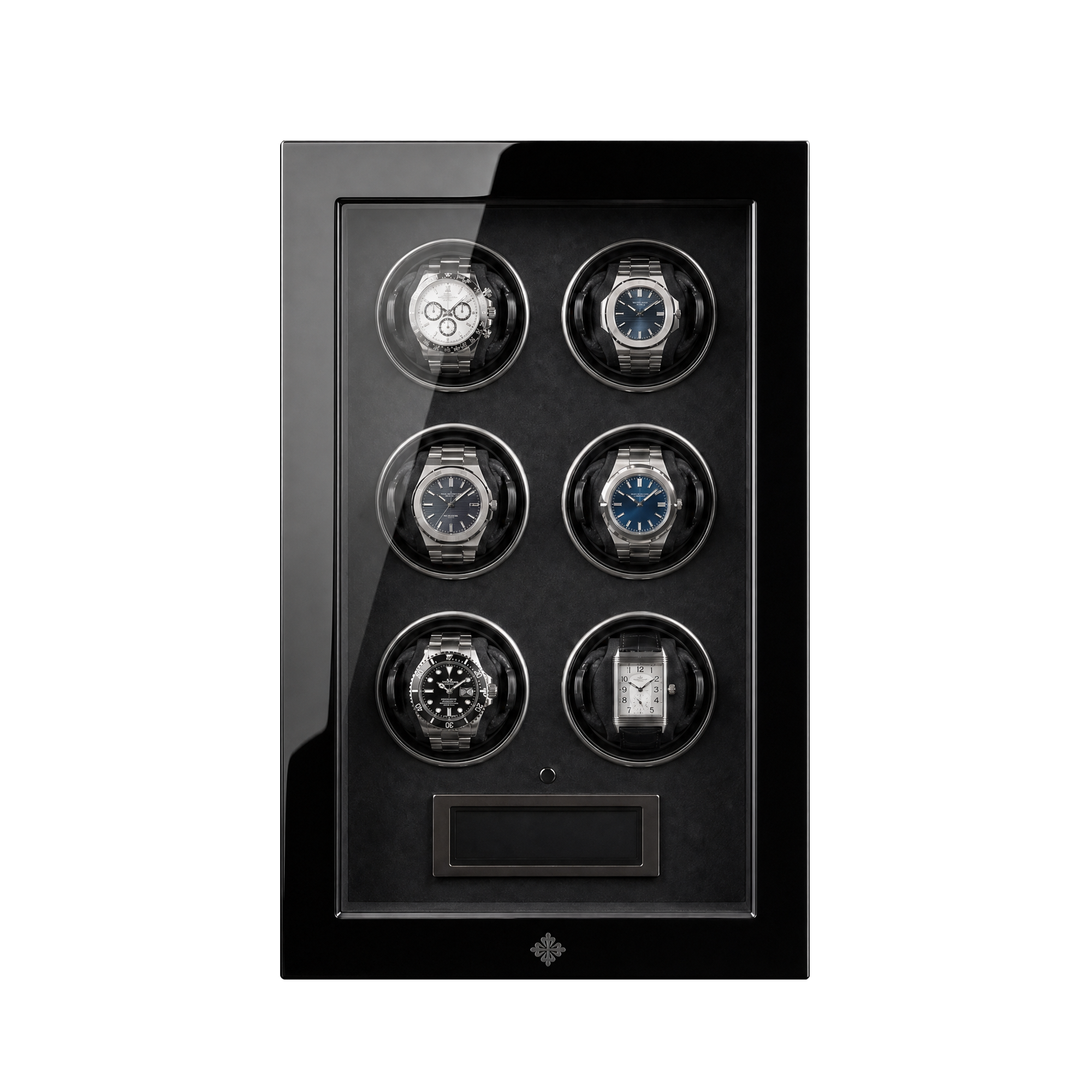
Once automatics alone push past six pieces across different brands, single and double winders stop making sense. An 8-slot watch winder for mixed brands gives each automatic its own program while quartz pieces occupy static compartments in the same cabinet, no motor engaged.
The detail that matters here: not every slot needs to run. A cabinet with 8 winding modules doesn't require 8 automatics — it just needs to outlast your collection's growth for a few years. Buy once you're managing six or more automatics.
4. The watch safe with a built-in winder — the security pick
For mixed collections carrying real value — a Rolex and a Seiko in the same case, say — a combined safe-and-winder solves storage and security in one purchase instead of two. Quartz pieces sit in fixed compartments; automatics get winding modules; the whole unit locks.
This configuration costs more than a standalone winder, but it removes the separate-safe purchase entirely. Consider if your collection's insured value justifies a locking enclosure over an open winder box.
5. The 12-slot-plus cabinet — the completionist's pick
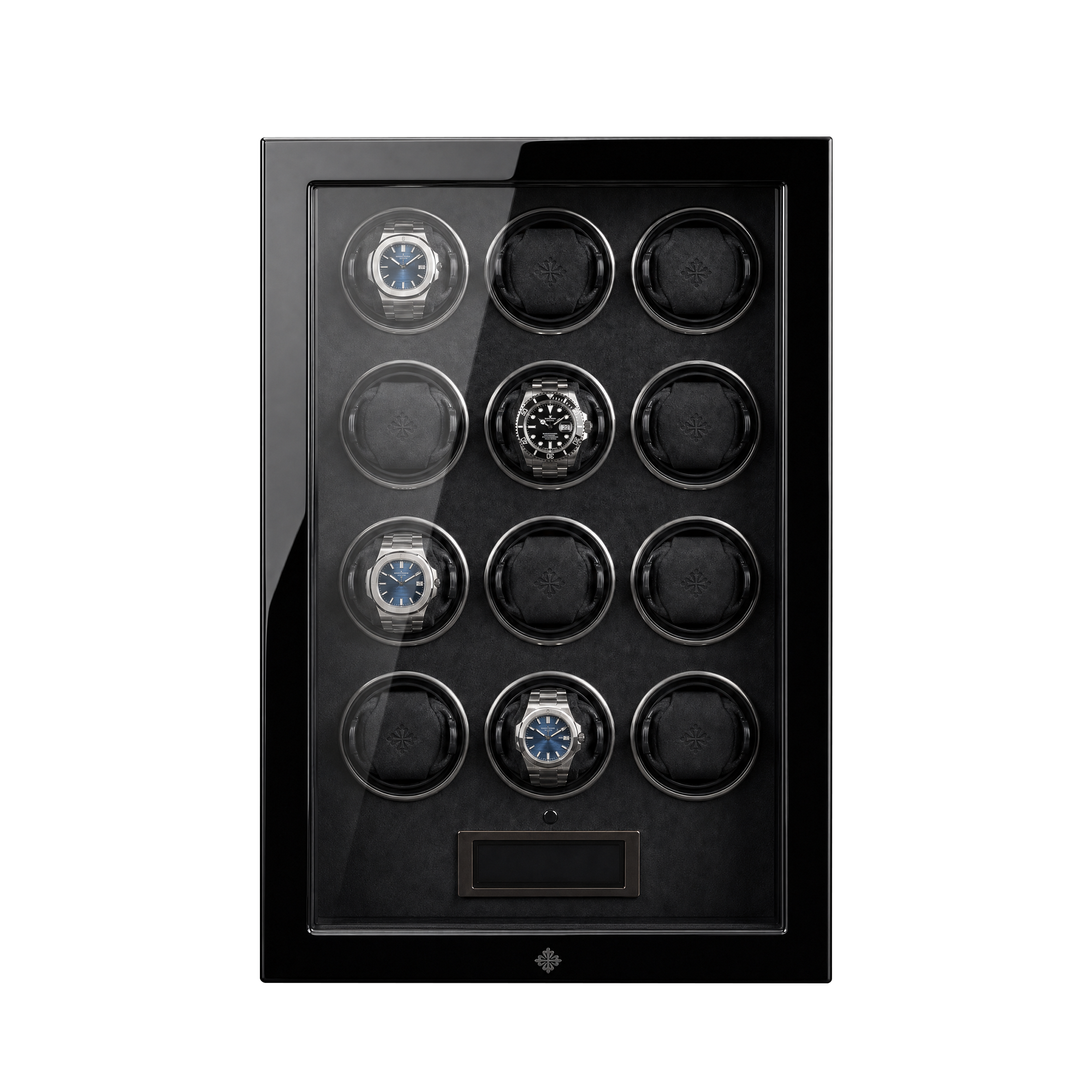
Collections that have genuinely outgrown everything above — a dozen or more pieces mixing several automatic houses with quartz backups — call for the largest cabinet format. These units are built for capacity and display as much as function, often with glass fronts and lit interiors.
The risk is overbuying. A 12-slot cabinet for eight total watches, half of them quartz, wastes both money and floor space. Skip unless your automatic count alone is approaching double digits; otherwise Consider only once it is.
What to avoid
- Winding a quartz piece "just in case." It has no rotor. A winding slot does nothing but shift where the watch sits — it won't extend battery life or protect the movement.
- Running every slot at one TPD setting. Mixed-brand automatics need different turns-per-day figures; a cabinet that forces one program on every slot will overwind some calibers and underwind others.
- Buying capacity for watches you don't own yet. A 12-slot cabinet bought for a four-automatic collection is dead weight until the collection catches up — if it ever does.
Comparison at a glance
| Configuration | Best for | Automatics it fits | Verdict |
|---|---|---|---|
| Single-slot winder | One anchor automatic, rest quartz | 1 | Buy |
| 2-slot winder | Two automatics in daily rotation | 2 | Buy |
| 8-slot mixed-brand cabinet | Growing multi-brand collection | 6+ | Buy |
| Safe with built-in winder | High-value mixed collections | Varies | Consider |
| 12-slot-plus cabinet | Large, established collections | 10+ | Consider / Skip |
Where to buy
- Buy from a seller that lists motor origin and TPD range per slot — Enigwatch specifies Japanese Mabuchi motors across its line, which is the detail that separates a winder that lasts from one that seizes within a year.
- Confirm the interior materials before ordering a cabinet-format piece; Alcantara and Nappa leather linings hold up differently than foam over years of daily use.
- Check voltage compatibility before an international order — a winder built for 110V won't run correctly on a 220V circuit without the right internal setup, a detail worth confirming before the unit ships.
Compare Enigwatch winder configurations
See the full range of single, multi-slot, and safe-combo winders.
FAQ
Do quartz watches need a watch winder?
No. Quartz watches run on a battery-driven stepper motor with no rotor, so a winder does nothing for them. Store quartz pieces in a static compartment or safe instead.
What’s the best watch winder for a mixed quartz and automatic collection in 2026?
The best watch winder for quartz and automatic watches is sized to your automatic count alone, not your total watch count. One or two automatics call for a single or 2-slot winder; six or more call for an 8-slot mixed-brand cabinet.
How many slots do I need for a mixed collection?
Count only the automatics — quartz pieces don’t need a winding slot. A collection with three automatics and five quartz watches still only needs a 2-to-4-slot winder plus separate static storage.
Can I store a quartz watch in a winder slot?
Yes, but the motor won’t do anything for it. Many cabinet-format winders include static, non-winding compartments specifically for quartz pieces alongside active slots for automatics.
Is a watch safe with a winder better than buying them separately?
A combined safe-and-winder is better when the collection’s value justifies a locking enclosure. Buying a separate winder and safe still works and can cost less for smaller mixed collections.
Does running a winder constantly damage automatic watches?
No, when the TPD and direction match the caliber’s specification. Mismatched settings — not constant running — are what cause overwinding concerns in mixed-brand cabinets.
How much should I budget for a watch winder for a mixed collection in 2026?
Enigwatch’s winders and safes range from roughly $5,000 to over $21,000 depending on slot count, materials, and whether a safe function is included. Single-slot units sit at the lower end of that range.
Should quartz and automatic watches share the same storage cabinet?
Yes, as long as the cabinet has both winding modules for automatics and static compartments for quartz. Sharing one cabinet is more space-efficient than running two separate storage systems.
One last thing
The most overlooked detail in a mixed collection isn't the winder — it's the TPD setting on each automatic slot. A watch winder for quartz and automatic watches only earns its price if every automatic slot matches that caliber's actual turns-per-day spec; get that wrong across a multi-brand cabinet in 2026 and you'll overwind one watch while underwinding another, using the exact same machine.
Related guides
- Watch winder rotation programs and what each mode does
- Why automatic watches lose power reserve without a winder
Protect Your Watch Collection
Designed for collectors who demand the best. Explore our premium watch winders and luxury safes.