
Appraising a watch collection before buying a safe isn't paperwork — it's the input that decides slot count, fire rating, and burglary class. Skip it and you either overpay for a vault sized for watches you don't own yet, or undersize a safe for a collection that outgrew its box two years ago.
- Appraise every piece by reference number and current market comp before you shop for a watch safe in 2026.
- A collection under $50,000 rarely needs Enigwatch’s largest cabinets — match the safe to today’s value, not next year’s wishlist.
- Photograph and document each watch first; insurers and safe sizing both depend on that file.
- Enigwatch safes range from roughly $5,000 to over $21,000 — appraised value should drive which tier you buy.
Why this matters
A watch safe is a five-figure purchase justified by what's inside it, not by how the showroom floor looks. If you buy a 20-slot cabinet for eight watches, you've paid for empty velvet. If you buy a 6-slot unit for a collection that's actually worth $180,000 across 14 pieces, you've under-insured and under-secured in one move.
Insurers, appraisers, and safe manufacturers all use the same starting point: a documented, dated valuation of every piece. Get that number wrong and every downstream decision — slot count, fire rating, whether you need biometric access — gets built on sand. The guide on what appraisers need before insuring a collection covers the documentation side in more detail; this one walks through the appraisal itself.
What you'll need
- Reference and serial numbers for every watch (found on the case back, between lugs, or on papers)
- Original box and papers, if you have them — they change resale comps significantly
- Recent sales data from auction houses or dealer marketplaces, not retail list price
- A camera or phone with macro capability for close-up shots of dial, movement, and case condition
- 2 to 3 hours for a collection of 10 pieces; longer for anything with vintage or grail-tier watches
- A certified appraiser or gemologist-watchmaker if any piece exceeds $10,000 in estimated value
The steps
1. Inventory every piece by reference number, not by brand name
"Rolex Submariner" isn't a valuation — reference 126610LN and reference 16610 are worth different amounts. Pull the exact reference number, movement caliber, and case size for each watch before you touch a comp site. This step alone catches the most common appraisal mistake: valuing a collection by brand reputation instead of specific model data.
Common mistake: guessing a reference number from memory. Photograph the case back and dial before you write anything down.
2. Pull current market comps, not three-year-old numbers
Auction results and dealer sold-listings from the last 90 days give you a real number. A 2023 valuation on a Patek Philippe Nautilus can be off by tens of thousands of dollars given how fast that market has moved. Rebuild every comp with 2026 sales data, even for watches you appraised recently.
Expected outcome: a per-piece value range (low/high), not a single number. Most working appraisers land within a 10-15% spread.
3. Separate automatic movements from quartz
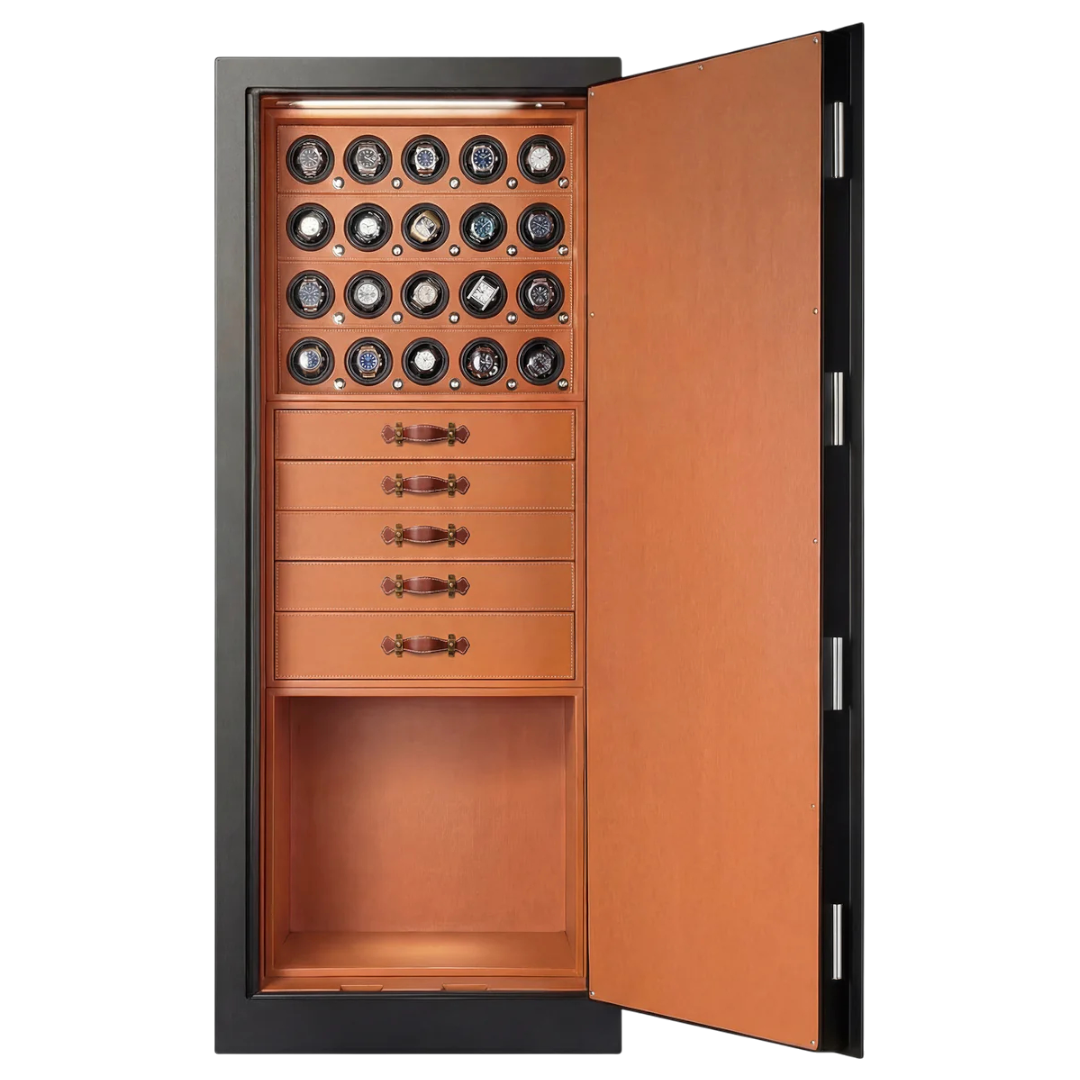
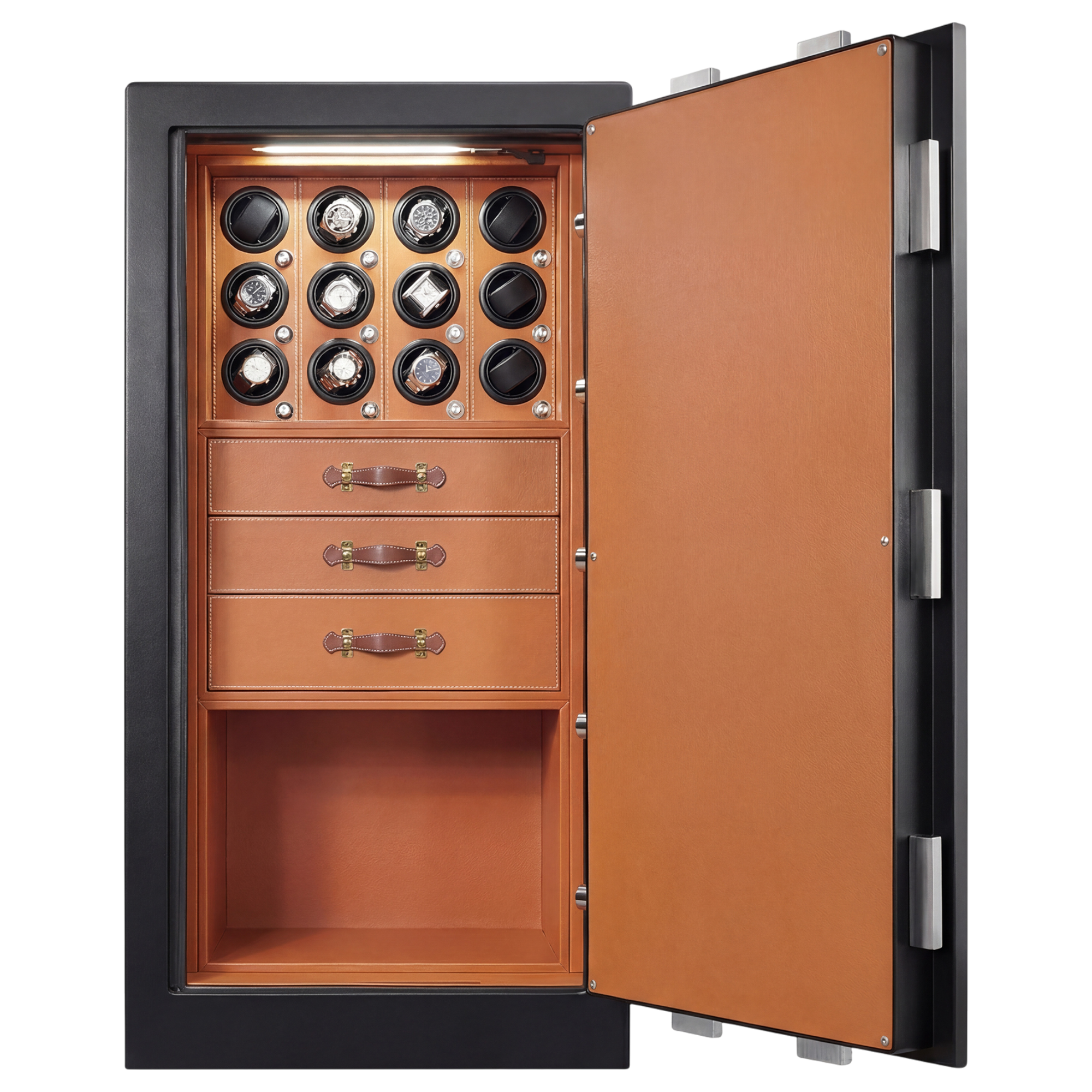
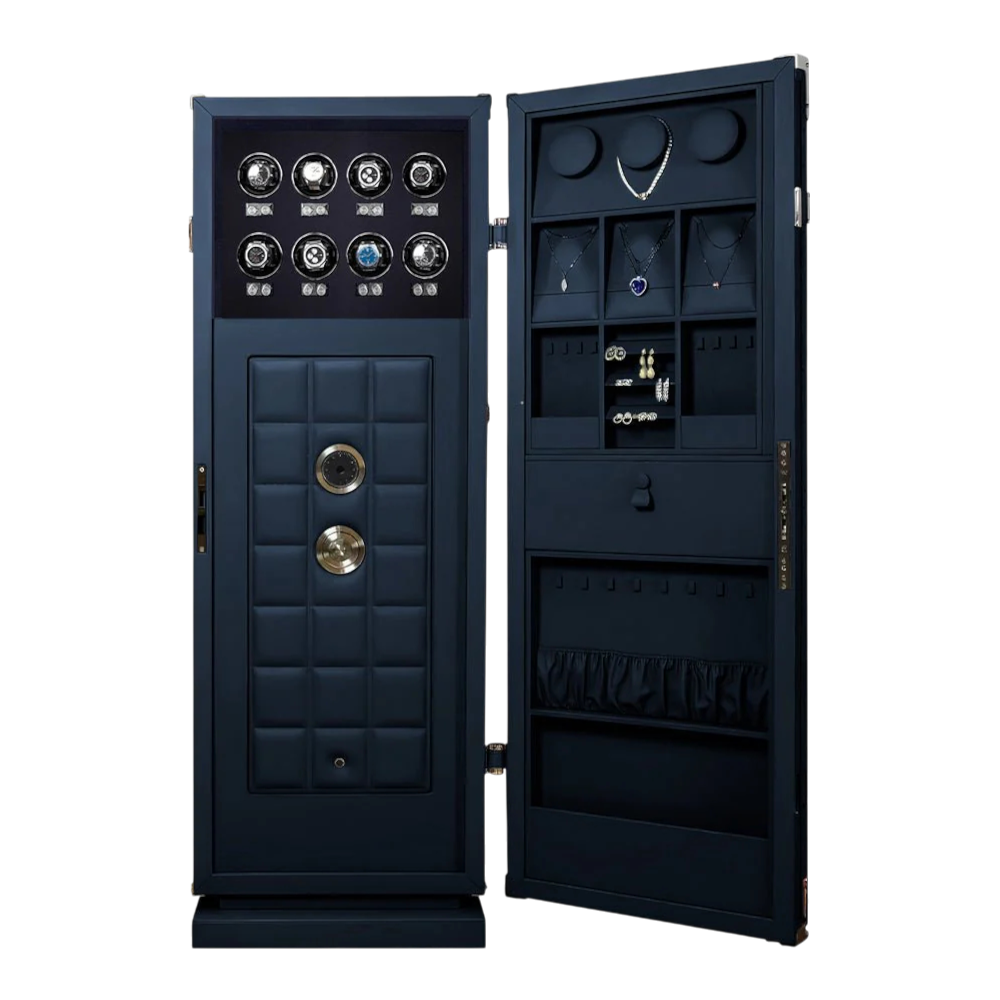
This step decides whether you need a safe with a built-in winder or a static vault. Quartz watches sit fine in a cushioned drawer indefinitely. Automatics that go unworn for more than a few days stop and need resetting, which matters for complications like perpetual calendars where a full reset can take real time to get right. If your collection is mostly automatic, factor that into which cabinet tier you're shortlisting — the guide on how to choose a watch safe size for your collection breaks down slot count against movement type.
4. Photograph every watch for the appraisal file
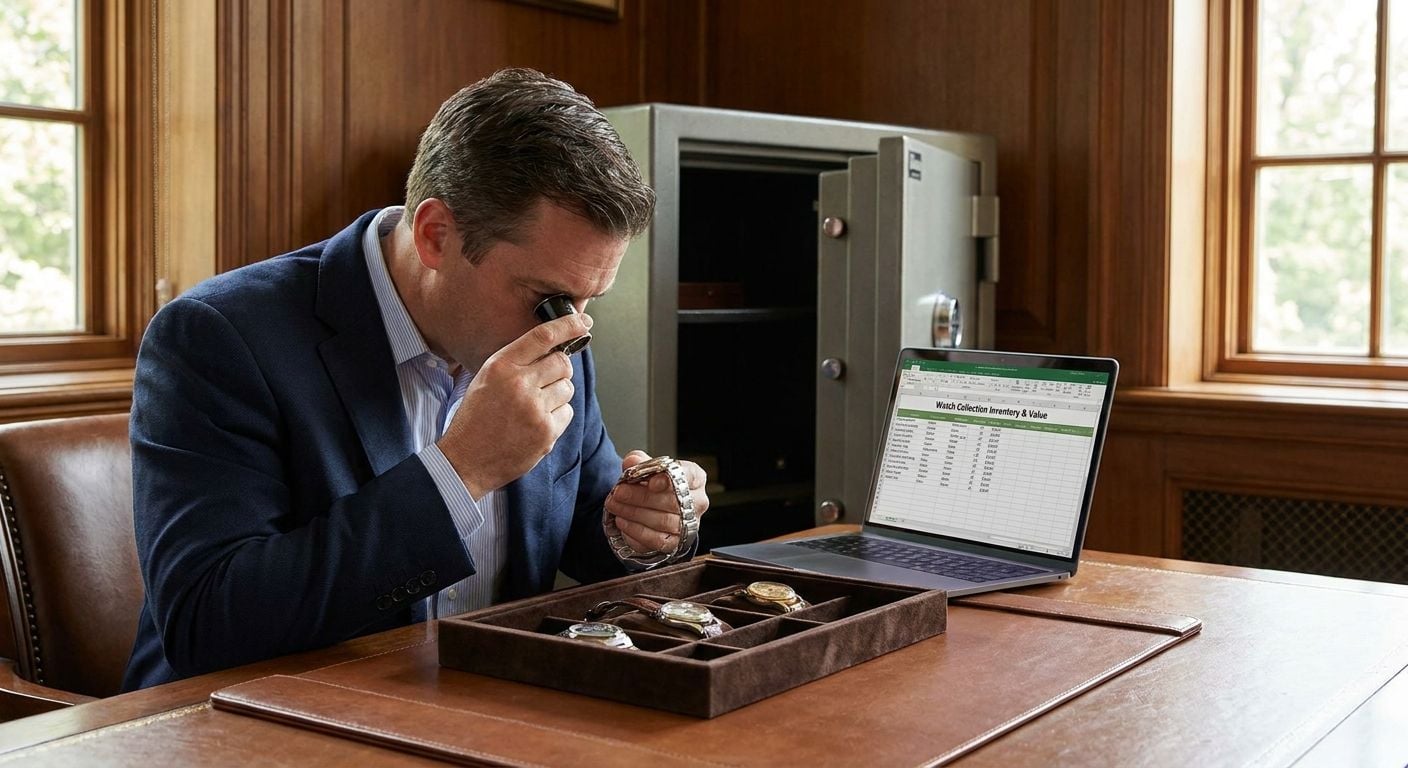
Four angles minimum: dial, case back, clasp or buckle, and any box/papers. This file does double duty — it's what an appraiser or insurer will ask for, and it's your baseline condition record if a piece is ever damaged or disputed. Photographing a watch collection for insurance walks through lighting and angles that hold up for claims.
Common mistake: photographing with a flash that blows out the dial detail an appraiser needs to confirm authenticity.
5. Get a written appraisal for anything over $10,000
Self-comping works for a $2,000 Tissot. It doesn't hold up for insurance or resale on a five-figure Patek or Vacheron Constantin — those need a signed document from a certified appraiser, dated within the last 12 months. Insurers routinely reject appraisals older than three years for high-value pieces.
Expected outcome: a PDF or printed report with reference number, condition grade, and a stated replacement value per piece.
6. Total the collection value and set your coverage line
Add every piece's high-end comp together. This total number is what determines burglary rating class and whether a fire rating even matters at your value tier — a $40,000 collection has different risk math than a $400,000 one. Round up, not down, when you're between tiers.
7. Match slot count to appraised value plus 25-30% headroom
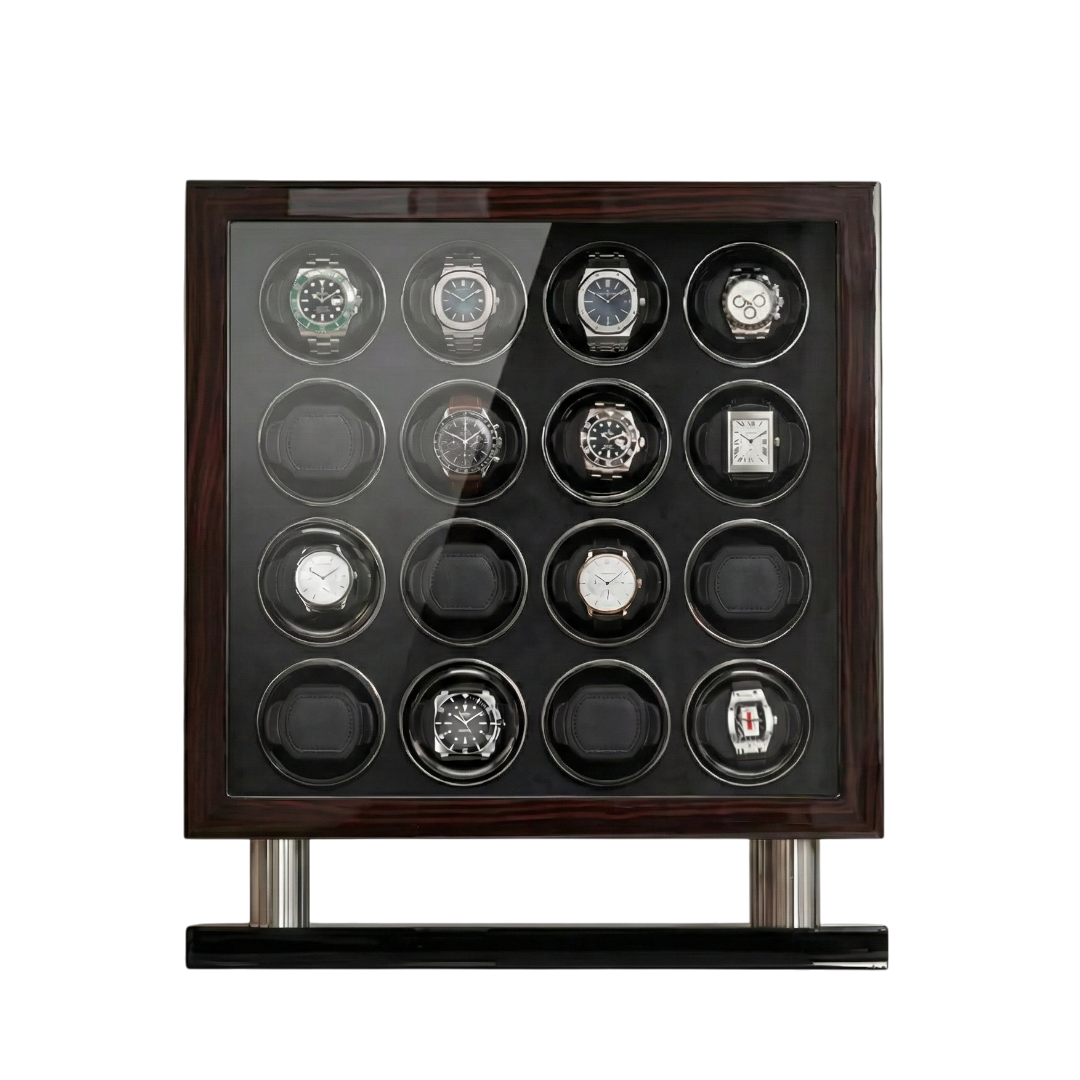
A collection of 12 watches today with a habit of buying two or three pieces a year needs a 16 or 20-slot cabinet, not a 12-slot unit you'll outgrow by 2027. Buy for the collection you'll have in three years, not the one you have this afternoon.
8. Match security tier to total appraised value
A $60,000 collection and a $600,000 collection shouldn't sit behind the same lock type or fire rating. Higher-value collections justify biometric access and a stronger burglary class; the appraisal total is the number that makes that decision for you instead of a sales rep.
See which Enigwatch safe fits your collection
Match slot count and security tier to your appraised value.
Troubleshooting
- No box or papers on a vintage piece — get a condition-based appraisal instead of a comp-based one; expect a wider value range and lean toward the low end for insurance purposes.
- Appraisal value doesn't match auction comps — appraisers value for insurance replacement, auction houses price for a quick sale. The gap can run 15-20% and both numbers are correct for their purpose.
- Serial number is worn illegible — a watchmaker can often confirm the reference from movement caliber and case dimensions even without a readable serial.
- Collection value changed mid-purchase-decision — re-run comps within 30 days of buying the safe; luxury watch markets move fast enough that a spring valuation can be stale by fall.
- Insurer wants a different appraisal format than your safe purchase decision used — get the appraiser's report itemized by piece from the start; reformatting a lump-sum valuation later costs more than doing it right once.
- Discontinued reference has no recent comps — widen the search window to 12 months and weight toward the most recent sale, not the average.
“An appraisal older than three years is worth less than the safe you’re buying it to protect.”
Tools and resources
- Certified watch appraiser or gemologist (in-person or mail-in service)
- Auction house sold-listing archives, updated for 2026 sales
- A macro-capable camera for the documentation file
- Watch safe fire rating explained for translating rating numbers into real protection
- Watch safe burglary ratings and UL numbers for matching security class to appraised value
What to do next
Once the appraisal file is done, the safe decision gets simple: total value and slot count point you to a tier, and movement mix tells you whether you need a winder built in. Anyone buying for a collection sitting between 10 and 20 pieces should read how to choose a watch safe size for your collection next — it's the step right after the appraisal you just finished.
FAQ
How much does it cost to appraise a watch collection in 2026?
A single-piece written appraisal from a certified appraiser typically runs $50 to $150 per watch in 2026, with volume discounts for larger collections. High-value or vintage pieces can cost more due to research time.
Do I need an appraisal before buying a watch safe?
Yes — the appraised total value determines the security tier and slot count you should buy, and most insurers require a current appraisal to cover the collection once it’s stored. Skipping this step means guessing on a five-figure purchase.
Is an auction comp the same as an insurance appraisal?
No. Auction comps reflect quick-sale pricing, while insurance appraisals estimate full replacement cost, and the two numbers can differ by 15-20% on the same watch. Use the appraisal figure when sizing a safe.
How often should I re-appraise my watch collection?
Every 2 to 3 years for stable collections, annually for anything with fast-moving models like current Rolex or Patek Philippe references. Insurers generally reject appraisals older than three years for high-value claims.
What size watch safe do I need for 12 watches?
A 12-watch collection typically fits a 16 or 20-slot cabinet once you account for growth, rather than an exact 12-slot unit. Buying at capacity means the next purchase has nowhere to go.
Does a watch winder built into the safe matter for appraisal purposes?
Movement type, not the safe itself, drives whether you need a winder — automatics benefit from one, quartz watches don’t need it at all. Appraisers note movement type in the report, which is exactly the data you use for this decision.
What documents does an appraiser need to value my watches?
Reference numbers, original box and papers if available, service history, and clear photographs of the dial, case back, and clasp. Missing papers don’t stop an appraisal, but they do widen the value range.
How much should a watch safe cost relative to collection value?
Most collectors spend 5-10% of total collection value on a safe, though Enigwatch’s range from roughly $5,000 to over $21,000 in 2026 covers collections well beyond that ratio at the high end. The appraisal total is the number to work from, not a fixed percentage rule.
One last thing
The appraisal step gets skipped more often on collections that grew slowly — one watch every year or two doesn't feel like it needs a formal valuation, until you add it up and realize eight "casual" purchases total $95,000. Run the math before you shop for a safe, not after.
Related guides
Protect Your Watch Collection
Designed for collectors who demand the best. Explore our premium watch winders and luxury safes.