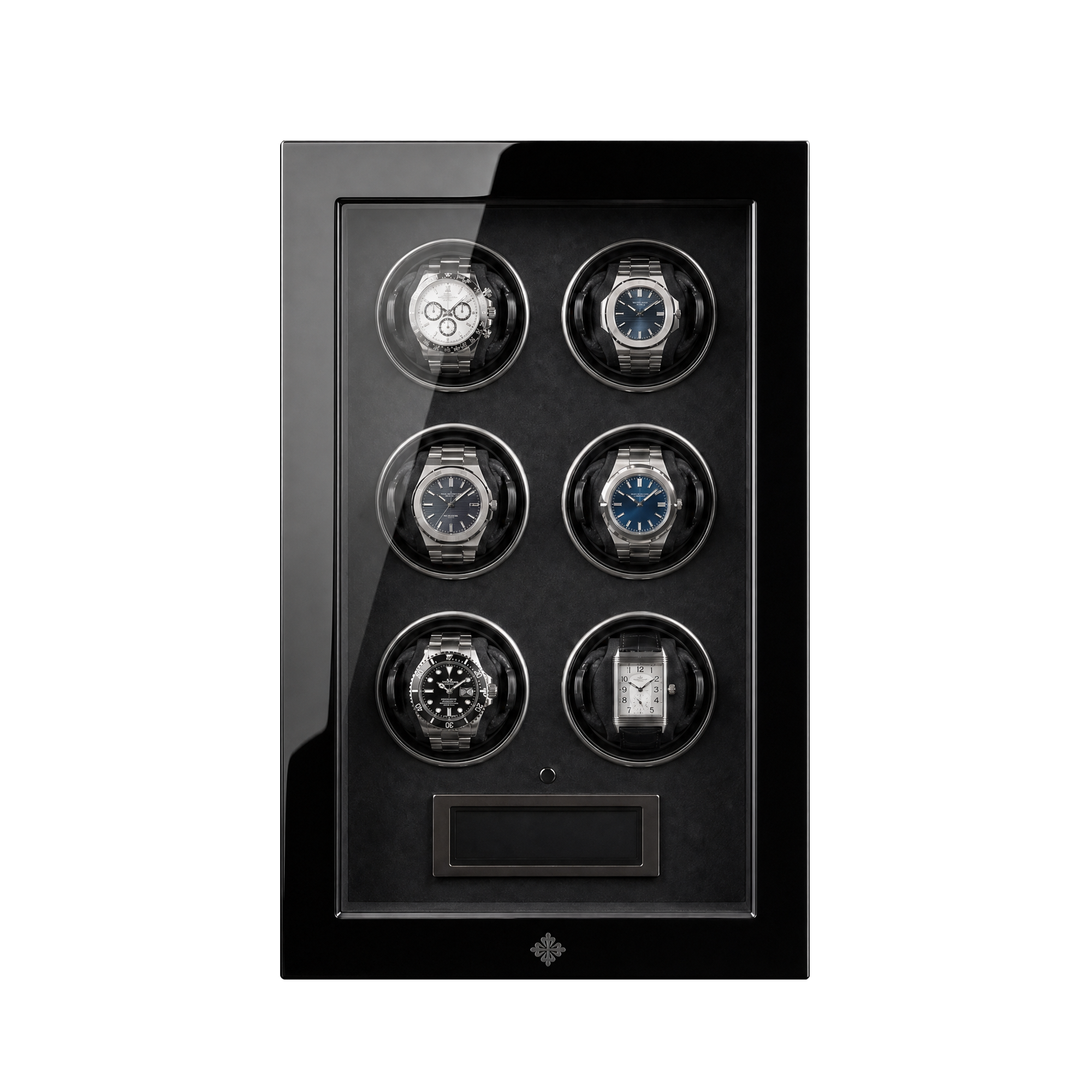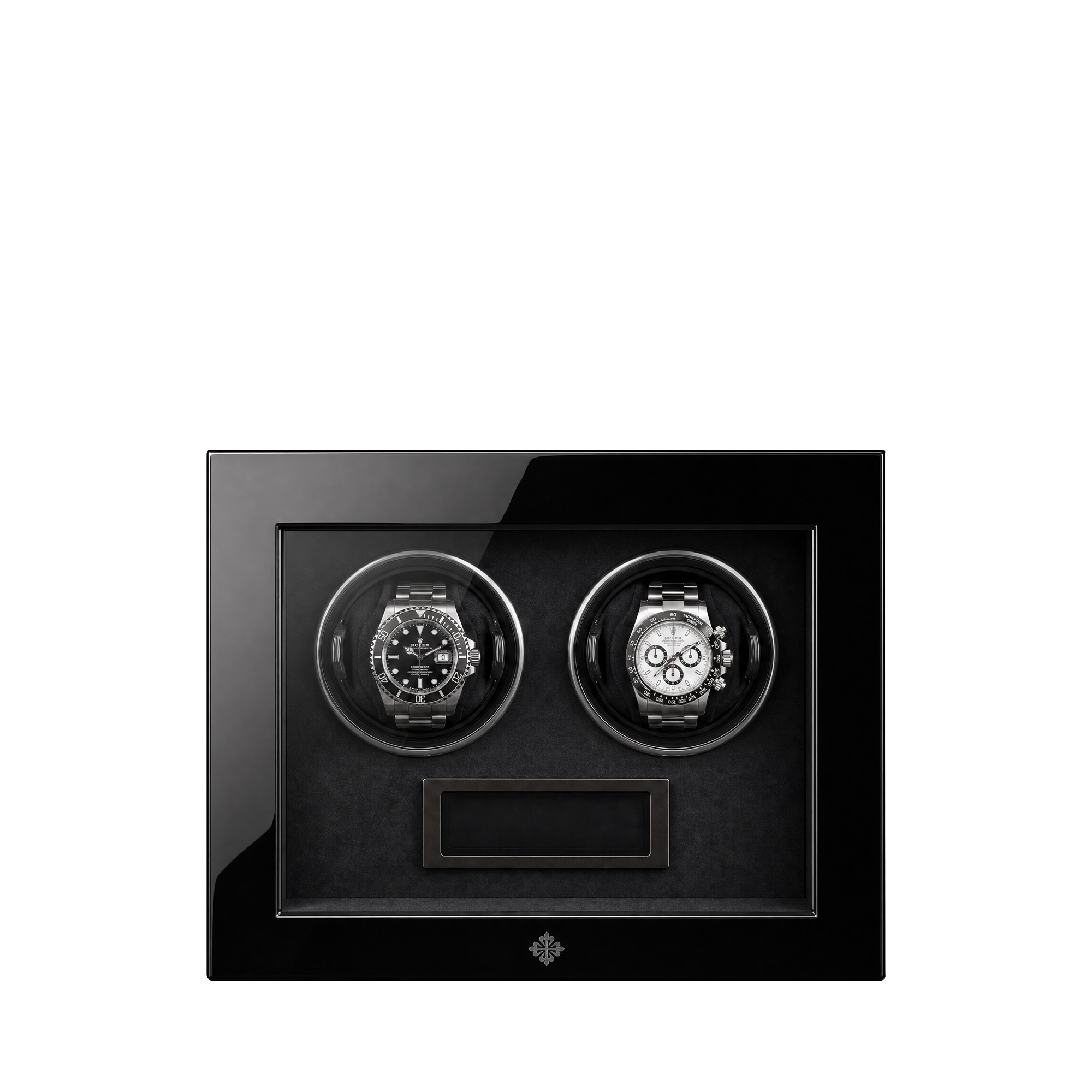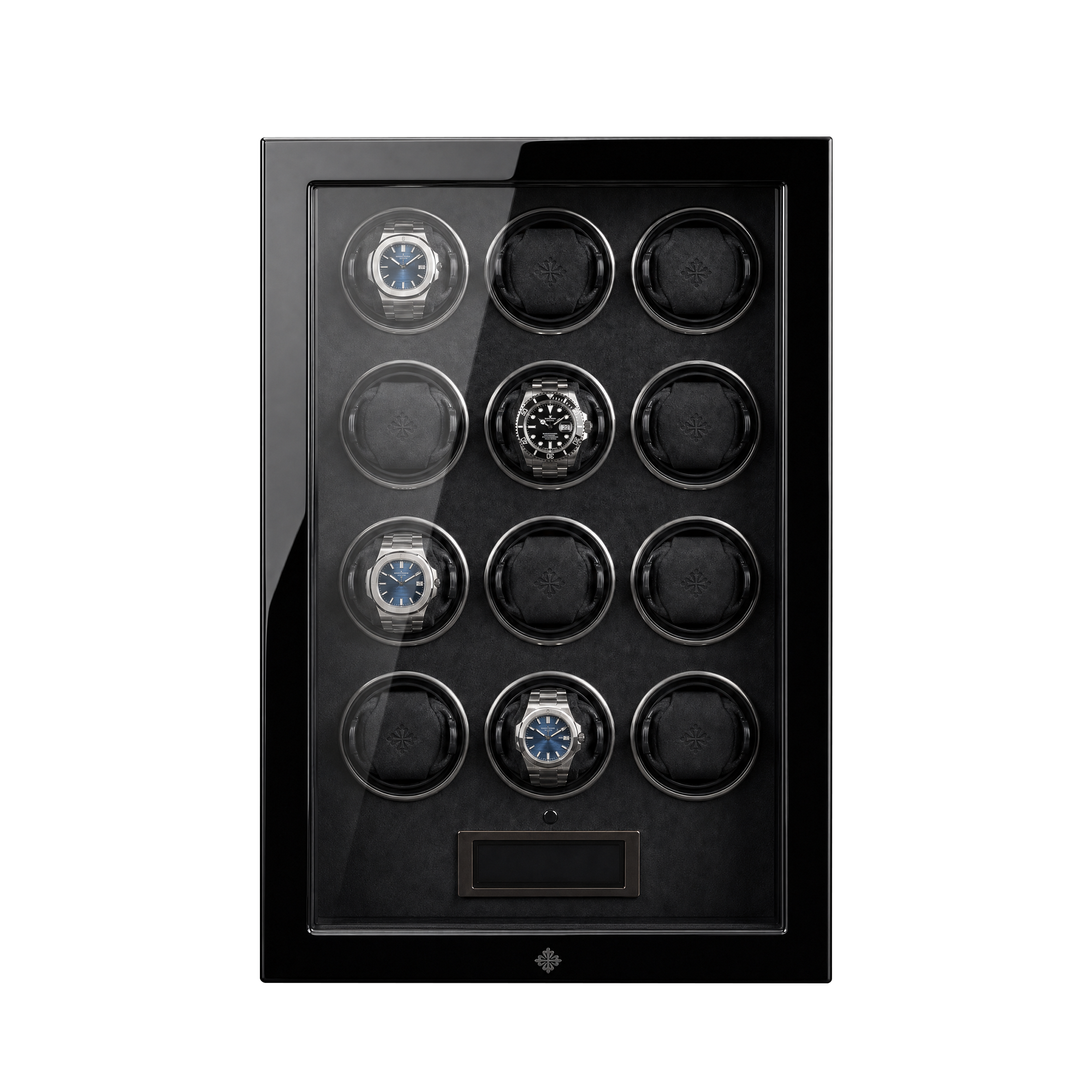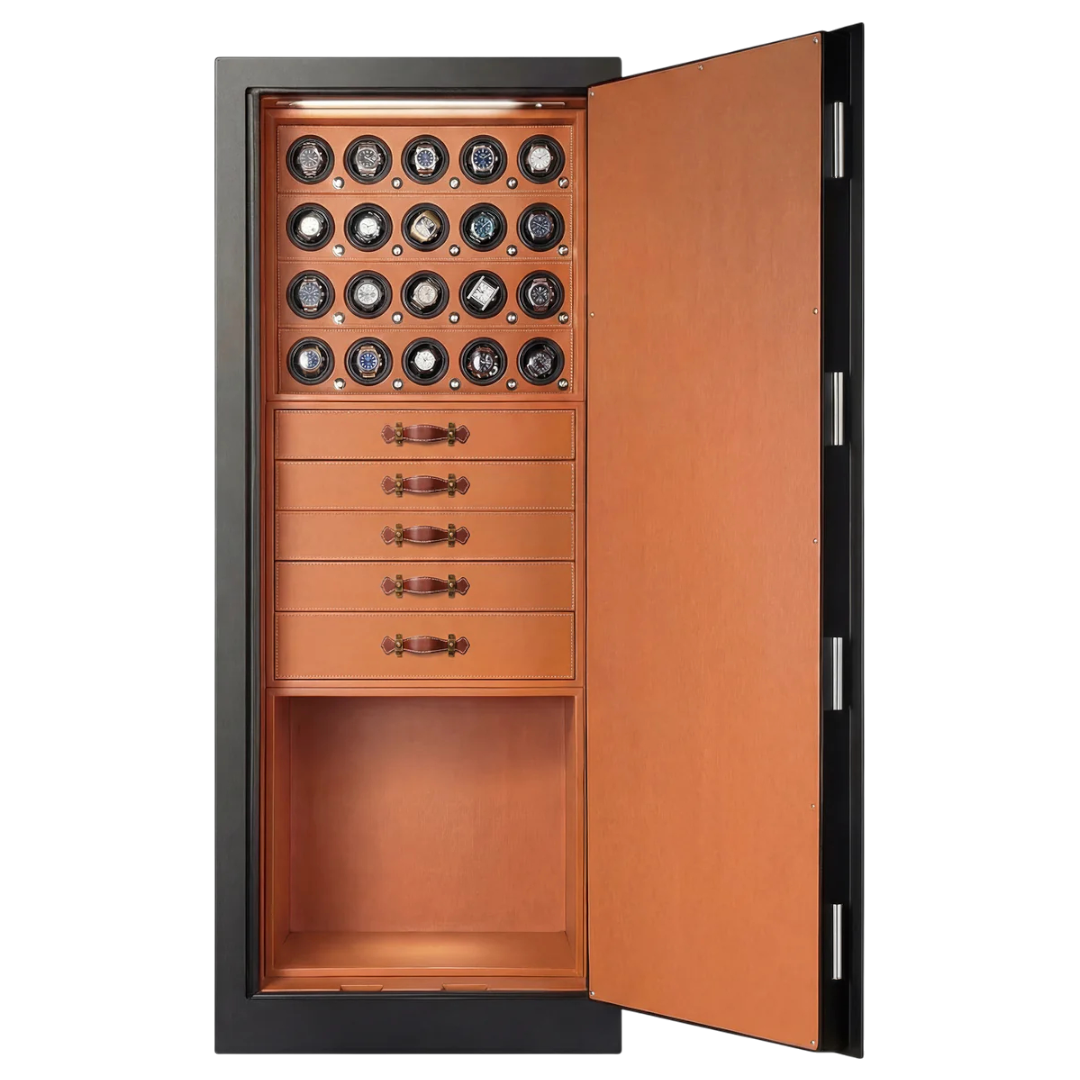


Winding an automatic watch on a third-party winder does not, by itself, void a manufacturer's warranty — but rough handling, incorrect turns-per-day settings, or a magnetized motor can create damage that a service center will flag as owner-caused. This guide walks through exactly how to check your specific case before you plug anything in.
- A watch winder does not void warranty on its own — manufacturers cover movement defects, not accessory use.
- Rolex, Omega, and Patek Philippe warranties exclude damage from incorrect winding, not the presence of a winder.
- Check your warranty card’s exclusion clause first; most name ‘improper use’ rather than ‘winder use’ by name.
- A winder with the wrong TPD or a weak Mabuchi-style motor can cause the kind of wear that voids coverage.
- Enigwatch winders ship with documented TPD settings so you can prove correct use if a claim is disputed.
Why this matters
Warranty disputes almost never hinge on the word "winder." They hinge on what a service technician finds when the case back comes off: a stripped rotor pivot, a stretched mainspring, or a demagnetized escapement from a cheap motor running too fast. Most manufacturer documents in 2026 still use language like "damage from misuse or improper accessories" rather than naming winders outright, which is exactly why collectors get confused.
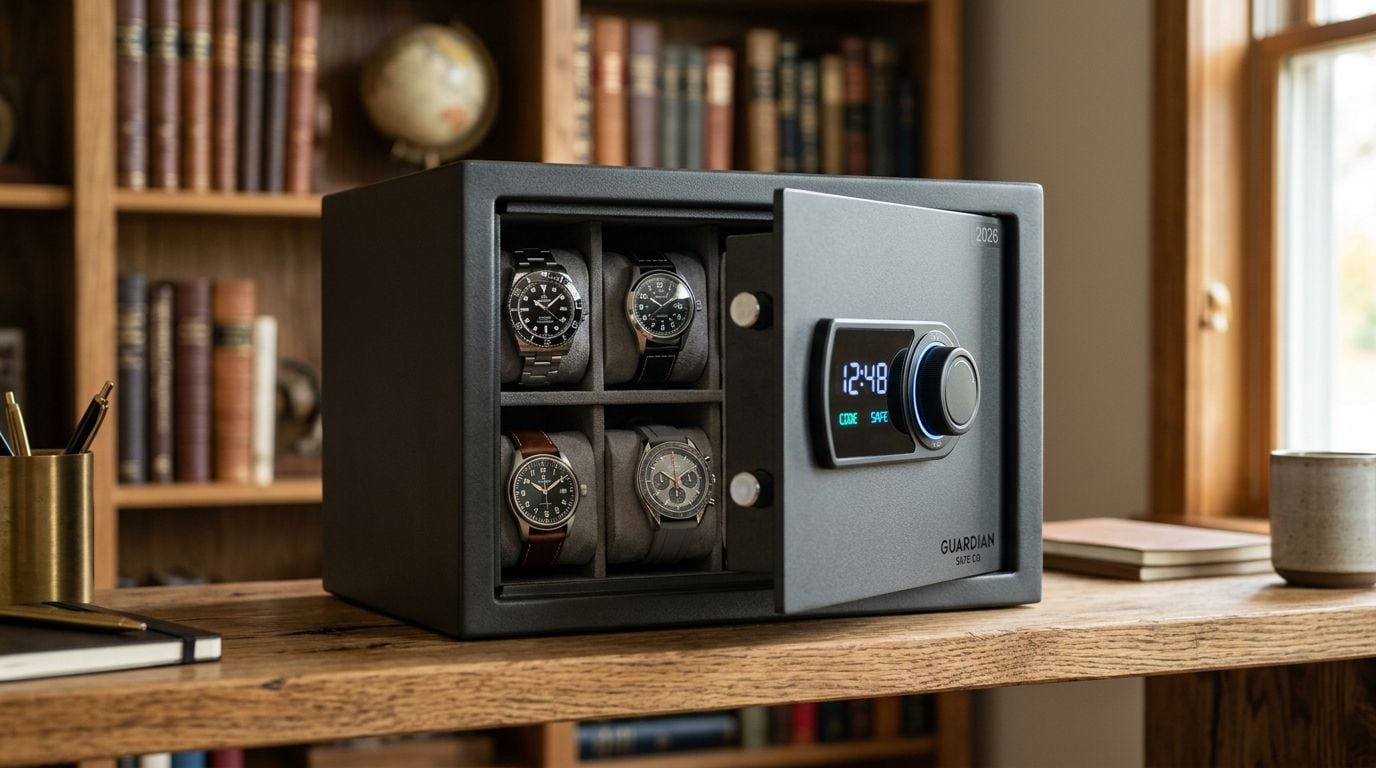
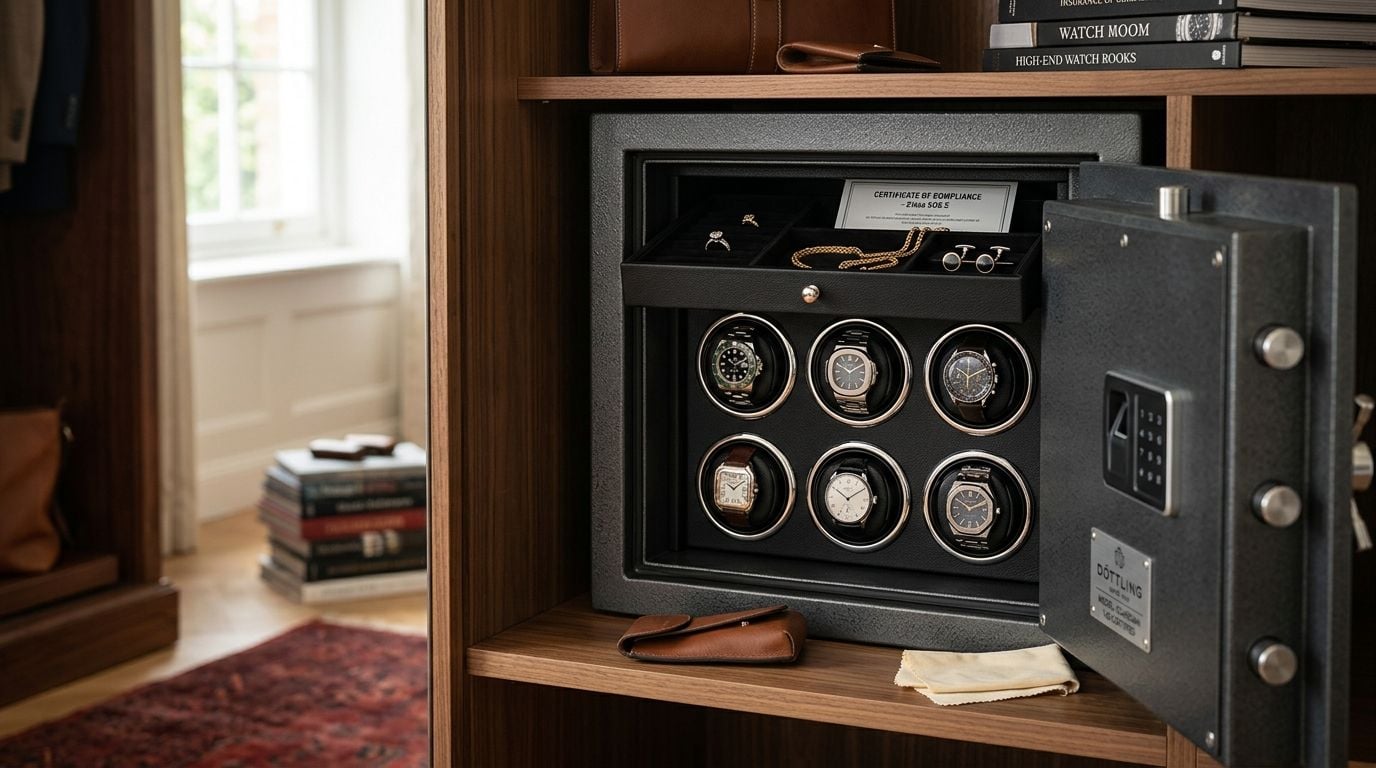
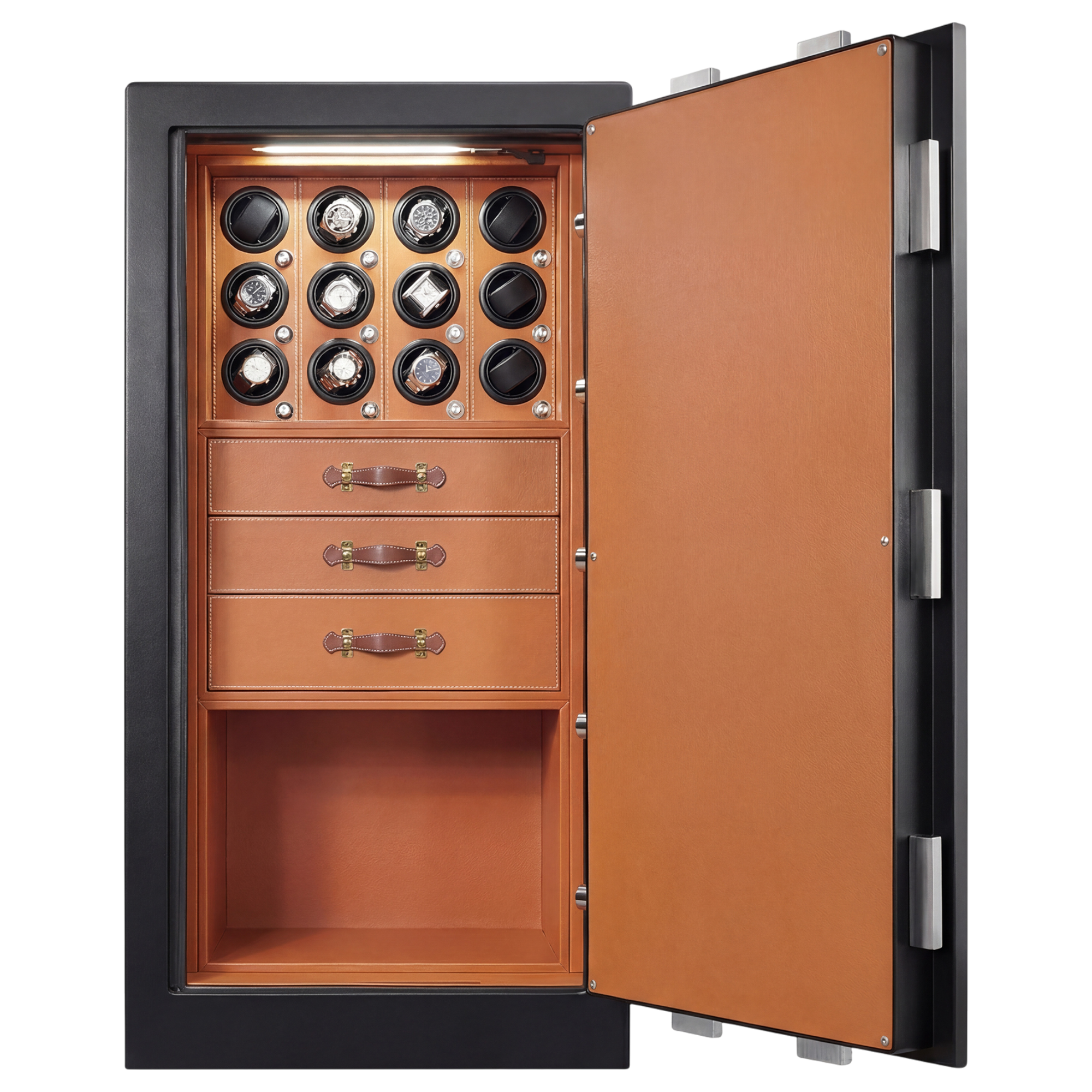
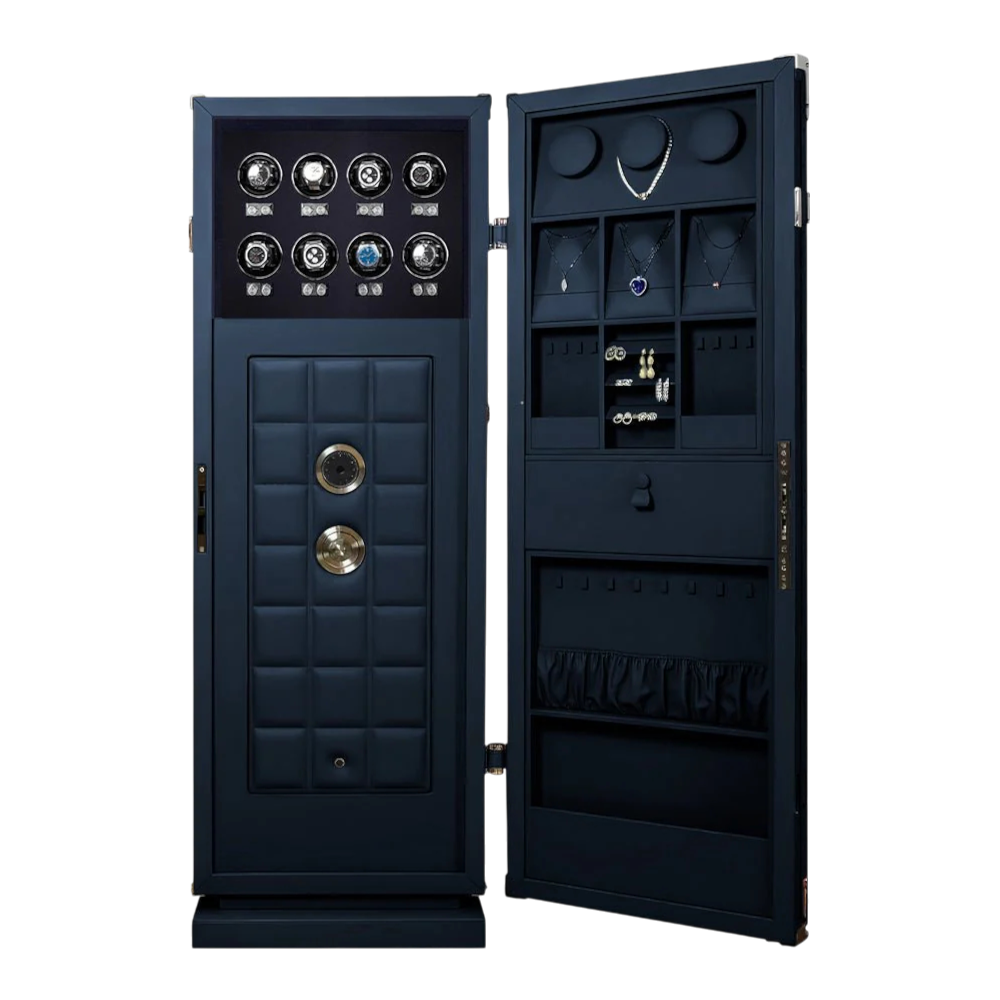
The distinction that matters: using a winder is covered, misusing one is not. A watch winder safe box with a documented, brand-matched TPD setting is treated the same as hand-winding by most service centers. A no-name unit running 1,200 rotations a day on a watch rated for 650 is a different conversation.
What you'll need
- Your watch's original warranty card or digital warranty confirmation
- The manufacturer's service or warranty policy document (usually on the brand's own site)
- Your watch winder's spec sheet — TPD range, rotation direction, motor type
- A notepad or phone note to log your winder's settings and purchase date
- 15-20 minutes, most of it spent reading two documents side by side
The steps
1. Pull your warranty card and read the exclusion clause, not the headline
Most brand warranty cards lead with the covered years — 2, 5, sometimes 8 — but the clause that matters sits lower in the fine print under "exclusions" or "limitations." Look for phrases like "damage resulting from misuse, negligence, or non-approved accessories."
Why it matters: brands rarely list "watch winder" as a banned accessory by name in 2026 documents. They ban outcomes, not objects. If your card says "improper winding" rather than "third-party winders," you're in the clear as long as the settings are correct.
Common mistake: skimming only the warranty length and assuming a winder is automatically excluded because it isn't explicitly listed as approved.
2. Confirm your watch's rated TPD against the winder's setting
Every automatic movement has a manufacturer-recommended turns-per-day range, typically between 600 and 950 depending on the caliber. Running a watch at double its rated TPD accelerates wear on the rotor bearing and can eventually cause the kind of mechanical fault a service center attributes to misuse.
Check your movement's TPD against the winder's dial or app setting. If you're unsure what your specific reference needs, a dedicated guide like how many TPD a Rolex needs in a winder breaks it down by caliber. Expected outcome: your winder's setting sits within 50 rotations of the published range.
3. Check rotation direction against your movement type
Some calibers wind in one direction only, others are bidirectional. Setting a unidirectional-only movement to bidirectional mode doesn't damage the watch in most cases, but running the wrong direction exclusively on a movement built for both can under-wind the mainspring over time — a functional issue, not a cosmetic one.
Why it matters: a service technician who sees consistent under-winding wear patterns may ask what accessory was in use, and an incorrectly configured winder becomes part of that conversation.
Common mistake: assuming every automatic watch winds in both directions by default.
4. Inspect the winder's motor type and build quality
Motor quality is where most warranty risk actually lives. A Japanese Mabuchi-style motor runs at consistent, low-vibration speeds designed for precision movements; a generic stepper motor found in budget units can run erratically, transmitting micro-vibration into the rotor pivot over months of continuous use.
This is less about the manufacturer's warranty language and more about physical cause and effect — vibration wear shows up under a loupe, and it's traceable. A comparison of Japanese versus Swiss movement winder motors covers what to look for on a spec sheet.
5. Check for magnetic field exposure
Some cheaper winder motors leak enough electromagnetic field to magnetize a hairspring, which causes rate deviation. Magnetization itself is repairable and typically covered as a service item, not a warranty void — but repeated magnetization from a poorly shielded winder motor is a preventable pattern manufacturers do note.
Expected outcome after this step: you know whether your winder's motor housing is shielded, which most 2026 spec sheets list explicitly.
6. Document your winder's settings and purchase date
If a warranty claim ever gets questioned, the fastest resolution comes from proof that the winder was used correctly from day one. Photograph the settings dial, save the winder's spec sheet, and keep your Enigwatch order confirmation or any winder receipt with the purchase date visible.
Common mistake: only thinking about documentation after a claim is denied, when it's too late to prove historical settings.
7. Call the manufacturer's service center directly if the card is ambiguous
When the warranty language is genuinely unclear, a five-minute call to the brand's service department settles it faster than any forum thread. Ask the specific question: "Does using a third-party watch winder at the manufacturer-rated TPD affect my warranty coverage?" Get the answer in writing by email if possible.
Confirm your winder settings are correct
Enigwatch winders ship with documented TPD and direction settings by brand.
Troubleshooting
- Warranty card lists no exclusion language at all — call the service center; older cards (pre-2020) sometimes omit accessory clauses entirely and the current policy supersedes the printed card.
- You don't know your movement's rated TPD — check the case back reference number against the manufacturer's technical documents, or consult a caliber-specific guide before guessing.
- Winder has no visible spec sheet — check the box, manual, or manufacturer's product page; a unit with no published TPD range is a red flag on its own, covered further in how to read a watch winder spec sheet.
- Watch was already serviced and technician mentioned "winder wear" — request the specific finding in writing; "wear" alone isn't proof of misuse, and you can compare it against your documented settings.
- You're worried about resale, not warranty — these are separate questions; whether using a watch winder affects resale value covers that angle directly.
- Winder ran non-stop for years without checking settings — recalibrate now rather than guessing; incorrect settings compounding over 2-3 years is the actual risk, not the winder's existence.
Tools and resources
- Your watch's original warranty card and any digital warranty confirmation email
- The manufacturer's published service and warranty policy (check the brand's official site for the current 2026 version)
- A winder spec sheet showing TPD range, direction, and motor type
- Does a watch winder damage automatic watches for a deeper mechanical breakdown
- Watch winder overwind risk: separating fact from myth if overwinding is your specific concern
What to do next
Once you've confirmed your winder's settings match your movement's specs, the next useful step is making sure the unit itself is built to hold those settings reliably over years, not months. How to buy a watch winder: complete checklist walks through motor quality, TPD accuracy, and build materials before your next purchase.
FAQ
Does a watch winder void warranty on a Rolex?
No, using a watch winder does not void a Rolex warranty by itself. Rolex’s warranty excludes damage from misuse or incorrect handling, not the use of an accessory, so a winder set to the correct TPD and direction is treated the same as hand-winding.
Will using a third-party watch winder void my Omega warranty?
A third-party watch winder does not void an Omega warranty as long as it’s used within the movement’s rated turns-per-day range. Damage from an incorrectly configured or poorly built winder can be flagged as owner-caused, which is a separate issue from the winder’s brand.
How much does an overwound automatic watch cost to repair?
Modern automatic movements have slipping clutch mechanisms that make true overwinding rare, but if a service center finds rotor or mainspring wear from incorrect winding, repair costs typically run into the hundreds of dollars depending on the caliber and brand.
What TPD should I set my watch winder to?
Set your winder within the manufacturer’s rated turns-per-day range for your specific caliber, most commonly between 600 and 950 rotations daily. Check your watch’s technical documentation or a caliber-specific TPD guide rather than using a generic default.
Can a watch winder demagnetize or magnetize my watch?
A poorly shielded winder motor can magnetize a movement’s hairspring over repeated, prolonged use, causing rate deviation. This is a repairable service issue, not permanent damage, and shielded motors like those used in Enigwatch winders reduce the risk significantly.
Is it better to hand-wind or use a watch winder for warranty purposes?
Neither method affects warranty coverage on its own; both are acceptable as long as they follow the movement’s rated winding needs. A winder is more consistent for collectors who don’t wear a piece daily, since missed hand-winding days can let complications like perpetual calendars reset.
Does keeping a watch on a winder affect its resale value?
Correct winder use does not measurably affect resale value; what affects resale is documented service history and mechanical condition at sale. A winder set incorrectly for years, however, can contribute to wear that shows up in a pre-sale inspection.
How do I find my watch’s official warranty exclusions?
Check the printed warranty card that came with the watch first, then confirm against the manufacturer’s current 2026 warranty policy on their official site, since policies are occasionally updated after the card was printed.
One last thing
The warranty question collectors actually lose sleep over is rarely the winder itself — it's whether they can prove correct use if a claim ever gets questioned. Keep the spec sheet, log the settings once, and the warranty conversation becomes a five-minute phone call instead of a dispute.
Related guides
- Does a watch winder damage automatic watches
- Watch winder overwind risk: separating fact from myth
- Does using a watch winder affect resale value
- How to read a watch winder spec sheet
- How to buy a watch winder: complete checklist
Protect Your Watch Collection
Designed for collectors who demand the best. Explore our premium watch winders and luxury safes.