
A watch winder that runs a $12,000 movement for the next decade is only as good as the paperwork behind it — most buyers skip that paperwork and regret it the first time a motor fails.
- A solid watch winder warranty covers the motor for at least 2 years and states installation terms in writing, not verbally.
- Enigwatch backs its winders with a lifetime warranty on Japanese Mabuchi motors — use that as your benchmark when comparing other brands.
- Skip any watch winder warranty that excludes electrical failure or treats professional installation as optional fine print.
- Ask how claims get processed before you buy — a warranty with no clear claims path is not a warranty, it’s a slogan.
Why this matters
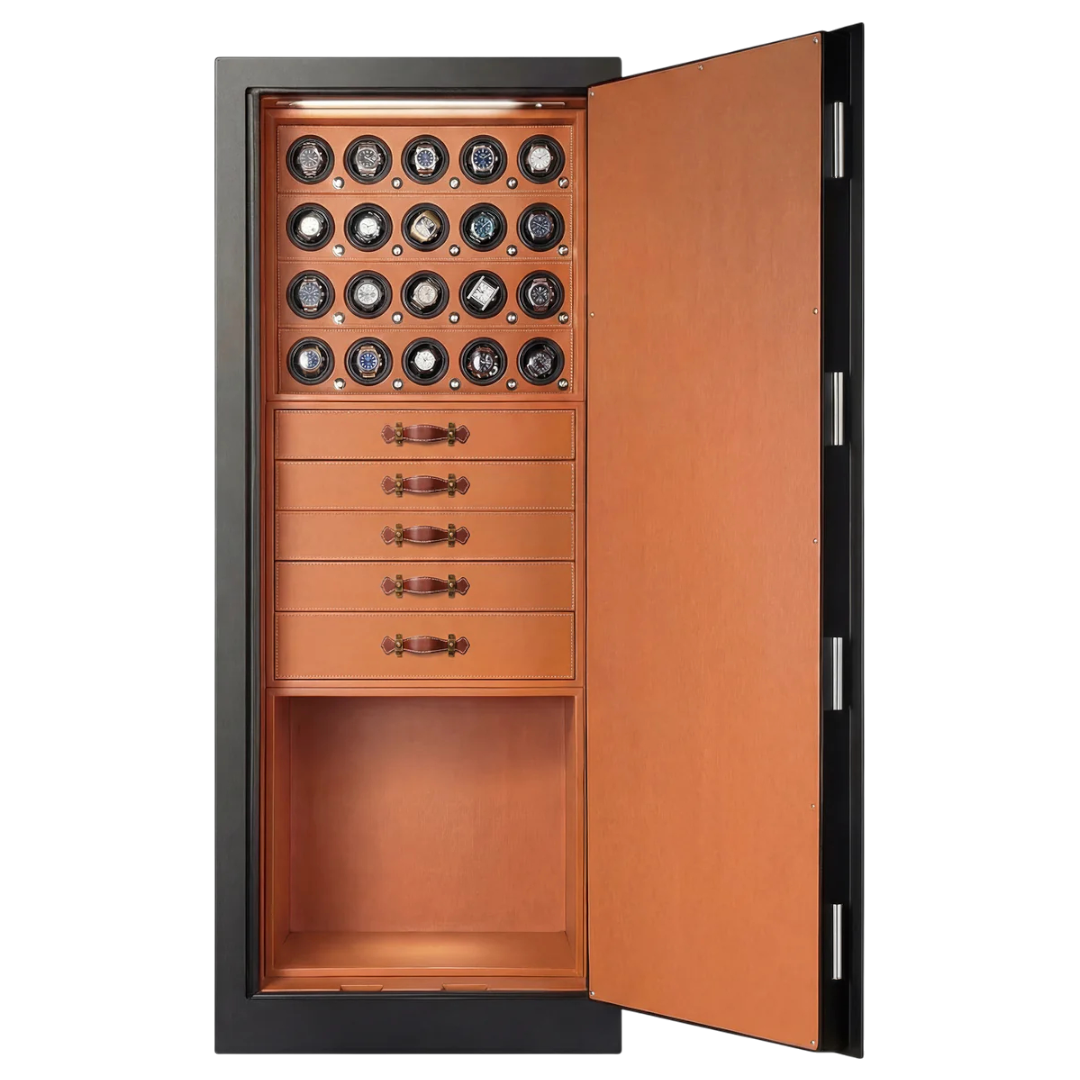
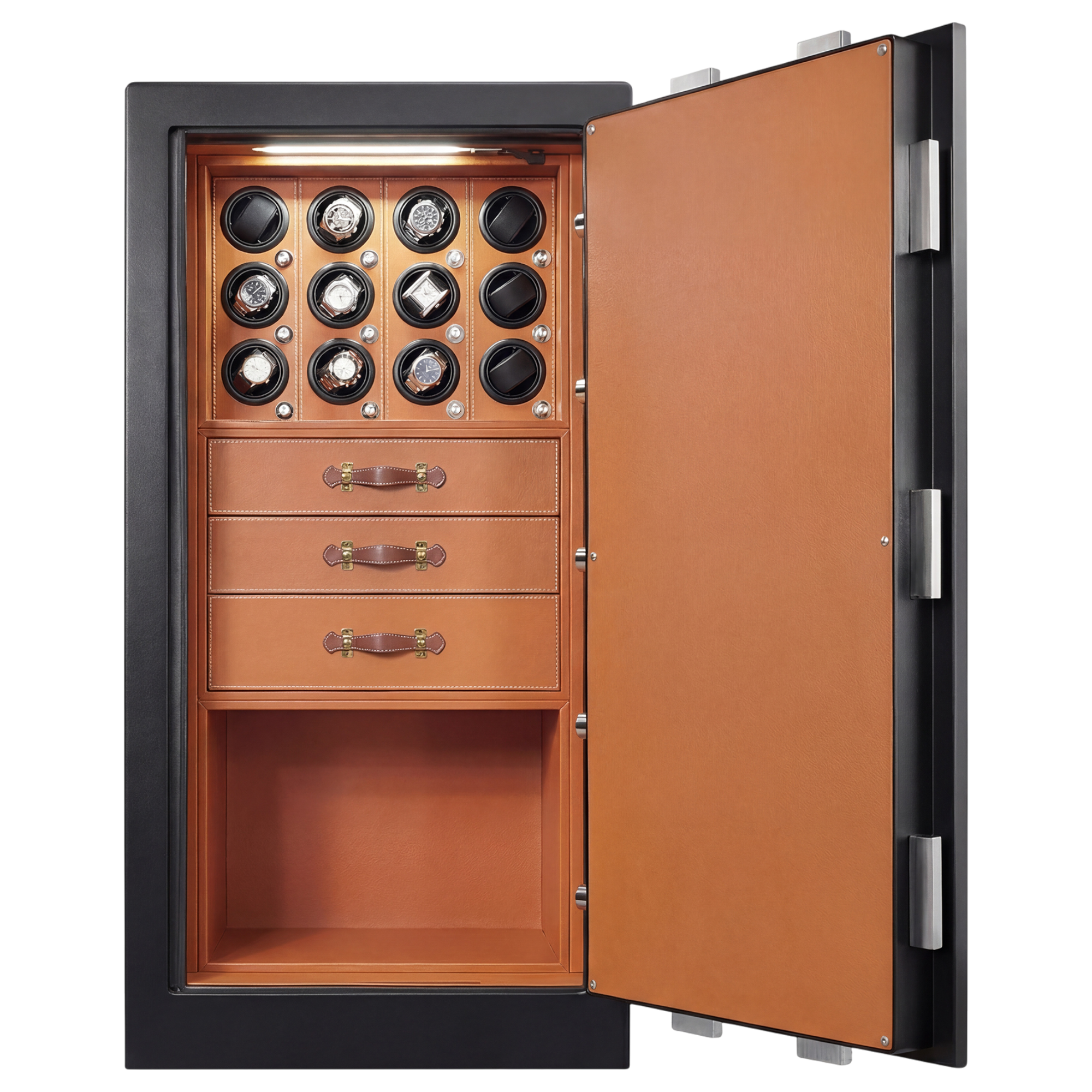
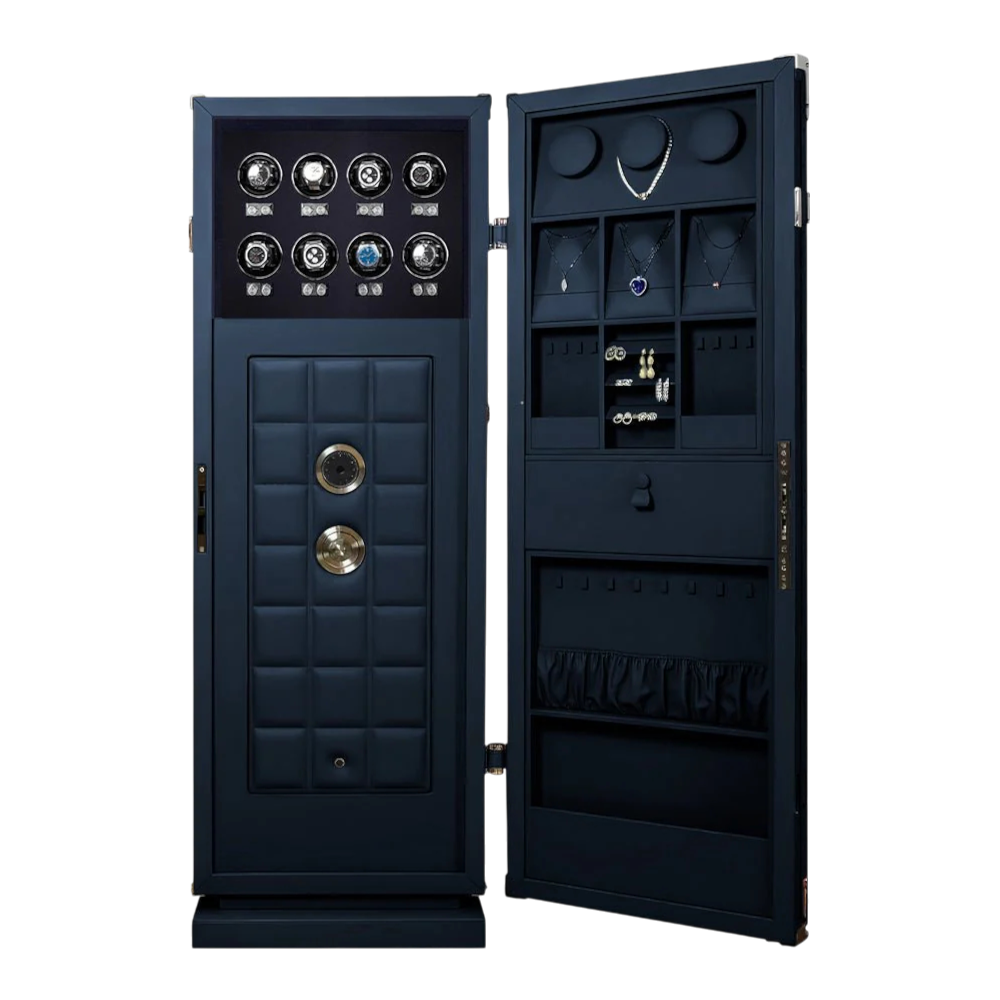
A winder is a motor running continuously for years, not an appliance you plug in twice a week. Motors fail. Belts stretch. Rotors seize. The warranty is the only thing standing between a $200 repair and a $5,000-plus replacement, especially once you're shopping in the luxury tier where cabinets and safes routinely run past $21,000.
Most buyers read the price tag and the interior material — Alcantara, Nappa leather, exotic veneer — and skim past the warranty section entirely. That's backwards. The complete watch winder buying checklist puts warranty review near the top for a reason: it's the cheapest insurance you'll buy on the entire purchase, and it costs nothing to check before you sign.
What you'll need
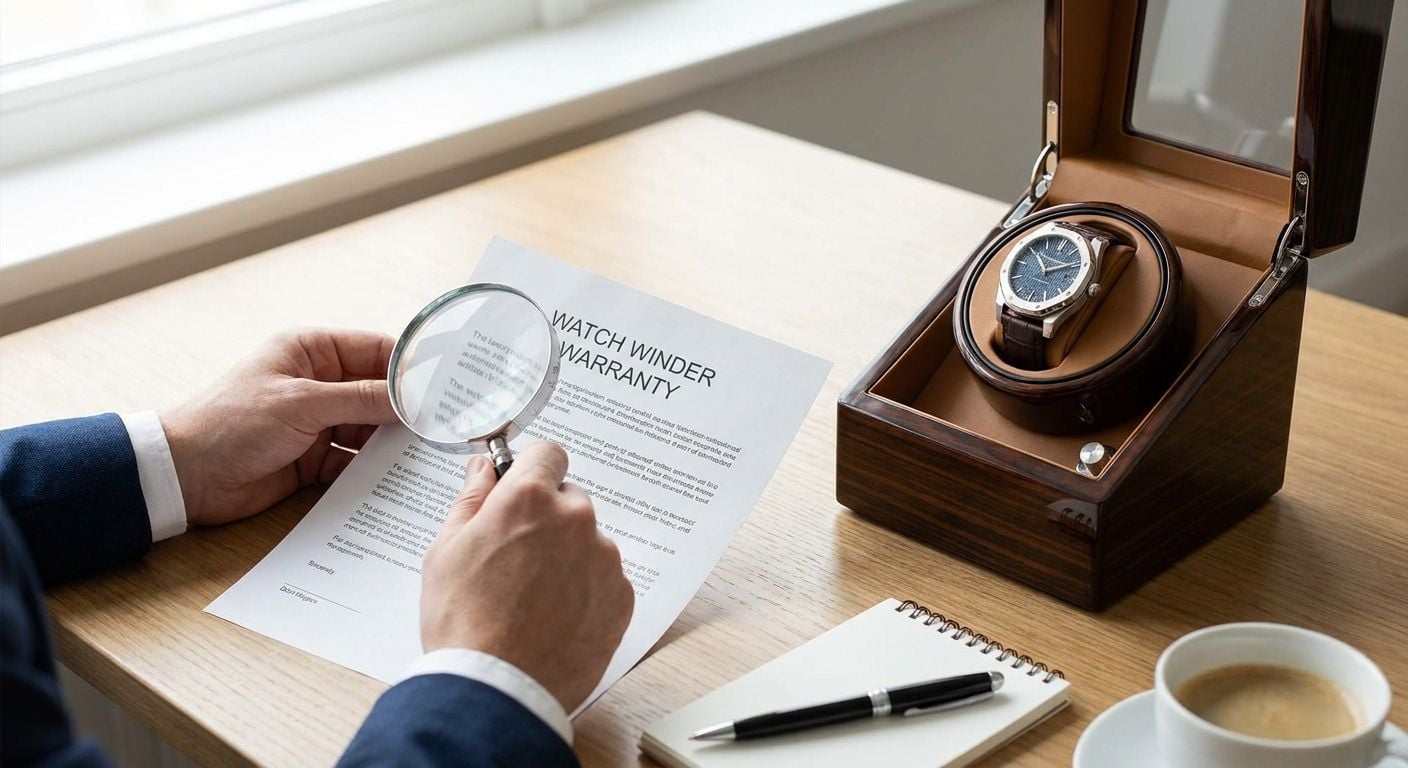
- The warranty document or terms page, not a sales rep's summary
- Your winder's spec sheet, including motor brand and voltage rating
- 15-20 minutes before you buy, not after the box arrives
- A note of your household voltage (110V or 220V) to check compatibility clauses
- Any installation quote or contract, if the winder ships with professional install
The steps
1. Read the term length before anything else
The headline number tells you how the manufacturer feels about their own motor. A 1-year warranty on a $6,000 winder is a red flag; a lifetime warranty on the motor signals the maker expects the mechanism to outlast the decade. Enigwatch backs its winders with a lifetime warranty specifically because the Mabuchi motors are rated for continuous multi-year operation, not seasonal use.
Common mistake: assuming "warranty" always means the same coverage window across brands. It doesn't — always ask for the number in months or years, in writing.
2. Separate motor coverage from material coverage
Most watch winder warranties split into two buckets: mechanical (motor, gears, electronics) and cosmetic (leather, veneer, glass). A lifetime motor warranty paired with a 1-year leather warranty is normal and reasonable — leather ages, motors shouldn't fail. What's not reasonable is a warranty that bundles both under a single short term and calls it comprehensive.
Expected outcome: you should be able to name, in one sentence, what's covered for how long on each component. If the retailer can't give you that sentence, walk.
3. Confirm what happens if professional installation is involved
Cabinet-scale winders and wall-mounted safes often ship with professional installation, and installation errors are one of the most common reasons warranty claims get denied. Ask directly: does self-installation void the warranty, or does it only apply if a certified installer sets it up? This single clause has cost more collectors their coverage than any motor defect.
If you're planning a closet or wall install yourself, review how a watch winder voids your warranty before you touch a drill in 2026 — it lists the installation mistakes that manufacturers flag most often on claims.
4. Check the electrical exclusions line by line
Power surges, voltage mismatches, and outlet issues cause a meaningful share of denied claims on electronics warranties generally, and winders are no exception. If you're importing a unit or running it on a converter, the voltage clause matters more than almost anything else in the document.
Common mistake: plugging a 110V-rated winder into a 220V circuit without checking the warranty's voltage-compatibility clause first. That single oversight can void coverage on day one.
5. Verify whether the warranty transfers
A watch winder warranty tied to the original purchaser only is worth less than one that transfers with the unit — especially on the higher end of the market, where a $15,000 cabinet often changes hands within a collector's circle. Ask specifically: does coverage follow the product or the buyer? Get the answer in the same document, not a verbal aside from the sales team.
6. Ask how a claim actually gets processed
A warranty is only as good as its claims path. Does a failed motor mean shipping the entire cabinet back to the manufacturer, or does a local technician handle it under the coverage? Ask for the actual steps: who you call, what documentation you need, and the typical turnaround. If nobody can answer that question in under a minute, the warranty exists on paper only.
Expected outcome: you should leave the conversation with a phone number or email tied to warranty service, not just a receipt.
7. Weigh the warranty against the price bracket
A $5,000 winder with a 5-year warranty and a $21,000 cabinet with a lifetime warranty are both reasonable — but a $18,000 cabinet with only a 2-year warranty is not proportional to the investment. Match the coverage length to what you're actually spending. The watch winder safe box buying guide breaks down what coverage looks reasonable at each price tier if you're comparing multiple retailers in 2026.
8. Get every term in writing before you pay
Verbal promises of "lifetime coverage" from a sales rep mean nothing during a claim dispute. Request the written warranty document — PDF, printed card, or terms page URL — before the purchase closes, not after. This is the single step buyers skip most often, and it's the one that actually protects the purchase.
Compare your warranty against Enigwatch
See lifetime motor coverage and installation terms before you buy elsewhere.
Troubleshooting
- Warranty document doesn't specify motor coverage separately. Ask the retailer to confirm in writing which parts fall under mechanical versus cosmetic terms before you buy.
- Retailer says "lifetime" but has no written policy. Treat this as a 0-year warranty until it's documented — verbal claims don't survive a dispute.
- Installation terms are vague on a wall-mounted safe or cabinet. Get the installer's scope of work in writing and confirm it matches the warranty's installation clause exactly.
- You bought the winder secondhand. Check transferability before assuming any coverage exists — many warranties are void the moment ownership changes without notification.
- A claim was denied for "unauthorized power source." Check your unit's voltage rating against your home's electrical supply; mismatches are a leading cause of denied electronics claims.
- Warranty excludes leather or veneer aging. That's normal wear, not a defect, and most legitimate watch winder warranties exclude it by design — don't mistake this for a weak policy.
Tools and resources
- Reading a watch winder spec sheet to cross-check motor specs against warranty claims
- Your winder's voltage rating and household electrical spec, checked before purchase
- A written copy of the warranty terms, saved before the sale closes, not requested after
- The installer's written scope of work, if professional installation is part of the purchase
What to do next
Once the warranty checks out, the next decision is sizing the winder or safe to your actual collection rather than buying on price alone. The complete watch winder buying checklist walks through motor type, TPD settings, and interior material after warranty terms are settled — treat it as the second half of the same purchase decision.
FAQ
What should a watch winder warranty cover in 2026?
A solid watch winder warranty covers the motor and electronics for at least 2 years, with many premium brands offering lifetime motor coverage in 2026. Cosmetic materials like leather and veneer typically carry shorter terms since they’re expected to show wear.
Does professional installation affect a watch winder warranty?
Yes, on cabinet-scale winders and wall-mounted safes, self-installation can void coverage if the warranty requires certified setup. Always confirm the installation clause in writing before you install anything yourself.
Is a lifetime watch winder warranty better than a 5-year term?
A lifetime warranty on the motor is generally the stronger signal of build quality, since it means the manufacturer expects the mechanism to run indefinitely without failure. A 5-year term isn’t necessarily weak, but it should match the price bracket of the winder.
Can a watch winder warranty be voided by voltage mismatch?
Yes, running a winder on the wrong voltage or through an incompatible converter is one of the most common reasons electronics warranty claims get denied. Check your unit’s voltage rating against your household electrical supply before plugging it in.
Does a watch winder warranty transfer to a new owner?
It depends entirely on the manufacturer’s terms — some warranties follow the product, others are tied to the original purchaser only. Ask this question directly before buying secondhand or before reselling your own unit.
How much should a watch winder warranty claim cost?
A legitimate warranty claim for a covered defect should cost the owner nothing beyond shipping in most cases, though terms vary by manufacturer. Always confirm the claims process and any shipping responsibility before you buy.
What voids most watch winder warranties?
Unauthorized power sources, incorrect self-installation on cabinet units, and using aftermarket parts are the most common reasons warranty claims get denied. Reviewing the exclusions list before purchase avoids most of these issues entirely.
Should I buy a watch winder without a written warranty?
No — a verbal promise of coverage from a sales rep holds no weight during a dispute. Always get the warranty terms in writing, whether as a PDF, printed card, or terms page, before completing the purchase.
One last thing
The warranty clause buyers skip most often isn't the term length — it's the claims process. A winder with a 10-year warranty and no documented way to file a claim is functionally worse than a 2-year warranty with a phone number attached to it. Ask for the process before you ask about the years.
Related guides
Protect Your Watch Collection
Designed for collectors who demand the best. Explore our premium watch winders and luxury safes.