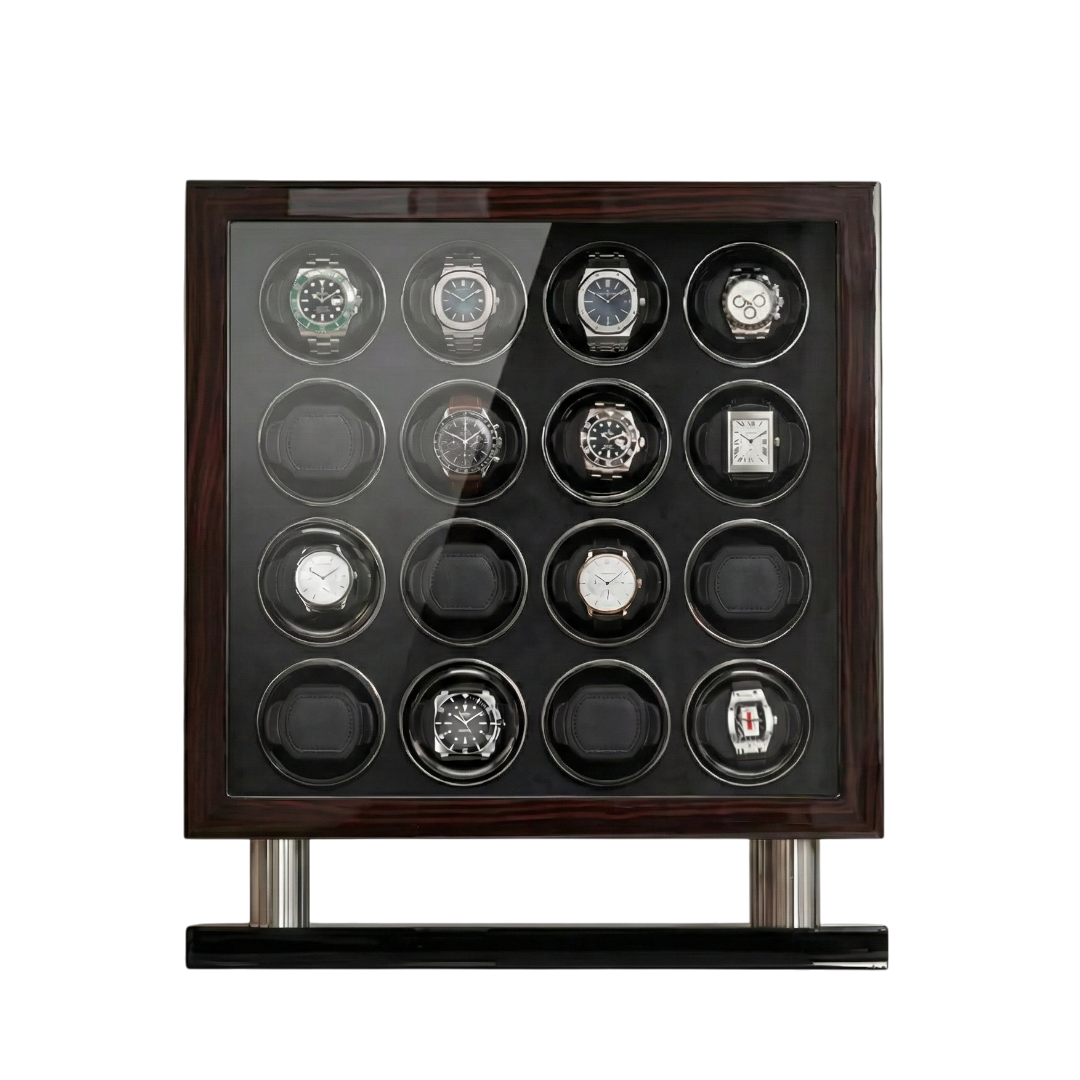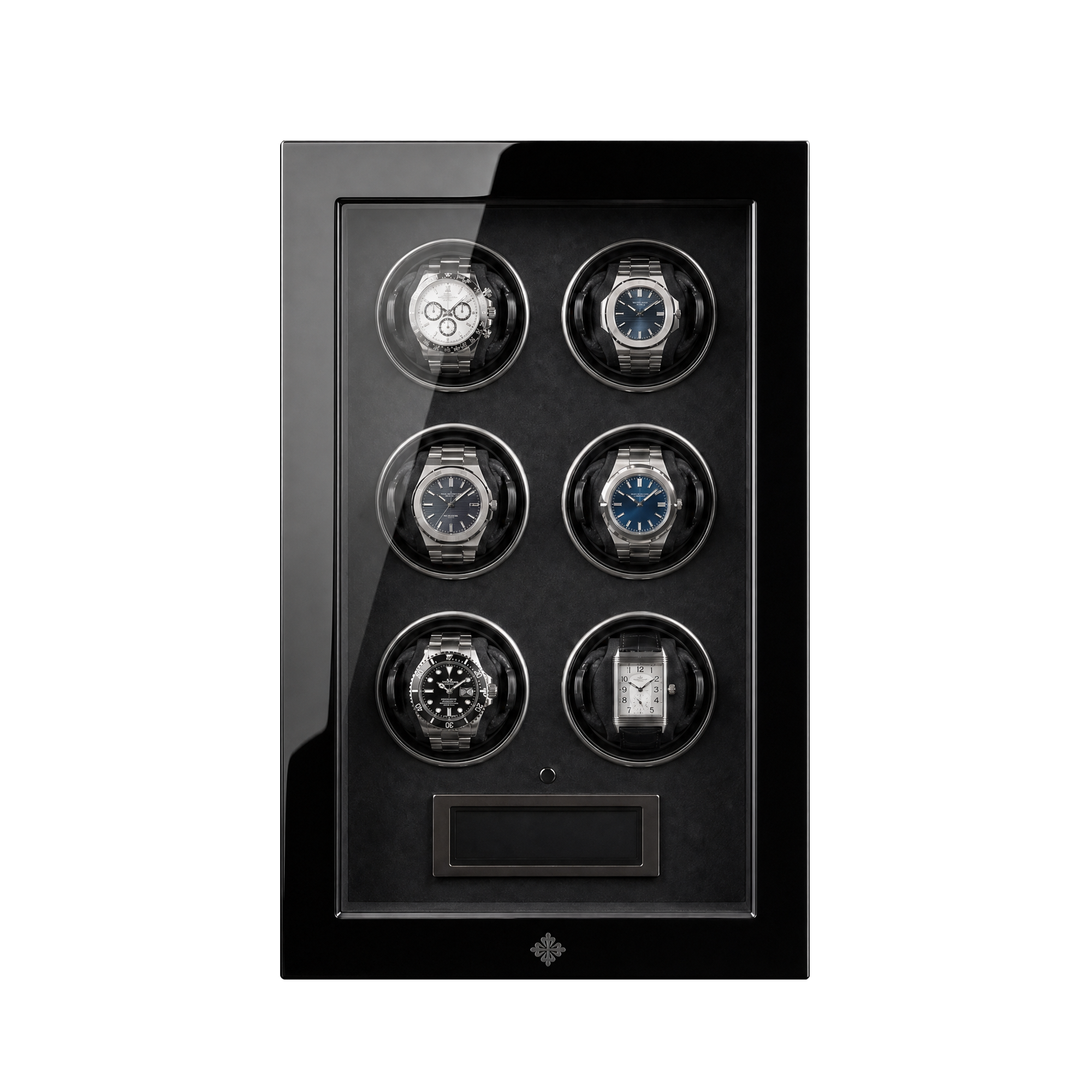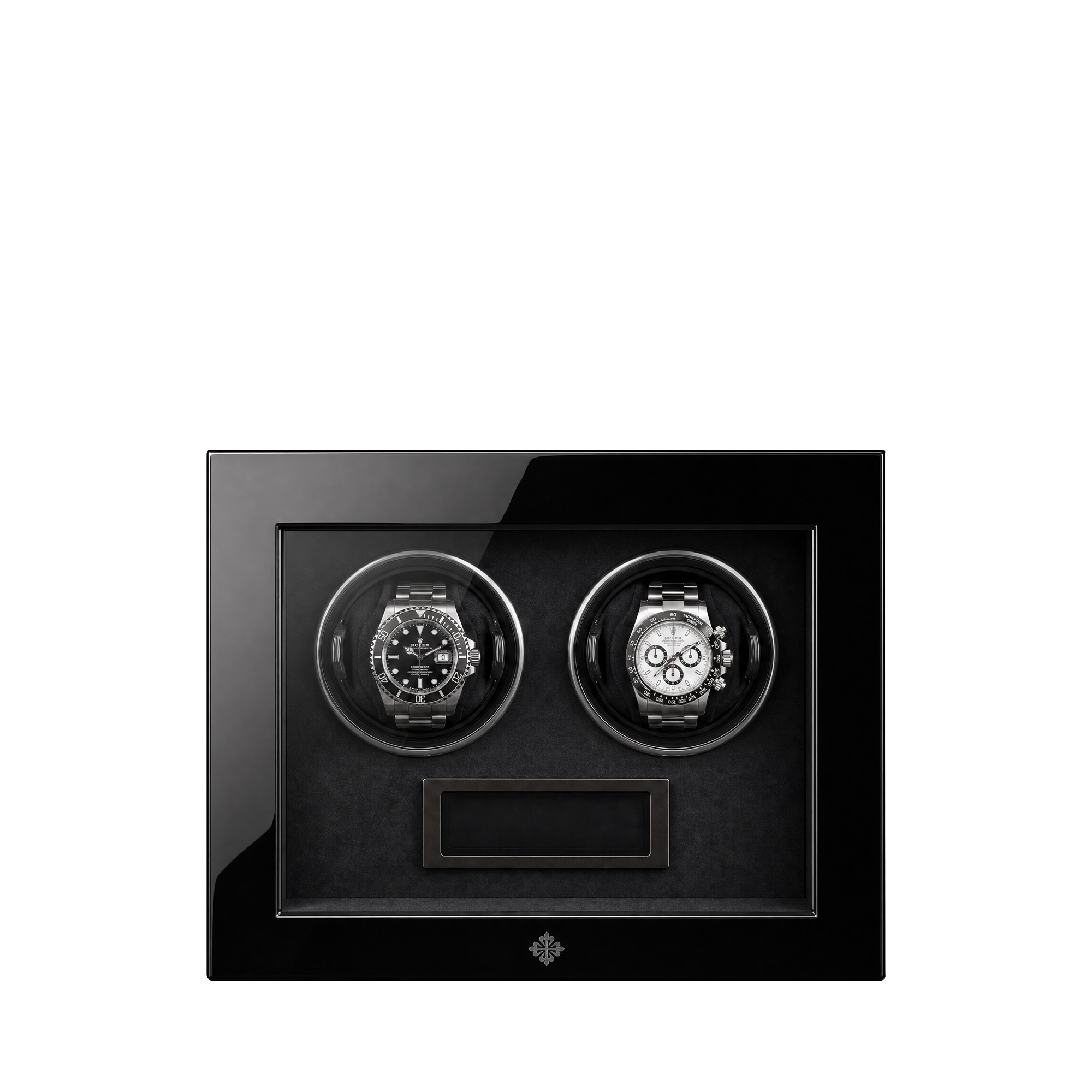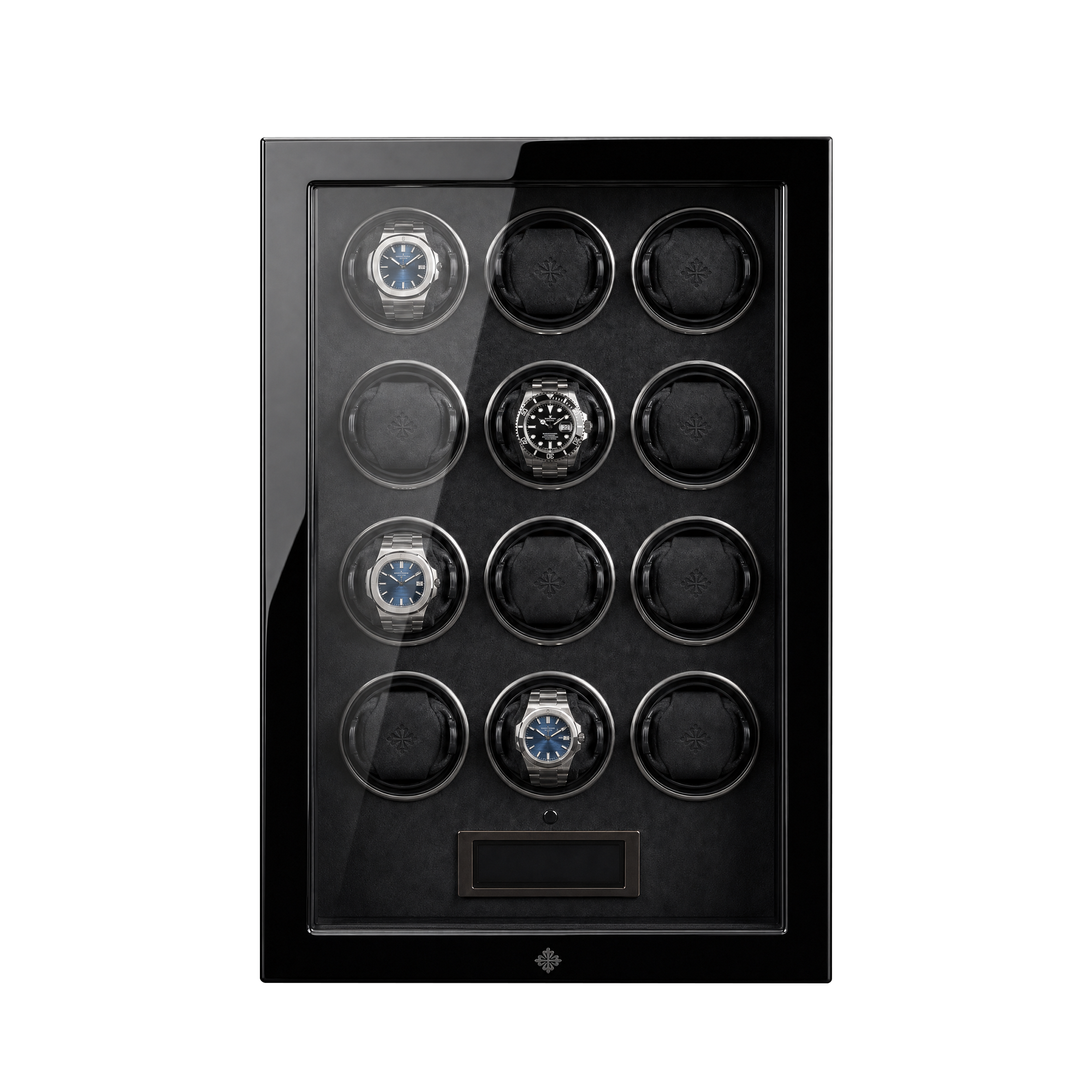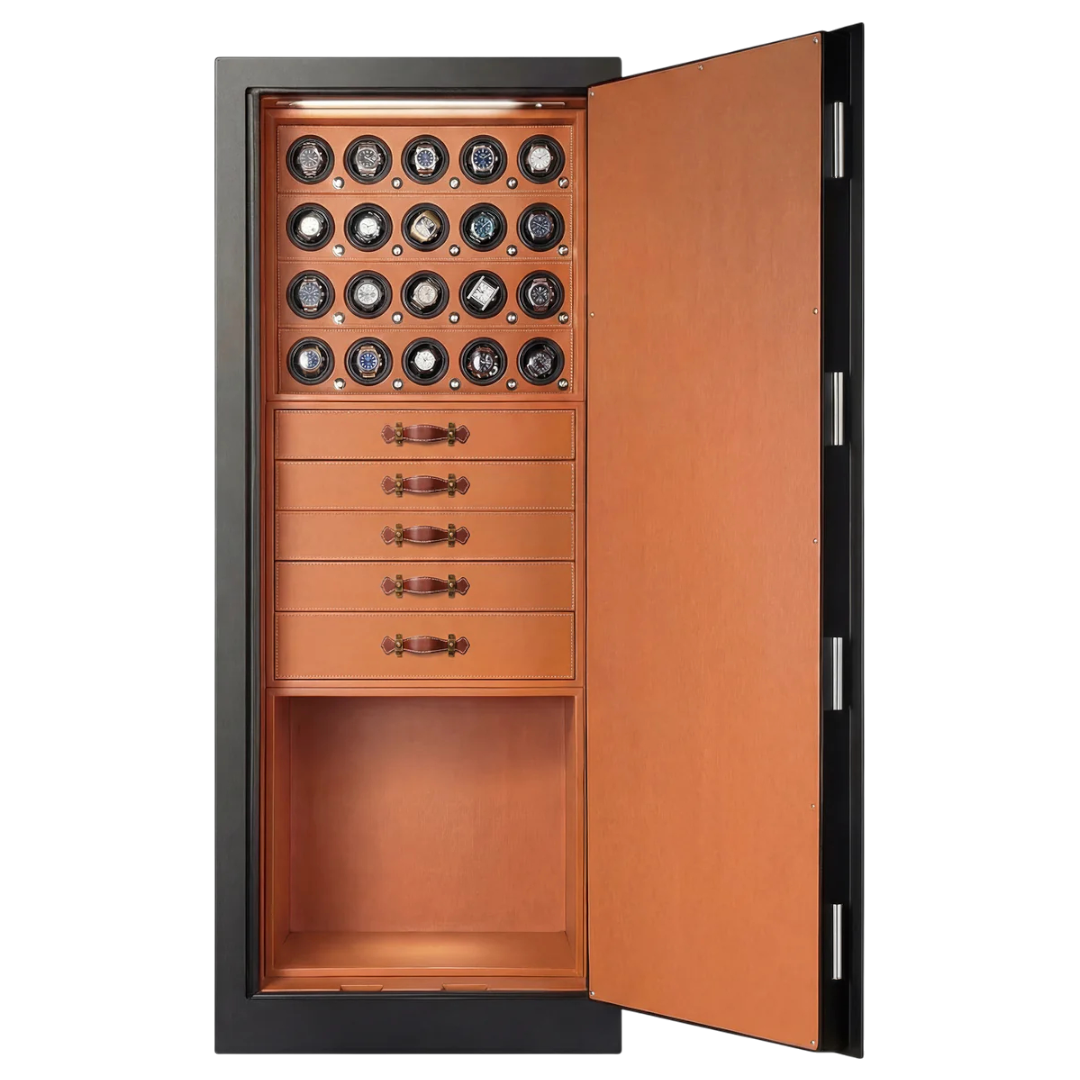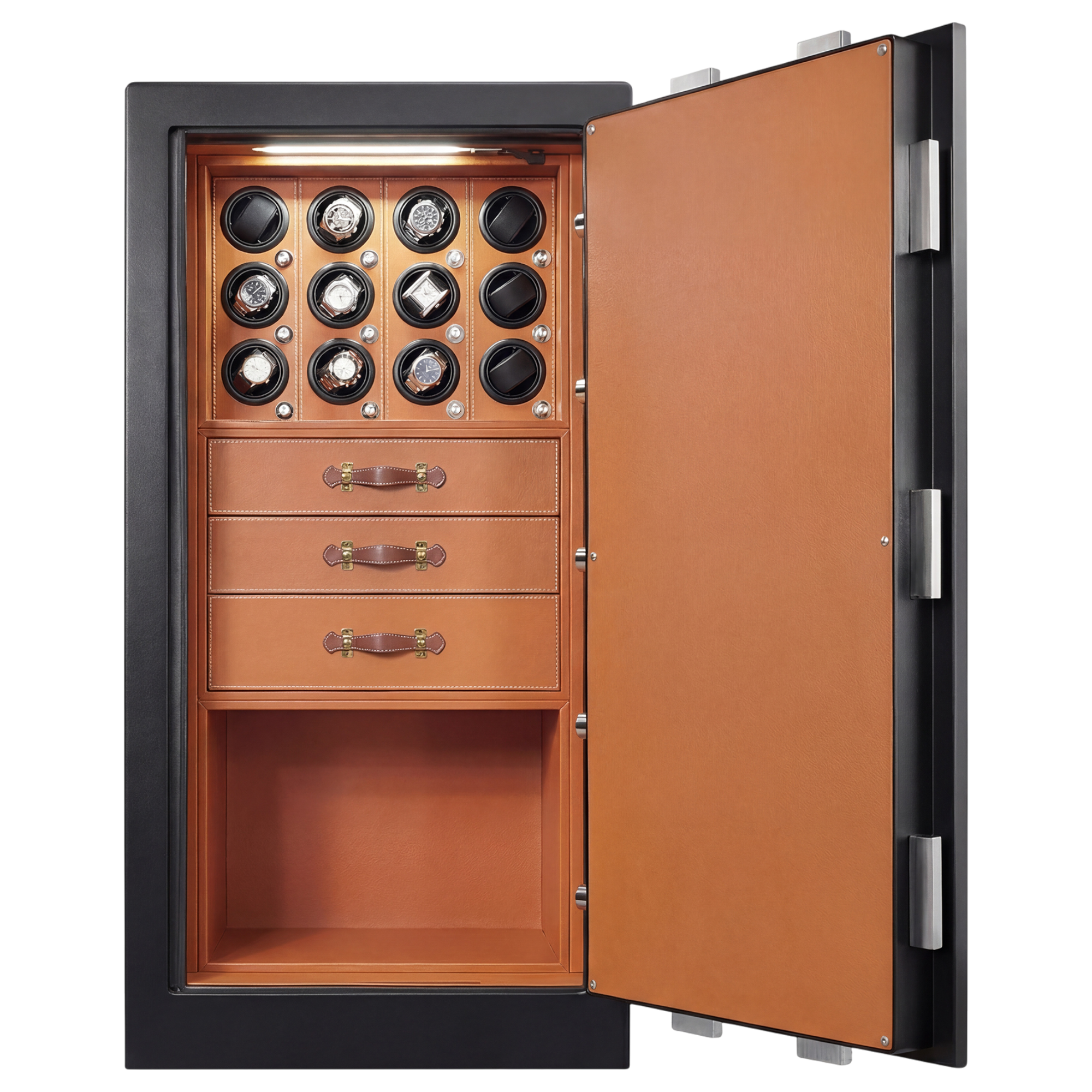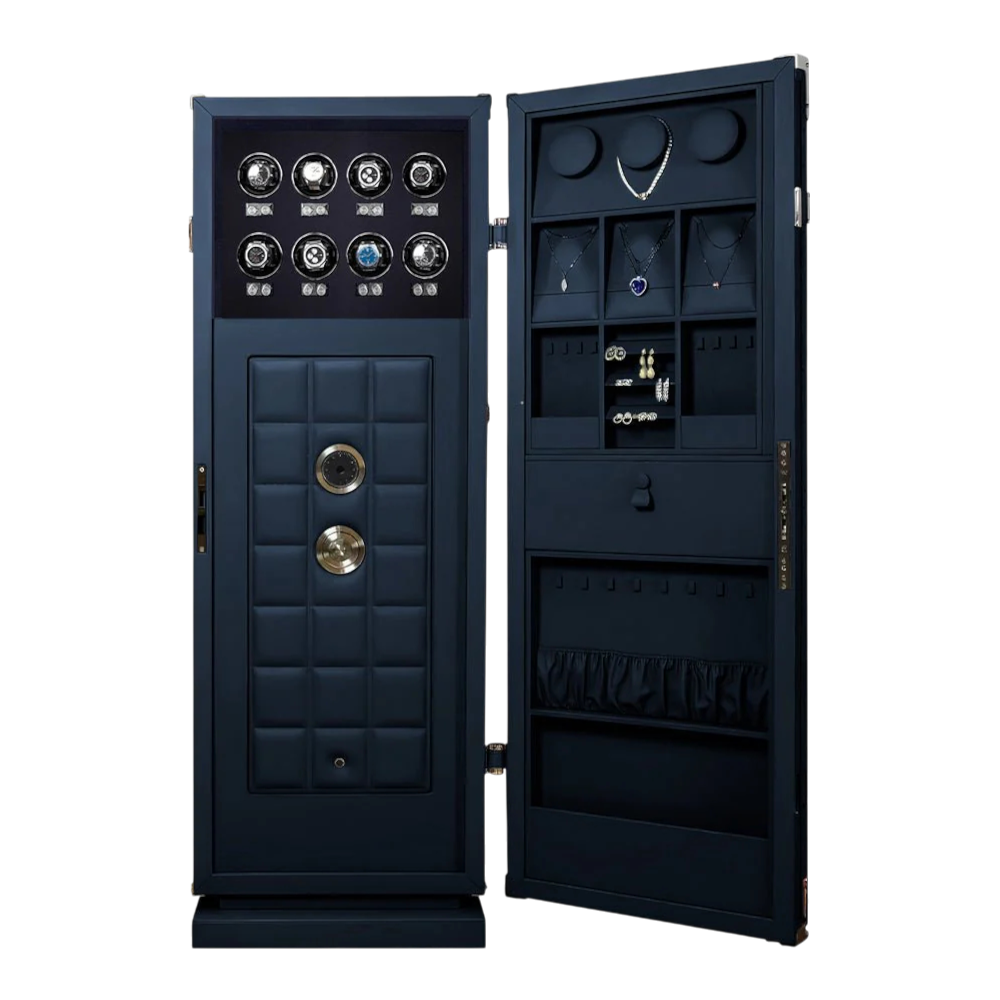

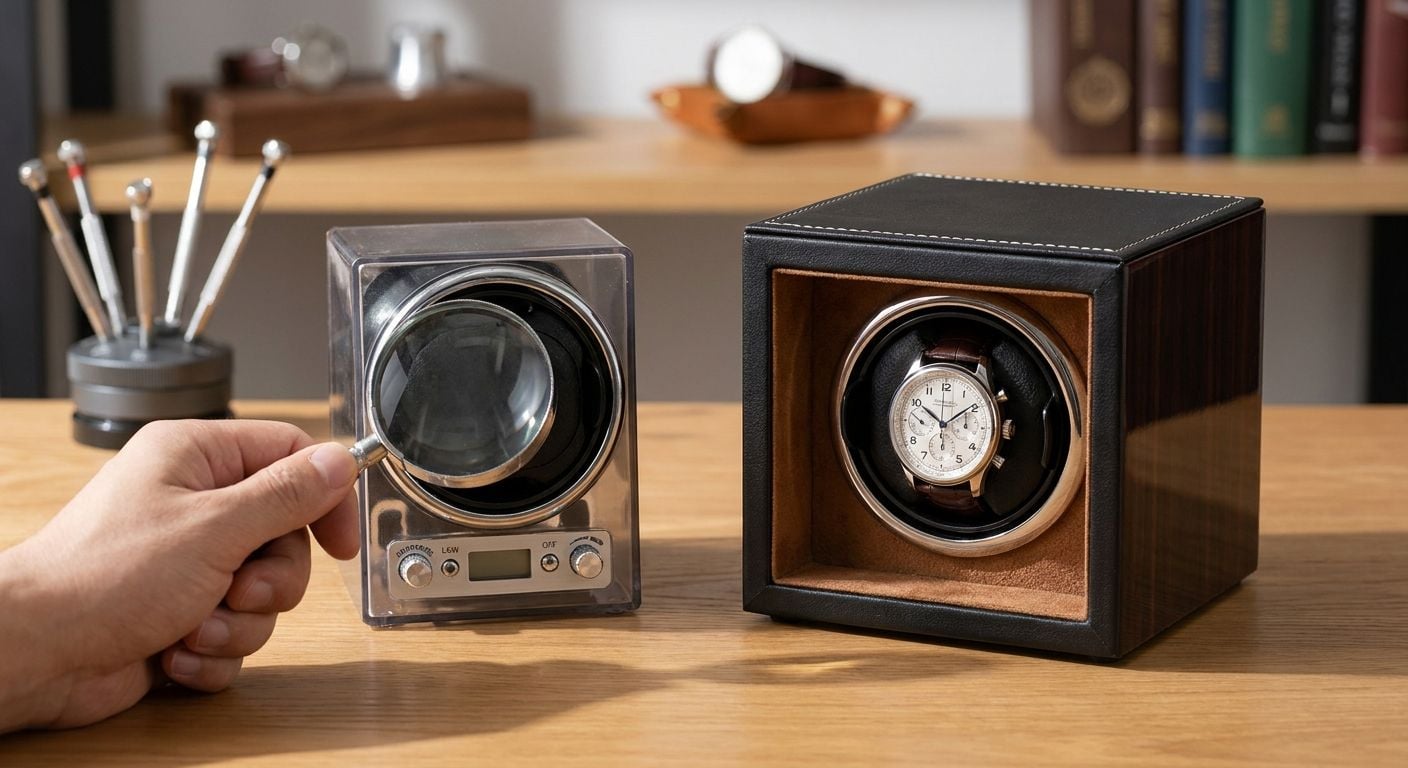
A fake watch winder looks convincing in photos and falls apart the moment the motor turns — this guide shows exactly what to check before you commit $5,000 or more to a piece meant to protect a collection worth far more.
- Genuine Mabuchi motors run near-silent; grinding, ticking, or motor whine signals a counterfeit or unbranded clone.
- Authentic luxury winders publish exact TPD ranges per movement — vague or missing turns-per-day specs are a red flag.
- Real sellers hand over a serial number and lifetime warranty paperwork in writing before you pay.
- A $5,000-plus winder built from real wood veneer, steel, and Alcantara weighs noticeably more than a hollow knockoff.
- Price alone tells you nothing — a knockoff and a genuine unit can list within a few hundred dollars of each other.
Why this matters
Counterfeit watch winders have grown alongside luxury watch resale prices through 2026, and the category is easy to fake because the outer shell is cheap to mold. What's hard to copy is the motor calibration and the turns-per-day (TPD) programming that keeps an automatic movement properly wound without overwinding the mainspring.
A cheap unbranded DC motor running the wrong TPD can under-wind a Rolex or Patek Philippe movement for months before anyone notices the power reserve dropping. Before you buy, work through the same checklist a serious collector runs — starting with the complete watch winder buying checklist.
What you'll need
- The seller's full spec sheet or product listing, not just marketing copy
- A kitchen scale or postal scale accurate to the ounce
- A tape measure
- The seller's return policy and warranty terms in writing, not verbal
- 10 minutes to watch or hear the motor run before you pay
- A request template for the serial number and country-of-origin documentation
The steps
1. Listen to the motor before anything else
A genuine Japanese Mabuchi motor, the kind used in Enigwatch winders and most reputable luxury units, runs close to silent — you should be able to hold a normal conversation next to a running unit. Ask for a video of the winder in operation or test it in person.
Grinding, a mechanical tick on each rotation, or an audible motor whine almost always means an unbranded substitute motor. Expected outcome: smooth, near-silent rotation with no vibration transferred to the surface underneath. Common mistake: buyers assume soft clicking is normal — it's usually the gearbox failing, not a feature.
2. Match the TPD and direction settings to the movement
Every automatic movement has a documented turns-per-day range, generally between 600 and 950 TPD depending on the caliber, and a required rotation direction — clockwise, counterclockwise, or bidirectional. A genuine high-end winder lists these settings explicitly per brand and caliber; a knockoff usually offers one generic auto mode with no published range.
Cross-check the listing against a Japanese vs Swiss motor types comparison before you trust a seller's claims. Common mistake: assuming any winder that moves is correctly calibrated — wrong TPD damages movements slowly and invisibly.
3. Weigh the unit against the published spec
Real wood veneer, steel hardware, and lined interiors add weight that injection-molded plastic shells can't fake. If a seller's listing states a weight and the unit that arrives is noticeably lighter, that's a manufacturing substitution, not a shipping error.
Ask for the exact weight in the spec sheet before purchase, then confirm it on arrival with a scale. Expected outcome: the delivered weight matches the listed spec within a small margin. If it's off by more than a pound or two on a cabinet-class piece, something in the build was swapped.
4. Inspect materials up close, not in photos
Genuine Alcantara and Nappa leather interiors have a distinct texture and stitching quality that stock photography hides well. Ask for close-up video of the interior lining, hinge mechanisms, and motor housing before you pay — legitimate sellers of $5,000 to $21,000 pieces expect this request and won't hesitate.
Suppliers of authentic materials are usually named by city and country in product descriptions. A listing with no material sourcing detail at all, just premium leather and luxury wood, is a warning sign on a piece at this price point.
5. Request the serial number and warranty documentation
A legitimate manufacturer issues a serial number tied to a specific unit and a written lifetime warranty, transferable at the point of sale. If a seller can't produce either before you buy, you have no way to verify the unit after the transaction closes.
Read a full spec sheet line by line so you know what documentation should actually accompany a genuine unit — motor origin, materials list, TPD range, and warranty terms all belong on it.
“If the seller can’t produce a serial number, the winder is unverifiable, and unverifiable means you walk away.”
6. Price-check against the category, not just the listing
Genuine luxury watch winders with Mabuchi motors, Alcantara interiors, and exotic wood veneers run roughly $5,000 to over $21,000 depending on slot count and cabinet construction. A listing claiming those same materials at a fraction of that range is either mislabeled or counterfeit — there's no shortcut on Japanese motor sourcing or hand-finished veneer that gets you the real thing for a tenth of the price.
7. Confirm the return policy and installation terms in writing
Legitimate sellers of cabinet-class winders and safes stand behind professional installation and a documented return window. If a seller won't put the return policy in writing before the sale, that's a separate red flag from the product itself, and it should stop the purchase regardless of how the unit looks.
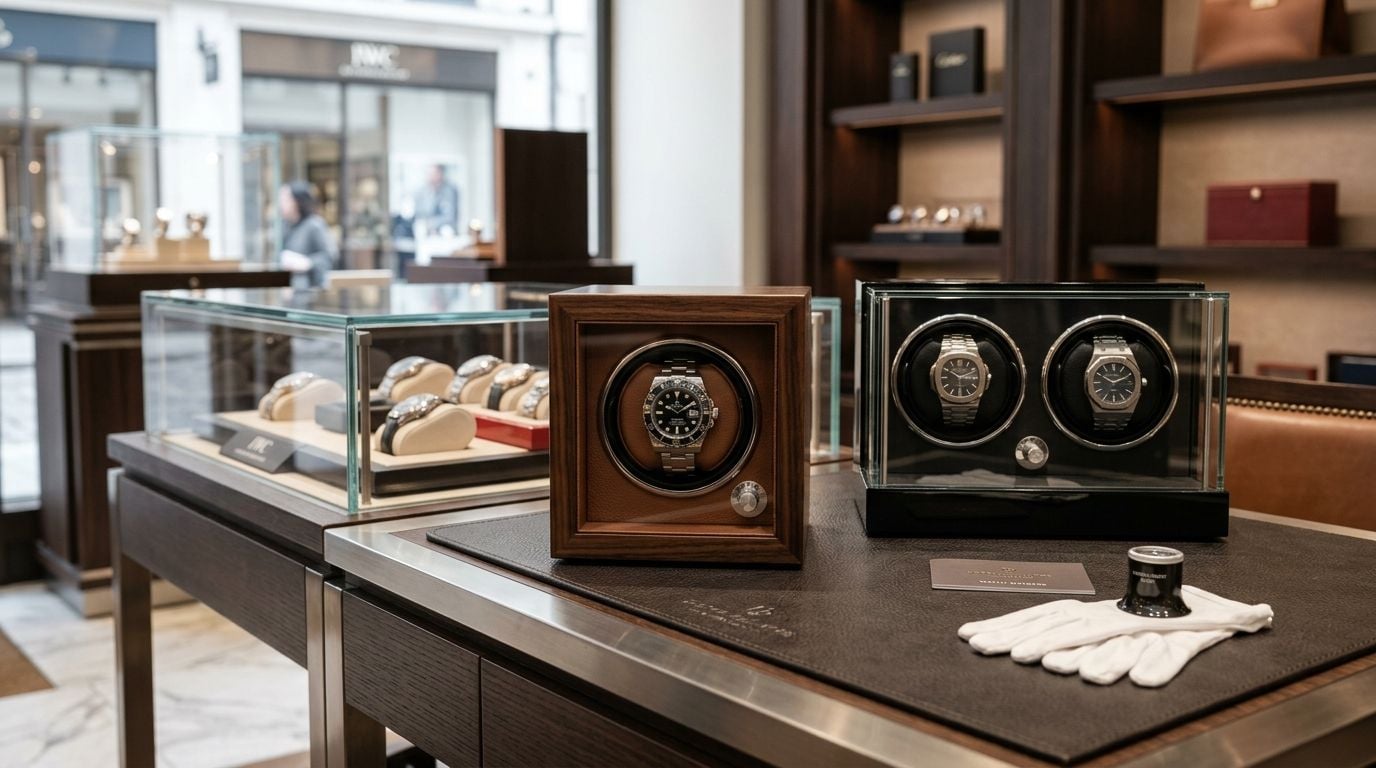
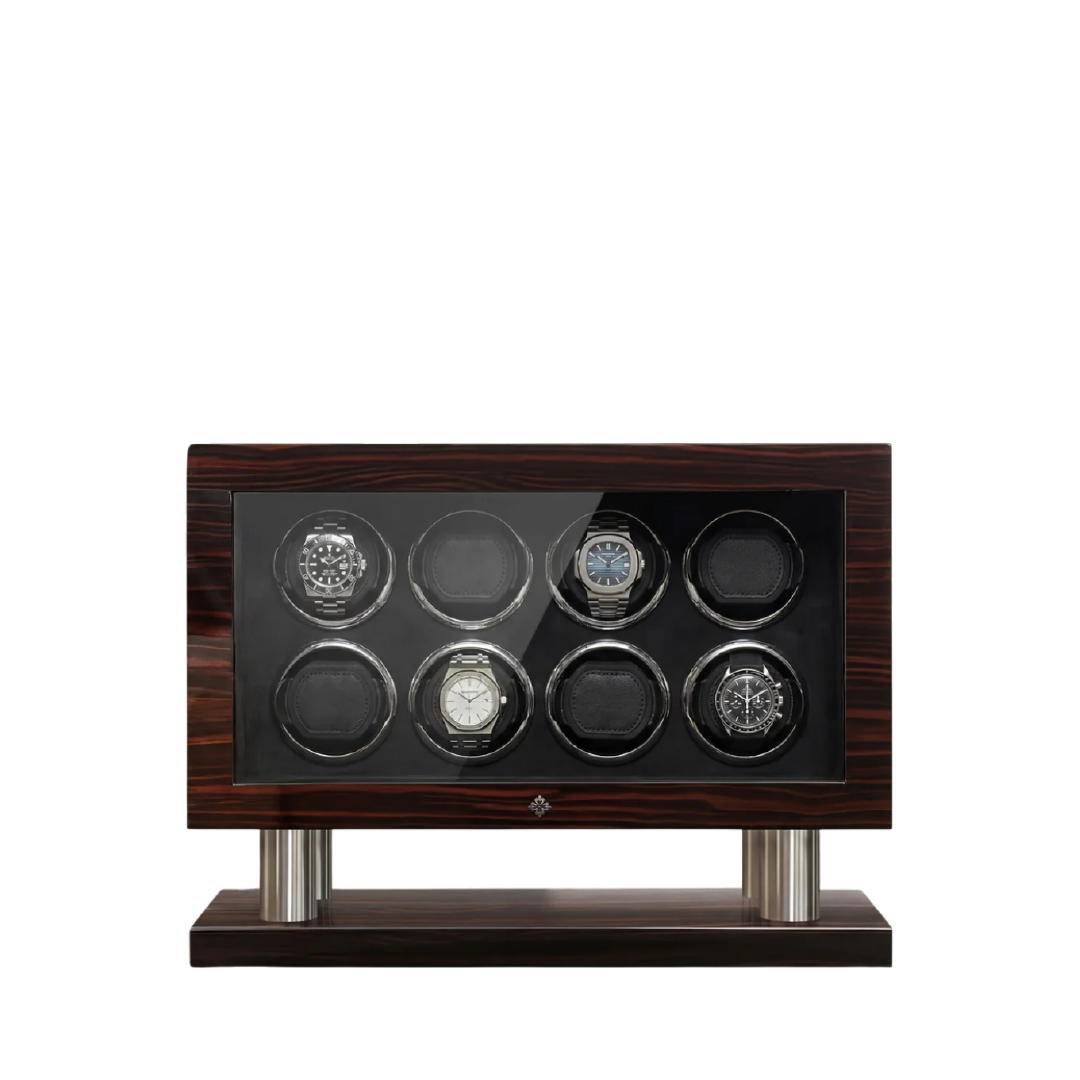
Compare a verified winder collection
See documented materials, motor sourcing, and warranty terms before you buy.
Troubleshooting
- Seller won't provide a serial number. Treat this as disqualifying, not a minor omission — without it, there's no path to warranty service or resale verification.
- TPD spec is vague or missing. Ask directly for the per-caliber range. If the seller can't answer, the winder likely runs one generic mode unsuited to precision movements.
- Motor sounds different from the demo video. Request a live video call test before the sale closes. A motor swap between the marketing video and the actual unit is a known counterfeit tactic.
- Box weighs less than advertised. Confirm on a scale immediately on arrival and photograph the result before contacting the seller.
- Price is far below comparable listings. A winder claiming Japanese Mabuchi motors and Alcantara interiors at a steep discount to the $5,000 to $21,000 category range is a mismatch worth walking away from.
- Warranty document doesn't match the seller's name. A warranty issued by a different company than the one selling the unit is unenforceable — get this resolved in writing before paying.
Tools and resources
- Kitchen or postal scale, accurate to the ounce
- Tape measure for cabinet and drawer dimensions
- Video call access to the seller for a live motor test
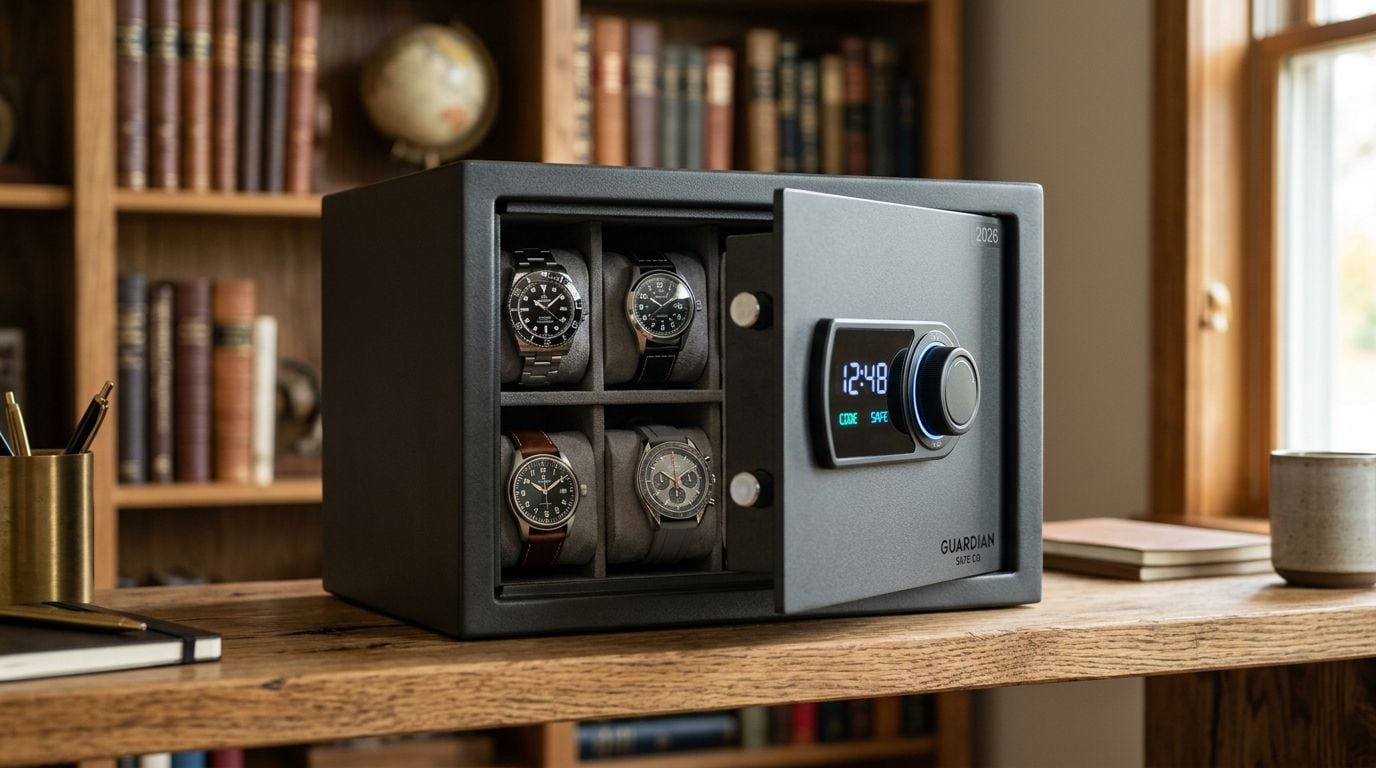
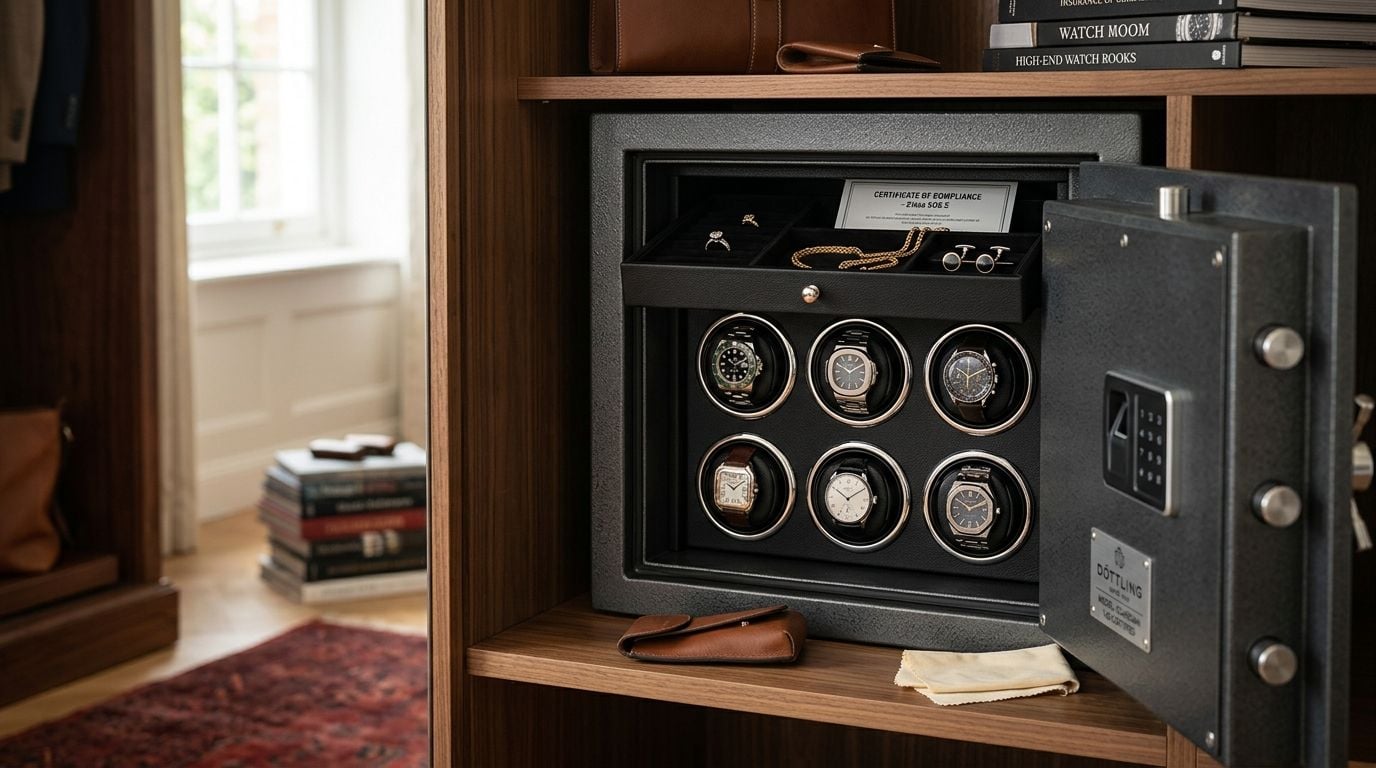
- Watch winder safe box checklist for combined winder-safe units
- Written warranty and return policy request template
What to do next
Once a unit passes the motor, weight, and documentation checks, confirm the TPD and direction settings match your specific movement before the first use — mismatched settings are the most common mistake collectors make even with a fully genuine winder in 2026.
FAQ
How can you tell if a watch winder is fake before buying?
Listen for motor noise, check the published TPD range against your movement, and weigh the unit against its listed spec. A silent Japanese Mabuchi motor and a documented serial number are the two strongest signals of a genuine unit in 2026.
Do counterfeit watch winders damage automatic watches?
Yes, an incorrectly calibrated motor can under-wind or over-wind a movement over months, straining the mainspring. Most automatic movements need between roughly 600 and 950 turns per day, and unbranded motors rarely hit that range accurately.
What is a normal price range for a genuine luxury watch winder?
Genuine luxury winders with Japanese Mabuchi motors and Alcantara or Nappa leather interiors run from roughly $5,000 to over $21,000 depending on slot count and cabinet materials. Anything claiming those materials well below that range deserves scrutiny.
Should a watch winder come with a serial number?
Yes, a legitimate manufacturer assigns a serial number to every unit for warranty and resale verification. A seller who can’t produce one before the sale is selling an unverifiable piece.
Is a loud watch winder motor a sign it’s fake?
Usually, yes. Genuine Mabuchi motors run close to silent, and audible grinding, ticking, or whine typically points to an unbranded substitute motor rather than normal wear.
Does weight tell you anything about a watch winder’s authenticity?
It does. Real wood veneer, steel hardware, and lined interiors add measurable weight that hollow plastic shells can’t replicate, so a unit noticeably lighter than its published spec is a warning sign.
What documentation should come with a genuine watch winder?
Expect a serial number, a written lifetime warranty in the selling company’s name, a spec sheet listing TPD range and motor origin, and a documented return policy. Missing any of these on a $5,000-plus purchase is a reason to pause.
Can you test a watch winder before buying it online?
Yes, request a live video call demonstration of the motor running before you pay. Comparing that live test against any marketing video catches the motor-swap tactic some counterfeit sellers use.
One last thing
Counterfeiters copy the case shell because injection molds are cheap to reproduce, but nobody bothers cloning the motor calibration — which means the sound test catches almost every fake within the first ten seconds of running it, before you've read a single spec.
Related guides
Protect Your Watch Collection
Designed for collectors who demand the best. Explore our premium watch winders and luxury safes.