
Downsizing a watch collection changes the math on storage: fewer watches, higher average value per slot, and a safe that needs to match the core you're keeping, not the collection you used to have. This guide breaks down what to look for in a watch safe for downsizing watch collection scenarios, which configurations make sense, and which ones just look right on a spec sheet.
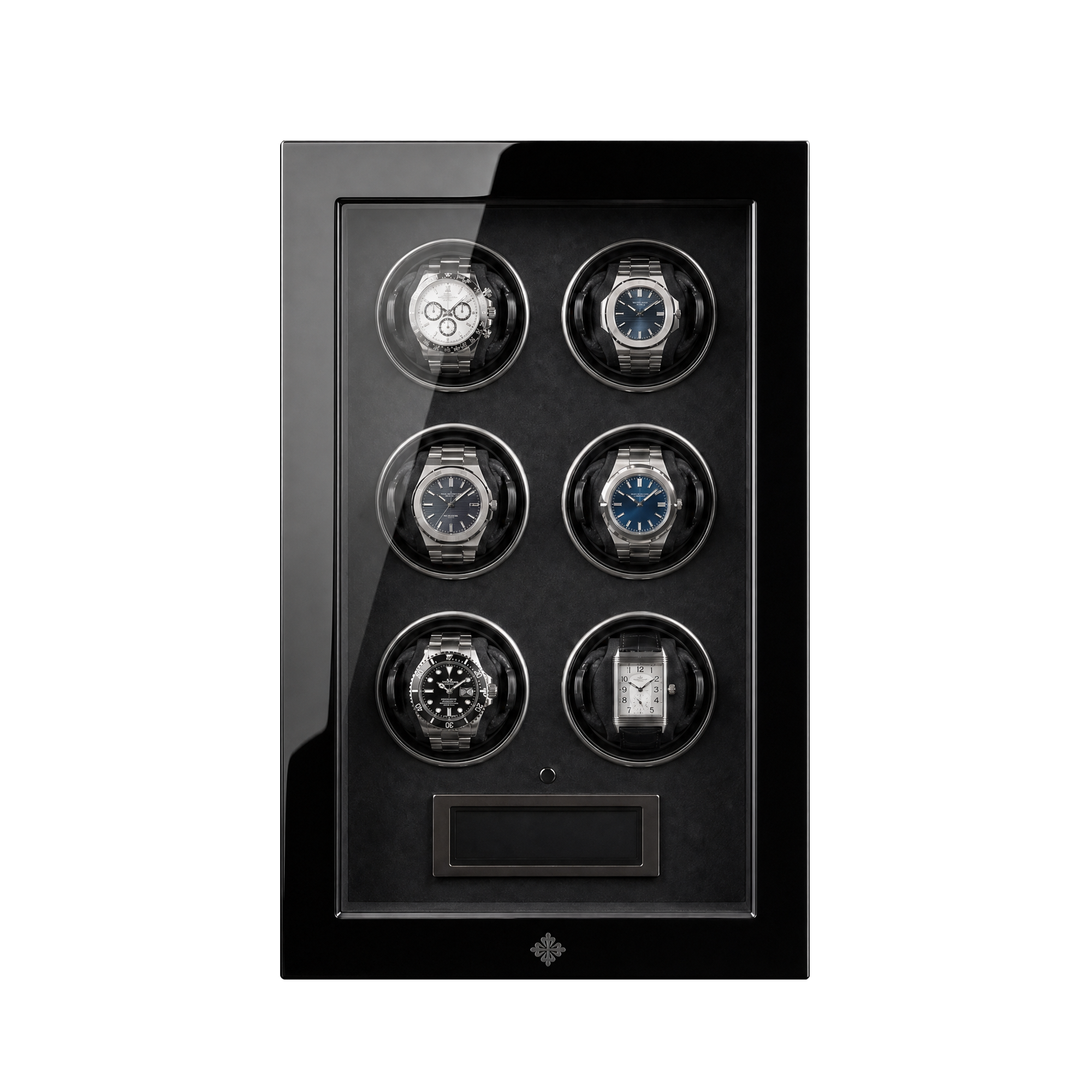
- A 6-slot watch safe for downsizing watch collection needs fits most collectors settling into a working core: Buy.
- Skip a jewelry box relabeled as a safe — no fire or burglar rating protects a smaller, higher-value collection.
- 4-watch capacity safes suit collectors settling at a true minimum: Buy for a tight edit.
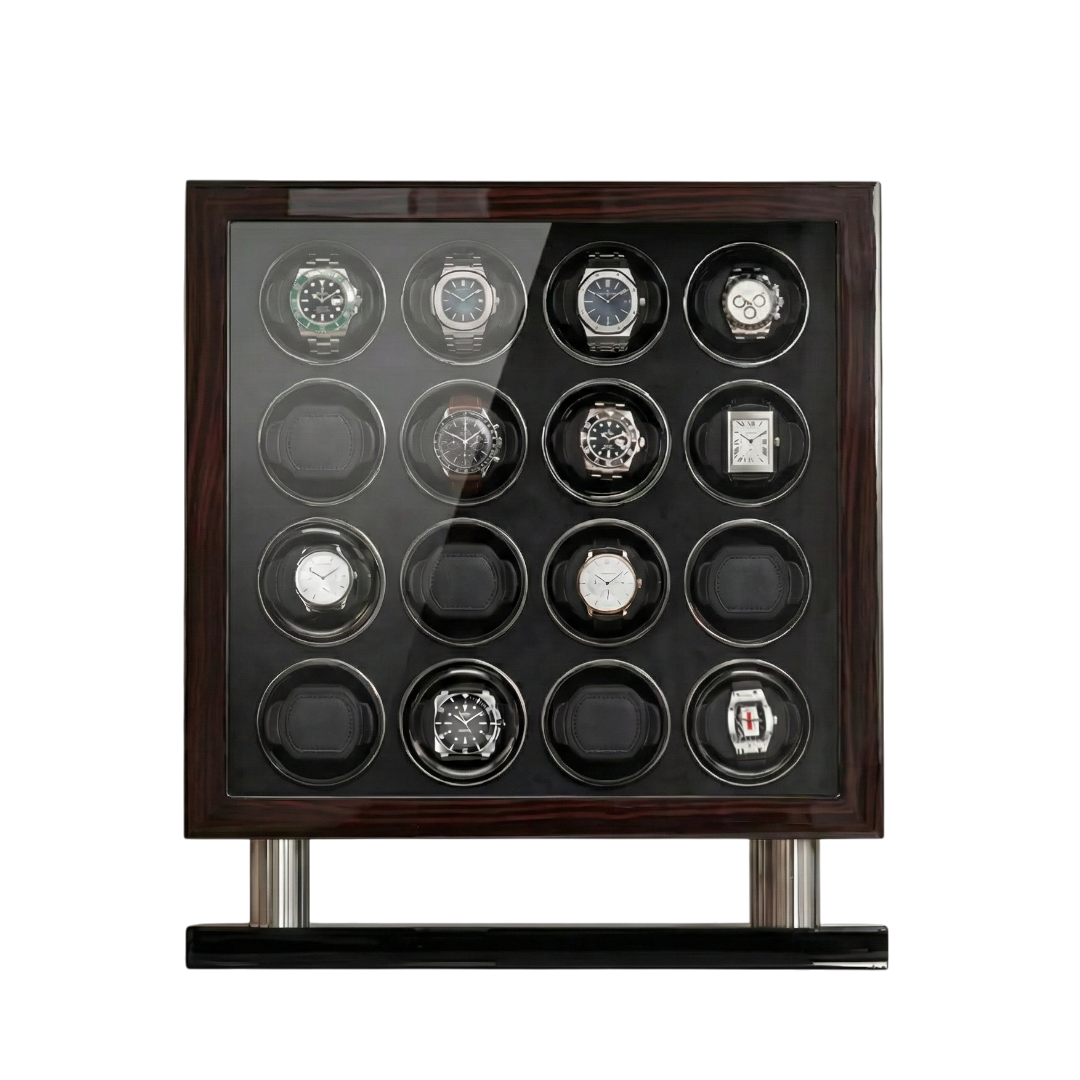
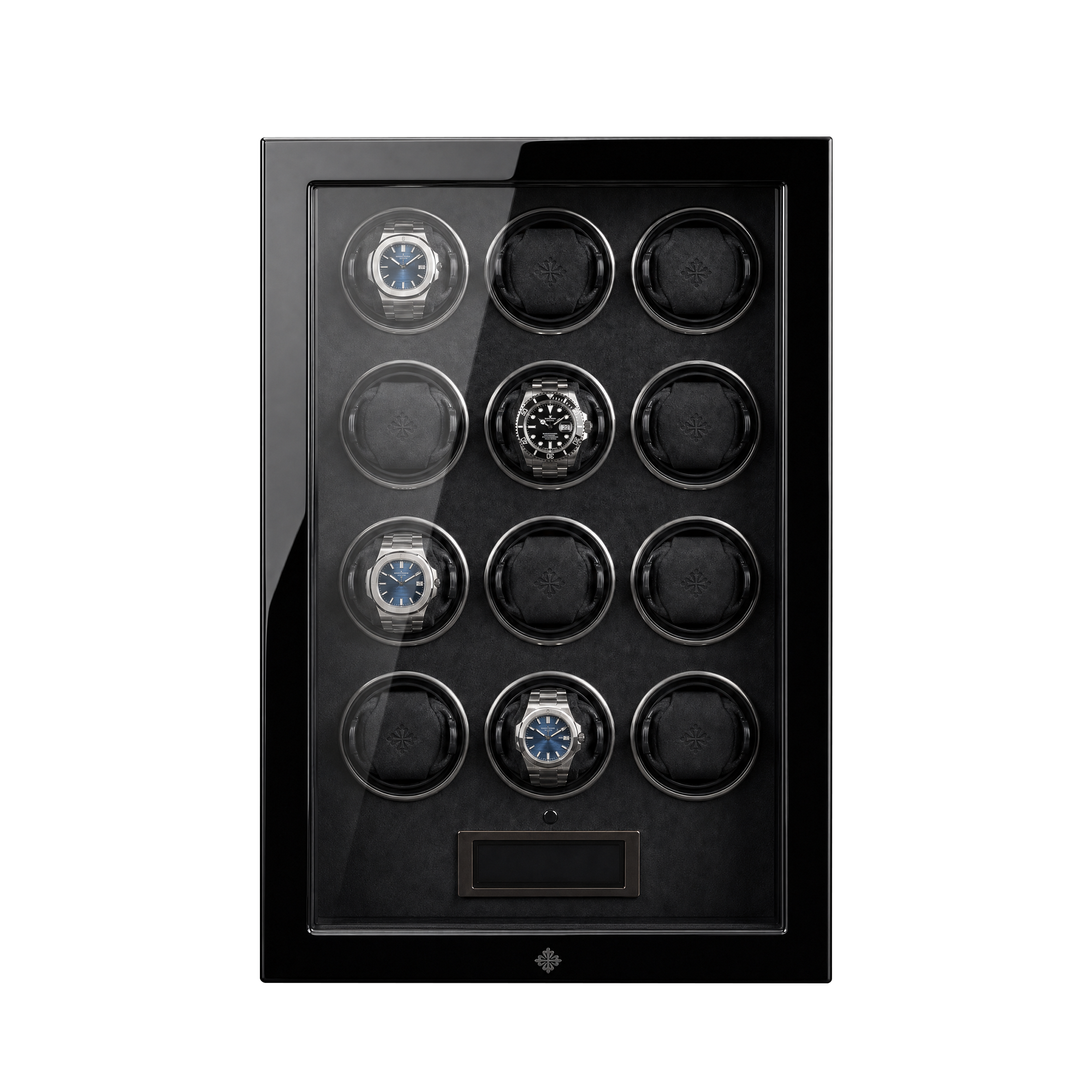
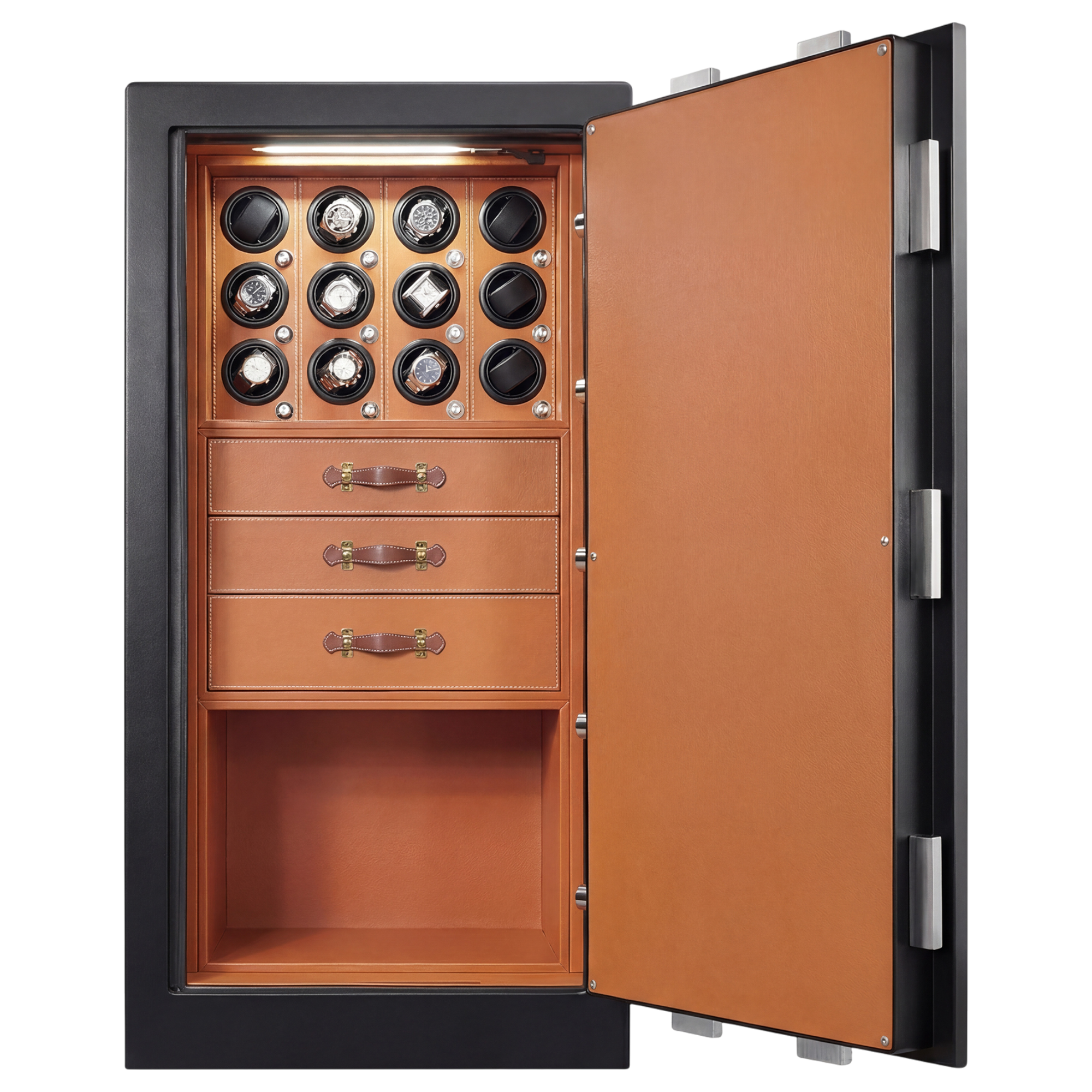
- A 12-slot safe works as a bridge while you finish deciding what stays: Consider, not final.
- Biometric and combination locks both work in 2026 — pick the one your household will actually use daily.
Why this matters
A collector selling off 14 of 20 watches doesn't need less security — they need more, concentrated on fewer pieces. When six watches carry the value that twenty used to, a scratched-up 12-slot box from an earlier era of collecting is doing less protective work per watch than it did before. The safe has to catch up to the portfolio, not the other way around.
This is also the point where a lot of collectors overbuy out of habit. They replace a 20-slot unit with another 20-slot unit because that's what "a proper watch safe" looked like to them for a decade. Half-empty foam doesn't protect anything better — it just wastes closet space and, in cheaper units, leaves humidity buffering unbalanced across the interior.
Who this is for
This guide is for a collector actively consigning, selling, or gifting away part of a collection and keeping a smaller core — typically going from 15-30 pieces down to somewhere between 4 and 12. If you're building a collection up rather than paring it down, the sizing logic runs the opposite direction and a different guide applies.
What to look for in a watch safe for a downsized collection
Slot count matched to the collection you're keeping
Buy for the core, not the archive. A collector settling on six watches doesn't need a 20-slot safe with fourteen empty cushions — that's wasted volume and a false sense of remaining capacity that tends to invite impulse buys later. Sizing a watch safe to your collection walks through the math collectors actually use: count your keepers, add one slot for a piece in for service, and stop there.
Movement protection versus static storage
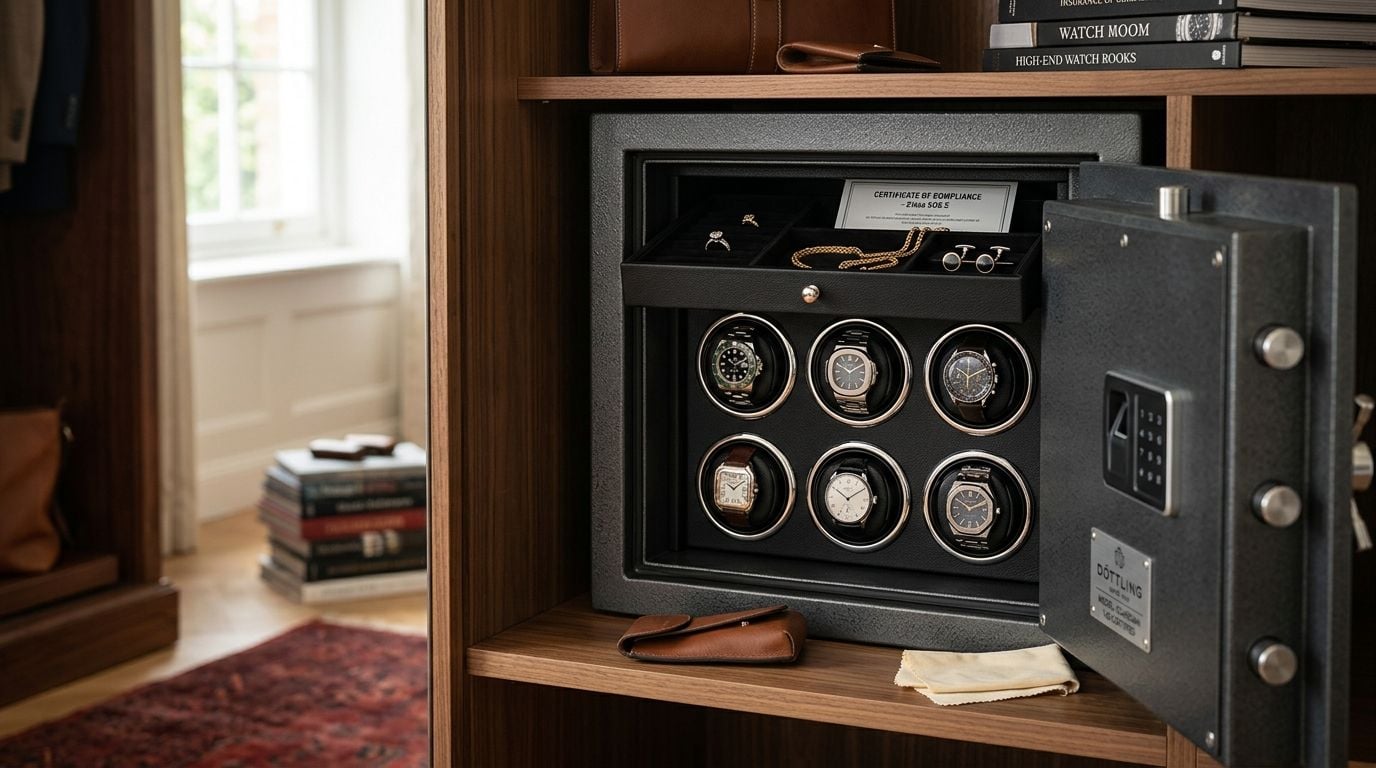
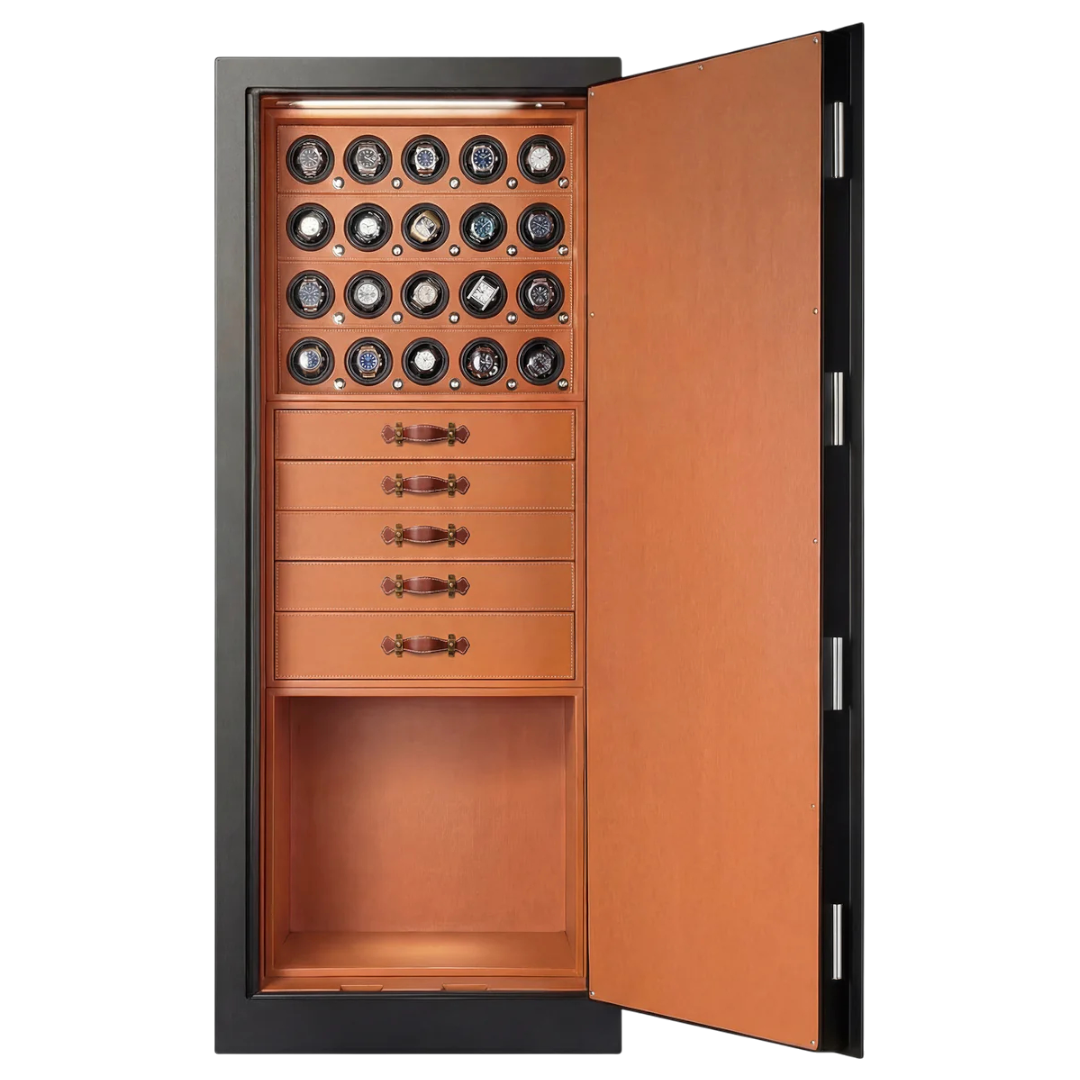
If even one or two pieces in your remaining core are automatics you wear infrequently, decide up front whether you want winding built into the safe or handled separately. A safe with an integrated Mabuchi-motor winder module keeps automatics running without a second cabinet taking up floor space — useful when downsizing also means downsizing square footage.
Lock type suited to the smaller, higher-value core
Fewer watches at higher average value raises the stakes on access control. A biometric lock removes the combination-sharing risk that comes with estates, household staff, or insurance disclosure requirements; a mechanical combination or key lock still works fine if the household is small and controlled. Either is defensible in 2026 — the wrong choice is picking neither and settling for a lock that was fine for a low-value box.
Interior materials that won't damage what's left
With fewer watches in rotation, each one sees more handling per removal. Interiors finished in Italian Alcantara or Nappa leather protect bracelets and straps from the kind of micro-abrasion that cheap foam or unlined steel causes over hundreds of in-and-out cycles a year.
Fire and burglar rating proportional to concentrated value
A smaller collection at higher average value per piece needs a rating that reflects total insured value, not piece count. Check the fire rating and UL burglar rating against what your insurer actually requires for the post-downsize appraisal, not the rating that was adequate for the old collection.
Top picks for a downsizing collection
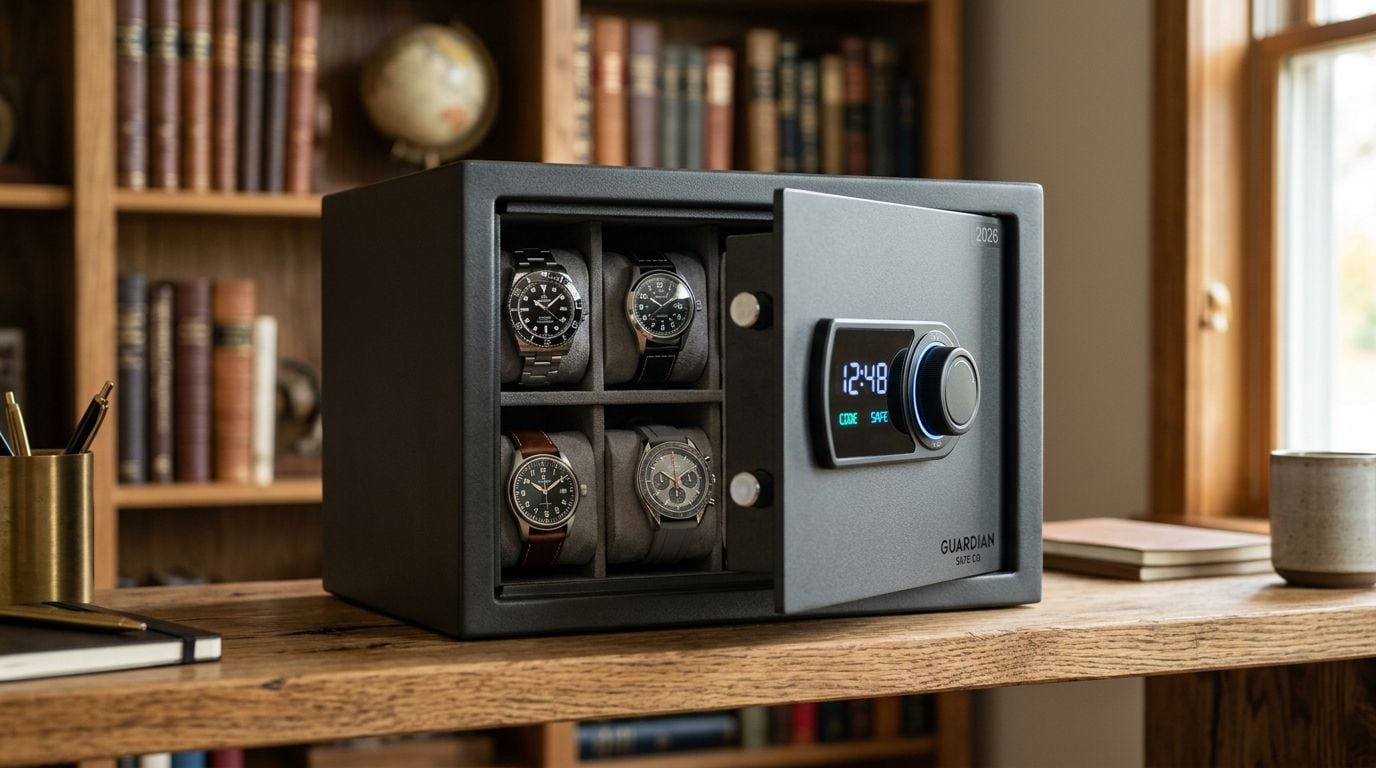
The right-size pick: 6-slot safe. This is the sweet spot for collectors moving from a sprawling 20+ piece collection down to a working rotation of five or six watches worn on a real cycle. 6-watch safe options covers layout and lock combinations at this size. Verdict: Buy.
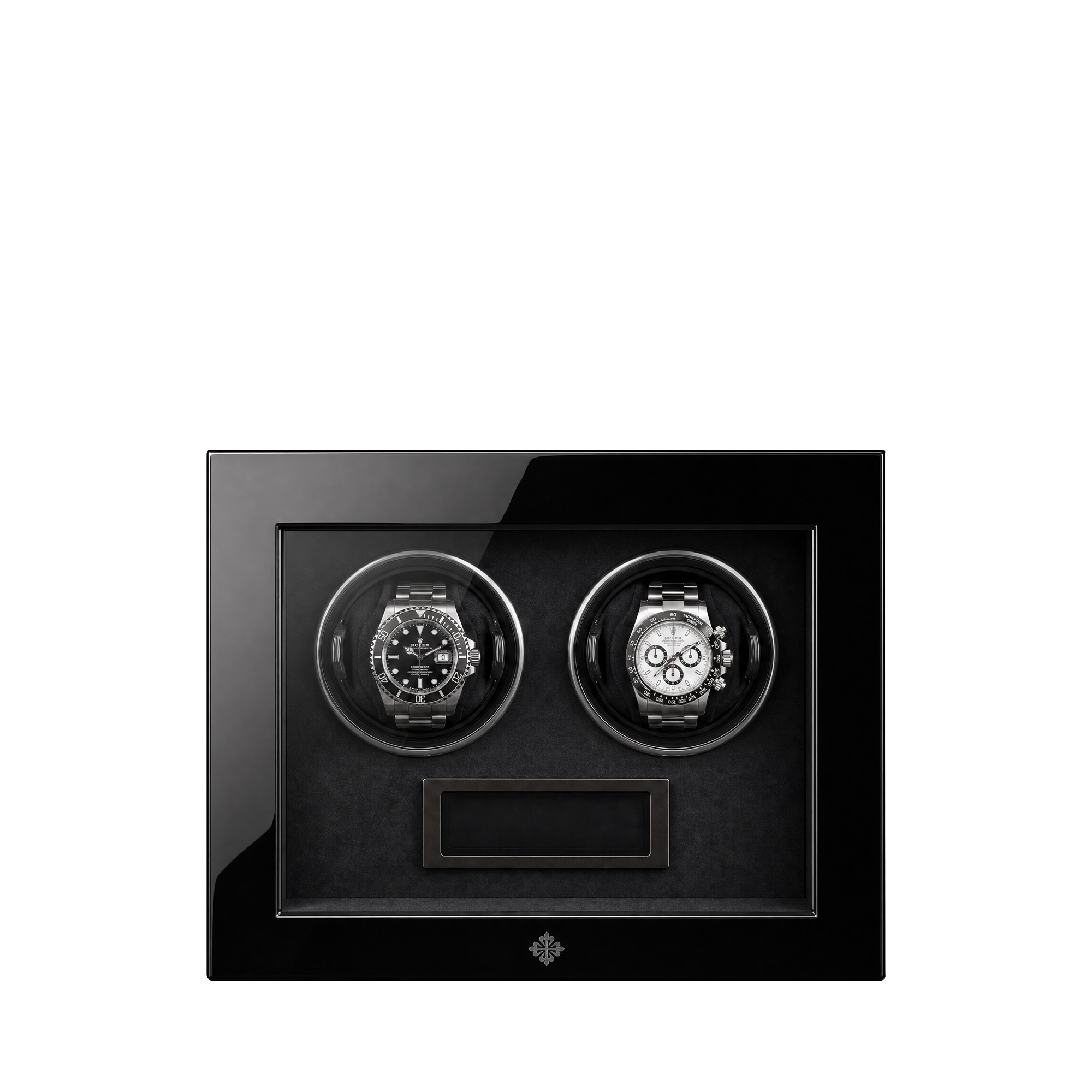
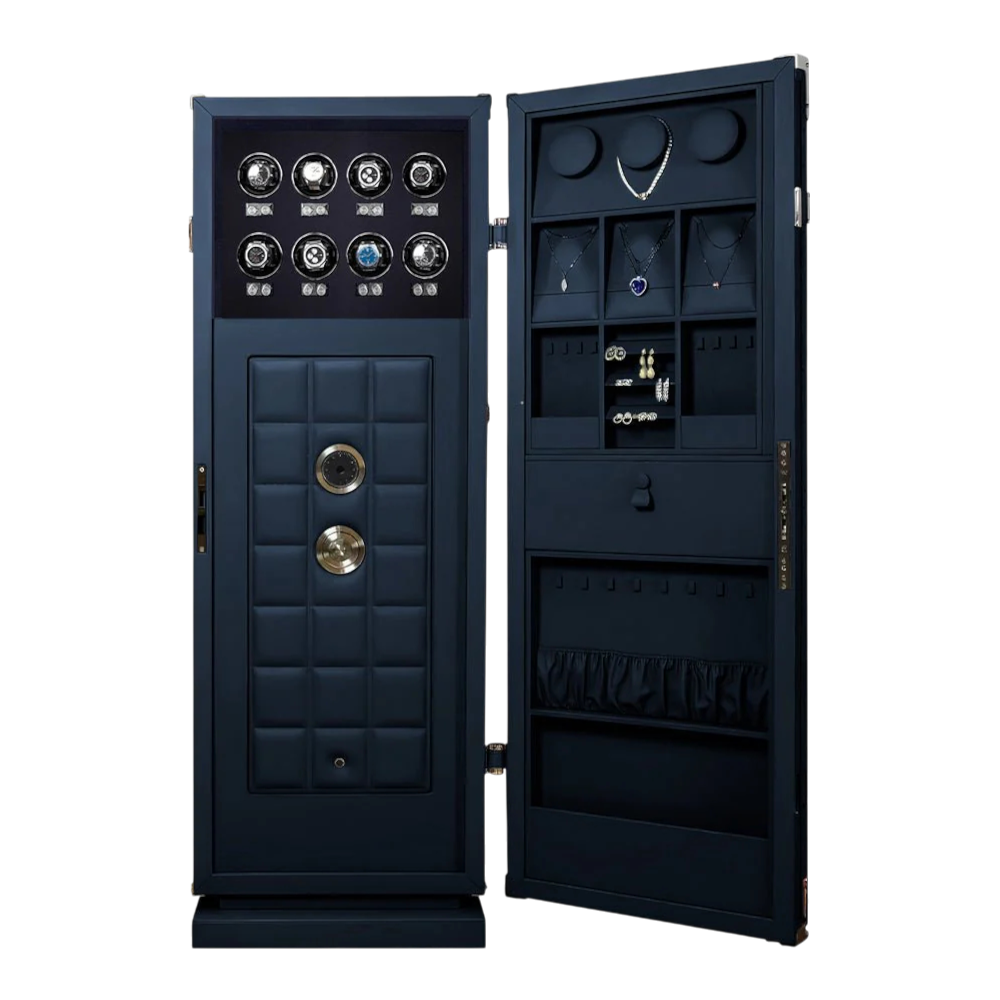
The minimalist pick: 4-watch capacity. For collectors who've decided the endgame is a true core — a dress watch, a diver, a GMT, maybe one grail — a 4-slot safe avoids paying for capacity you'll never use again. Verdict: Buy for anyone confident the edit is final.
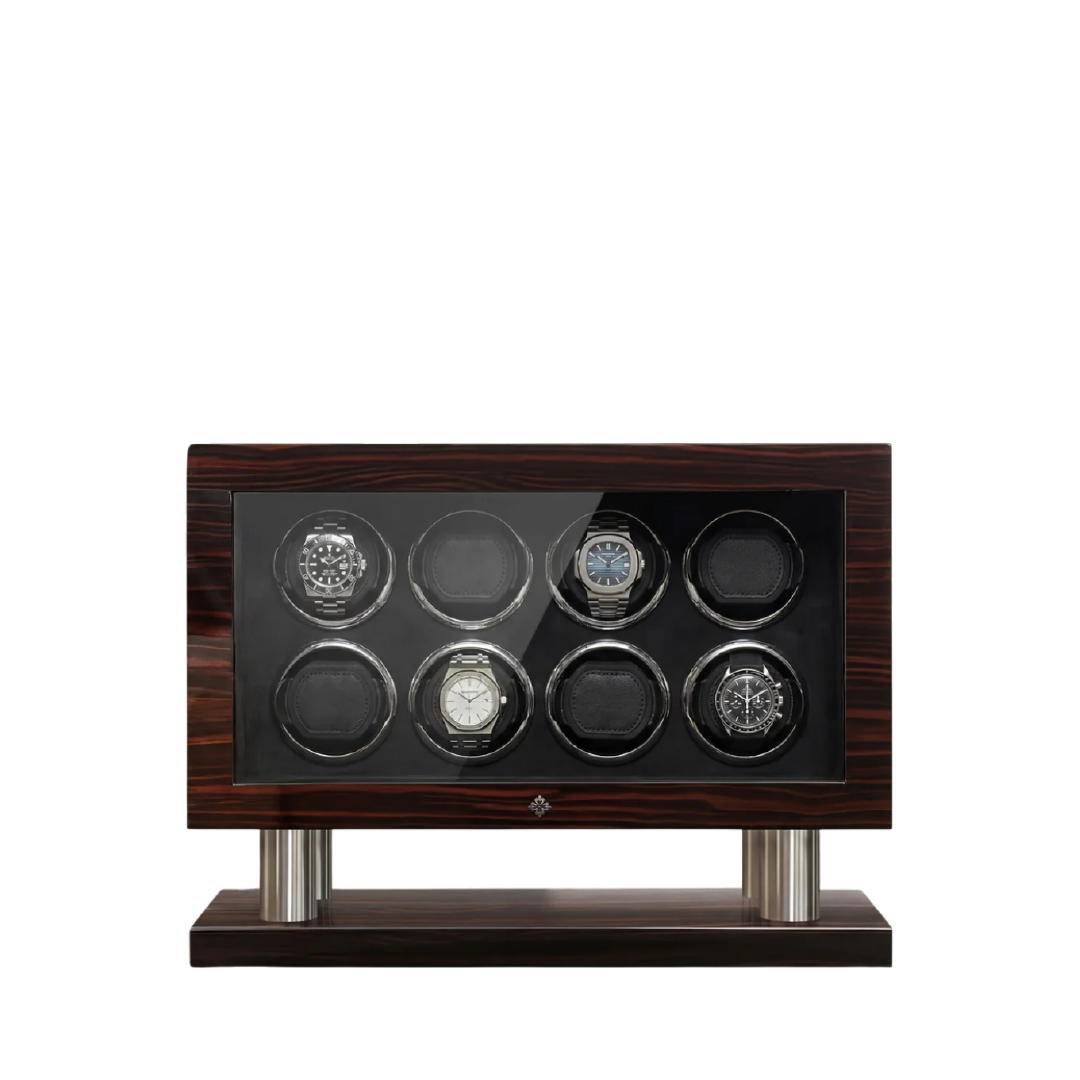
The bridge pick: 12-slot safe. Useful mid-downsize, while consignment sales are still working through and the final core count isn't locked yet. It gives room to breathe during the transition but isn't the long-term answer once the collection settles. Verdict: Consider, not final — plan to reassess once sales close.
The low-maintenance pick: safe with a built-in winder. For a downsized core that still includes two or three automatics you don't wear weekly, a combined unit keeps everything running without a separate cabinet. It costs more upfront than a static safe of the same slot count, but it solves the winding problem in the same footprint. Verdict: Consider if your remaining watches are mostly automatic; Skip if the core is mostly quartz or manual-wind.
Find the right safe for your core collection
Compare Enigwatch capacities, locks, and interiors before you commit.
What to avoid when downsizing into a smaller safe
- A jewelry box marketed as a "safe." No fire rating, no UL burglar rating, and a lock that a determined amateur defeats in minutes. Watch safe versus watch box covers the actual differences before you spend money on the wrong category of product.
- Replacing a 20-slot safe with another 20-slot safe. Nostalgia for the old collection size is not a sizing method. Oversized capacity means paying for steel and interior finishing you'll never fill.
- Skipping the lock test before buying. A biometric sensor that struggles in low light or a combination dial with stiff action is a daily annoyance you'll live with for years — test it before it's installed, not after.
Verdict comparison
| Pick | Slots | Best For | Verdict |
|---|---|---|---|
| Right-size 6-slot | 6 | Core rotation after selling off the rest | Buy |
| Minimalist 4-slot | 4 | Final, settled collection | Buy |
| Bridge 12-slot | 12 | Mid-downsize, sales still in progress | Consider |
| Winder-safe combo | Varies | Core includes 2-3 automatics | Consider |
| Relabeled jewelry box | N/A | Nobody | Skip |
FAQ
What’s the best watch safe for downsizing a watch collection?
A 6-slot safe fits most collectors settling into a core rotation after selling off the bulk of a larger collection in 2026. Collectors settling at a true minimum of four pieces do better with a 4-slot unit.
How many slots do I need if I’m going from 20 watches to a core collection?
Count the watches you’re keeping and add one extra slot for a piece that’s out for service. Most collectors downsizing from 20+ pieces land on 6 to 12 slots depending on how far along the sell-off is.
Is a 6-slot safe better than a 12-slot safe for a smaller collection?
A 6-slot safe is better once the downsize is final because it avoids paying for unused capacity. A 12-slot safe still makes sense mid-transition, while consignment sales are still working through.
Does a watch safe need a winder built in?
Only if your remaining core includes automatics you don’t wear weekly. A safe with an integrated winder keeps those pieces running without a separate cabinet, which matters if downsizing also means less closet space.
What’s the difference between a watch safe and a watch box?
A watch safe carries a fire rating and a UL burglar rating; a watch box is decorative storage with no security certification. For a downsized collection with higher average value per piece, that rating gap matters more, not less.
How much does a good watch safe cost in 2026?
Premium safes run roughly $5,000 to over $21,000 depending on size, lock type, and interior finish. The right number depends on the insured value of the core collection you’re keeping, not the collection you started with.
Should I sell my old watch safe when I downsize?
If the old safe is sized for a collection you no longer own, selling or repurposing it usually makes more sense than keeping half-empty capacity. A safe sized to your actual core protects better and takes less space.
Does downsizing affect what fire rating I need?
Fire and burglar ratings should track total insured value, not piece count. A smaller collection at higher average value per watch can require the same or higher rating than a larger, lower-value collection did.
One last thing
Collectors downsizing almost always underestimate slot count on the first pass. The instinct is to count exactly what's staying and buy that number of slots — but a piece at the watchmaker for a service still needs somewhere to go when it comes back, and a slot held for that contingency saves you from a second purchase within a year. Budget one slot beyond your target count and the sizing holds up long after the sell-off is finished.
Related guides
Protect Your Watch Collection
Designed for collectors who demand the best. Explore our premium watch winders and luxury safes.