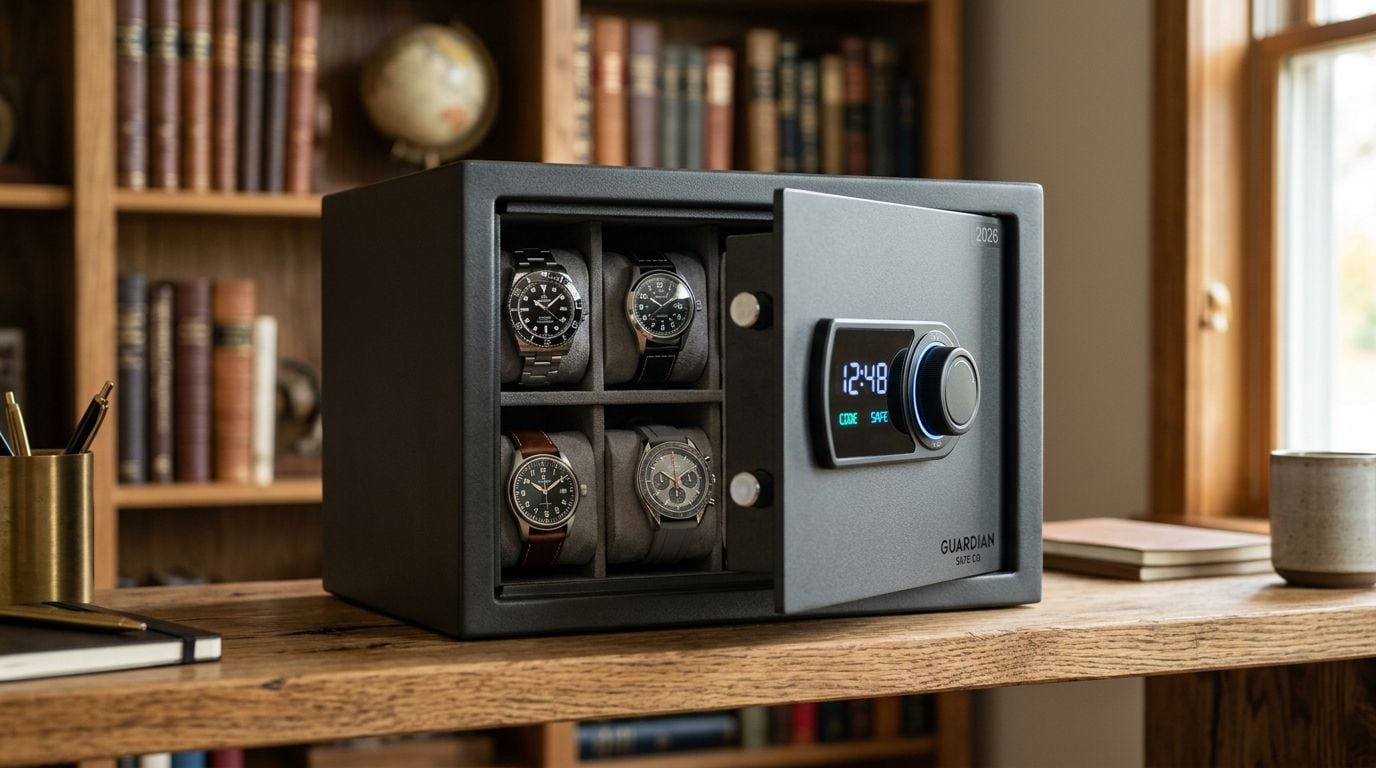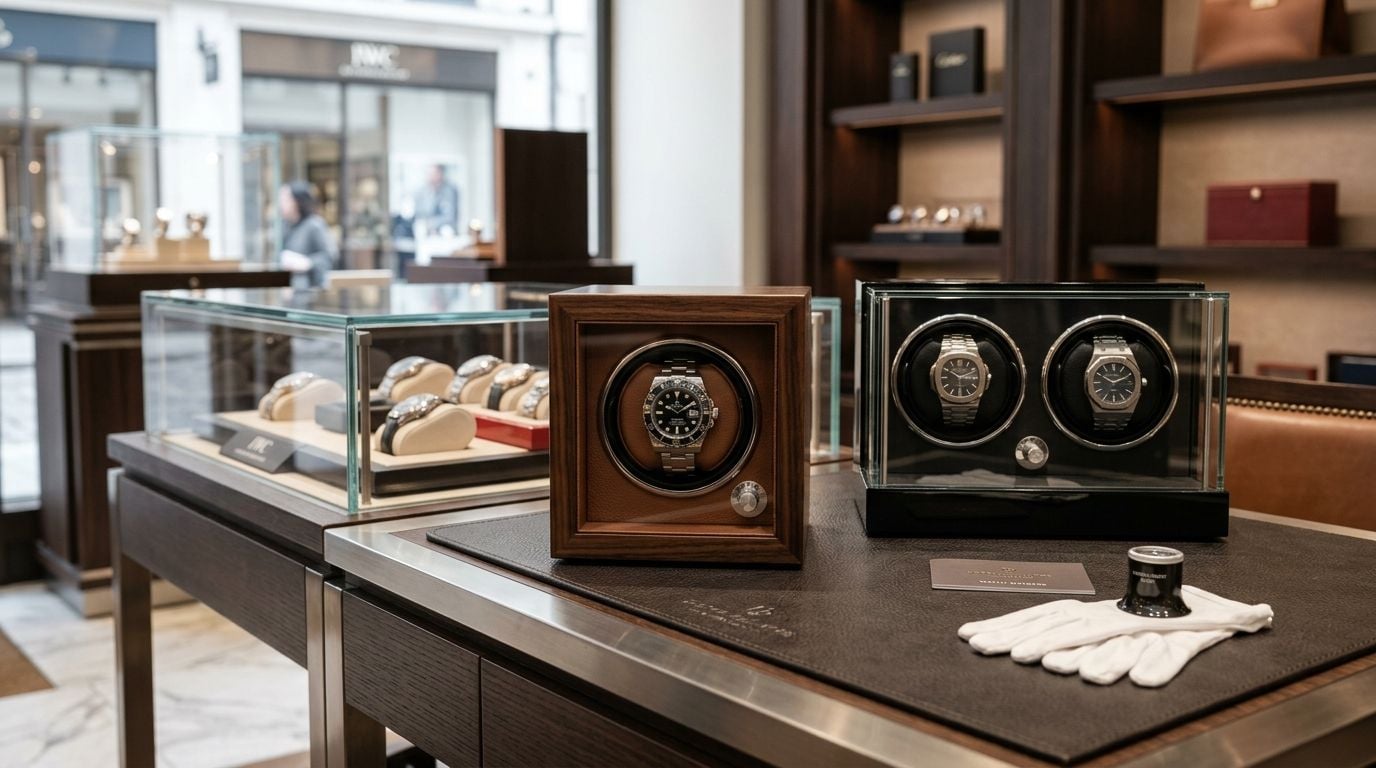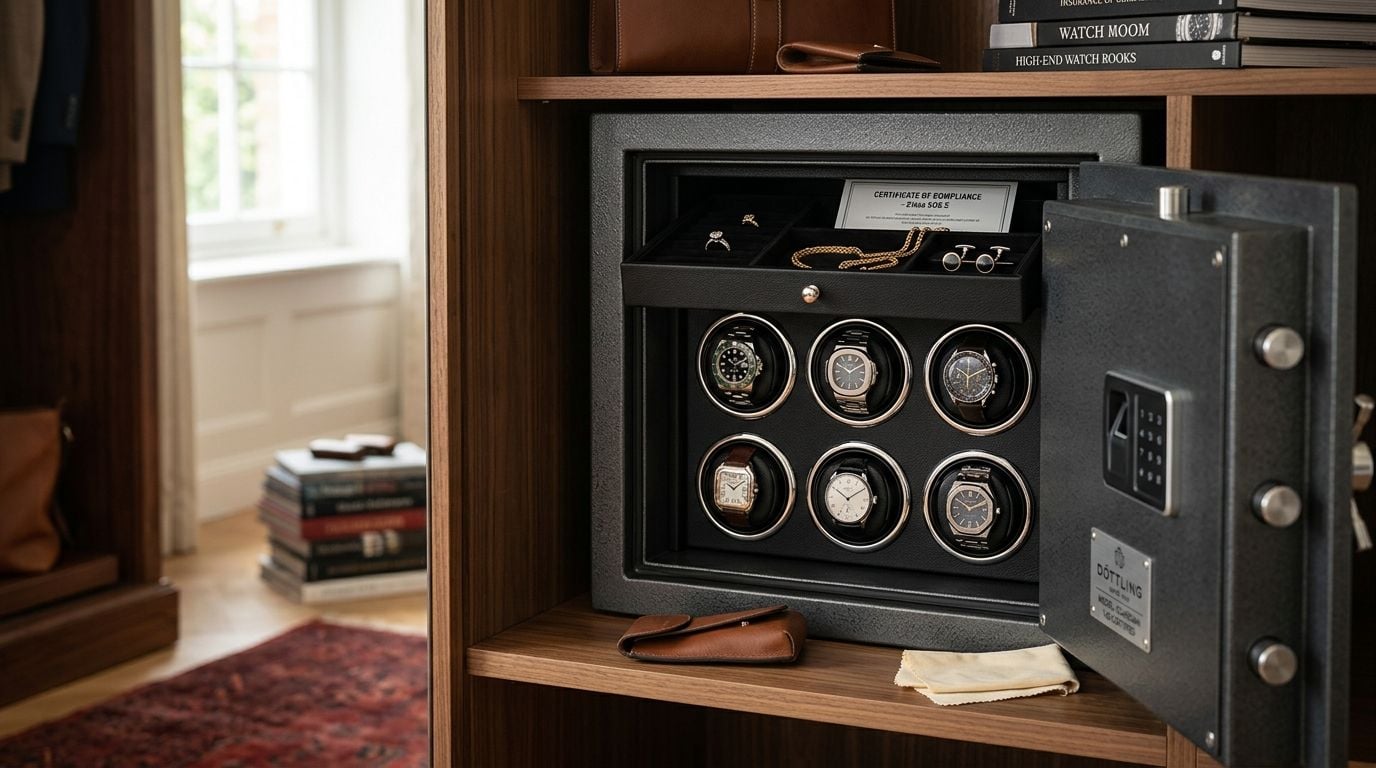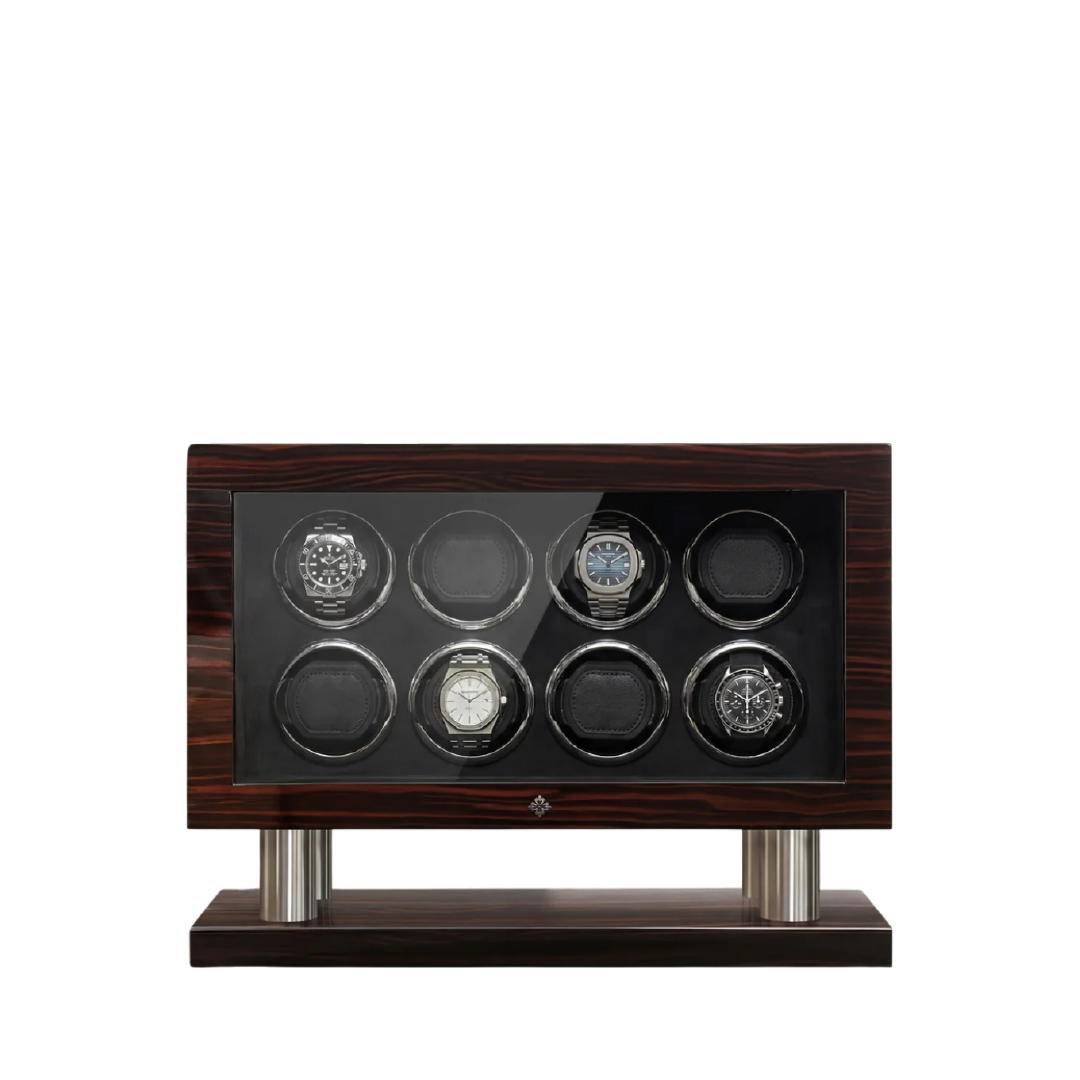

A watch safe for a family heirloom passed to multiple heirs has to answer a question a retail watch box never faces: who opens it, and does that access survive a will reading, a sibling's move out of state, or a disagreement nobody planned for in 2026.
The requirements are different from a single collector's safe. Capacity matters less than access logic — how many people need to open it, on what terms, and what happens when custody changes hands.
- A watch safe for a family heirloom needs multi-user access, not just capacity — biometric slots beat a shared combination.
- Appraise every piece before heirs divide access; insurers price the safe’s fire and burglary rating against that appraisal.
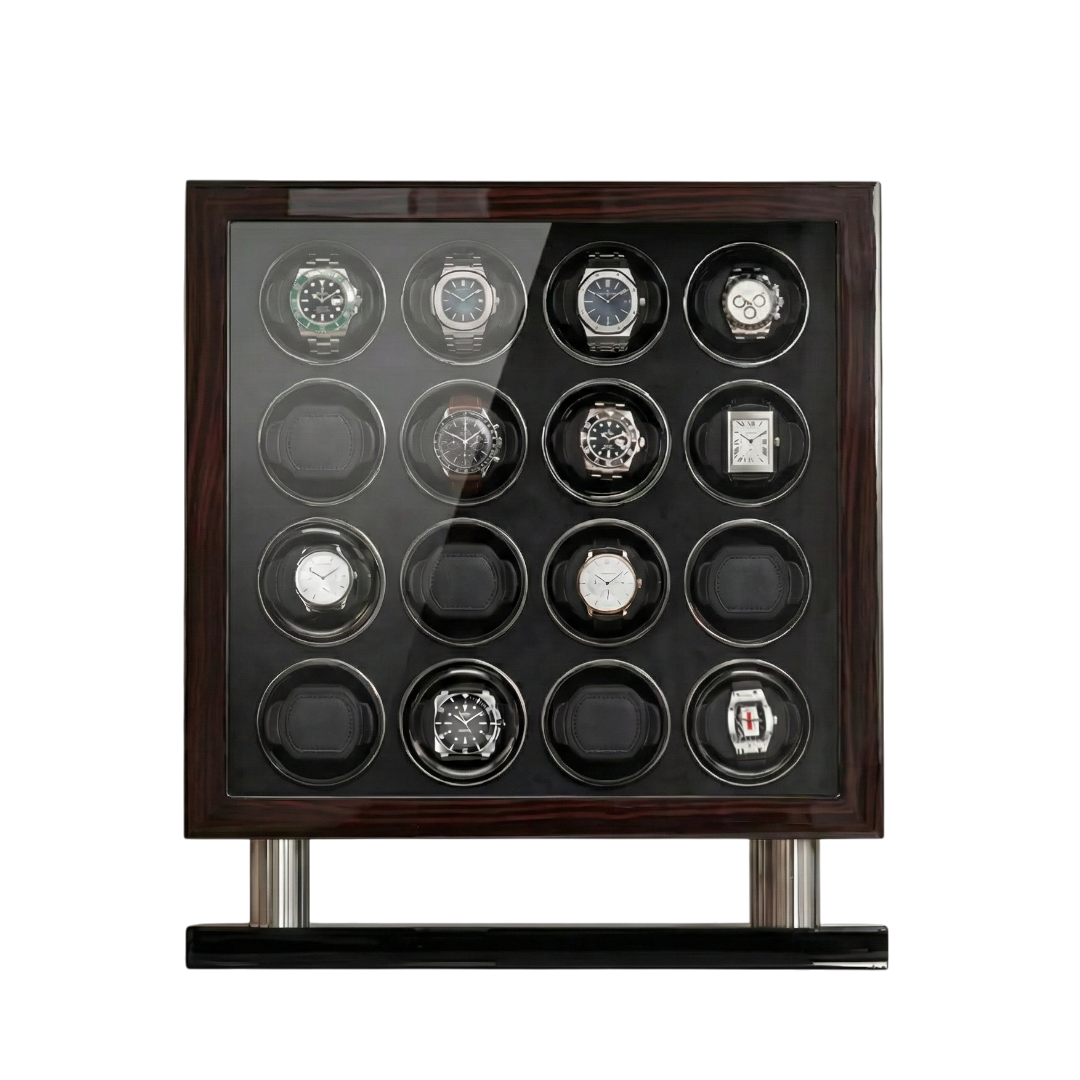
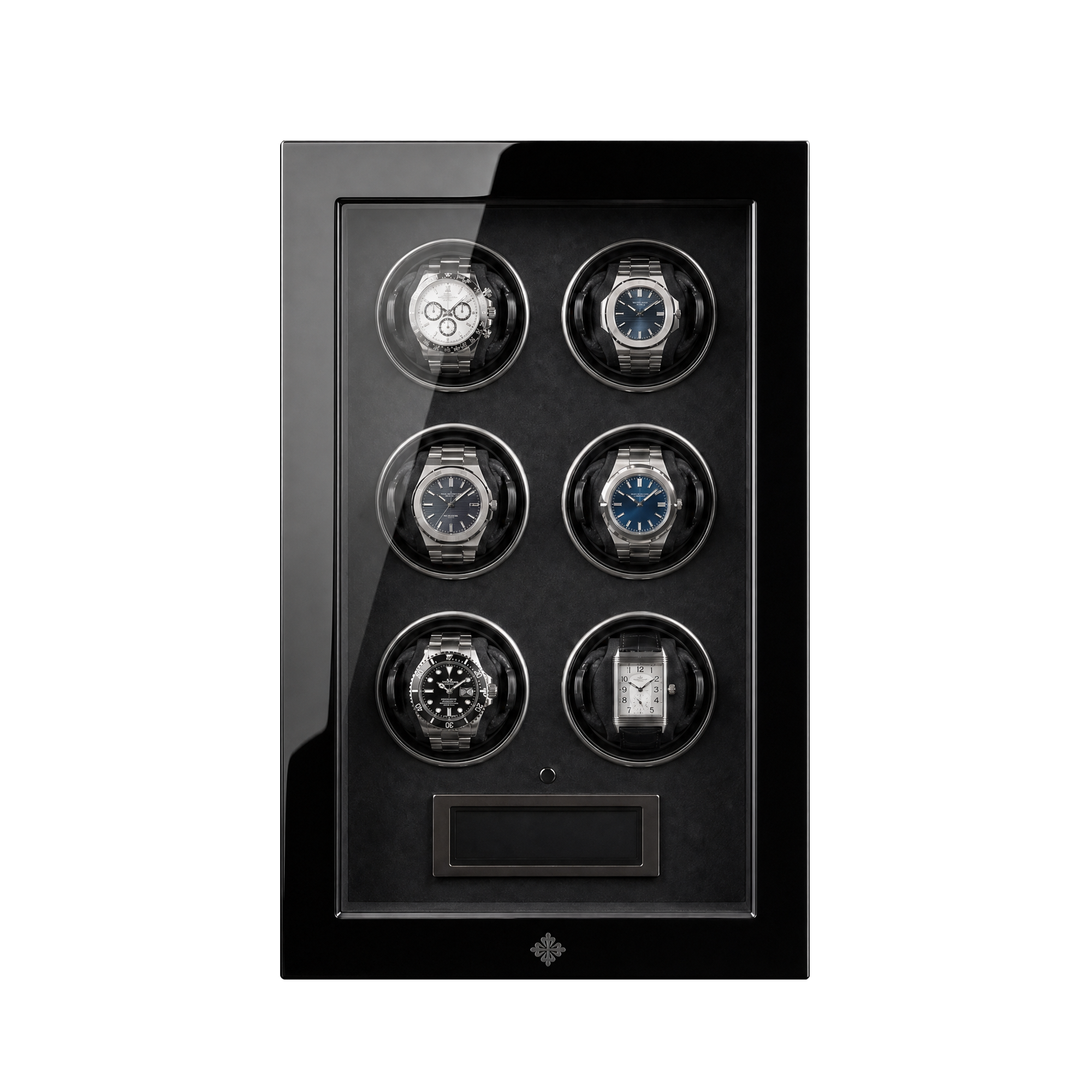
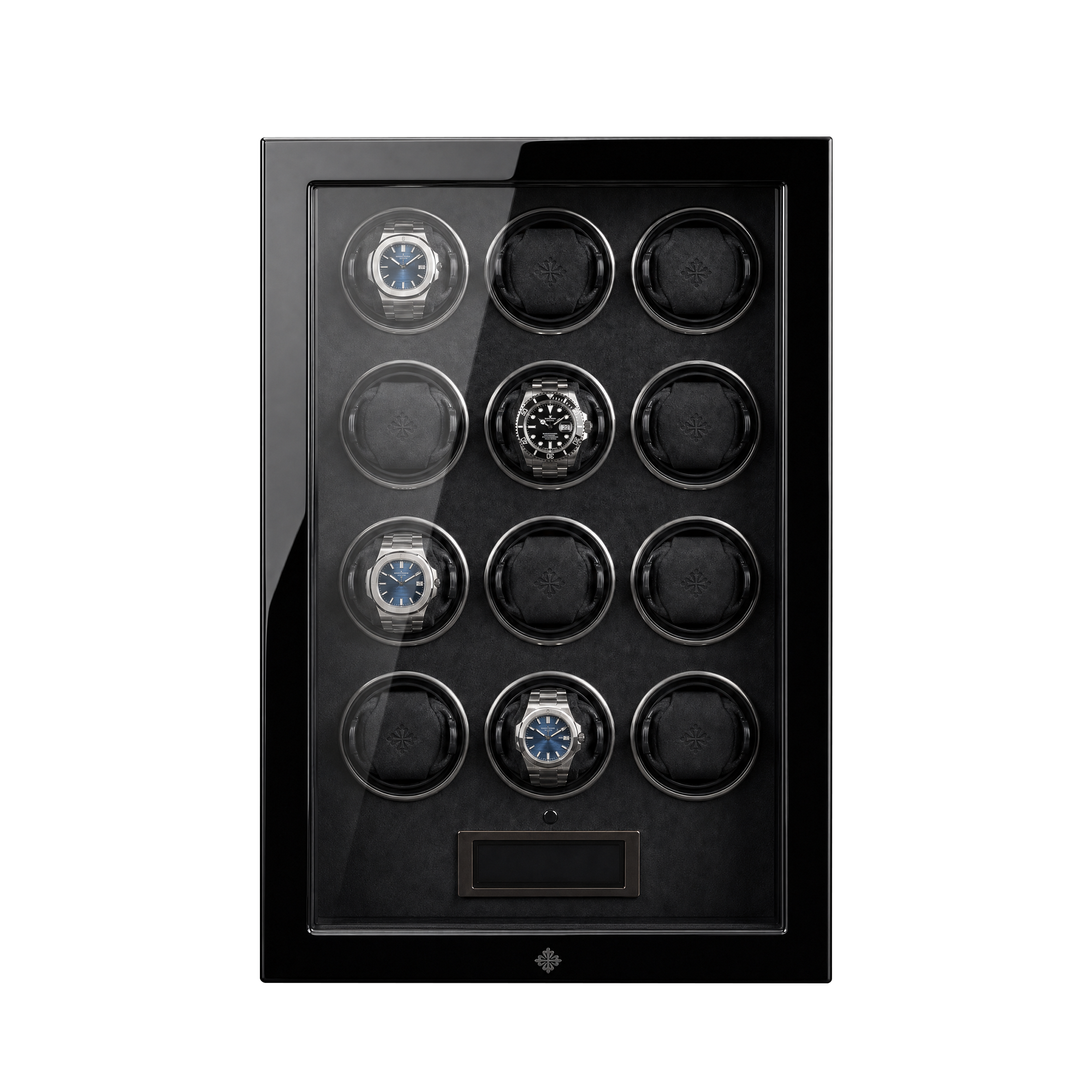
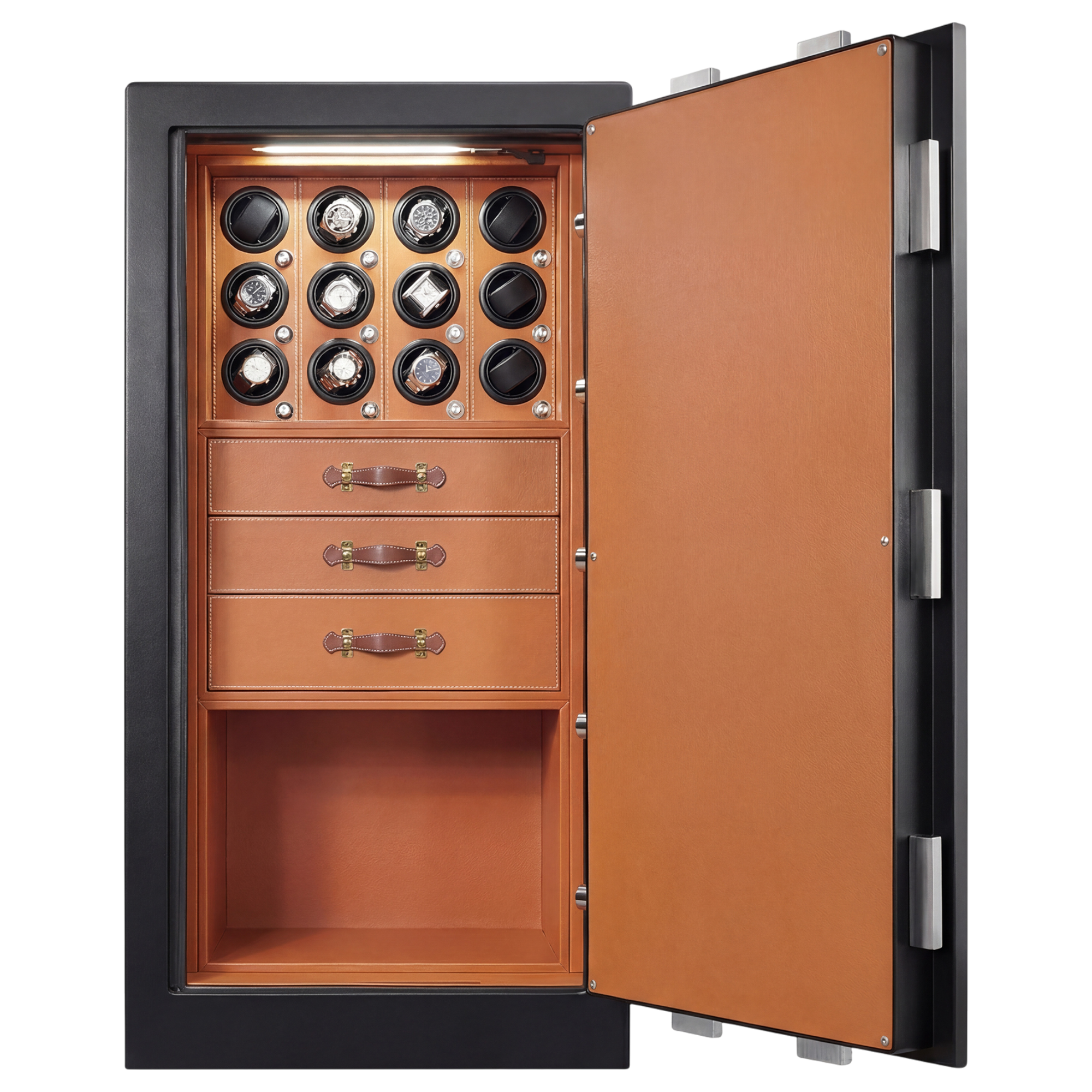
- Enigwatch’s Veron Elite 12 Watch Safe fits shared custody for collections up to 12 pieces across two or three heirs.
- Skip single-key locks once more than two heirs are involved — one lost key locks out the rest of the family.
Why a watch safe matters for family heirlooms passed to multiple heirs
An heirloom watch usually carries appraised value well above what a single owner's collection would justify, and estate attorneys increasingly ask for physical security documentation before they finalize distribution schedules. A shared-access watch safe solves a problem a personal safe never has to: proving, to an insurer or to a probate court, that access was controlled and logged rather than informal.
Multiple heirs also means multiple opinions about security level, finish, and location — a safe bought for one collector's bedroom rarely works as a family fixture. The watch safe becomes less a storage object and more a piece of estate infrastructure, expected to outlast the current generation of owners.
Inventory and appraise the collection first
Before anyone shops for a safe, the collection needs a paper trail. Skipping this step is the single most common reason families end up in disputes later.
- Get each piece professionally appraised, not estimated from an online listing
- Photograph the movement, caseback, and any engravings or inscriptions
- Record serial and reference numbers for every watch
- Request a written appraisal letter dated for insurance purposes
- Share the appraisal with every heir before any safe purchase happens
Decide who holds physical and legal access
Access and ownership are separate questions. A will can name an owner without naming a keyholder, and that gap causes most of the friction in shared-heirloom situations.
- Name a primary keyholder explicitly in estate documents, not by assumption
- Draft a short family access agreement covering who opens the safe and when
- Name the executor as tiebreaker for access disputes during settlement
- Consider a rotating custody schedule if the safe itself will move between households
- Put the agreement in writing even among close family — memory is unreliable at estate time
Choose a lock type built for more than one user
The cheapest fix is procedural: a shared combination, changed each time custody transfers, with every access logged in a notebook kept near the safe. It works for two heirs who trust each other and live near one another.
- Rotate the combination after every custody change and log the date
- Distribute duplicate keys only if every heir agrees on a replacement protocol
- Keep a written access log inside or near the safe
- Store a spare combination with the estate attorney, not with a single heir
That approach breaks down past two or three heirs, or once heirs live in different cities. A biometric safe that registers multiple fingerprints solves the same problem without a shared secret anyone can forget or share. Enigwatch's watch safe line supports multi-fingerprint registration on several models, which removes the single-point-of-failure that a shared key or code creates.
Size the safe to the family's total collection, not today's watch box
Heirs frequently buy a safe for the four or five watches currently in front of them, then discover within a few years that combined family pieces exceed capacity. Size for where the collection is heading, not where it stands the day of purchase.
- Count every watch expected to pass through the estate, not just current holdings
- Add slots for pieces heirs may acquire independently but still want stored jointly
- Check whether the safe accepts mixed case sizes — heirloom pieces often span decades of design
- Confirm slot count against the family's total rather than one person's estimate
Confirm the fire and burglary rating fits inherited value
Insurers underwrite heirloom watches differently than newly purchased pieces, and the safe's certification directly affects premiums and claim eligibility. This is where families overspend on finish and underspend on the numbers that actually matter to an underwriter.
- Check the safe's fire rating against the insurer's stated minimum, not the manufacturer's marketing language
- Verify UL burglary rating separately from fire rating — they test different threats
- Ask the insurer whether biometric access qualifies for a premium reduction
- Cross-reference the appraisal total against the safe's rated protection level before buying
Document everything for the estate and the insurer
A safe with the right certification still needs paperwork behind it. Estates that keep clean documentation settle faster and dispute less.
- Store appraisal letters with the safe's manual and warranty paperwork
- Photograph the interior contents periodically, not just at time of purchase
- Give the executor a copy of the inventory independent of any single heir
- Update documentation every time a watch changes hands within the family
Install the safe somewhere every heir can reasonably reach
Location decisions cause as much friction as lock decisions. A safe bolted into one sibling's basement is a safe the rest of the family effectively can't use.
- Bolt the unit to the floor per the manufacturer's mounting instructions
- Avoid attics, garages, and basements with humidity or flood exposure
- Pick a neutral location — not the residence of the heir with the strongest opinion
- Confirm the room is covered under the applicable homeowner's insurance rider


Comparing options for shared heirloom storage
| Option | Best for | Key limitation |
|---|---|---|
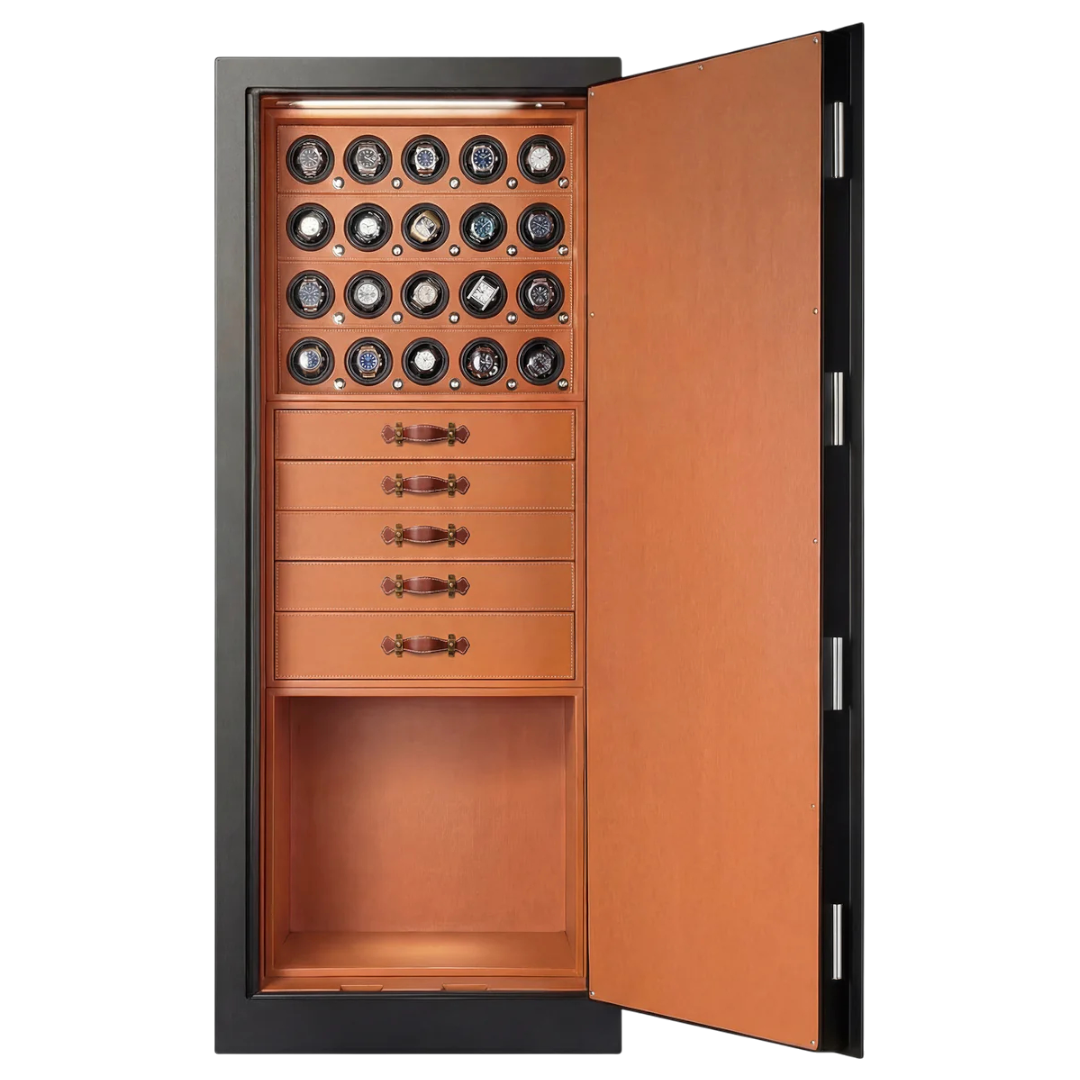
| Titan Sanctum 20 Watch Safe | Larger heirloom collections needing individual biometric registration per heir | Higher-tier security means a bigger unit to place and mount |
| Veron Elite 12 Watch Safe | Heirloom collections up to 12 pieces shared across two or three heirs | Single fixed location, not built for cross-country custody rotation |
| Generic home wall safe | Heirs who already own one and want a cheap interim solution | No humidity control and no watch-specific interior fittings |
| Bank safe deposit box | Heirs who rarely wear the pieces and want off-site storage | No winding capability, and access is limited to bank hours |
Verdict: for a family heirloom collection split among two or three heirs, a multi-user biometric watch safe beats a shared key or a bank box on every practical measure except upfront cost.
Common mistakes families make with heirloom watch safes
- Naming one heir as sole keyholder without a written agreement — this creates friction at every family gathering, not just at settlement.
- Skipping the pre-purchase appraisal, so the insurance rider undervalues pieces added to the safe after the estate closes.
- Buying for the current watch count only, forcing a second purchase within a few years as more pieces transfer into the safe.
- Never rotating a shared combination after a custody change, leaving former keyholders with standing access.
- Storing the safe in one heir's private residence, which makes access logistically impossible for siblings living elsewhere.
FAQ
What’s the best watch safe for a family heirloom passed to multiple heirs?
A biometric watch safe that registers multiple fingerprints, like Enigwatch’s Veron Elite 12, is the best fit because it removes the shared-key or shared-combination problem entirely. Each heir gets independent access without anyone holding a secret the others depend on.
Is a biometric lock better than a combination lock for shared inheritance?
Yes, for three or more heirs a biometric lock is more practical because it doesn’t require distributing or memorizing a shared code. Combination locks work fine for two heirs who live near each other and trust a simple rotation protocol.
How many heirs can share access to one watch safe?
Most multi-user biometric safes support several fingerprint registrations, enough for a typical sibling group. Beyond that, families often split the collection across two safes rather than push one unit past a reasonable access list.
Do I need to appraise a watch before putting it in a safe?
Yes, appraise every heirloom piece before it goes into a shared safe. The appraisal sets the insurance baseline and prevents disputes later about what a watch was worth before it went into storage.
What fire rating does a watch safe need for insurance purposes?
The right rating depends on the insurer’s stated minimum for the appraised value, not on the highest number a manufacturer advertises. Check the policy’s fine print before buying rather than after a claim.
Should heirs split up a collection or keep it in one safe?
Keeping the collection in one multi-user safe preserves the set’s documented history and simplifies insurance, and it’s the more common approach among families with an existing appraisal on file. Splitting it up usually happens only when heirs live far apart and shared physical access isn’t realistic.
Can a bank safe deposit box replace a watch safe for an heirloom collection?
A bank box provides off-site security but no winding capability and no access outside bank hours, which makes it a poor fit for watches heirs actually want to wear occasionally. It works better as a backup for pieces rarely handled.
How much does a multi-user biometric watch safe cost?
Pricing depends on capacity and security tier — check current pricing directly on the product page before budgeting for a purchase.
One last thing
The detail most families overlook isn't the safe's certification — it's that insurers ask for photographs of the movement and caseback, not just a safe's UL rating, before they pay out on a claim. Appraisal documentation and the safe work together; neither one alone satisfies a claims adjuster in 2026.
Related guides
- How appraisers prepare a watch collection for insurance
- Watch safe lock types compared: key, combination, biometric
Protect Your Watch Collection
Designed for collectors who demand the best. Explore our premium watch winders and luxury safes.