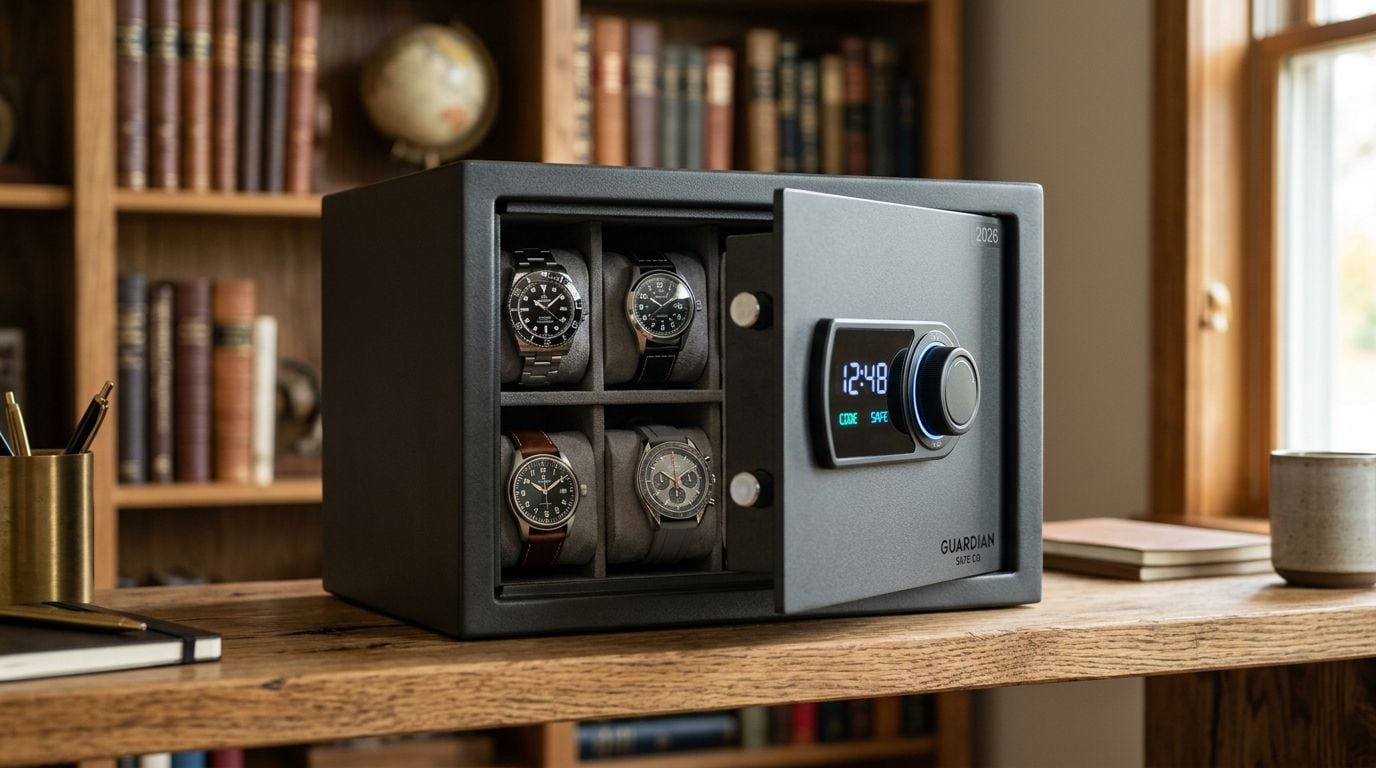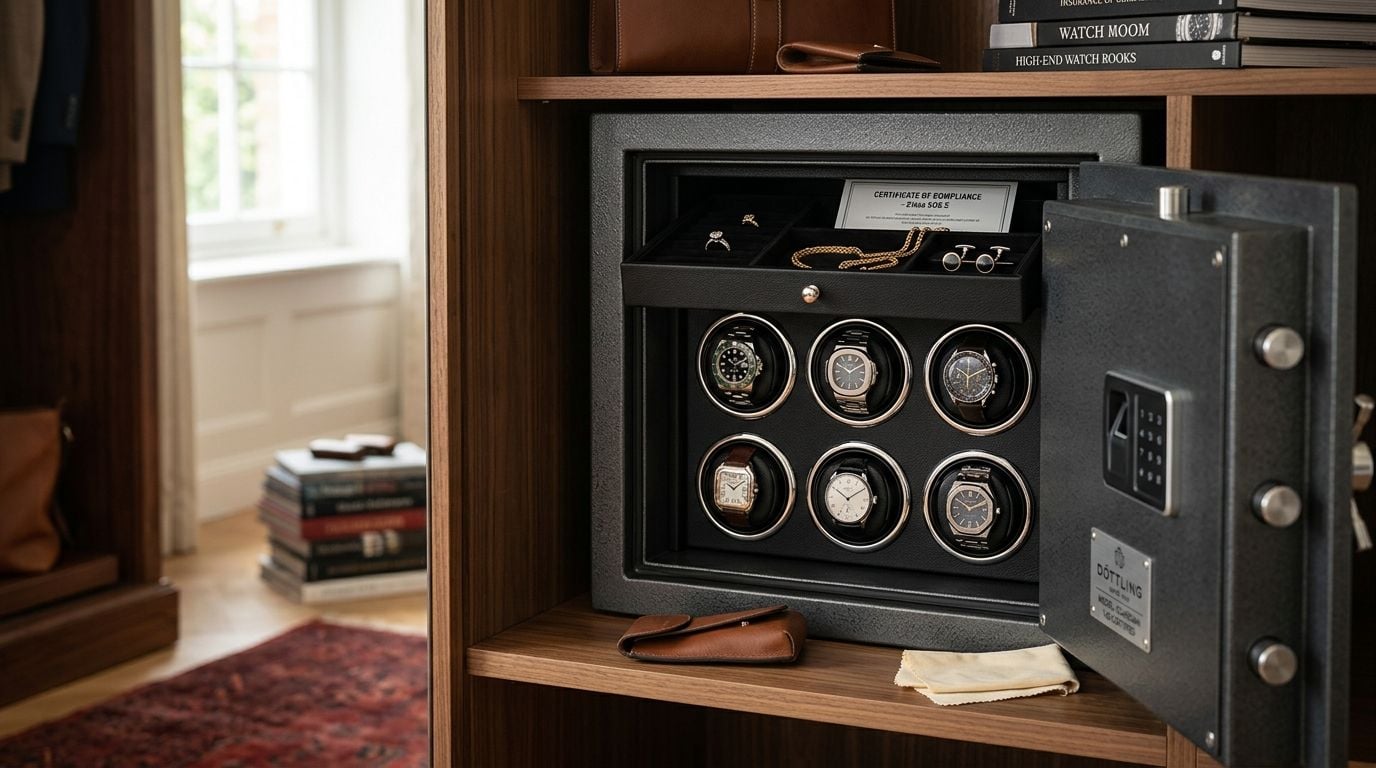

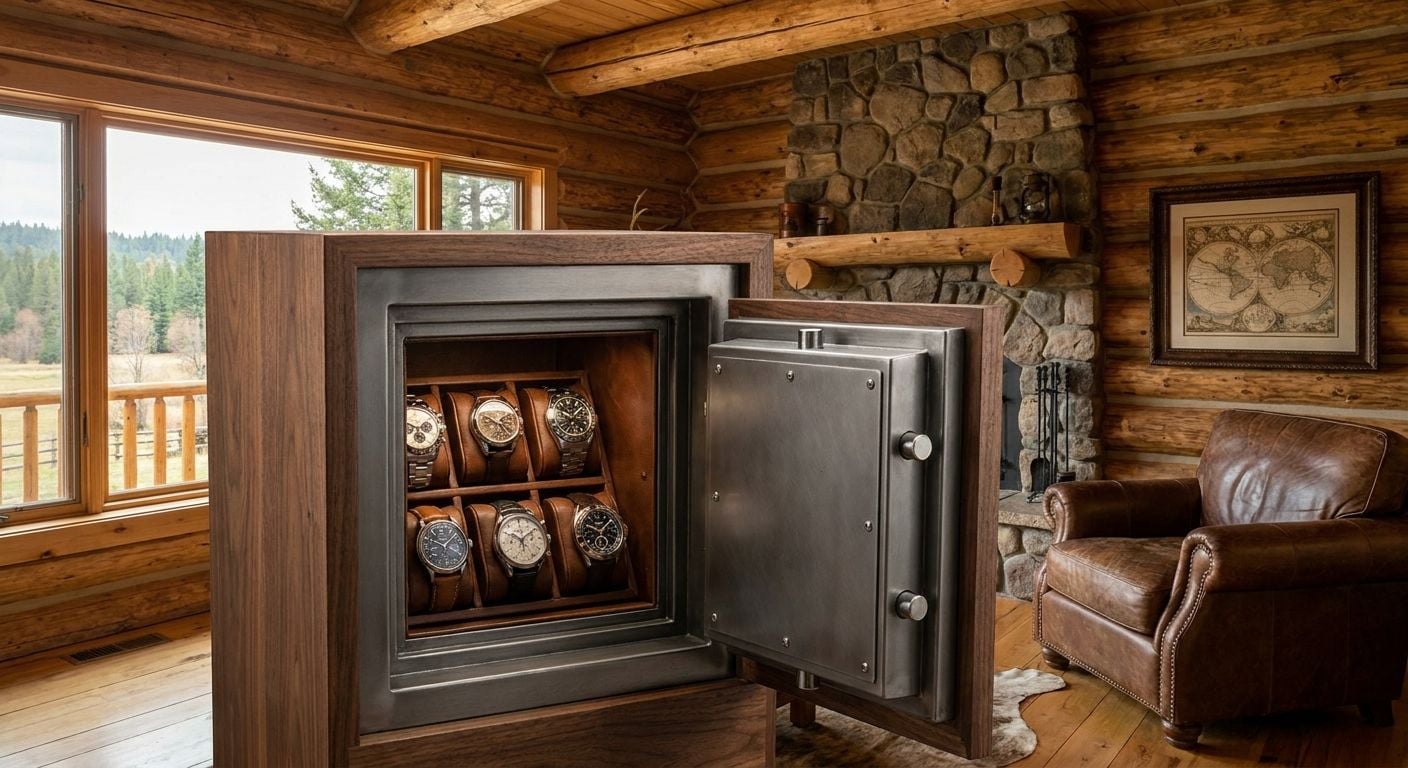
Hunting lodge and rural property owners buying a watch safe for a hunting lodge are solving a distance problem, not a density problem. A city collector sizes a safe against urban burglary odds; a rural buyer needs a unit built for weeks of vacancy, unpredictable power, and a building that's rarely climate controlled. The right watch safe for a hunting lodge accounts for slow emergency response, seasonal occupancy, and the fire risk that comes with wood heat or wildfire-prone land, not just a lock rating pulled from a catalog.
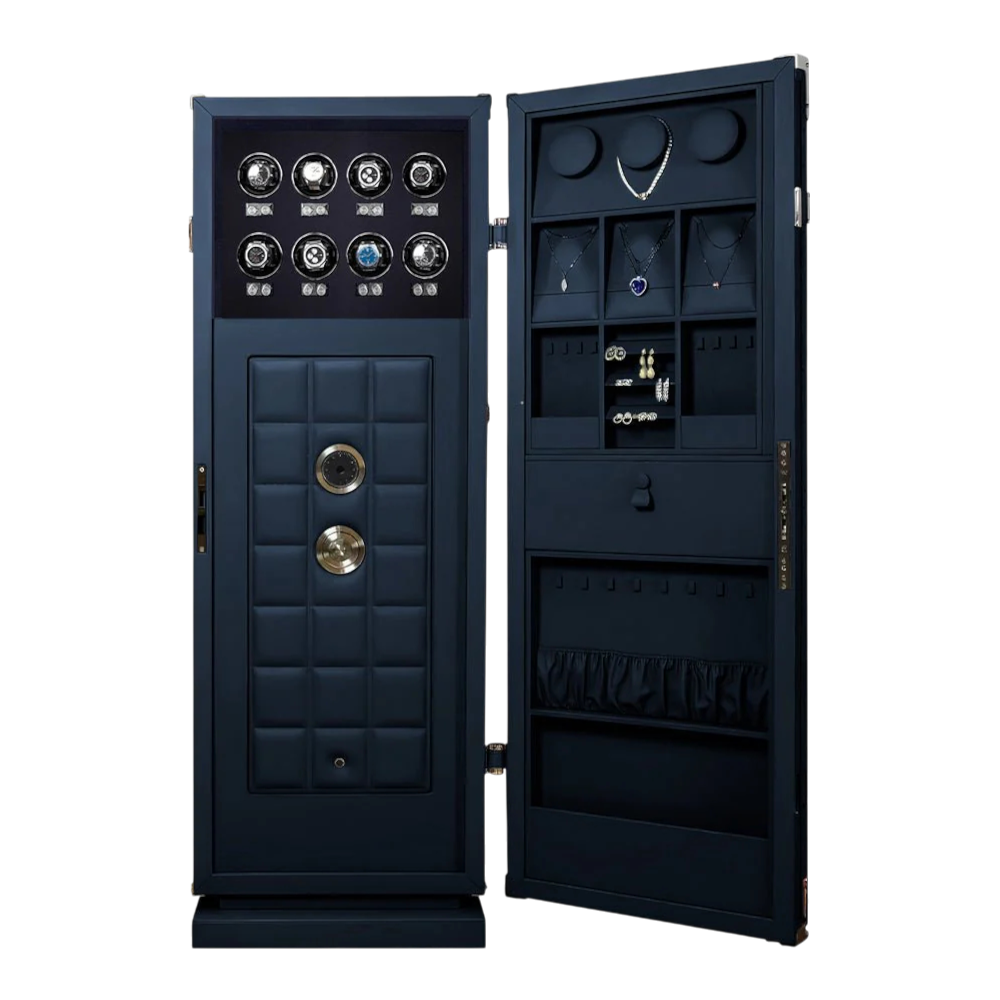
- Centennial Bulletproof Watch Safe suits a small hunting lodge: Grade 3A bulletproof, two-hour fire rating at 695°C, two slots.
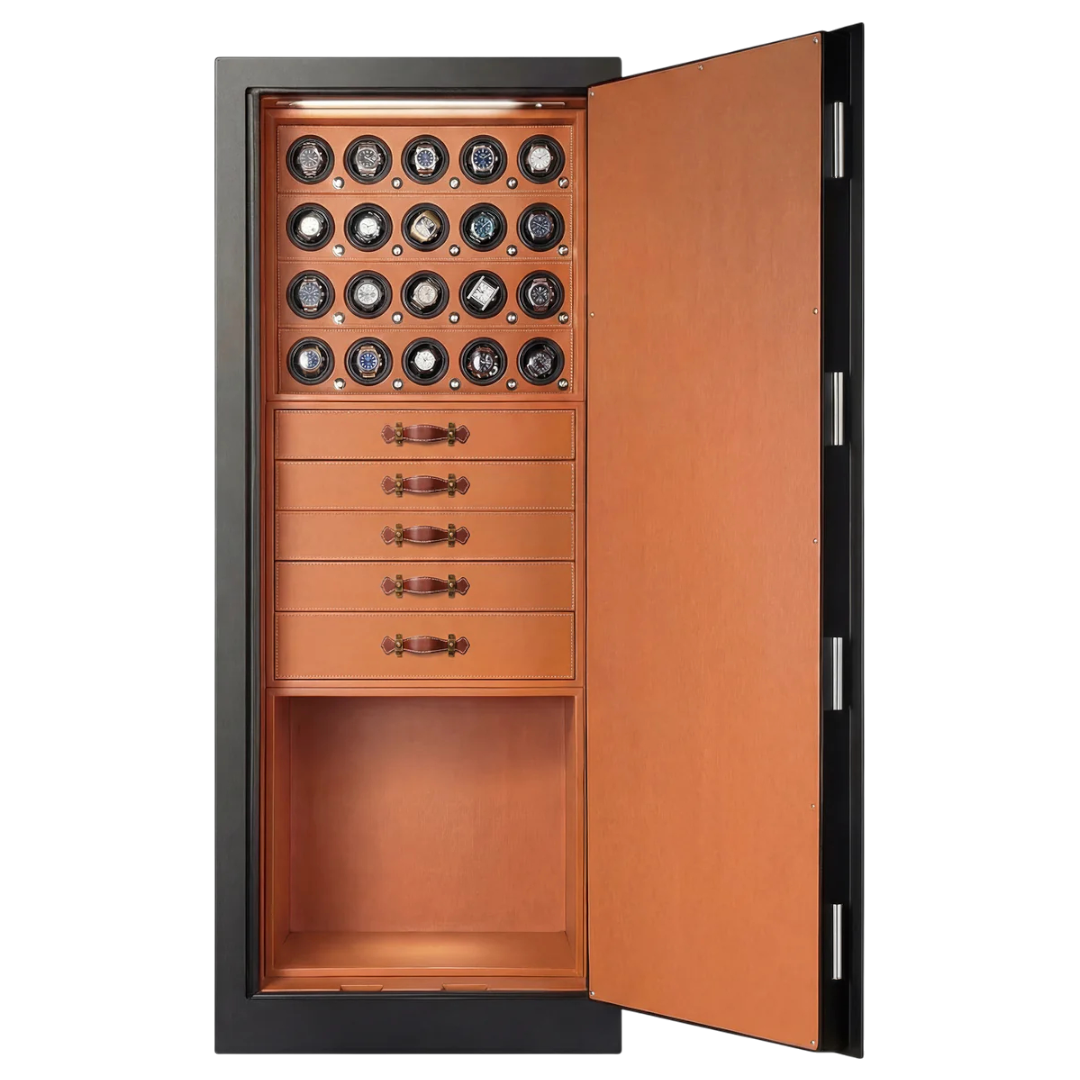
- Titan Sanctum 20 Watch Safe covers a larger rural estate with AR500 ballistic Level 1 protection for a full collection.
- Bolt every watch safe for a hunting lodge to a load-rated stud or slab; a freestanding unit gets carried out whole.
- Off-grid power and unheated buildings stress movements and leather linings more than most rural buyers plan for in 2026.
Why a watch safe matters for a hunting lodge or rural property
A hunting lodge or a rural second home doesn't have what a city apartment has: a monitored alarm response measured in minutes, a doorman, neighbors within earshot. It has distance, and distance changes every assumption behind a standard watch safe purchase. Enigwatch builds safes for exactly that scenario, where the property sits empty for stretches at a time and the nearest response, whether that's a sheriff's deputy or a fire crew, is measured in the time it takes to drive out from town.
Seasonal occupancy adds a second layer. A lodge used for a few weeks during hunting season and closed up the rest of the year takes on humidity swings, temperature cycles, and long stretches without anyone checking the lock or the power supply. A watch collection left in that environment needs a watch safe rated for the building, not just the neighborhood.
How to choose a watch safe for a hunting lodge in 2026
Assess how long emergency response actually takes
Start with the number that actually drives your security tier: response time, not distance on a map.
- Call the local sheriff's non-emergency line and ask their average response time to the property.
- Check cell and satellite coverage on-site; a delayed alarm call is a delayed response no matter the rating on the door.
- Confirm whether a caretaker or neighbor checks the property between visits.
- Factor hunting-season occupancy against the months the building sits empty.
- Treat a slow response time as a reason to size up burglary rating, not a reason to skip a safe entirely.
Match the burglary rating to isolation, not square footage
A bigger lodge doesn't need a bigger rating; a more isolated one does.
- Look for UL TL-30 or higher construction rather than a residential-grade box.
- Check for AR500 ballistic protection if firearms are already stored on the property.
- Confirm the lock has a mechanical backup, not just an electronic one that fails with the power.
- Skip safes marketed for apartments or offices; they're not built for standalone rural exposure.
Plan for power outages and off-grid stretches
A watch safe that depends on continuous power is the wrong choice for a property that loses it regularly.
- Confirm the lock defaults to locked, not open, after extended power loss.
- Check that the winding motor and lock both carry battery backup, not just the display panel.
- If the property runs on a seasonal generator, ask how the unit handles restart voltage spikes.
- Keep a mechanical key override available, not only biometric or keypad access.
Control temperature and humidity in an unconditioned building
Most hunting lodges aren't held at a constant 68 degrees year-round, and that matters more than most owners expect.
- Pick an interior lining, Nappa or Alcantara, that tolerates swings without cracking or warping.
- Avoid placing the safe against an exterior wall that takes the brunt of seasonal temperature shifts.
- Run a dehumidifier or a documented silica packet rotation if the building isn't climate controlled.
- Check the interior at every hunting-season visit, not just at move-in.
Bolt the safe to a structure that can actually hold it
Weight alone doesn't stop a theft; anchoring does. Reviewing how to bolt down a watch safe before installation saves a second trip out to the property.
- Locate floor joists or slab anchor points before the safe is delivered, not after.
- Use through-bolts rated for the safe's full weight, not drywall anchors.
- Position the unit where a vehicle can't be backed up to the door for a quick removal.
- Confirm the mounting surface is original construction, not a later addition with less structural depth.
Add fire protection sized for a wood-heat or wildfire zone
A fireplace, wood stove, or dry brush nearby changes the risk profile more than most buyers account for.
- Check the fire rating's duration and temperature threshold, not just the word "fireproof" on the label.
- Weigh fire rating over extra slot count if the property sits in a wildfire-prone region.
- Keep watch papers and appraisal documents inside the same fire-rated compartment as the pieces themselves.
- Reconsider room placement if a wood stove sits in the same space as the safe.
Document and insure the collection for a property that sits empty most of the year
A rural or seasonal home typically carries different coverage terms than a full-time residence, and that gap is exactly where a dedicated high-value home insurance coverage policy earns its cost for owners splitting time between a primary house and a lodge.
- Photograph and record the serial number of every piece before it goes into the safe.
- Get a standalone rider for the collection instead of relying on a standard homeowner's cap.
- Update the appraisal every few years as market values shift.
- Store copies of insurance documents off-property in case of fire or theft on-site.
Choose access control that works when nobody's checking in daily
A lock that only works for one person is a liability at a property that gets shared use.
- A single registered biometric fingerprint fails if that person isn't on-site when access is needed.
- A combination or key backup lets a caretaker or family member in without waiting on the owner.
- Skip Wi-Fi-dependent smart locks in areas with unreliable connectivity.
- Set a documented access protocol for guests during hunting season.
Watch safe options for a hunting lodge or rural property
| Option | Best for | Security tier | Key limitation |
|---|---|---|---|
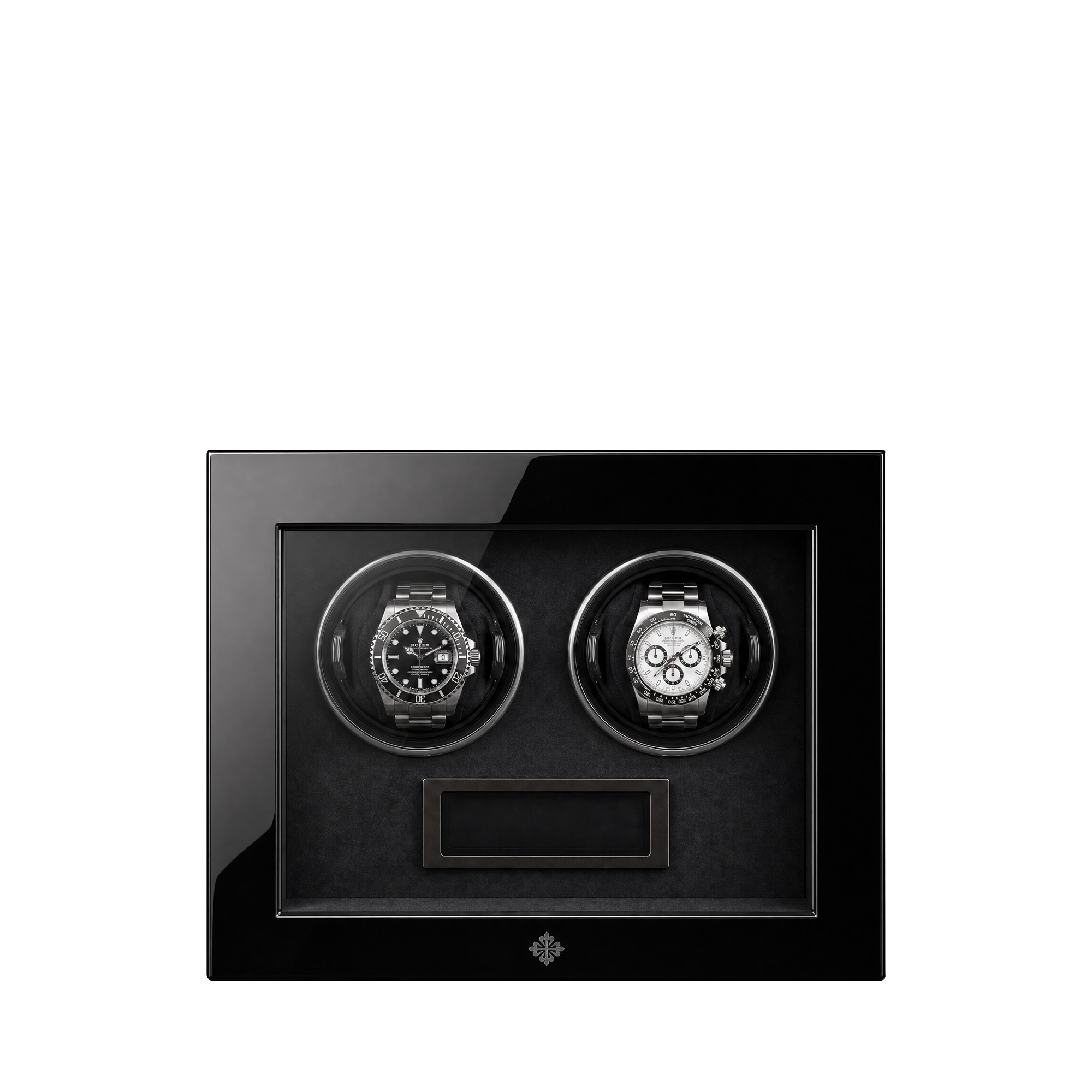
| Centennial Bulletproof Watch Safe | a small cabin storing one or two watches | Grade 3A bulletproof, two-hour fire rating at 695°C | Only two slots, not built for a working collection |
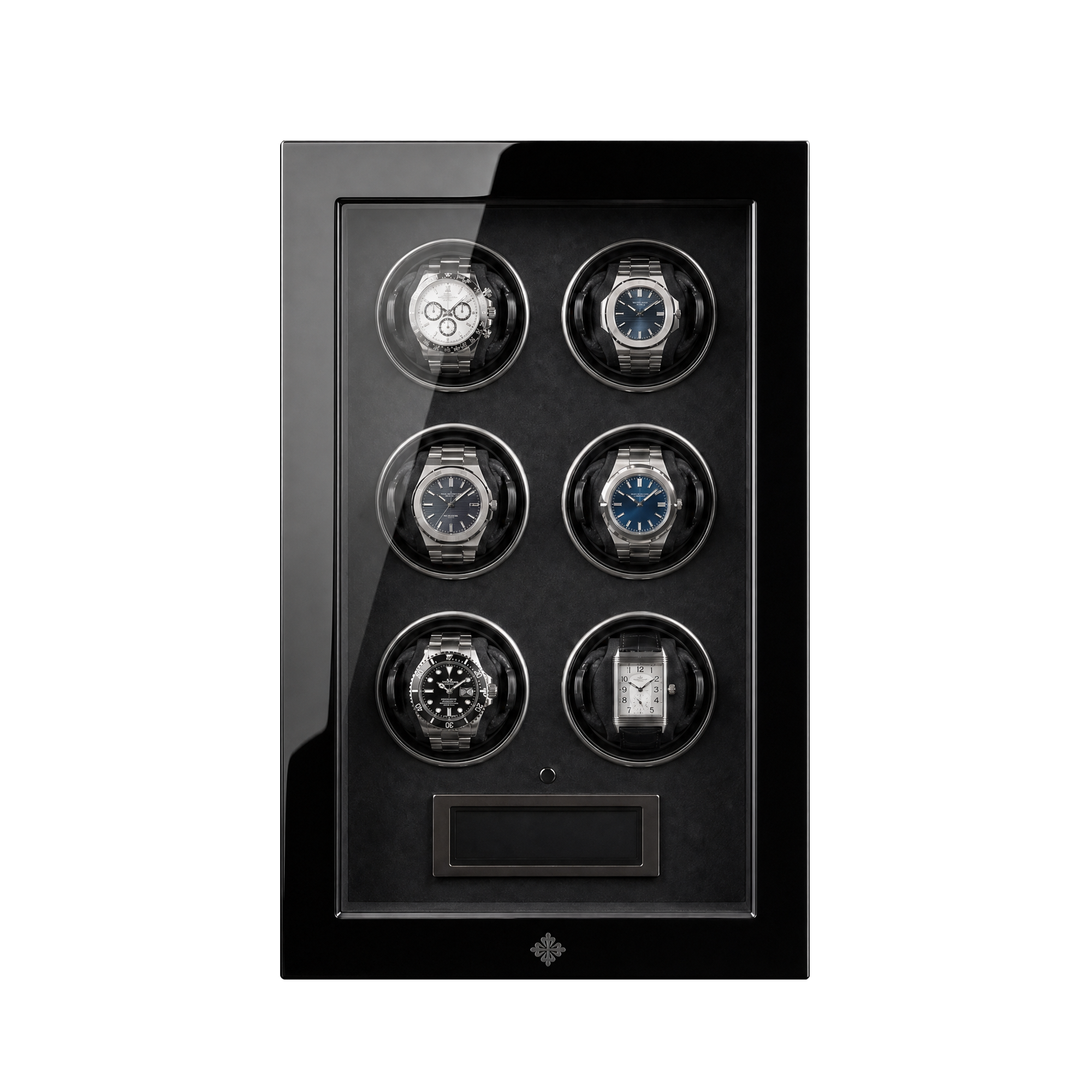
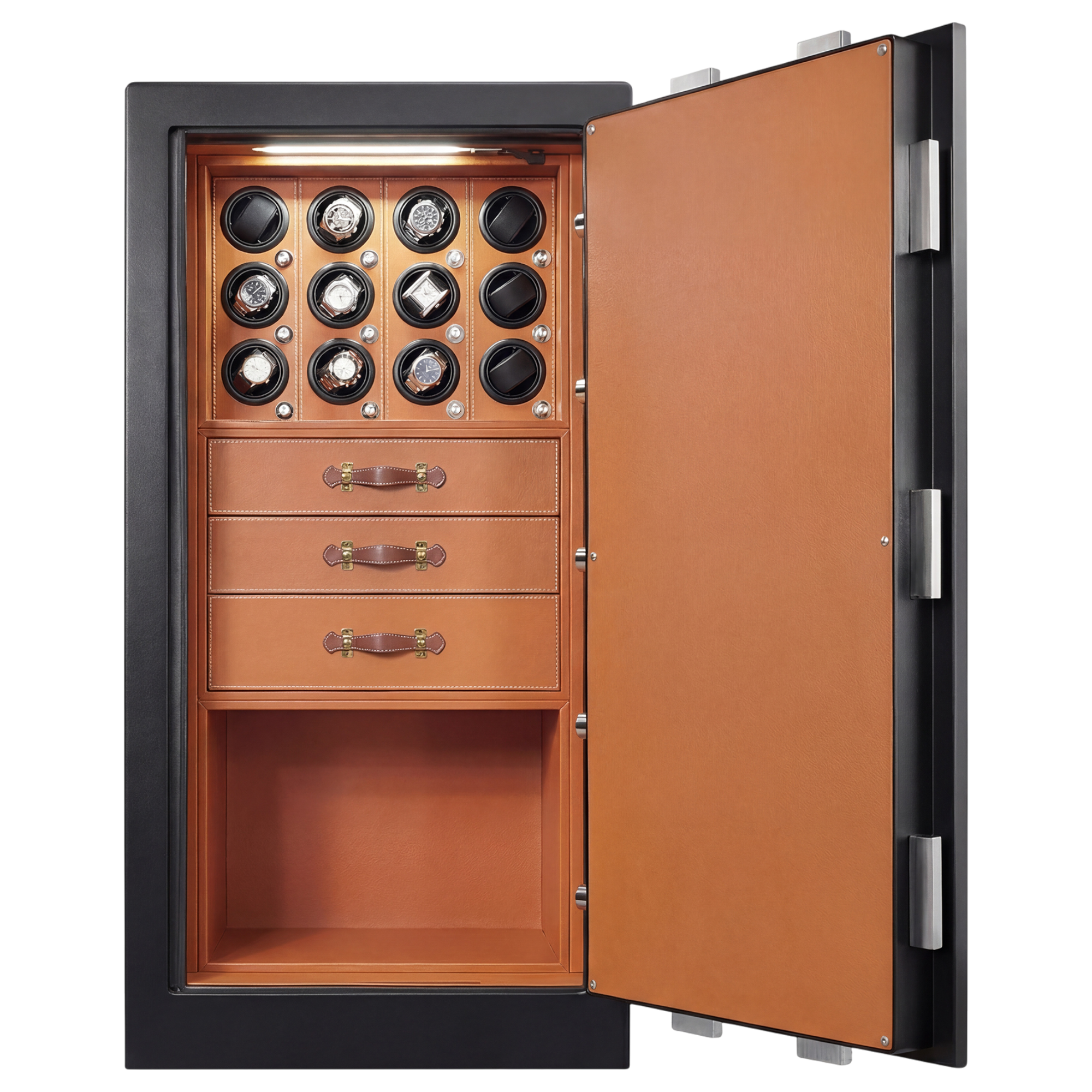
| Apollo 12 Watch Safe | a mid-size lodge with a working rotation | UL TL-30 Grade II, AR500 ballistic | No dual-authentication lock for shared caretaker access |
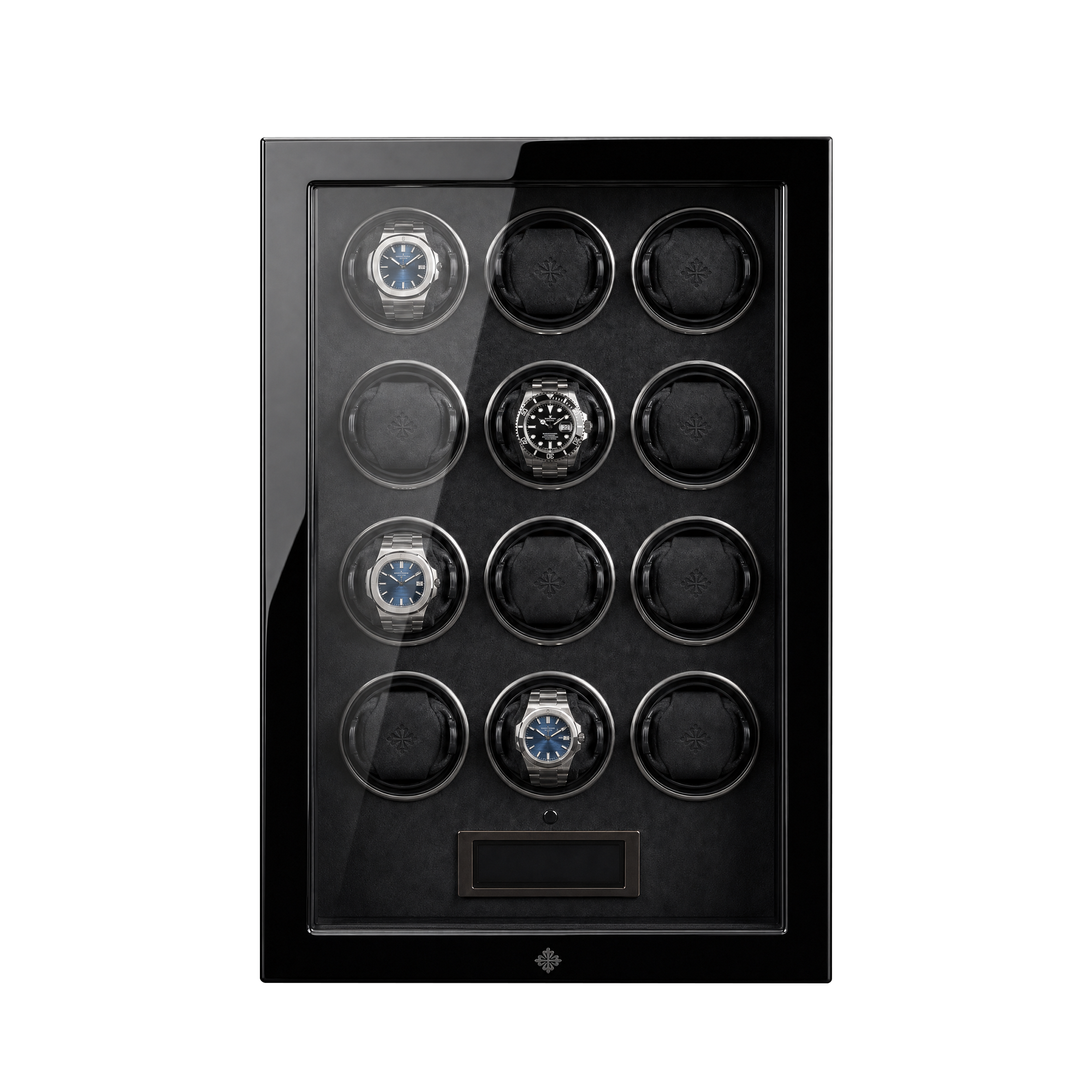
| Veron Elite 12 Watch Safe | a rural property wanting vault-level build | UL TL-30 Grade III | Heavier unit that needs a load-rated floor |
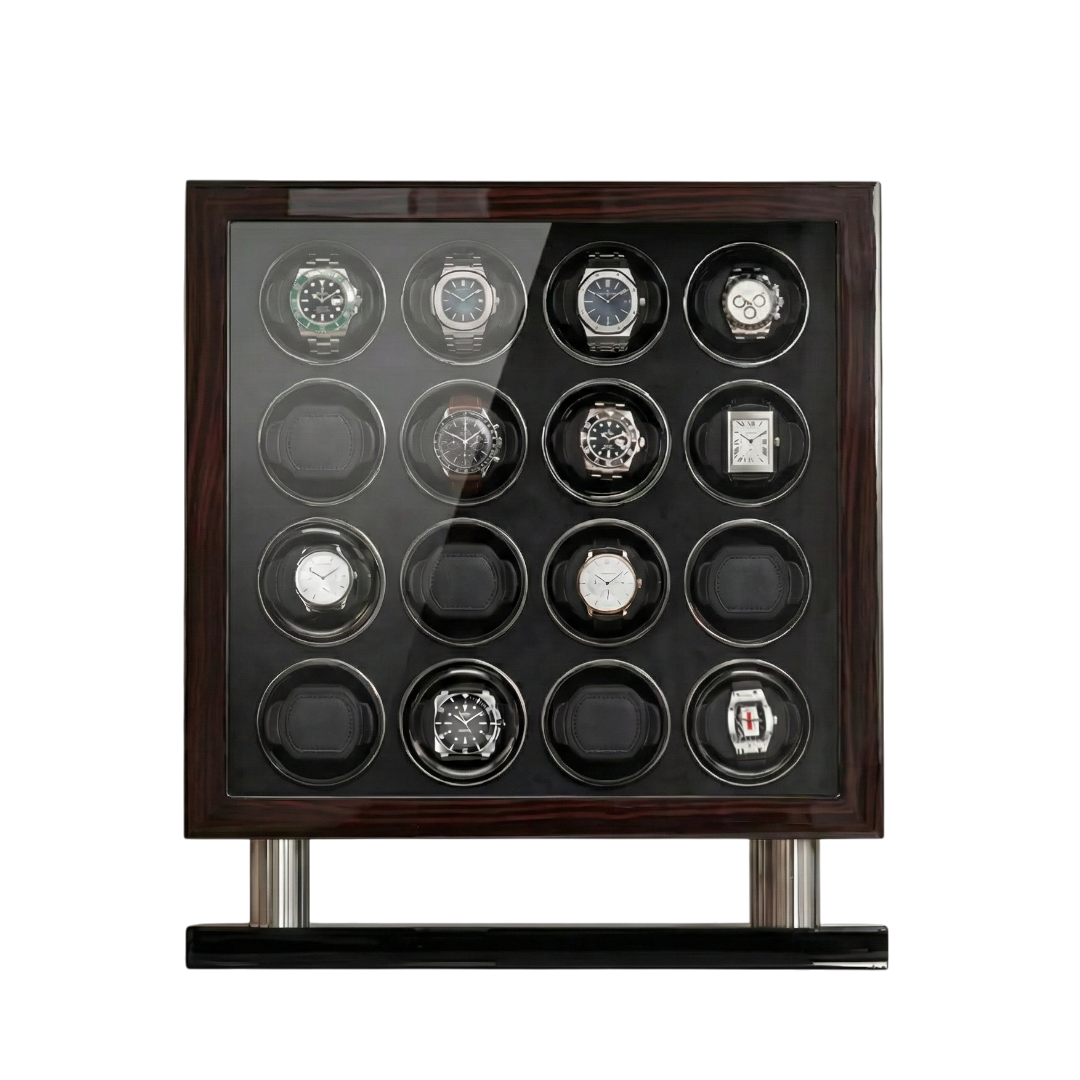
| Titan Sanctum 20 Watch Safe | a larger rural estate with a twenty-piece collection | AR500 ballistic Level 1 | Footprint calls for professional installation |
For most hunting lodges, the Centennial Bulletproof Watch Safe covers a starter collection and the Titan Sanctum 20 Watch Safe covers a serious one; everything between depends on how many pieces actually leave the bank box and move to the property.
Common mistakes hunting lodge owners make with a watch safe
- Sizing the safe for city burglary odds instead of rural response time, then buying a residential-grade box because "nobody's out here anyway."
- Skipping the bolt-down because the safe already weighs several hundred pounds; weight alone doesn't stop a truck and chain.
- Ignoring the building's heat and humidity cycle, which puts more stress on movements and leather linings than a climate-controlled home ever would.
- Relying on a single registered fingerprint for access, so nobody but the owner can open the safe if there's an emergency.
- Assuming a standard homeowner's policy covers a rural or seasonal property the same way it covers a primary residence.


FAQ
What’s the best watch safe for a hunting lodge in 2026?
For a small collection, the Centennial Bulletproof Watch Safe covers two watches with a two-hour fire rating at 695°C. For a larger rural estate, the Titan Sanctum 20 Watch Safe covers a twenty-piece collection with AR500 ballistic Level 1 protection.
Is a watch safe better than a gun safe for storing watches?
Yes, for watches specifically. A gun safe is built for firearms and lacks the lined, temperature-stable interior a movement needs, while a dedicated watch safe pairs the security rating with an interior built for the pieces themselves.
How much fire protection does a watch safe need in a wood-heated cabin?
Check the rated duration and temperature threshold rather than trusting a general "fireproof" label. A wood stove or fireplace in the same building raises the realistic fire risk, so a longer-rated safe like the Centennial Bulletproof Watch Safe at 695°C is worth prioritizing.
Does a watch safe need to be bolted down at a rural property?
Yes. A freestanding safe, no matter how heavy, can be moved with a hand truck and a vehicle. Bolting it into a load-rated stud or slab is what actually prevents removal.
Can a watch safe run without power at an off-grid property?
A well-built lock defaults to locked, not open, when power fails, and the winding motor should carry its own battery backup separate from the display. A mechanical key override adds a fallback if biometric or keypad power drops entirely.
Does homeowner’s insurance cover a watch collection at a seasonal property?
Standard policies often cap jewelry and watch coverage well below collection value, and a seasonal or secondary property can carry different terms than a primary residence. A standalone rider closes that gap.
How many watches fit in a rural property safe?
Options in this guide range from two slots in the Centennial Bulletproof Watch Safe up to twenty in the Titan Sanctum 20 Watch Safe, with 12-slot models like the Apollo 12 and Veron Elite 12 covering the middle ground.
What security rating should a watch safe have for an isolated property?
Look for UL TL-30 or higher rather than a residential-grade rating, and add AR500 ballistic protection if the property already stores firearms. The more isolated the property, the more that rating matters relative to response time.
One last thing
Most rural buyers weigh ballistic rating heavier than fire rating, and at an isolated hunting lodge that's usually backwards. A chimney fire or a wood-stove accident is the realistic threat at most of these properties, not an armed break-in, which is why fire rating deserves the tiebreaker when two safes are otherwise close. Check the duration and temperature threshold on the spec sheet before the ballistic number, not after.
Related guides
Protect Your Watch Collection
Designed for collectors who demand the best. Explore our premium watch winders and luxury safes.