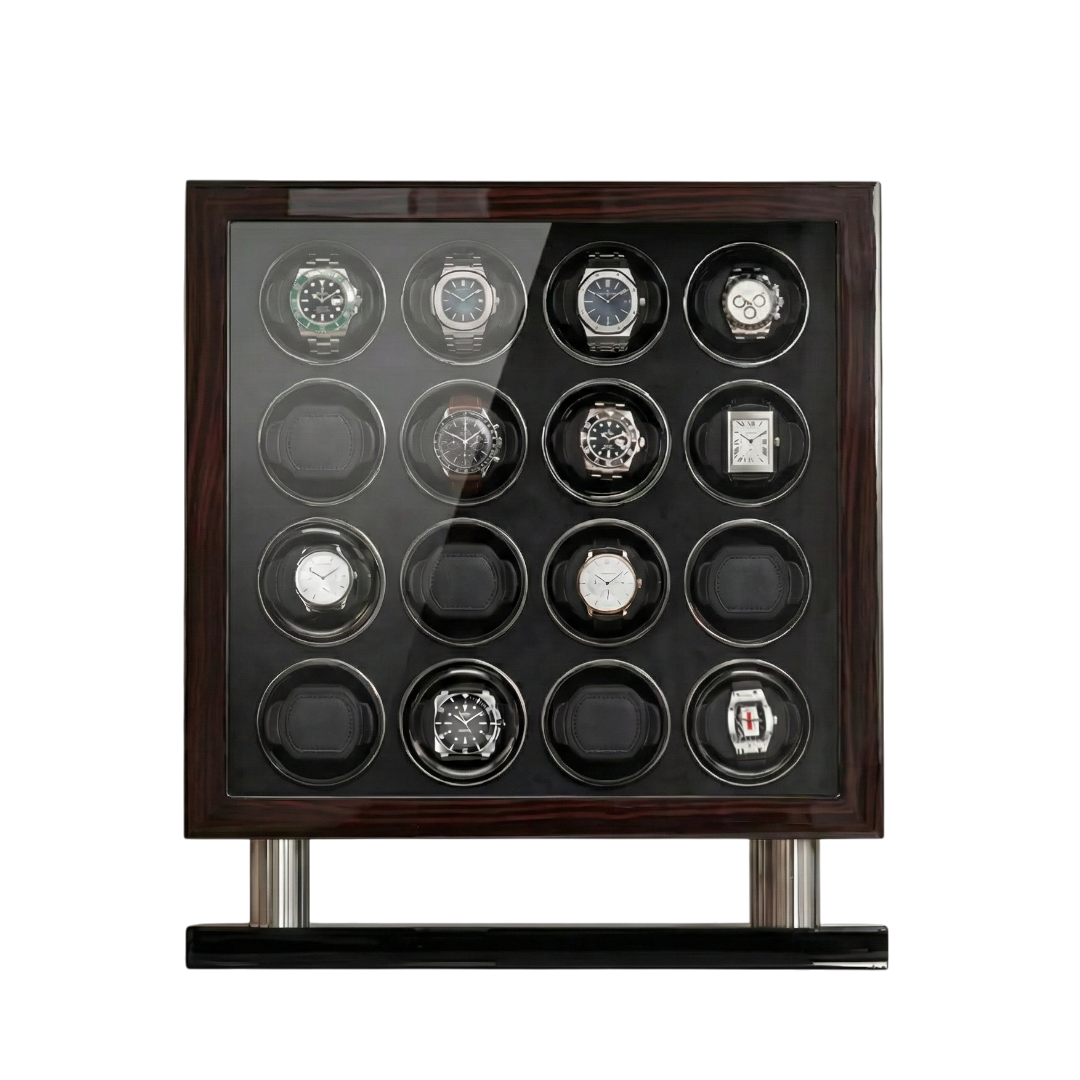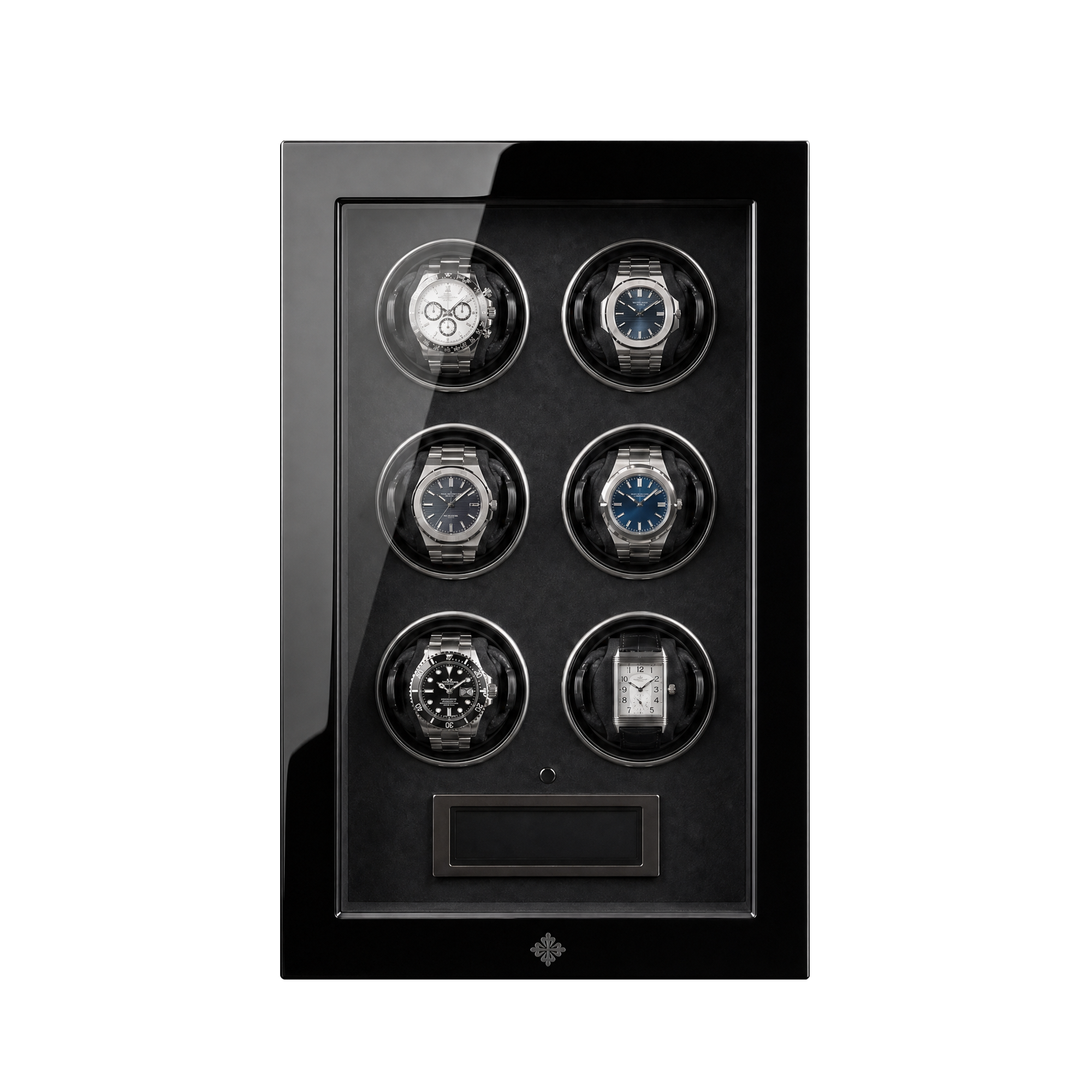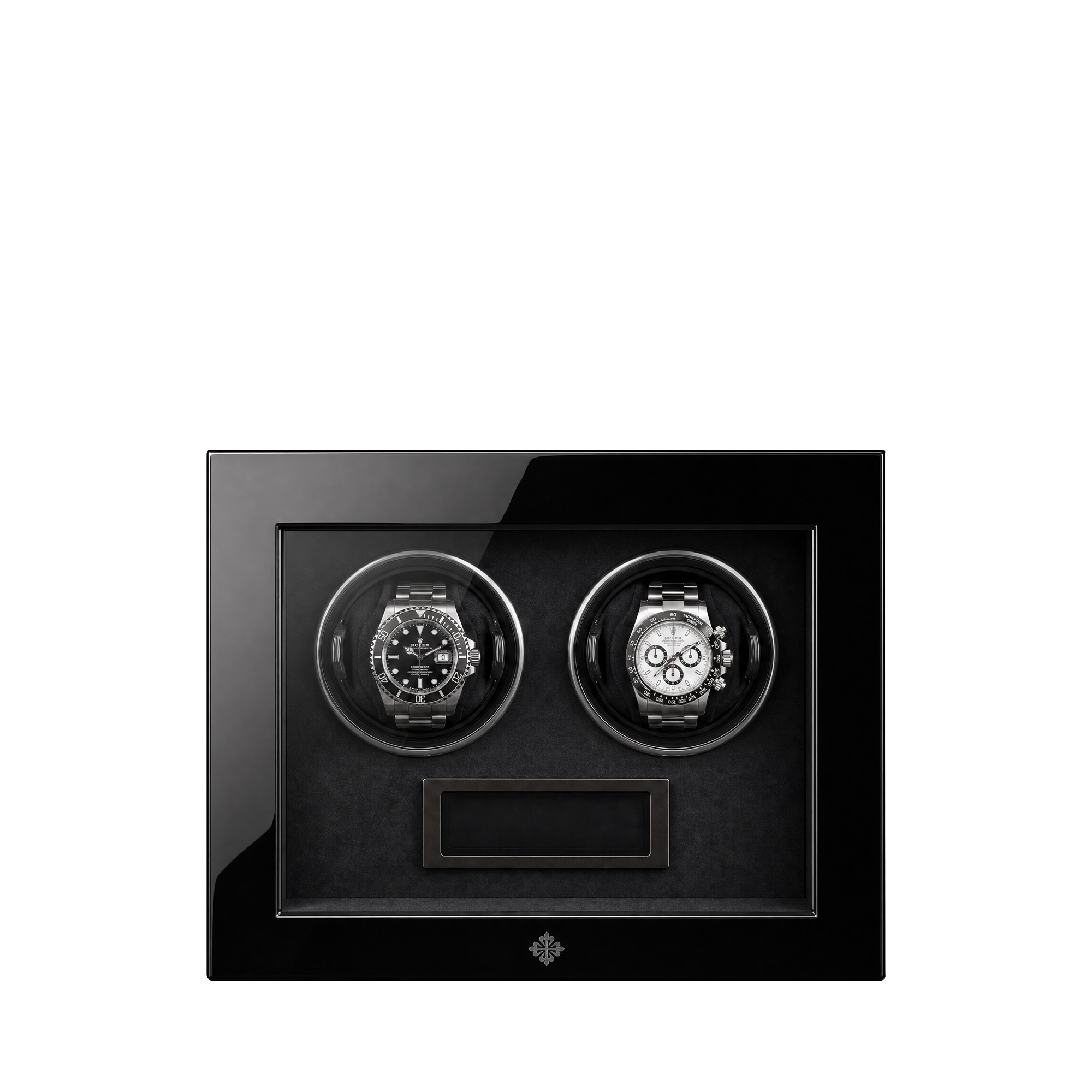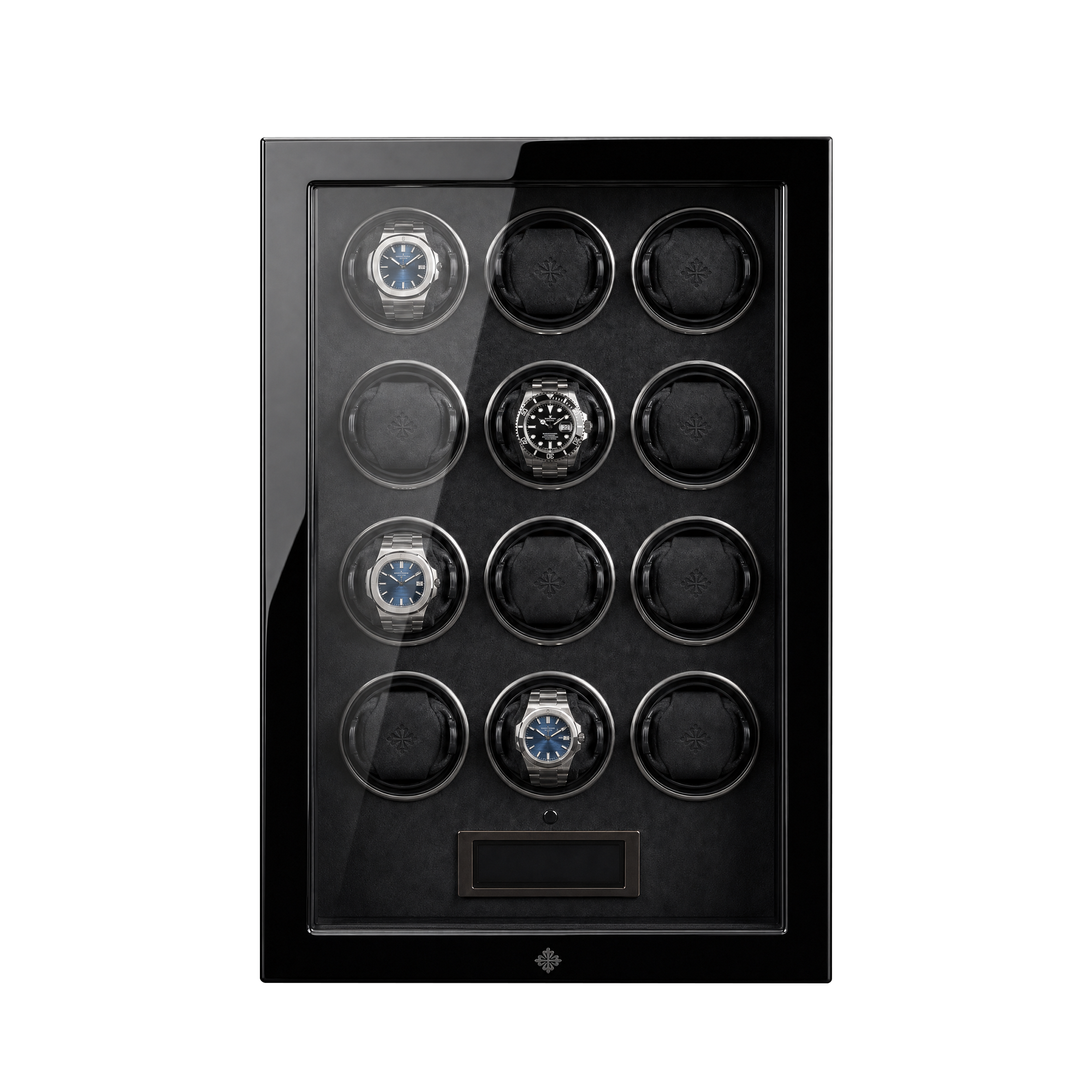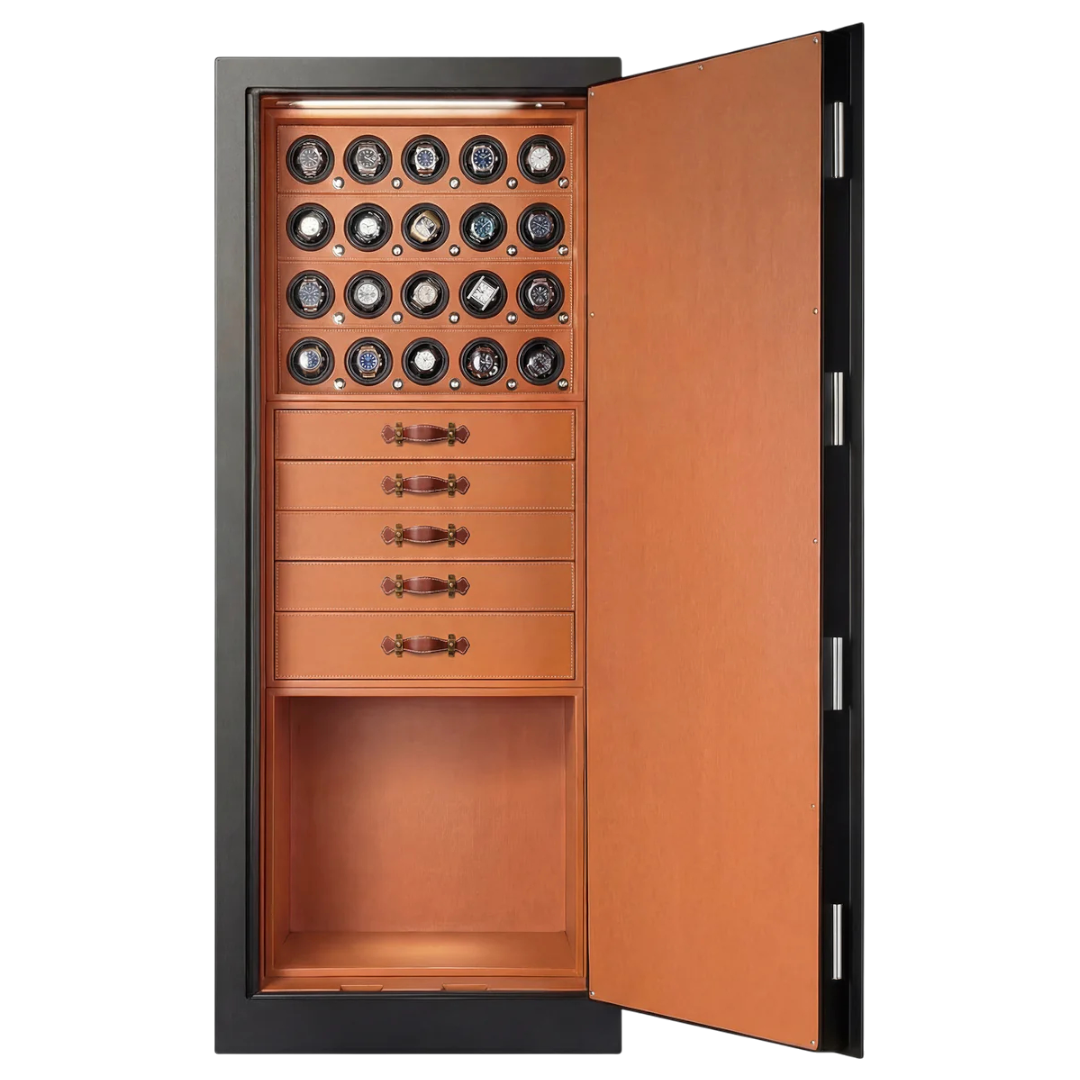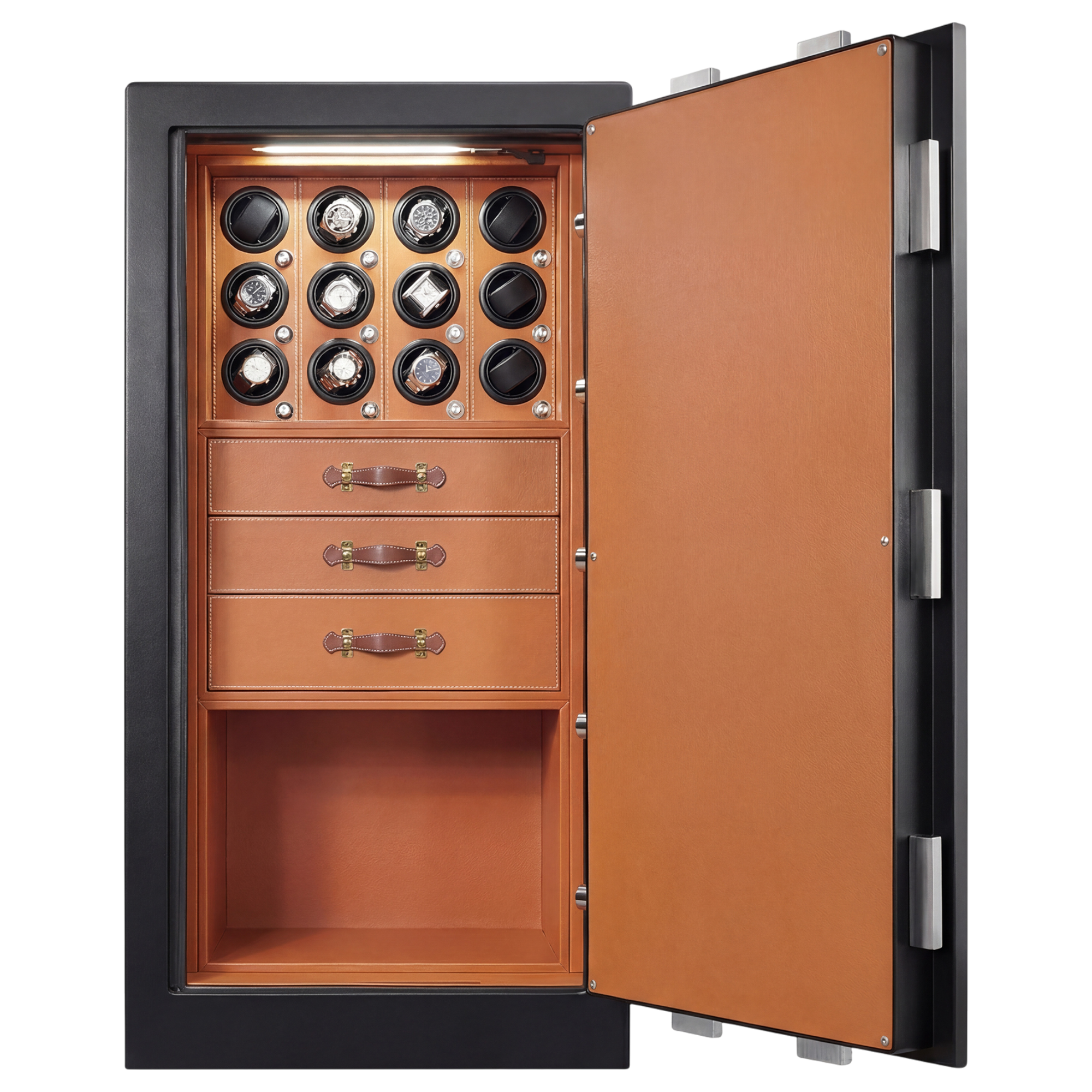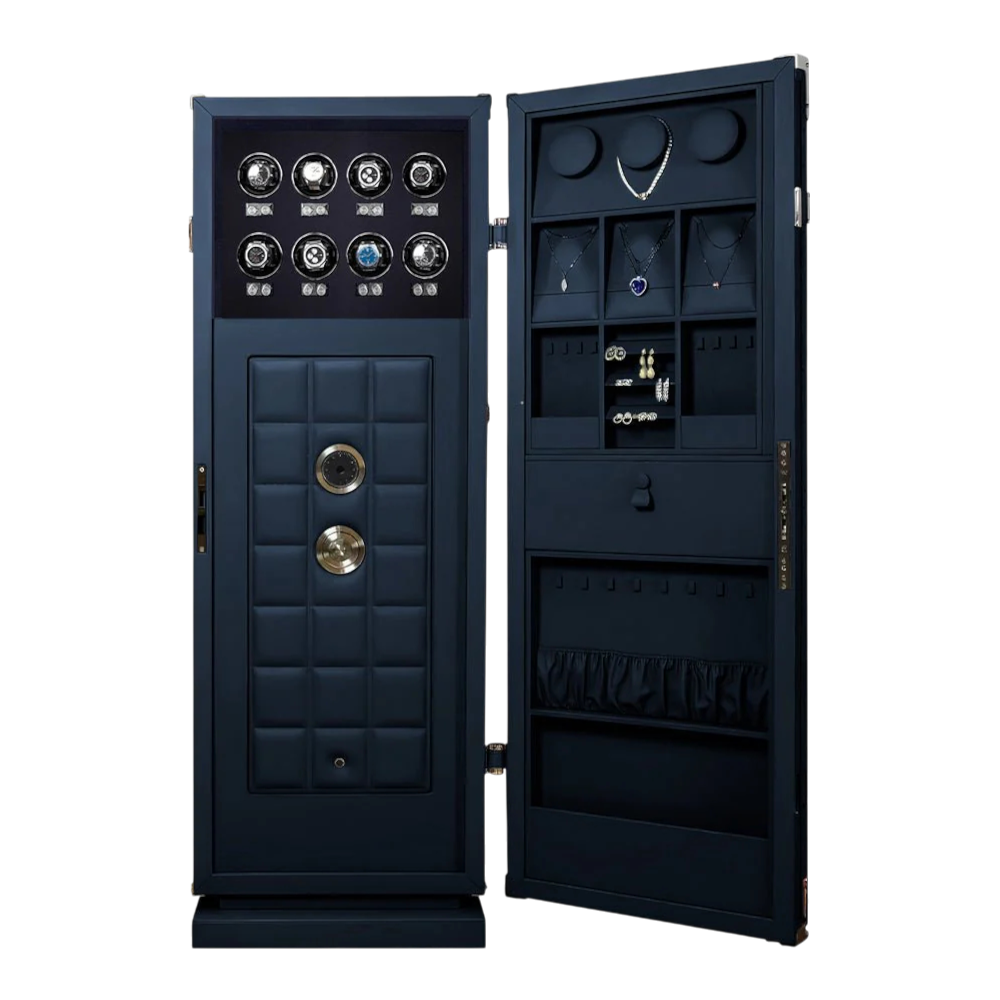

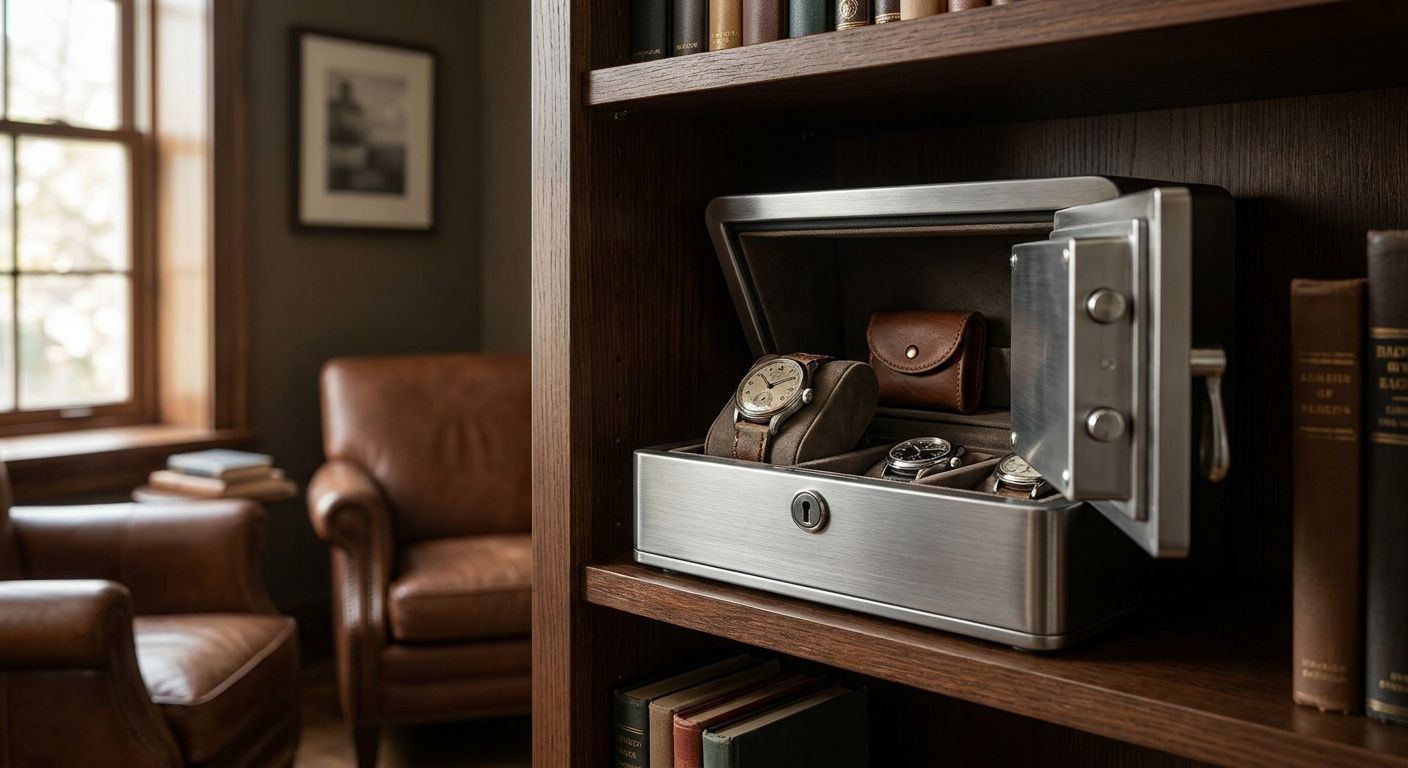
A pre-owned watch arrives without the boutique box and paper trail a brand-new purchase carries, and that gap changes what you actually need from a watch safe for pre-owned watch storage. This guide covers the four things that matter for a piece with an unknown service history — lock verification, fire and burglary rating, humidity control, and documentation support — before you decide where it spends its nights.
- A watch safe for pre-owned watch buyers earns its place on a verifiable lock, not a wood veneer — test it before the piece goes inside.
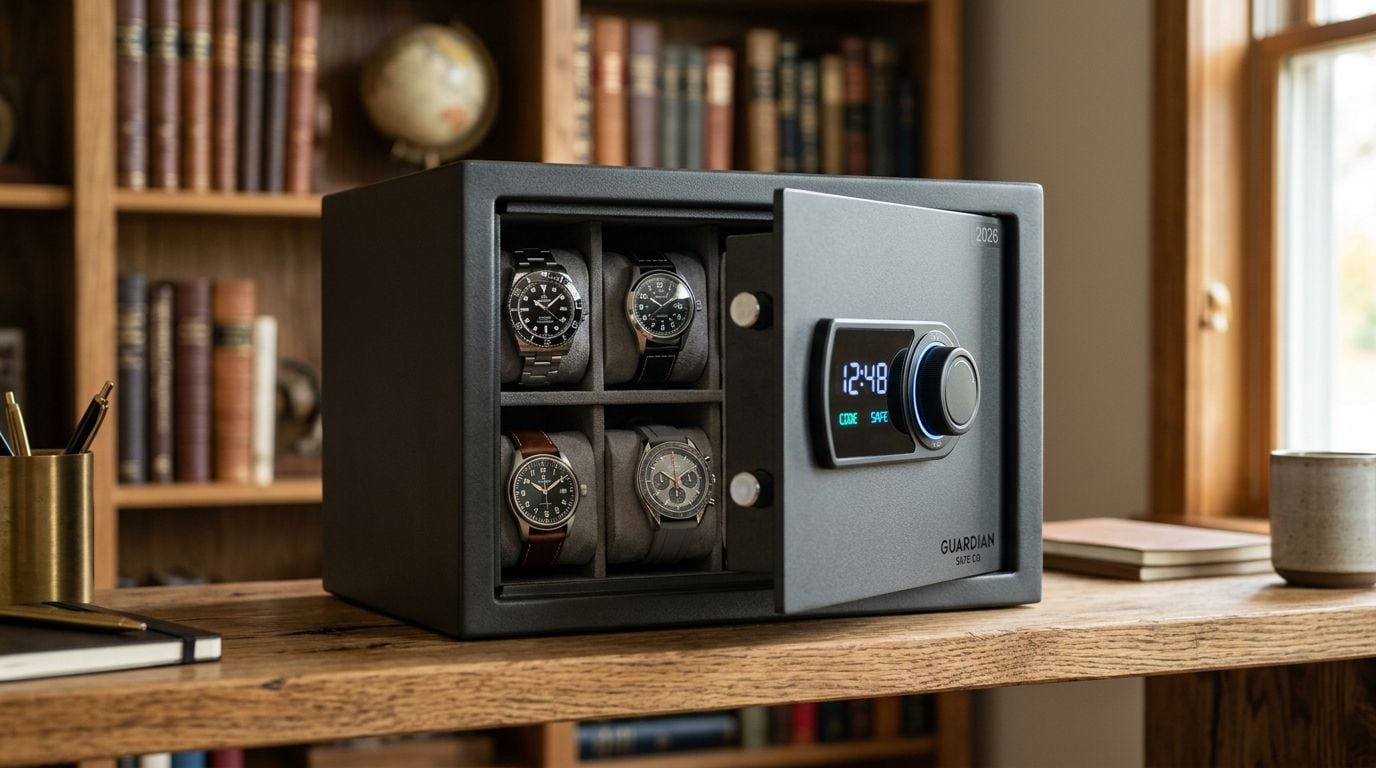
- Size the safe for 1-4 watches if that is what you own today; a 20-slot cabinet bought on emotion wastes budget and floor space.
- Fire and burglary ratings matter more without a fresh appraisal on file — look for a documented rating, not a marketing claim of ‘fireproof.’
- Photograph the watch and its provenance papers in 2026 before locking them away — insurers ask for this at claim time, not before.
Why This Matters
A pre-owned watch didn't come off a boutique shelf with a fresh warranty card and a sealed box. It came from a dealer, an auction house, or a private seller, and the service record attached to it is often partial at best. That changes the calculus on storage: you're protecting a movement whose winding history and lubrication schedule you don't fully control, and you're doing it without the manufacturer paperwork an insurer usually wants to see first.
Enigwatch builds safes for exactly this decision point — the moment a collector owns a piece worth protecting but hasn't yet built the multi-watch collection that justifies a 20-slot cabinet. Getting the safe right in the first 30 days matters more for a pre-owned piece than a new one, because there's no dealer relationship to fall back on if something goes wrong with storage, humidity, or a lock that fails a real-world test.
Who This Is For
This is written for the collector who just closed on a pre-owned Rolex, Patek Philippe, vintage Omega, or similar piece from a dealer, auction, or private sale, and needs somewhere secure to keep it before the next purchase decision. You care more about verifiable security and insurance-ready documentation than about a display window, and you're sizing a safe for what you own now, not a hypothetical 12-piece collection five years out.
What to Look for in a Watch Safe for a Pre-Owned Watch
A lock you can verify before you buy
A safe's lock is the entire point, and a pre-owned watch is exactly the piece you can't afford to have locked behind hardware that fails under testing. Ask for the UL or EN rating certificate, not just a spec sheet claim, and confirm the manufacturer will let you test the mechanism before final payment. A safe lock worth testing should hold up to the same scrutiny a locksmith would apply, not just look convincing in a product photo.
Fire and burglary rating matched to replacement value
A pre-owned watch often carries a replacement value that's harder to pin down than a new piece with a retail receipt, which makes the rating on the safe itself more important, not less. Look for a documented burn-time rating and a burglary classification from a recognized testing body, not a listing that says "fireproof" with no certificate number attached. If the safe can't produce a rating you can verify independently, treat it as a lockbox, not a safe.
Humidity control for an unknown service history
A movement you didn't service yourself needs a stable environment more than a movement fresh from the manufacturer's bench. Humidity swings accelerate lubricant breakdown in a watch that may already be overdue for service, and a pre-owned piece is precisely the case where you don't know the last time that happened. Interior humidity control isn't a luxury feature here — it's insurance against a service bill you can't predict.
Documentation and photography support
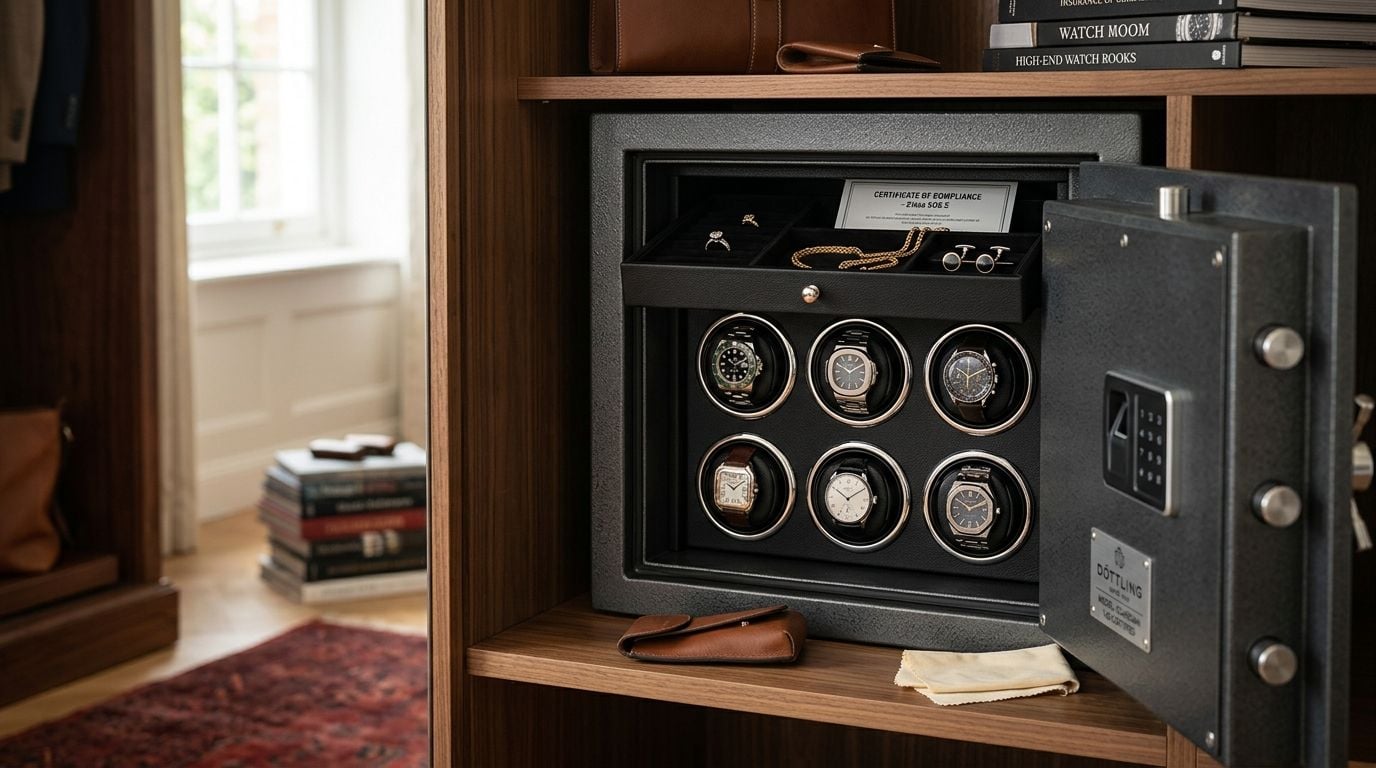
Insurers and appraisers ask for photographs, serial numbers, and provenance documents at claim time, and a pre-owned watch often arrives with a thinner paper trail than a boutique purchase. A safe with interior lighting good enough to photograph the piece properly, and space to store the accompanying papers alongside it, saves you a scramble later. Do this in the first week you own the safe, not after something happens.
“If a safe can’t produce a fire and burglary rating you can verify independently, it’s a lockbox, not a safe.”
Top Picks for a Newly Purchased Pre-Owned Watch
The right-sized starter safe — the safe pick. If you own one to four watches today, a safe built for a small collection costs less and takes up a fraction of the floor space of a 20-slot cabinet, and it still carries the same lock and rating standards as the larger models. Buy.
The biometric access safe — the verification pick. A fingerprint or biometric lock removes the combination-sharing risk that comes with a household safe, and it's worth the premium if you're the sole person who should access the piece. Enigwatch's biometric models sit in the $5,000-$21,000 range depending on interior finish and size. Consider if you live alone or want single-user access; skip it if multiple household members need routine entry.
The documentation-ready safe — the paper-trail pick. A safe with interior lighting bright enough for insurance photography and enough room for the watch's papers alongside it earns its keep the first time you file a claim. This isn't a headline feature, but it's the one that matters when an appraiser calls. Consider.
The oversized combination lockbox — the skip. A big-box hardware store combination safe marketed for "jewelry and valuables" looks like a reasonable stopgap for one pre-owned watch, but most carry no verifiable UL rating and no humidity control at all. Skip it for anything you'd call a serious purchase.
What to Avoid
- Buying oversized now for a collection you don't have yet. A 20-slot safe makes sense once you own 15 watches, not when you own one pre-owned piece and a plan.
- Trusting a "fireproof" label with no certificate number. Ask for the rating body and the document; a real safe manufacturer will have it ready.
- Skipping the lock test before purchase. A lock that looks solid in marketing photos can fail a basic pick-resistance check — test it or ask for documented third-party testing before you commit.
Verdict at a Glance
| Pick | Lock Verification | Fire/Burglary Rating | Humidity Control | Documentation Support | Verdict |
|---|---|---|---|---|---|
| Starter safe (1-4 watches) | Yes, testable | Documented rating | Standard | Basic | Buy |
| Biometric access safe | Yes, single-user | Documented rating | Standard | Basic | Consider |
| Documentation-ready safe | Yes, testable | Documented rating | Standard | Photography-grade | Consider |
| Big-box combination lockbox | Unverified | Unverified | None | None | Skip |
Size a safe for your pre-owned watch
See starter and biometric safe options built for a 1-4 watch collection.
FAQ
What’s the best watch safe for a pre-owned watch?
For most pre-owned watch buyers, a starter safe sized for 1-4 watches with a verifiable UL or EN lock rating is the best fit in 2026. Oversized cabinets only make sense once the collection grows past what a starter safe holds.
How much does a watch safe cost in 2026?
Serious watch safes with real fire and burglary ratings run roughly $5,000 to $21,000 depending on lock type, interior finish, and size. Big-box combination lockboxes cost less but typically lack verifiable ratings.
Does a pre-owned watch need a different safe than a new one?
Not a different category of safe, but the priorities shift. A pre-owned watch’s unknown service history makes humidity control and documentation support more important than they’d be for a piece with a full manufacturer record.
Is a biometric lock better than a combination lock for a pre-owned watch?
A biometric lock is better for single-user households because it removes the risk of a shared combination leaking. For shared households, a well-rated combination or key lock is usually more practical.
What fire rating should a watch safe have?
Look for a documented, third-party-verified burn-time rating rather than a listing that simply says ‘fireproof.’ If the seller can’t produce a certificate number, the rating isn’t verifiable.
Do I need humidity control for a watch with unknown service history?
Yes. Humidity swings accelerate lubricant breakdown, and a pre-owned watch is exactly the case where you don’t know how recently it was serviced. Humidity control reduces that risk regardless of the movement’s age.
Should I insure a pre-owned watch before or after buying a safe?
Photograph the watch and gather provenance documents as soon as the safe arrives, ideally within the first week, since insurers request this documentation at claim time rather than at policy start.
How many watches should a starter safe hold?
Size for what you own today. A safe built for 1-4 watches covers most first-time pre-owned buyers without the cost or footprint of a 12- or 20-slot cabinet.
One Last Thing
Most theft or damage claims on pre-owned watches get denied for one reason that has nothing to do with the watch: the safe's rating can't be verified because the owner never registered the certificate number with their insurer. Do that in the first week you own the safe, in 2026, not the week you file a claim.
Related Guides
- Watch safe fire rating: what the numbers actually mean
- How to insure a watch collection: what appraisers need
Protect Your Watch Collection
Designed for collectors who demand the best. Explore our premium watch winders and luxury safes.