
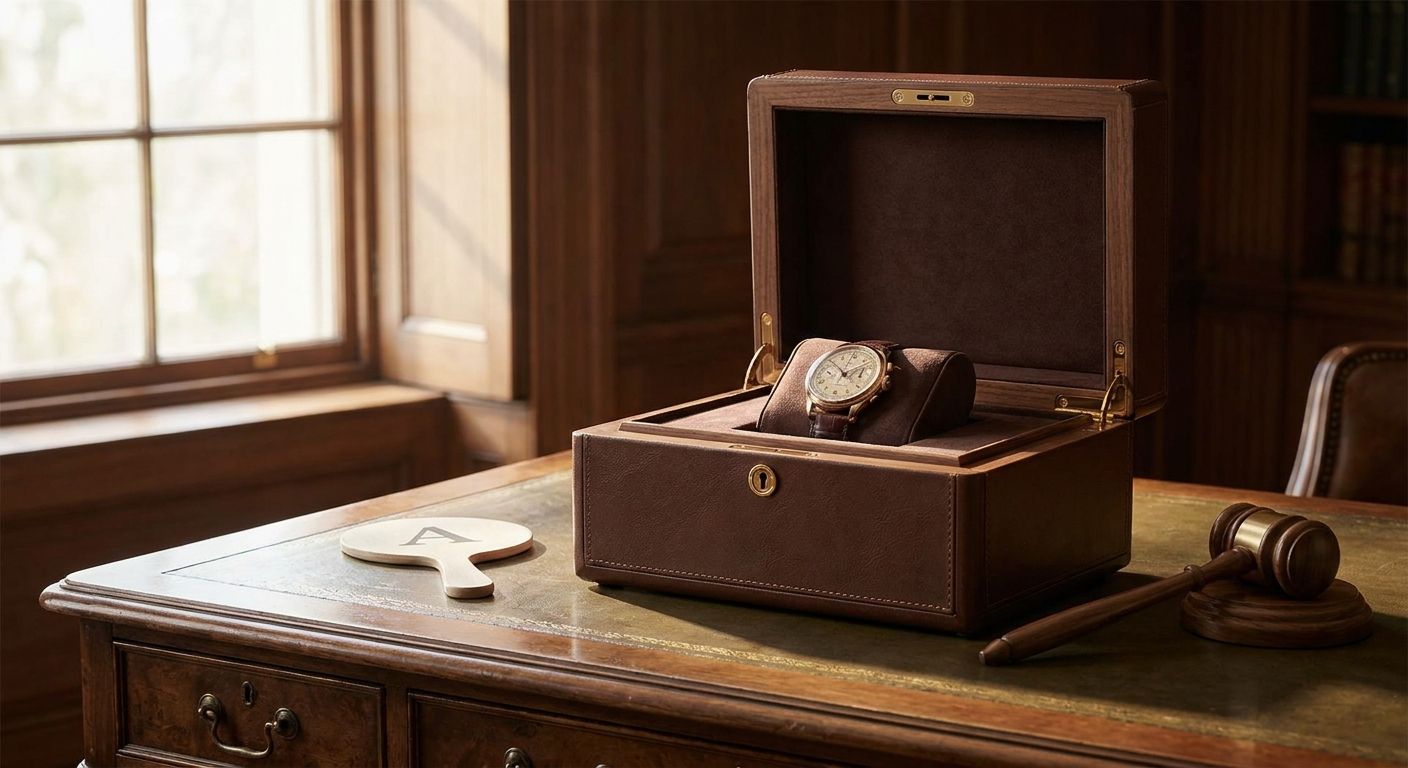
An auction watch arrives with a hammer price, a provenance file, and zero history of how it was stored before the sale. The right watch safe for auction watch purchases protects the piece and the paperwork that proves what you actually own.
- A watch safe for auction watch purchases needs UL-rated fire protection and a documented storage record from day one.
- Biometric locks beat shared combinations when a watch’s provenance file and appraisal sit in the same compartment.
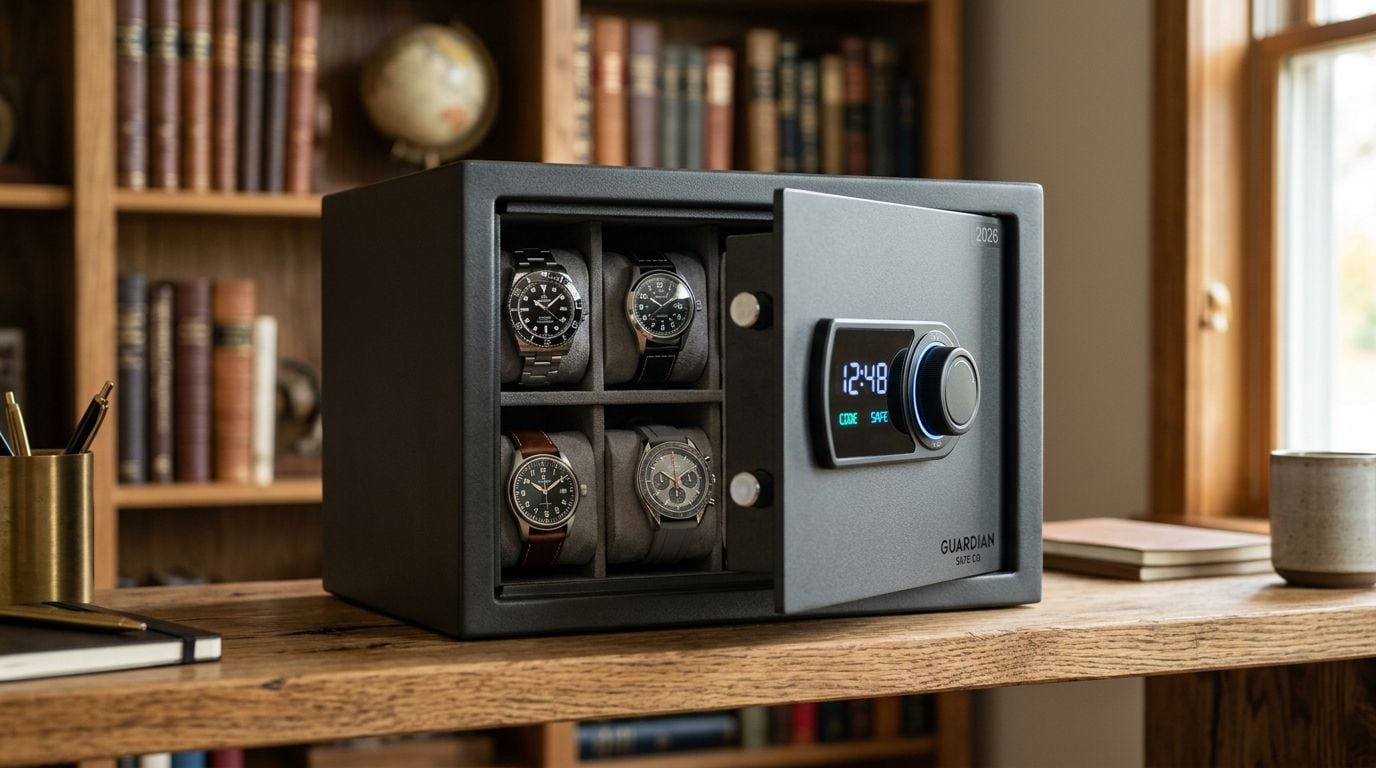
- Compact single-watch vaults suit one significant lot; 12-slot safes suit a multi-lot haul from a single sale.
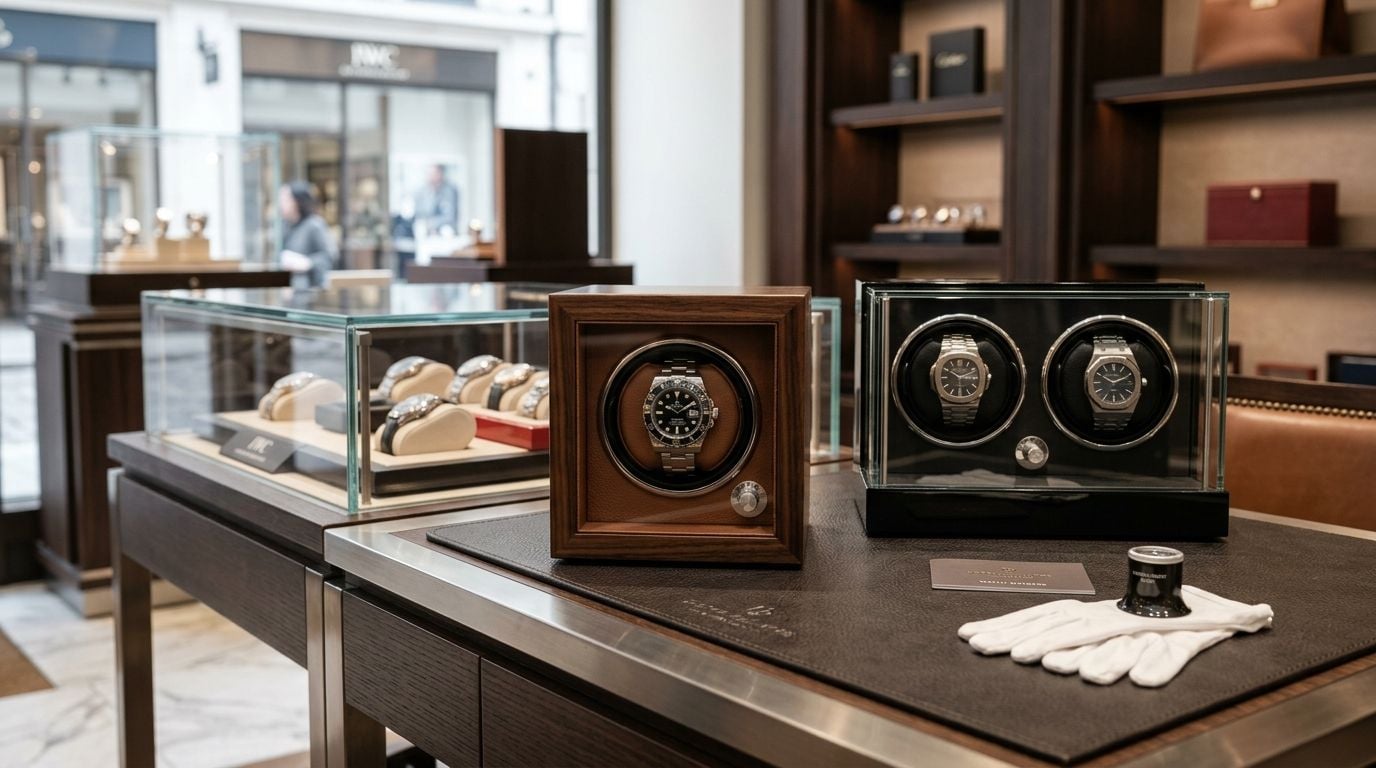
- Skip glass-door display cabinets for anything still pending authentication in 2026 — they invite attention, not protection.
- Enigwatch’s fireproof and biometric safes cover both the watch and the auction paper trail in one unit.
Why this matters
A watch bought at a live sale or an online house doesn't come with the chain of custody a boutique purchase does. You've got a hammer price, maybe a condition report, and a provenance file that insurers and future buyers will ask for again. Losing that file costs you as much as losing the watch — a Patek Philippe without papers can lose 20-30% of resale value depending on the reference, and appraisers won't touch a claim without documentation on hand.
That's the real argument for a dedicated watch safe rather than a drawer or a jewelry box. The safe isn't just holding a movement — it's holding the one thing that separates a $40,000 watch from a $40,000 watch with proof.
Who this is for
This is for the collector who just won a lot at Christie's, Phillips, Sotheby's, or a regional house and is now sitting with a watch, an invoice, and no plan for where either goes. It's also for anyone buying through an online auction platform where the watch arrives before the paperwork is fully verified — the safe has to do double duty as secure storage and a holding pen until authentication clears.
What to look for in a watch safe for an auction watch
Documentation storage built in
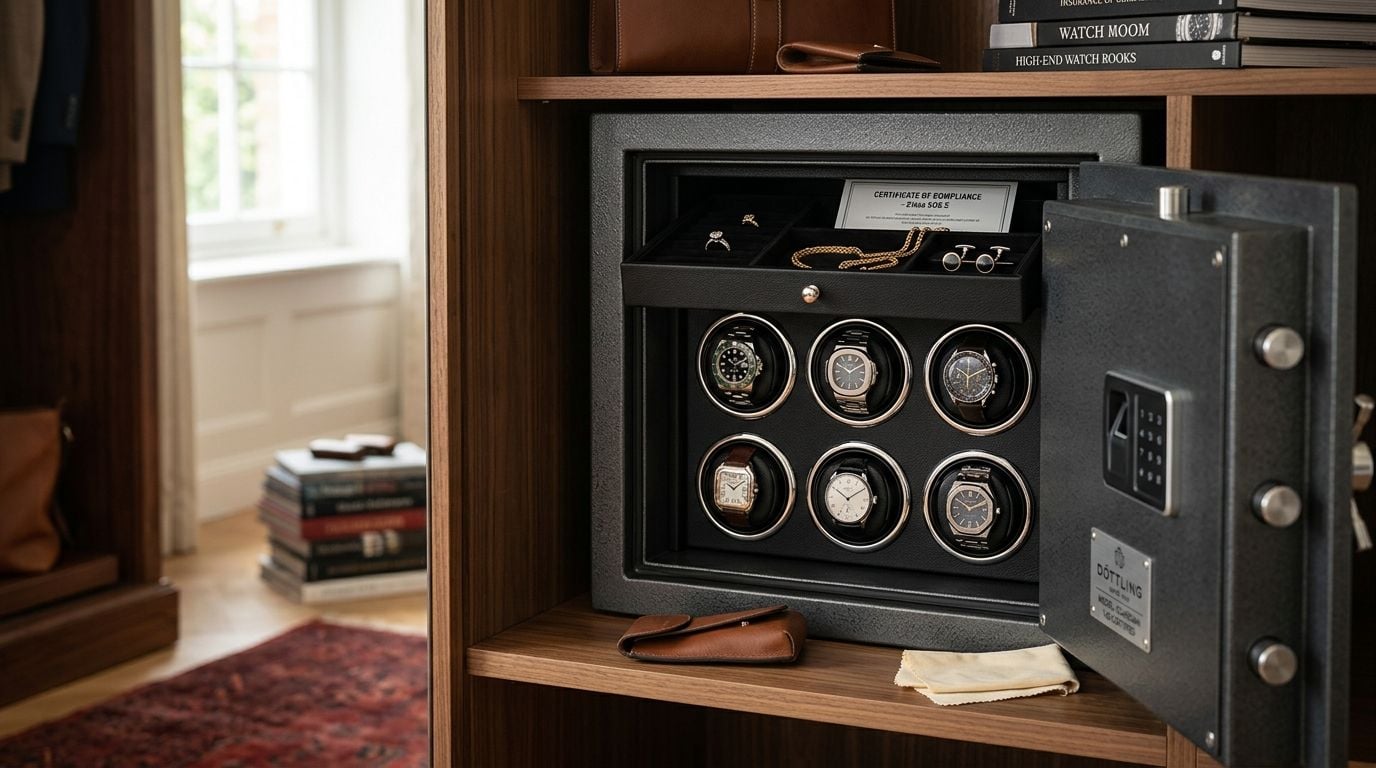
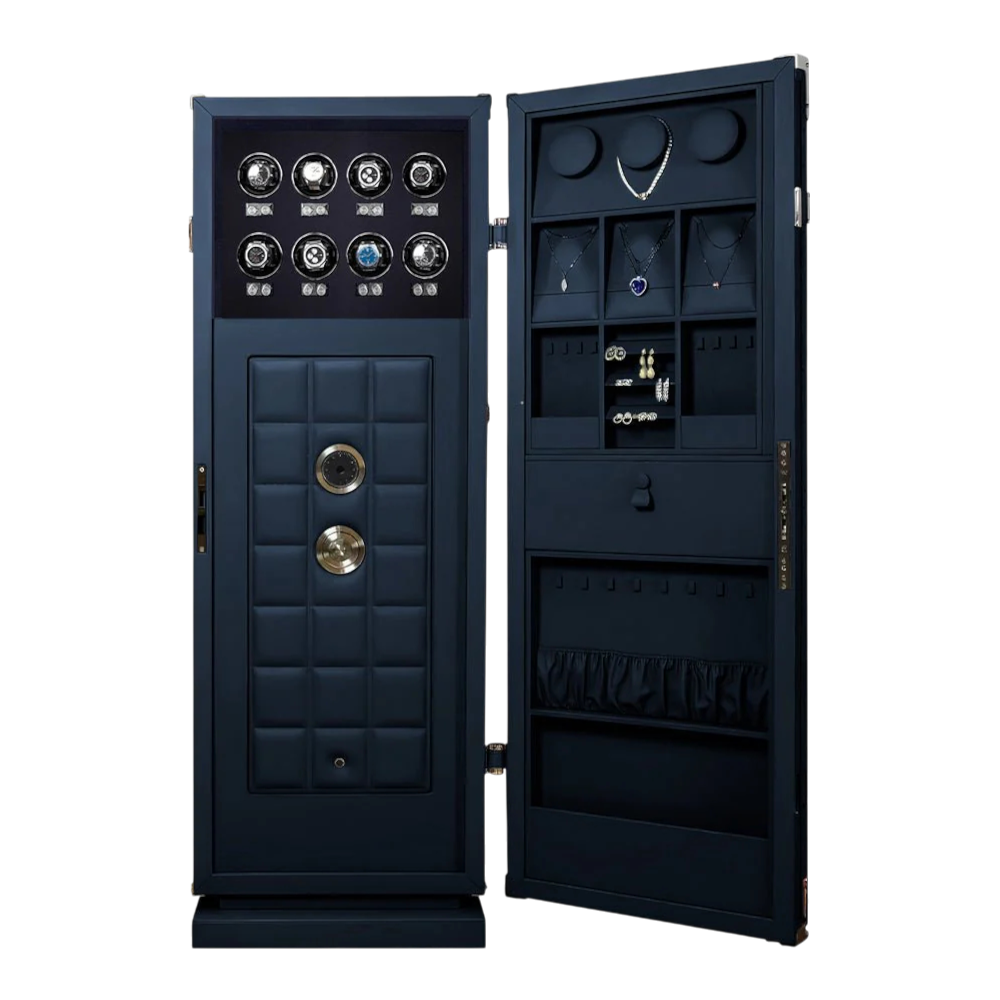
An auction lot comes with an invoice, a condition report, and sometimes a service history — all of which need to survive as long as the watch does. Look for a safe with a document tray or a separate compartment, not just watch cushions, because loose paper crammed next to a winder motor gets creased, torn, or lost during a move.
Fire rating that matches the stakes
A watch purchased at auction is frequently the most expensive single item in the house, and standard fire ratings assume you're protecting documents, not a $15,000 chronograph. Check the UL fire rating in minutes, not just the marketing claim of "fireproof," since the number tells you how long the interior stays below the threshold that damages dials, lume, and lubricants.
Lock type — biometric, combination, or key
A biometric lock removes the shared-combination risk that comes with a household safe, which matters more when the safe also holds an appraisal document with your address on it. Combination locks are fine for a single collector who never shares access; key locks are the weakest option for anything auction-sourced because keys get duplicated or lost during a move.
Anchoring and weight for a high-value single piece
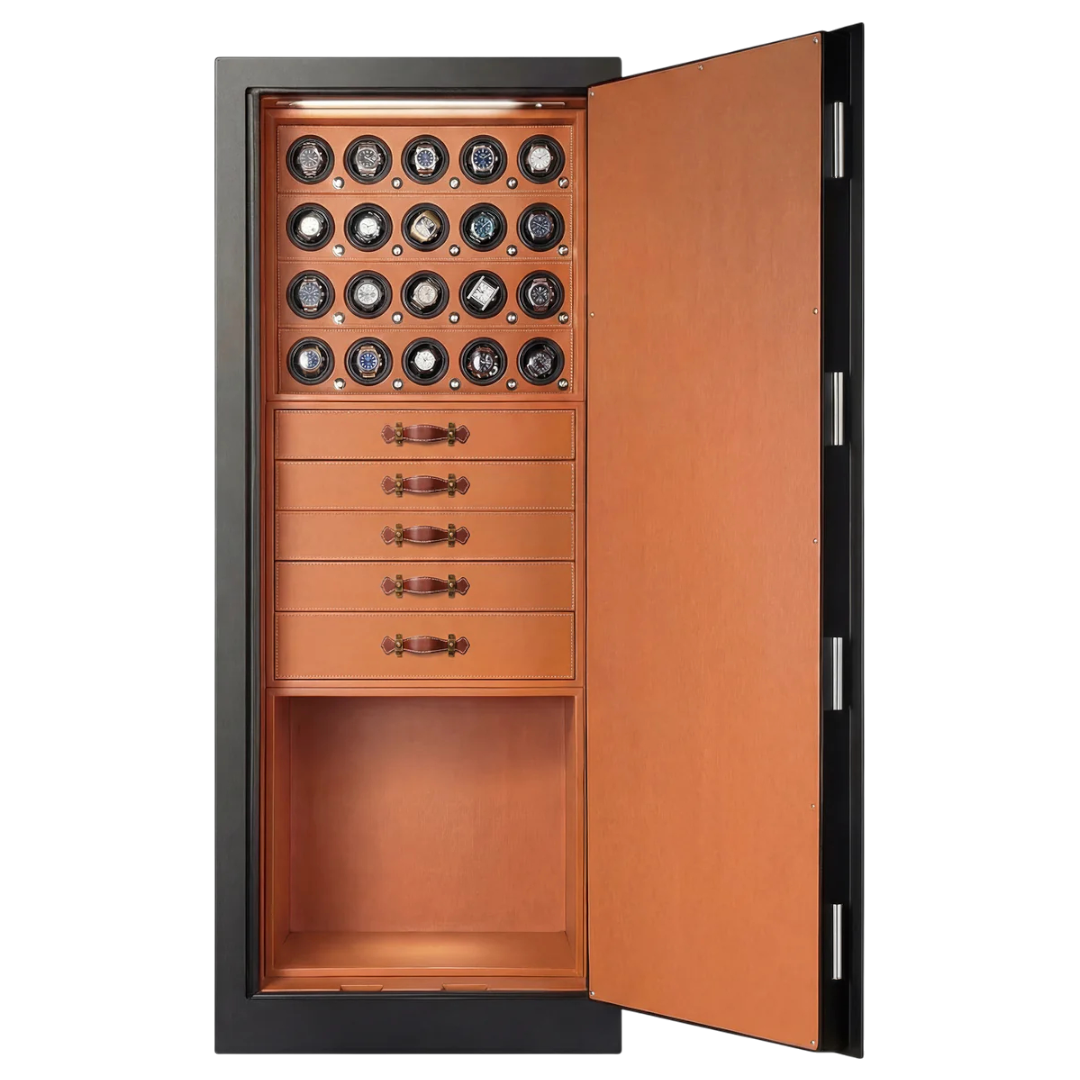
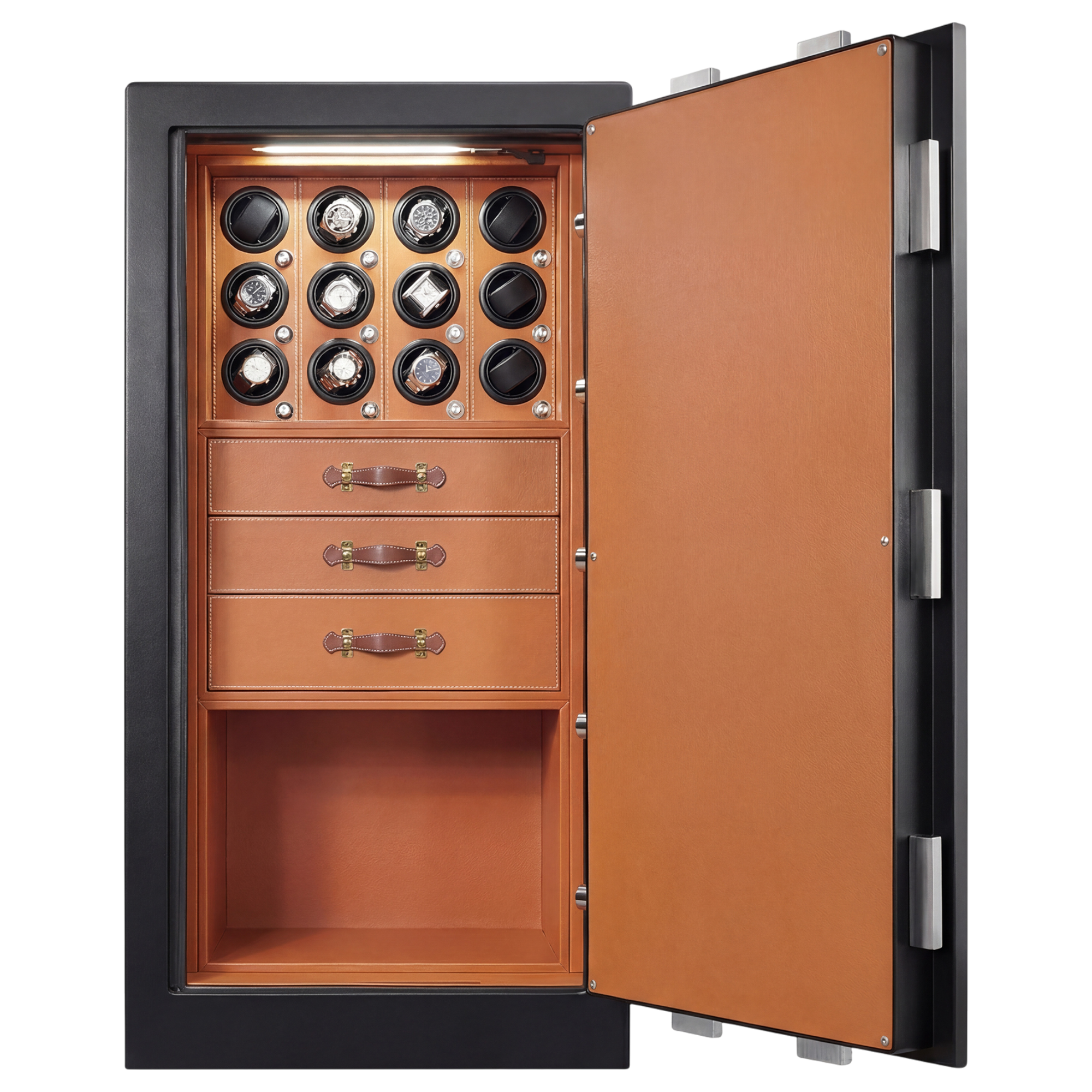
A safe under 150 lbs without a bolt-down kit is a safe a determined thief carries out the door. If the auction watch is the single most valuable object in the room, the safe's weight and anchoring matter as much as the interior finish — a 12-slot Enigwatch unit built for wall or floor mounting closes that gap.
Humidity control for vintage cases and dials
Auction lots skew vintage more often than retail purchases, and vintage dials, tritium lume, and period leather straps degrade faster in uncontrolled humidity. A safe with interior humidity regulation protects the case finish and the patina that made the watch valuable at auction in the first place — stripping that patina with moisture damage undoes the reason you bid on it.
Top picks by scenario
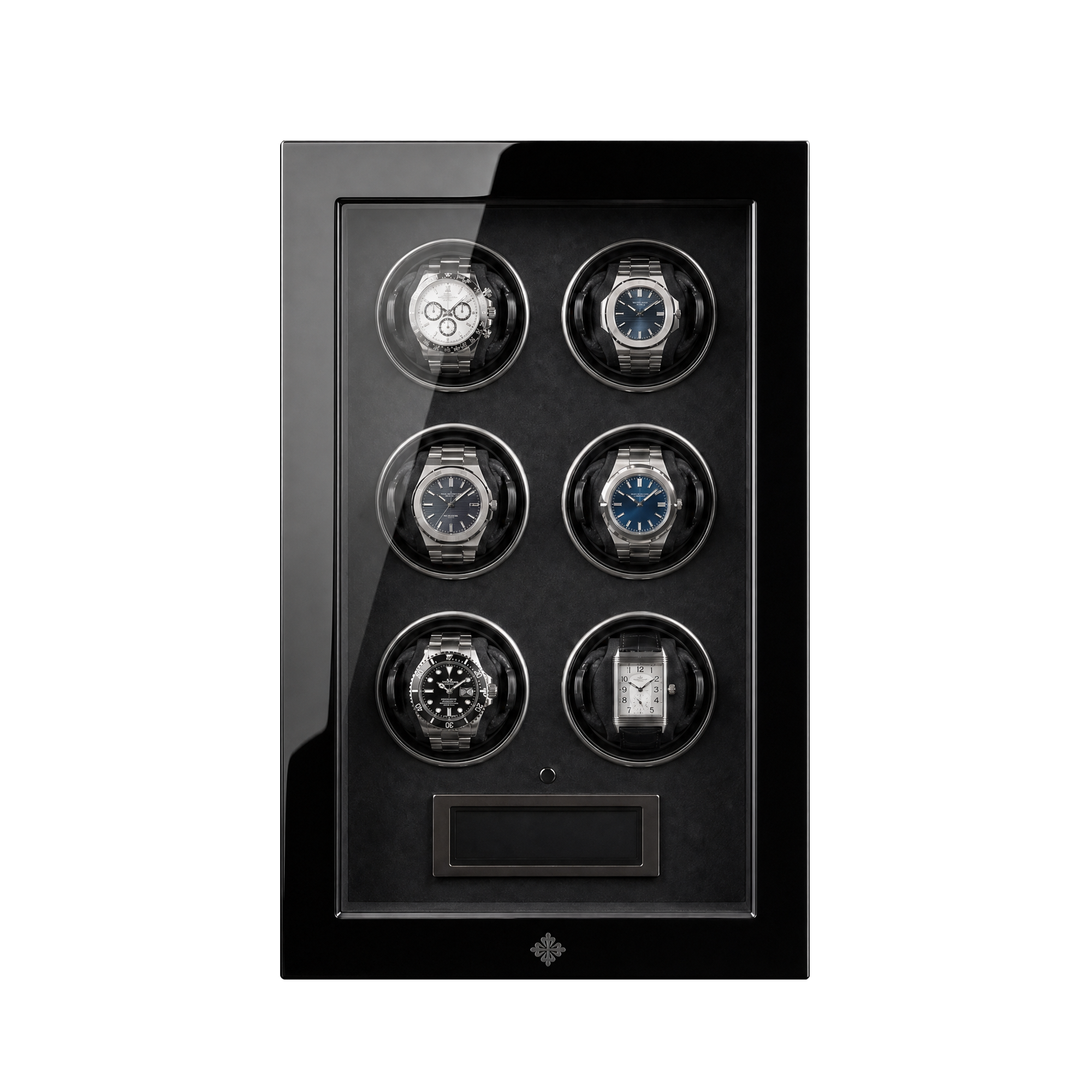
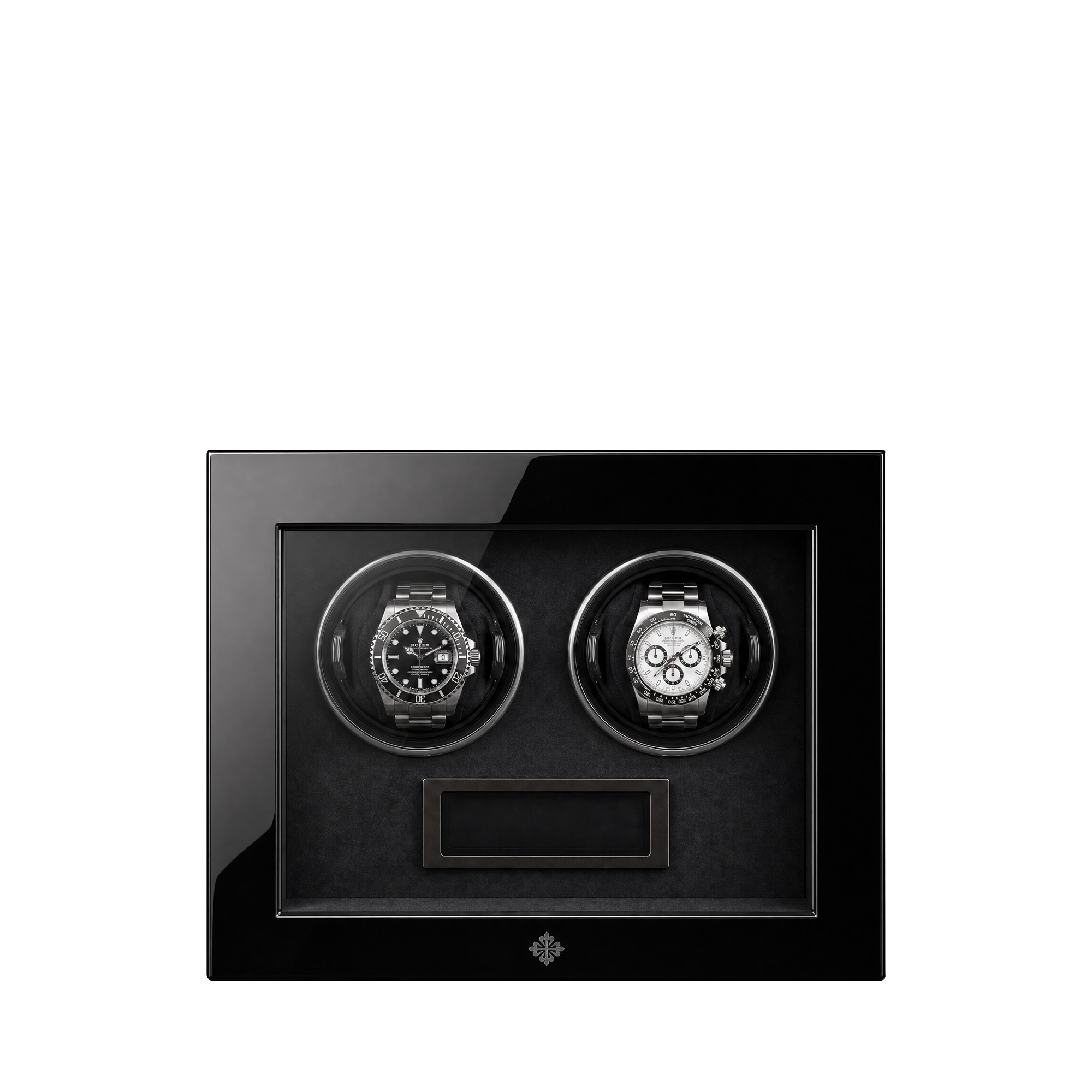
The single significant lot — buy. If the auction watch is a one-off purchase, a compact vault sized for one to four pieces keeps the footprint small and the security tight. Look for a UL-rated interior around 30 minutes of fire protection and a biometric lock — that combination covers the two things a single high-value lot needs most. Verdict: Buy.
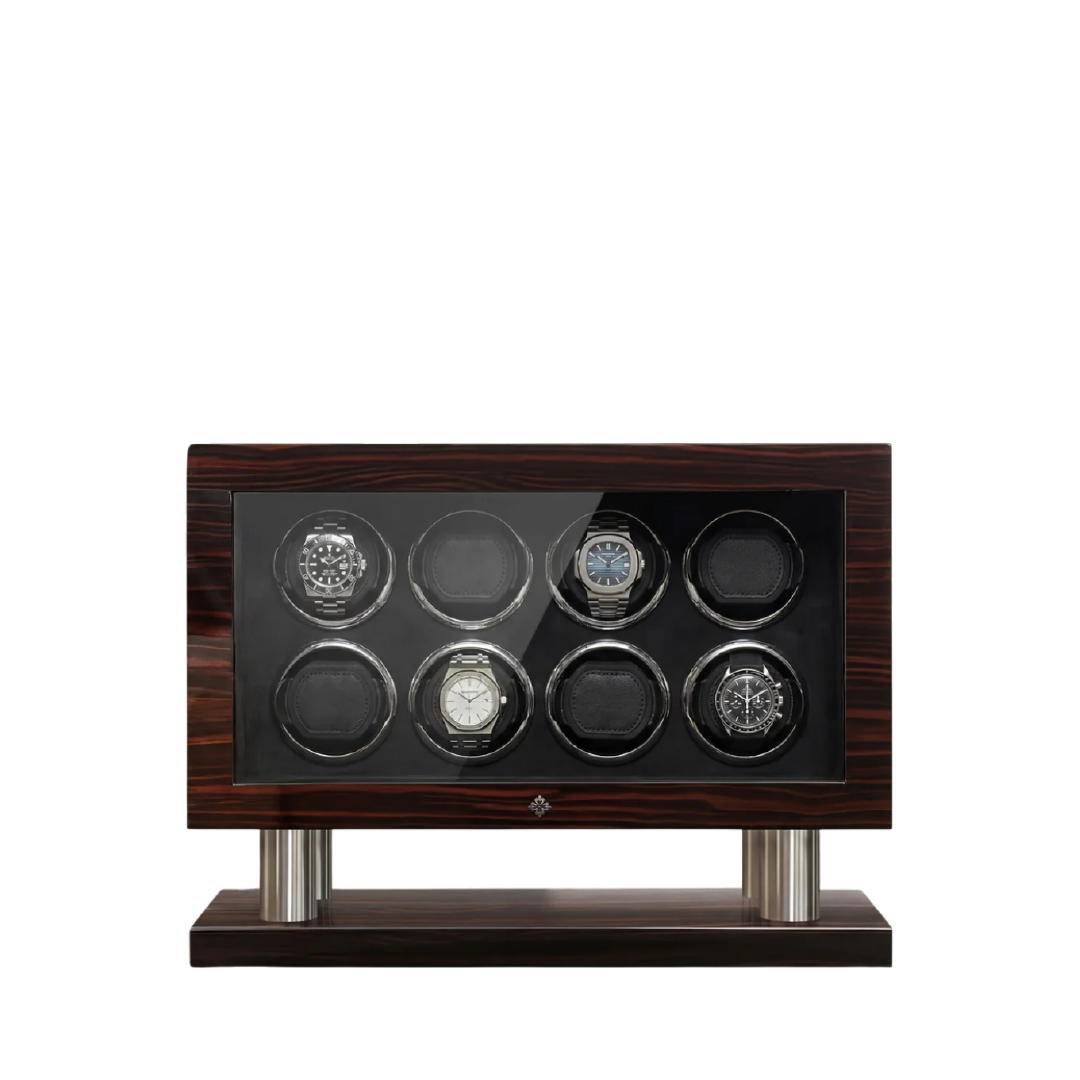
The pre-authentication holdover — consider. Some auction watches arrive before third-party authentication is complete, and during that window the watch still needs to run to stay accurate for a service check. A newly purchased pre-owned watch benefits from a safe-and-winder combo that keeps the movement wound without requiring you to handle it daily. Verdict: Consider if authentication is still pending; skip it if the watch is already verified and you'd rather store it stationary.
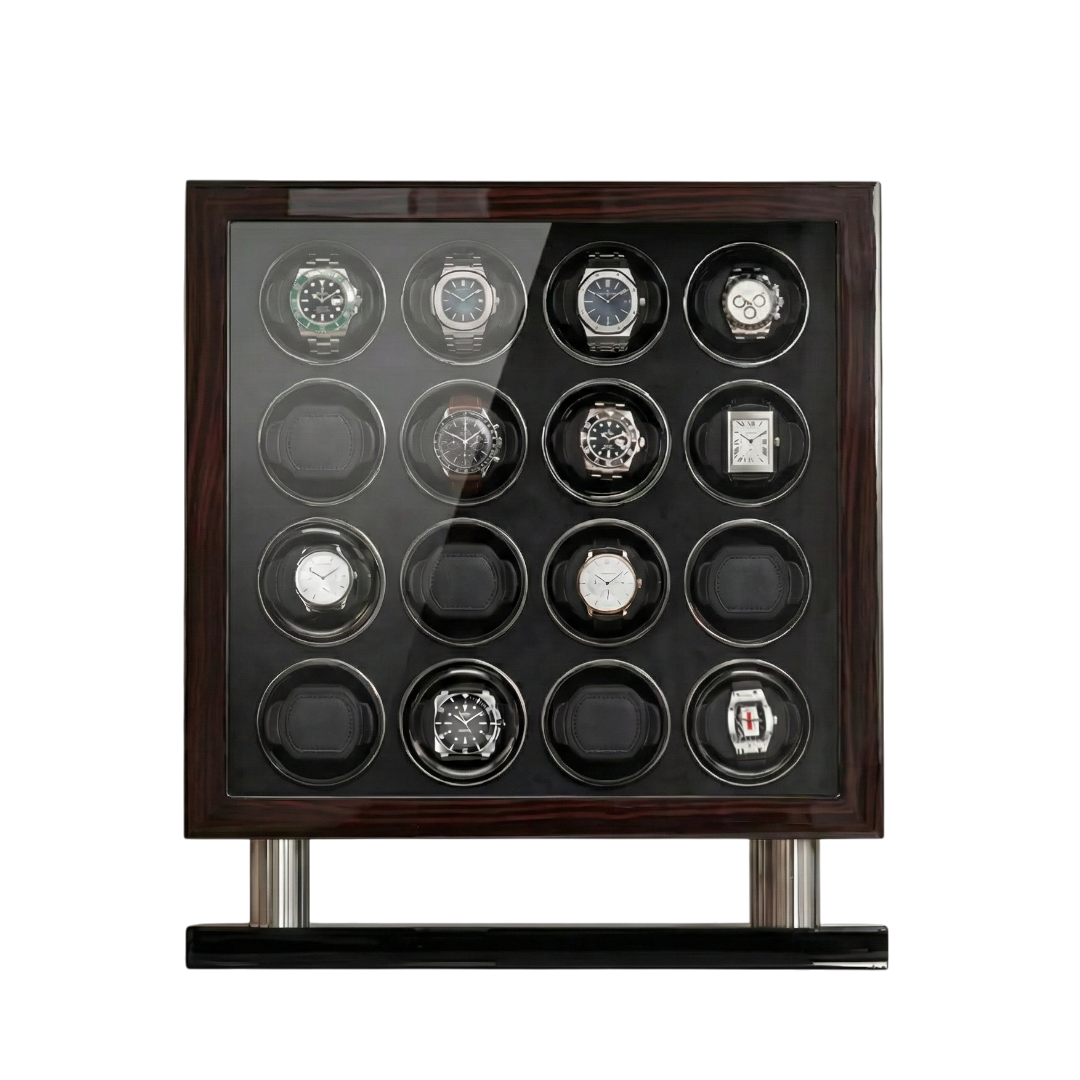
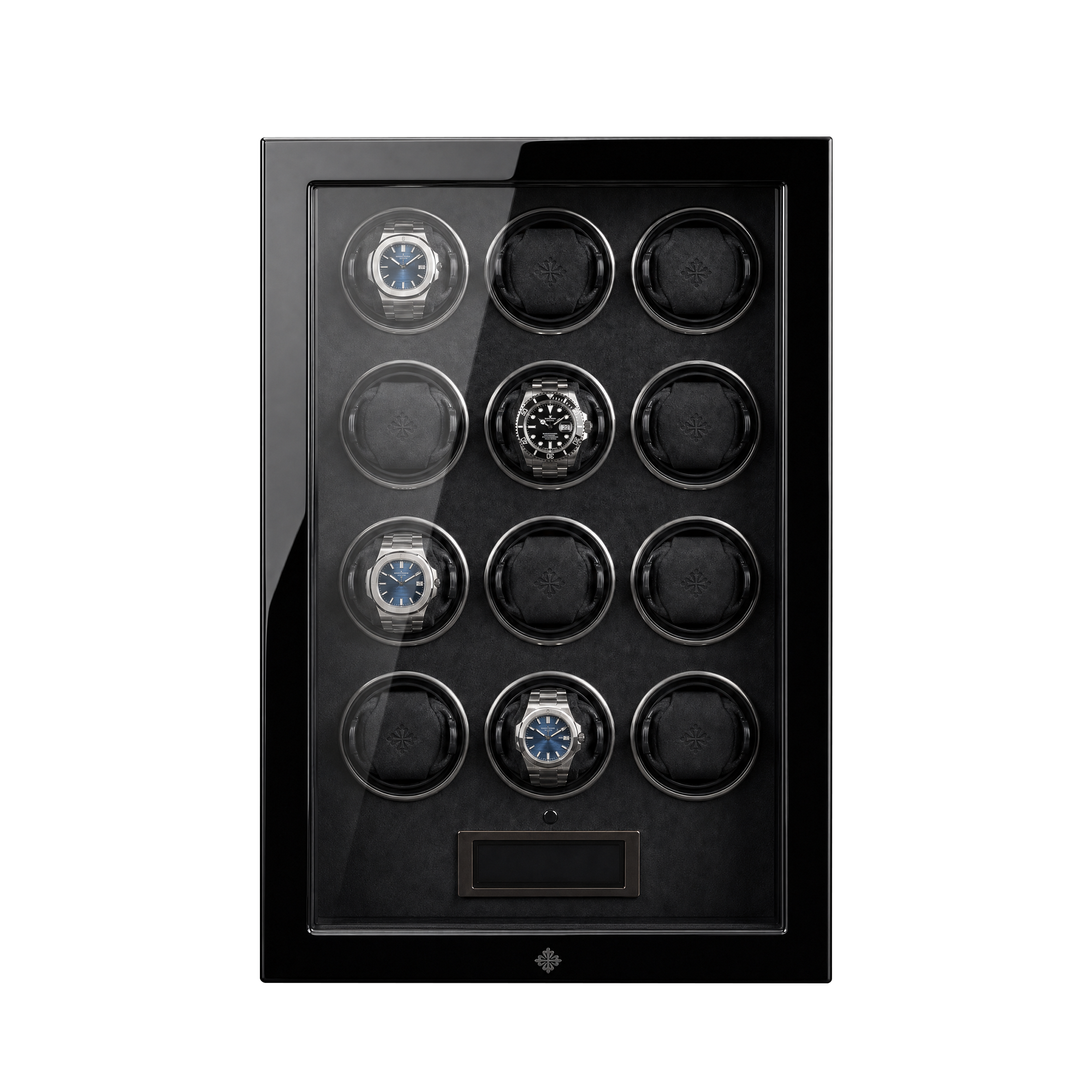
The multi-lot haul — buy for the volume. Buying three or four watches in one sale changes the math — a 12 to 20-slot safe with individual document trays per section beats stacking multiple small vaults around the house. Verdict: Buy if the collection has grown past four pieces in a single acquisition; Skip the multi-slot format if this is a solitary purchase, since paying for empty slots wastes both budget and floor space.
Secure your auction watch this week
Browse fireproof, biometric watch safes built for documented high-value pieces.
What to avoid
- Decorative jewelry boxes marketed as "safes." They look secure with a lock and a velvet interior but carry no fire rating and no bolt-down hardware — fine for costume pieces, wrong for a $10,000 auction win.
- Glass-door display cabinets for unverified lots. A glass front advertises what's inside to anyone who walks past the room, which is the opposite of what a watch pending authentication needs in 2026.
- Shared-combination safes in multi-person households. If more than one person needs access, a shared code defeats the purpose the moment it's written down or texted to a spouse.
Verdict comparison
| Scenario | Priority feature | Lock type | Verdict |
|---|---|---|---|
| Single significant lot | 30-min fire rating | Biometric | Buy |
| Pending authentication | Winder + safe combo | Biometric or combination | Consider |
| Multi-lot haul (4+ watches) | Document trays per slot | Biometric | Buy for volume |
| Household with shared access | Individual biometric profiles | Biometric only | Buy, avoid shared codes |
FAQ
Do I need a watch safe for a single auction watch?
Yes, if the watch’s value exceeds what a standard home safe or drawer can reasonably protect. A compact, fire-rated vault with a document compartment covers the watch and its provenance file in one unit.
What fire rating should a watch safe for an auction watch have?
Look for a UL fire rating stated in minutes, not just a marketing claim of fireproof. A 30-minute rating is the practical minimum for a watch purchased at auction in 2026.
Is a biometric lock better than a combination lock for an auction watch?
A biometric lock is better when the safe also stores appraisal documents or when more than one person needs access. Combination locks work fine for a single collector who never shares the code.
Should I keep the winder running while I wait for authentication?
Keep the winder running only if the watch’s power reserve is short enough to stop overnight, since a stalled movement complicates the condition check an authenticator performs. A safe-and-winder combo solves this without daily handling.
How much does a watch safe cost in 2026?
Luxury watch safes and safe-winder combos generally run from roughly $5,000 to over $21,000 depending on capacity, lock type, and interior materials. Capacity and biometric access drive most of the price difference.
Does a watch safe help with an insurance claim?
Yes, a documented, fire-rated safe supports an insurance claim by showing the watch was stored to a recognizable security standard. Insurers and appraisers ask for storage details when a high-value auction watch is part of a claim.
Can I store multiple watches from one auction sale in the same safe?
Yes, a 12 to 20-slot safe with individual compartments handles a multi-lot purchase better than several small vaults. Match the slot count to the number of pieces, not to future purchases you haven’t made yet.
Should a vintage auction watch go in a humidity-controlled safe?
Vintage cases, dials, and lume degrade faster without humidity regulation, so a controlled-humidity safe is worth the extra cost for pre-1990s pieces. Modern watches with sealed cases have less exposure to this risk.
One last thing
The detail collectors miss most often: the invoice and condition report from the auction house are worth almost as much as the watch to a future buyer, and they're the easiest thing in the room to lose in a move or a fire. Store them in the same compartment as the watch, not in a separate filing cabinet three rooms away.
Related guides
Protect Your Watch Collection
Designed for collectors who demand the best. Explore our premium watch winders and luxury safes.