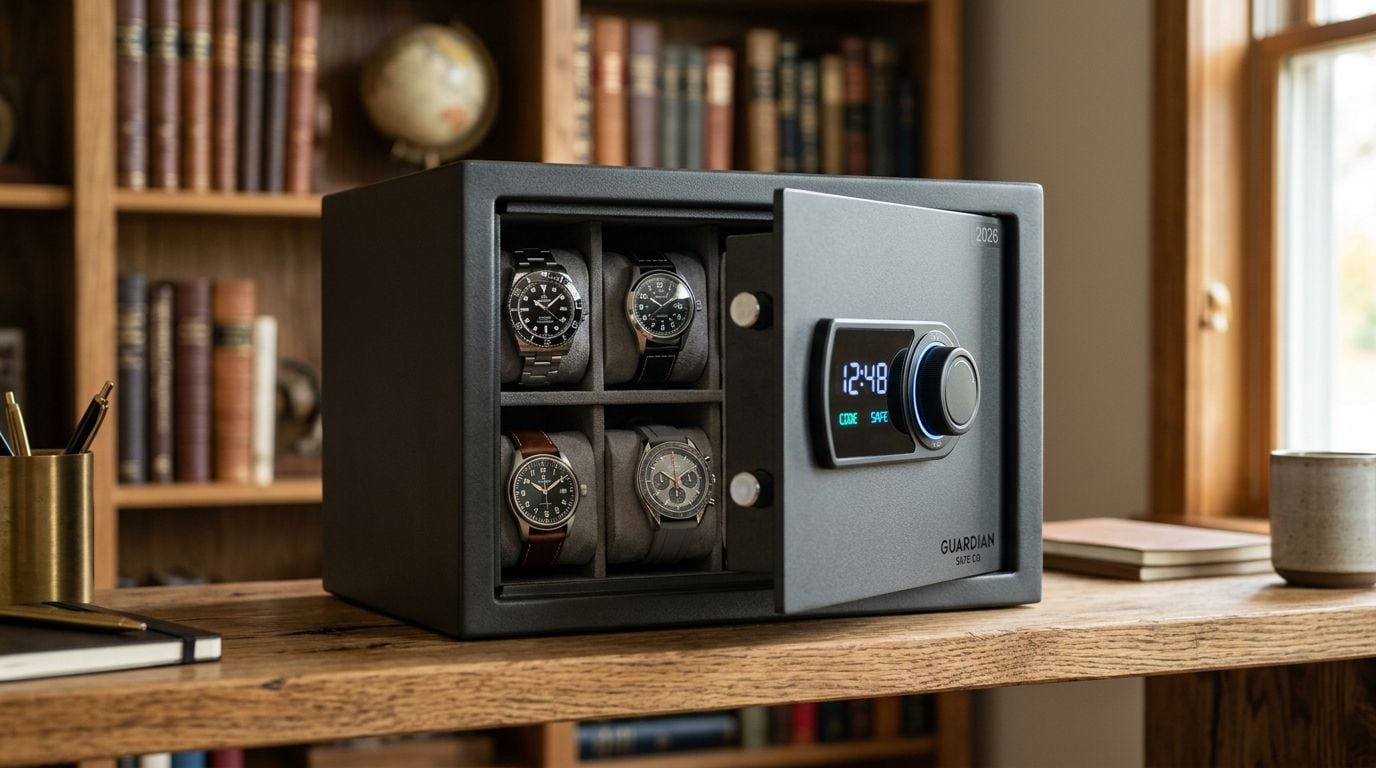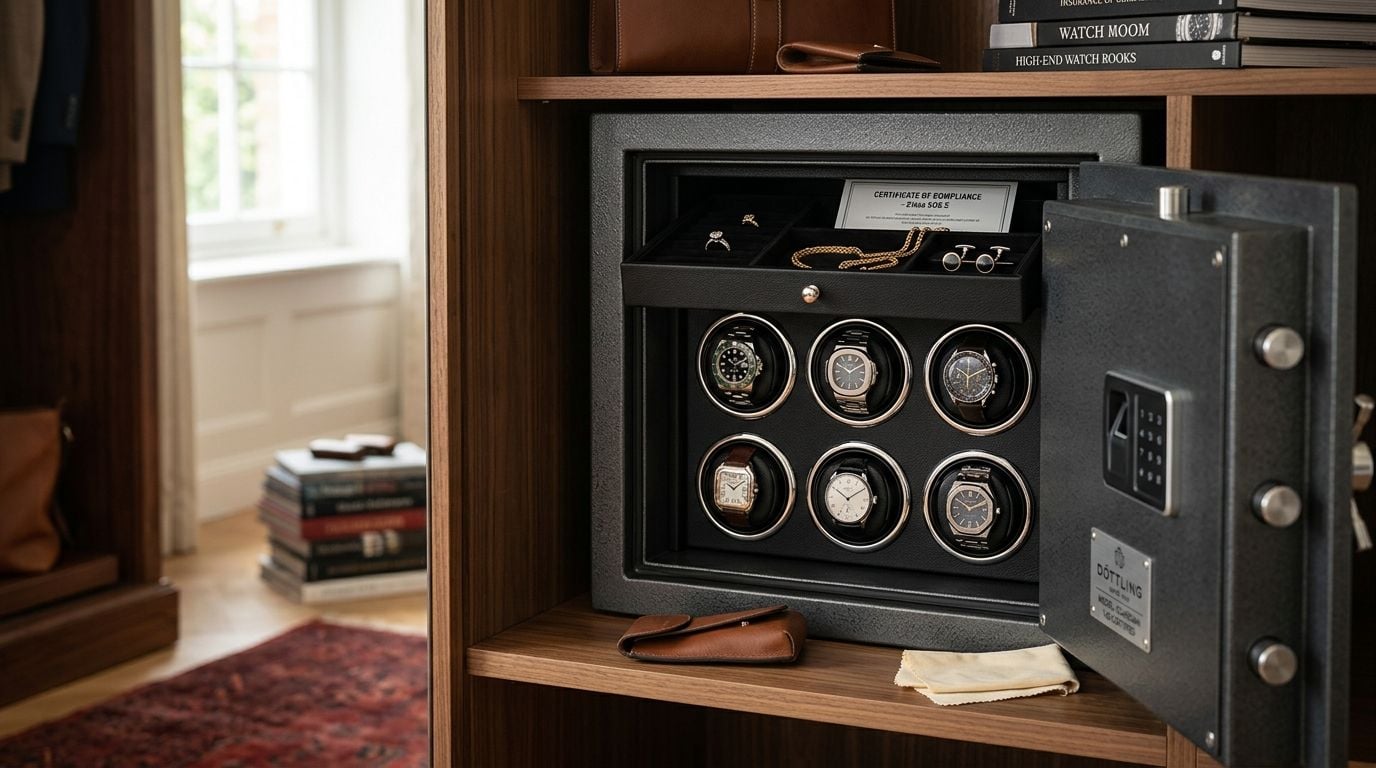

A watch repair shop holds client property worth more than the shop itself on a bad week — a Patek Philippe Nautilus or a Rolex Daytona left on a bench overnight is a liability the moment the doors lock. This guide covers what a watch safe for a watch repair shop actually needs to do, separate from what a home collector's safe needs, and names the features worth paying for in 2026.
- A watch safe for a watch repair shop needs a UL burglary rating, not just a heavy door — bolt-down capability matters more than finish. Buy the rated option.
- Biometric access lets each technician log in separately, which insurers and clients both expect by 2026. Consider it standard, not optional.
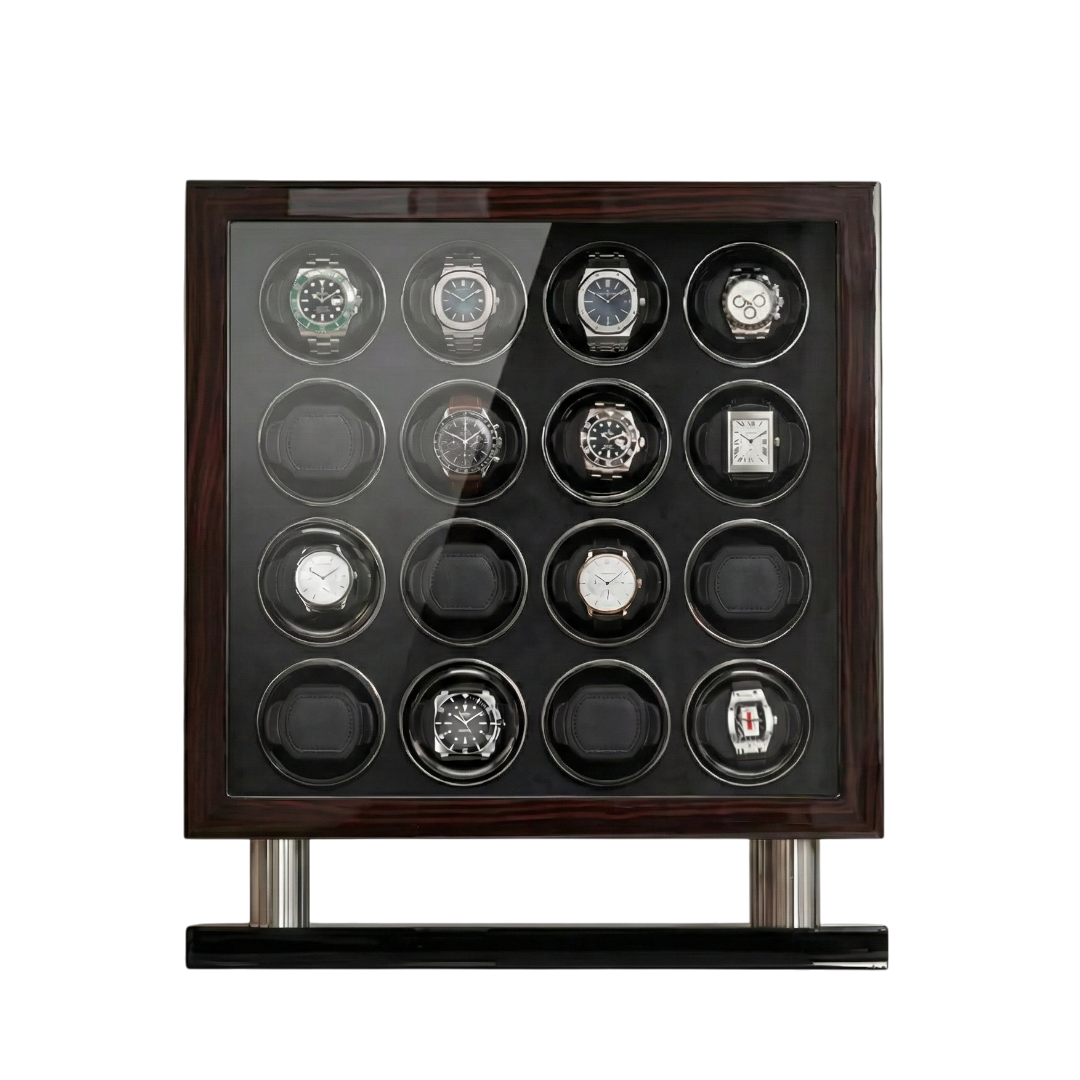
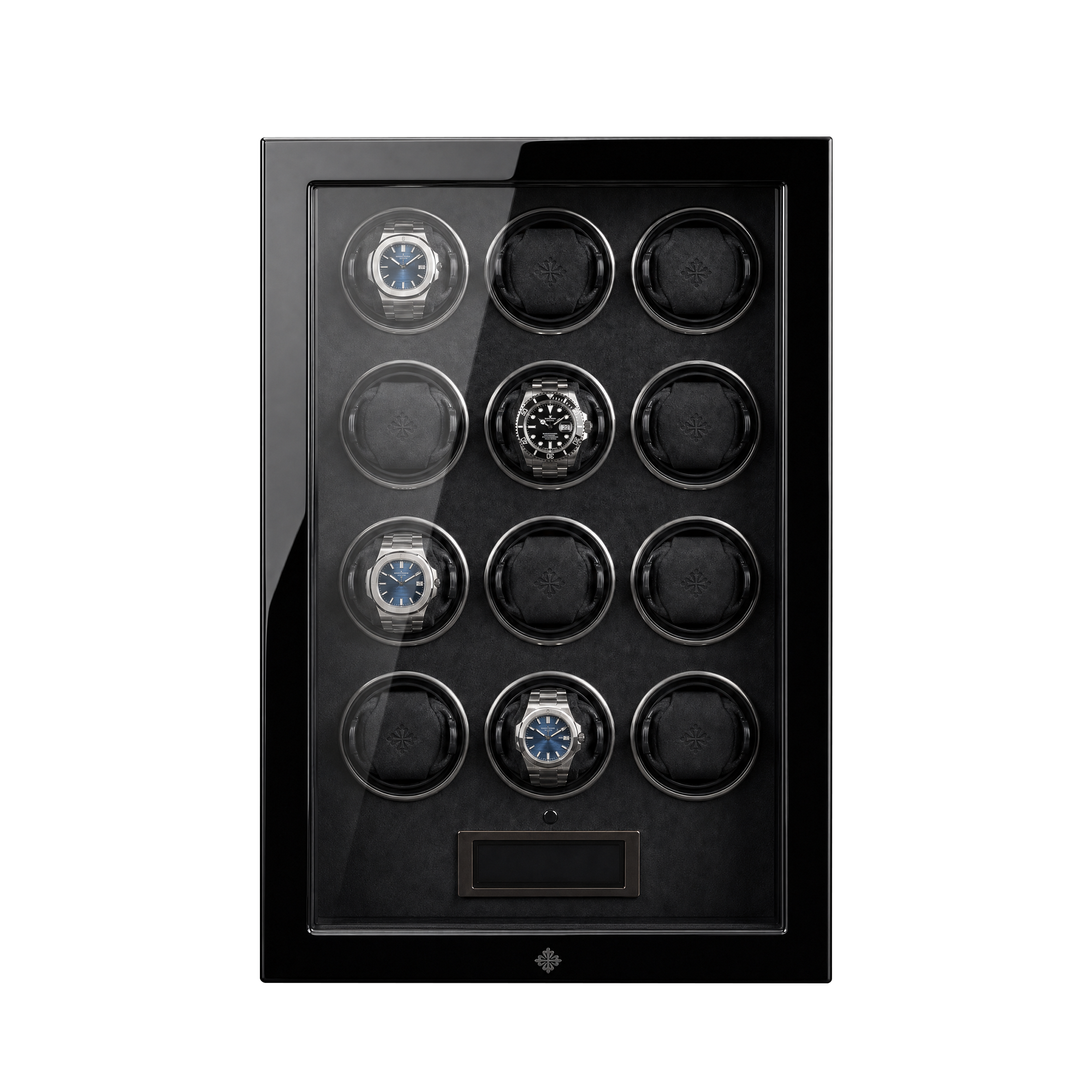
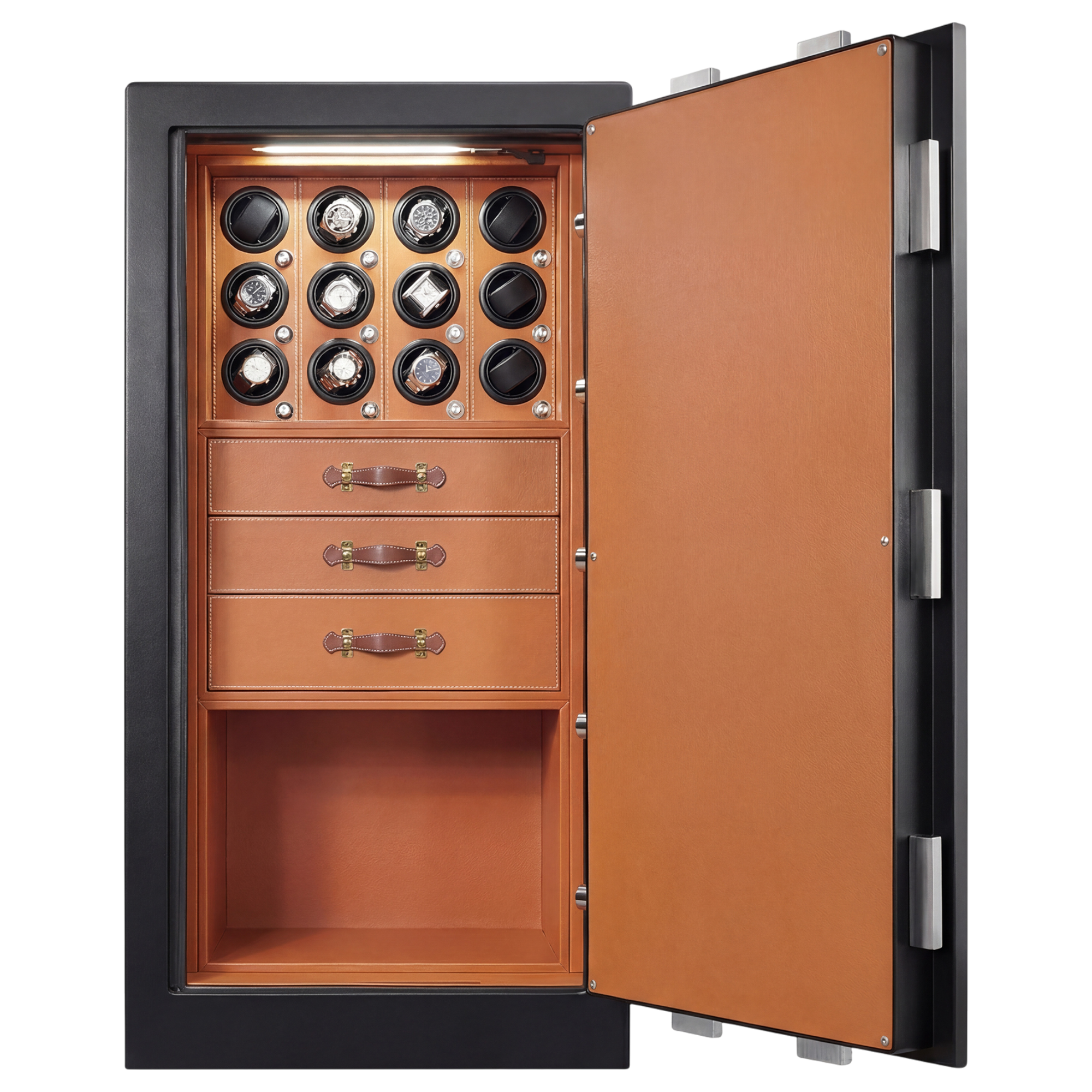
- The Apollo watch safe’s 12-slot model fits a shop juggling five to ten client pieces at once. Buy for mid-size repair operations.
- A 30-watch capacity safe makes sense once a shop also stocks resale inventory. Consider it, don’t default to it.
- Decorative combination locks on jewelry-box-style safes fail independent testing. Skip anything without a published burglary rating.
Why this matters
A watch repair shop is a bailee, not an owner, for most of what sits on the bench. A client's Submariner or Royal Oak stays anywhere from a day to six weeks, and the shop carries the financial and legal exposure the whole time. Standard household security doesn't cover that. Insurers writing coverage for client inventory generally ask for the safe's UL burglary rating before they'll extend a policy limit past a few thousand dollars per item.
The second exposure is turnover. A home collector opens a safe once a day. A repair shop opens it every time a piece comes in, goes to the bench, comes back for pickup, or gets photographed for a work order. That volume of access is exactly where cheap locks fail and where a well-built watch safe earns its price in 2026.
Who this is for
This guide is for shop owners and lead watchmakers holding client pieces overnight or longer — not for the collector storing a personal set of ten watches at home. If your bench sees service work, battery swaps, movement overhauls, or polishing on multiple client watches at once, and you need a documented, lockable place to put them between visits, the criteria below apply directly to your shop.
What to look for in a watch safe for a watch repair shop
A burglary rating your insurer recognizes
Most commercial policies covering client-owned inventory require a rated container, not a decorative one. Ask your insurer for their minimum rating before you shop, because the wrong safe won't get you the coverage limit you need regardless of how heavy the door feels.
A fire rating separate from the burglary rating
Burglary resistance and fire resistance are tested differently, and a safe can pass one without the other. Fire-rated containers are typically classified by minutes of protection at a specified interior temperature — the classification matters more for a repair shop than a home, because a single fire destroys client property you don't own and still have to answer for.
Individual access logging for multiple technicians
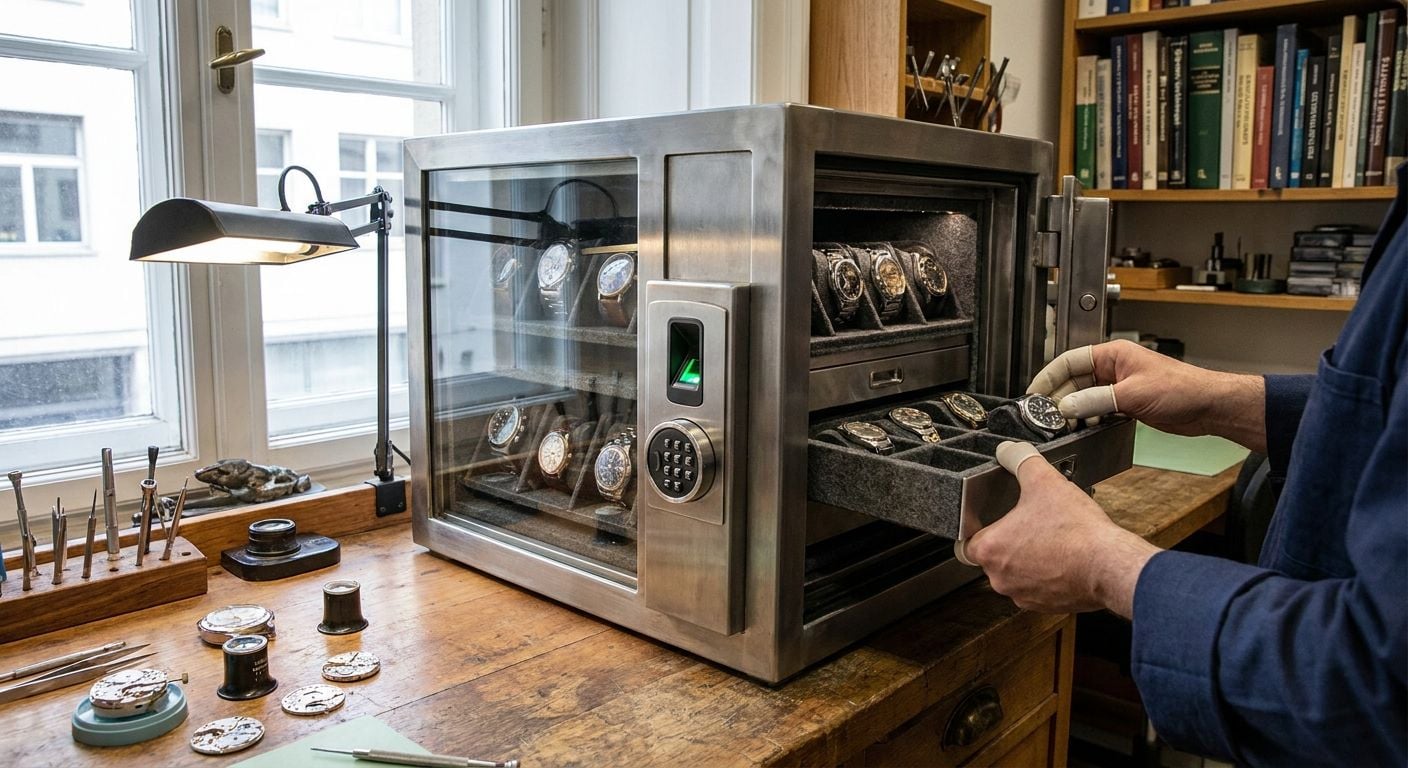
A single combination shared by three technicians creates zero accountability when a piece goes missing. A biometric-lock watch safe logs each fingerprint entry separately, which gives you an actual record when a client asks who last handled their watch.
Capacity that matches real turnover, not aspirational numbers
A shop cycling five to ten services a week rarely needs more than a dozen slots. A shop that also buys, consigns, or resells needs meaningfully more. Buying oversized capacity you don't fill wastes floor space and, on a commercial lease, floor space costs money every month whether the safe is full or not.
Interior organization that prevents mix-ups
Separate, labeled cushions or drawers stop one client's bracelet from scratching another client's case — a real risk when several pieces sit in one safe during a busy week. Cushioned slots that hold a case steady also matter more in a repair shop than a home, since watches arrive disassembled or with loose links more often.
A documented custody trail
Every time a client watch moves in or out, you want a record: date, condition, who handled it. A safe with logged access supports that trail; a shared key or combination does not.
Top picks for a watch repair shop
The workhorse pick — Apollo watch safe, 12-slot model. The Apollo watch safe's 12-slot model holds 12 pieces in individually cushioned slots, which covers a mid-size shop running five to ten active service jobs at once. Verdict: Buy for a shop that services a steady, moderate volume of client watches and wants headroom without paying for space it won't use.
The access-control pick — biometric-lock configuration. Covered in the criteria above, this configuration swaps a shared combination for individual fingerprint entry, which matters the moment more than one technician touches the safe in a day. Verdict: Buy for any shop with two or more staff who need independent access.
The overflow pick — 30-watch capacity safe. A safe built for 30 watches suits a shop that also holds consignment stock or resale inventory alongside active repairs. Verdict: Consider this only once your average in-shop count regularly exceeds fifteen pieces — otherwise the extra capacity sits empty and the extra footprint sits in your way.
The wildcard — alarm-integrated unit. A safe with a built-in alarm trigger adds a layer past the lock itself, tying the container into a monitored system. Verdict: Skip for most repair shops in low-crime commercial zones; Consider it seriously if your storefront sits in a high-foot-traffic retail corridor or a location with a documented break-in history nearby.
What to avoid
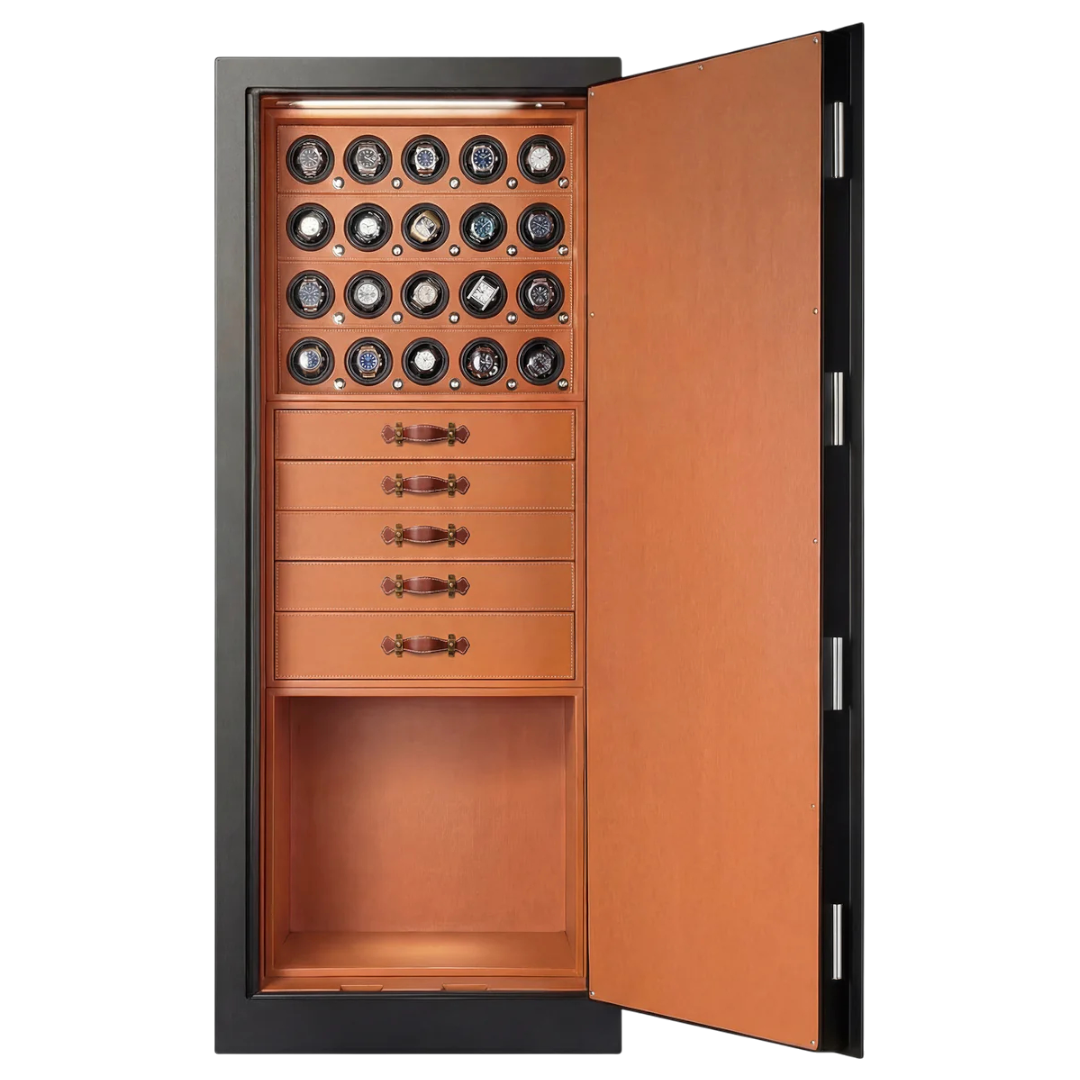
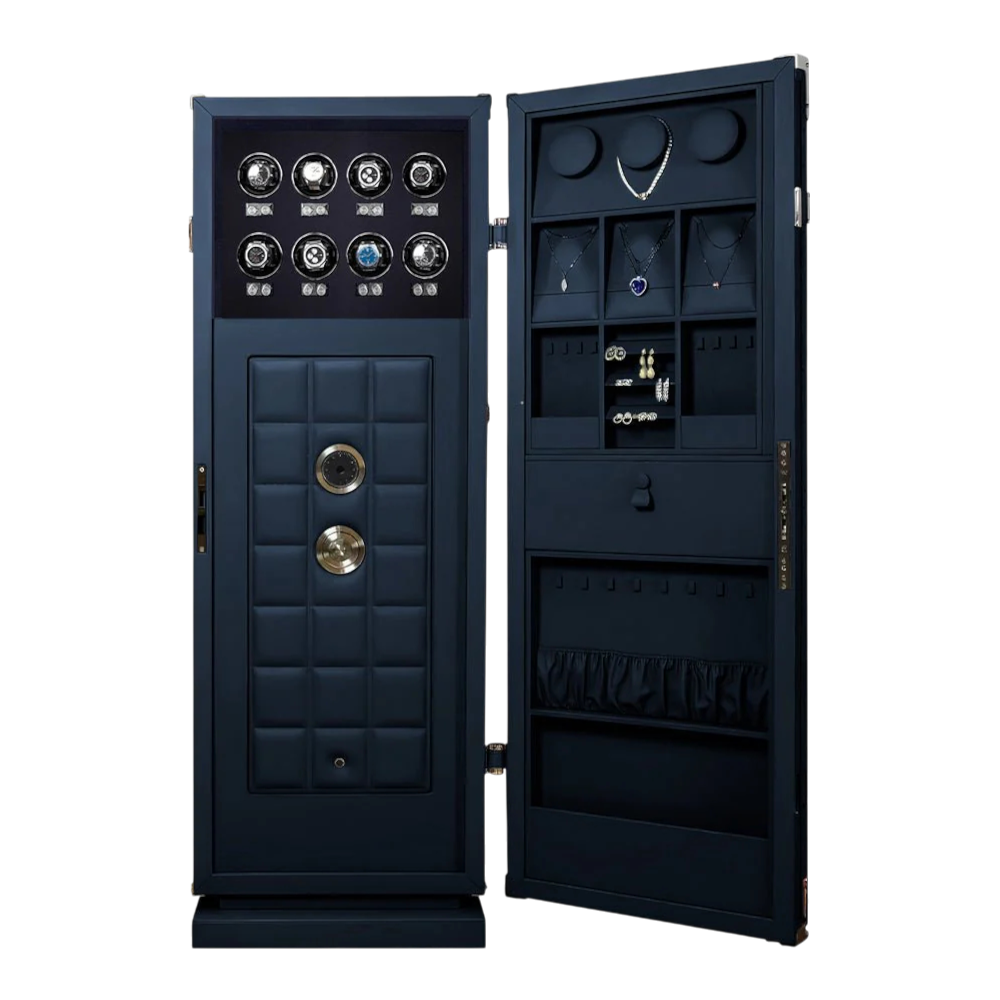
- Decorative jewelry-box safes marketed as "secure." They photograph well and satisfy nobody's insurer — no published burglary rating, no bolt-down hardware.
- A single combination dial sold as "high security." Without independent testing behind the claim, you're trusting a marketing label, not a rating.
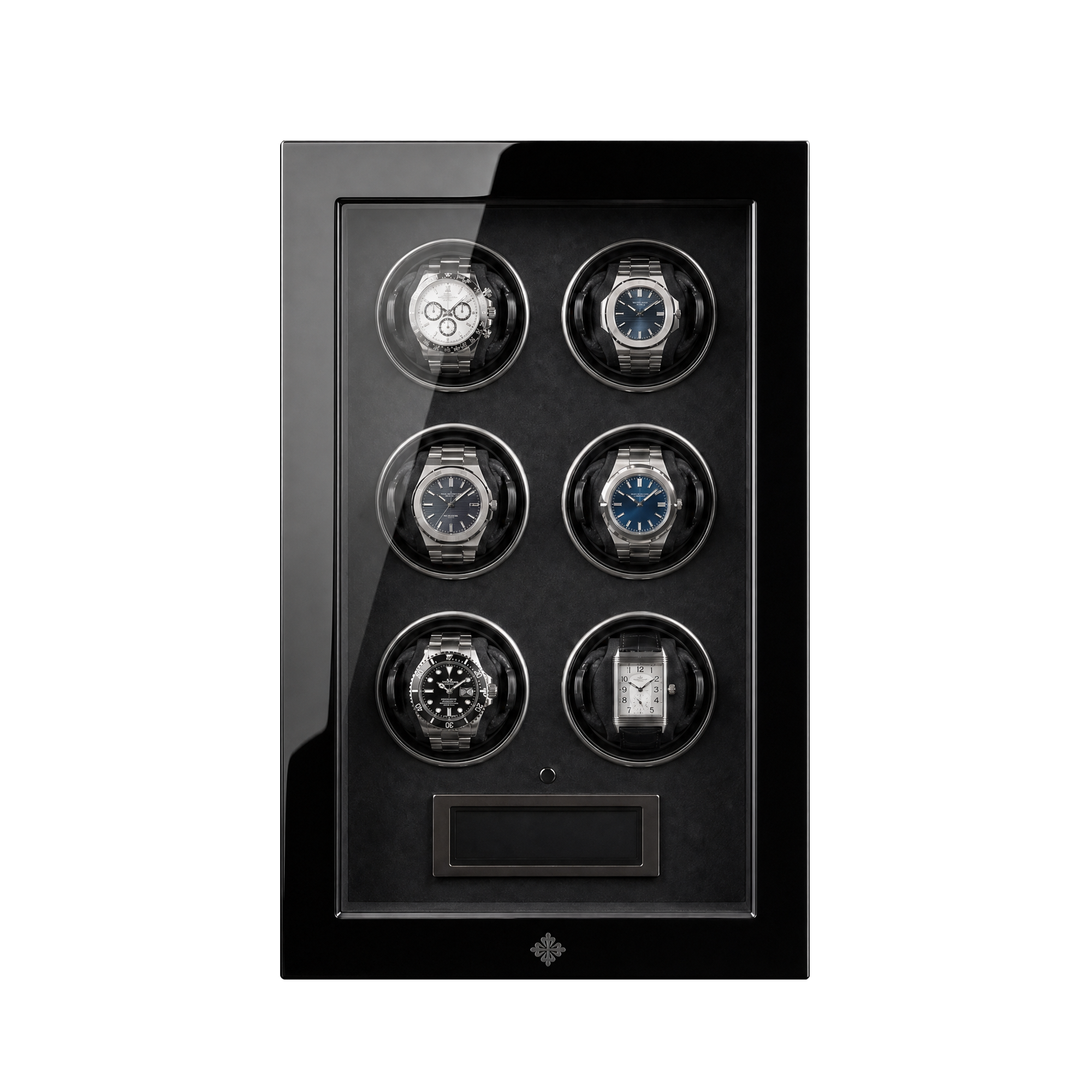
- Winder-heavy units that prioritize rotation over storage density. Client watches in for service aren't being worn — they need secure, organized storage, not eight motors running pieces nobody asked to be wound.
Verdict at a glance
| Pick | Capacity | Lock type | Best for | Verdict |
|---|---|---|---|---|
| Apollo watch safe, 12-slot | 12 watches | Biometric or key | Mid-size shops, steady volume | Buy |
| Biometric-lock configuration | Varies by model | Fingerprint, per-user | Multi-technician shops | Buy |
| 30-watch capacity safe | 30 watches | Biometric or key | Shops with resale/consignment stock | Consider |
| Alarm-integrated unit | Varies by model | Lock plus monitored alarm | High-risk retail locations | Skip / Consider |
Talk to Enigwatch about shop security
Get specifics on capacity, lock type, and commercial installation.
Where to buy
- Buy directly from Enigwatch rather than a reseller — commercial installation for a repair shop safe involves bolt-down anchoring that a third-party seller won't coordinate.
- Confirm the burglary and fire ratings in writing before purchase, and hand that documentation to your insurer, not just to your file drawer.
- Ask about lifetime warranty terms and professional installation scheduling before the safe ships, since a repair shop can't afford a week without secure storage while a technician waits on a delivery window.
FAQ
What’s the best watch safe for a watch repair shop holding client inventory?
A watch safe for a watch repair shop needs a UL burglary rating plus biometric or logged access — the Apollo watch safe’s 12-slot model covers most mid-size shops. Larger shops with resale stock should size up toward a 30-watch capacity unit instead.
Is a biometric lock better than a key lock for a repair shop?
Yes, for any shop with more than one staff member handling client watches. Biometric access logs each entry to a specific fingerprint, while a shared key or combination gives you no record of who opened the safe last.
How much does a watch safe with a UL burglary rating cost in 2026?
Enigwatch’s rated watch safes run roughly $5,000 to over $21,000 depending on capacity, lock type, and interior finish. A 12-slot rated model sits toward the lower end of that range; larger, multi-technician configurations sit higher.
Does a repair shop need a winder built into the safe?
Usually not. Client watches in for service are being disassembled or adjusted, not worn, so keeping them still and secure matters more than keeping them wound.
What fire rating should a repair shop’s safe have?
Ask your insurer for their minimum before buying, since fire resistance is tested separately from burglary resistance and a container can pass one test without the other.
How many slots does a small repair shop actually need?
Most shops running five to ten active service jobs at a time are covered by a 12-slot safe. Only shops that also hold consignment or resale inventory routinely need 20 to 30 slots.
Does owning a rated safe lower insurance premiums for a repair shop?
Insurers typically require a rated safe before extending coverage past a low per-item limit, and documentation of that rating is usually what unlocks a better rate — check the specifics with your own carrier.
Can a watch safe be bolted into a shop floor instead of a wall?
Yes, floor bolt-down is standard for commercial installations and is generally preferred over wall mounting in a repair shop, since it keeps the unit stable near the bench without needing a load-bearing wall.
One last thing
Most repair shops skip the paperwork step and pay for it later: appraisers and insurers usually want dated photographs of every client watch logged at intake, before it ever goes into the safe. A rated Enigwatch watch safe with logged access covers the storage half of that requirement — the documentation half is on you, and it's the cheaper insurance policy of the two.
Related guides
Protect Your Watch Collection
Designed for collectors who demand the best. Explore our premium watch winders and luxury safes.