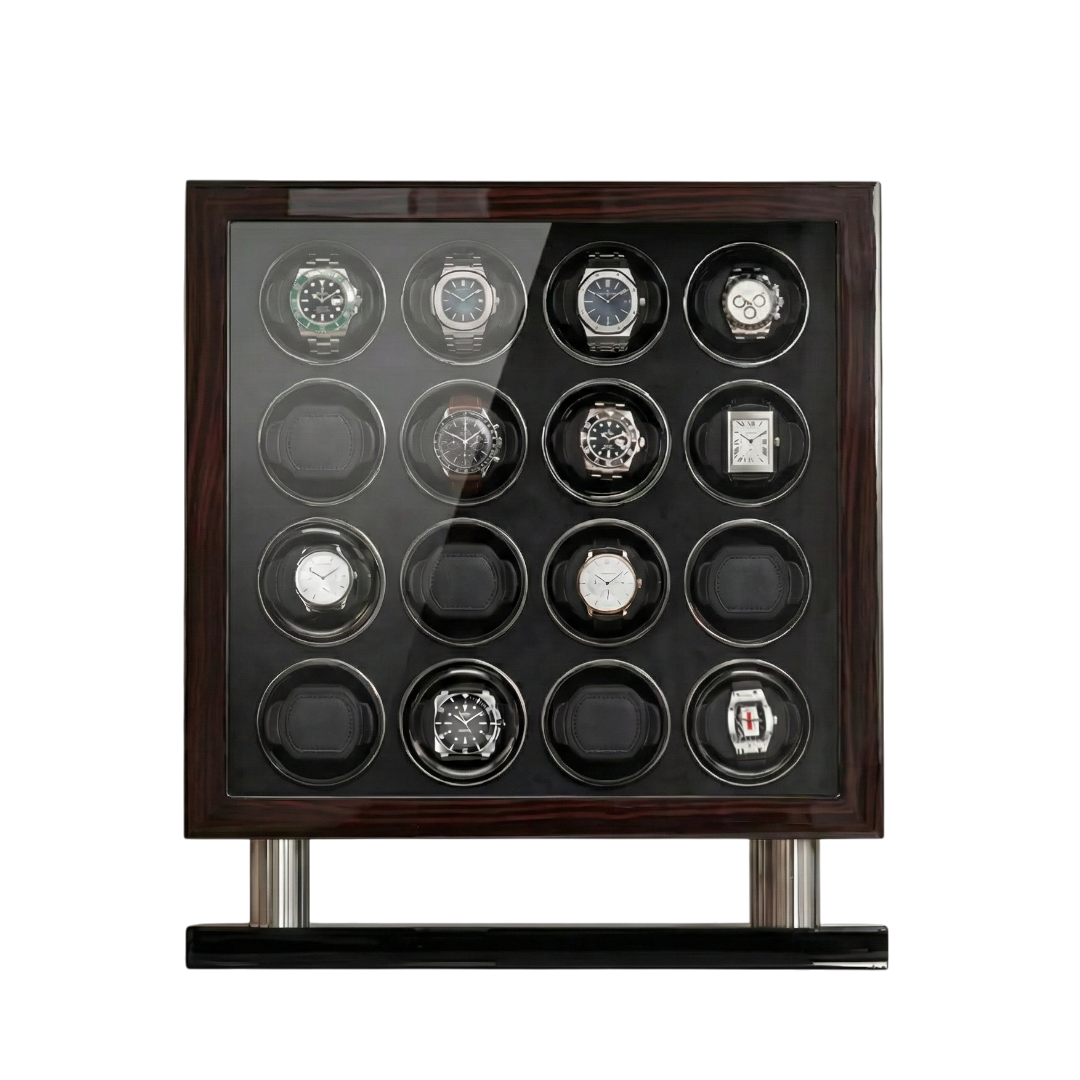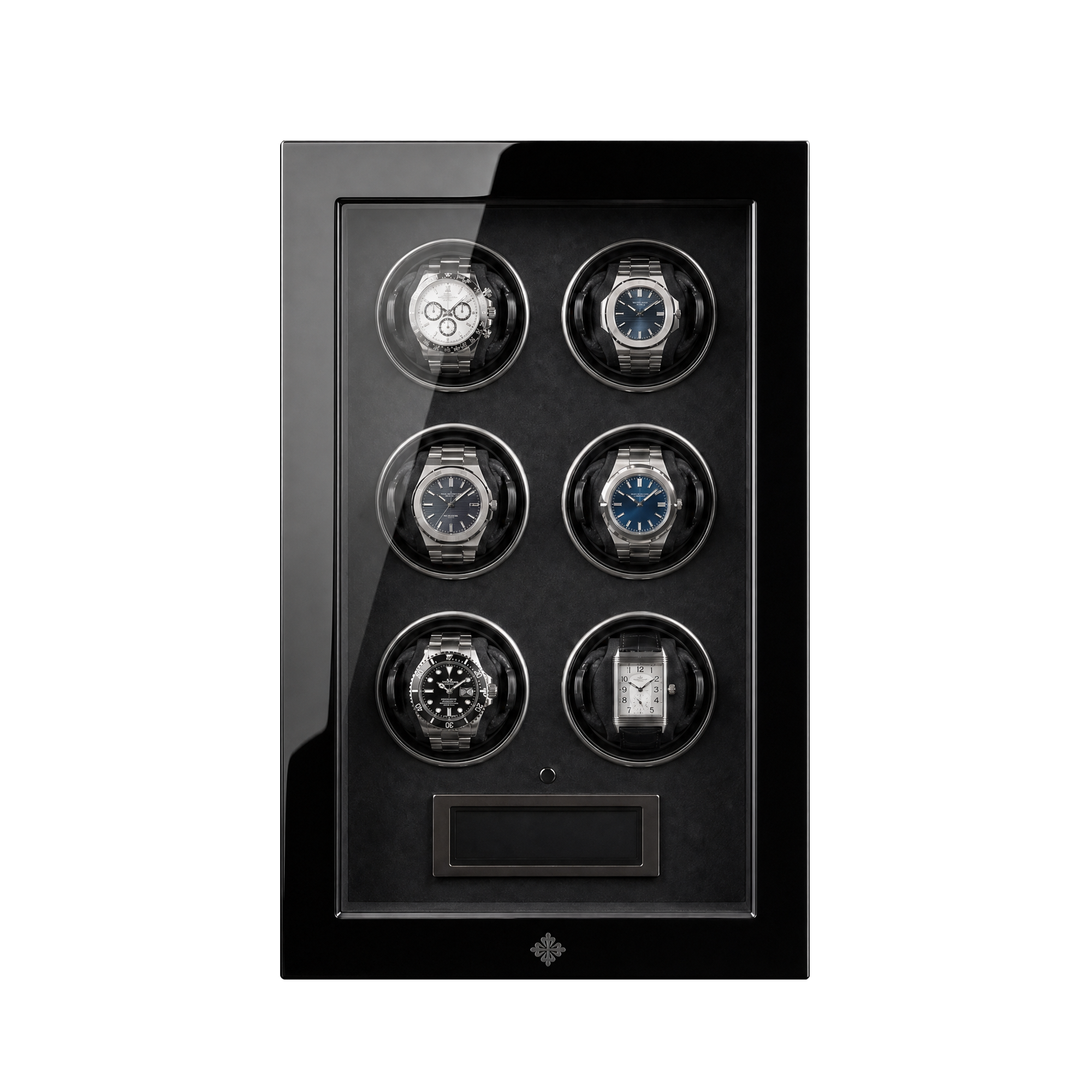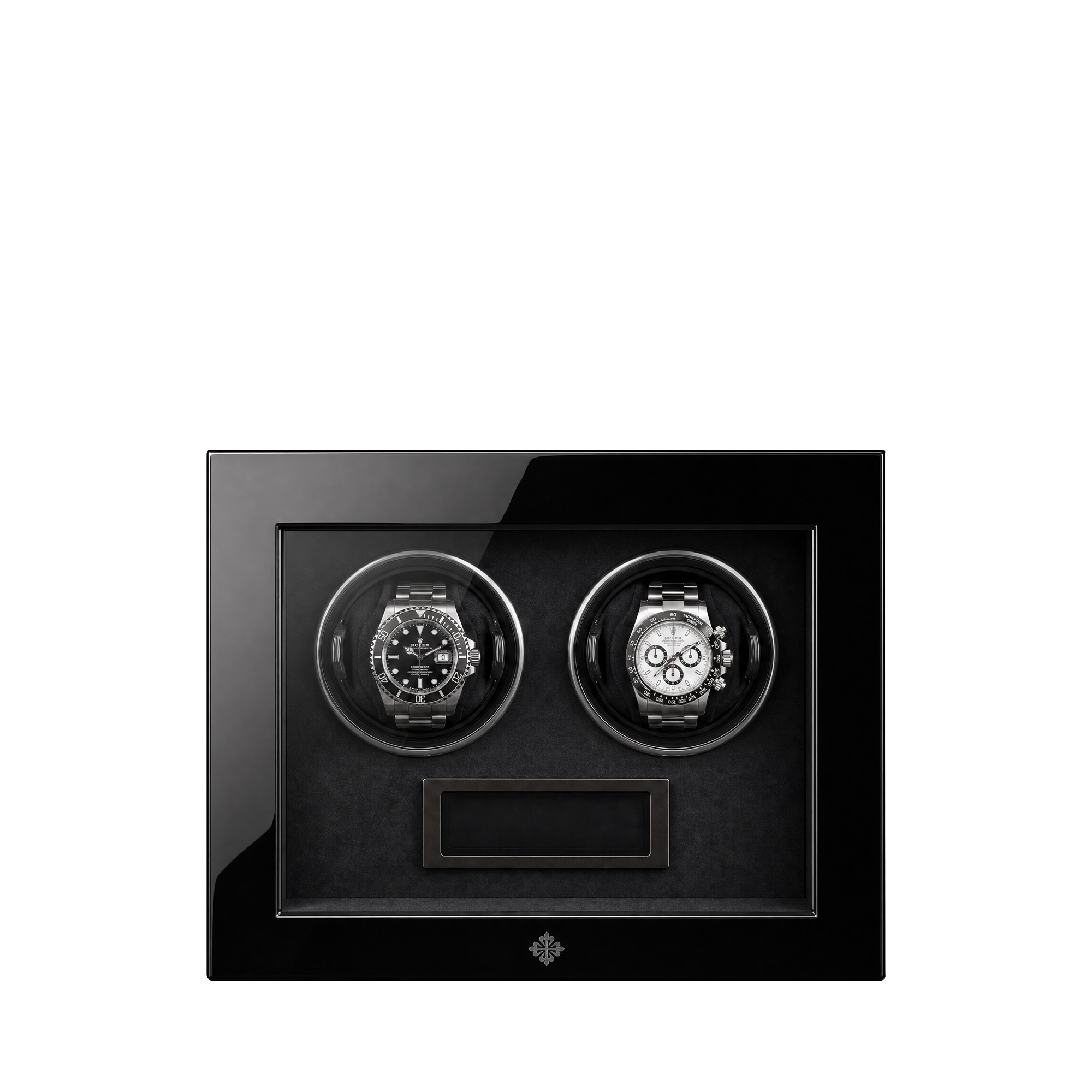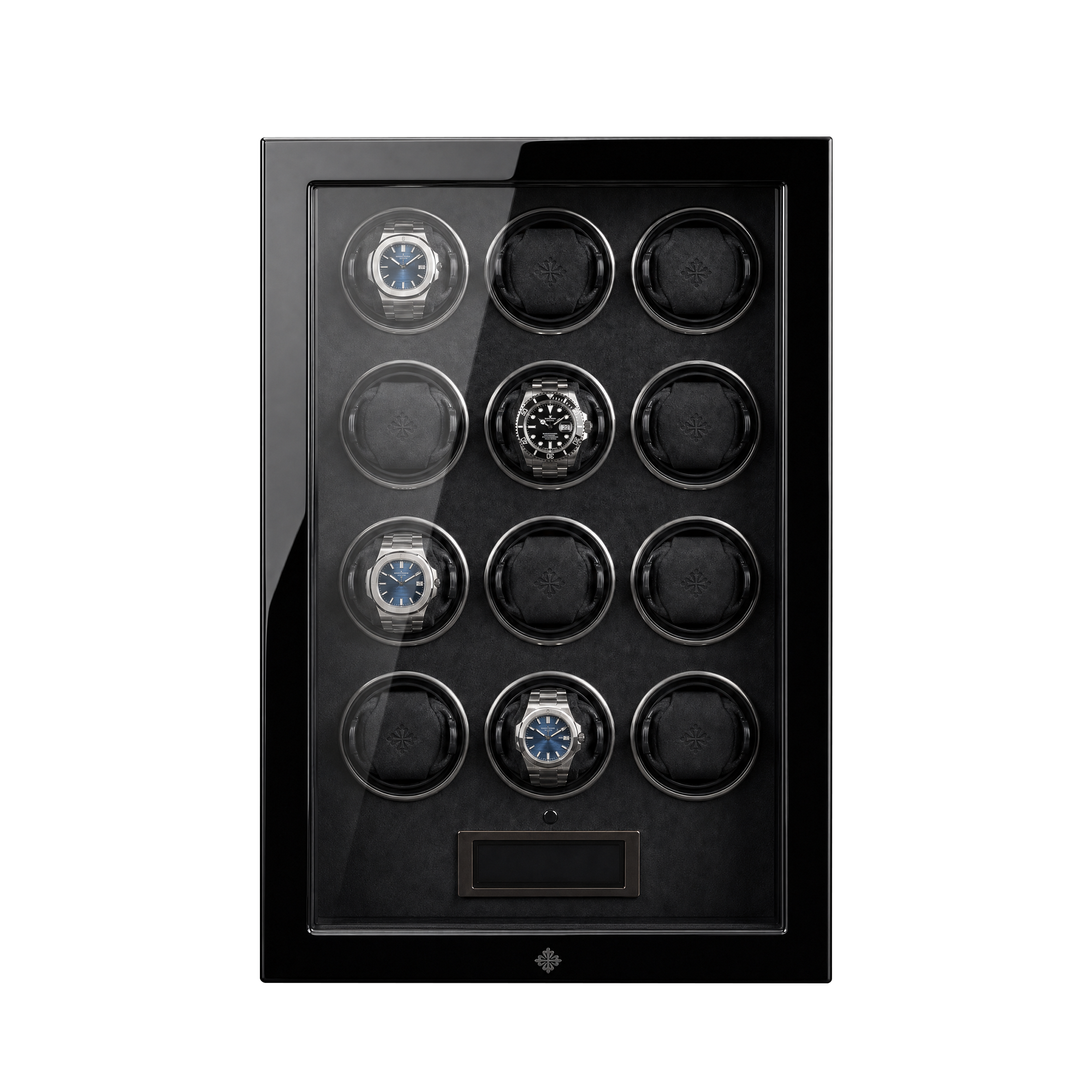

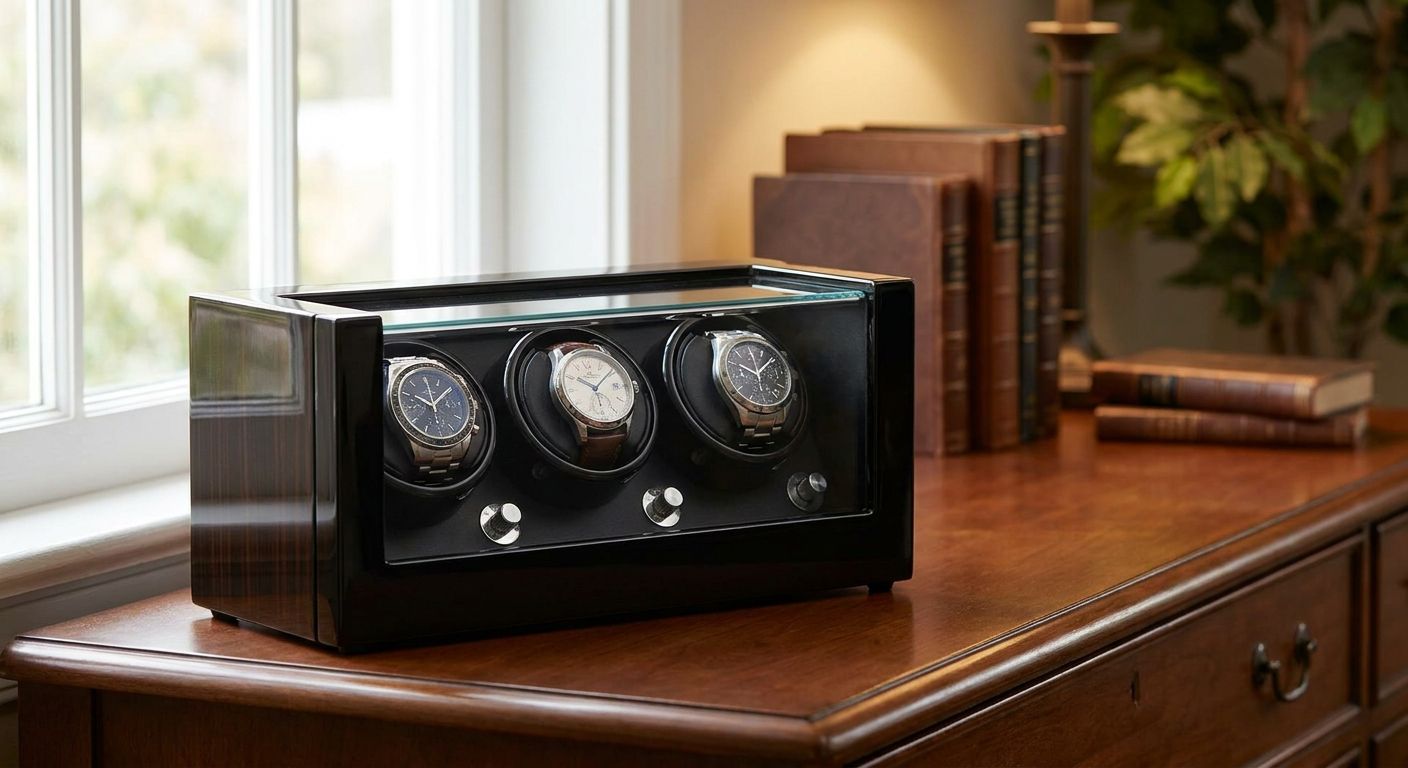
A watch winder for 3 watches solves one specific problem: you rotate three automatics on a regular basis, and both a single-slot box and a 12-slot cabinet are the wrong tool for that job. This guide covers what actually matters in a compact triple-slot unit and which configurations hold up in 2026.
- The Impresario three-slot configuration is the safe buy for collectors rotating three automatics daily.
- Skip single-motor units driving three heads — TPD accuracy drops fast on shared drivetrains.
- A 4-slot winder with one open station beats a cramped 3-slot box if your collection is growing in 2026.
- Japanese Mabuchi motors and independently programmable TPD per slot are non-negotiable above $5,000.
Why This Matters
A three-piece rotation is the most common collection size among serious buyers who've moved past a single automatic but haven't built out a full cabinet. Storing three watches wrong isn't dramatic — it's slow. A shared motor pushing three heads wears unevenly, and TPD settings drift when one program has to serve three different movements at once. Enigwatch's Japanese Mabuchi motor breakdown lays out why independent drive per slot matters more than most buyers assume before they own one.
The stakes for 2026 buyers are practical, not theoretical: a $5,000 entry point buys real independent motors, but plenty of triple-slot boxes in that price range still run one shared driveshaft. That distinction is the whole article.
Who a Three-Slot Winder Is For
This guide is for the collector who owns three automatics they actually wear in rotation — not a display case of twelve, not a single grail watch. You're past the single-winder stage but not ready for a full cabinet, and you want each watch wound correctly without babysitting settings every week. If your third watch sits idle most months, a 2-slot unit paired with a watch safe for a small collection covers the same ground for less.
What to Look For in a Watch Winder for 3 Watches
Independent Motors Per Slot
Three watches means three different calibers, three different power reserves, and three different TPD requirements. A winder that shares one motor across all three heads via belts or gears can't serve all three correctly at once — one watch ends up over-wound or under-wound. Independent Mabuchi motors per slot solve this at the drivetrain level, not the settings menu.
TPD Range and Program Count
Automatic movements generally need somewhere between 600 and 1500 turns per day depending on the caliber and rotor design. A triple-slot unit worth buying in 2026 lets you set each slot separately rather than forcing one blanket program across all three watches.
Interior Material and Cushion Fit
Cushion diameter and clasp clearance matter more with three watches than one, because you're likely mixing case sizes — a 36mm dress watch next to a 44mm diver. Alcantara and Nappa leather interiors, sourced from Italian suppliers, hold cushions in place without the friction that scuffs bracelets over months of daily rotation.
Power and Voltage Setup
A compact three-slot box still needs a stable power source, and if you travel or split time between residences, voltage compatibility across regions avoids a dead unit on arrival. Check this before ordering rather than after.
Room to Grow
A three-watch collection rarely stays at three. Buying a unit with zero spare capacity means a second purchase within a year or two for most collectors who are still acquiring.
Top Picks for a Three-Watch Rotation
The safe pick: the Impresario three-slot configuration. Independent Japanese Mabuchi motors per head, programmable TPD from 600 to 1500 per slot, Alcantara interior. This is the configuration most collectors with exactly three watches in rotation should default to in 2026. See the full Impresario series comparison for finish and interior options. Buy.
The wildcard: a single winder plus a stacked 2-slot unit. Some collectors run their daily-wear piece in a dedicated single winder and pair the other two in a compact double unit stacked beside it. It costs more than one triple-slot box and takes more shelf space, but it isolates a grail piece on its own motor and program entirely. Consider if your three watches have wildly different TPD needs and you don't mind the footprint.
The upgrade path: a 4-slot winder with one station left empty. If you're actively adding to a three-watch collection, buying a 4-watch winder now and leaving one slot open avoids a second purchase in 2027. The cost difference over a true triple-slot unit is usually smaller than people expect once you're already at the $5,000-plus tier. Buy if you expect to add a fourth watch within 18 months.
Skip: budget plastic-gear triple boxes under $500. These typically run a single motor across all three heads with a belt-and-gear system that wears audibly within a year. Noise complaints and uneven TPD are the most common issues reported with this category. Skip for anything you'd call a serious collection.
What to Avoid
- Shared-motor triple units marketed as "multi-slot." The spec sheet often hides whether each head has its own motor — ask directly if it isn't stated.
- Fixed-TPD boxes with no per-slot programming. A single blanket setting across three different calibers guarantees at least one watch is wound incorrectly.
- Units with no stated voltage range. If a listing doesn't mention 110V/220V compatibility, assume it's built for one region only.
“If your three watches have three different power reserves, one shared motor can never wind all three correctly at once.”
Verdict Comparison
| Configuration | Motor Setup | TPD Range | Interior | Verdict |
|---|---|---|---|---|
| Impresario 3-slot | Independent Mabuchi per head | 600-1500, per slot | Alcantara | Buy |
| Single + stacked 2-slot | Independent, separate units | 600-1500, per unit | Varies by unit | Consider |
| 4-slot, one open | Independent Mabuchi per head | 600-1500, per slot | Alcantara or leather | Buy for growing collections |
| Budget triple box (<$500) | Shared motor, belt-driven | Fixed, non-adjustable | Foam or synthetic | Skip |
See the 2026 winder lineup
Compare Mabuchi motor configurations and interior options before you order.
FAQ
What’s the best watch winder for 3 watches in 2026?
A three-slot unit with independent motors per head, such as the Impresario configuration, is the best default for a rotating three-watch collection in 2026. It avoids the shared-motor problem that causes uneven TPD across different calibers.
Is a 3-slot winder better than a 4-slot winder for three watches?
A 3-slot winder is fine if your collection is fixed at three watches, but a 4-slot unit with one open station is the better buy if you expect to add a fourth watch within a year or two. The price difference at the $5,000-plus tier is usually smaller than the cost of buying a second winder later.
How much does a watch winder for 3 watches cost?
Luxury triple-slot winders with independent Mabuchi motors and leather or Alcantara interiors generally start around $5,000 and run higher depending on finish and cabinet features. Budget units under $500 exist but typically share one motor across all three heads.
Do all three slots need the same TPD setting?
No, and they shouldn’t if your watches use different calibers. Independent programming per slot lets you set 600 TPD on one watch and 1200 on another without compromising either.
Can a 3-slot winder run on both 110V and 220V power?
Only if the unit is built for dual-voltage compatibility, which isn’t universal even at the luxury tier. Confirm voltage support before ordering if you split time between regions.
What’s the difference between a watch winder and a watch safe for three watches?
A watch winder keeps automatics running by rotating them on a schedule, while a watch safe is built for security and doesn’t move the watches at all. Collectors who rotate three watches daily need a winder; those storing watches they wear less often may only need secure storage.
How many turns per day (TPD) does a typical automatic need?
Most automatic movements need somewhere between 600 and 1500 turns per day depending on the caliber and rotor design. Checking the movement’s specific TPD requirement before setting a winder program avoids over-winding or under-winding.
One Last Thing
The detail most buyers miss on a three-slot winder isn't the motor or the interior — it's whether each slot can run a genuinely different program at the same time. A unit that looks identical to a shared-motor box on a listing page can behave completely differently once you own three watches with three different power reserves running side by side.
Related Guides
- Watch winder rotation programs — what each mode does
- Watch safe for a small collection (1 to 4 watches)
Protect Your Watch Collection
Designed for collectors who demand the best. Explore our premium watch winders and luxury safes.