
A rotating shift schedule breaks every assumption a standard watch winder is built on — steady bedtime, predictable wear days, a fixed number of watches cycling through the week. Here's what changes when the wearer sleeps at 9 a.m. instead of 9 p.m., and which specs on a watch winder for a night shift worker actually matter once the schedule stops behaving like everyone else's.
- A watch winder for a night shift worker needs a motor quiet enough to run through daytime sleep — verify the spec before buying.
- TPD needs run 650 to 950 depending on caliber; independent per-slot programs beat one blanket setting for rotating rosters.
- Bidirectional rotors cover mixed-brand collections better than single-direction units when wear days shift week to week.
- Skip a 12-slot cabinet for a 3-watch rotation — size to what actually gets worn, not what sits in the safe.
- Enigwatch’s rotation-program and TPD guides cover the exact settings a shift worker sets once and forgets.
Why this matters
Night shift work doesn't just change when someone sleeps — it changes when a watch gets worn, and how consistently. A day-shift owner rotates the same three watches on a predictable Monday-through-Friday rhythm. A night-shift worker might wear one watch four nights running, then not touch it for three days off, then flip back to a different piece entirely.
A watch winder built for that pattern needs to run through daytime sleep without becoming a bedroom nuisance, and how quiet a winder actually runs varies far more between models than most buyers expect. Get the motor wrong and the unit ends up in a closet instead of on a shelf. Get the rotation settings wrong and a watch worth five figures still runs down between shifts. In 2026, most collectors buying for irregular schedules make one of those two mistakes first.
Who this is for
This guide is for collectors on rotating or fixed night rosters — ER nurses, warehouse supervisors, airline ground crew, security officers, factory workers on a 12-hour rotation — anyone whose "daytime" is bedtime and whose watch-wearing days move with the schedule instead of the calendar. If the roster changes every two weeks, or wear days depend on which shift landed that month, the winder has to work around a pattern most off-the-shelf units were never designed for.
What to look for in a watch winder for a night shift worker
Motor noise low enough for daytime sleep
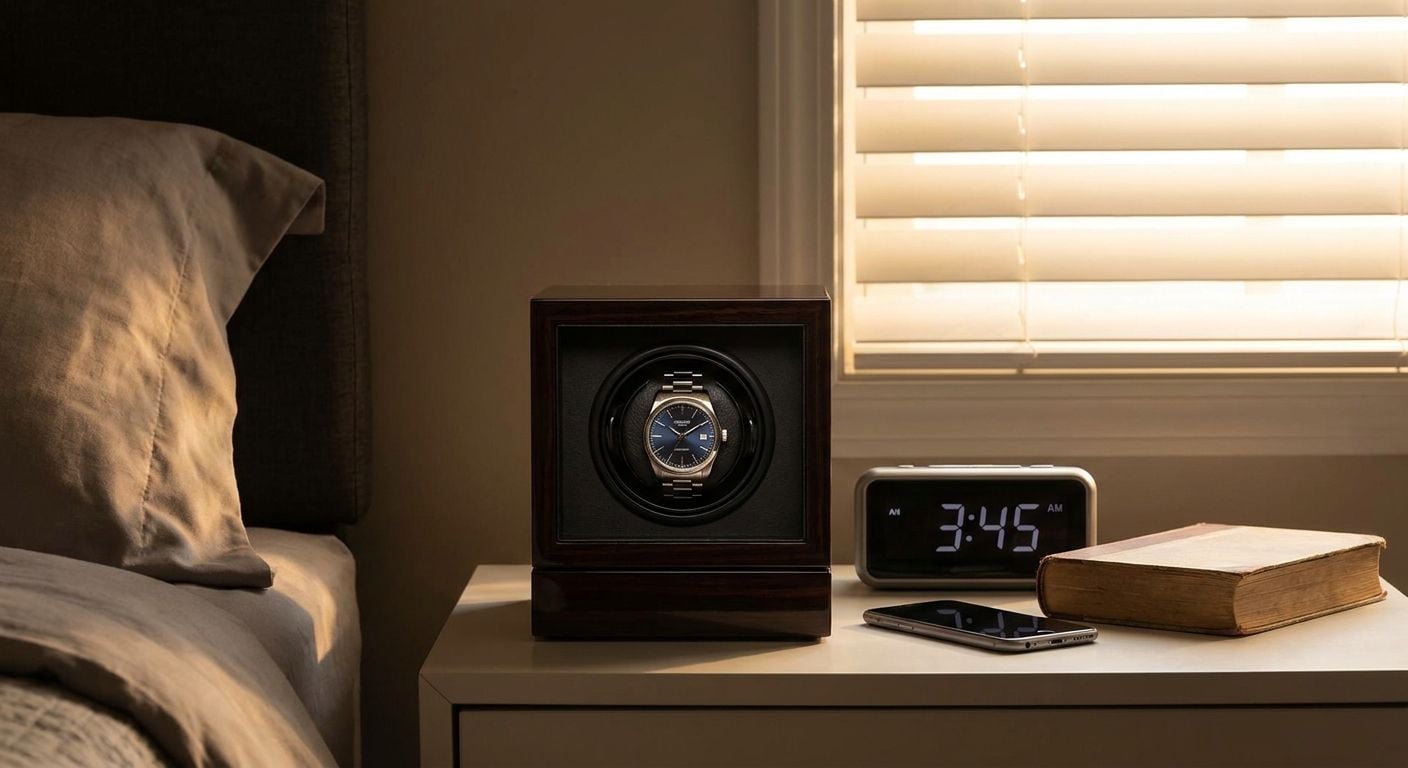
A winder placed in or near a bedroom runs while its owner sleeps during daylight hours, which means motor noise matters more here than for almost any other buyer. Enigwatch builds its units around Japanese Mabuchi motors specifically because a geared hum that's tolerable at night becomes a real disruption at 11 a.m. with the blinds closed. Ask for the noise spec before buying — a winder that gets moved to another room within a month is a wasted purchase.
Independent TPD programs per slot
Turns-per-day requirements vary by caliber — many Rolex movements run around 650 TPD, while other automatics need closer to 950. A night-shift collector rotating two or three watches on different schedules needs a unit that lets each slot run its own rotation program rather than one setting applied across the whole cabinet. This matters more here than for a 9-to-5 owner because the watches aren't coming off and going back on at the same hour every day.
Bidirectional winding
Some automatic movements wind efficiently in only one direction; others need both. For a shift worker swapping between brands unpredictably — a Rolex one week, an Omega the next — a bidirectional rotor removes the guesswork about which direction a given caliber actually requires. Single-direction winders force a collector to check compatibility every time the rotation changes, which defeats the point of owning one.
Timer settings that don't assume a normal day
Default programs on many winders assume a winding cycle tied to daytime activity — on during the day, idle at night. A worker sleeping from 9 a.m. to 5 p.m. needs a unit that runs continuously or on an interval unrelated to sunrise, not a preset "daytime" cycle built for someone else's clock.
Capacity sized to actual rotation, not the full collection
Buying more slots than watches actually in rotation adds cost and another motor humming in the room for no benefit. Size the winder to the watches worn across a full roster cycle — for most single-shift workers that's two to four slots — and let the rest of the collection sit in a safe instead of an idle winder slot.
Top picks
The safe pick — a 2-slot unit with independent TPD dials. Covers a standard rotation where one watch runs four or five nights straight before swapping. Two slots means no idle motor running for a watch that isn't in the current cycle. Buy.
The wildcard — a bidirectional, multi-program cabinet. Built for a mixed-brand collection where calibers need different winding directions and different TPD counts in the same week. More flexible than it needs to be for a two-watch rotation, but it earns its keep once a third or fourth caliber enters the mix. Consider.
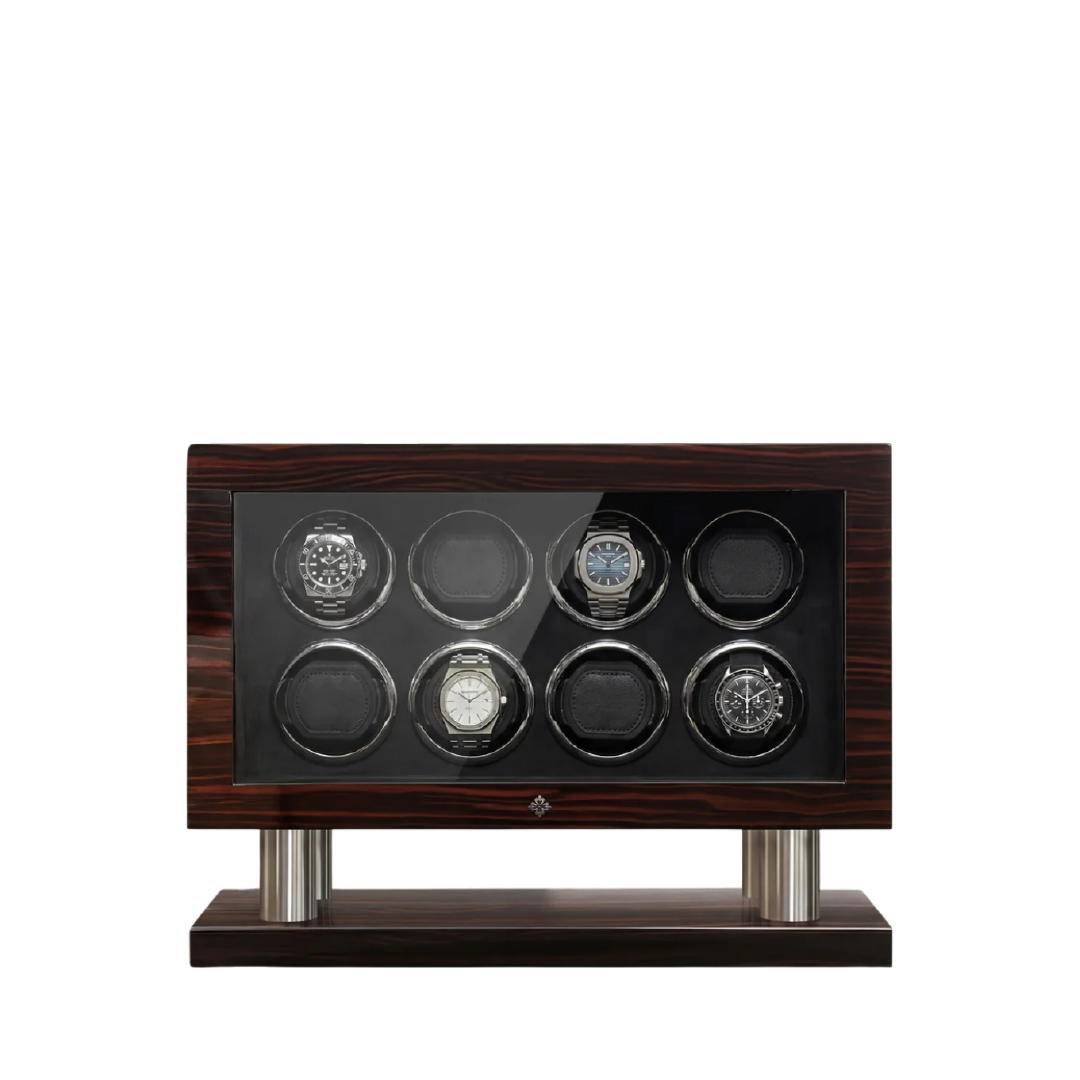
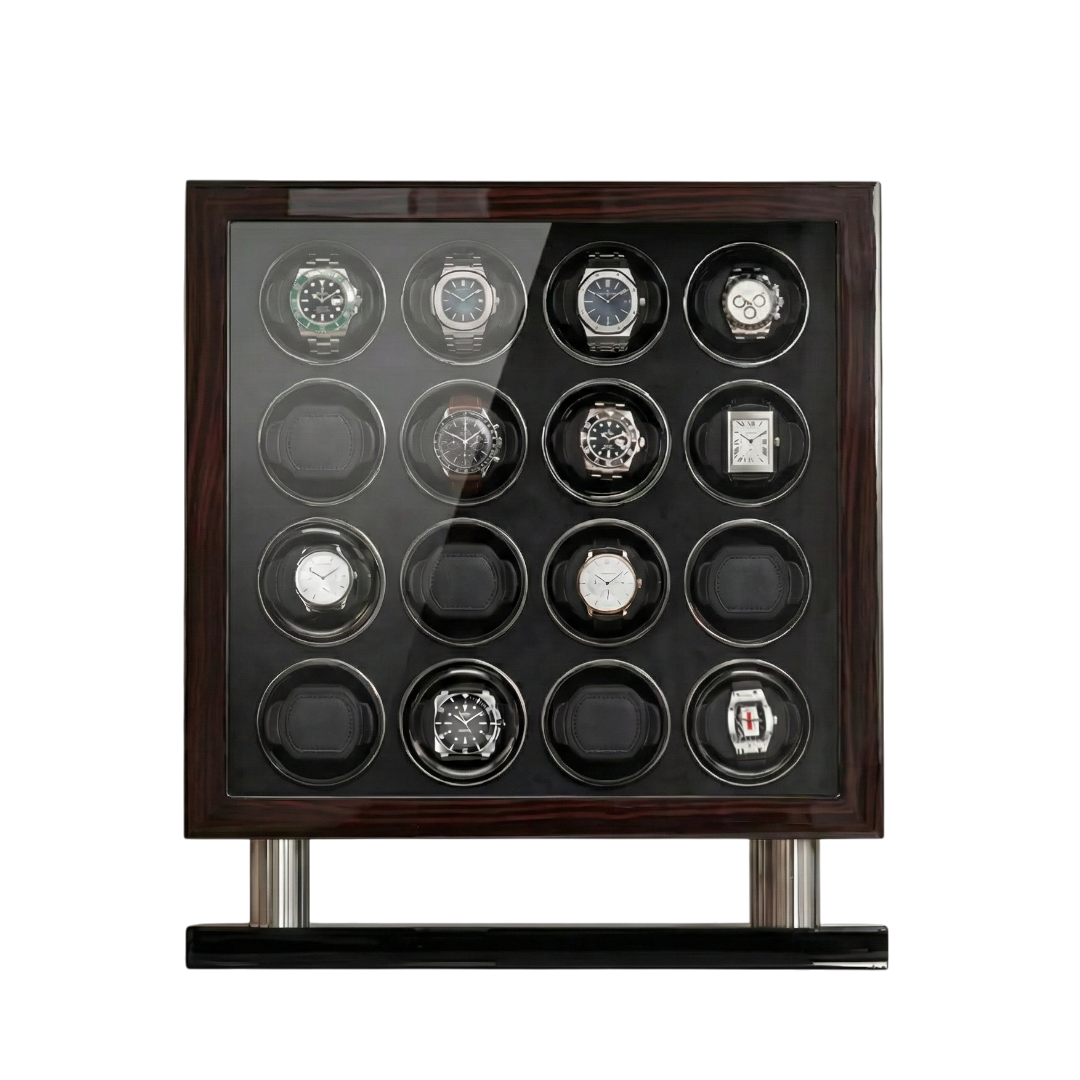
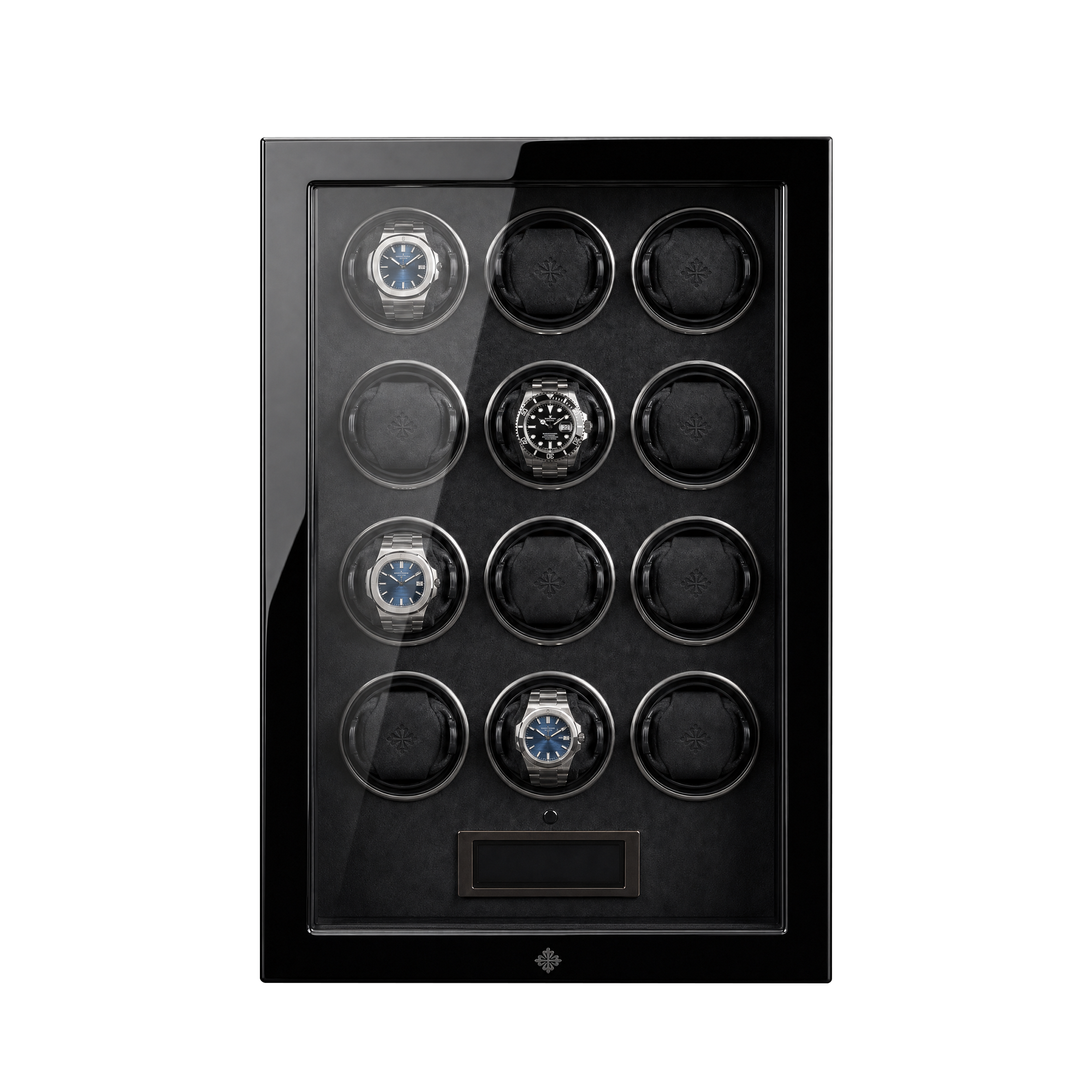
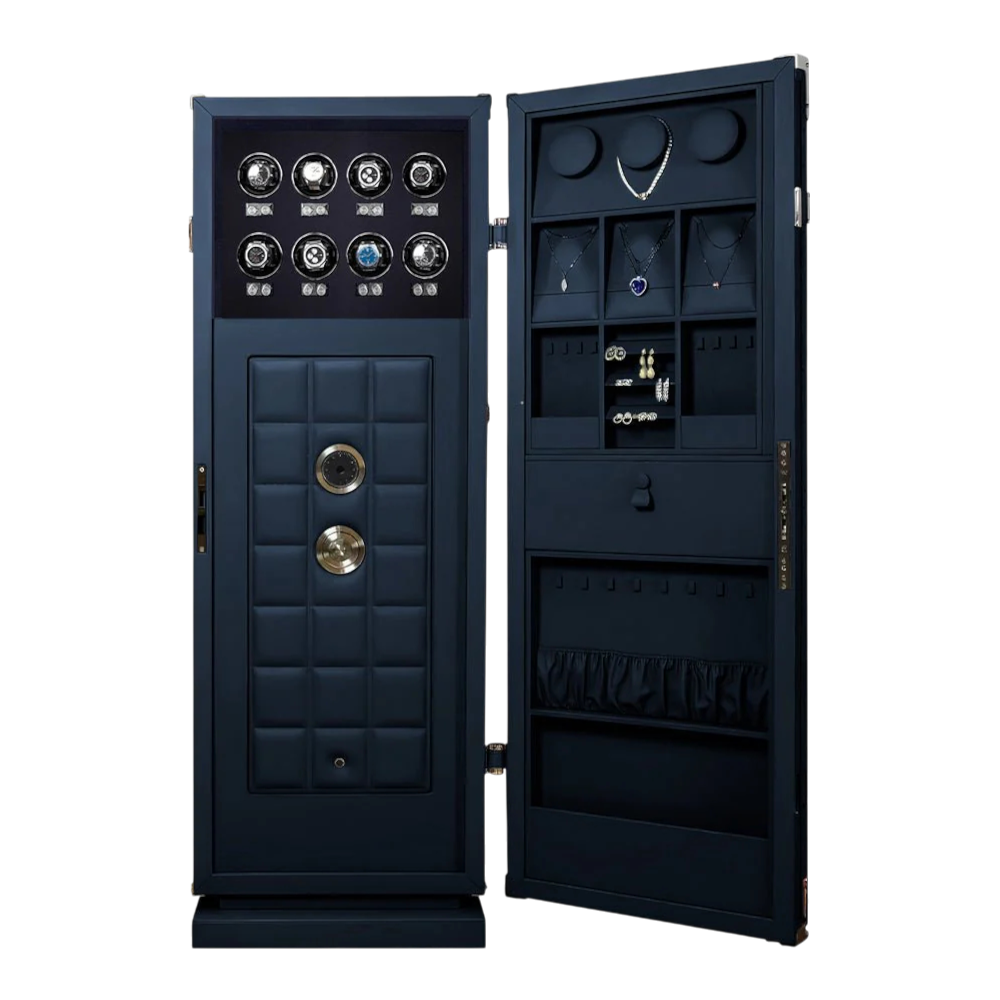
The overbuy — a 12-slot cabinet for a 3-watch rotation. Looks impressive, runs nine motors for watches that never leave the safe, and adds noise and running cost with zero benefit to a small night-shift rotation. Skip.
The quiet-hours pick — a unit built around a documented low-noise Mabuchi motor. The only pick where the spec sheet, not the slot count, decides the purchase. If the unit doesn't publish a noise figure, assume it's louder than what a light daytime sleeper can tolerate. Buy if the spec is published and verified; Skip if it isn't.
What to avoid
- Winders marketed as "silent" with no published noise spec. If the listing doesn't state it, don't assume it. Ask before buying, not after it's running next to the bed.
- Fixed-TPD units that can't be reprogrammed. A rotation that changes with the roster needs a winder that changes with it — a locked-in TPD setting stops being useful the moment the schedule shifts.
- Ignoring what continuous running costs. A winder covering a rotating shift may run close to 24 hours a day for weeks between wear gaps. What that actually adds to a monthly bill is worth checking before committing to a multi-slot cabinet.
See the current Enigwatch lineup
Compare winders built around independent TPD control and low-noise motors.
Verdict at a glance
| Criterion | Why it matters for a night shift worker | Verdict |
|---|---|---|
| Motor noise | Runs beside a bed during daytime sleep | Buy quiet-motor units only |
| TPD flexibility | Rotation doesn't follow a five-day week | Independent per-slot programs win |
| Winding direction | Mixed-caliber collections need both | Bidirectional wins |
| Slot count | Should match watches worn, not owned | Size to 2-4 slots for most rotations |
| Running cost | Unit may run near 24/7 for weeks | Factor into total ownership cost |
An Enigwatch watch winder ships with published TPD ranges and motor specs listed against exactly this kind of comparison — worth checking against any unnamed alternative that doesn't disclose either number.
FAQ
What’s the best watch winder for a night shift worker in 2026?
The best option in 2026 is a 2 to 4-slot unit with independent per-slot TPD programs and a documented low-noise motor. Larger cabinets add cost and noise without matching a small rotating-shift collection.
Is a bidirectional watch winder better than single-direction for mixed collections?
Yes, bidirectional rotors handle both winding directions automatic calibers require, which matters when a rotation mixes brands. Single-direction units force a check on caliber compatibility every time the watch changes.
How many TPD does a rotating-shift watch need?
Most automatic calibers need between 650 and 950 turns per day, with the exact number set by the movement, not the schedule. A winder with independent programs lets each watch run its own TPD regardless of when it’s actually worn.
Does a watch winder need to run 24 hours a day?
No, but for a night-shift rotation it often runs close to that between wear gaps of four or five days. Continuous operation is normal for this use case and doesn’t damage a properly rated automatic movement.
How much does running a watch winder cost on electricity in 2026?
The cost is low compared to most household electronics since the motor only engages briefly per cycle rather than running continuously at full draw. Checking the specific draw against a monthly bill before buying a multi-slot cabinet is still worth doing.
Is a loud watch winder motor bad for sleep?
Yes, for anyone sleeping during daylight hours a humming motor placed nearby is a real disruption, not a minor annoyance. Verify the published noise spec before buying rather than testing it after the winder is already running in the bedroom.
Can a watch winder handle an irregular wear schedule?
Yes, as long as it has independent TPD programs per slot and timer settings that don’t assume a standard daytime cycle. A fixed single-program winder struggles with a rotation that changes week to week.
Should a night shift worker buy a 2-slot or 4-slot winder?
Size to the number of watches actually worn across a full roster cycle, which for most single-shift workers is two to four pieces. Buying beyond that adds noise and running cost for slots that sit idle.
One last thing
Many automatic calibers stop within roughly 38 to 70 hours off the wrist, depending on the movement's power reserve — for a worker rotating shifts every four or five days, that number decides whether a winder is worth owning at all, not the slot count printed on the cabinet. A watch with a 40-hour reserve left still on a shift-worker's dresser for five days off will need resetting every time; the same watch on a properly programmed Enigwatch watch winder never does.
Related guides
Protect Your Watch Collection
Designed for collectors who demand the best. Explore our premium watch winders and luxury safes.