
A real estate agent's watch gets worn to a Tuesday closing, sits in a desk drawer through three days of virtual tours and paperwork, then goes back on the wrist for Saturday's open house. A watch winder for a real estate agent has to work around that stop-start rhythm instead of assuming the watch comes off at the same hour every night — and most winders built for a nine-to-five collector don't.
- A watch winder for a real estate agent should run 6 to 8 turns per day, not the higher counts made for daily-wear steel bracelets.
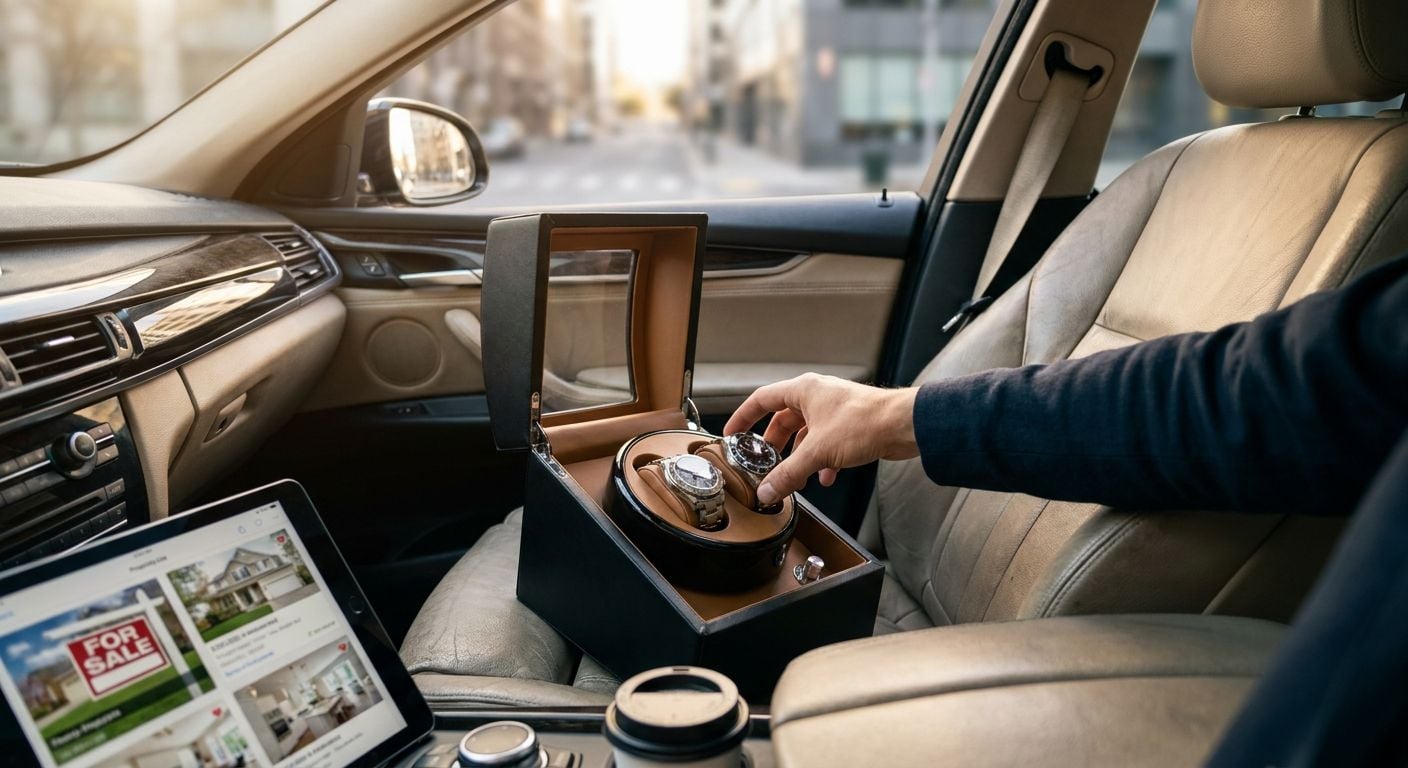
- Portability matters more than slot count — a single-watch case that survives a glovebox beats a 12-slot cabinet that stays home.
- Enigwatch’s Impresario series covers the desk-anchor case with Japanese Mabuchi motors; skip anything decorative that can’t hold a real TPD setting.
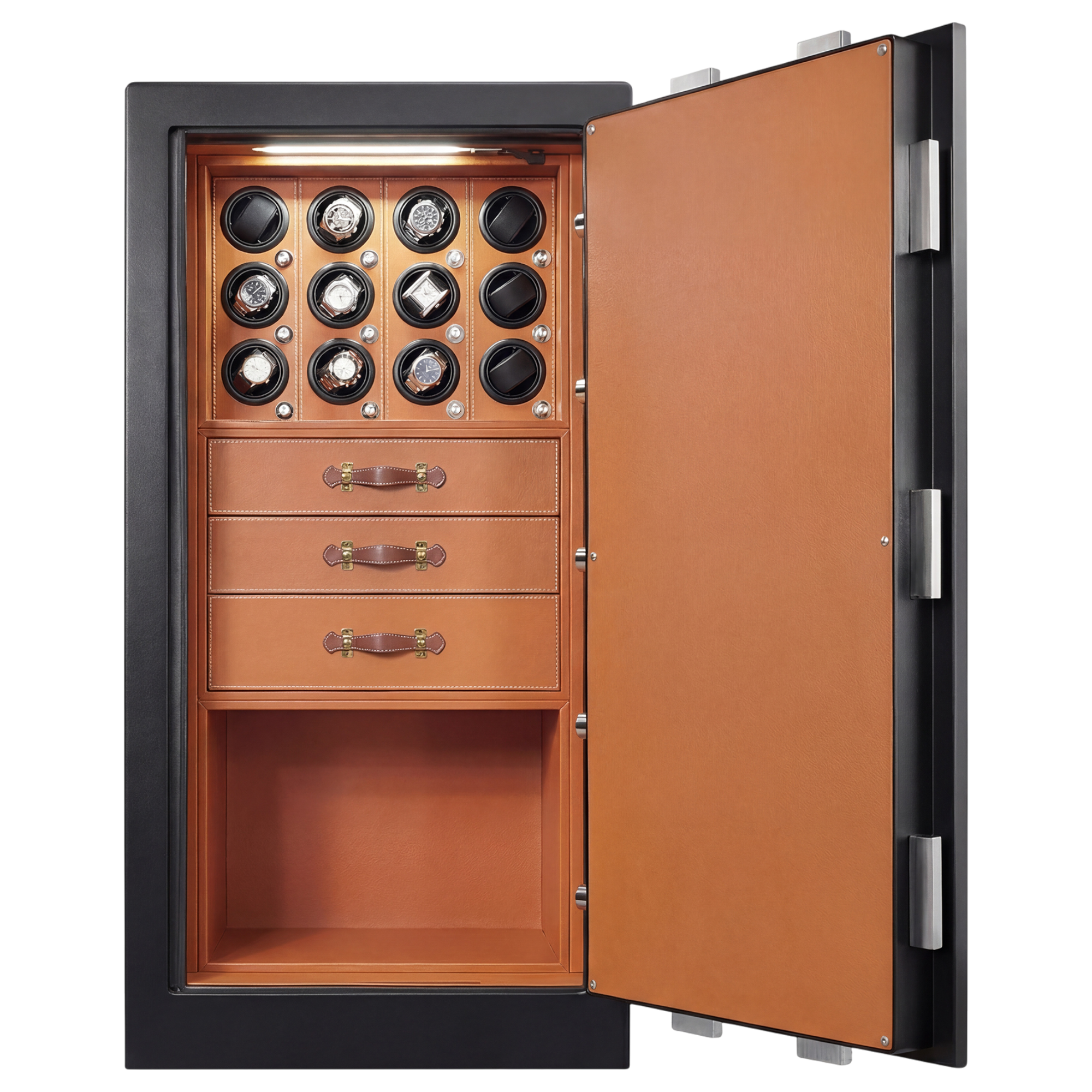
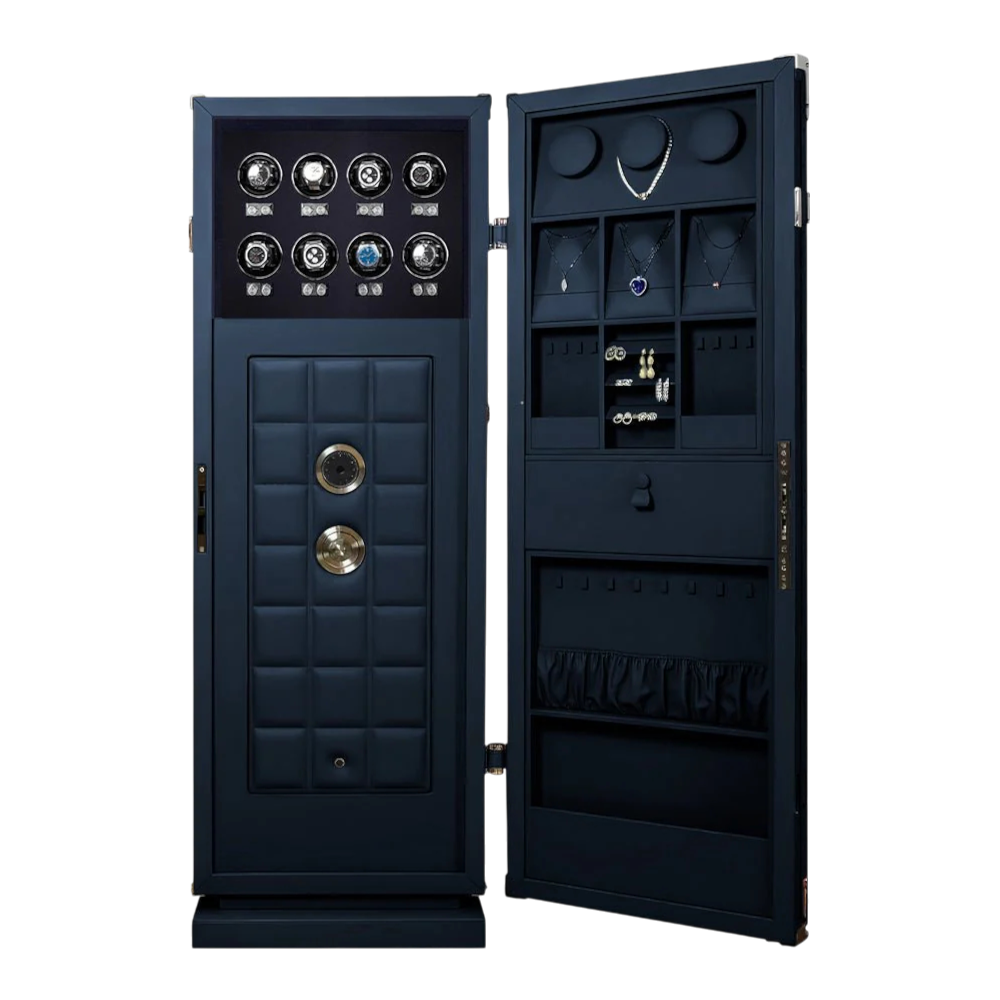
- Multi-slot cabinets built for 12 or 20 watches are overbuilt for an agent cycling two or three pieces a week.
Why this matters
An automatic watch runs on a mainspring wound by the wearer's motion, and most modern movements carry a power reserve of roughly 40 to 70 hours once fully wound. Skip four or five days between wears — easy to do during a slow listing week — and the watch stops, which means resetting the date and, on some calendars, the day too. That's a small tax on a Monday morning that's already full. Automatic watches keep running longer with a winder that matches the watch's actual wear pattern instead of just spinning it around the clock, which is the whole argument for buying one in 2026 rather than just resetting the date by hand.
Who this is for
This guide is for agents who wear one or two automatic watches into showings and closings but don't have a fixed schedule to plan around — split weeks between the office, the car, and client sites, travel for out-of-area listings, and need the watch to be ready without babysitting it daily. It's not written for someone building a 10-piece rotation or storing watches long-term; that's a different buying problem with a different set of guides.
What to look for in a watch winder for a real estate agent
Turns per day that match irregular wear
Most calibers need somewhere between 600 and 800 turns per day to stay fully wound, and the direction — clockwise, counterclockwise, or bidirectional — has to match the specific movement. An agent who wears a watch four days out of seven doesn't need the same setting as someone wearing it daily; too many turns on a watch that's already getting regular wrist time does nothing useful and just runs the motor longer than it needs to.
Portability over slot count
A winder that lives on a home dresser is useless the three nights a week the watch actually travels with the agent between listings. A compact, single-slot case that survives a bag or a car console does more real work than a cabinet with eight empty slots.
Motor noise for shared spaces
A winder sitting on a home office desk during closing calls or next to a bed needs a motor quiet enough to ignore. Cheap winders hum audibly; a well-built one is close to silent at arm's length.
Single-watch simplicity over multi-slot complexity
An agent rotating one or two automatics doesn't gain anything from a 12-slot or 20-slot system built for serious multi-brand collections. Complexity in settings, programs, and slots is a cost, not a feature, when the actual job is keeping one watch ready.
Build quality that survives being moved
A winder that gets picked up, packed, and set back down weekly needs a motor and housing built for that, not a decorative box meant to sit still. Cheap gear motors wear out faster under repeated handling than the setup, wear-pattern reality of an agent's schedule.
Top picks for an agent's schedule
The travel pick: a portable single-slot winder
The spec that matters here is size, not slot count — a case built to travel, not display. A portable watch winder built for frequent travelers is sized for a bag rather than a shelf, which matters more than a second or third slot for an agent who's rarely in one place two days running. Verdict: Buy for anyone spending more nights out of the home office than in it.
The desk pick: Enigwatch Impresario
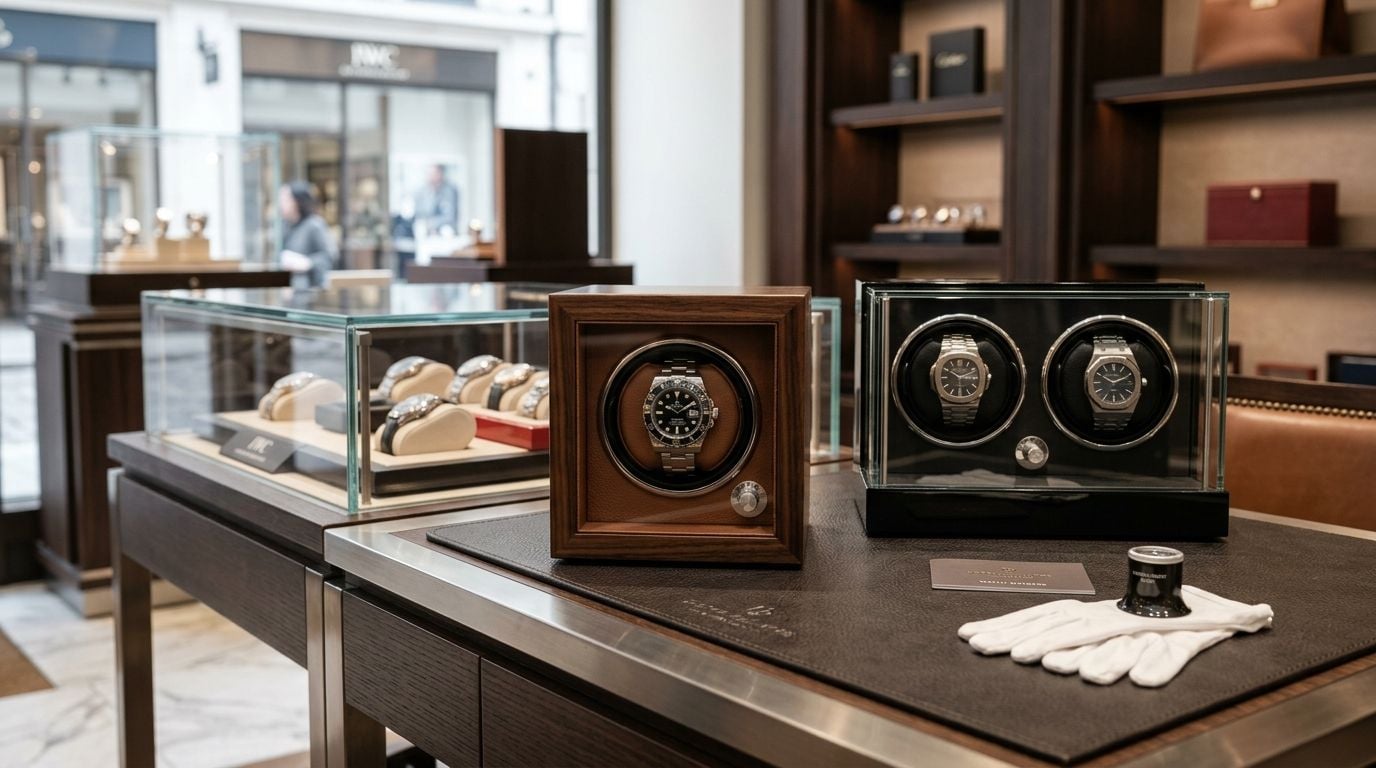
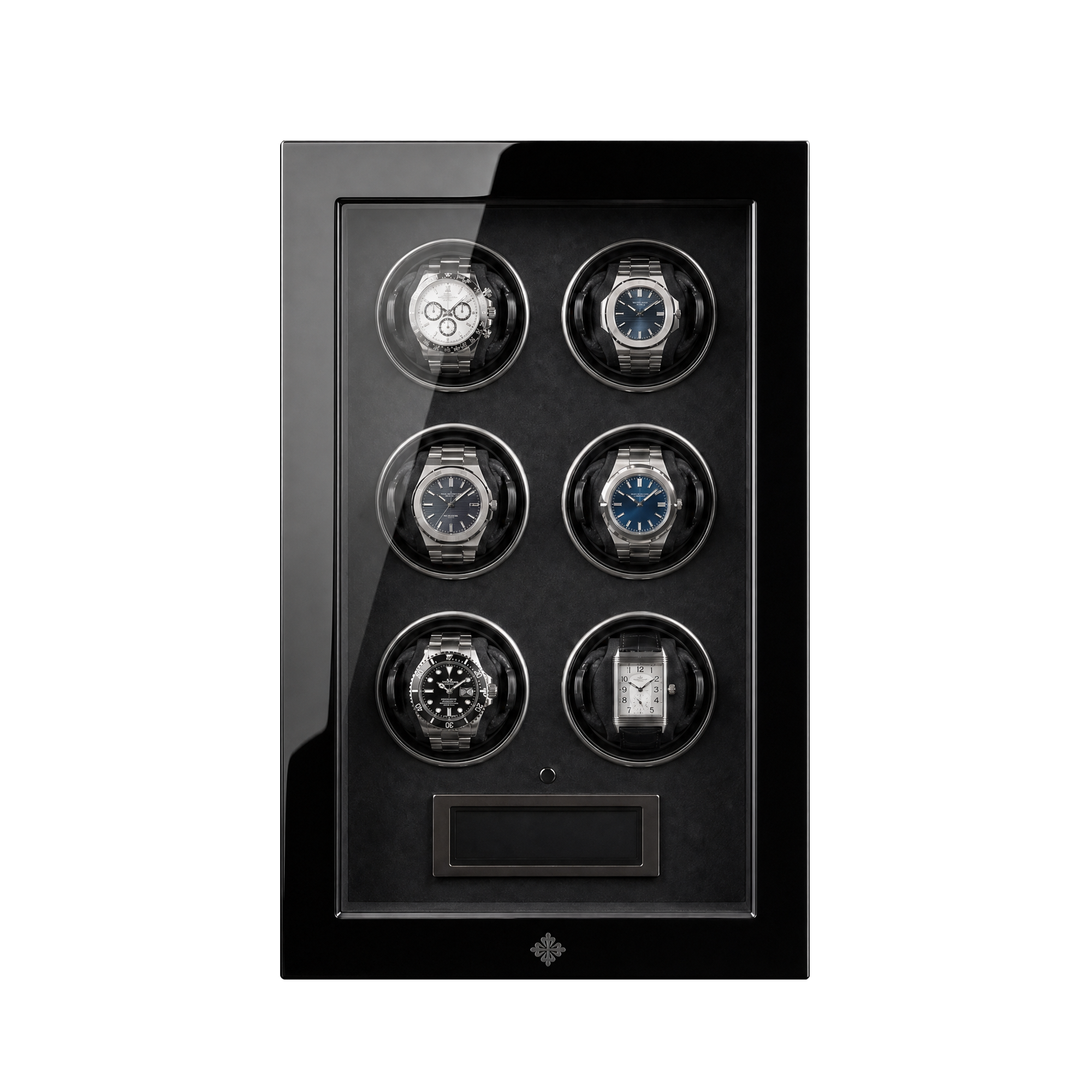
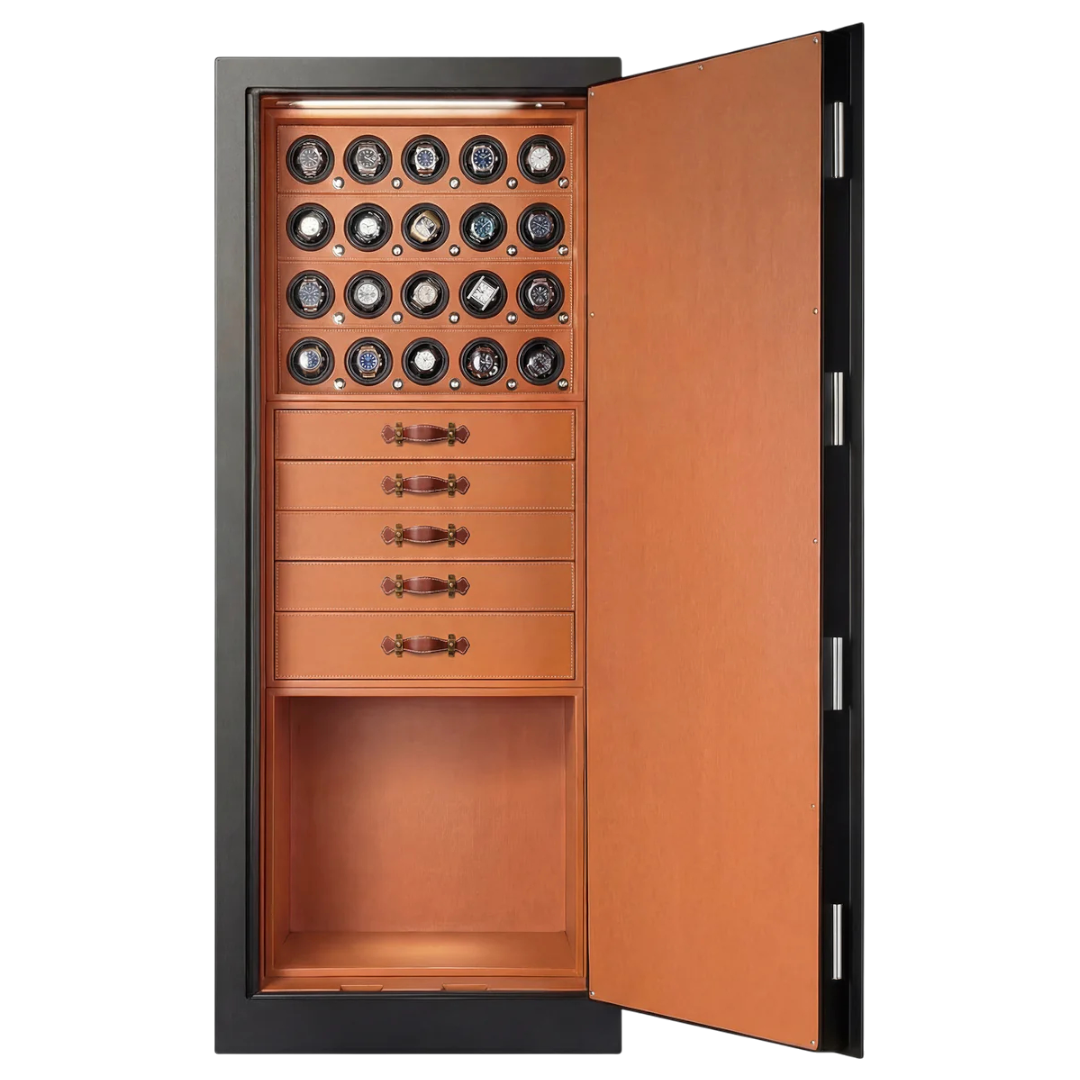
For the agent who has one fixed desk — a home office, a brokerage cubicle — a stationary winder earns its space. The Enigwatch Impresario series runs on Japanese Mabuchi motors across the line, with Alcantara and Nappa leather interiors depending on configuration, and Enigwatch's winders and safes range roughly $5,000 to over $21,000 across the catalog. Verdict: Buy if the watch has a fixed home base most of the week; Consider if it doesn't.
The simplicity pick: single-slot winders
An agent cycling one primary automatic doesn't need programmable modes for four different rotation styles. Choosing the right single watch winder comes down to matching one movement's TPD and direction correctly, then leaving it alone. Verdict: Buy — this is the right-sized answer for most agents on this list.
The overbuilt pick: multi-slot cabinets
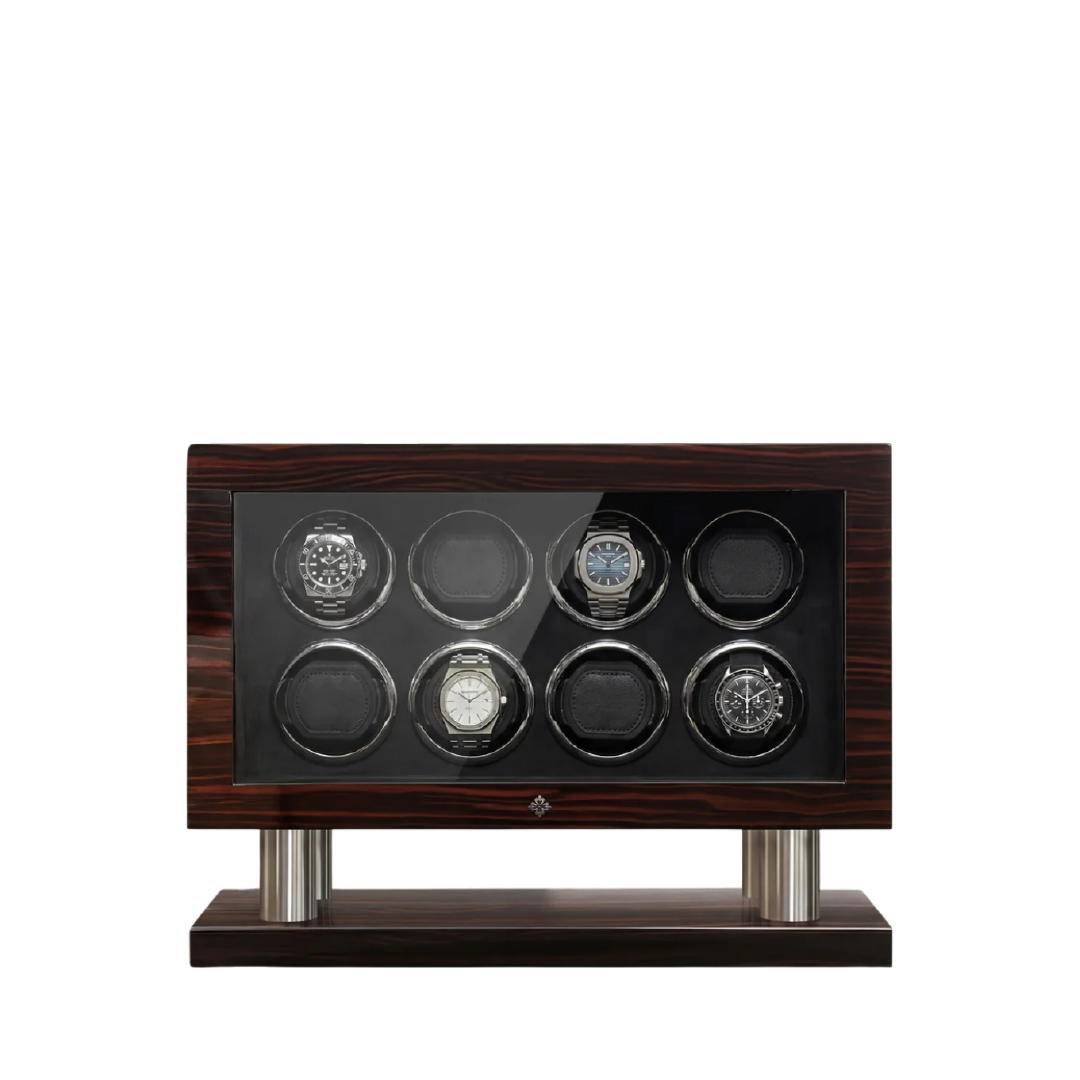
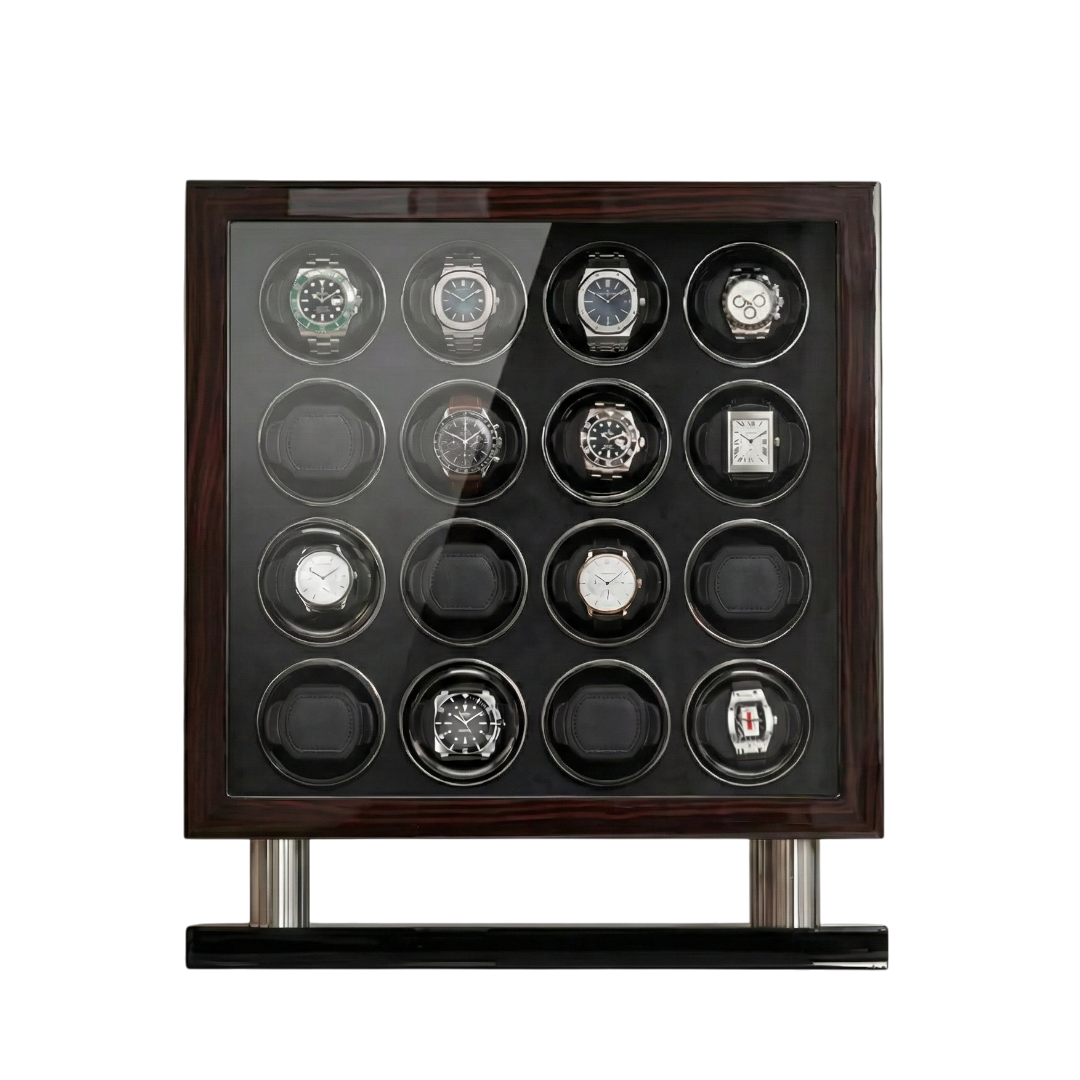
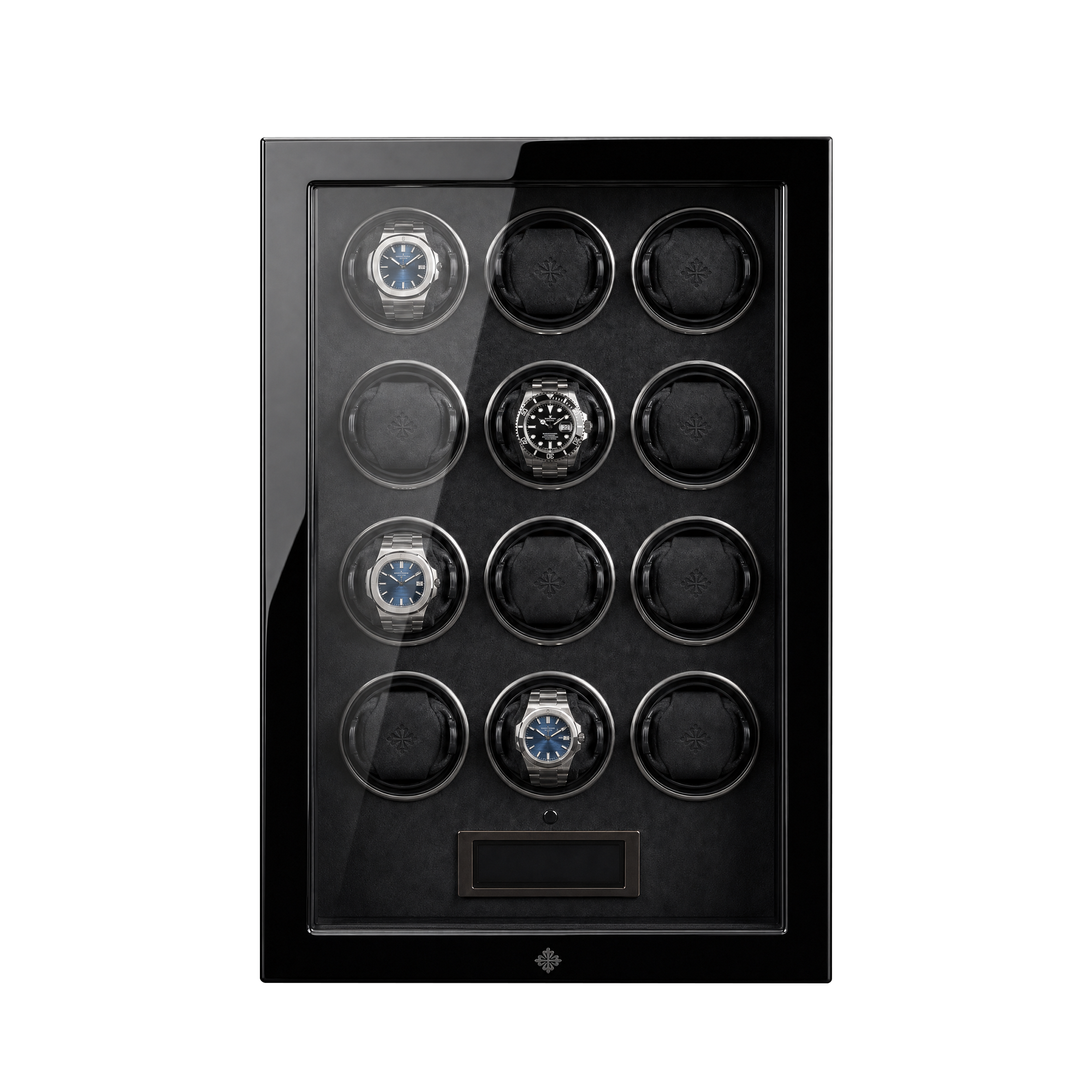
A 12-slot or 20-slot winder cabinet is built for a collector managing a real rotation across a dozen pieces, not an agent wearing two watches in a normal week. The extra slots, the extra footprint, and the extra price don't do anything for a schedule this simple. Verdict: Skip unless the collection is genuinely growing past four or five automatics.
“A watch that stops on a Tuesday needs resetting on a Wednesday you don’t have.”
What to avoid
- Decorative winders with no real TPD control. If the settings can't be matched to the specific movement, the winder is guessing — and guessing wrong stresses the mainspring for no benefit.
- Multi-slot cabinets bought "for growth." Buying an 8-slot or 12-slot system for a two-watch rotation means paying for capacity that sits empty for years, if it's ever used at all.
- Loud motors near a workspace. A winder that hums audibly during a home-office closing call is a distraction nobody warned about at checkout.
Compare the full winder lineup
See every Enigwatch winder and safe configuration in one place.
Verdict comparison
| Pick | Best for | Slot setup | Verdict |
|---|---|---|---|
| Portable single-slot winder | Frequent travel between listings | Single watch, travel case | Buy |
| Enigwatch Impresario | Fixed desk or home office | Single or multi-slot options | Buy / Consider |
| Single-slot winder (general) | One primary automatic | Single watch | Buy |
| Multi-slot cabinet (12–20 slot) | Growing multi-brand collections | 12+ watches | Skip for this use case |
FAQ
What’s the best watch winder for a real estate agent?
A portable single-slot winder is the best watch winder for a real estate agent who travels between listings, because size and durability matter more than slot count for someone wearing one or two automatics on an irregular schedule. A stationary desk winder like the Enigwatch Impresario works better for agents with a fixed home office.
How many turns per day does a watch winder need for irregular wear?
Most automatic calibers need 600 to 800 turns per day to stay fully wound, regardless of how often the watch is actually worn. The setting should match the movement’s spec sheet, not the wearer’s schedule — irregular wear affects how often you need the winder running, not the TPD number itself.
Is a single watch winder better than a multi-slot winder for one automatic?
Yes, a single watch winder is better when only one or two automatics need winding, because multi-slot cabinets add cost and footprint without adding function for a small rotation. Multi-slot winders make sense once a collection grows past four or five pieces worn in rotation.
Does a watch winder work during a power outage?
No, a standard watch winder stops turning during a power outage and the watch will run down on its own power reserve, typically 40 to 70 hours depending on the movement. A backup battery isn’t standard on most winders, so an outage longer than the reserve means resetting the time and date afterward.
Is a watch winder worth it for someone who only wears an automatic watch three or four days a week?
Yes, a watch winder is worth it at that wear frequency because most movements stop within three days of being off the wrist. The alternative is manually resetting the date and time before every wear, which adds up over a year of inconsistent schedules.
Can a watch winder run on both 110V and 220V power?
It depends on the specific winder’s power supply — some units are dual-voltage and some are not, so voltage compatibility needs to be checked before traveling internationally with one. Running a single-voltage winder on the wrong current can damage the motor.
Does using a watch winder affect resale value?
A well-maintained watch kept running on a properly configured winder generally holds value as well as one hand-wound, since the movement sees normal operation either way. Resale concerns usually come from incorrect TPD settings or direction causing unnecessary wear, not from winding itself.
How much does a luxury watch winder cost in 2026?
Luxury watch winders span a wide range in 2026, with premium lines like Enigwatch’s running roughly $5,000 to over $21,000 depending on materials and configuration. Entry-level single winders sit well below that, closer to a few hundred dollars.
One last thing
The agents who get the most out of a winder aren't the ones with the biggest collection — they're the ones who stop treating the watch like a display piece and start matching the setting to how they actually live. A single-slot winder set correctly for one caliber does more real work over a year than a multi-slot cabinet set up wrong for all twelve.
Related guides
- Choosing the right single watch winder
- Watch winder for a night shift worker with an irregular wear schedule
Protect Your Watch Collection
Designed for collectors who demand the best. Explore our premium watch winders and luxury safes.