
A watch winder for a watch with a metal bracelet has to solve a problem strap-only winders don't face: the clasp and links add weight and hard edges that can mark a pillow, dent a case, or throw off the rotation if the fit is wrong. Get the pillow, direction, and turns-per-day (TPD) right and the watch runs like it would on your wrist. Get it wrong and you're looking at scuffed links or a watch that stops mid-cycle.
- A watch winder for a watch with a metal bracelet needs a pillow rated for extra weight, not just extra foam.
- Enigwatch winders use Japanese Mabuchi motors built to carry the added rotational mass of steel and gold bracelets.
- Standard TPD ranges of 650 to 950 turns per day work for most bracelet watches — the bracelet doesn’t change what the movement needs.
- Deployment clasps need more pillow clearance than fold-over clasps; check clasp width, commonly 18mm to 22mm, before buying.
Why a watch winder for a watch with a metal bracelet needs different setup
A strap winds without adding meaningful weight or rigidity to the pillow. A metal bracelet does both. Steel, titanium, and gold bracelets add rotational mass the motor has to move, and the clasp — whether it's a fold-over deployment or a simple pin buckle — can catch on a pillow edge if the fit is too tight or too loose. Watch winders can scratch a bracelet when the pillow strap is cinched directly against the clasp instead of the case, and that's the single most common complaint from bracelet-watch owners in 2026.
The fix isn't a special "bracelet mode" — winders don't have one. It's picking the right pillow, setting the movement's actual TPD, and giving the clasp room to sit without rubbing metal on metal for months at a time.
Measure your bracelet's clasp and link width
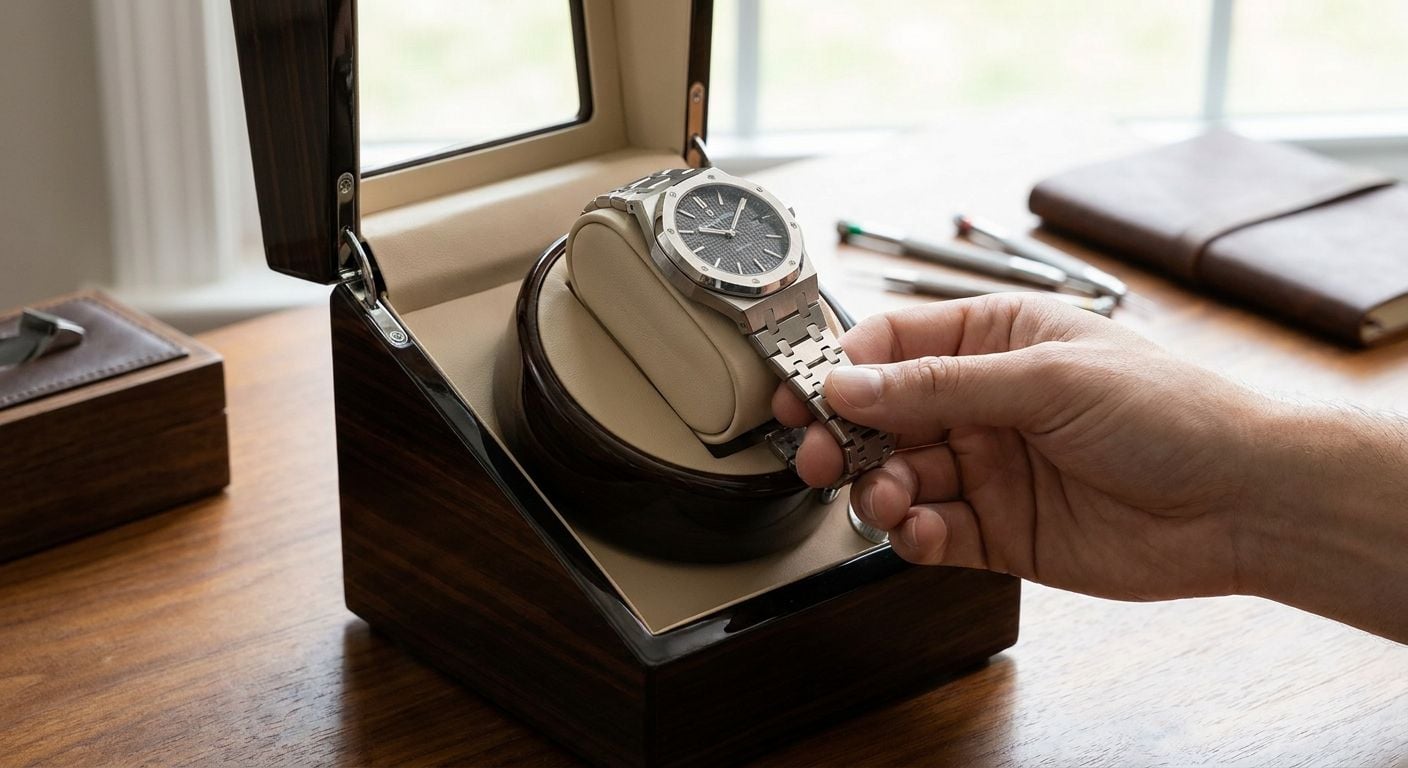
Before you buy or adjust a winder, measure what you're actually working with. Bracelet width and clasp type determine whether a standard pillow fits or scratches.
- Measure clasp width at its widest point — most run 18mm to 22mm on men's watches
- Note whether the clasp is a fold-over deployment or a simple pin buckle; deployments sit proud and need more clearance
- Check if the bracelet tapers toward the clasp — a tapered bracelet needs a pillow that narrows to match
- Weigh the watch on a kitchen scale if you can — bracelets over 150 grams add noticeable load to a cheap motor
- Check for any protruding links or safety catches that could snag on foam
Choose a pillow shaped for bracelet weight, not just strap watches
Most entry-level winders ship with a single foam pillow sized for leather straps. Bracelet watches need a pillow with a firmer core and enough surface area to distribute the weight evenly.
- Look for an adjustable-height pillow so the bracelet sits flat instead of angled
- Favor a firmer foam or cork core over soft velvet-wrapped foam, which compresses under bracelet weight over time
- Avoid pillows with a single tight elastic strap across the clasp — it's the main cause of clasp scuffing
- Check that the pillow diameter matches your case size; an undersized pillow lets a heavy bracelet watch tip during rotation
- If your winder came with interchangeable pillows, swap to the firmer one for bracelet watches and keep the soft one for straps
Set rotation direction and TPD for the movement, not the bracelet
This is where most owners overcorrect. The bracelet doesn't change what the movement needs — the caliber does. Bidirectional movements run fine either way; unidirectional calibers need the correct direction or they won't wind efficiently.
- Check the manufacturer's TPD spec first — most fall between 650 and 950 turns per day
- Confirm direction (clockwise, counterclockwise, or bidirectional) against the movement documentation, not the bracelet type
- If the spec is unclear, the TPD reference guide breaks it down by brand and caliber
- Start at the manufacturer's minimum TPD and check power reserve after 48 hours before adjusting up
- Never assume a heavier bracelet means you need more turns — it doesn't; the rotor inside does the same work regardless of what's on the wrist
Protect the clasp and links from repeated rubbing
A winder runs for months without a break. Any point of contact between the clasp and a fixed surface becomes a wear point long before it would on a wrist.
- Position the clasp facing outward or downward, away from the pillow's stitching seams
- Check the pillow after the first week for any transferred marks on the clasp
- Use a soft cloth barrier between clasp and pillow if the winder's stock pillow lacks padding there
- Avoid stacking watches in a multi-slot unit so bracelets don't touch each other during rotation
- Inspect gold or two-tone bracelets more often — softer metals mark faster than steel
Secure the clasp fully before starting the cycle
A half-closed clasp is the leading cause of a bracelet watch flying loose inside a winder box during rotation.
- Close the clasp completely and test it holds before placing the watch on the pillow
- Check that safety folds or push-buttons are engaged, not just resting closed
- Center the watch on the pillow so the clasp doesn't hang over the edge
- Run one full cycle and recheck the clasp position before leaving it unattended overnight
Match motor type and cabinet capacity to the added weight
Cheap winder motors are sized for light straps and struggle with the sustained load of a full metal bracelet running continuously. Enigwatch winders use Japanese Mabuchi motors, which are built for consistent, quiet operation under a heavier load than a stamped strap.
- Check the motor spec sheet for load rating before buying if you own multiple bracelet watches
- Favor units with individually powered slots over shared-belt systems if you're running several heavy bracelets at once
- If you're storing a mixed collection, put bracelet watches on the outer slots where there's more clearance
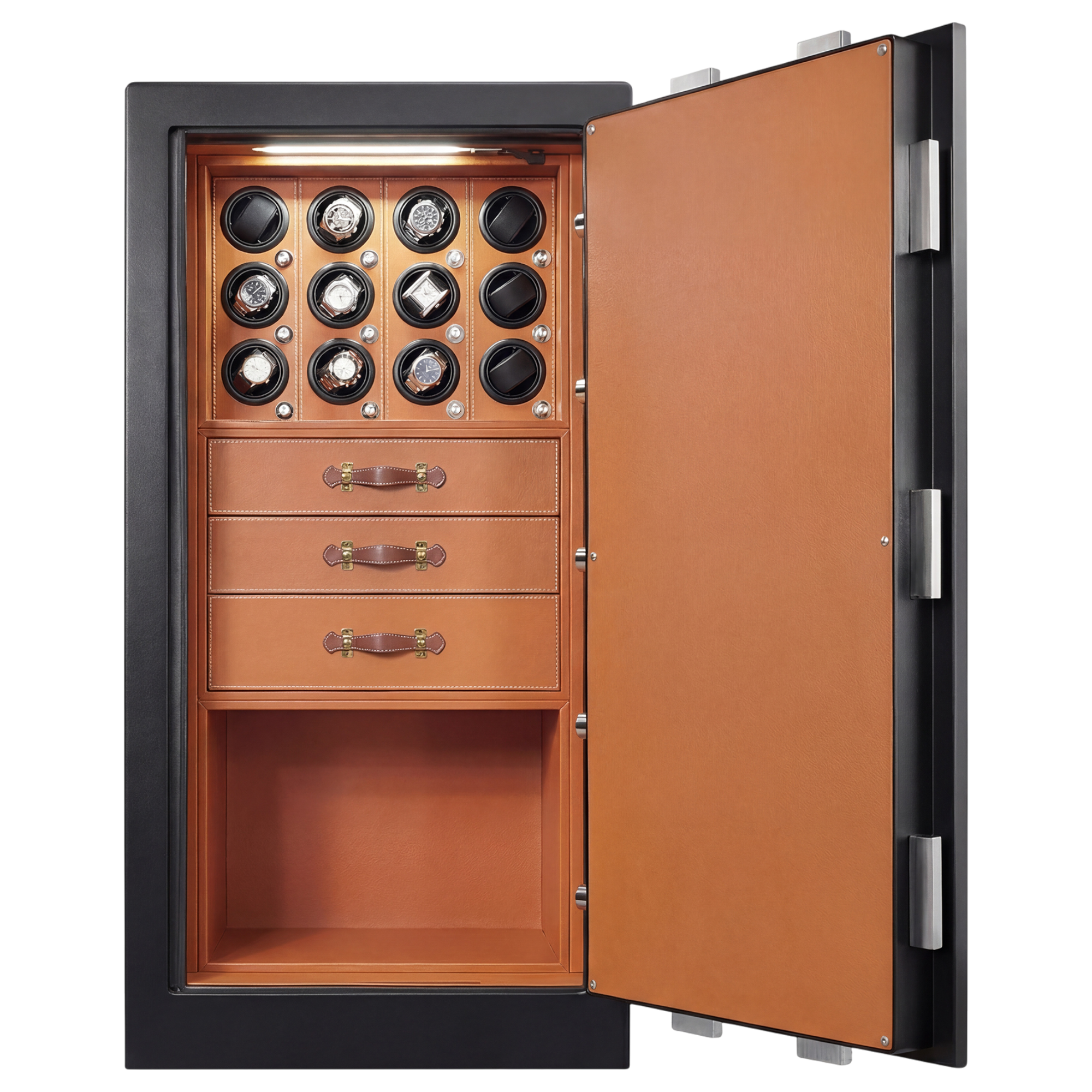
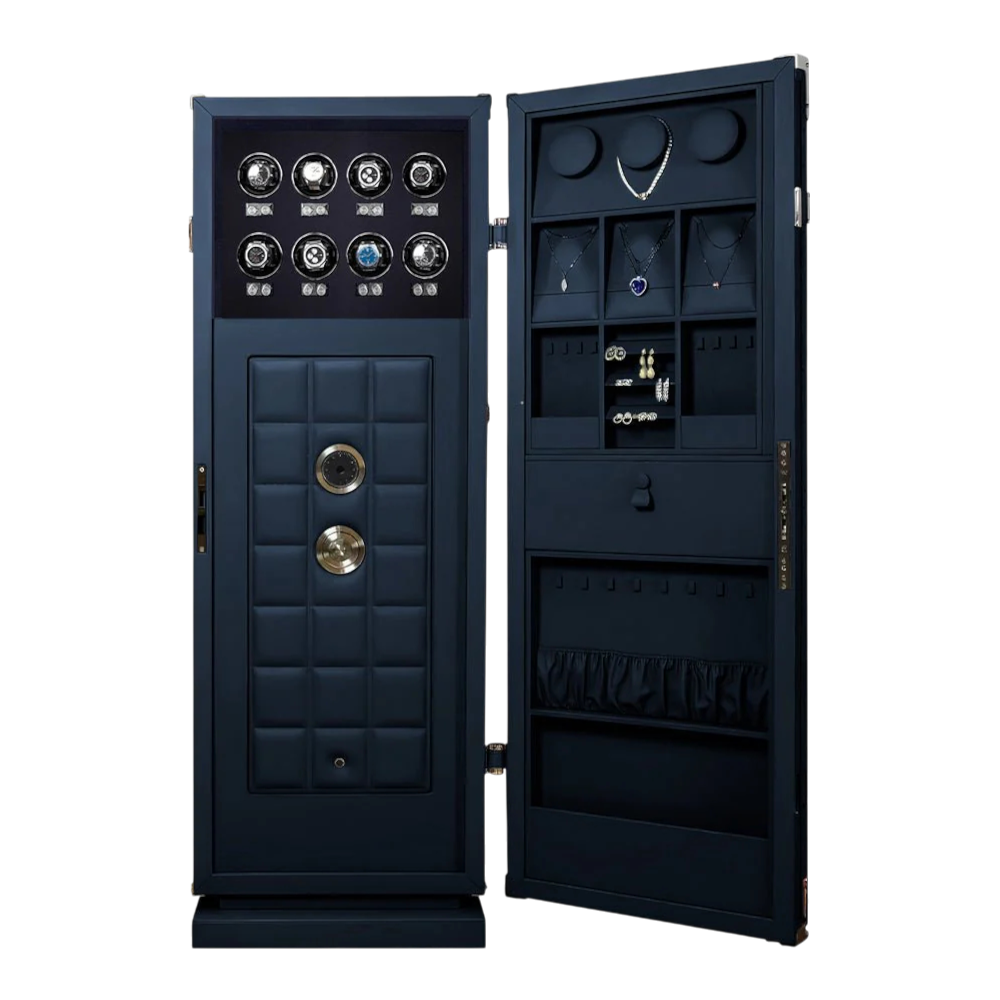
- Consider a winder cabinet if your bracelet watches also need upright storage, not just rotation
Watch winder options for bracelet watches compared
| Option | Best for | Starting price | Key limitation |
|---|---|---|---|
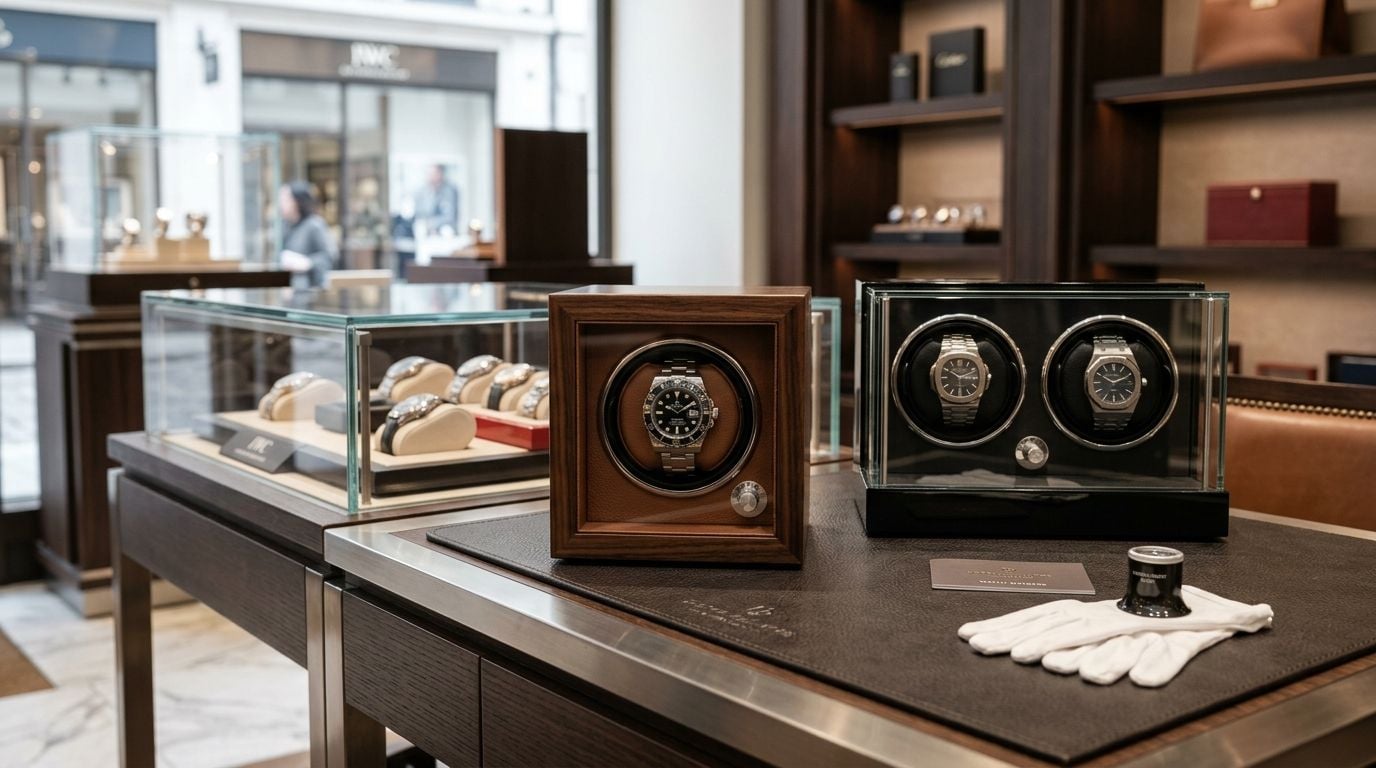
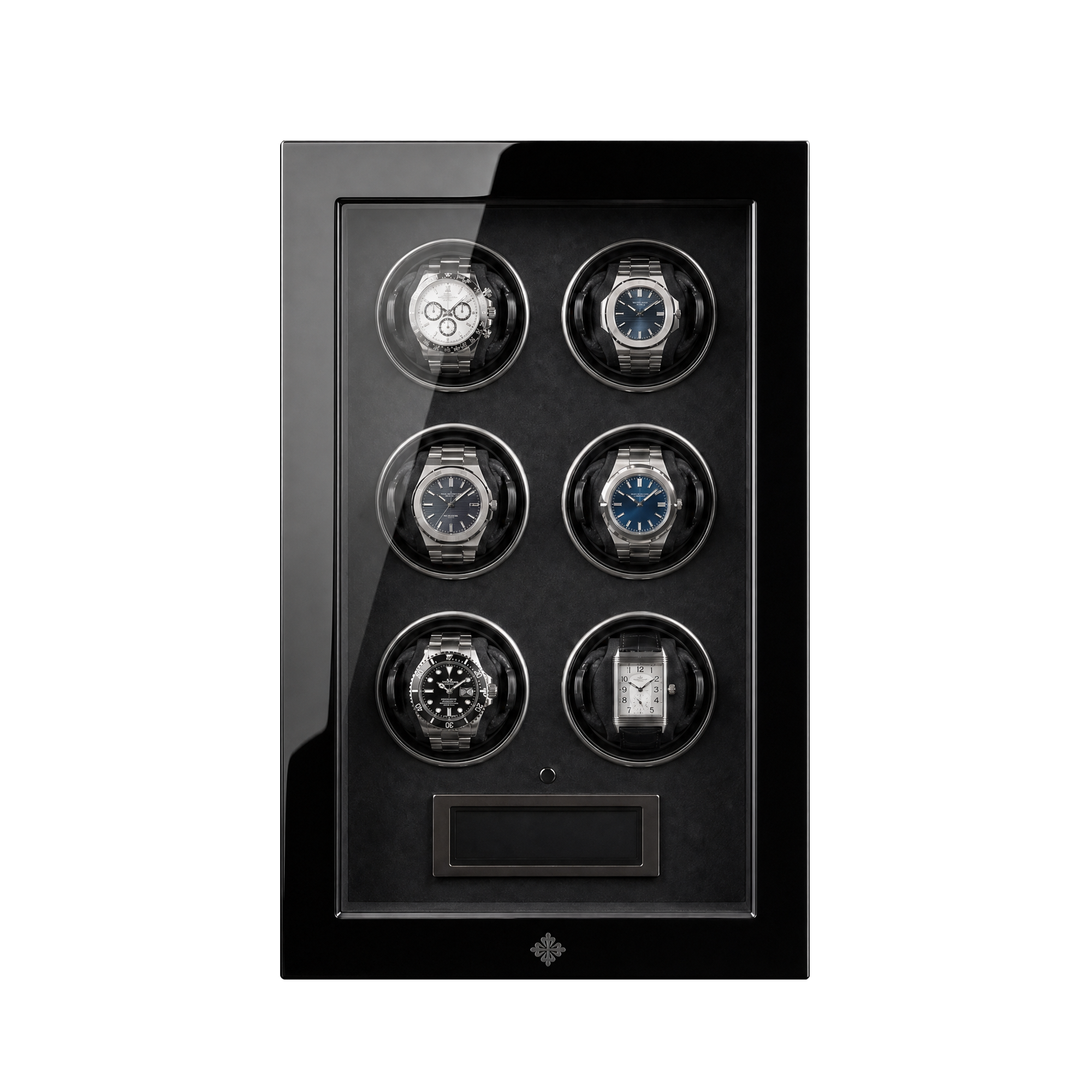
| Single-slot winder with adjustable pillow | one bracelet watch worn occasionally | Enigwatch pricing starts around $5,000 | no backup storage for the rest of a collection |
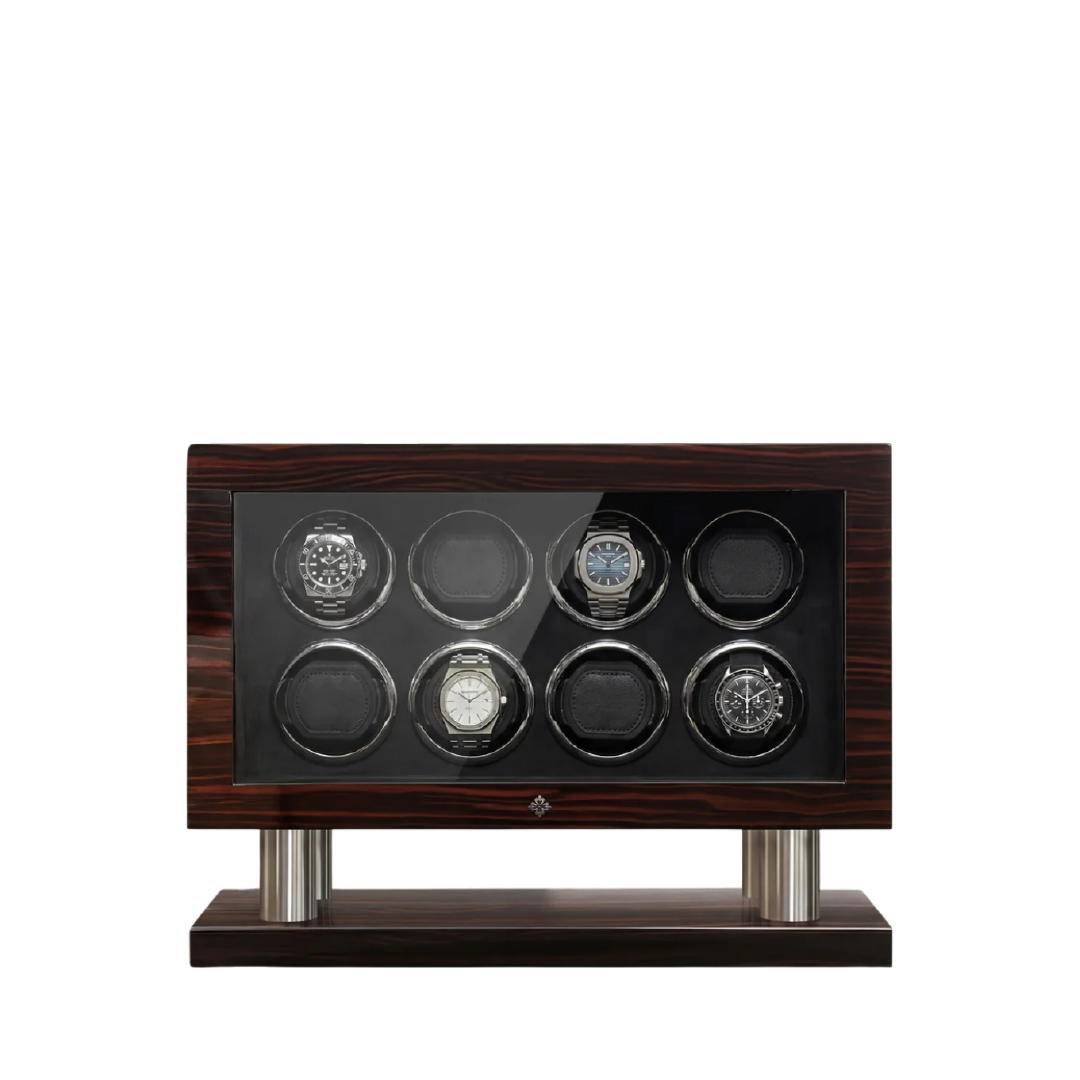
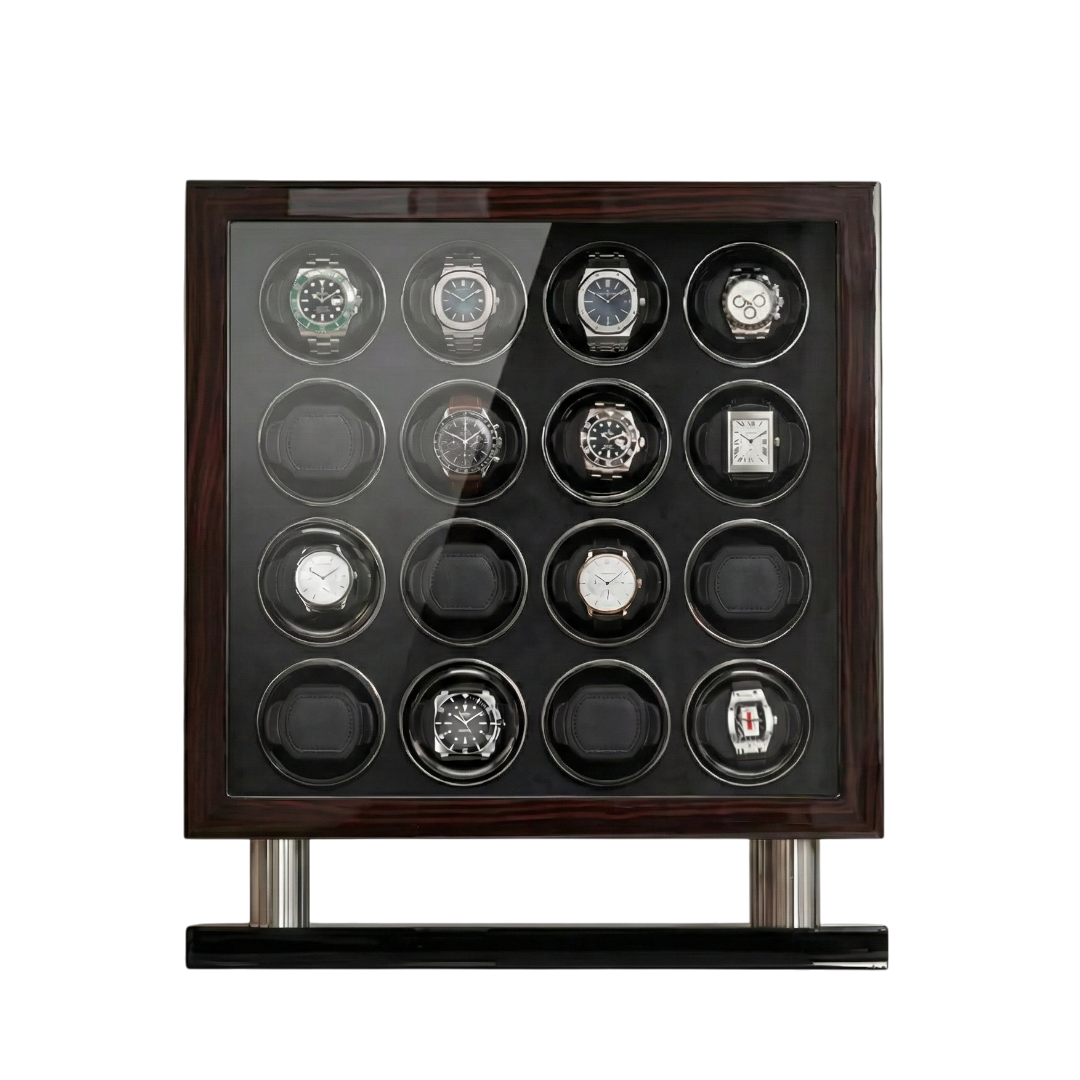
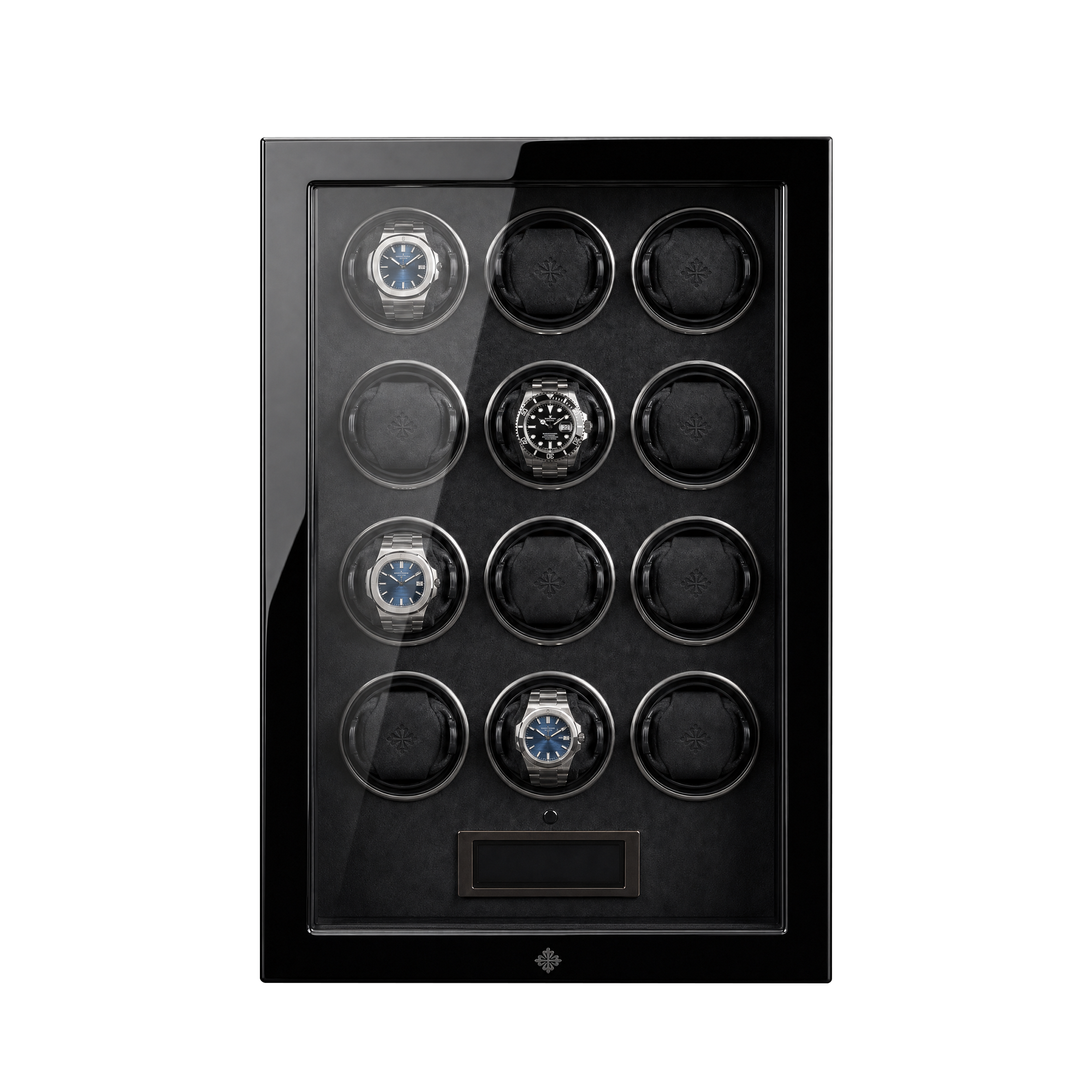
| Multi-slot winder cabinet | a mixed collection of bracelet and strap watches | Enigwatch cabinets run up to $21,000+ | needs more floor or wall space |
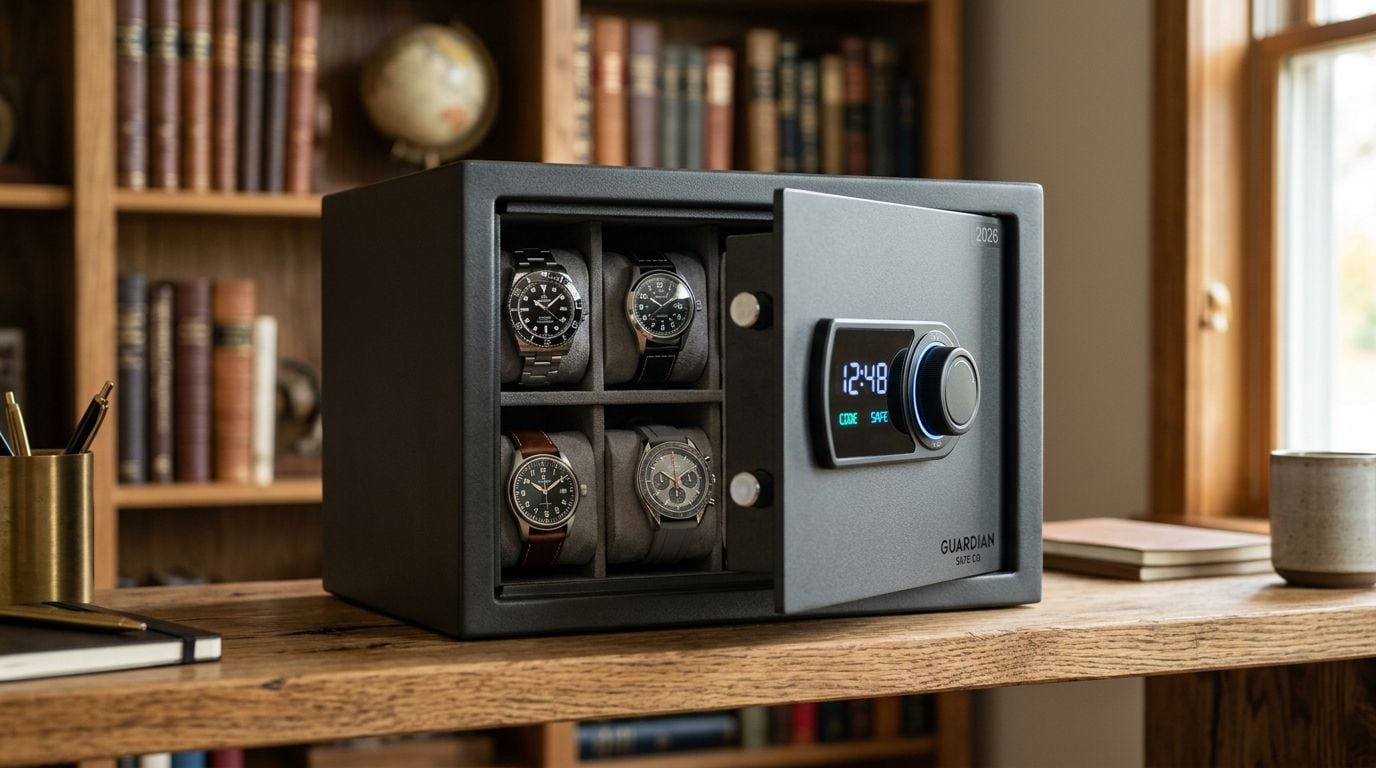
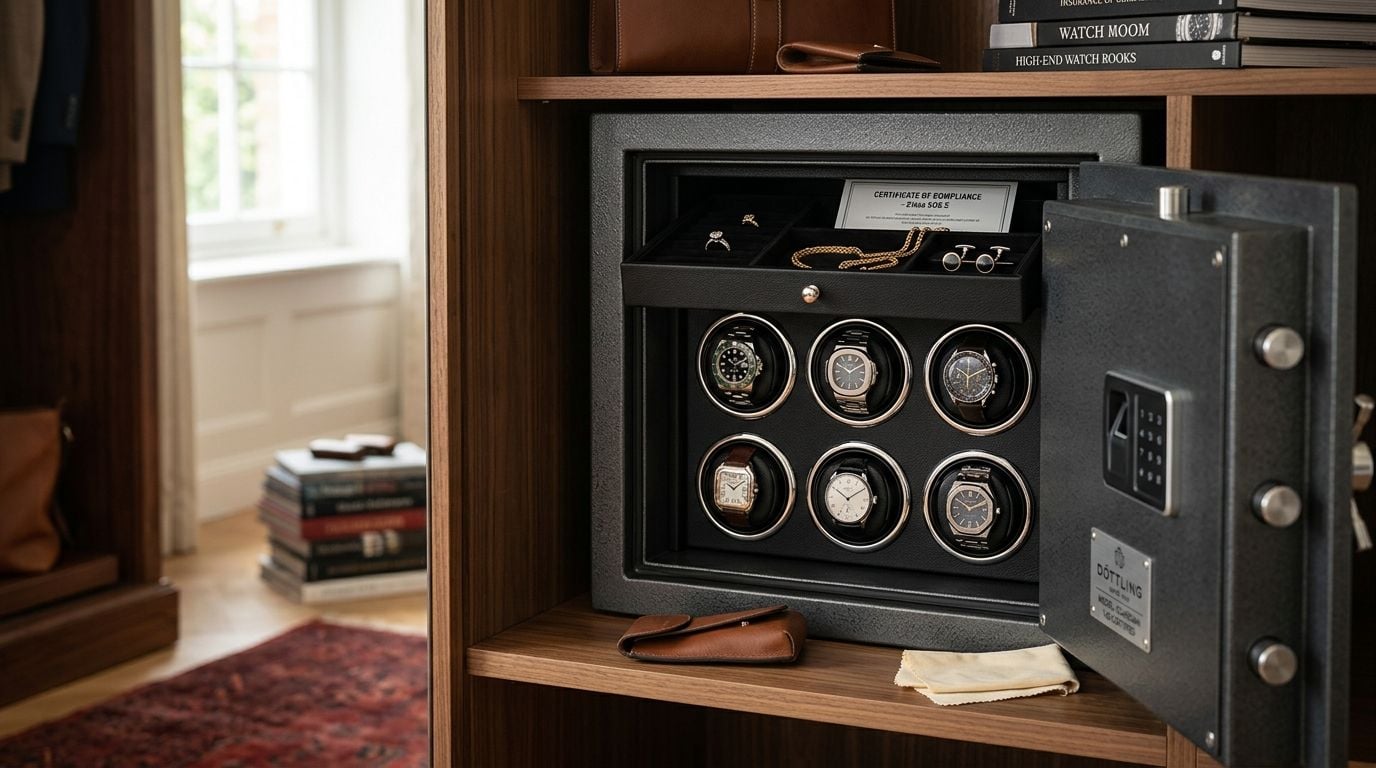
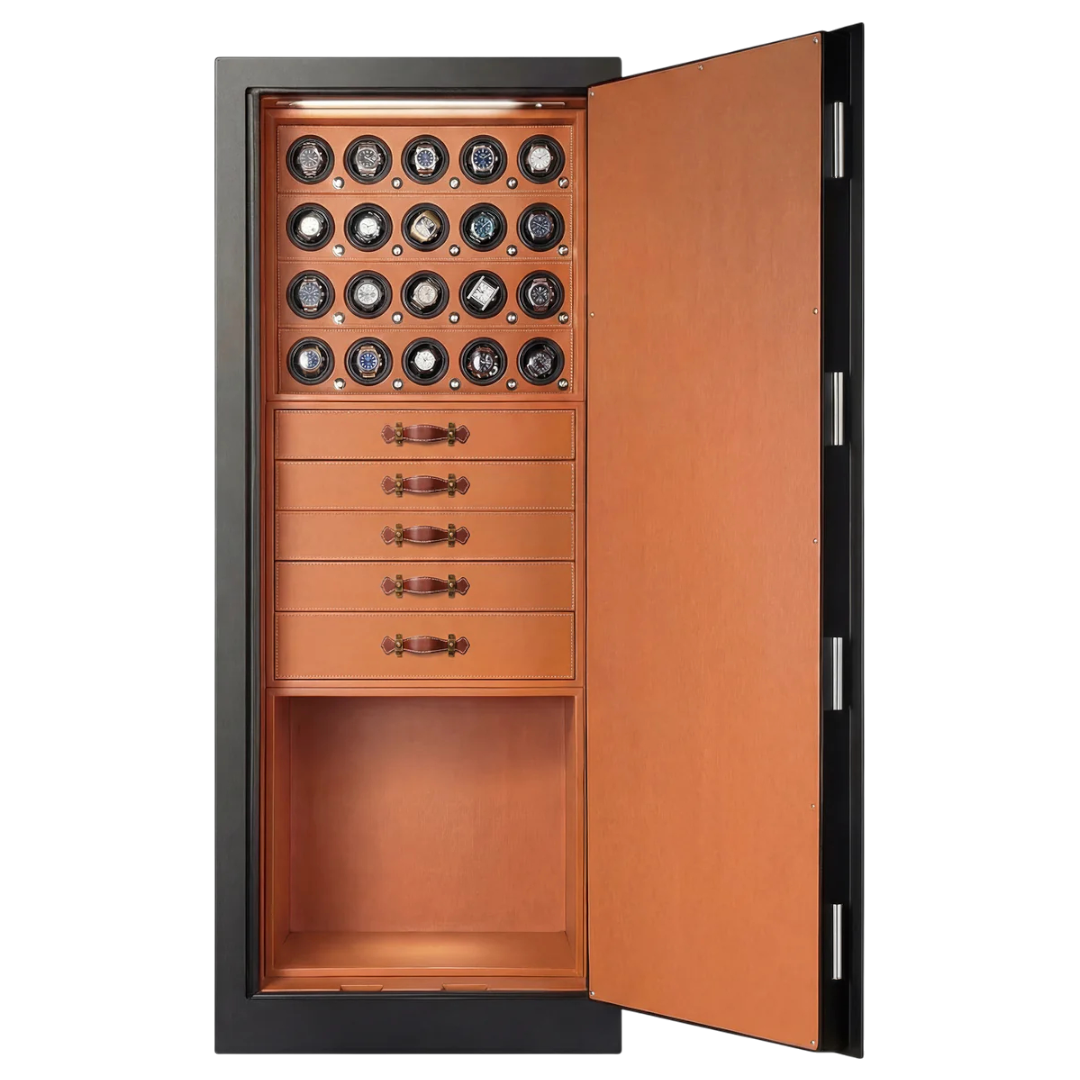
| Watch safe with winder built in | bracelet watches that also need security | check current pricing on the site | slower daily access than an open winder box |
| No-winder cushion storage | quartz or manually wound bracelet watches | not applicable — no motor | doesn't maintain complications; requires manual winding |
Verdict: a single-slot winder with an adjustable, firm-core pillow is the right call for one bracelet watch; a cabinet only makes sense once you're storing more than three or four pieces.
Common mistakes owners of bracelet watches make with a winder
- Cinching the pillow's elastic strap directly over the clasp instead of the case, which is the fastest way to scuff a deployment clasp
- Increasing TPD because the watch "feels heavier," when the movement's spec never changes based on bracelet weight
- Storing several bracelet watches loose in one large winder tray where links touch and mark each other during rotation
- Ignoring clasp interference with pillow edges on tapered bracelets, which causes the watch to sit crooked for months without anyone noticing
- Assuming a soft velvet pillow built for leather straps works the same for a 150-gram steel bracelet — it compresses and stops supporting the watch evenly within a year
Find a winder built for bracelet watches
Browse Enigwatch winders with adjustable pillows and Japanese Mabuchi motors.
FAQ
Do metal bracelet watches need a different watch winder pillow?
Yes — a firmer, adjustable-height pillow works better than the soft foam pillow most winders ship with. Bracelet weight compresses soft foam over time and lets the clasp shift during rotation.
What TPD should I use for a watch with a metal bracelet?
Use the manufacturer’s spec for the movement, typically 650 to 950 turns per day. The bracelet’s weight doesn’t change how many turns the rotor needs.
Can a metal bracelet scratch inside a watch winder?
Yes, if the pillow’s strap sits directly on the clasp instead of the case. Repositioning the clasp away from stitching seams and padded contact points prevents most scratching.
Is a heavier bracelet watch harder on a winder motor?
A heavier bracelet adds rotational mass, so a motor sized for light straps can struggle over time. Motors built for sustained loads, like Japanese Mabuchi motors, handle bracelet weight without added strain.
Should I remove links before using a watch winder?
No — removing links changes the bracelet’s fit permanently and doesn’t affect winder performance. Adjust the pillow instead of the bracelet.
What’s the best watch winder for a watch with a metal bracelet?
The best option is a single-slot or multi-slot winder with an adjustable, firm-core pillow and a motor rated for sustained load, matched to the movement’s TPD spec.
Do deployment clasps fit standard winder pillows?
Most fit, but deployment clasps sit proud and need more clearance than a simple pin buckle. Check pillow height adjustability before assuming a fit.
How much does a watch winder built for a heavier bracelet cost?
Enigwatch single-slot winders start around $5,000, with multi-slot cabinets running up to $21,000 or more depending on capacity and finish.
One last thing
The clasp, not the case, is where bracelet watches actually fail in a winder — watch the pillow's contact point for the first two weeks, not the rotation itself. If the clasp shows a mark by day 14, the pillow is wrong, not the winder.
Related guides
- How to choose a watch safe for mixed metal bracelets
- Watch winder pillow material: velvet, foam, or leather
Protect Your Watch Collection
Designed for collectors who demand the best. Explore our premium watch winders and luxury safes.