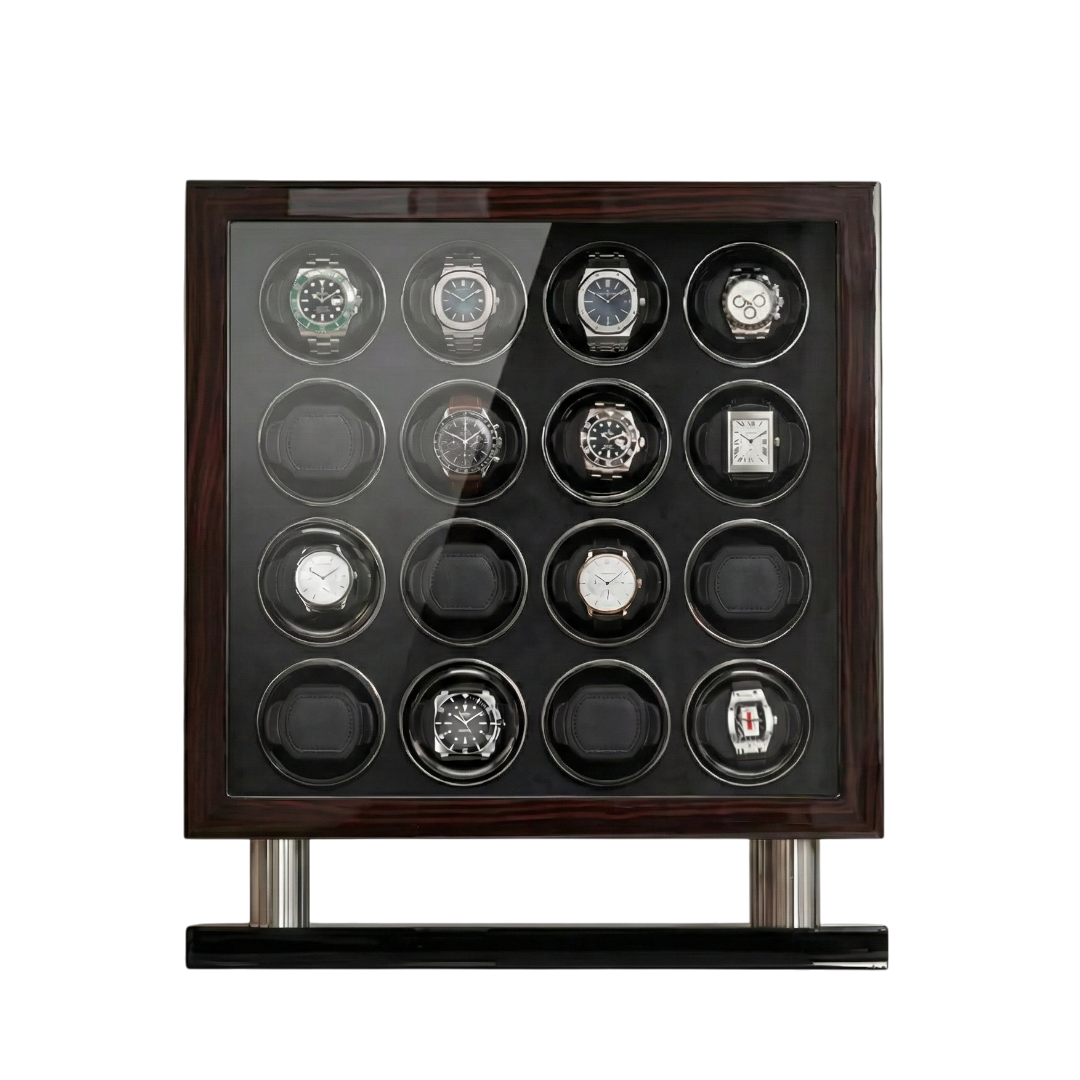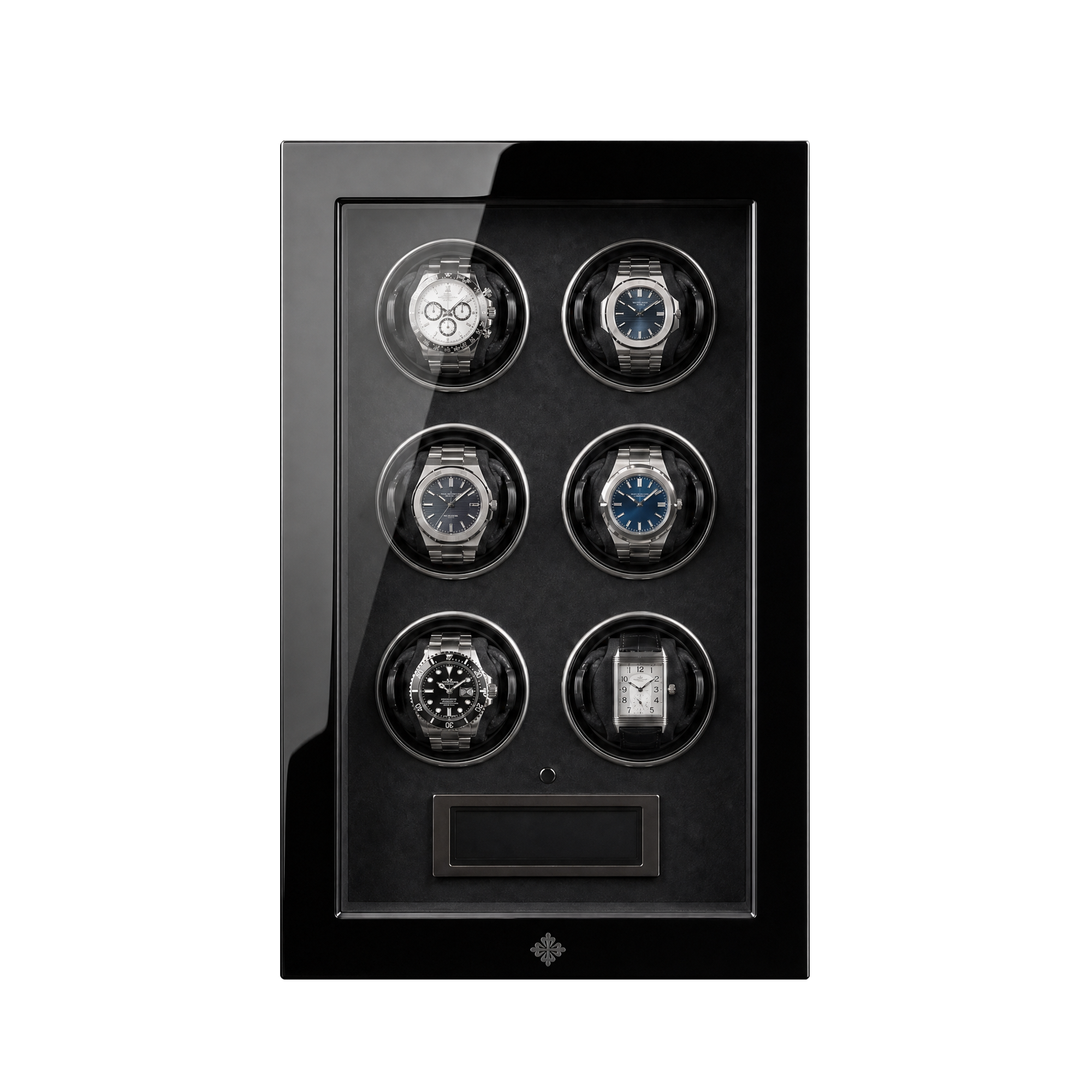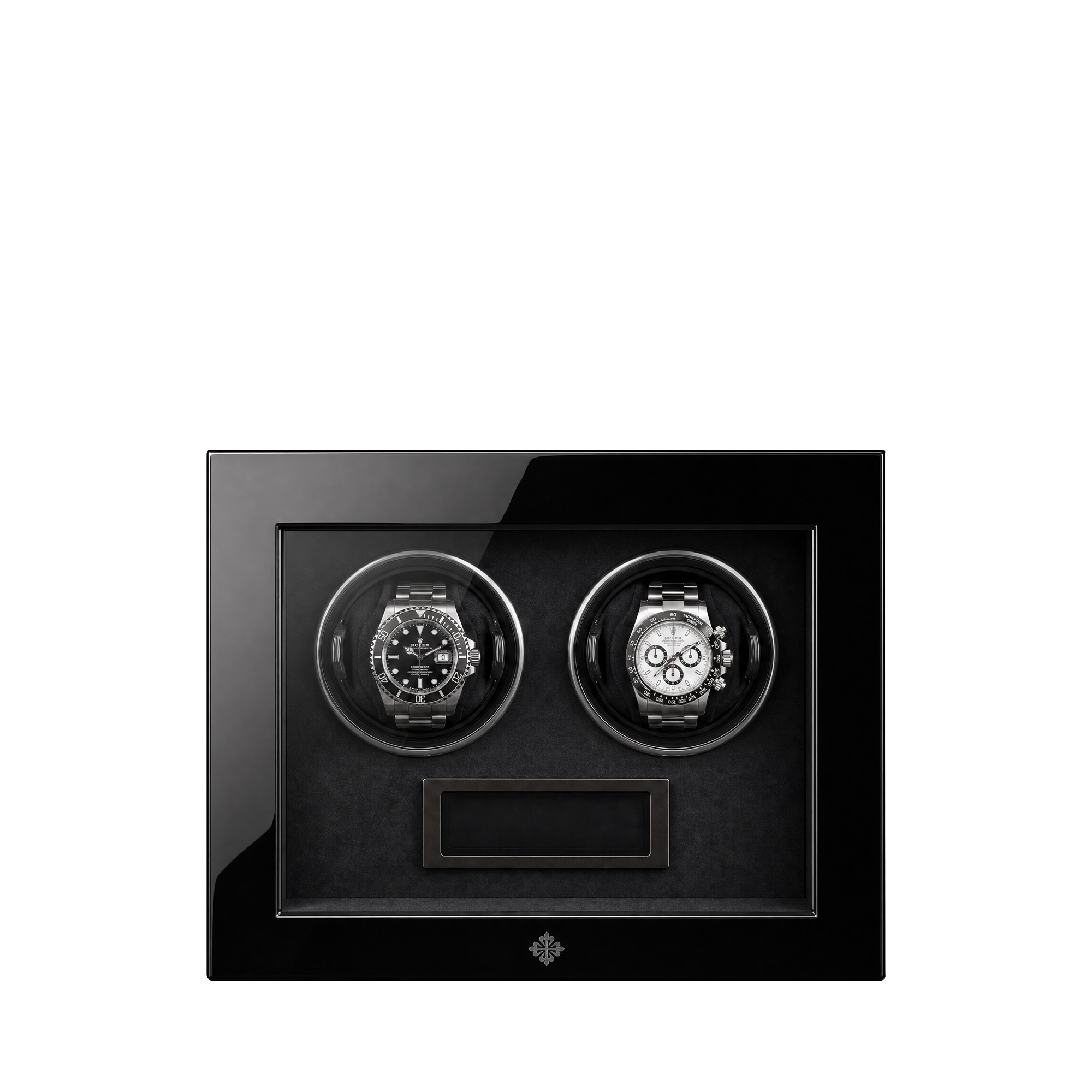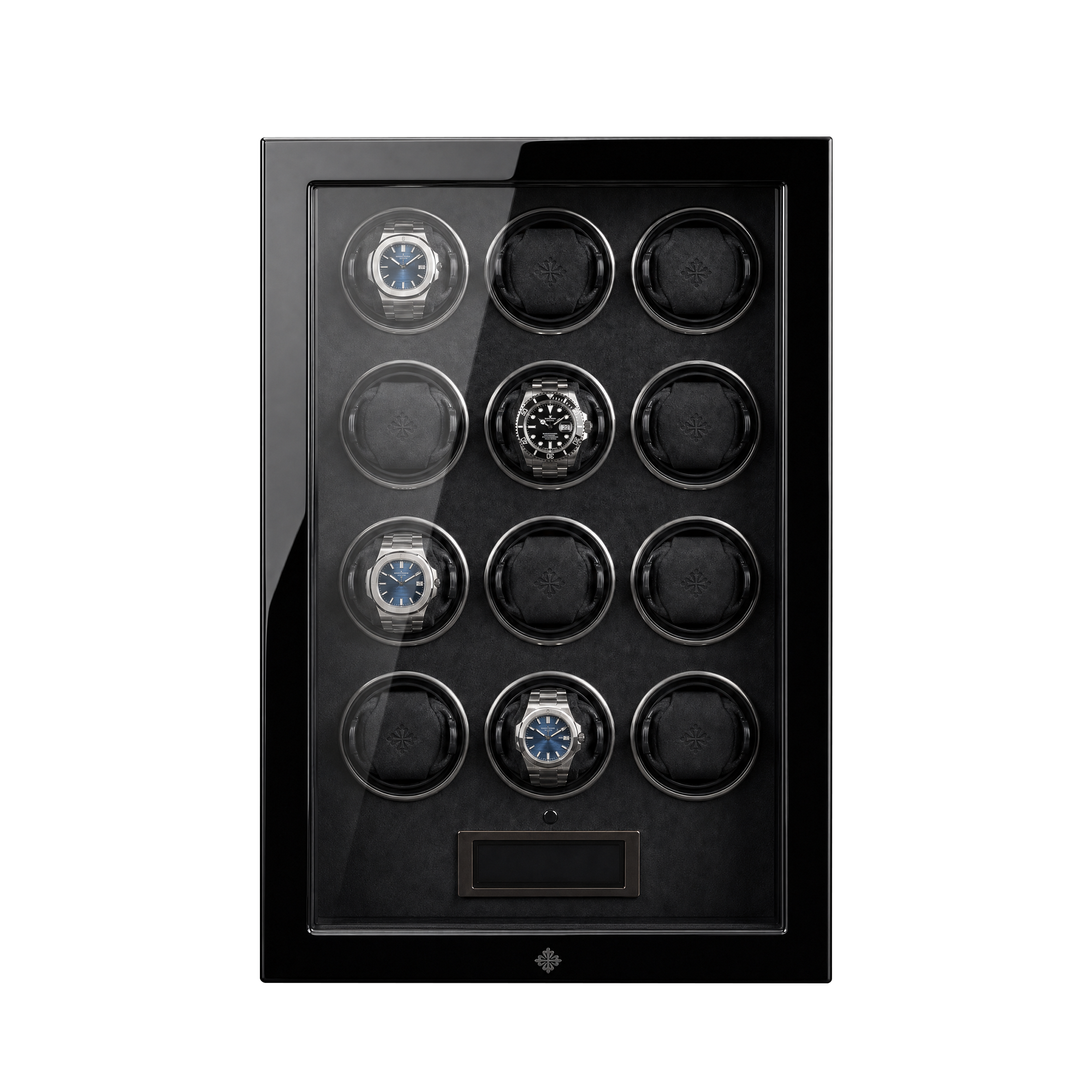

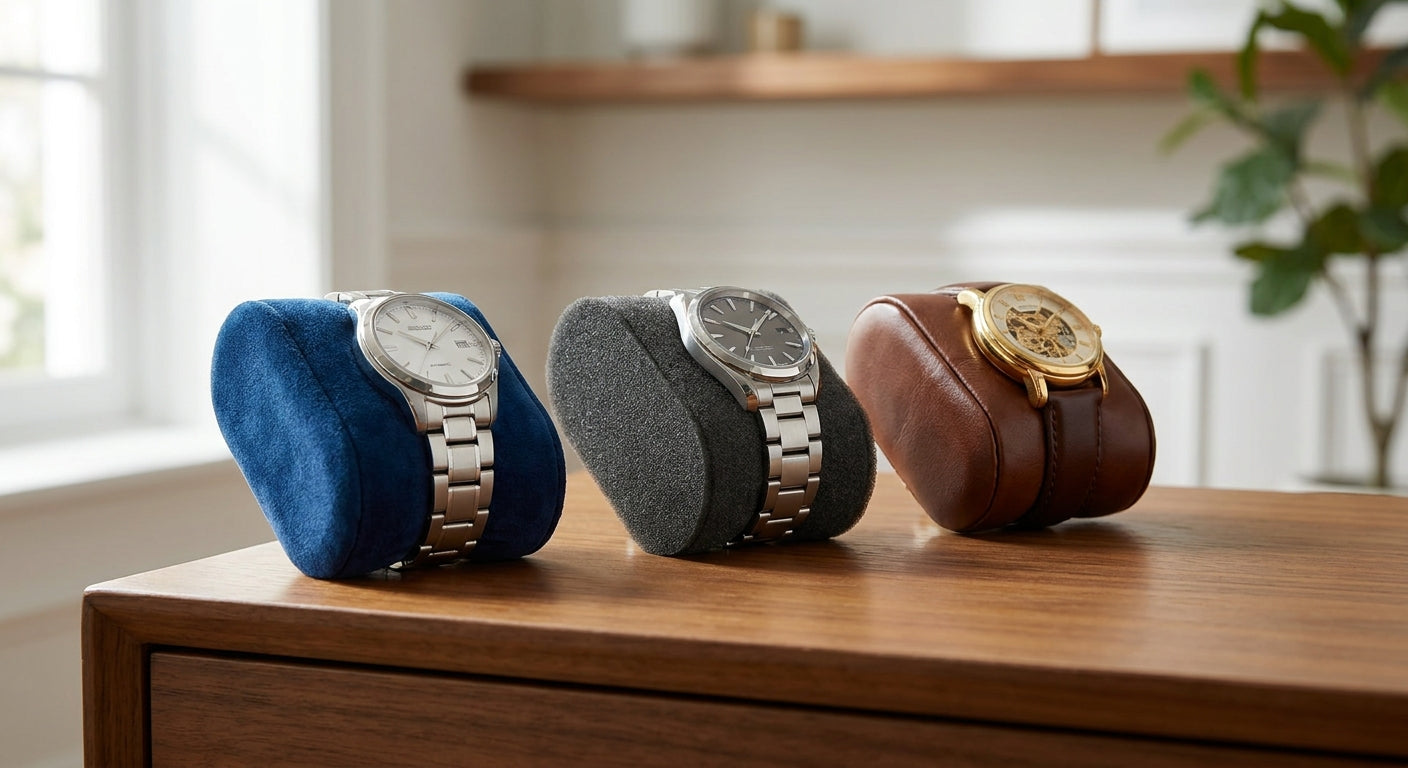
Watch winder pillow material decides whether the cushion inside your winder protects a bracelet or slowly scuffs it. In 2026, that distinction separates a $59 accessory from a functional part of a $600 to $1,499 winder.
- Alcantara-wrapped foam wins the watch winder pillow material comparison for bracelet safety and grip in 2026.
- Nappa leather looks premium but transfers oils and can harden if a winder sits near a heat vent.
- Velvet-covered open-cell foam absorbs humidity and compresses within 12-18 months of daily use.
- Synthetic suede and unlined foam are the two materials worth skipping outright on any winder.
- The Impresario Series 2 Watch Winder and the Virtuoso Series 6 Watch Winder both ship with Alcantara pillows as the safer default.
Why this matters
A watch winder pillow does two jobs: it holds the case snug enough that the rotor engages the movement, and it does that without marking the bracelet clasp or leather strap every time the winder cycles. Get the material wrong and you trade a wound watch for a scratched one.
Material also determines how the pillow ages. Foam density degrades under repeated compression, velvet holds moisture in humid rooms, and leather dries out near lamps or vents. None of that shows up on a spec sheet, but it shows up on your watch after a year.
Enigwatch pillows across the Watch Winders Pillow accessory line and the built-in cushions on every winder in the catalog are telescopic and adjustable from 36mm to 55mm, which matters more than the fabric itself if the fit is wrong. Material is the second variable. Fit is the first.
How the materials are ranked
This ranking weighs four factors: bracelet and strap contact risk, humidity resistance, structural memory under daily compression, and how the material is sourced. Alcantara and Nappa leather used across Enigwatch winders come from Italian tanneries and textile houses, which is a meaningfully different product than the unlabeled synthetic velvet found in mass-market winder boxes. Aggregated collector forum reports through 2026 consistently flag foam breakdown and velvet moisture retention as the two most common winder pillow complaints, which anchors the lower tiers of this list.
The ranked list
1. Alcantara-wrapped foam core, compact tier — the safe pick
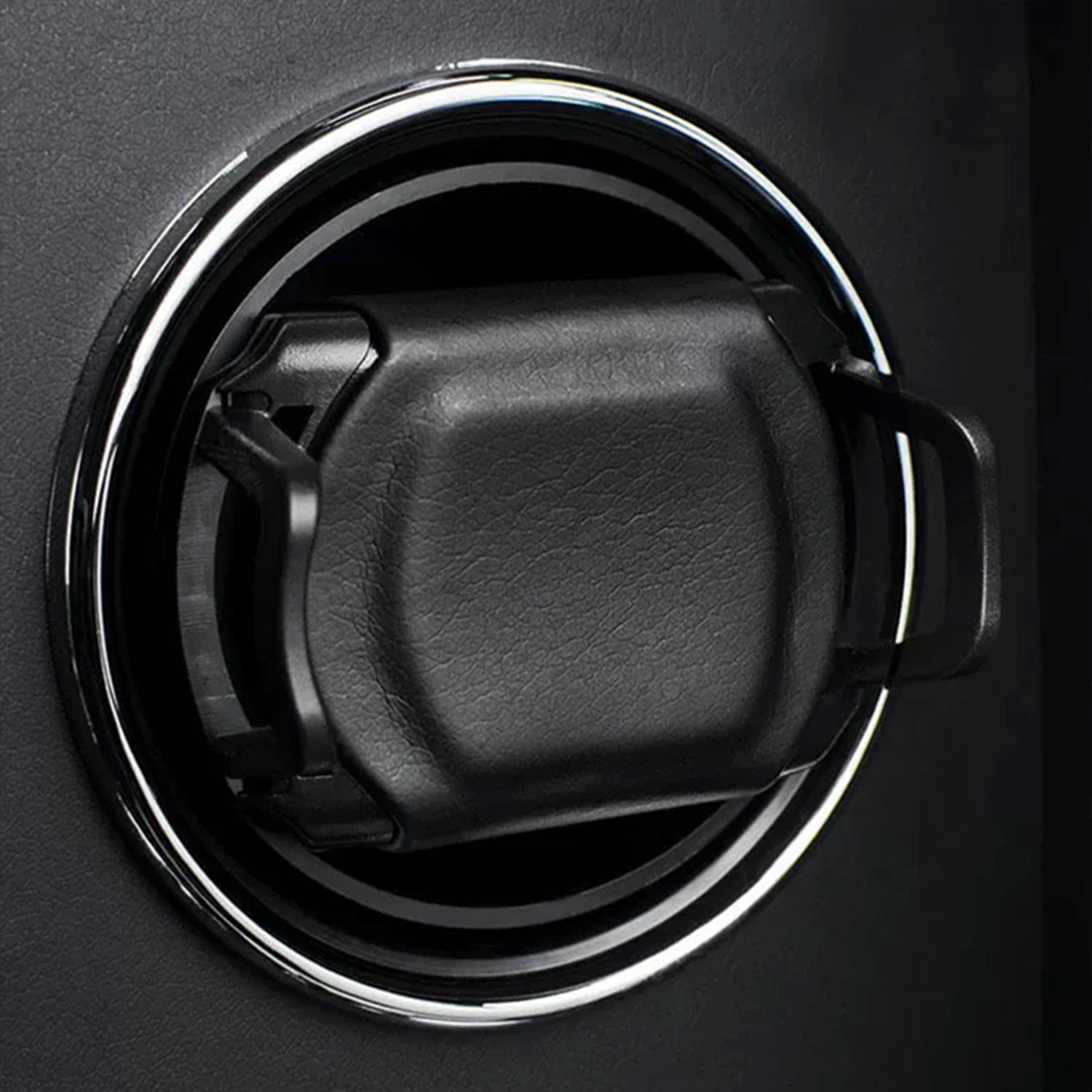
Alcantara is a microfiber suede developed in Italy, and it grips a case without the friction that raises bracelet links. It sheds moisture instead of holding it, which matters in bathrooms, closets, and any room without climate control.
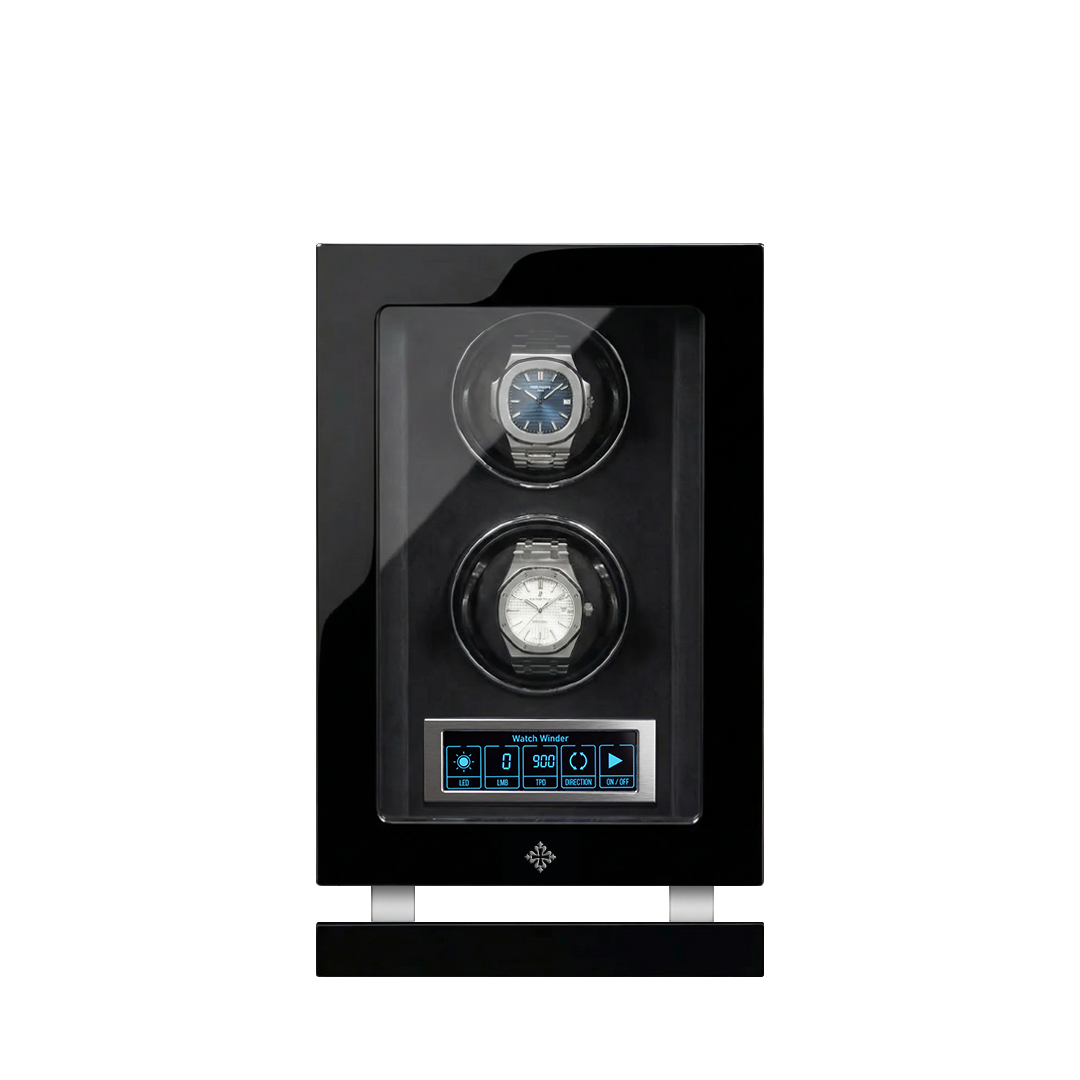
The Impresario Series 2 Watch Winder runs two independent rotors under Alcantara-lined, telescopic pillows behind a fingerprint lock, priced at $649 in 2026. It’s built for collectors rotating one or two daily watches who don’t want to think about the cushion again.
Buy.
2. Alcantara-wrapped foam core, multi-watch tier
The same material logic scales up when a collection grows past a pair of watches. Six independent TPD programs mean six different calibers can sit on six pillows without one setting compromising another.
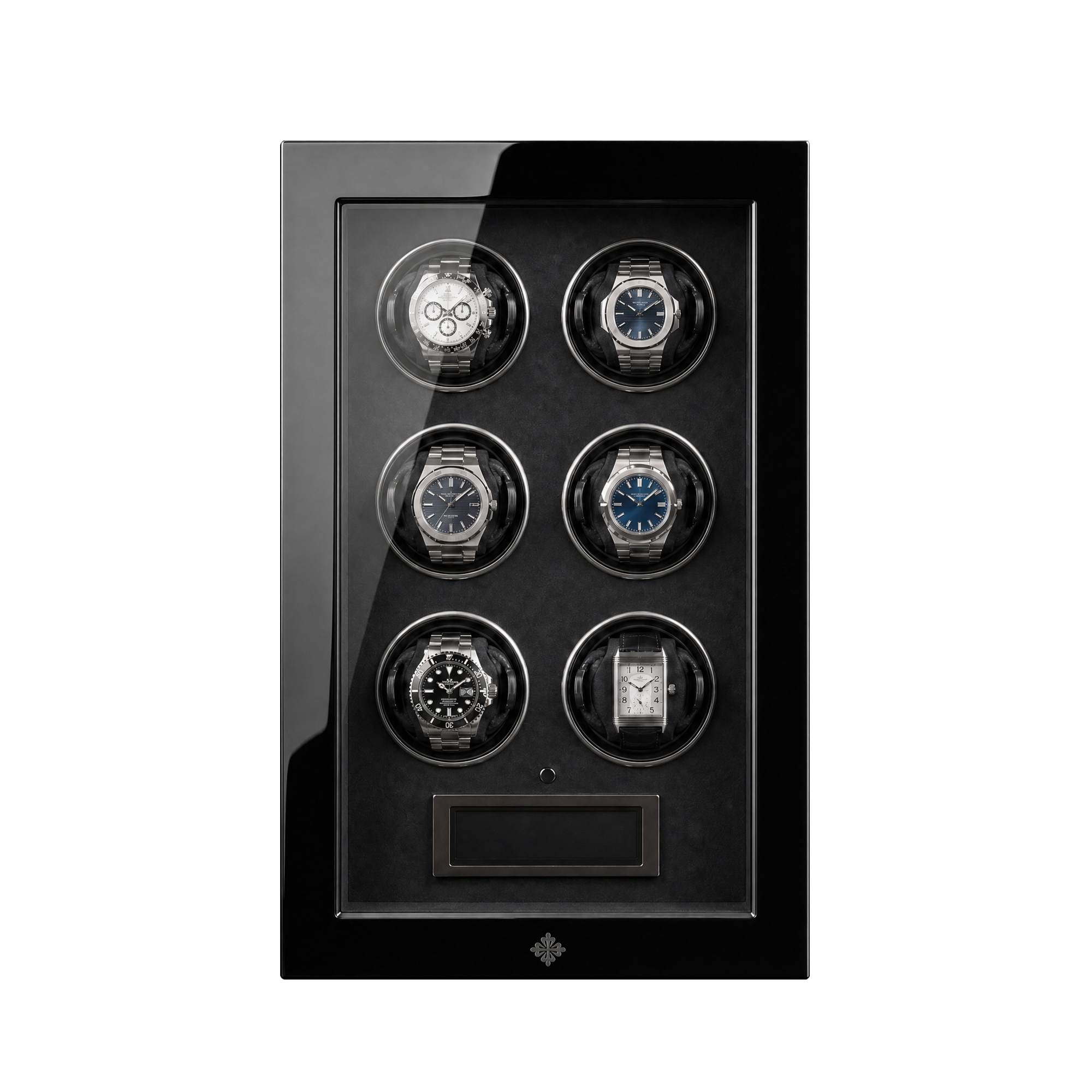
The Virtuoso Series 6 Watch Winder runs Alcantara-lined pillows across six rotors at $949, and the pillow material doesn’t change as the slot count goes up — a detail cheaper multi-slot winders often skip by switching to thinner velvet at higher capacities.
Buy.
3. Structural closed-cell foam, universal retrofit
Closed-cell foam holds its shape under thousands of wind cycles because it doesn’t absorb the moisture that collapses open-cell foam. It’s the core material inside most quality pillows, wrapped in something softer for contact.
The Watch Winders Pillow accessory sells for $59 and telescopes from 36mm to 55mm, making it the retrofit option for an older winder with a worn or undersized original cushion.
Consider it as a replacement part, not a first purchase.
4. Velvet-covered open-cell foam — the legacy default
Velvet is what most winders shipped with a decade ago, and it still shows up in entry-level boxes in 2026. Open-cell foam underneath it compresses fast under a bracelet’s weight and starts sagging within 12 to 18 months of daily rotation.
In humid climates, velvet holds ambient moisture against the caseback longer than Alcantara or leather does, which is a real concern for anything with a display back.
Hold if you already own one; skip for a new purchase.
5. Synthetic suede or microfiber wrap
Marketed as “vegan leather” or “premium suede” on budget winders, this material is usually a thin polyurethane coating over foam. It cracks and peels faster than genuine Alcantara, often within two years of regular use.
Skip.
6. Unlined foam or bare chamois
Some ultra-budget winders skip the wrap entirely. Bare foam has no give against a metal bracelet and chamois alone offers no structural support, so the case can shift mid-cycle.
Skip.
Comparison table
| Material | Bracelet-safe | Humidity resistance | Structural memory | Verdict |
|---|---|---|---|---|
| Alcantara-wrapped foam | High | High | 3+ years | Buy |
| Nappa leather-wrapped foam | Medium | Medium | 2-3 years | Consider |
| Closed-cell foam, unwrapped | Medium | High | 3+ years | Consider for retrofit |
| Velvet-covered open-cell foam | Low | Low | 12-18 months | Hold / Skip |
| Synthetic suede wrap | Low | Medium | 12-24 months | Skip |
| Unlined foam or chamois | Very low | Low | Under 12 months | Skip |
What to avoid
- A pillow that doesn’t telescope. A fixed-size cushion on a 55mm case rides too high and adds bracelet contact, no matter how good the material is — check the pillow size guide before assuming velvet or foam is the actual problem.
- “Genuine leather” with no country of origin. Nappa leather sourced from a named Italian tannery behaves differently than an unlabeled leather-look wrap that cracks within a year.
- A winder that changes pillow material by slot count. Some multi-slot winders use Alcantara on the display model and velvet on the rest of the tray — inspect every slot, not just the one in the product photo.
Where to buy
- Buy the pillow material as part of the winder, not as an afterthought accessory, unless you’re retrofitting an existing box.
- Confirm the telescoping range covers your largest case (55mm) and smallest (36mm) before ordering.
- Skip third-party foam inserts sold without a stated material or density — if the listing doesn’t name the fabric, assume it’s the cheapest option on this list.
FAQ
What’s the best watch winder pillow material?
Alcantara-wrapped foam is the best watch winder pillow material in 2026 because it resists moisture and doesn’t create friction against bracelet links. Nappa leather is a close second but needs more care around heat and light.
Is Alcantara better than velvet for watch winders?
Yes. Alcantara sheds humidity and holds its shape longer than velvet, which compresses and can sag within 12 to 18 months of daily rotation. Velvet also retains more ambient moisture against the caseback.
Does a leather watch winder pillow scratch a bracelet?
Leather itself rarely scratches metal, but a dried-out or cracked leather wrap can create rough edges that catch a clasp. Regular use near heat sources accelerates that drying.
How often should watch winder pillow foam be replaced?
Foam-core pillows on daily-use winders typically need replacing every 2 to 3 years, sooner for open-cell foam under velvet. Closed-cell foam under Alcantara lasts longer under the same cycle count.
Can foam pillow degradation damage a watch?
Degraded foam loses grip, which can let a case shift mid-rotation and stress the rotor’s contact with the movement. It won’t damage the movement directly, but it undermines the winder’s whole purpose.
Is velvet bad for watch winders in humid climates?
Velvet holds ambient moisture longer than Alcantara or leather, which is a concern in bathrooms, coastal homes, or rooms without climate control. In a controlled closet or safe room, the risk drops significantly.
Do all watch winders use the same pillow size?
No. Telescopic pillows like the ones on Enigwatch winders adjust from 36mm to 55mm, but fixed pillows on budget winders are sized for one case range and won’t fit oversized or undersized watches.
Does pillow material affect resale value of a watch?
The pillow itself doesn’t affect a watch’s resale value, but bracelet scuffs caused by a poor-quality pillow do. A scratched clasp or link shows up in any pre-sale inspection.
One last thing
The detail collectors miss: pillow material only protects the case and bracelet if the telescoping mechanism is adjusted to the actual watch on it, not left at whatever setting the last watch used. A perfect Alcantara pillow set two sizes too small does more damage in six months than a mediocre velvet one set correctly.
Related guides
Protect Your Watch Collection
Designed for collectors who demand the best. Explore our premium watch winders and luxury safes.
Protect Your Watch Collection
Designed for collectors who demand the best. Explore our premium watch winders and luxury safes.