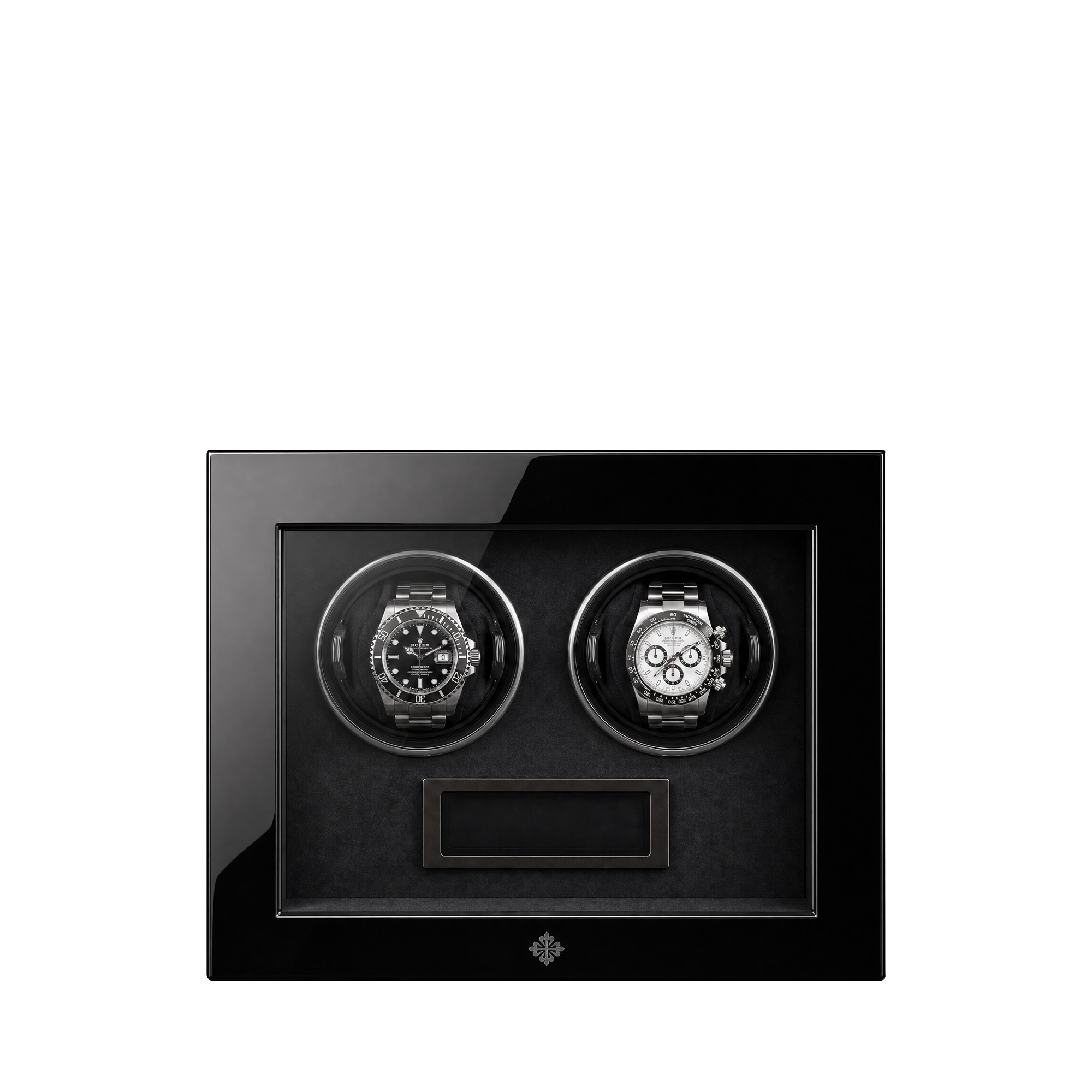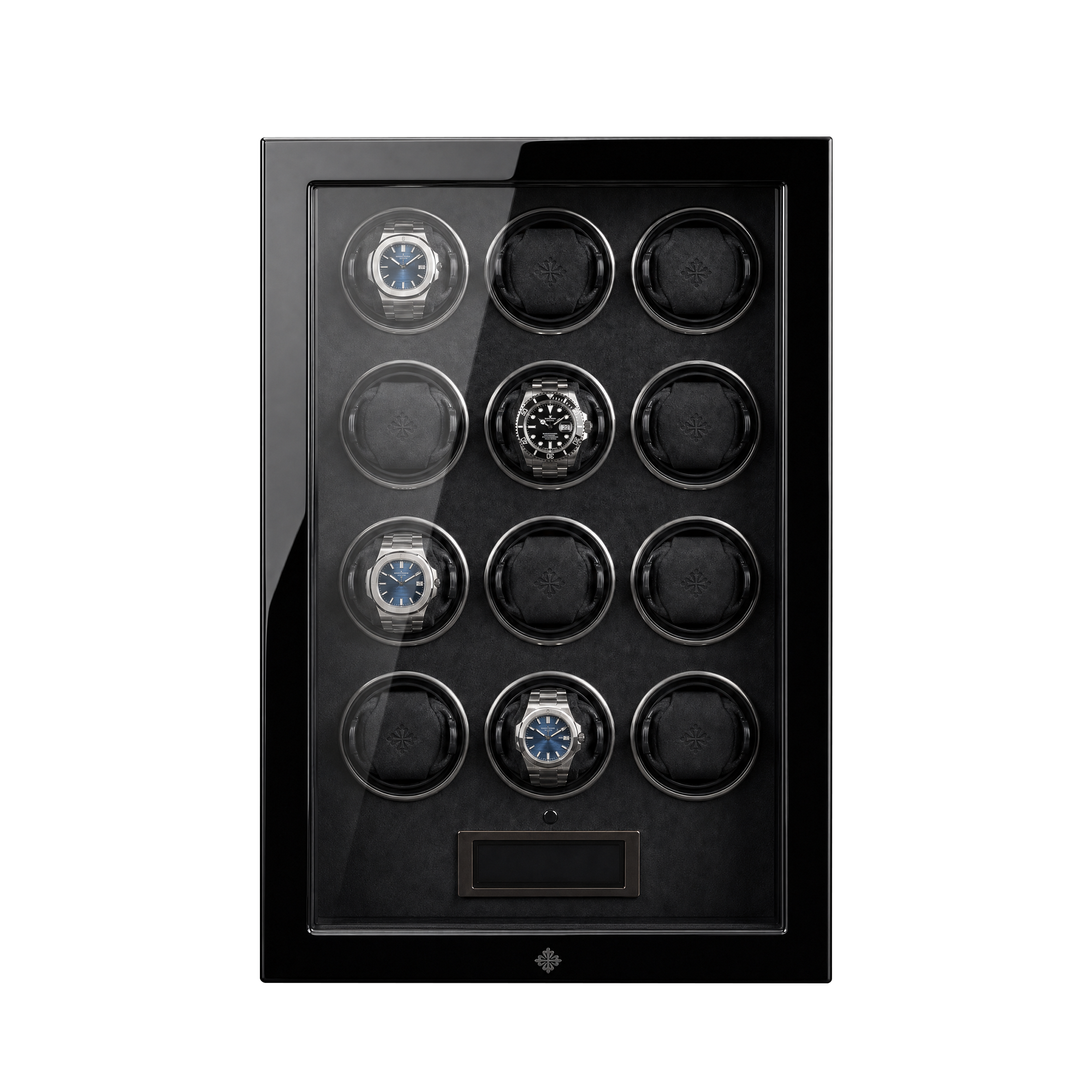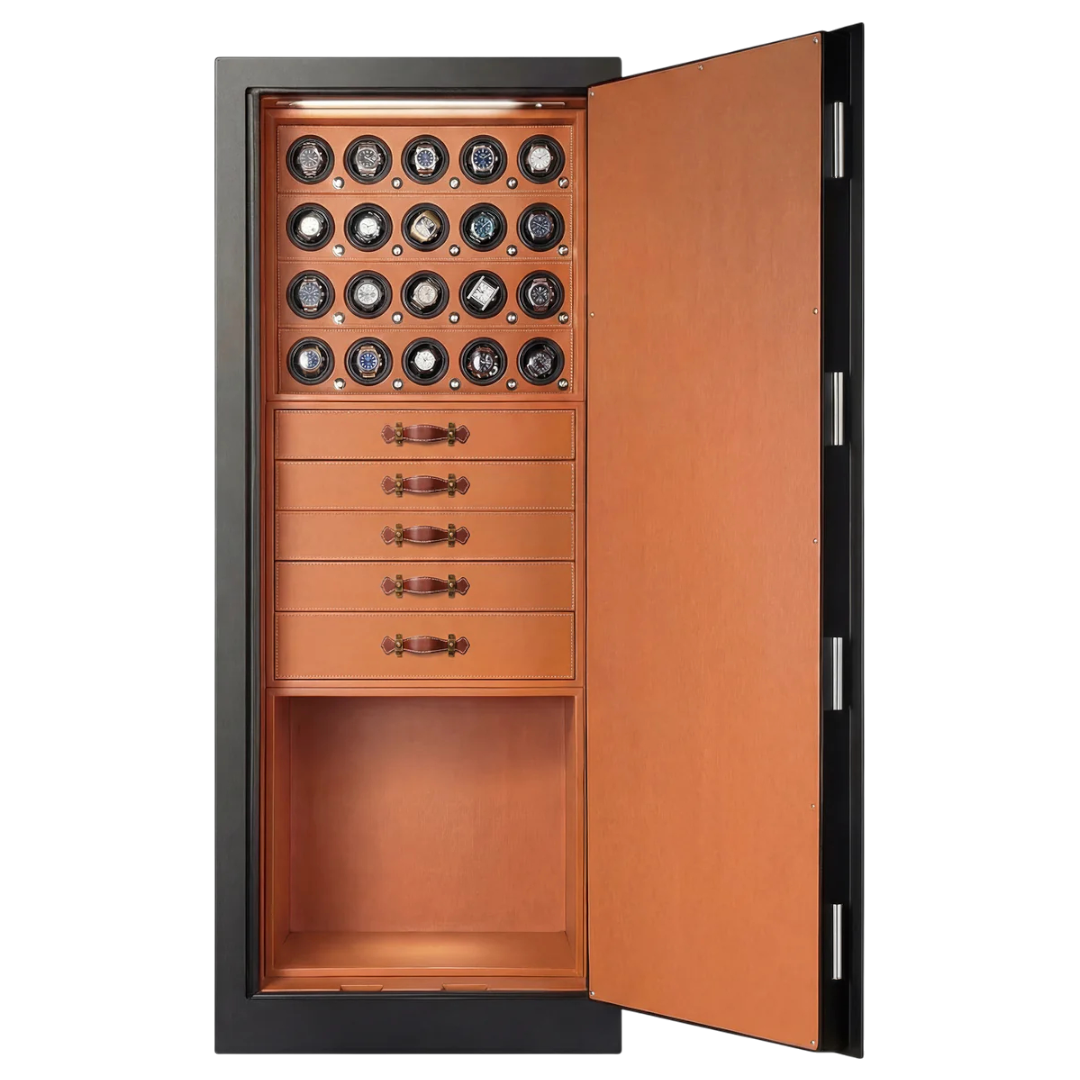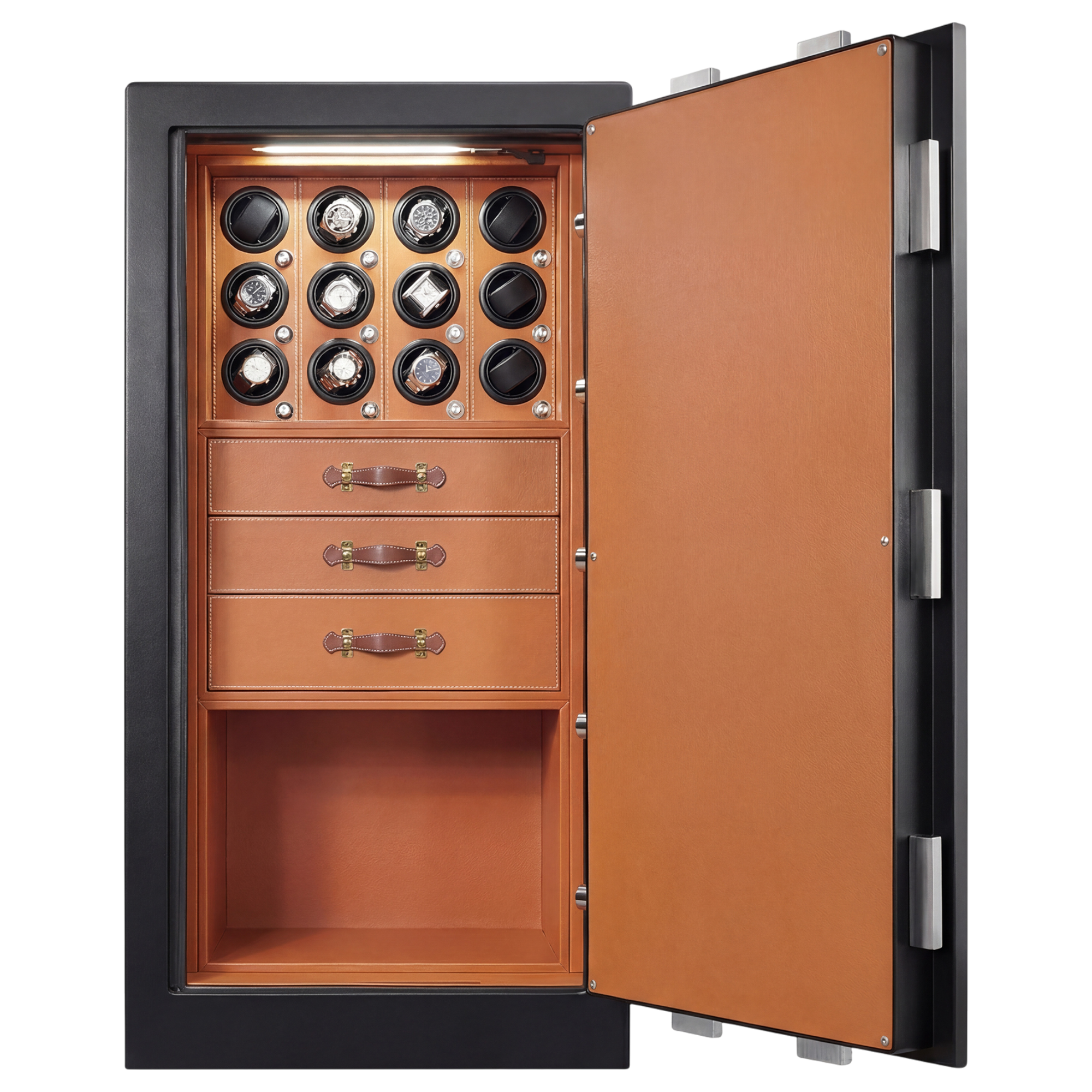

Watch winder pillow size determines whether your automatic winds correctly or sits crooked in the box, and getting it wrong is the single most common reason a winder fails to keep a watch running. This guide breaks down pillow diameter, height, and foam density by case size so you can match cushion to timepiece before you buy or swap.
TL;DR
Standard watch winder pillow size runs 3.1 to 3.3 inches (80-85mm) in diameter and fits case sizes from 34mm to 42mm without modification. Oversized cases at 44mm and above, including divers and pilot watches, need a wider pillow or a firmer foam core to prevent slippage during rotation. Enigwatch’s Watch Winders Pillow is built as a direct-fit replacement across its winder lines, and for mixed collections the safest move is buying one size larger than your biggest case rather than one that barely clears it. Bottom line: measure the case, not the strap, and round up when in doubt.
Why this matters
A pillow that’s too small lets the watch head rock during rotation, which strains the movement’s rotor bridge over thousands of cycles. A pillow too large stretches the strap or bracelet past its natural curve, which on leather straps in particular shortens their life within months, not years. Get the size wrong on a $30,000 piece and you’re not saving money by skipping a $40 pillow swap.
The fix is mechanical, not cosmetic. Pillow diameter, height, and foam firmness each interact with case size, lug width, and strap material differently, and none of the three variables can be eyeballed reliably. The steps below walk through measuring and matching each one.
What you’ll need
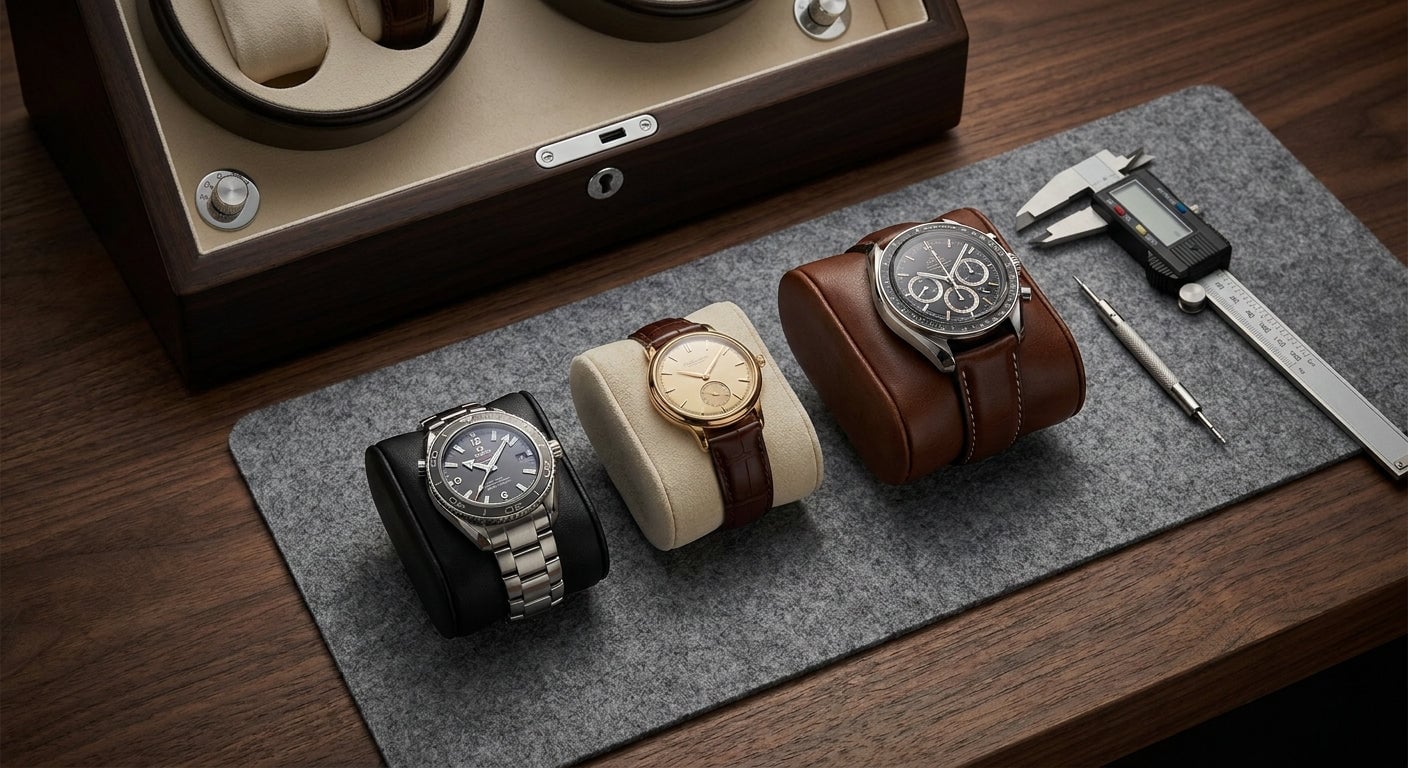
- A soft measuring tape or calipers (case diameter needs to be accurate to 1mm)
- The watch’s lug-to-lug measurement, not just case diameter
- Your current winder’s spindle diameter, usually 8mm or 10mm on most Enigwatch models
- A replacement pillow if the stock cushion is undersized or worn — the Watch Winders Pillow covers the standard 8mm spindle fit
- 10 minutes and a flat surface to test rotation before locking the watch in for the day
The steps
1. Measure the case diameter, not the strap
Case diameter is what determines pillow fit, and it’s measured lug to lug across the widest point of the case, excluding the crown. Most dress watches and dive watches from 2020 through 2026 sit between 38mm and 42mm; sport chronographs and modern divers frequently run 44mm to 47mm. Write the number down before you shop.
Common mistake: measuring bezel-to-bezel on a rotating dive bezel gives a false low reading. Measure the fixed case body.
2. Match pillow diameter to case size
A standard 3.1 to 3.3 inch (80-85mm) pillow diameter fits any case up to 42mm with room to spare. Above 44mm, the watch head overhangs the cushion edge, which is what causes visible tilt during winding. For a 46mm diver or a 44mm chronograph, size up to an oversized pillow or firmer foam that resists compression under the extra weight.
The result you want: the case sits centered on the pillow with no edge overhang and no visible gap on either side.
3. Check pillow height against strap and bracelet drape
Pillow height, usually 1.8 to 2.2 inches, controls how much the strap or bracelet hangs off the cushion. Too short and the clasp drags on the winder box floor; too tall and the strap bends past its natural arc at the lugs. Neither is catastrophic in a day, but repeated over months it creases leather and stresses bracelet links.
Expected outcome: the strap or bracelet drapes in a smooth curve with the clasp resting just off the pillow base, not touching the box interior.
4. Test foam density under load
Soft foam suits lighter cases under 100 grams; firmer foam is needed for steel sport watches that often exceed 150 grams on a full bracelet. Press a thumb into the pillow at the spot where the case will sit — if it compresses more than a few millimeters under light pressure, it will compress more under a heavier case during rotation, which reintroduces the tilt problem you just solved with diameter.
Common mistake: assuming all pillows use the same foam. Density varies by manufacturer and by price point, and cheaper pillows compress faster over time.
5. Confirm spindle compatibility before buying a replacement
Most winder pillows attach via an 8mm or 10mm spindle post, and mismatched spindles are the reason a universal pillow sometimes doesn’t sit flush. Check your winder’s spec sheet or the product listing before ordering a replacement cushion, especially if you’re mixing pillows across different winder brands.
Expected outcome: the pillow locks flush against the base plate with zero wobble when you spin it by hand.
6. Run a dry rotation test before loading the watch
Set the winder to a single cycle without the watch installed and watch the pillow track. Any visible wobble at this stage means the spindle fit is loose, not the watch’s fault, and needs fixing before you risk the timepiece.
Once the dry test tracks clean, load the watch, set turns-per-day for the movement, and check again after the first cycle for any shift in position.
Troubleshooting
- Watch tilts to one side after a few hours — case diameter exceeds the pillow, size up or switch to firmer foam.
- Strap clasp drags on the box floor — pillow height is too short for the strap length, swap to a taller cushion.
- Leather strap creasing at the lug after weeks of use — pillow height too tall, stretching the strap past its resting curve.
- Pillow spins loose on the spindle — spindle diameter mismatch, confirm 8mm vs 10mm before reordering.
- Bracelet watch feels loose and shifts during rotation — foam too soft for bracelet weight, move to a firmer density pillow.
- Pillow shows visible compression divots after a year — foam has worn out, a $30-50 replacement is cheaper than the wear it prevents on the watch.
Tools and resources
- Watch Winders Pillow — the standard replacement cushion sized for 8mm spindle winders
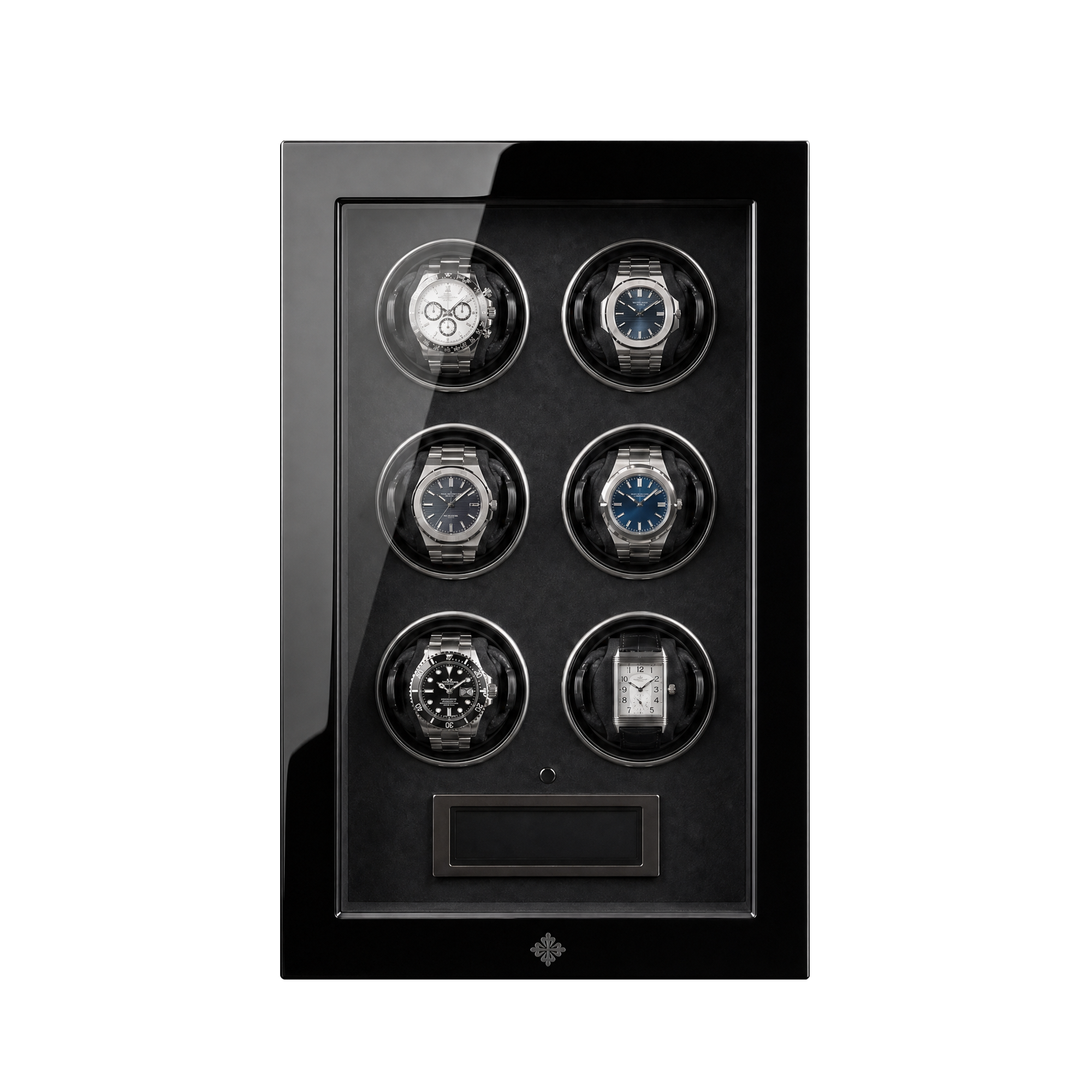
- Impresario Series 6 Watch Winder — a common reference point for standard 38-42mm case pillows
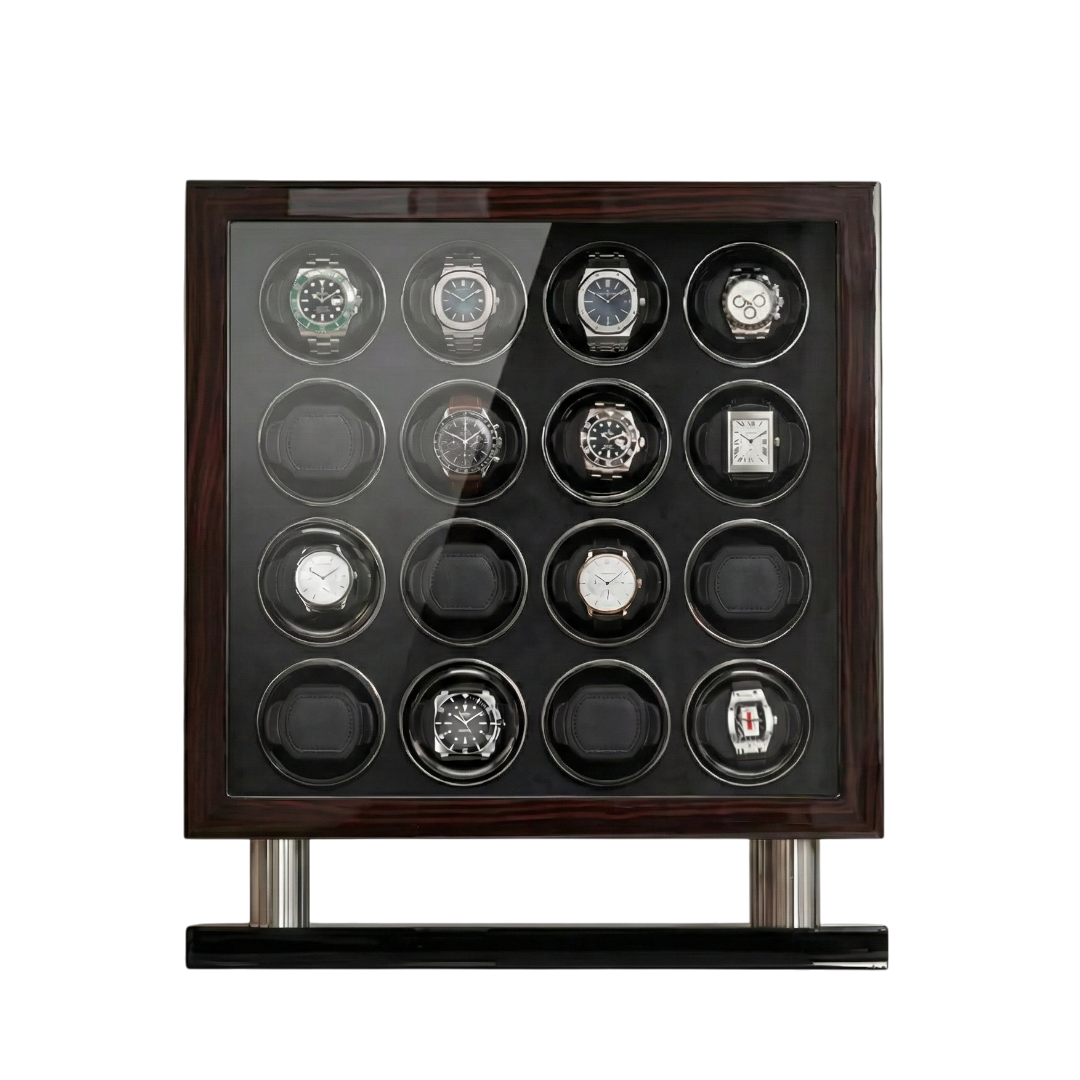
- Yachtline Series 16 Watch Winder — built with oversized pillow spacing for 44mm-plus dive and pilot cases
- How to read a watch winder spec sheet — for checking spindle diameter and pillow dimensions before ordering
What to do next
Once pillow size is dialed in, the next variable that affects winding accuracy is turns-per-day, which varies by movement and brand. The full TPD reference guide covers settings across major manufacturers so you’re not guessing on rotation count the way you were on pillow size.
FAQ
What’s the standard watch winder pillow size?
Standard pillow diameter runs 3.1 to 3.3 inches (80-85mm), fitting case sizes from 34mm to 42mm without modification.
Do oversized watches need a different pillow?
Yes — cases at 44mm and above, common on divers and pilot watches, need a wider pillow or firmer foam to avoid overhang and tilt during rotation.
Is a bigger pillow always better?
No. A pillow sized too large for the case lets the watch shift and doesn’t support the strap curve correctly; match to the actual case diameter, don’t just size up arbitrarily.
How much does a replacement watch winder pillow cost?
Pricing varies by brand and material, but a direct-fit replacement cushion is a minor cost compared to the winder itself or the watch it holds.
Can one pillow fit multiple watch brands?
Yes, as long as the case diameters are similar and the spindle diameter matches your winder’s base, most standard pillows work across brands.
Does pillow foam density affect winding accuracy?
Indirectly — soft foam under a heavy case compresses and lets the watch tilt, which can cause inconsistent rotor engagement over a full charge cycle.
How often should a watch winder pillow be replaced?
When foam shows visible compression divots or the watch no longer sits centered, typically after a year or more of daily use depending on watch weight.
Is there a universal watch winder pillow size?
No single size fits every case and spindle combination; confirm both case diameter and spindle diameter (8mm or 10mm) before buying a replacement.
One last thing
Collectors with mixed cases — a 36mm dress watch and a 46mm dive watch in the same box — almost always underestimate how much the larger piece needs. Buy the pillow for your biggest watch, not your average watch; a slightly oversized cushion under a small case causes no harm, but an undersized one under a large case causes tilt every single cycle in 2026 just as it did in past years.
Related guides
Protect Your Watch Collection
Designed for collectors who demand the best. Explore our premium watch winders and luxury safes.
Protect Your Watch Collection
Designed for collectors who demand the best. Explore our premium watch winders and luxury safes.