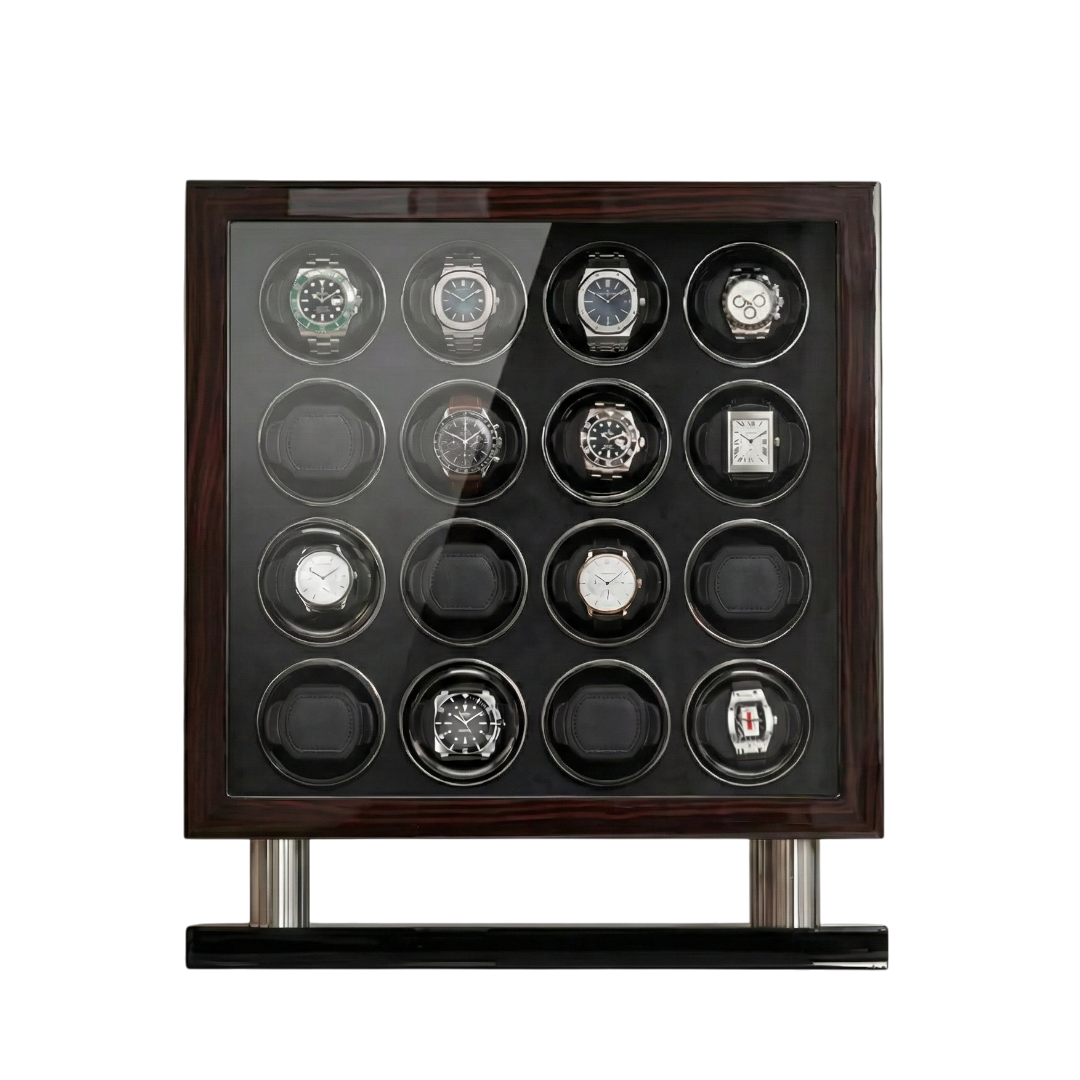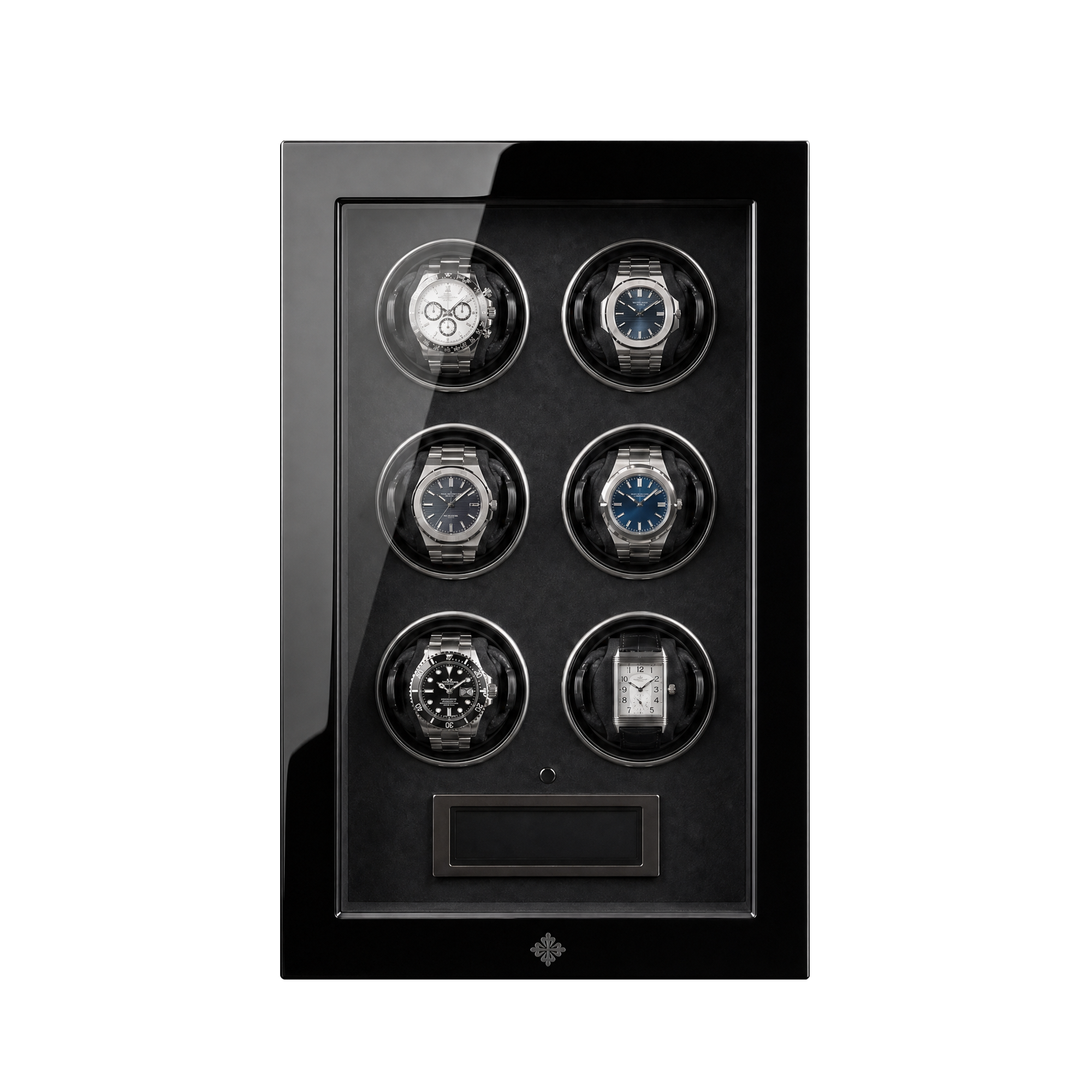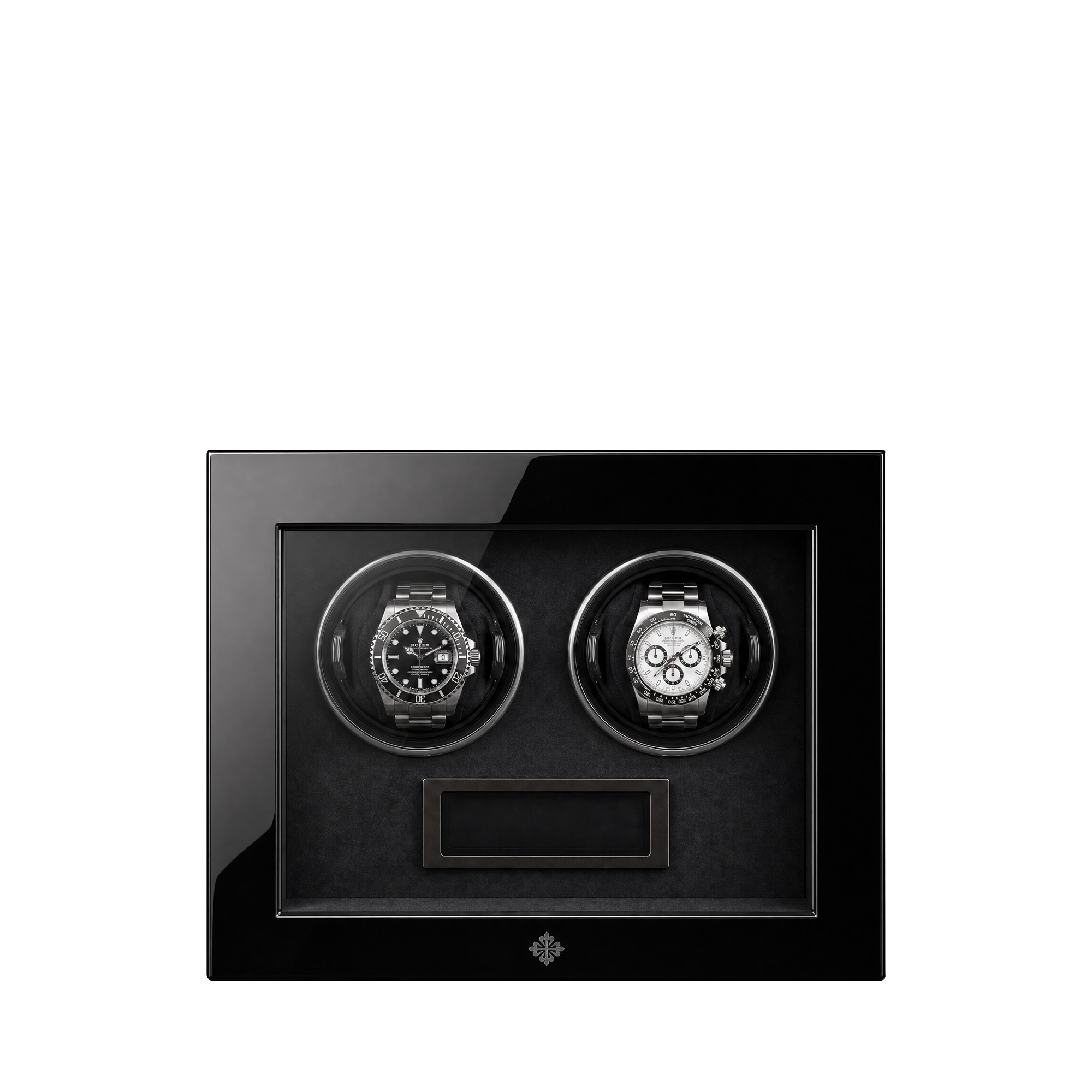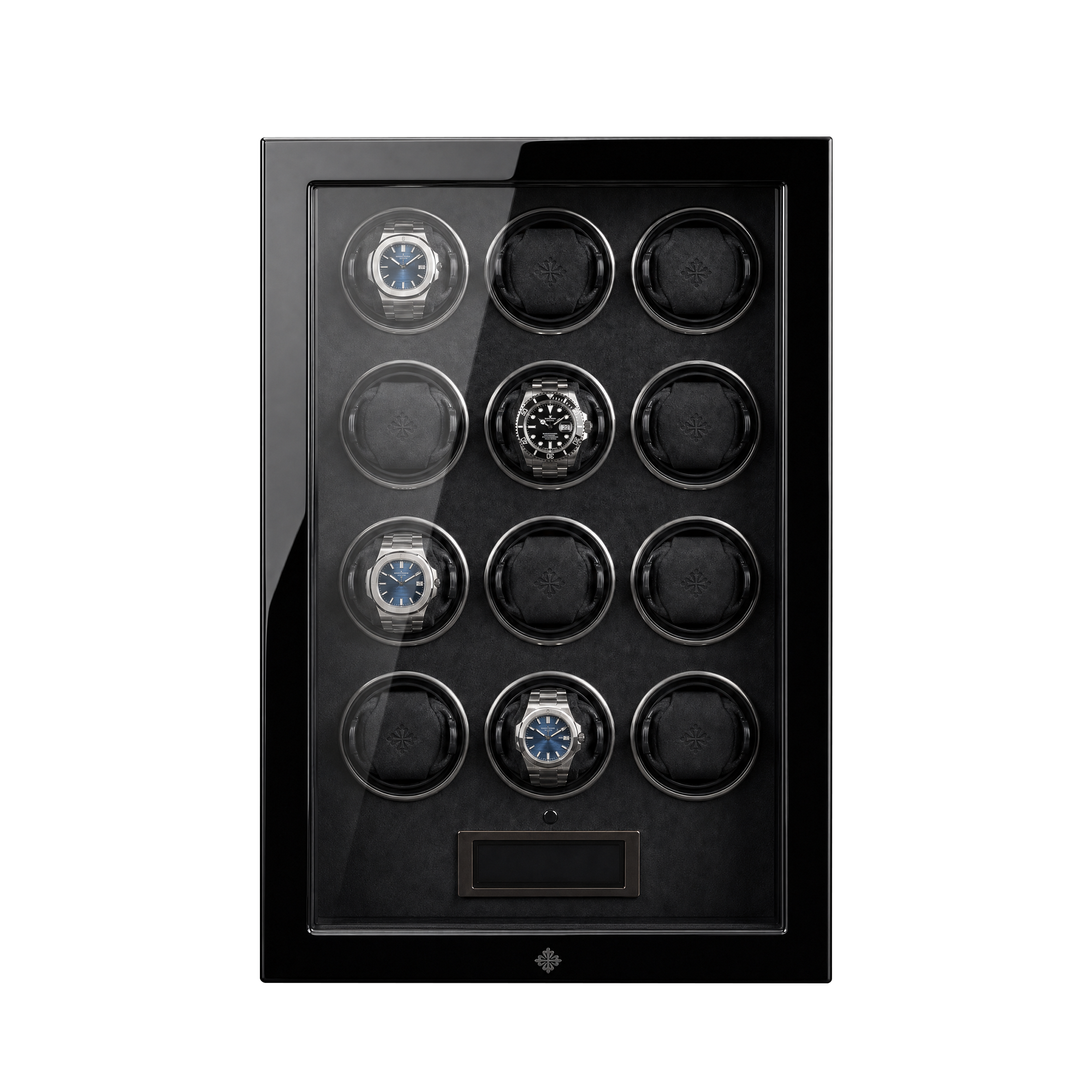

An investment-grade watch winder is a motorized rotation device sized to protect a valuable automatic movement's condition and resale value between wearings, not just to keep a date wheel from resetting. Collectors holding references from Patek Philippe, Rolex, Audemars Piguet, or Vacheron Constantin need turns-per-day precision and motor quality that a $40 department-store box does not deliver, and the storage question around the winder matters just as much as the winder itself.
- A watch winder for an investment grade watch must match TPD and direction to the exact caliber, not a generic default.
- Enigwatch’s high-end winders run on Japanese Mabuchi motors, steadier and quieter than mass-market alternatives.
- Winding alone doesn’t protect resale value; pairing a winder with a humidity-controlled, fire-rated safe does more for long-term condition.
- Skip single-mode, no-TPD winders for six-figure references in 2026 — buy a programmable multi-mode unit instead.
Why watch winders matter for an investment-grade collection
A watch that's meant to hold or gain value gets treated differently than a daily-wear piece. Continuous, correctly-set rotation keeps lubricants distributed and complications running without the owner having to reset a perpetual calendar every time the watch sits for three weeks.
The risk runs the other way too: a winder set to the wrong turns-per-day or the wrong rotation direction puts unnecessary strain on the mainspring over months of continuous use. Investment-grade collectors need the high-end watch winder built for serious collectors category, not a generic single-mode box, because the movement inside a Nautilus or a Royal Oak is exactly what a resale buyer or appraiser will scrutinize first.
Security and documentation matter here too. A watch worth five or six figures needs storage that protects both the object and the paper trail that supports its value at resale.
How to choose and set up a watch winder for an investment-grade watch
Check your caliber's TPD requirement
Don't guess. Every automatic caliber has a published or manufacturer-stated turns-per-day range, and running outside it for years is the single most avoidable mistake in this category.
- Pull the exact caliber number from the case back or papers, not just the model name
- Cross-reference the TPD range for that specific movement using a full brand TPD reference guide
- Note whether the movement is bidirectional or unidirectional before setting rotation
- Write the TPD down before storage — guessing strains the mainspring over 3-6 months of continuous running
Match rotation direction to your movement
Rotation direction is not interchangeable with TPD settings, and getting it wrong is a quieter but just as real risk.
- Confirm bidirectional vs. unidirectional in the manufacturer spec, not the winder's factory default
- Test at a low cycle first to confirm the rotor engages without grinding or resistance
- Avoid winders that only offer clockwise rotation for a movement that needs bidirectional winding
- Recheck settings after any service visit, since some calibers change rotor behavior post-repair
Choose a motor built for continuous duty
This is where the manual approach runs out and equipment quality starts to matter. A winder that runs 24/7 for years needs a motor rated for that duty cycle, not a stepper motor built for intermittent use.
- Ask what motor brand and duty-cycle rating the winder uses — most mass-market boxes skip this spec entirely
- Enigwatch's watch winders run on Japanese Mabuchi motors rated for continuous rotation, a step up from the stepper motors found in $50-$100 boxes
- Confirm noise level if the unit sits in a bedroom or office; motor quality affects sound as much as longevity
- Check whether the interior cushion material — Alcantara, Nappa leather, foam — will mark or compress a strap over months of contact
Pair the winder with secure, climate-stable storage
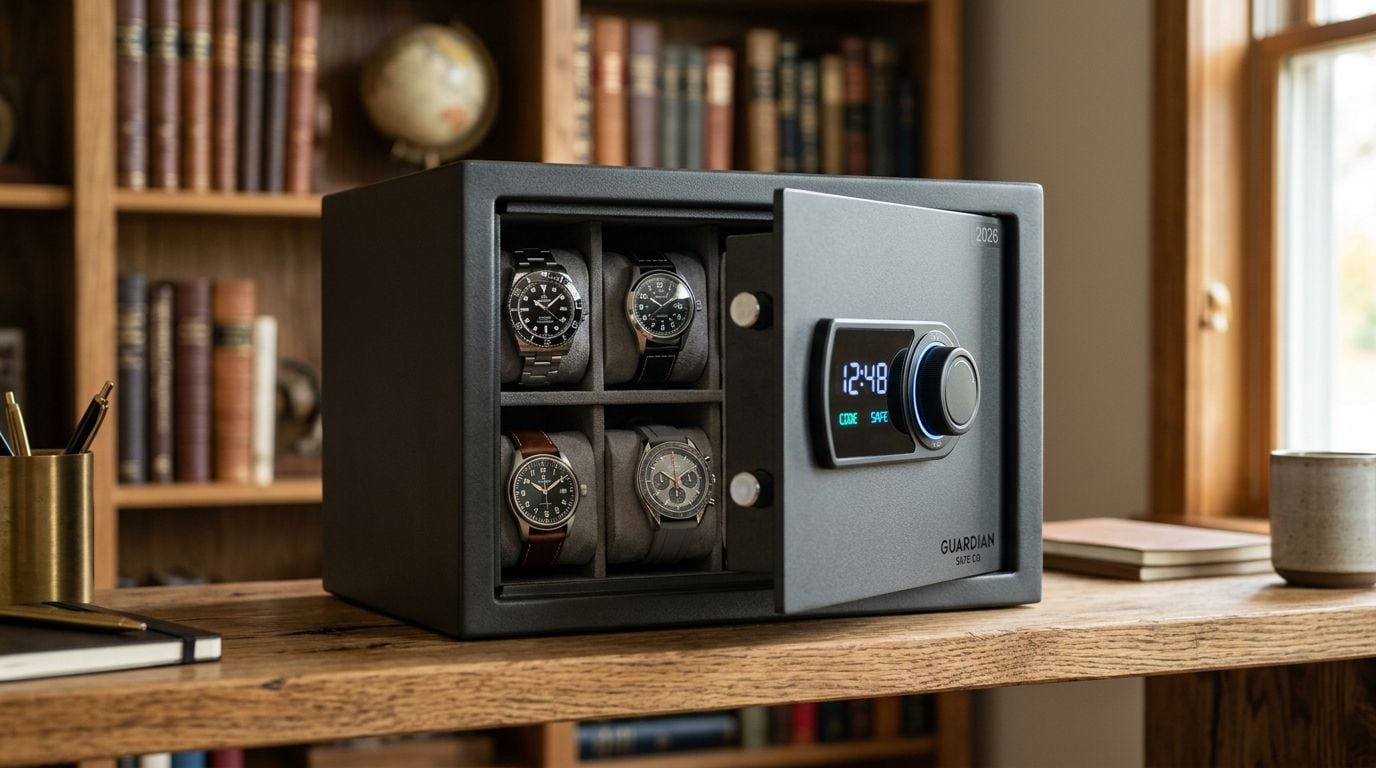
A winder protects the movement. It does nothing for the case, the strap, or the collection's security, and that's where a safe comes in.
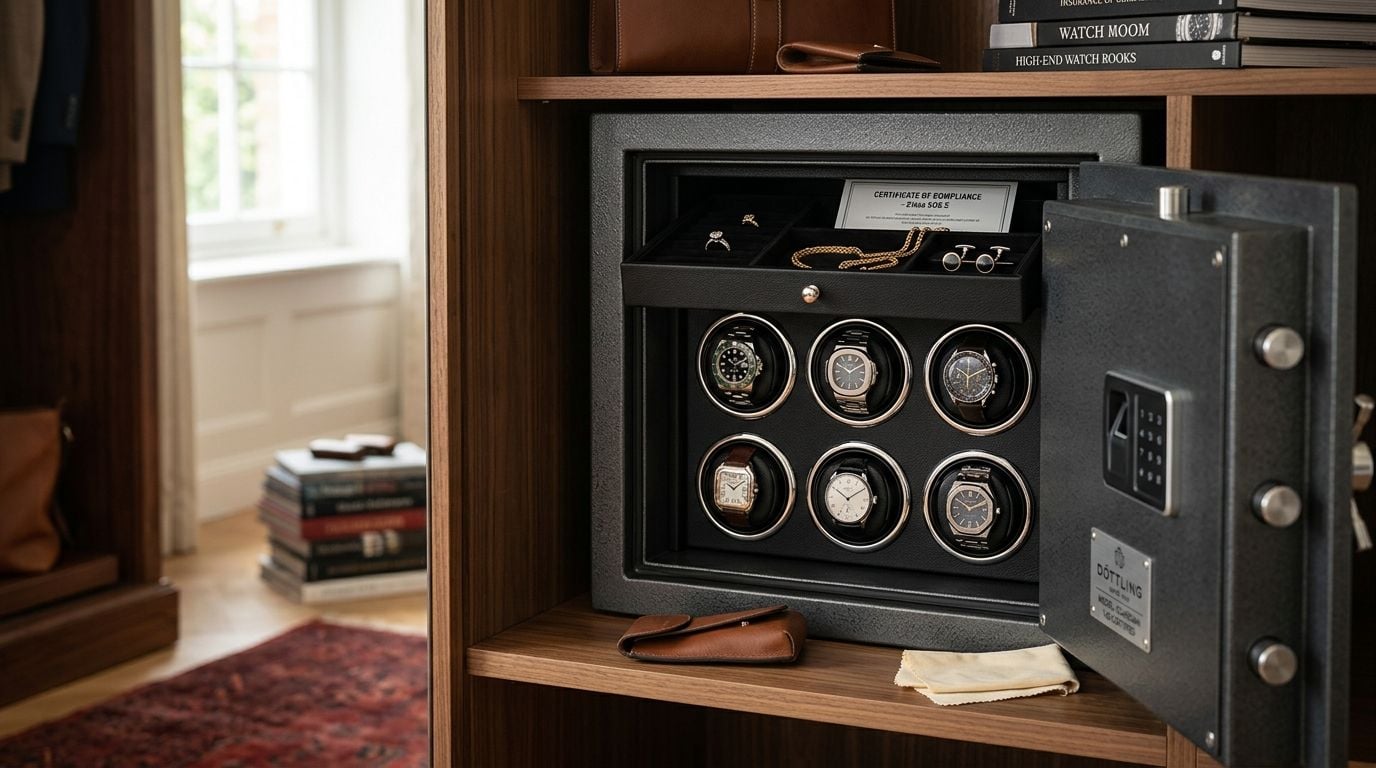
- Store the winder inside a safe or cabinet rated for fire and humidity, not on an open shelf
- Target relative humidity in the 40-50% band to protect gaskets and lubricants
- Keep the unit away from direct sunlight or heating vents, both of which accelerate lubricant breakdown
- Look at a watch safe with a biometric lock for faster daily access and cleaner resale documentation for the next owner
Set access control before you need it
Who gets into the safe matters more once the collection has real value attached to it.
- Decide who needs access — you, a spouse, an estate executor
- Biometric locks are faster for daily use; combination locks survive a fingerprint reader failure
- Log access events if the collection carries a scheduled insurance rider above a standard homeowner's policy
- Document a mechanical override with your attorney or estate plan, not just in a personal note
Document condition and provenance before winding starts
An appraiser or future buyer cares about paper trail as much as movement condition, and this step gets skipped constantly.
- Photograph the case back, dial, and any box or papers before the watch goes into rotation
- Record the winder's TPD setting alongside the photos — appraisers ask what condition-preservation steps were taken
- File documentation with an insurer or appraiser, not only in a personal folder
- Repeat photography annually or after any service event
Test, calibrate, and recheck power reserve
A winder set up correctly on day one can still drift out of spec, so check it.
- Run the watch on the winder for one full cycle, then check accuracy against a reliable time source
- Recalibrate TPD if the watch gains or loses more than the movement's rated spec allows
- Confirm the winder holds power reserve through a simulated outage — unplug for a few hours and check the watch is still running
- Reset complications (date, moon phase) correctly after any recalibration
Comparing storage options for investment-grade collections
| Option | Best for | Starting price | Key limitation |
|---|---|---|---|
| Manual winding, no device | Watches worn within 36-40 hours | $0 | Requires daily attention; complications reset every time |
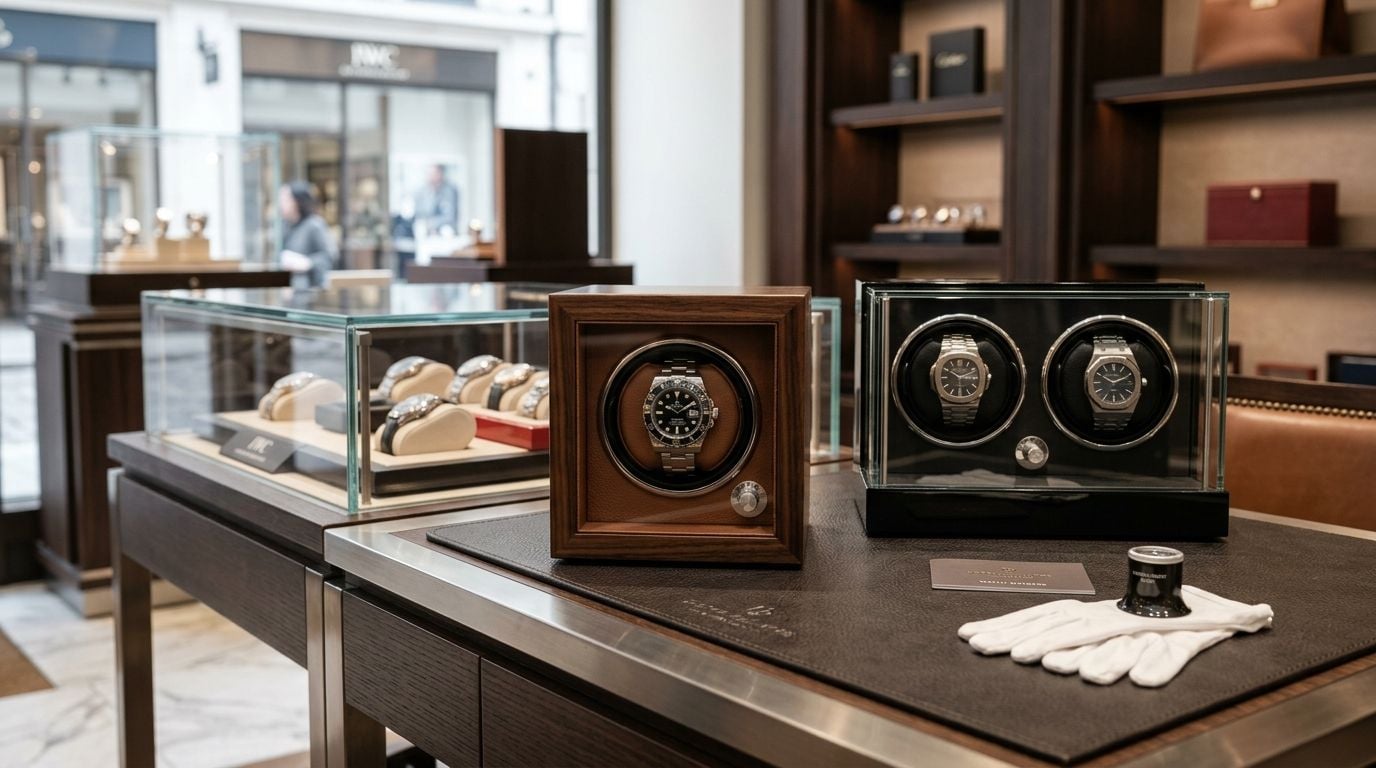
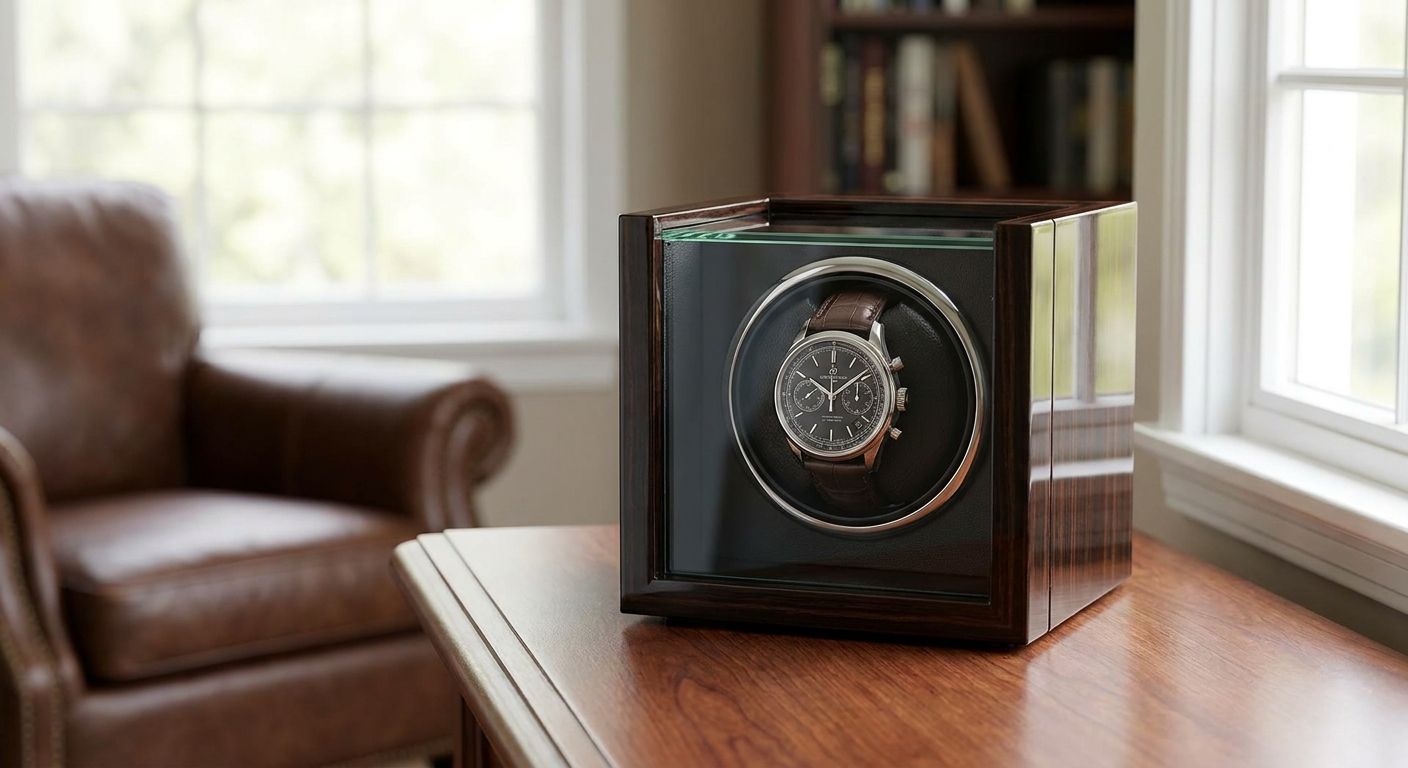
| Single-position programmable winder | One flagship piece, e.g. a Calatrava | Enigwatch's range starts around $5,000 | Doesn't scale once the collection grows |
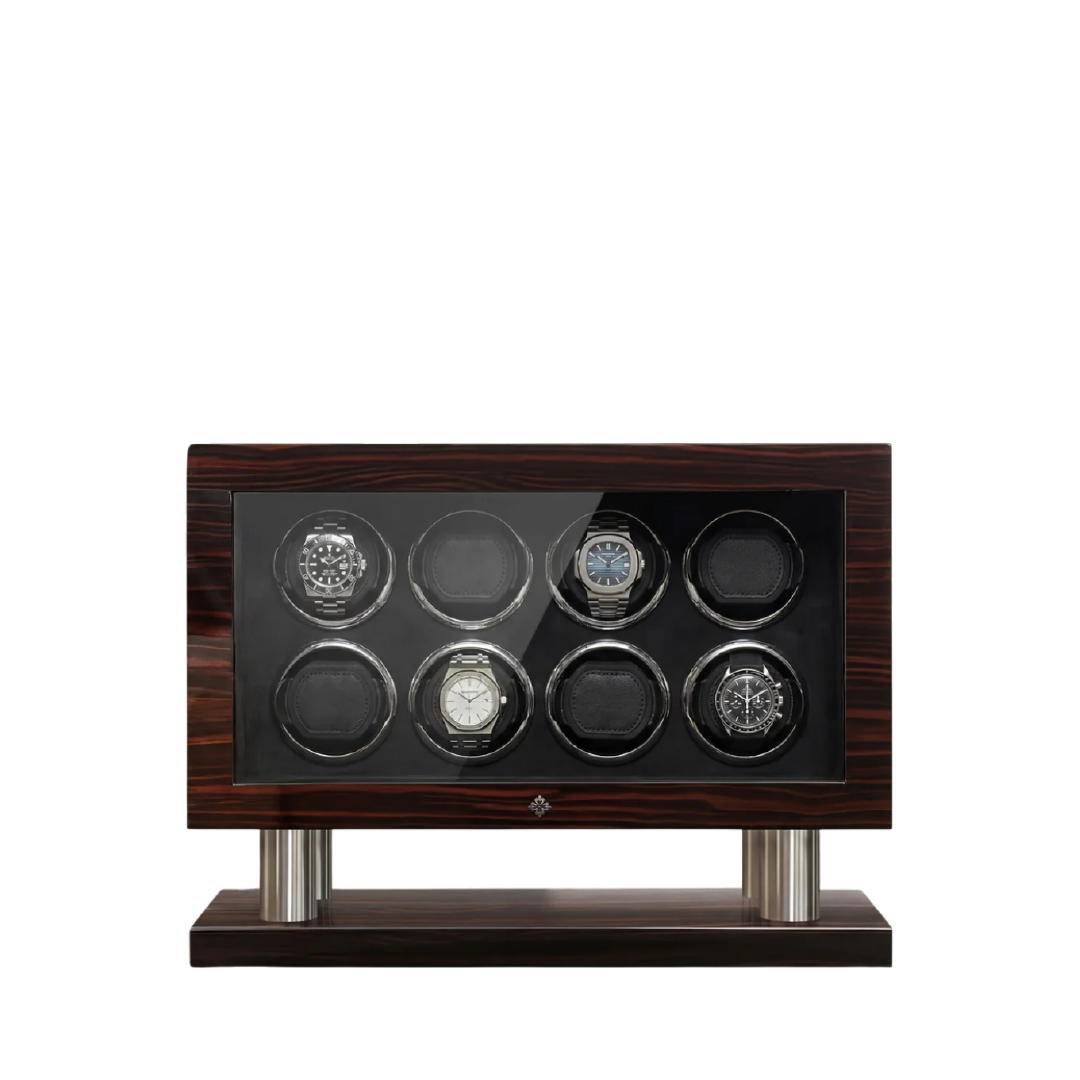
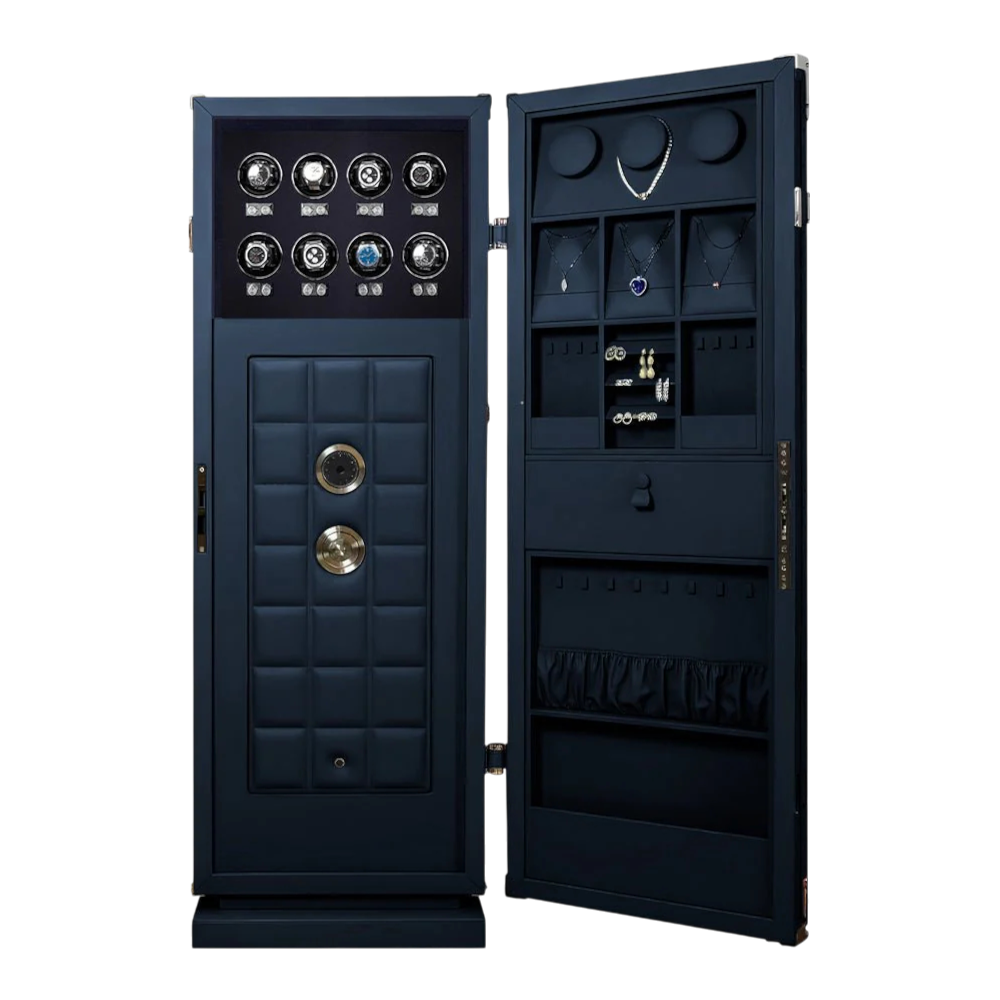
| Multi-slot winder cabinet | Collections of 6-20+ pieces | Enigwatch cabinets run into the $21,000+ tier | Higher upfront cost; needs dedicated floor or wall space |
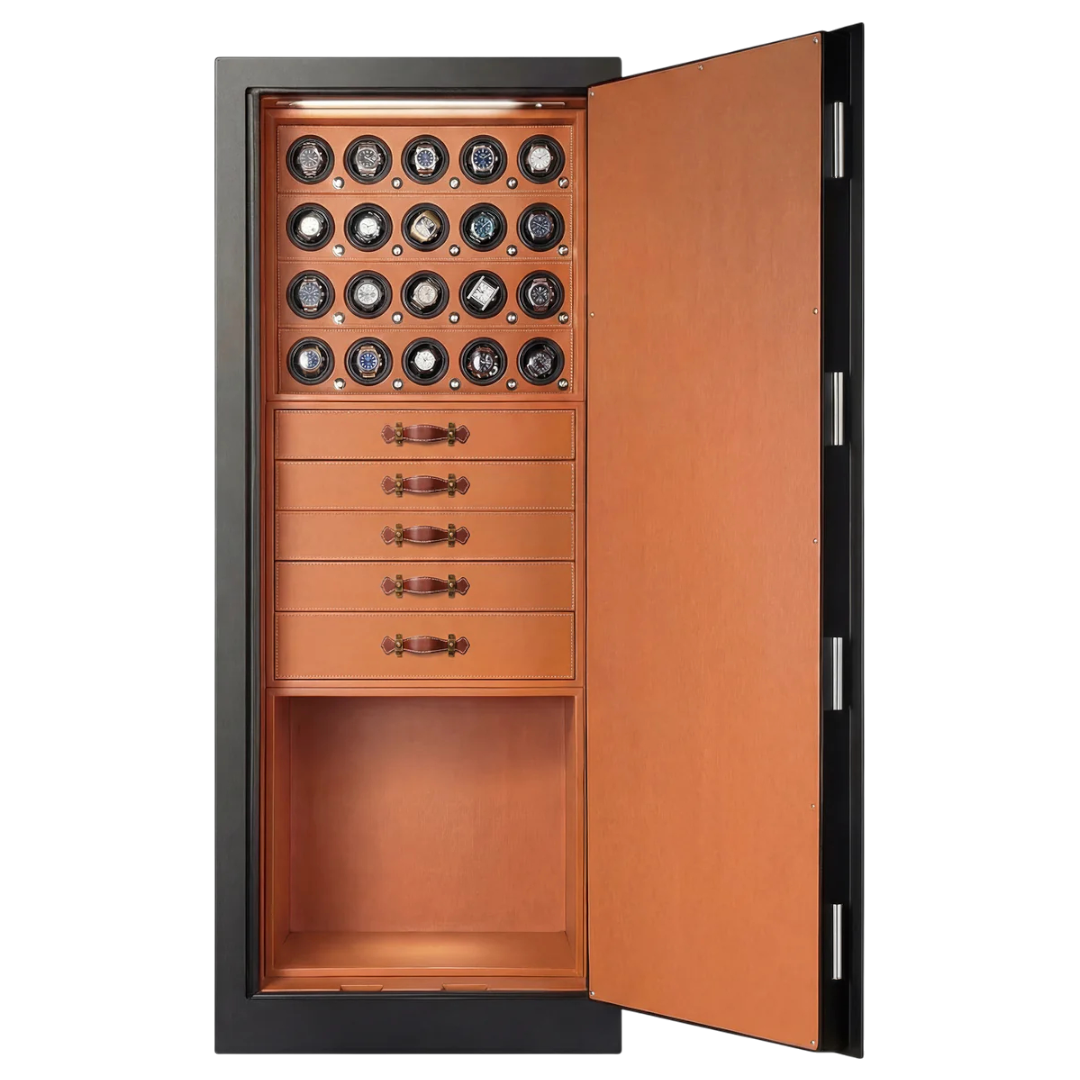
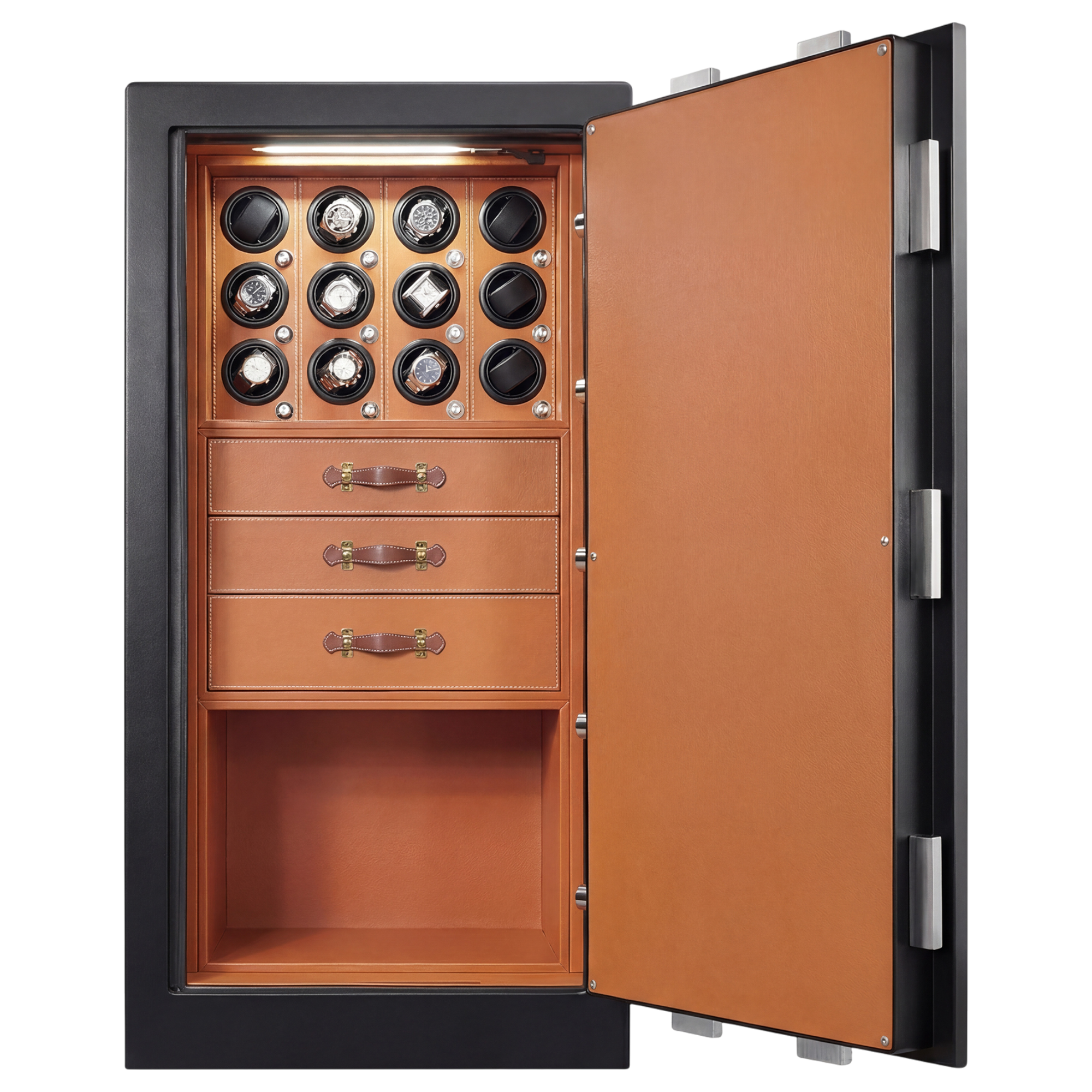
| Watch safe with built-in winder | Collectors who want winding and security combined | Priced within Enigwatch's $5,000-$21,000 range | Larger footprint; professional installation recommended |
A single programmable winder inside a proper safe wins for one to three investment-grade pieces; a multi-slot cabinet wins once the collection passes six.
See the full winder and safe range
Compare Enigwatch models built for investment-grade collections.
Common mistakes investment-grade collectors make
- Setting TPD from a generic "high" default instead of the caliber's actual spec, which compounds mainspring stress over years of continuous rotation
- Storing a six-figure watch in a felt-lined drawer instead of a humidity-controlled safe, inviting lubricant breakdown that a winder alone can't prevent
- Treating a running winder as insurance documentation — appraisers want photographed serial numbers and papers, not just a watch that's ticking
- Buying a single-slot winder for a collection that's already outgrown it, then upgrading twice within a year instead of sizing for growth up front
- Assuming winder use never affects resale value — see does using a watch winder affect resale value for what actually moves a buyer's decision
FAQ
What’s the best watch winder for an investment-grade watch?
A programmable multi-mode winder with a continuous-duty motor and per-caliber TPD control is the right choice for an investment-grade watch in 2026. Enigwatch’s winders use Japanese Mabuchi motors built for that duty cycle, unlike single-mode boxes that run one fixed setting regardless of movement.
Does using a watch winder affect resale value?
A correctly-set winder does not lower resale value on its own, but mismatched TPD or a low-quality motor can cause visible rotor wear that a buyer or appraiser notices. Documented, correct usage is generally viewed as neutral to positive for condition.
How many turns per day does a Patek Philippe need?
Patek Philippe calibers generally fall in the 650-950 TPD range, but the exact figure depends on the specific movement, not just the model name. Check the caliber number against a published brand reference before setting the winder.
Is a single winder or a winder cabinet better for a growing collection?
A single-position winder is fine for one or two flagship pieces, but a multi-slot cabinet is the better buy once a collection passes five or six investment-grade watches. Buying single units repeatedly ends up costing more than sizing for growth from the start.
Do I need a safe in addition to a winder?
Yes — a winder protects the movement, but it does nothing for security, fire risk, or humidity control. Pairing a winder with a proper safe covers both the mechanical and the physical-security side of ownership.
How much does a luxury watch winder cost in 2026?
Enigwatch’s winders and safes range from roughly $5,000 to over $21,000 depending on capacity, materials, and features like biometric locks. Price generally tracks slot count, motor quality, and interior materials such as Alcantara or Nappa leather.
Can a winder damage an automatic movement?
A winder set to the wrong TPD or rotation direction can strain the mainspring over months of continuous use, but a correctly calibrated winder from a continuous-duty motor does not damage a movement. The risk is almost always a settings mismatch, not the concept of winding itself.
Should investment-grade watches be wound continuously or worn regularly?
Both work — continuous winding via a winder keeps complications set and lubricants moving when a watch isn’t worn, while regular wear does the same job naturally. The winder exists for the weeks or months a piece sits in storage, not as a replacement for wearing it.
One last thing
The step collectors skip most often isn't the winder settings — it's photographing serial numbers, case backs, and papers before the watch ever starts rotating. Appraisers price a claim on documented provenance, not on caliber alone, and that single folder of photos taken in 2026 can matter more to a future sale than the winder brand chosen to run it.
Related guides
- Watch safe with biometric lock for luxury watches
- How to insure a watch collection: what appraisers need
Protect Your Watch Collection
Designed for collectors who demand the best. Explore our premium watch winders and luxury safes.