
The Piaget Polo runs on a bidirectional automatic caliber, so a single-direction winder is the wrong tool from day one. This guide covers the turns-per-day range, motor requirements, and specific winders that keep a Polo accurate and fully wound between wears in 2026.
- Piaget Polo’s automatic caliber winds bidirectionally, so single-direction winders are a hard skip in 2026.
- Set 650 to 800 TPD as your starting range, then fine-tune against a timegrapher reading.
- The Impresario Series handles multi-Polo collections; the Virtuoso suits a single reference on a nightstand.
- An undersized pillow scuffs the Polo’s integrated bracelet within weeks of daily rotation.
Why this matters
A Piaget Polo left still for more than 40-48 hours stops and needs a full reset of the day, date, and moon-phase complication on some references — a five-minute annoyance that gets old fast. The self-winding rotor inside Piaget's automatic calibers moves in both directions as your wrist moves, which is exactly why a bidirectional winder box matters more here than on a manual-wind piece.
Get the direction wrong and the mainspring still winds, just less efficiently. Get the turns-per-day setting wrong and you either underwind the mainspring or add unnecessary wear to the rotor bushing over a decade of daily use. Piaget owners researching a Piaget Altiplano TPD and direction settings guide will recognize the same logic applies across the brand's automatic lineup, Polo included.
Who this is for
This guide is built for someone who owns one or more Piaget Polo references and wants the watch to read correct time and date the moment it comes off the winder, not twenty minutes of resetting later. It's also for collectors weighing a Polo against other bidirectional-caliber pieces and trying to figure out if one winder box can serve the whole collection.
What to look for in a watch winder for Piaget Polo
Bidirectional rotation
Piaget's automatic movements wind in both directions, so the winder's motor needs a true clockwise/counterclockwise (CW/CCW) program, not a fixed single direction. A unidirectional box will still turn the rotor, but you lose efficiency and risk uneven wear on the reversing mechanism over years of daily cycles.
TPD range and program flexibility
Most Piaget automatic calibers land comfortably in the 650 to 800 TPD range, similar to other Swiss chronometer-grade movements. A winder that only offers three or four fixed presets in large jumps (300, 650, 1200, 1800) forces you to guess; one with finer increments lets you dial in the exact setting and confirm it against a timegrapher app.
Motor quality and noise
A Polo often sits on a nightstand, dresser, or home office shelf within earshot. Japanese Mabuchi motors run quieter and hold calibration longer than the unbranded motors found in budget boxes, which matters when the winder runs continuously for months at a time.
Cushion fit for the case and bracelet
The Polo's case runs close to 42mm on most references, often paired with an integrated steel or two-tone bracelet that's stiffer than a leather strap. A pillow sized for a smaller dress watch leaves the bracelet unsupported, which causes link-to-link scuffing after weeks of rotation. Look for an adjustable or oversized cushion built for sport-luxury cases.
Storage and security together
A five-figure Polo sitting in an open winder box on a shelf is a different risk profile than the same watch in a locked cabinet. Collectors moving past a single Polo often pair a winder with a rotation program reference guide, then decide whether a combined safe-and-winder unit makes more sense than two separate pieces.
Top picks for a Piaget Polo
The collection pick: Impresario Series
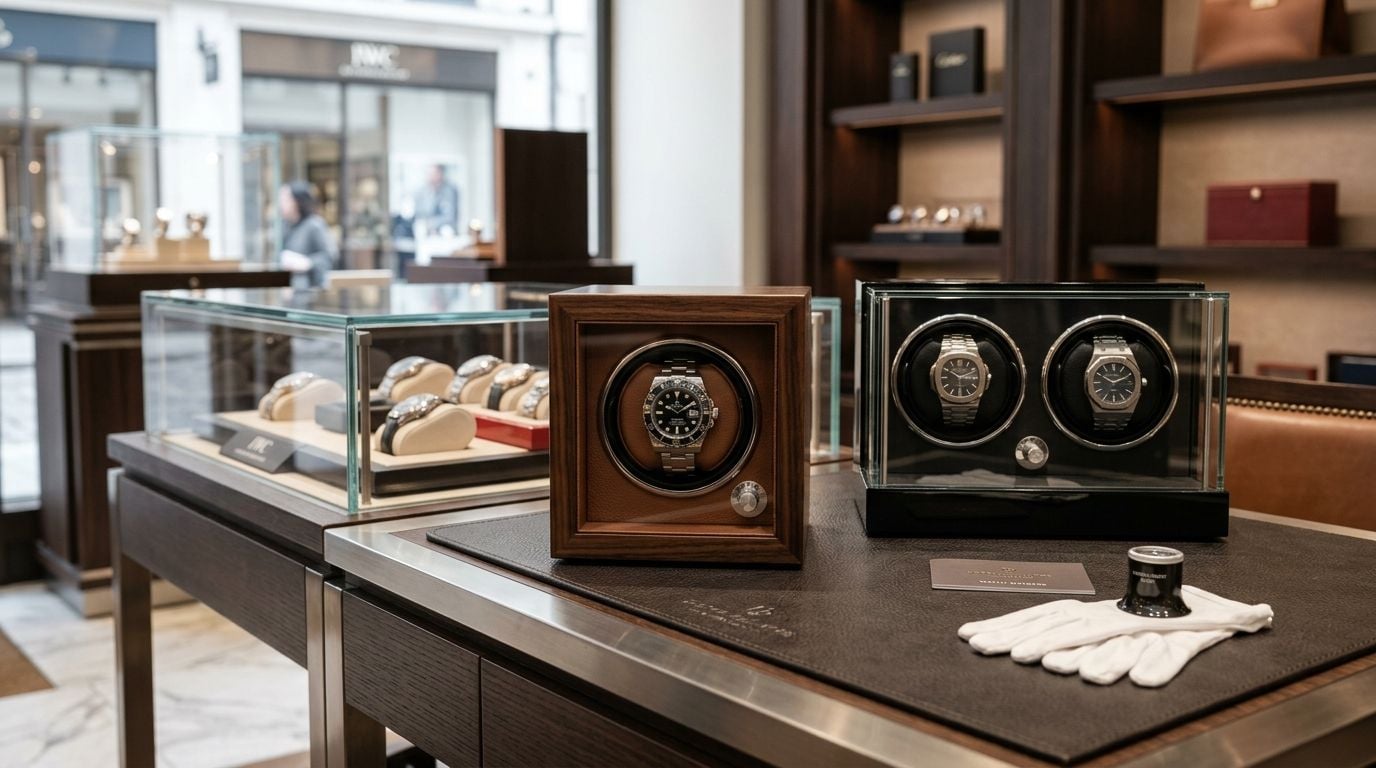
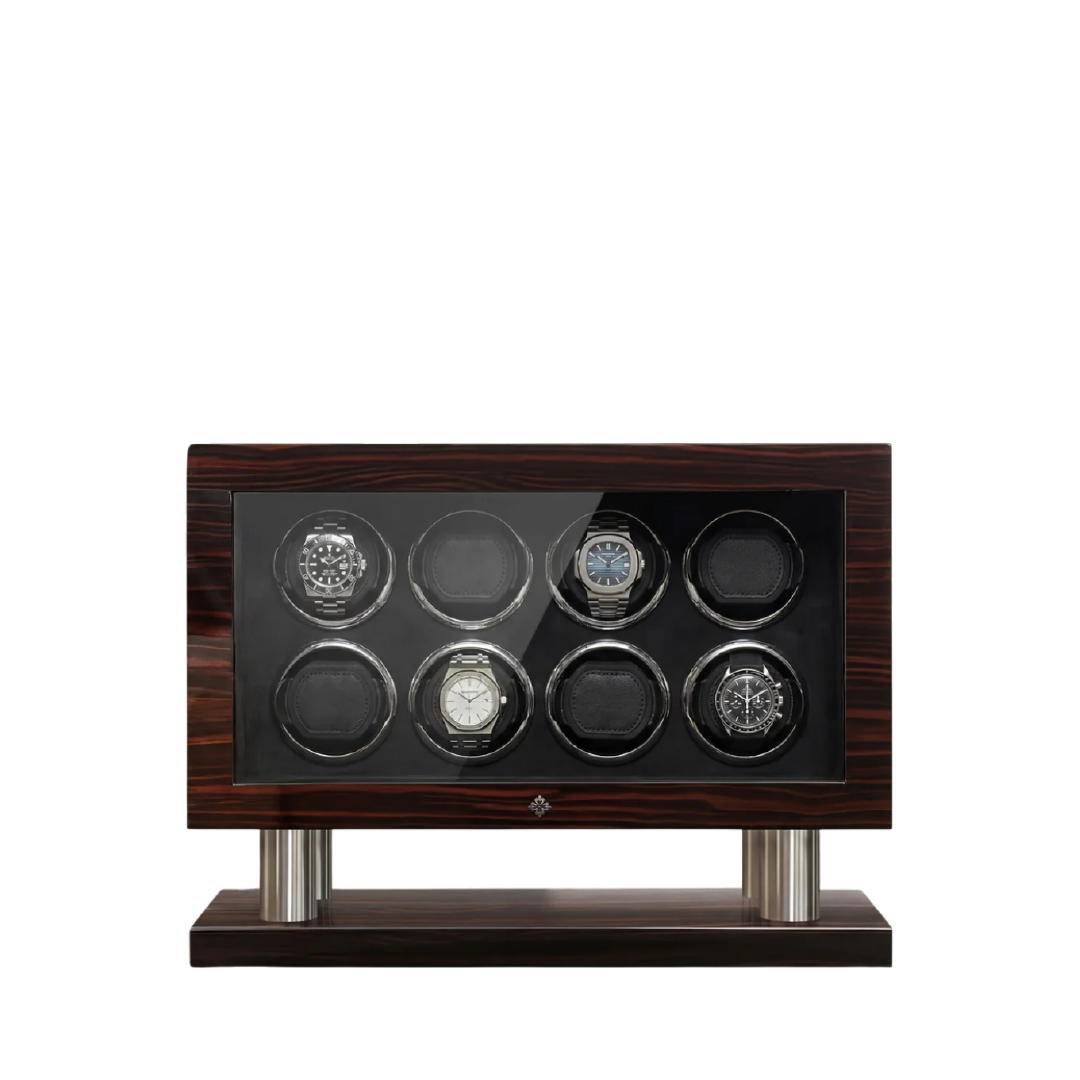
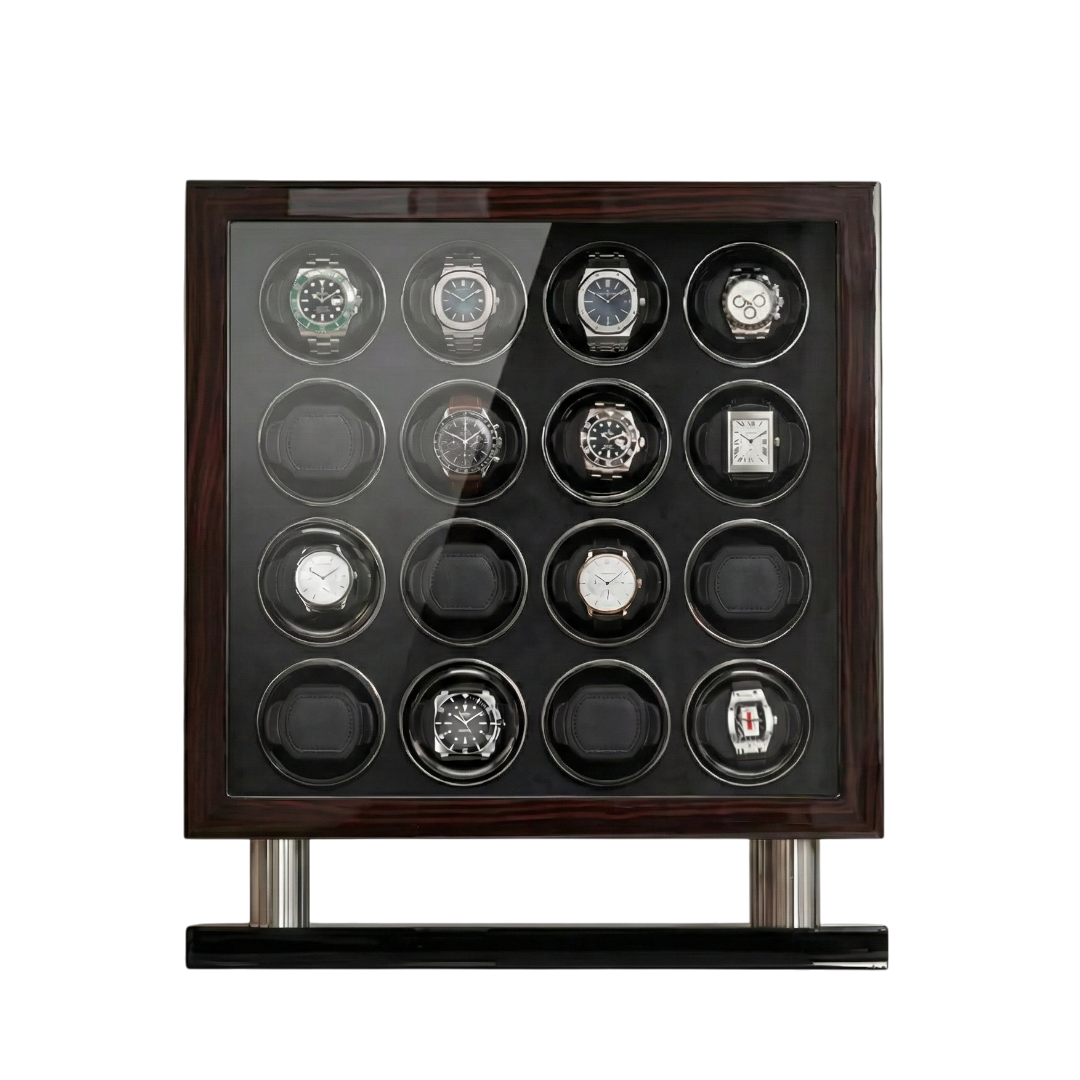
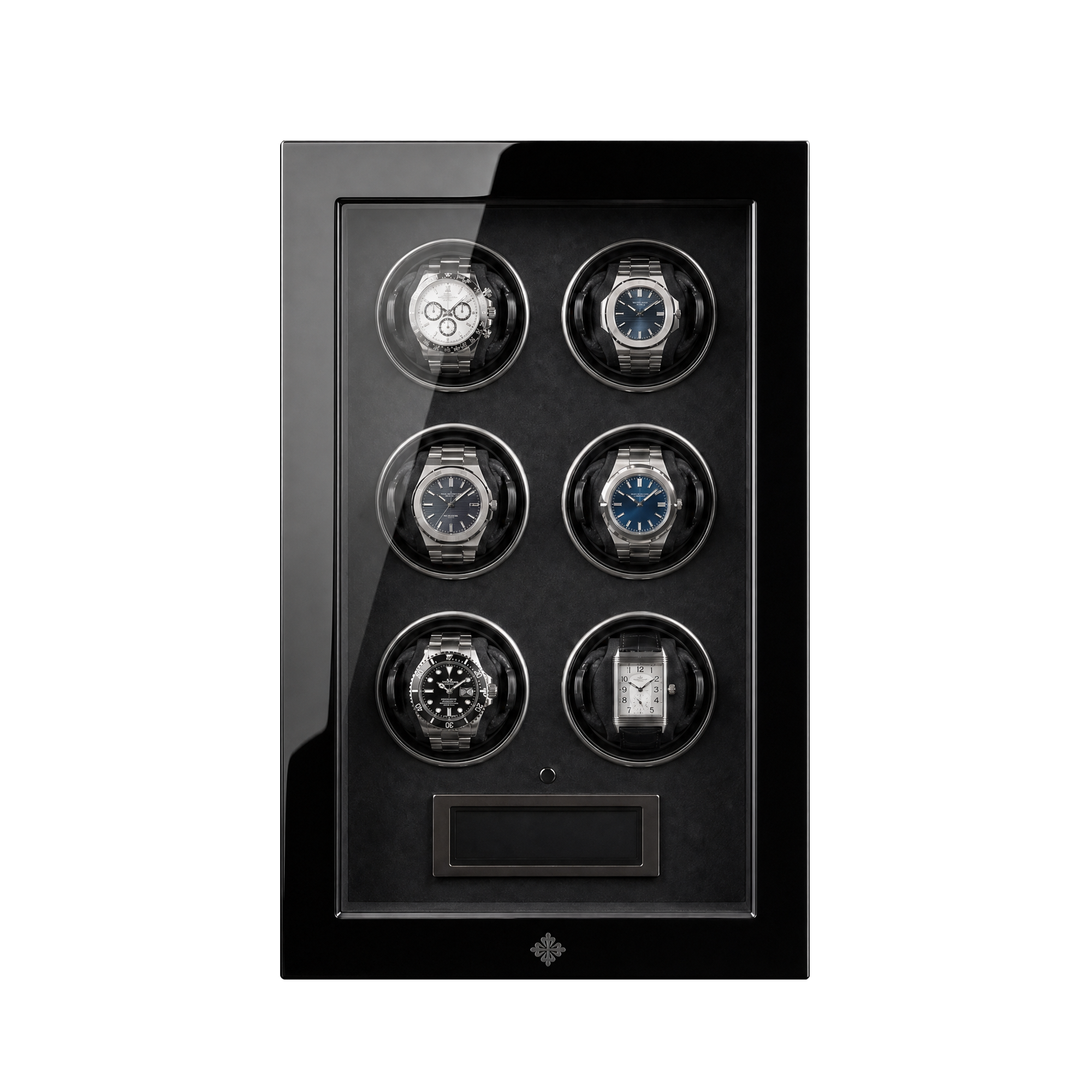
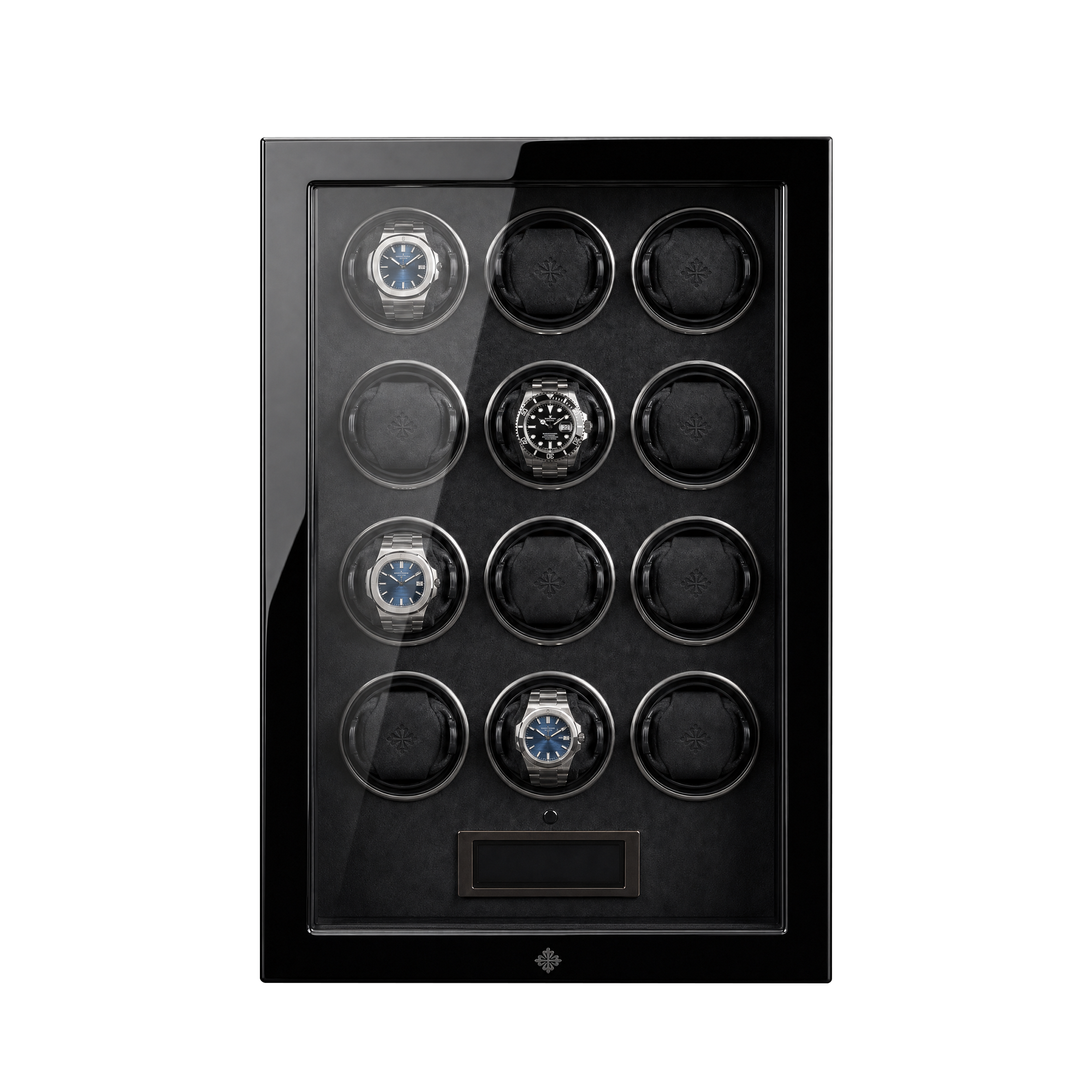
Built for owners running more than one automatic piece at a time, the Impresario Series watch winder covers multi-slot configurations with independent TPD and direction settings per module. That independence matters when a Polo sits next to a watch with a different winding spec. Verdict: Buy for anyone rotating a Polo alongside two or more other automatics.
The quiet pick: Virtuoso Watch Winder
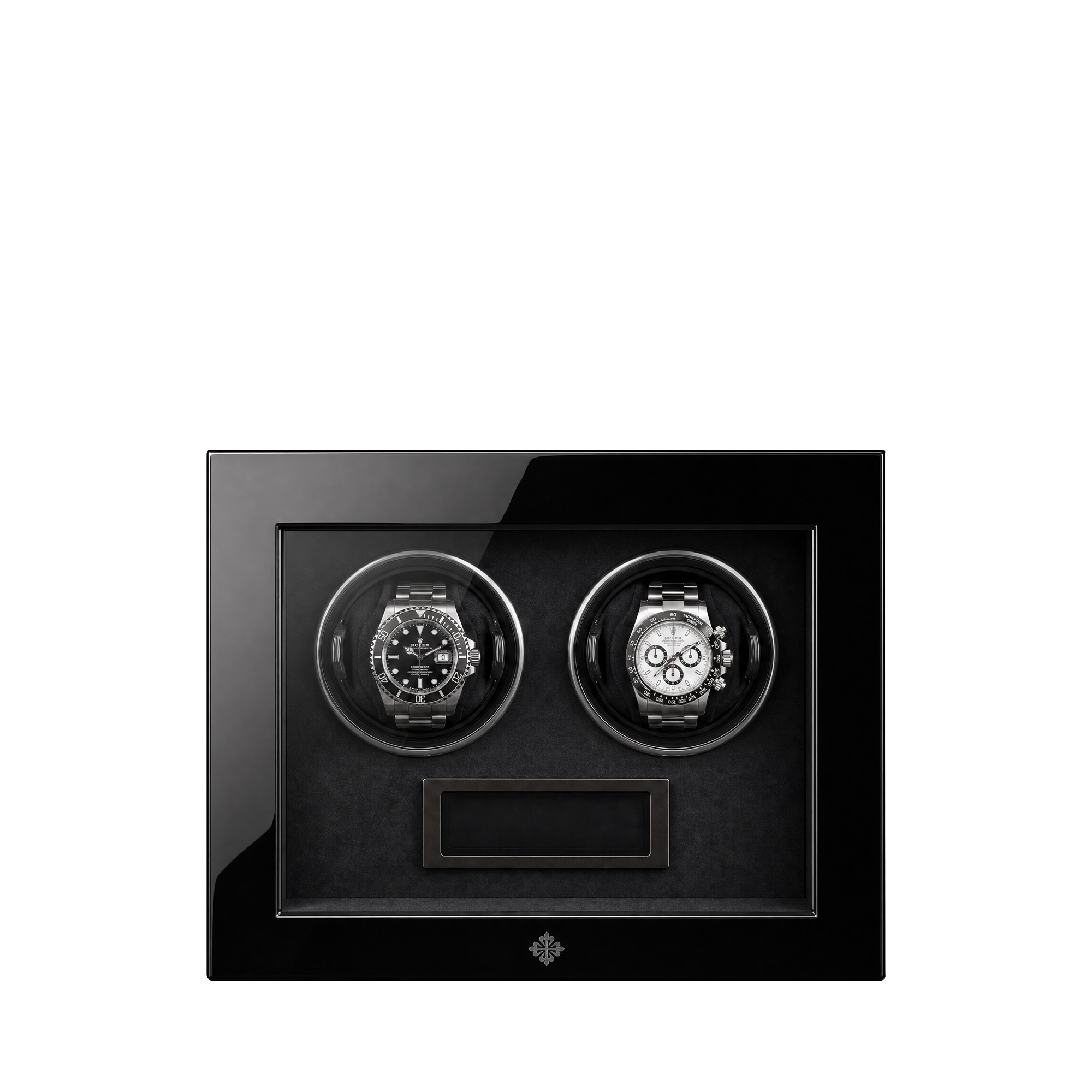
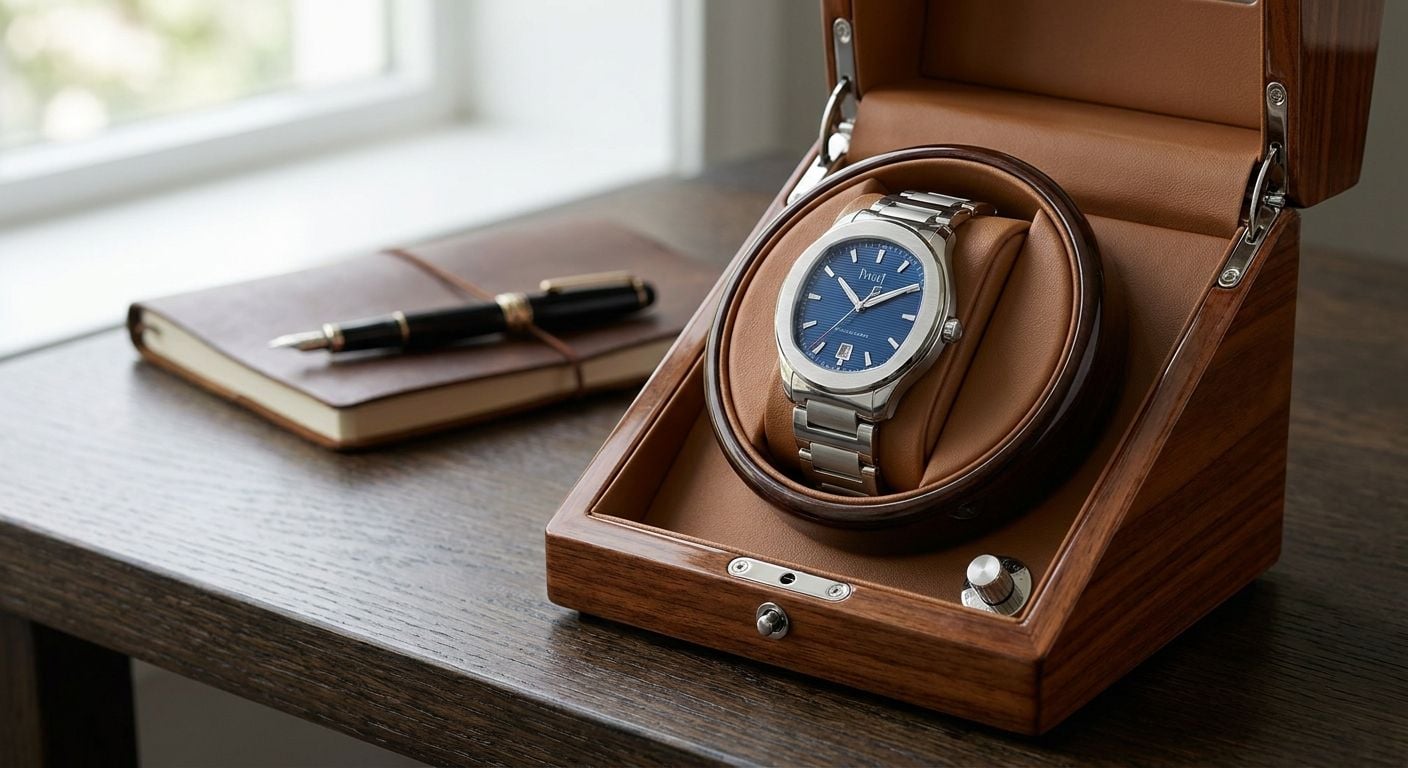
A single or double-slot Virtuoso Watch Winder is built around a quieter motor profile, which suits a bedroom or home office where a continuously running box would otherwise be noticeable. Verdict: Buy for a one- or two-Polo setup where noise is the deciding factor.
The vault pick: a safe with a winder built in
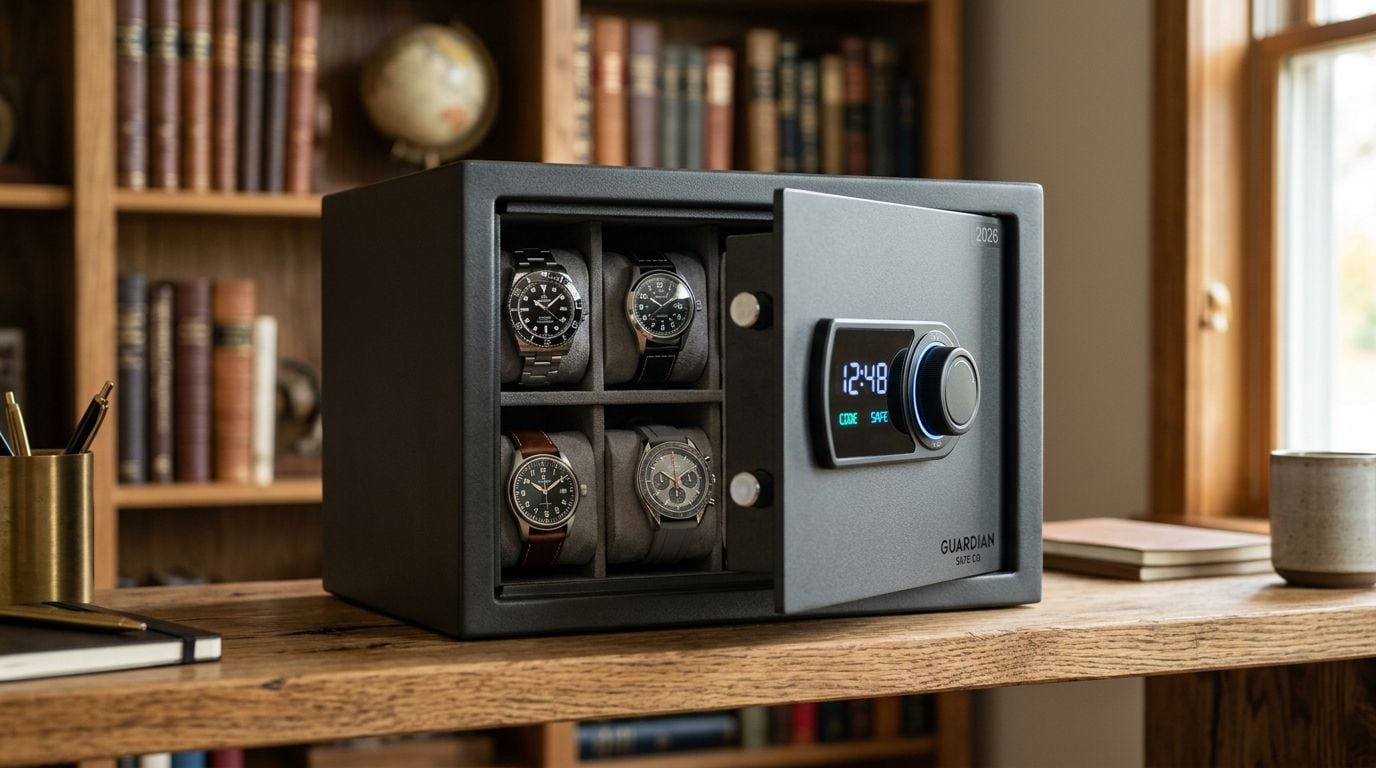
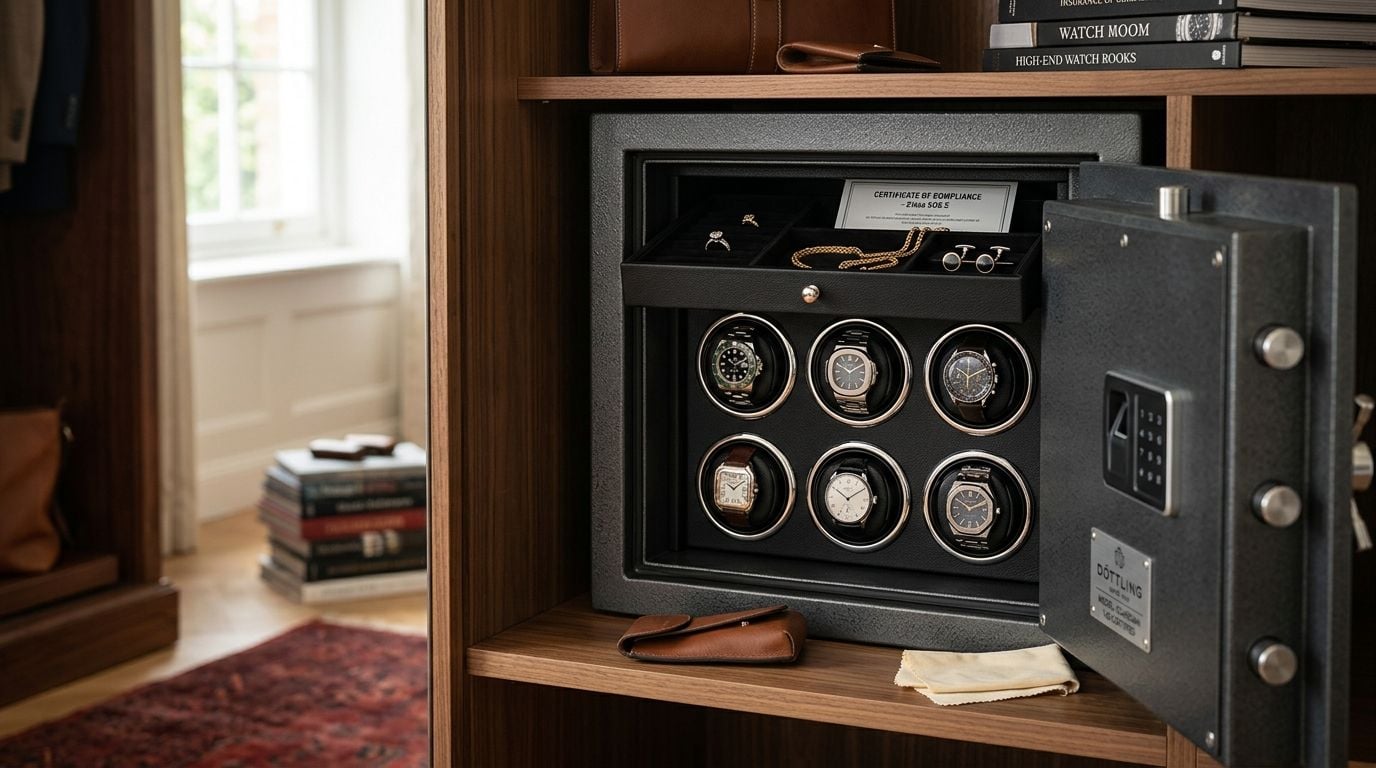
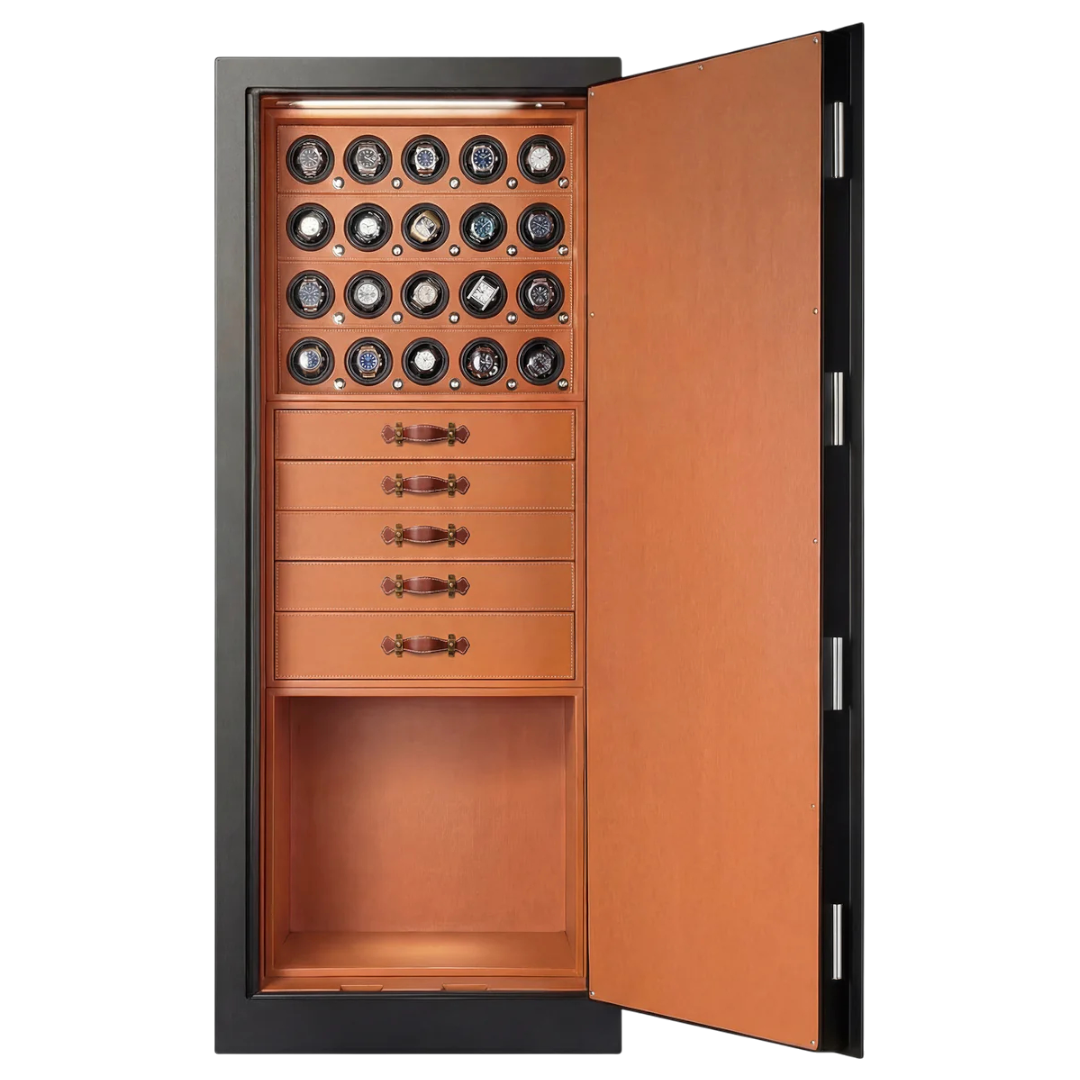
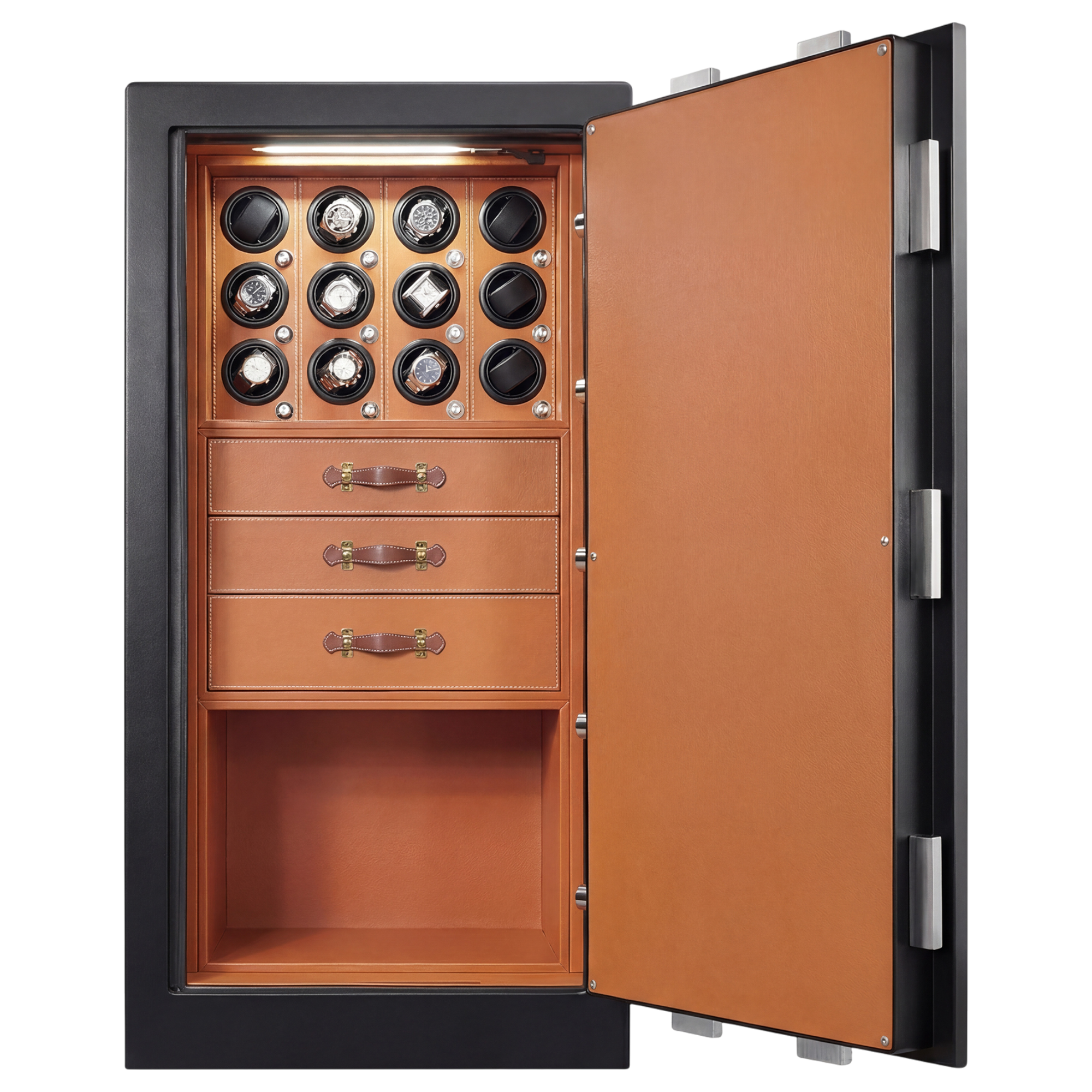
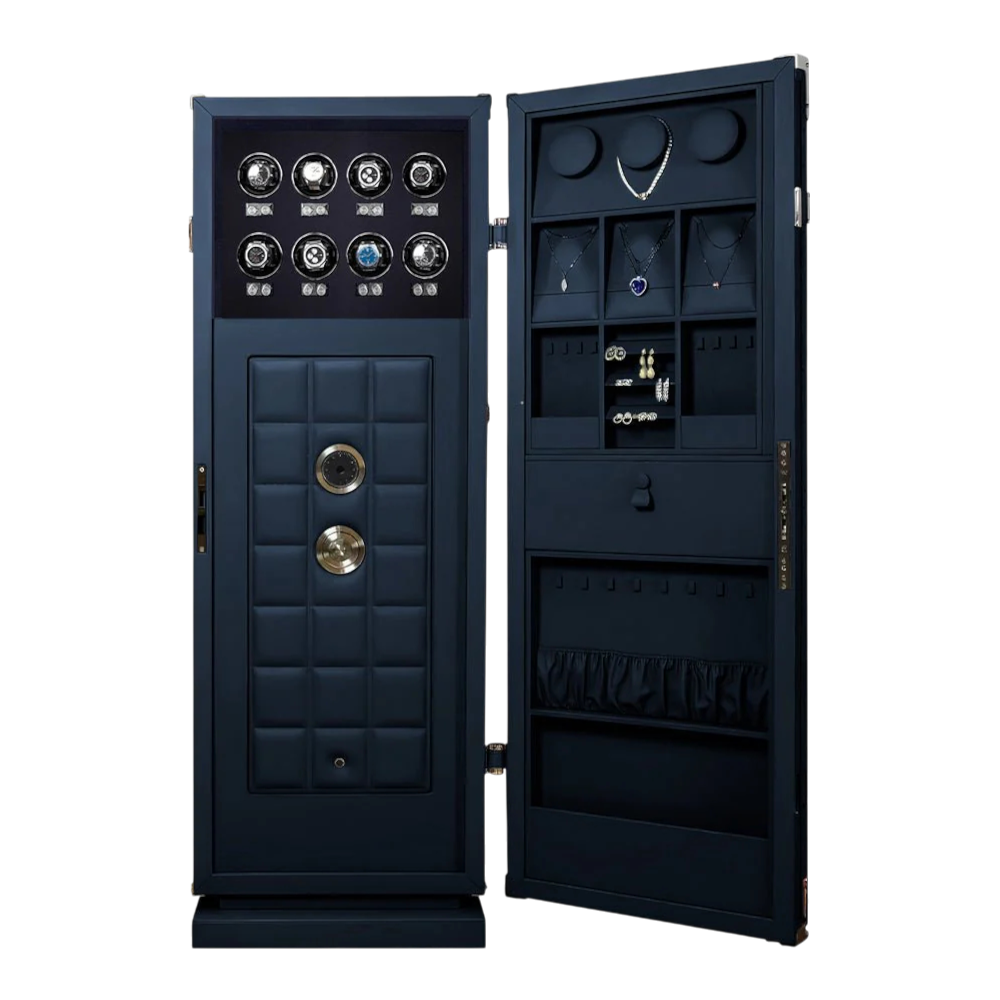
For a Polo collection worth entering into an insurance schedule, a combined unit that locks and winds in one footprint solves the display-versus-security tradeoff. It costs more than a standalone winder but removes the need for a second furniture piece. Verdict: Consider if the collection has grown past two or three references and security has become the priority.
Match a winder to your Polo
Bidirectional Mabuchi motors and per-slot TPD presets, built for Piaget’s automatic calibers.
What to avoid
- Fixed single-direction winders. They look identical to bidirectional boxes on a store shelf but only turn one way — wrong for a Polo's caliber.
- Undersized pillows sold as "universal." A cushion built for a 36-38mm dress case will not cradle a Polo's bracelet correctly and causes visible scuffing within a season.
- Ultra-cheap unbranded motors. They tend to drift off their stated TPD within the first year, which means your Polo is either overwound or underwound without you noticing.
Verdict comparison
| Option | Direction | TPD range | Best for | Verdict |
|---|---|---|---|---|
| Impresario Series | Bidirectional, per-slot | Adjustable, fine increments | Multi-watch collections | Buy |
| Virtuoso Watch Winder | Bidirectional | Adjustable | Single or paired Polo, noise-sensitive rooms | Buy |
| Safe with winder built in | Bidirectional | Adjustable | Security-first collectors | Consider |
| Budget single-direction box | Fixed, one-way | Few presets | Nobody with a Piaget Polo | Skip |
FAQ
What is the best watch winder for a Piaget Polo?
A bidirectional winder set to 650-800 TPD is the right starting point for a Piaget Polo in 2026. Multi-slot boxes like the Impresario Series suit collectors with more than one automatic; a single-slot Virtuoso suits a one-watch setup.
Does the Piaget Polo need a watch winder?
A Polo only needs a winder if it sits unworn long enough to stop, which varies by reference but is often within 40-48 hours. If you wear it daily, a winder is optional convenience rather than a necessity.
What TPD should I set for a Piaget Polo?
Start at 650-800 TPD, which matches most Swiss chronometer-grade automatic calibers. Confirm accuracy after a week using a timegrapher app and adjust in small increments if the watch runs fast or slow.
Is bidirectional or unidirectional better for a Piaget automatic?
Bidirectional is correct for Piaget’s automatic calibers, which wind in both directions as the rotor swings. A unidirectional winder still turns the watch but works less efficiently over time.
Can one winder handle a Piaget Polo and a different brand?
Yes, as long as the winder offers independent TPD and direction settings per slot. A shared single-program box forces a compromise setting that may not suit either watch precisely.
How much does a luxury watch winder for a Piaget cost in 2026?
Winders and safe-winder combos built for pieces like the Piaget Polo generally run from roughly $5,000 to over $21,000 depending on slot count, materials, and security features.
Does a watch winder cause extra wear on a Piaget Polo?
Correctly matched direction and TPD settings put no more wear on the movement than normal daily wear does. The risk comes from wrong-direction winding or grossly excessive TPD, not from winding itself.
What size pillow fits a Piaget Polo bracelet?
Look for an oversized or adjustable cushion rated for sport-luxury cases near 42mm with an integrated bracelet, since standard dress-watch pillows leave the links unsupported.
One last thing
The detail most Polo owners miss isn't TPD or direction — it's that a winder set correctly still needs a manual date correction after any full stop, since automatic calendar mechanisms on several Piaget references don't quick-set through the crown at certain hours. Confirm the setting sequence for your specific reference before the winder does its job and you're stuck turning hands past midnight to fix a date.
Related guides
Protect Your Watch Collection
Designed for collectors who demand the best. Explore our premium watch winders and luxury safes.