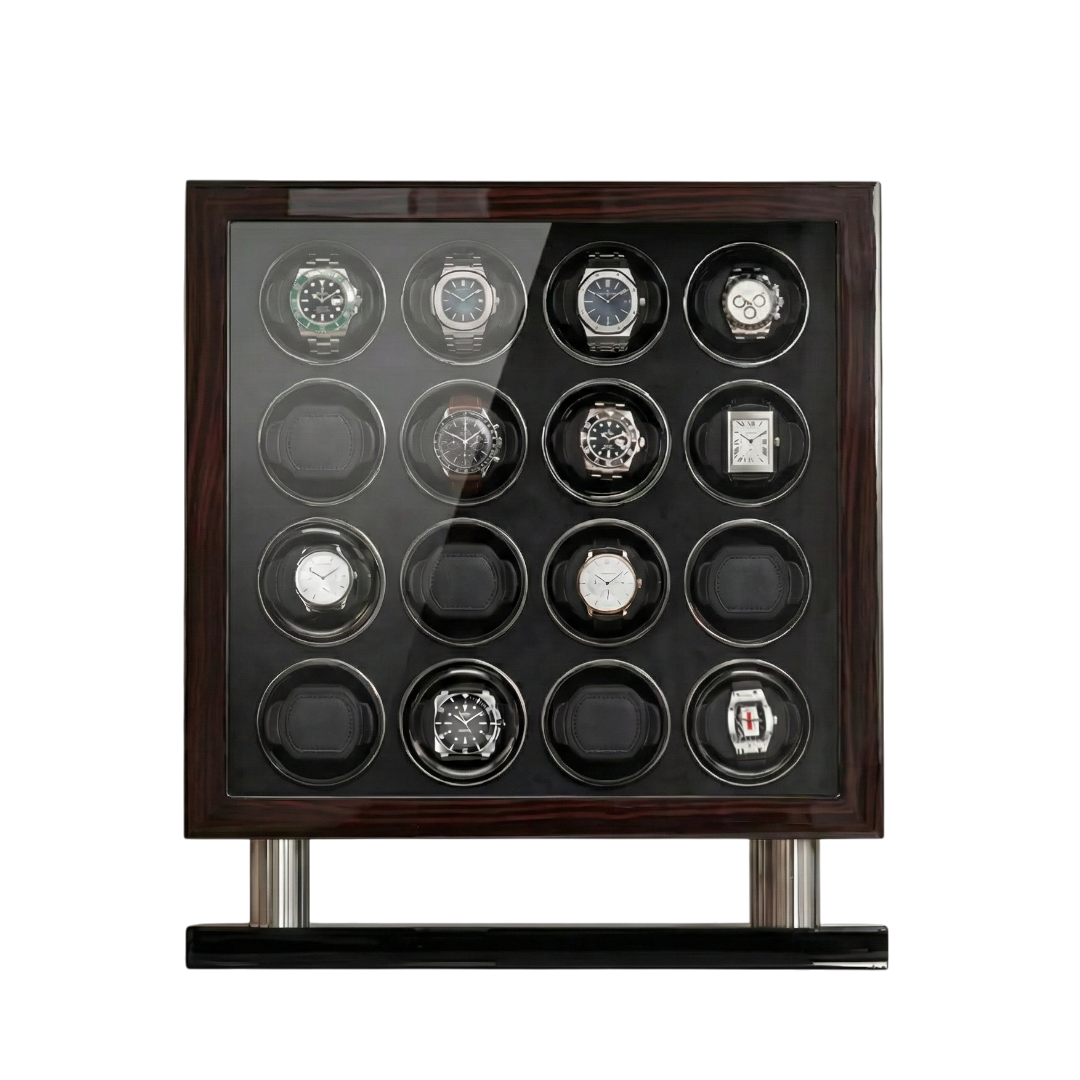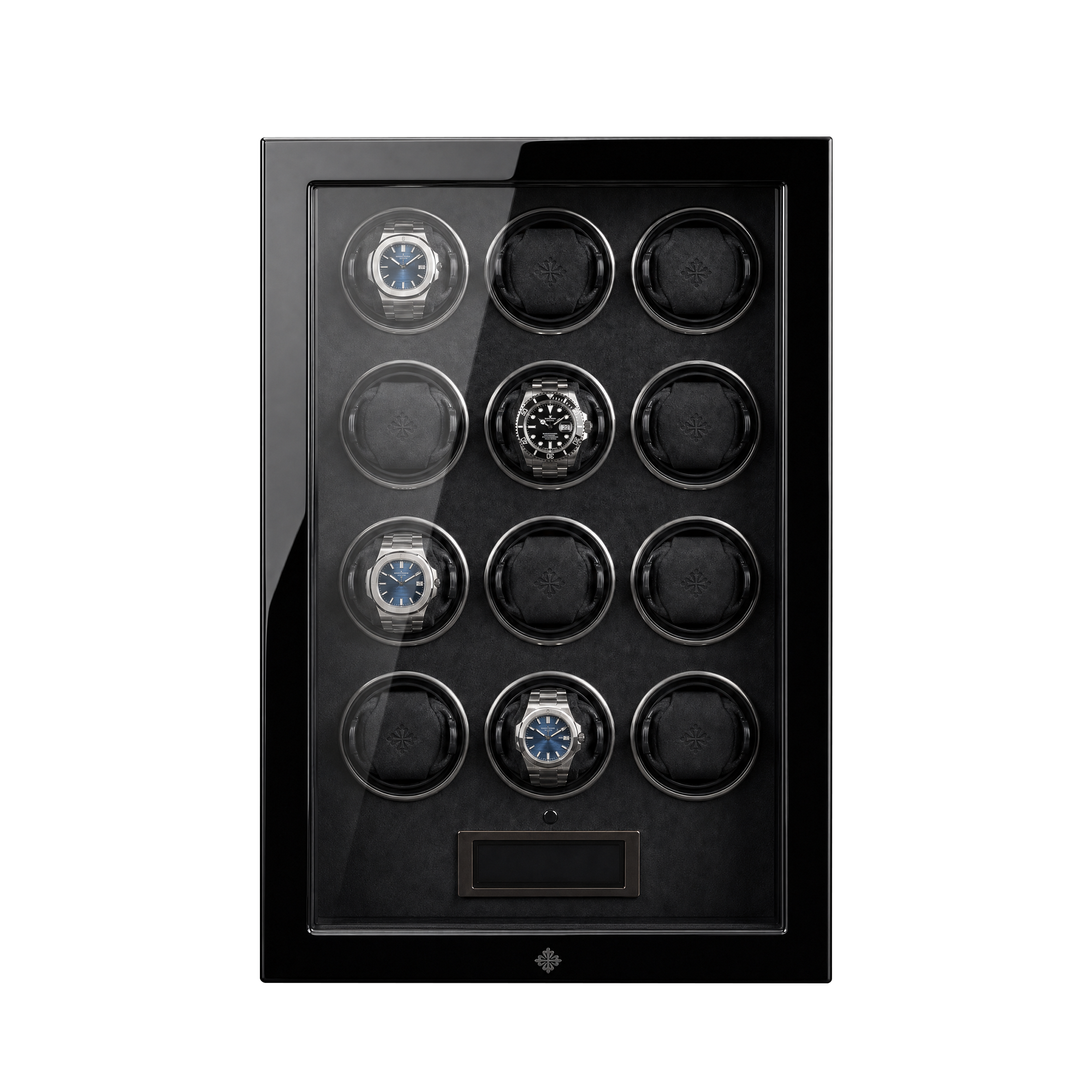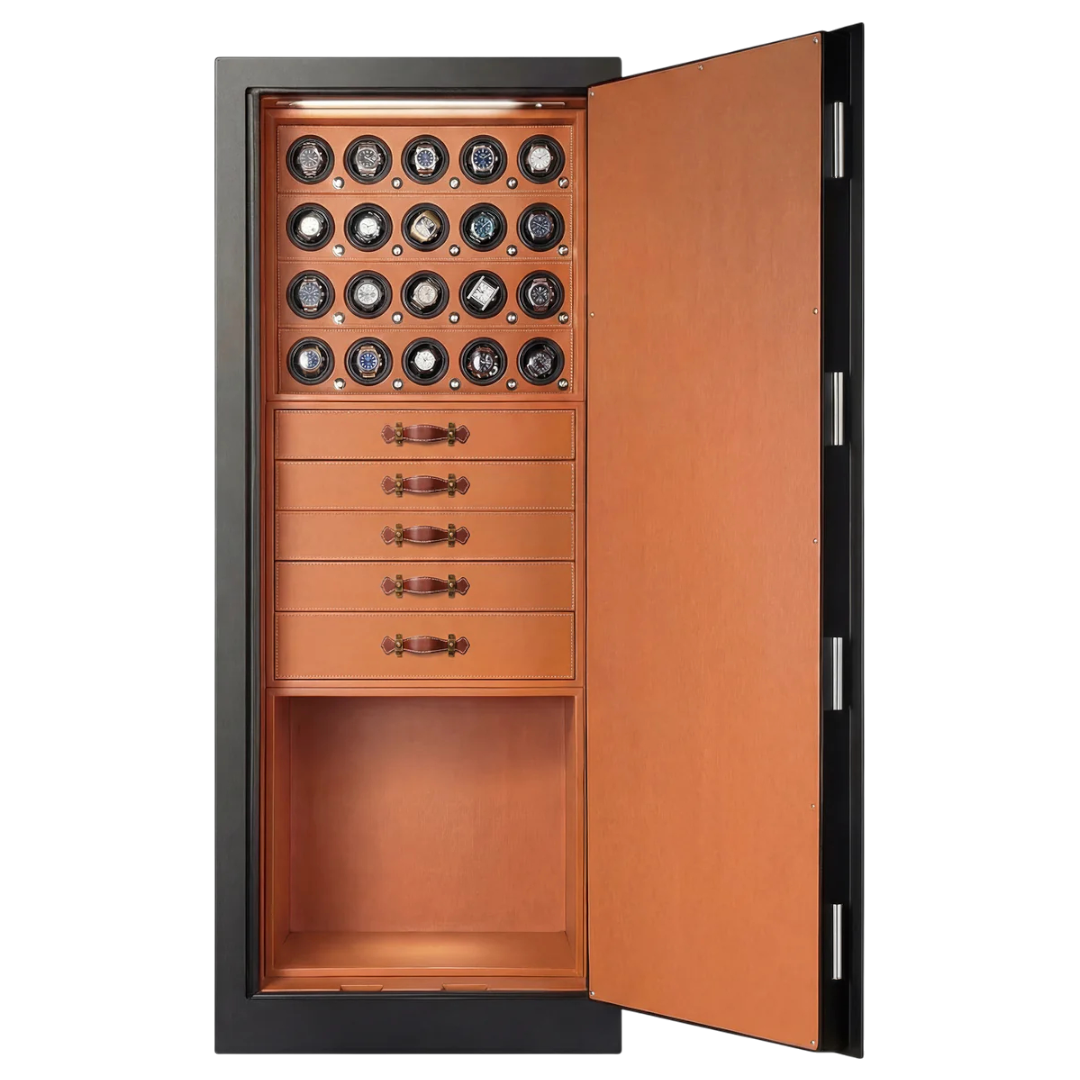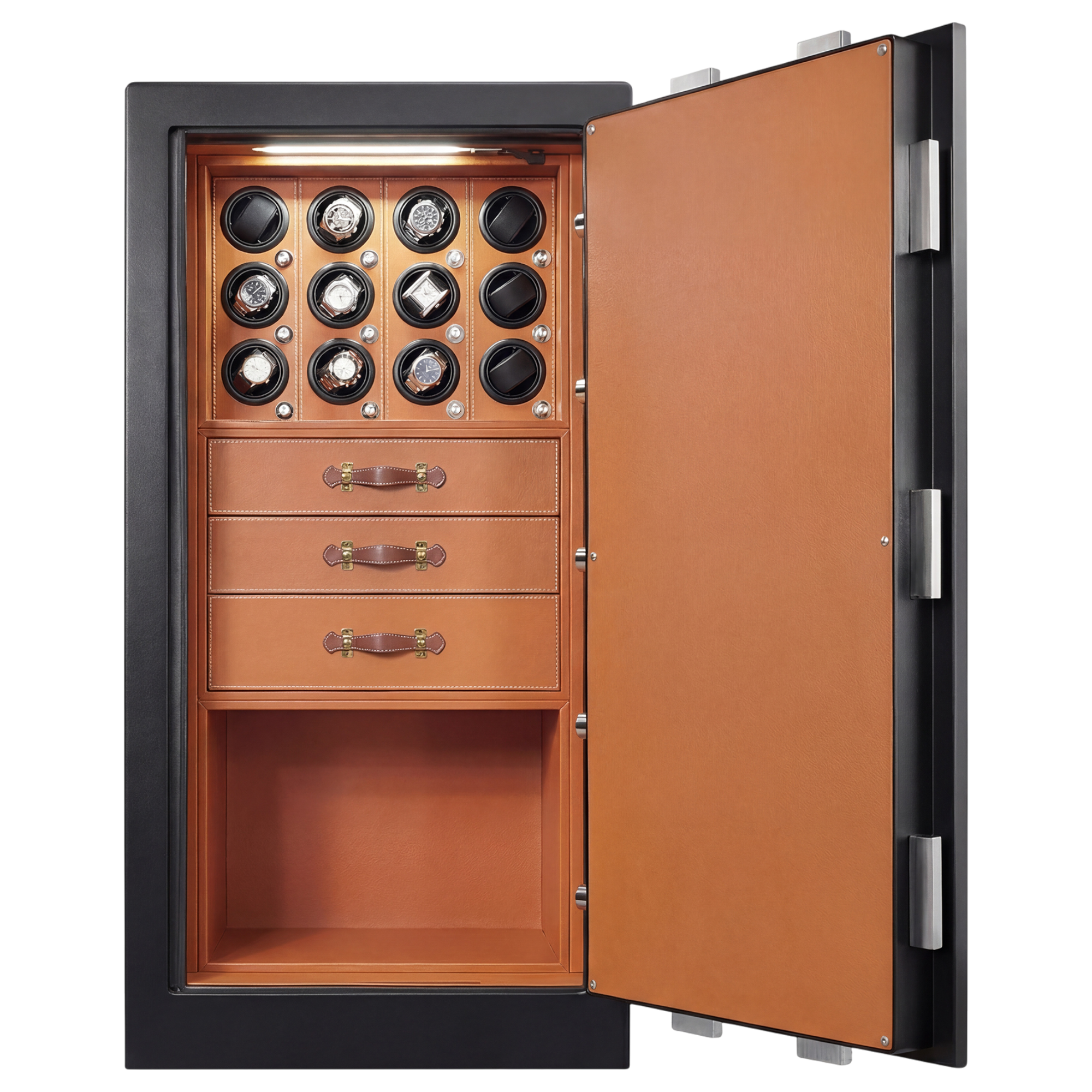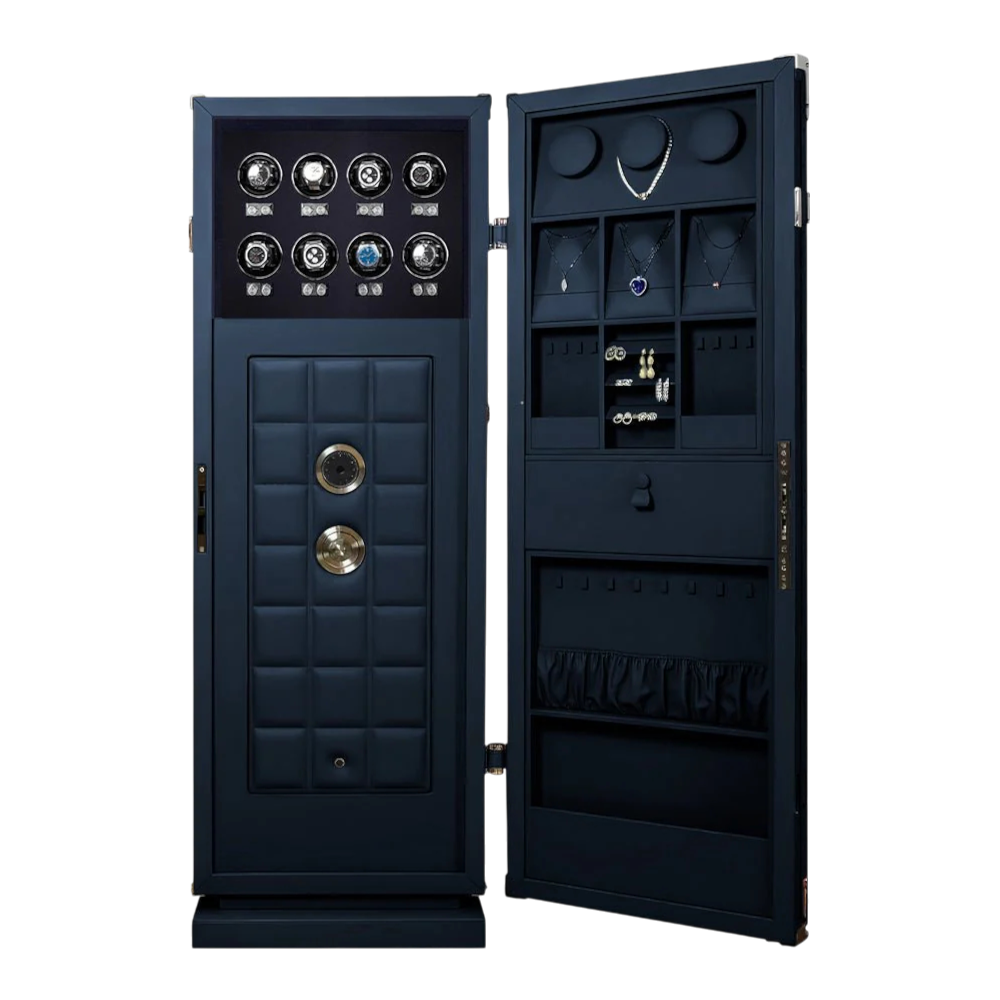

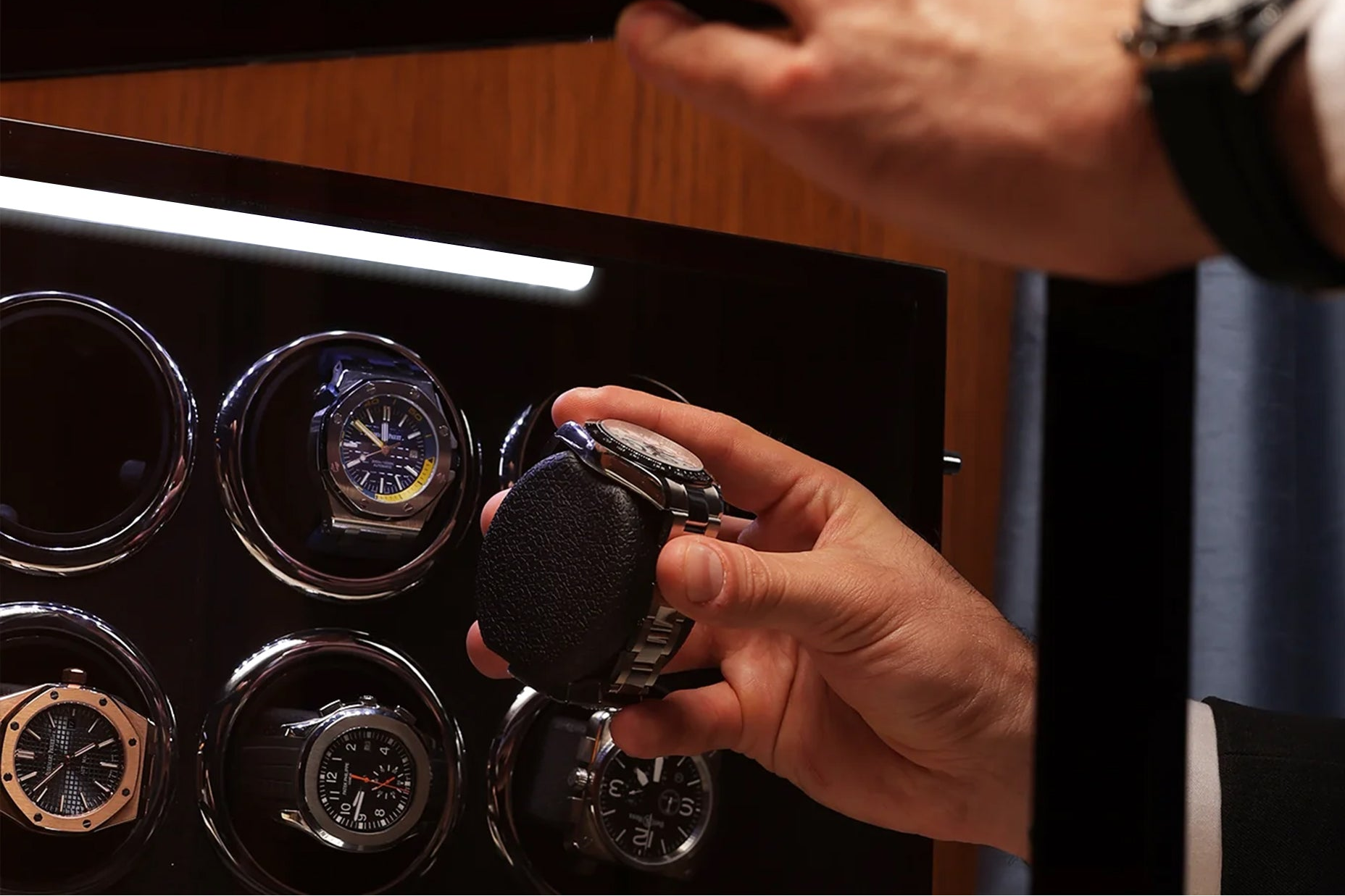
A quality watch winder needs almost no maintenance. Almost. Ten minutes a month extends the useful life by years. This guide covers the routine that keeps a Mabuchi-equipped unit running quietly and precisely over a 15 to 20 year lifespan.
What Wears and What Doesn’t
The motors and electronics are either running or not, with no real maintenance possible. Those either last or they don’t based on build quality.
The wear items are external and accessible. Leather pillows. Hinges. Glass or acrylic panels. Power adapter. Interior surfaces. All of these respond to basic care.
The Monthly 10-Minute Routine
Minute 1-2: Visual Inspection
Open the winder. Look for.
- Dust accumulation on interior surfaces
- Marks or oils on leather pillows
- Any looseness in rotor mounts
- Lint or debris in the motor area
Minute 3-5: Clean Interior
Soft microfiber cloth. Wipe down leather pillows. Remove any lint around rotor bases. Don’t use cleaners on leather unless it’s a specific leather conditioner.
For glass-top units, clean glass with a microfiber and any standard glass cleaner on the cloth (not sprayed on the glass near the electronics).
Minute 6-7: Check Rotors
Gently move each rotor by hand. It should turn smoothly with no hesitation, no scraping, no wobble. Any of those signals a rotor mount issue or bearing wear.
Confirm each watch is properly pillowed. A watch that’s slipped against the rotor needs repositioning.
Minute 8-9: Verify Programming
Spot check TPD settings on each rotor. Quality winders hold settings through power cuts with memory backup, but verify once a month.
Confirm direction is correct for each caliber. Swap out any watches that changed rotors.
Minute 10: Power and Placement
Check the power adapter connection. Confirm the winder hasn’t moved to an unstable surface. Verify there’s still ventilation clearance around it.
Quarterly Tasks
Beyond the monthly routine, every 3 months.
Leather conditioning. A small amount of leather conditioner on a cloth, applied to pillow surfaces. Keeps the leather supple and prevents cracking.
Hinge check. Ensure hinges move smoothly. A drop of light machine oil on brass hinges if they feel stiff.
Surge protector verification. Confirm the surge protector between the winder and the outlet is still functional. Most have an indicator light.
Annual Tasks
Deep clean interior. Remove rotors if the design permits, clean interior corners, reseat rotors.
Firmware / electronics check. For winders with programmable electronics, confirm no error codes or unusual behavior.
Service evaluation. Listen for new noises. Check if TPD seems off. Anything unusual is an early signal to contact the manufacturer.
What to Avoid
Aggressive cleaners. Household cleaners can damage leather, lacquer, and finish.
Lubricating motors. Mabuchi motors are sealed. Adding oil causes more harm than good.
Opening the electronics. Voids warranty and risks damage.
Moving while powered. Power the unit off before relocating.
Signs of Trouble
When maintenance isn’t enough, these signs indicate service.
- New rattling, clicking, or humming sounds
- Motor running constantly (should be duty-cycled)
- Inconsistent rotor speed
- Warm-to-hot unit body
- Timing drift on watches that were previously accurate on the winder
Any of those, contact the manufacturer. On quality winders, these are typically warranty-covered.
Frequently Asked Questions
How often should I clean my winder?
Monthly for quick wipe-down. Quarterly for leather conditioning. Annually for deep clean.
Can I oil the motor?
No. Quality winder motors are sealed. Adding oil is always wrong.
What’s the best cleaner for leather pillows?
Dedicated leather conditioner. Cadillac, Leather Honey, Lexol are all acceptable. Apply sparingly.
How do I know when pillows need replacement?
When they lose firmness or develop cracks. Quality winders offer replacement pillows as a service item. Typically needed every 10 to 15 years.
Should I unplug when not using?
No. Quality winders are designed for continuous operation. Unplugging wears the memory backup battery.
Is vibration a problem?
Some vibration is normal. Significant vibration indicates rotor imbalance or mount issues.
What if the winder stops working?
Check power first. Then TPD programming. If neither is the issue, contact the manufacturer for service.
Quality Pays Off
A quality winder plus 10 minutes a month runs for 15 to 20 years. Cheap winders die regardless of maintenance. Invest in a quality unit from the Winder Series, then protect that investment with basic monthly care.
Related reading: watch winder lifespan, watch winder warranty, and how to choose a watch winder.
Protect Your Watch Collection
Designed for collectors who demand the best. Explore our premium watch winders and luxury safes.
Protect Your Watch Collection
Designed for collectors who demand the best. Explore our premium watch winders and luxury safes.