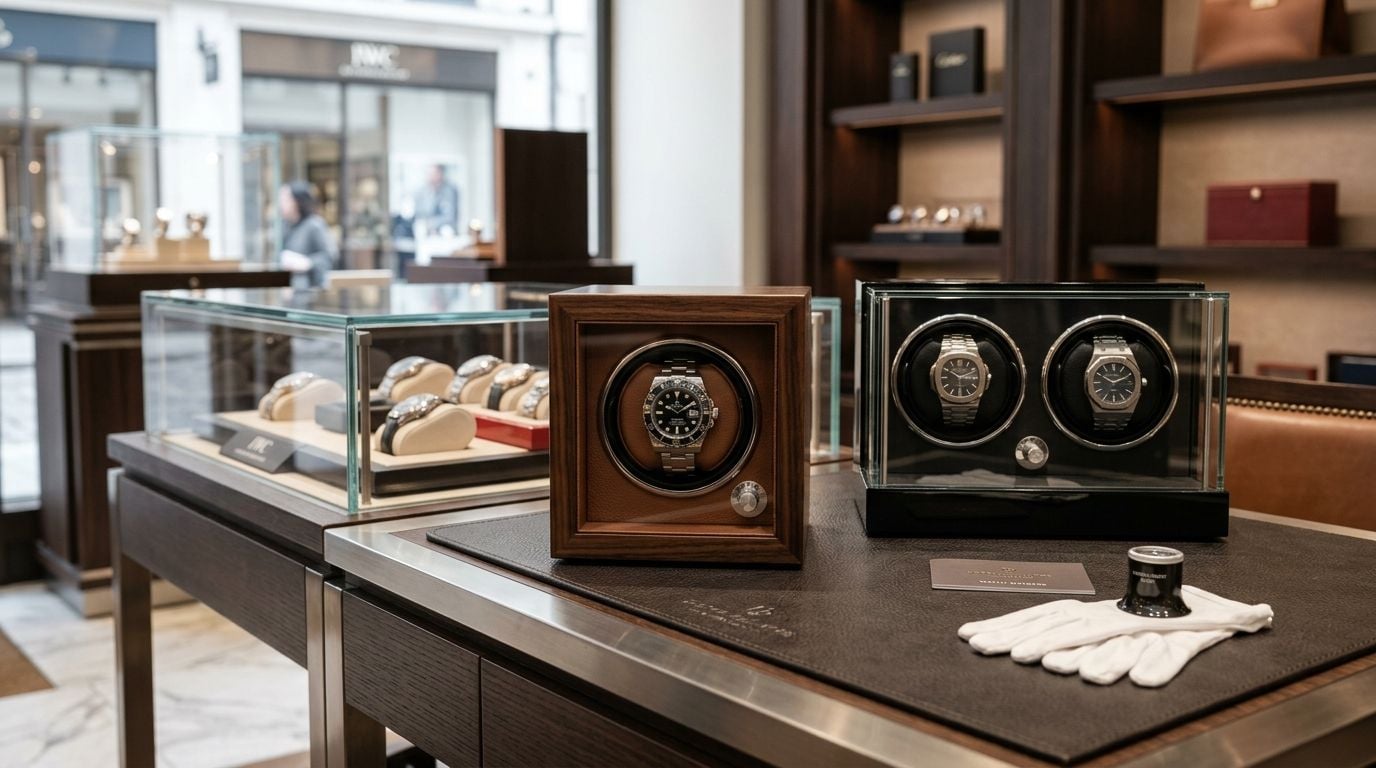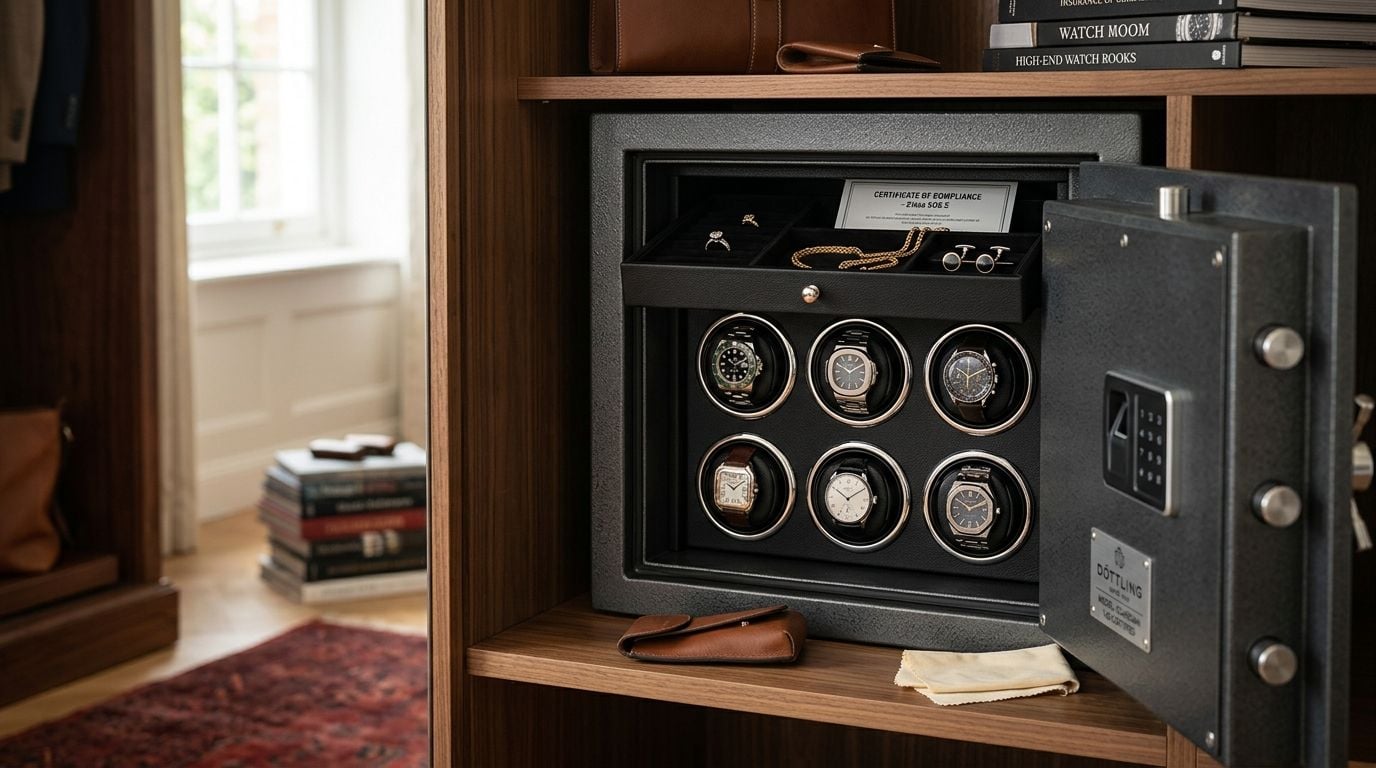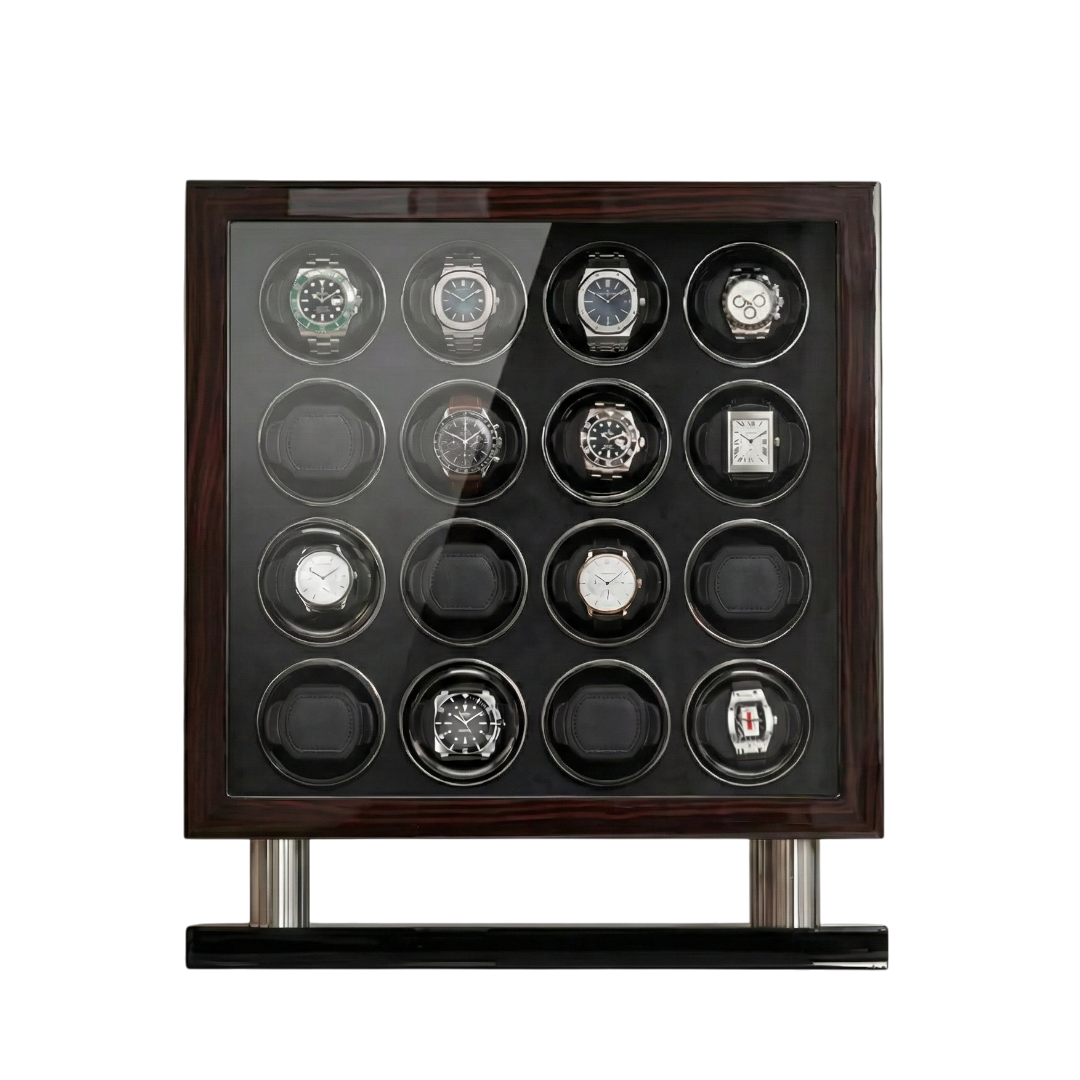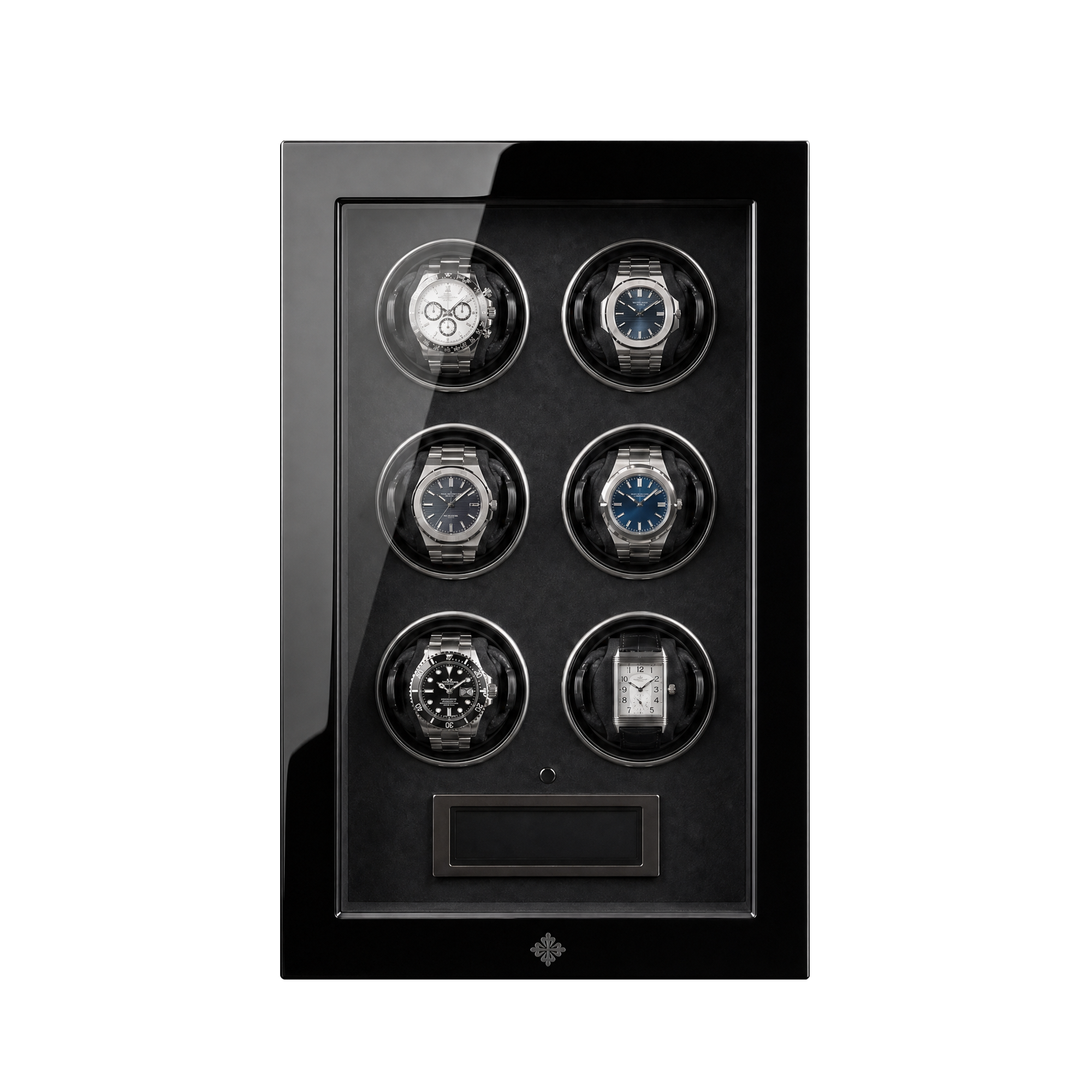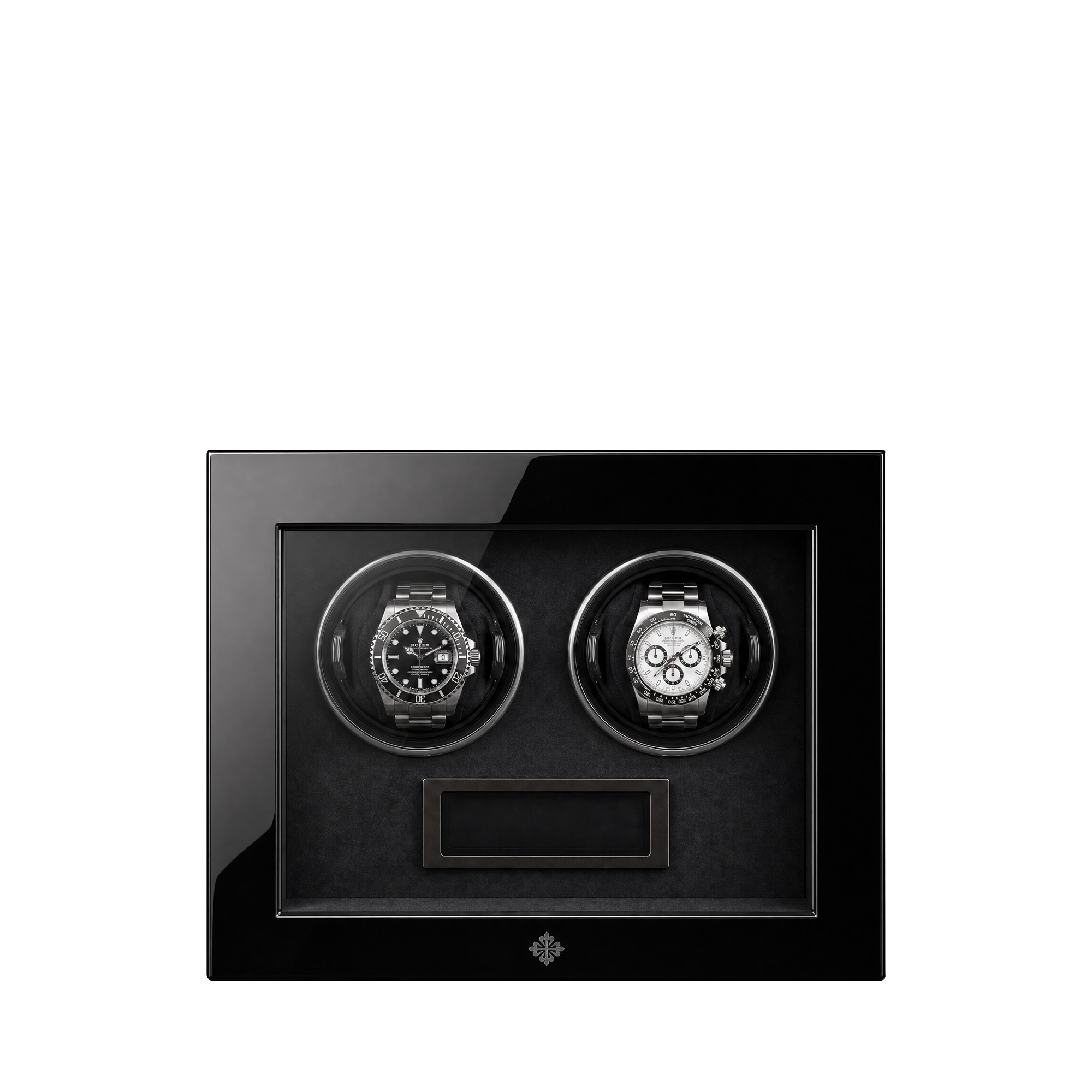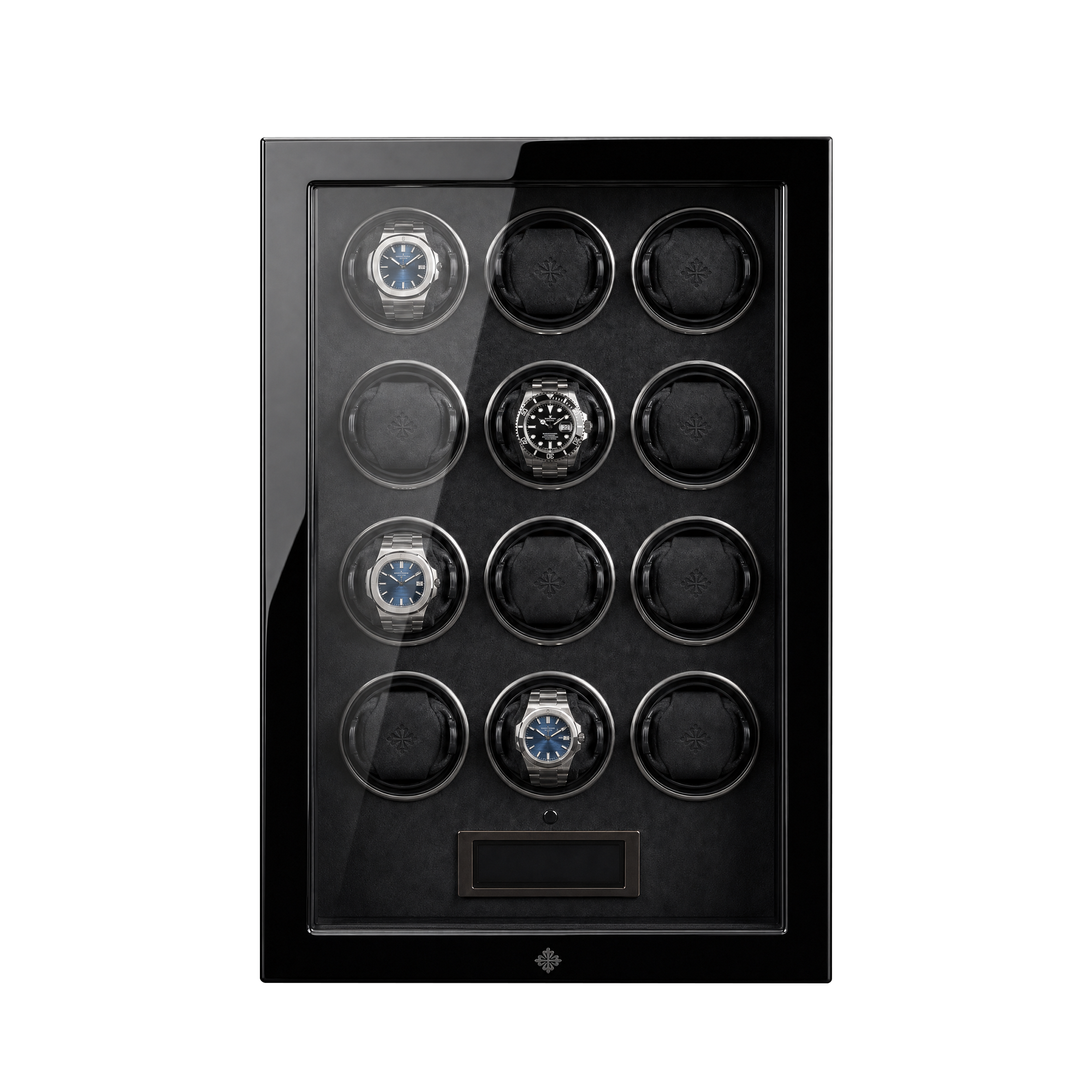

Best overall watch winder in 2026: Virtuoso Series 6. Best budget watch winder: Virtuoso Series 2. Best luxury watch winder: Eterna Watch Winder Cabinet. Six models sit between those two ends, each built for a different collection size, security need, or footprint.
- Virtuoso Series 6 wins the watch winder price comparison for most collectors — six independent programs, mid-range tier.
- Virtuoso Series 2 is the entry point for a first automatic watch; two slots, no biometric lock.
- Impresario Series 2 adds fingerprint access at the budget-biometric tier for two watches.
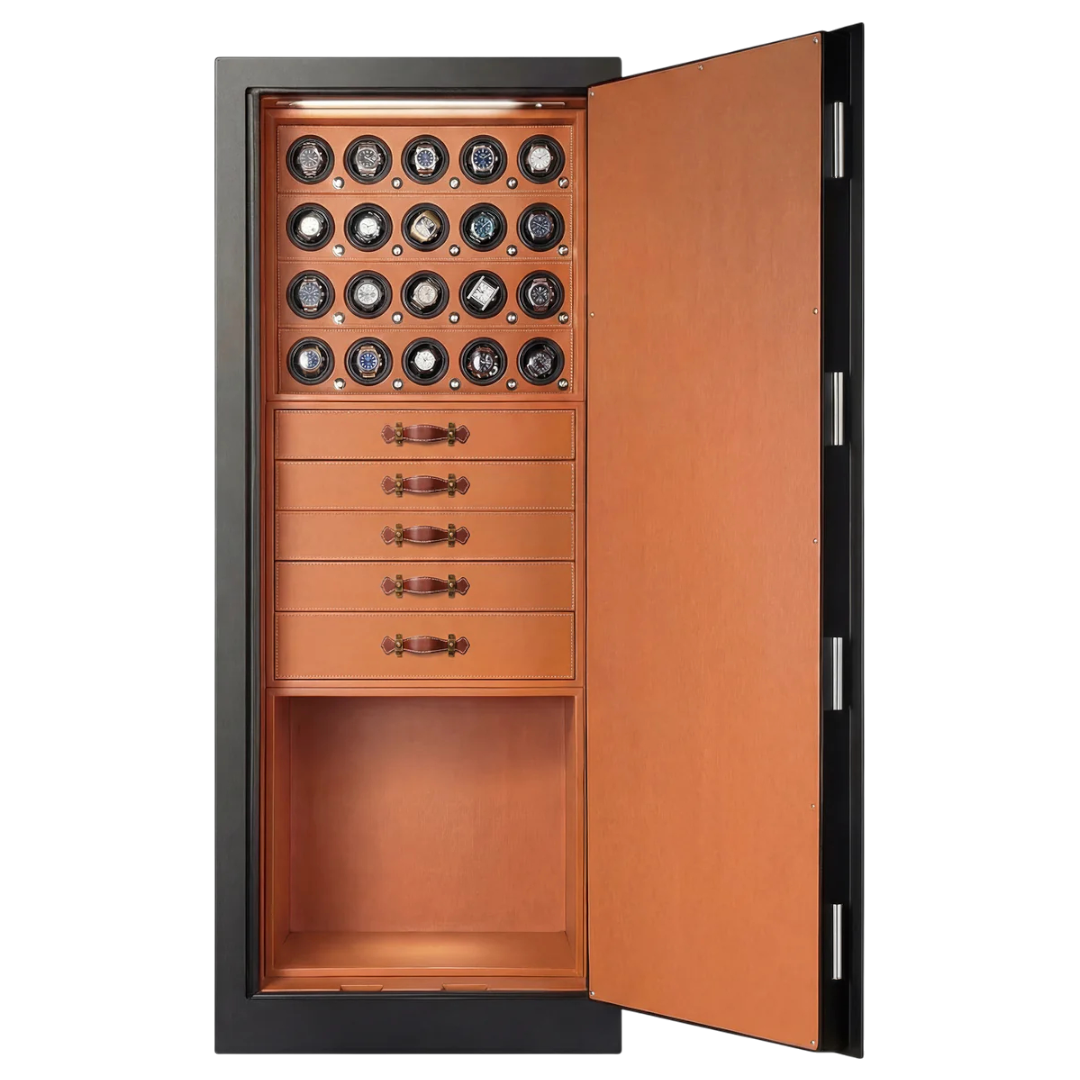
- Eterna Watch Winder Cabinet holds 48 pieces on Maxon motors and functions as furniture, not an accessory.
- Slot count should match your actual collection today, not the one you’re planning to build.
Why this matters
Most watch winder shopping goes wrong at the slot count. Collectors buy a 12-slot cabinet for a 4-watch collection, or a 2-slot winder they outgrow in eighteen months. A real watch winder price comparison isn't about which model costs the least — it's about matching motor programs, security, and capacity to how the collection actually grows.
The Virtuoso Series 2 sits at the entry end of the Enigwatch lineup and answers the most common question first-time buyers ask: do I need more than two rotors? For most people starting out, the answer is no. Every model past that point trades price tier for capacity, security, or both.
What makes the best watch winder
- TPD programmability — each rotor should run its own turns-per-day setting, since a Rolex and an Omega rarely need the same program
- Motor quality — Japanese Mabuchi rotors dominate the standalone winders; the cabinet line runs Maxon motors instead
- Slot capacity matched to reality — buy for your current collection plus modest growth, not an aspirational number
- Security tier — open-shelf winders versus fingerprint-locked models versus full cabinetry
- Interior materials — Alcantara lining and Nappa leather drawers hold up differently than foam over years of daily use
- Footprint — vertical winder, horizontal display tray, or built-in cabinetry changes where it can live in a room
A full breakdown of turn counts by caliber is worth reading before you set any winder, whatever tier you land on — see the TPD reference guide for brand-by-brand settings.
Watch winder price comparison at a glance
| Model | Best For | Standout Feature | Price Tier | Key Limitation |
|---|---|---|---|---|
| Virtuoso Series 2 | First automatic watch | Independent programs on 2 rotors | Entry | No biometric lock |
| Impresario Series 2 | Budget security for 2 watches | Fingerprint access | Budget-biometric | Still capped at 2 slots |
| Virtuoso Series 6 | Growing 6-watch collection | 6 independent TPD programs | Mid-range | No biometric option |
| Yachtline Series 8 | Horizontal display on furniture | 8 rotors arranged flat | Mid-premium | Needs more surface area |
| Impresario Series 12 | Large biometric-locked collection | Largest fingerprint-locked model | Premium | Sizable footprint |
| Eterna Watch Winder Cabinet | 48-watch permanent collection | Maxon motors on all 48 rotors | Flagship | Overkill under 20 watches |
1. Virtuoso Series 2: best watch winder for a first automatic watch
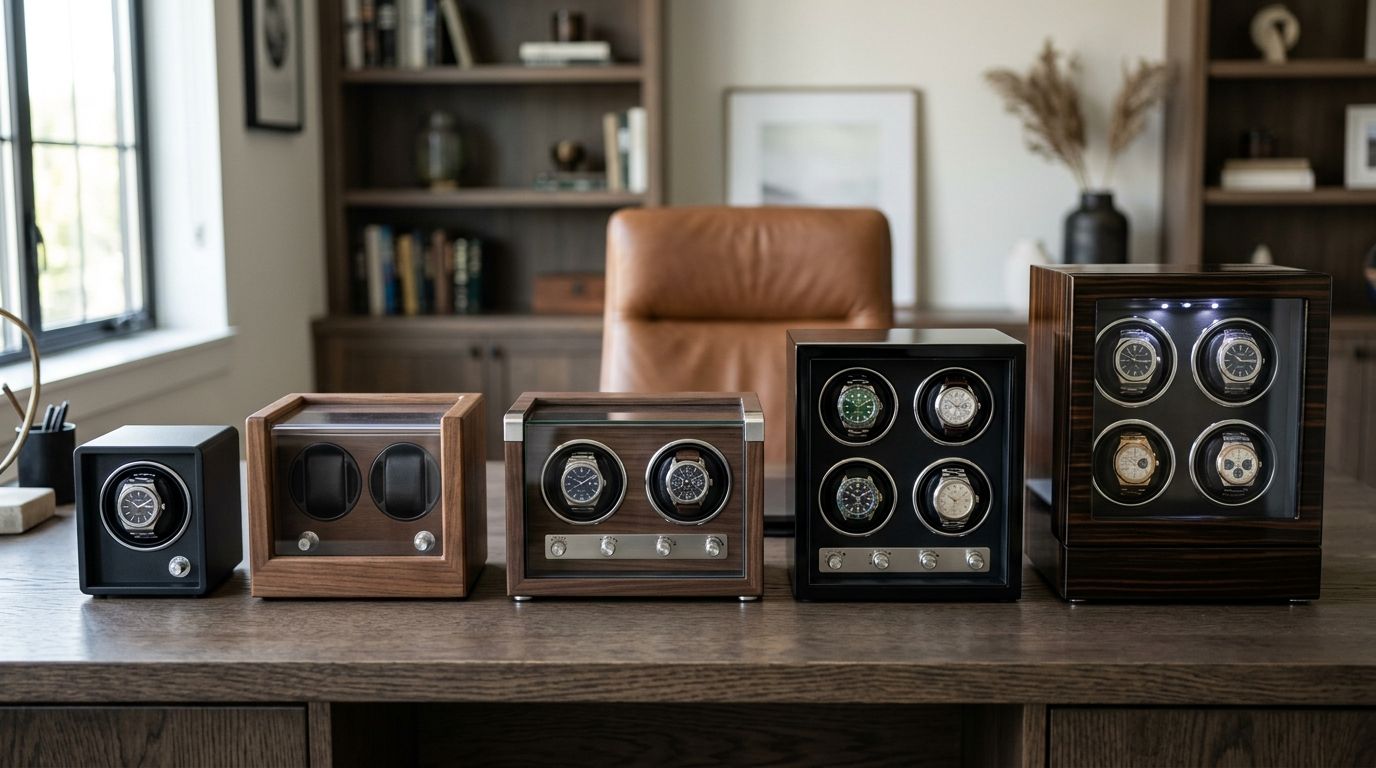
The Virtuoso Series 2 runs two watches on independent programs, each held to factory-spec rotation regardless of caliber. It's finished in Macassar Ebony and built for someone who owns one or two automatics and wants them wound correctly between wears — nothing more.
Virtuoso Series 2 pros:
- Two rotors run separate TPD programs simultaneously
- Macassar Ebony exterior at the entry price tier
- Small enough for a dresser or closet shelf
Virtuoso Series 2 cons:
- No biometric lock — this is an open-access model
- Two slots means an immediate upgrade once a collection hits watch number three
Verdict: Buy if you own one or two automatics and don't need locked access.
2. Impresario Series 2: best budget biometric watch winder
The Impresario Series 2 unlocks with a fingerprint and runs both rotors on independent schedules — the same core function as the Virtuoso Series 2, with a lock added at the budget-biometric tier. Telescopic pillows adjust for case sizes from dress watches to larger divers.
Impresario Series 2 pros:
- Fingerprint access at the lowest security-tier price point in the lineup
- Telescopic pillows fit a wide range of case diameters
- Independent programs per rotor
Impresario Series 2 cons:
- Still limited to 2 slots
- Biometric access adds a step for household members who aren't registered on the lock
Verdict: Buy for two-watch collectors who want a lock over open-shelf storage.
3. Virtuoso Series 6: best mid-range watch winder for a growing collection
The Virtuoso Series 6 is where a collection stops being a pair of watches and becomes something to manage. Six rotors run independently, so a Seiko and a Patek on the same shelf each get their correct turns-per-day without you resetting anything by hand.
Virtuoso Series 6 pros:
- Six independent programs handle mixed-brand collections cleanly
- Alcantara lining across the interior
- Sits at the mid-range tier without stepping up to biometric pricing
Virtuoso Series 6 cons:
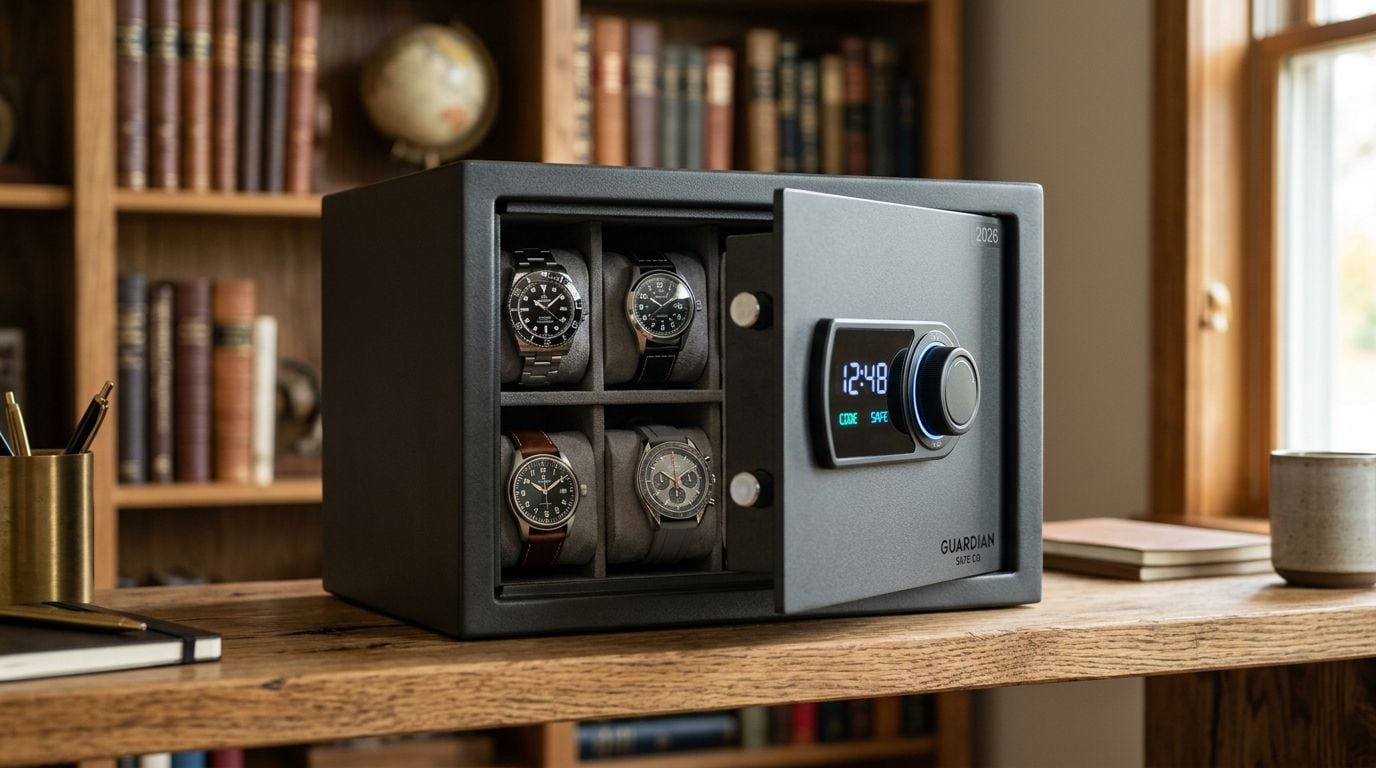
- No fingerprint lock at this tier — pair it with a safe if security matters
- Six slots fill faster than most new collectors expect
Verdict: Buy. This is the best overall pick in this watch winder price comparison for anyone with four to six pieces in rotation.
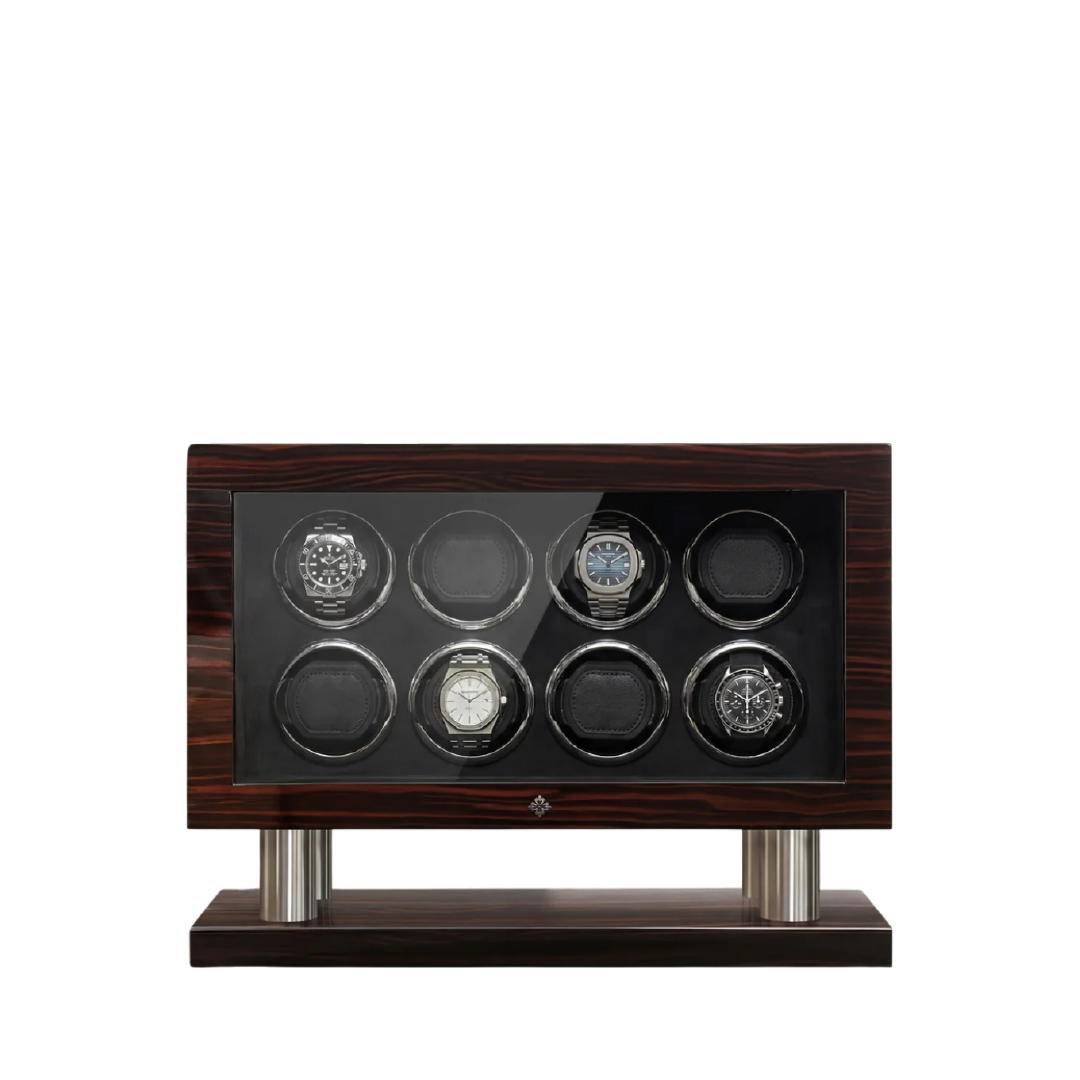
4. Yachtline Series 8: best horizontal-display watch winder
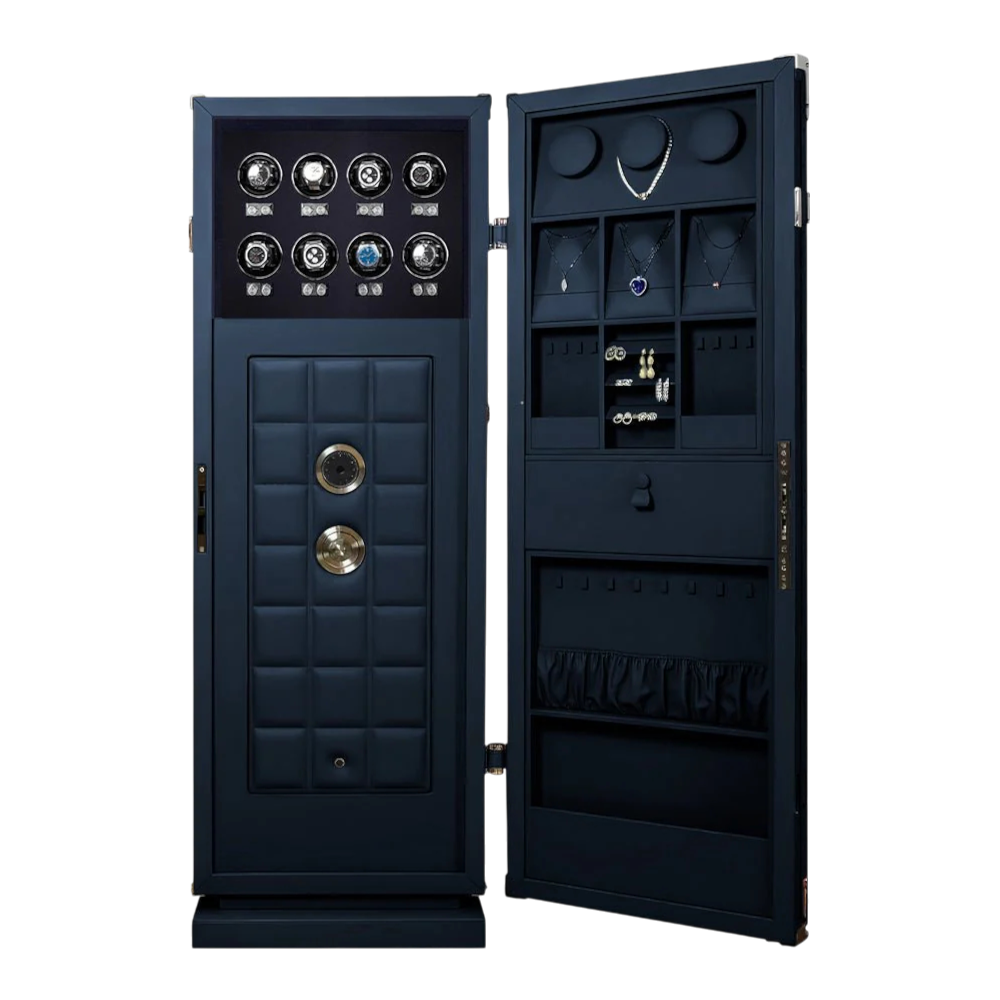
Yachtline Series 8 lays flat instead of standing upright, arranging eight rotors like a tray across a credenza or a yacht console. Biometric access comes standard at this tier, and the horizontal format reads more like furniture than an appliance.
Yachtline Series 8 pros:
- Horizontal layout suits low furniture where a tall winder won't fit
- Biometric access included
- Eight rotors on independent programs
Yachtline Series 8 cons:
- Needs more surface footprint than a vertical model with the same slot count
- Not practical for a closet installation
Verdict: Buy if the display surface exists and vertical winders don't fit the room.
5. Impresario Series 12: best large biometric watch winder
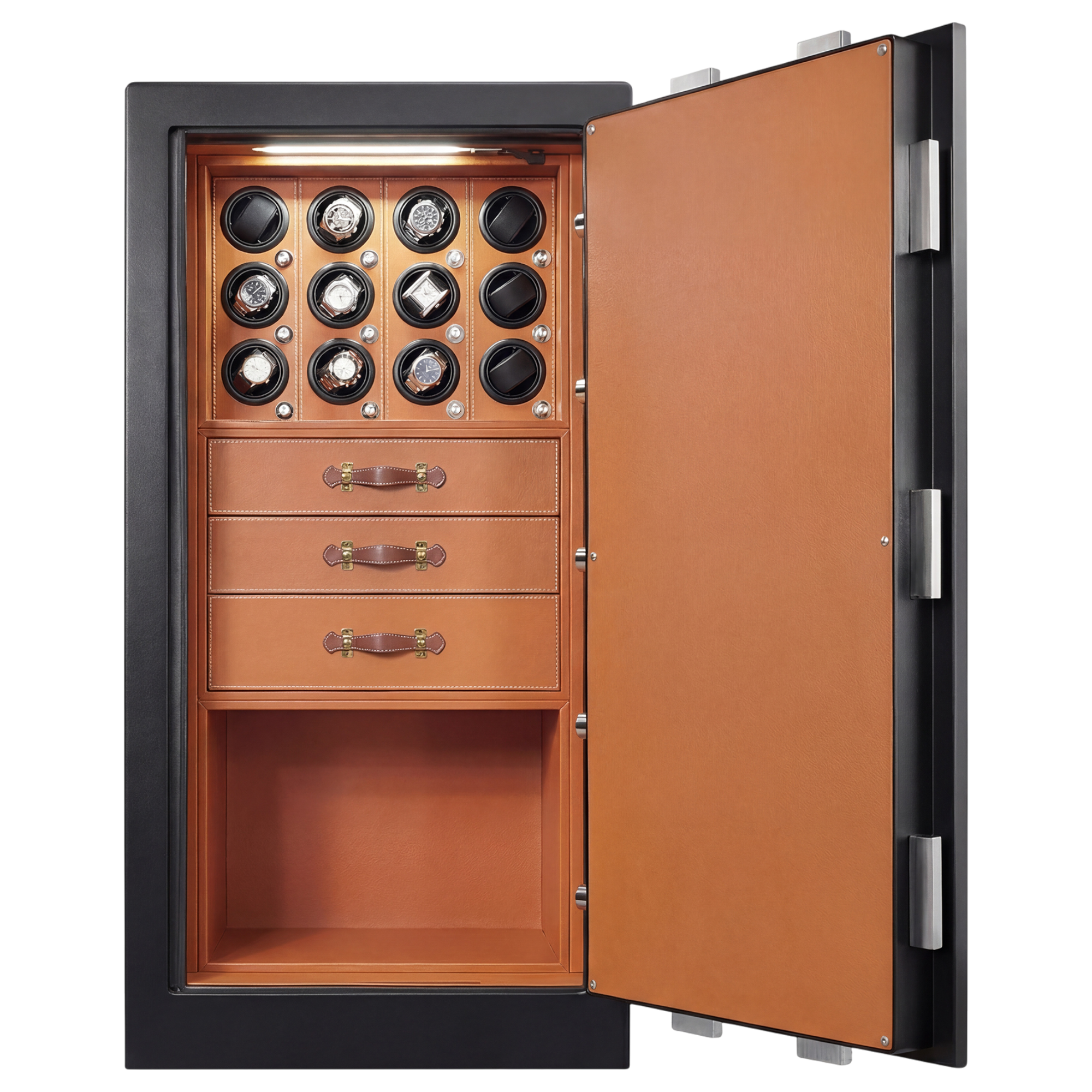
Impresario Series 12 is the largest fingerprint-locked winder Enigwatch builds as a standalone unit. Twelve Mabuchi rotors run independently, each with its own telescopic pillow and programmable LED lighting behind the lock.
Impresario Series 12 pros:
- Largest biometric-locked capacity outside the cabinet line
- Twelve independent rotors for a genuinely mixed-brand collection
- Programmable LED lighting
Impresario Series 12 cons:
- Sizable footprint compared to a 12-slot open-shelf alternative
- Premium tier pricing compared to non-biometric 12-slot options
Verdict: Buy for collectors who need both capacity and a lock in one unit.
6. Eterna Watch Winder Cabinet: best luxury watch winder for a permanent collection
The Eterna is a cabinet, not an appliance — 48 watches behind Macassar Ebony veneer, Alcantara lining, and Italian Nappa drawers, with Maxon motors running every one of the 48 rotors instead of the Mabuchi motors used in the standalone winders.
Eterna pros:
- 48-slot capacity built as a furniture piece, not a box on a shelf
- Maxon motors across the entire rotor bank
- Functions as a room feature, not something tucked in a closet
Eterna cons:
- Requires dedicated floor space and professional installation
- Genuinely excessive for a collection under 20 pieces
Verdict: Buy only once the collection justifies 48 slots. Wait if you're not there yet — a 12-slot model does the job for less commitment.


How we ranked
Each model above was placed against the six criteria set out earlier: TPD programmability, motor quality, slot capacity, security tier, interior materials, and footprint. No two models compete for the same use case — a 6-slot mid-range winder and a 48-slot cabinet aren't chasing the same buyer, so both can hold a genuine top spot in their own tier.
“Buy for your current collection plus modest growth — not the collection you’re hoping to own in five years.”
Which watch winder should you choose?
If you're undecided, the Virtuoso Series 6 is the default answer in this watch winder price comparison for 2026 — six independent programs, mid-range tier, no wasted capacity. Step down to the Virtuoso Series 2 or Impresario Series 2 if you own one or two watches. Step up to the Impresario Series 12 if you need biometric security at scale, or to the Eterna Watch Winder Cabinet if the collection has genuinely outgrown any standalone winder. Pair whichever model you choose with the motor comparison guide before you commit, since Mabuchi and Maxon motors behave differently under continuous rotation.
FAQ
What’s the best watch winder for a first automatic watch in 2026?
The Virtuoso Series 2 is the best entry point in 2026 — two independent rotors, no biometric lock, and a footprint that fits a dresser or closet shelf. It suits collectors with one or two automatics who don’t need locked storage yet.
Is a biometric watch winder worth paying more for?
Yes, if the winder sits somewhere household members or guests have access to it. The Impresario line adds fingerprint locks starting at the 2-slot tier, which matters more for security than for winding performance.
How many watch winder slots do I need for a 12-watch collection?
A 12-slot model like the Impresario Series 12 matches a 12-watch collection directly, without leaving several watches sitting unwound on a shelf. Buying a larger cabinet for the same 12 watches wastes both space and money.
What’s the difference between a Mabuchi motor and a Maxon motor in a watch winder?
Mabuchi motors run the standalone winders in the Enigwatch lineup, from the Virtuoso Series 2 up through the Impresario Series 12. The Eterna and Enclave cabinets switch to Maxon motors across all of their rotors instead.
Do luxury watch winder cabinets make sense for smaller collections?
Not usually. A 48-slot cabinet like the Eterna is built for collectors who already own close to that number of watches — for a collection under 20 pieces, a 12-slot standalone winder covers the same need for far less commitment.
How much does a watch winder cost in 2026?
Prices span from entry-level 2-slot models to flagship 48-slot cabinets, with biometric locks and horizontal formats sitting in between. Check the current price on each product page, since finish and lock type both affect the figure.
What TPD setting should I use for a mixed collection?
Turns-per-day varies by caliber, which is exactly why independent-program winders matter — a Rolex and an Omega on the same shelf rarely share a TPD number. The TPD reference guide breaks down settings by brand.
Can I mix cheap and luxury watches in the same winder?
Yes, as long as the winder runs independent programs per rotor rather than one shared setting. Every model in this comparison, from the Virtuoso Series 2 through the Eterna cabinet, runs each rotor on its own schedule.
One last thing
The cabinet line runs on Maxon motors while every standalone winder in the lineup — Virtuoso, Impresario, Yachtline — runs on Mabuchi. That's not a downgrade at the smaller tiers; it's a deliberate split between an appliance built to sit on a shelf and a piece of furniture built to run continuously for years without a service call.
Related guides
- Watch winder motor types: Japanese vs Swiss movement
- Watch winder TPD explained: full brand reference guide
Protect Your Watch Collection
Designed for collectors who demand the best. Explore our premium watch winders and luxury safes.