

Most watch safe buyers get this wrong: they search “best watch safe”, click the first result, and buy based on price. Then they discover 18 months later that they bought a 4-slot unit for a 9-watch collection, or a fire-rated unit in a climate where humidity is the real threat, or a biometric safe with a fingerprint reader that takes 3 seconds per entry when they’re getting dressed for work at 7am.
The right watch safe is a function of five specific questions. Answer them first, then shop.
Question 1: How many watches will you own in 3 years?
Not today. Three years from now.
Serious collectors average 1–3 additions per year. If you own 5 watches today and add 2 per year, you’ll need 11 slots by year 3. Buying an 8-slot safe means upgrading at year 2—safe-to-safe transfers are a pain, and re-anchoring a 200-pound cabinet is a half-day project.
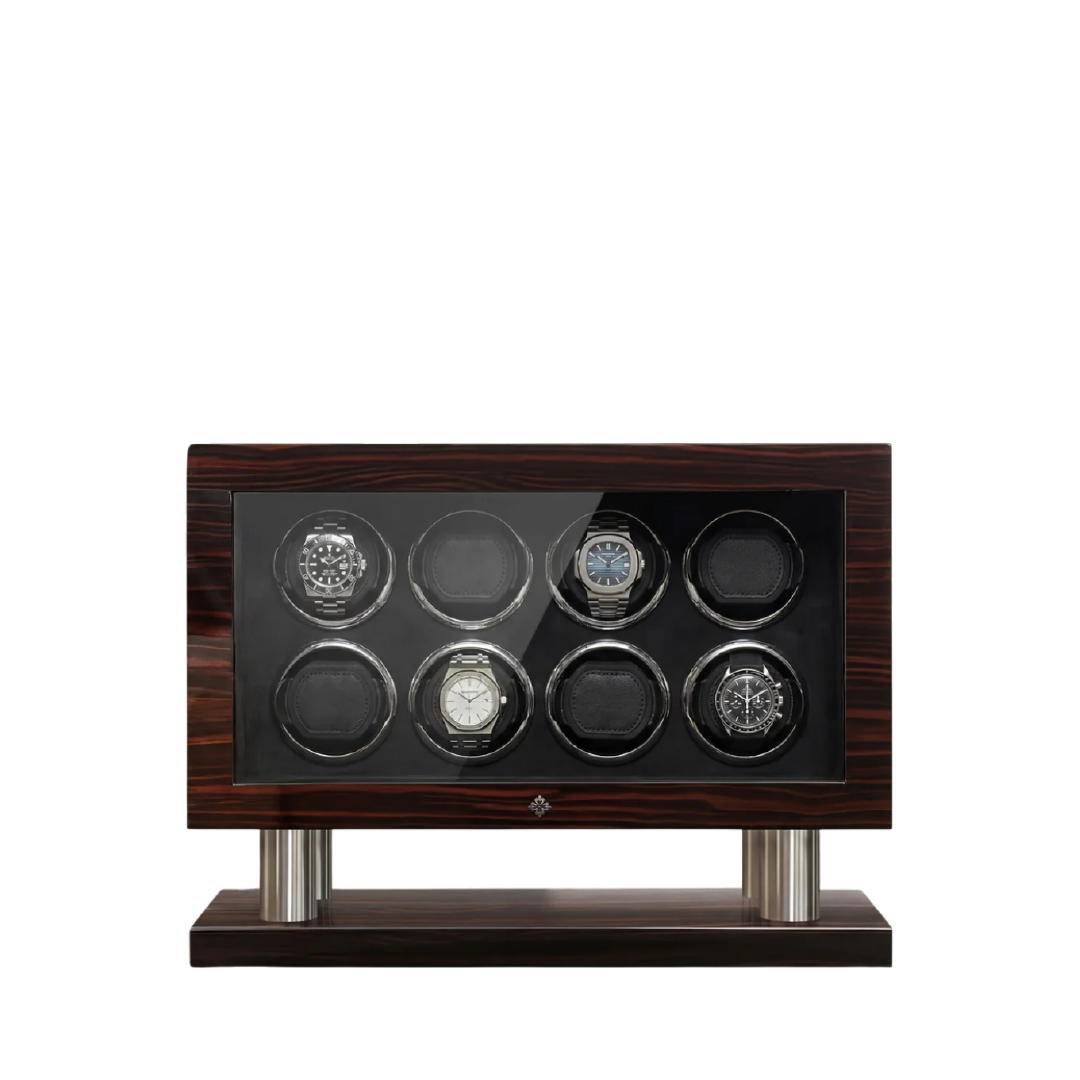
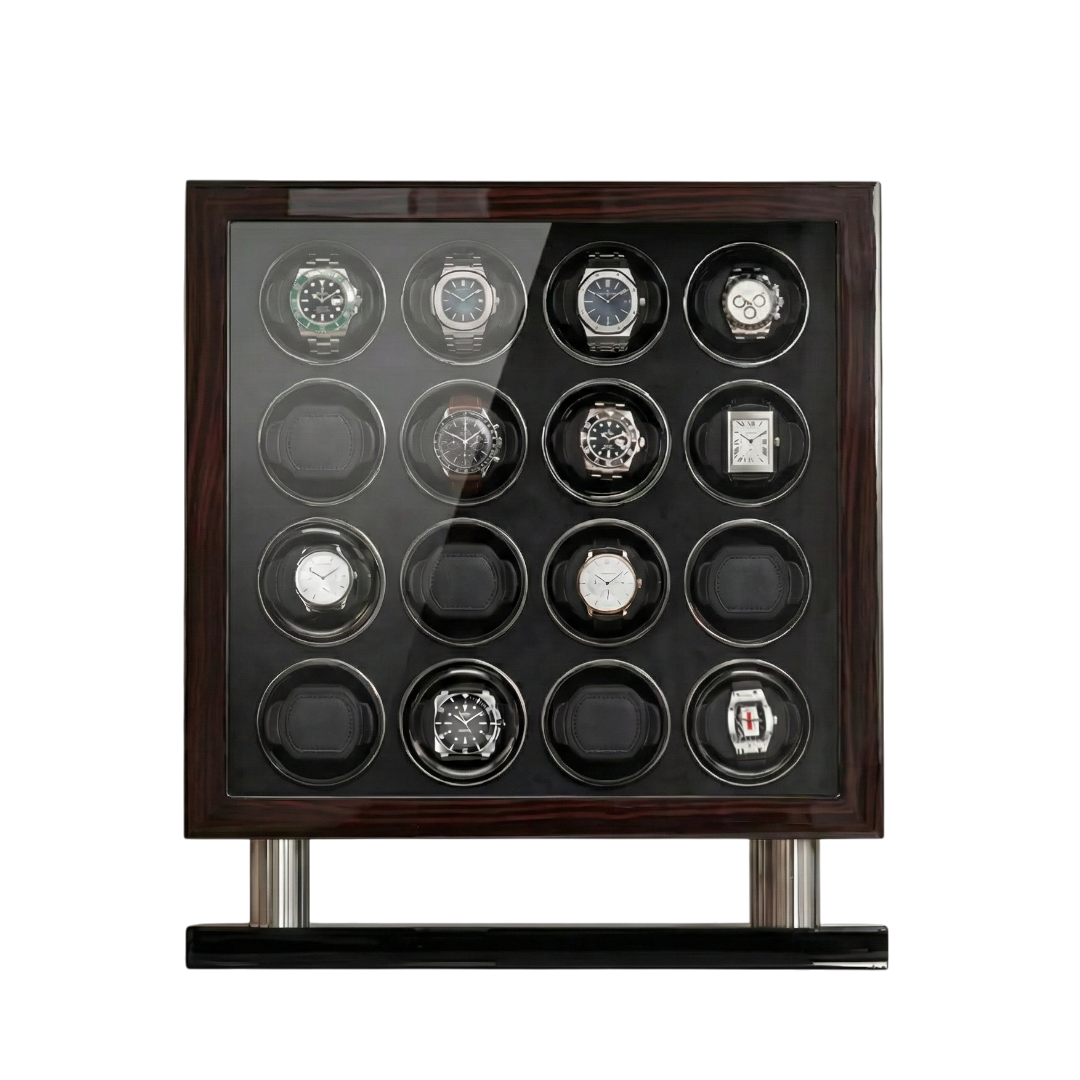
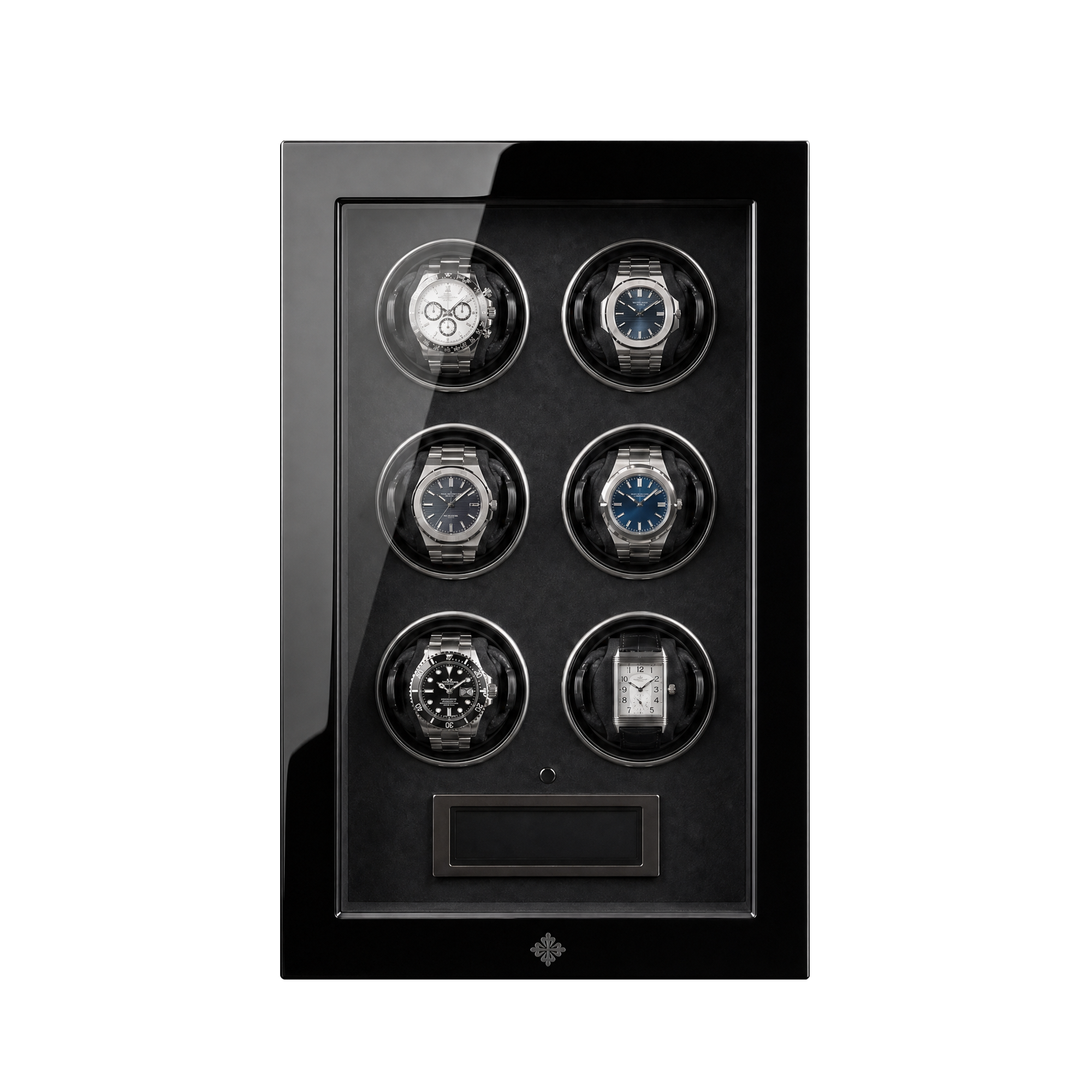
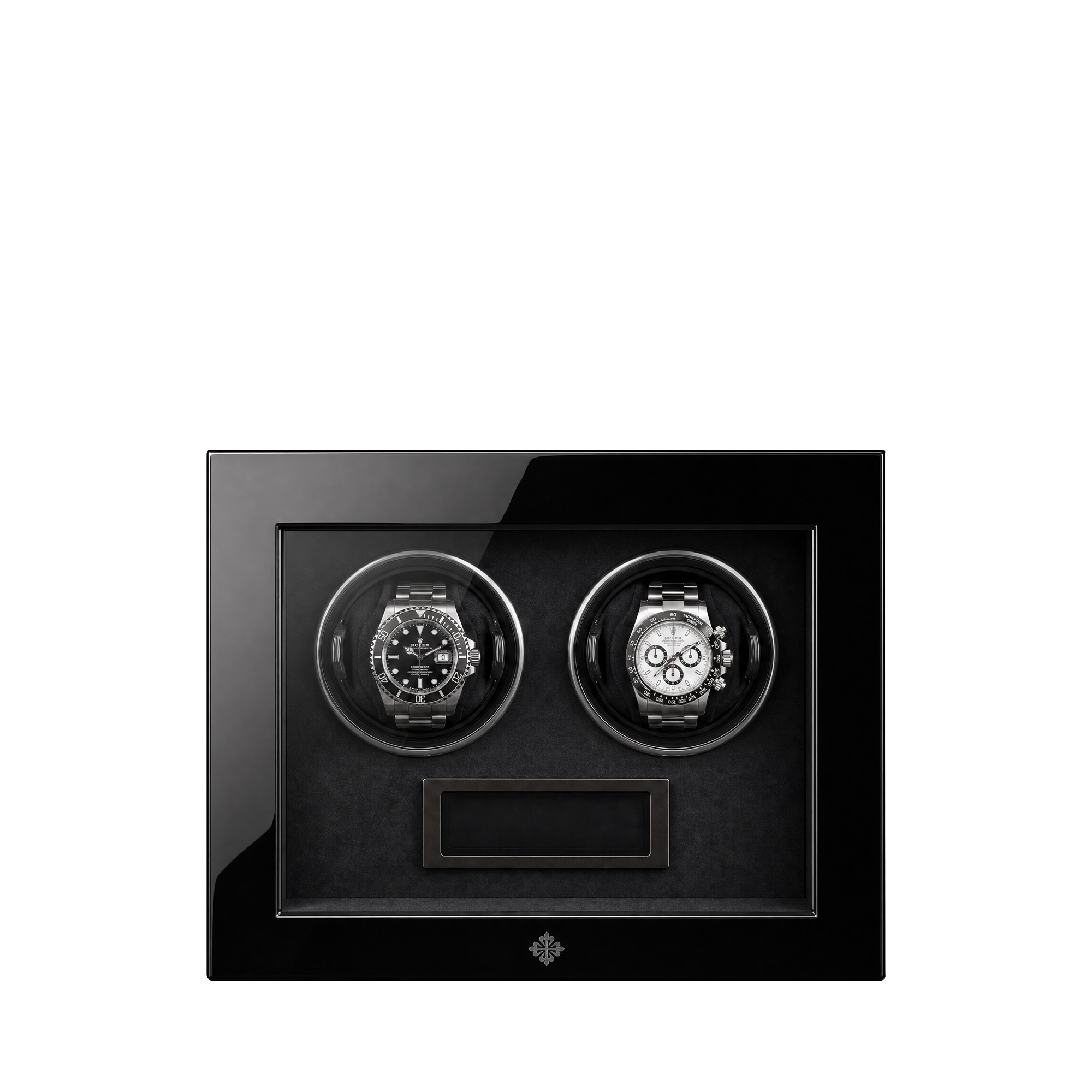
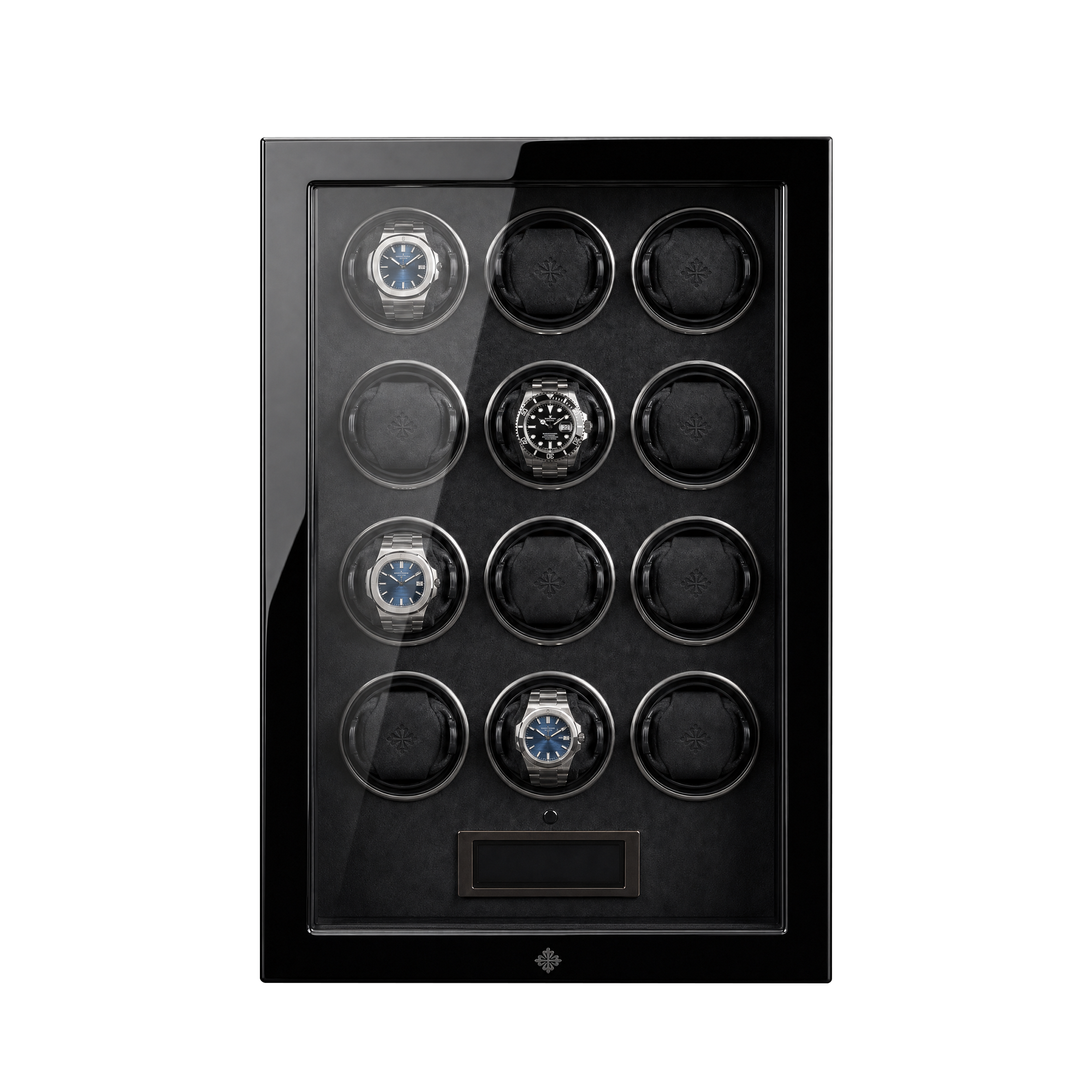
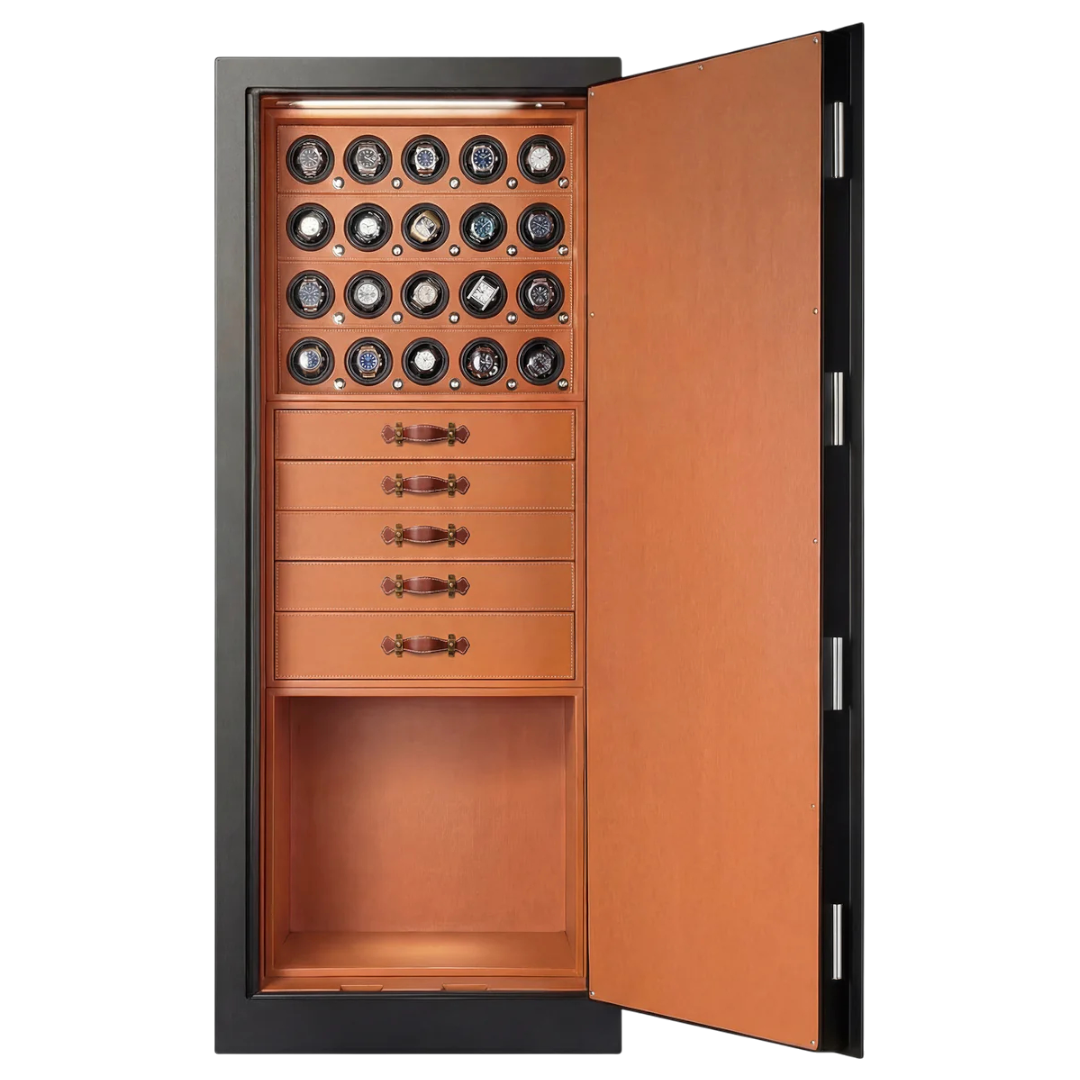
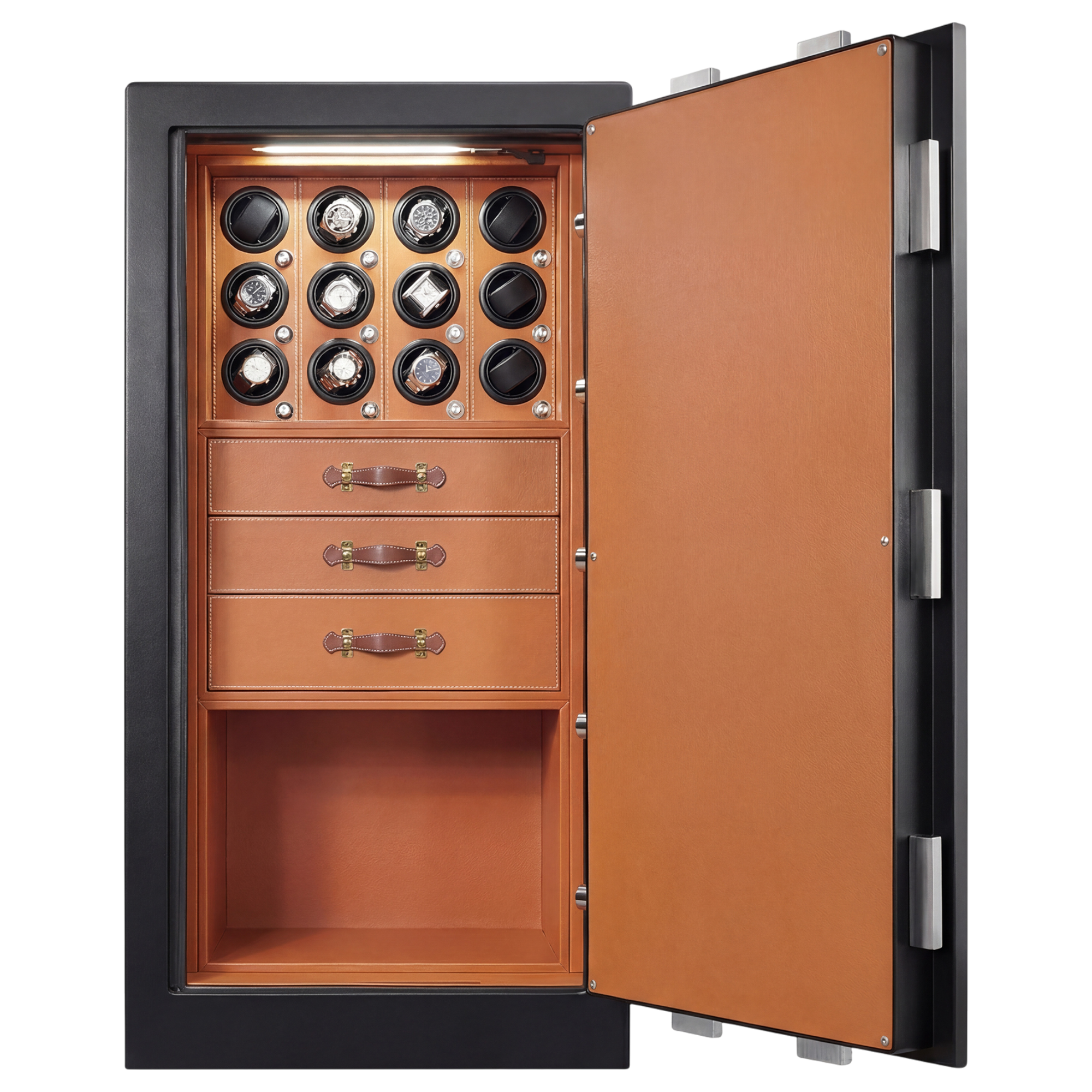
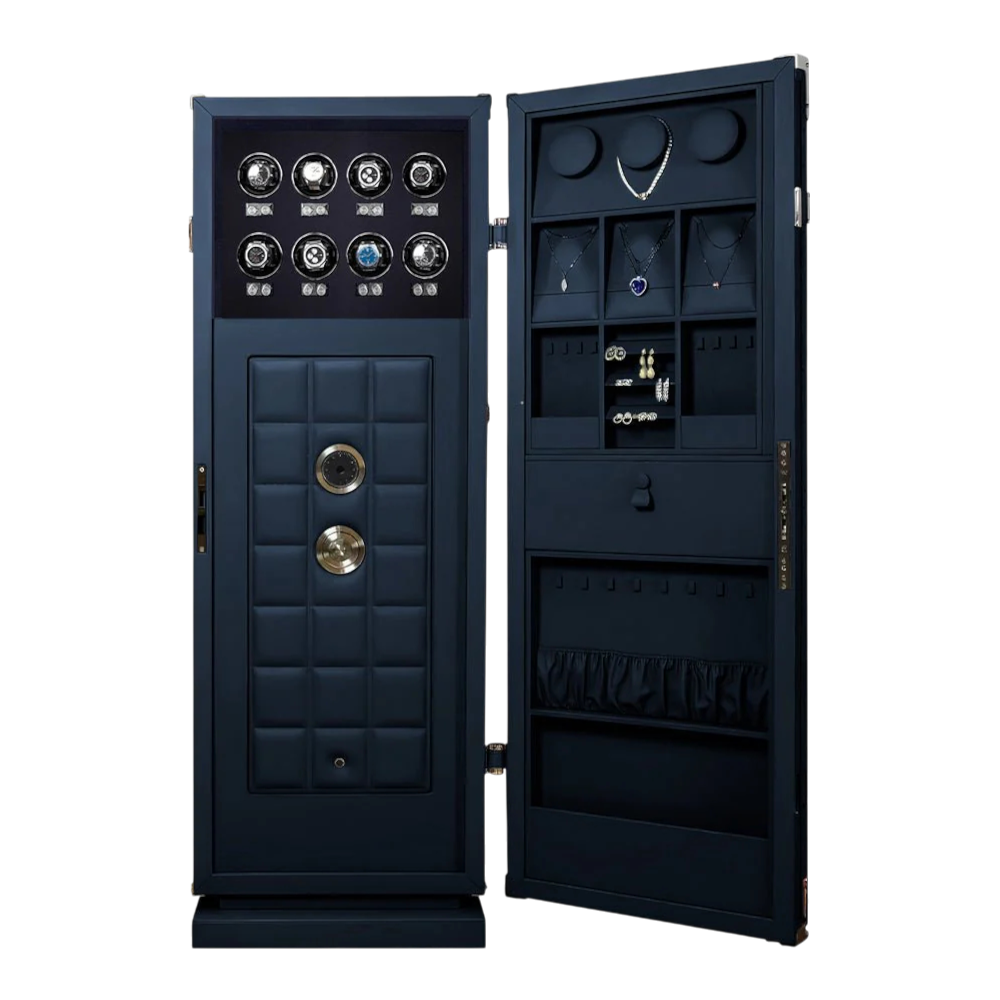
Enigwatch builds the 2–8 watch winder safe for new collectors, the 12–20 slot series for mid-stage collectors, and the 28–64 watch vault for established collections. There’s no shame in buying forward—an empty slot costs nothing to run.
Question 2: What proportion of your watches are automatic?
If 80% of your watches are automatic (self-winding), active winding is non-negotiable. A safe without rotors means you’re pulling watches out weekly to wind them by hand—manageable for 2, tedious for 8, impossible for 20.
If you mostly own quartz or manual-wind pieces, the winding mechanism matters less. You can prioritize security and fire ratings over rotor counts and TPD programs.
Question 3: What is your total collection value today?
This determines how much security you actually need.
- Under $10,000 total: A UL RSC-rated cabinet is adequate. You don’t need a commercial-grade TL-15 safe.
- $10,000–$50,000 total: Look for UL RSC + fire rating. Biometric access is worth the premium at this tier.
- $50,000+ total or individual pieces $15,000+: You’re in luxury watch safe territory. Pry-resistant steel, relocker bolts, professional installation, and ideally hidden or integrated placement.
Question 4: Where will the safe live?
Three scenarios with very different answers:
Primary bedroom, ground floor: Theft risk is higher (easier forced entry). Prioritize anti-theft ratings over fire ratings. Consider wall-mounting or bolting to a closet floor.
Master closet or dedicated safe room: Lower visibility lowers theft risk. Fire rating becomes relatively more important. Humidity control matters if HVAC doesn’t reach the room well.
Display cabinet in a study or living room: The safe will be seen. Construction quality and exterior finish become part of the brief. All premium Enigwatch models are designed for visible installation.
Question 5: How often do you access the safe?
Daily rotation collector (opens the safe 2–3 times per day): you need fast access. A biometric fingerprint reader opens in under a second. A combination lock takes 10–20 seconds. Multiply that by 730 opens per year and the friction difference is real.
Weekly rotation collector (opens the safe 2–3 times per week): either biometric or combination works. Prioritize security rating over entry speed.
Investor-collector (opens the safe rarely, watches are stored long-term): access speed is irrelevant. Prioritize UL fire rating, humidity control, and pry resistance.
Putting the Answers Together
Run these five answers against any watch safe you’re considering. The product that fits all five is the right one, even if it’s not the one with the best marketing. And if the answers point toward a unit that seems like overkill today—it almost certainly won’t in year 3.
Protect Your Watch Collection
Designed for collectors who demand the best. Explore our premium watch winders and luxury safes.
Protect Your Watch Collection
Designed for collectors who demand the best. Explore our premium watch winders and luxury safes.