

The most expensive mistake watch collectors make isn’t buying the wrong watch. It’s storing a $15,000 Patek in a $400 jewelry safe and wondering why the movement needs servicing 3 years early.
Jewelry safes and watch safes look similar. They’re both metal boxes with locks. But they’re engineered for completely different threats, and using the wrong one for an automatic watch collection will cost you—just not in a way that’s immediately obvious.
What a Jewelry Safe Is Designed For
A jewelry safe is designed to protect against two things: theft and fire damage. That’s it. The interior is typically velvet-lined or foam-padded to prevent scratching. There’s no climate control, no air circulation, and no mechanism to move anything inside the safe.
This is perfectly adequate for rings, bracelets, earrings, loose stones, documents, and quartz watches. None of those objects require movement or specific humidity to maintain their condition.
What a Watch Safe Needs That a Jewelry Safe Doesn’t Have
1. Active winding mechanism
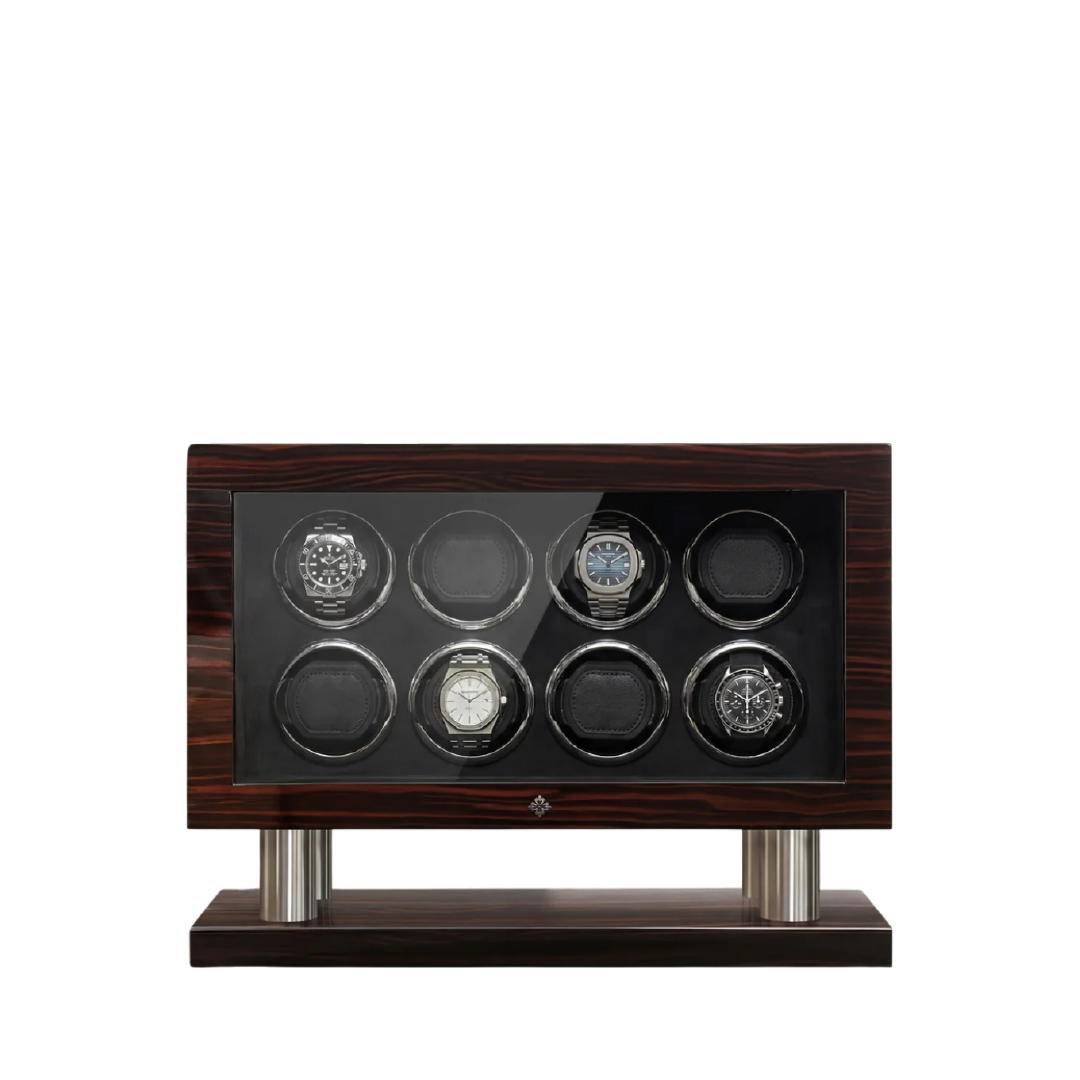
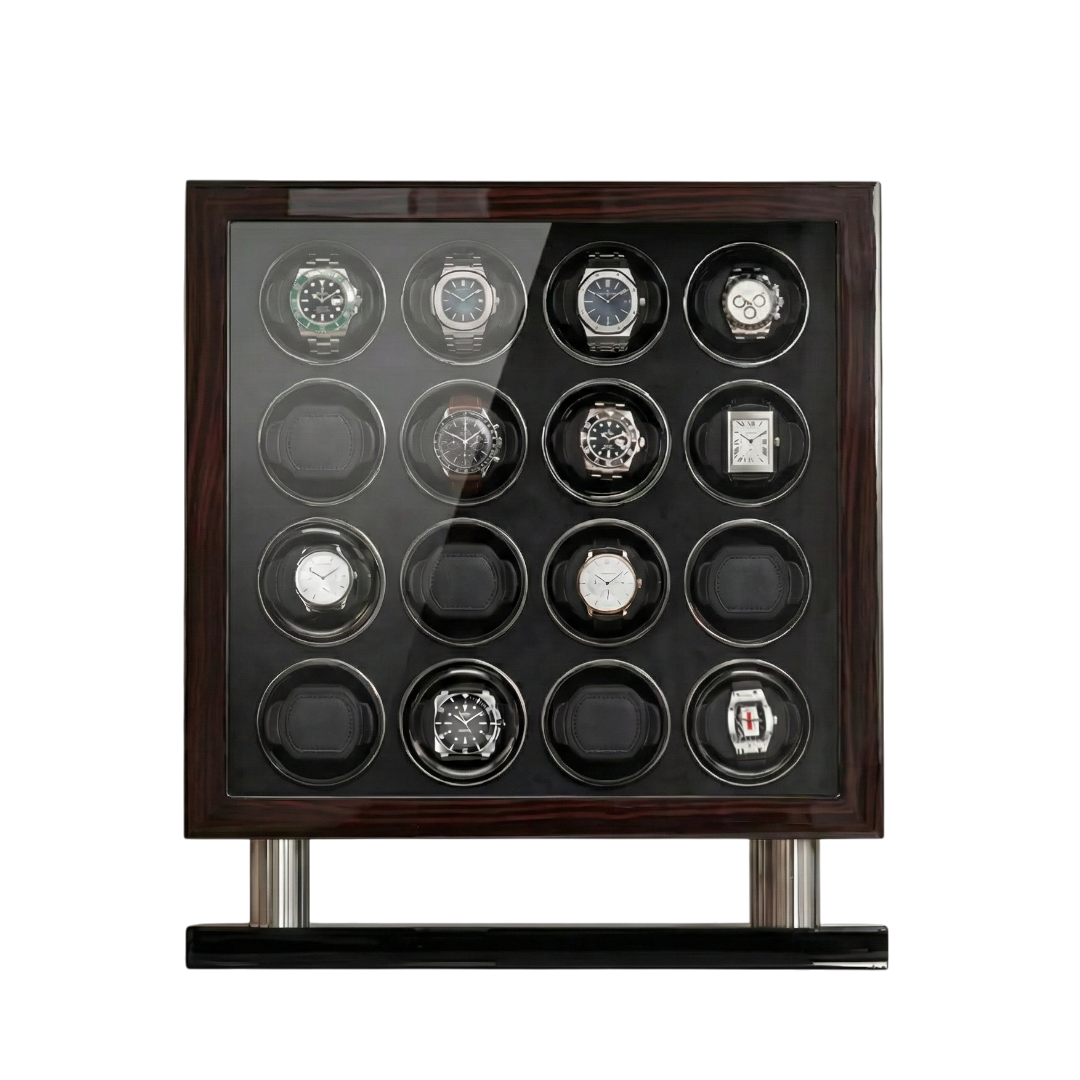
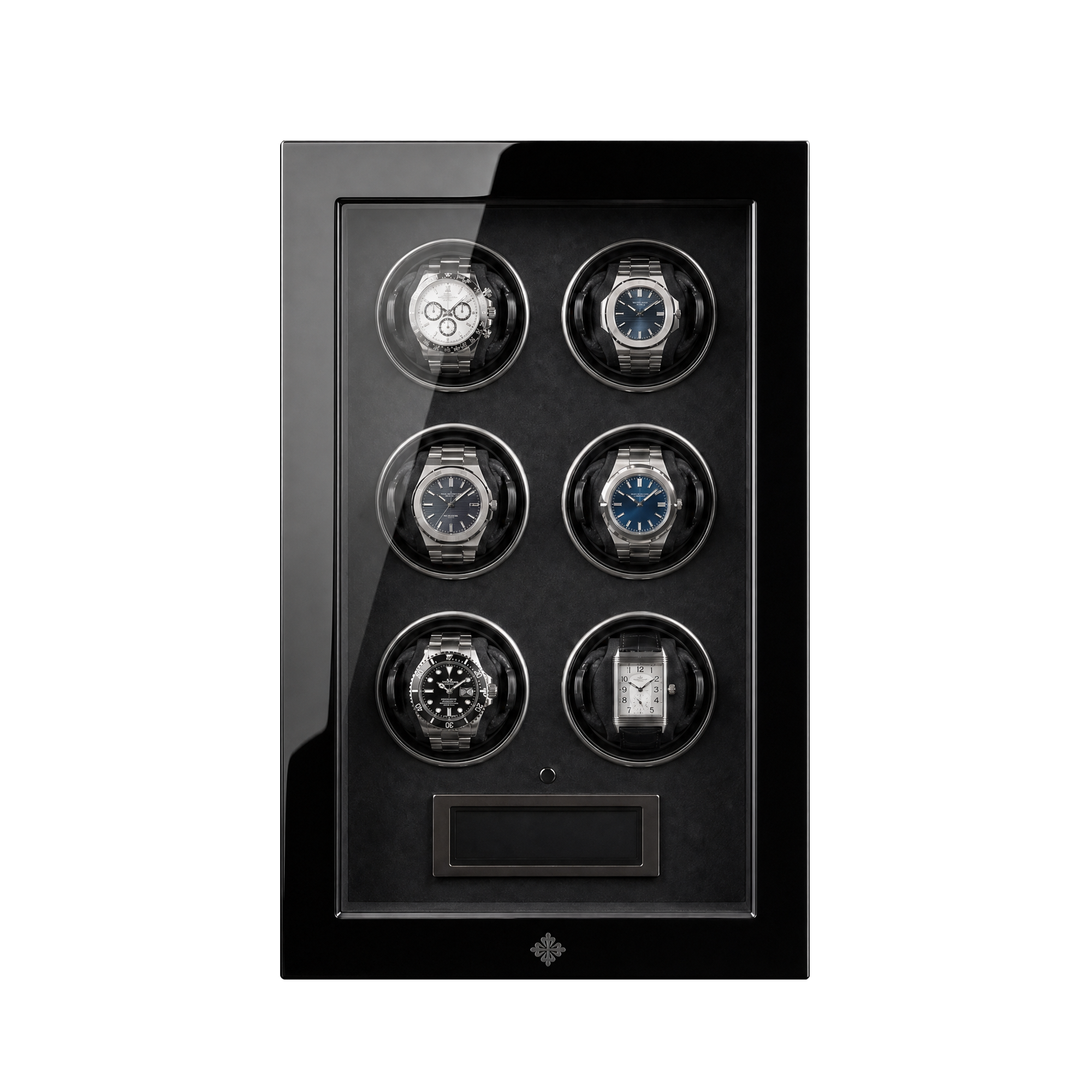
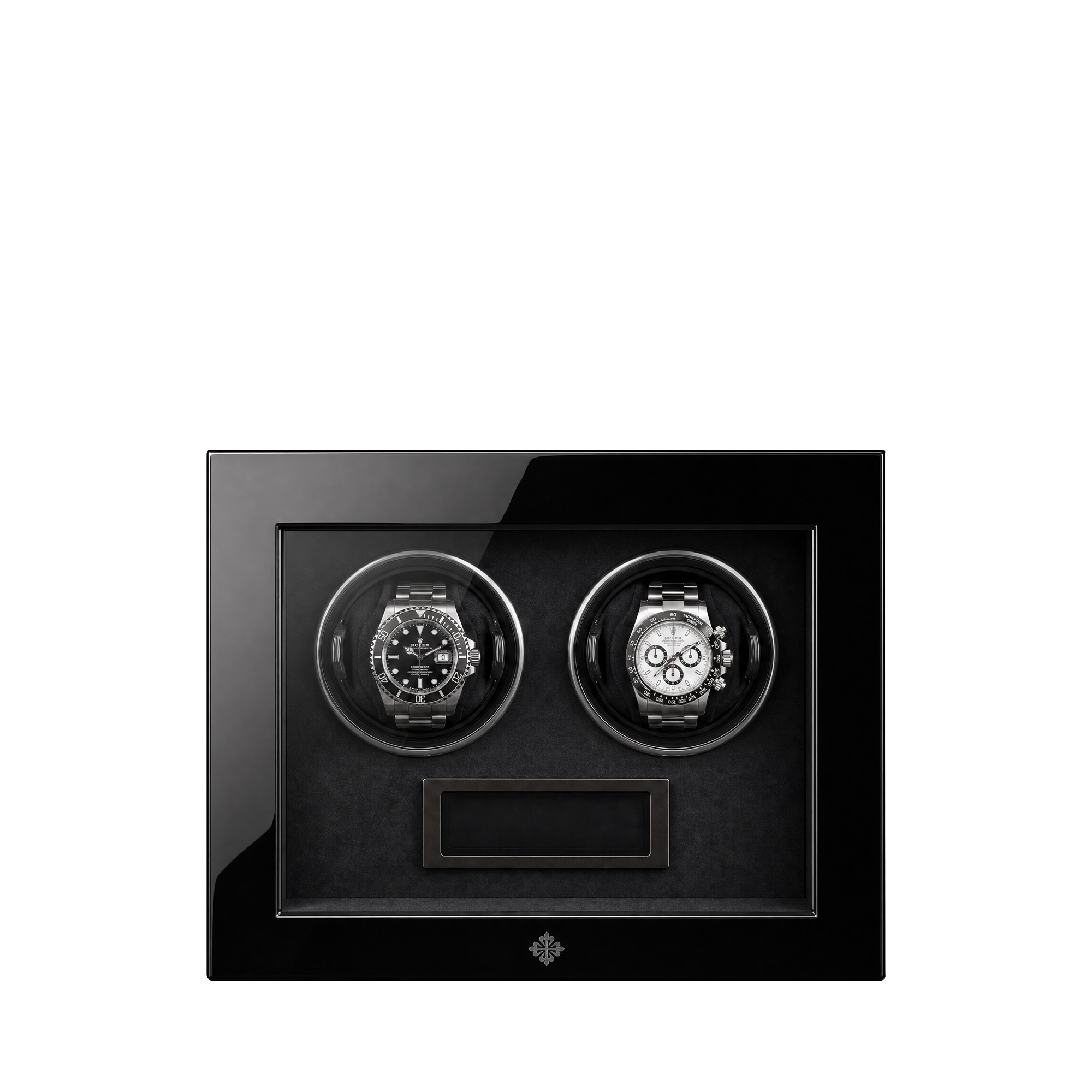
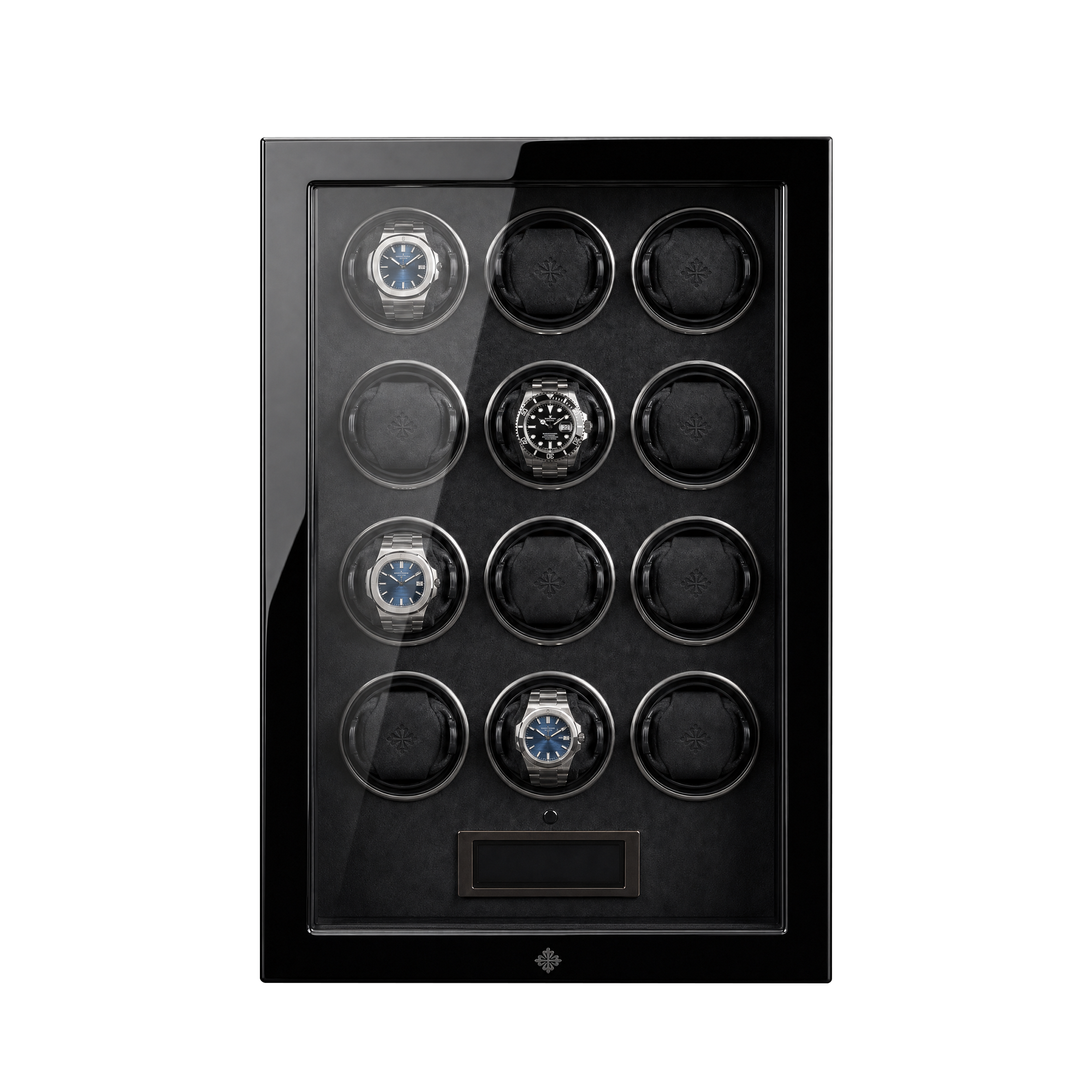
Automatic watches need to be worn or wound to keep running. An automatic that sits stationary for 3+ days will stop. Restart it cold repeatedly and you’re cycling oils through a dry movement—that’s gradual wear. A watch winder safe keeps every automatic in the cabinet running at calibrated TPD and rotation settings, 24/7, whether you’re wearing it or not.
A jewelry safe cannot do this. Period.
2. Humidity regulation
Watch movements contain microscopic oils, gaskets, and rubber seals. Optimal storage humidity is 45–55% RH. Below 40% and the lubricants thin; above 65% and corrosion risk rises. Most homes cycle between 30% and 70% RH seasonally.
Premium watch safes include humidity control—either passive (cedar lining) or active (electronic humidifier). Jewelry safes have neither.
3. Anti-vibration mounting
Some collectors over-wind. A watch winder that runs too many rotations per day can over-tension a mainspring. Quality watch winder safes have programmable rest cycles baked into the motor firmware. Jewelry safes have no motors at all.
When a Jewelry Safe Is Fine for Watches
Be honest: a jewelry safe is perfectly adequate for:
- Quartz watches (no winding needed)
- Manual-wind mechanical watches (wind them yourself before wearing)
- Automatic watches you wear daily (the movement stays wound from wrist movement)
- Watches stored for less than 72 hours at a time
If you wear every automatic in your collection at least once every 3 days, a jewelry safe is a reasonable choice—as long as it has the fire and theft ratings your collection warrants.
When You Need a Watch-Specific Safe
You need a purpose-built watch safe when:
- You own more automatics than you rotate through in a week
- You collect watches as investments rather than just wear them
- Any piece in your collection is worth $5,000 or more individually
- You travel for more than a week at a time and leave automatics at home
For collections of 2–8 watches, the Enigwatch 2–8 winder safe series is the entry point—biometric access, fire-rated construction, individually programmable rotors per slot.
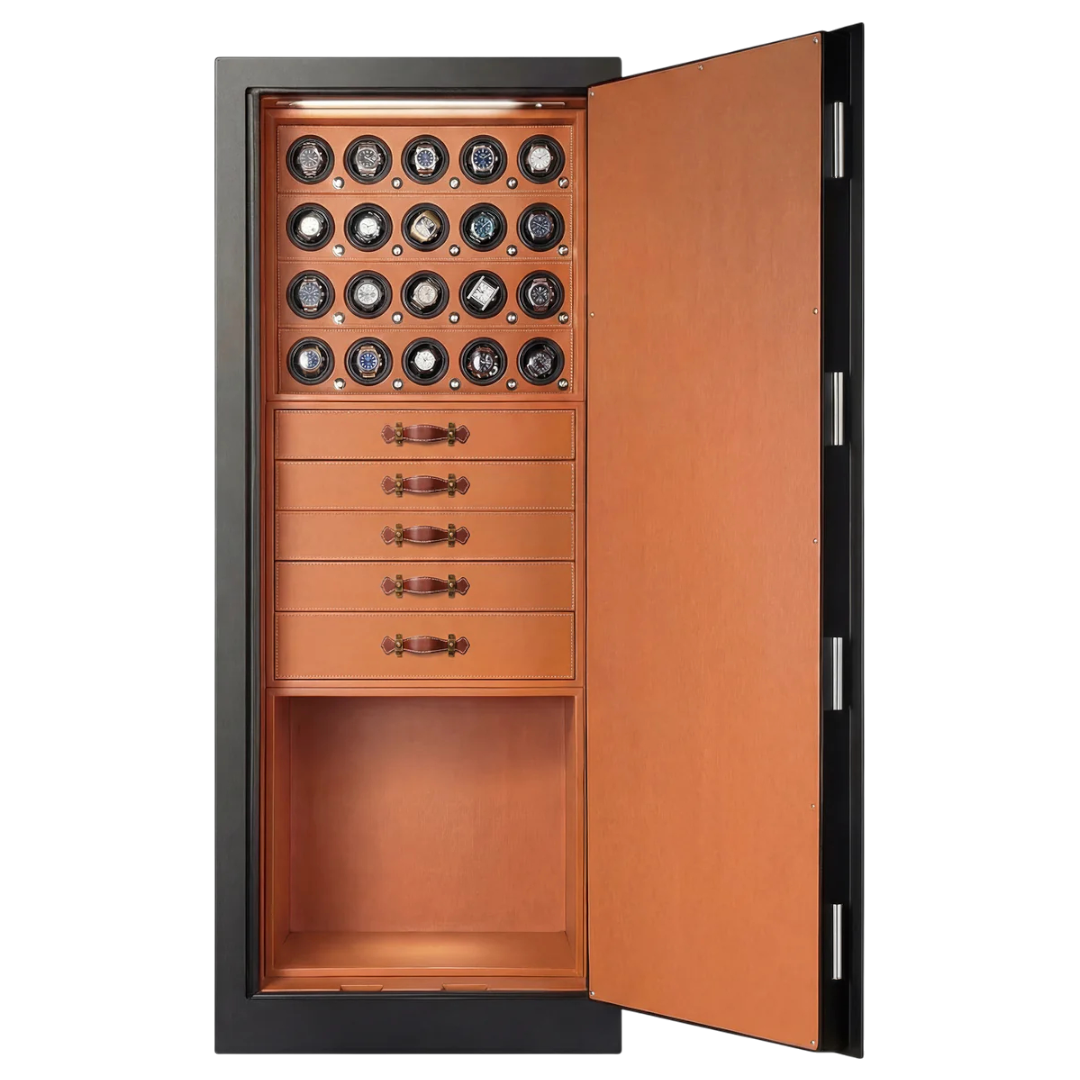
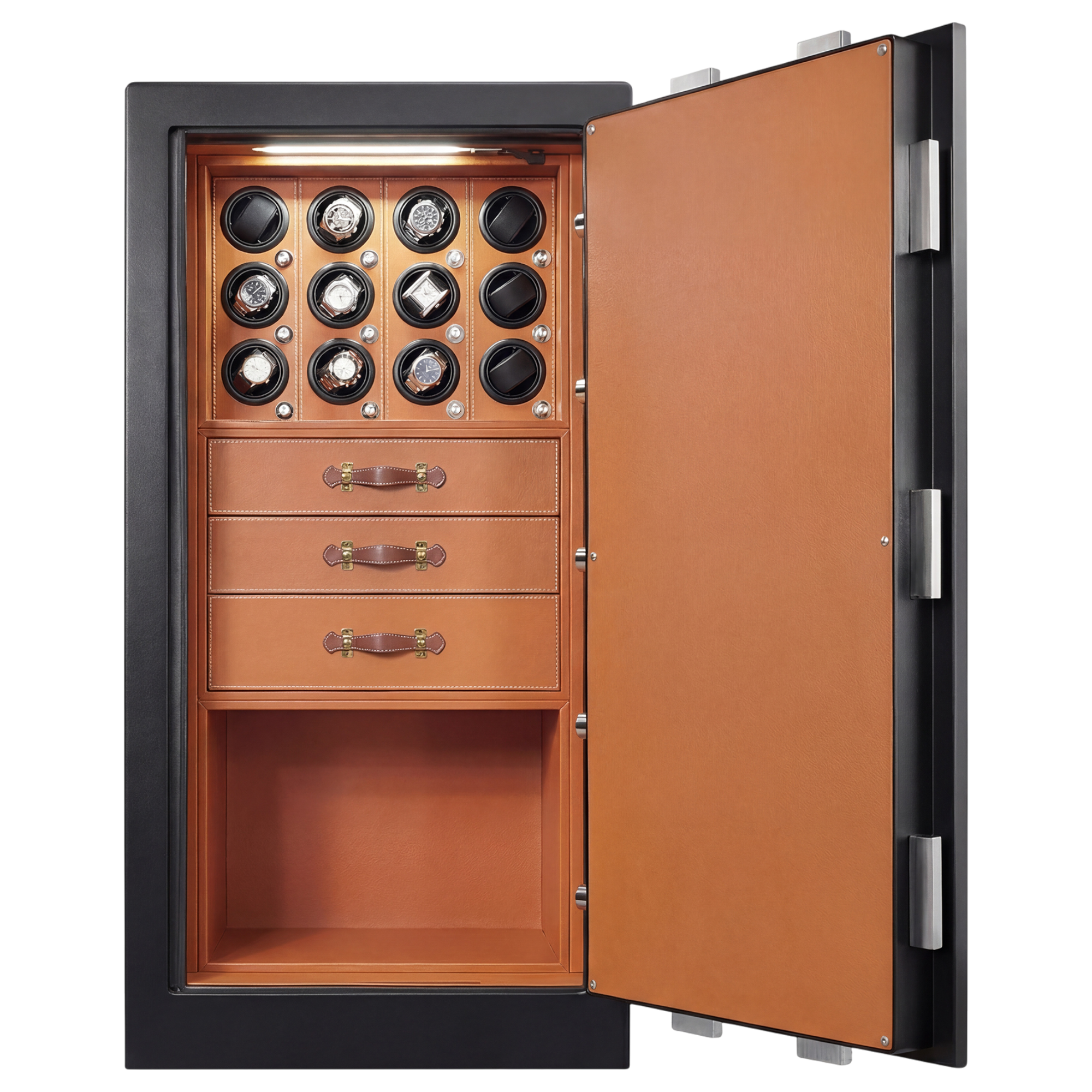
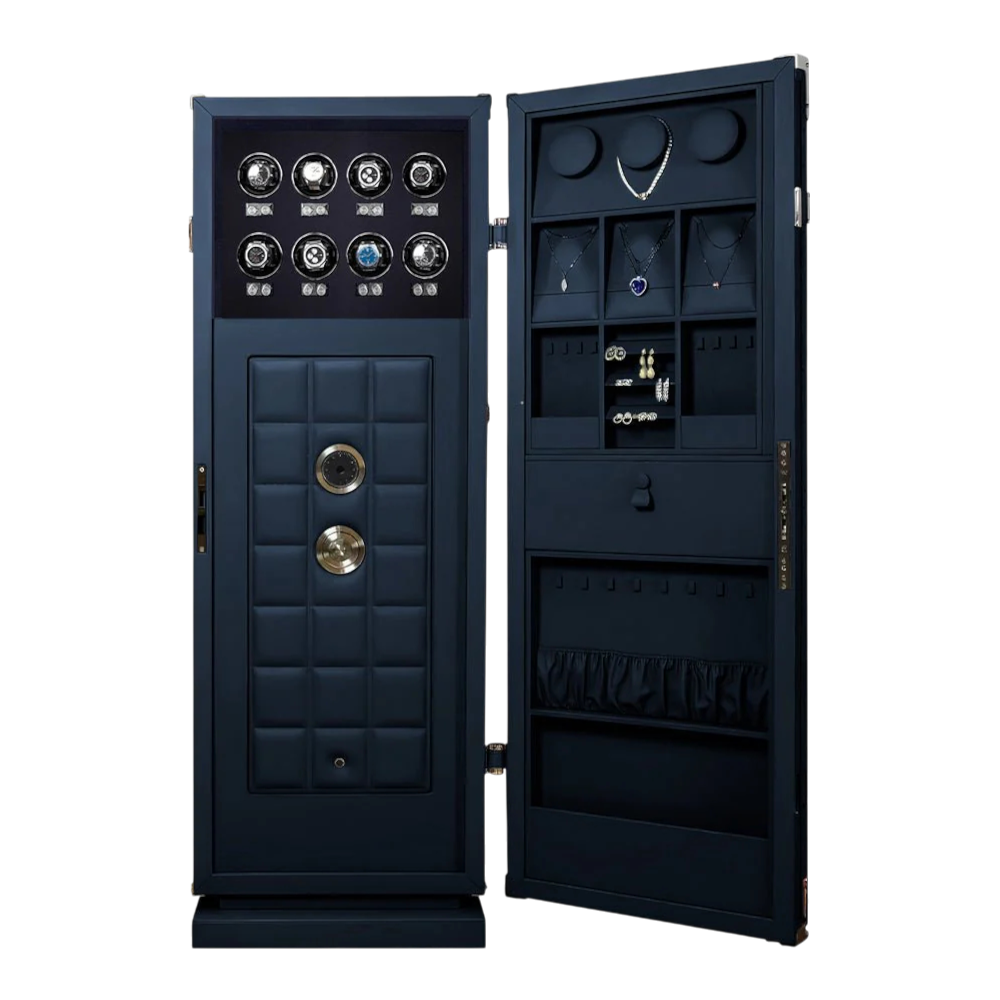
For larger collections or higher-value pieces, the luxury watch safe range starts at $7,499 and scales up to custom vault cabinetry for 20–64 watches.
The Hidden Cost Calculation
A mechanical watch service (cleaning, lubricating, timing) costs $300–$1,500 depending on complexity and the watchmaker. For a Rolex, Omega, or Patek, expect $400–$800 every 5–7 years under normal use. Under poor storage conditions (insufficient winding, humidity cycling, oil degradation from inactivity), that service interval can compress to 3–4 years.
A watch winder safe that extends service intervals by 2 years across a 5-watch collection pays for itself in avoided service costs within the first service cycle—even before you account for the security upgrade.
The Short Version
Jewelry safe = anti-theft + fire protection. Watch safe = anti-theft + fire protection + winding + humidity control. For any collection that includes automatic watches you don’t wear daily, the jewelry safe is the wrong tool for the job.
Protect Your Watch Collection
Designed for collectors who demand the best. Explore our premium watch winders and luxury safes.
Protect Your Watch Collection
Designed for collectors who demand the best. Explore our premium watch winders and luxury safes.