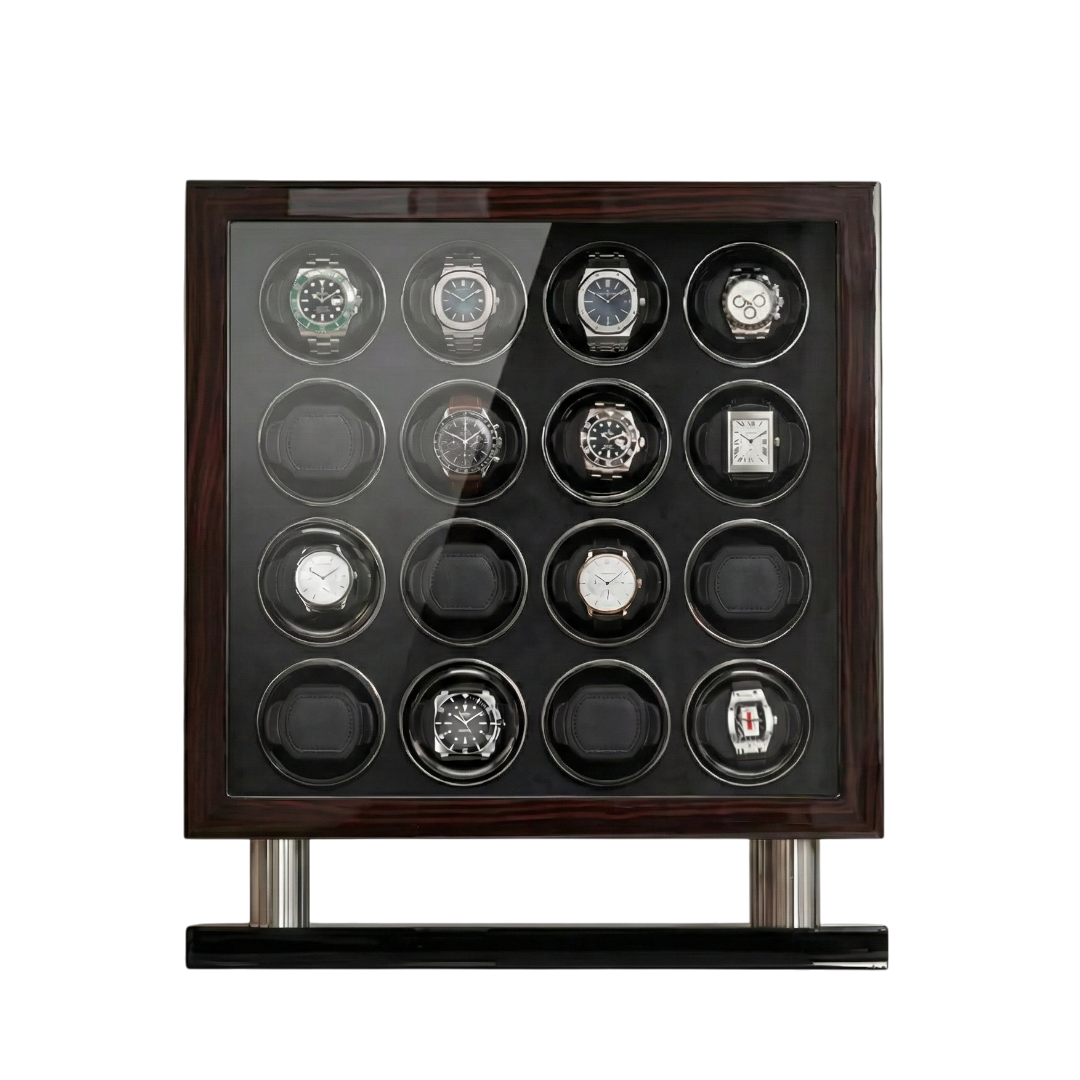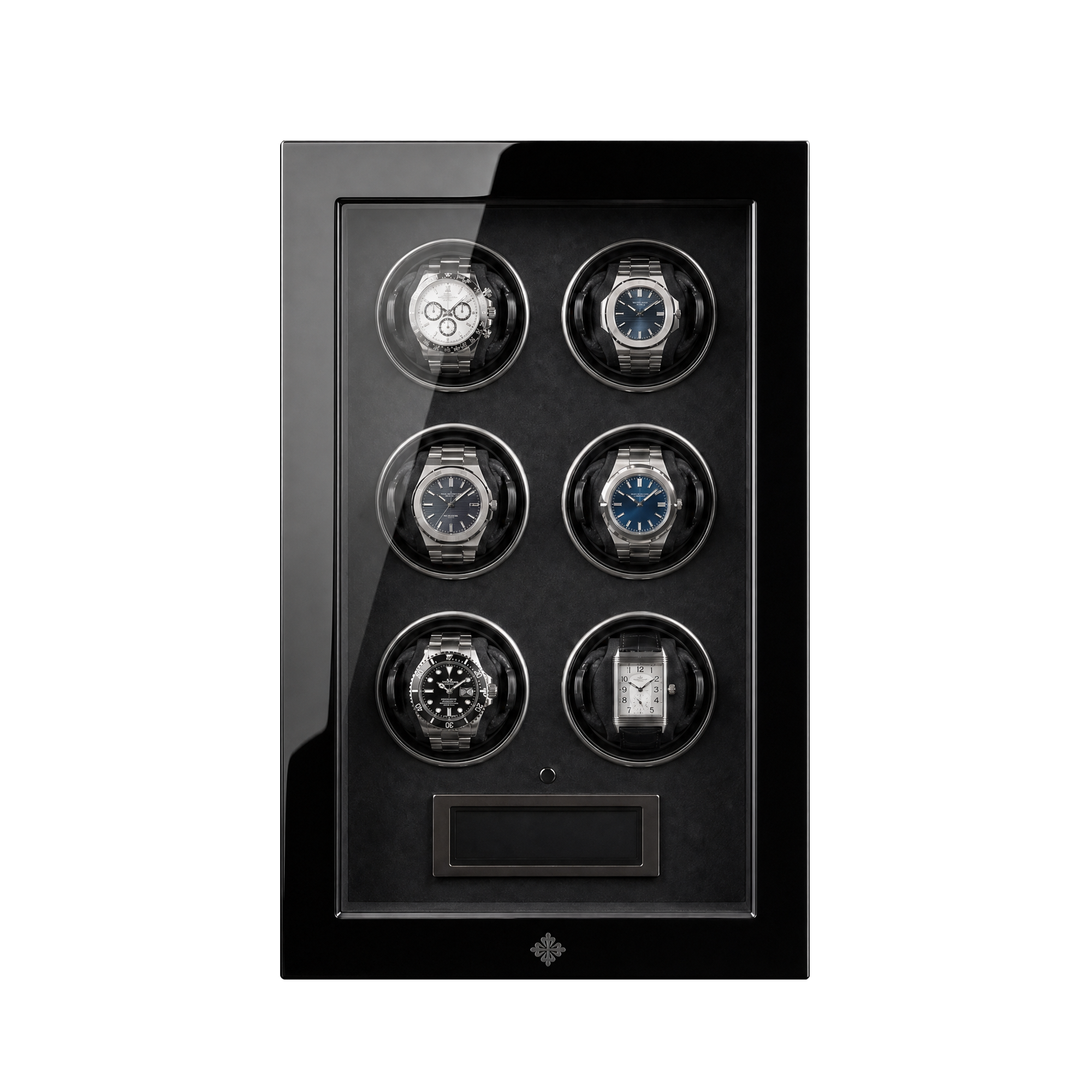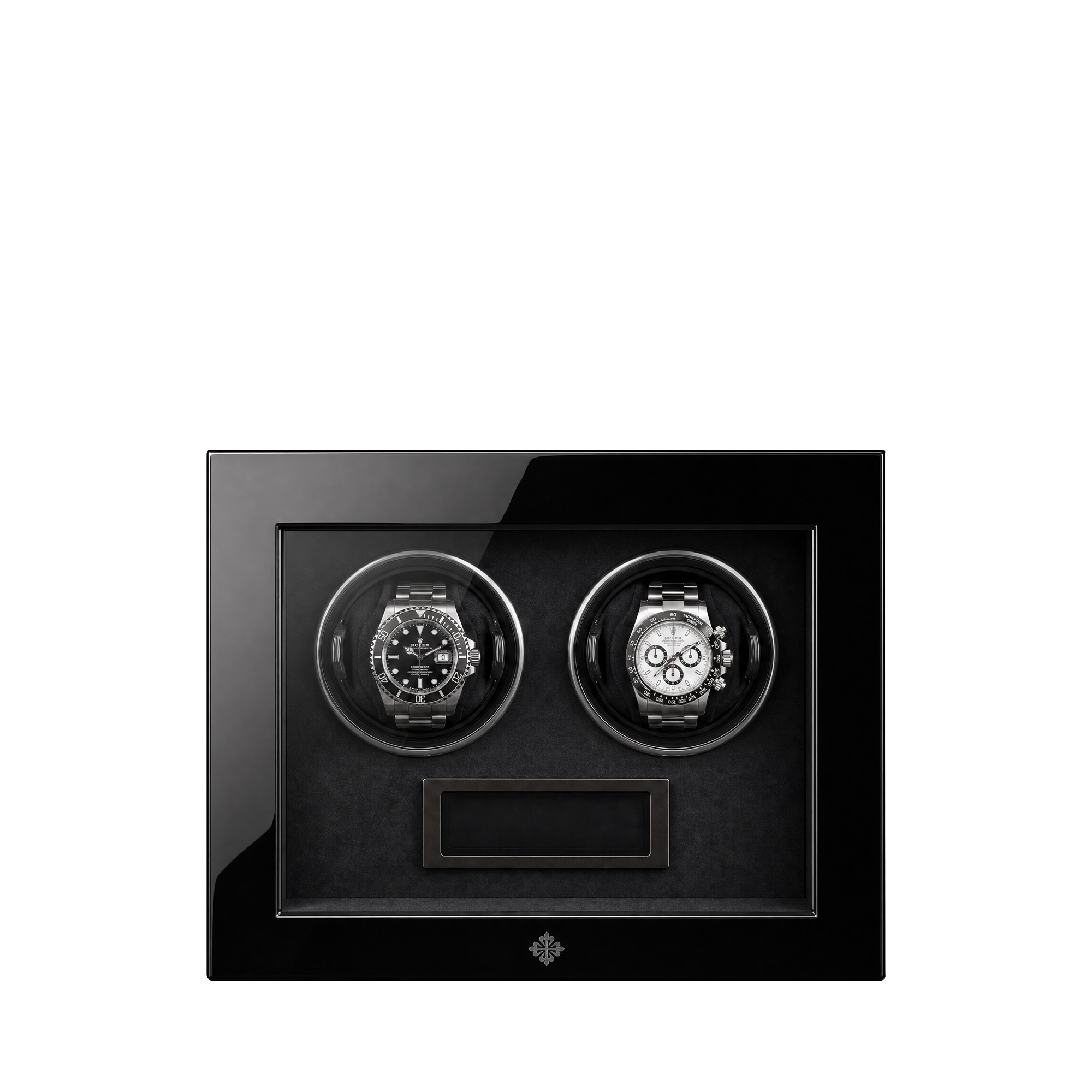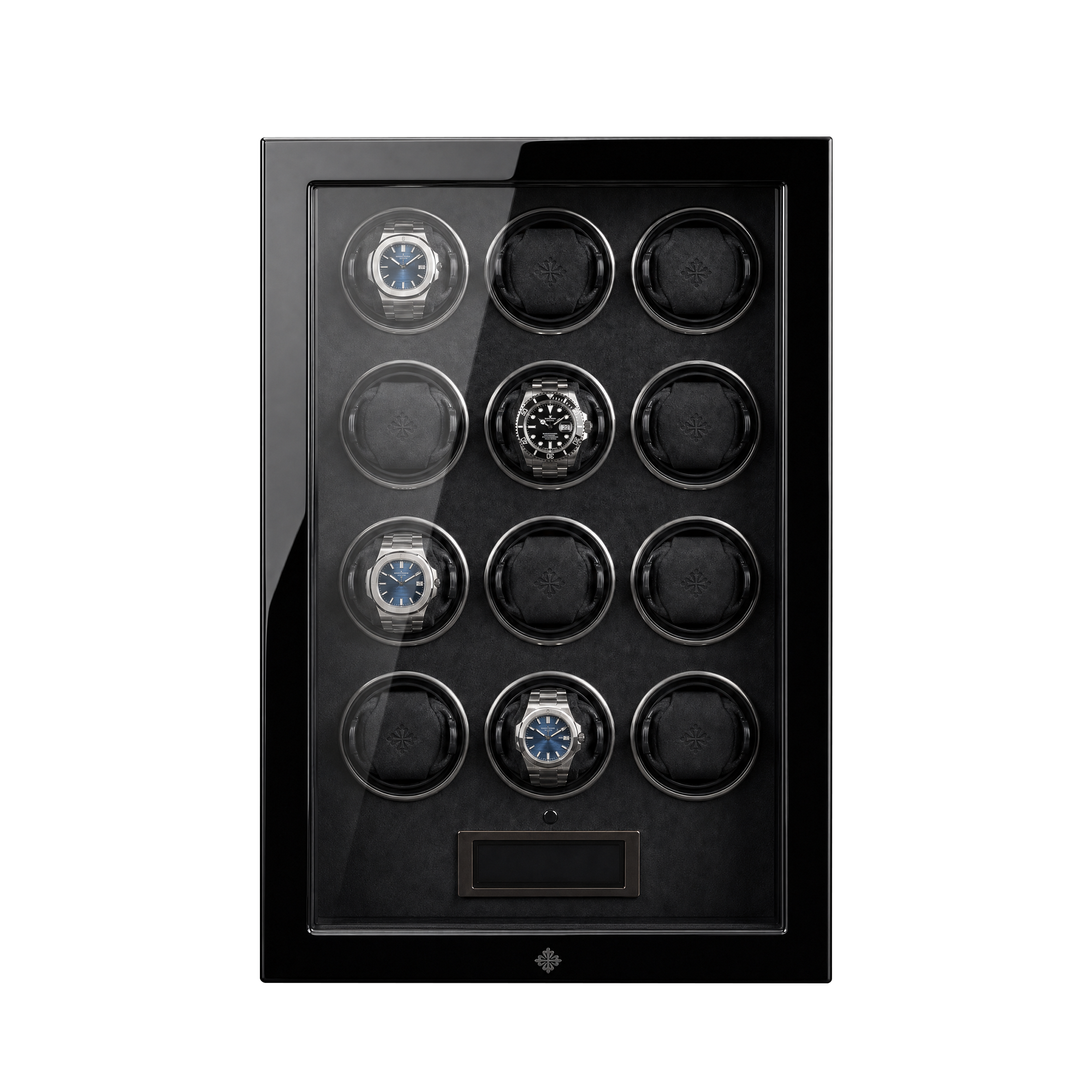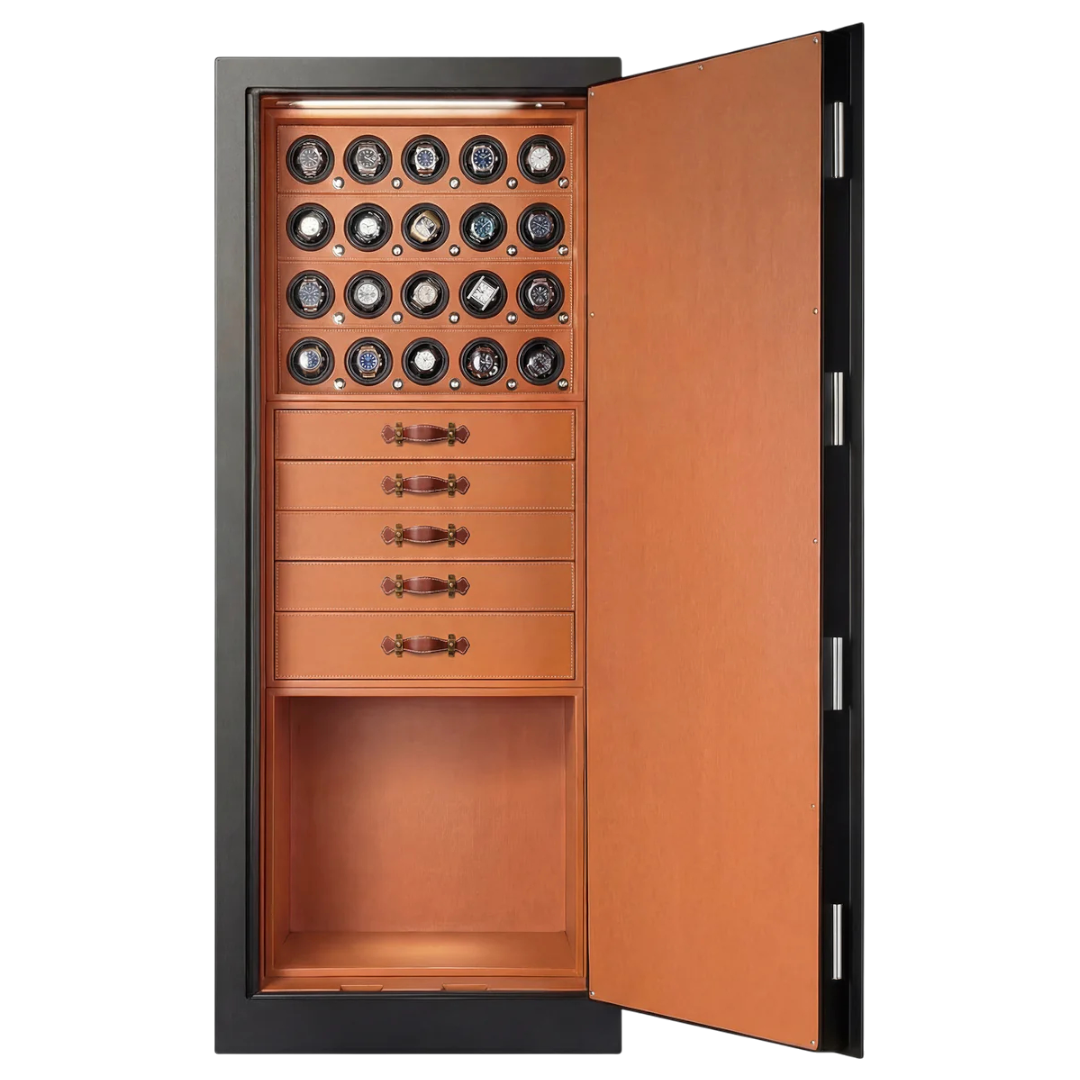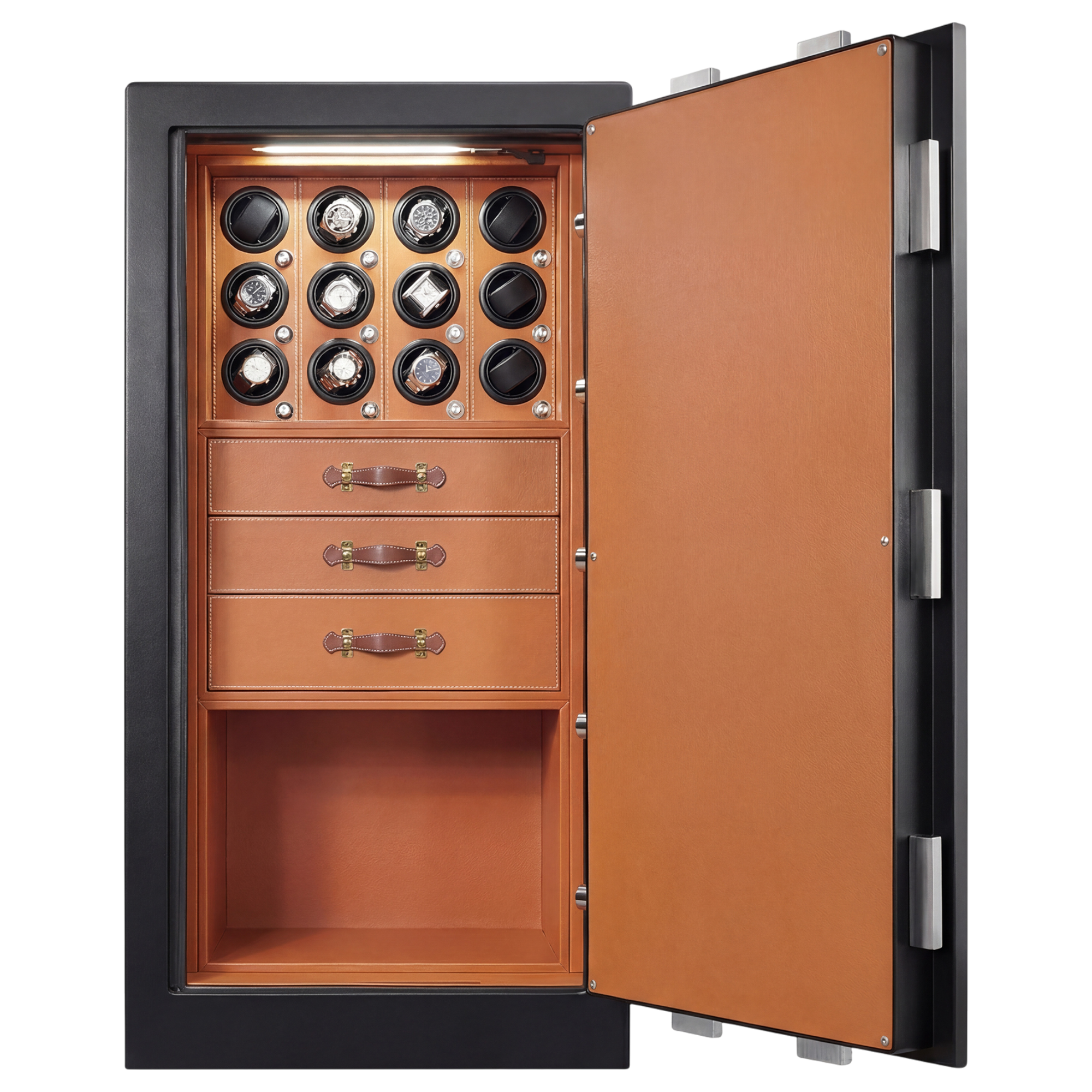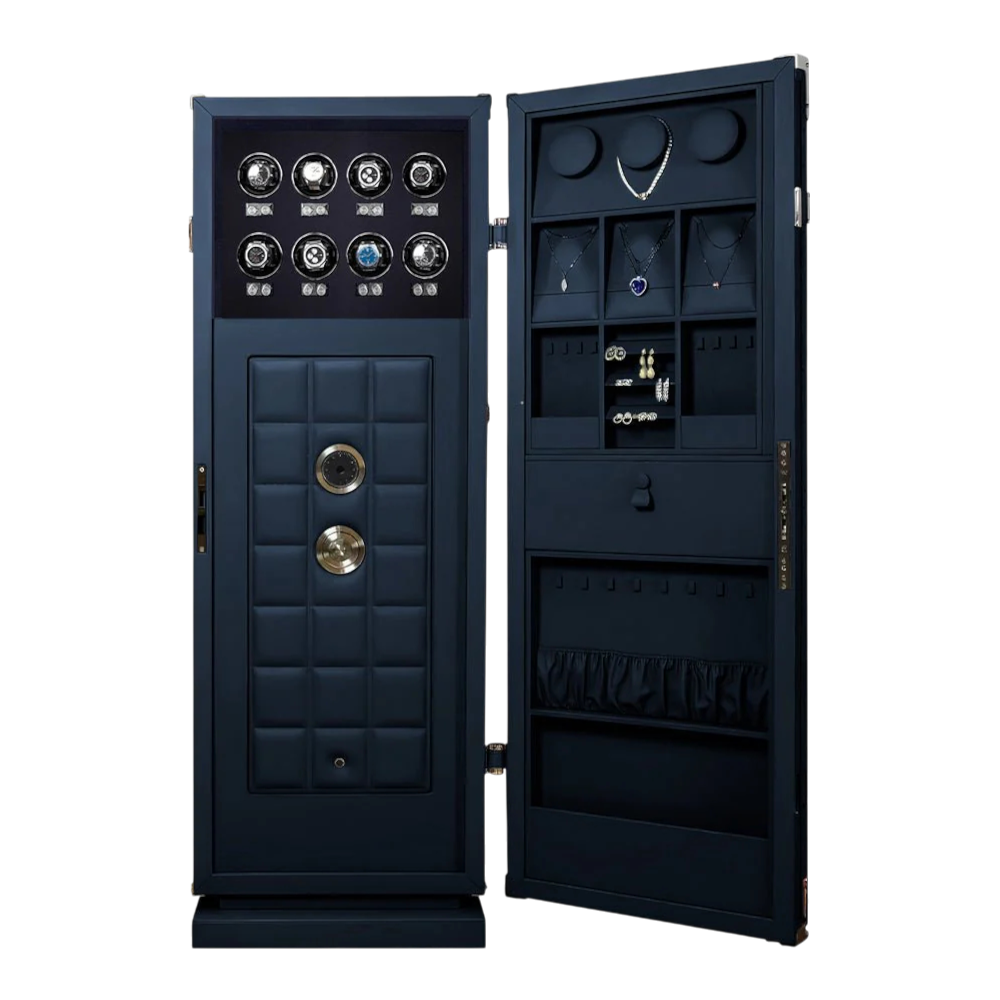

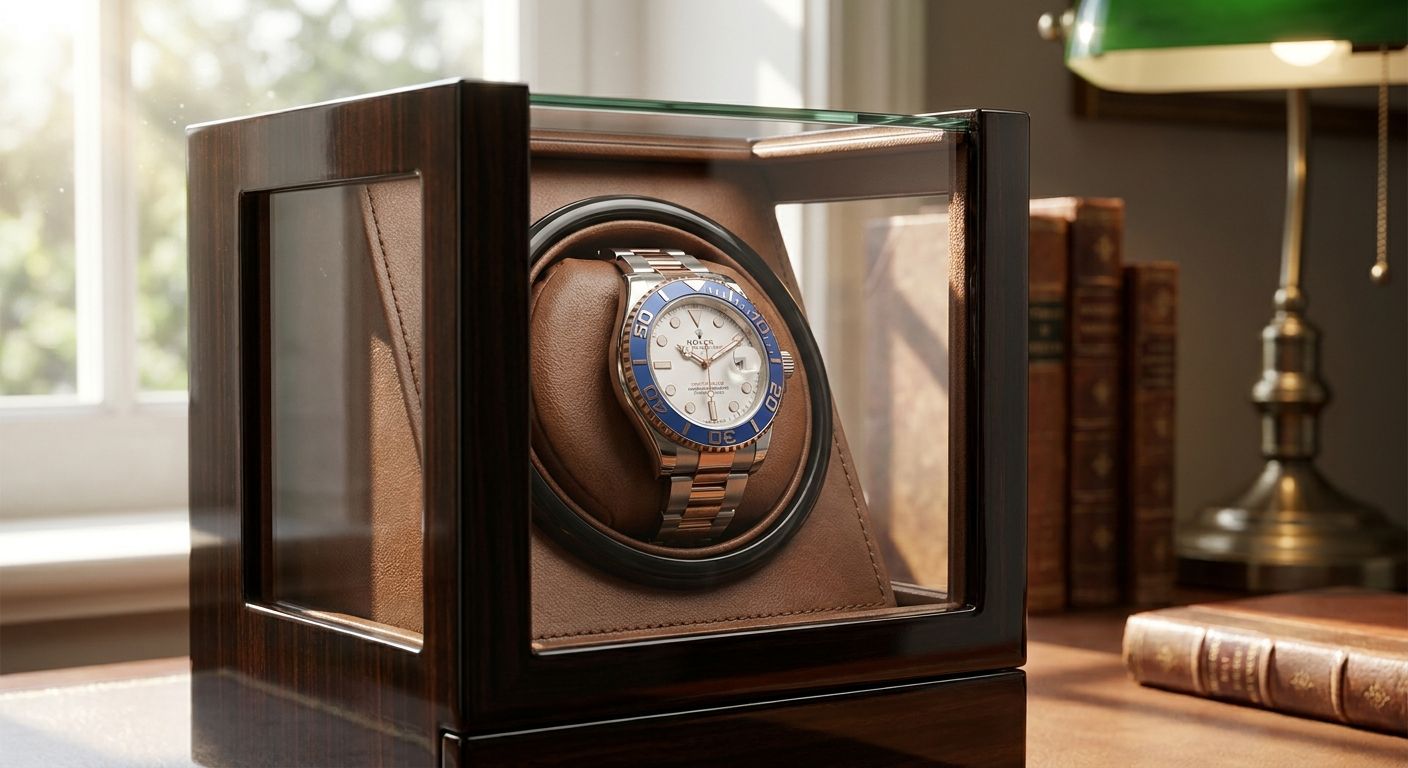
Best overall: Virtuoso Series 2 Watch Winder. Best for biometric security: Impresario Series 2 Watch Winder. Best for a growing display: Yachtline Series 8 Watch Winder. Best budget accessory: Watch Winders Pillow. Five options, ranked by the job a Rolex Yacht-Master owner actually needs done in 2026.
- Virtuoso Series 2 Watch Winder is the best Rolex Yacht-Master watch winder for a single- or two-piece rotation at 650 TPD.
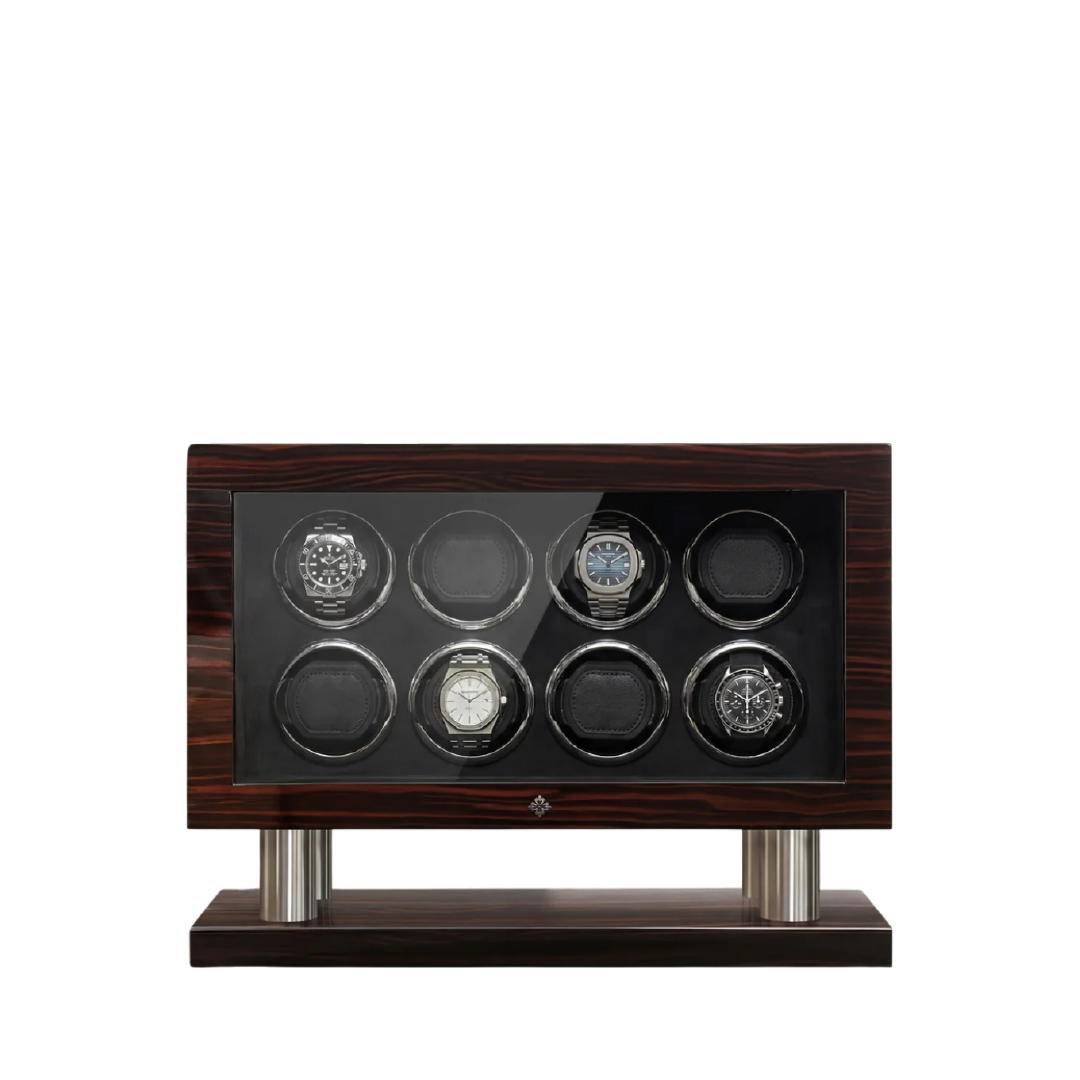
- Yachtline Series 8 Watch Winder suits a Yacht-Master owner building a horizontal display of eight pieces.
- Watch Winders Pillow is a budget accessory for a spare slot or travel case, not a substitute for a motorized winder.
- Impresario Series 2 Watch Winder adds a biometric lock for a Yacht-Master kept somewhere with regular foot traffic.
- Virtuoso Series 6 Watch Winder runs six independent TPD programs for a Yacht-Master mixed with other automatics.
Why this matters
The Rolex Yacht-Master runs on a self-winding caliber with a bidirectional rotor, the same winding architecture found across most modern Rolex references. Left sitting for more than a day or two, the movement stops and the date, if the reference has one, needs resetting by hand every time you pick it back up.
A winder set to the wrong turns-per-day figure doesn't damage the watch — Rolex calibers use a slipping mainspring that disengages once fully wound — but it does leave the mainspring under-wound if the setting is too low. The dedicated Rolex Yacht-Master winder settings guide covers the exact TPD and direction to dial in; this guide covers which winder to buy first.
Most manufacturers, Enigwatch included, build to the 650 TPD figure widely cited for Rolex movements. What separates a $600 winder from a $1,400 one isn't the number on the dial — it's motor quality, slot count, and what happens if the case sits somewhere other people can reach.
What makes the best Rolex Yacht-Master watch winder
- Bidirectional rotor support that matches the Yacht-Master's caliber instead of a single fixed direction
- TPD accuracy at or near 650 turns per day, with the ability to program lower or higher for other calibers in a mixed collection
- Motor quality — Japanese Mabuchi motors run quieter over years of daily cycling than unbranded clones
- Interior material that won't abrade an Oysterflex strap or a steel bracelet clasp during rotation
- Slot count matched to the actual collection, not an aspirational one three sizes too large
- Security features, biometric or otherwise, when the winder sits in a space with regular access by people other than the owner
At a glance
| Winder | Best for | Standout feature | Key limitation |
|---|---|---|---|
| Virtuoso Series 2 Watch Winder | Single or two-piece Yacht-Master rotation | Independent TPD program per watch | Only two slots, no room to grow |
| Impresario Series 2 Watch Winder | Storage behind a biometric lock | Fingerprint access, independent rotors | Adds a step for occasional guests |
| Yachtline Series 8 Watch Winder | Building a horizontal display collection | Eight rotors arranged like a tray | Needs more surface area than a stacked cabinet |
| Virtuoso Series 6 Watch Winder | Yacht-Master mixed with other calibers | Six independent TPD programs | Six settings to track instead of one |
| Watch Winders Pillow | Spare slot or travel case | Telescopic fit from 36mm to 55mm | No motor — it's storage, not a winder |
1. Virtuoso Series 2 Watch Winder: best for a single Yacht-Master rotation
The Virtuoso Series 2 Watch Winder runs two watches on independent programs, each dialed to its own TPD and direction. For a Yacht-Master owner who wears one or two pieces in rotation, that's the whole requirement met without paying for slots that sit empty.
The exterior is Macassar Ebony with an Alcantara interior, and each rotor runs on its own schedule rather than a single shared setting across both watches.
Virtuoso Series 2 pros:
- Independent TPD and direction per slot, so a Yacht-Master and a second Rolex can each run correctly
- Compact footprint for a shelf, dresser, or closet
- Materials consistent with the rest of the line — no plastic shortcuts
Virtuoso Series 2 cons:
- Two slots only — a third watch means buying a second unit
- Macassar Ebony adds weight versus a composite-cased winder if shelf space is tight
Best for: a Yacht-Master owner with one or two automatics in daily rotation. Verdict: Buy.
2. Impresario Series 2 Watch Winder: best for biometric storage
The Impresario Series 2 Watch Winder unlocks with a fingerprint and runs two rotors on independent programs, the same core layout as the Virtuoso line with a lock added in front of it.
That matters if the Yacht-Master sits in a home office, a shared household, or anywhere a second person might have access to the room. Biometric entry means the watch is one step removed from anyone who isn't the owner.
Impresario Series 2 pros:
- Fingerprint lock restricts access without a key to lose or a code to forget
- Independent TPD per slot, same as the non-locked Virtuoso equivalent
- Macassar Ebony and Alcantara construction
Impresario Series 2 cons:
- Still two slots — same capacity ceiling as the unlocked version
- Biometric entry is an extra step for someone retrieving the watch quickly
Best for: a Yacht-Master kept somewhere other people have regular access. Verdict: Buy.
3. Yachtline Series 8 Watch Winder: best for a growing display
The Yachtline Series 8 Watch Winder presents eight watches horizontally, laid out like a tray rather than stacked in a column. For a Yacht-Master owner whose collection is expanding past one or two pieces, that layout doubles as display and storage.
Eight rotors, biometric access, and the same Mabuchi motor precision as the rest of the catalog, scaled up.
Yachtline Series 8 pros:
- Eight slots for a Yacht-Master alongside a growing collection
- Horizontal layout works well on a credenza or console
- Biometric access included at this slot count
Yachtline Series 8 cons:
- Needs more horizontal surface area than a stacked cabinet piece
- Eight slots is more capacity than a one- or two-watch owner needs
Best for: a Yacht-Master owner building toward a full display case. Verdict: Buy if the collection is actually growing; Hold if it's just the Yacht-Master.
4. Virtuoso Series 6 Watch Winder: best for a mixed-caliber collection
The Virtuoso Series 6 Watch Winder runs six watches, each on its own program — useful when a Yacht-Master sits next to references from other brands that need a different TPD entirely.
Rather than compromising on one shared setting, each of the six rotors runs independently through the same panel.
Virtuoso Series 6 pros:
- Six independent TPD programs for a genuinely mixed collection
- Same Macassar Ebony and Alcantara build as the smaller Virtuoso models
- Enough slots that a Yacht-Master isn't competing for a program with an unrelated caliber
Virtuoso Series 6 cons:
- Six settings to track and re-check after any power interruption
- Larger footprint than the Series 2
Best for: a Yacht-Master owned alongside several other automatics with different winding requirements. Verdict: Buy.
5. Watch Winders Pillow: best budget accessory
The Watch Winders Pillow isn't a winder at all — it's a telescopic cushion that adjusts from 36mm to 55mm to fit a range of case sizes, useful as a spare slot in a travel case or as a placeholder while a Yacht-Master isn't in active rotation.
It won't keep an automatic wound. That's the point of the distinction: this is storage, not a motor.
Watch Winders Pillow pros:
- Fits a wide range of case sizes, from slim dress pieces to a Yacht-Master's larger case
- Useful in a travel case or as an extra slot inside a larger safe
- Low cost relative to a motorized unit
Watch Winders Pillow cons:
- No motor — a Yacht-Master left on it will stop running and need resetting
- Not a substitute for any of the four winders above if the watch is worn irregularly
Best for: a spare slot, a travel case, or a Yacht-Master that's worn often enough not to need winding. Verdict: Buy as an accessory, not as a primary winder.


How we ranked
Each winder was measured against the six criteria above: rotor direction support, TPD accuracy near 650, motor sourcing, interior material, slot count relative to a realistic collection size, and security features where relevant. No entry scored well on every criterion — the Yachtline Series 8 loses points on footprint, the Virtuoso Series 2 loses points on capacity, and the Pillow isn't a winder at all. The ranking reflects which trade-off fits which owner in 2026, not a single best score.
Which Rolex Yacht-Master watch winder should you choose?
If the collection starts and ends with the Yacht-Master and maybe one other watch, buy the Virtuoso Series 2 Watch Winder and stop there. If the winder needs to sit somewhere with foot traffic, move to the Impresario Series 2. If the collection is genuinely growing past two or three pieces, the Yachtline Series 8 or Virtuoso Series 6 both make sense depending on whether display or independent TPD programming matters more. The Watch Winders Pillow only belongs in the cart as an accessory, never as the only piece of equipment.
FAQ
What TPD should a Rolex Yacht-Master watch winder use?
Most Rolex calibers, including the Yacht-Master’s, are commonly set to 650 turns per day with a bidirectional rotor. Check the specific reference’s caliber if the watch was serviced with a non-standard rotor.
Does a Rolex Yacht-Master need a winder at all?
Only if it sits unworn for more than a day or two at a time. A watch worn daily or every other day keeps enough power reserve without one.
Is the Impresario Series 2 better than the Virtuoso Series 2 for a Yacht-Master?
Both run two independent TPD programs on the same core build. The Impresario adds a biometric lock, which matters only if the winder sits somewhere other people can access.
Can one winder handle a Rolex Yacht-Master and a different brand automatic?
Yes, as long as the winder supports independent TPD per slot. The Virtuoso Series 6 is built for exactly that — six watches, six separate settings.
Will the wrong TPD setting damage a Yacht-Master?
No. Rolex calibers use a slipping mainspring that disengages once fully wound, so an overly high TPD doesn’t cause damage. A setting that’s too low simply leaves the mainspring under-wound.
What’s the difference between a watch winder and the Watch Winders Pillow?
A winder has a motor and keeps an automatic movement running. The pillow is a cushion with no motor, useful for storage or travel but not for keeping a Yacht-Master wound.
How many slots does a Yacht-Master collector actually need?
Two slots covers a single Yacht-Master plus one more watch. Anything past four or five pieces is where an eight-slot unit like the Yachtline Series 8 starts making sense.
One last thing
The detail that surprises new Yacht-Master owners: a winder set too high doesn't overwind the watch. Rolex's slipping mainspring clutch disengages the moment the spring is fully tensioned, so the real risk in 2026 is a winder set too low, not too high — a watch that looks like it's running but is actually losing power reserve between wears.
Related guides
Protect Your Watch Collection
Designed for collectors who demand the best. Explore our premium watch winders and luxury safes.