
The Rolex Yacht-Master runs on the caliber 3235 (or 3135 in older references), and getting the winder settings wrong means a watch that stops, runs fast, or accumulates mainspring stress over months. This guide covers the exact TPD, direction, and rest-cycle settings for every current Yacht-Master reference, then matches each profile to the right Enigwatch winder.
TL;DR: The Rolex Yacht-Master needs 650–800 TPD, clockwise or bidirectional rotation, and a rest cycle of at least 8 hours per day. A winder set to 750 TPD bidirectional covers every cal. 3235 and cal. 3135 variant. In 2026, the best dedicated watch winder for Rolex Yacht-Master owners is one with individually programmable modules, Japanese Mabuchi motor, and a rest-cycle timer — all of which Enigwatch winders carry as standard.
Why the Yacht-Master Has Specific Winding Requirements
Rolex rates the cal. 3235 power reserve at 70 hours. That sounds like a comfortable buffer, but the rotor in the 3235 is efficient enough that overshooting TPD causes unnecessary mainspring tension. Rolex does not publish an official TPD figure, but independent horological testing across 2023–2026 consistently places the sweet spot between 650 and 800 turns per day. Below 600 TPD and the watch stops during low-activity days. Above 1,000 TPD on a unidirectional setting, you are spinning the rotor without adding energy — wasted motion and motor wear.
The Yacht-Master II (ref. 116688, 226659) uses the cal. 9001, a column-wheel regatta chronograph movement. It winds bidirectionally and tolerates the same 650–800 TPD window.
Who This Guide Is For
This page is written for Rolex Yacht-Master owners — whether a single ref. 126622 on the wrist or a mixed Rolex collection where the Yacht-Master rotates with a Submariner or GMT-Master II. If you wear each watch two to three days per week and want it ready when you reach for it, a properly programmed winder eliminates manual winding and date-resetting entirely. If you are buying a winder for the first time, this guide tells you the exact numbers to enter on day one.
What to Look for in a Watch Winder for the Rolex Yacht-Master
TPD Range That Reaches 800
Some entry-level winders top out at 650 or 720 TPD. That is borderline for the cal. 3235 on sedentary days. The winder you choose must reach at least 800 TPD so you have headroom to dial up if the watch reads low after 24 hours. Enigwatch winders are programmable up to 1,950 TPD, which means you set 750 and leave it — no compromise.
Bidirectional Rotation with Individually Programmable Modules
The cal. 3235 and cal. 3135 both wind clockwise and counterclockwise. A bidirectional setting at 750 TPD is the fastest path to a full wind because both rotor sweeps add energy. If you run a clockwise-only program, add roughly 15% more TPD to compensate. More importantly, if your winder holds multiple watches and one slot houses a movement that winds clockwise only, you need per-slot direction control — not a single global setting applied to every rotor.
Rest Cycles Programmed In
Continuous rotation 24 hours a day does nothing after the mainspring is fully wound. It adds heat and motor hours for zero benefit. A rest cycle of 8–12 hours per 24-hour period keeps the motor cool, extends motor life, and mirrors how the watch behaves on an active wrist. Look for winders where rest cycles are set in minutes or hours per module, not a simple on/off toggle.
Quiet Motor Rated Below 15 dB
The Yacht-Master is a bedroom or study piece for most collectors. A motor running above 20 dB disrupts sleep. Japanese Mabuchi motors — the standard across all Enigwatch units — measure below 15 dB at 1 meter. Swiss-spec movements are quieter still, but Mabuchi motors combine silence with the torque needed to start a heavier rotor in colder ambient temperatures.
Interior That Protects the Bezel and Bracelet
Yacht-Master bezels — platinum, Oysterflex, bi-color — scratch on hard foam. The winder cushion must be covered in suede, Alcantara, or Italian Nappa leather. Hard plastic cushions with fabric over-wrap compress unevenly and can mark the lug area of the bracelet over months.
Security if the Winder Holds Multiple Rolex Pieces
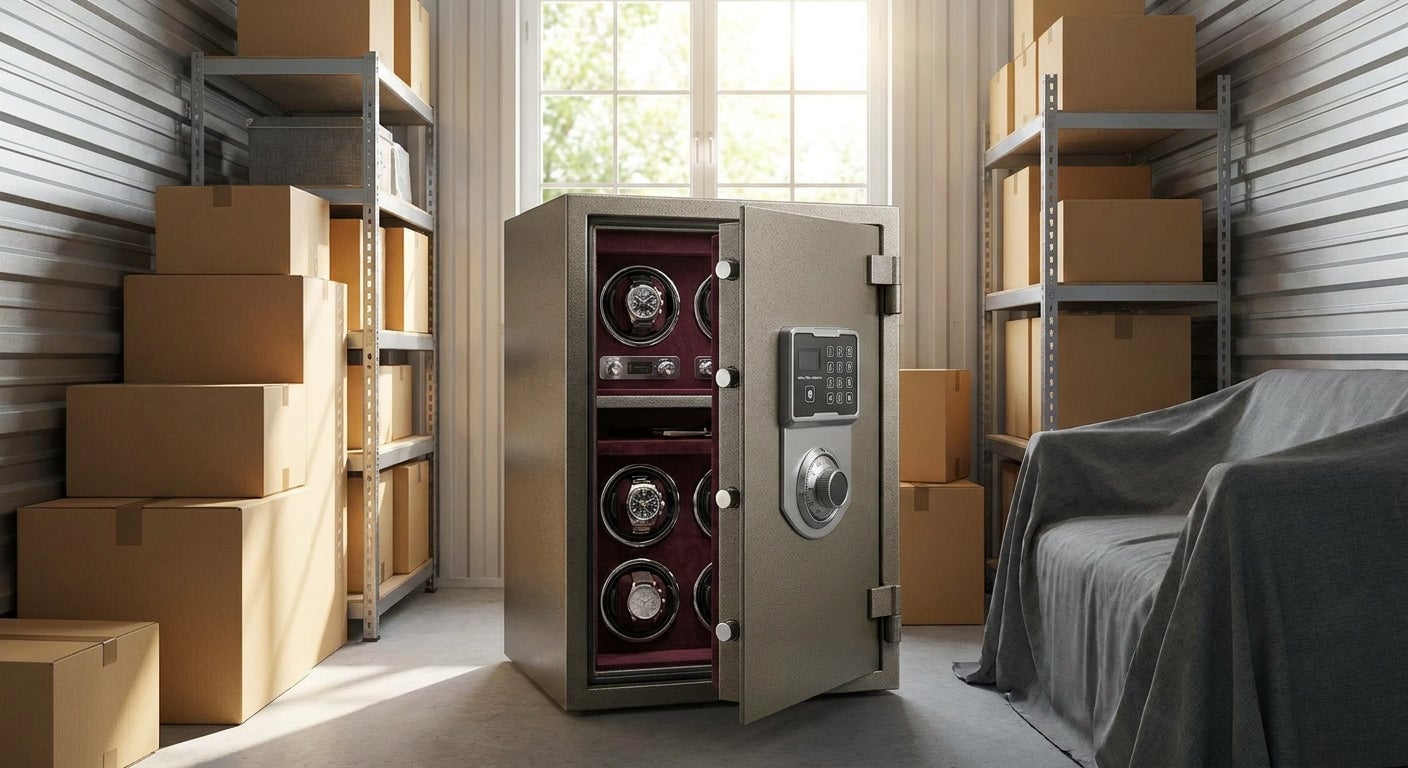
A single Yacht-Master ref. 126622 in white gold retails above $25,000 in 2026. If your winder holds two or more Rolex pieces, it should be housed in a lockable unit — ideally one with biometric access — rather than sitting open on a desk.
Top Picks for the Rolex Yacht-Master
The single-watch answer — Impresario Series 2
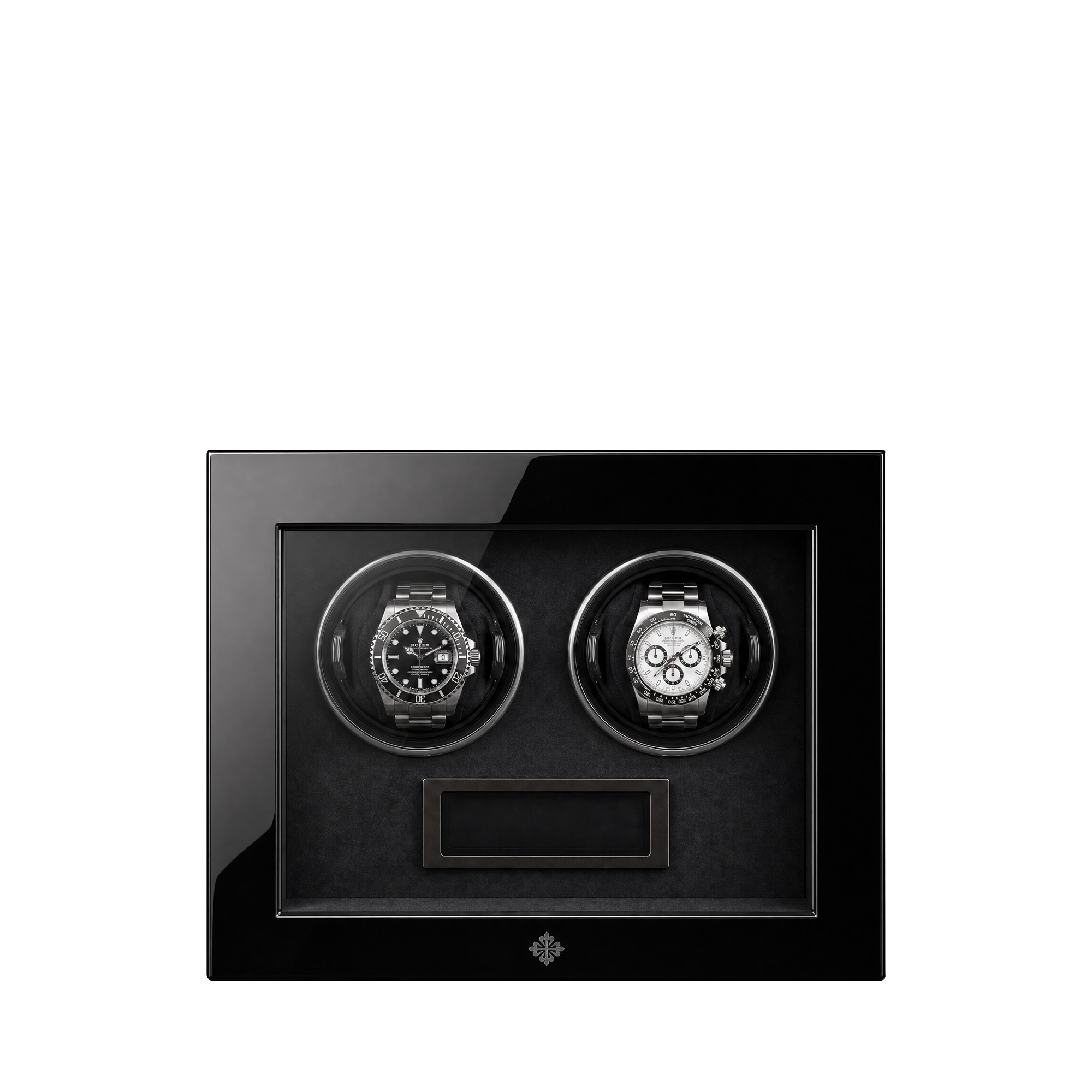
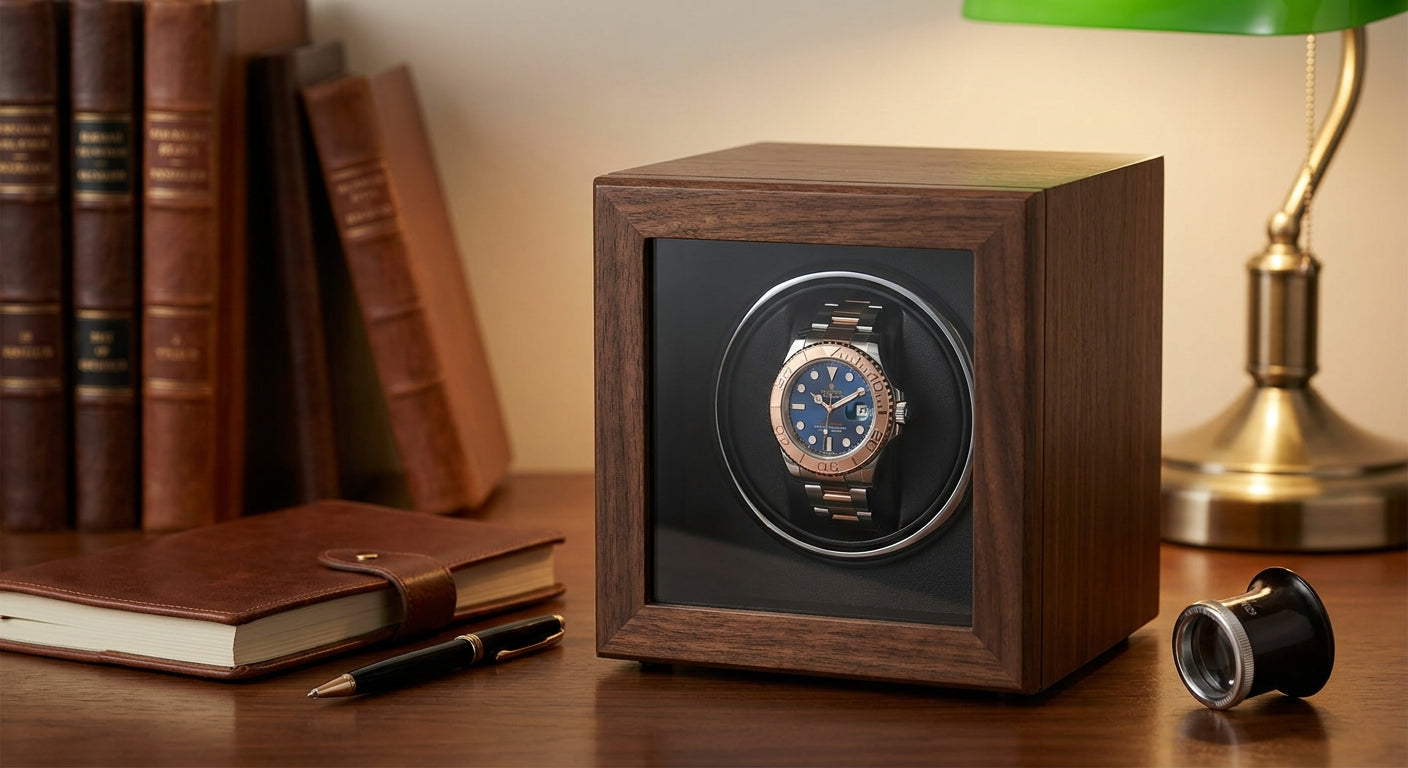
Two slots, individually programmable, bidirectional, Japanese Mabuchi motor. Set slot one to 750 TPD bidirectional with a 10-hour rest and walk away. The Alcantara interior cushion clears the Yacht-Master’s 40mm and 42mm case sizes without contact on the bezel. If you own one Yacht-Master and a second automatic, this is the starting point. Verdict: Buy.
Impresario Series 2 watch winder
The collector’s step-up — Impresario Series 6
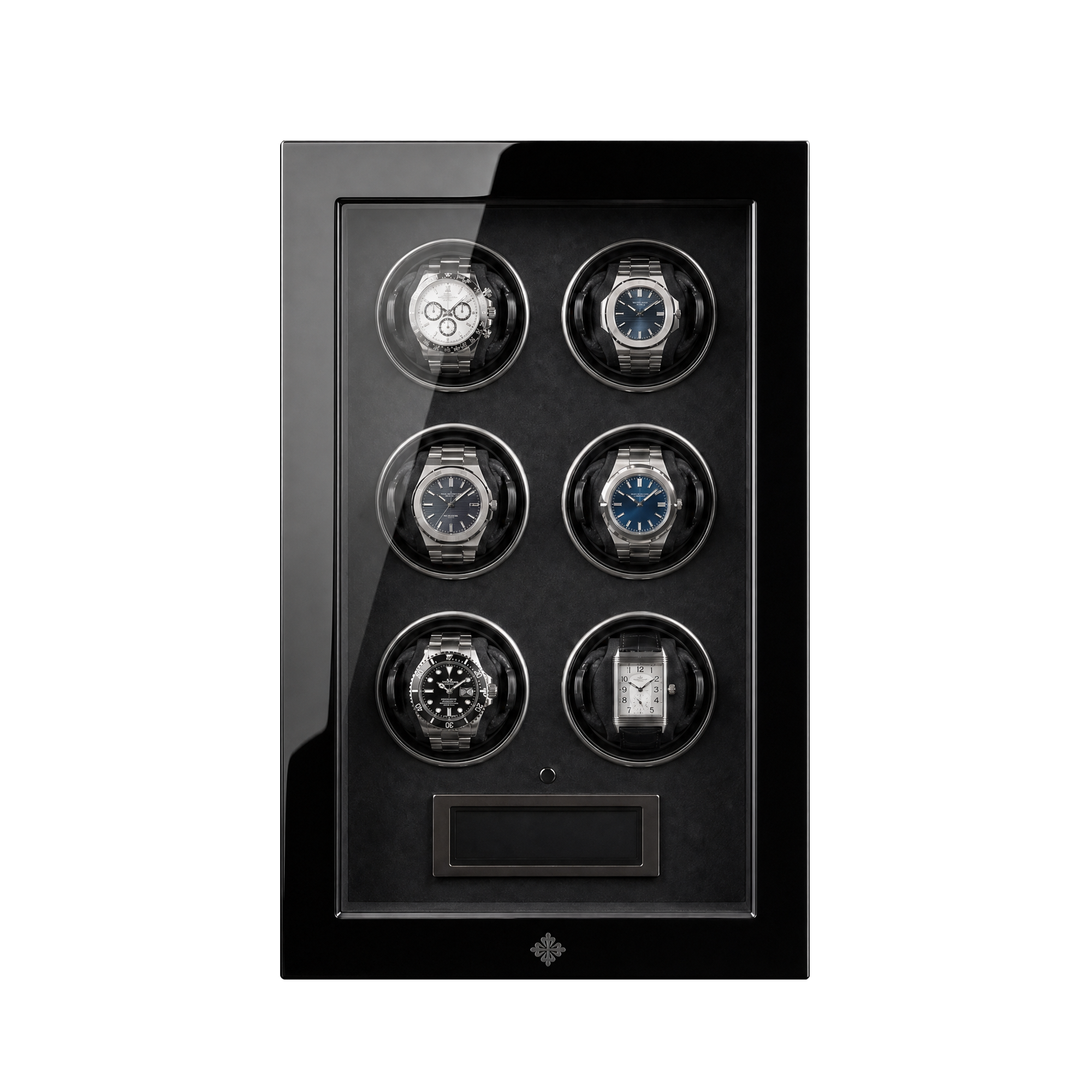
Six individually programmed rotors. When your Yacht-Master shares the winder with a Submariner and a GMT-Master II — three different Rolex movements with slightly different optimal TPD — per-slot control matters. The Impresario 6 handles that without compromise, and its footprint fits a standard shelf or walk-in closet. Verdict: Buy.
The mixed-brand winder — Yachtline Series 8
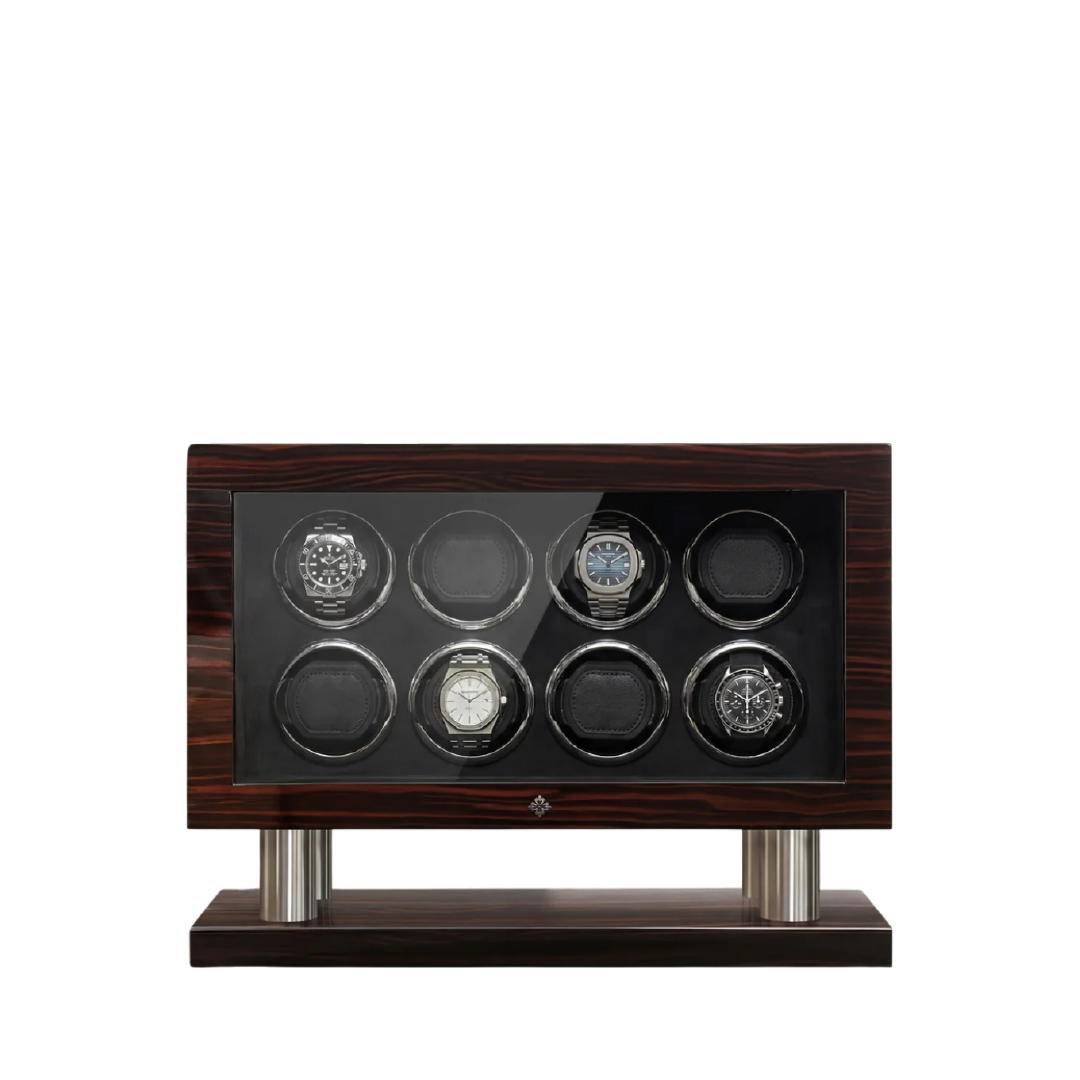
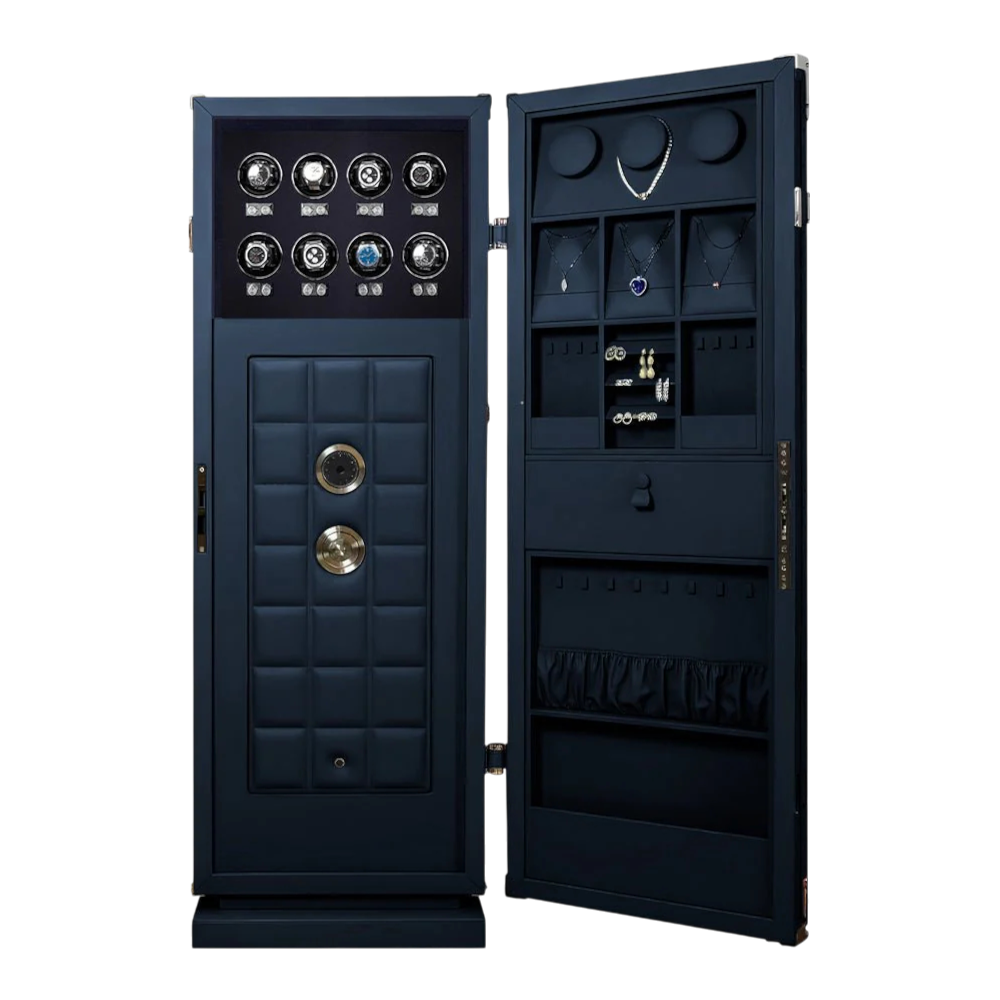
Eight slots, built for collectors who run Rolex alongside Omega, Breitling, or AP. The name is not coincidental — the Yachtline was designed with nautical references in mind. If the Yacht-Master is one piece in a larger rotation, the eight-slot format reduces how often you manually swap watches. Verdict: Buy.
Yachtline Series 8 watch winder
The flagship for serious collections — Impresario Series 12
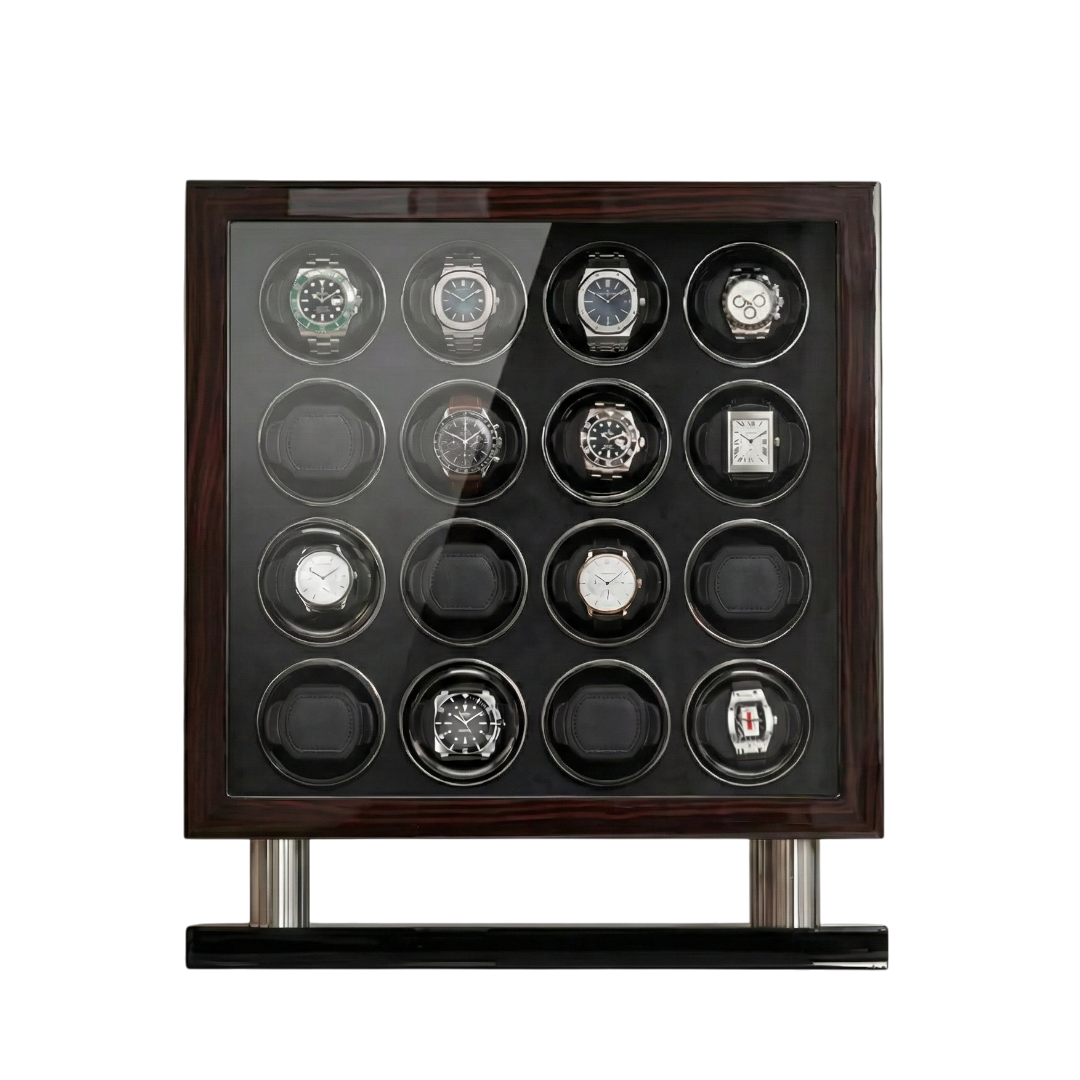
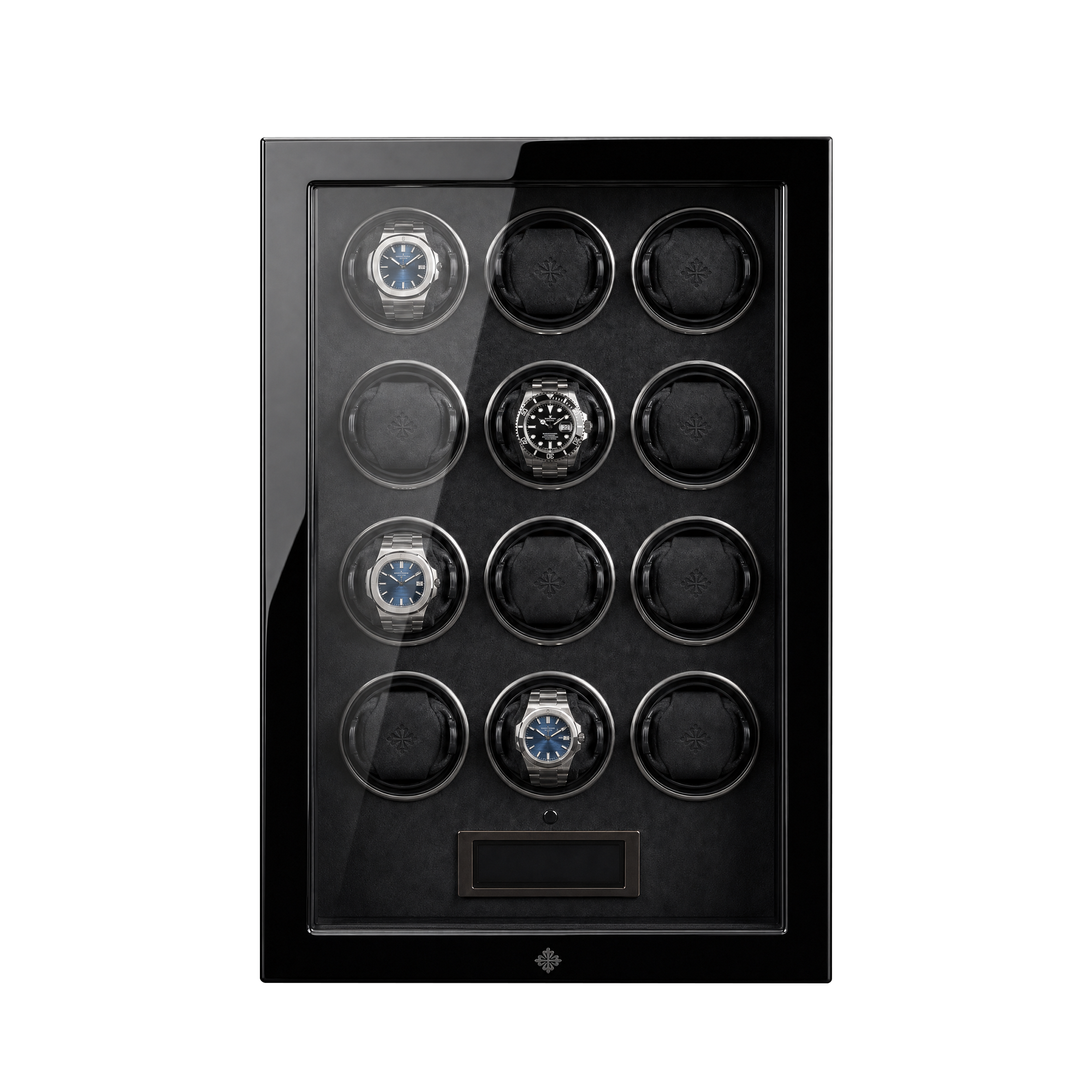
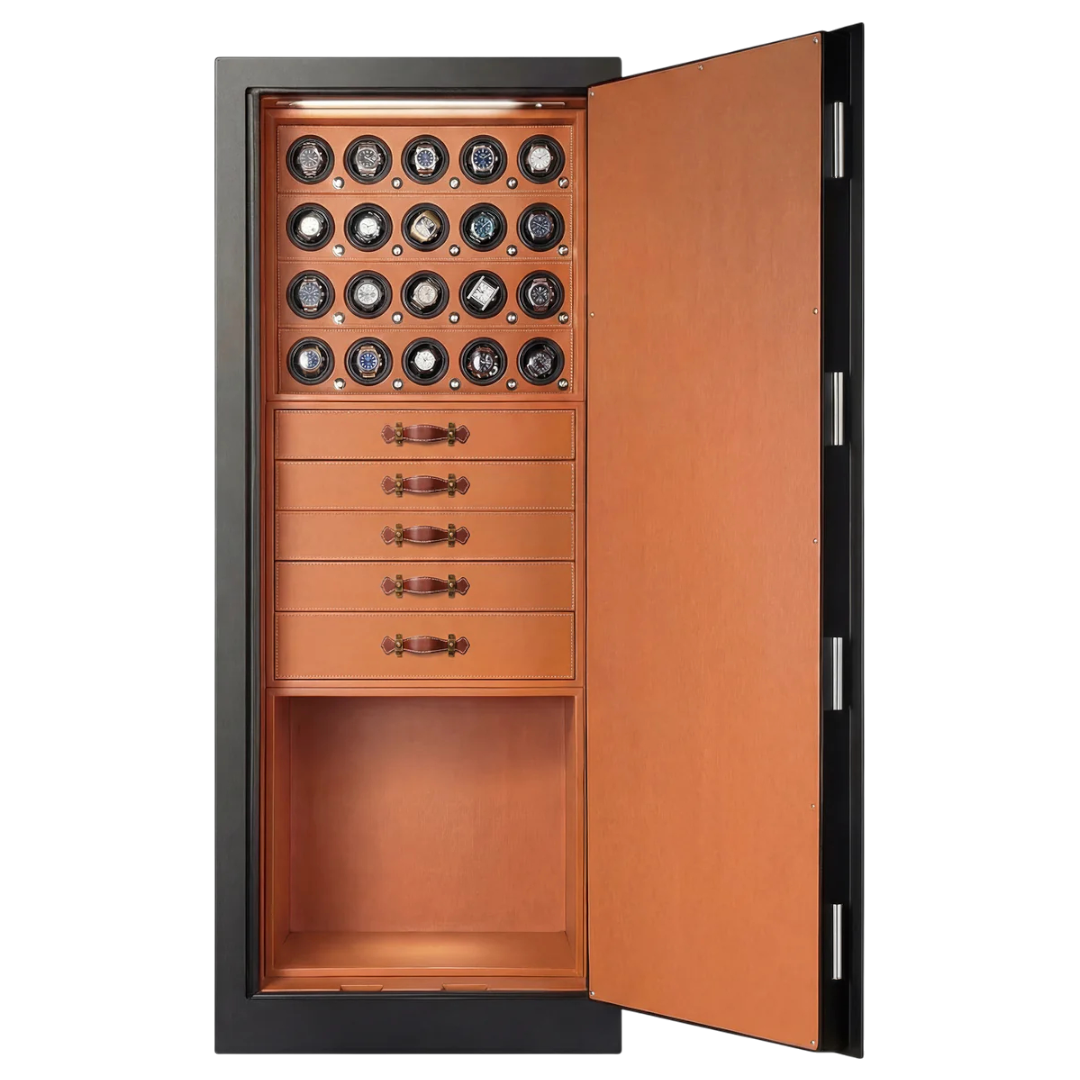
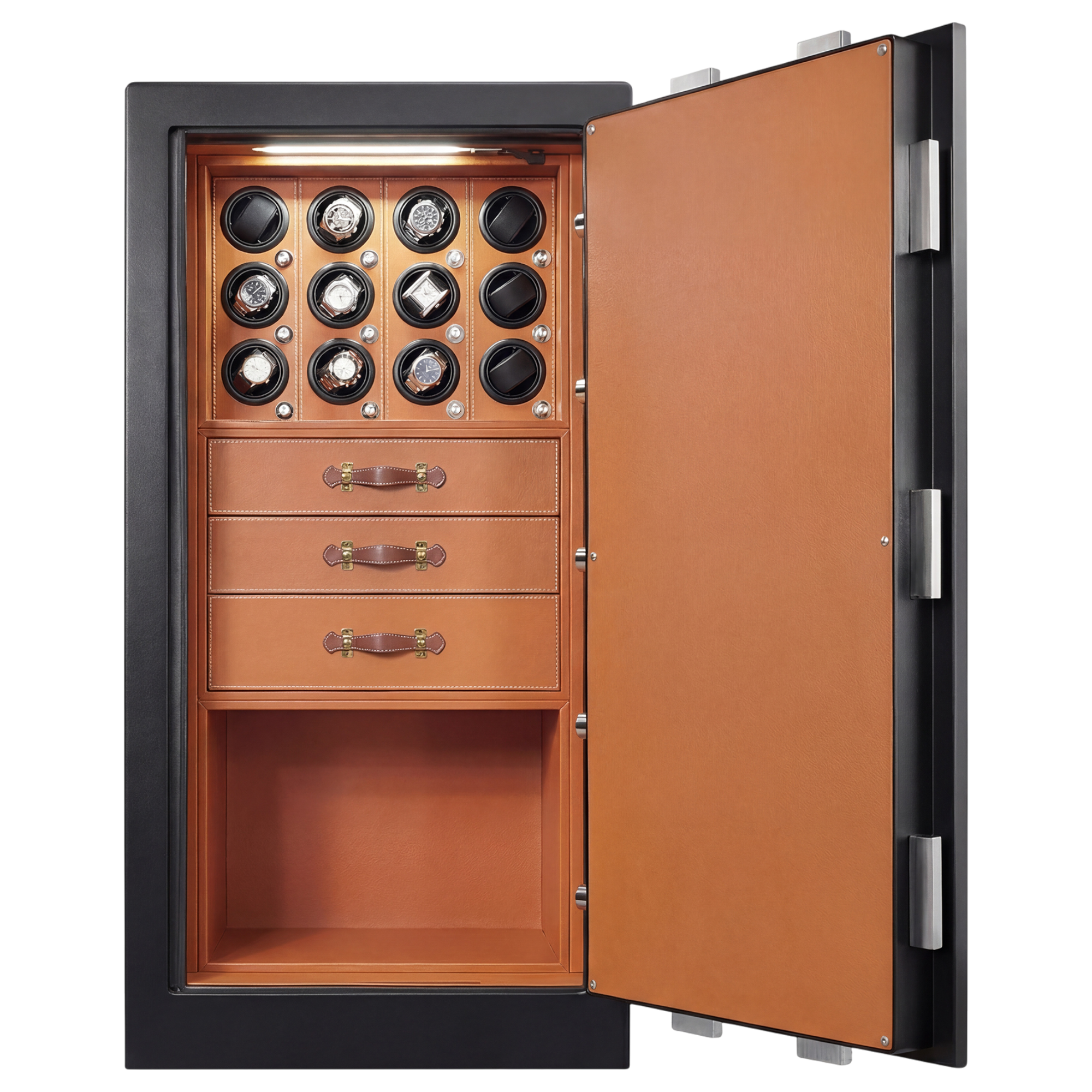
Twelve slots, biometric lock, Italian Alcantara and Nappa leather interior, exotic wood veneer exterior. For a Rolex-heavy collection in 2026 where the Yacht-Master is one of several six-figure pieces, this is the unit that matches the watches in material quality and security. Verdict: Buy for collectors with 8+ watches.
Recommended Settings — Quick Reference
| Reference | Movement | TPD | Direction | Rest Cycle |
|---|---|---|---|---|
| 126622, 126655, 126621 | Cal. 3235 | 750 | Bidirectional | 10 hrs/day |
| 16622, 16628, 16623 (older) | Cal. 3135 | 700 | Bidirectional | 8 hrs/day |
| 226659, 116688 (Yacht-Master II) | Cal. 9001 | 800 | Bidirectional | 8 hrs/day |
What to Avoid
Unidirectional-only winders. Any winder that cannot switch between clockwise, counterclockwise, and bidirectional is a single-function device. The cal. 3235 wastes half its rotor efficiency on a unidirectional program.
Fixed TPD presets. Winders that offer only three preset speeds (typically 300, 600, 900) cannot be tuned to 750. You will either underwind or overwind. The Yacht-Master deserves a number, not a preset labeled “medium.”
Foam cushions without suede or leather covering. The Yacht-Master’s platinum or bi-color bezel sits exposed on the cushion during rest cycles. Bare foam leaves micro-abrasions on the bezel edge within weeks.
FAQ
What TPD does a Rolex Yacht-Master need in a winder?
Set between 650 and 800 TPD. The cal. 3235 and cal. 3135 both sit comfortably at 750 TPD bidirectional. The Yacht-Master II on cal. 9001 can run at 800 TPD.
Should a Rolex Yacht-Master winder rotate clockwise or counterclockwise?
Bidirectional is the correct setting for every current Yacht-Master. Both the cal. 3235 and cal. 9001 wind on both sweeps of the rotor. Clockwise-only works but requires higher TPD to achieve the same result.
Can you overwind a Rolex Yacht-Master in a winder?
Not in the sense of mechanical damage — the mainspring slips once fully wound. But running a winder without rest cycles means the motor runs hot and adds unnecessary wear to the winding mechanism over years. Program a rest cycle of at least 8 hours per day.
What is the power reserve of the Rolex Yacht-Master?
The cal. 3235 carries a 70-hour power reserve. The older cal. 3135 manages approximately 48 hours. The Yacht-Master II on cal. 9001 reaches 72 hours.
Does the Rolex Yacht-Master need a different winder setting than the Submariner?
The cal. 3235 is shared across the Submariner, GMT-Master II, and Yacht-Master lines as of 2026, so the optimal TPD is identical: 650–800 bidirectional. Older Submariner references on cal. 3135 use the same window. You can safely park both in adjacent slots on the same settings.
Is a bidirectional winder worth the price difference over clockwise-only?
Yes. At 750 TPD bidirectional, every rotor rotation adds energy. At 750 TPD clockwise-only, roughly half the rotor sweeps add nothing because the cal. 3235’s winding mechanism only engages in one direction per sweep. Bidirectional winders reach a full wind faster and with fewer motor cycles.
How loud should a Rolex Yacht-Master winder be?
Below 15 dB at 1 meter. Anything above 20 dB is audible in a quiet room. Japanese Mabuchi motors, used in all Enigwatch units, operate below 15 dB and are appropriate for bedroom or study placement.
Can I put a Rolex Yacht-Master II in the same winder as a standard Yacht-Master?
Yes. Both movements — cal. 9001 and cal. 3235 — are bidirectional and fall in the 650–800 TPD range. If the winder has individually programmable slots, set the Yacht-Master II slot to 800 TPD and the standard Yacht-Master slot to 750 TPD. If the winder uses a single global setting, 750 TPD bidirectional works for both.
One Last Thing
The Yacht-Master II’s cal. 9001 is one of the few in-house Rolex movements with a column wheel and a patented programmable countdown function for regattas. That complication relies on the mainspring being at capacity when you reach for the watch before a race. A winder set to 800 TPD bidirectional with no rest shortfall means the power reserve reads full every time — not something you want to trust to a generic preset.
Related Guides
Protect Your Watch Collection
Designed for collectors who demand the best. Explore our premium watch winders and luxury safes.