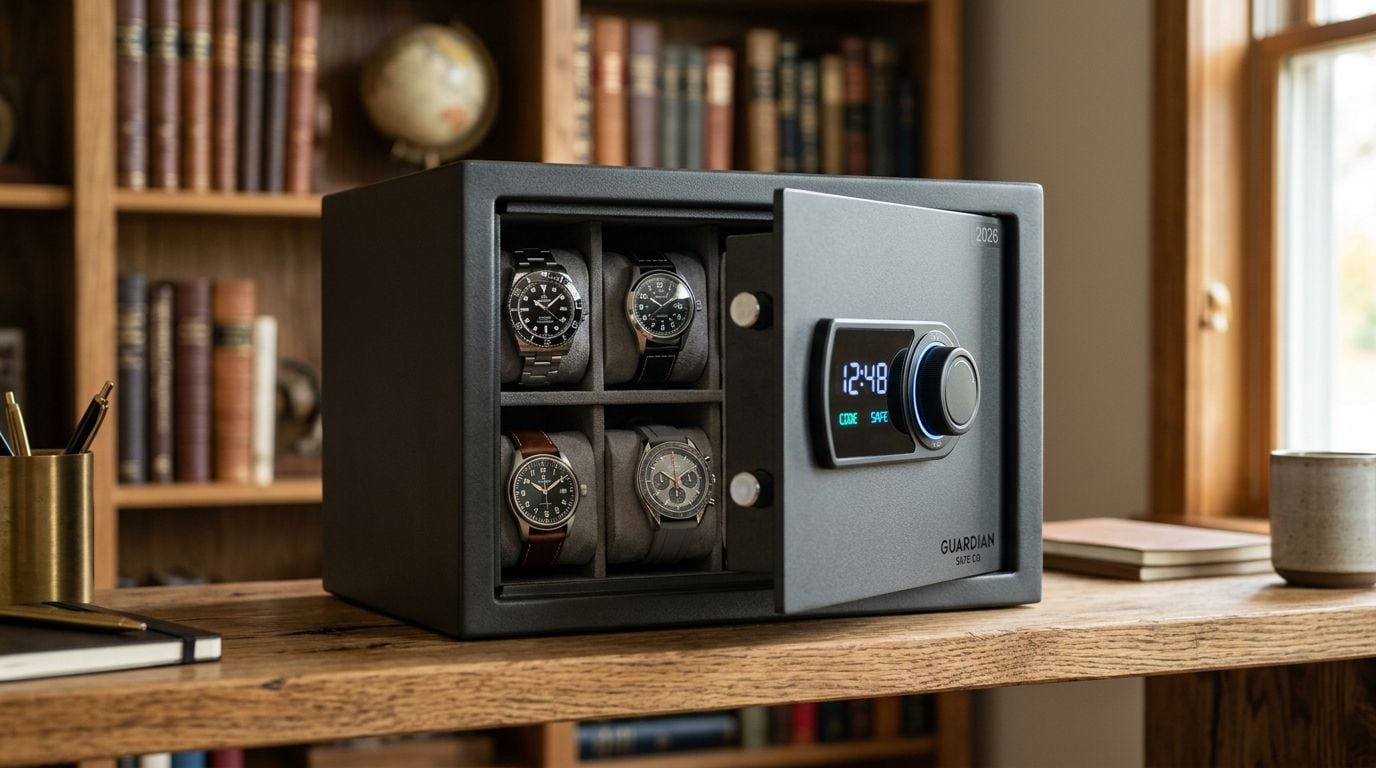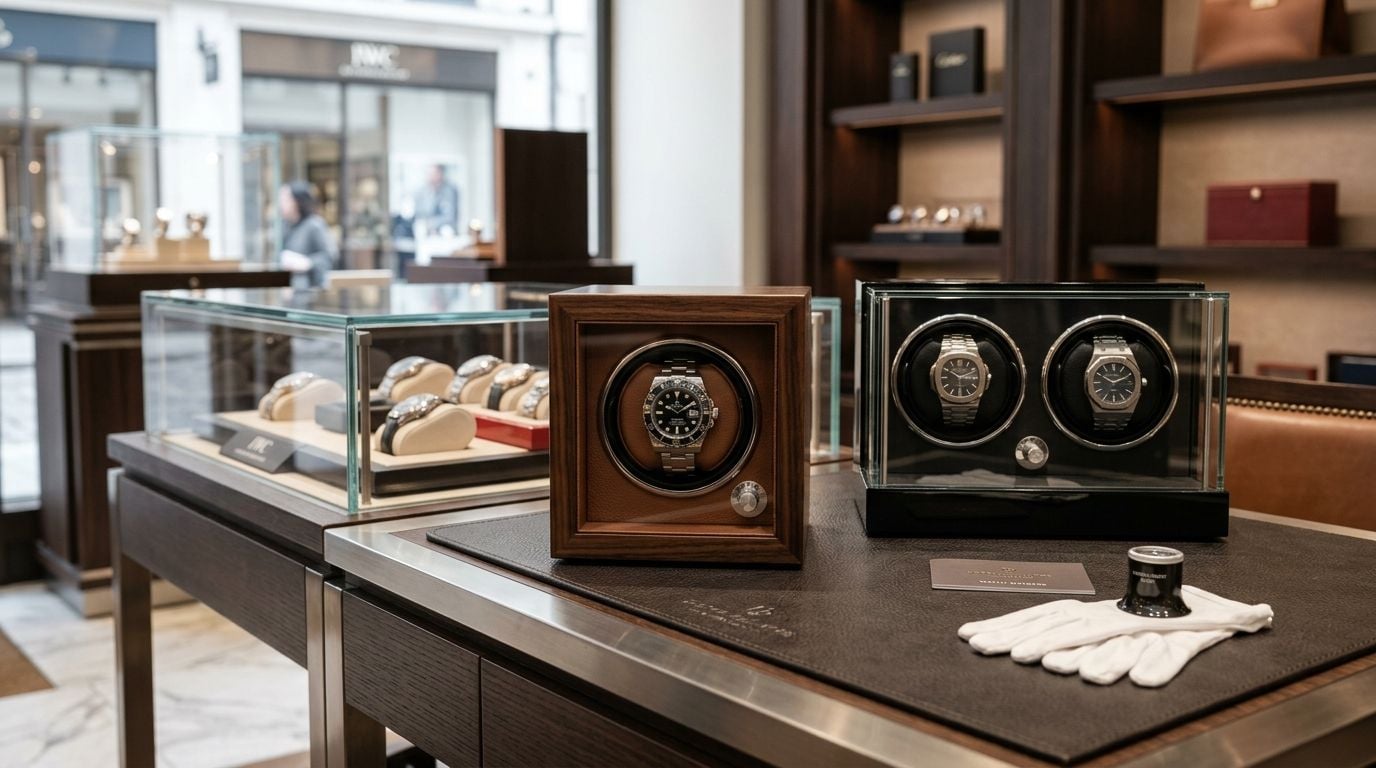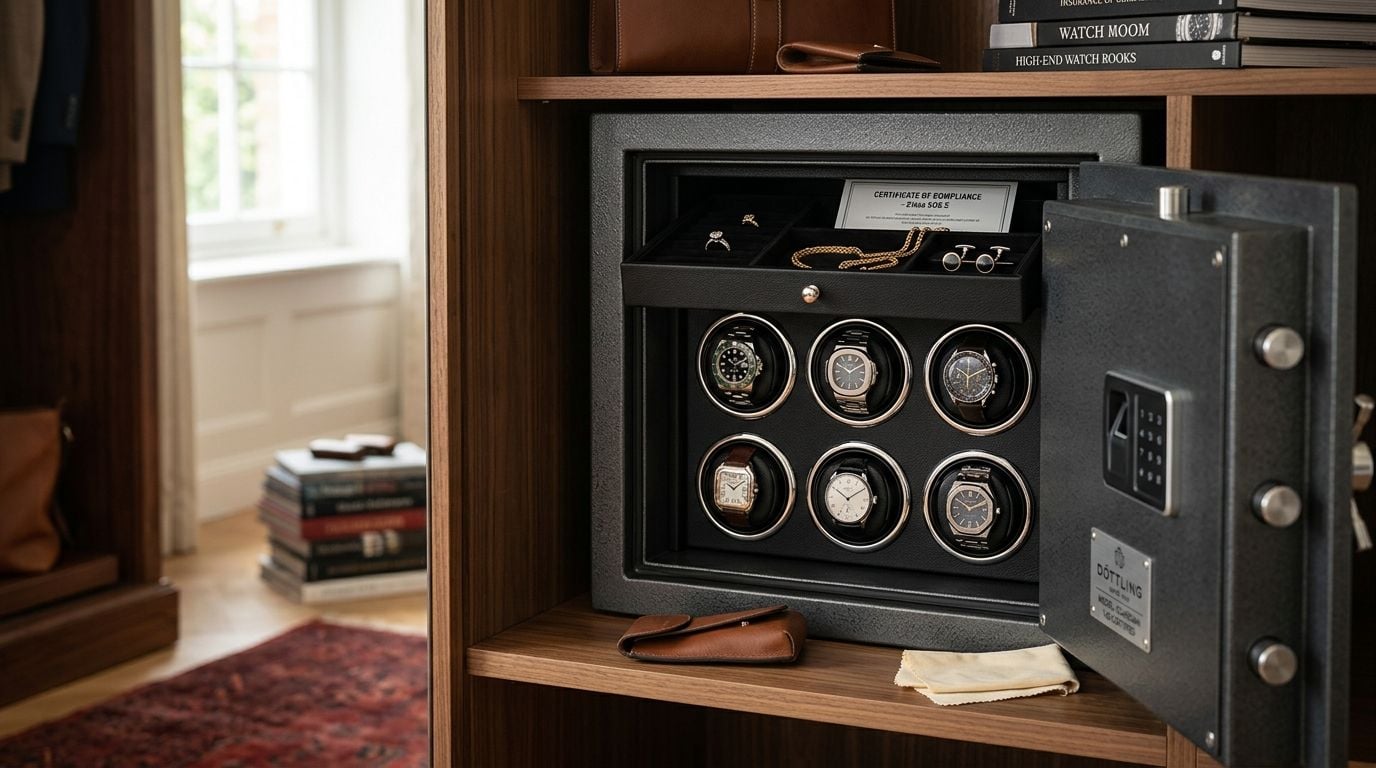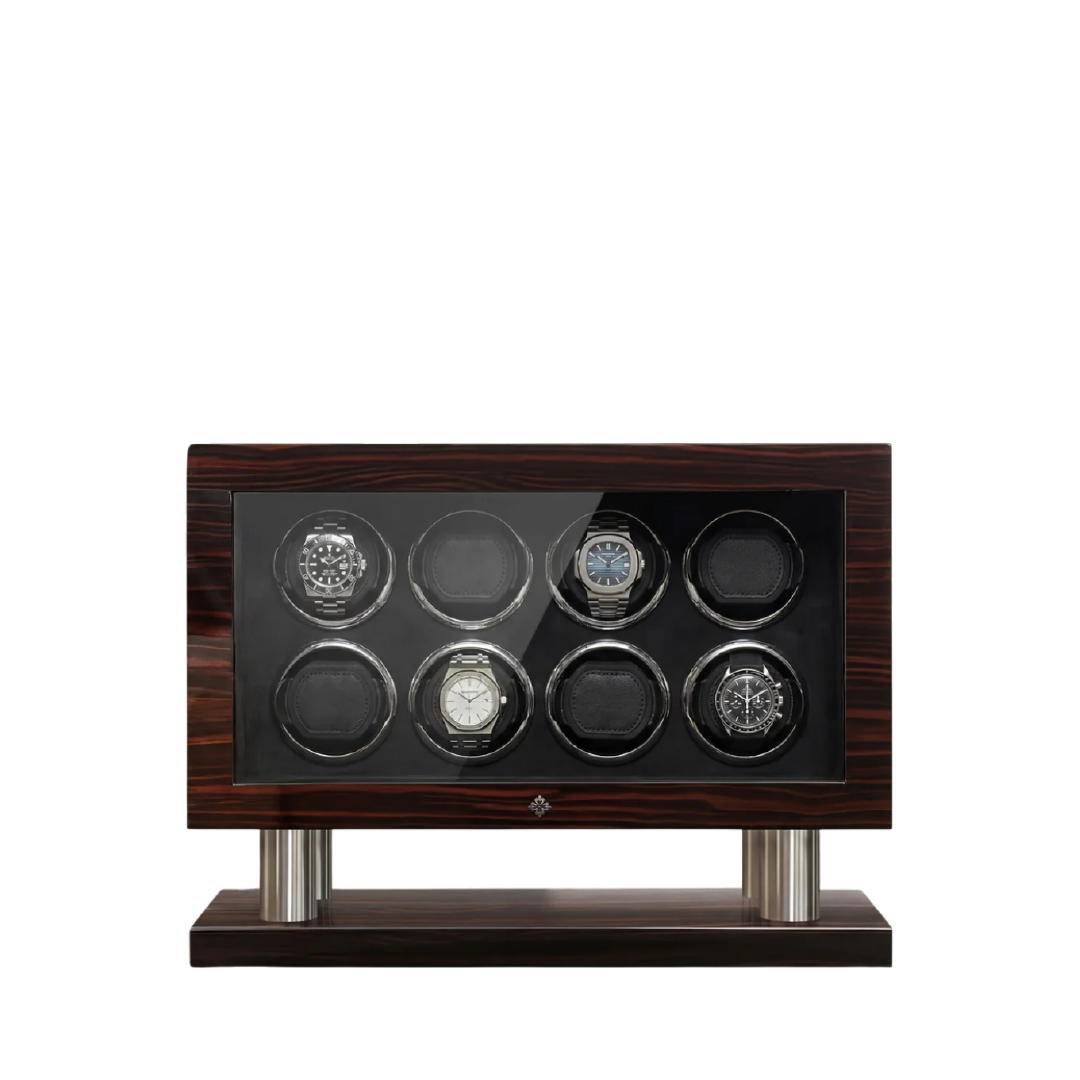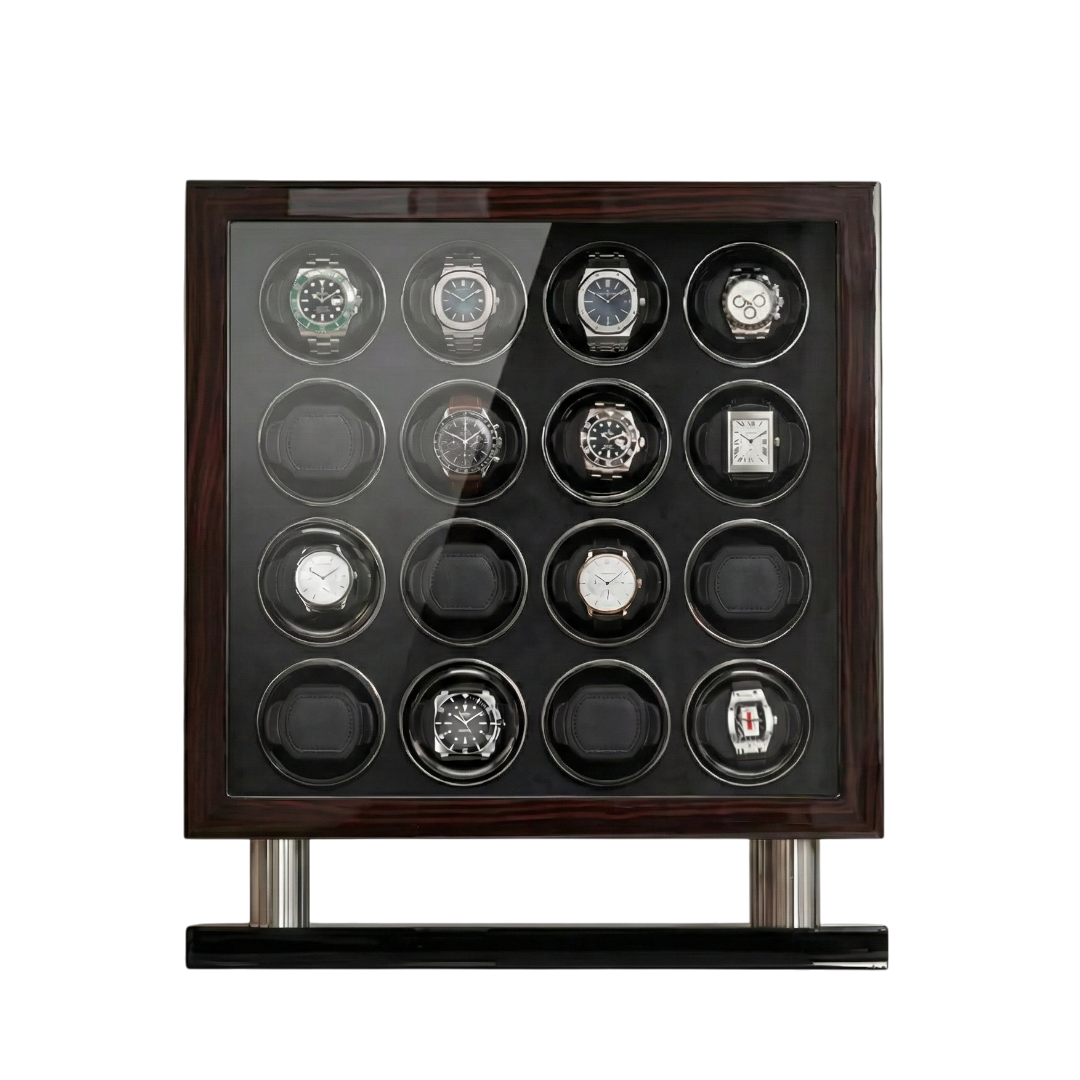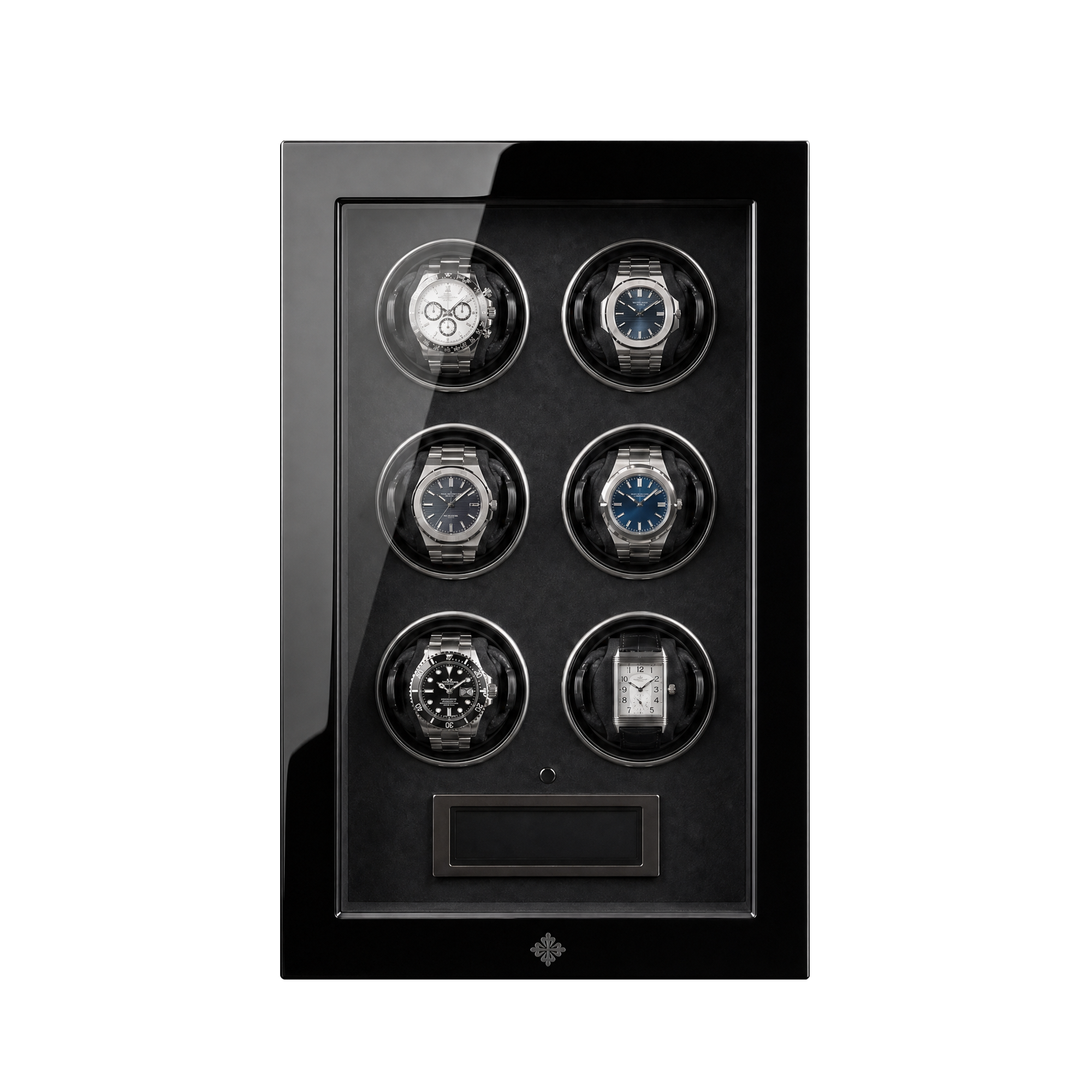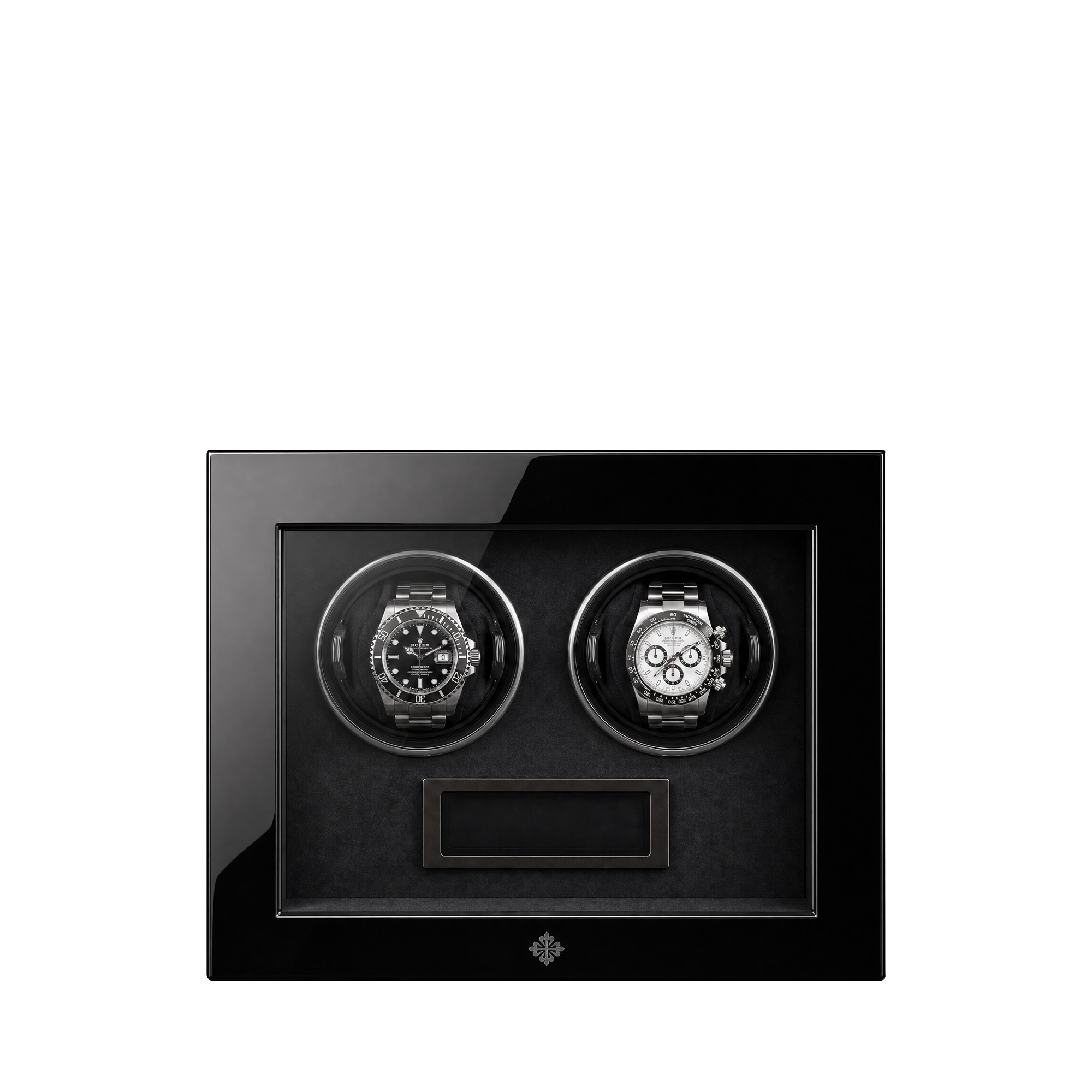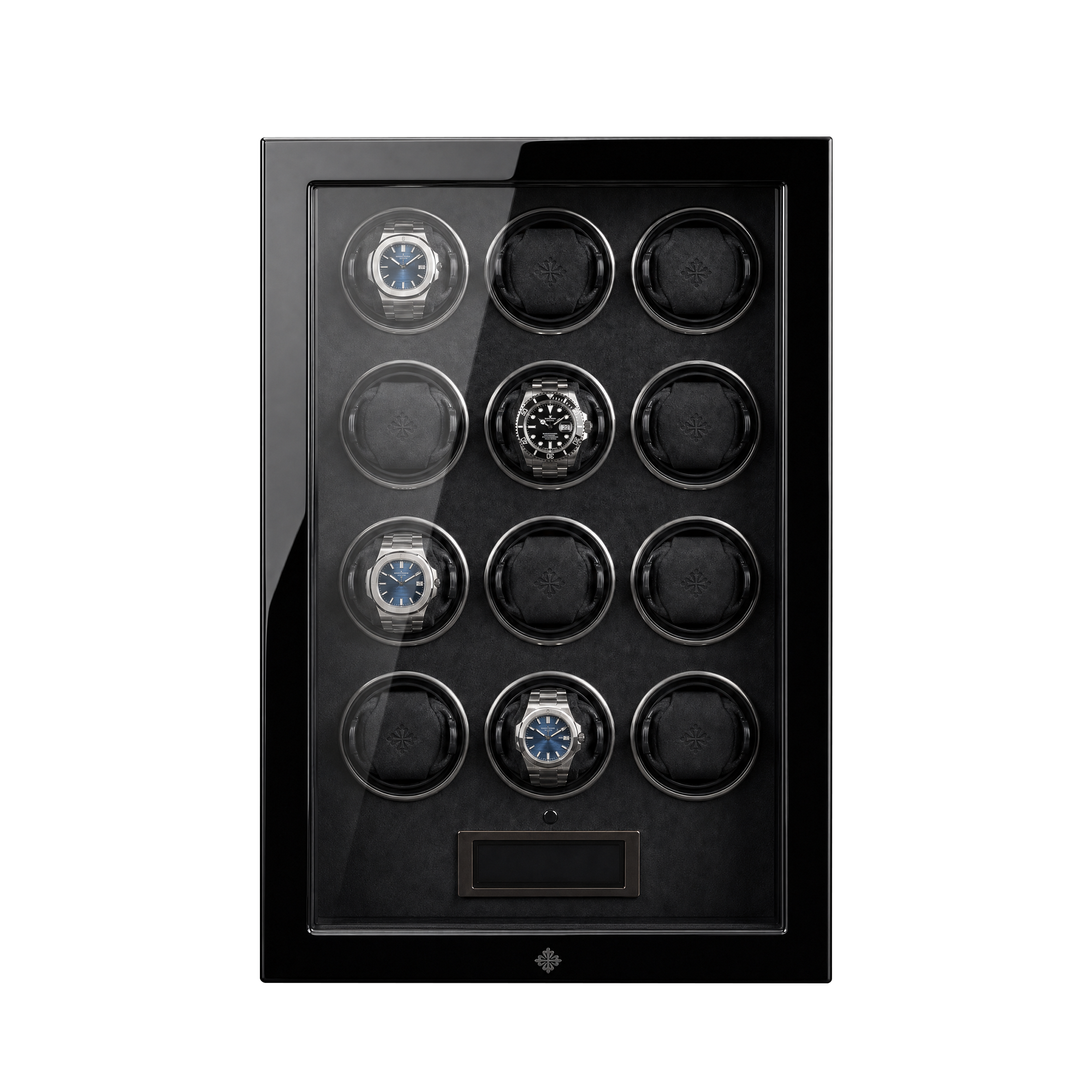

A safe sized for a single-metal collection can scratch, tarnish, or gall the finish on a mixed lineup of steel, gold, platinum, and titanium bracelets within a single storage cycle. This guide walks through the interior features, layout choices, and setup steps that actually protect bracelets stored side by side, not just watches stored in isolation.
- A watch safe for mixed metal bracelets needs individual cushions or slots, not a shared tray, to stop metal-on-metal contact — buy divided interiors, skip open trays.
- Keep interior humidity between 40% and 50% RH; steel and gold react differently to moisture and that gap causes tarnish spots over time.
- Alcantara or Nappa leather linings resist the abrasion that velvet and hard foam cause on gold clasps within months.
- Hinge quality and lock cycles matter more for mixed collections opened daily than fireproof ratings alone.
Why mixed metal bracelets need different handling
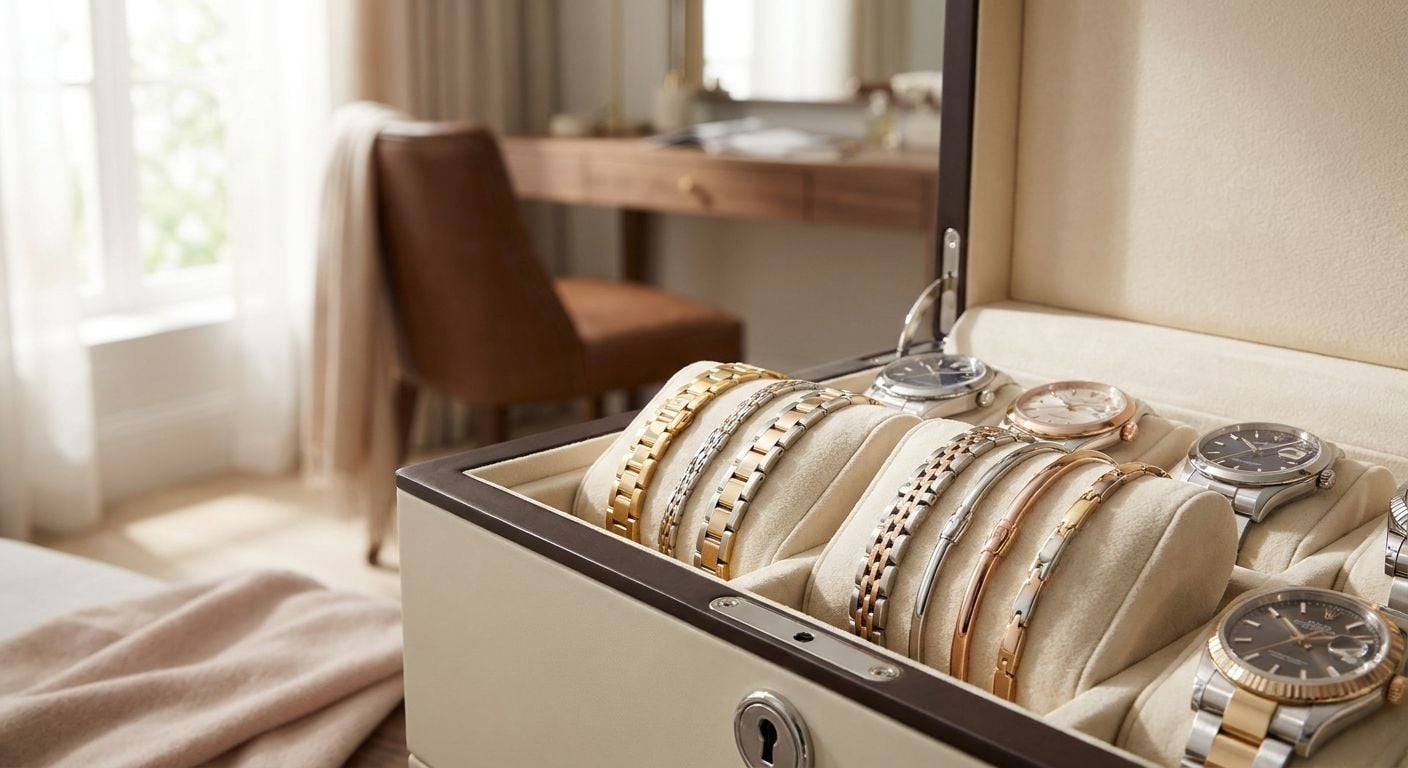
Steel, 18k gold, platinum, and titanium bracelets have different hardness ratings, and softer metals mark first. A steel Rolex Submariner bracelet resting against an 18k gold Day-Date bracelet in an open tray will leave hairline marks on the gold within weeks, not months.
There's also a chemical side to this. Mixed metals stored in a humid, poorly sealed compartment can develop galvanic corrosion at contact points, especially where a steel case back touches a gold buckle or clasp. That's a materials problem, not a fireproofing problem, and it's the one most first-time buyers miss when they shop for a watch safe for mixed metal bracelets by fire rating alone.
The fix is layout and lining, not just lock strength. A safe with individual cushions, soft dividers, and a stable interior humidity range solves the contact and moisture problems at the same time.
What you'll need before you shop
- An inventory of every watch by bracelet metal (steel, gold, two-tone, platinum, titanium, rubber or leather strap)
- A target slot count that leaves 20-30% headroom for future purchases
- A sense of your storage location's humidity swings (closet, bedroom, home office)
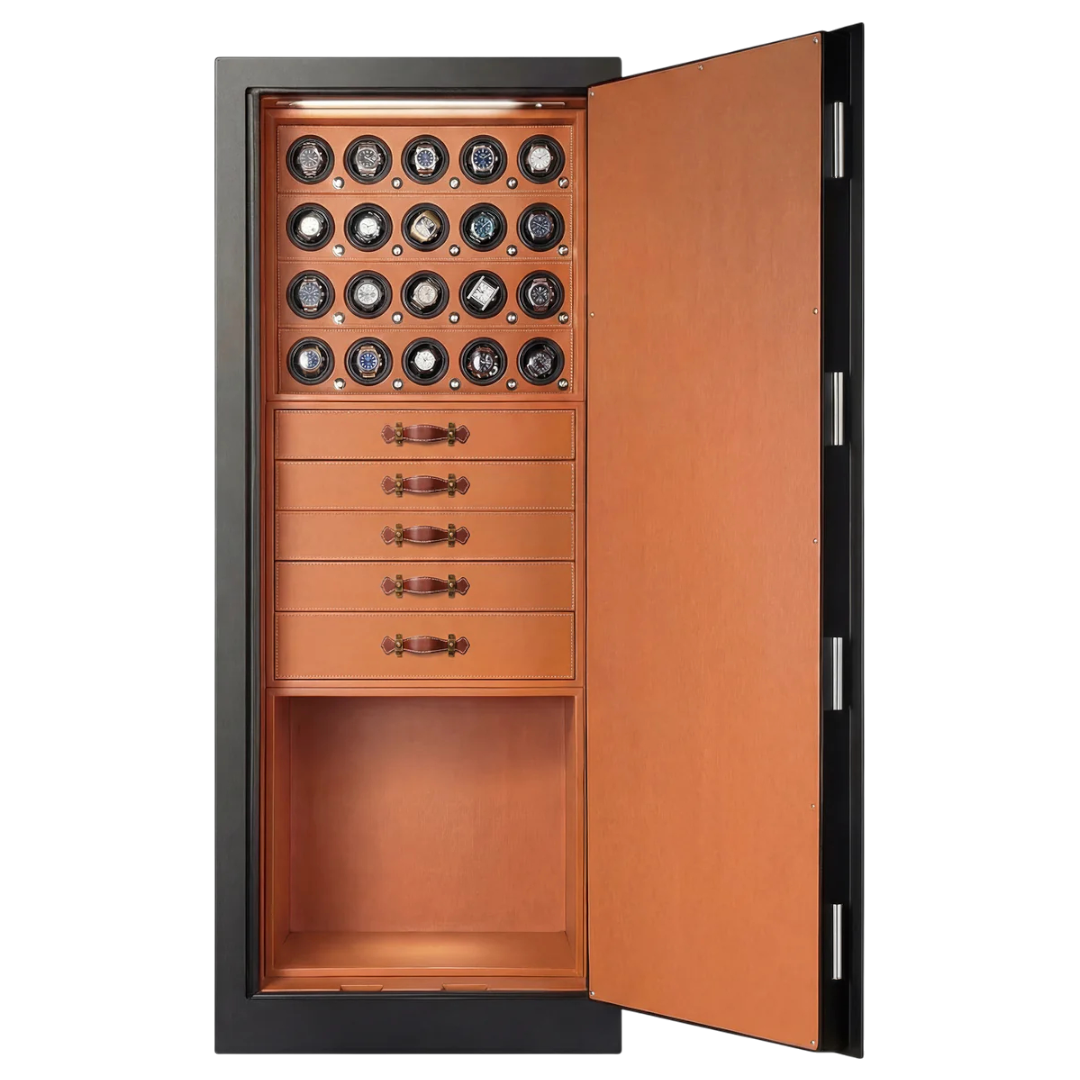
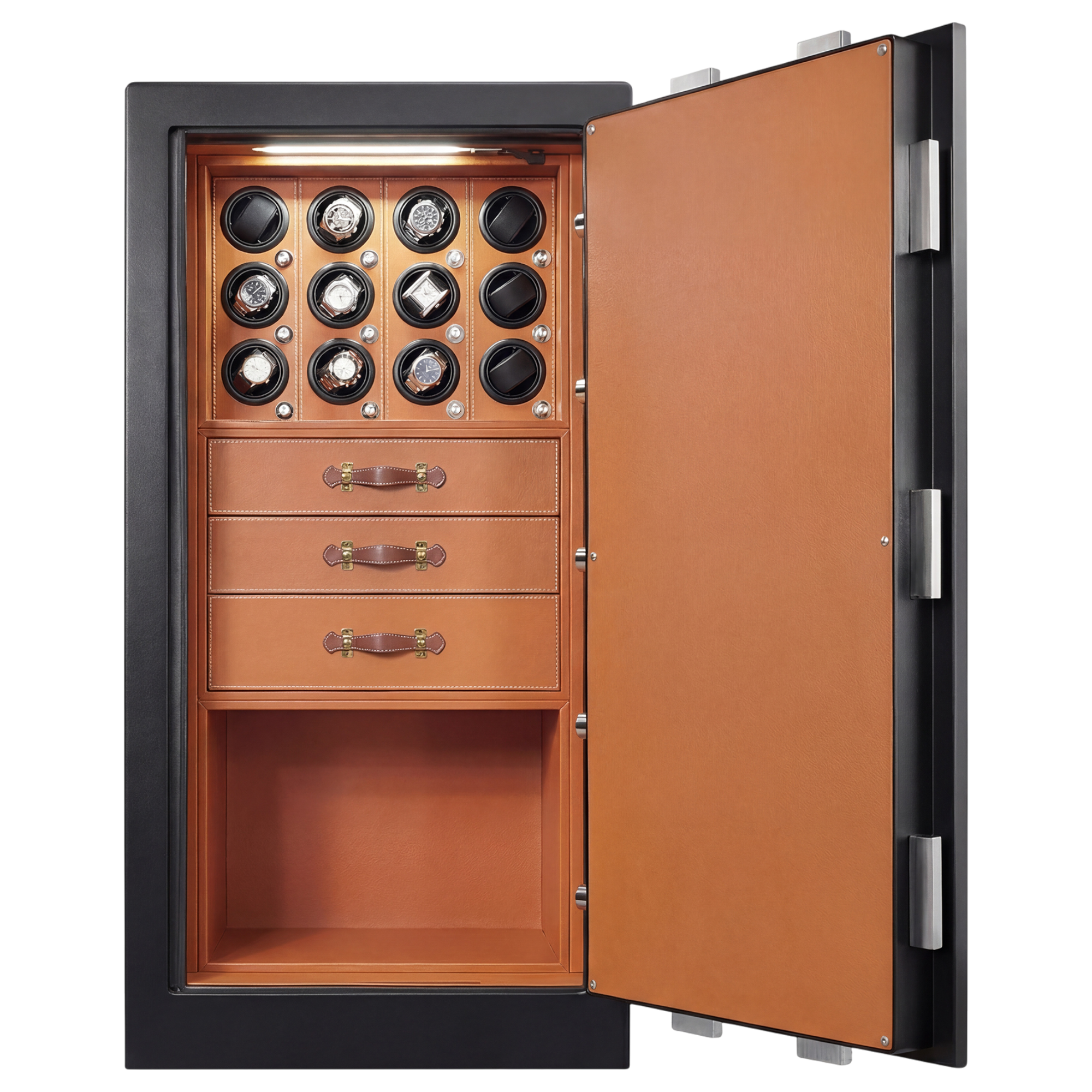
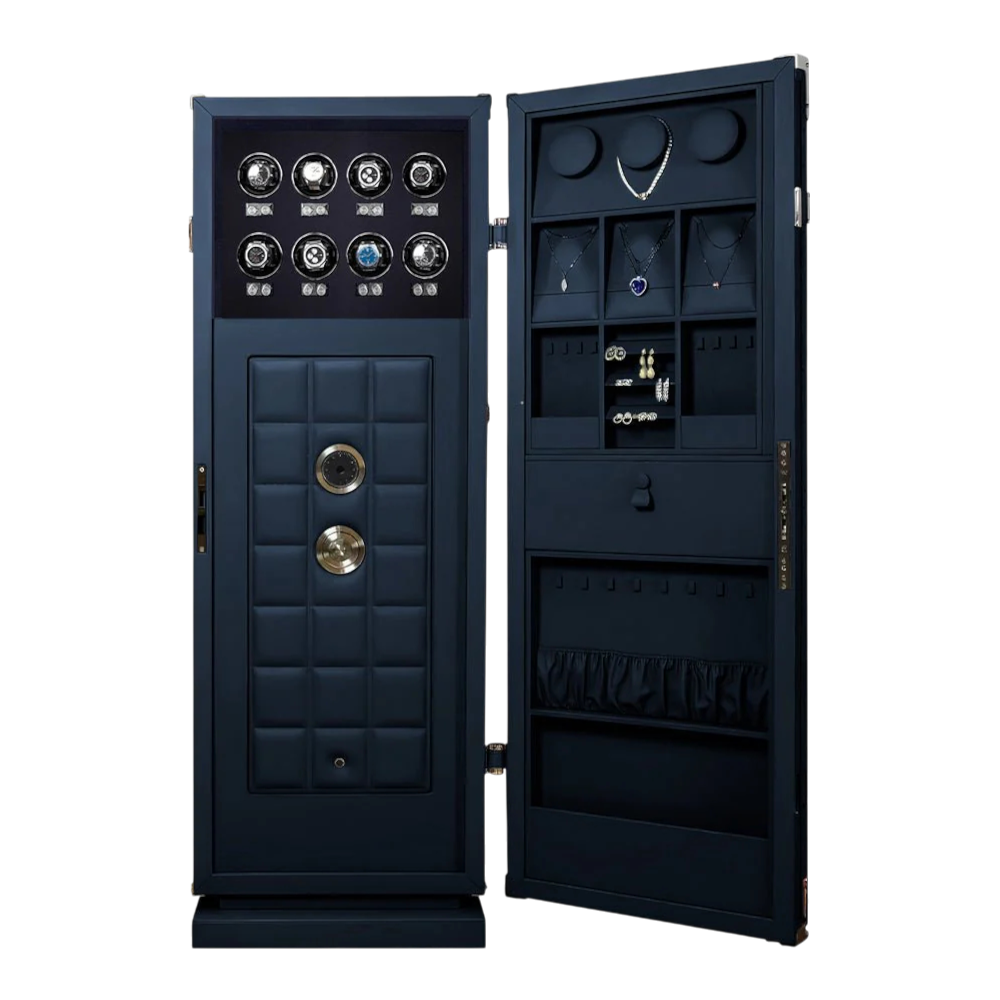
- A budget range — Enigwatch safes with biometric access and Alcantara or Nappa leather interiors run from roughly $5,000 to over $21,000 depending on slot count and finish
- A wall or floor anchor point if the unit will be bolted down
The steps
1. Inventory your bracelets by metal, not just by watch
List every piece with its bracelet metal noted separately from the case metal. A two-tone Rolex Datejust needs the same separation as a solid gold piece — the gold links will still mark against a steel neighbor.
This step accomplishes the real design brief for your safe. Buyers who skip it end up choosing slot count based on watch count alone, then discover their gold pieces need extra spacing they didn't budget for.
2. Choose a lining that doesn't abrade soft metal
Hard foam and cheap velvet both hold grit that scratches gold and platinum over repeated handling. Alcantara and Nappa leather interiors, sourced from Italian tanneries, resist that grit buildup and don't compress into a hardened shape the way foam does after a year of use.
Check the interior layout style before buying — cushion-style compartments isolate each bracelet better than a shared drawer, which is the single biggest factor for mixed-metal protection.
3. Separate by contact point, not just by slot
Even with individual cushions, bracelets can still touch if slots are too close together or if a safe is overpacked. Leave at least one empty slot of buffer between a gold piece and its steel neighbor if the safe allows it.
Expected outcome: zero new contact marks after 90 days of normal daily access. Common mistake: cramming a 12-watch collection into a 12-slot safe with zero spacing, which guarantees clasp-on-clasp contact every time the door opens.
4. Match slot count to your real collection size, with headroom
Collectors chronically undersize. Buy for 20-30% more watches than you currently own, since most collections grow over a 3-5 year span, and re-buying a larger safe is more disruptive than buying right the first time. Review the size guide before finalizing slot count.
5. Set interior humidity between 40% and 50% RH
This range is standard for mixed material storage — it's dry enough to slow tarnish on gold and platinum, and humid enough to keep leather straps and gaskets from cracking. A safe without active humidity control will drift with room conditions, which is the exact swing that accelerates galvanic reactions between dissimilar metals.
6. Verify hinge and lock durability for daily use
A safe opened once a day for years needs hinges rated for thousands of open-close cycles, not just a heavy door. Cheap hinges sag first, which throws the door alignment off and lets humidity-controlled air leak out. Confirm hinge type before you commit to a model.
7. Test the lock mechanism before final purchase
Biometric locks need to register consistently on the first try, every time, especially if more than one household member accesses the safe. A lock that fails intermittently gets propped open out of frustration, which defeats the entire point of controlled storage.
Find a safe built for mixed collections
Individually lined slots, humidity control, and biometric access.
Troubleshooting
- Bracelets show new micro-scratches after a few months — add felt or leather dividers between adjacent slots; the safe's lining alone isn't enough if slots are undersized for the bracelet width.
- Gold clasp shows tarnish spots but steel pieces look fine — check interior humidity; anything above 55% RH accelerates tarnish on gold and silver far faster than on steel or titanium.
- Winder box scratches a bracelet during rotation — this is a separate mechanism issue from the safe itself; see the fix for winders that mark bracelets.
- Safe feels cramped after adding two or three new watches — this is the headroom problem from Step 4; a safe sized exactly to your current count in 2026 will feel undersized by 2028 for most active collectors.
- Lock fails to register on the first attempt — this is usually a sensor placement or finger-position issue, not a defect, but repeated failures mean the unit needs service under warranty.
Tools and resources
- Interior layout comparison: cushion vs. drawer design
- Hinge types that hold up over time
- How to size a safe for your collection
- Fixing winder-related bracelet scratching
- A soft microfiber cloth for periodic interior wipe-downs (avoid abrasive cleaners on Alcantara or Nappa leather)
What to do next
Once the safe is sized and lined correctly, the next decision is budget sequencing — figuring out what to spend on the safe versus the winder mechanism inside it. The budget planning guide for a first winder and safe setup breaks down that split for new buyers entering 2026.
FAQ
What’s the best watch safe for mixed metal bracelets?
The best watch safe for mixed metal bracelets uses individually lined cushion slots, not a shared tray, so steel, gold, and platinum bracelets never touch. Alcantara or Nappa leather interiors add abrasion resistance that velvet and foam don’t provide.
Do gold and steel bracelets need to be stored separately?
Yes, gold and steel bracelets should sit in separate slots or cushions. Direct contact between the two over months causes visible marking on the softer gold surface and can accelerate galvanic corrosion in humid conditions.
Is a safe better than a jewelry box for a mixed bracelet collection?
A dedicated safe is better because it offers individual compartments, locking security, and often humidity control, none of which a standard jewelry box provides. Mixed-metal collections specifically benefit from the compartment separation.
How much does a watch safe for mixed metal bracelets cost in 2026?
Enigwatch safes with biometric locks and lined interiors run from roughly $5,000 to over $21,000 in 2026, depending on slot count, finish, and lock type. Larger collections with more slot separation sit toward the higher end.
What humidity level protects mixed metal watch bracelets best?
A range of 40% to 50% relative humidity protects mixed metal bracelets best. This range slows tarnish on gold and platinum while keeping leather straps and gaskets from drying out.
Can a watch winder scratch a bracelet inside a safe?
Yes, a poorly fitted winder pillow or rotor can scratch a bracelet during rotation cycles, independent of the safe’s own lining. Checking pillow material and fit solves most of these cases.
How many slots should I buy for a mixed metal collection?
Buy 20% to 30% more slots than your current watch count to leave separation room between metal types and headroom for future purchases. Undersizing is the most common mistake in this category.
Does a safe need active humidity control for mixed bracelets?
Active humidity control is strongly recommended for mixed bracelets because passive storage drifts with room conditions. That drift is what triggers tarnish and corrosion between dissimilar metals over a 2026 calendar year of storage.
One last thing
Most collectors solve the scratching problem and forget the corrosion problem entirely. A safe that separates bracelets visually but sits in a room with humidity swinging from 30% to 65% RH across seasons still lets galvanic reactions happen at every metal contact point — the fix is the humidity range, not just the spacing, and it's the detail that gets skipped most often on a first purchase in 2026.
Related guides
- Watch safe interior layout: cushion vs. drawer design
- Watch safe hinge types: what actually holds up over time
- How to choose a watch safe size for your collection
- How to stop a watch winder from scratching a bracelet
Protect Your Watch Collection
Designed for collectors who demand the best. Explore our premium watch winders and luxury safes.