
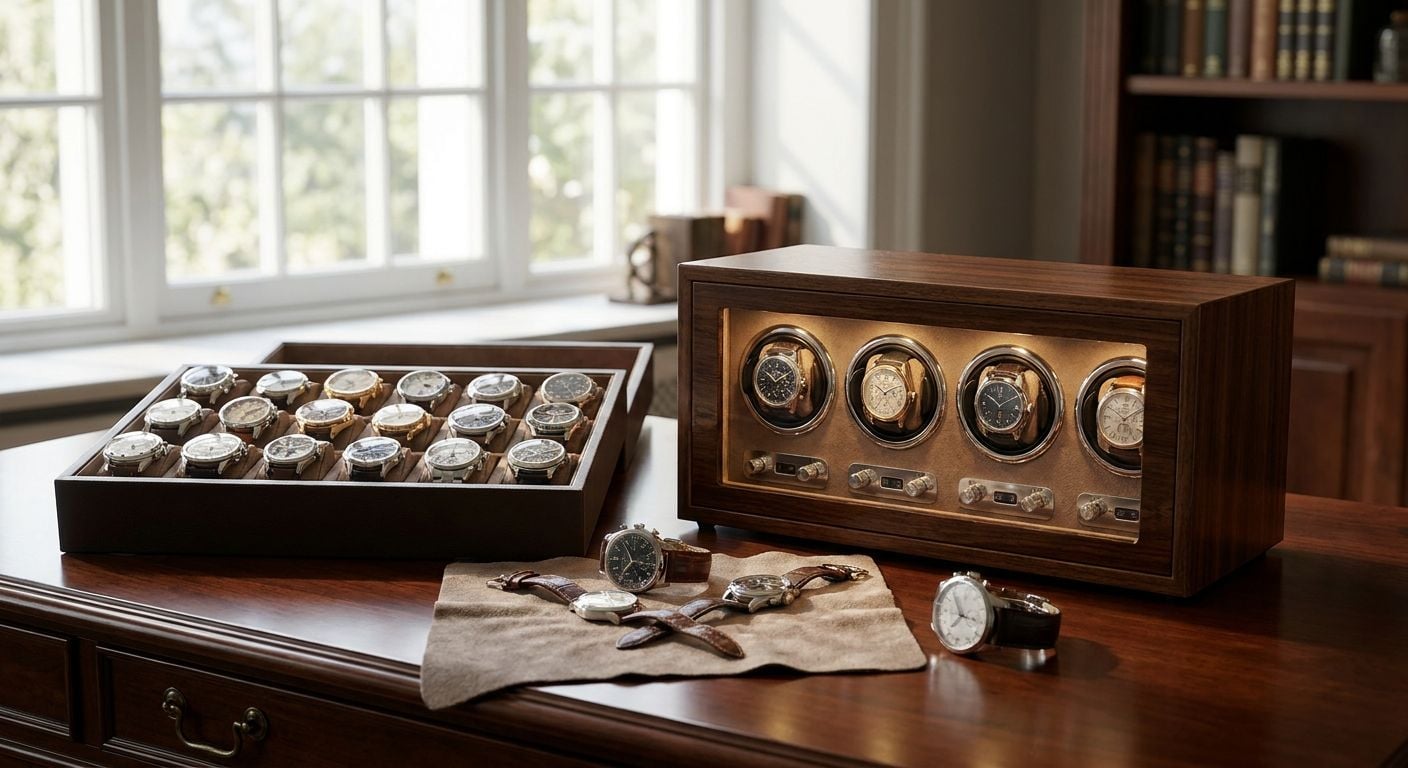
Your collection outgrew your winder years before you admitted it. Somewhere between the sixth automatic and the eighth, the math stopped working, and now watches are sitting on a dresser tray instead of turning on a rotor.
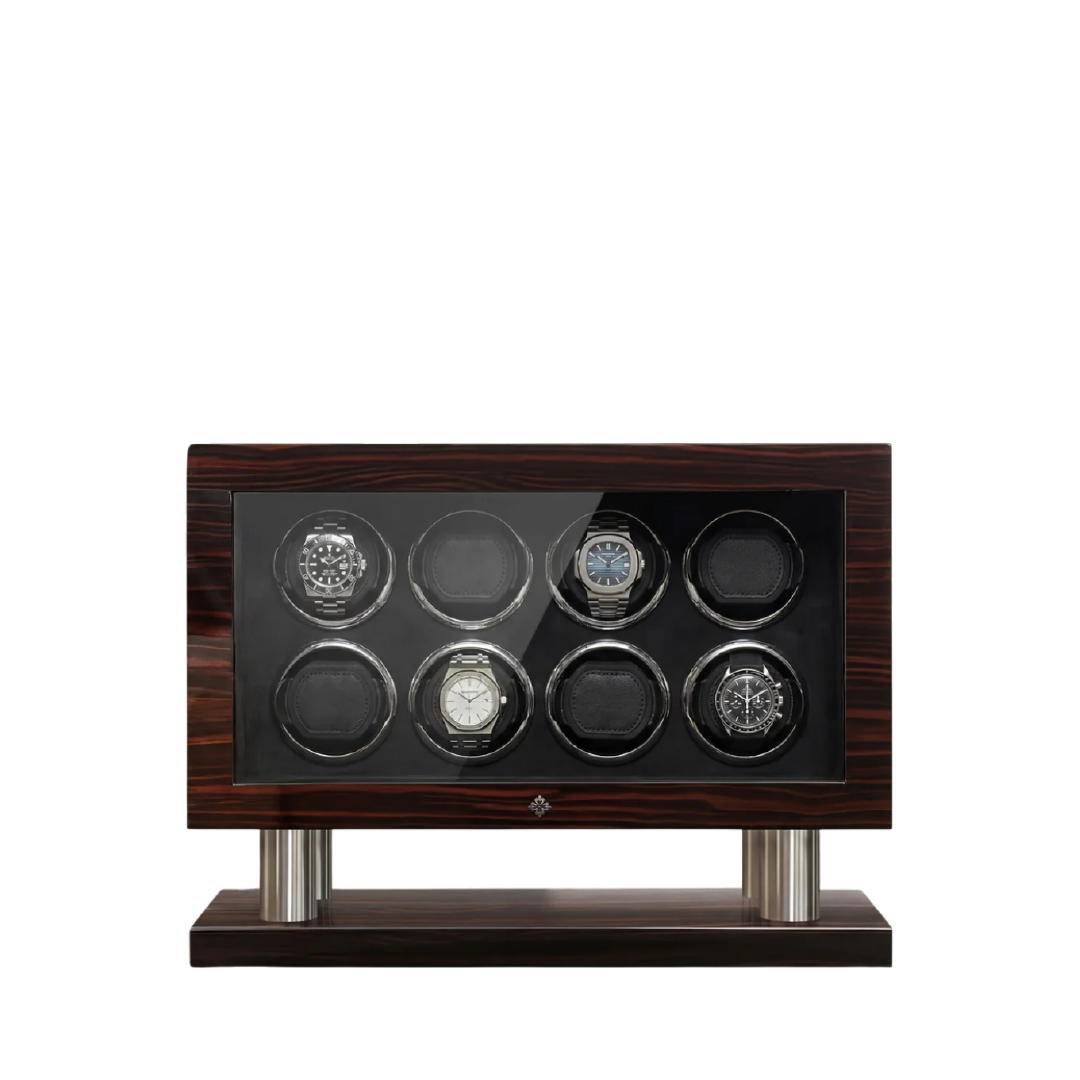
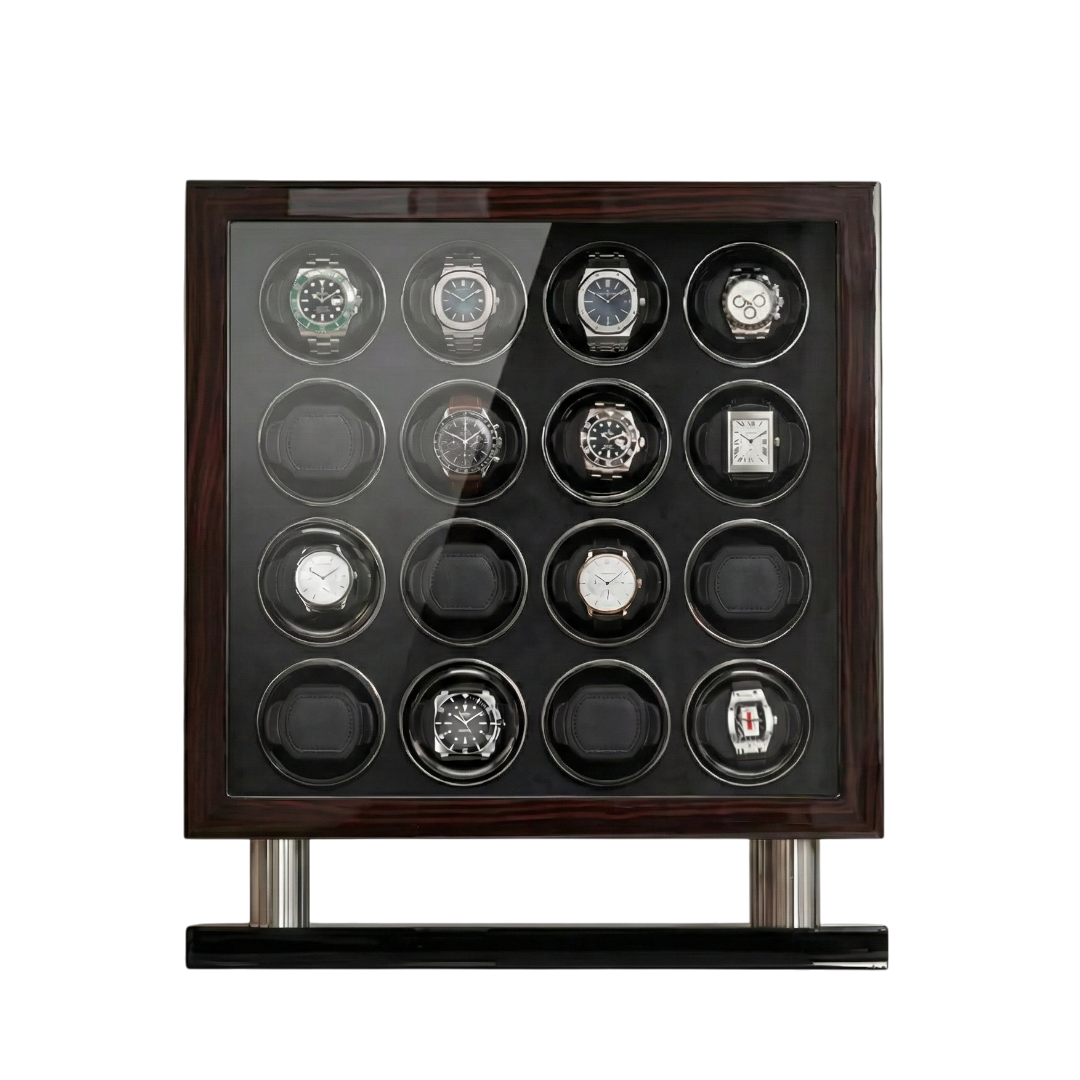
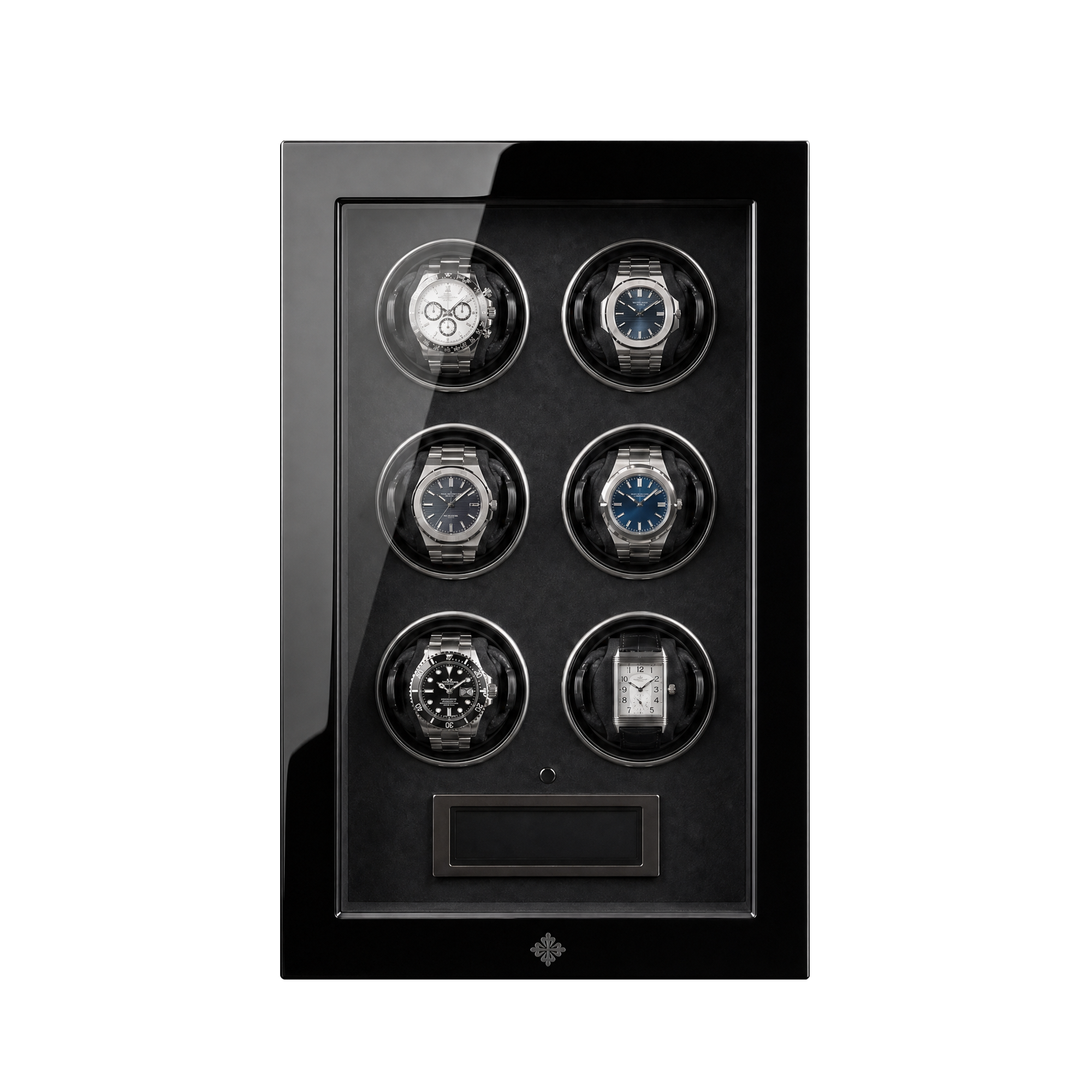
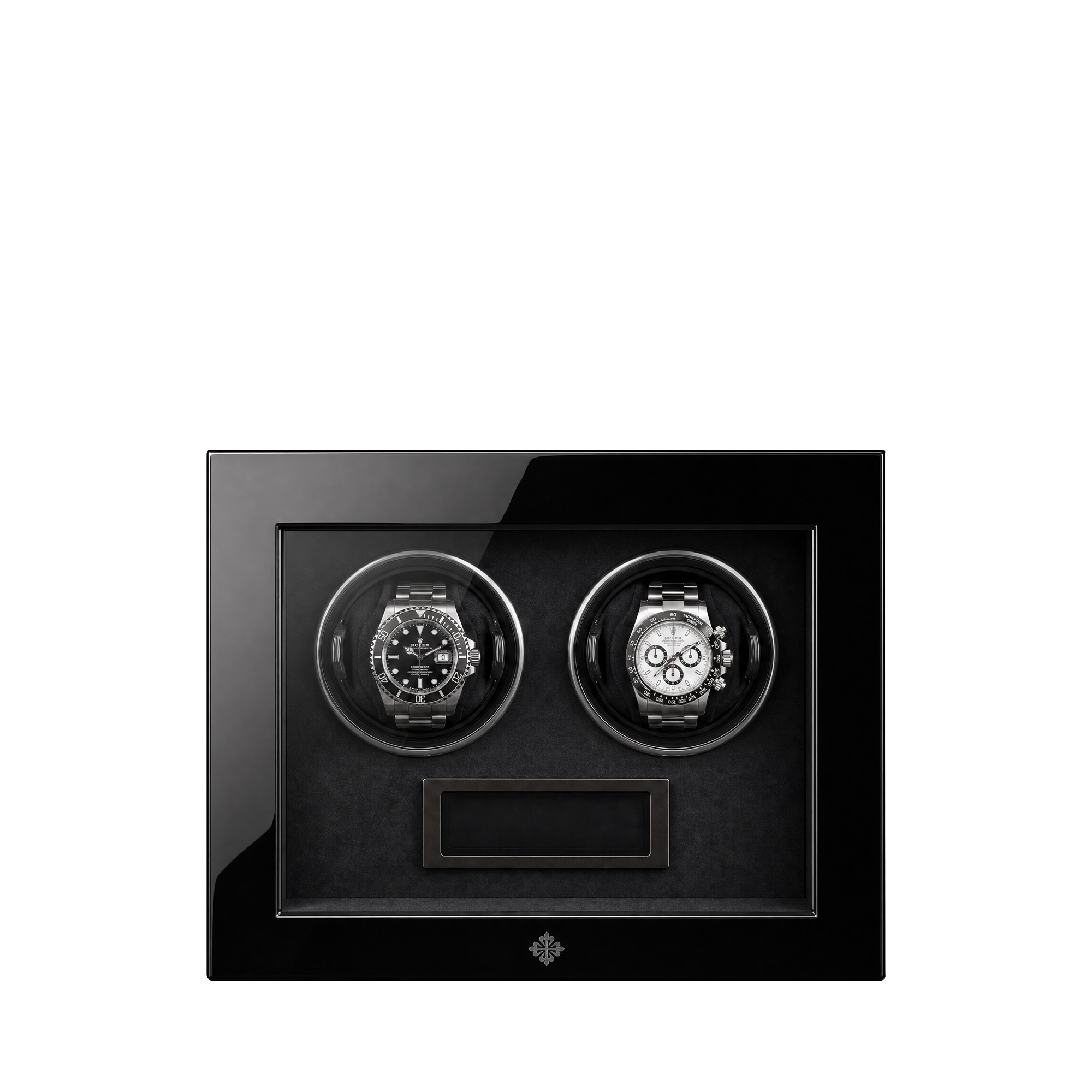
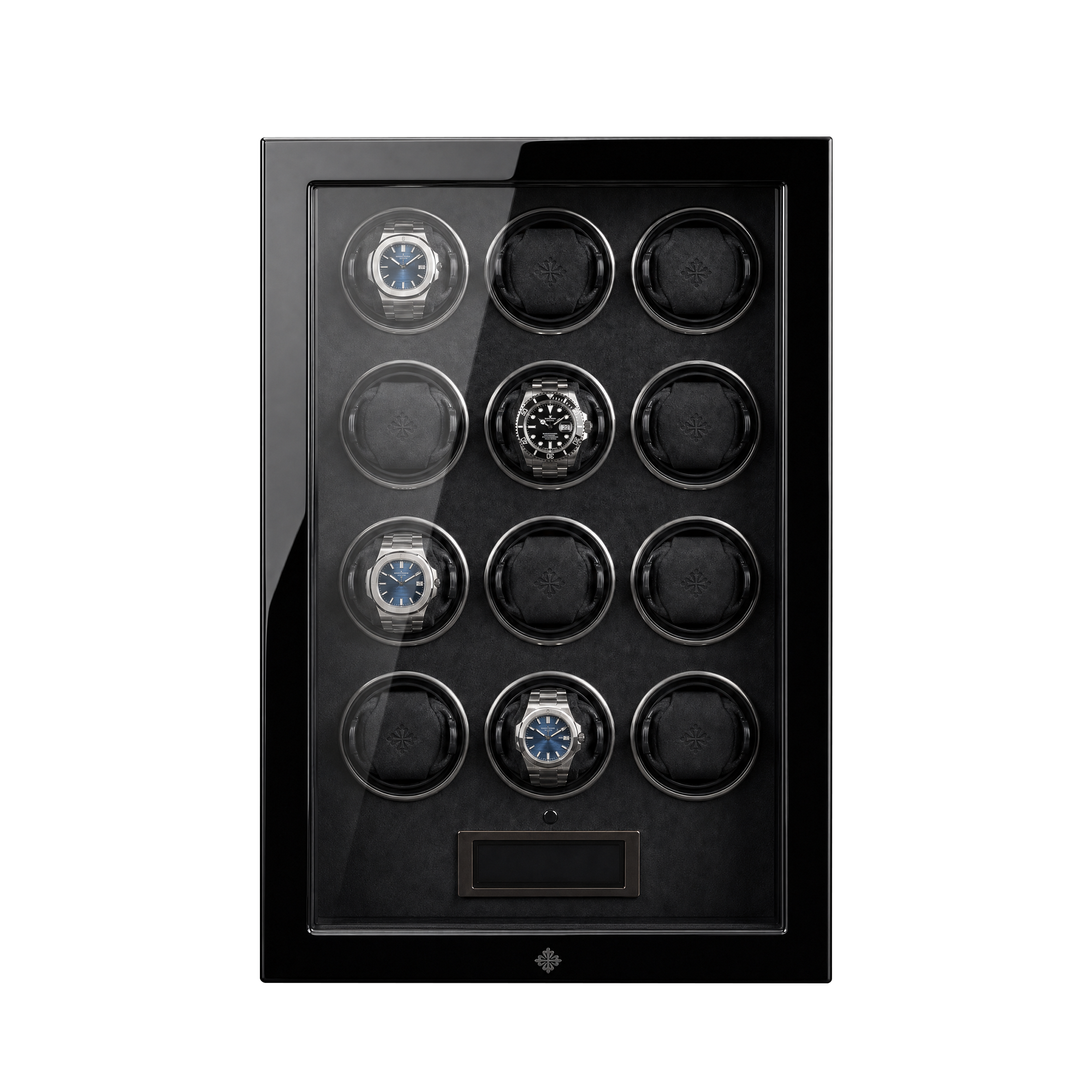
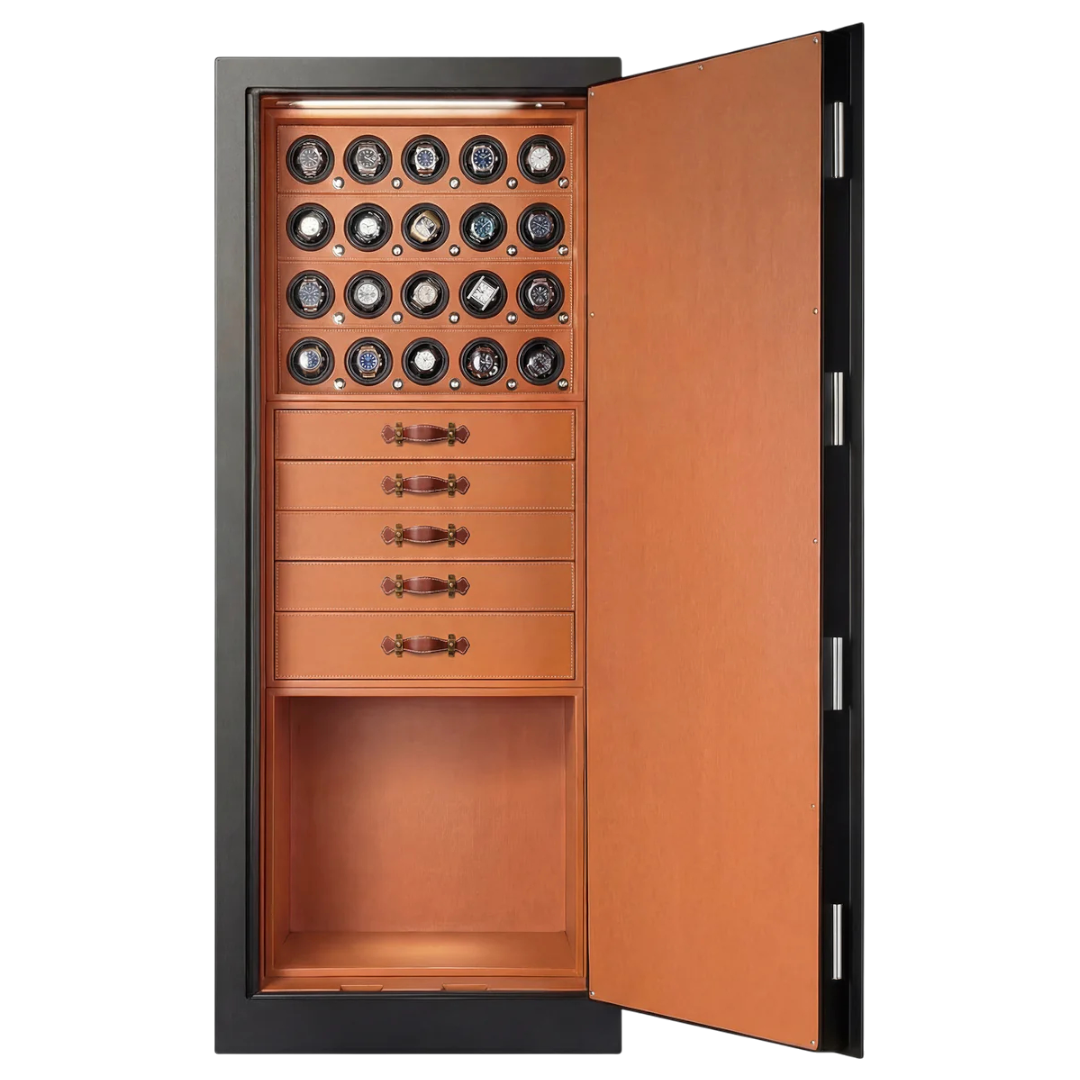
- A watch winder for more watches than slots means buying modular capacity, not another single box — the Impresario series scales from 6 to 24 slots.
- Rotation program accuracy matters more than slot count once you own 8 or more automatics with mixed TPD requirements.
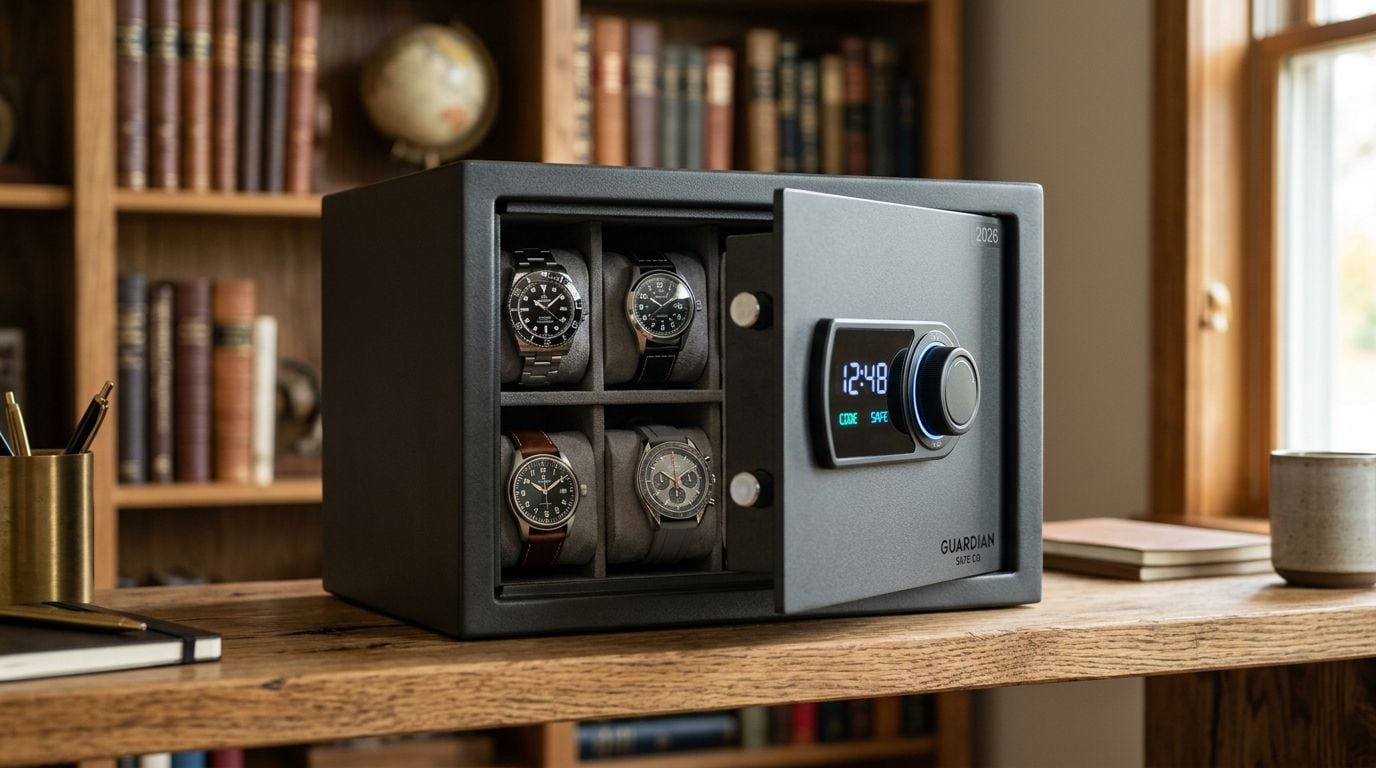
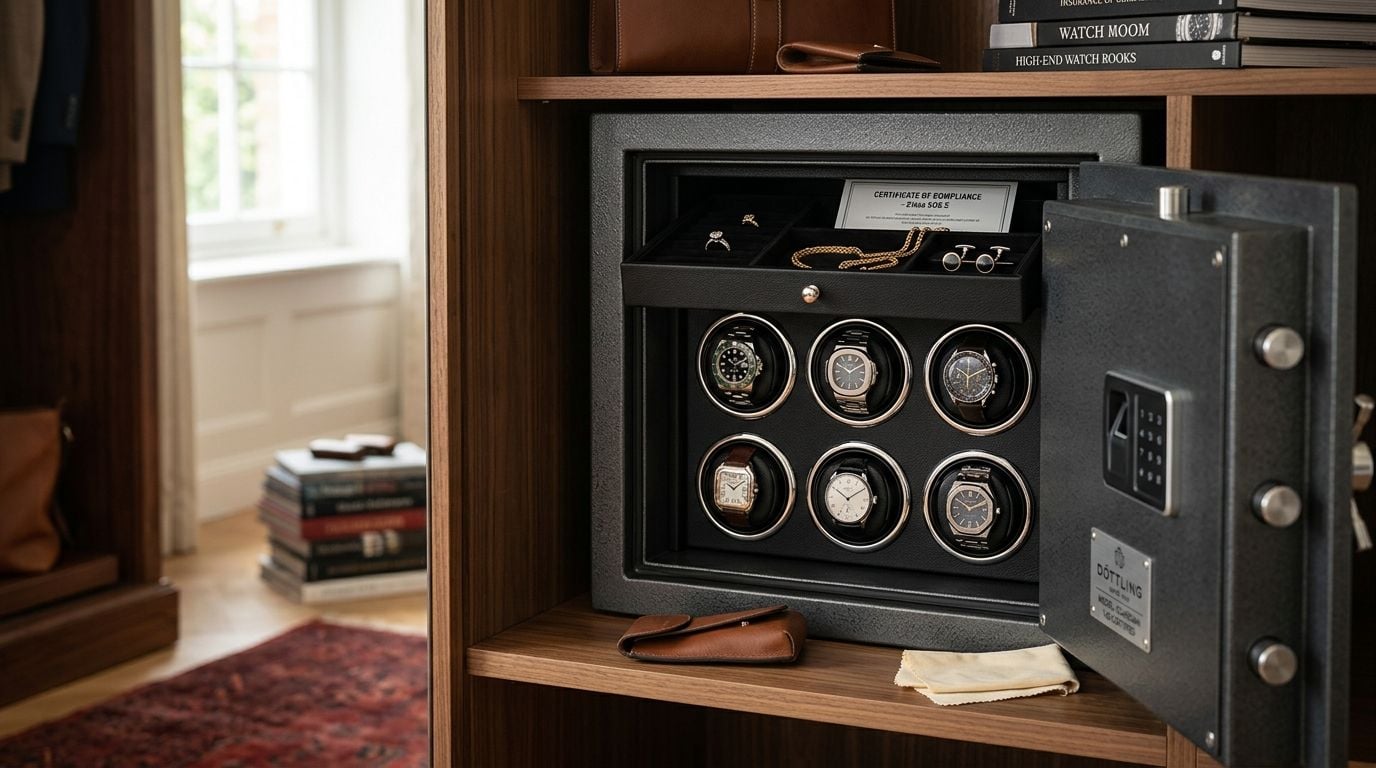
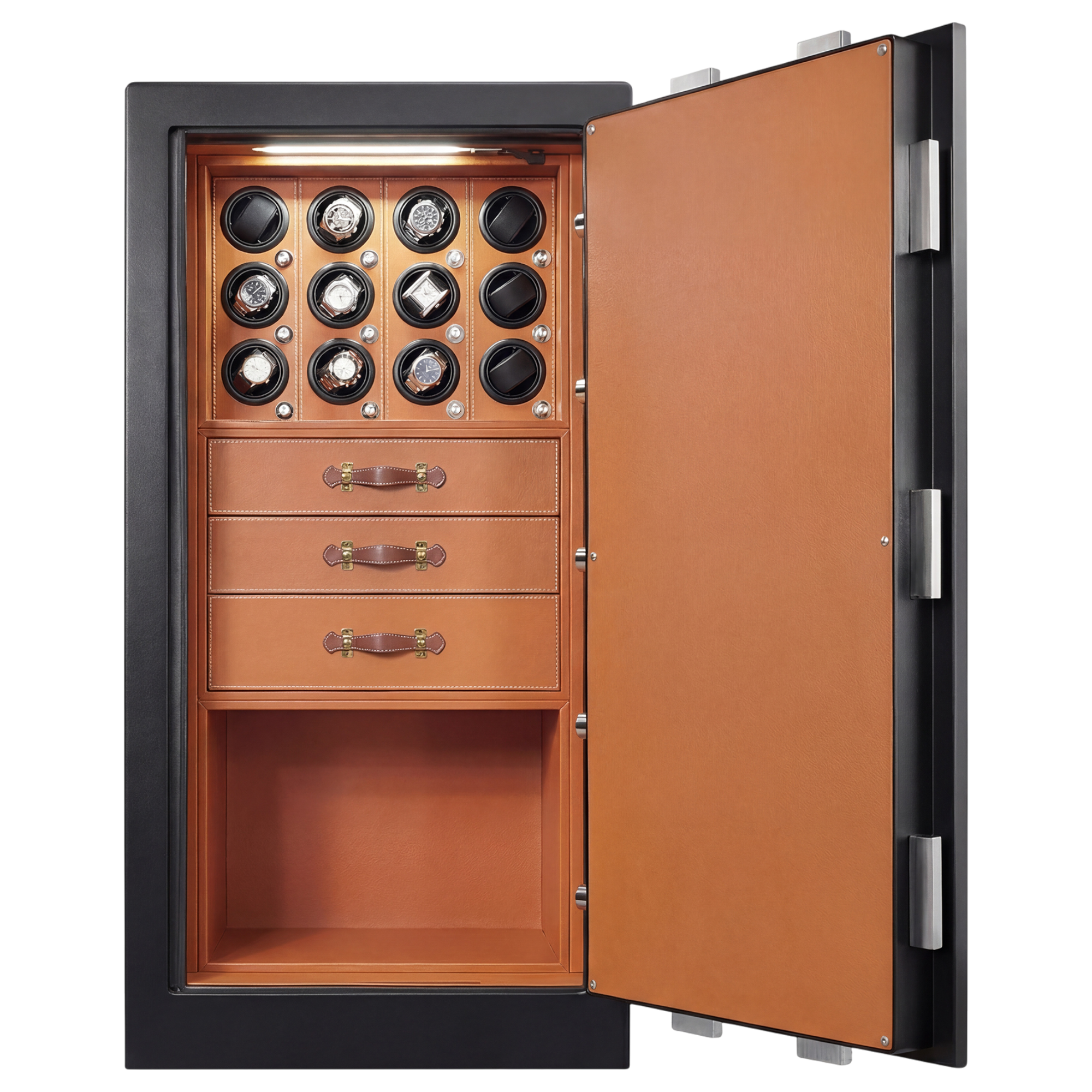
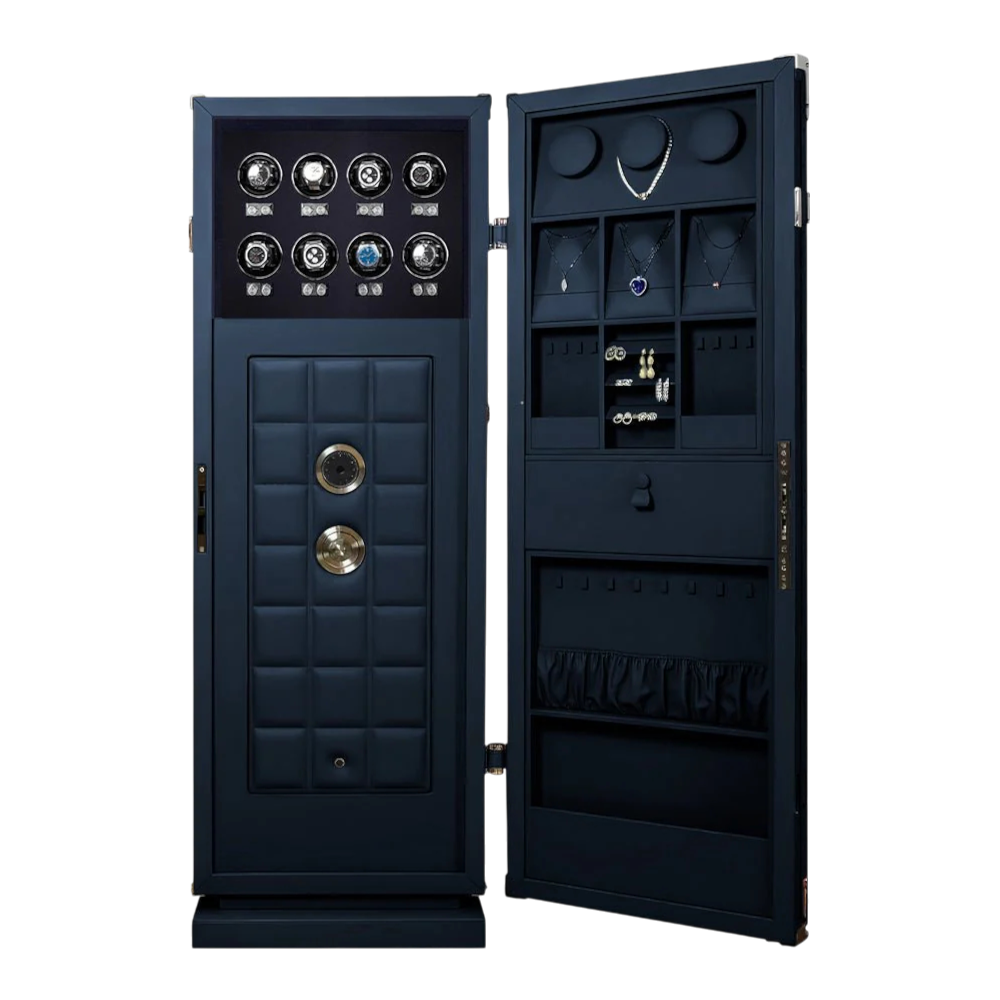
- Watches you’re not actively rotating still need secure storage — a watch safe with winder built in solves both problems in one footprint.
- Enigwatch pricing runs $5,000 to over $21,000, and one larger cabinet costs less per slot than three separate boxes bought over time.
Why this matters
A winder with too few slots forces a choice nobody wants to make: which watches get maintained accuracy and lubrication distribution, and which sit dormant until you remember to hand-wind them. That's not a storage problem, it's a maintenance problem, and it compounds every time you add a new piece to the collection.
The fix isn't "buy a second winder identical to the first." It's sizing a system — cabinet, modules, and rotation logic — around where your collection is headed in 2026, not where it sits today. Enigwatch built the watch winder buying checklist around exactly this gap, because it's the single most common reason collectors end up owning three mismatched boxes instead of one that fits.
What you'll need
- An honest count of watches currently in active rotation versus watches in long-term storage
- The TPD (turns per day) and direction spec for every automatic movement you own
- A measured footprint for the cabinet or module stack — closet shelf, dresser top, or dedicated room
- A growth estimate: how many pieces you expect to add over the next 24 months
- A decision on power source and voltage if you're consolidating multiple existing winders
The steps
1. Separate active rotation from long-term storage
Not every watch in your collection needs to be turning every day. Vintage pieces, watches with fragile bracelets, or anything you wear once a season belongs in secure storage, not on a motor.
Sort your collection into two piles before you shop for capacity. This single step often cuts the "slots needed" number by a third, because collectors tend to assume every watch needs winding when only the ones worn weekly actually do.
Common mistake: treating slot count as a 1-to-1 match with total watches owned instead of watches actively worn.
2. Match rotation programs to your mixed brands, not your slot count
Once you own pieces from more than two manufacturers, TPD and direction requirements start conflicting inside a single winder unless the unit supports independent programming per module. A Rolex and a Patek Philippe rarely share the same spec.
Every module needs its own program, not a shared setting across the whole cabinet. Review the rotation program modes guide before you commit to a model, because a cabinet that only offers one program for all slots will underserve half your collection.
Common mistake: buying a large-capacity winder that only supports one rotation setting for every slot.
3. Decide between modular expansion and a single large cabinet
Modular winders let you add capacity in increments as the collection grows, without replacing what you already own. A single large cabinet, by contrast, locks in capacity up front but usually costs less per slot at 20+ pieces.
If you're at 8-10 watches and expect to keep buying, modular wins. If you're at 20+ and reasonably settled, a fixed-capacity cabinet is the cleaner buy. The 24-watch large collection options guide breaks down where that crossover point sits for most serious collectors.
Common mistake: buying modular units piecemeal and ending up with three different finishes and motor generations by 2026.
4. Size for growth, not for today's count
A collector who owns 12 watches today and buys three pieces a year will be short on slots again within 18 months if the winder is sized exactly to 12. Build in headroom.
Add 30-40% capacity beyond your current count if you're an active buyer. That's the difference between one purchase and three separate purchases spread across 2026 and 2027.
Common mistake: sizing to the exact current count and treating the next purchase as a future problem.
5. Check motor quality when running many modules simultaneously
A winder running 16 or 24 slots at once puts sustained load on its motors in a way a 4-slot box never does. Japanese Mabuchi motors are built for this kind of continuous-duty cycling without excess vibration or noise, which matters when the cabinet lives in a bedroom.
Cheaper motors in large-capacity units tend to run louder and generate more heat as slot count climbs. Compare the Impresario series full model comparison before assuming every 16-slot or 24-slot cabinet performs the same under load.
Common mistake: assuming motor quality scales automatically with price at higher slot counts.
6. Add secure storage for watches that aren't rotating
Every collection has pieces that don't need active winding but still need protection — safes, insurance documentation, and controlled humidity. Trying to force those into winder slots wastes capacity you need for daily wearers.
A combined unit solves the footprint problem directly. Enigwatch's watch safe with winder built in pairs biometric-locked storage with a smaller dedicated winding section, so the two needs don't compete for the same shelf.
Common mistake: storing non-rotating watches loose in a drawer instead of a controlled environment.
7. Confirm delivery, voltage, and installation before ordering
Larger cabinets ship heavier and often need professional installation, especially wall-mounted or closet-integrated units. Confirm voltage compatibility if you're consolidating winders bought in different regions.
Get the installation conversation settled before the unit arrives, not after. A 24-slot cabinet is not a weekend DIY mount in most homes.
Common mistake: ordering a cabinet sized for a wall that hasn't been measured for stud placement or clearance.
Size a winder for your real collection
Get capacity and rotation guidance built around Japanese Mabuchi motors and Alcantara interiors.
Troubleshooting
- You bought a 12-slot unit and you're already full at 10. Stop buying single boxes. Move to a modular system sized for 30-40% headroom above your current count.
- Two brands in the same cabinet keep drifting out of correct time. Check that each module has an independently set TPD and direction — shared programs across slots are the usual cause.
- The cabinet hums loudly with all slots running. Sustained load across many modules exposes weak motors fast. Compare motor specifications, not just slot count, before your next purchase.
- You don't know which watches actually need winding. Track wear frequency for 30 days. Anything worn less than twice a month belongs in storage, not a winding slot.
- The unit arrived and the closet space doesn't fit it. Measure depth and swing clearance for cabinet doors before ordering, not after delivery.
- Budget keeps creeping up with every added module. Price out one larger cabinet against three smaller purchases spread over 2026 — the larger unit usually wins on cost per slot.
Tools and resources
- Tape measure and a note of shelf or closet dimensions
- A written list of each watch's TPD and direction requirement
- How to buy a watch winder: complete checklist
- Watch winder rotation programs: what each mode does
- Impresario watch winder series: full model comparison
What to do next
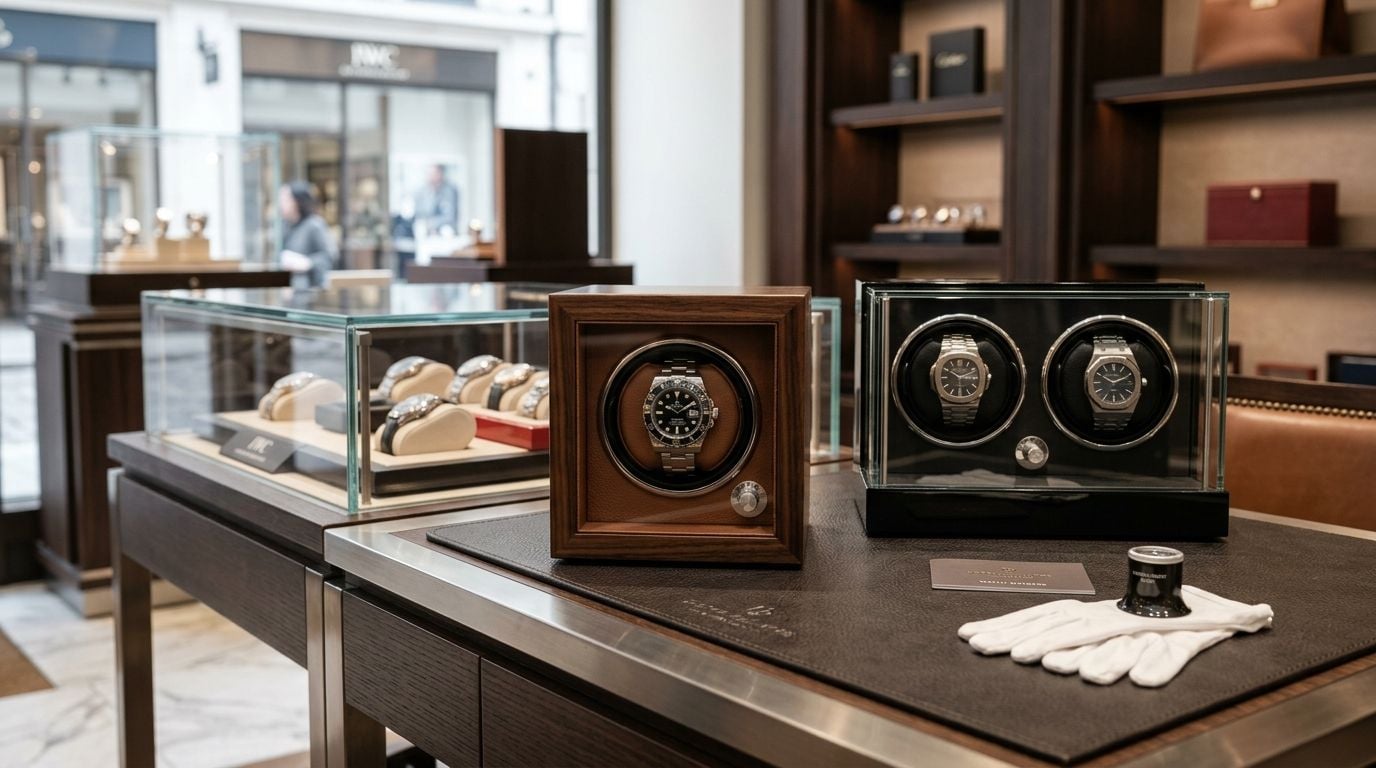
Once capacity and rotation logic are settled, the next decision is finish and interior material — wood veneer, Alcantara, or glass front — which changes both price and how the cabinet reads in a room. That's a separate call from slot count, and it's worth making after capacity is locked, not before.
FAQ
What’s the best watch winder when I own more watches than slots?
A modular system that lets you add capacity in increments, such as the Impresario series scaling from 6 to 24 slots, works better than replacing a single fixed-capacity box. It avoids the mismatched-finish problem of buying separate winders over time.
Should every watch in my collection go in a winder?
No. Only watches worn regularly need active rotation; pieces worn less than twice a month belong in secure storage instead. Sorting active rotation from storage-only pieces often reduces the slot count you actually need.
Is a bigger cabinet better than buying two smaller winders?
For 20 or more watches, one larger cabinet typically costs less per slot than two or three smaller boxes bought separately. It also avoids mismatched motor generations and finishes across purchases made years apart.
How much does a watch winder cost in 2026?
Enigwatch winders and safes range from roughly $5,000 to over $21,000 depending on slot count, motor configuration, and interior material. Larger modular cabinets sit at the higher end of that range.
Do mixed-brand collections need different winder settings per watch?
Yes. TPD and direction requirements vary by manufacturer and movement, so a cabinet needs independently programmable modules once you own pieces from more than two brands. A shared single setting across all slots will underserve some watches.
Can I combine a watch safe and a winder in one unit?
Yes, combination units pair biometric-locked storage with a dedicated winding section in one footprint. This works well for collectors who need security for non-rotating pieces alongside active winding for daily wearers.
How many slots should I buy if I’m still actively collecting?
Add roughly 30-40% capacity beyond your current watch count if you expect to keep buying. Sizing exactly to today’s count usually means a second purchase within 18 months.
Does motor quality matter more at higher slot counts?
Yes. Running 16 or 24 modules simultaneously puts sustained load on motors that a 4-slot box never experiences, and weaker motors run louder and hotter under that load. Japanese Mabuchi motors are built for continuous-duty cycling at higher slot counts.
One last thing
Most collectors solve the wrong problem first — they buy more slots when what they actually needed was better sorting between active rotation and long-term storage. Do the sort before you shop, and the slot count you need often drops by a third.
Related guides
- Watch winder for 24 watches: large collection options
- Watch winder for multiple watches: 16-slot options
- High-end watch winder for serious collectors
- How to choose a watch safe size for your collection
Protect Your Watch Collection
Designed for collectors who demand the best. Explore our premium watch winders and luxury safes.