
Every winder claims to be silent. Most aren’t. A winder that hums, ticks, or whirrs in a quiet room is an ambient noise source you live with every night. Real silence is a spec, not a marketing line. This guide walks through what makes a winder quiet, how to read the dB numbers, and which models hit silence in practice.
Where Winder Noise Comes From
Four sources combine to make a winder audible.
The motor itself. Brushless DC motors with high-quality bearings run under 10 decibels. Cheap motors with plastic bushings run 25 to 35 decibels.
The gear train between the motor and the rotor. Plastic gears rattle. Metal gears with proper lubrication whisper.
The rotor mount. Loose or poorly-fitted rotor assemblies transmit vibration through the frame.
The frame. Hollow plastic cases amplify sound. Solid wood or aluminum frames dampen it.
What dB Levels Actually Mean
| Decibel Level | Comparison | Acceptable for Bedroom? |
|---|---|---|
| 0 to 10 dB | Breathing, leaves rustling | Yes, inaudible |
| 10 to 20 dB | Whisper at 5 feet | Yes, background only |
| 20 to 30 dB | Library, empty home | Marginal, may wake light sleepers |
| 30 to 40 dB | Quiet office, refrigerator hum | No, clearly audible |
| 40+ dB | Normal conversation | Disruptive |
A properly quiet watch winder runs at or below 10 dB per motor at the enclosure. Multiple motors stack slightly, but a 6-rotor unit at 12 to 15 dB total is still in the “inaudible in a normal room” range.
What to Look For in a Silent Winder
Mabuchi Motors as Baseline
Mabuchi motors are the industry standard for quiet operation. Enigwatch’s Winder Series uses Mabuchi across the line, which is the right choice for most collectors. For cabinet builds where absolute silence matters, Maxon motors are available as an upgrade. Read Mabuchi vs Maxon motors for the full comparison.
Enclosed Body Construction
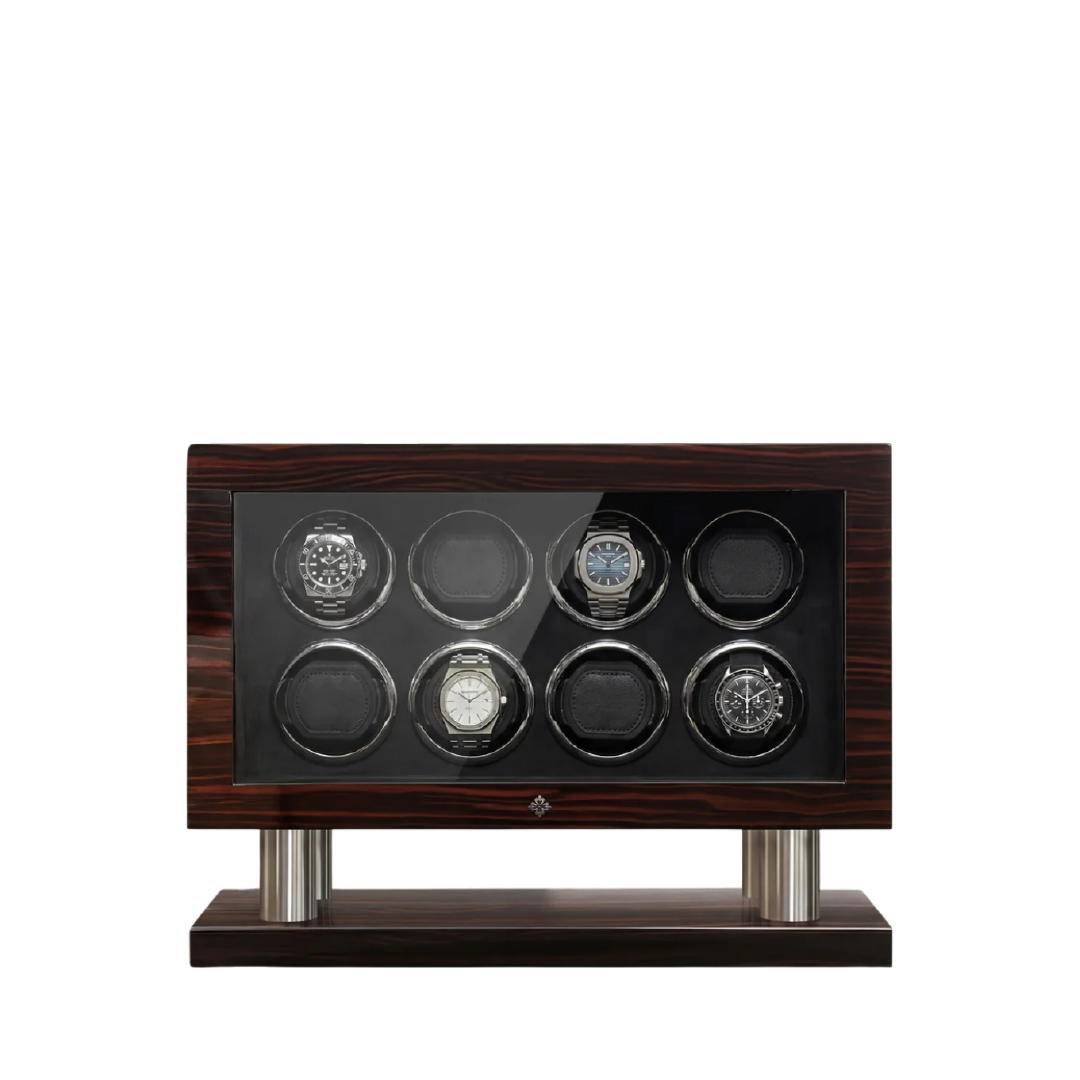
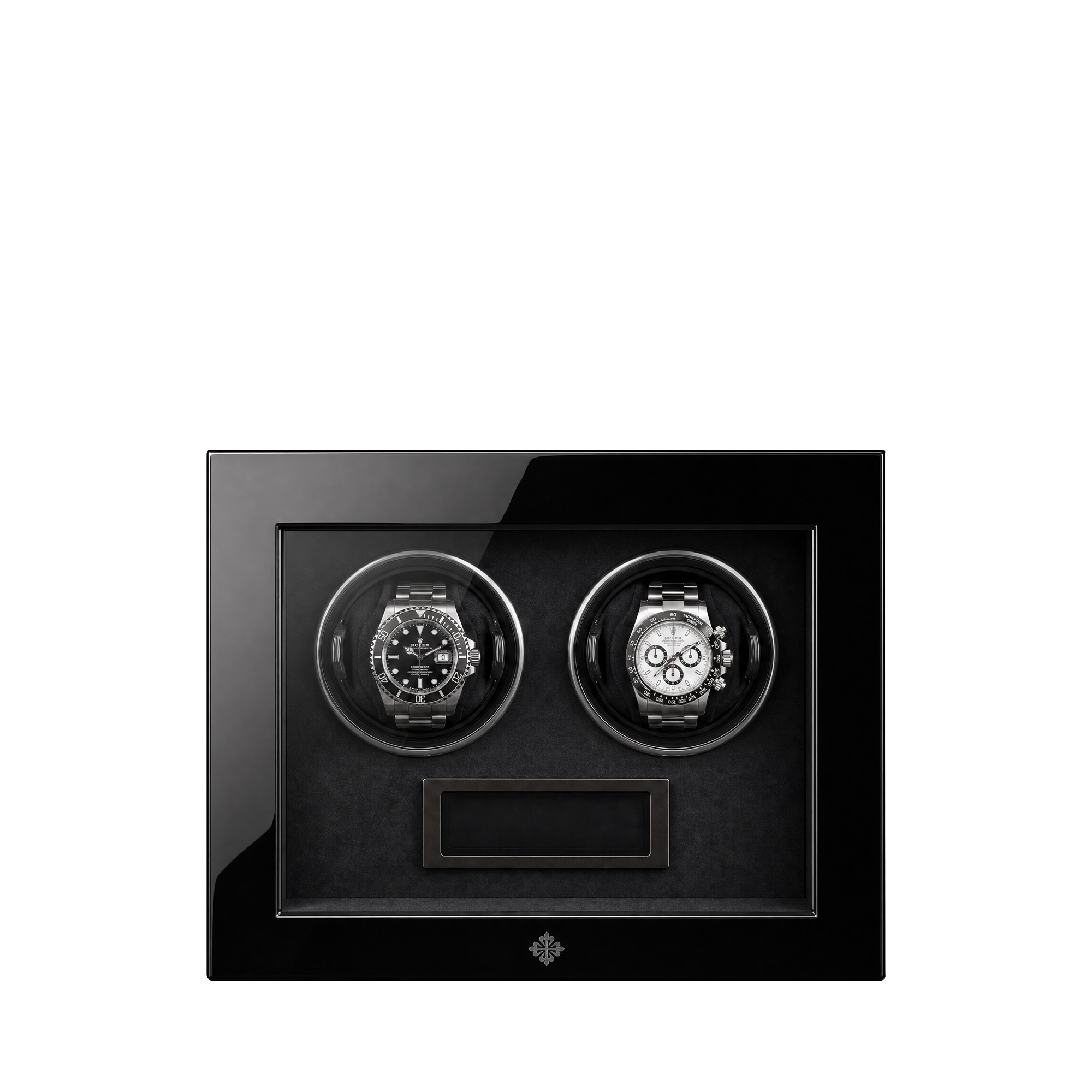
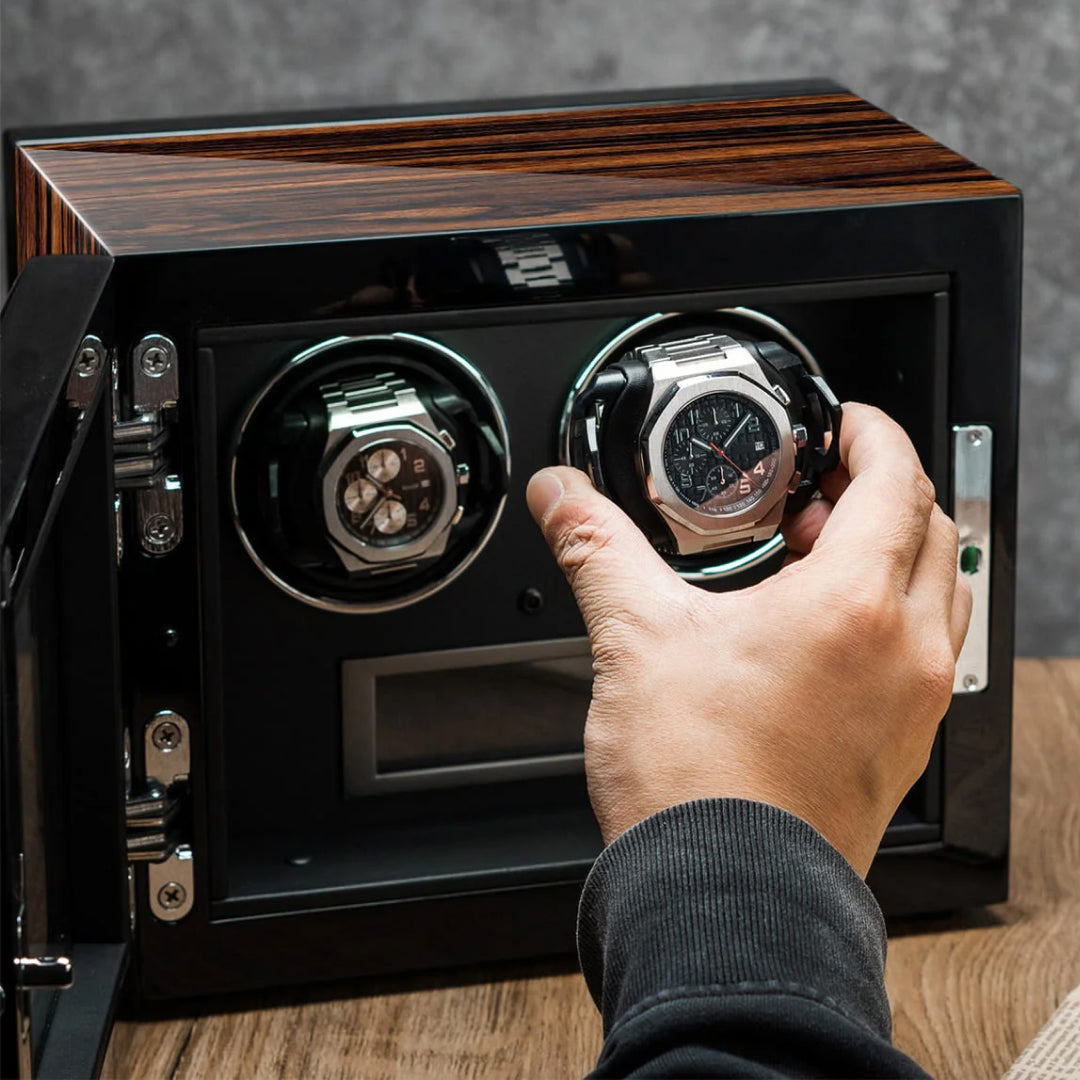
Enclosed winders like the Virtuoso line trap motor sound inside the case. Glass-top winders let sound escape upward. If silence is the priority, go enclosed.
Solid Frame Material
Solid wood or aluminum frames absorb vibration. Hollow plastic amplifies it. Weight is a reasonable proxy. A two-rotor winder over eight pounds has real construction.
Cabinet Isolation
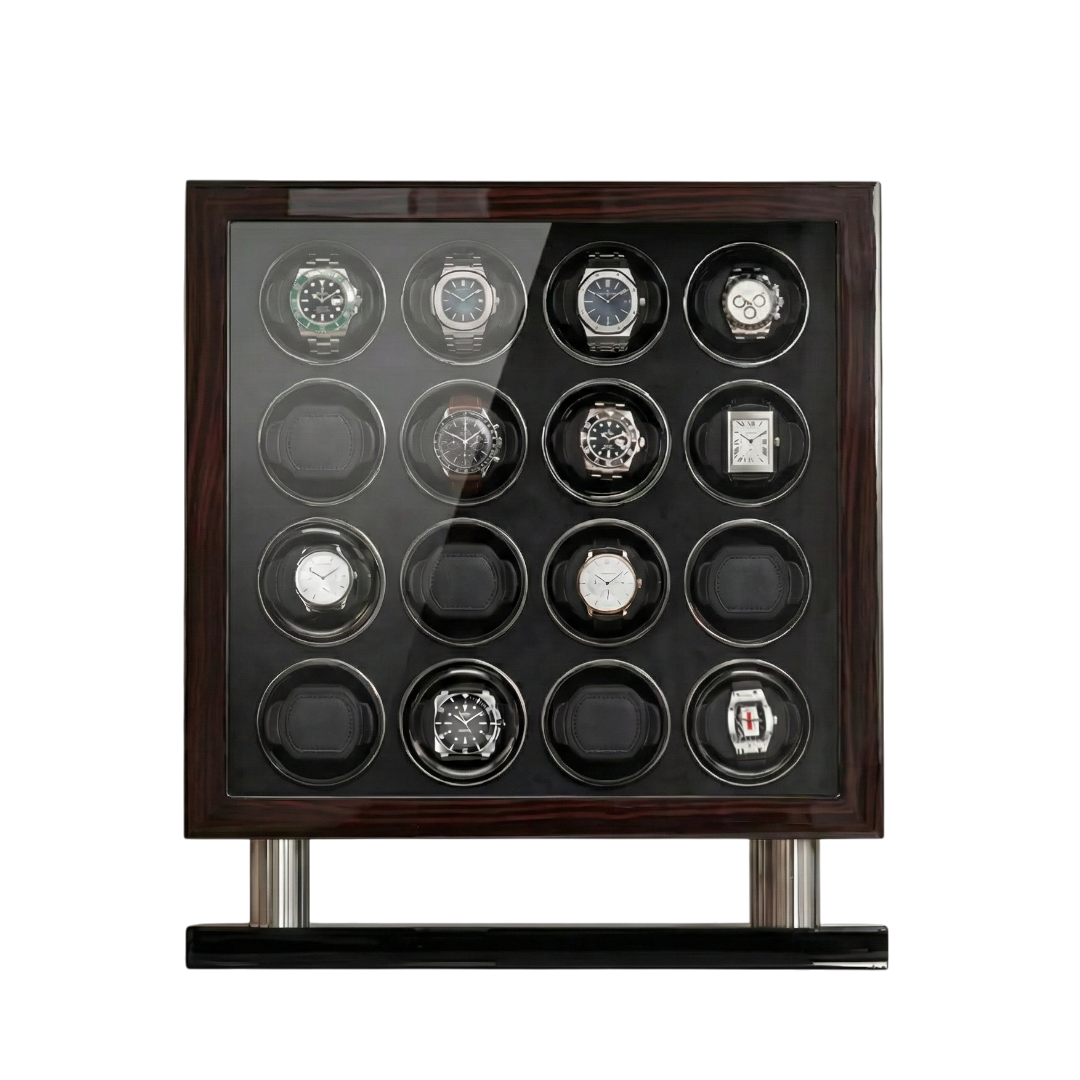
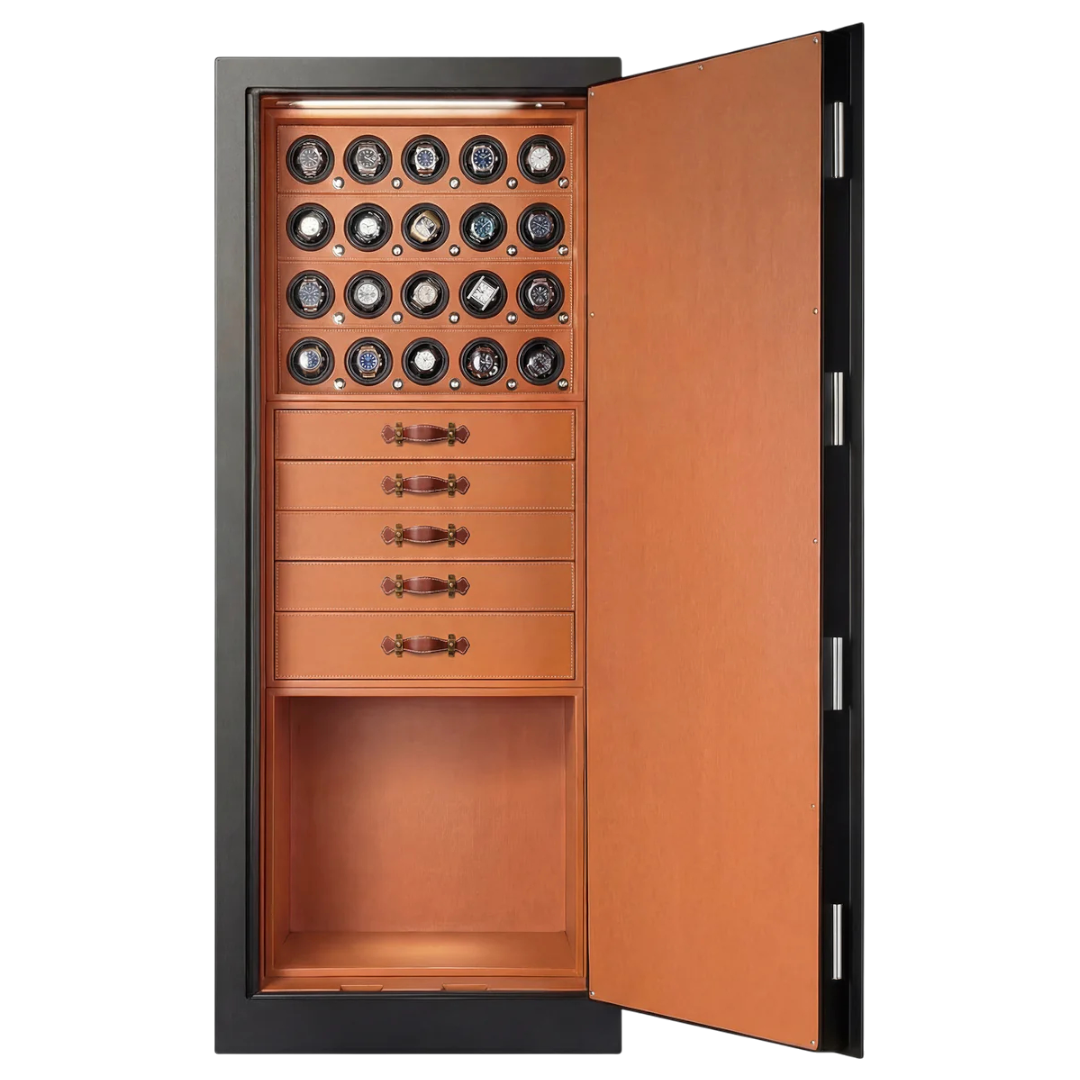
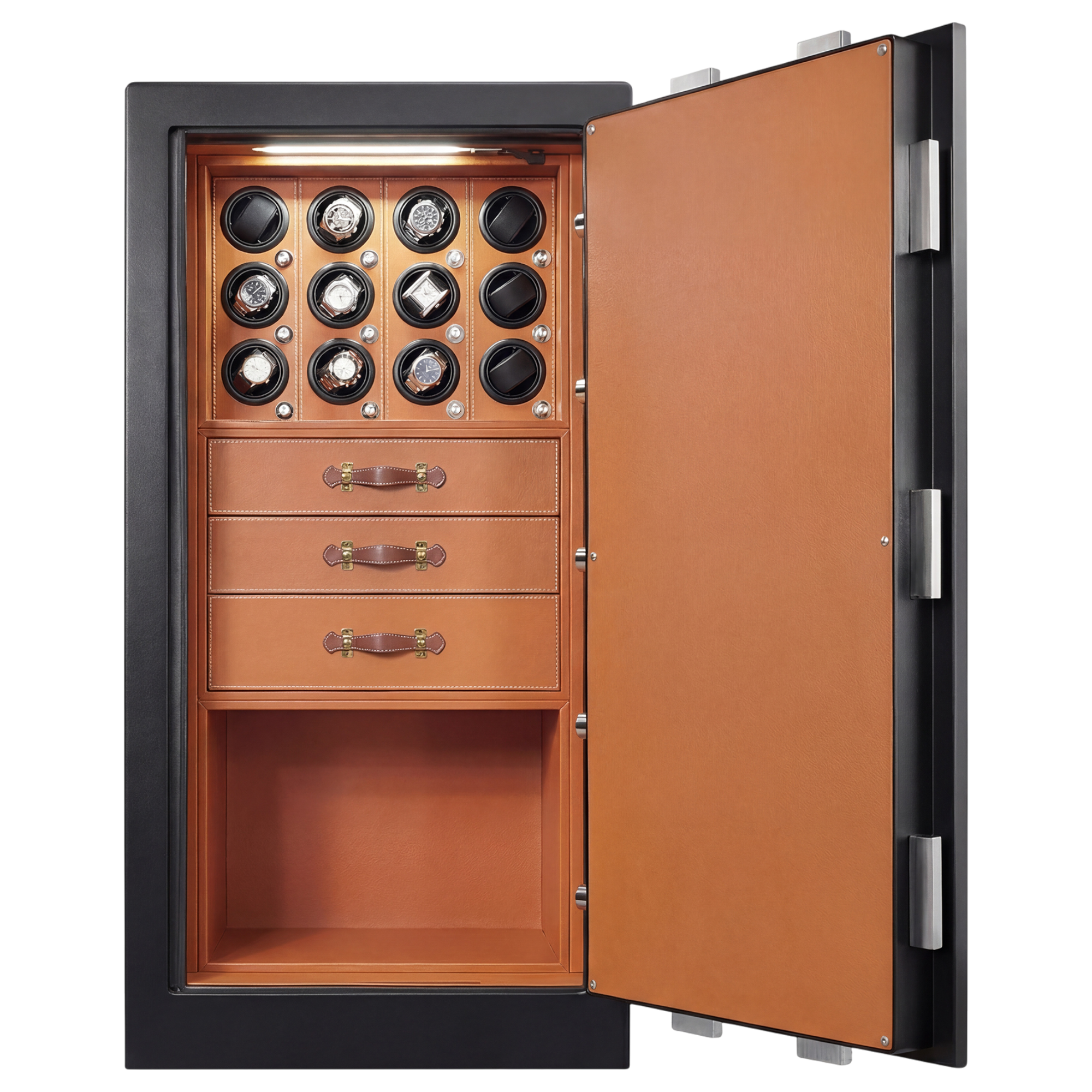
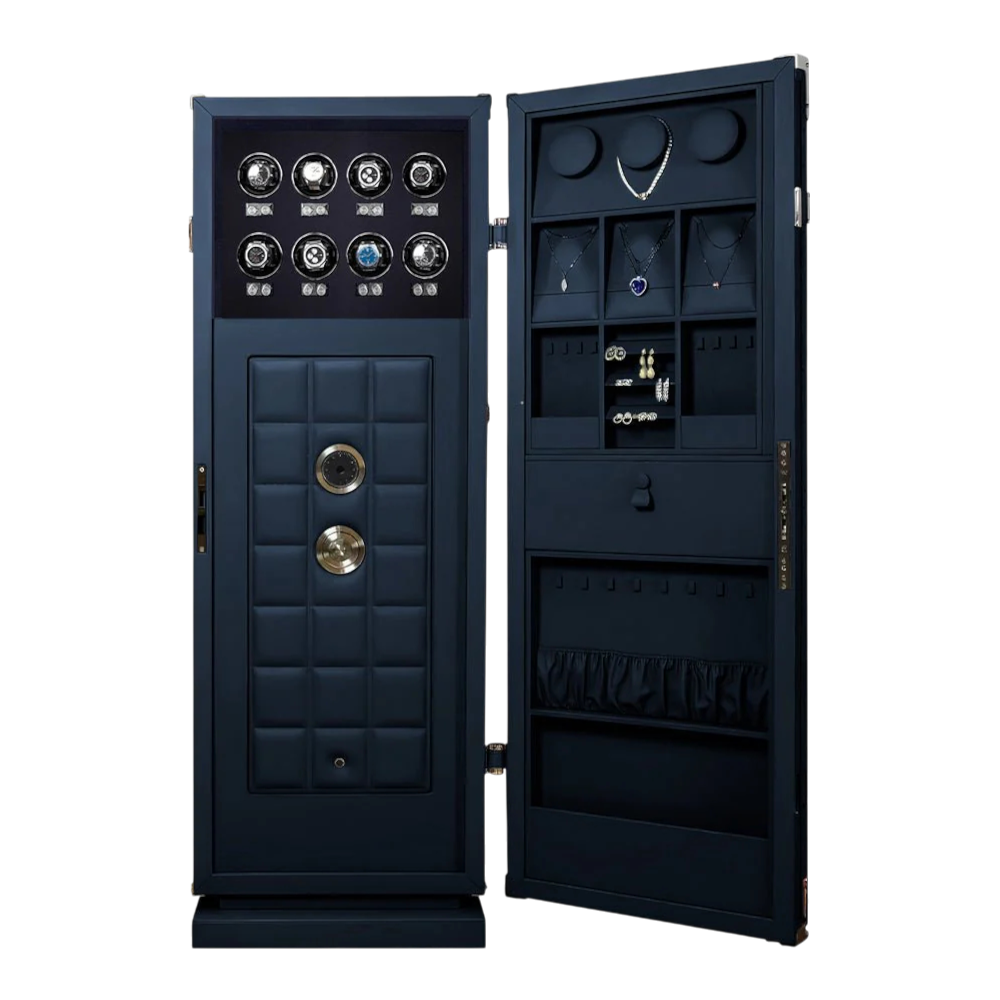
Cabinet-installed winders gain additional isolation from the surrounding furniture. The Enclave and Eterna cabinets are both quieter in use than comparable standalone units because the cabinet walls absorb motor sound.
Quiet Enigwatch Winders, Ranked
Virtuoso Series. Enclosed construction, Mabuchi motors, solid frame. The quietest standalone line in the catalog.
Impresario Series. Glass-top for display, slightly more audible than Virtuoso but still under 15 dB in normal use.
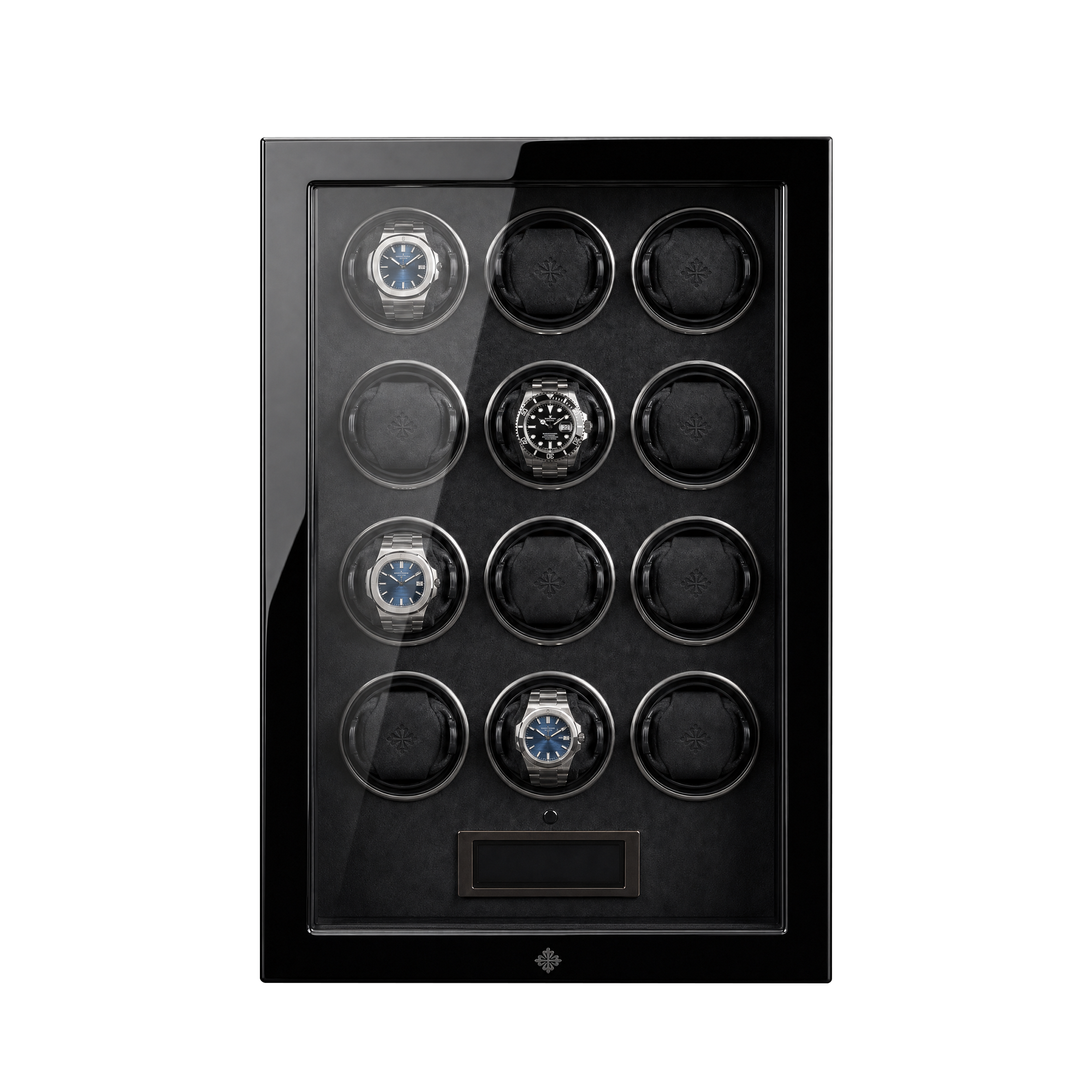
Yachtline Series. Larger capacity, more motors, still quiet. Appropriate for offices where eight-plus watches need to stay wound.
Cabinet integrations. Quietest overall because of the furniture envelope.
Testing Noise Before You Buy
Three tests that tell you if a winder is quiet in practice.
One, turn it on in a quiet room, stand five feet away, and listen. Any audible sound is a problem in a bedroom.
Two, put your hand on the frame. A winder transmitting vibration to the case through the frame will be noisy regardless of motor spec.
Three, run it for 30 minutes. Some winders quiet down as motors warm up. Others get louder. The 30-minute check tells you the real in-use noise.
Common Noise Problems and Fixes
Ticking. Usually a loose rotor mount or worn bearing. Tighten the rotor, or contact the manufacturer.
Humming. Electrical noise from the transformer or control board. Usually a cheap power supply. Check if unit supports a different power adapter.
Clicking. Plastic gear slipping. Not fixable, the gear train is the issue. Replace the unit.
Whirring. Motor bearing wear. On a quality motor, this means the unit is past its lifespan. On a cheap motor, it can happen inside a year.
Frequently Asked Questions
Is any watch winder truly silent?
A quality Mabuchi-equipped winder in a proper enclosure is inaudible in a normal room. In an anechoic chamber you’d hear the motor. In your bedroom, no.
What dB level is safe for a bedroom?
Under 20 dB. Most people don’t notice sound below that threshold while sleeping. Light sleepers should aim for under 15 dB.
Does a multi-rotor winder get louder linearly?
No, sound stacks logarithmically. A 6-rotor Mabuchi unit is roughly 3 dB louder than a single-rotor, not 6x. Still quiet.
Will a silent winder stay silent over years?
Mabuchi motors hold quiet operation for 15 to 20 years. Cheap motors get louder inside two years as bearings wear. Motor quality is the single biggest factor in long-term silence.
Do glass-top winders make more noise?
Slightly. Glass doesn’t absorb sound the way an enclosed body does. The difference is 2 to 4 dB, not dramatic.
What about silent mode features?
Silent mode usually means the winder pauses overnight, not that it runs quieter. Useful for ultra-sensitive sleepers. Not a replacement for quiet motors.
Can I put a winder on fabric to muffle sound?
Yes, a felt pad or small rug under the winder reduces vibration transmission to the surface. Don’t block ventilation if the unit has venting.
What to Buy
For bedrooms, go enclosed and Mabuchi. The Virtuoso 2 or Virtuoso 6 are the quietest standalone options.
For offices or dressing rooms, the Impresario line balances display and quiet operation.
For collections that justify it, the Enclave cabinet adds additional silence through the furniture envelope. Also see how to choose a watch winder for the full decision framework.
Protect Your Watch Collection
Designed for collectors who demand the best. Explore our premium watch winders and luxury safes.
Protect Your Watch Collection
Designed for collectors who demand the best. Explore our premium watch winders and luxury safes.