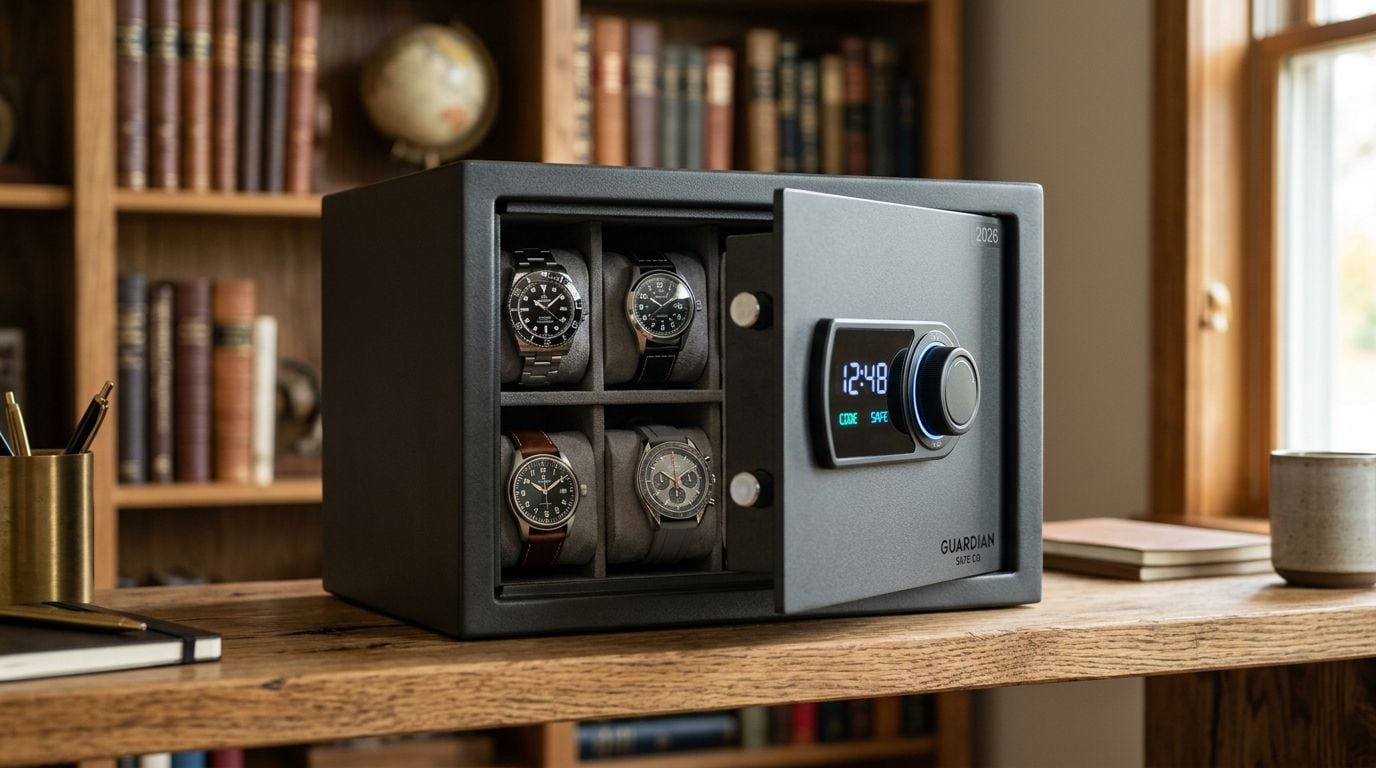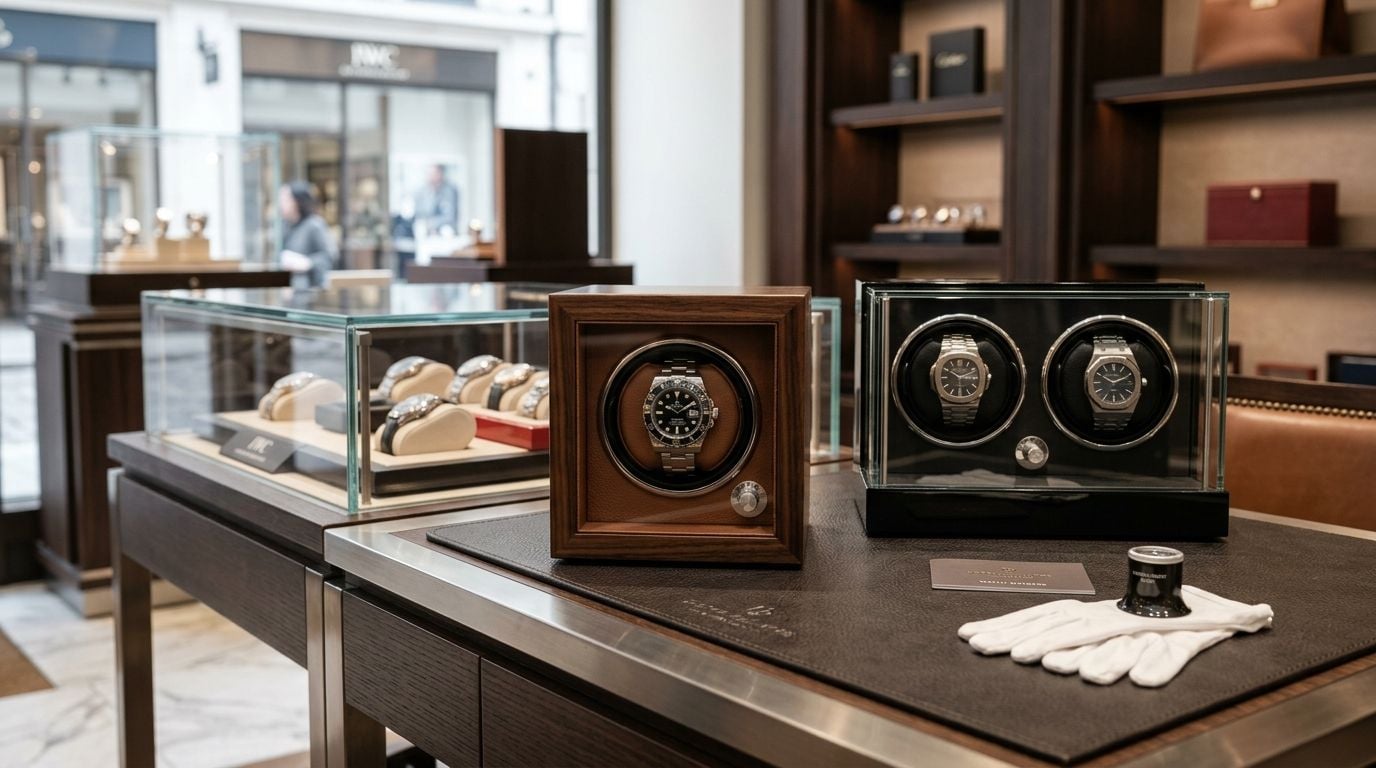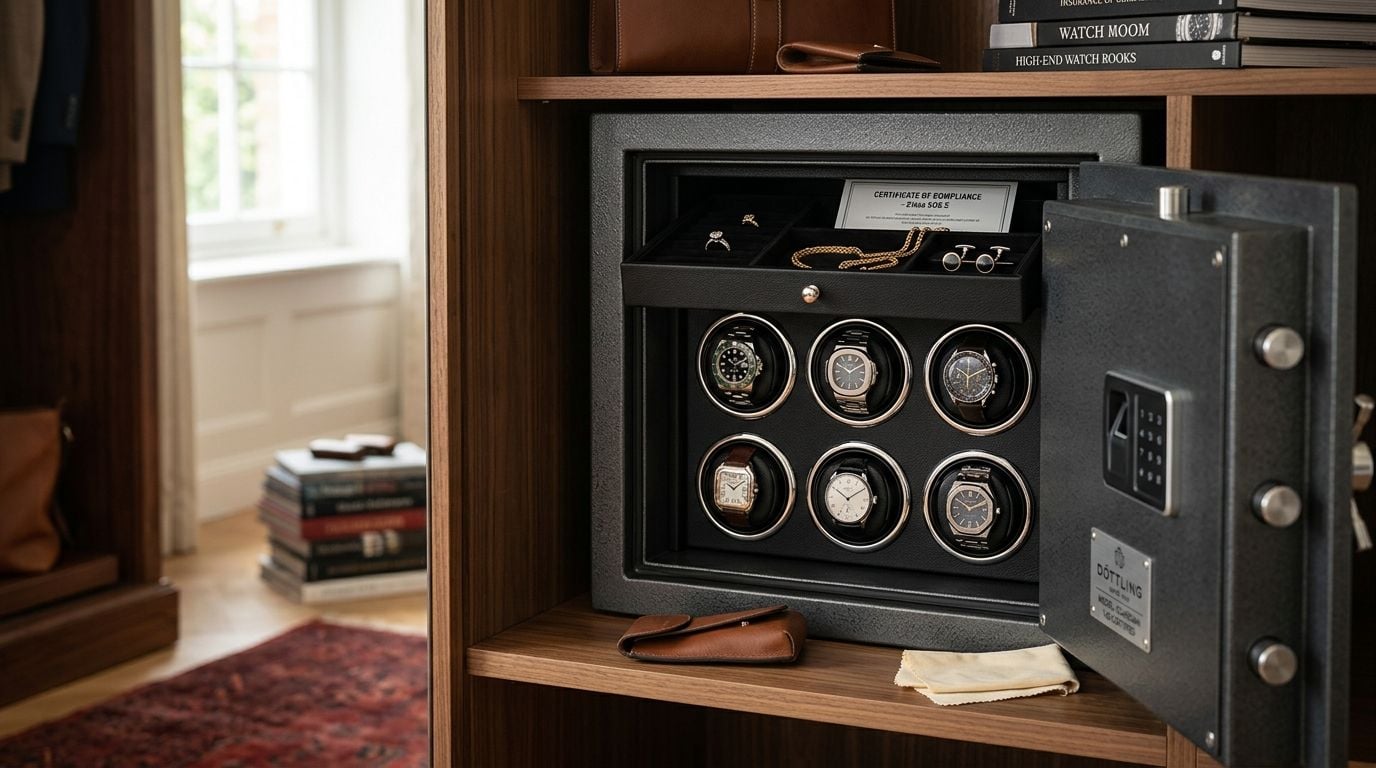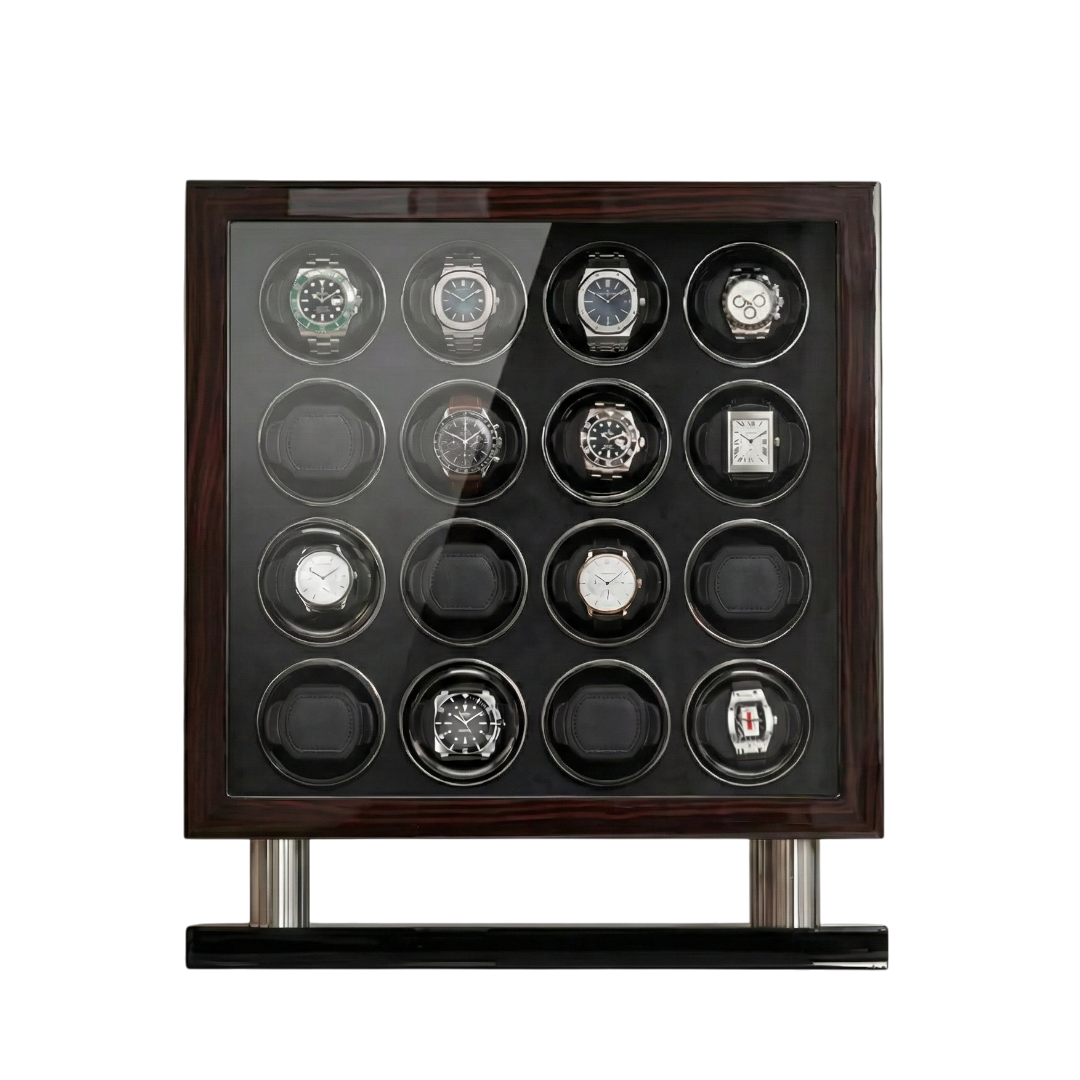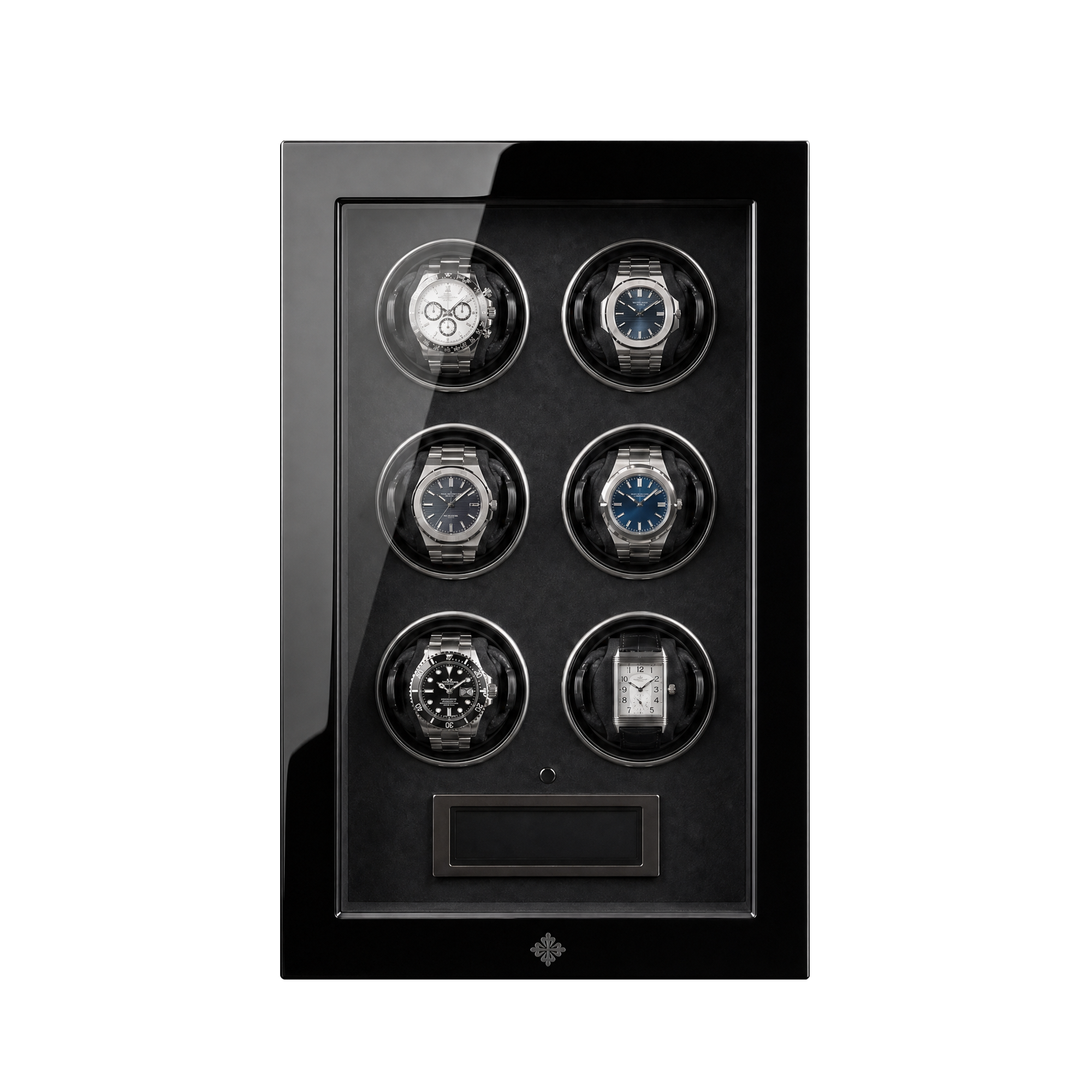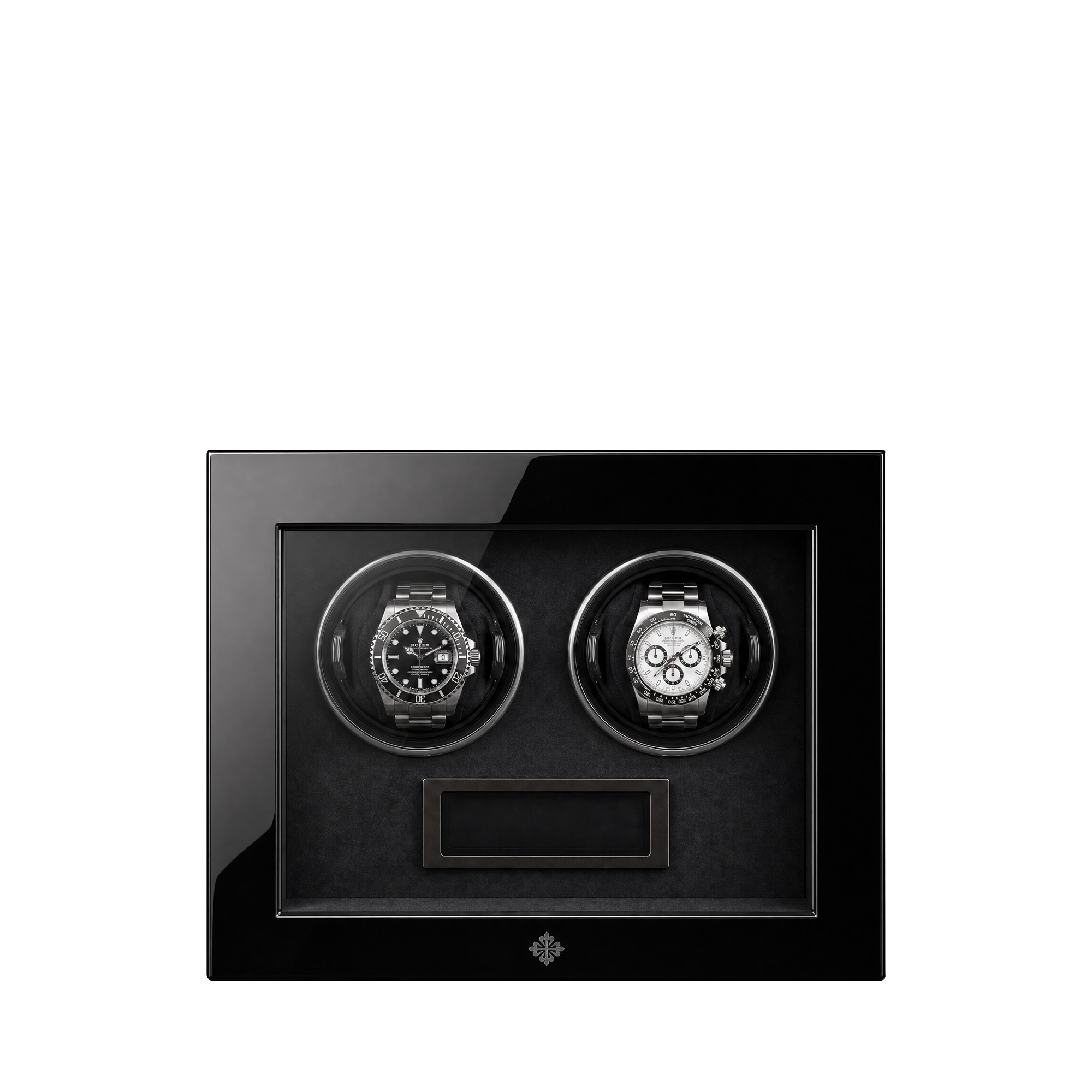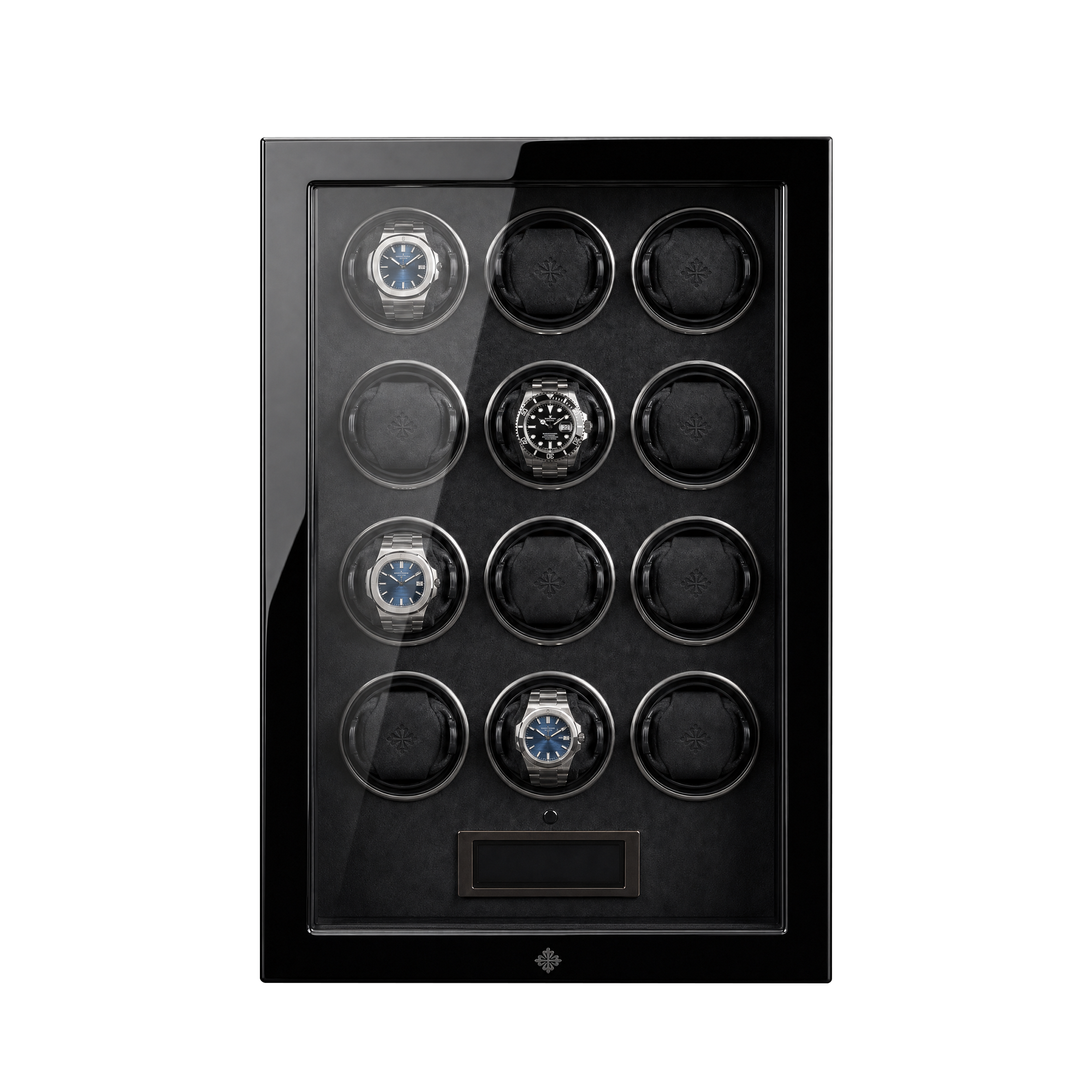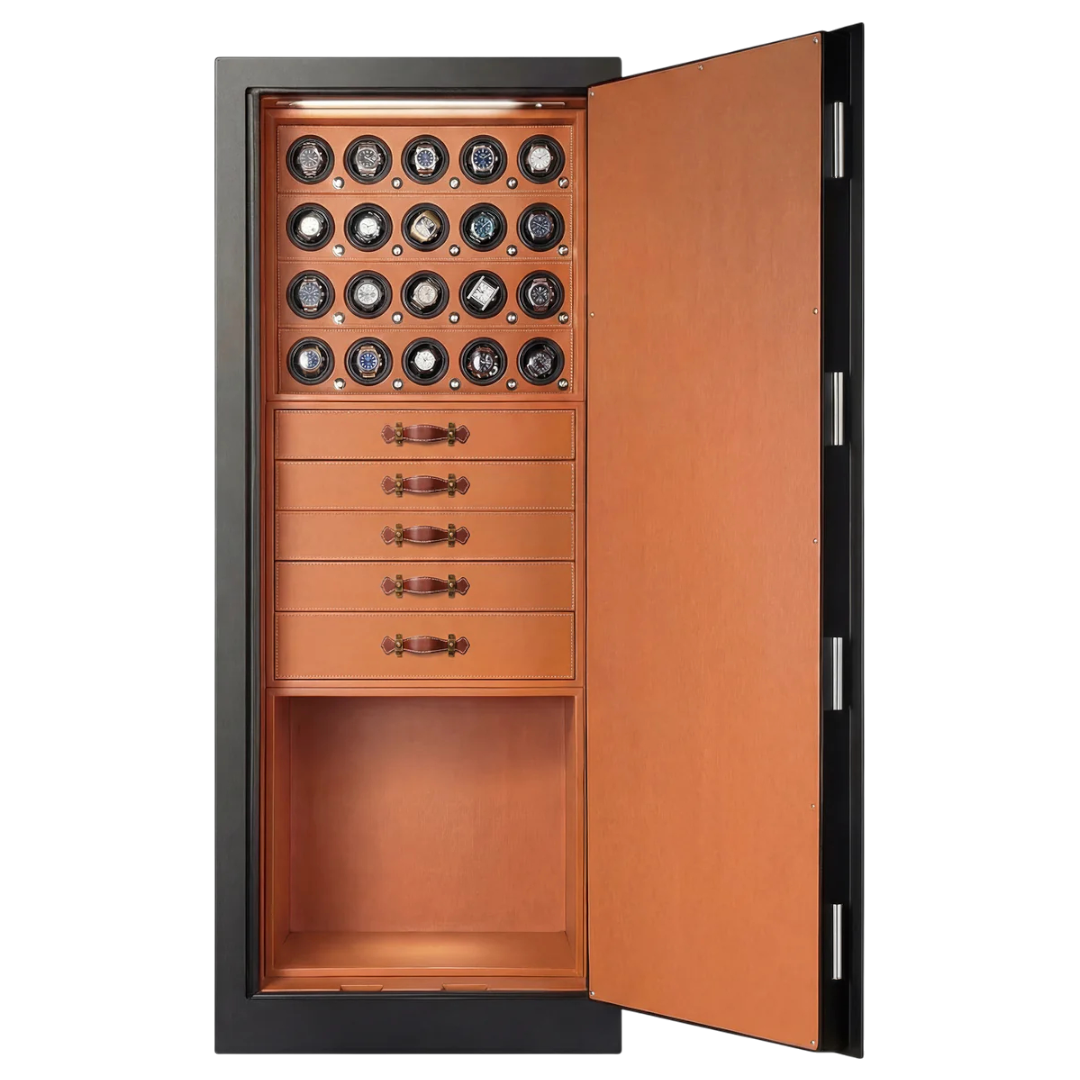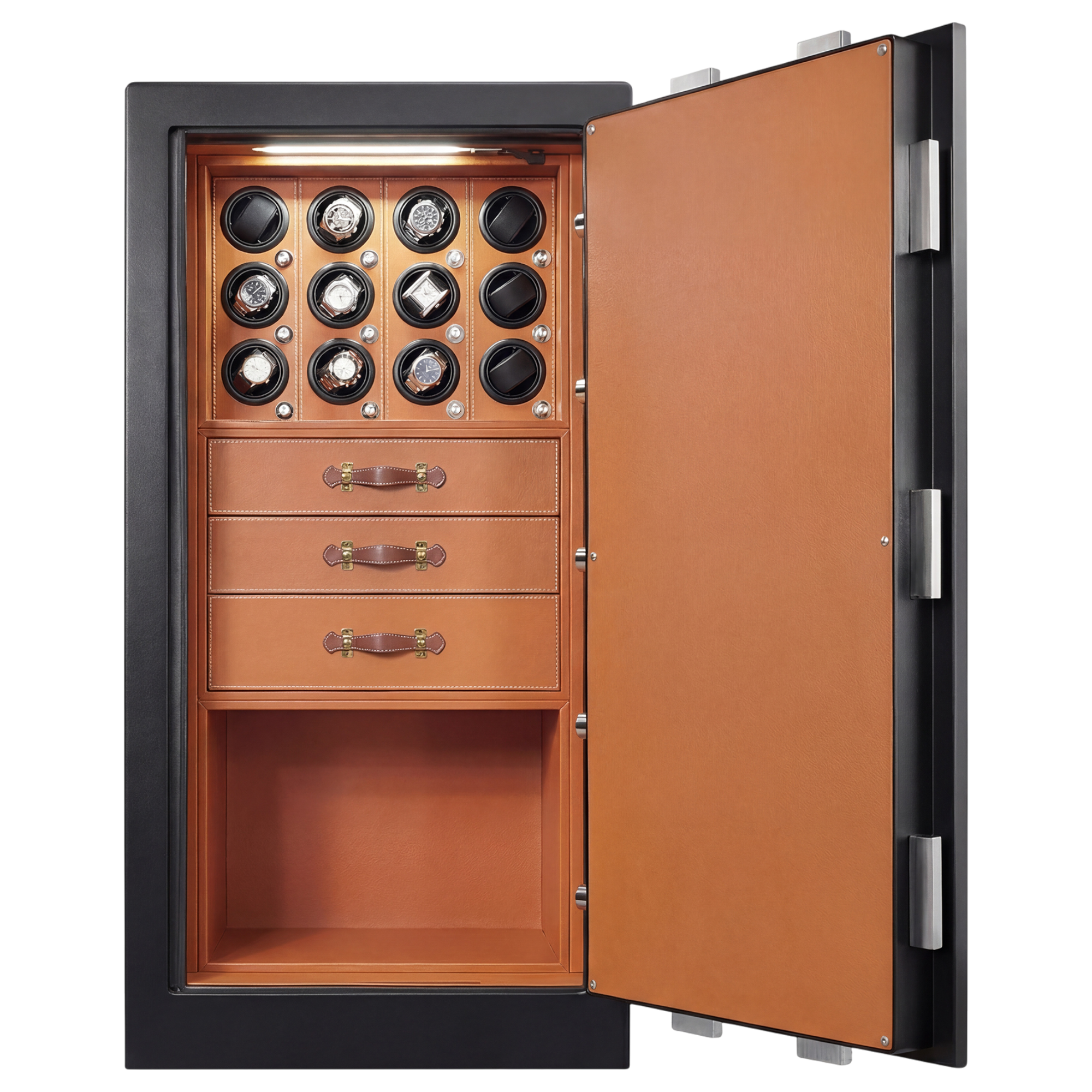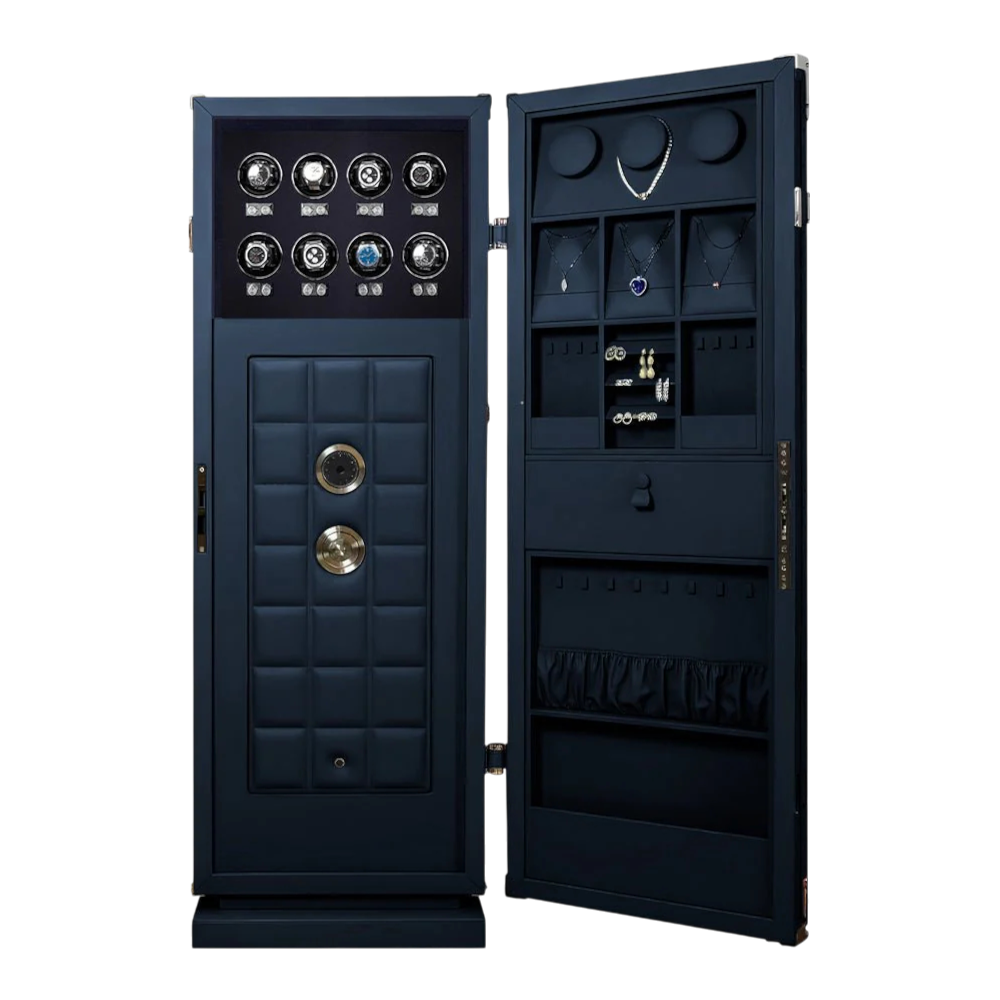

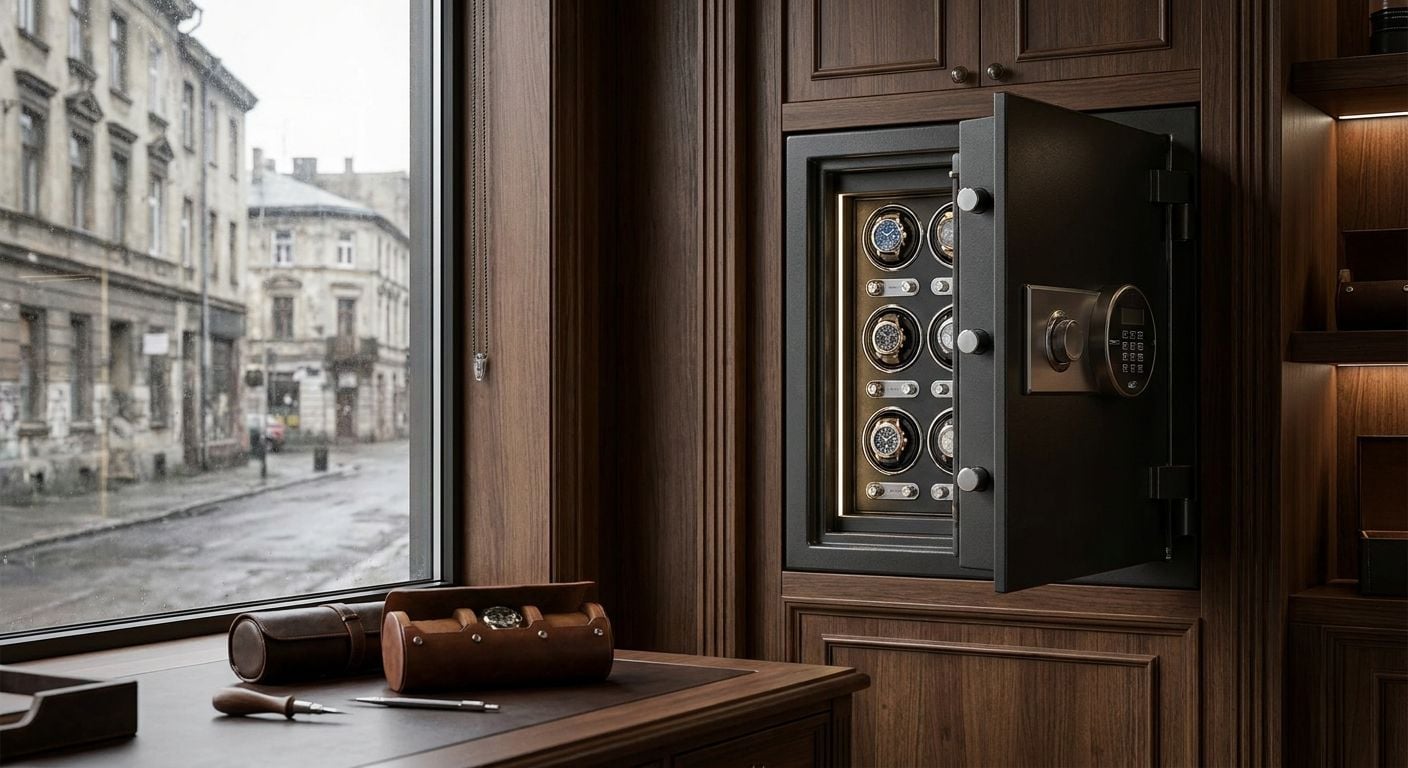
A watch safe for a collector in a high-crime area is a different purchase than a safe for a quiet suburb. The threat model changes the specification: burglary rating, anchoring, and lock type move from nice-to-have to non-negotiable.
- A watch safe for high crime area use needs a UL TL-30 rating or higher, not a decorative fire box.
- Bolt-down anchoring to a stud or concrete slab is mandatory — an unanchored safe is a bag for a burglar.
- Biometric locks with a mechanical key backup outperform combination-only locks under forced-entry testing.
- The vault-room build earns a Buy verdict for collections over 12 pieces; freestanding units are a Consider at best.
Why this matters
Burglary crews target watch collections specifically now, and they know what a jewelry armoire looks like versus a real safe. The distinction that actually stops a break-in is spelled out in UL burglary rating numbers — TL-15 and TL-30 designations describe tested resistance to common tools for a fixed working time, not marketing copy.
A safe rated for a low-crime home (basic residential fire box, no UL burglary rating) gives a determined intruder five minutes and a pry bar. That is not acceptable when the collection sitting inside is worth more than the house around it. In 2026, insurers underwriting high-value watch policies increasingly ask which UL rating the safe carries before they'll issue coverage above a certain threshold.
Who this is for
This guide is for the collector who owns pieces worth defending specifically — Patek Philippe, Rolex, Audemars Piguet, Richard Mille — and lives somewhere with documented break-in risk: an urban core, a neighborhood with a recent history of home invasions, or a property that's been targeted before. If your collection is three quartz watches worth a few hundred dollars combined, this level of hardware is overkill. If it's six figures or more, treat the safe as insurance infrastructure, not furniture.
What to look for in a watch safe for high crime areas
UL burglary rating, not just fire rating
Most safes sold to consumers carry a fire rating and nothing else. A fire rating tells you how long the interior stays below a damaging temperature; it says nothing about resistance to prying, drilling, or torching. For a high-crime property, look specifically for a UL TL-15 or TL-30 designation — these ratings measure resistance to common hand and power tools for a certified working time, and TL-30 is the meaningful threshold for anything holding a serious collection.
Lock type: biometric with mechanical backup
A biometric lock watch safe removes the weakest point in most break-ins: the combination written down somewhere, or shared with a contractor who shouldn't have it. Fingerprint access paired with a mechanical key override gives you speed of access and a fallback if the electronics fail during a power outage.
Anchoring to the structure
A safe that isn't bolted to a stud wall or a concrete slab is portable — burglars have carried entire safes out of homes in under three minutes. Anchoring converts the safe from a target into a fixture. This single step does more for real-world security than almost any lock upgrade.
Door and body steel gauge
The rated body is only as strong as the door. A safe with a thin door and a heavy body is a common failure point buyers miss because the body looks imposing in a showroom. Ask specifically about door thickness and relocking mechanisms — a safe with active relockers triggers additional bolts if the primary lock is attacked.
Alarm and monitoring integration
A standalone safe delays an intruder; an alarm-integrated safe alerts someone while the delay is happening. Pairing the unit with a monitored alarm system closes the gap between "the safe held" and "someone showed up."
See Enigwatch vault-grade safes
Browse burglary-rated storage built for serious collections.
Top picks by scenario
The apartment compromise — for renters who can't drill into walls. A heavy freestanding unit with a TL-15 rating and a weighted, non-anchored footprint is the realistic option when a lease forbids modification. It won't stop a crew with a dolly and time, but it removes the casual, opportunistic theft that accounts for most residential break-ins. Full context on working within lease restrictions is in renters who can't drill into walls. Verdict: Consider.
The vault-room build — for collections over 12 pieces. A dedicated small room with a TL-30-rated wall safe, biometric access, and its own alarm zone is the answer for anyone treating their collection as a real asset class. This is the setup serious collectors move toward once a single safe can't hold everything and the insurance appraisal starts requiring documented security measures — the full approach is covered in walk-in vault room. Verdict: Buy.
The condo middle ground. A concealed in-wall unit, anchored to studs and hidden behind a closet panel or false wall section, gives you real anchoring without the room-scale commitment of a vault build. It's the right call for a collector with eight to fifteen pieces and no interest in a dedicated room. Verdict: Consider.
What to avoid
- Jewelry armoires marketed as safes. They look secure and have a lock, but almost none carry a UL burglary rating — they're deterrence theater, not resistance.
- Combination-only locks with no mechanical backup. Fine for low-risk environments, a liability in a high-crime area where forced entry, not lock-picking, is the actual threat.
- Any safe left unanchored "because it's heavy." Weight alone doesn't stop a two-person crew with a hand truck; anchoring does.
Verdict comparison
| Configuration | UL Rating | Anchoring | Lock | Verdict |
|---|---|---|---|---|
| Apartment freestanding | TL-15 | Weighted, no anchor | Biometric + key | Consider |
| Condo in-wall unit | TL-15/TL-30 | Bolted to studs | Biometric + key | Consider |
| Vault-room wall safe | TL-30+ | Bolted to concrete | Biometric + duress code | Buy |
| Decorative armoire | None | None | Combination only | Skip |
FAQ
What’s the best watch safe for high crime areas?
A UL TL-30 rated safe, bolted to a stud wall or concrete slab, with a biometric lock and mechanical key backup is the strongest realistic option in 2026. Freestanding units without anchoring or a burglary rating fall short regardless of price.
Is a biometric lock better than a combination lock for security?
Biometric locks remove the risk of a written-down or shared combination, which is a common failure point in real break-ins. Pair one with a mechanical key override so a dead battery or power outage never locks you out.
How much does a burglary-rated watch safe cost in 2026?
Burglary-rated luxury watch safes generally run from roughly $5,000 to over $21,000 depending on size, materials, and lock configuration. Fire-only boxes without a UL burglary rating cost less but offer far weaker resistance to forced entry.
Do I need to bolt down a watch safe if it’s already heavy?
Yes. Weight alone doesn’t stop a two-person crew with a hand truck or dolly, and unanchored safes have been carried out of homes in under three minutes. Anchoring to a stud or concrete slab is the single highest-value security step you can take.
What UL rating should a watch safe have for a high-risk neighborhood?
Look for TL-30 or higher, which certifies resistance to common power and hand tools for a fixed working time. TL-15 is acceptable for lower-risk scenarios but leaves more margin for a determined intruder.
Can renters install a real security safe without violating a lease?
Yes, with a heavy freestanding TL-15 rated unit that isn’t bolted into the structure, though it trades some security for lease compliance. It still deters casual and opportunistic theft, which covers most residential break-ins.
Does an alarm system make a watch safe more effective?
Alarm integration closes the gap between a safe delaying an intruder and someone actually responding. A monitored alarm zone around the safe location adds a layer that the safe alone can’t provide.
How many watches justify a vault-room build instead of a single safe?
Collections over roughly 12 pieces, or any collection where the total value drives insurance requirements, typically justify a dedicated vault room. Below that, a single TL-30 rated wall or in-wall unit is usually sufficient.
One last thing
Insurance appraisers increasingly ask for the UL rating certificate before finalizing coverage on a collection above a set value, not just a photo of the safe. Keep the rating documentation with your appraisal paperwork, not just in a drawer near the safe itself — if the safe is ever compromised, that paperwork is what proves you met the standard your policy required.
Related guides
Protect Your Watch Collection
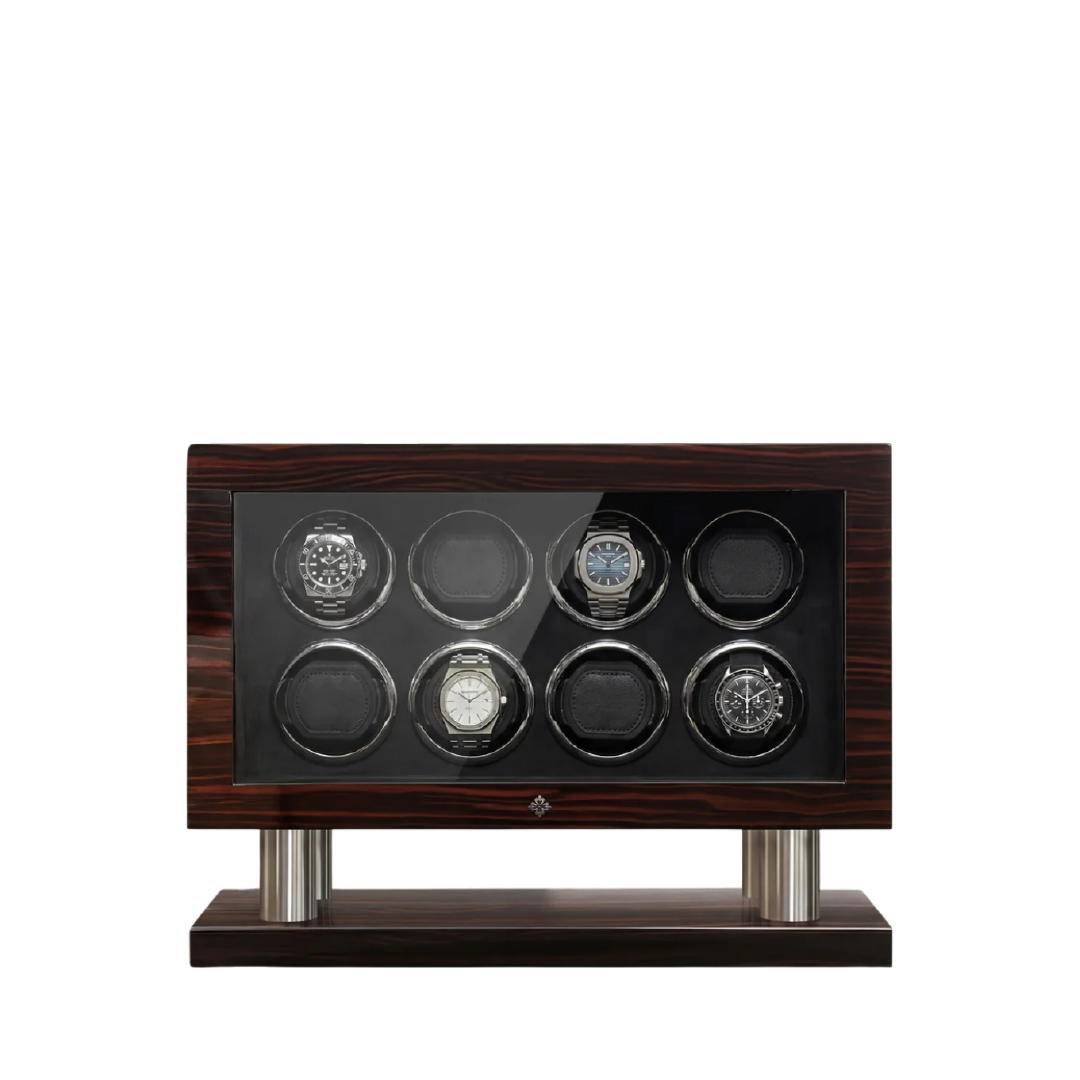
Designed for collectors who demand the best. Explore our premium watch winders and luxury safes.